- Home About RM Minerals
- Virtual Photo Museum Blog RM Contact
- Microscopy and instruments How to Buy Disclaimer
Copyright 2010-2026
www.rosellminerals.com



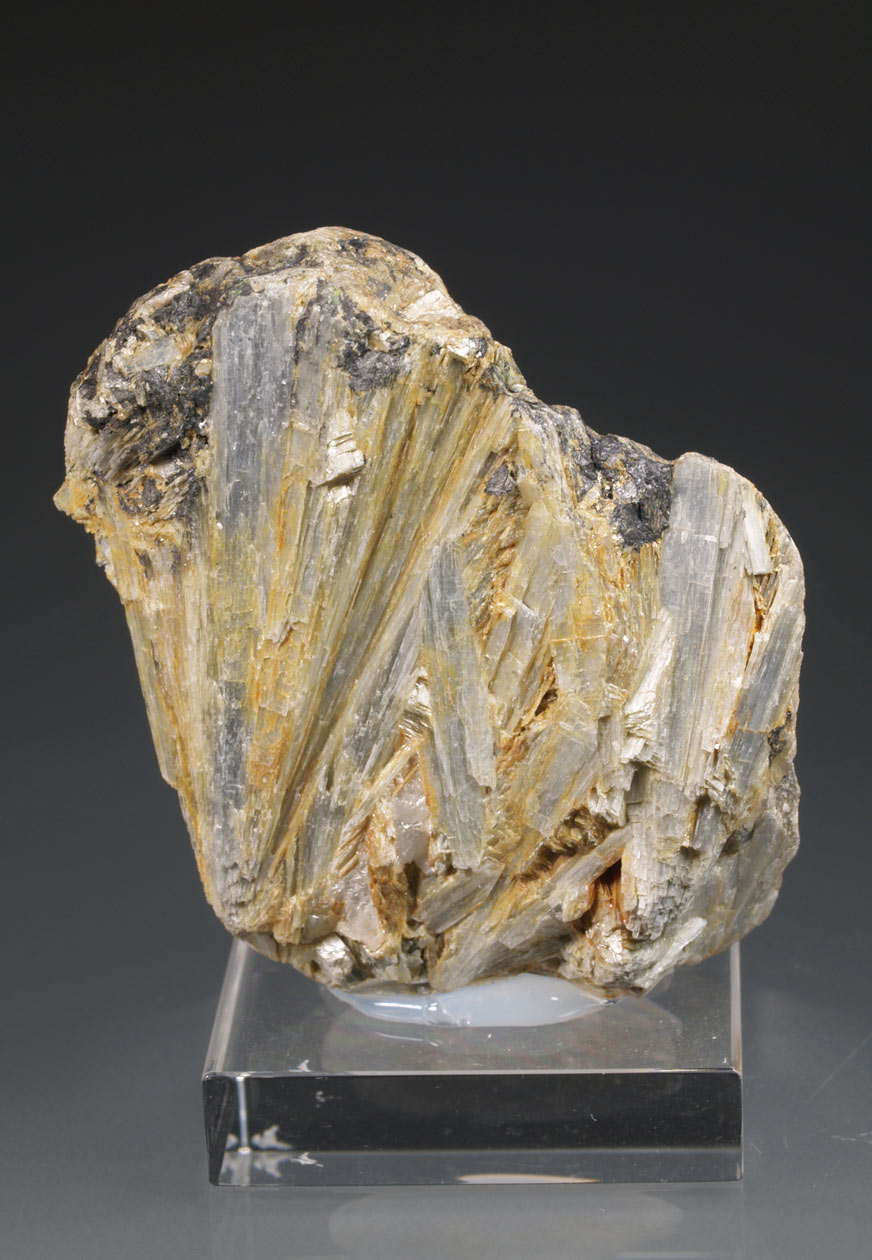
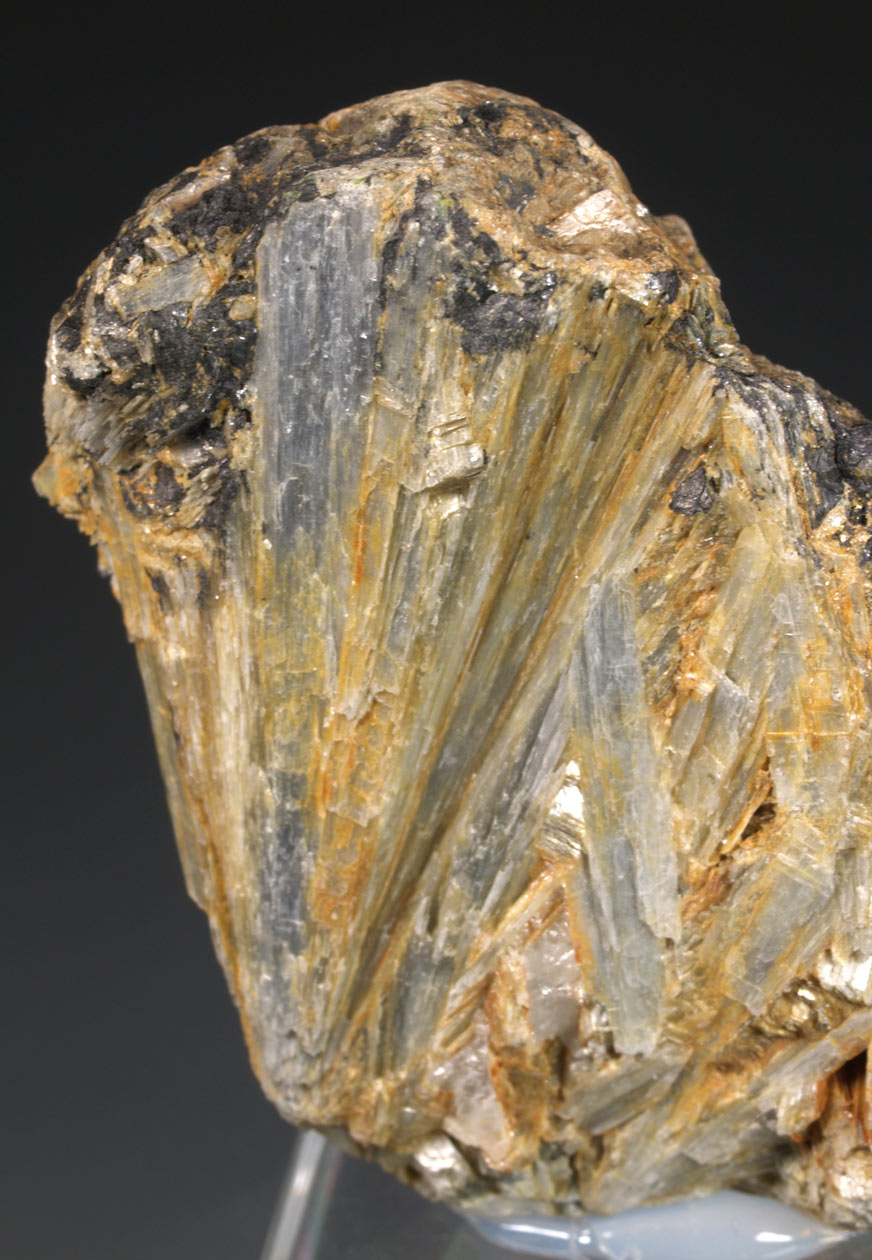
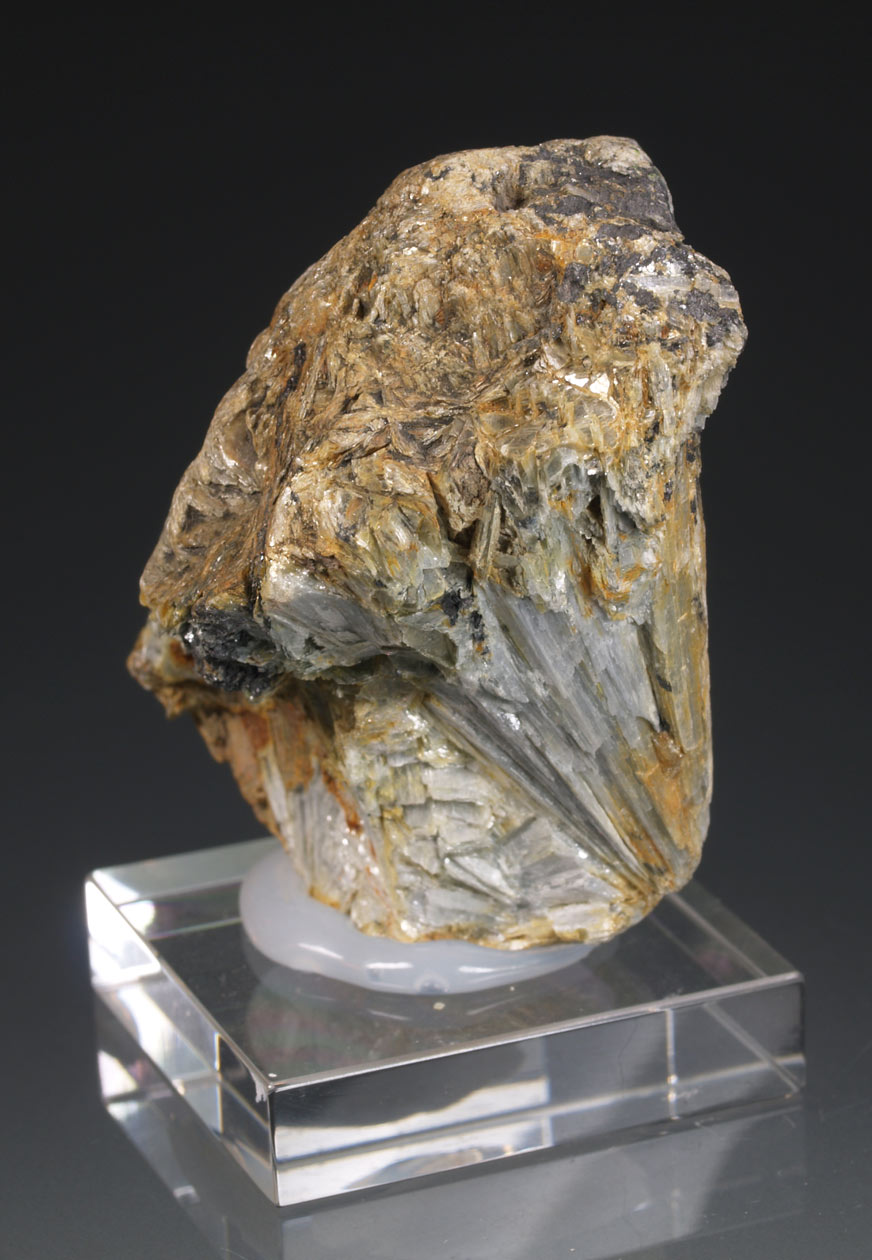
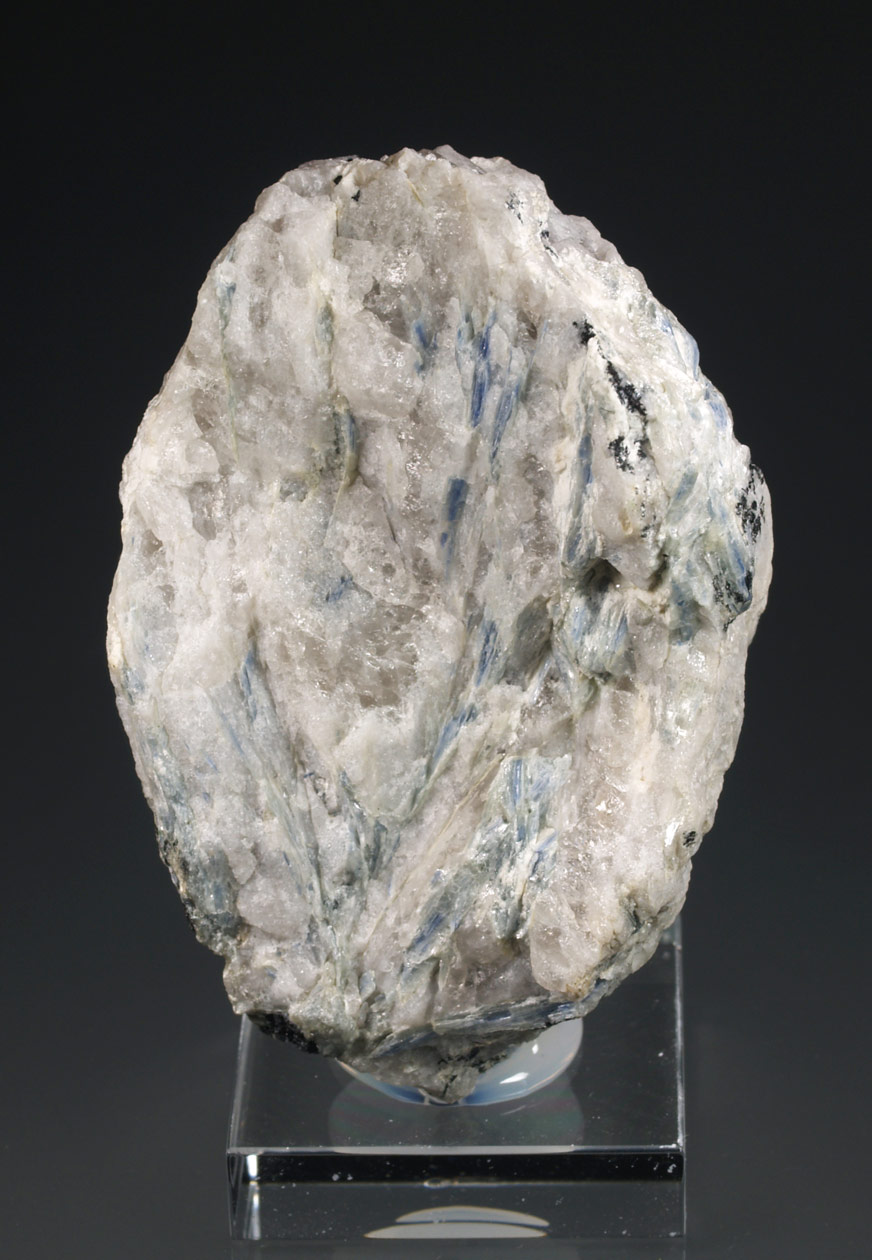
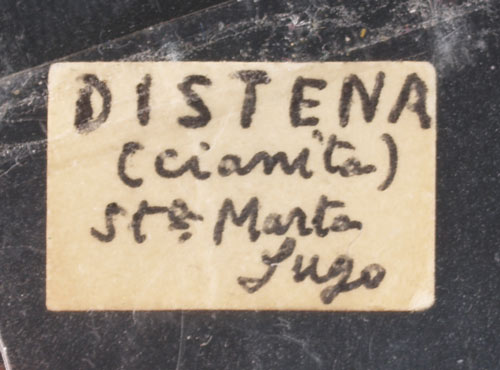
This interesting sample of kyanite is accompanied by a small label indicating that it is from Santa Marta, in Lugo. The only town like "Santa Marta" would be Santa Marta de Fixós, but we cannot confirm that it comes from that area. Similar pieces have been collected in Muras, also in Lugo.
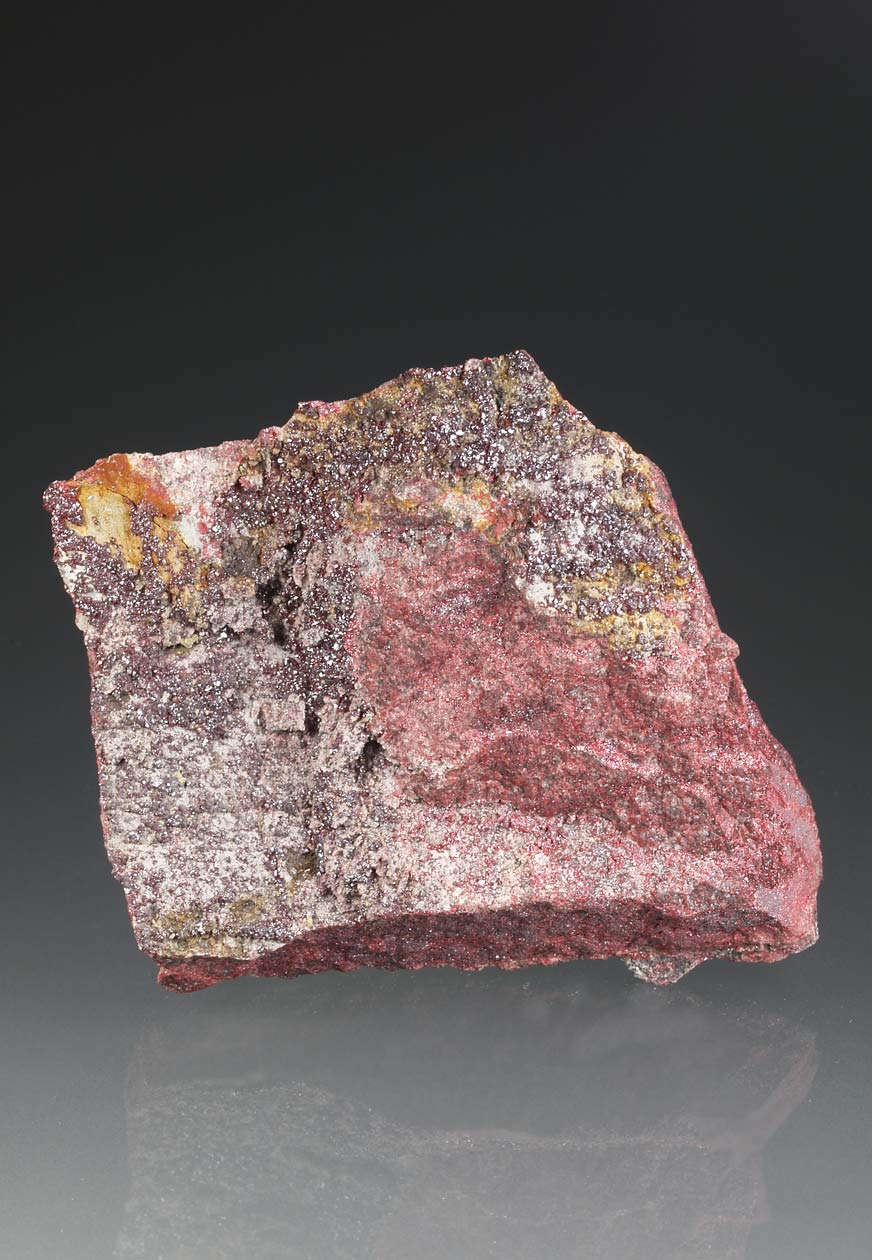
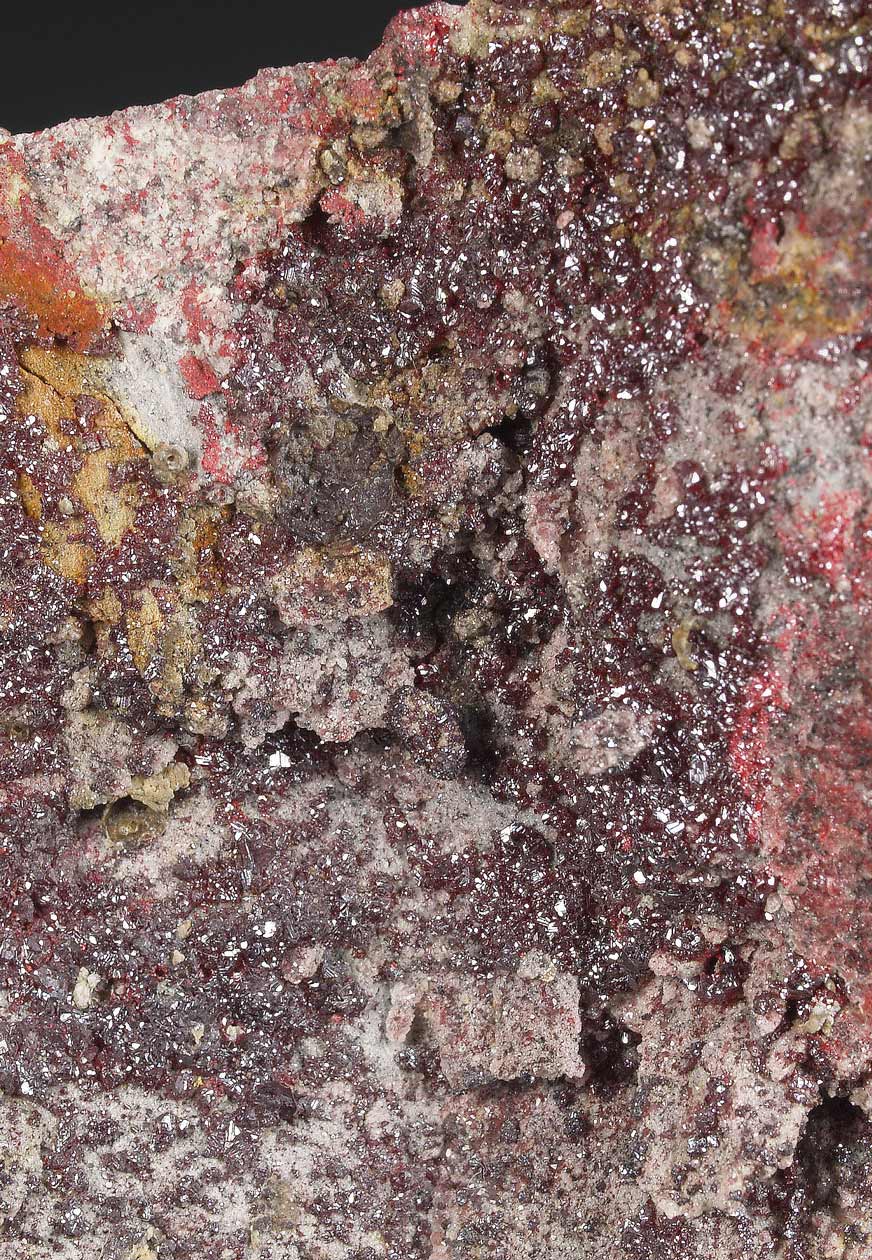
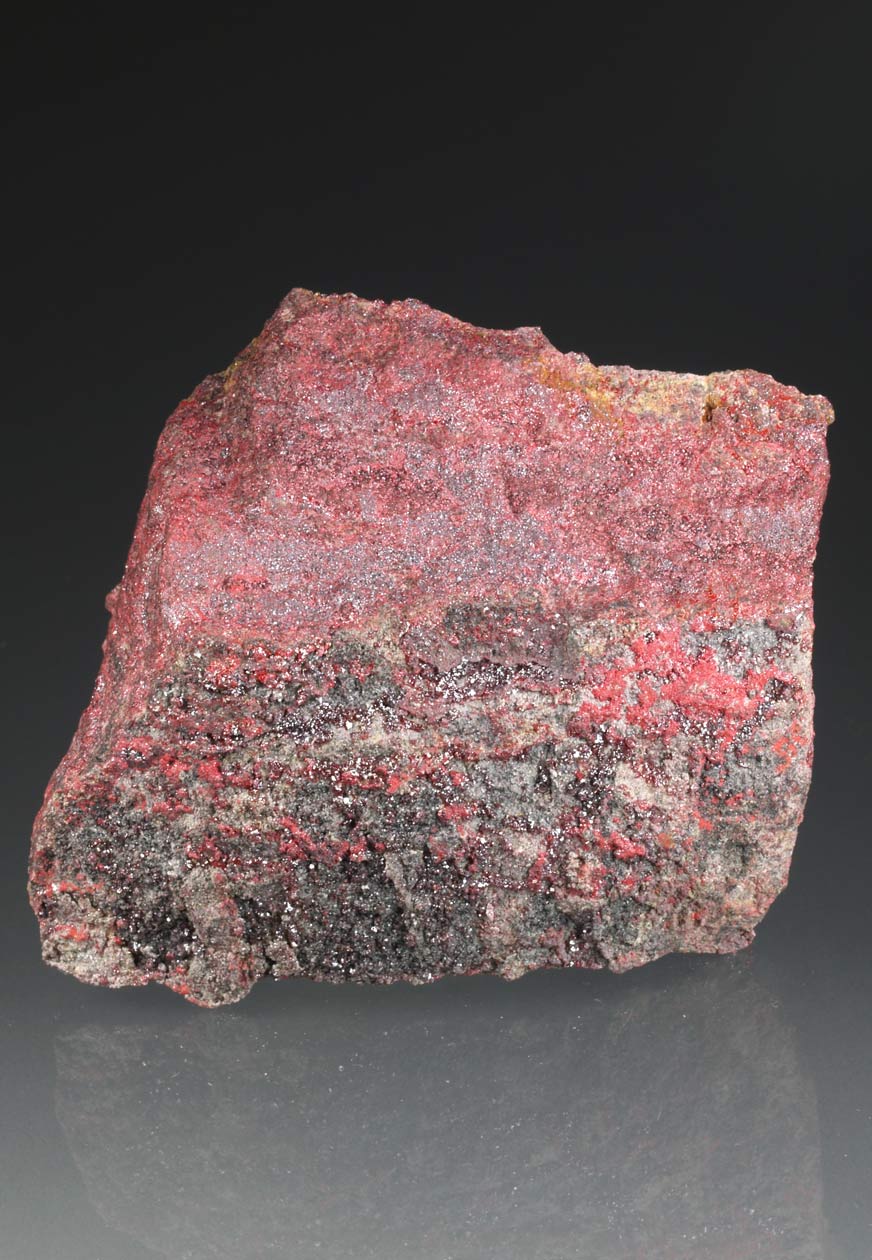
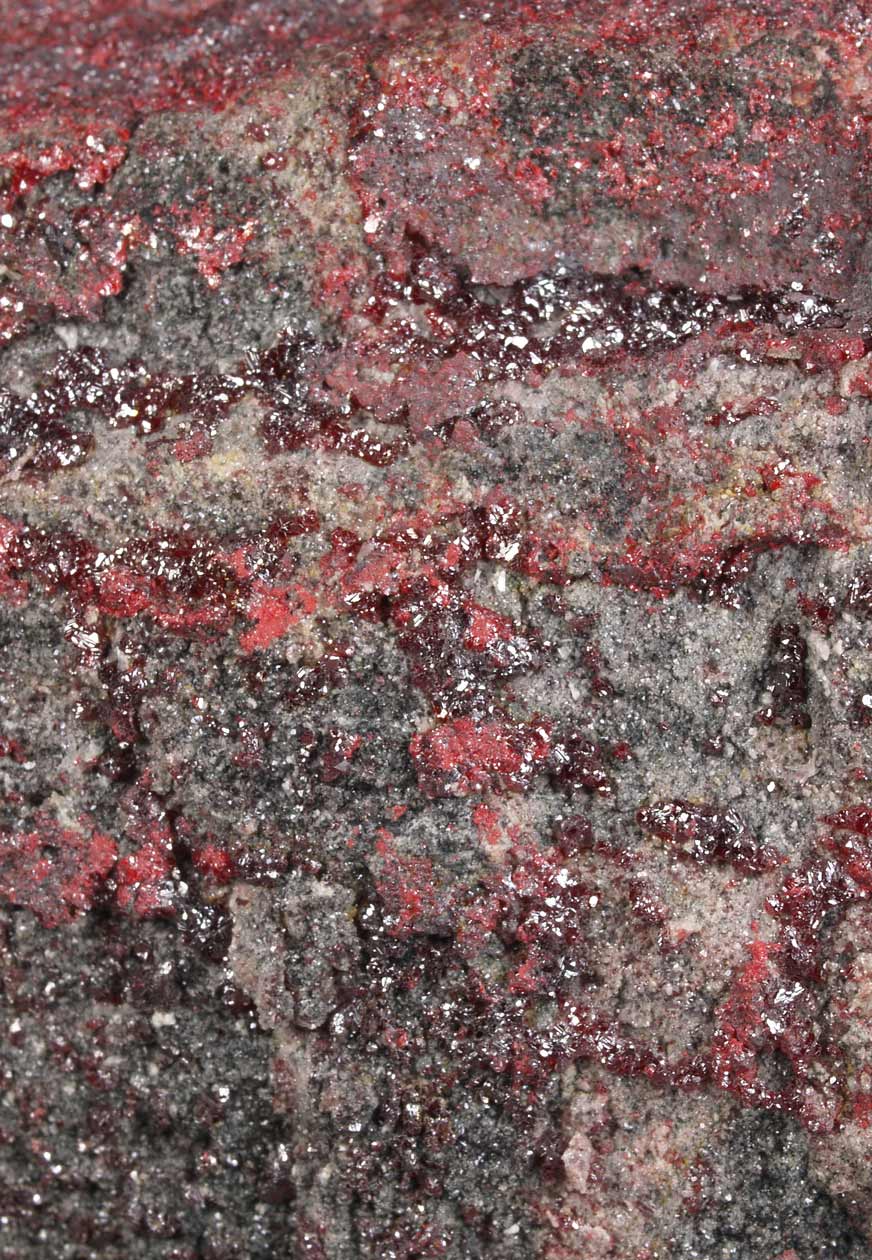
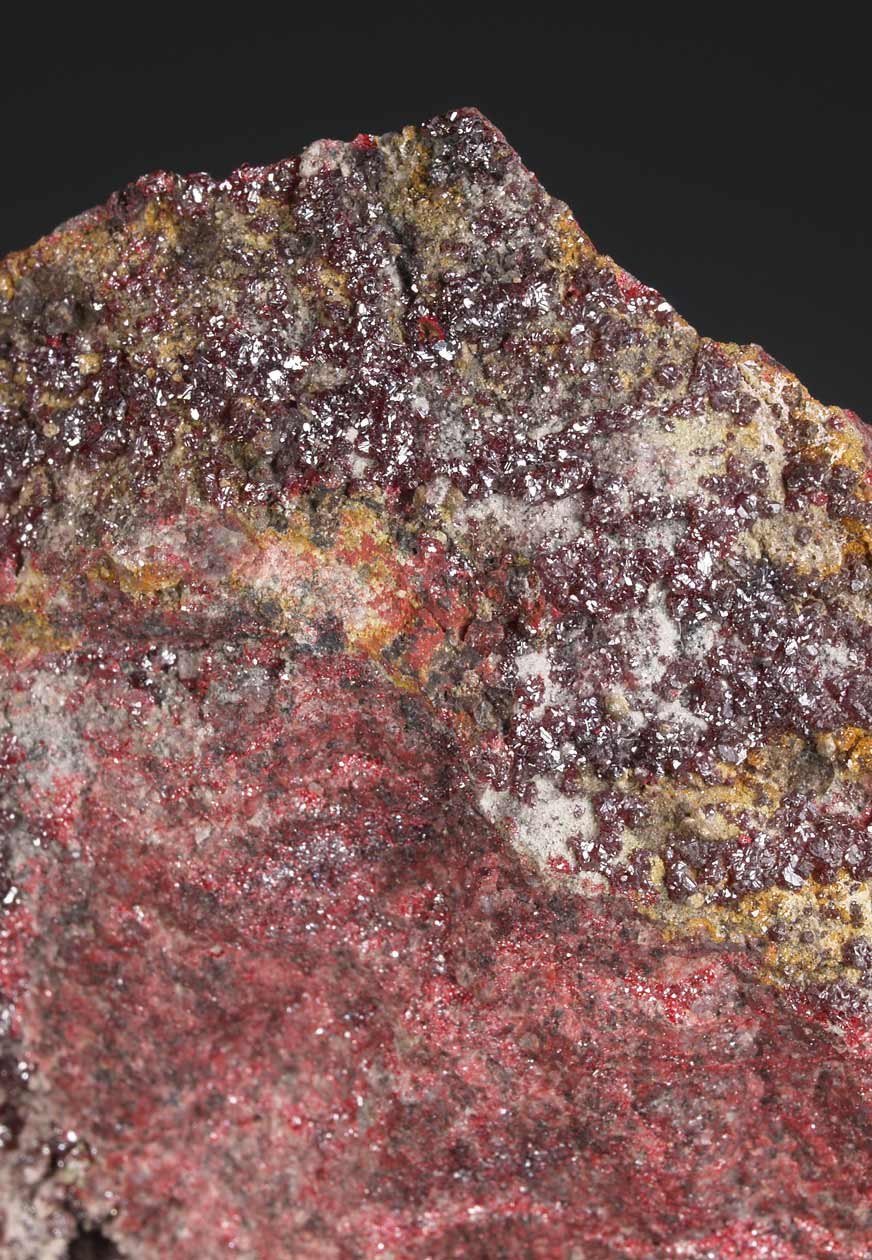
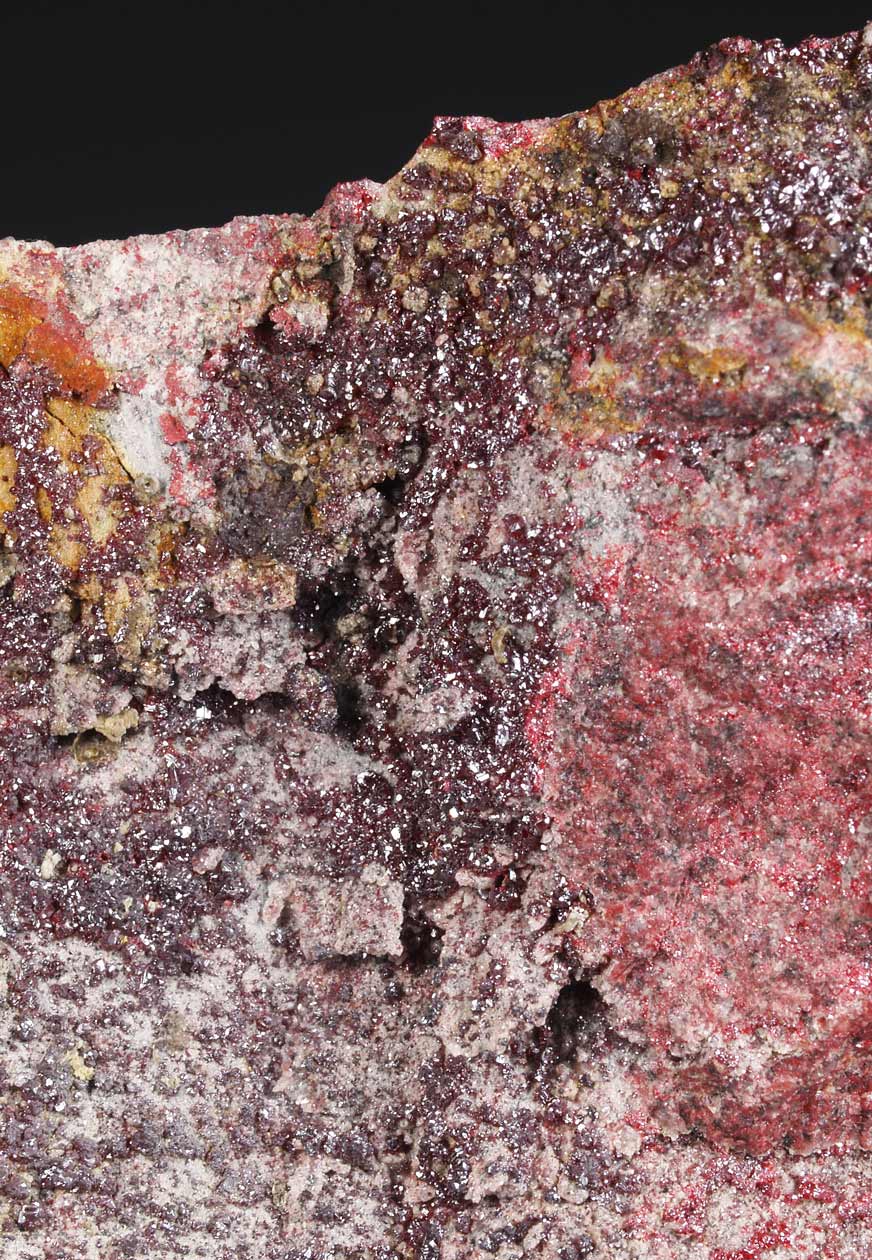
Very rich specimen in small cinnabar crystals, well defined, intense color, shiny and transparent to translucent. Under the magnifying glass it is spectacular. Both sides are mineralized. It is accompanied by dolomite and quartz.
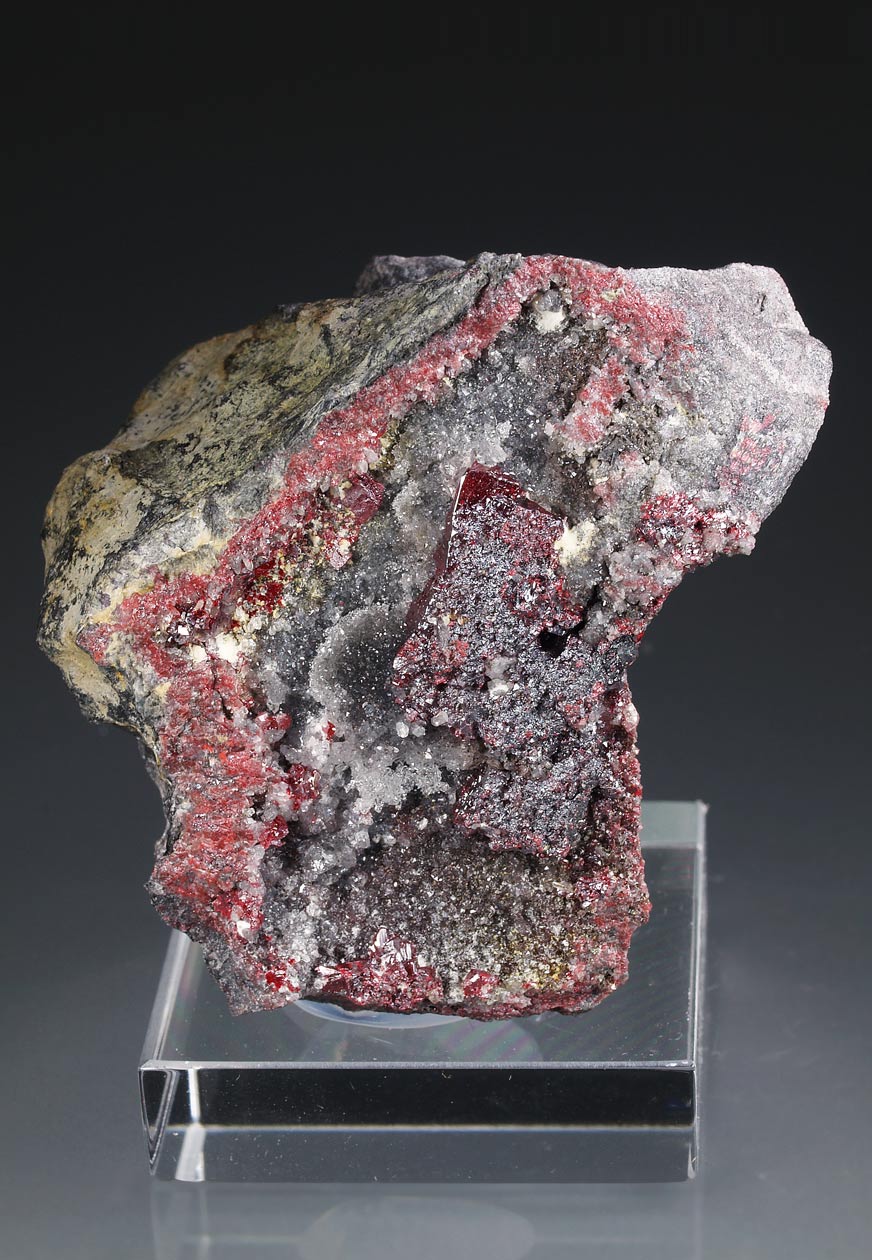
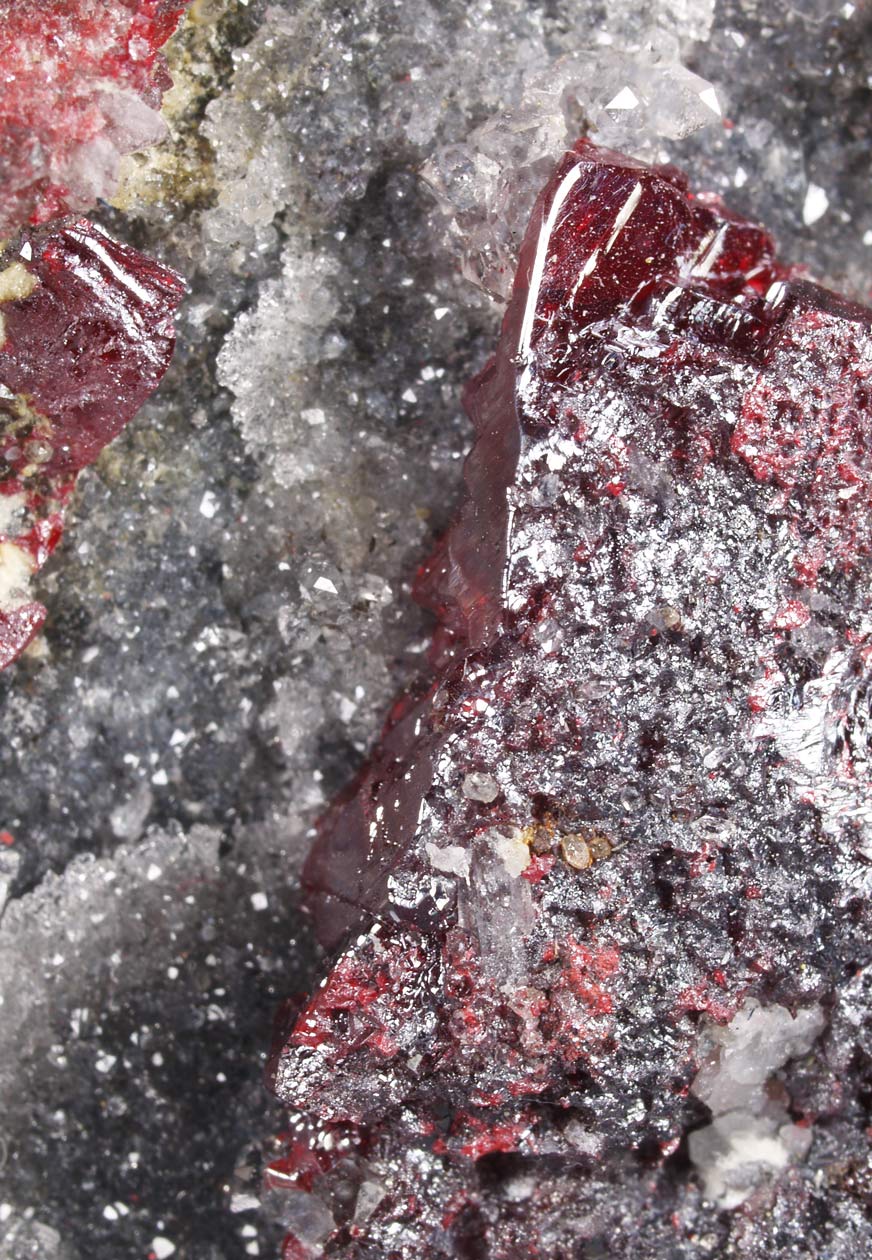
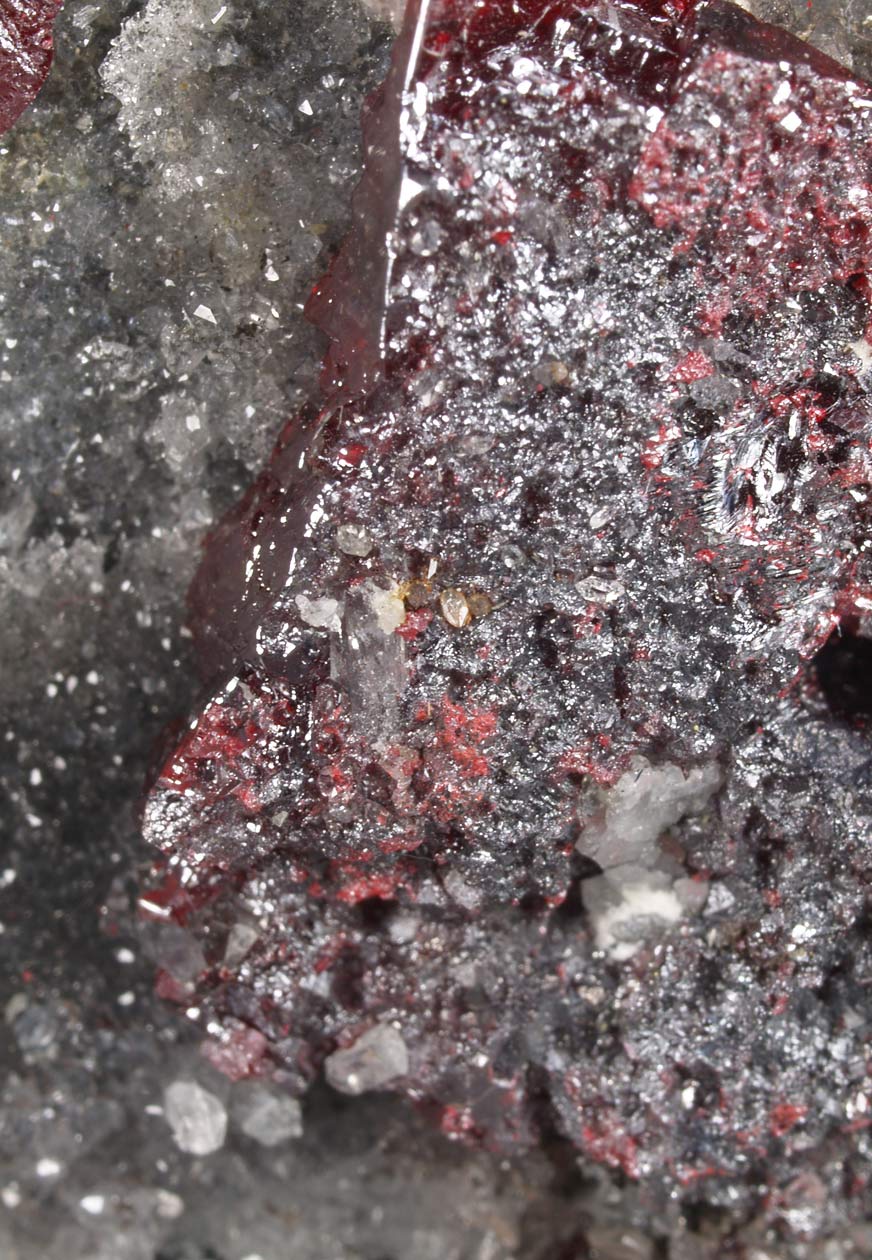
On the compact quartzite there is a druse of small hyaline quartz crystals, on which various cinnabar crystals have grown. As they are fissure crystals, the largest ones appear flattened, but shiny and with red transparencies. With small drops of liquid mercury.
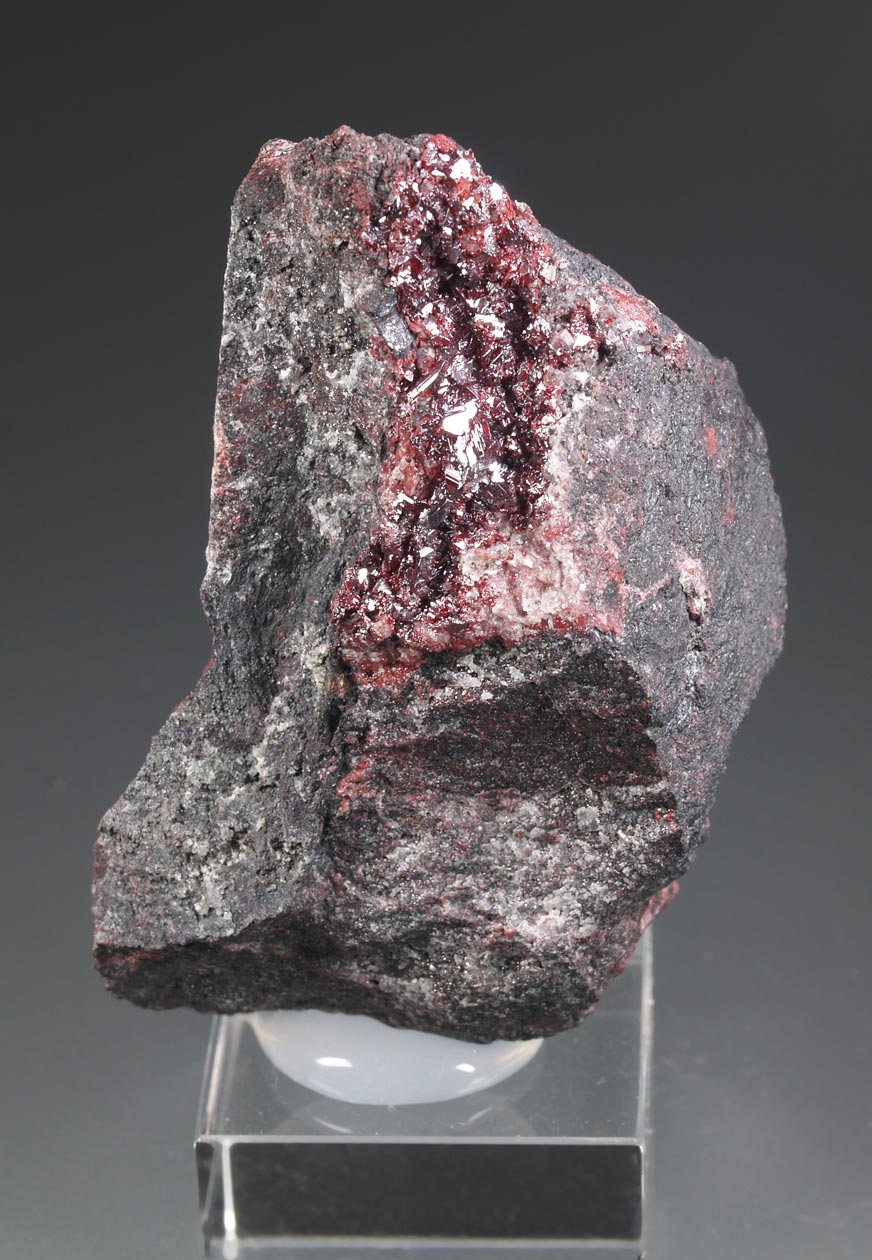
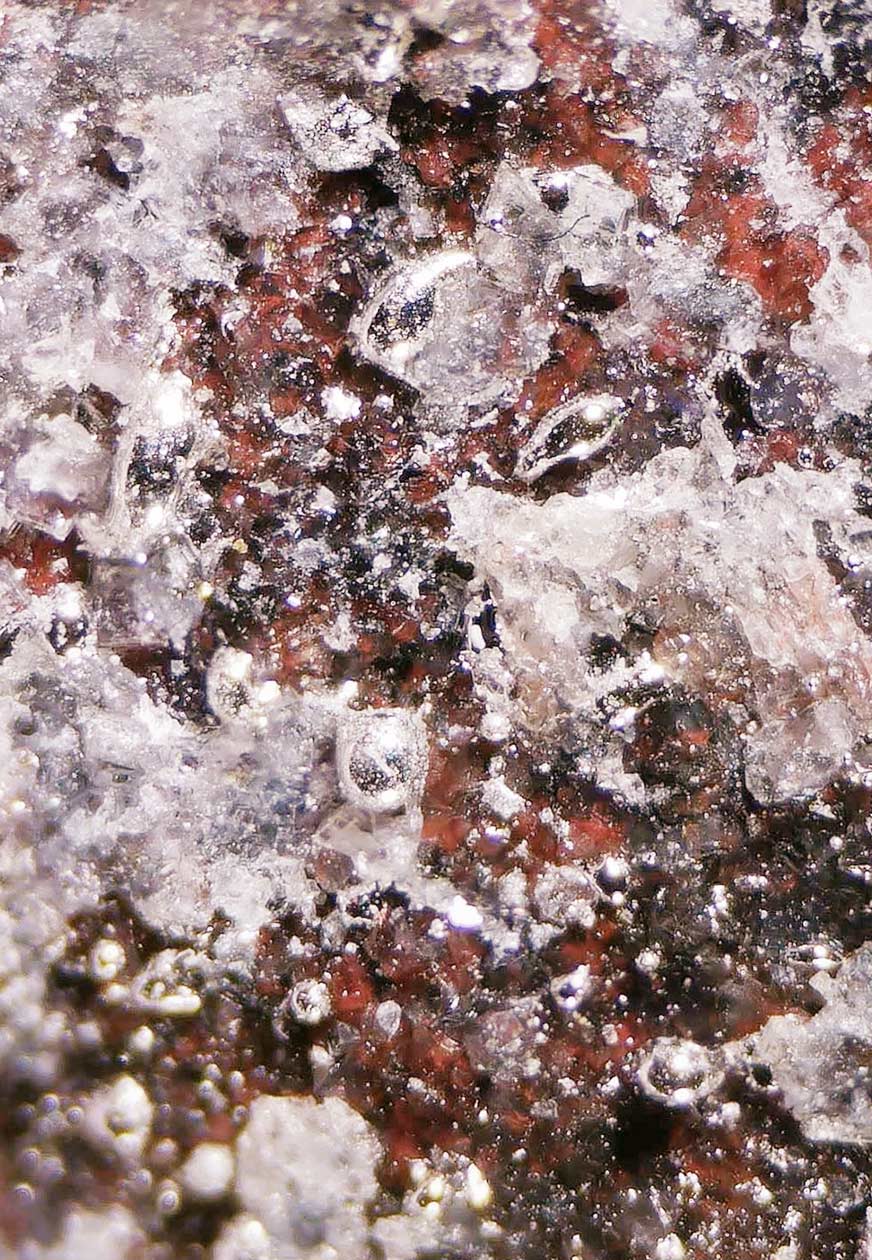
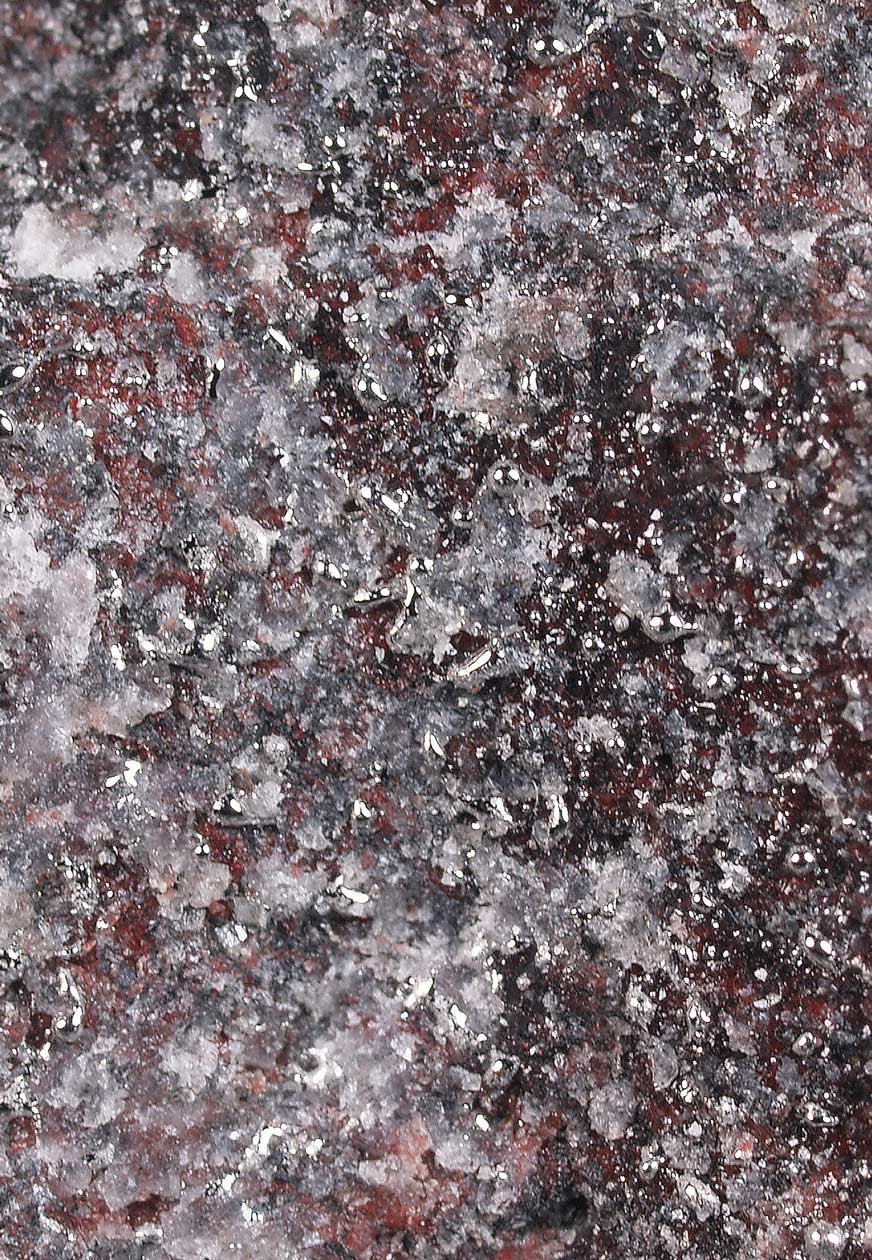
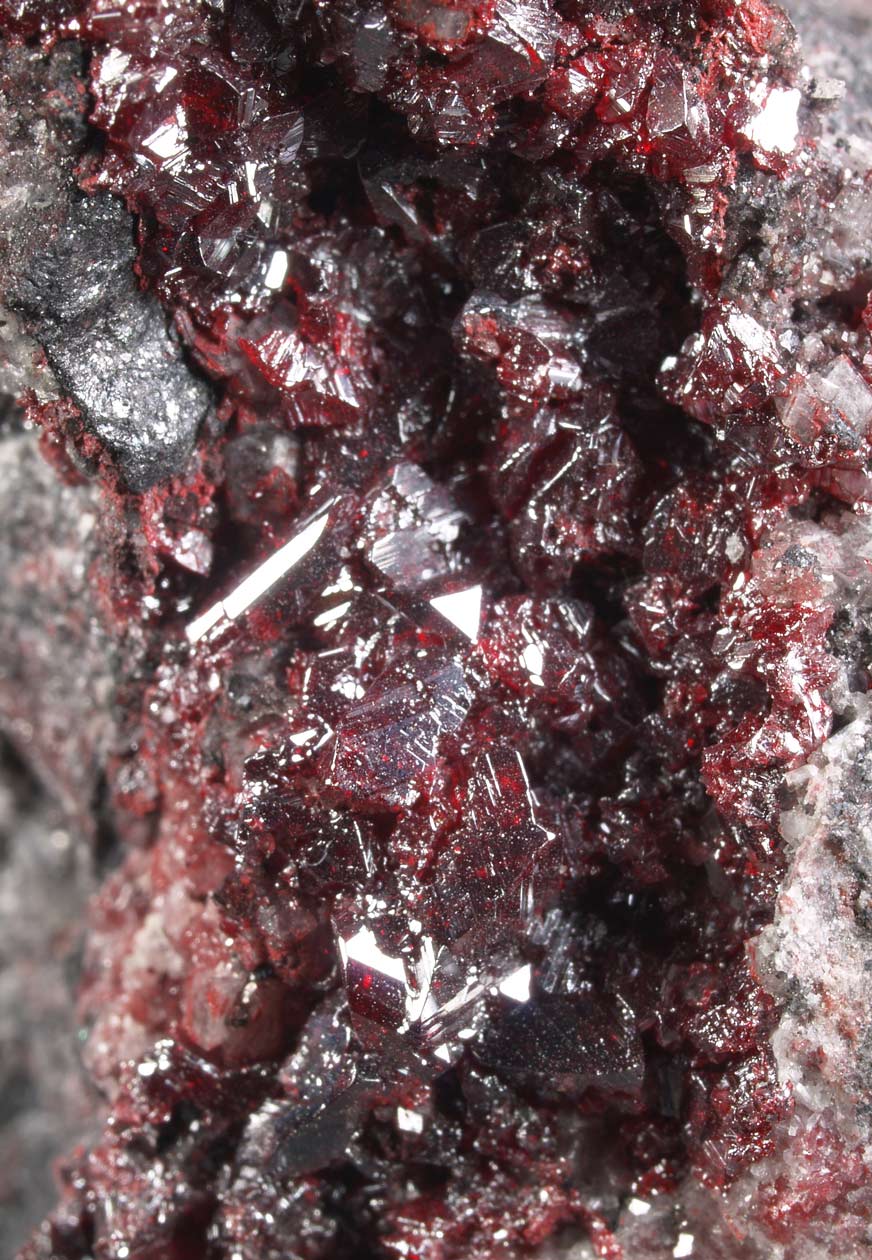
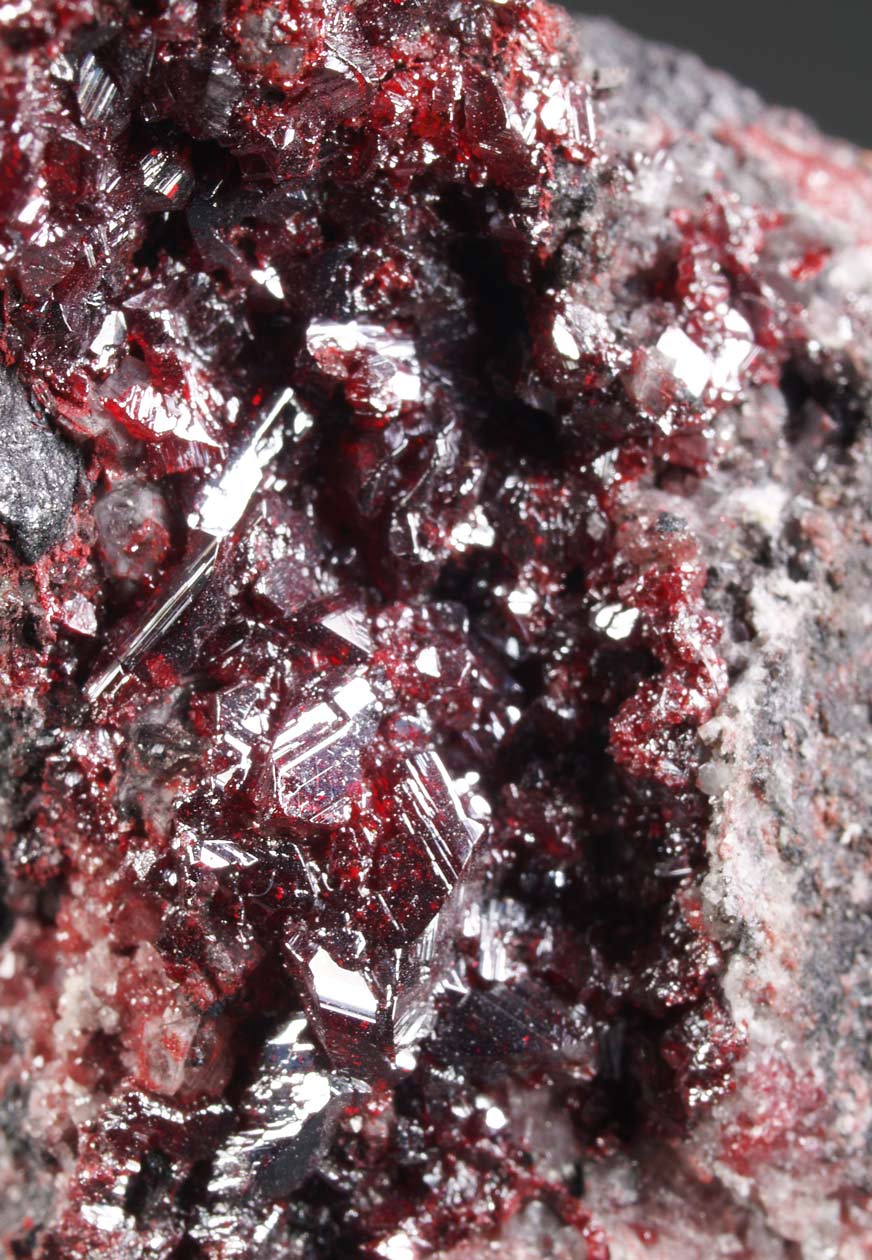
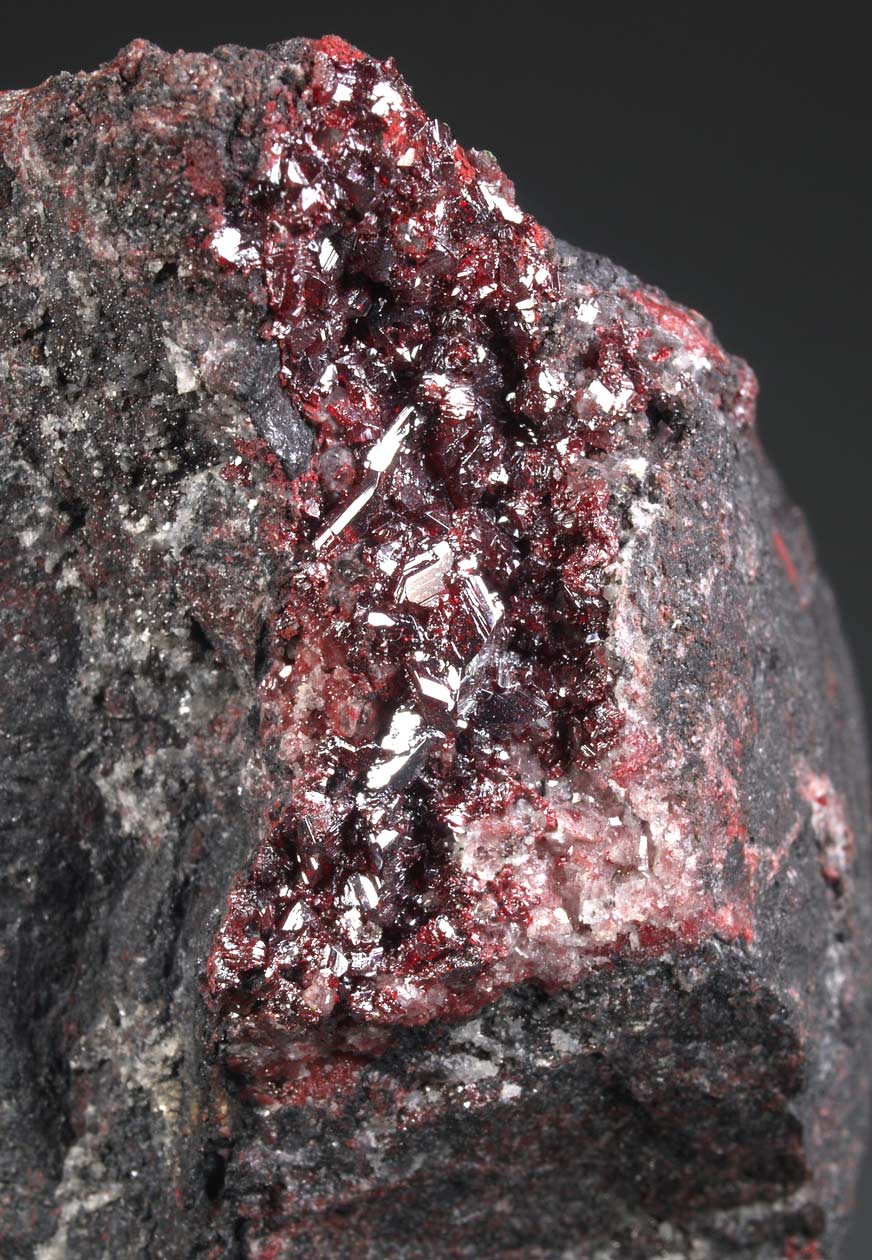
Almadén cinnabar specimens are well appreciated worldwide. In this specimen we want to highlight the numerous drops of mercury that are deposited (without falling) on the cinnabar and the matrix rock. Also noteworthy are the numerous cinnabar crystals, transparent and defined, with a very intense vermilion color.
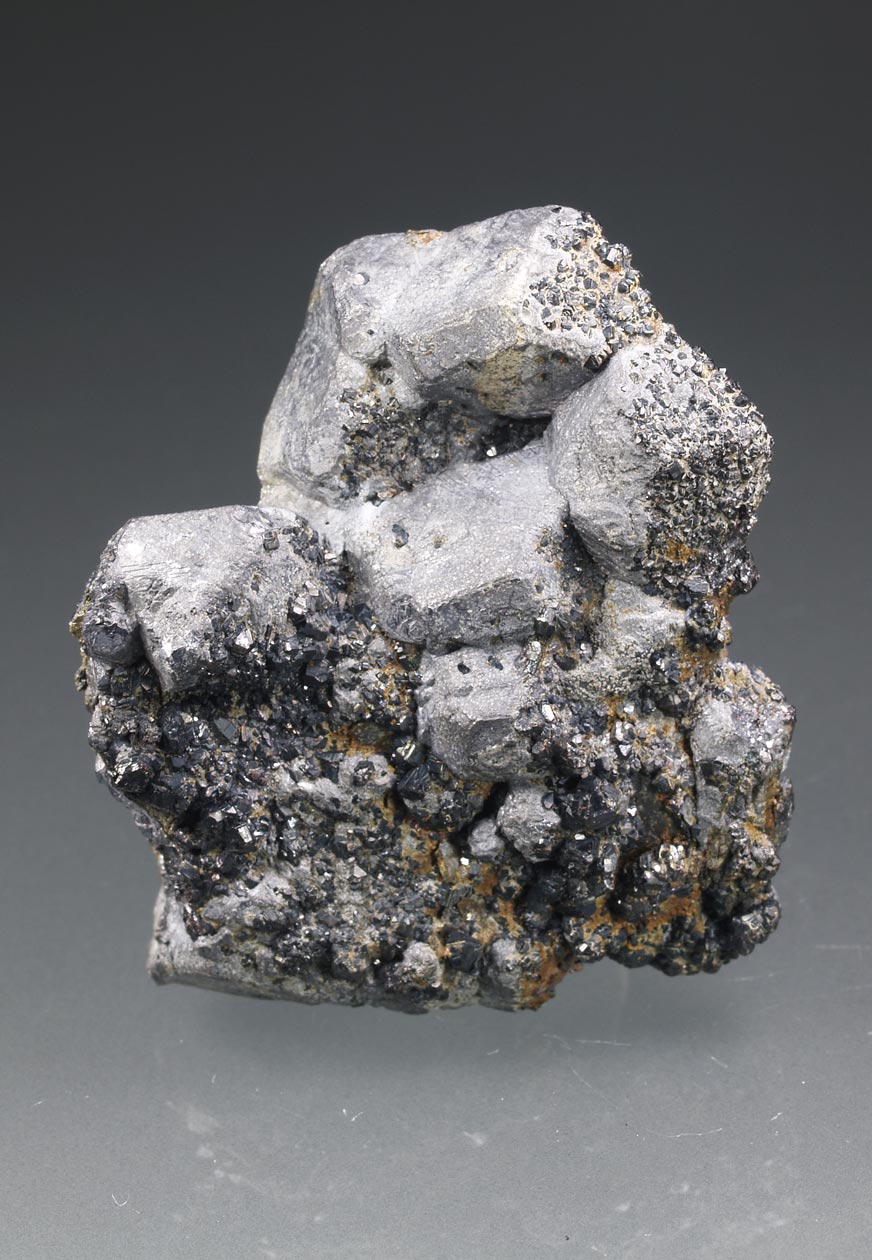
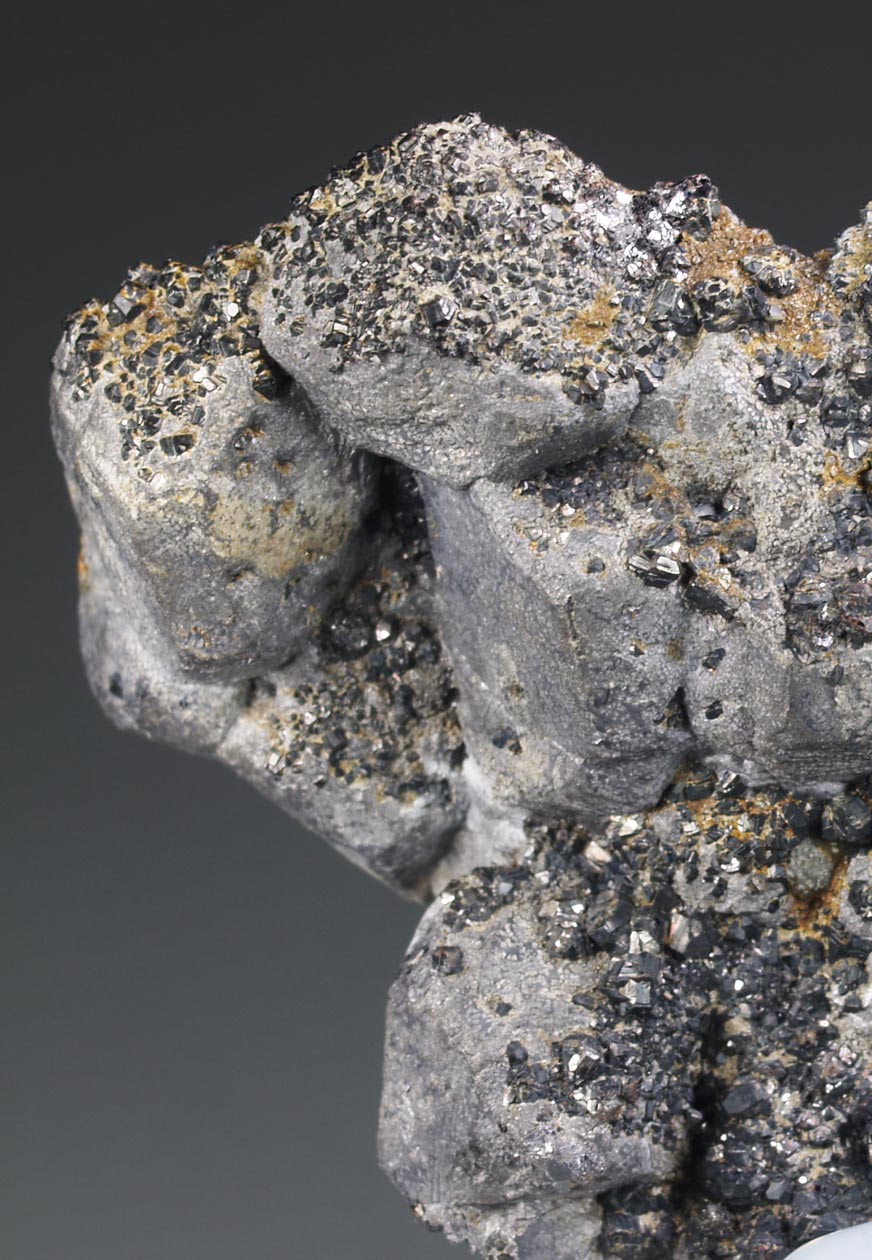
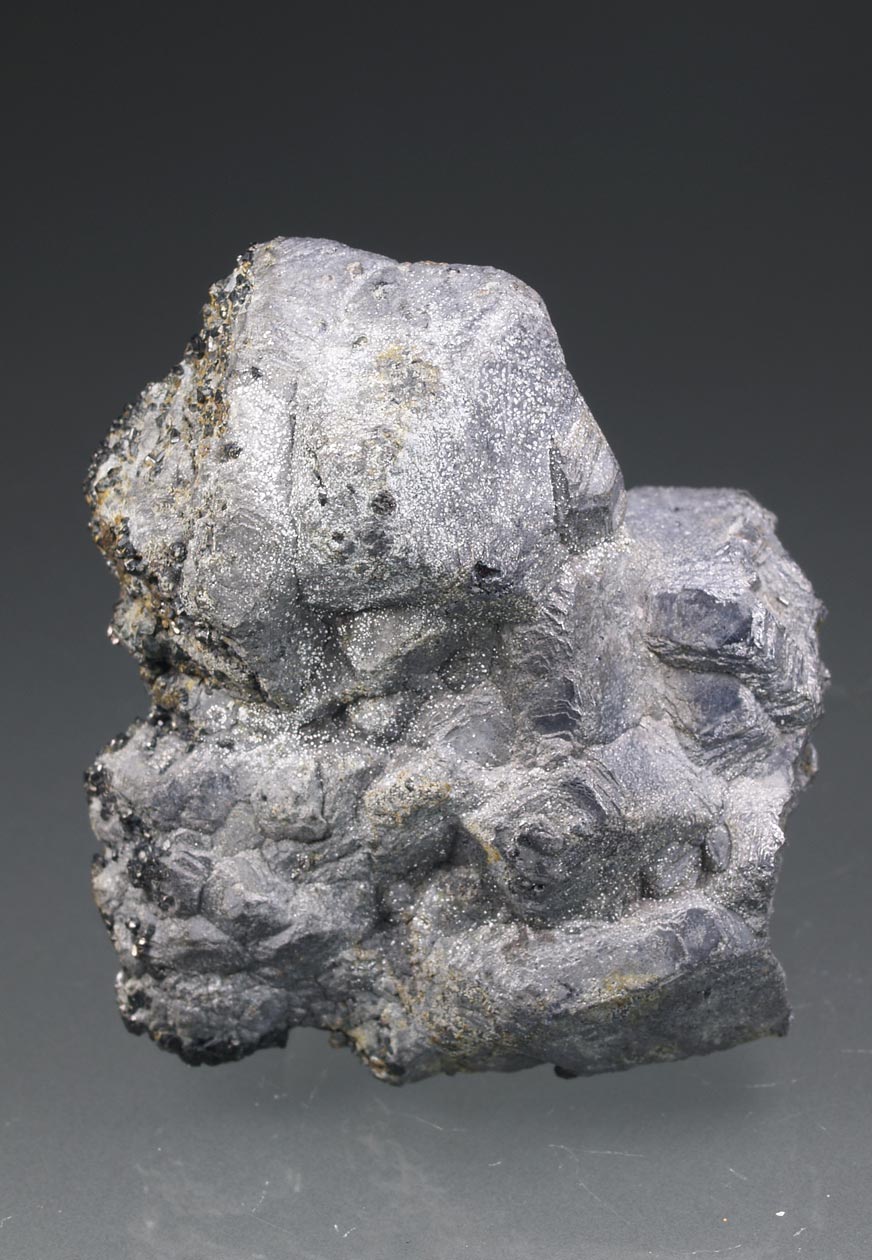
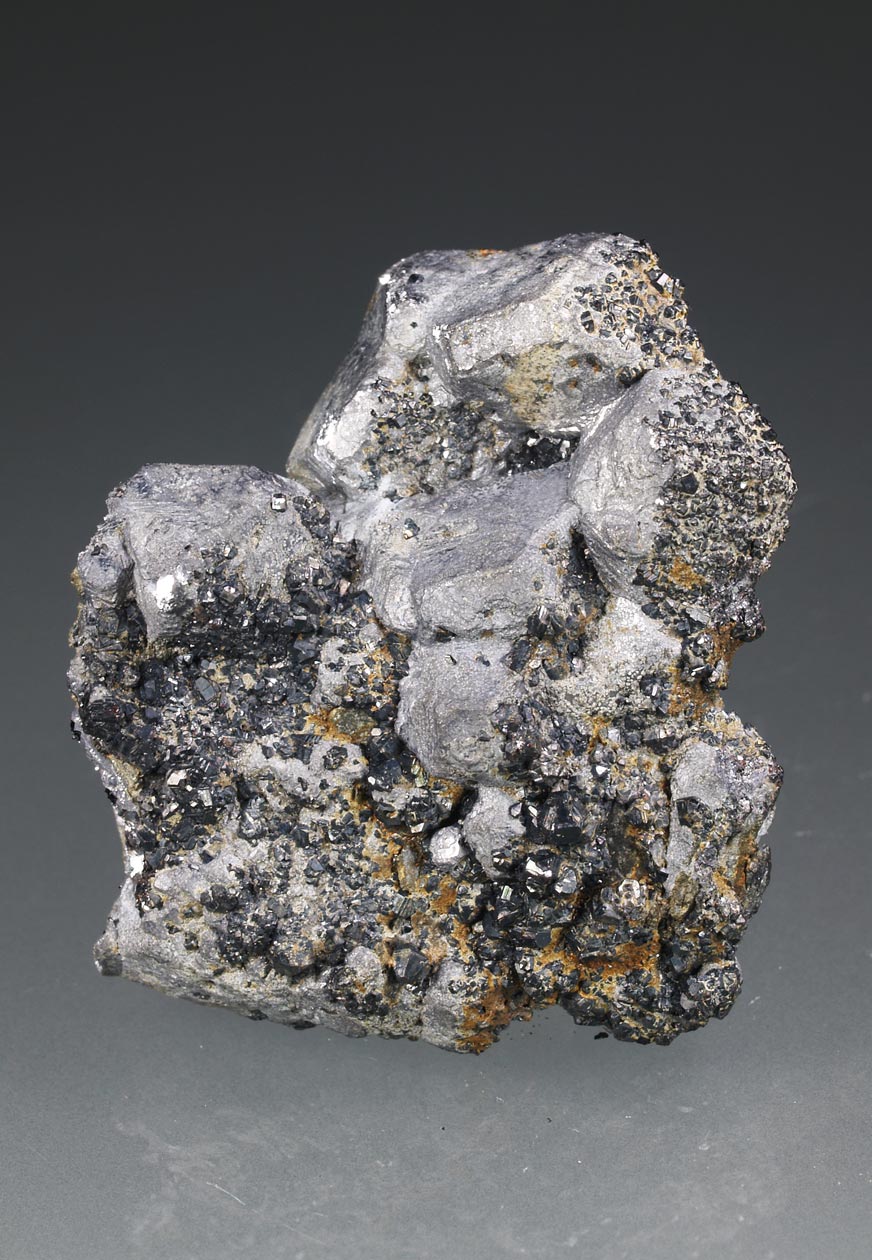
Group of galena crystals with very rounded cube-ocathedral shapes and dotted with numerous brilliant sphalerite crystals with hexagonal very rare shape. Very curious.
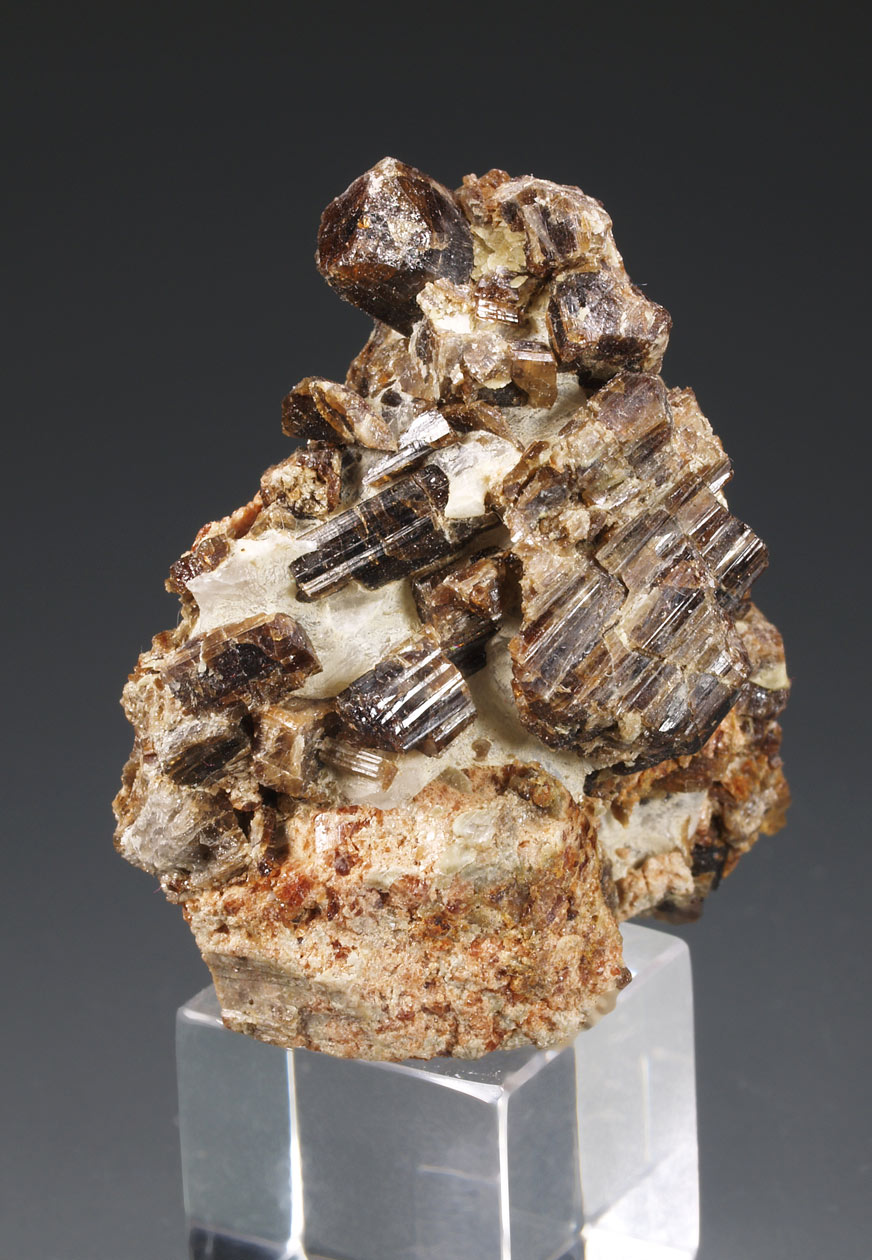
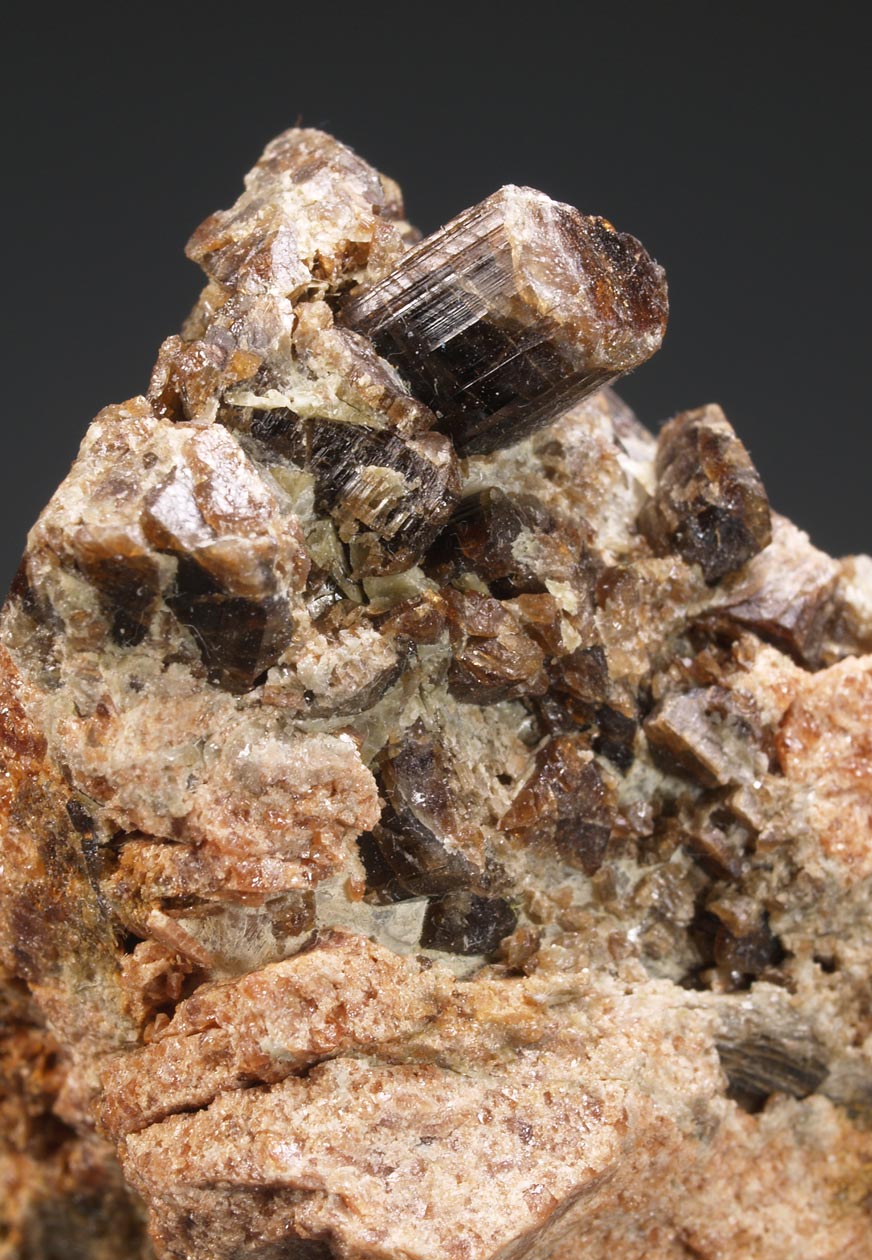
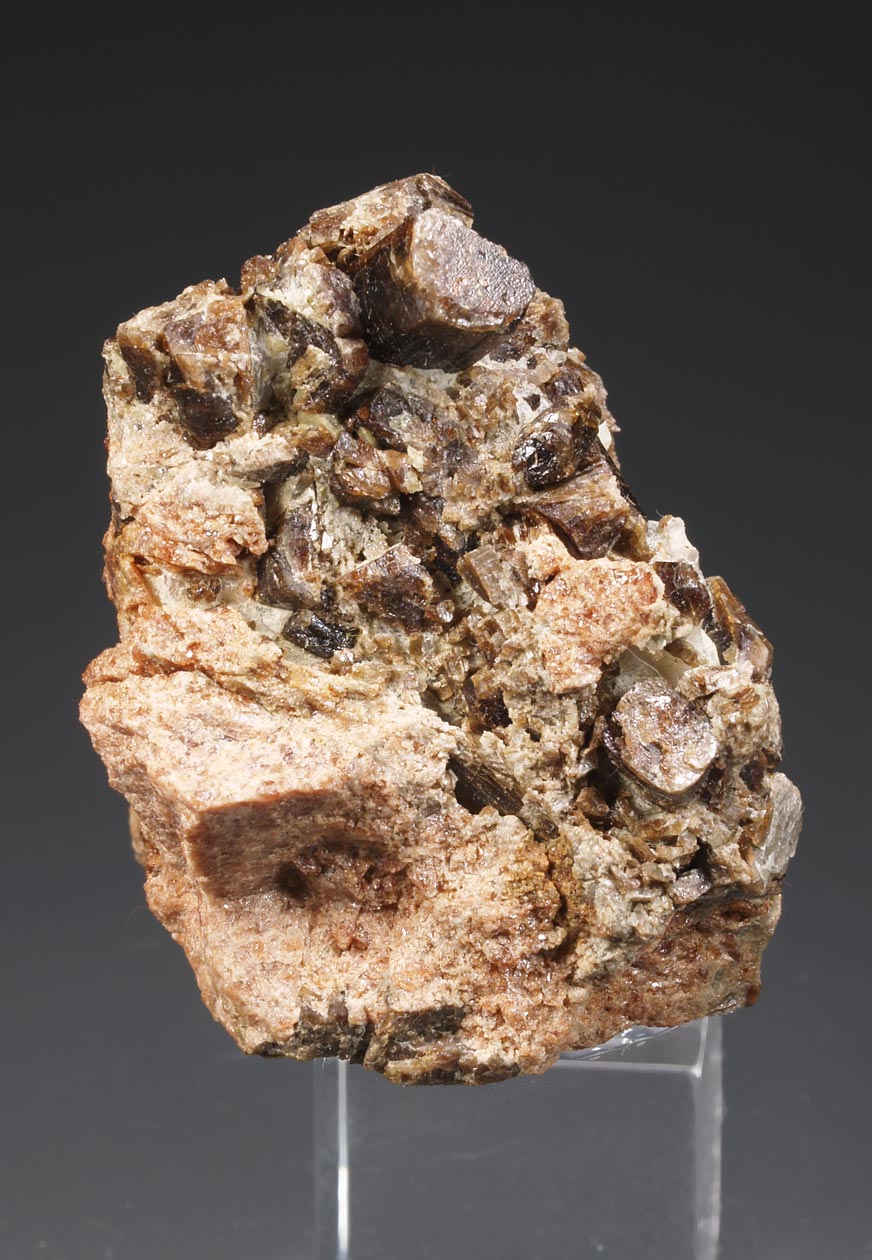
Aesthetic group of very bright vesuvianite crystals, with striated prisms truncated by pinacoidal faces. They are disposed very aerial on the matrix with grossular. From a Spanish locality known for its skarn (skarnoid) minerals. Prospecting works has been carried out in the area to investigate the possibilities of exploiting tungsten (scheelite).
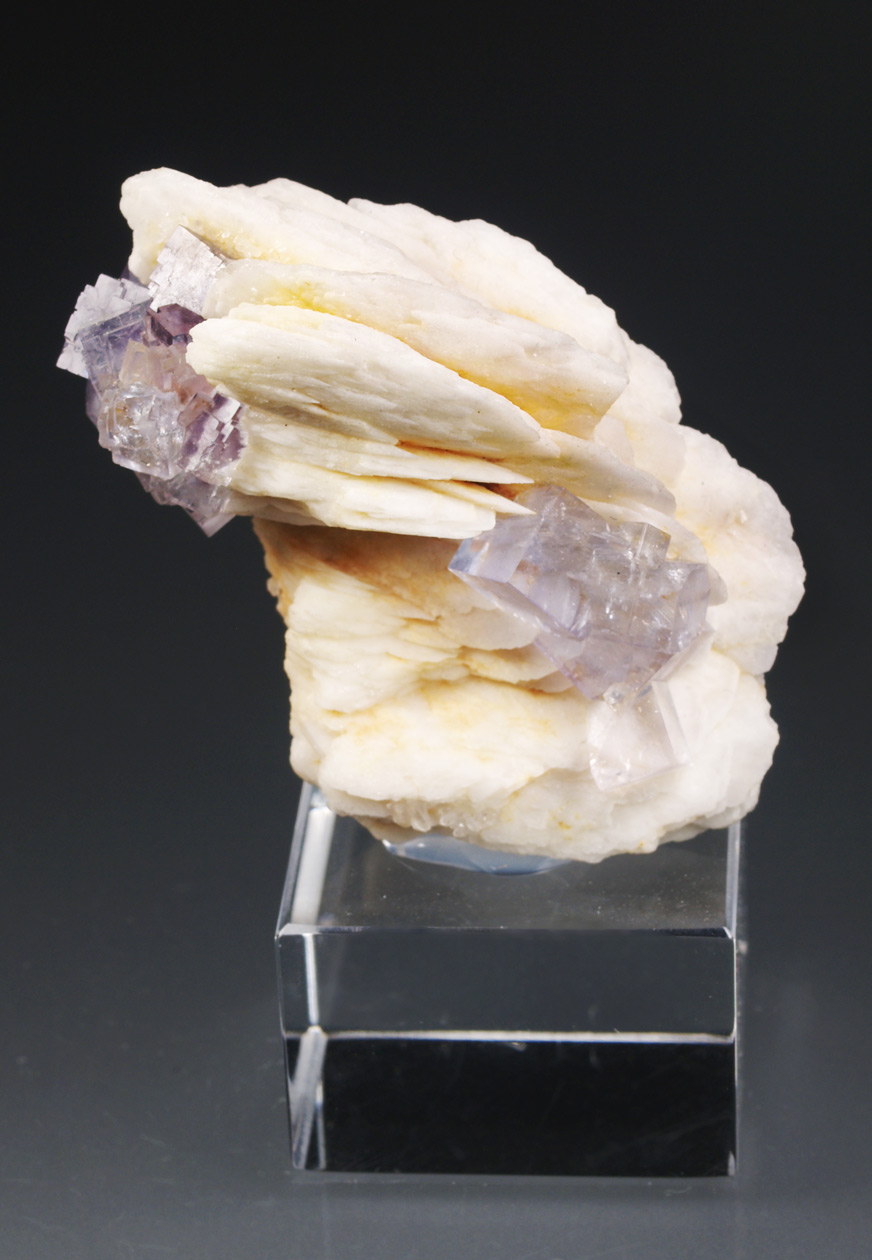
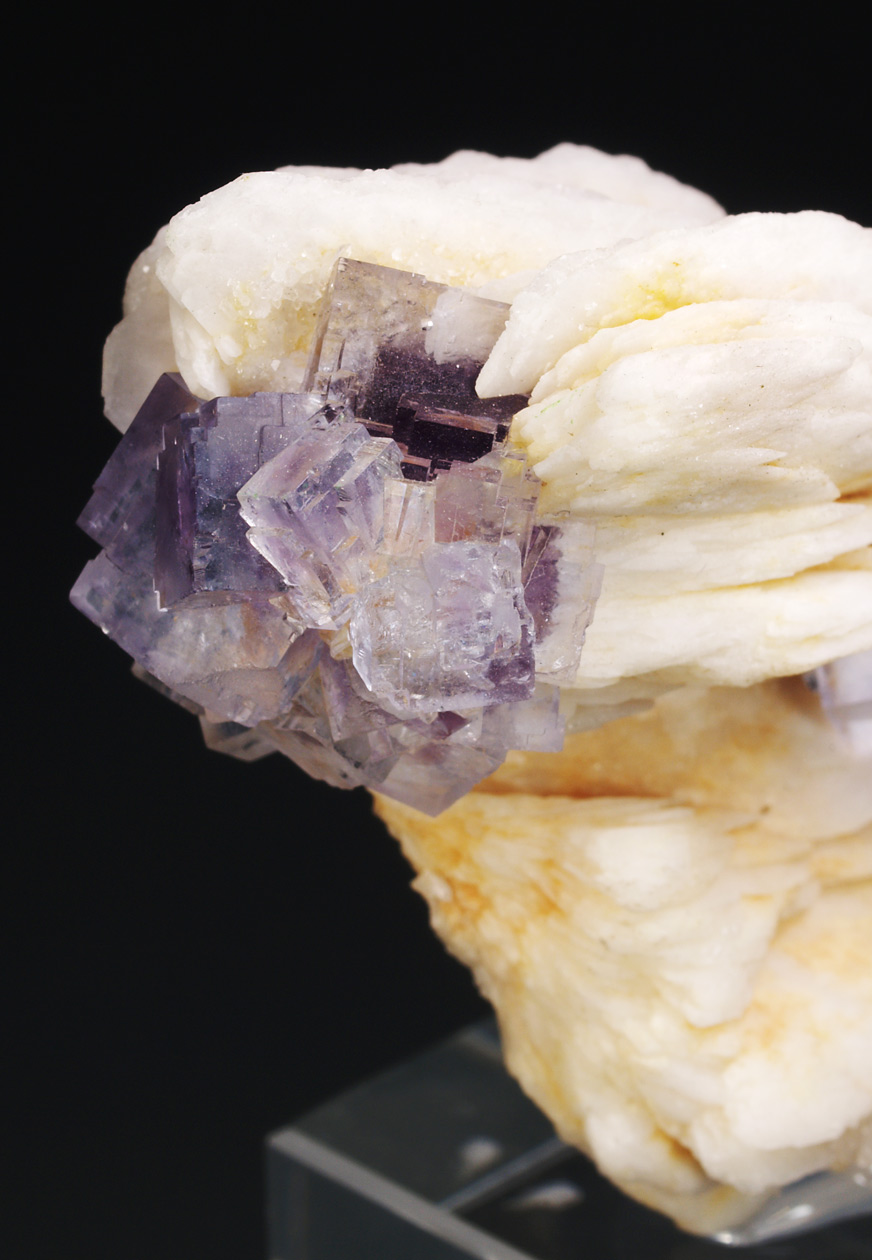
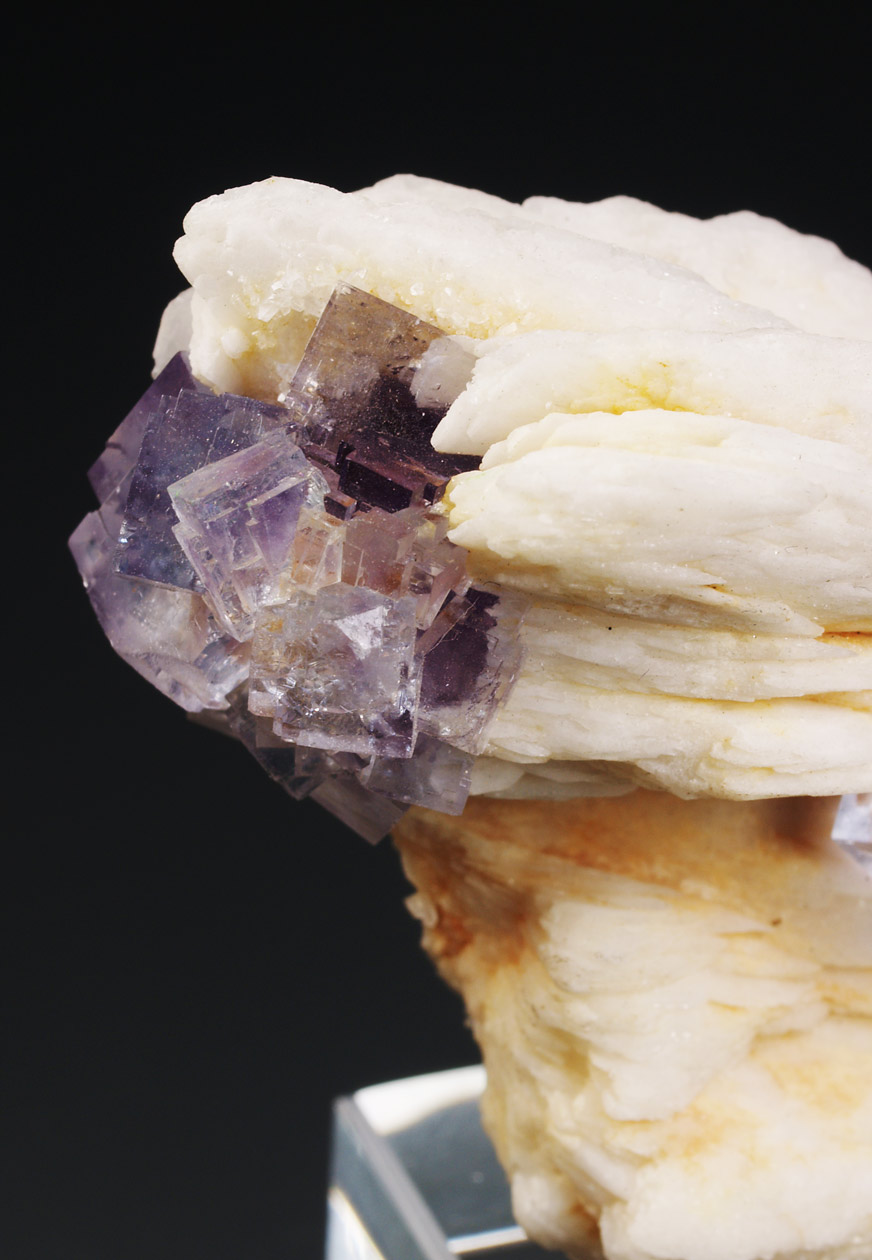
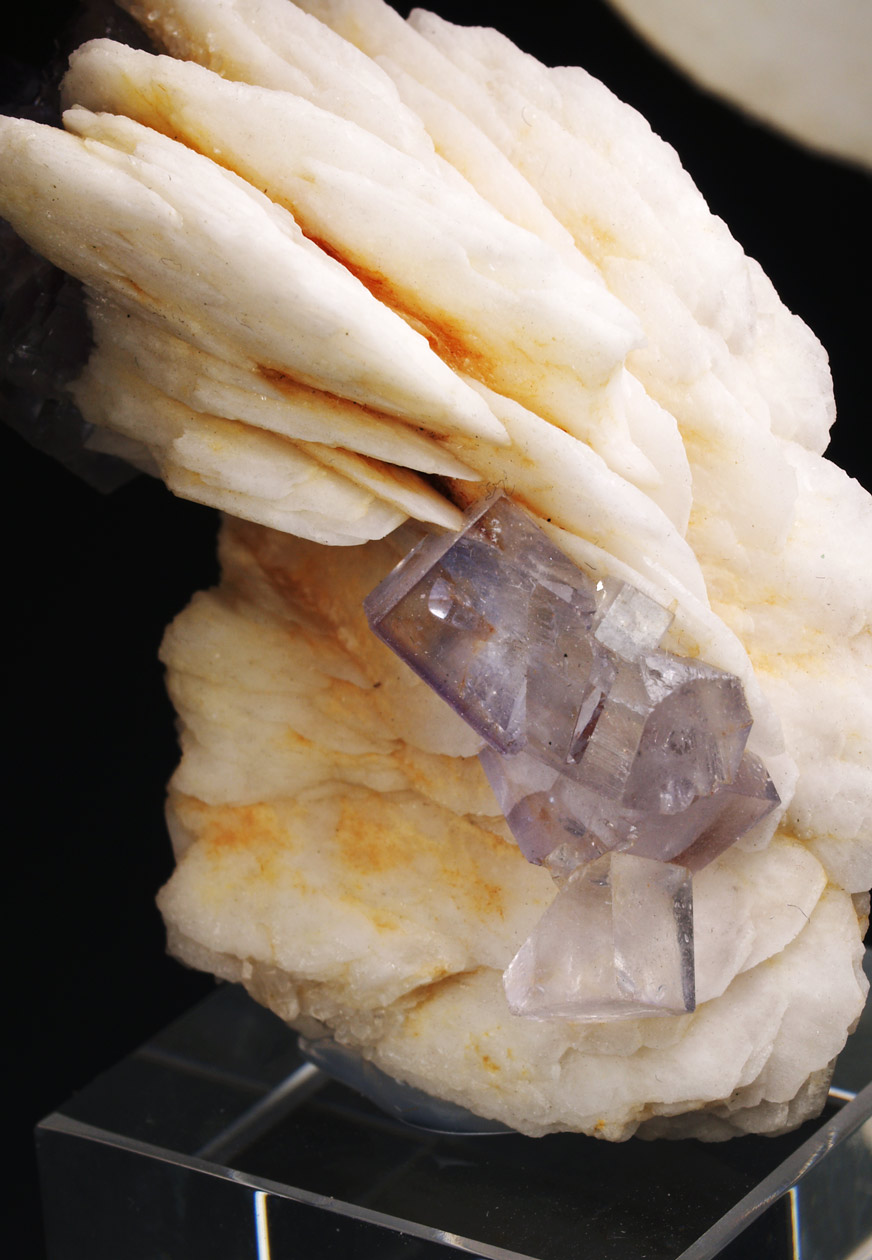
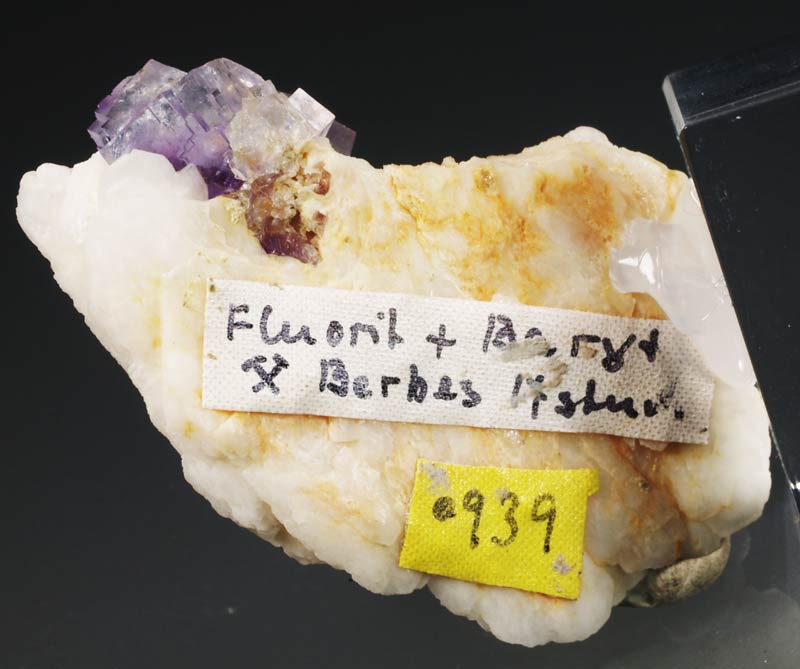
Classic and elegant specimen from Berbes, with book-shaped baryte crystals, yellowish white in color, on which various aggregates of cubic fluorite crystals stand out, very transparent and brilliant that allow us to see a violet colour zoning. On the back we can see a handwritten attached label.
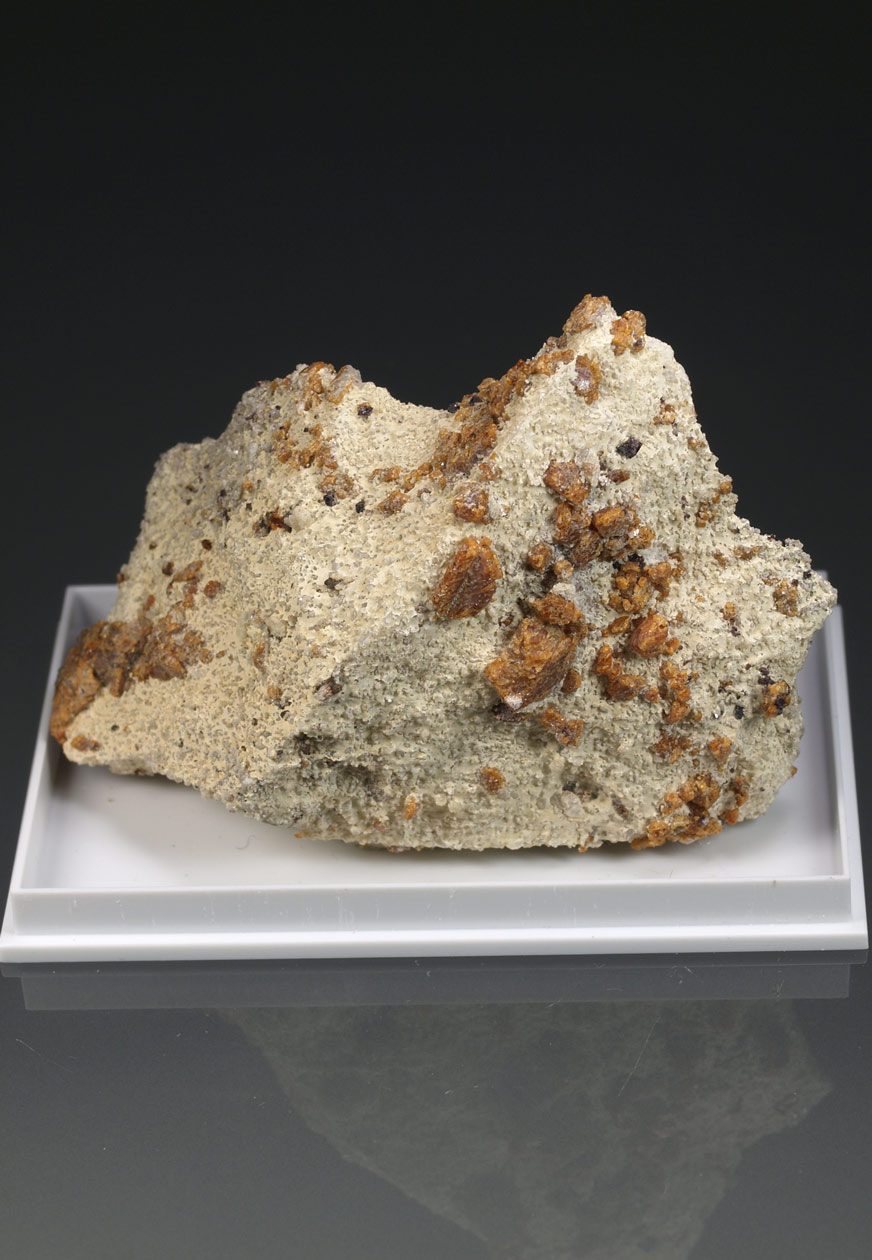
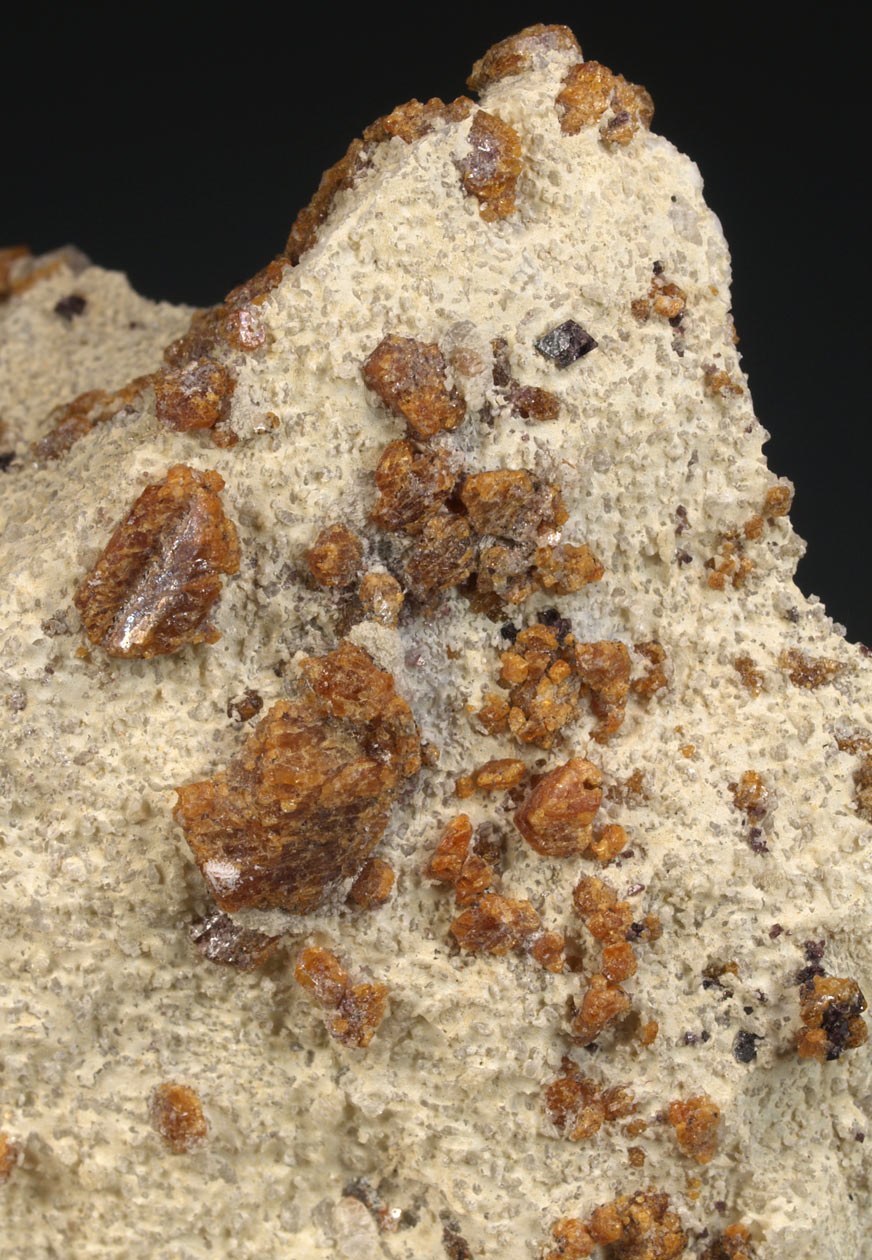
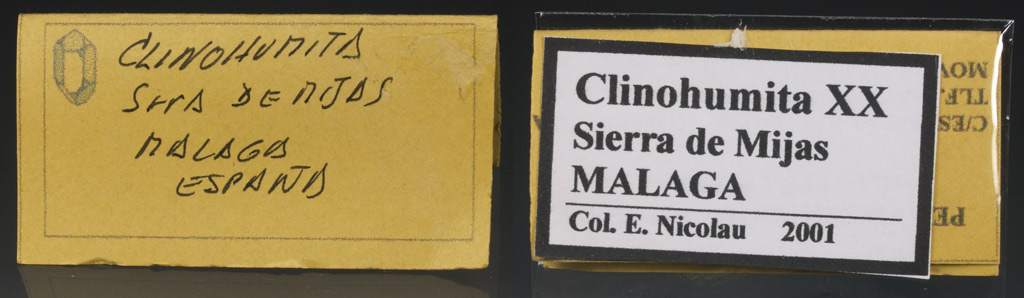
Clinohumite specimens from the Sierra de Mijas are a classic of Spanish mineralogy. These specimens are treated using chemical processes to make the crystals emerge in the marble matrix. They are accompanied by dark violet octahedral crystals of spinel. Clinohumite is a member of the humite group. It forms a continuous series with hydroxyclinohumite. The name "clinohumite" has commonly been used when the F/OH ratio has not been determined. Mijas is a magnesium skarn embedded in marble and pelitic gneiss, amphibolites and granulitic gneiss, in the contact zone with alpine peridotites-serpentinites (Sierra de Mijas).
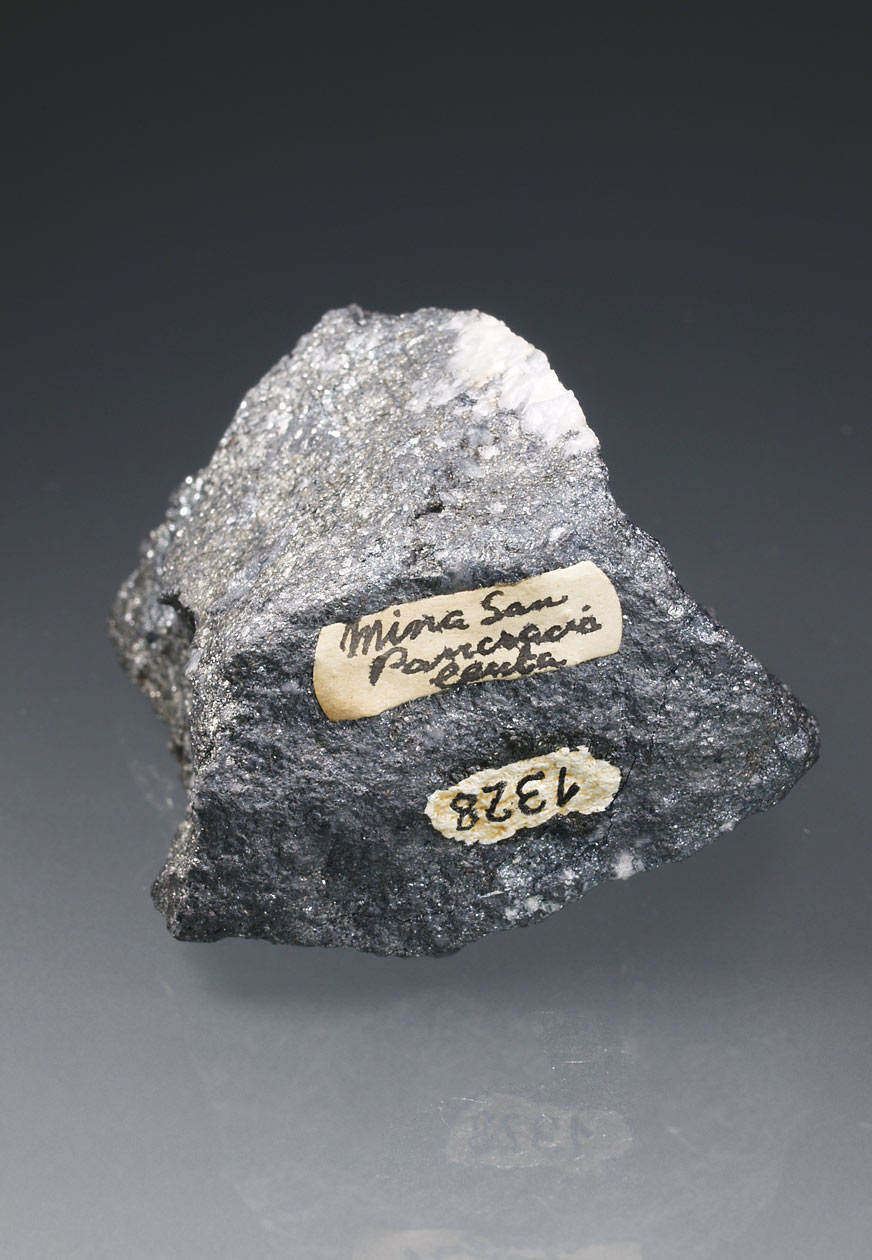
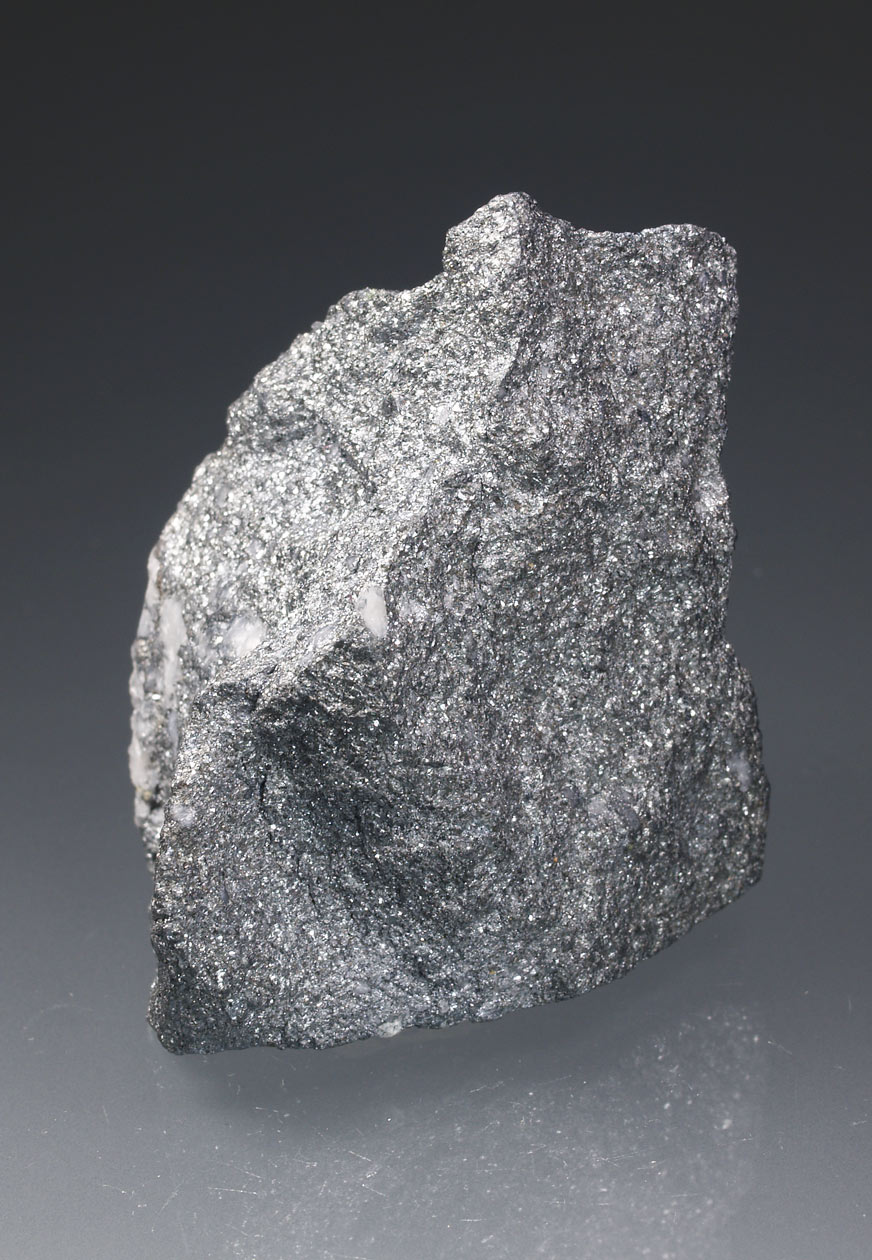
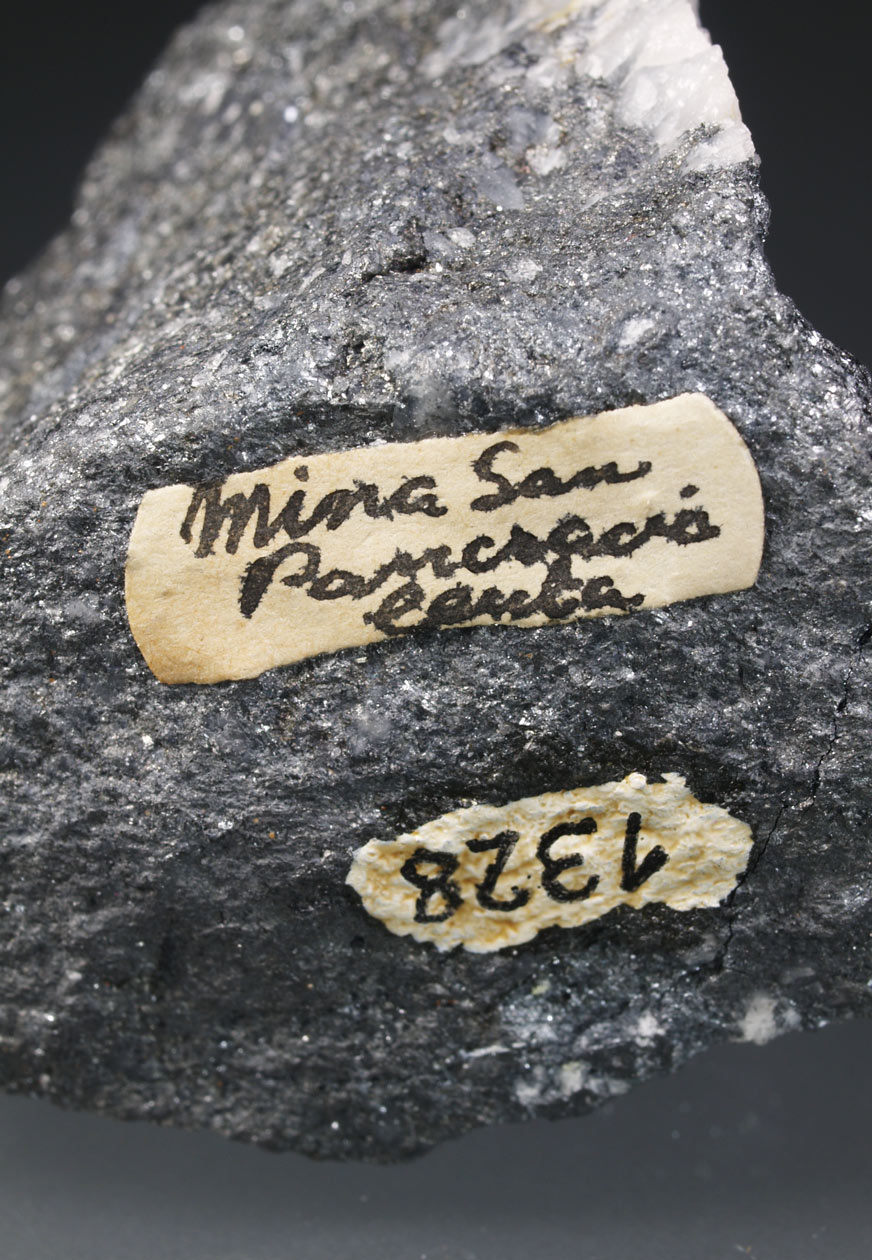
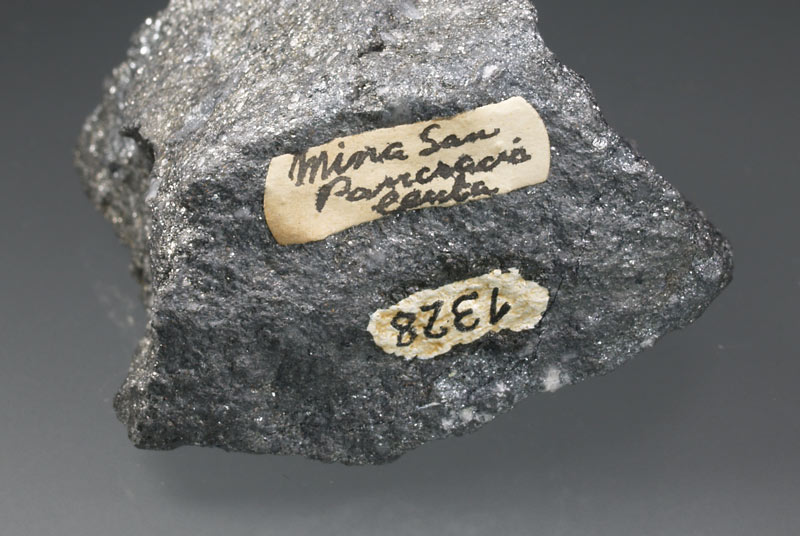
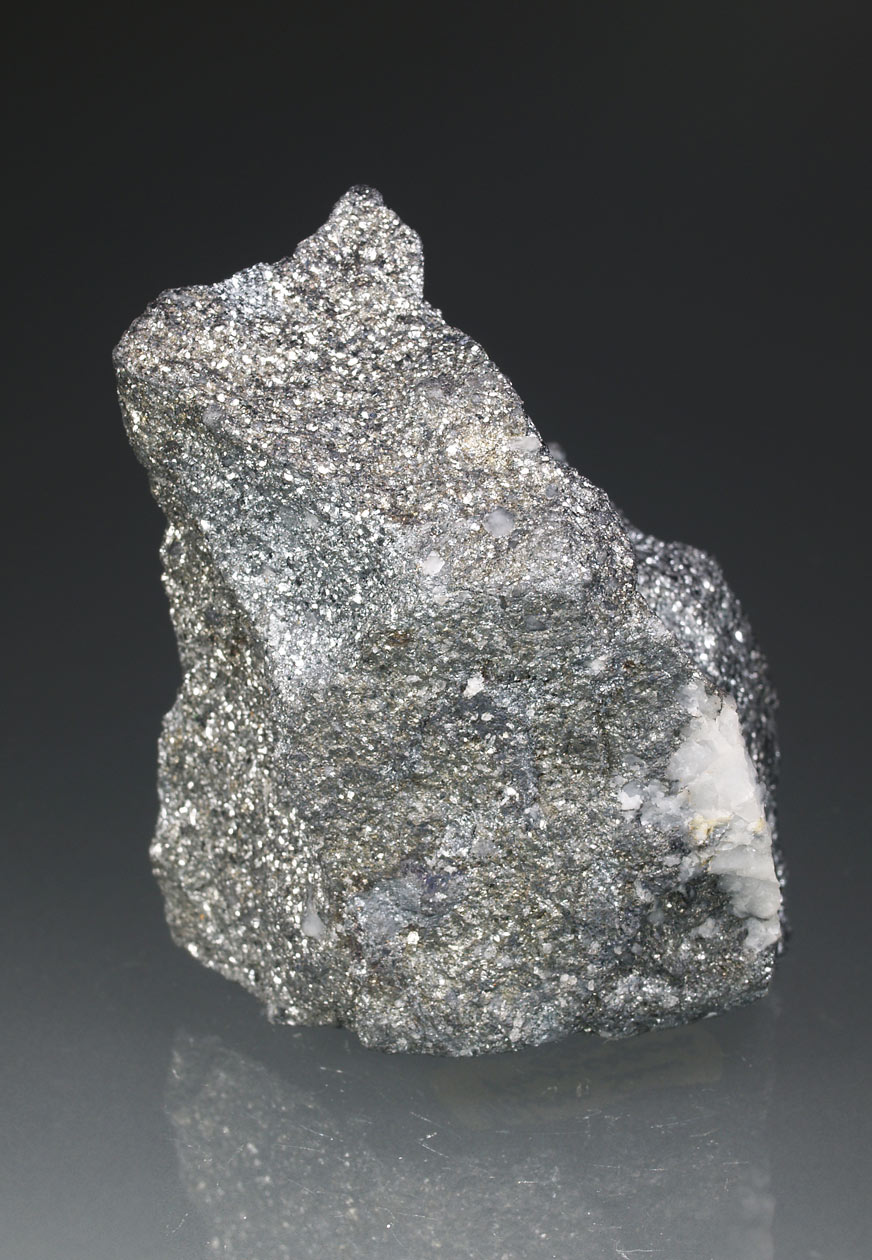
This rare specimen of stibnite has an ancient handwritten label attached indicating the San Pancracio mine in Ceuta. Searching for information about this mine we have found in MTI details of the work: “Síntesis geológica de Ceuta” by Simón Chamorro and Mercedes Nieto (1989) about this town. We reproduce here some of the details indicated in their work: "Next to Arroyo de las Bombas and near Fort Piniers, there is a deposit of antimonite (stibnite), known by the name of San Pancracio. The mineralization is associated with the contact between the warped limestones and the Carboniferous shales and sandstones; both types of rocks appear mineralized, although in the latter with more intensity the main control of the deposit is defined by a fault and a system of associated fractures from directions N 10º E to N 25º. E. [...] It was exploited by Fundiciones de Antimonio S.A. of Barcelona, from 1960 until March 1979, the year in which it was abandoned due to depletion of the main mineralized masses. Its production has been very small, a maximum of 135 t. in 1970, and an average grade of 45% [...] It presents a paragenesis of stibnite-quartz and carbonates, with traces of chalcostibine, galena, pyrite, chalcopyrite, chalcosine, covelline, brandsite and gold. Simón Chamorro Moreno, Mercedes Nieto García (1989): Síntesis geológica de Ceuta. Ceuta. ISBN: 84-87148-07-9.
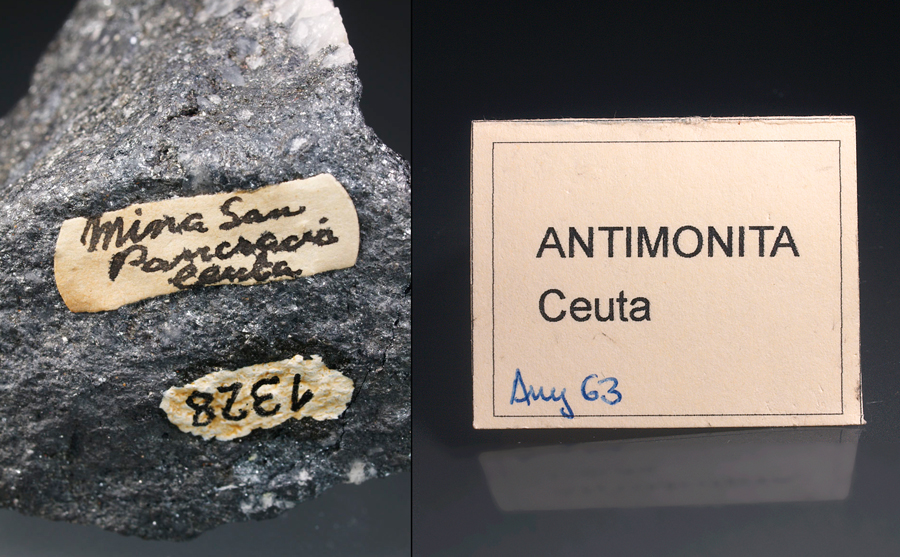
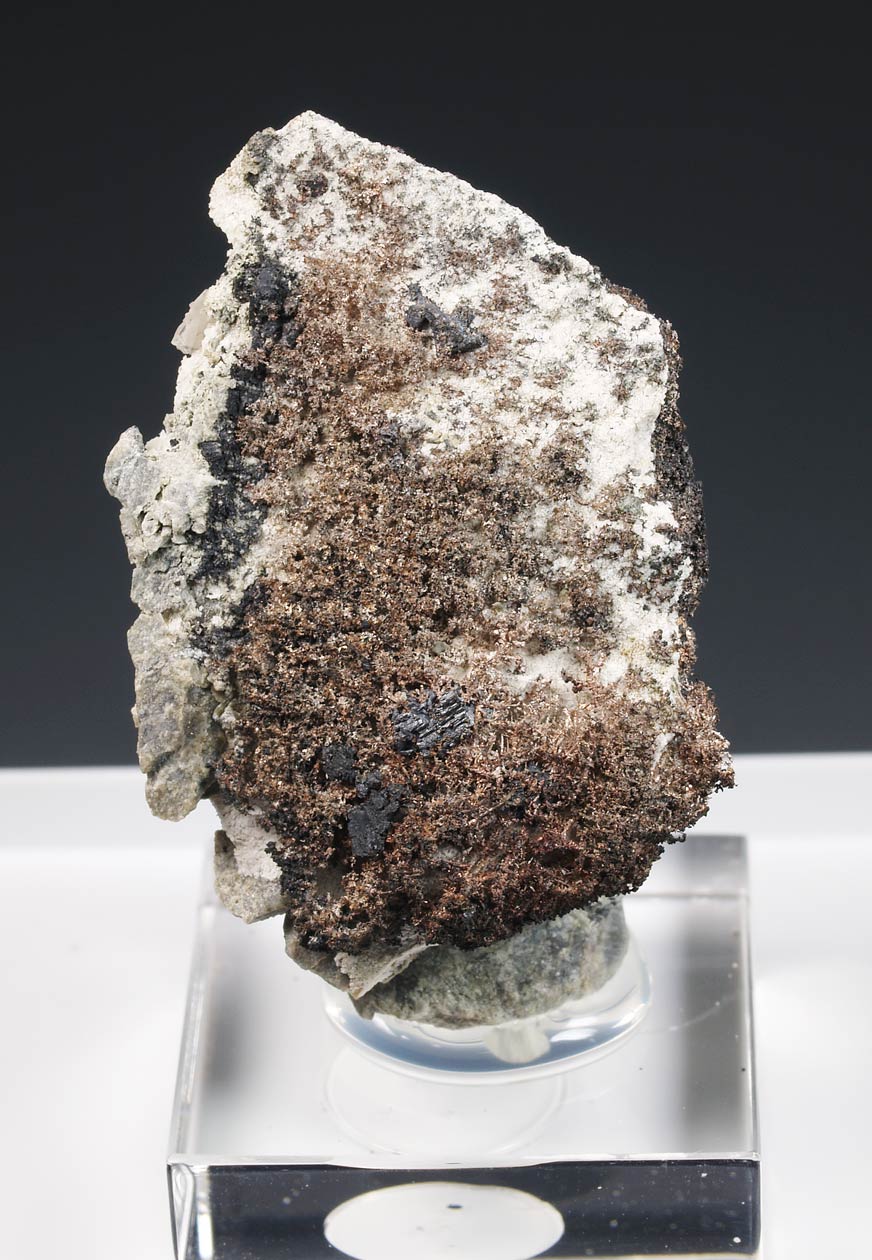
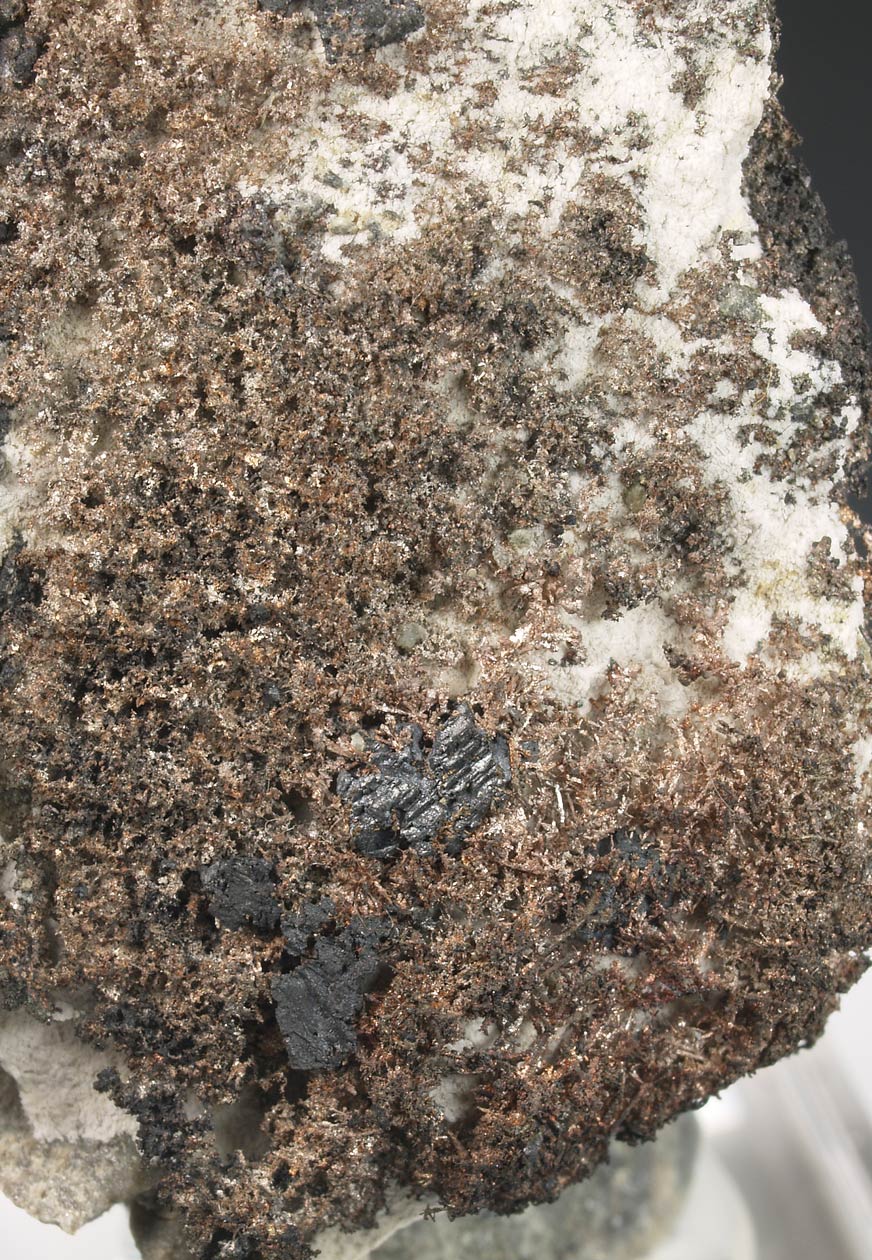
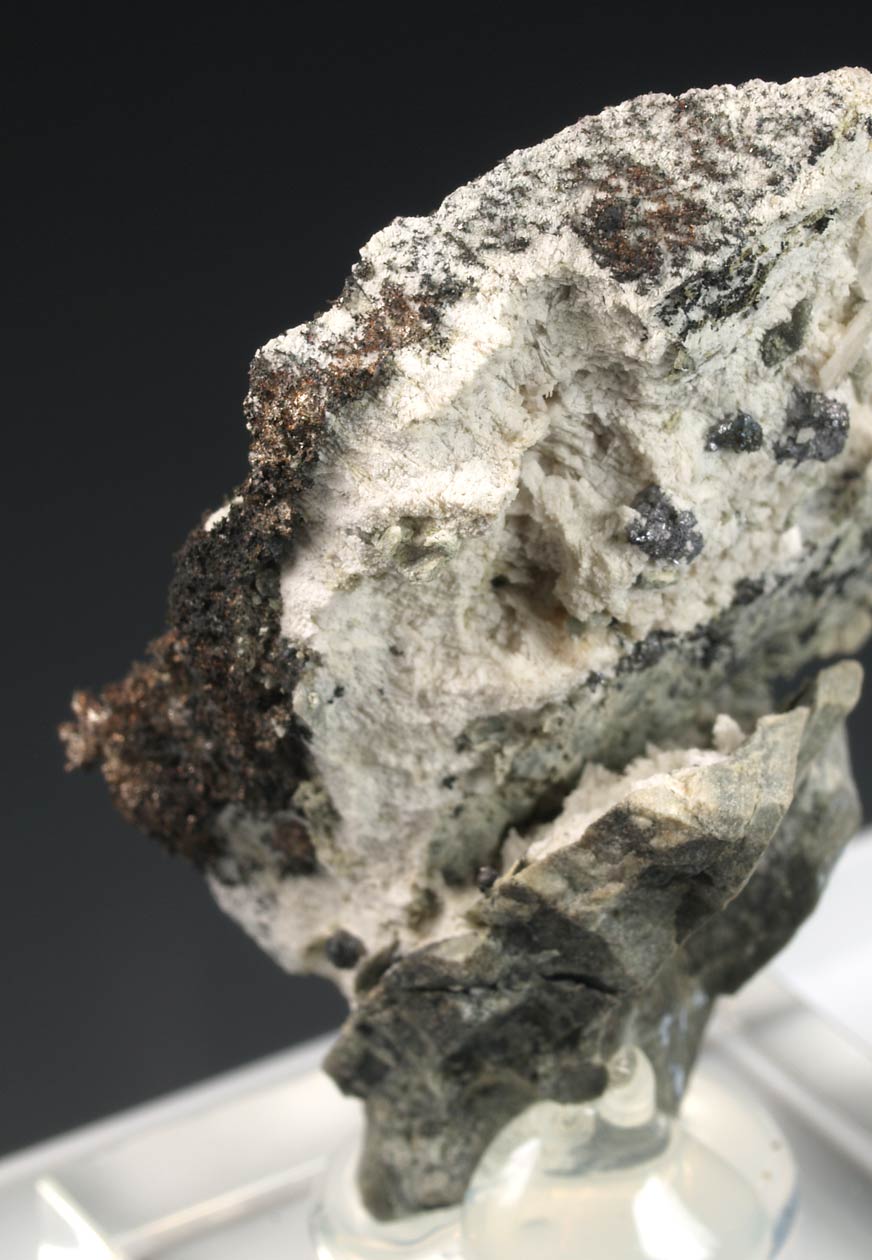
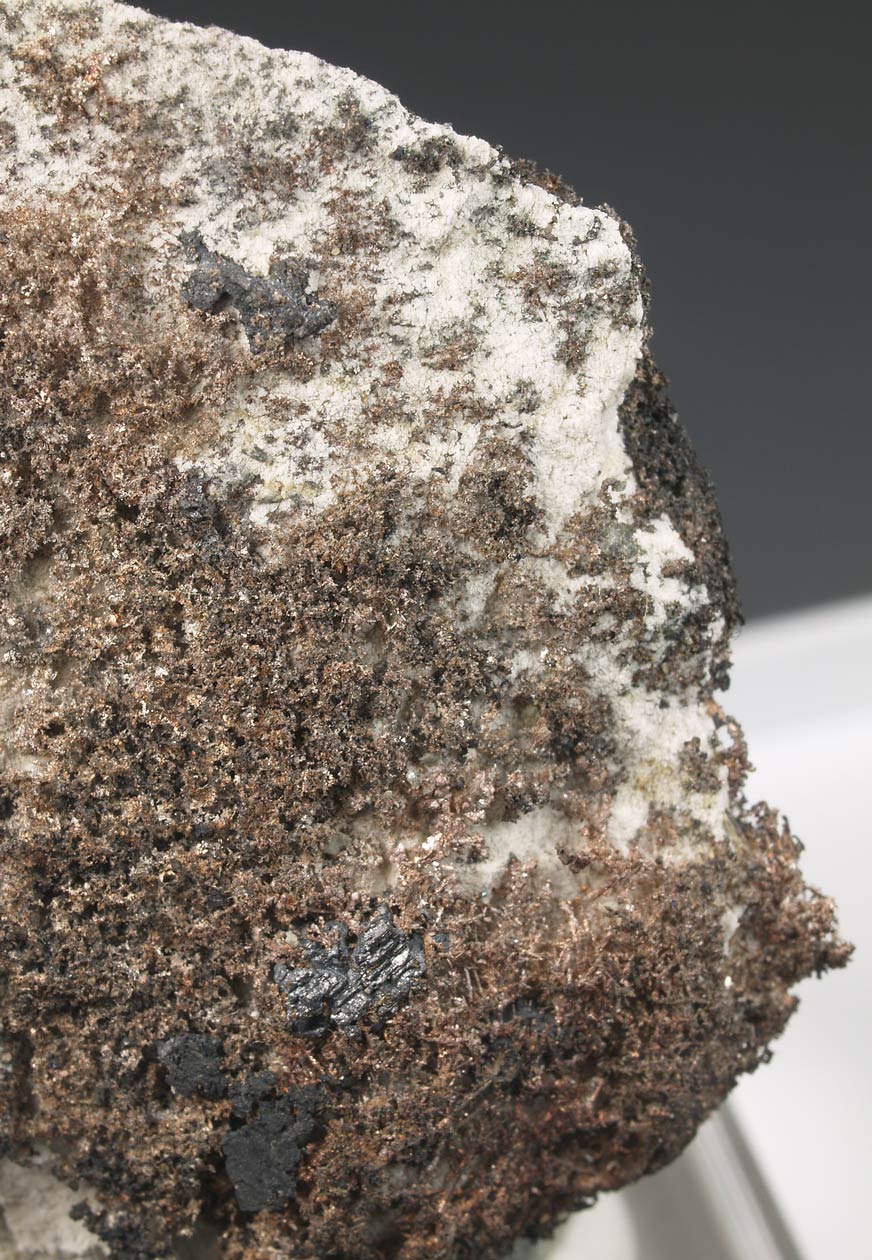
In this specimen we can enjoy several groups of wire silver, with showy wire to skeletal growths and metallic luster. Accompanied by black acanthite crystal aggregates. From a classic locality for the Catalan and Spanish mineralogy. A good chance to represent this locality in your collection. Nowadays it is very difficult find specimens, only from old collections...
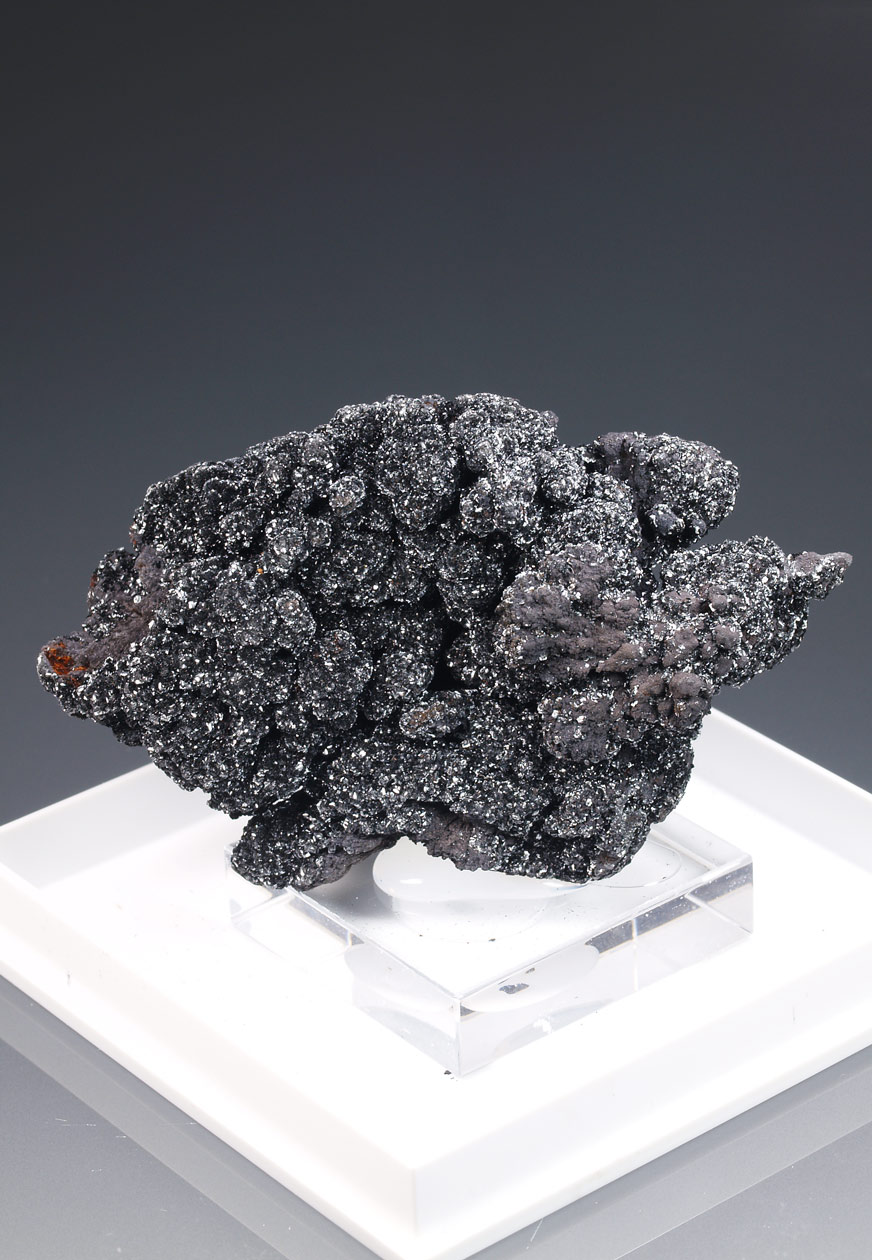
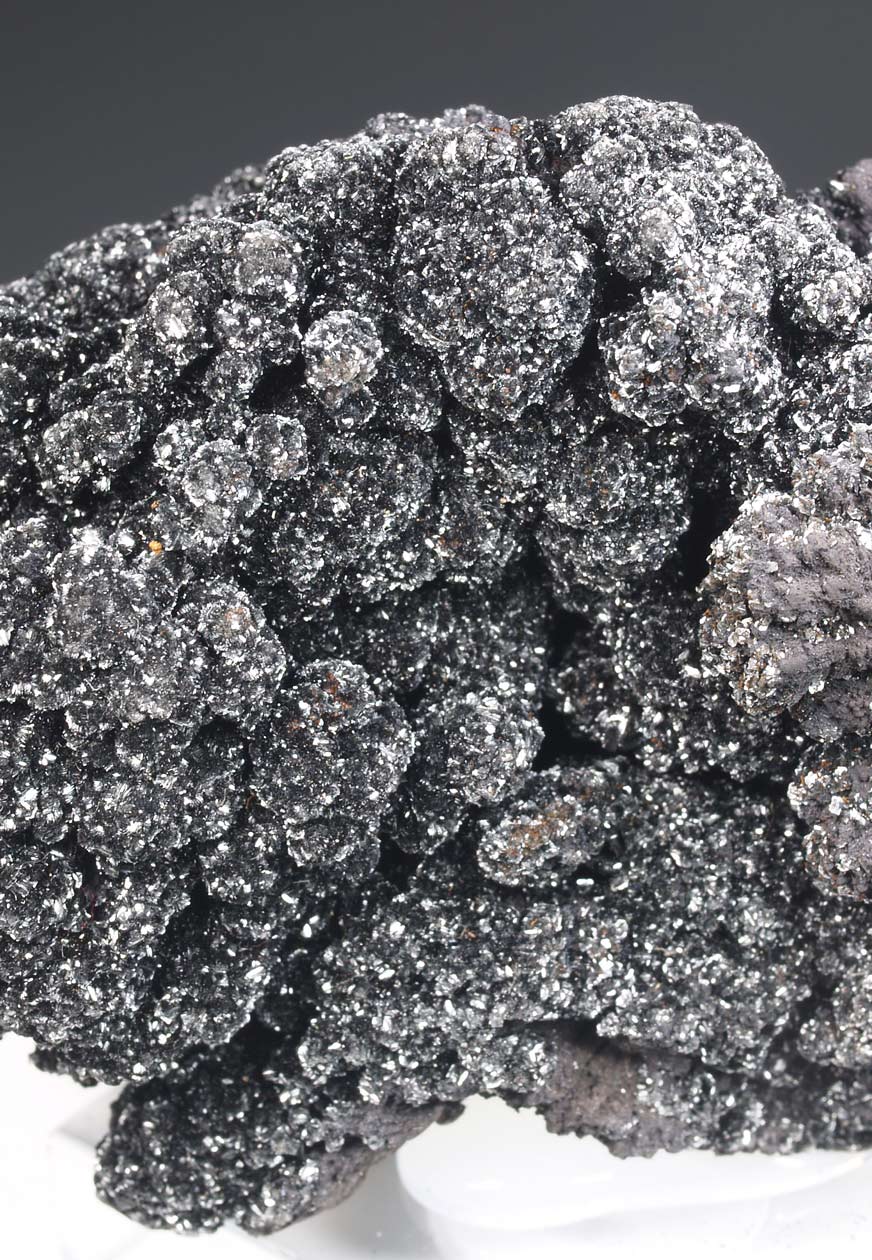
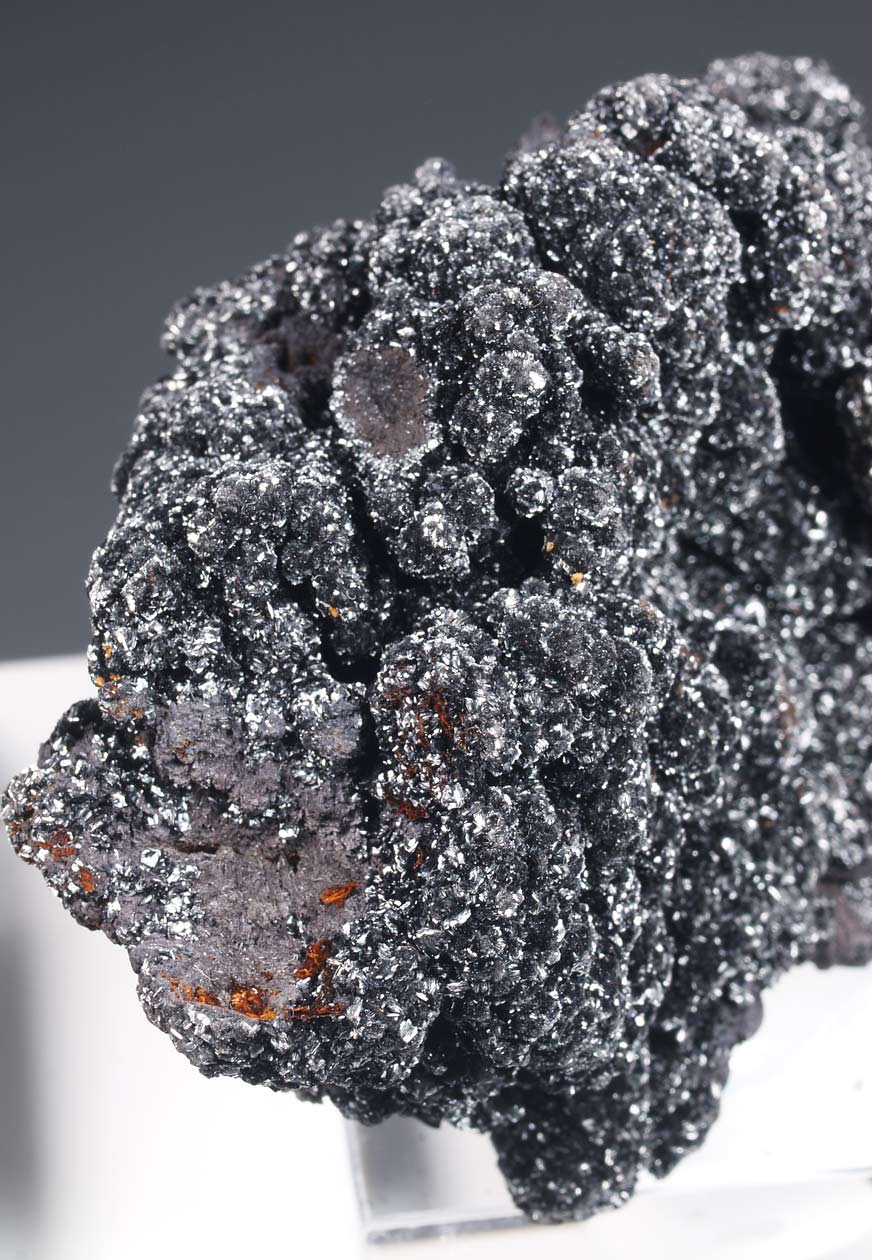
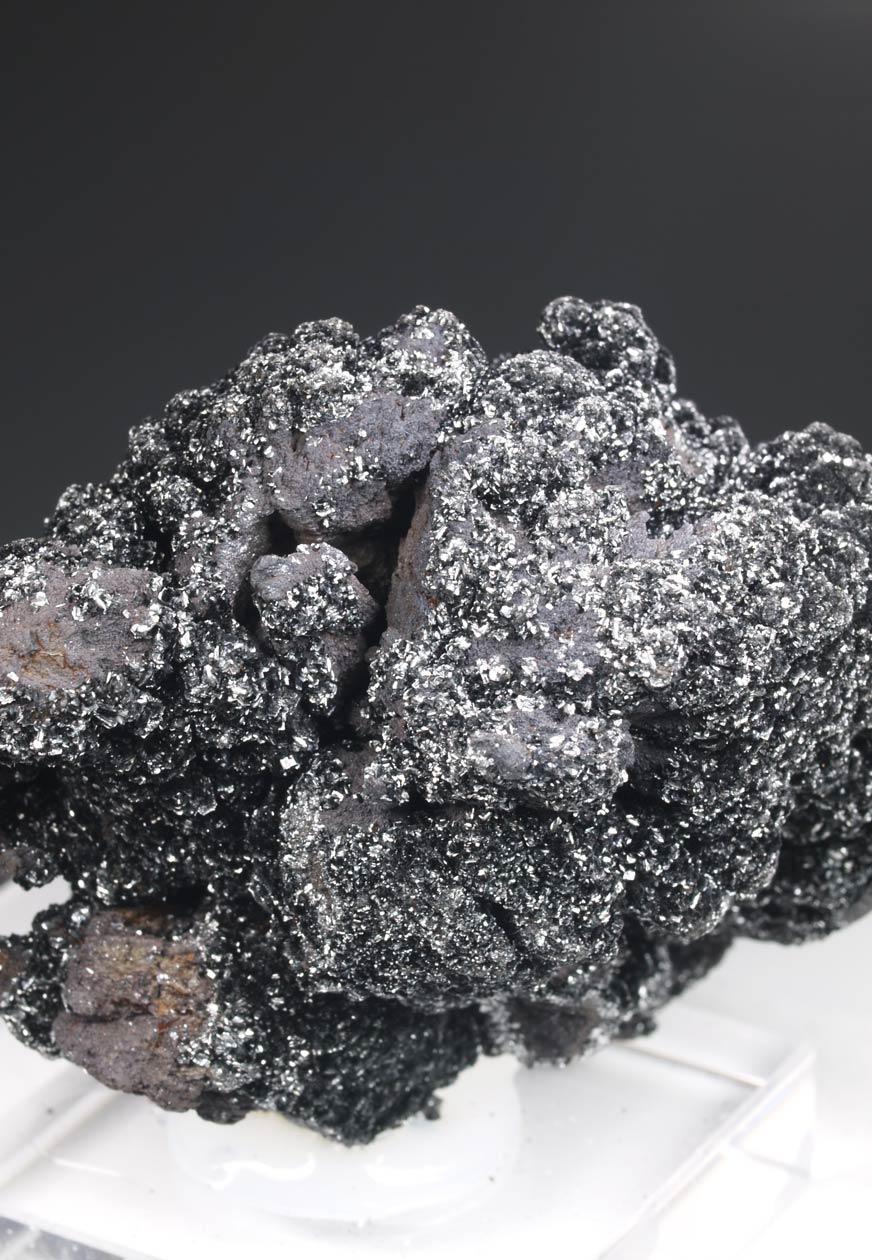
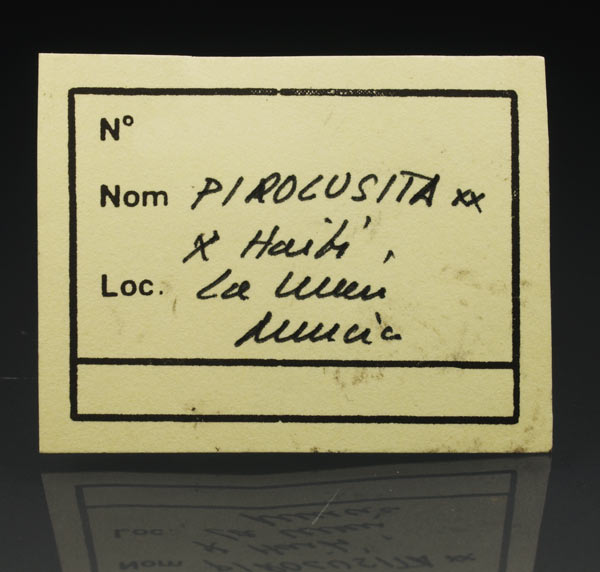
Very rich specimen formed by numerous and brilliant pyrolusite crystals with a tabular appearance and forming globular growths. With Joan Viñals label.
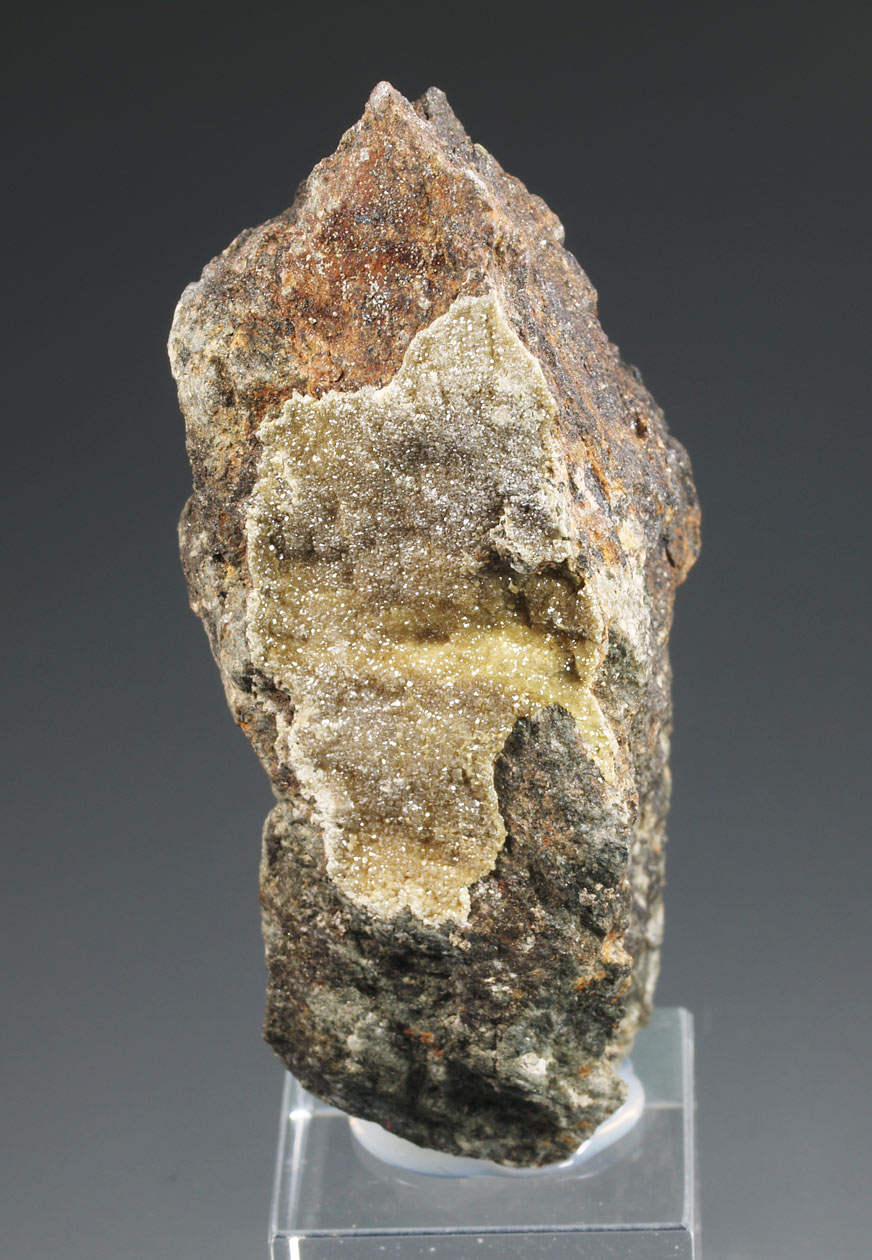
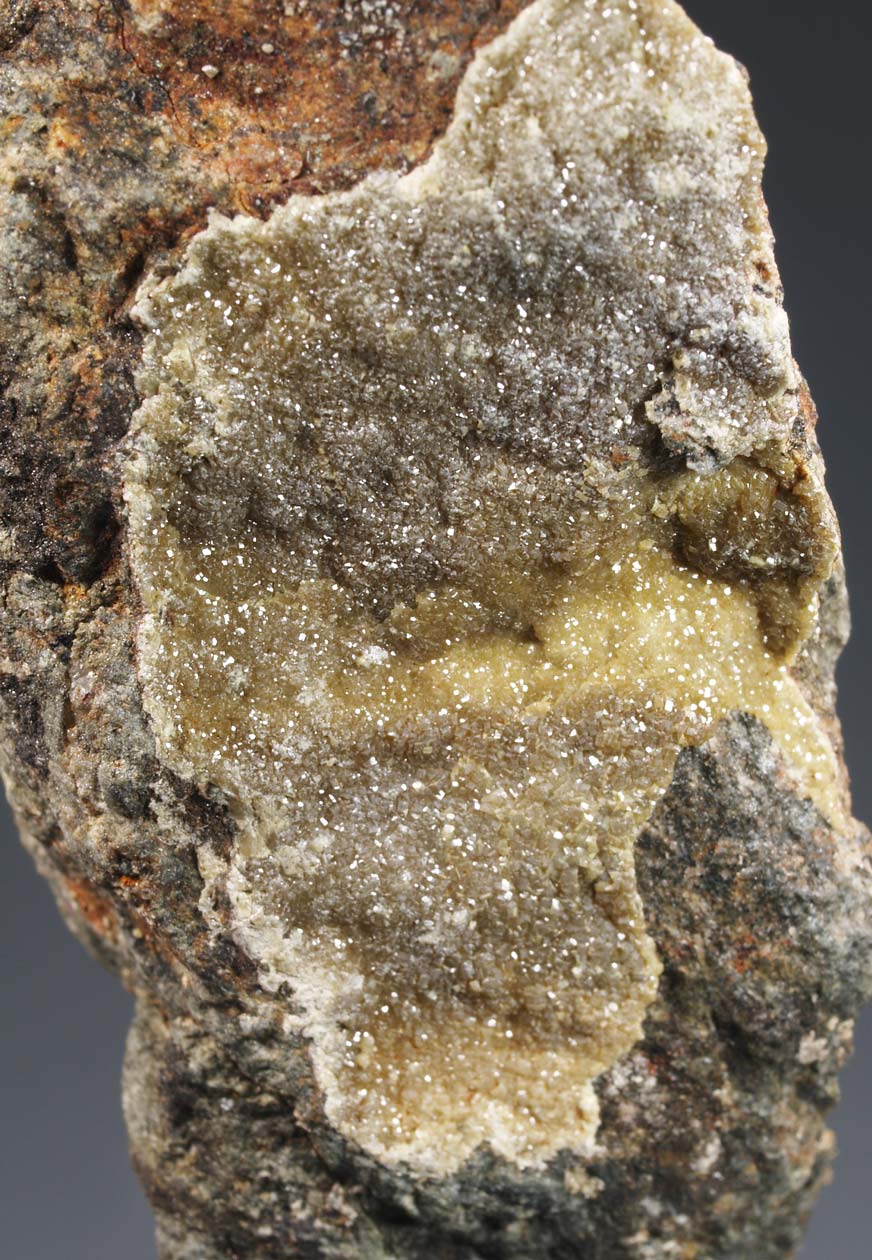
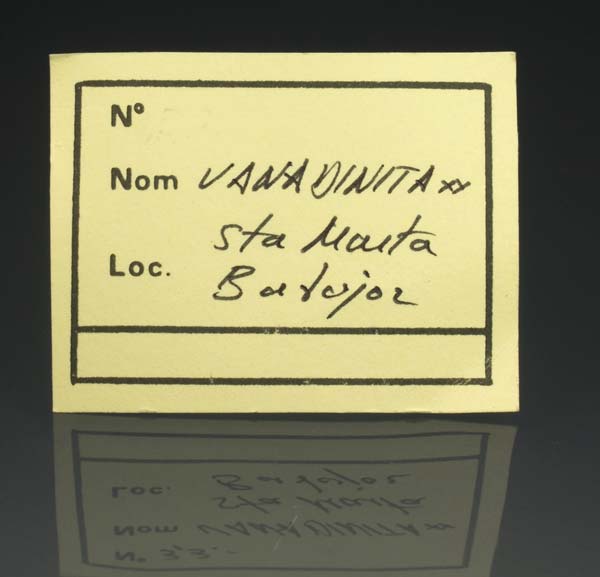
Druse of small and brilliant vanadinite crystals. A curiosity for collectors of Spanish localities. With the Dr. Joan Viñals label.
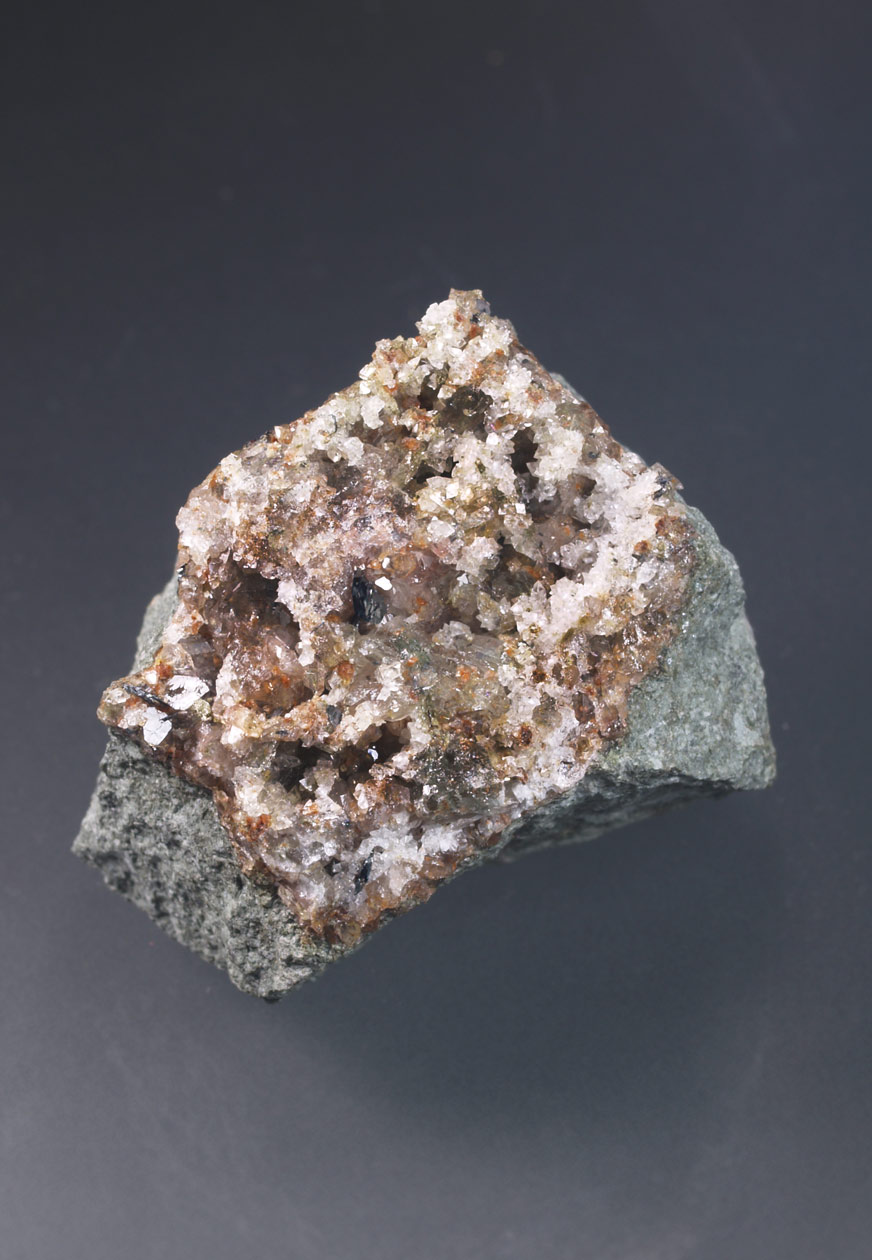
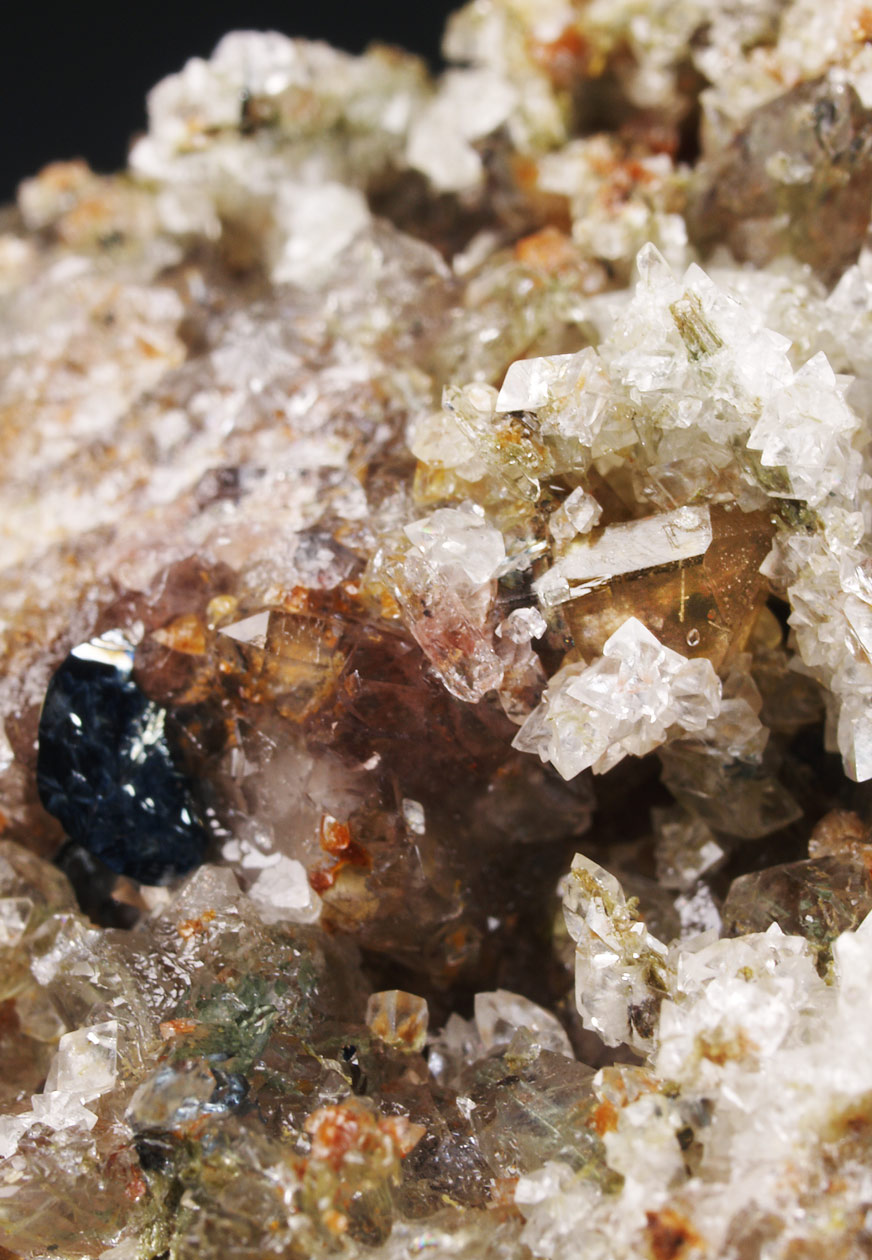
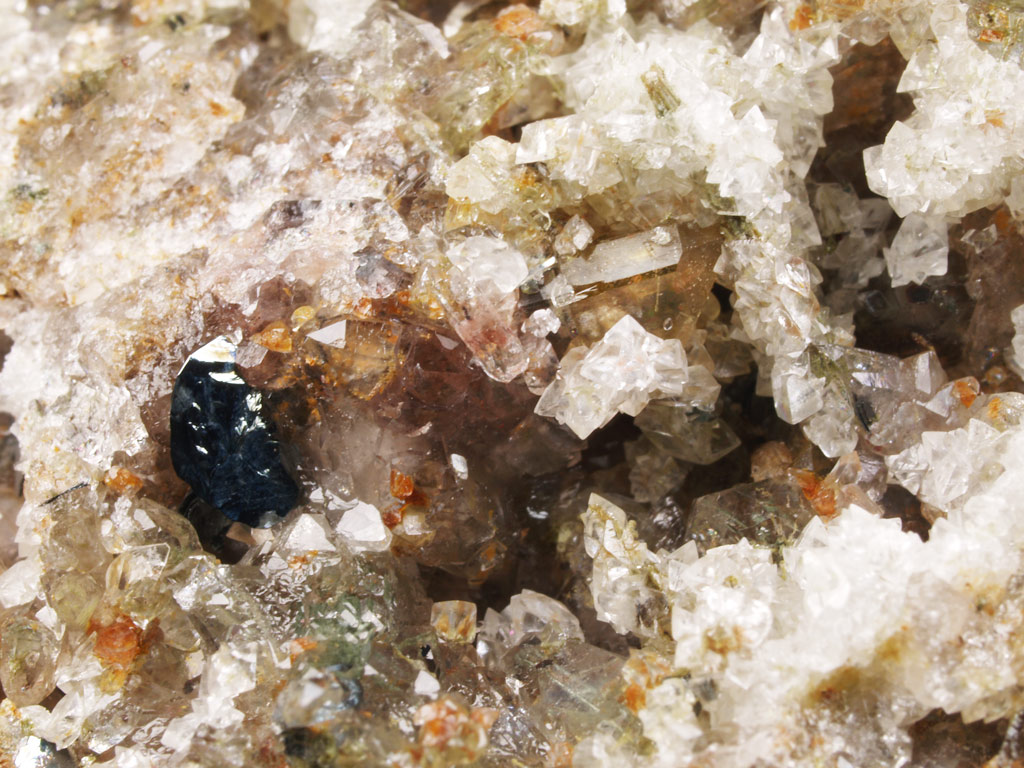
In this specimen, obtained in the Manzanera cemetery area, we can observe numerous calcite crystals with quartz, some hematite crystal and, hidden, a yellowish fluorapatite crystal, well defined and transparent. Unique specimen from a very little-known locality.
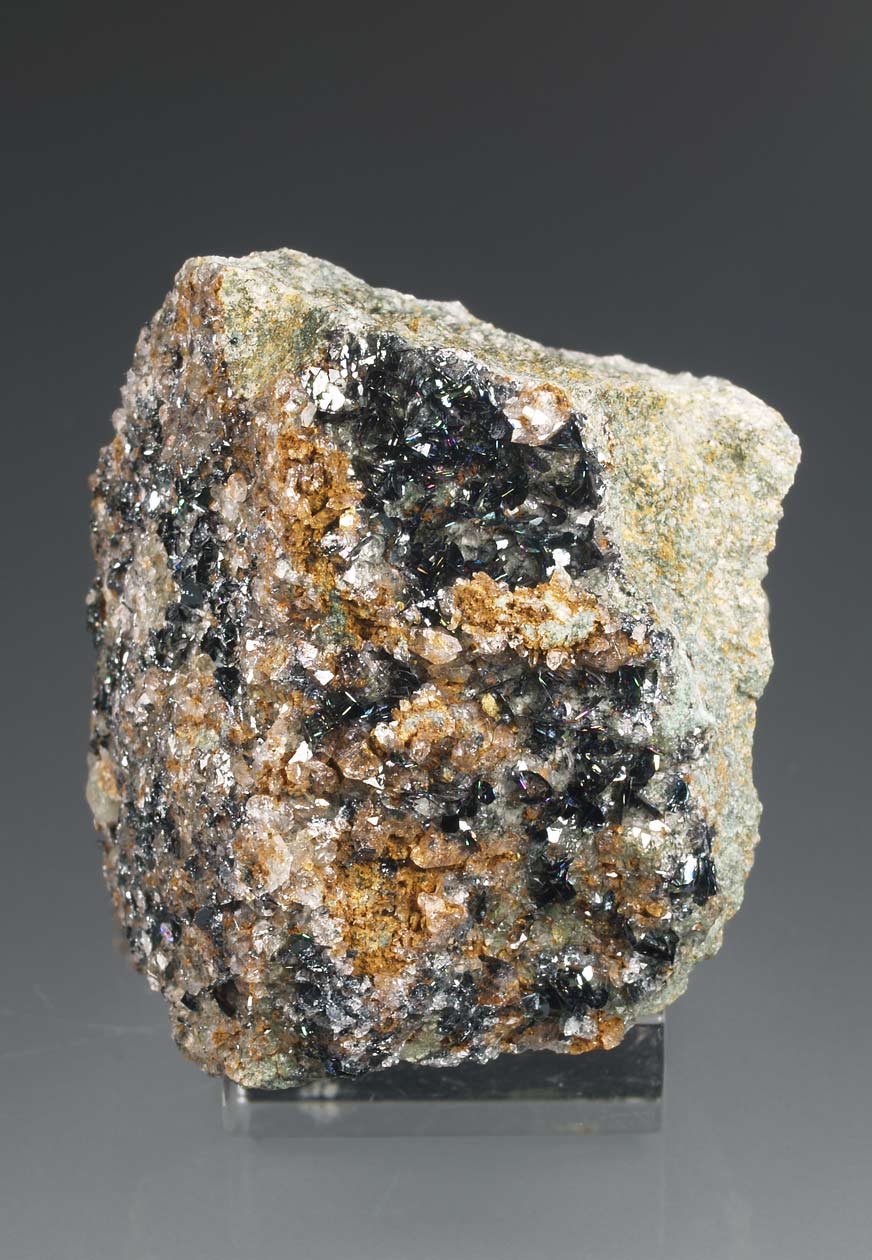
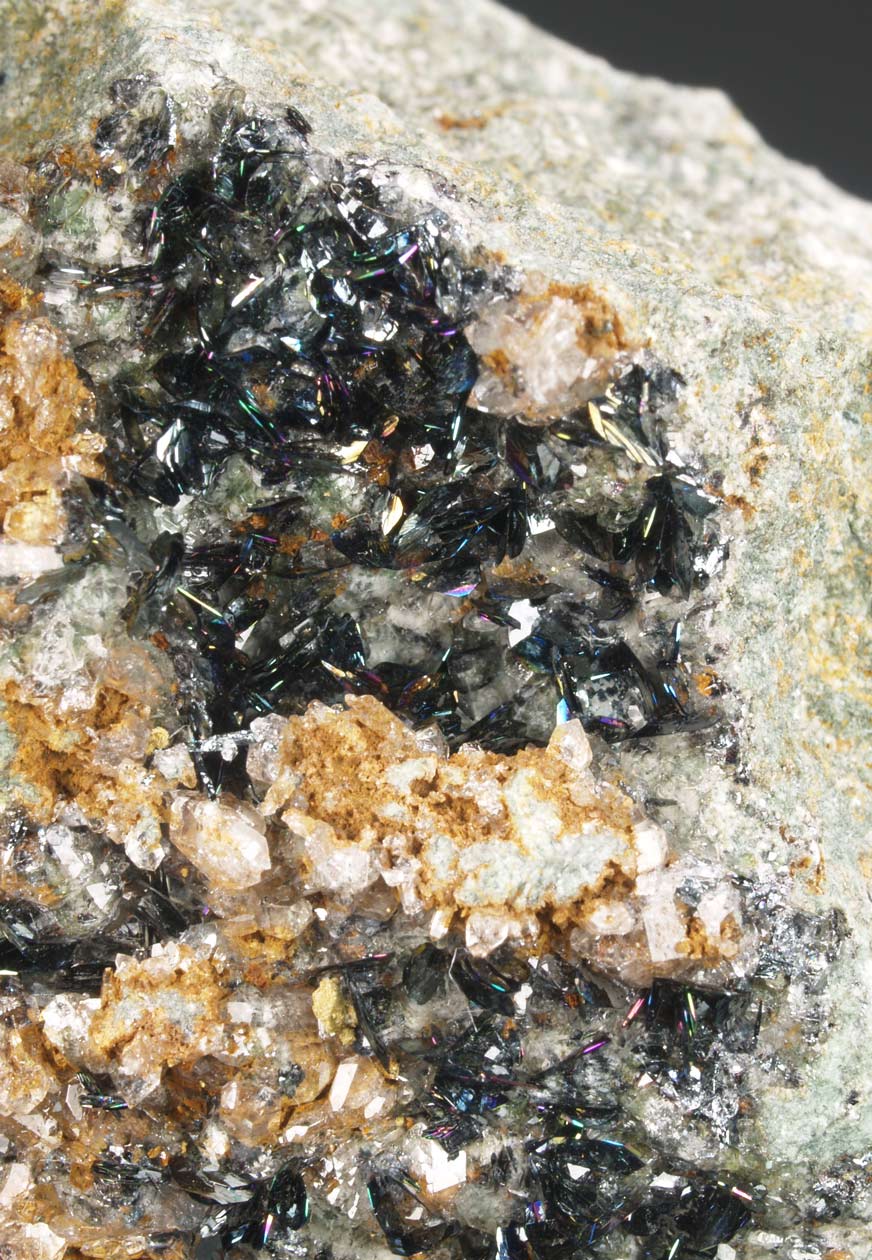
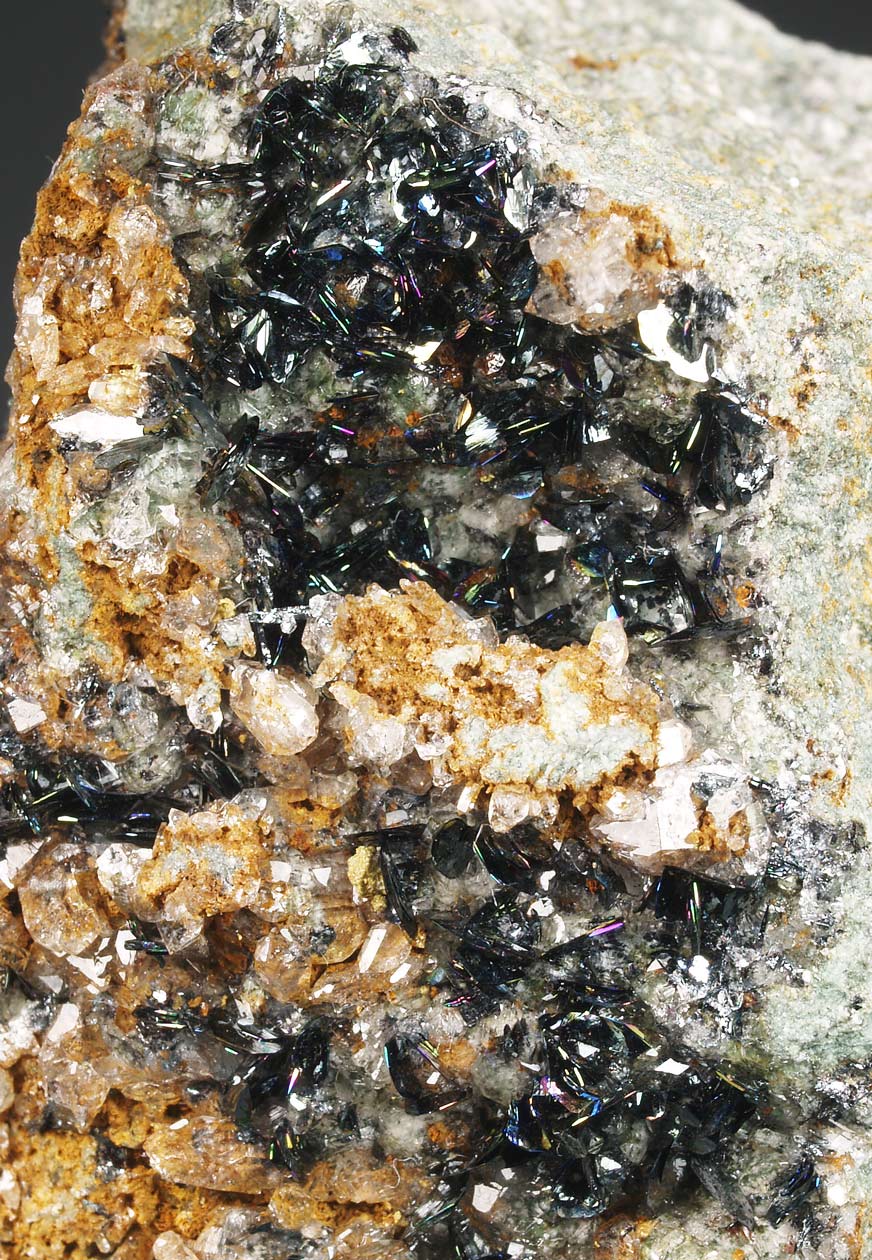
The specimens of hematite from the Sandra quarry, where dolerites (ophites) are exploited, are known by local collectors, but those extracted in the Manzanera cemetery area have not been as abundant and of high quality. This specimen comes from the Marí-García collection (Castelló) and was collected in 2000. The hematite crystals form isolated "leaves" that are very shiny and iridescent, unlike the quarry. Very aesthetic and unique specimen.
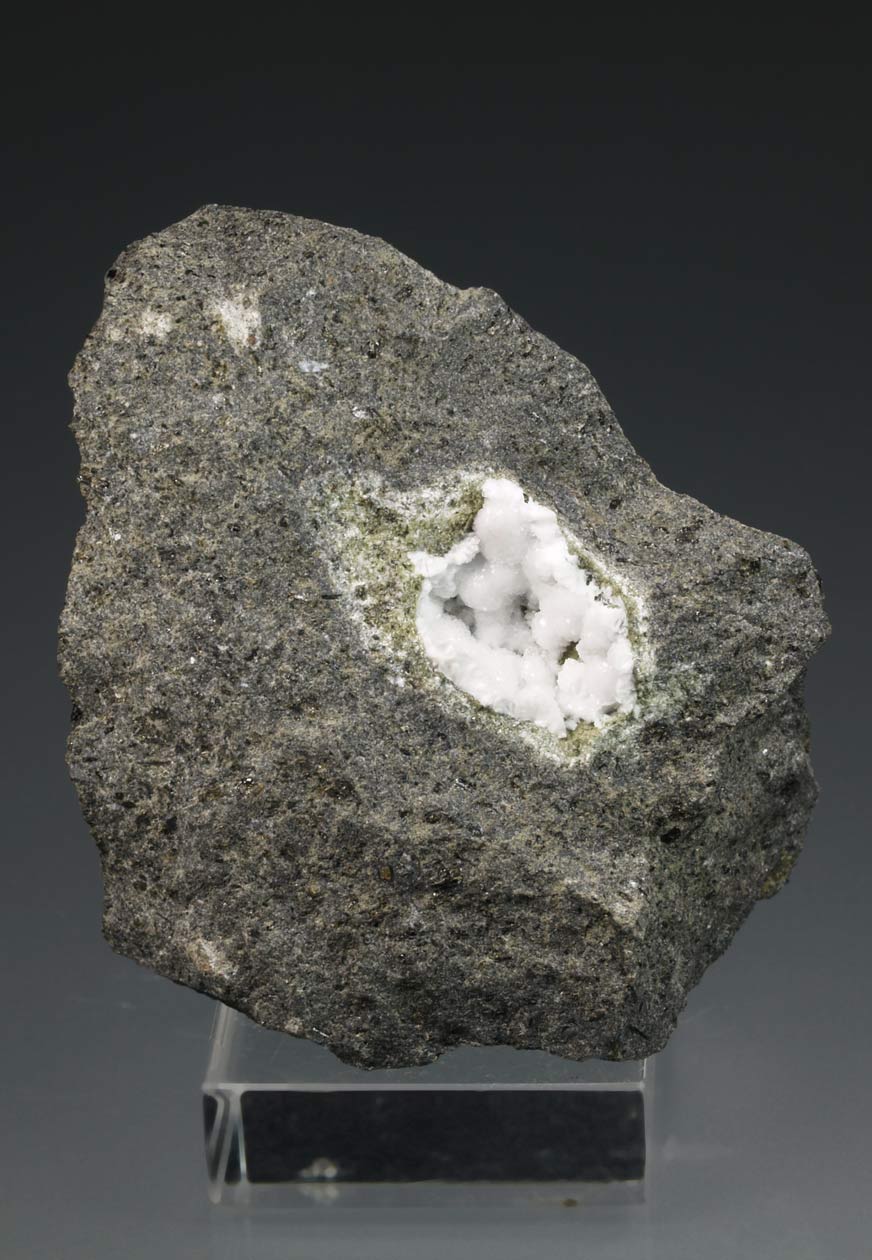
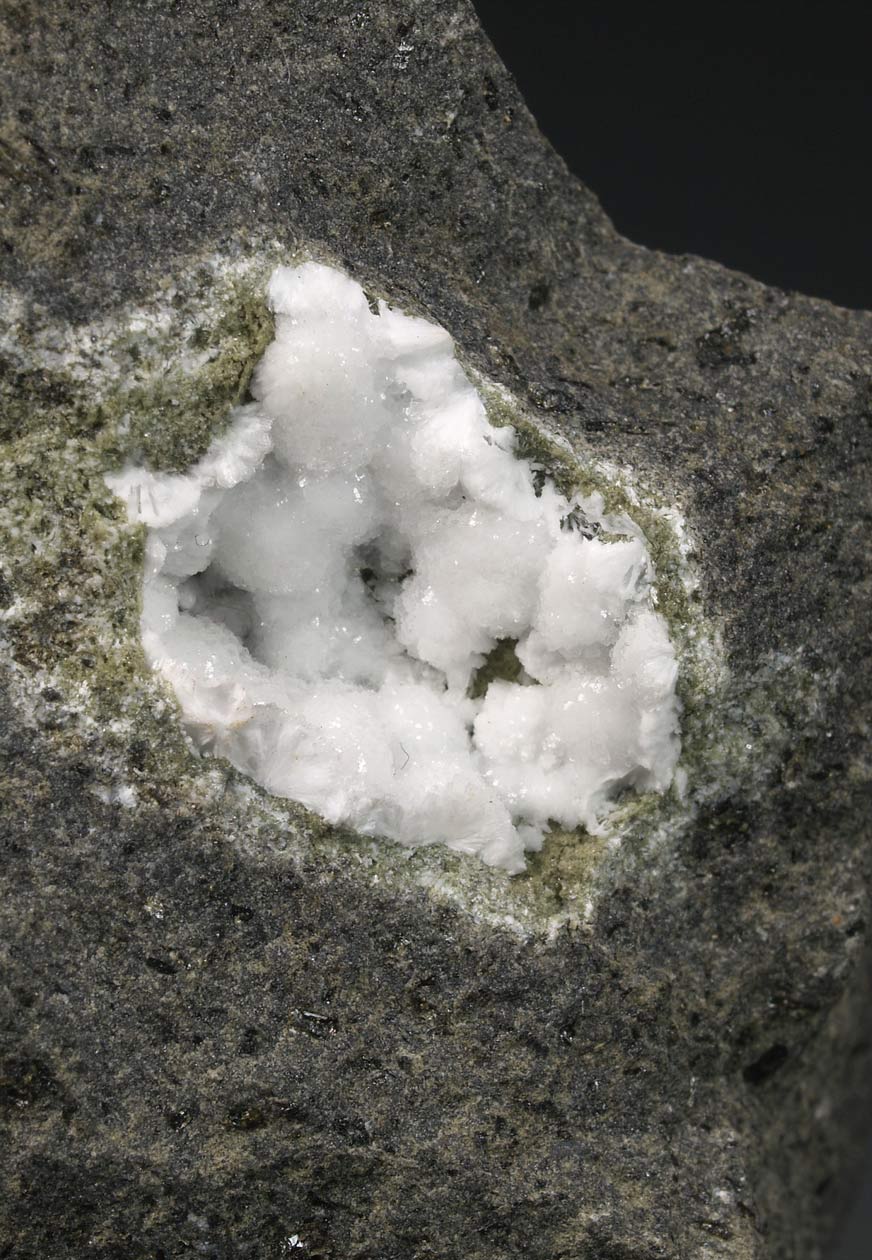
White globular aggregates of thomsonite-Ca, on the basaltic matrix. Excol. M. Marín de Castelló. A classic specimen of Spanish mineralogy.
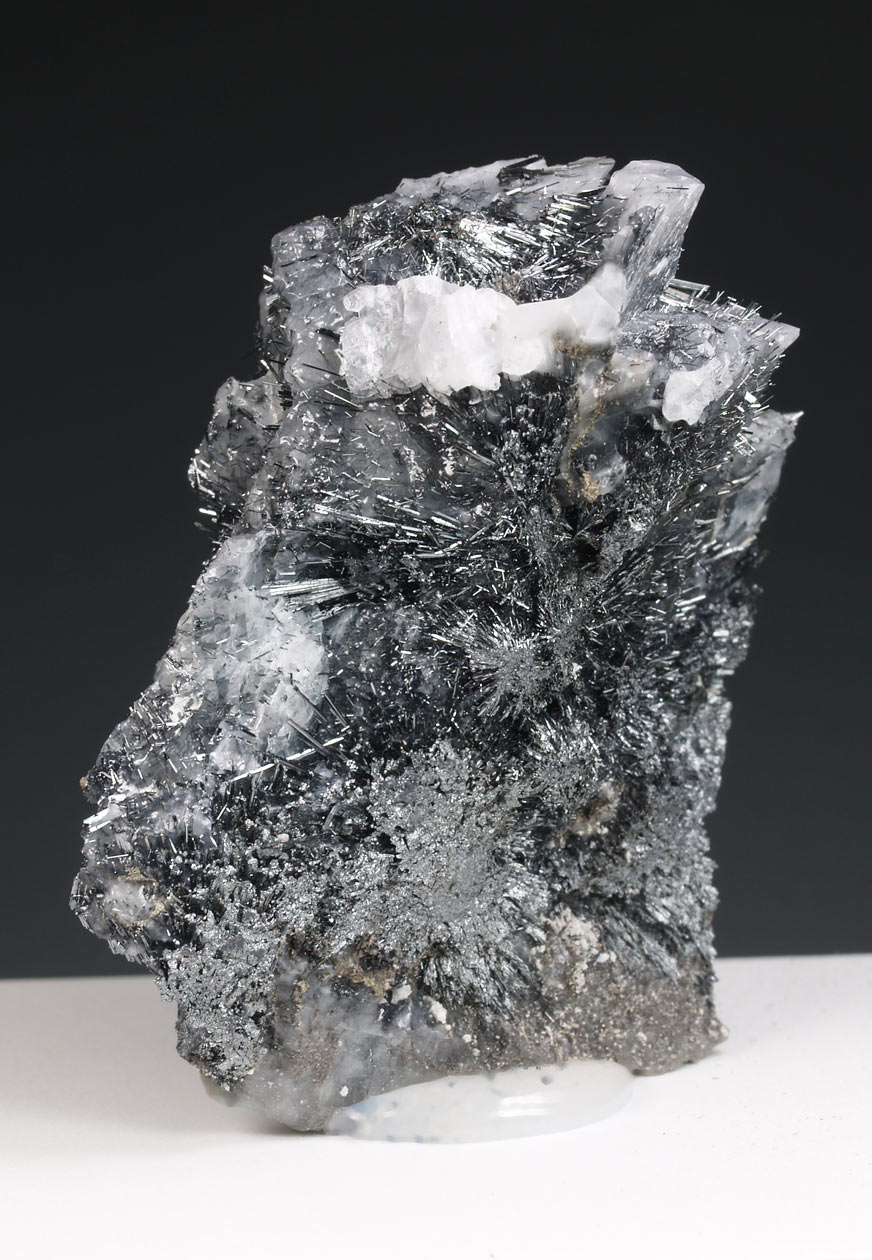
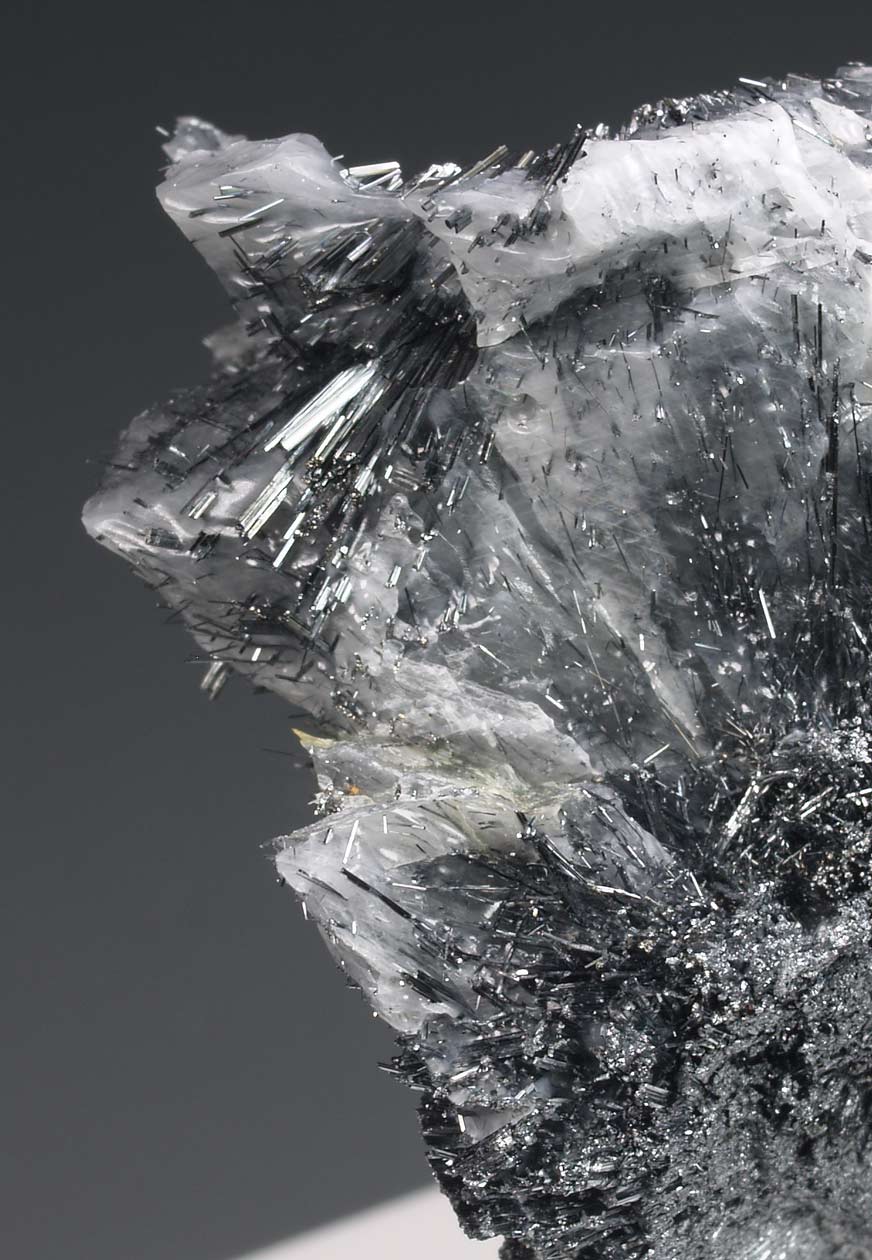
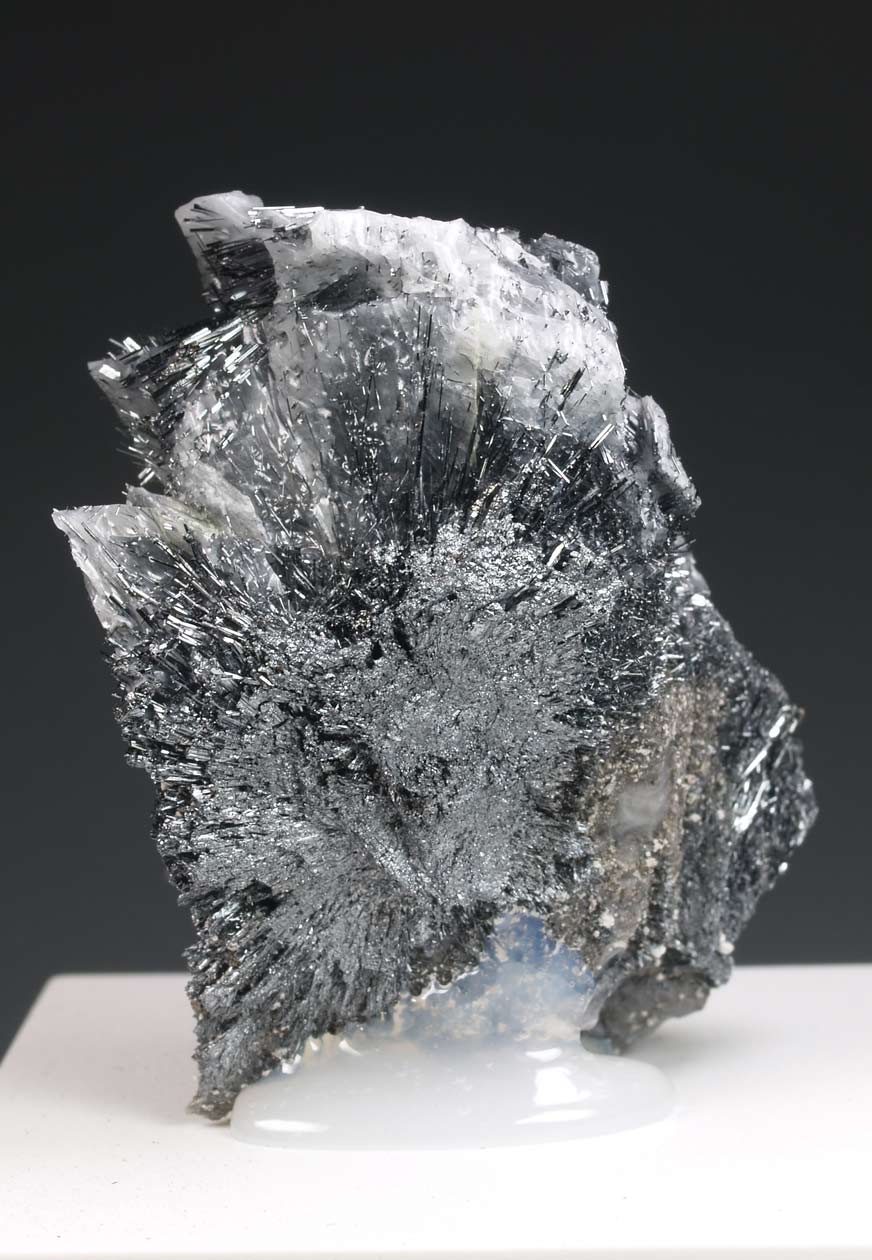
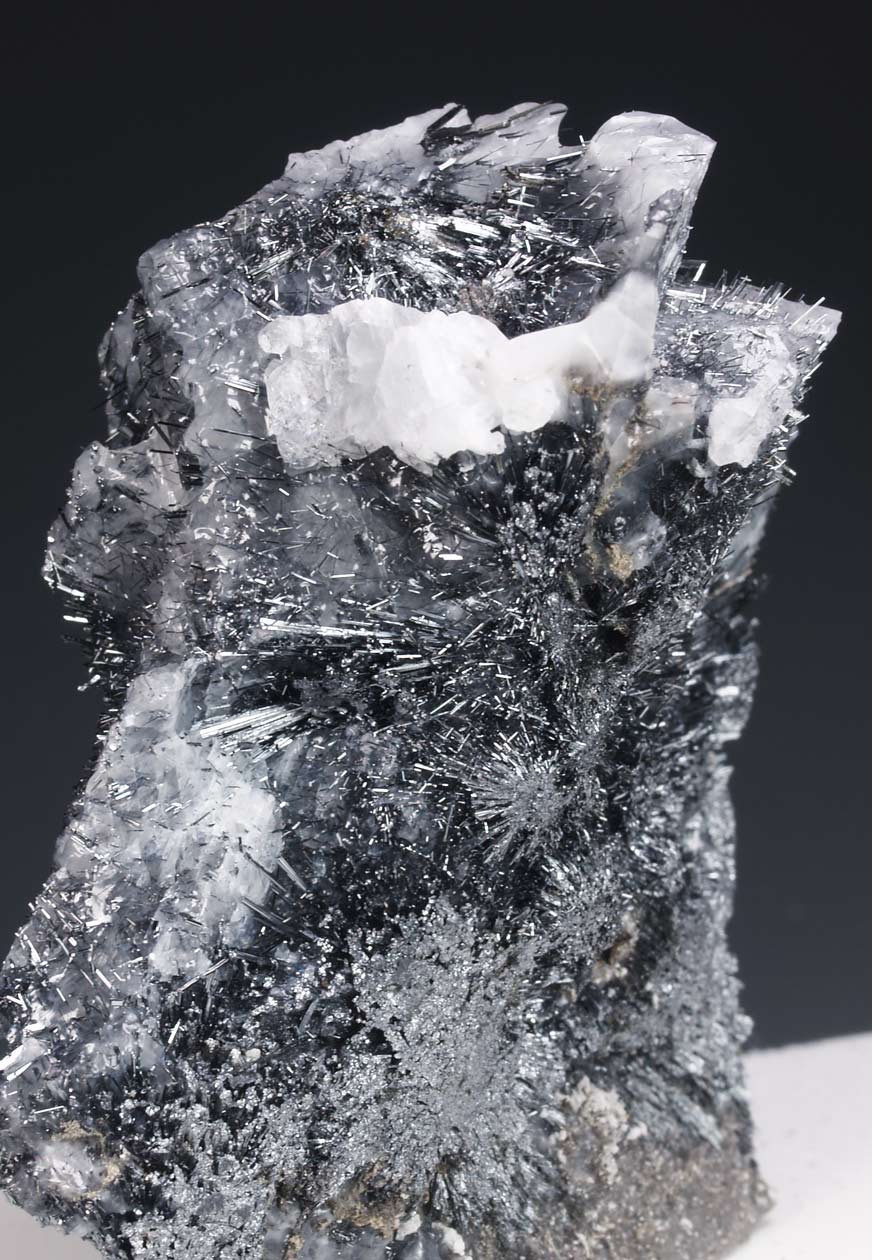
This Leonese mine is near the Riaño reservoir. In this specimen we can see various radial aggregates of acicular prismatic stibnite crystals, with an intense luster and disposed in a calcite matrix that include them. In 1909 Spanish Mining Statistics, indicates the demarcation of 22 properties in this area with the name of "María Teresa" mine (document Nr. 3,260), of antimony, in the name of Policarpo Herrero, domiciled in Oviedo (FMF). A very fine and representative specimen.
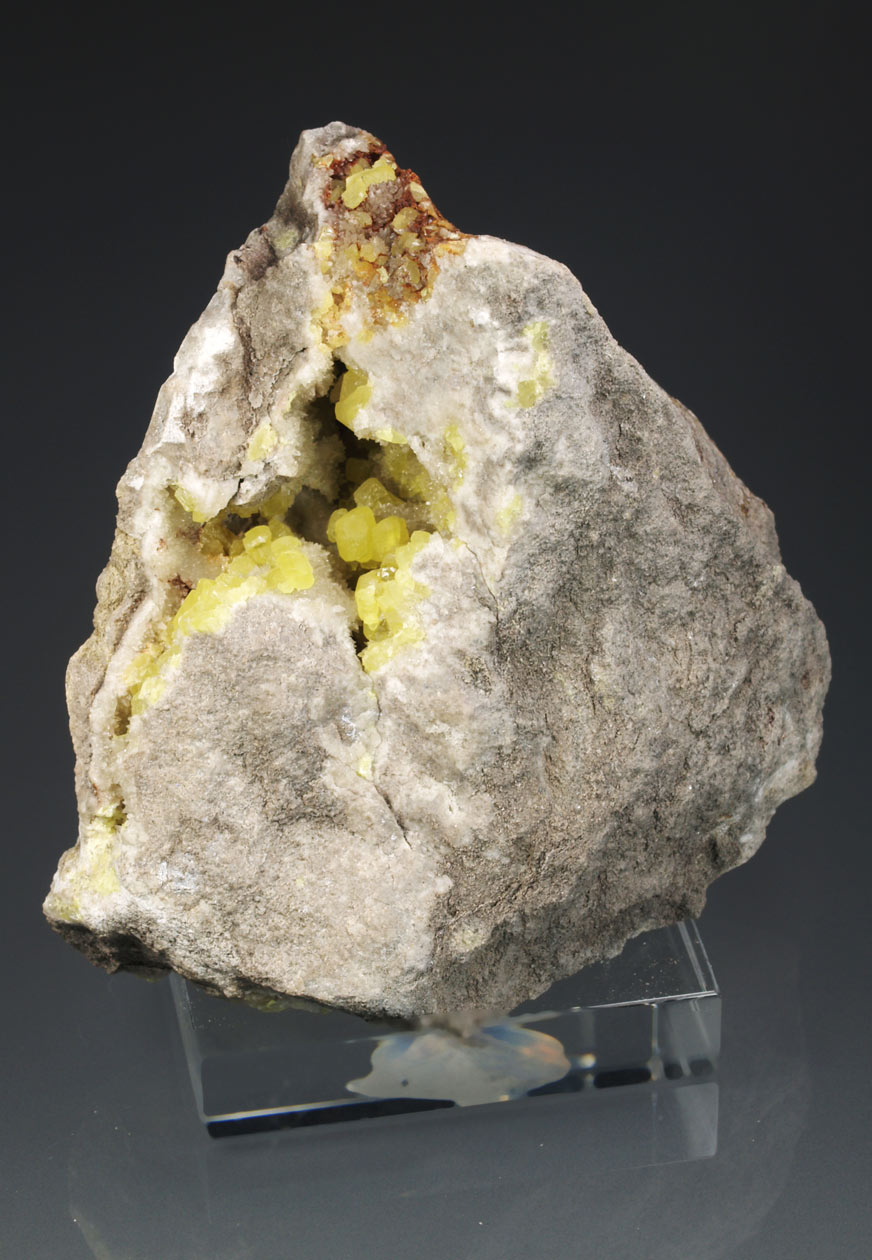
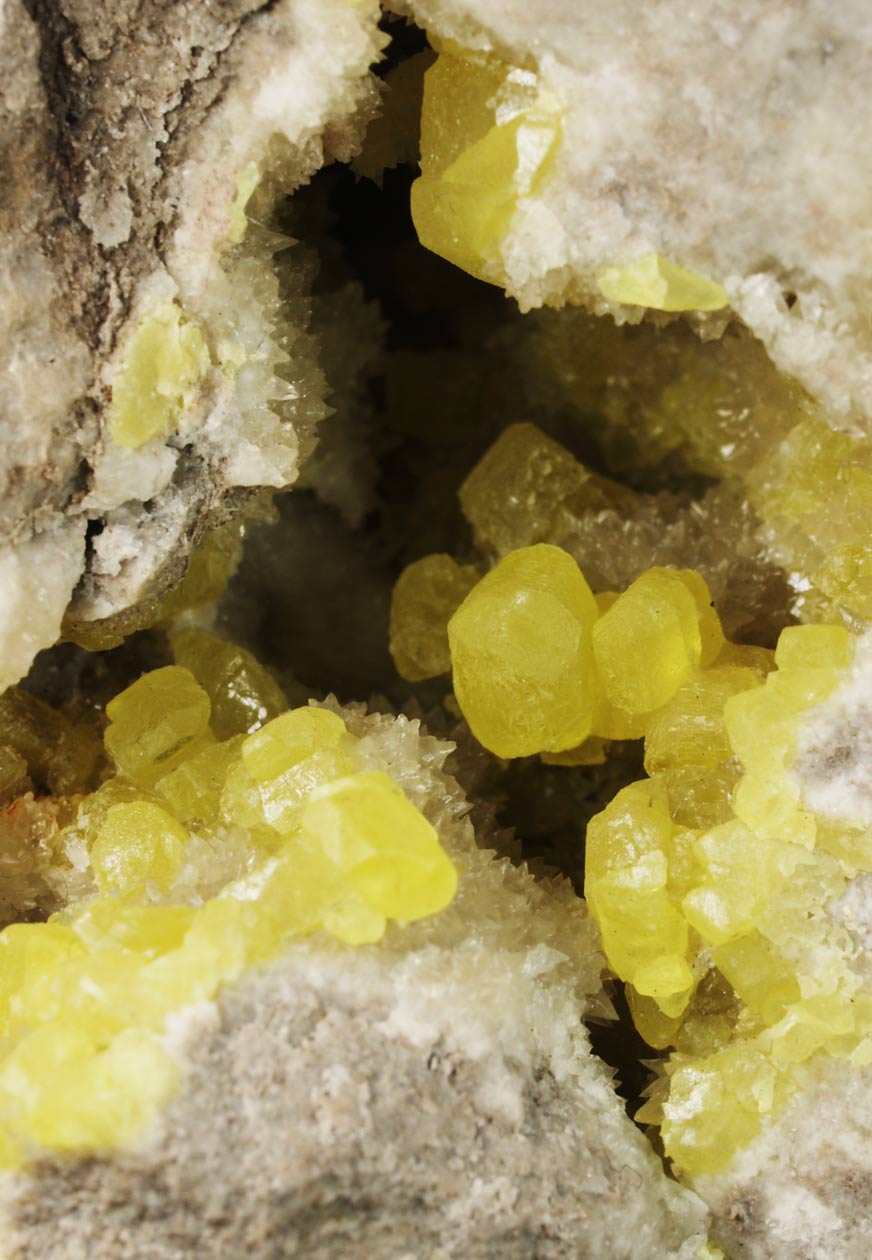
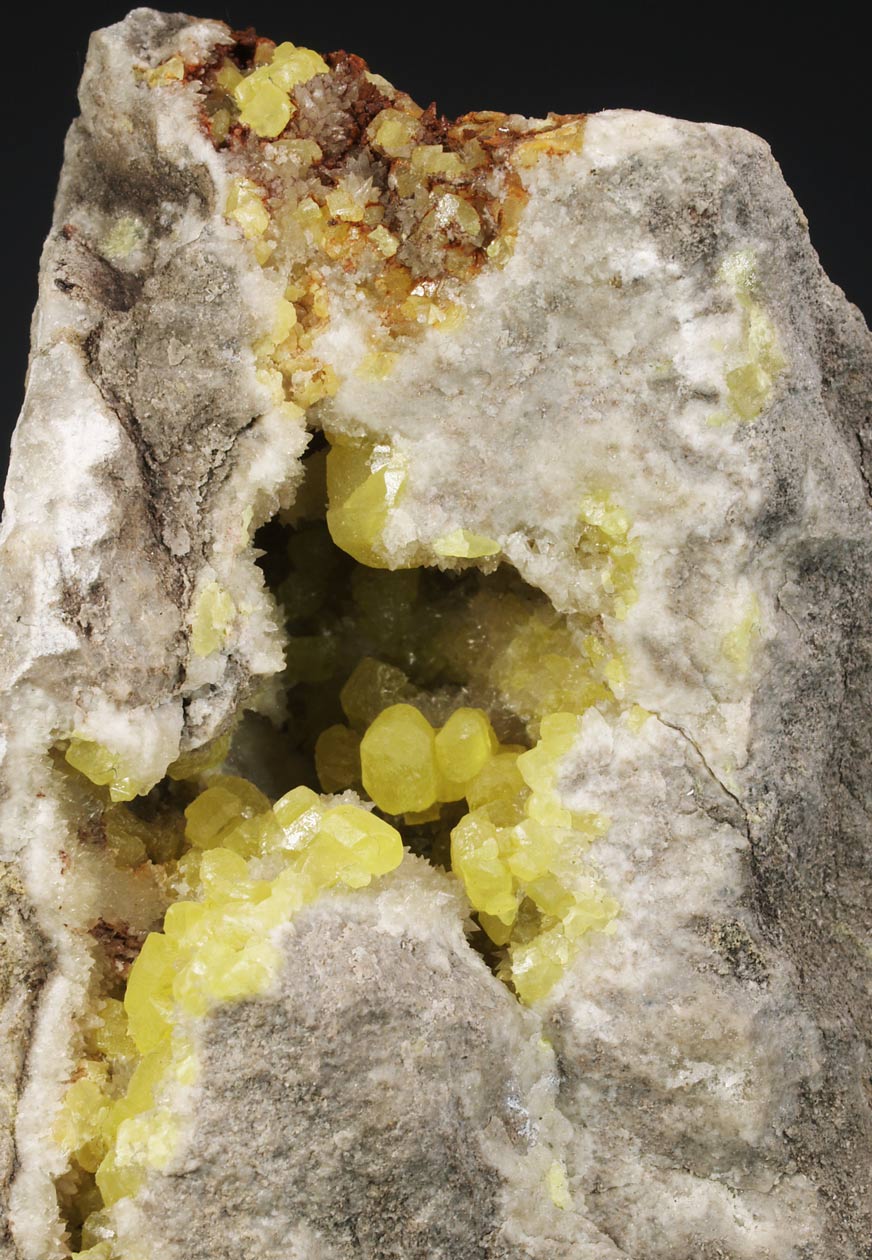
Group of good-sized sulphur crystals from a classic Spanish locality, but from a little-known mine, showing a great richness of faces, some brilliance and a canary yellow color. It is arranged in a cavity with calcite crystals. A fine Spanish specimen.
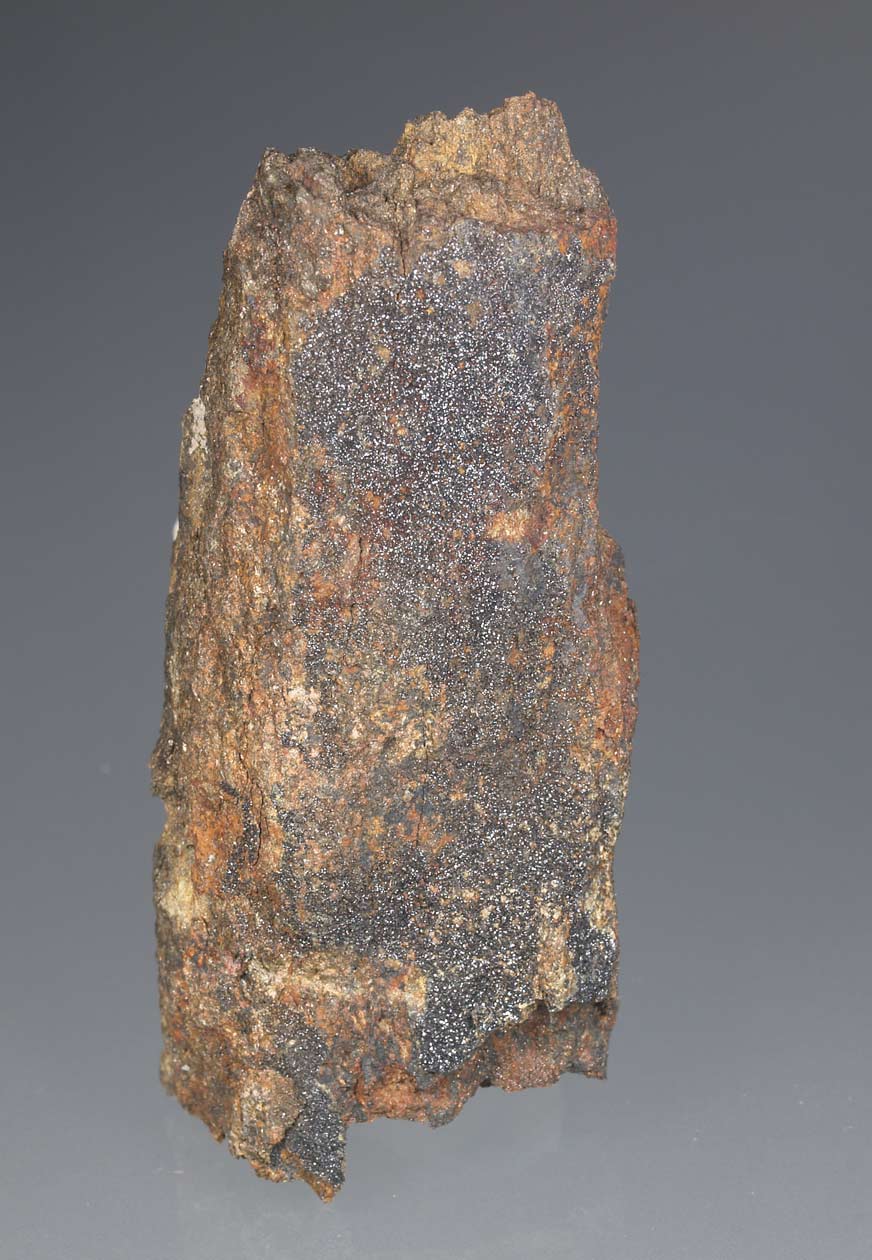
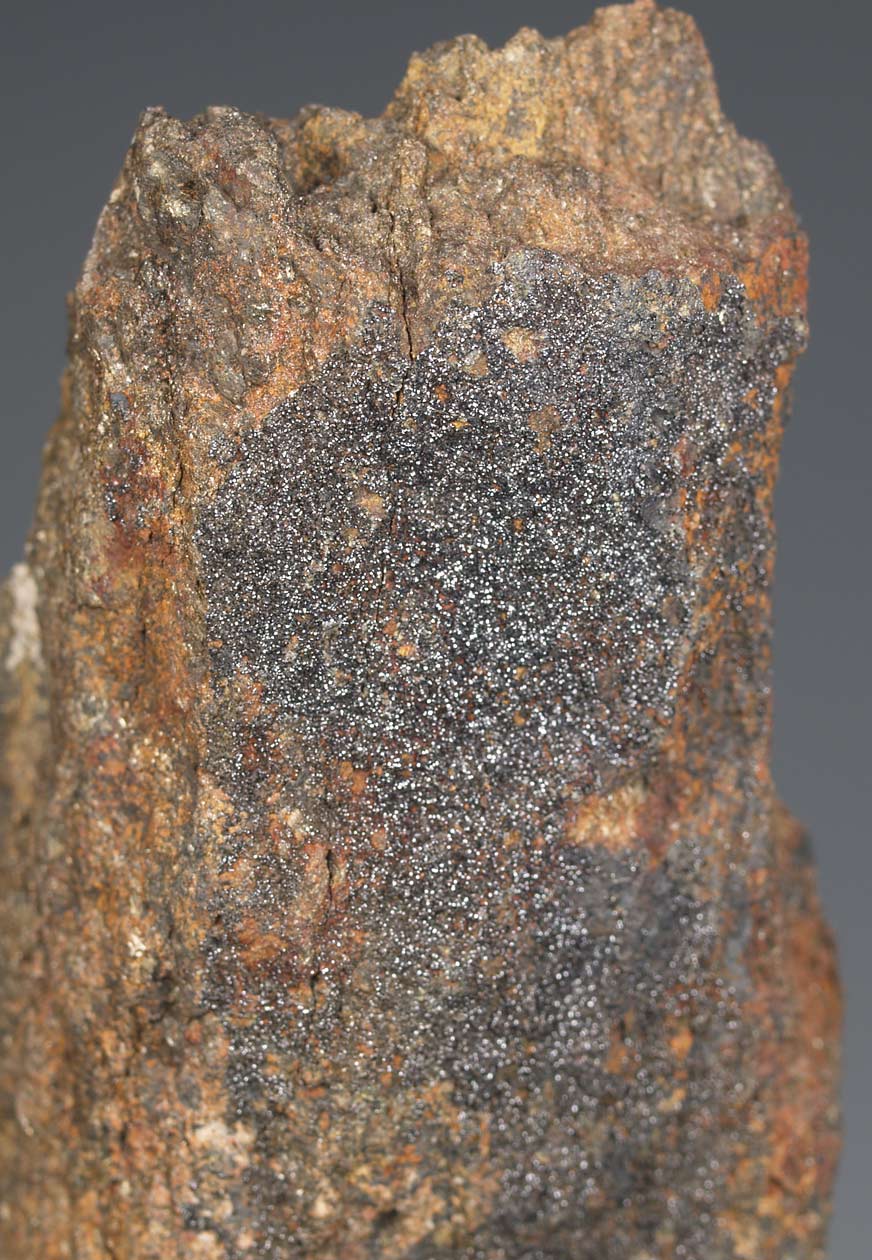
Druse of small, bright and defined descloizite crystals. The specimen from the Nicolau collection is accompanied by the handwritten label of Dr. Joan Viñals. It comes from the type locality for calderonite.
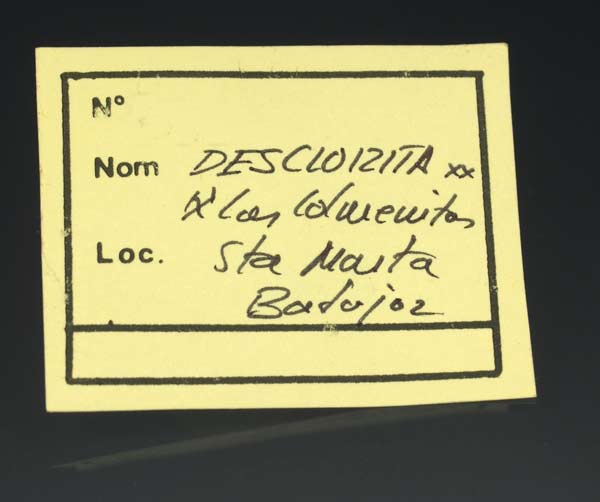
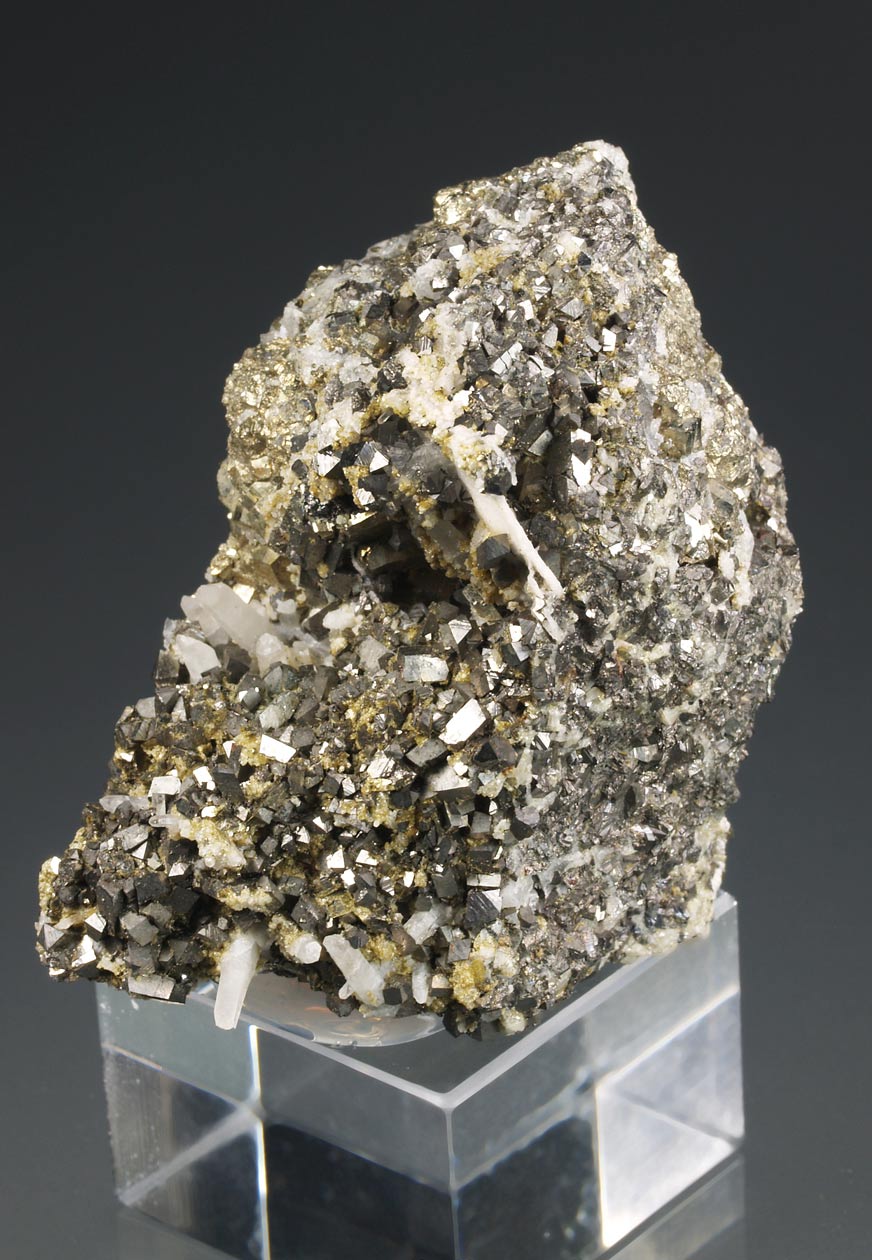
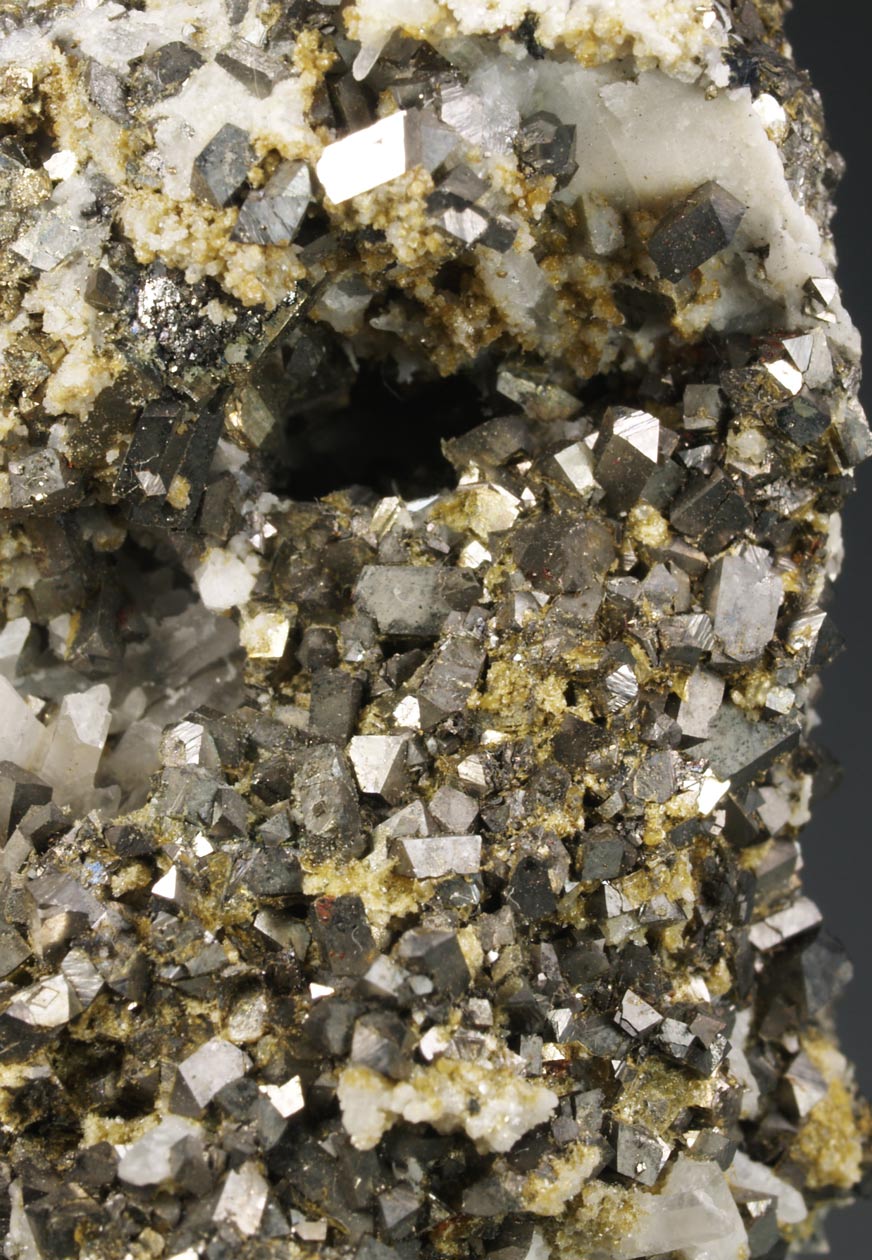
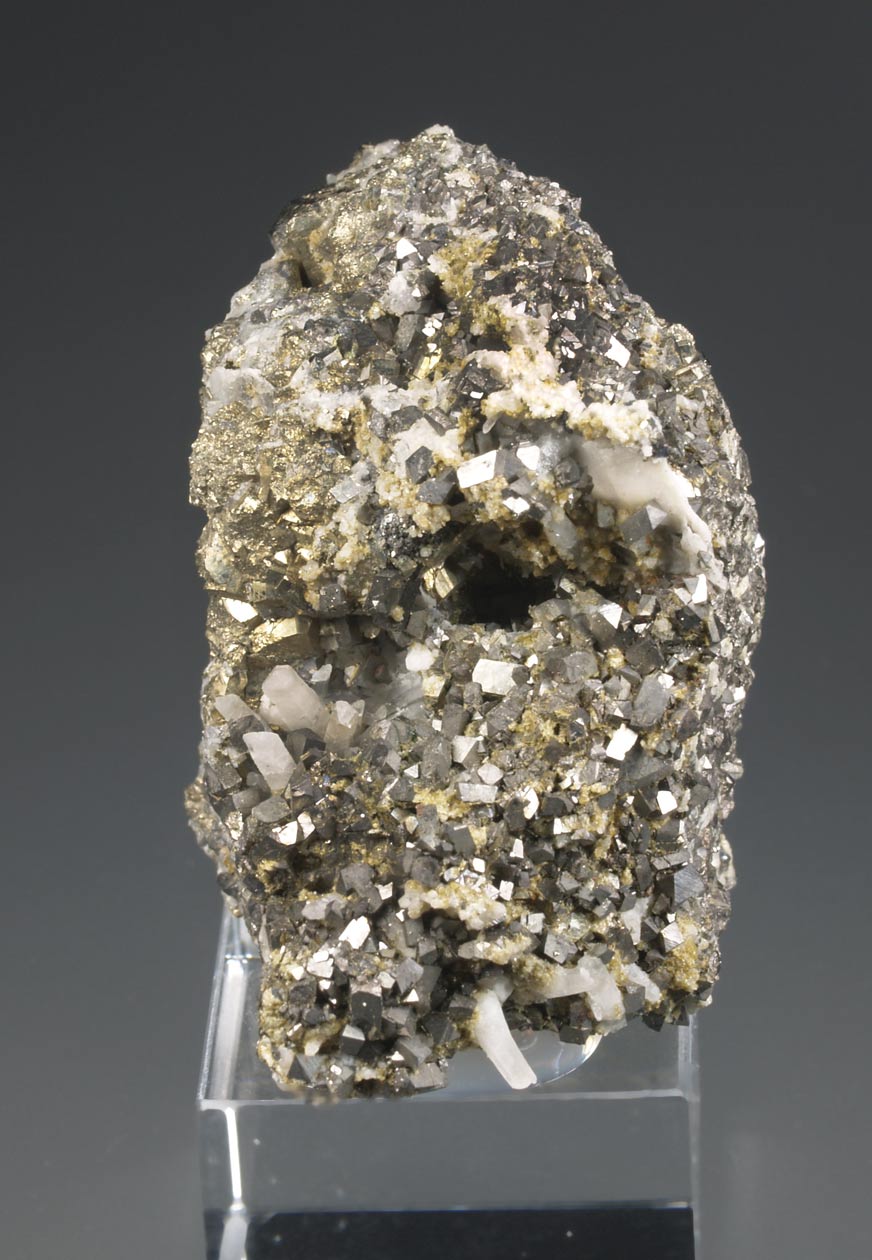
Group of arsenopyrite crystals, very well defined faces amd edges and brilliant, from this classic Spanish mine. With yellowish scorodite. It belongs from the collection of Peter Seroka and it is accompanied by some labels.
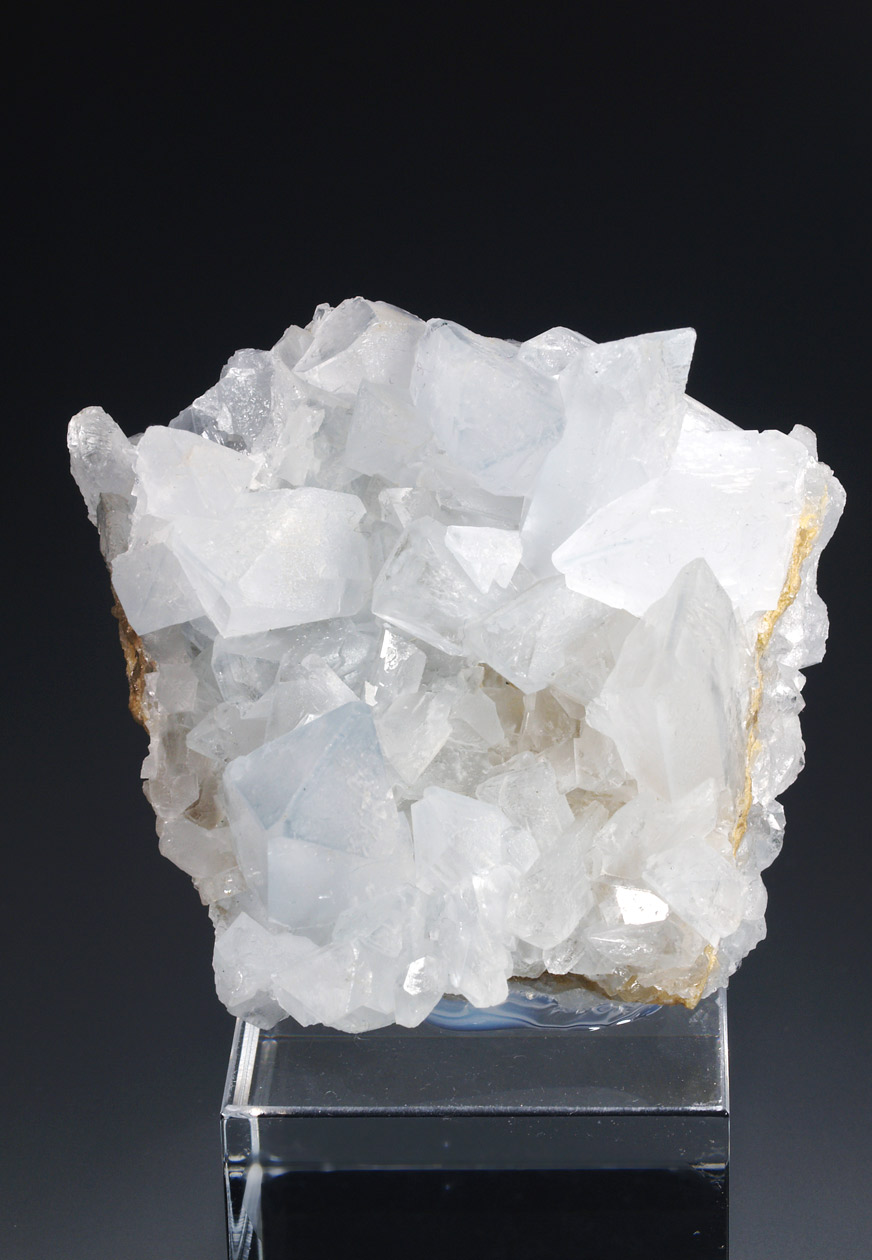
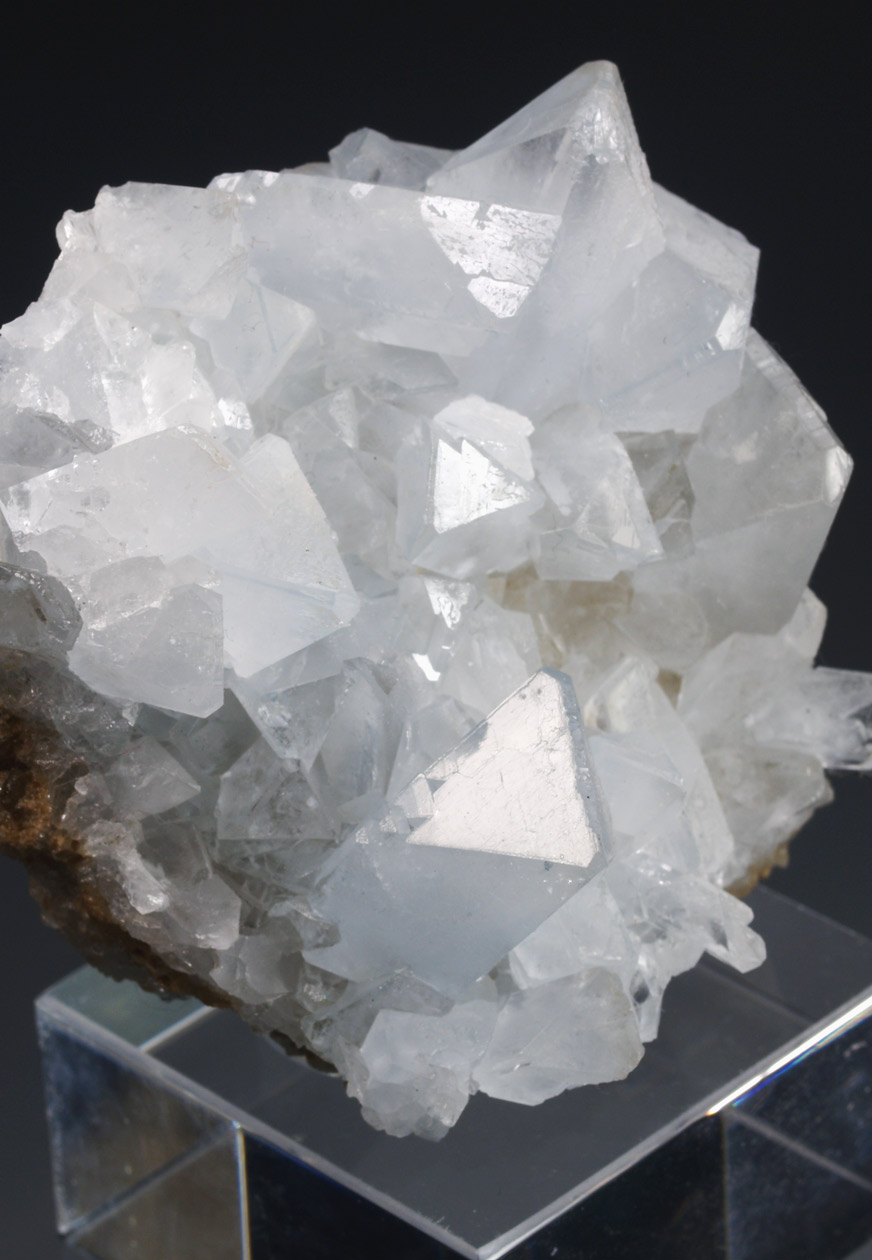
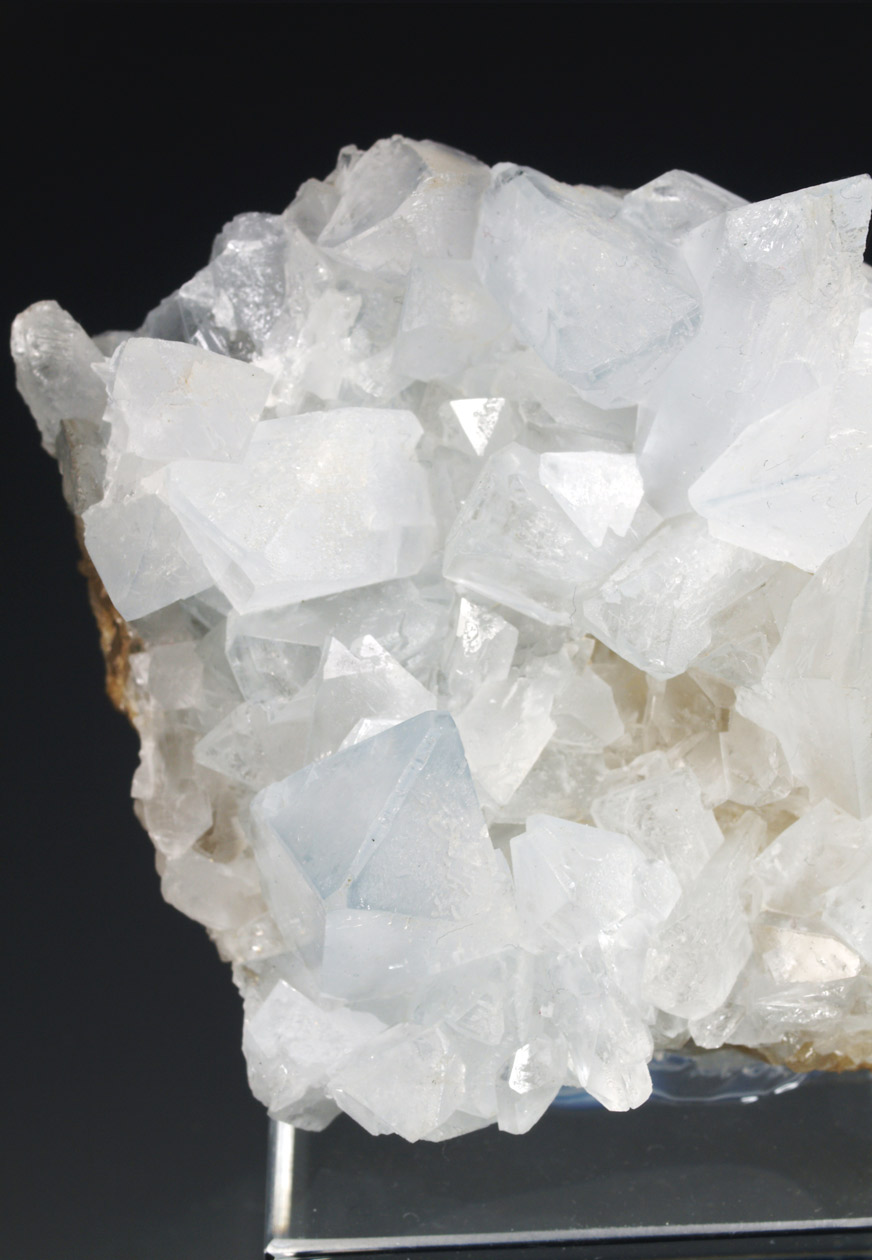
Group of prismatic celestine crystals, of very good size and from a classic Spanish locality for the species. It occurs in crystals defined by orthorhombic prisms of different orders. Translucent, brilliant and with a soft bluish tone. It belongs from the E. Nicolau collection (Barcelona), labeled by J. Viñals.
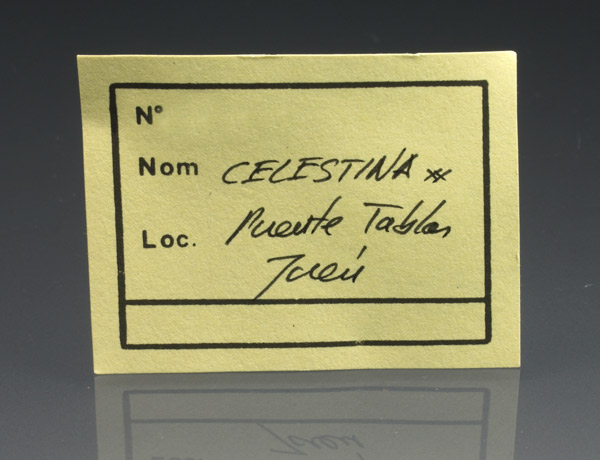
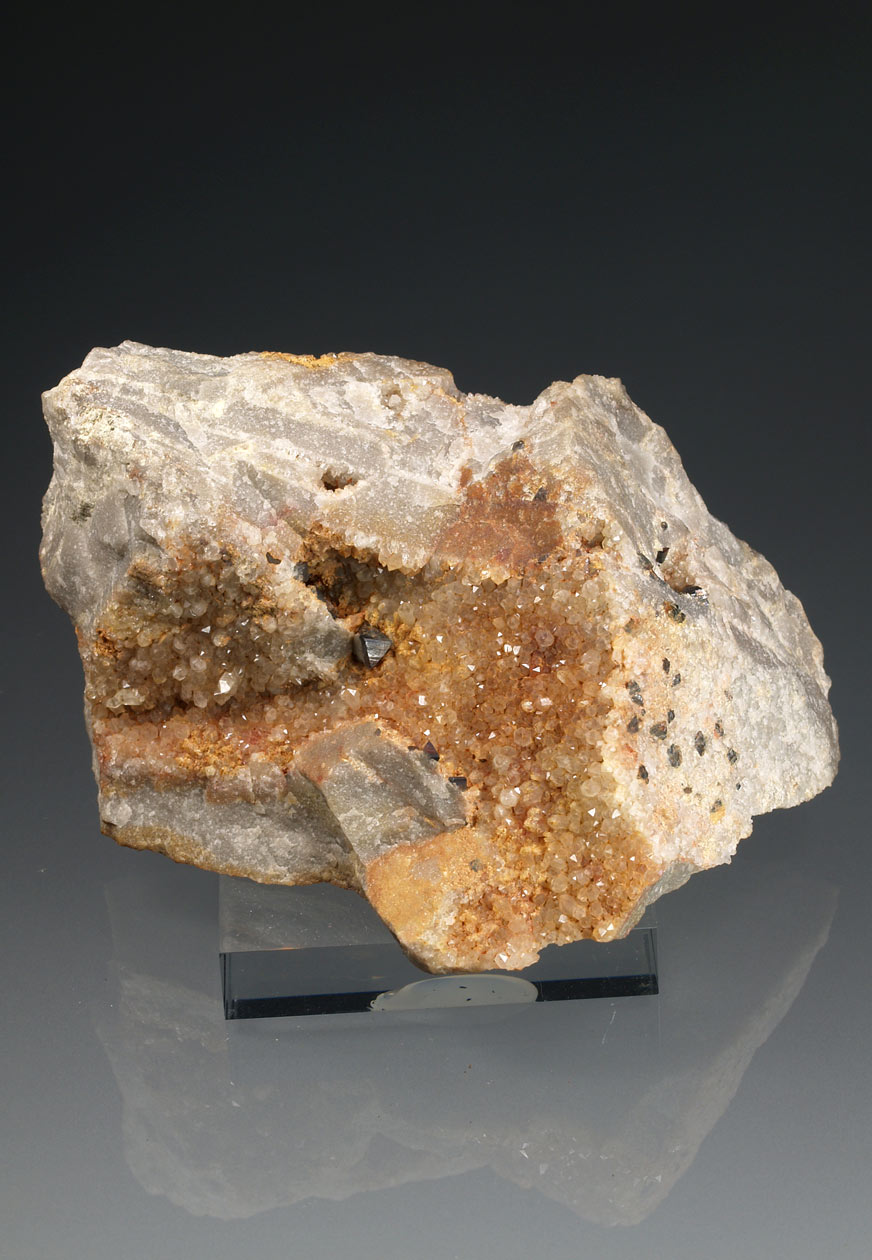
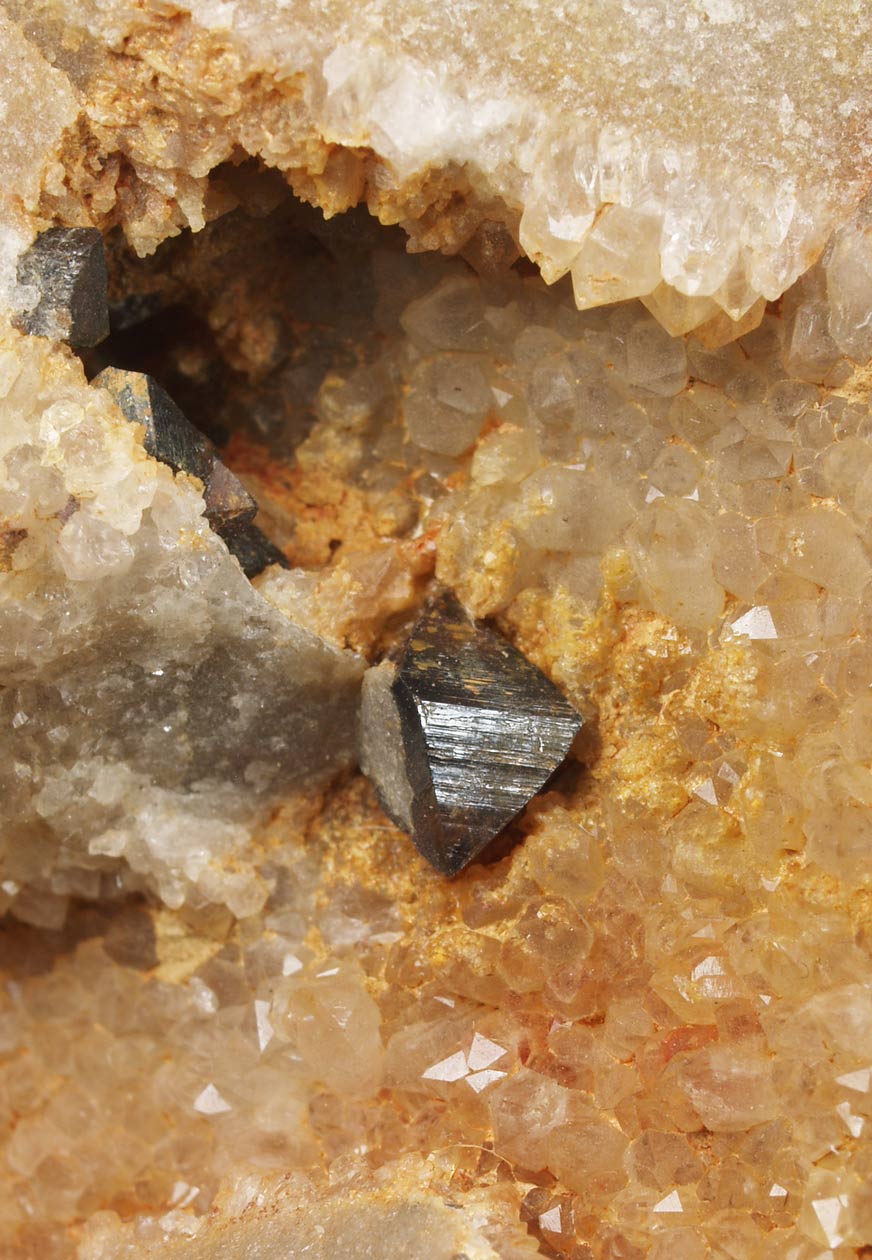
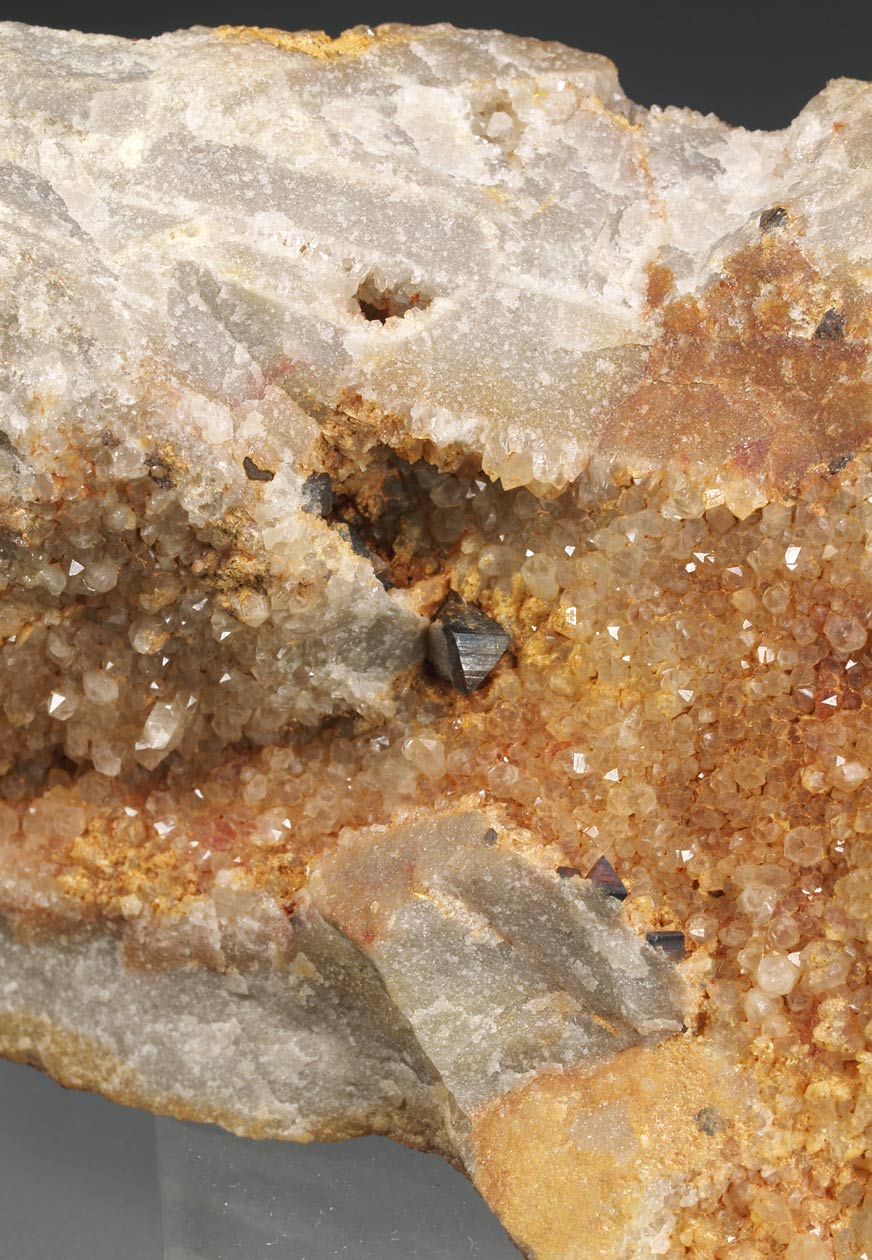
This specimen presents a good-sized anatase crystal and belongs from this unusual locality in Cáceres. It shows very defined tetragonal dipyramid shapes, with striated faces. Intense toasted honey color, translucent to opaque and shiny. It is accompanied by quartz crystals, on matrix.
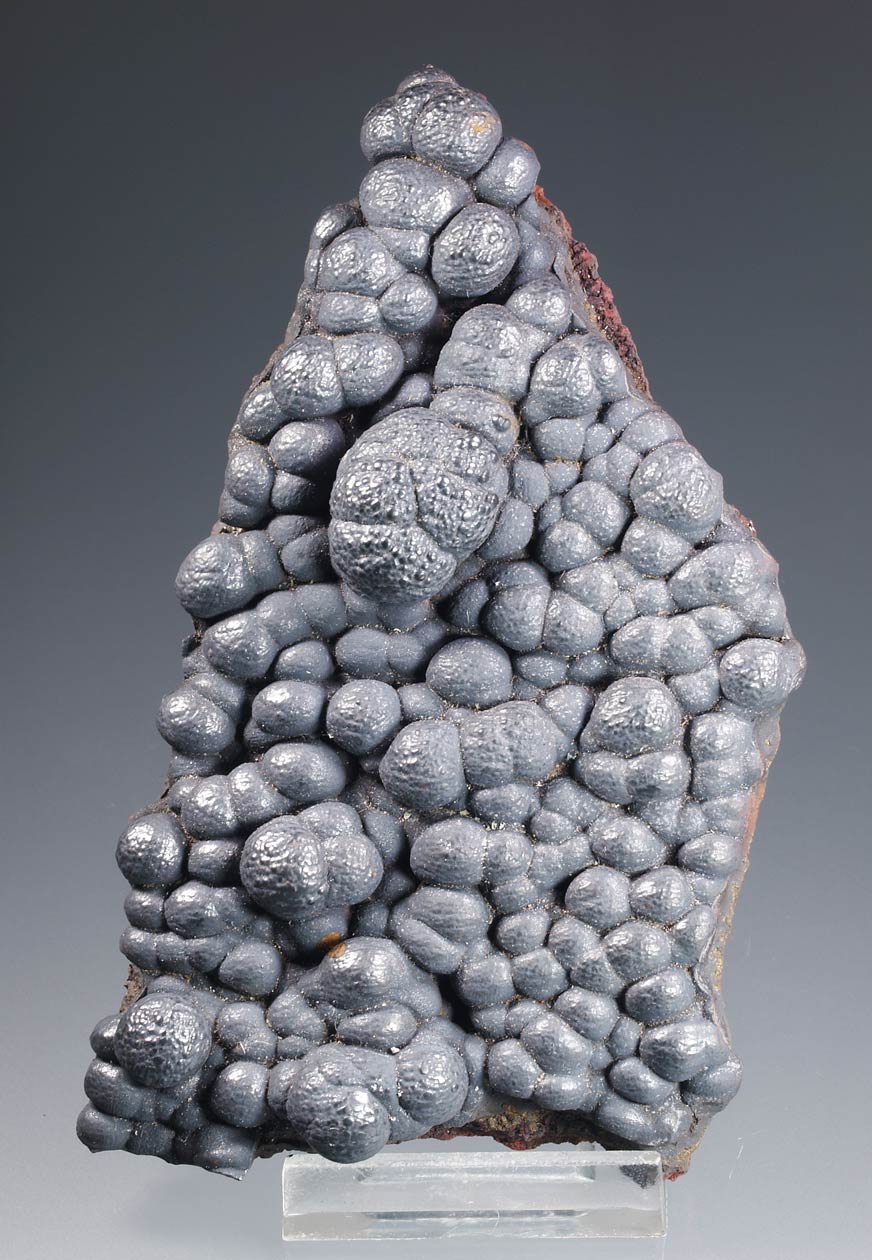
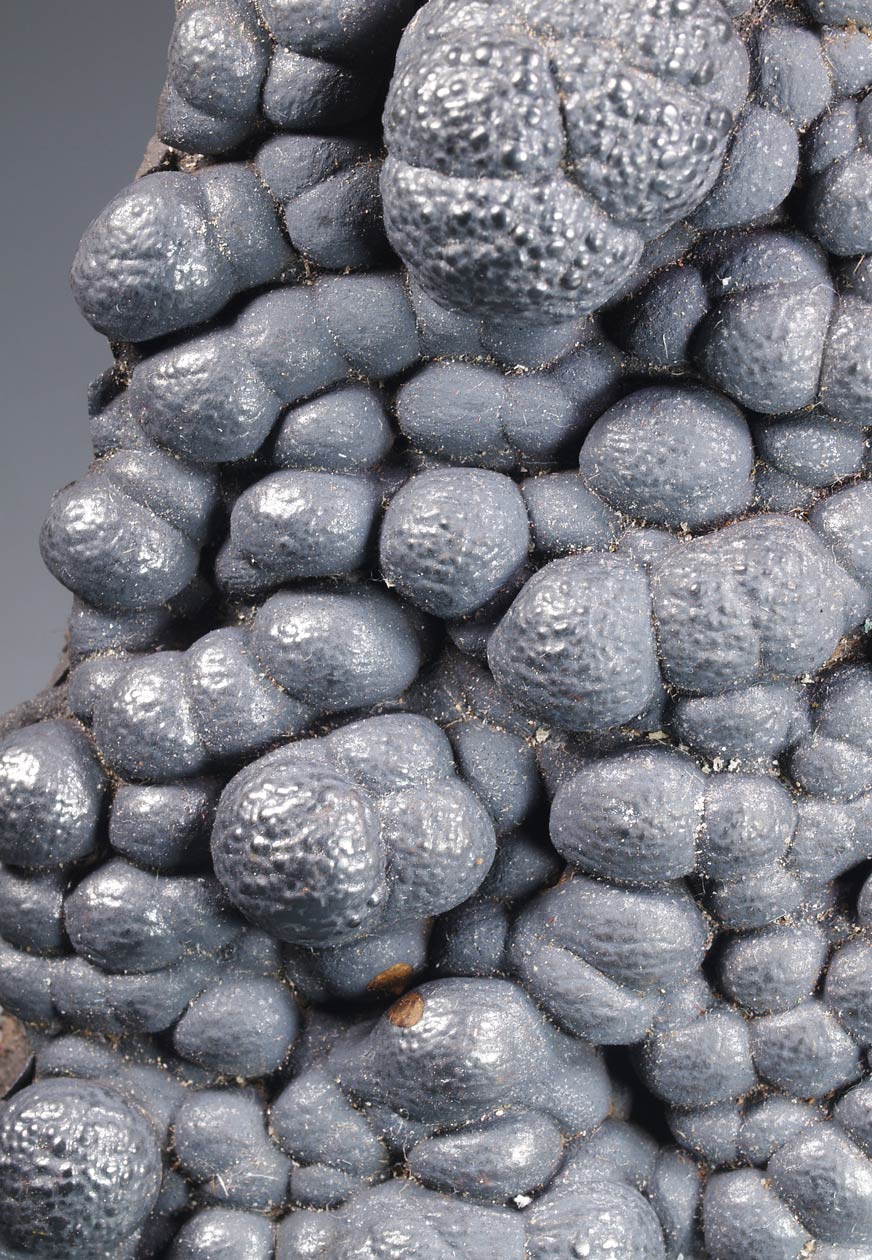
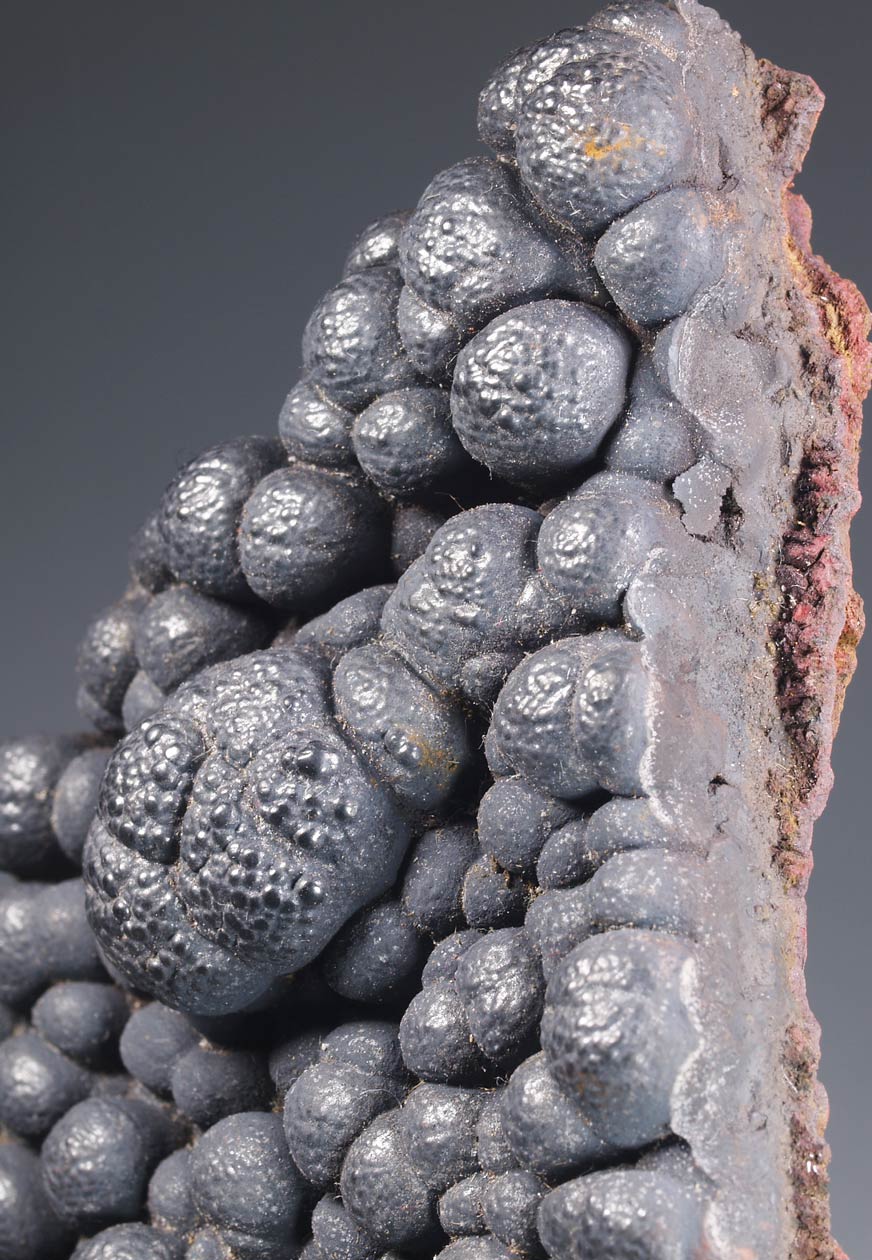
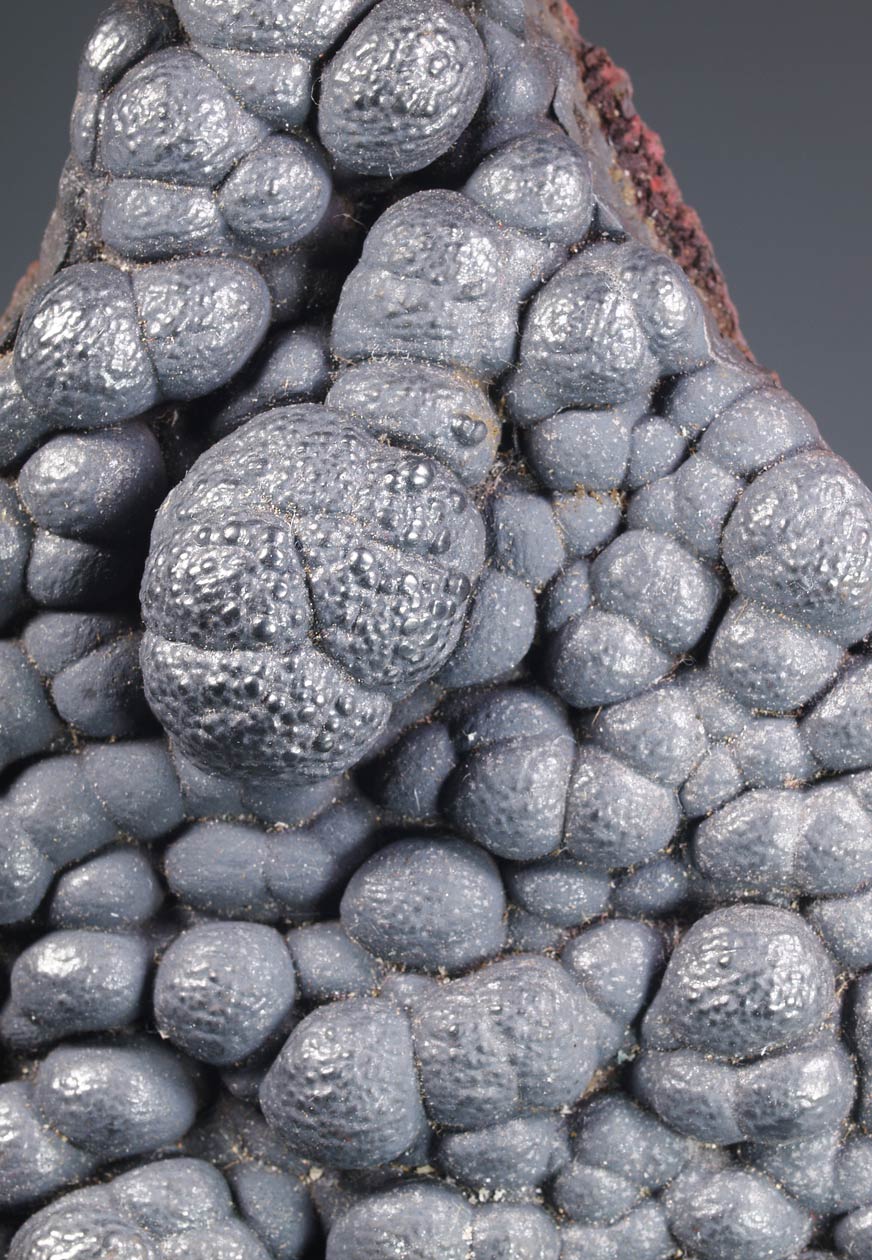
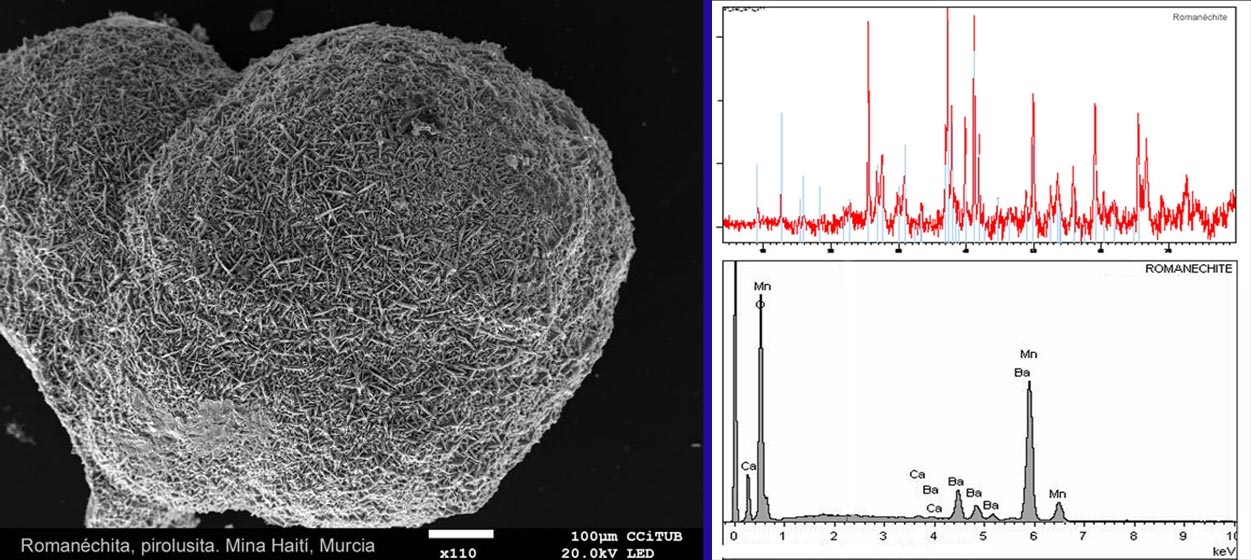
Without a doubt these are the best specimens of romanechite that have ever been found in Spain. These are botryoidal romanechite aggregates, shiny and very aesthetic. We will send the analysis to the buyer.
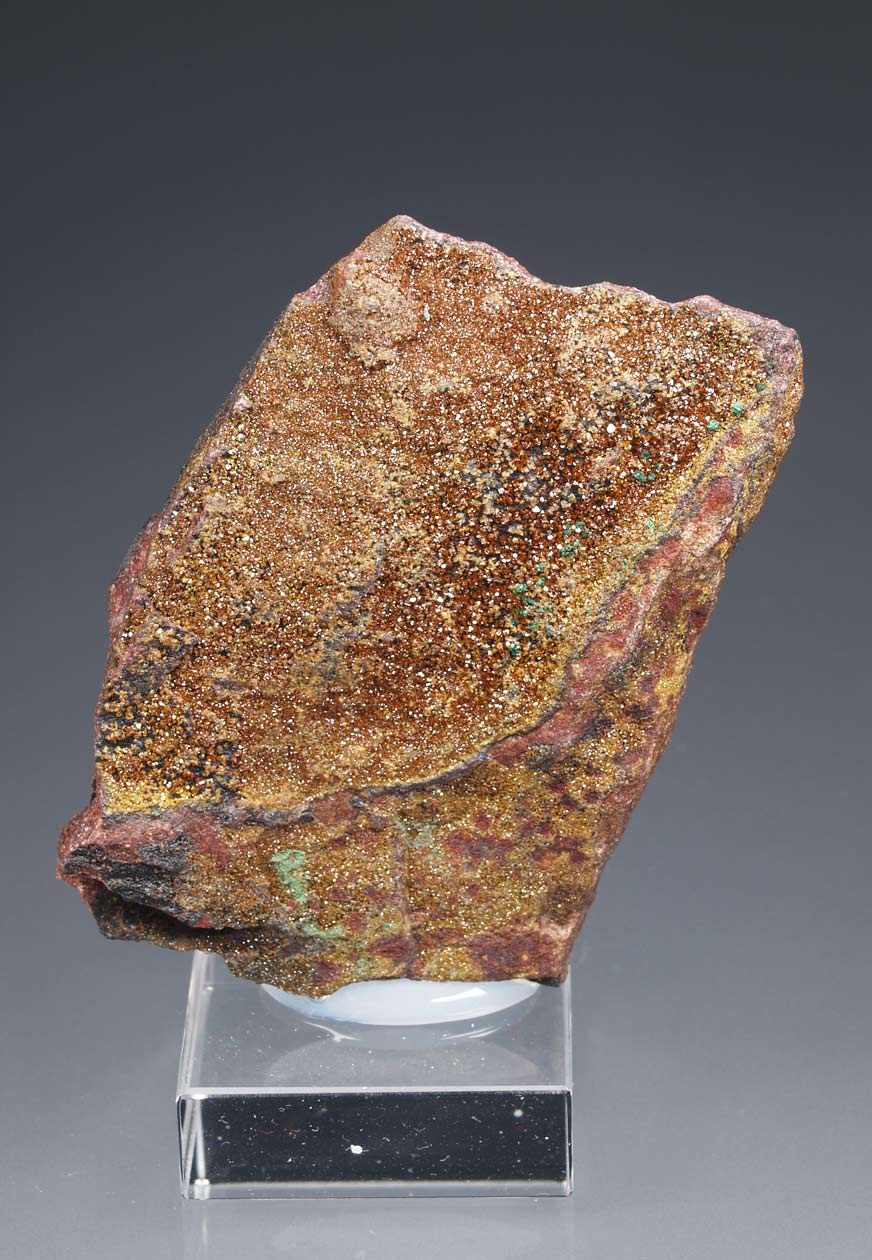
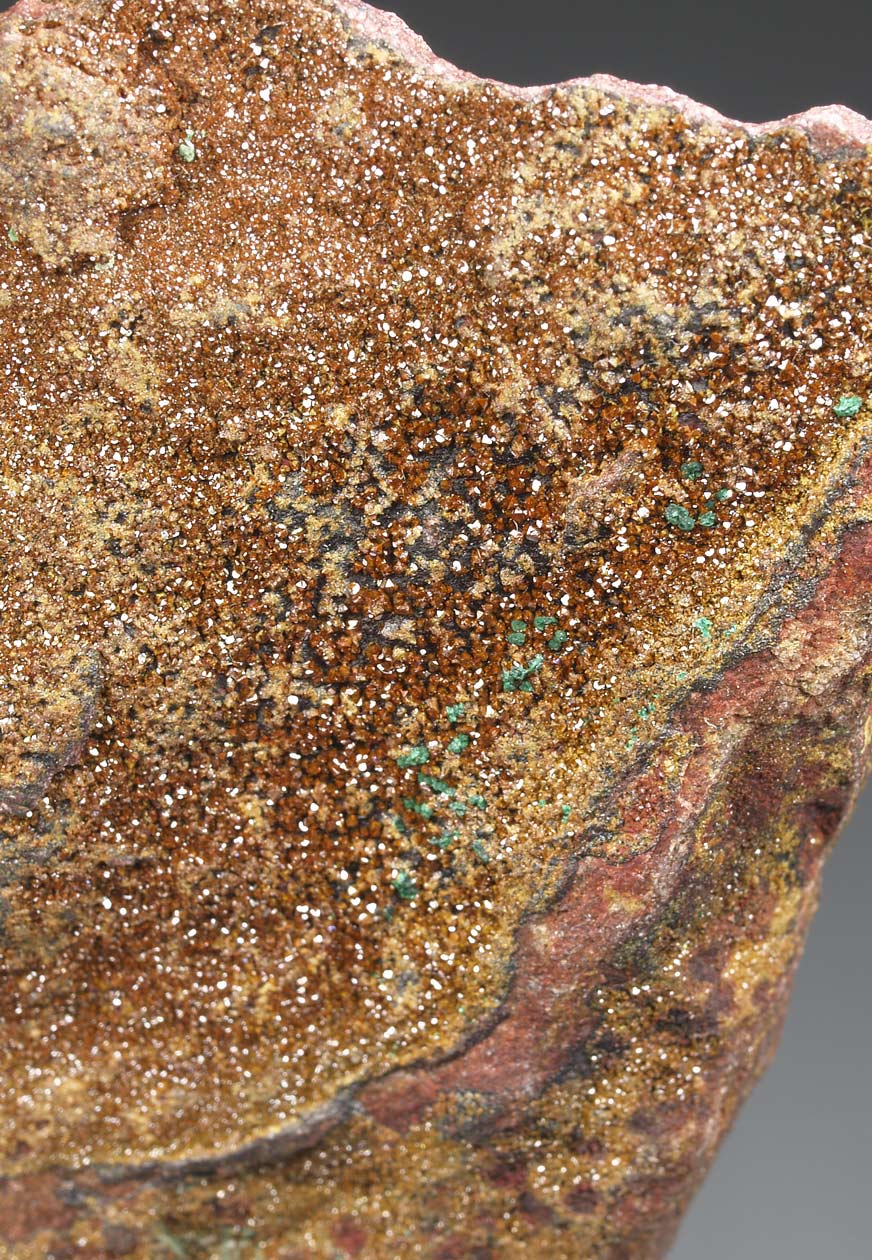
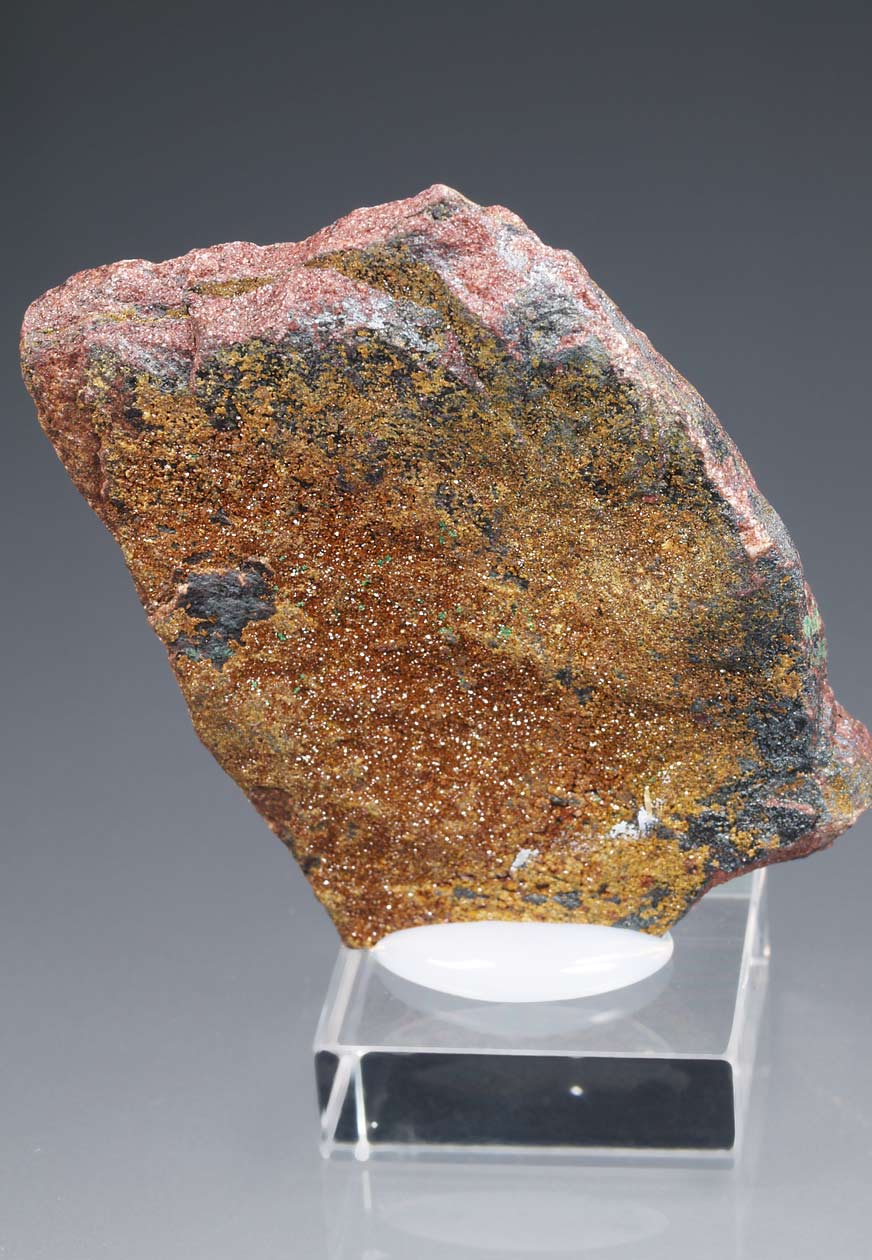
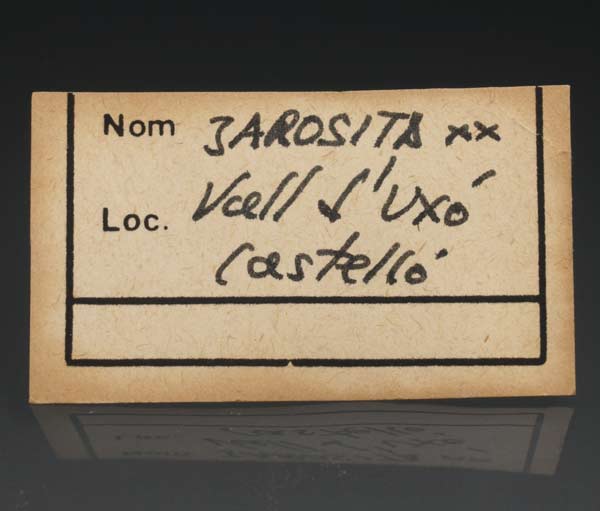
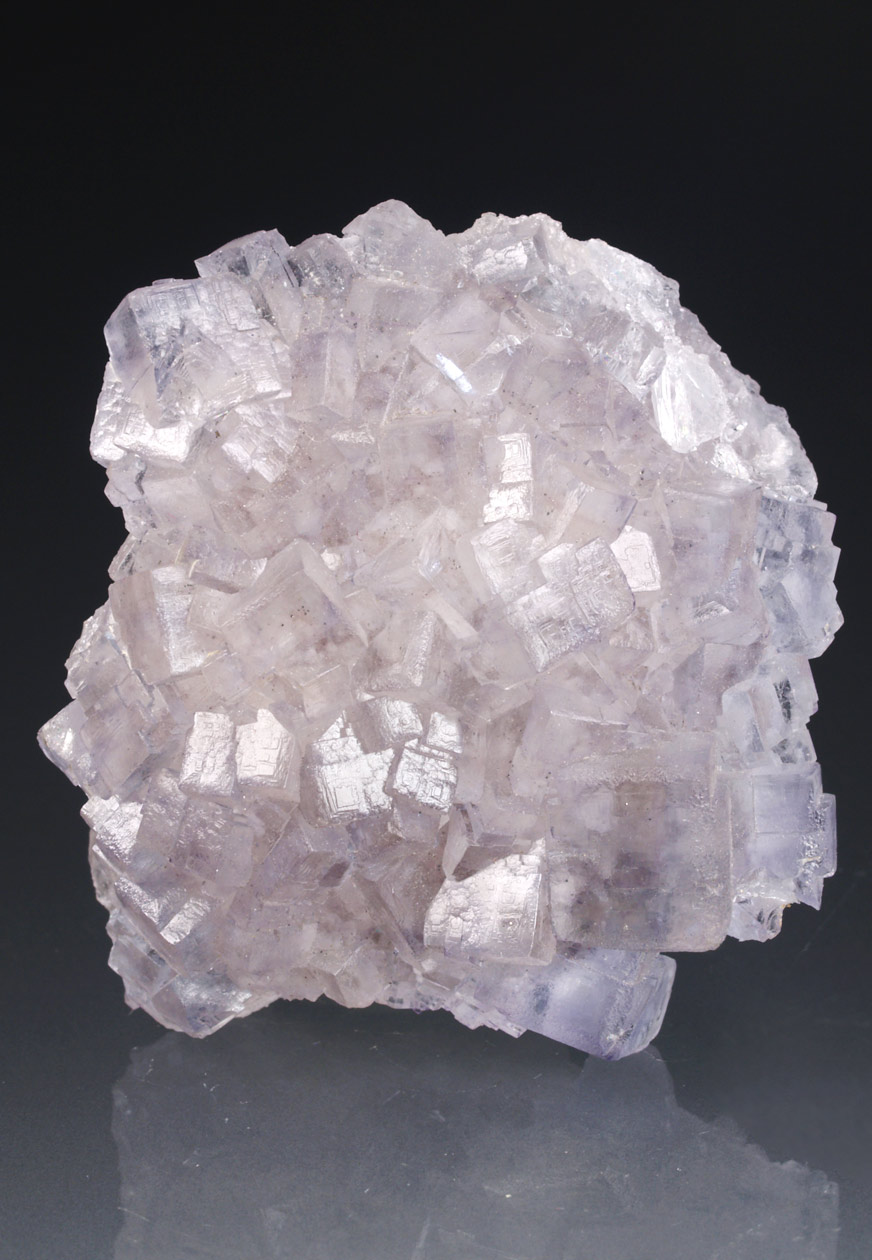
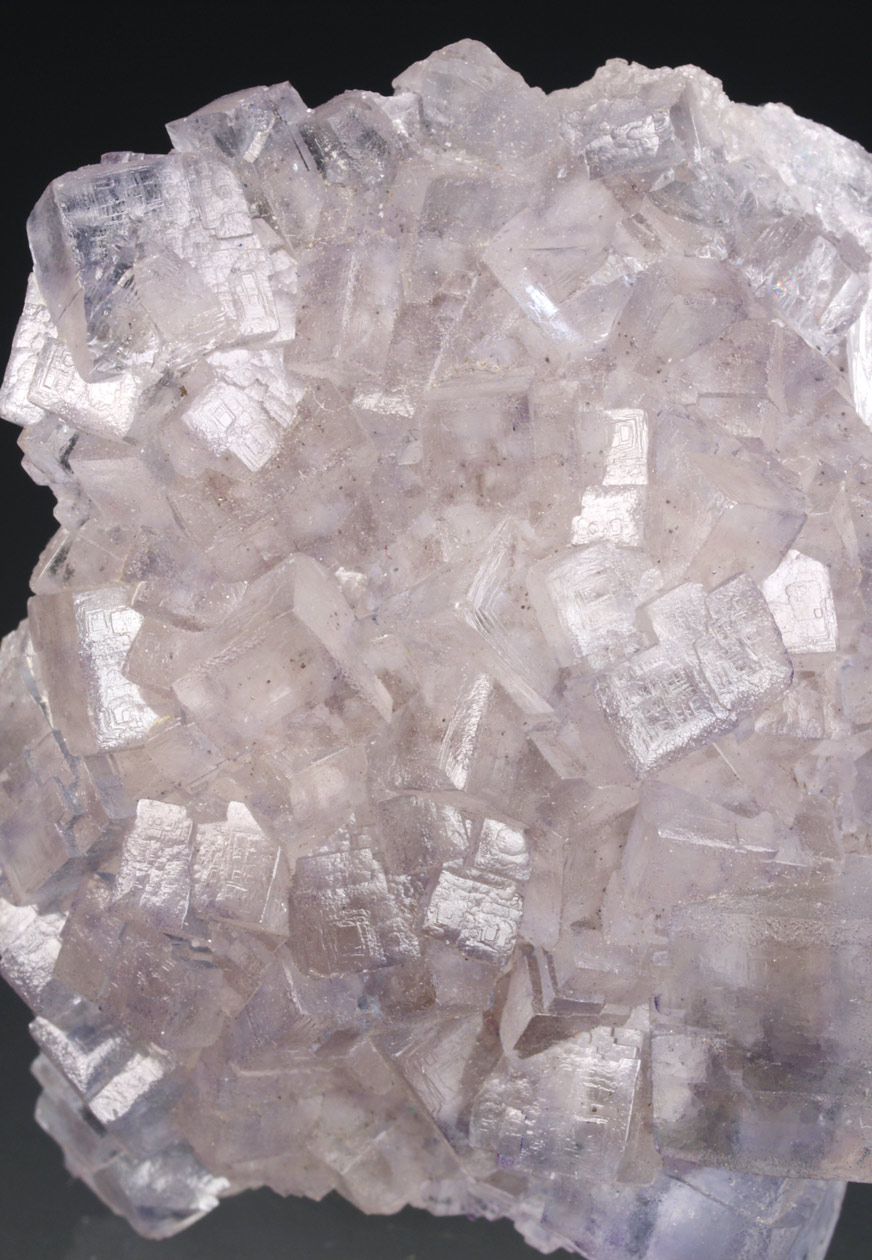
Interesting specimen due to the town where it comes from. It is a druse (both sides) of small, brilliant jarosite crystals from this small ballast quarry for railway tracks, located in the area known as "La Corraliza" to the NNE of the town of Vall d'Uixó. With old label from J. Viñals.