- Inicio Acerca de RM Minerales
- Galería de fotos Blog RM Contacto
- Microscopia e instrumentos Pedidos Aviso legal
Copyright 2010-2026
www.rosellminerals.com





Cristal muy estético de calcopirita de hábito 'tetragonal' (escalenoedro tetragonal) parcialmente recubierto por malaquita cristalina, dispuesto de forma muy aérea y contrastando con la matriz de romboedros de dolomita. Estos ejemplares se encontraron hacia 1995, y hoy en día es prácticamente imposible encontrarlos. Un clásico de tierras navarras.


Este ejemplar puede destacar por diferentes aspectos. Por un lado, se trata de un ejemplar antiguo de teruelita, esta variedad de dolomita rica en hierro, Y que fue descrita por primera vez en esta zona de Teruel. El espécimen nos muestra diversos cristales pseudooctaédricos incluidos en una matriz de roca detrítica.
Por otro lado, la pieza viene identificada con una etiqueta manuscrita con el número de colección #7318 y el código G.18 que pensamos se refiere al cajón donde estaba guardada. Comparando los caracteres caligráficos con otras etiquetas que hemos catalogado podemos decir que esta etiqueta y pieza pertenecen a la colección del renombrado coleccionista de minerales francés Jean Chervet (1904-1962).
Chervet fue director del servicio de mineralogía del Commissariat à l'Énergie Atomique (CEA) de Francia durante la década de 1950 y principios de la de 1960. Desempeñó un papel fundamental en el estudio y la prospección de los yacimientos de uranio en Francia y en territorios africanos como Gabón y Madagascar. En su honor se nombró el mineral chervetita, descubierto en la mina de Mounana (Gabón) y descrito oficialmente en 1963.


Este ejemplar de brecha, pulido en una de sus caras, procede de la supuesta estructura de impacto de Azuara (provincia de Zaragoza, en el límite con Teruel).
Esta formación protagoniza una de las controversias más intensas de la geología española reciente: aunque a principios de los años 1980 se propuso como un cráter de impacto meteorítico, la hipótesis ha sido rechazada por la comunidad estratigráfica, estructural y de ciencias planetarias.
Se trata de una pieza de notable interés científico cuya procedencia exacta o afloramiento concreto no consta con precisión, habiendo sido adquirida a un comerciante de minerales francés.
Para más información sobre la controversia de Azuara, consultar mindat y Ernstson Claudin Impact Structures-Meteorite craters. Y más...


Una curiosidad científica de otra época... Se trata de un tubo de cristal, procedente de alguna coleción francesa, que contiene arenas del río Guadarrama, aunque la etiqueta antigua manuscrita lo ubica en la zona de Córdoba (sic). Probablemente se trate de muestras recogidas en la parte alta del río que fluye desde la sierra de Guadarrama (comunidad de Madrid) y que aporta al Tajo, en la provincia de Toledo. Interesante pieza española procedente de algún cajón olvidado de un antiguo coleccionista francés o museo.

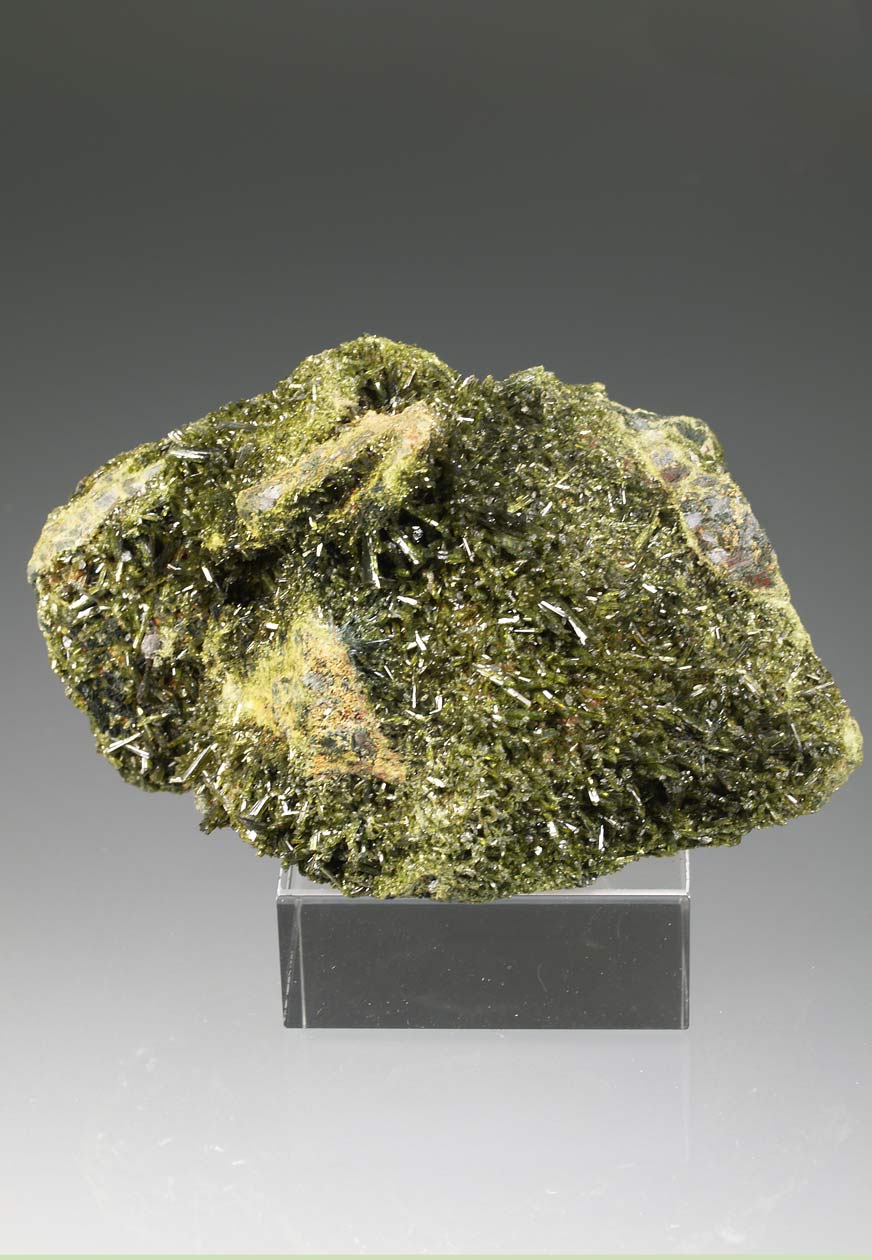
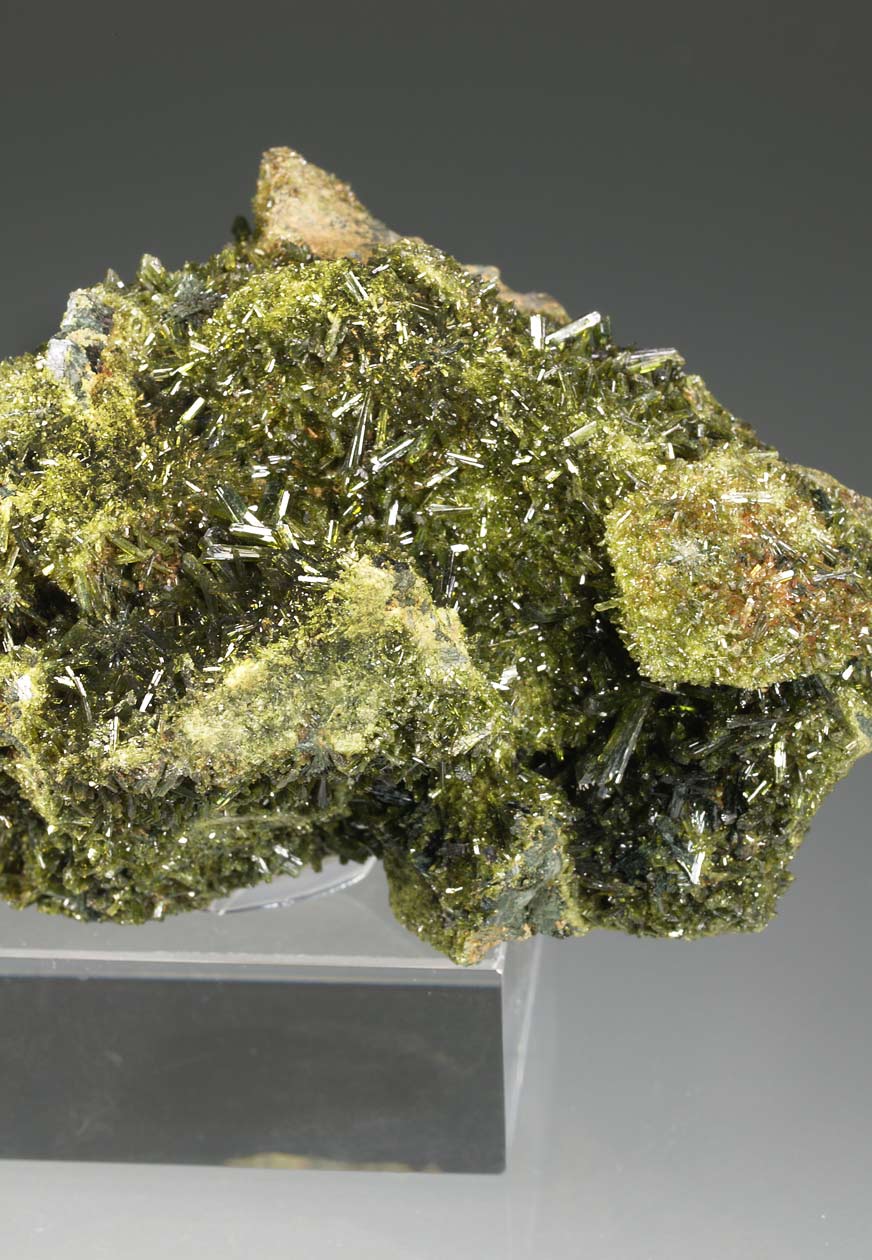
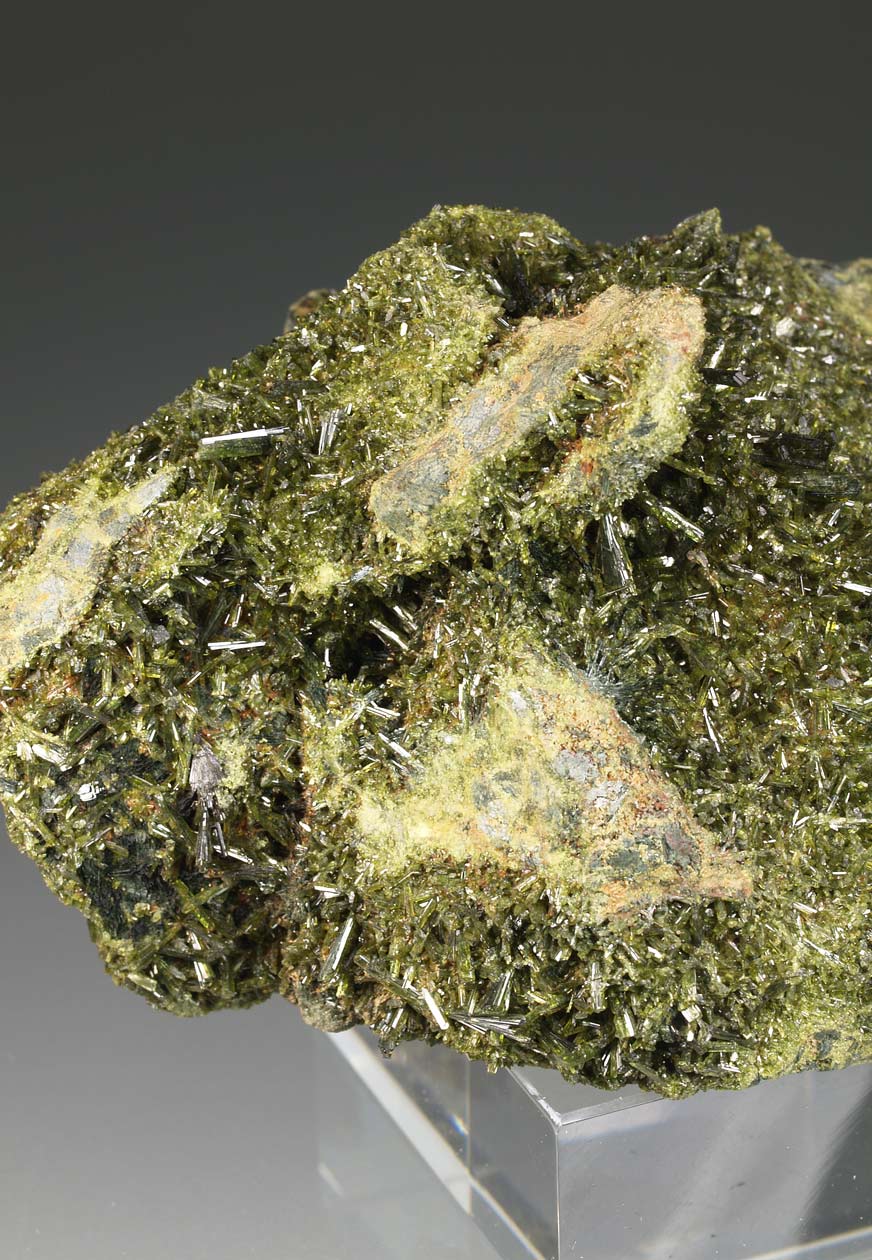
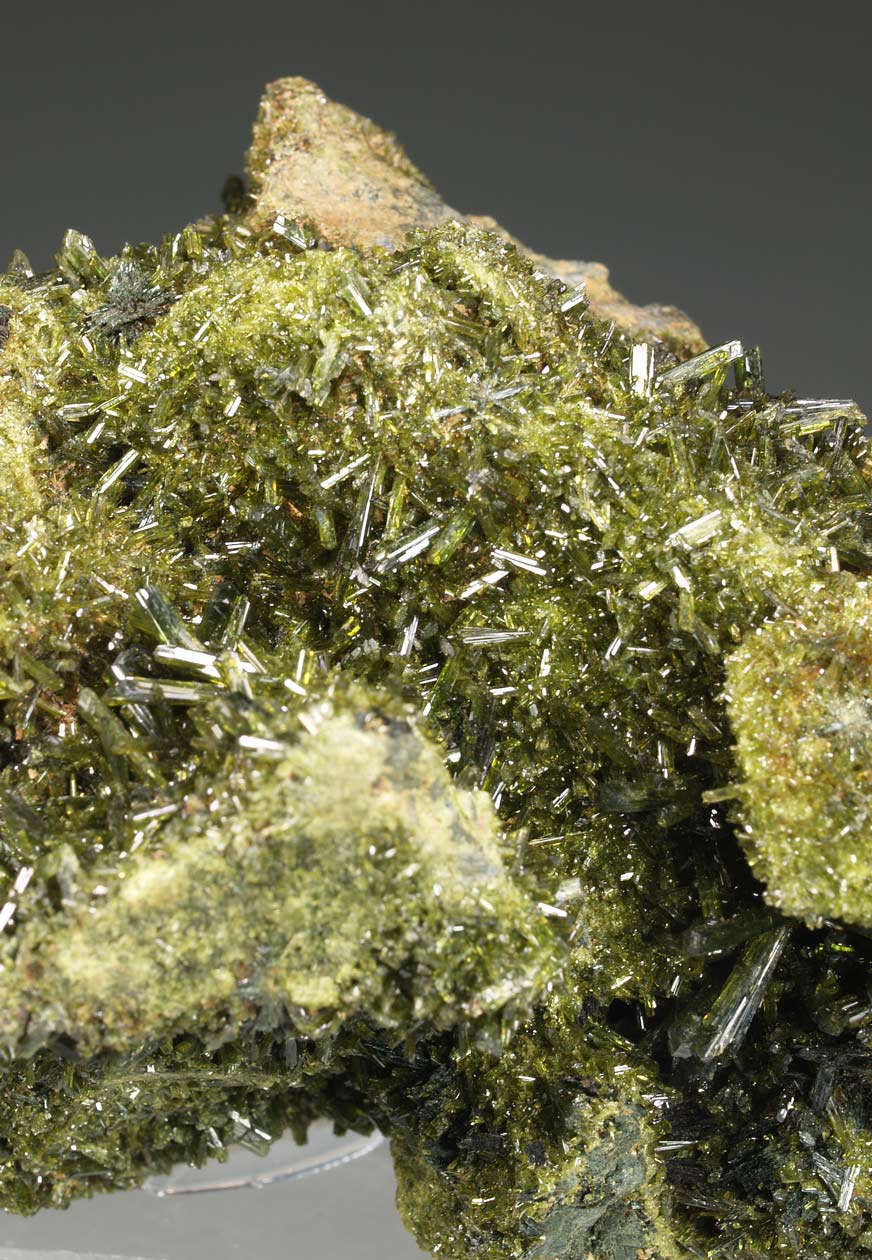
Espécimen formado por numerosos cristales de epidota, procedente de la clásica localidad catalana. Los cristales forman abanicos, son muy brillantes y con excelente transparencia. Ejemplares de estos ya se ven pocos. Actualmente está prohibido recoger en la zona.
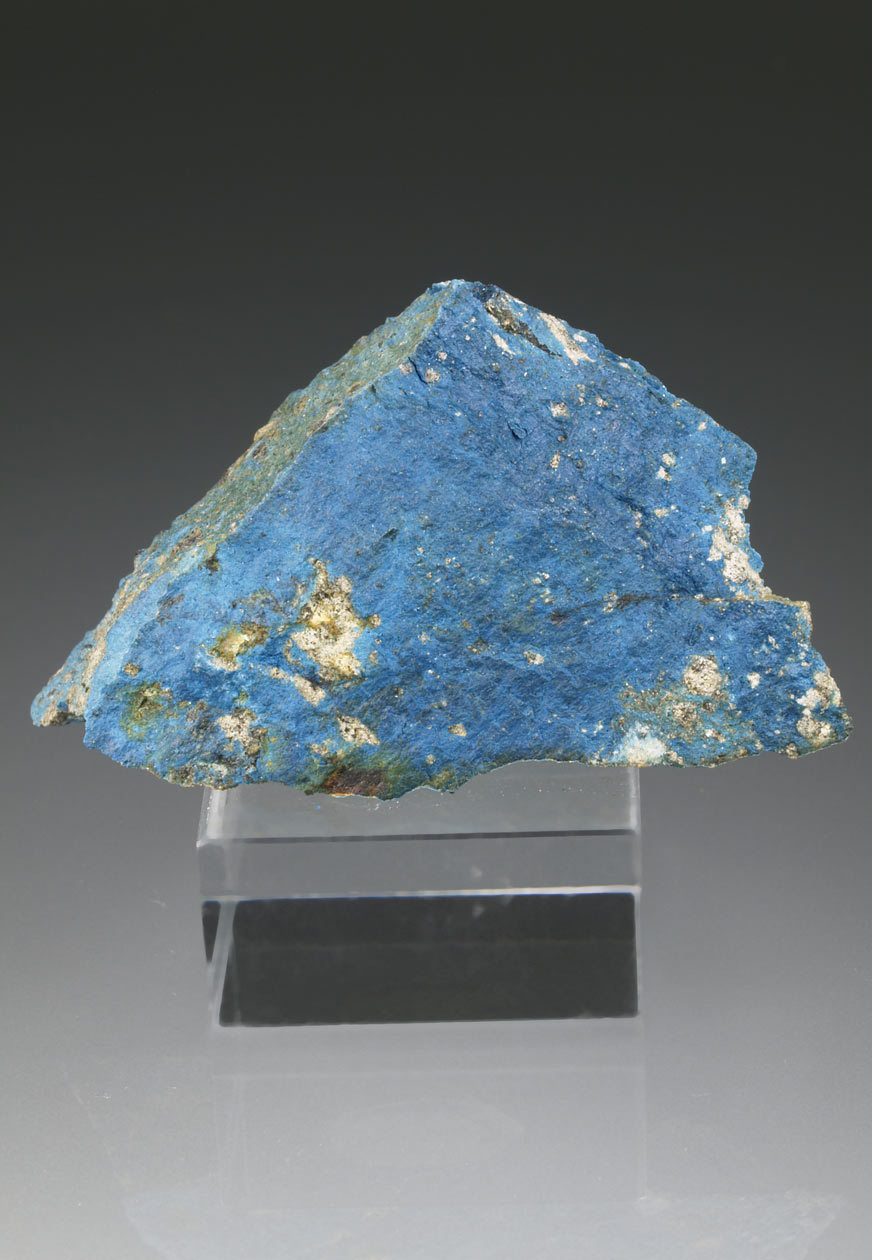
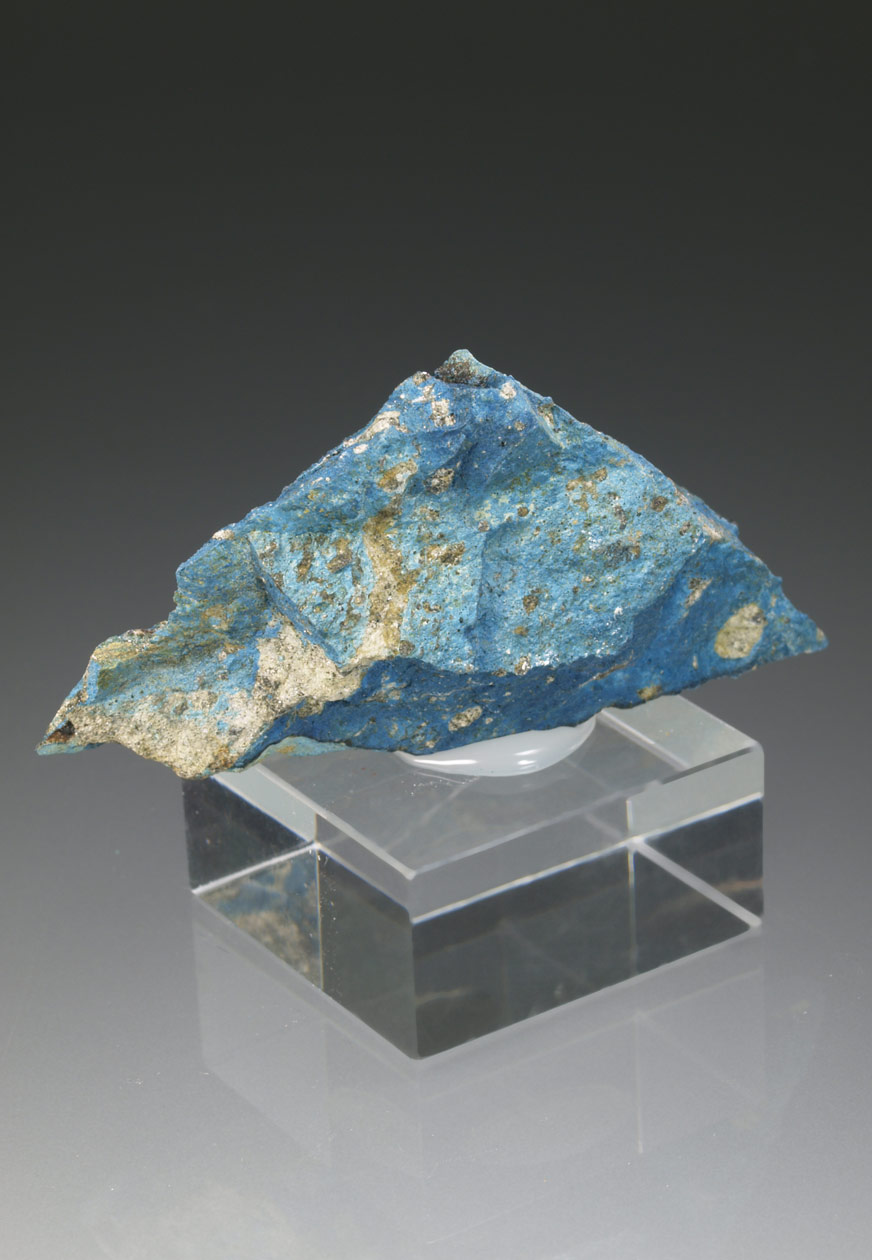
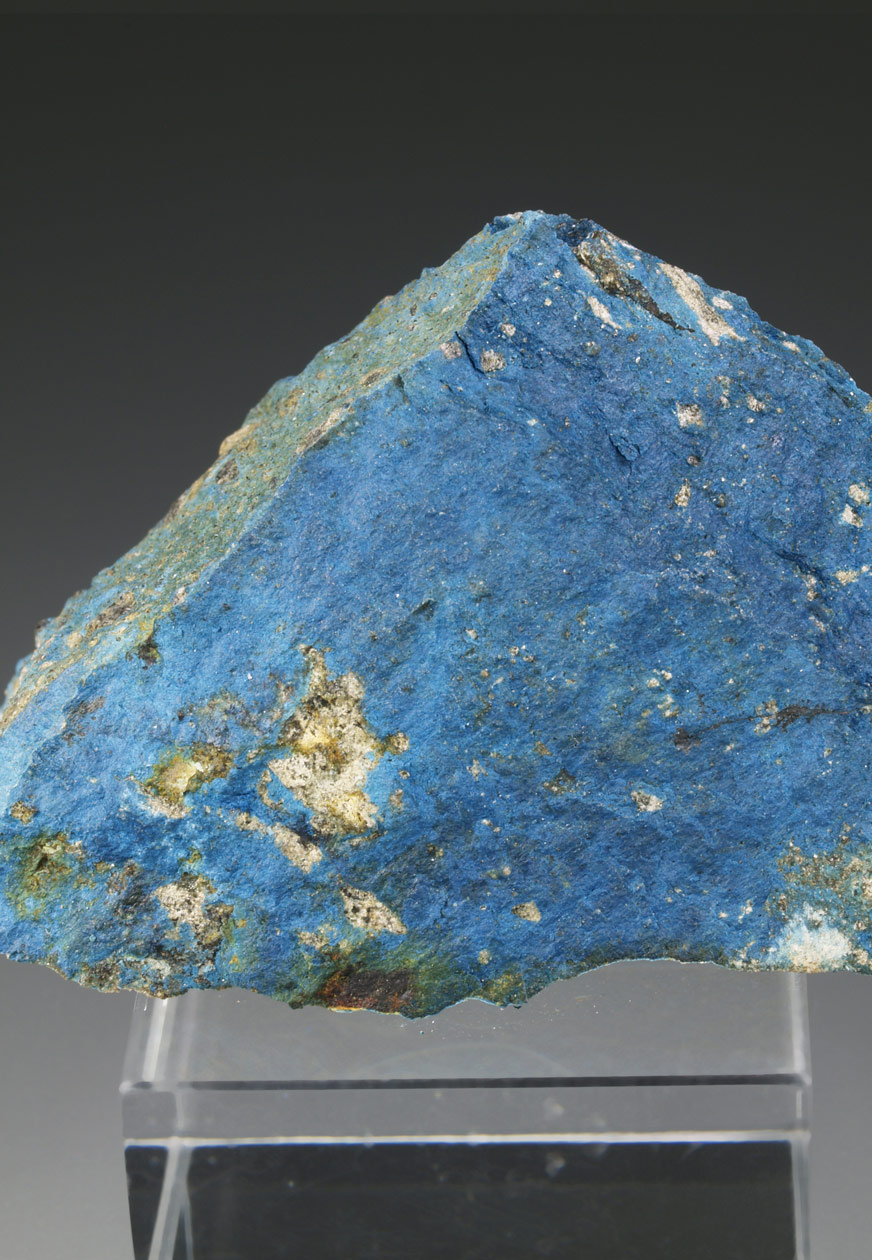
Aerinita compacta con nódulos de dolerita. La aerinita se utilizó como pigmento azul en muchas pinturas románicas de la zona pirenaica entre los siglos XI-XIV. Excepcional color azul, característico que varía del azul oscuro al azul pálido. De hecho, su nombre proviene de una raíz griega aerinos que significa "atmósfera" o "cielo", ya que sólo se conocía con ese color. Conseguir estos ejemplares de aerinita pura hoy día es casi imposible.
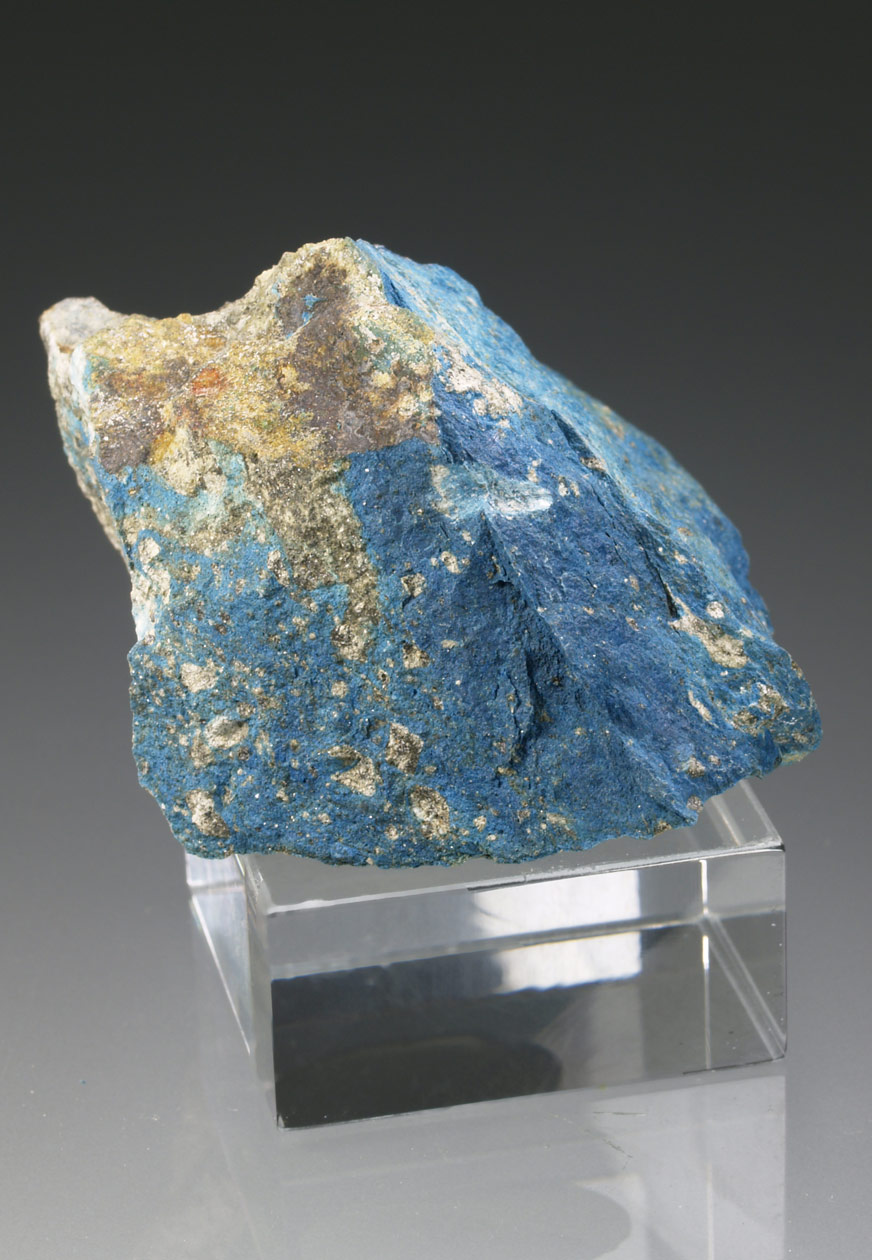
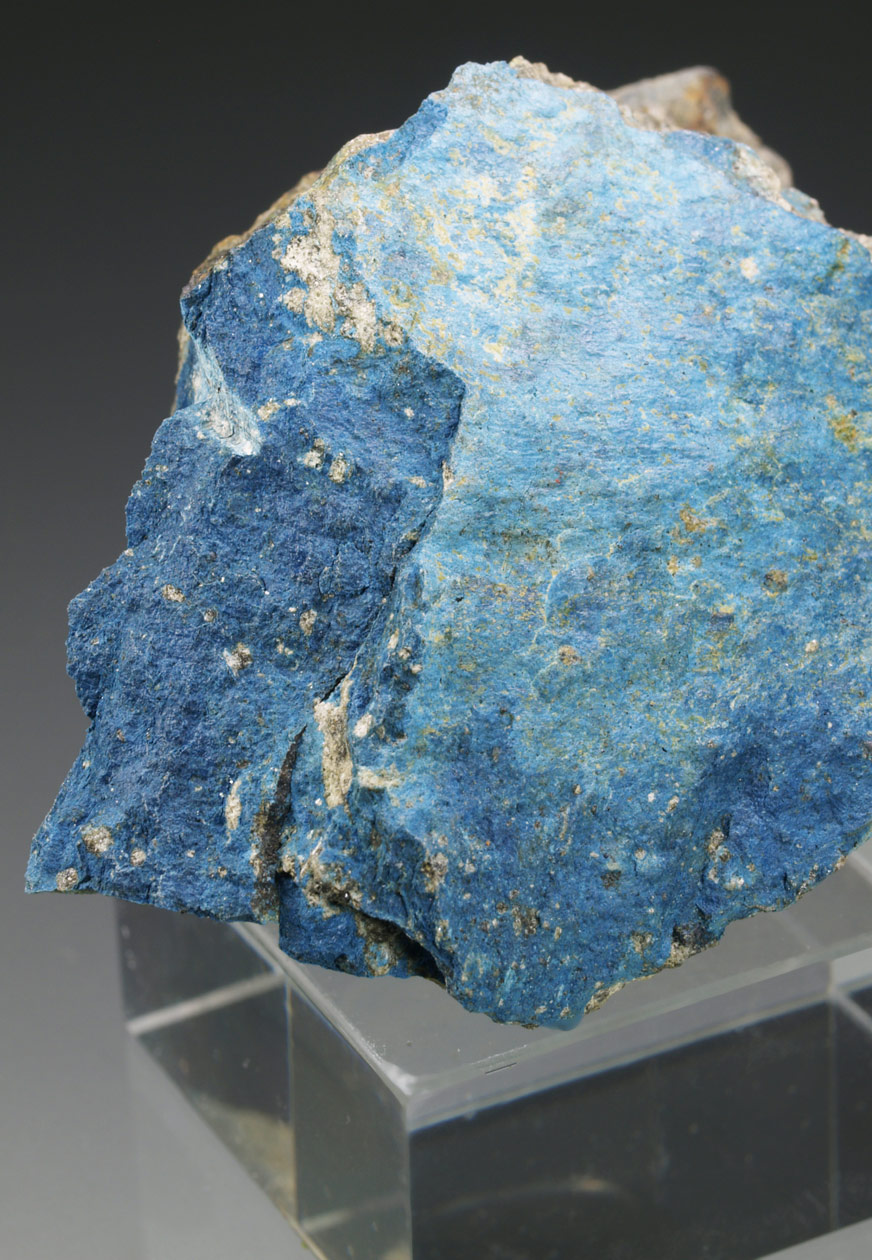
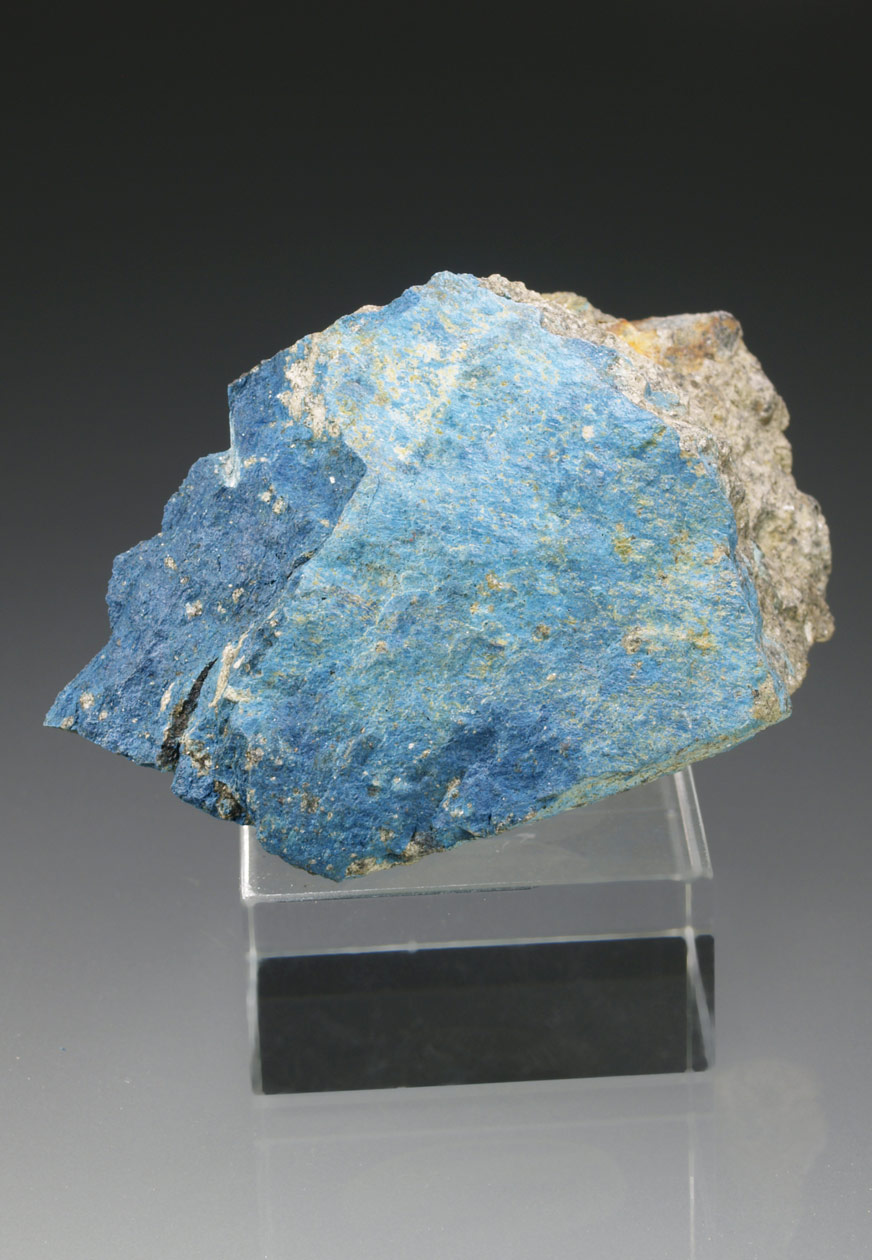
Aerinita compacta con nódulos de dolerita. La aerinita se utilizó como pigmento azul en muchas pinturas románicas de la zona pirenaica entre los siglos XI-XIV. Excepcional color azul, característico que varía del azul oscuro al azul pálido. De hecho, su nombre proviene de una raíz griega aerinos que significa "atmósfera" o "cielo", ya que sólo se conocía con ese color. Conseguir estos ejemplares de aerinita pura hoy día es casi imposible.
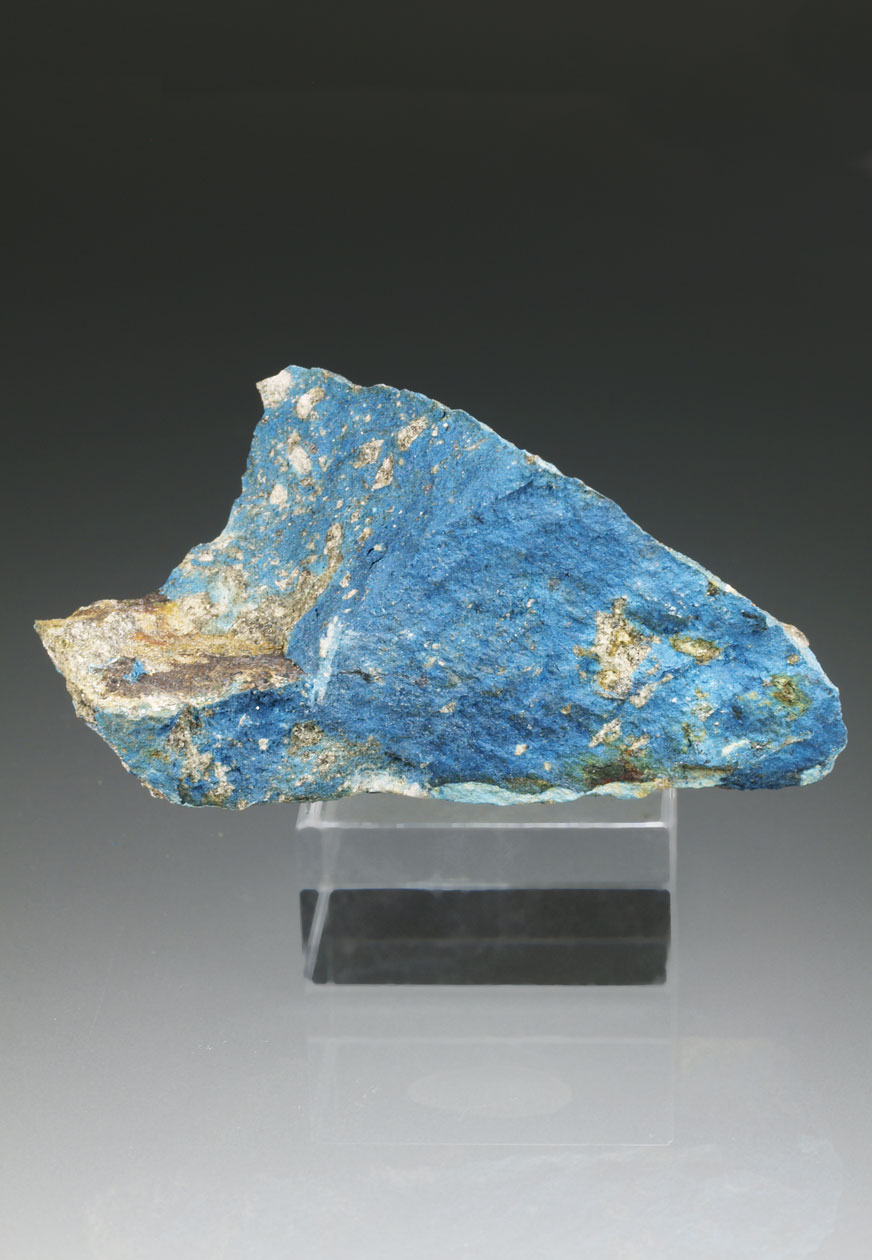
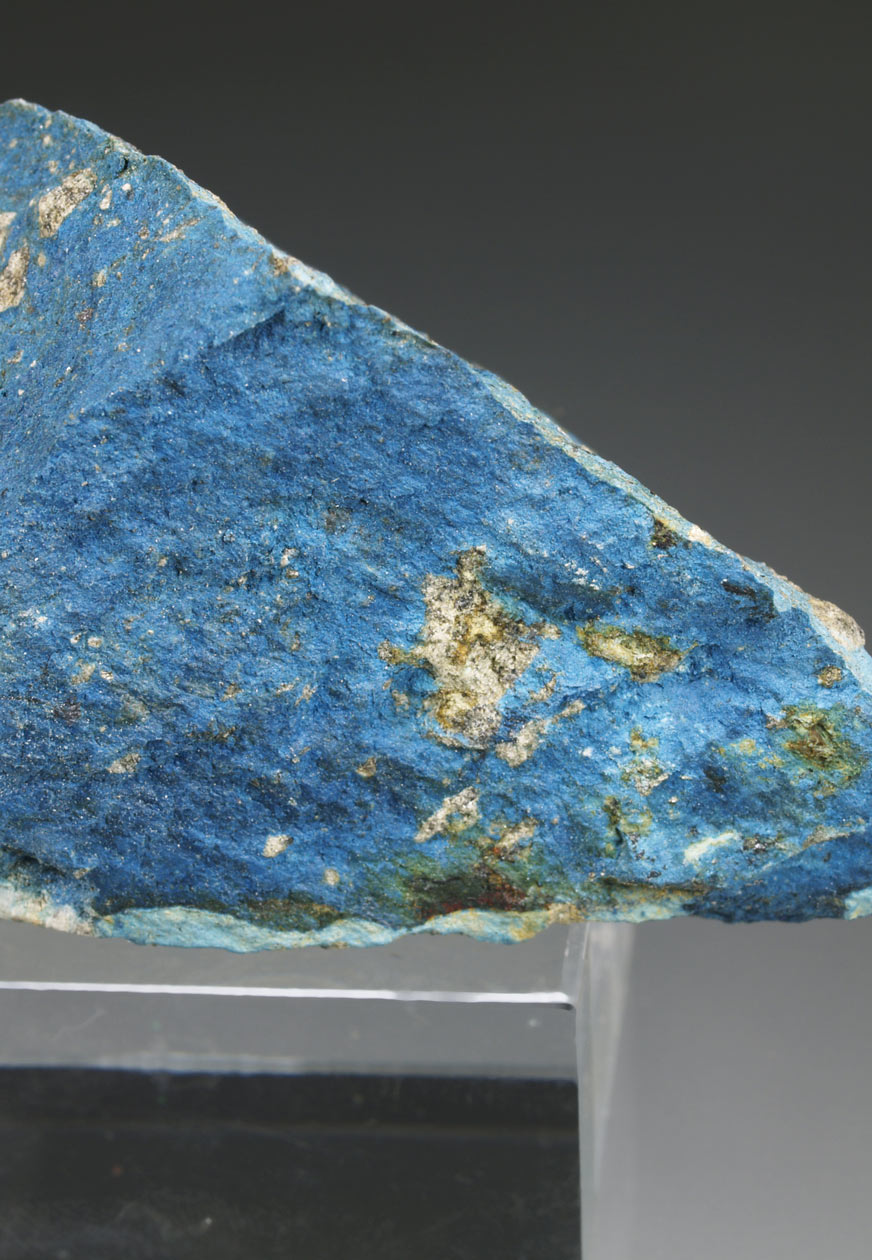
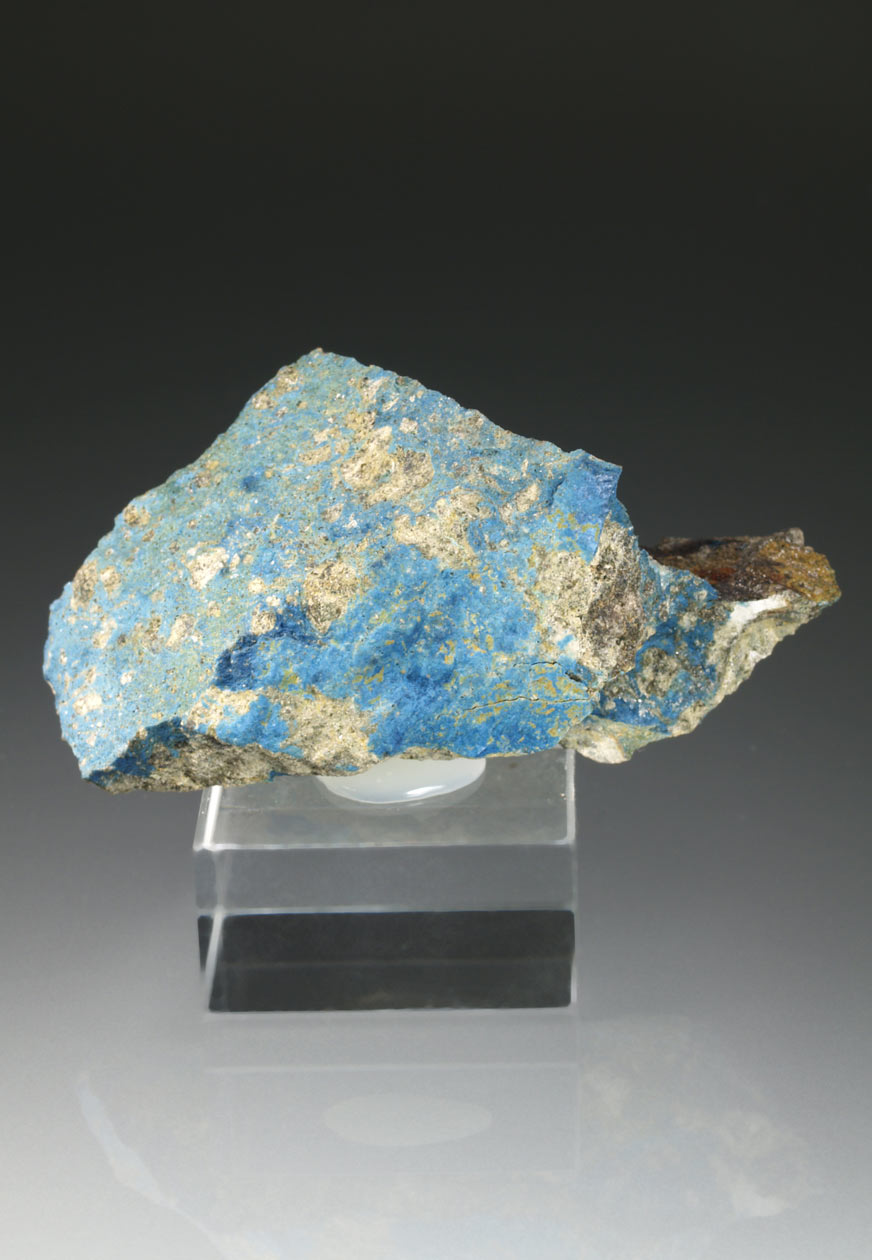
Aerinita compacta con nódulos de dolerita. La aerinita se utilizó como pigmento azul en muchas pinturas románicas de la zona pirenaica entre los siglos XI-XIV. Excepcional color azul, característico que varía del azul oscuro al azul pálido. De hecho, su nombre proviene de una raíz griega aerinos que significa "atmósfera" o "cielo", ya que sólo se conocía con ese color.
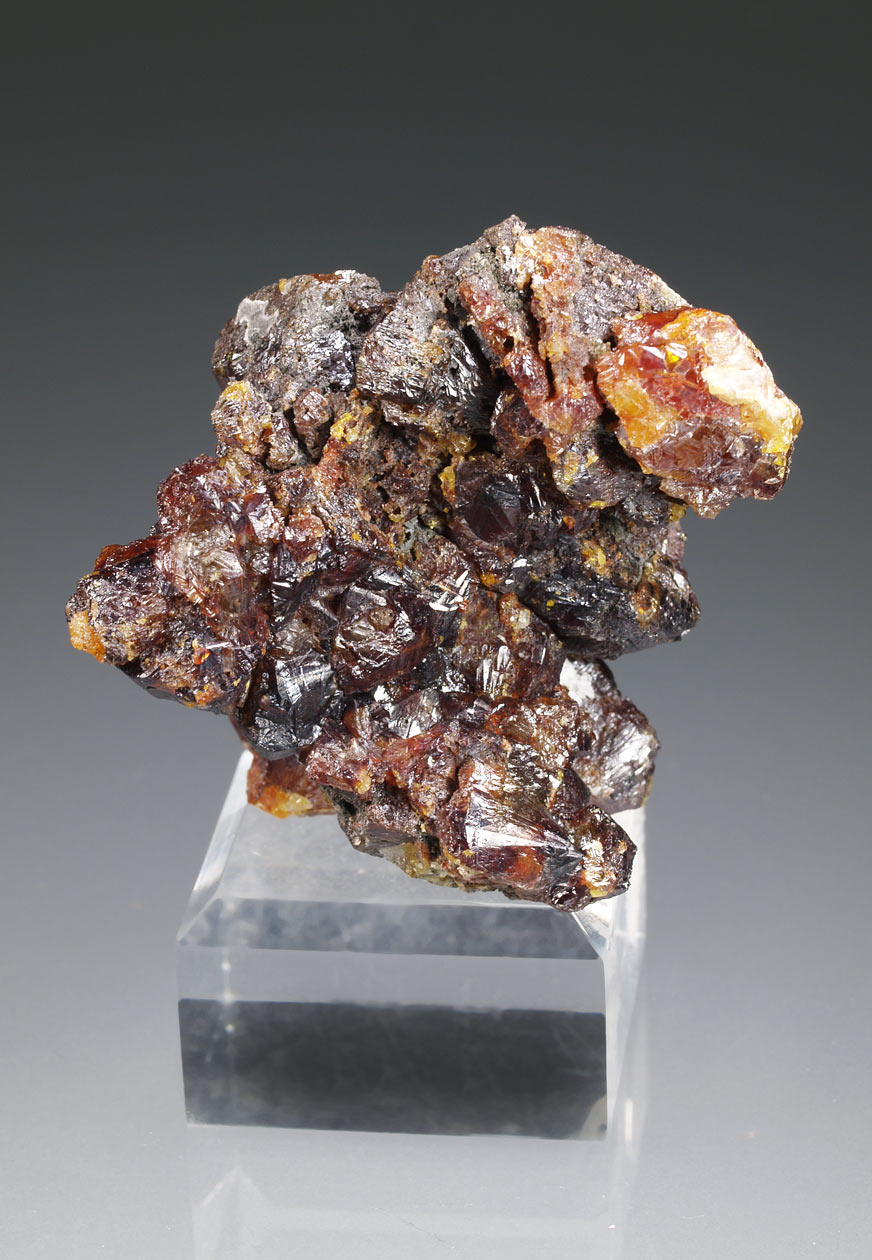
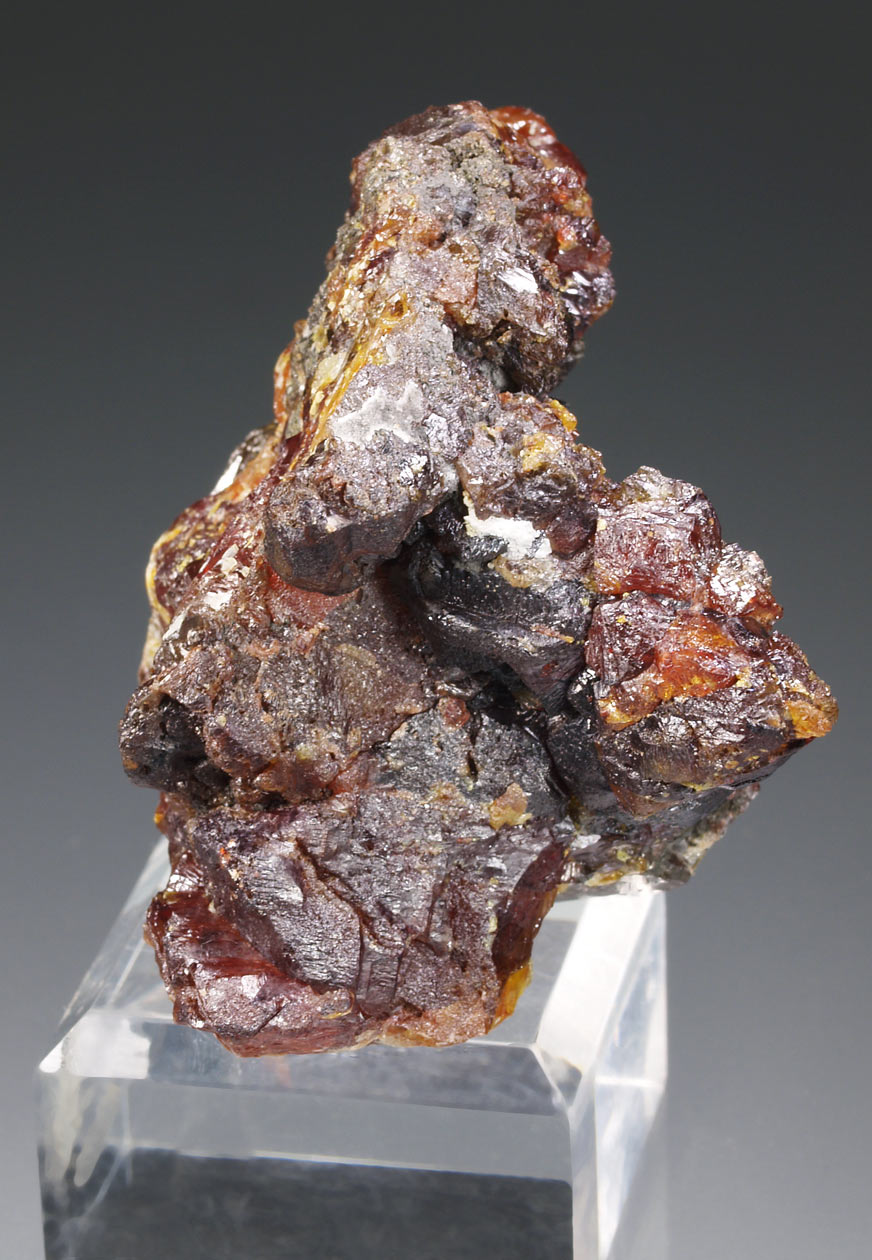
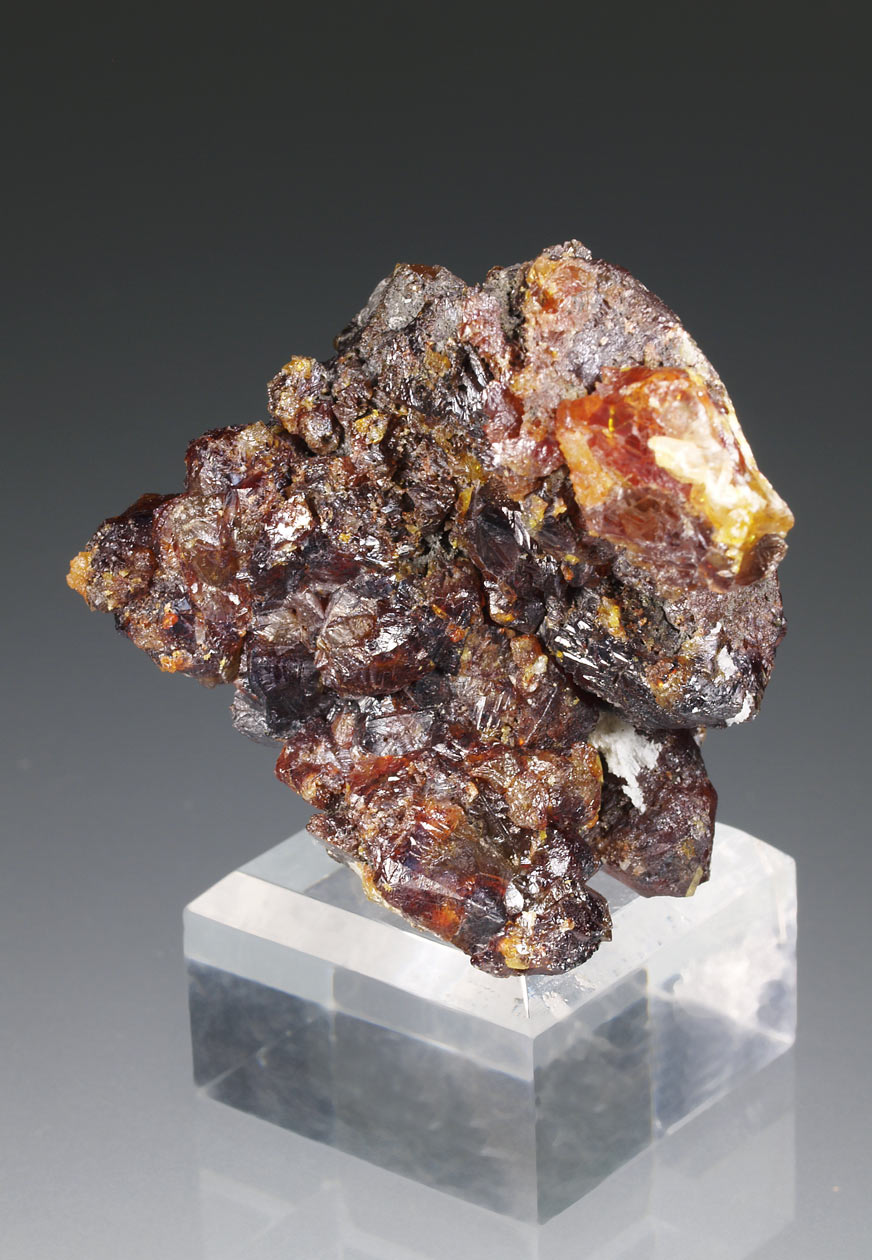
Grupo de cristales de esfalerita, con buen brillo, ricos en caras, algunas identificables como del dodecaedro. El ejemplar es translúcido en algunas zonas. Una pieza de una localidad clásica española como es Áliva.
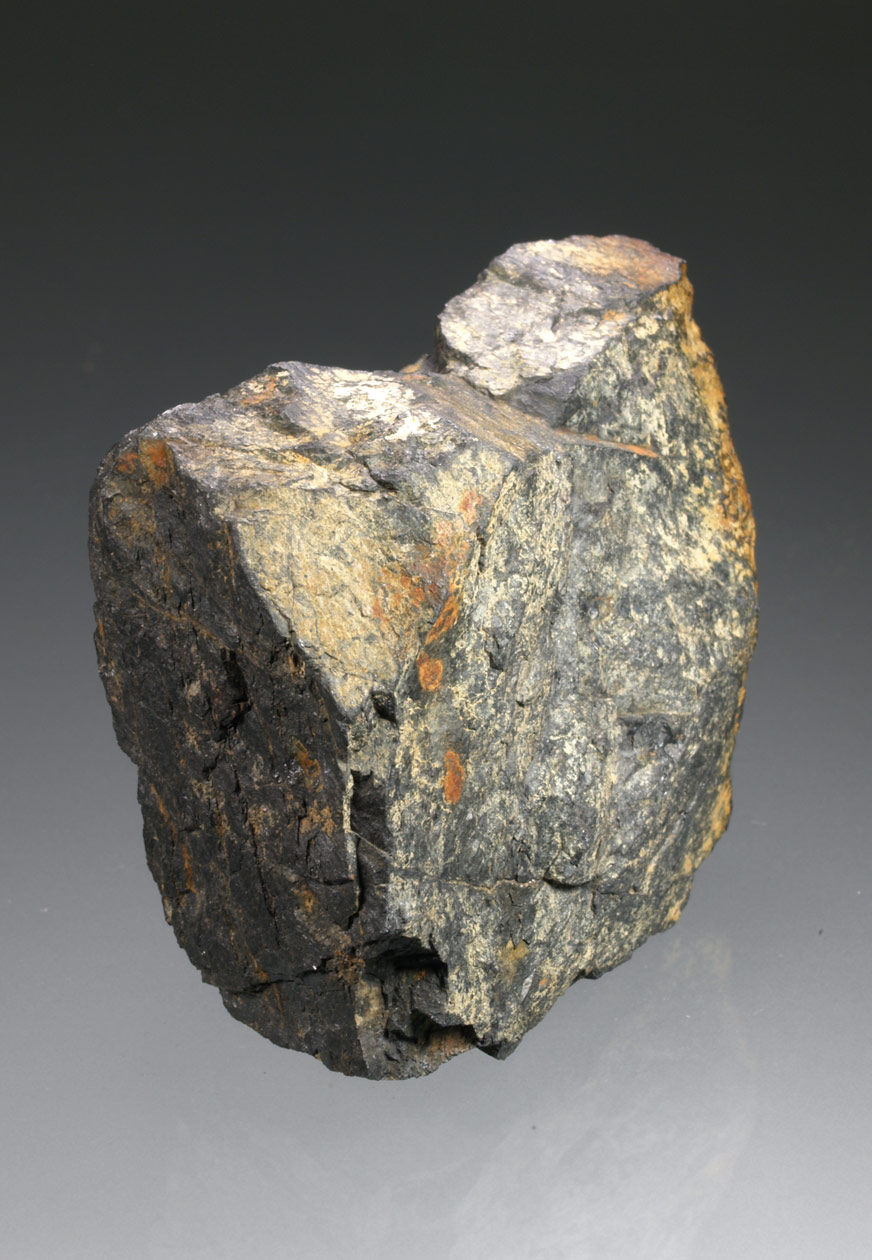
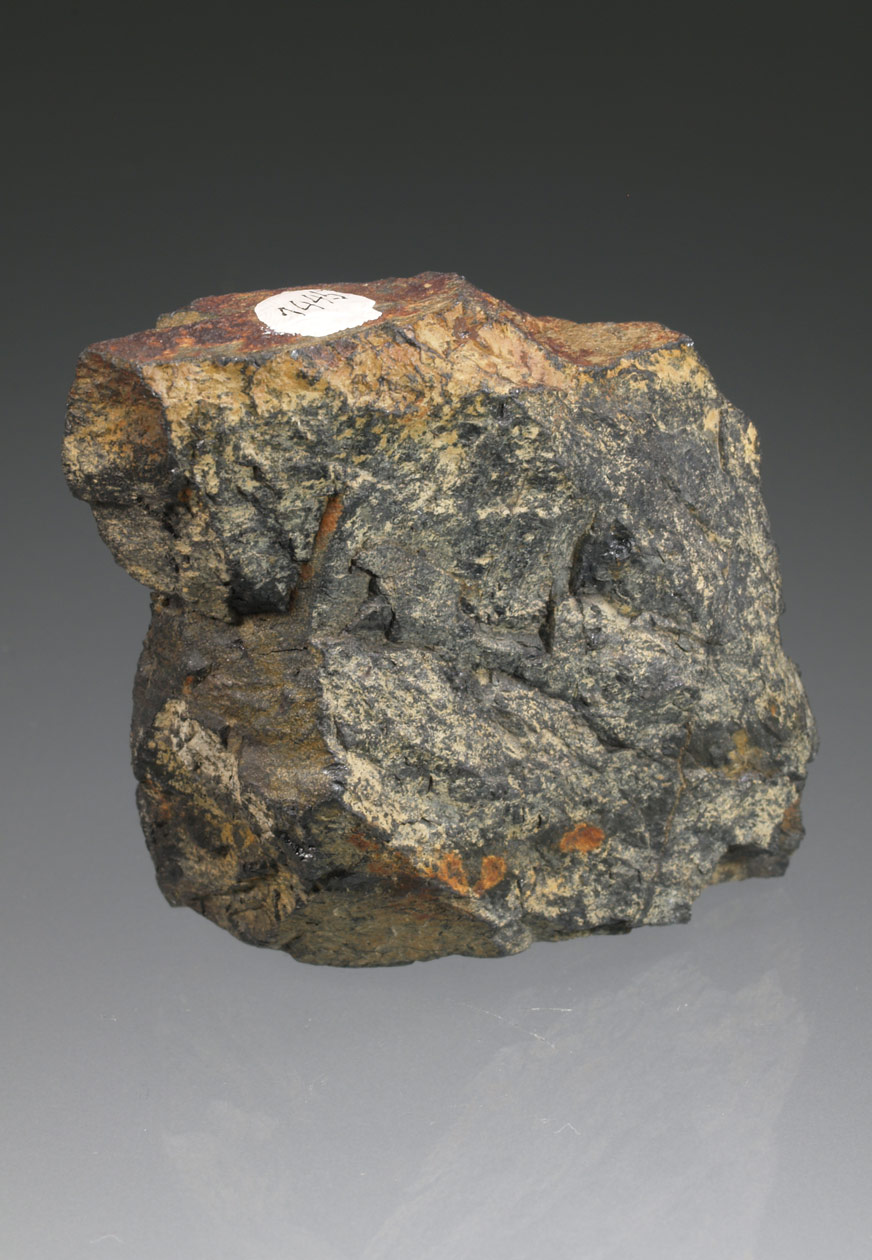
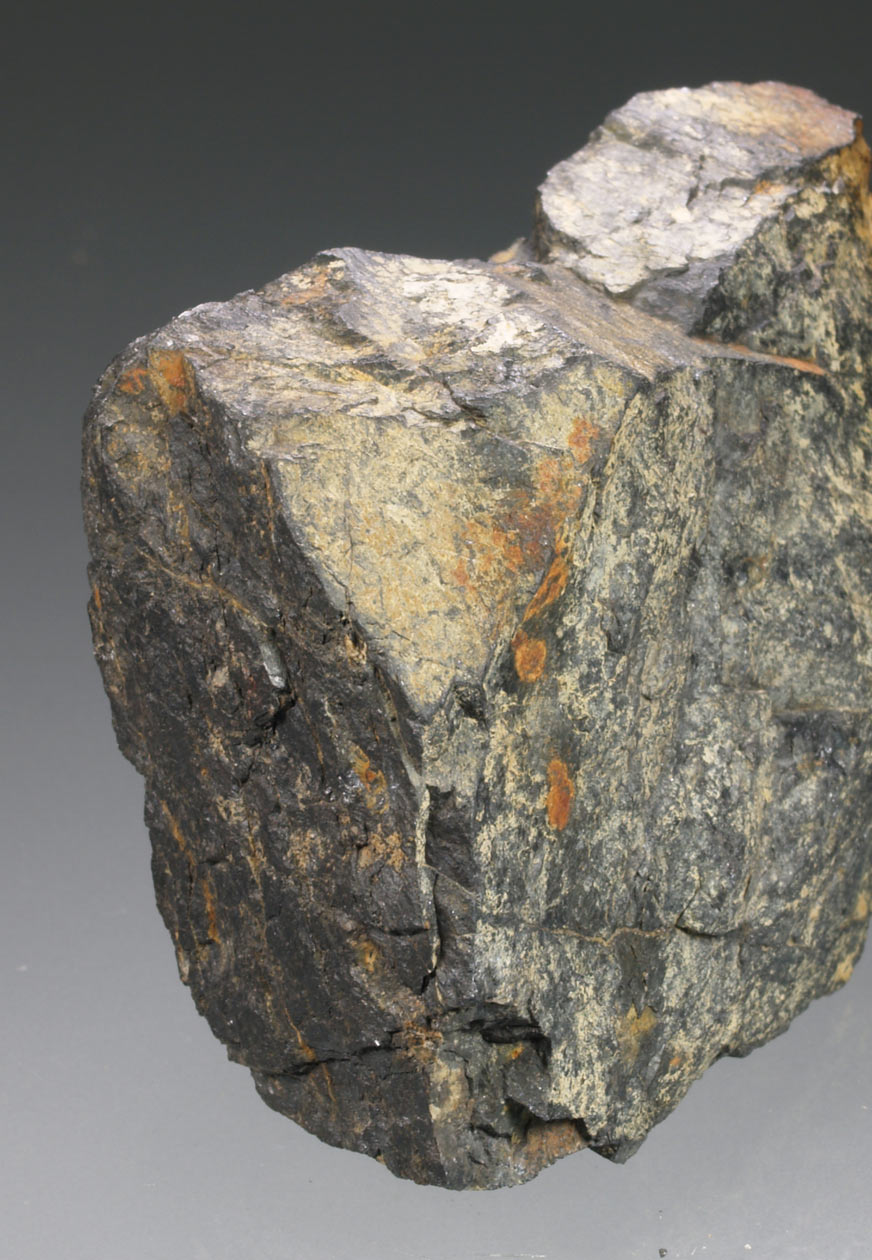
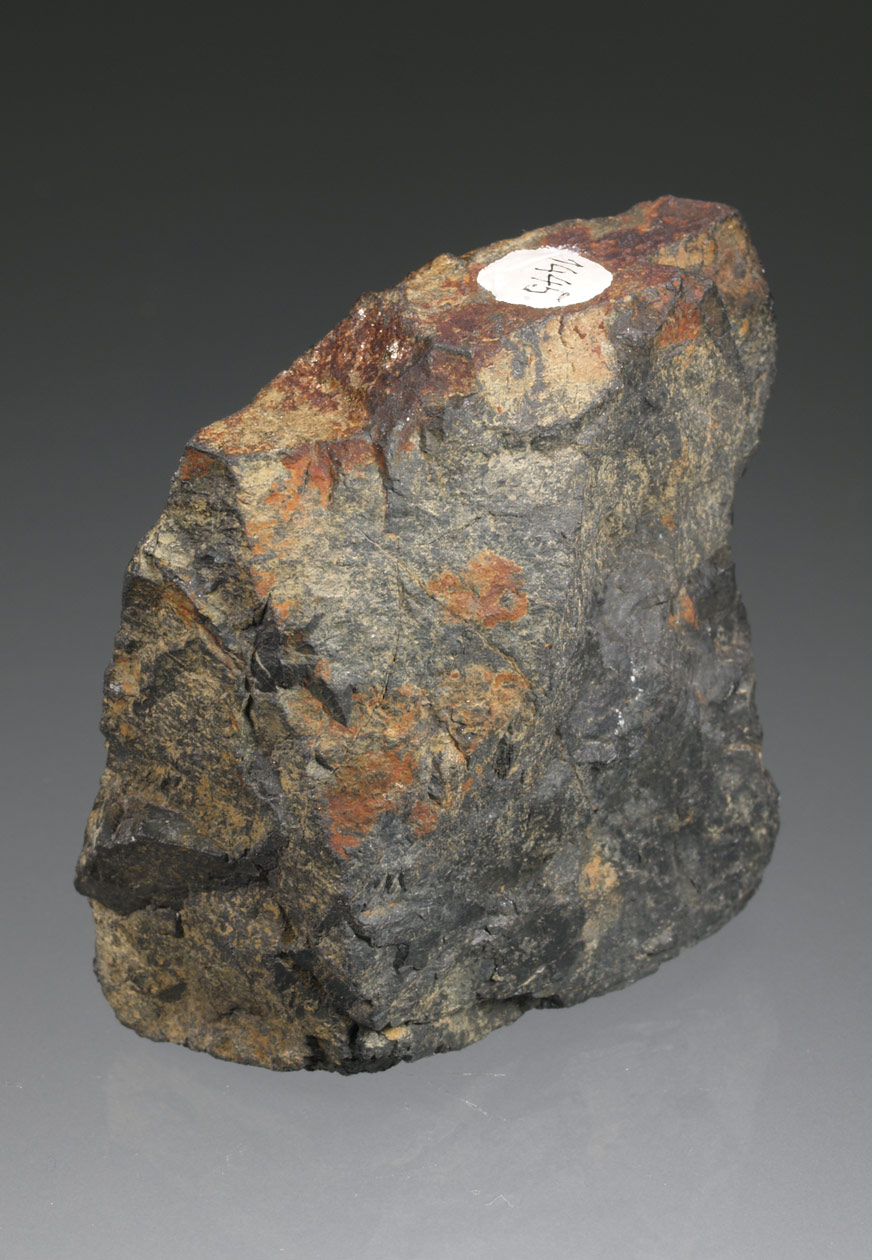
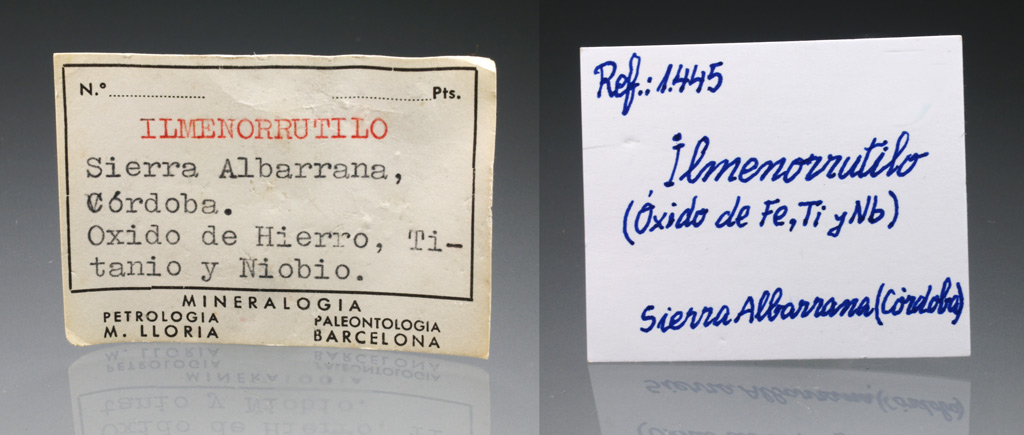
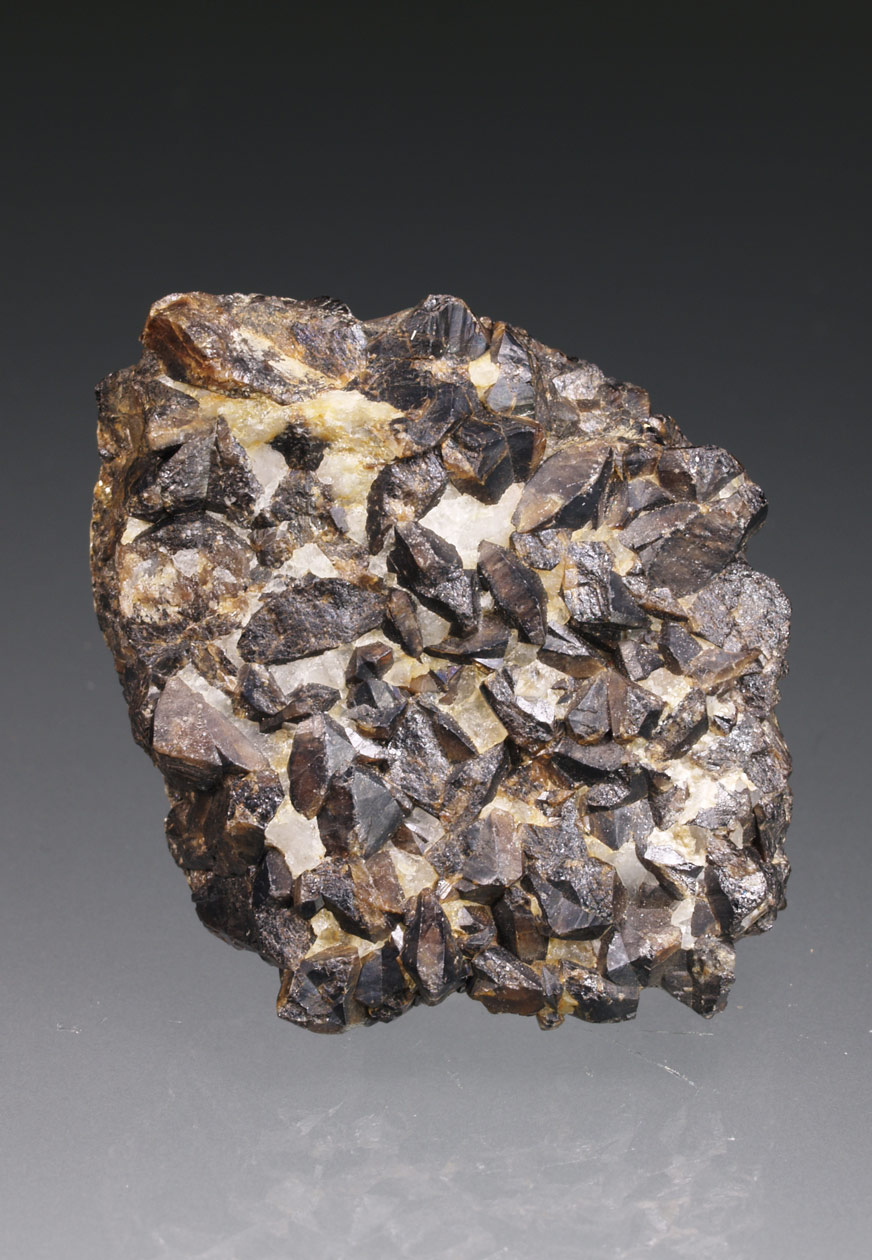
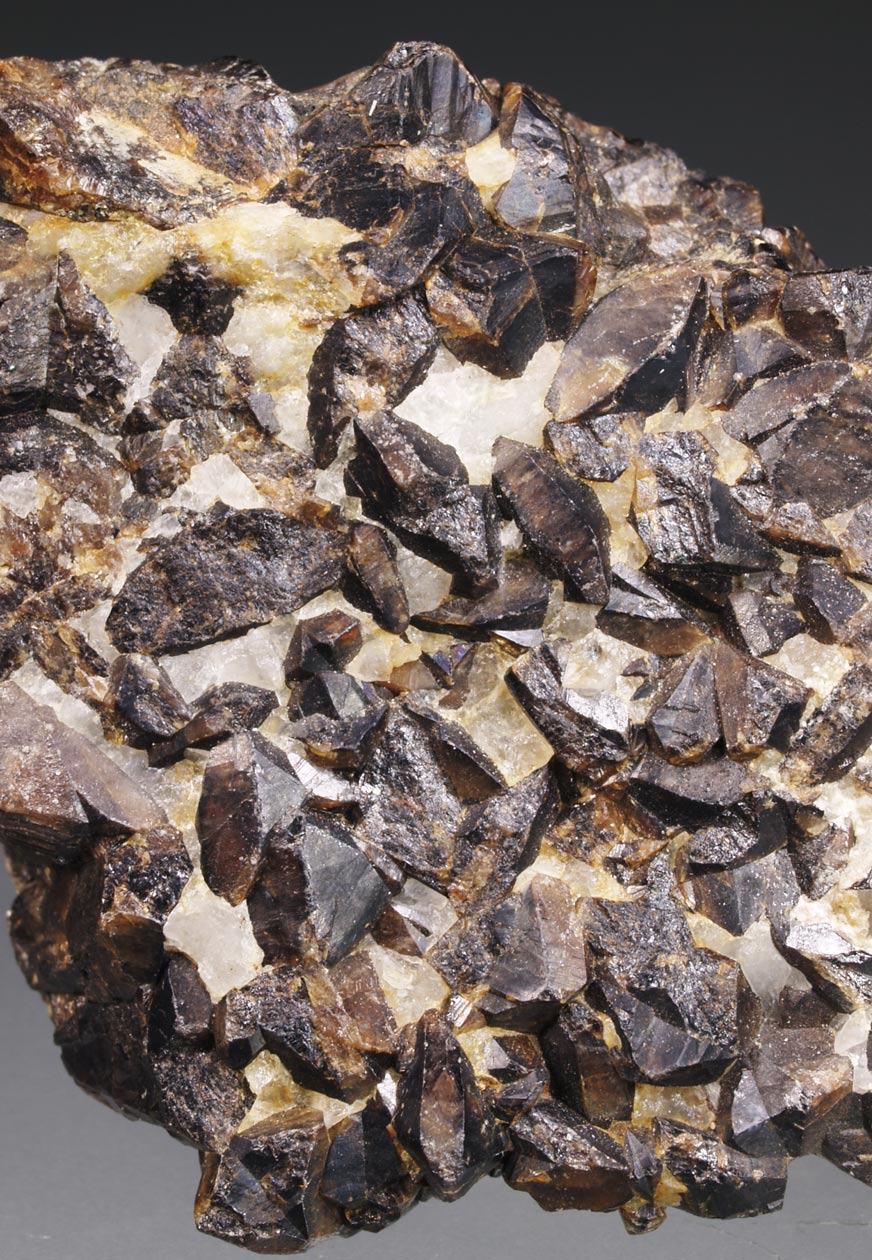
El ilmenorrutilo es una variedad de rutilo rica en niobio, cuya fórmula es (Ti,Nb)O₂. En este ejemplar podemos observar diversas caras del cristal. Muy probablemente procede de la cantera Diéresis, donde en la década de los años 80 aparecieron masas de varios kilogramos con desarrollo de caras, incluidas en la pegmatita. Procede de la colección Vilaseca y fue adquirido al conocido vendedor de minerales barcelonés Marçal Llòria (Lloid).
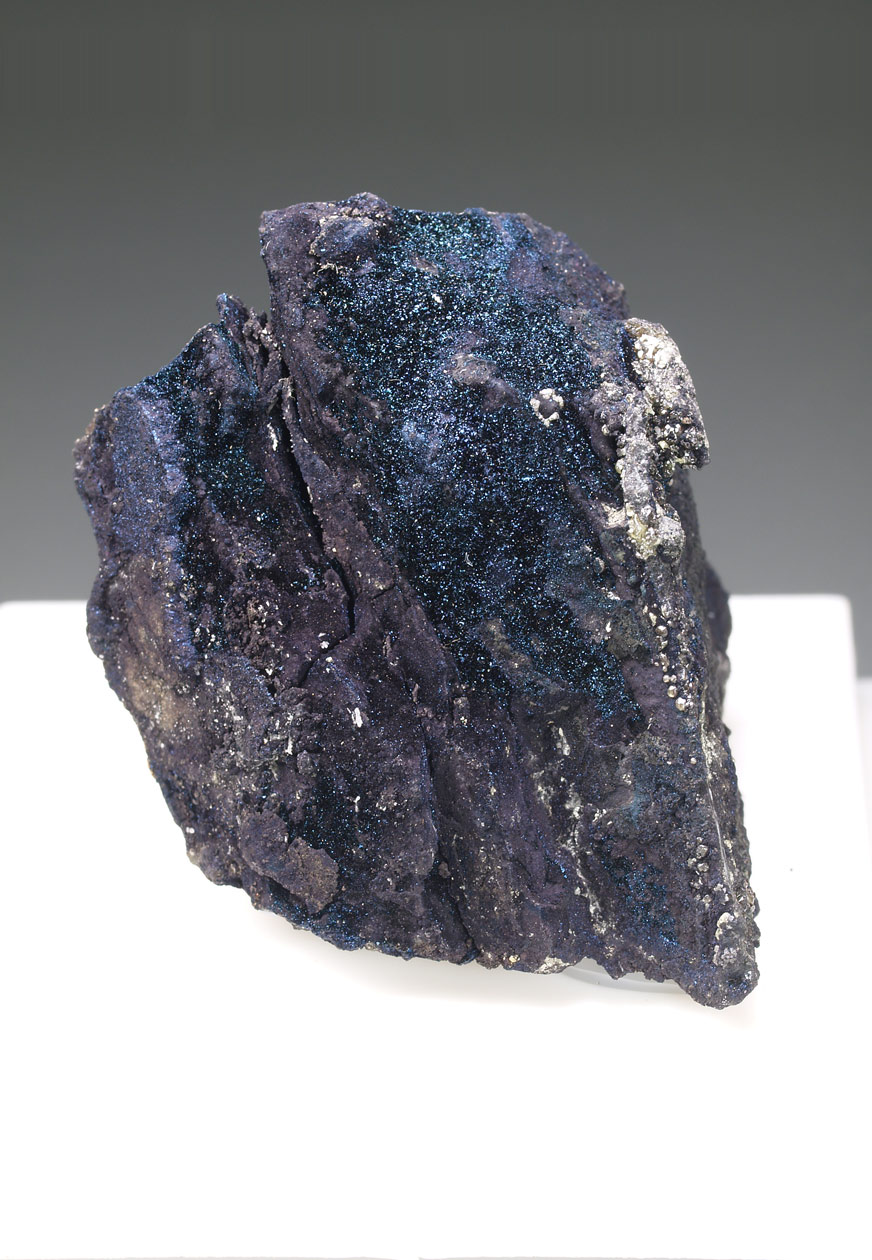
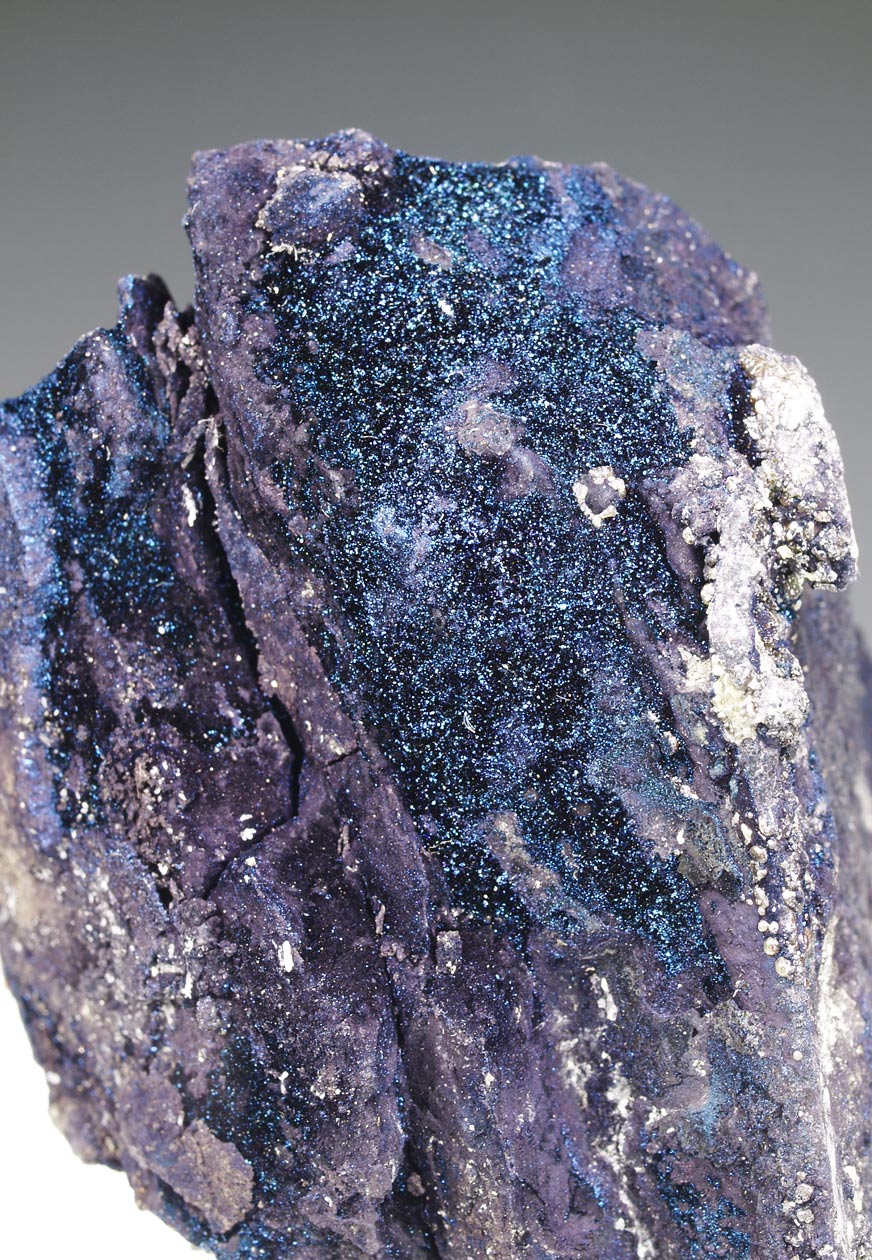
Sobre una matriz de sulfuros polimetálicos, principalmente pirita, se disponen diversas drusas de cristales de covellita de intenso brillo y color azul profundo. Se acompañan de cristales de azufre, entre otros minerales. Este ejemplar procede de la corta Atalaya, una explotación minera onubense emblemática.
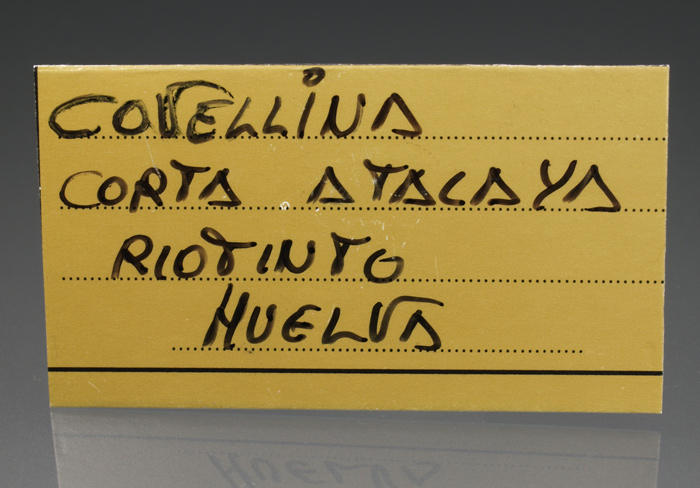
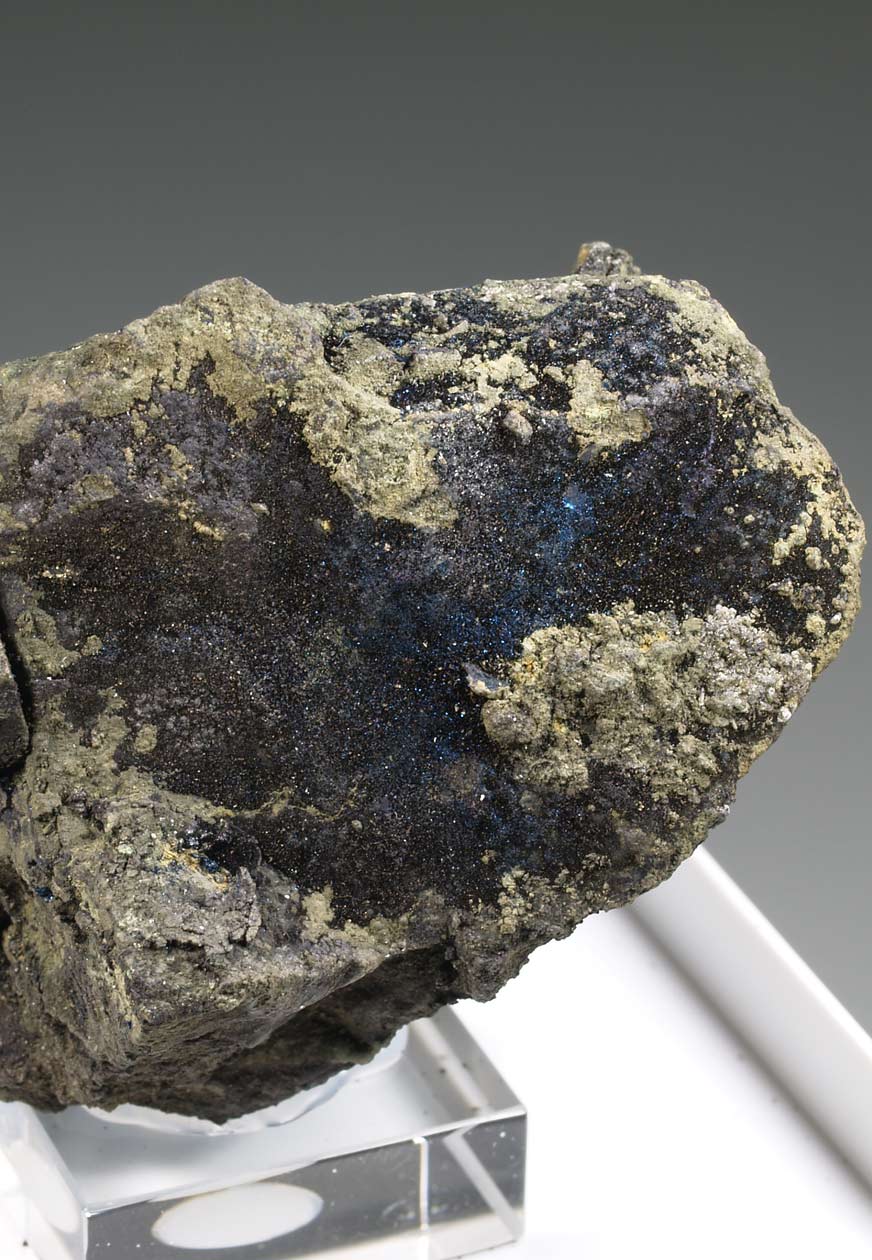
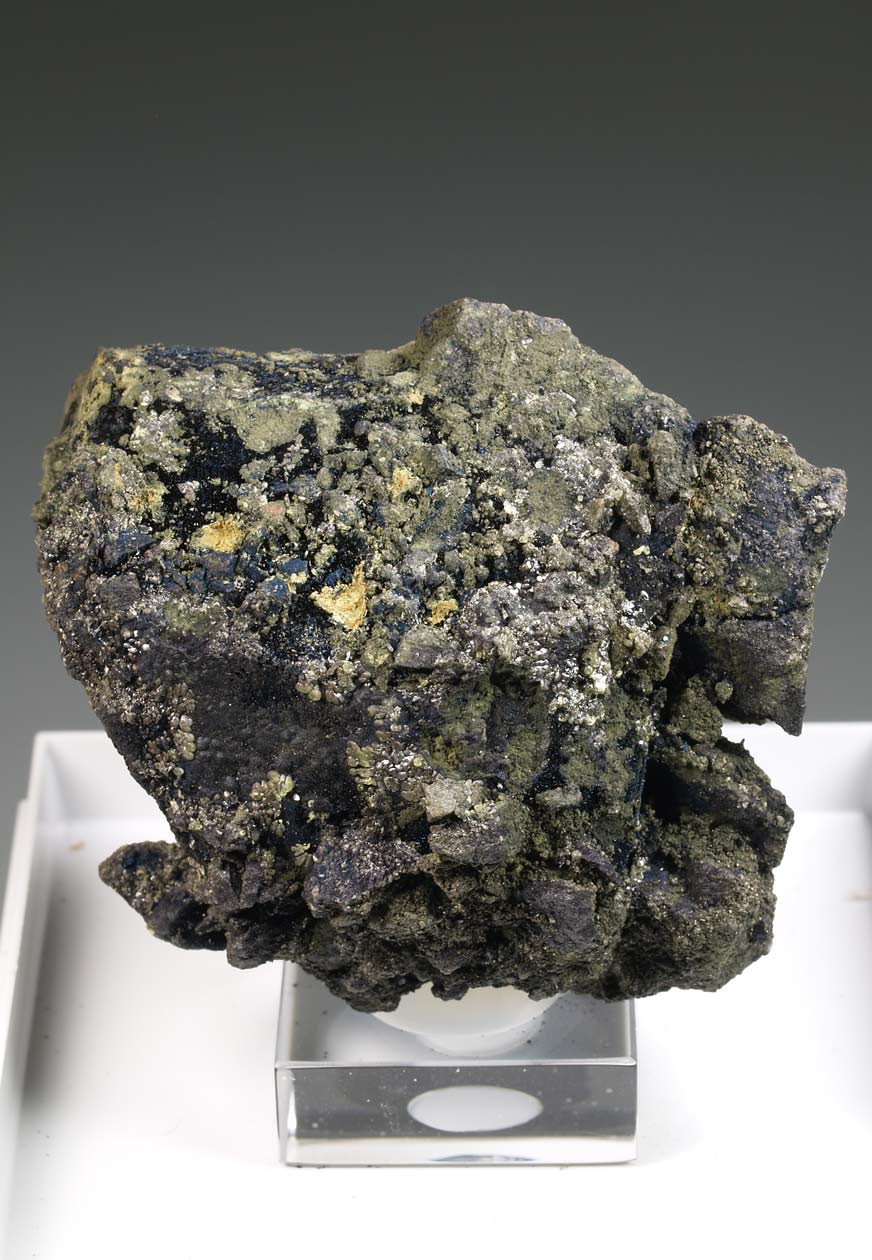
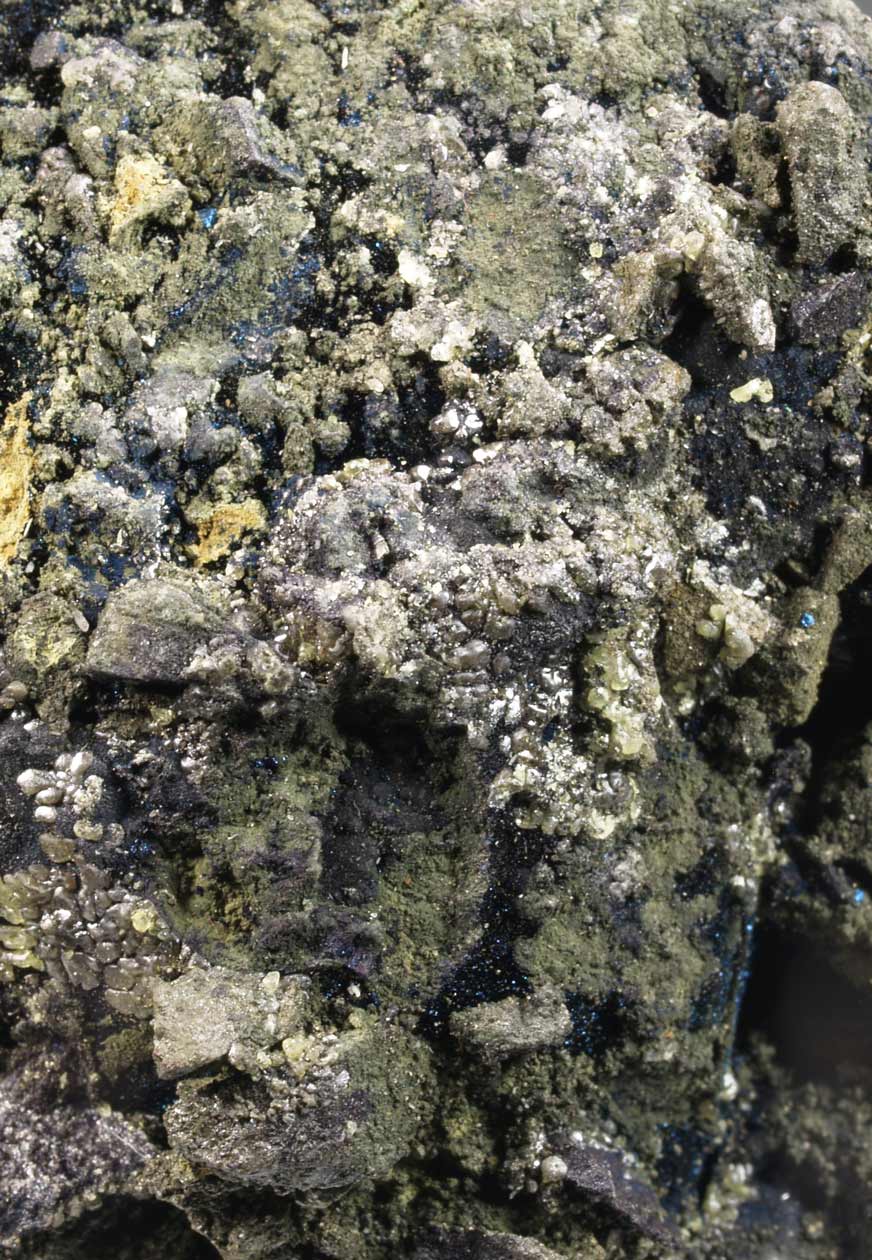
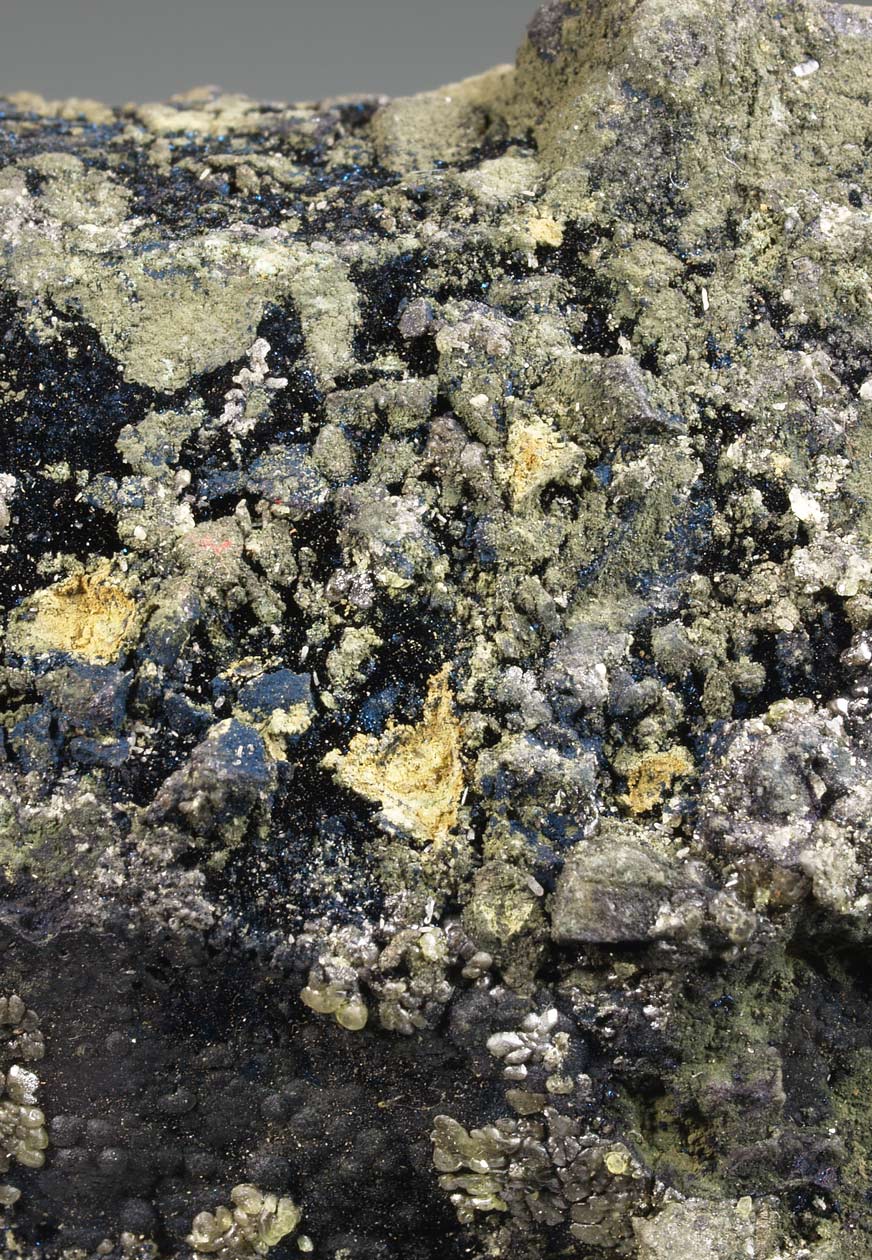
Sobre una matriz de sulfuros polimetálicos, principalmente pirita, se disponen diversas drusas de cristales de covellita de intenso brillo y color azul profundo. Se acompañan de cristales de azufre, entre otros minerales. Este ejemplar procede de la corta Atalaya, una explotación minera onubense emblemática.
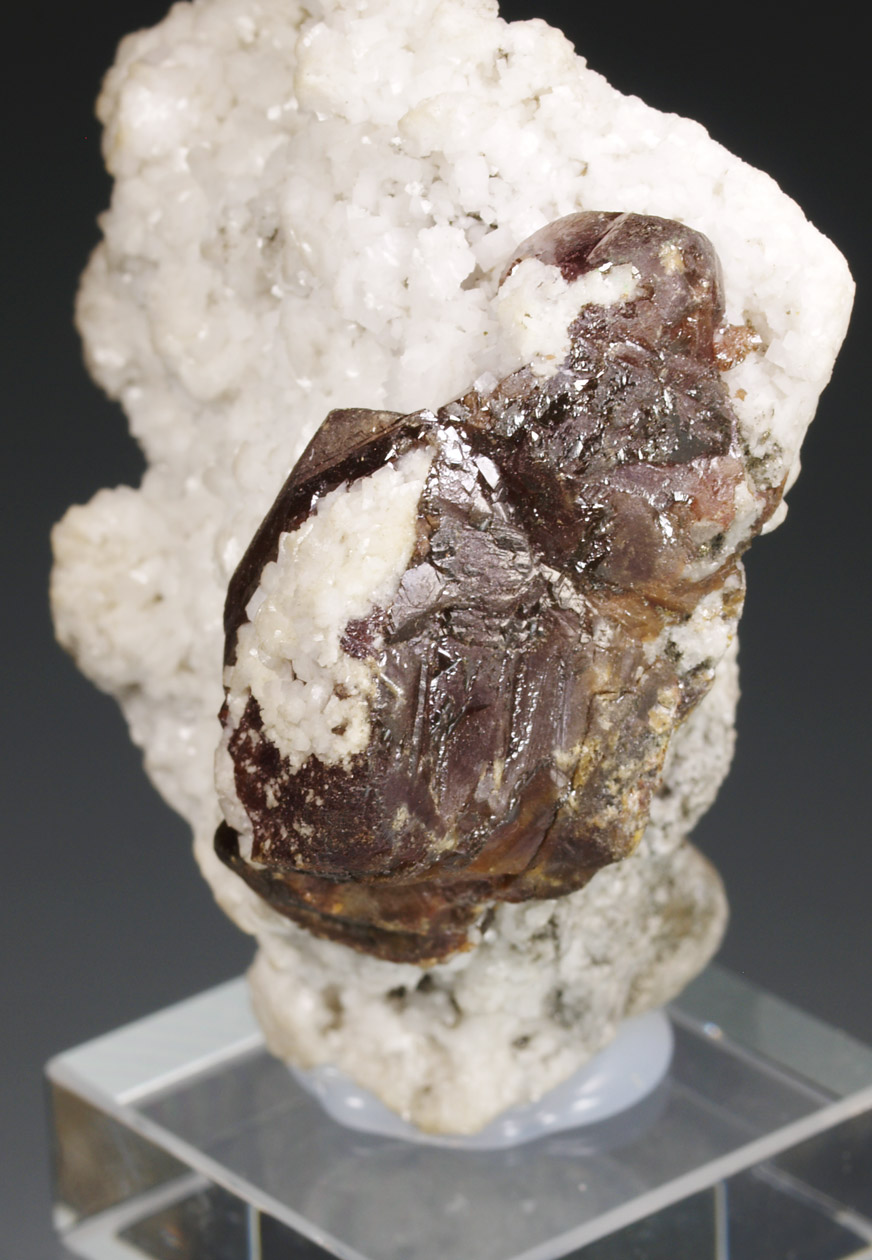
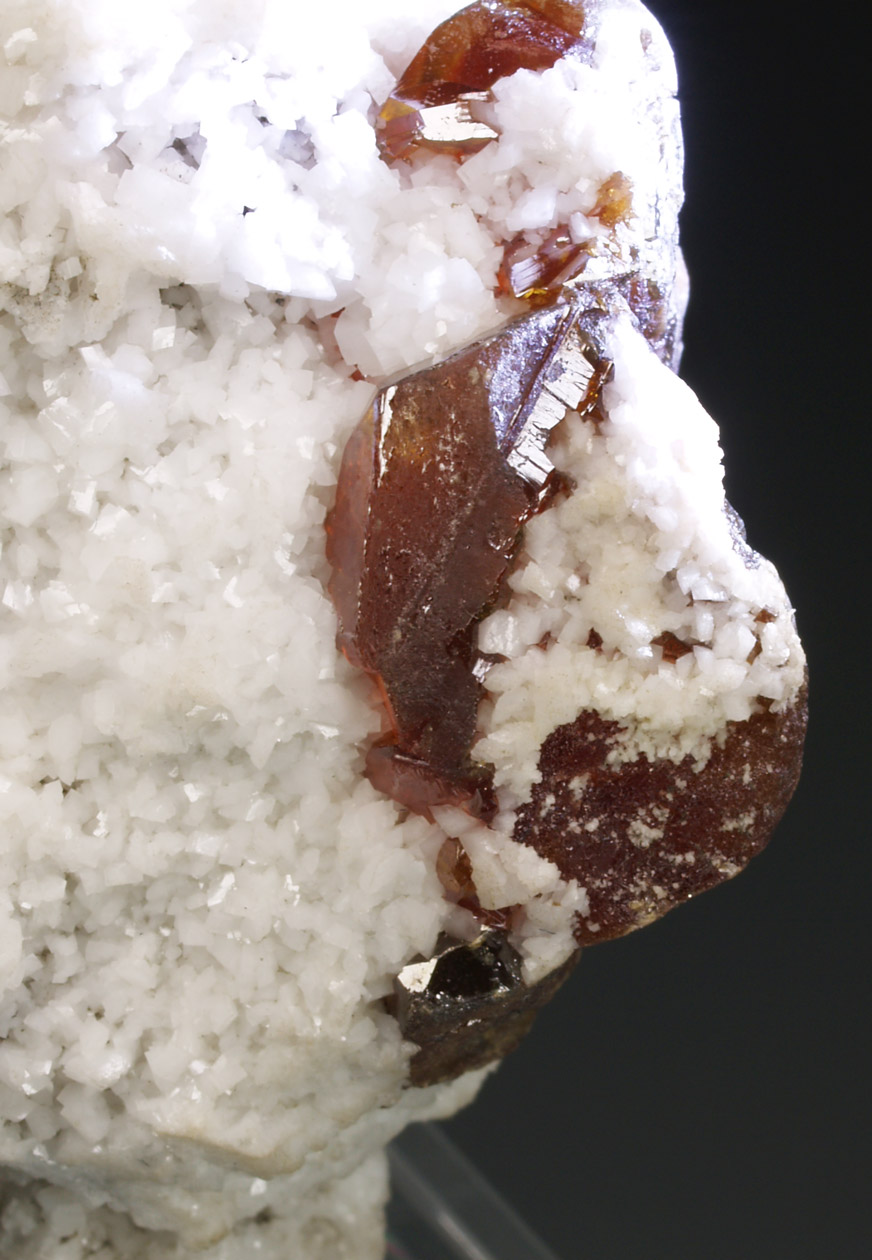
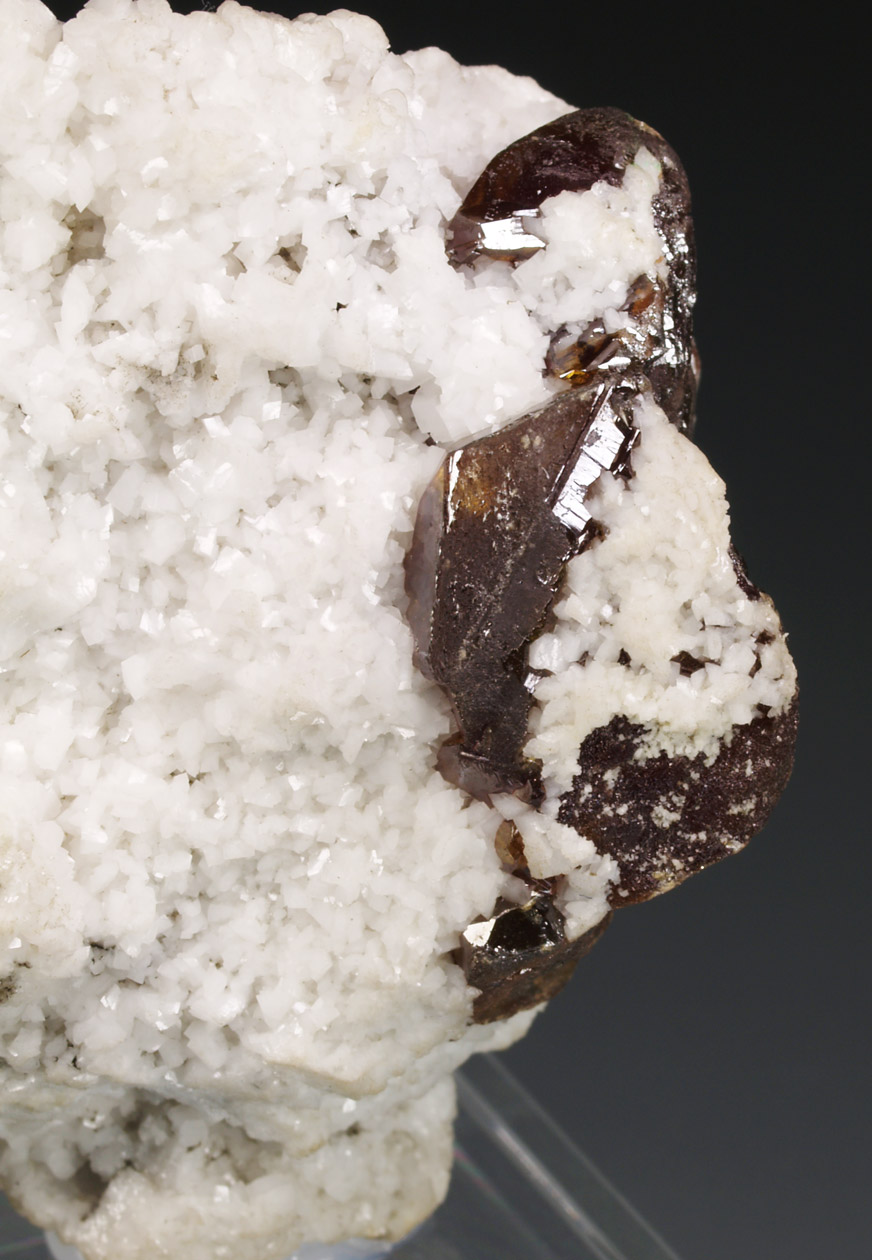
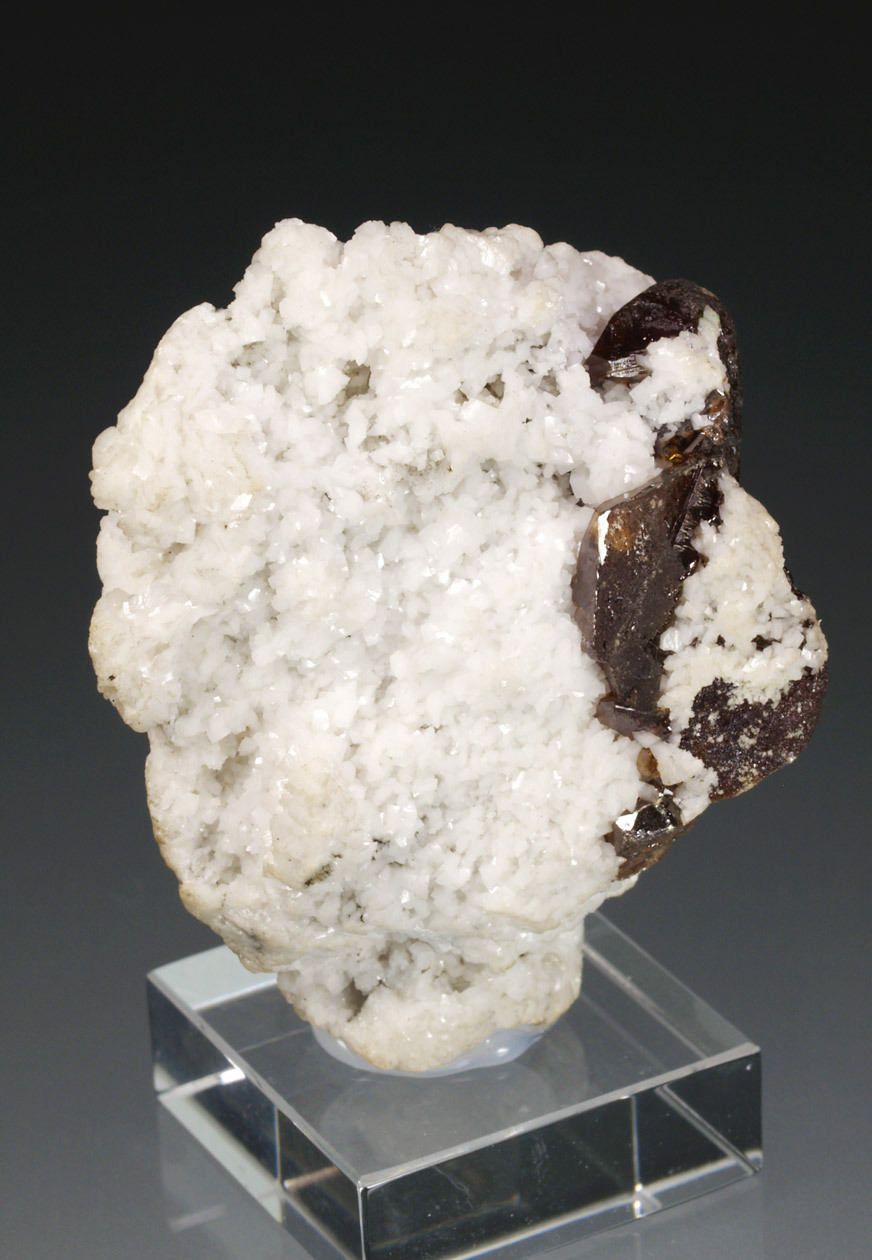
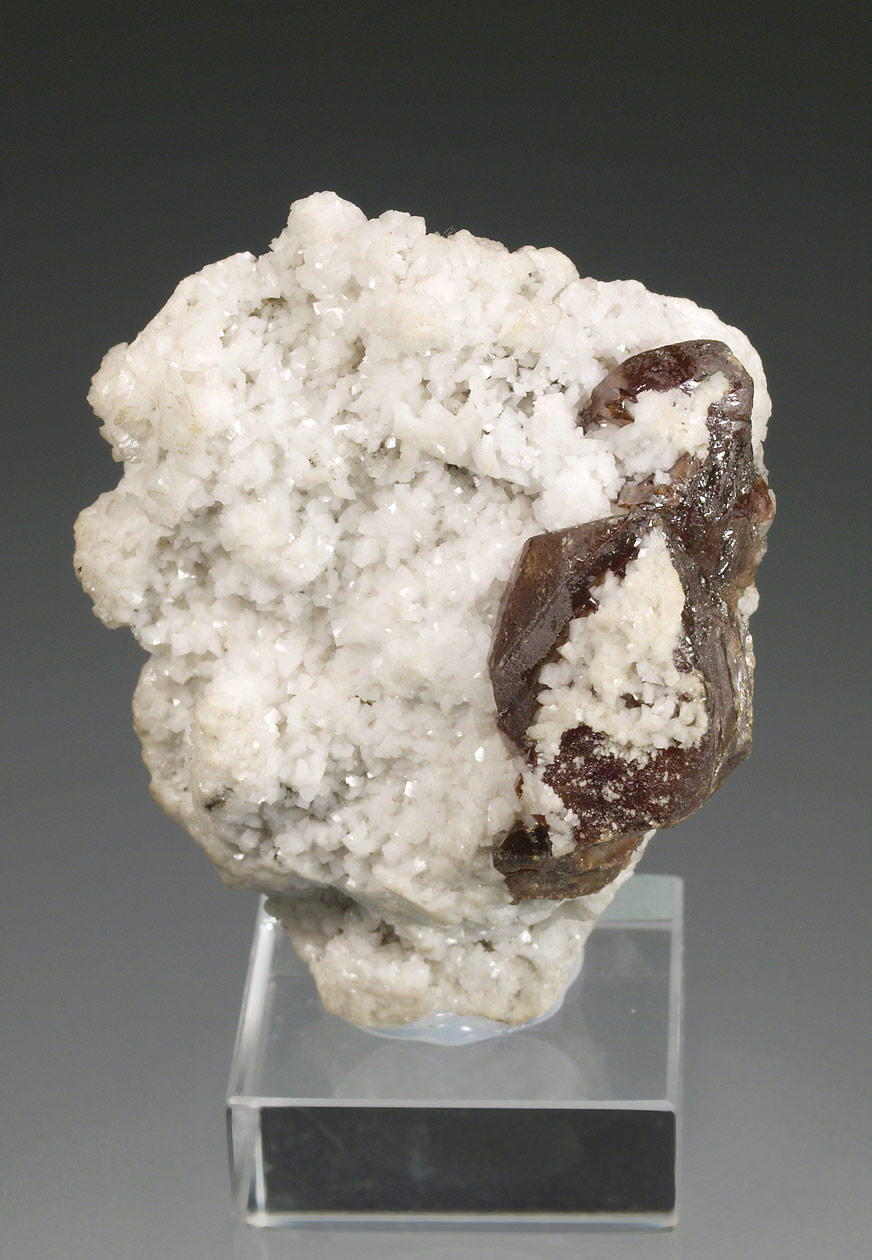
Agregado de cristales de esfalerita, de un tono marrón oscuro, situados en una matriz de cristales de dolomita. Al atravesarlos la luz dejan ver ese tomo de miel tostada característico.
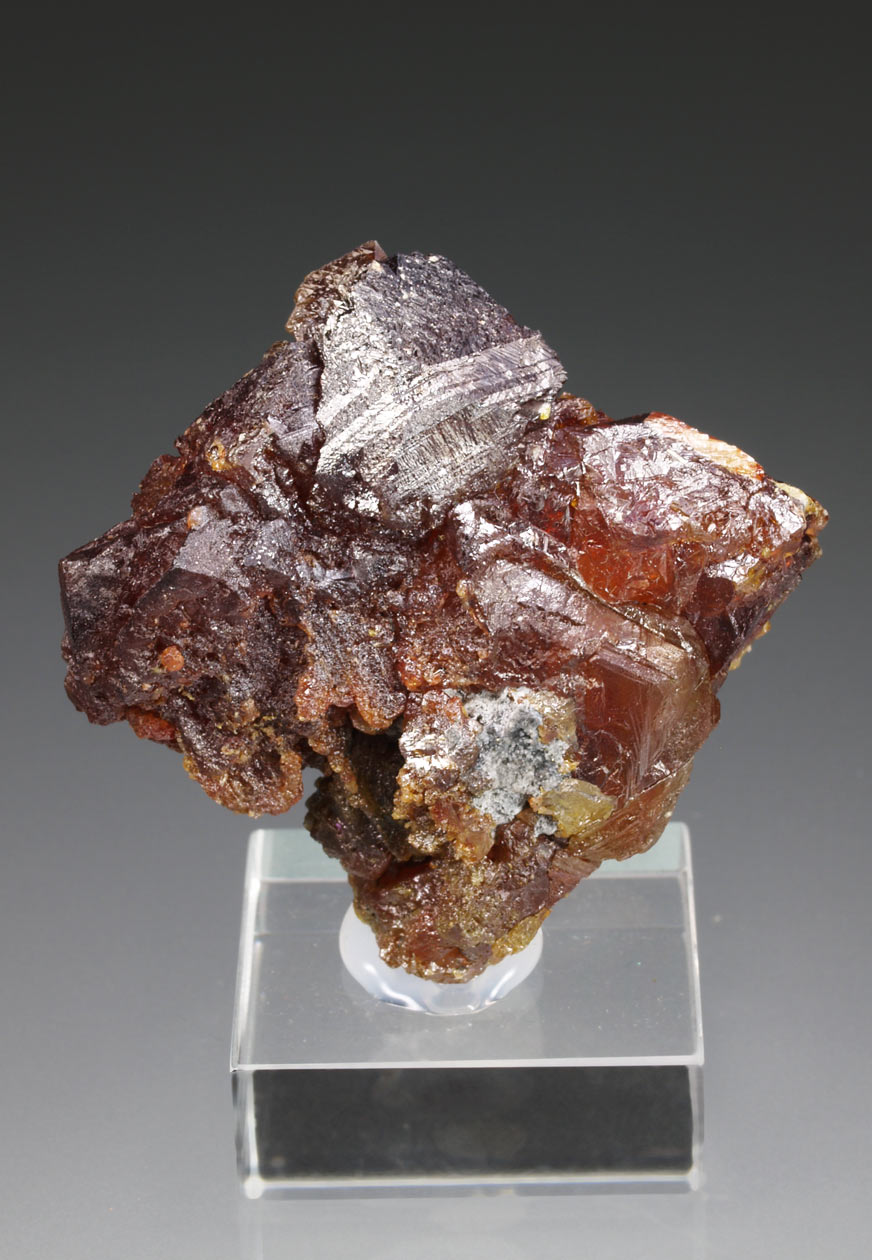
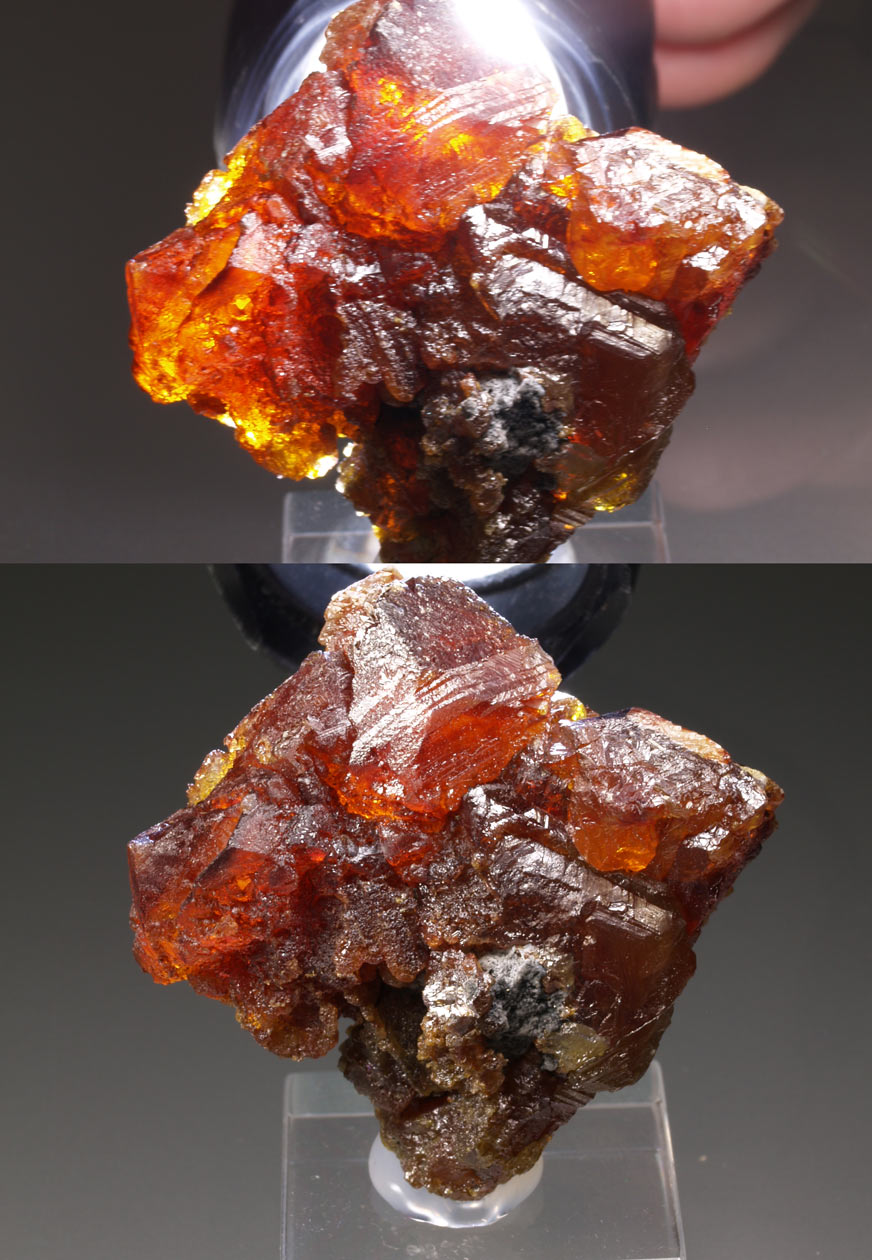
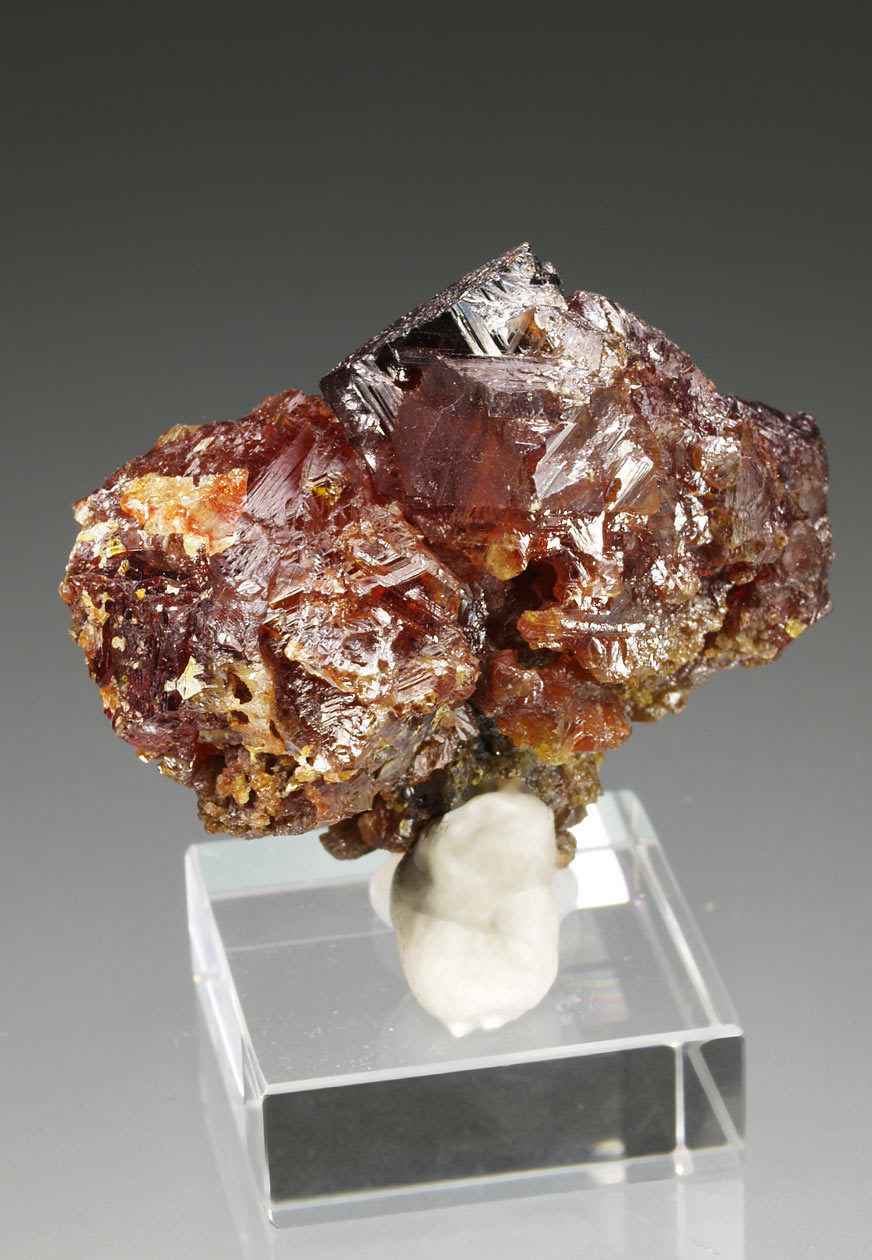
Grupo de cristales de esfalerita, complejos, interpenetrados y con caras del dodecaedro. El ejemplar es translúcido, con lo que la luz al atravesar-lo deja ver ese luminosidad naranja que hace de estos ejemplares piezas apreciadas por los coleccionistas.
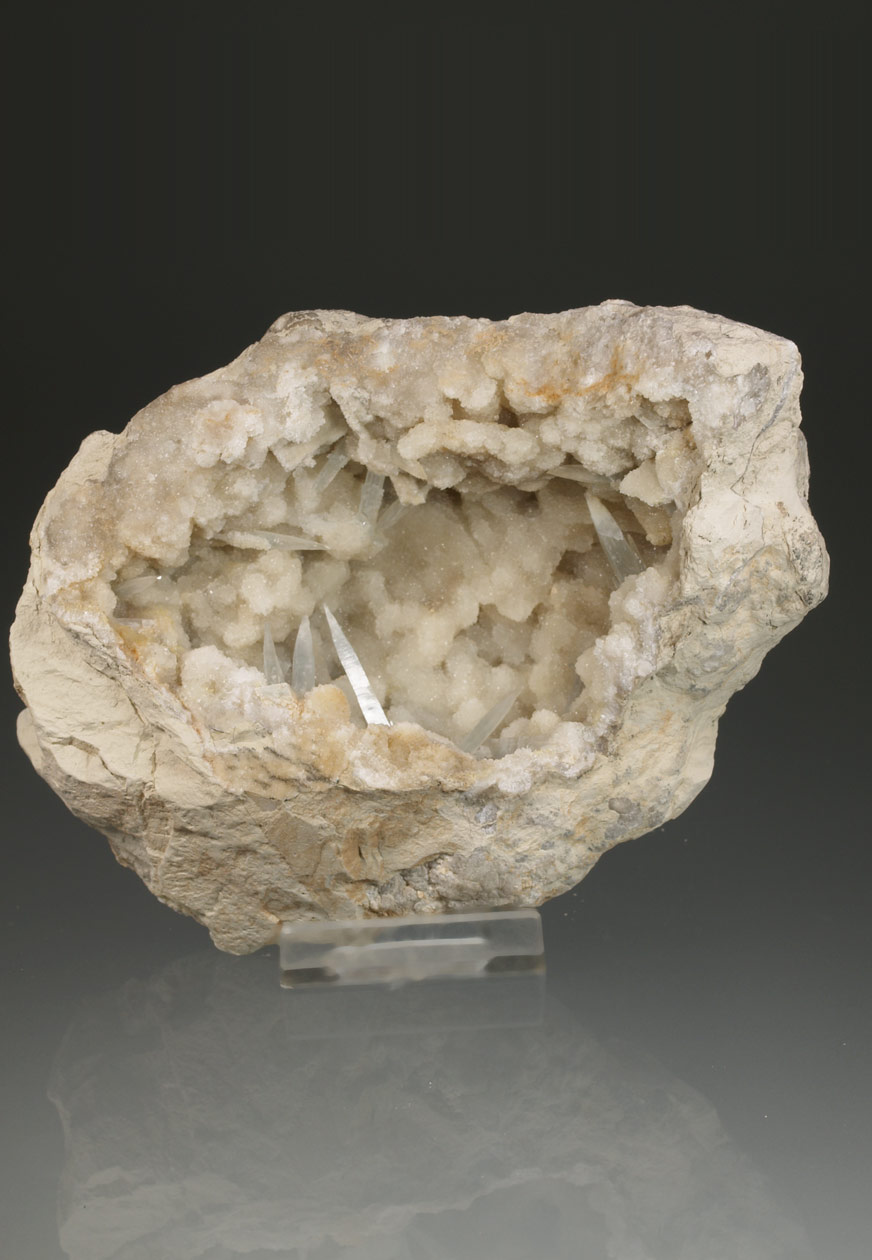
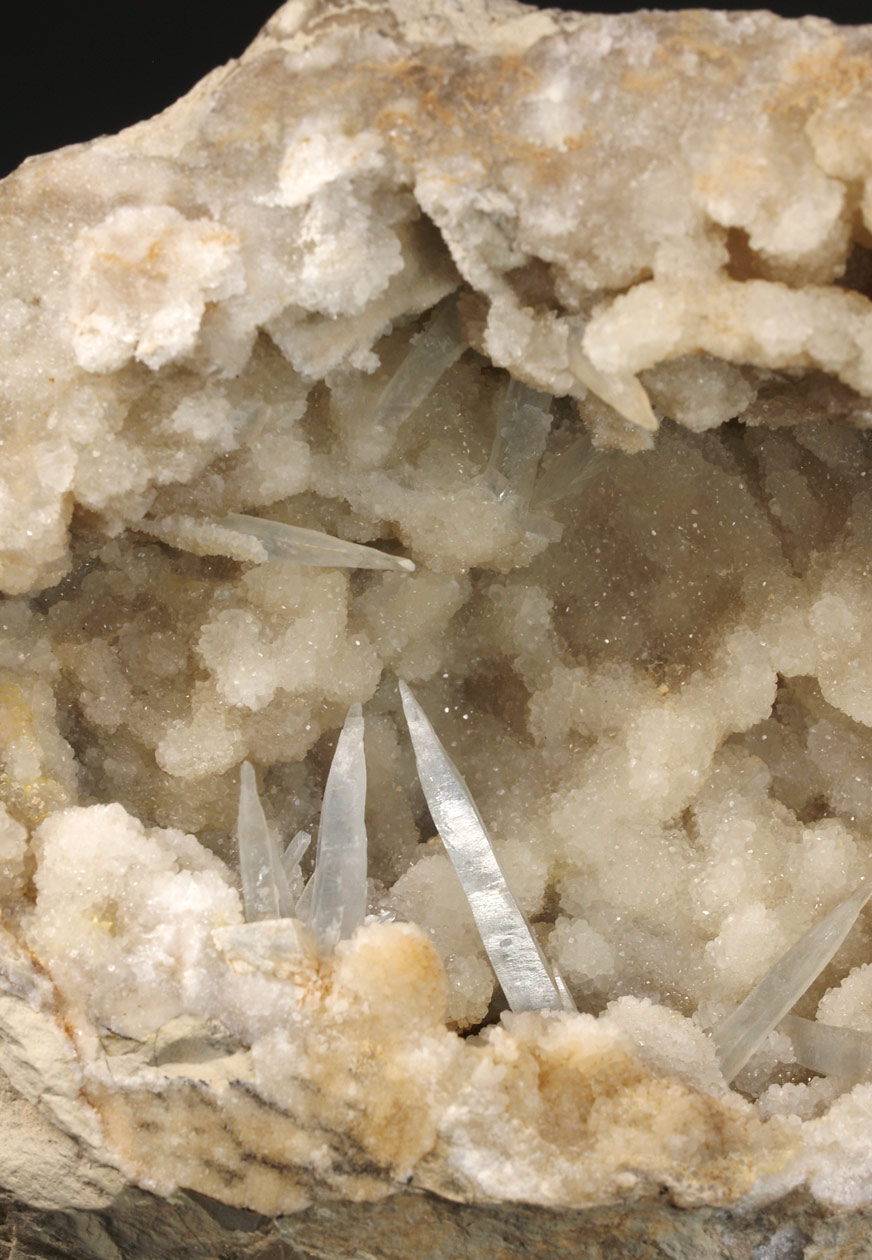
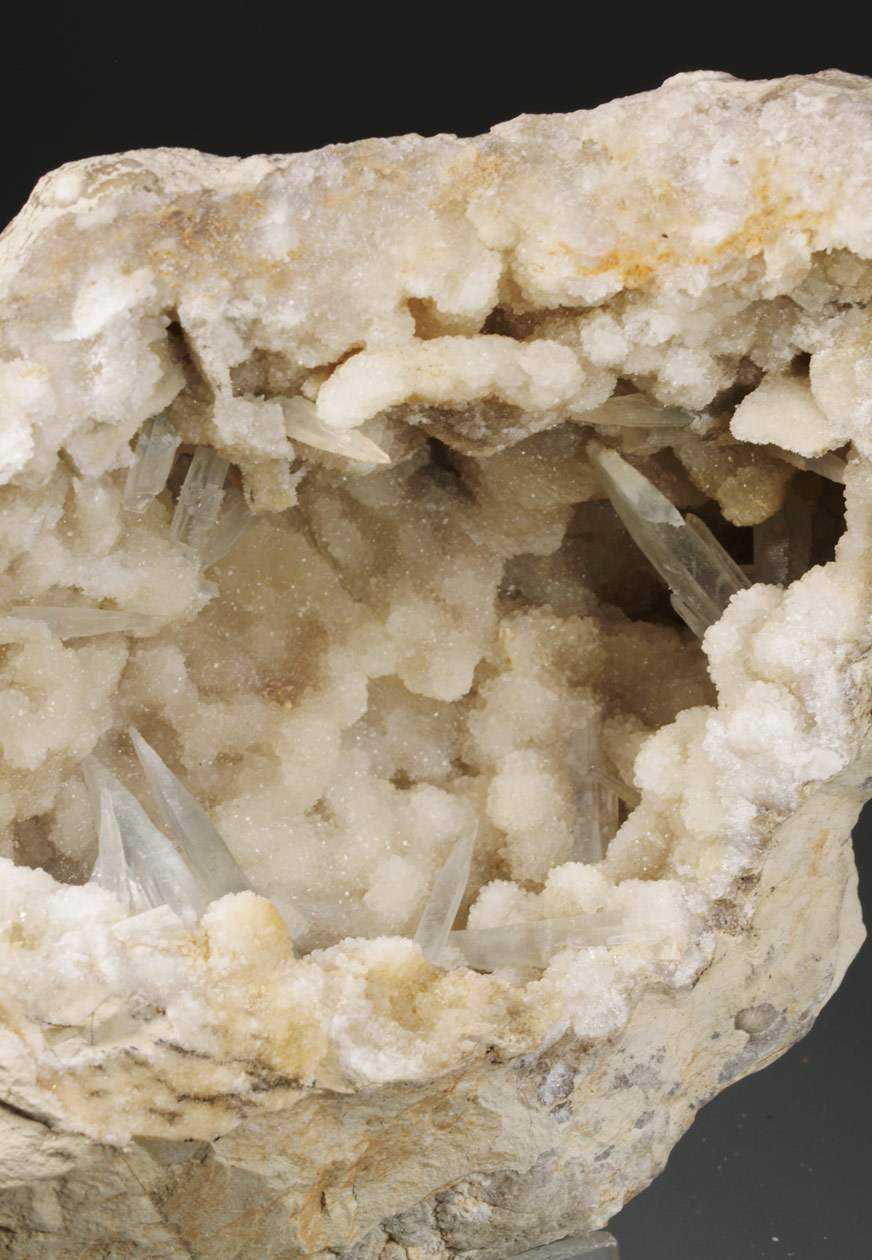
Los ejemplares de celestina de las zonas de Torà e Ivorra son un clásico de la mineralogia catalana. Se han encontrado en diferentes zonas de ambos municipios. Este ejemplar procede de unoas catas que se hicieron cerca de Torà, en unos taludes, hoy día tapados y estando prohibida su búsqueda, debido a los destrozos que algunos buscadores realizaron antaño. Cristales prismáticos apuntados, de color ligeramente gris azulado, en las cavidades tapizadas de calcita, en una matriz de marga carbonatada.
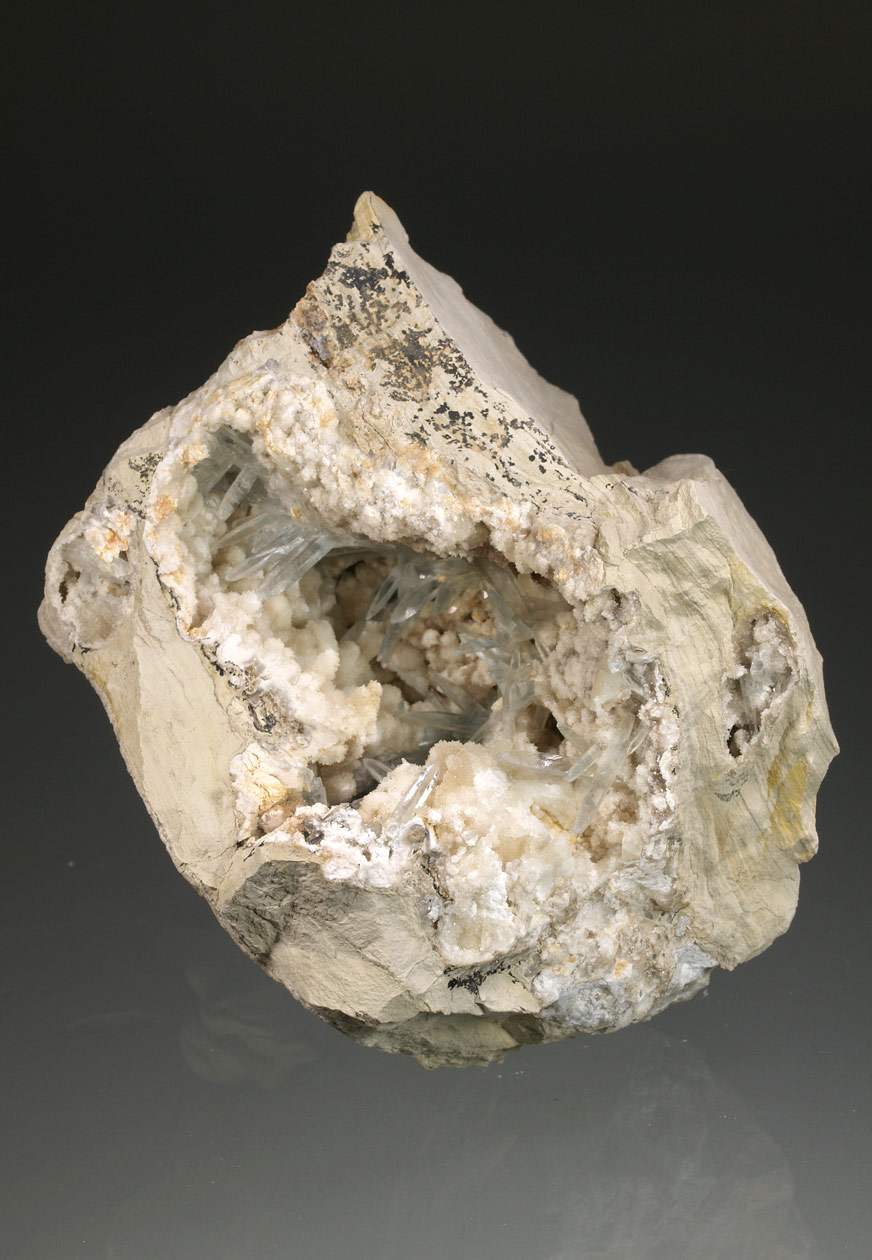
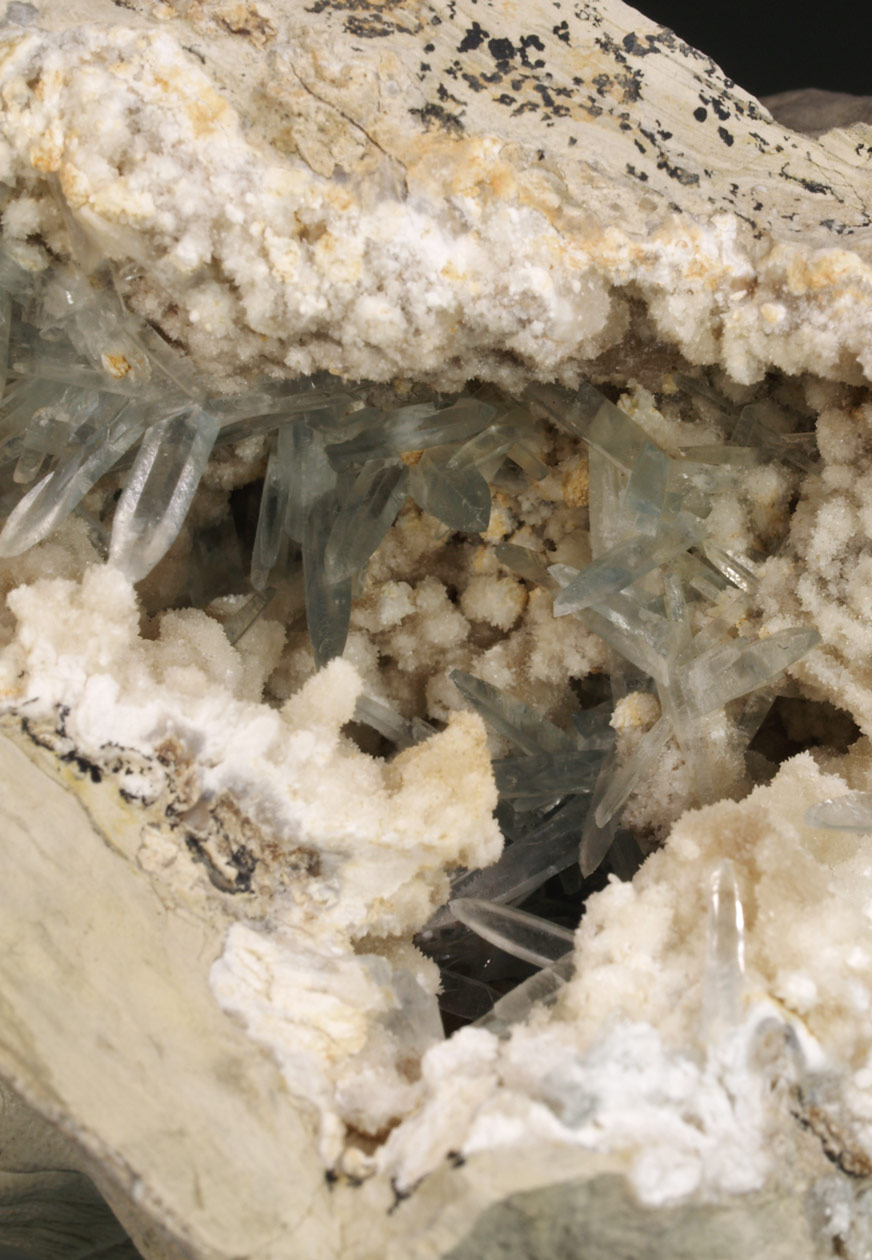
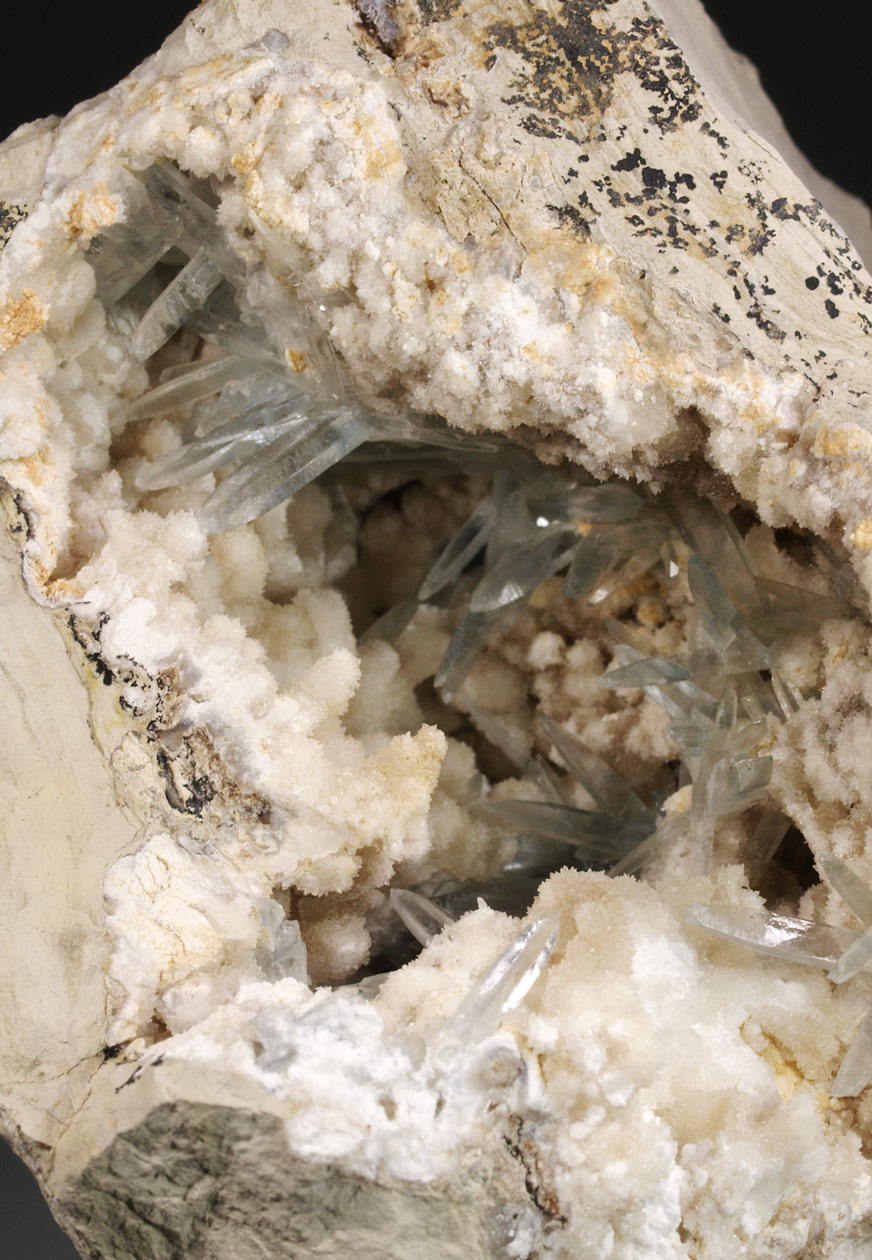
Los ejemplares de celestina de las zonas de Torà e Ivorra son un clásico de la mineralogia catalana. Se han encontrado en diferentes zonas de ambos municipios. Este ejemplar procede de unoas catas que se hicieron cerca de Torà, en unos taludes, hoy día tapados y estando prohibida su búsqueda, debido a los destrozos que algunos buscadores realizaron antaño. Cristales prismáticos apuntados, de color ligeramente gris azulado, en las cavidades tapizadas de calcita, en una matriz de marga carbonatada.
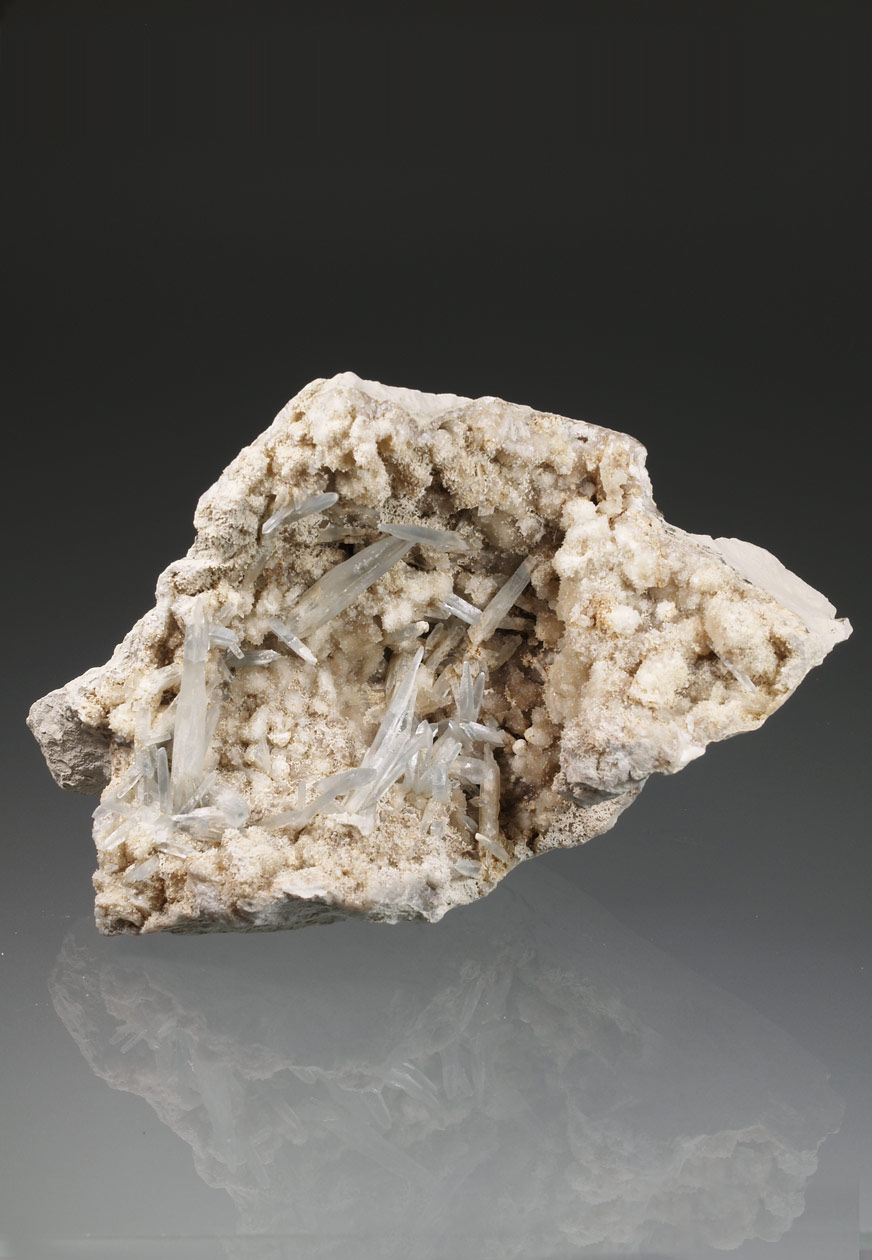
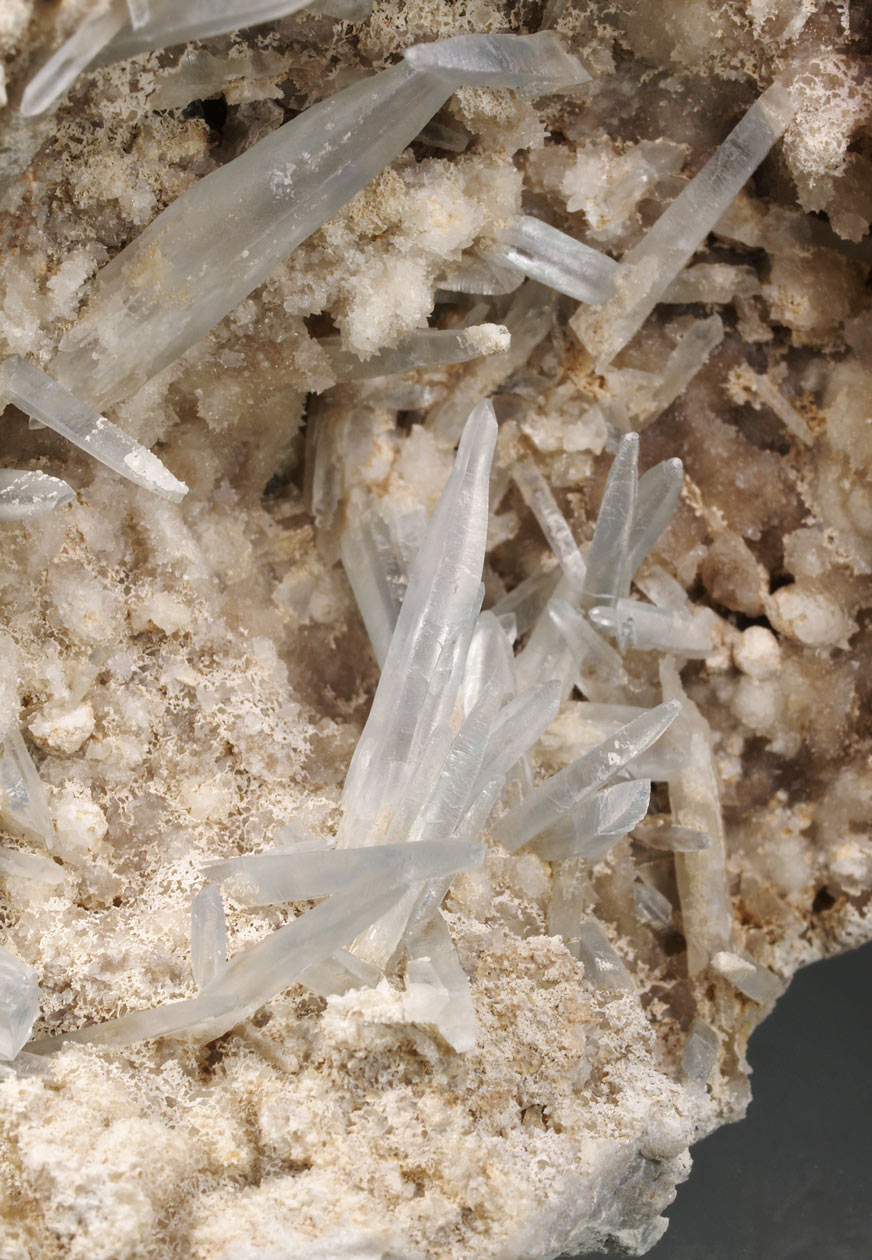
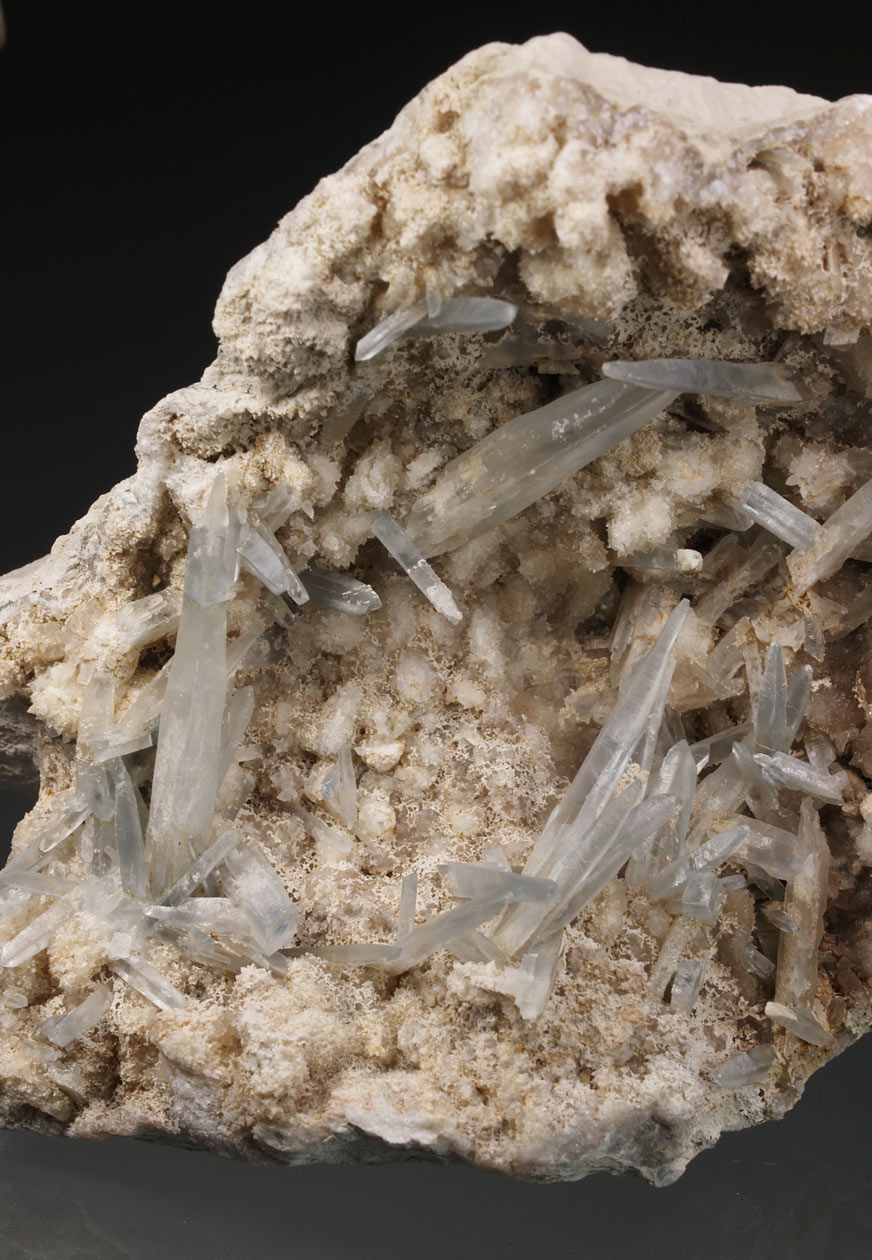
Los ejemplares de celestina de las zonas de Torà e Ivorra son un clásico de la mineralogia catalana. Se han encontrado en diferentes zonas de ambos municipios. Este ejemplar procede de unoas catas que se hicieron cerca de Torà, en unos taludes, hoy día tapados y estando prohibida su búsqueda, debido a los destrozos que algunos buscadores realizaron antaño. Cristales prismáticos apuntados, de color ligeramente gris azulado, en las cavidades tapizadas de calcita, en una matriz de marga carbonatada.
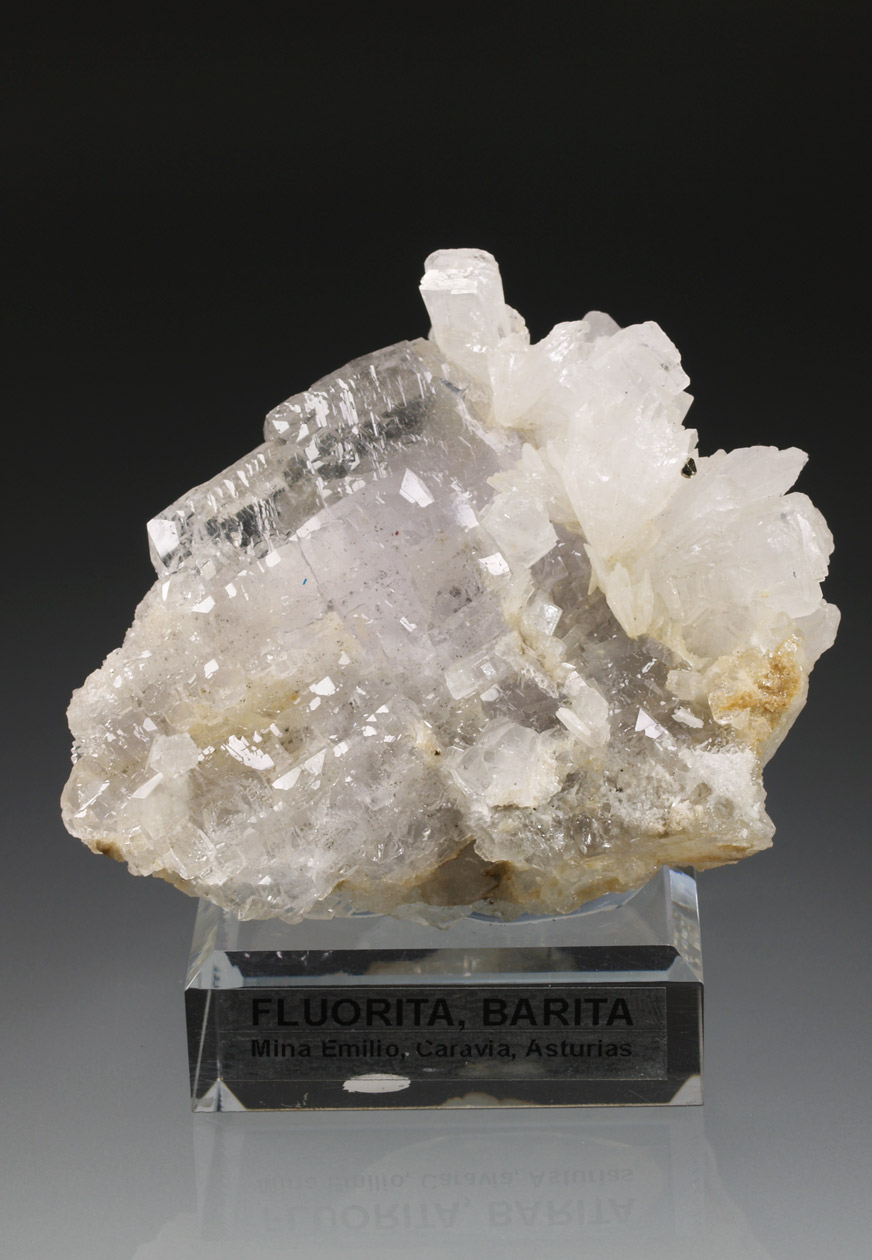
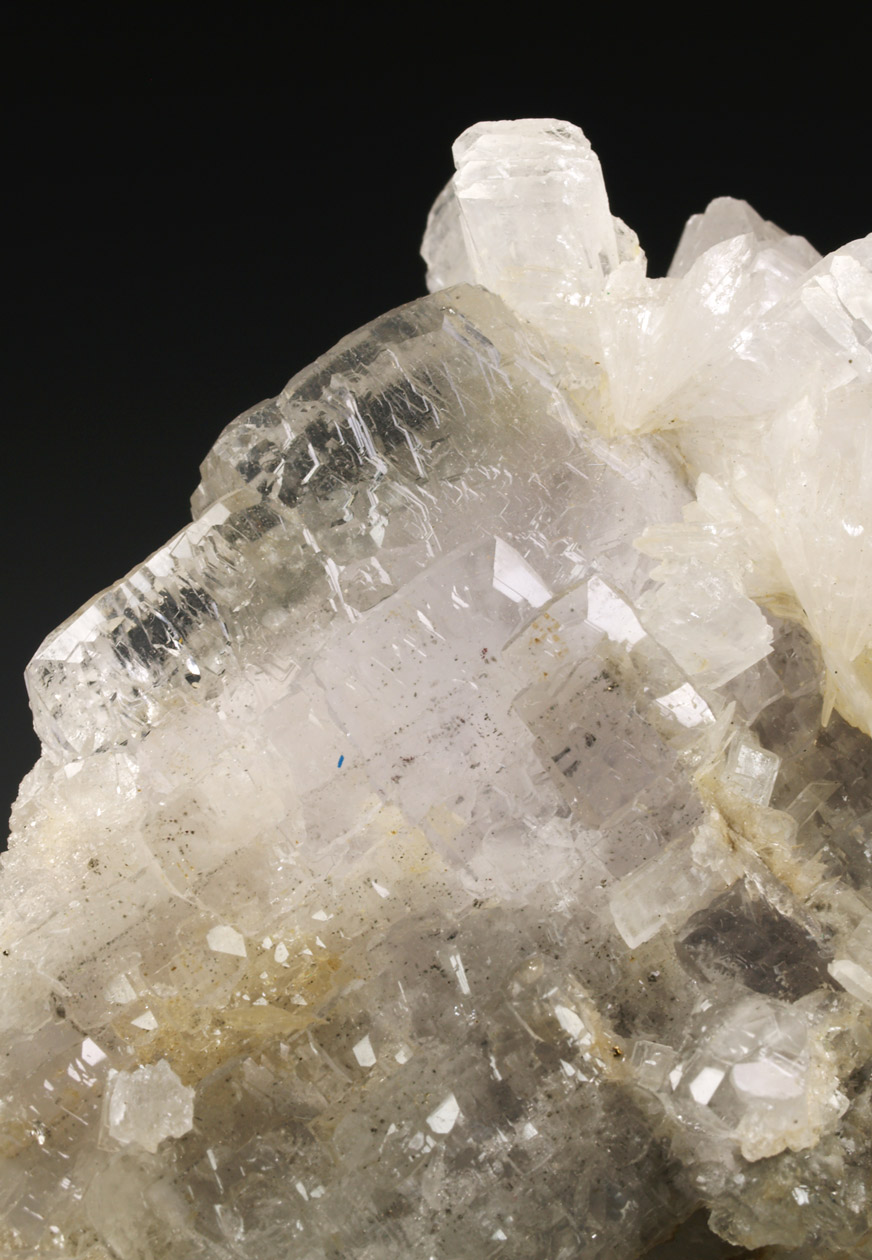
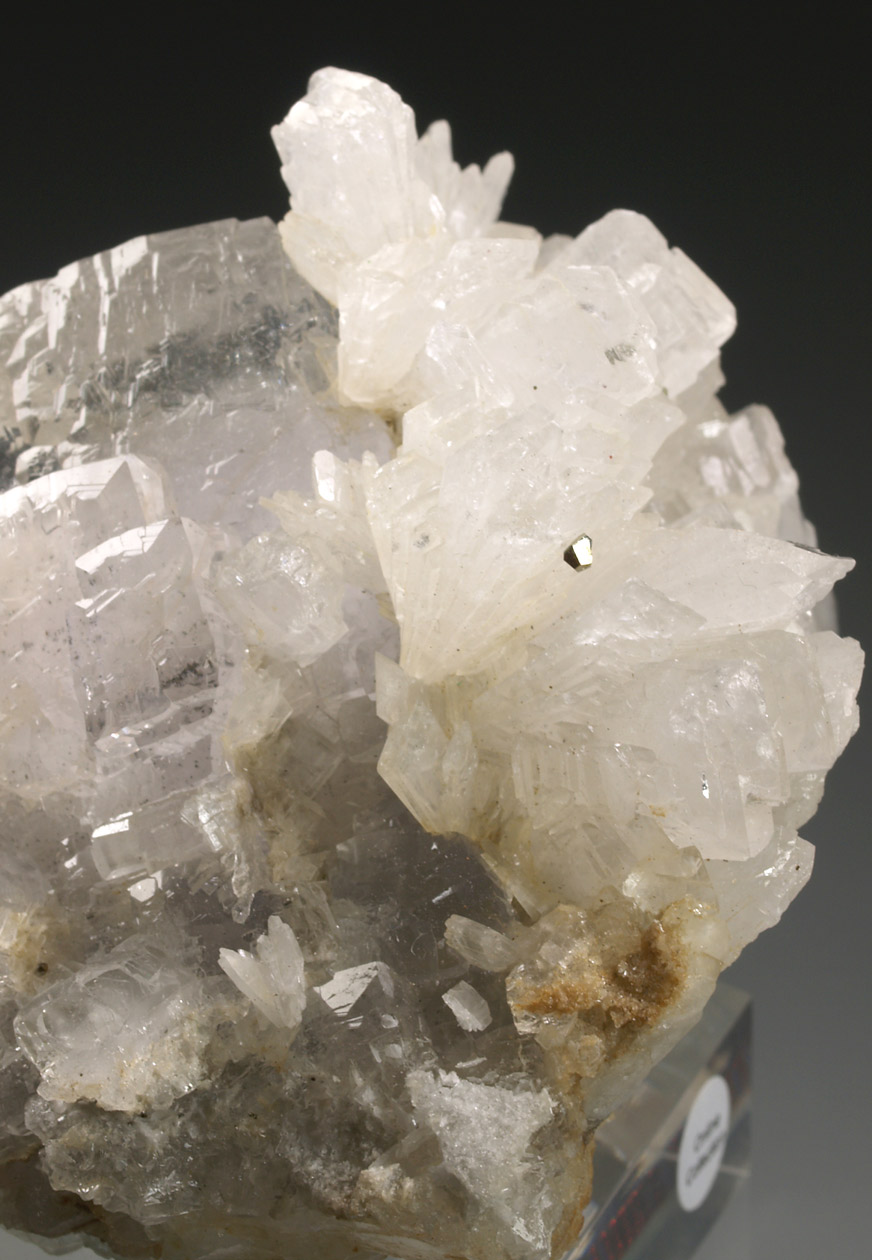
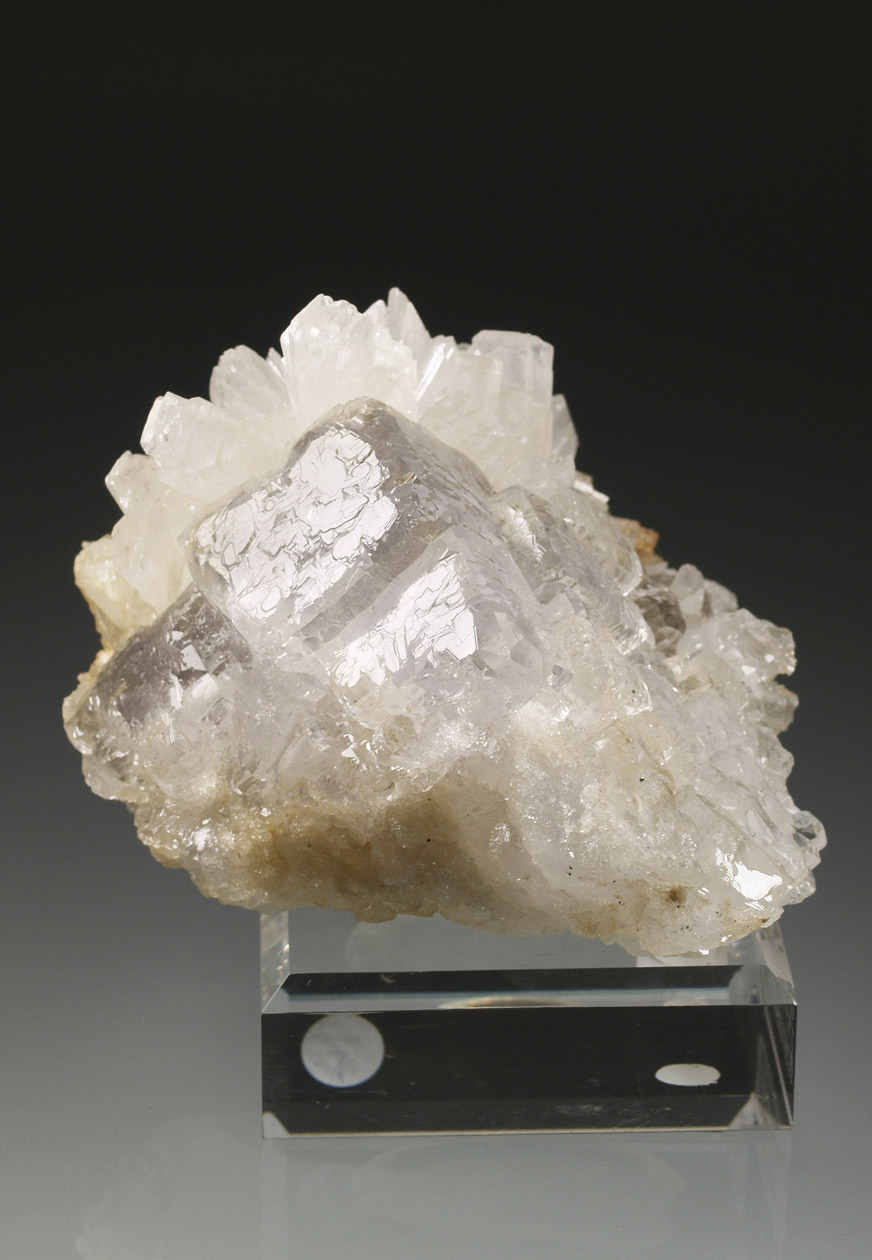
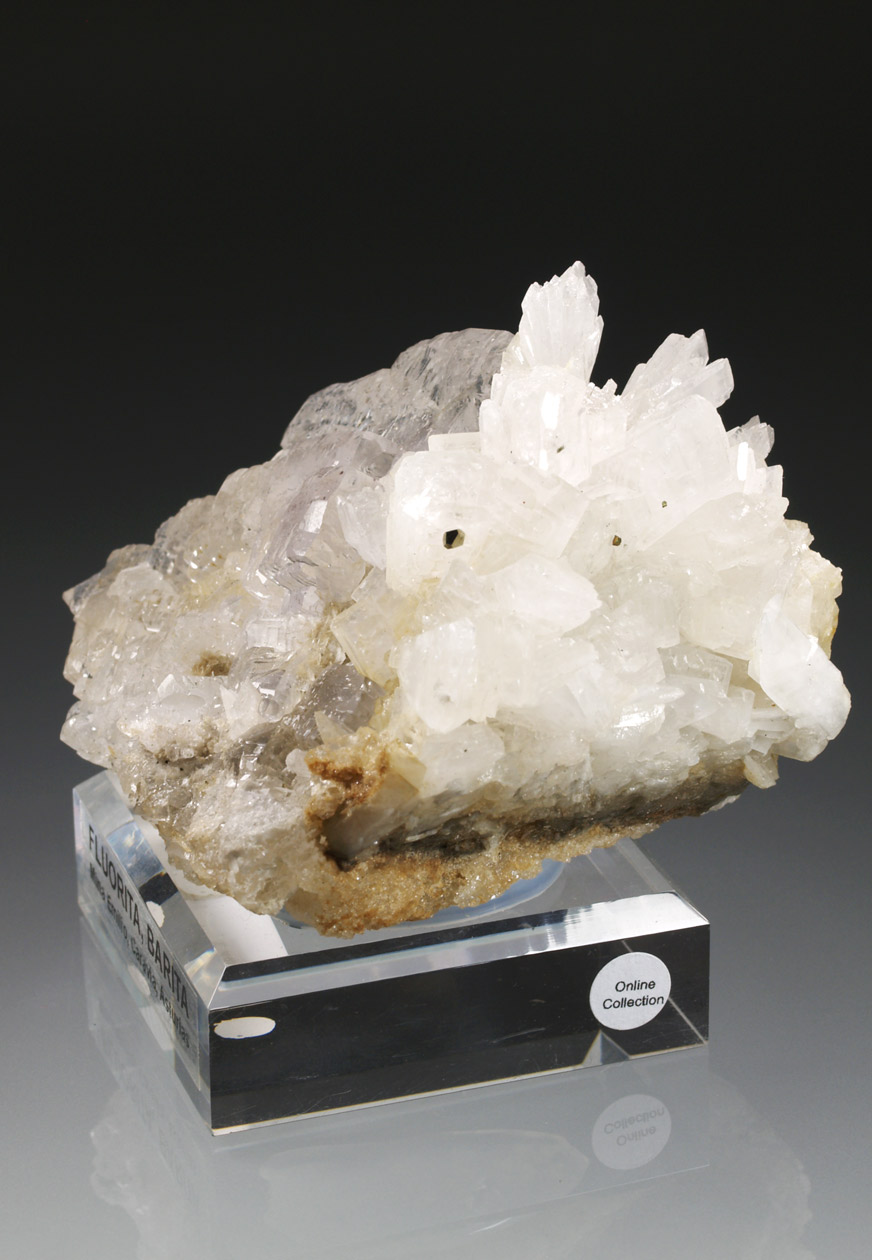
Ejemplar de fluorita de muy buen tamaño formado por diversos cristales cúbicos, en crecimiento paralelo y escalonados. Con caras con crecimientos polisintéticos y aristas biseladas por el dodecaedro. Transparentes y con brillo. El color interno es ligeramente violeta, dependiendo d ela luz, pero la fluorita es incolora, como es habitual en este yacimiento asturiano. Se acompaña de diversos cristales prismáticos de barita, de buen tamaño, salpicados por pequeños cristales de calcopirita. Un ejemplar muy estético.

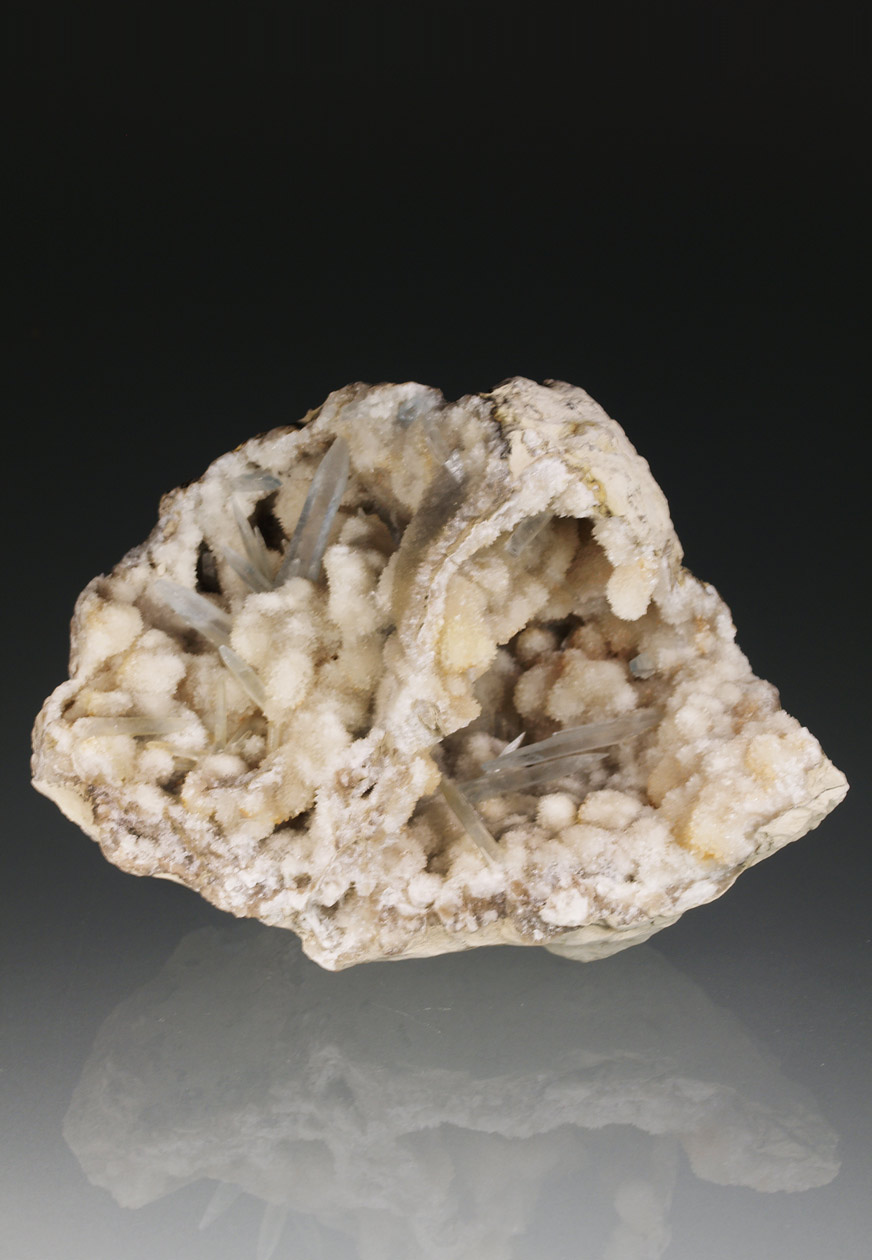
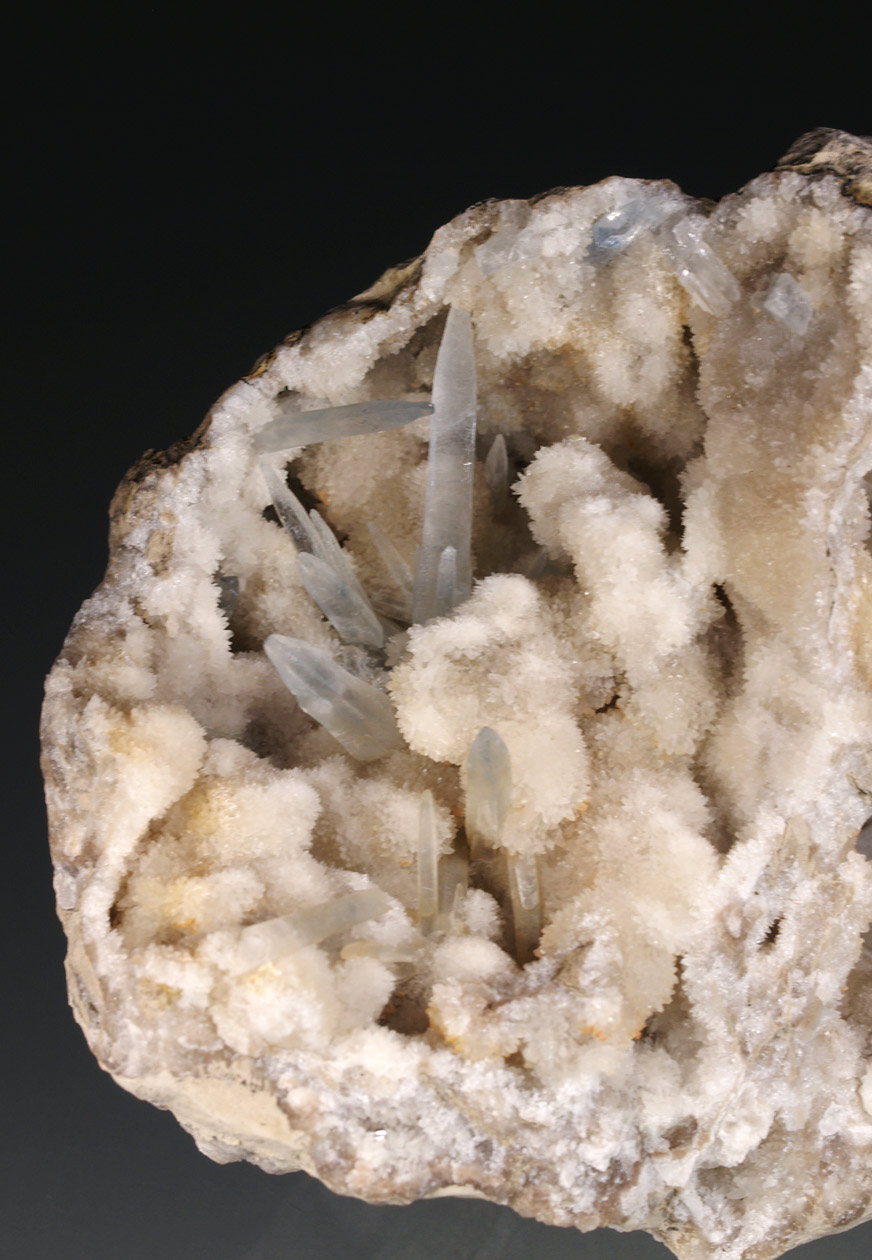
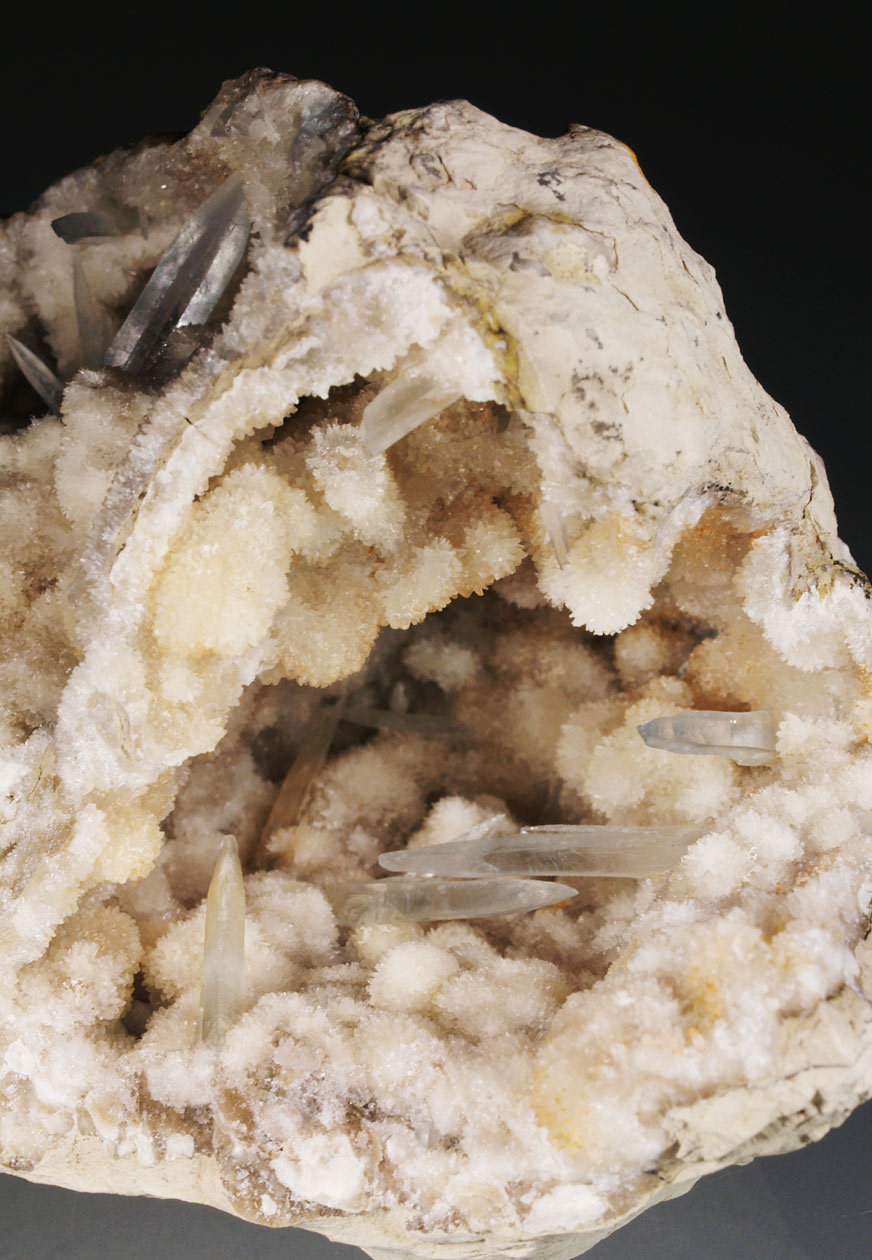
Los ejemplares de celestina de las zonas de Torà e Ivorra son un clásico de la mineralogia catalana. Se han encontrado en diferentes zonas de ambos municipios. Este ejemplar procede de unoas catas que se hicieron cerca de Torà, en unos taludes, hoy día tapados y estando prohibida su búsqueda, debido a los destrozos que algunos buscadores realizaron antaño. Cristales prismáticos apuntados, de color ligeramente gris azulado, en las cavidades tapizadas de calcita, en una matriz de marga carbonatada.
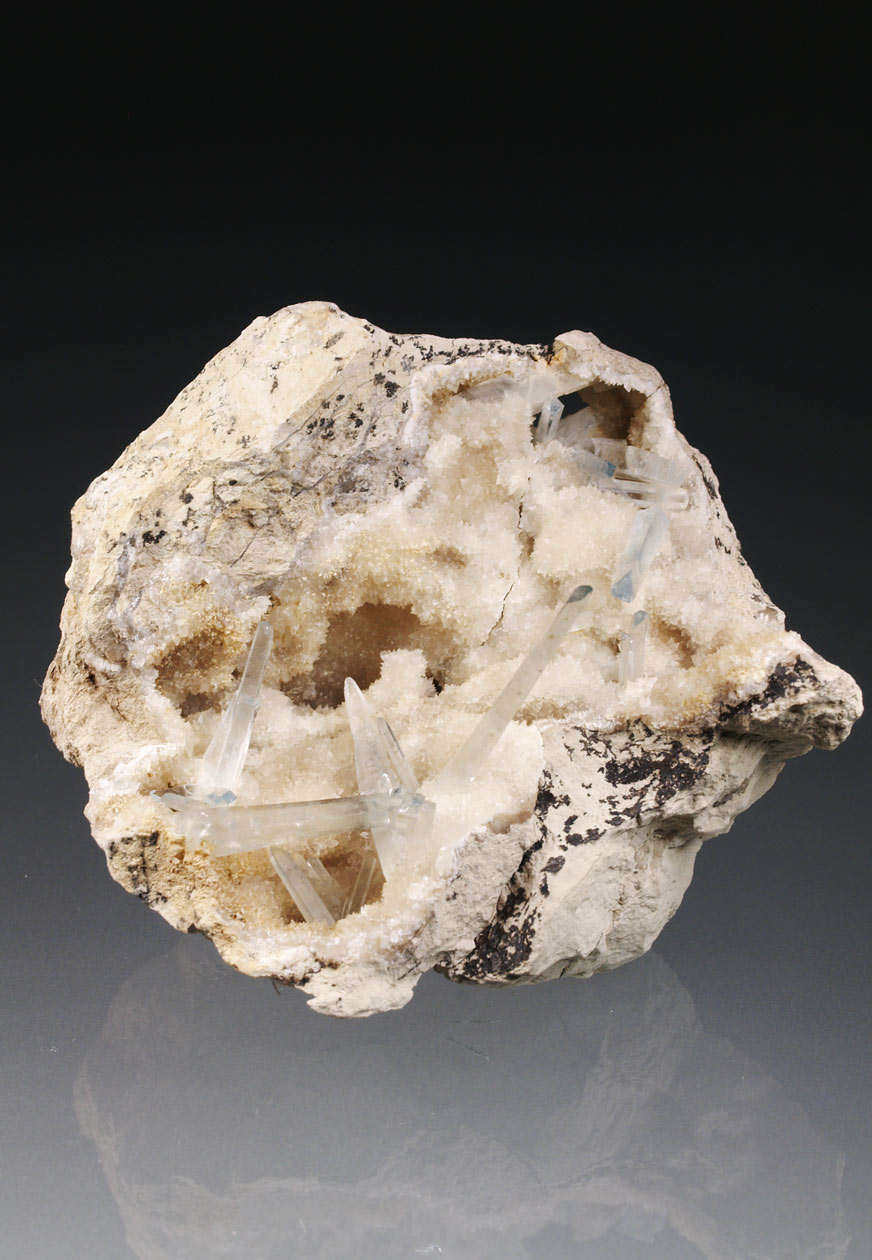
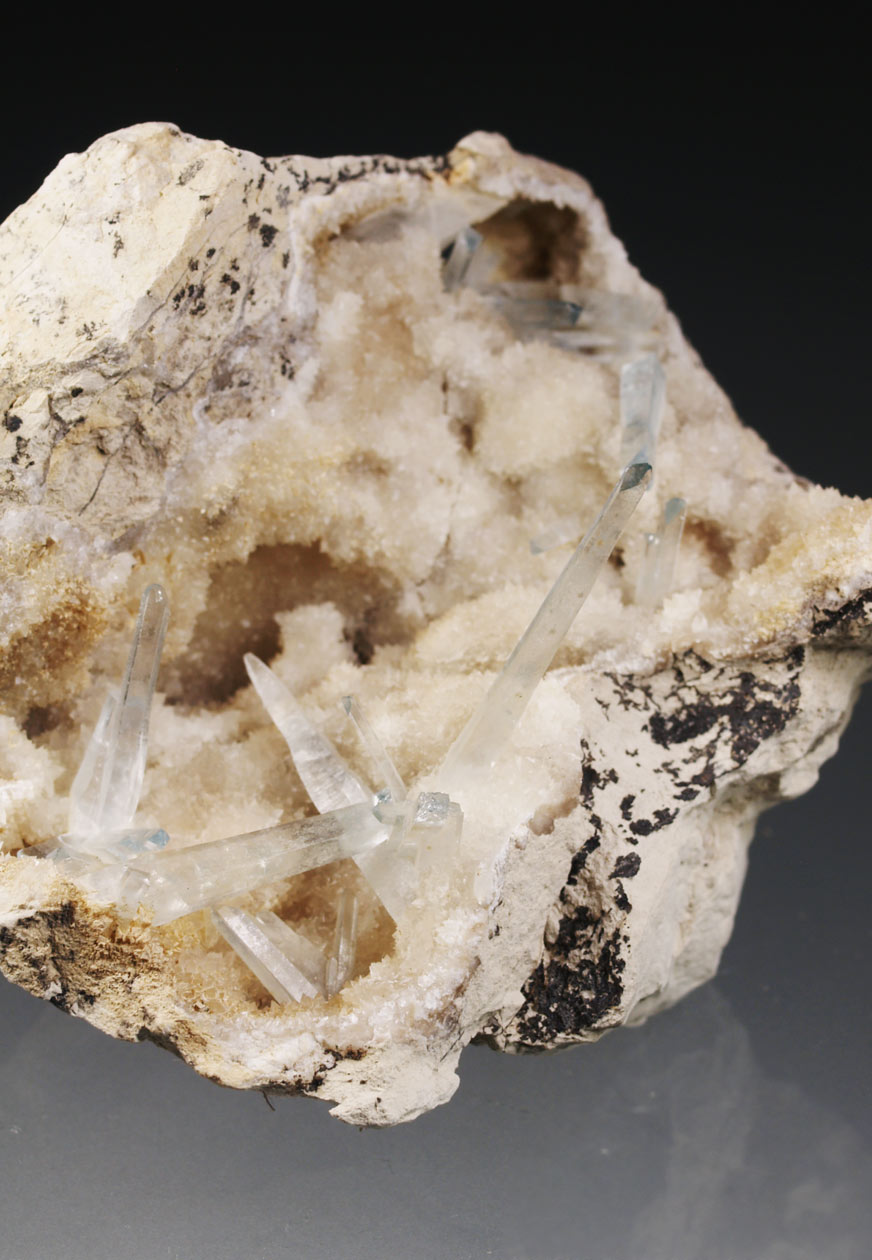
Los ejemplares de celestina de las zonas de Torà e Ivorra son un clásico de la mineralogia catalana. Se han encontrado en diferentes zonas de ambos municipios. Este ejemplar procede de unoas catas que se hicieron cerca de Torà, en unos taludes, hoy día tapados y estando prohibida su búsqueda, debido a los destrozos que algunos buscadores realizaron antaño. Cristales prismáticos apuntados, de color ligeramente gris azulado, en las cavidades tapizadas de calcita, en una matriz de marga carbonatada.
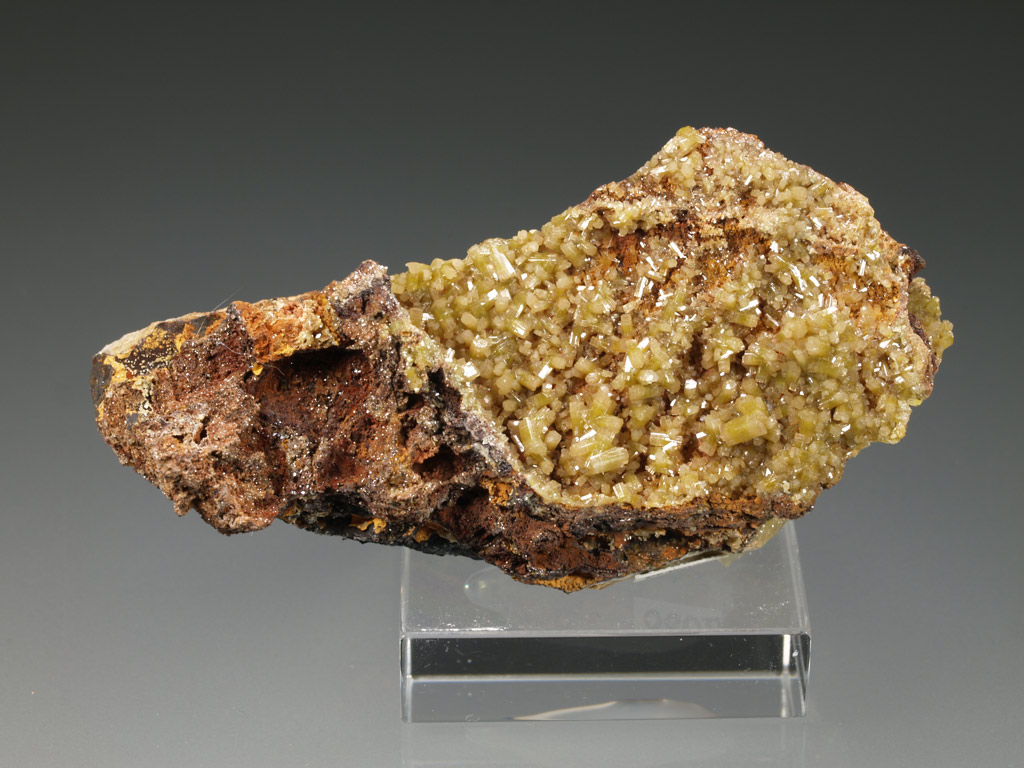
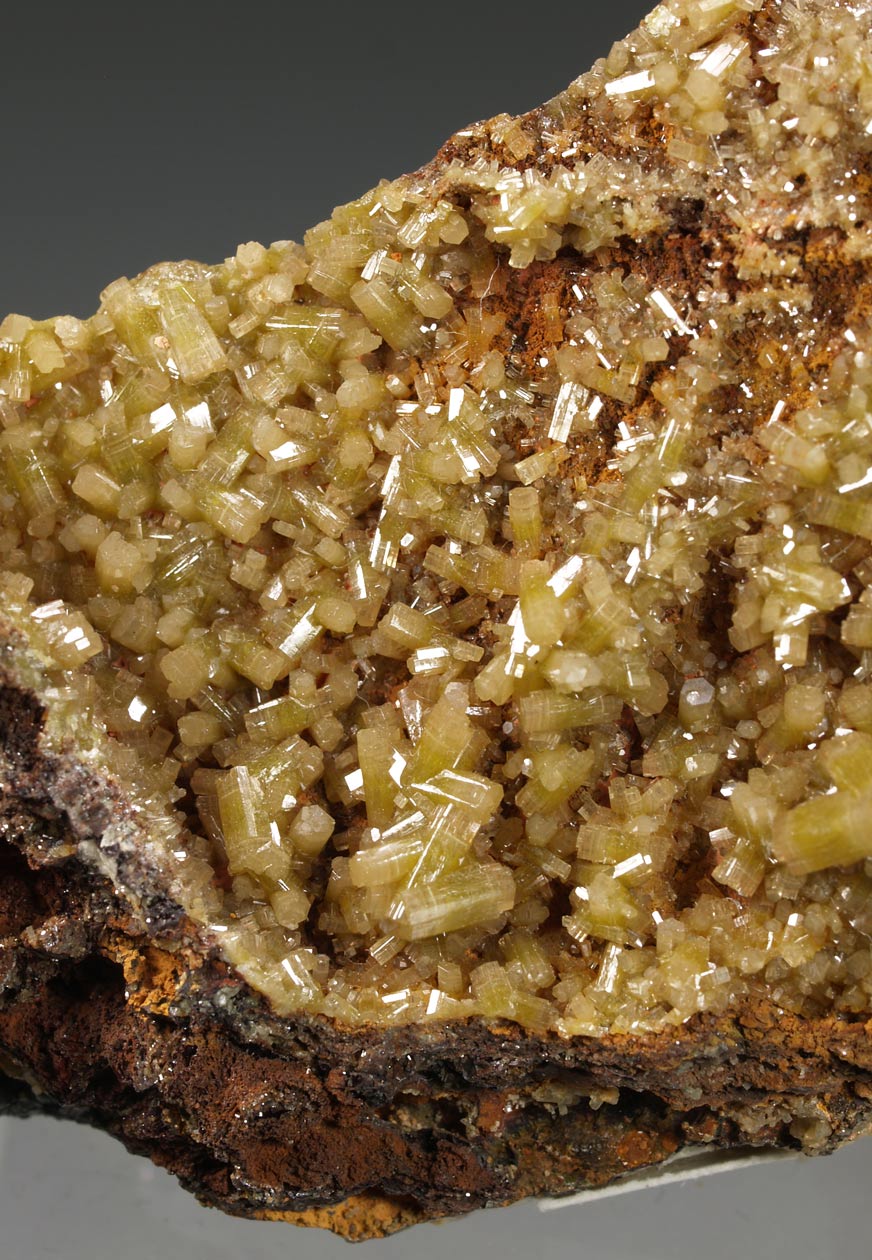
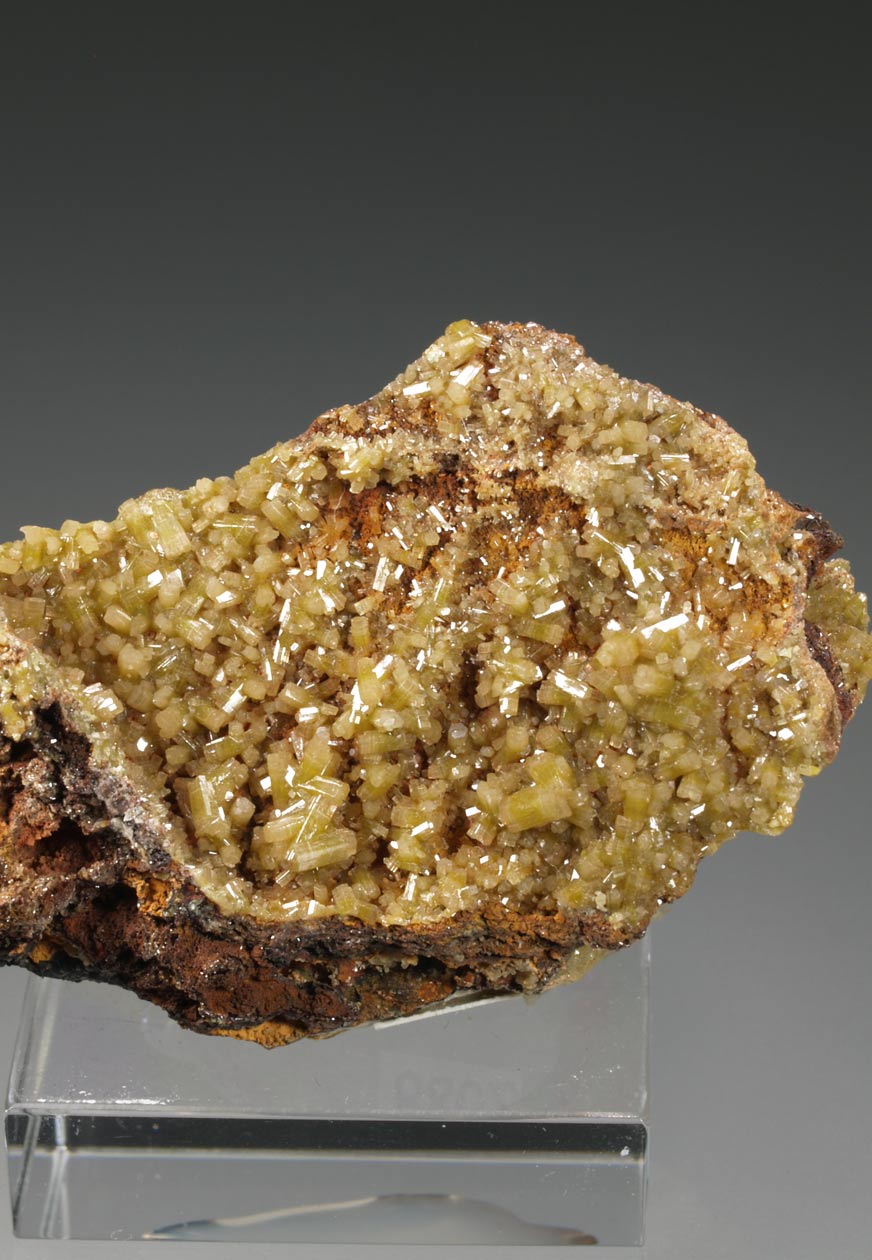
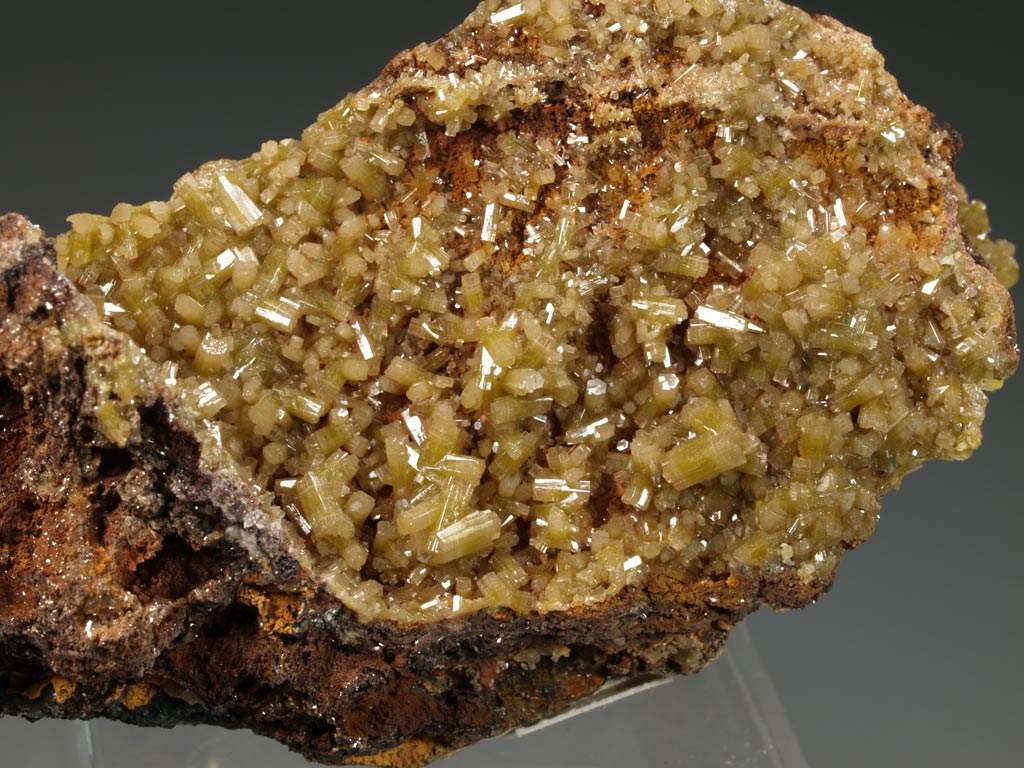
Nutrido grupo de cristales prismáticos hexagonales de piromorfita, ligeramente abarrilados, con brillo, y color que varía entre el verde amarillento en la parte media y verde claro en las caras terminales. Este ejemplar procede de una colección alemana.
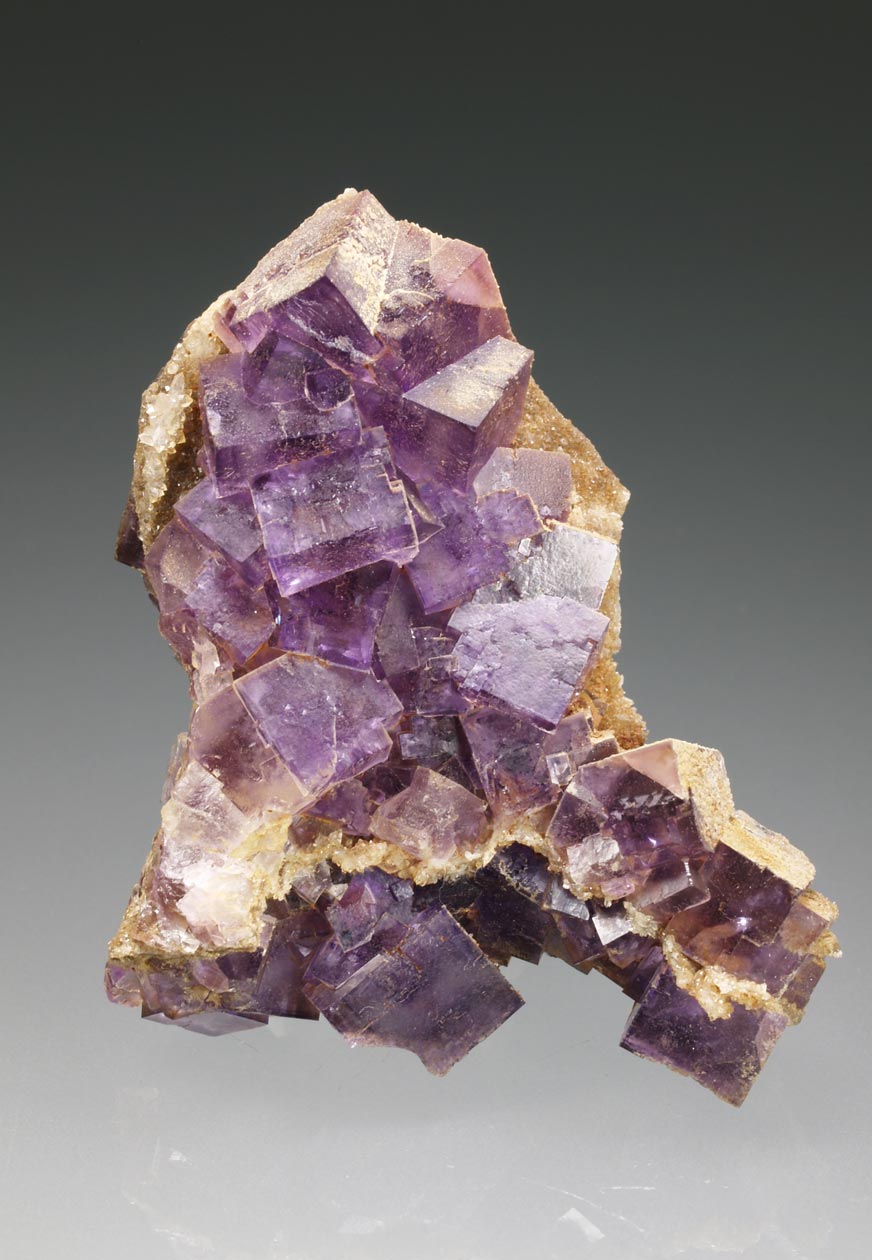
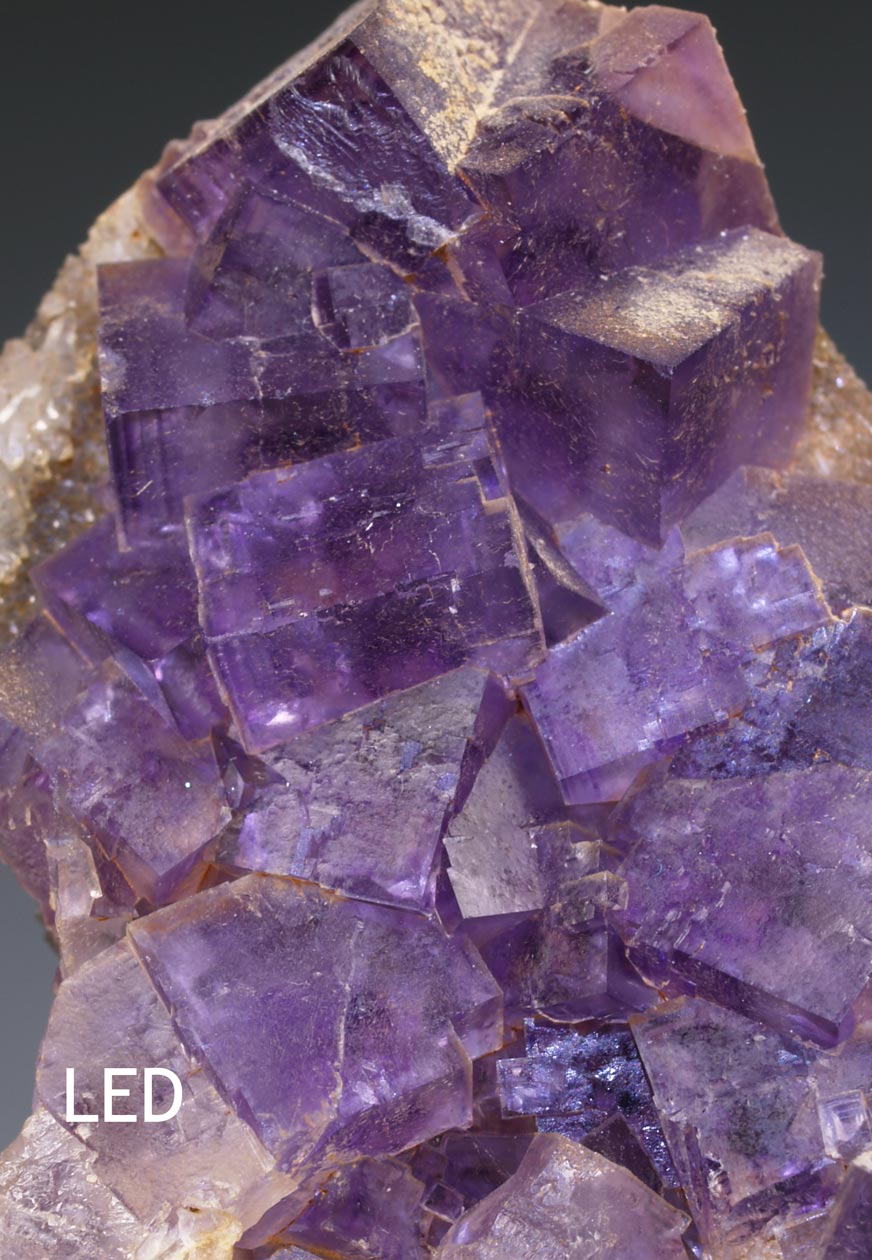
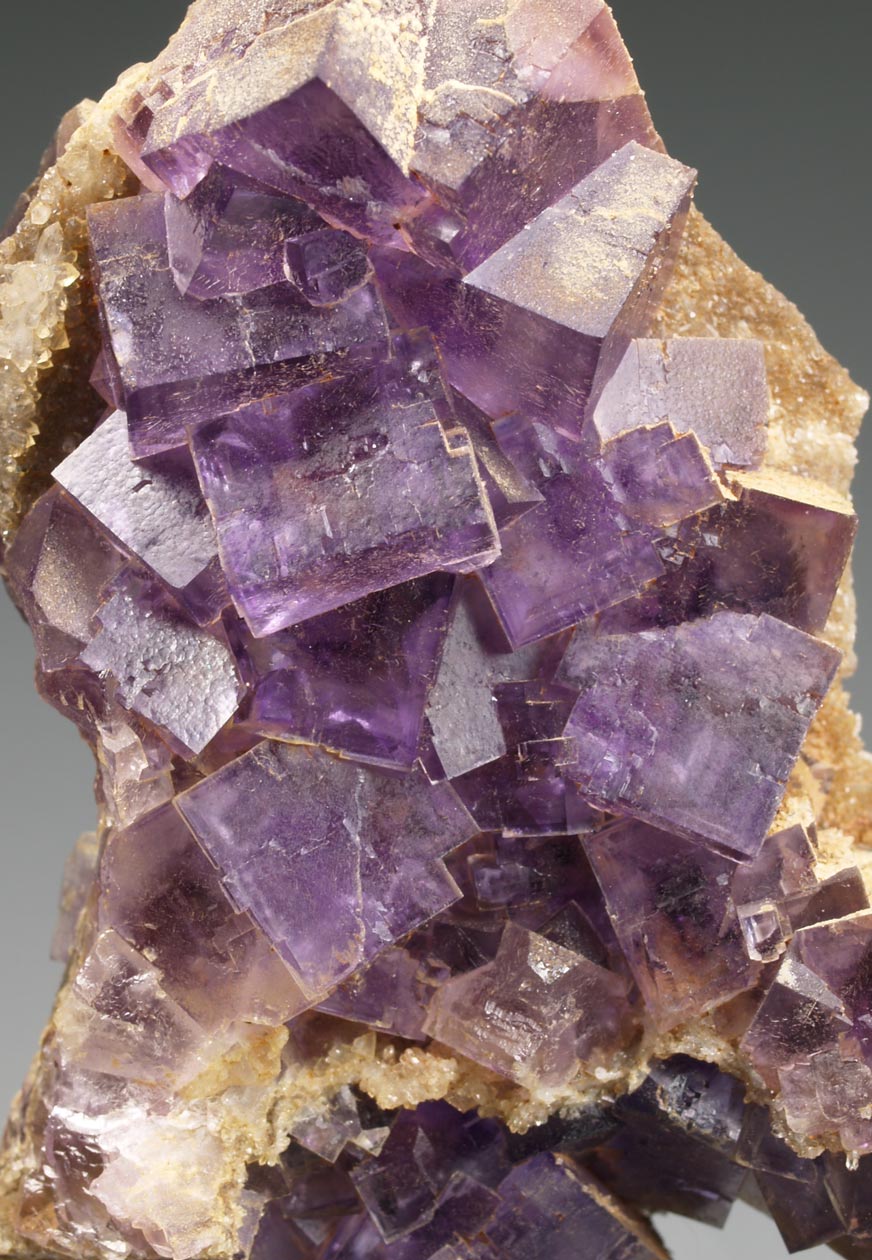
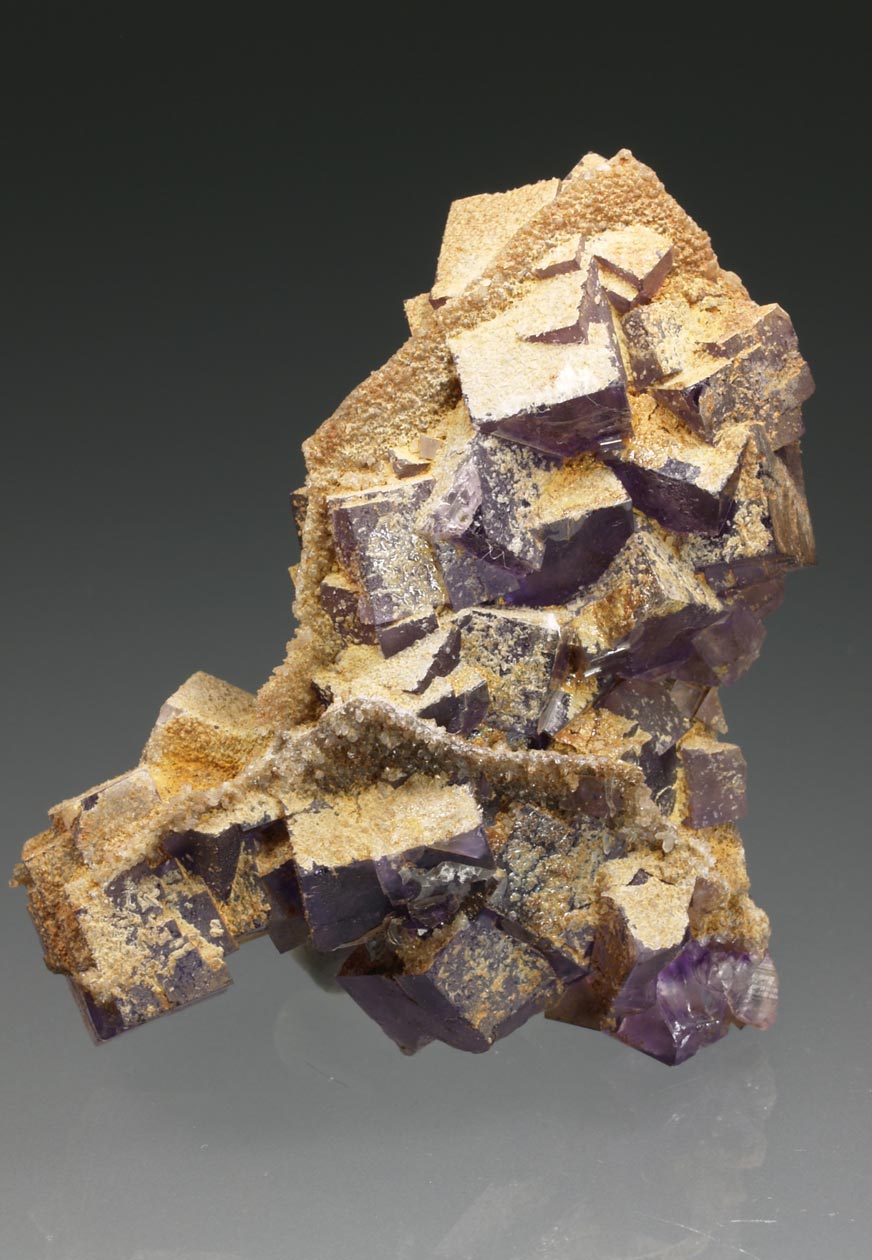
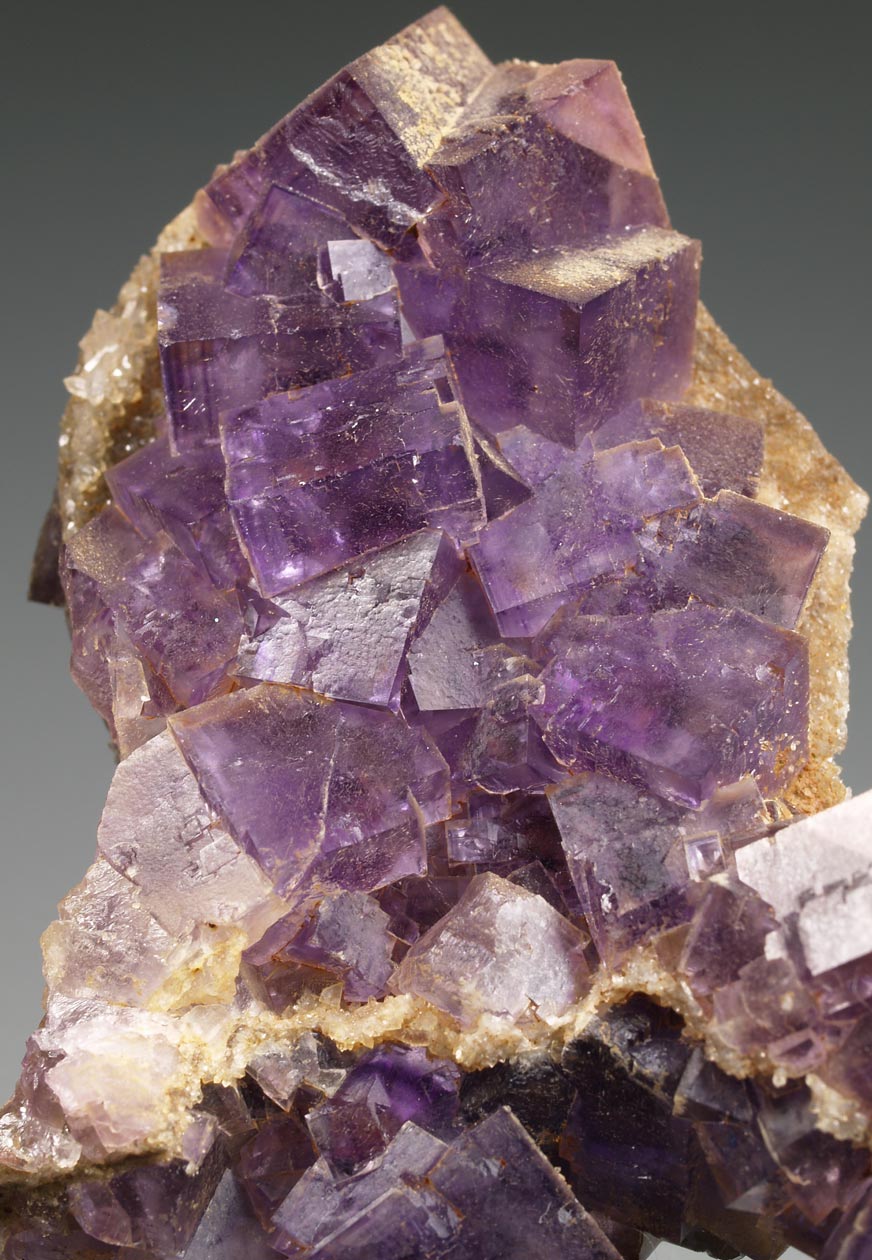
Grupo de cristales cúbicos de fluorita, de color púrpura a violeta, según la luz incidente. Caras y aristas bien definidas, brillo y transparencia. En la parte posterior se hallan parcialmente recubiertos de microcristales de cuarzo.
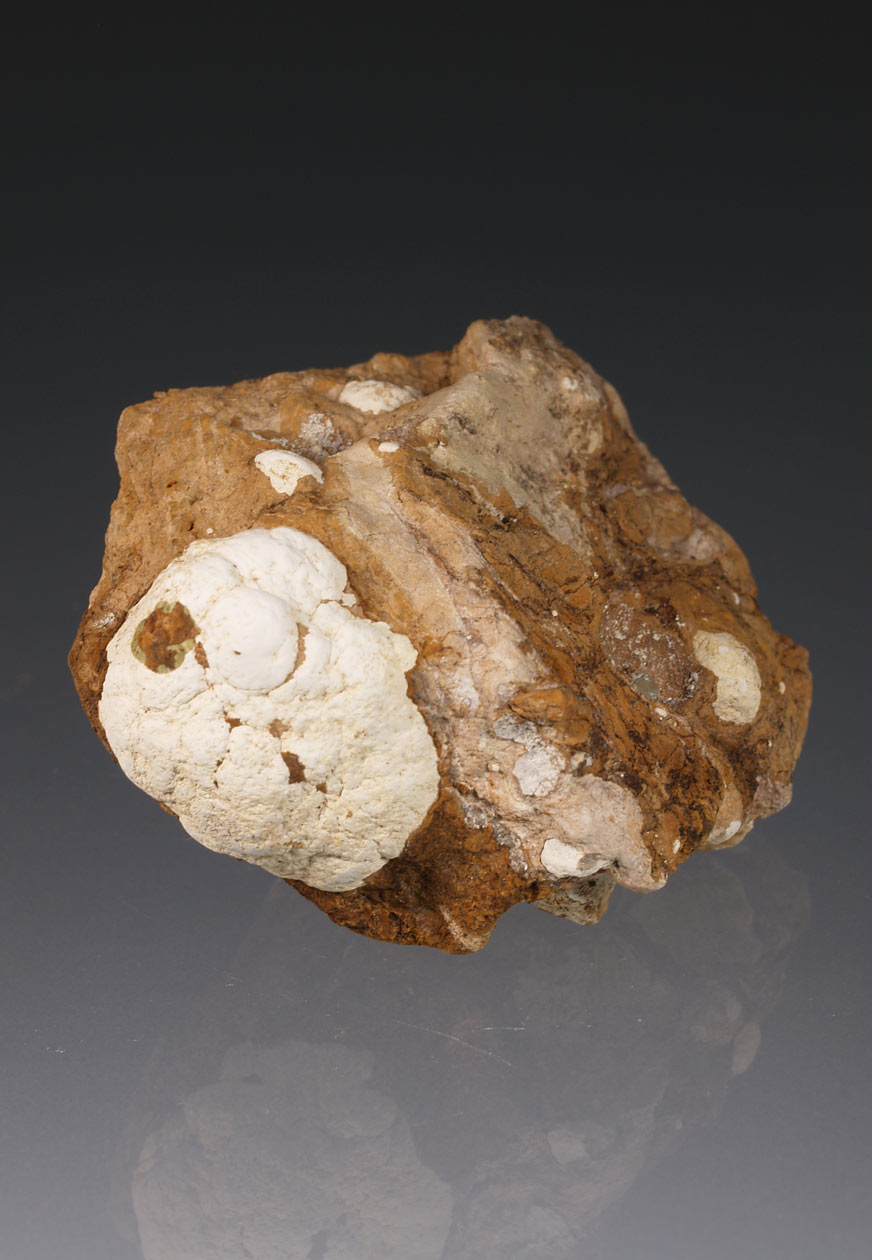
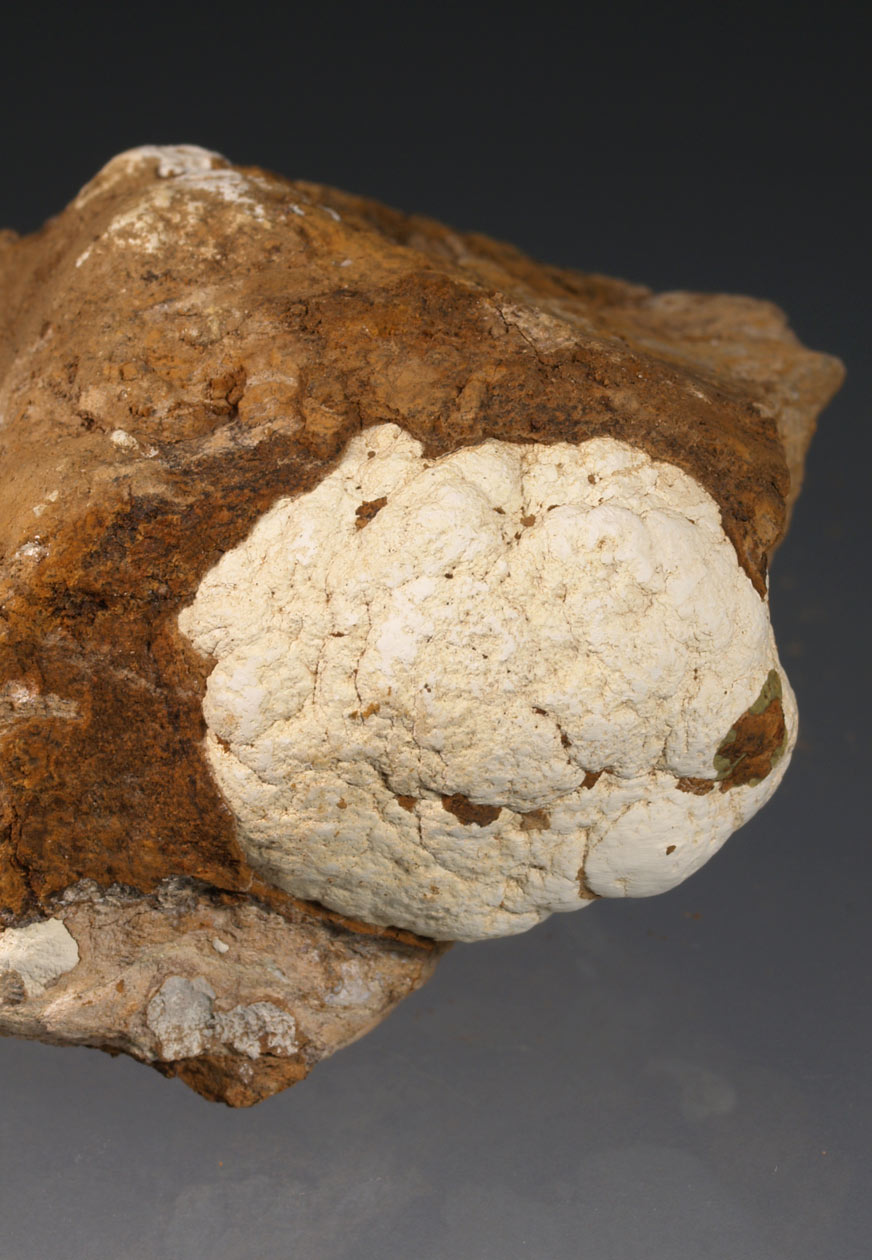
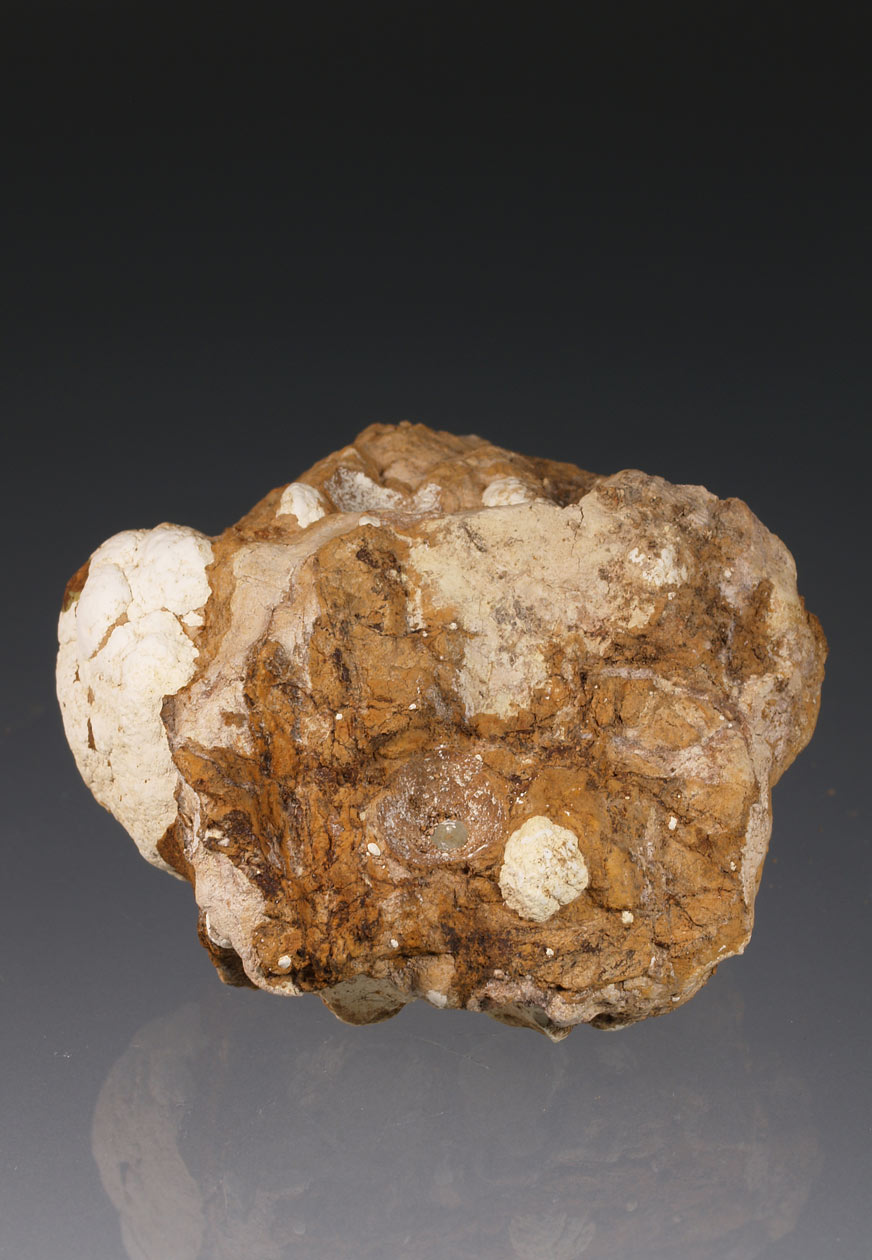
Los nódulos de tinticita de las minas de Bruguers són quizás de los más característicos de la especie. Se hallan de dos maneras; unas veces en la roca dolomitica, dura, lo que permite ver secciones de los mismos, y en otras en una matriz de limonita, que permite observar la forma arriñonada de los mismos, e incluso extraerlos sin dificultat. Recomendamos visitar el libro que recientemente publiqué sobre esta famosa mina catalana: Mines i minerals de la serra de les Ferreres. Les mines de Rocabruna, Bruguers, Gavà, el Baix Llobregat, Catalunya.
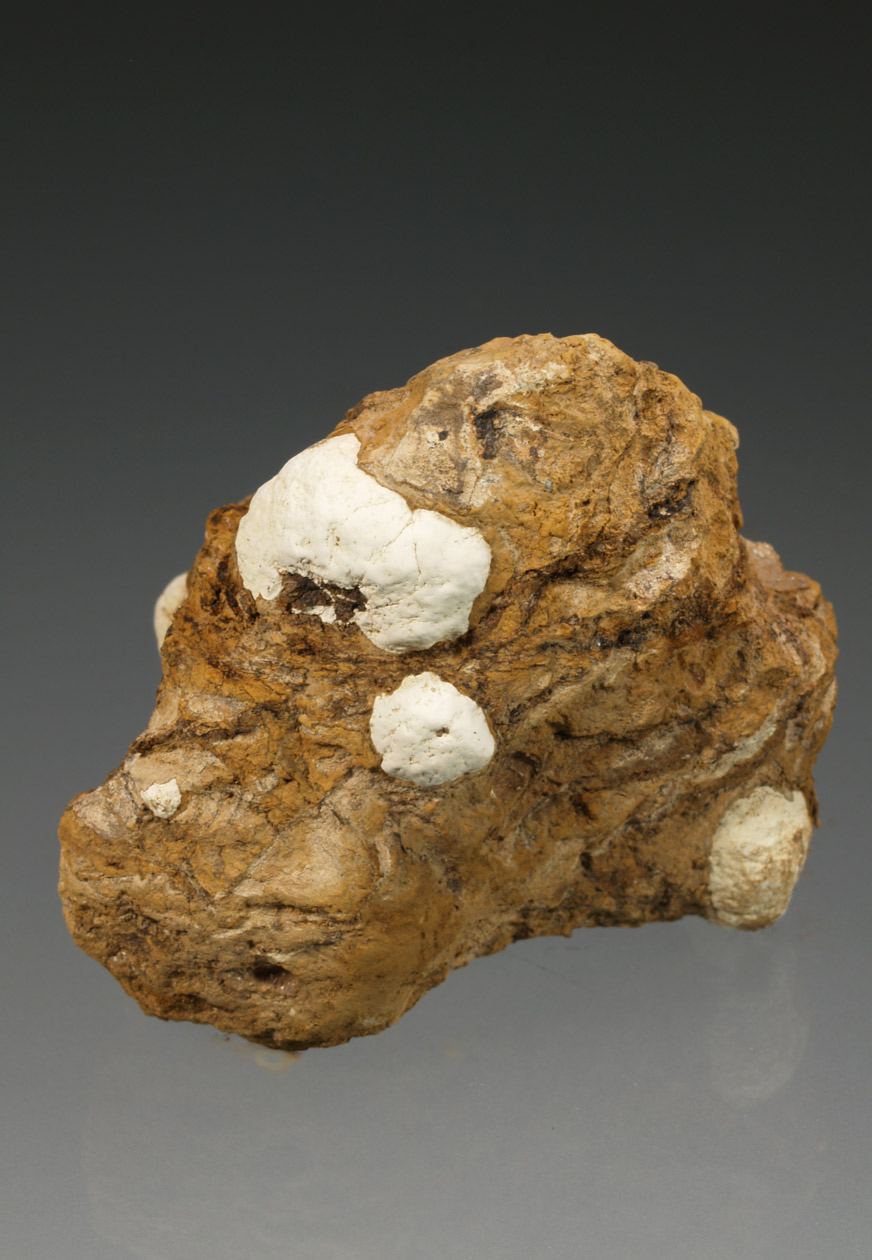
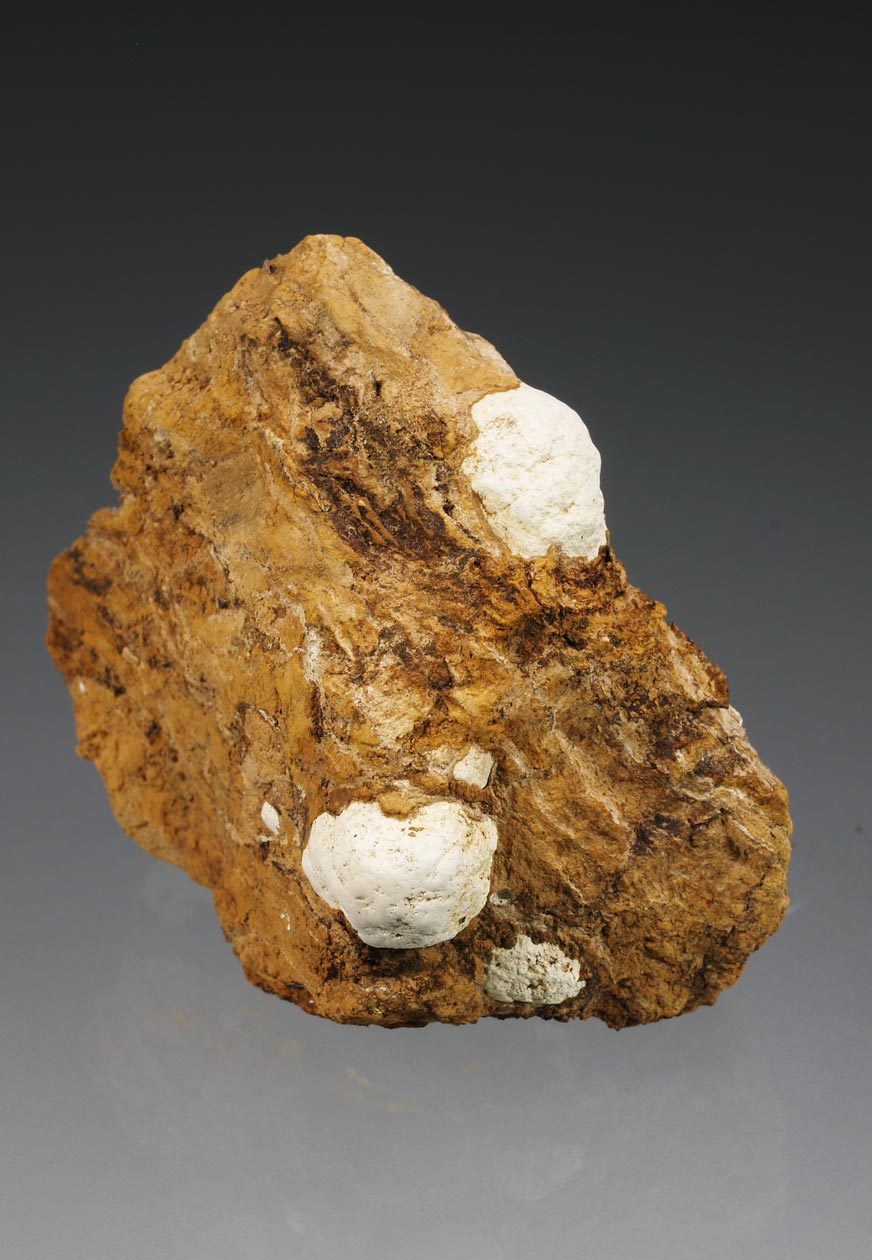
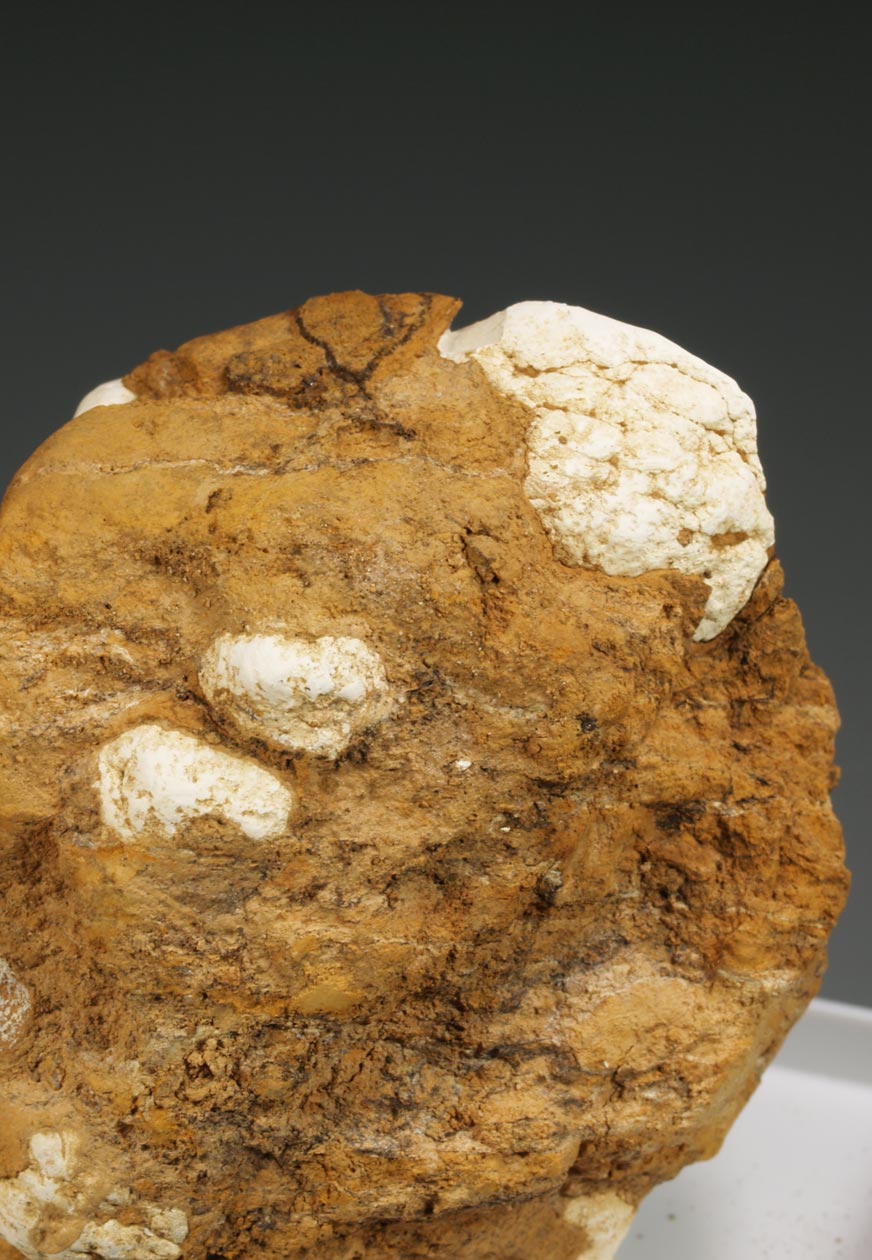
Los nódulos de tinticita de las minas de Bruguers són quizás de los más característicos de la especie. Se hallan de dos maneras; unas veces en la roca dolomitica, dura, lo que permite ver secciones de los mismos, y en otras en una matriz de limonita, que permite observar la forma arriñonada de los mismos, e incluso extraerlos sin dificultat. Recomendamos visitar el libro que recientemente publiqué sobre esta famosa mina catalana: Mines i minerals de la serra de les Ferreres. Les mines de Rocabruna, Bruguers, Gavà, el Baix Llobregat, Catalunya.