- Home About RM Minerals
- Virtual Photo Museum Blog RM Contact
- Microscopy and instruments How to Buy Disclaimer
Copyright 2010-2026
www.rosellminerals.com



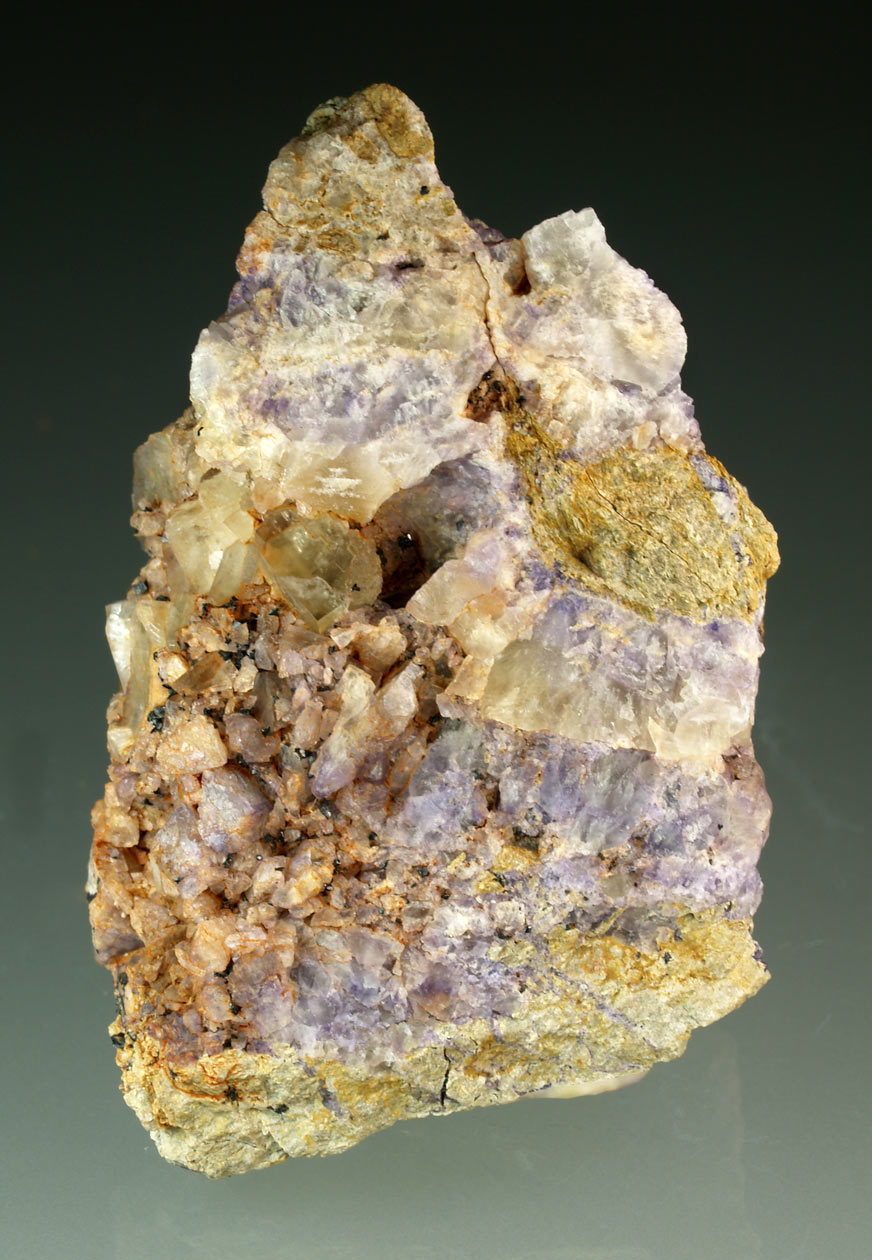
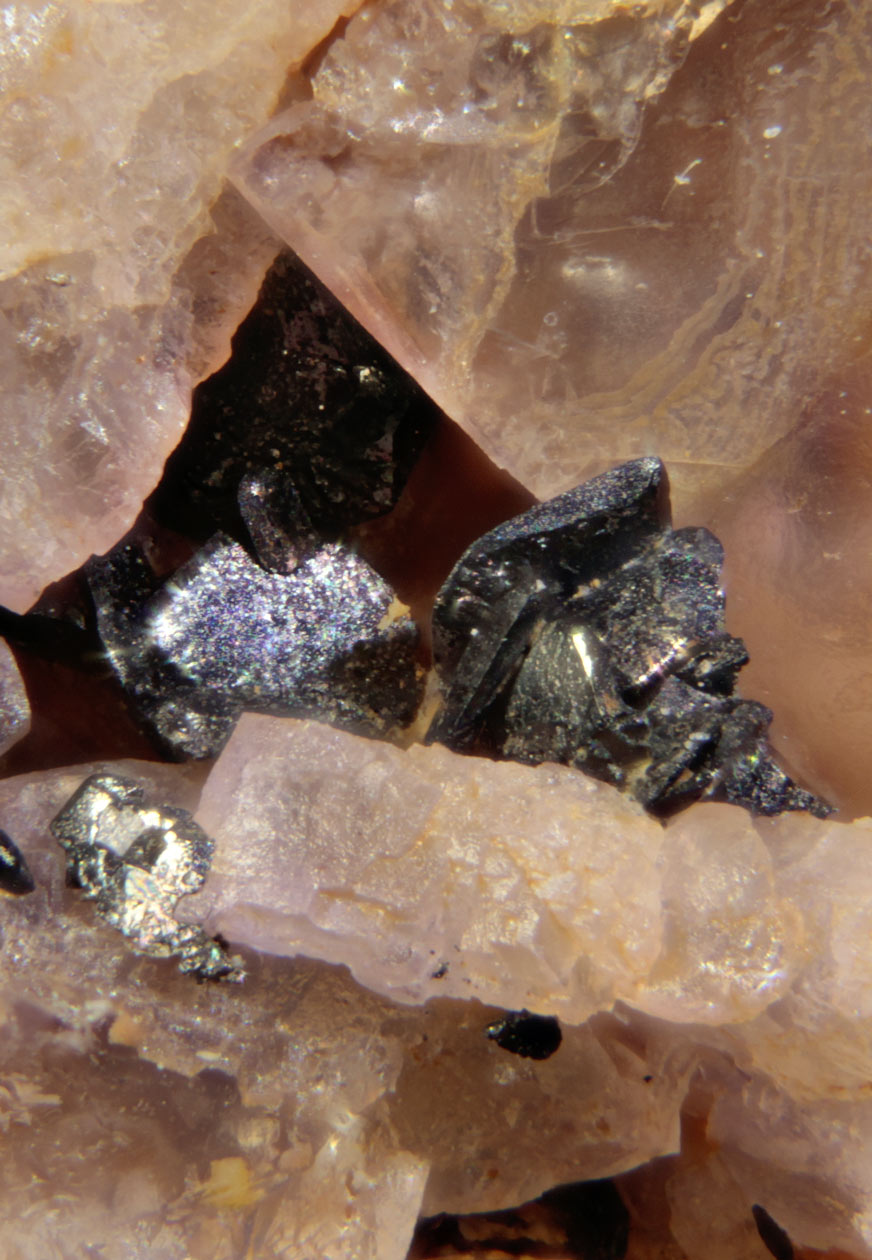


Probably čechite specimens from the "Rasa de l'Alzina" open pit works could be considered between the best crystals for the species worldwide. They are brilliant, black color and show a tabular shape defined by different order orthorhombic prisms and developed pinacoidal faces. They are disposed on a fluorite matrix. This finding is close to the Maria Magdalena mine, near of the beautiful town of Ulldemolins (Tarragona, Catalonia).
SEM-EDS and EPMA analysis show that, in some cases, on the čechite crystal surface we found copper content, but inside the crystal is near to pure PbFe<sup>2+</sup>(VO<sub>4</sub>)(OH), with minor Zn(II). In most specimens from other localities the presence of manganese is important, but these specimens are Mn free.
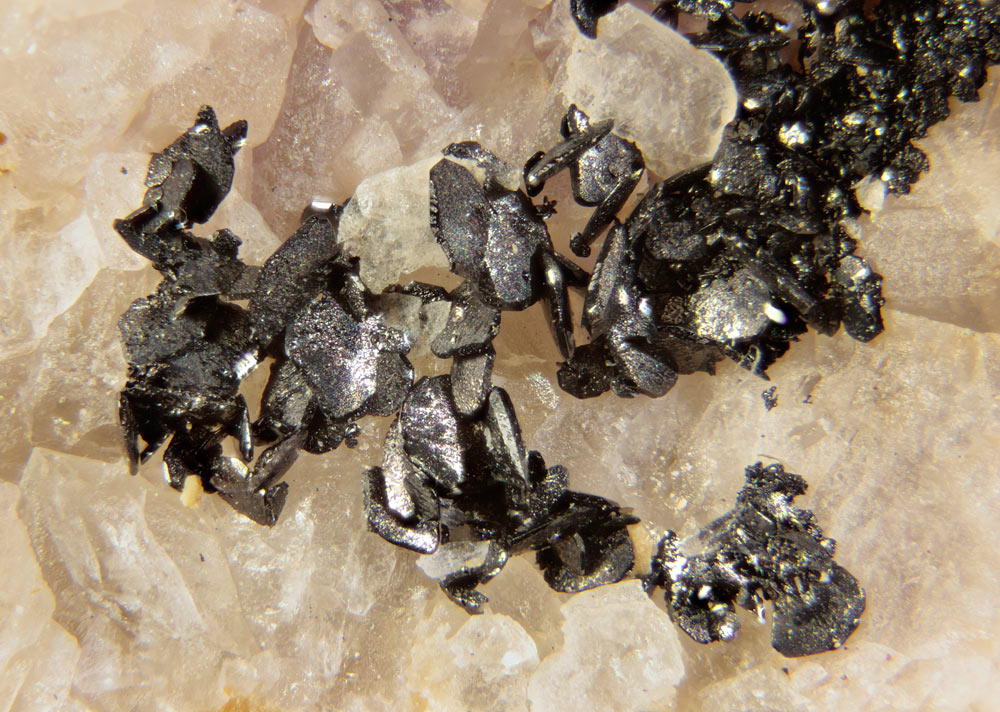


Probably čechite specimens from the "Rasa de l'Alzina" open pit works could be considered between the best crystals for the species worldwide. They are brilliant, black color and show a tabular shape defined by different order orthorhombic prisms and developed pinacoidal faces. They are disposed on a fluorite matrix. This finding is close to the Maria Magdalena mine, near of the beautiful town of Ulldemolins (Tarragona, Catalonia).
SEM-EDS and EPMA analysis show that, in some cases, on the čechite crystal surface we found copper content, but inside the crystal is near to pure PbFe2+(VO4)(OH), with minor Zn(II). In most specimens from other localities the presence of manganese is important, but these specimens are Mn free.

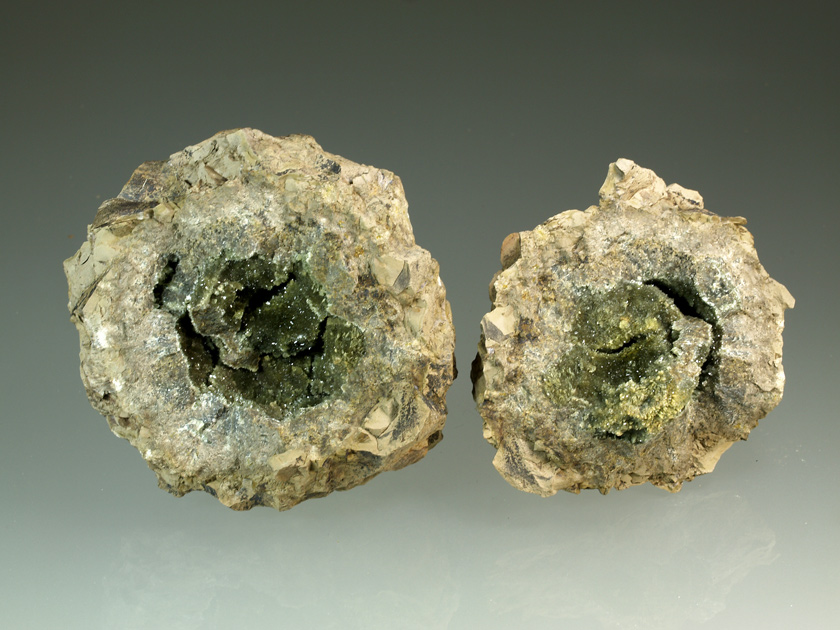


Anapaite nodules of the Bellver de la Cerdanya area are a classic of the Catalan and European mineralogy. The materials where these nodules appear are part of the filling of a deep lake of the upper Miocene that developed in the southern part of the Cerdanya basin.
This specimen presents a good size nodule, with an internal part with a septaria structure, completely covered by small but very brilliant and transparent green crystals of this rare iron and calcium phosphate. We will send both parts and if you want you can preserve them closed... :)
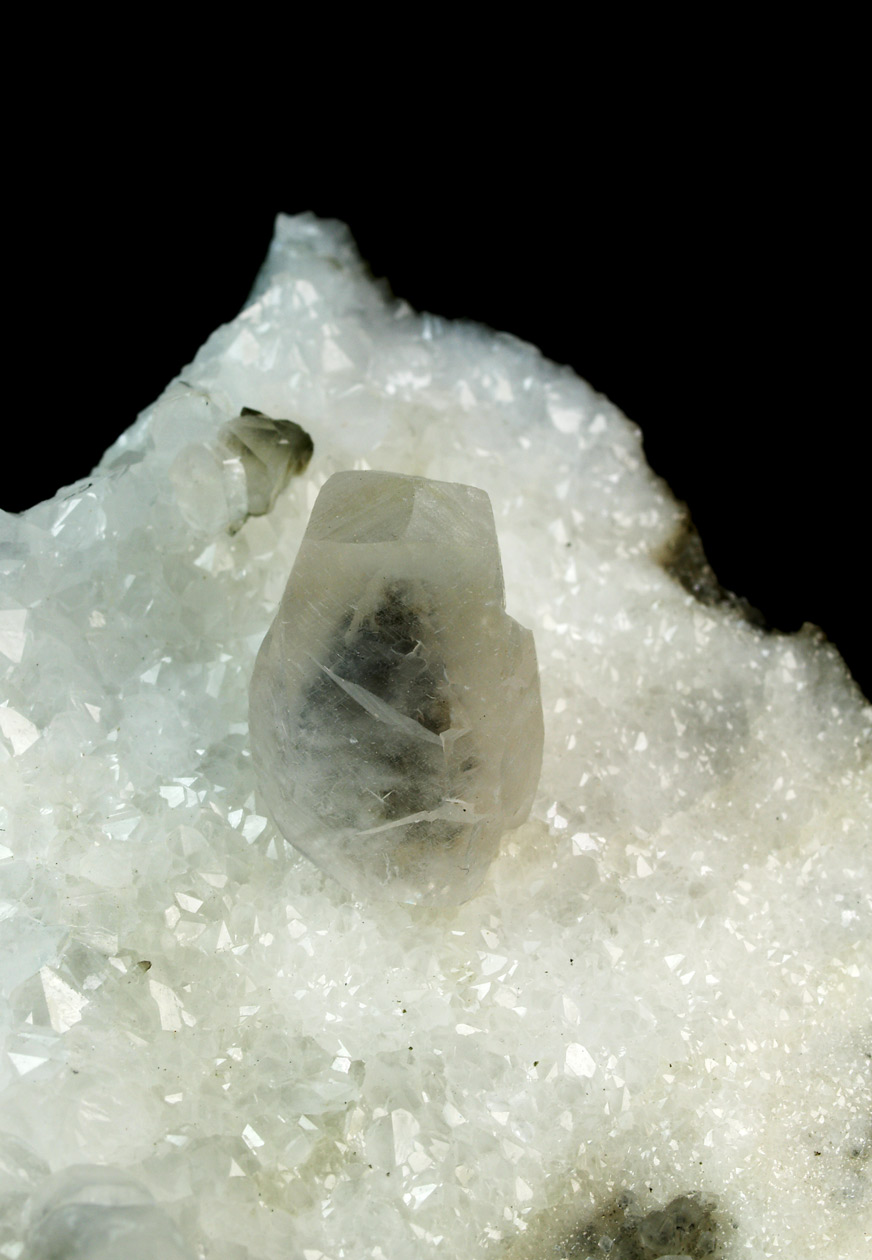


Group of calcite crystals disposed isolated on a matrix of brilliant quartz crystals. These calcite crystals show forms of the prism and rhombohedron in the terminal faces, with a slightly darker core related to the scalenohedron. It is an old specimen from a classic locality for Catalan mineralogy.
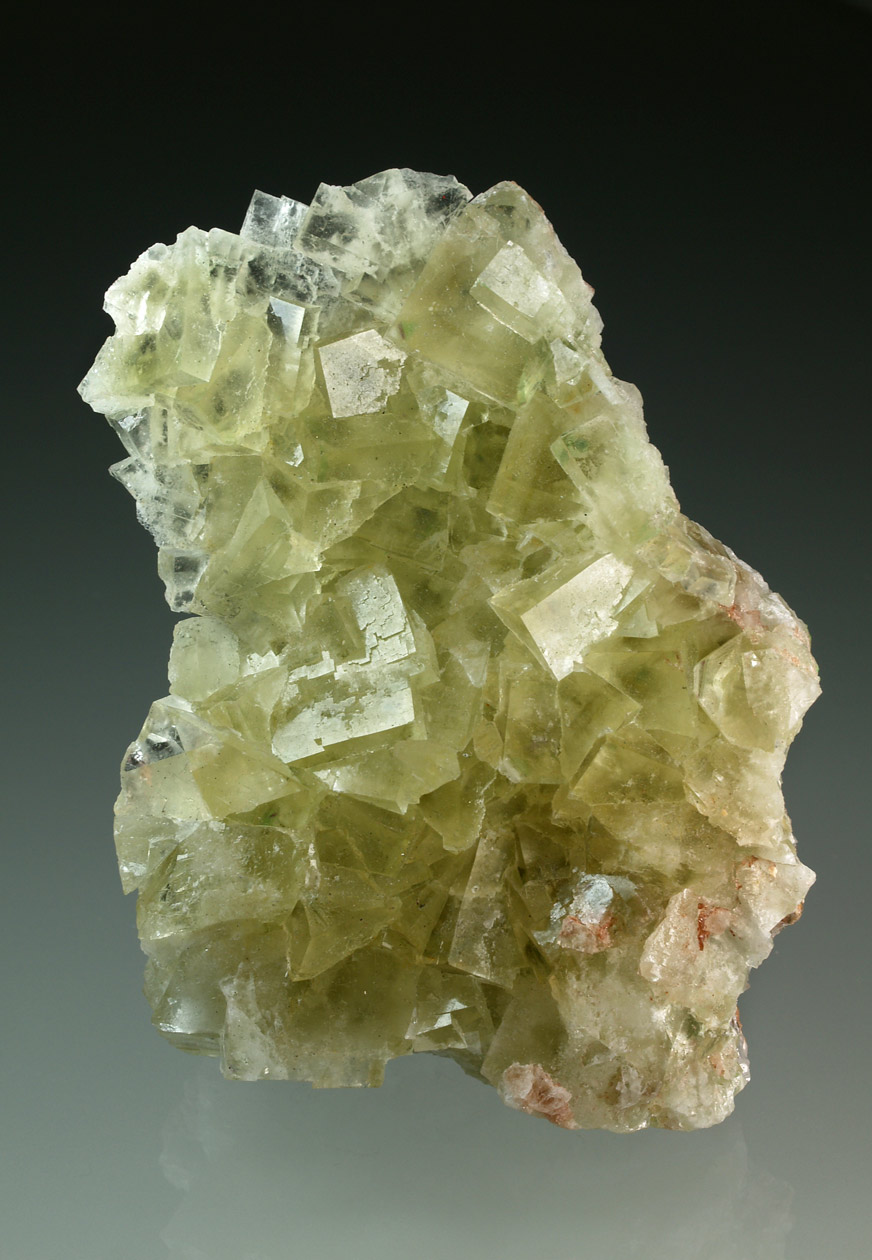
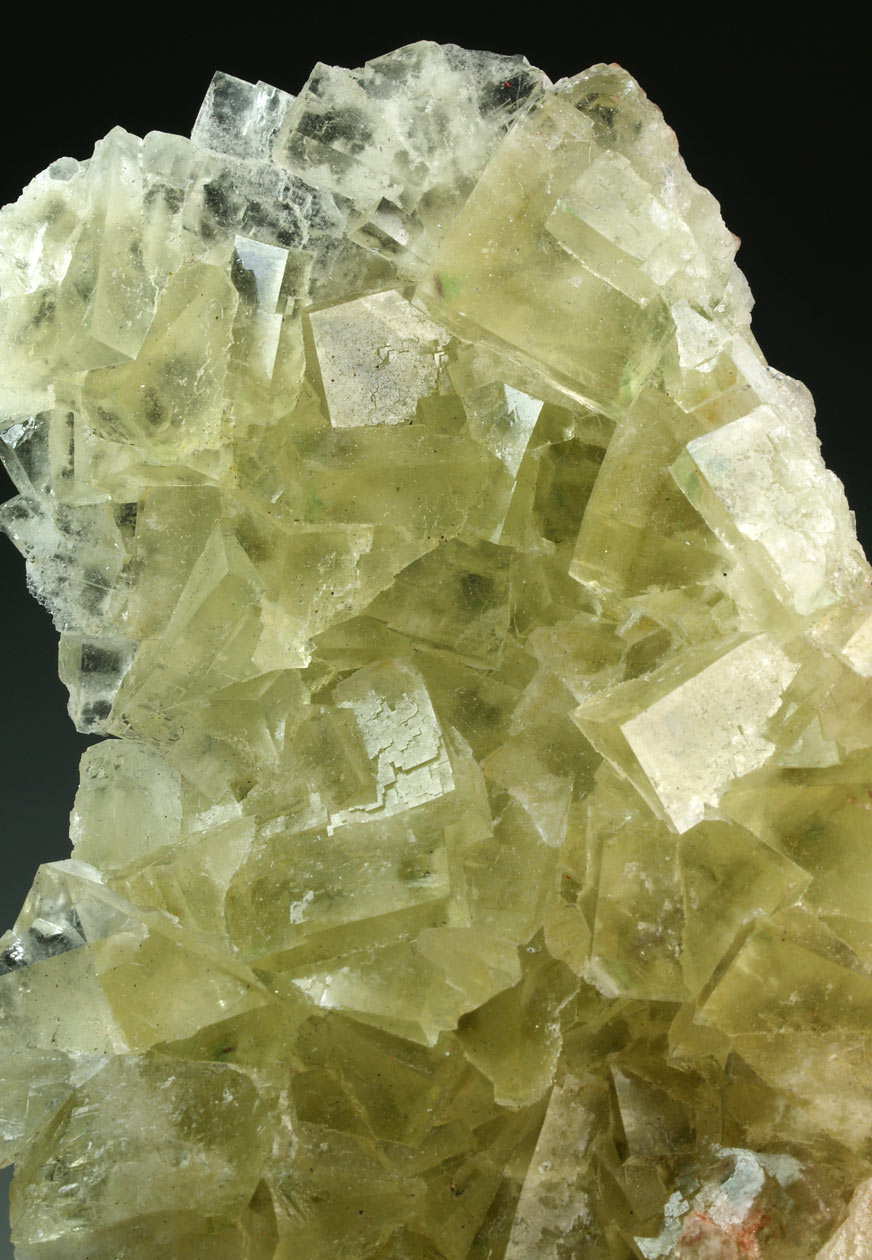
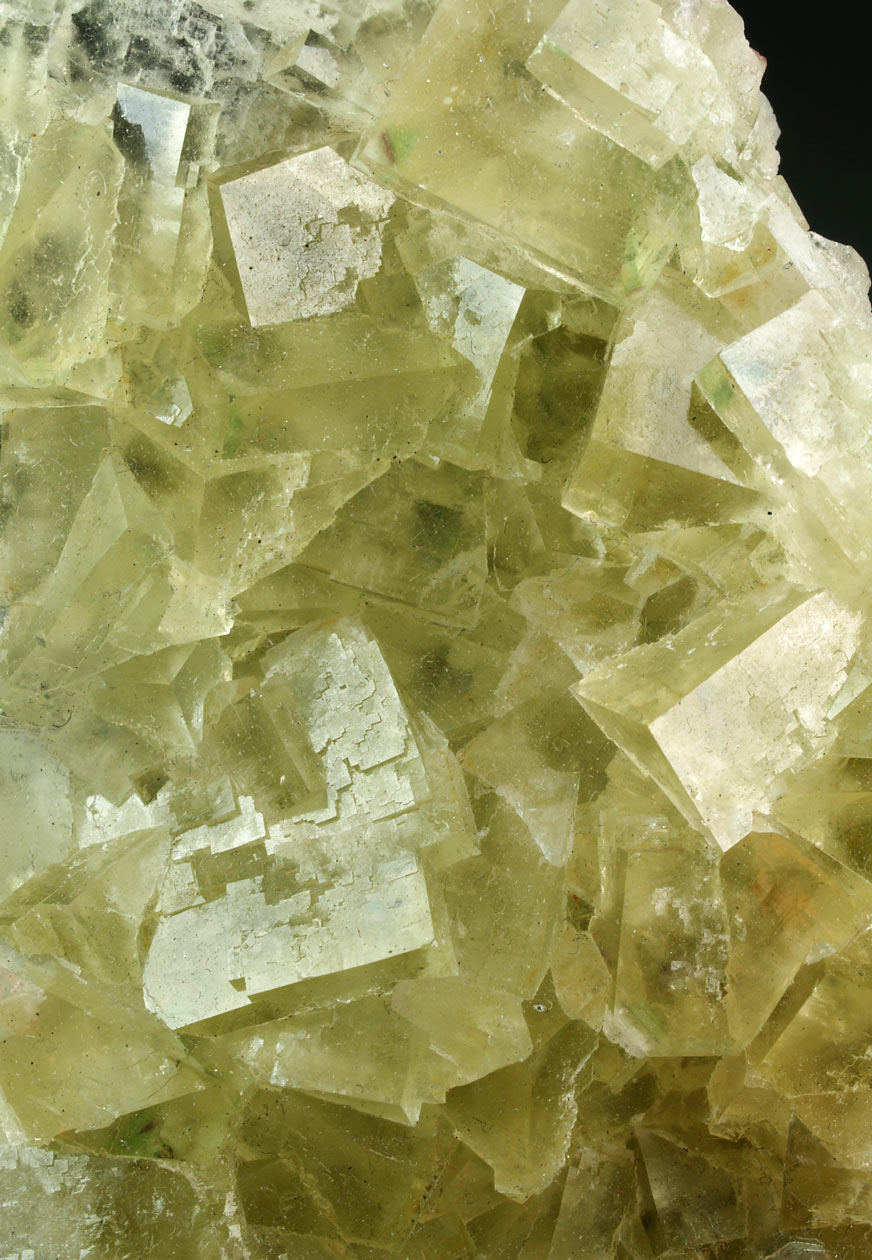
Rich group of cubic fluorite crystals, very sharp, transparent and with a greenish to yellow tone very characteristic of these fluorites. This specimen is from the mines of Sant Marçal (also called of the Matagalls Mt.), located in the massif of El Montseny. Nowadays not many samples are seen with this quality. A classic of the Catalan Mineralogy.
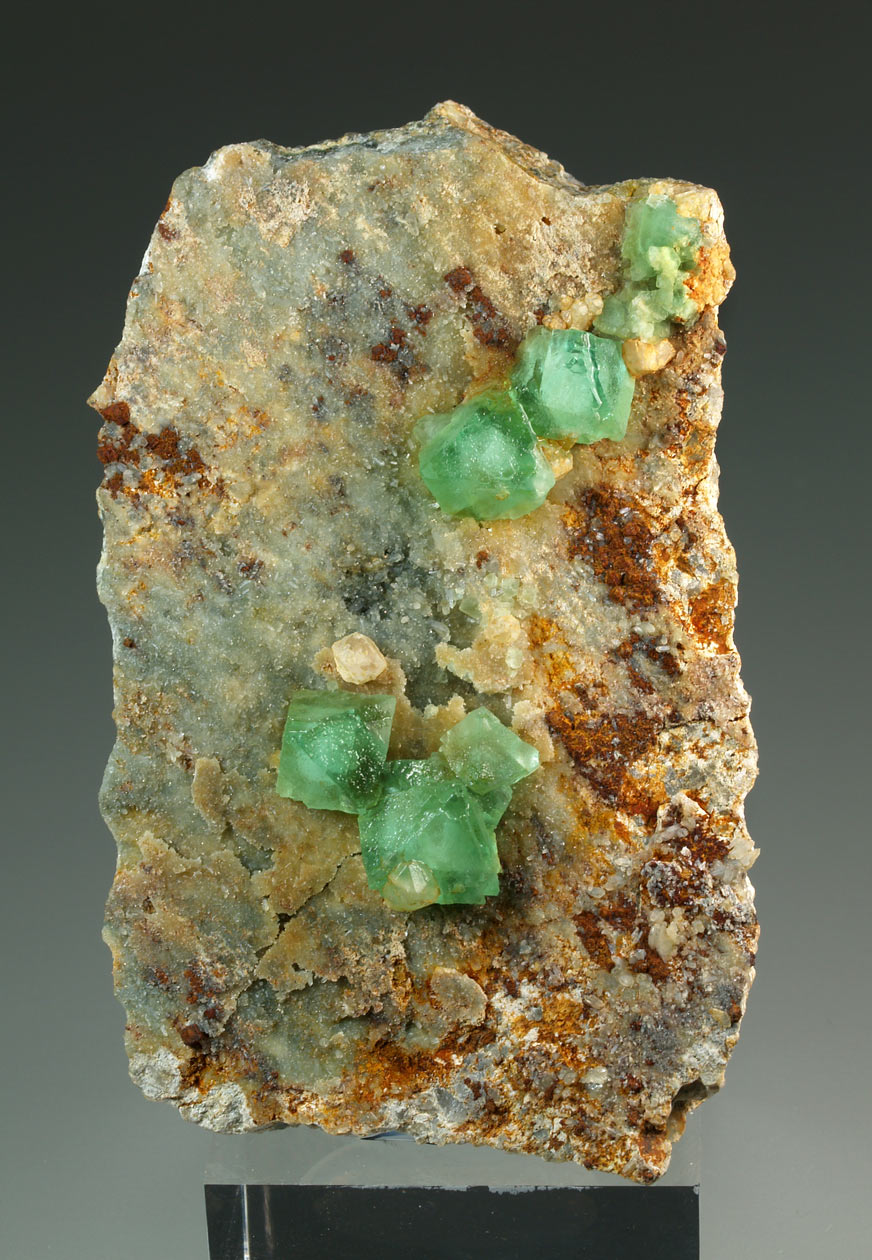

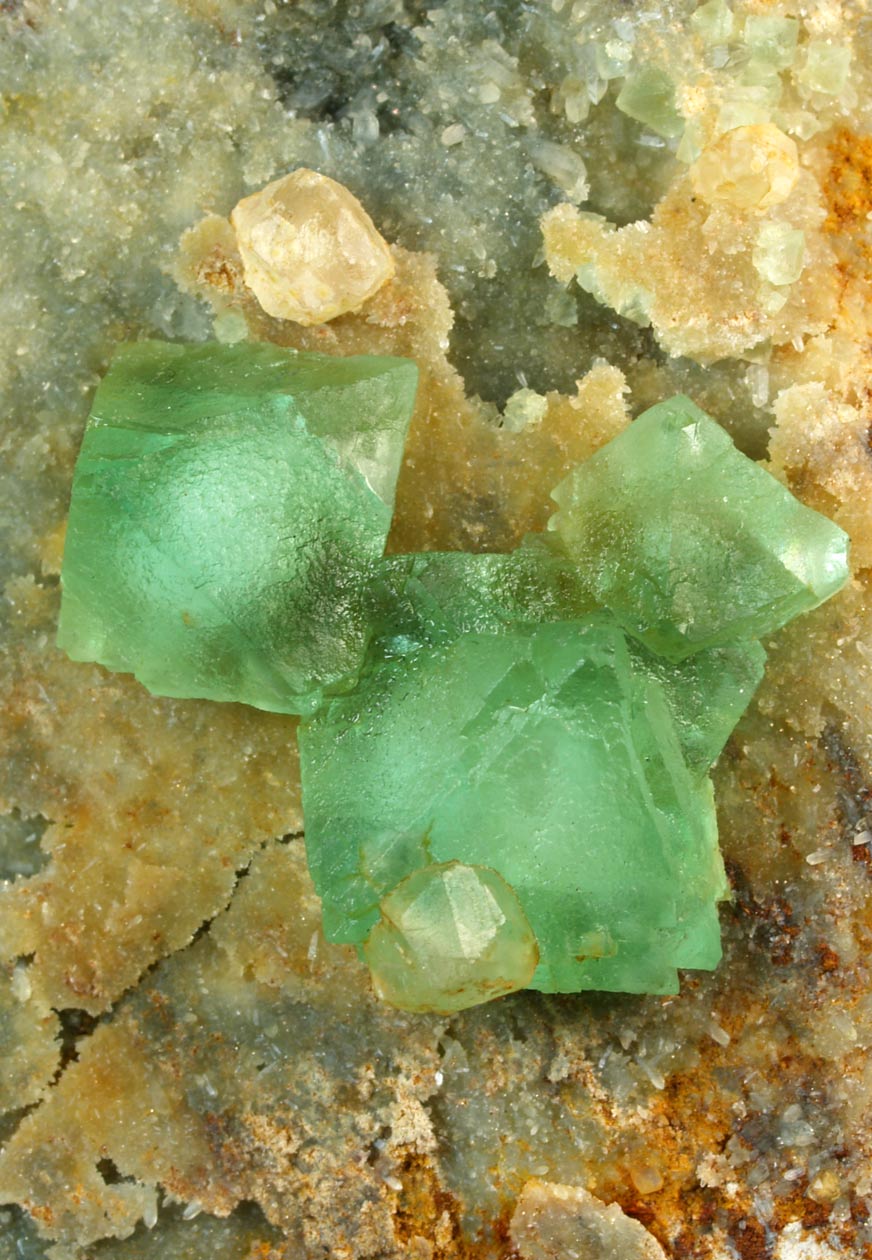


Group of fluorite crystals with an intense green color, with transparence, brilliance and sharp edges and faces. Transparence allows us to see an opalescent crystal core on which the crystal has grown with greater transparency. They are disposed isolated on the matrix which gives a superior quality to this specimen. It is accompanied by small rhombohedral calcite crystals and some crystals of pyrite totally pseudomorphed by goethite. Very fluorescent. On a matrix with quartz crystals. Samples with this fine quality are very difficult to find, considering that the quarry is closed to the collectors and the works have been interrupted. From a classic locality.
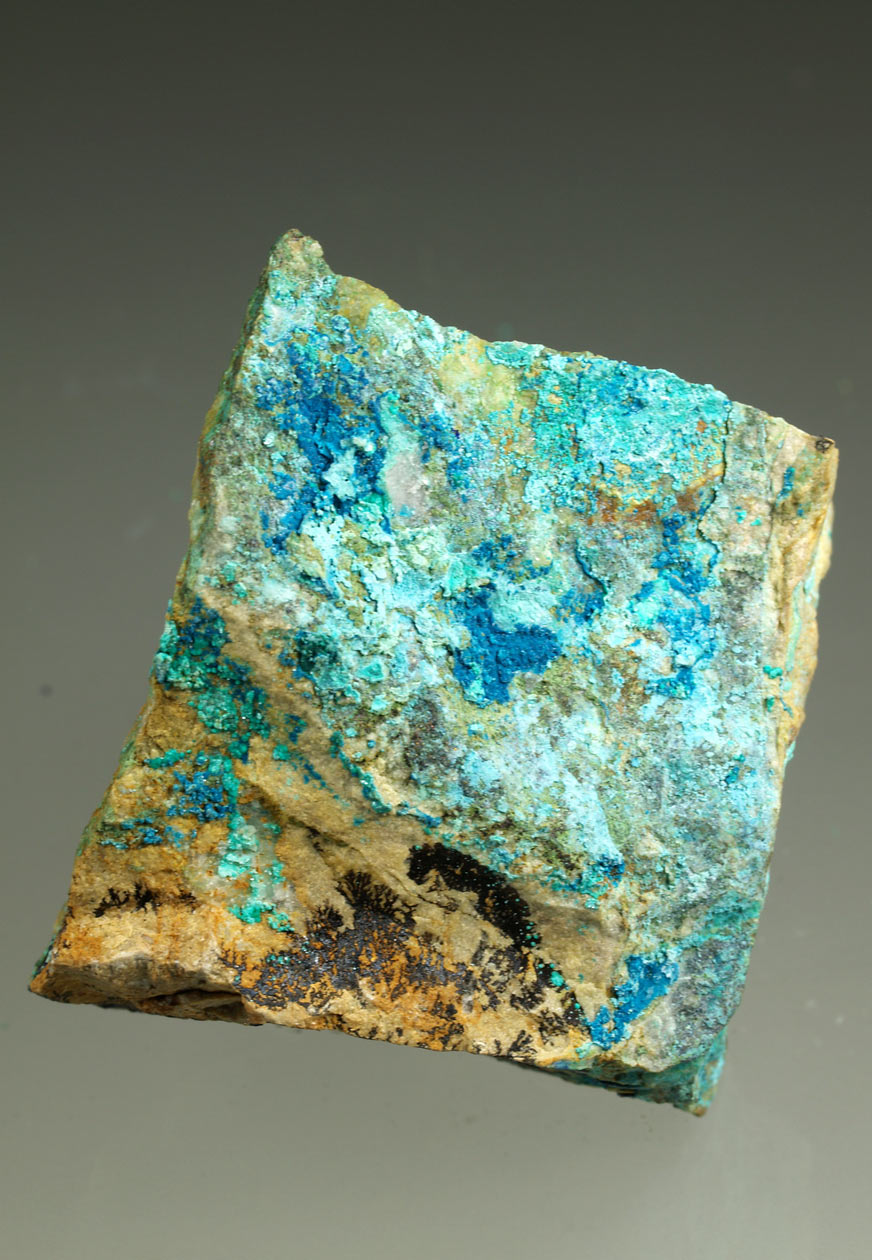


Excellent groups formed by lamellar crystals of claraite, of an intense turquoise blue, on a matrix of dolomite and sulphides. It is accompanied by spheric aggregates of theisite crystals. Analysis results will be sent to the buyer.
Claraite is a rare copper and zinc carbonate which may contain sulfur and/or arsenic. Theisite is a rare copper and zinc arsenate-antimonate that has been described for the first time in this mine in the Catalan Pyrenees. These mineral species are the second citation in Spain.
We have published a book called "Rocabruna i el seu entorn. La mina de les Ferreres" where you could enjoy all species collected and determined until the date of publication (2014).
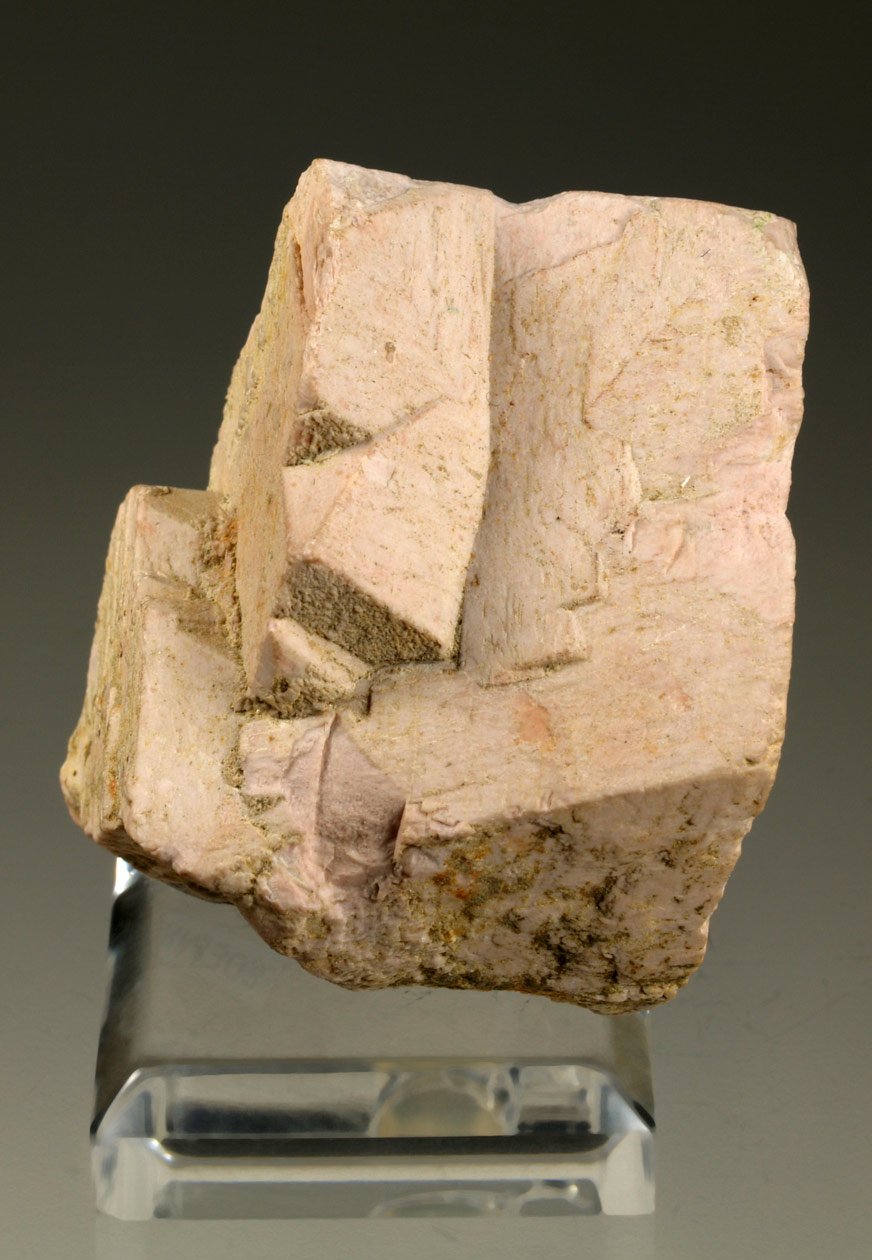


Group of orthoclase crystals, showing the complex faces of the baveno twin together with complex prisms and false rhombohedrons. Nice slightly orange color and defined edges and faces. It was collected many years ago near of the Montseny massif; this area was well known for orthoclase mineral collectors. A classic from a classic collection. Mr. Daunis and Mrs. Ruscalleda (wife) collection were specialized in Spanish quartz and orthoclase specimens.
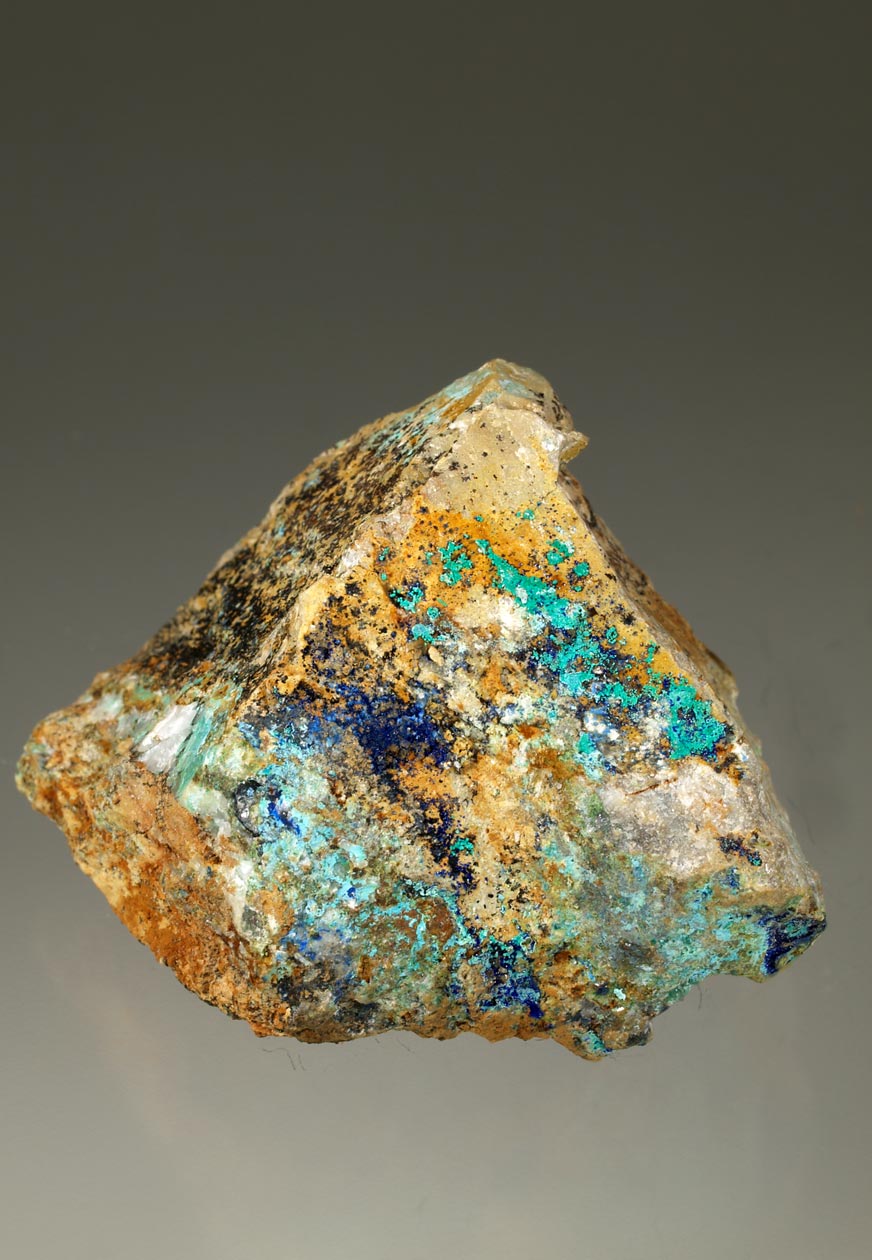


Excellent groups formed by lamellar crystals of claraite, of an intense turquoise blue, on a matrix of dolomite and sulphides. It is accompanied by spheric aggregates of theisite crystals, with a bluish to green color. Also with azurite. Analysis results will be sent to the buyer.
Claraite is a rare copper and zinc carbonate which may contain sulfur and/or arsenic. Theisite is a rare copper and zinc arsenate-antimonate that has been described for the first time in this mine in the Catalan Pyrenees. These mineral species are the second citation in Spain.
We have published a book called "Rocabruna i el seu entorn. La mina de les Ferreres" where you could enjoy all species collected and determined until the date of publication (2014).
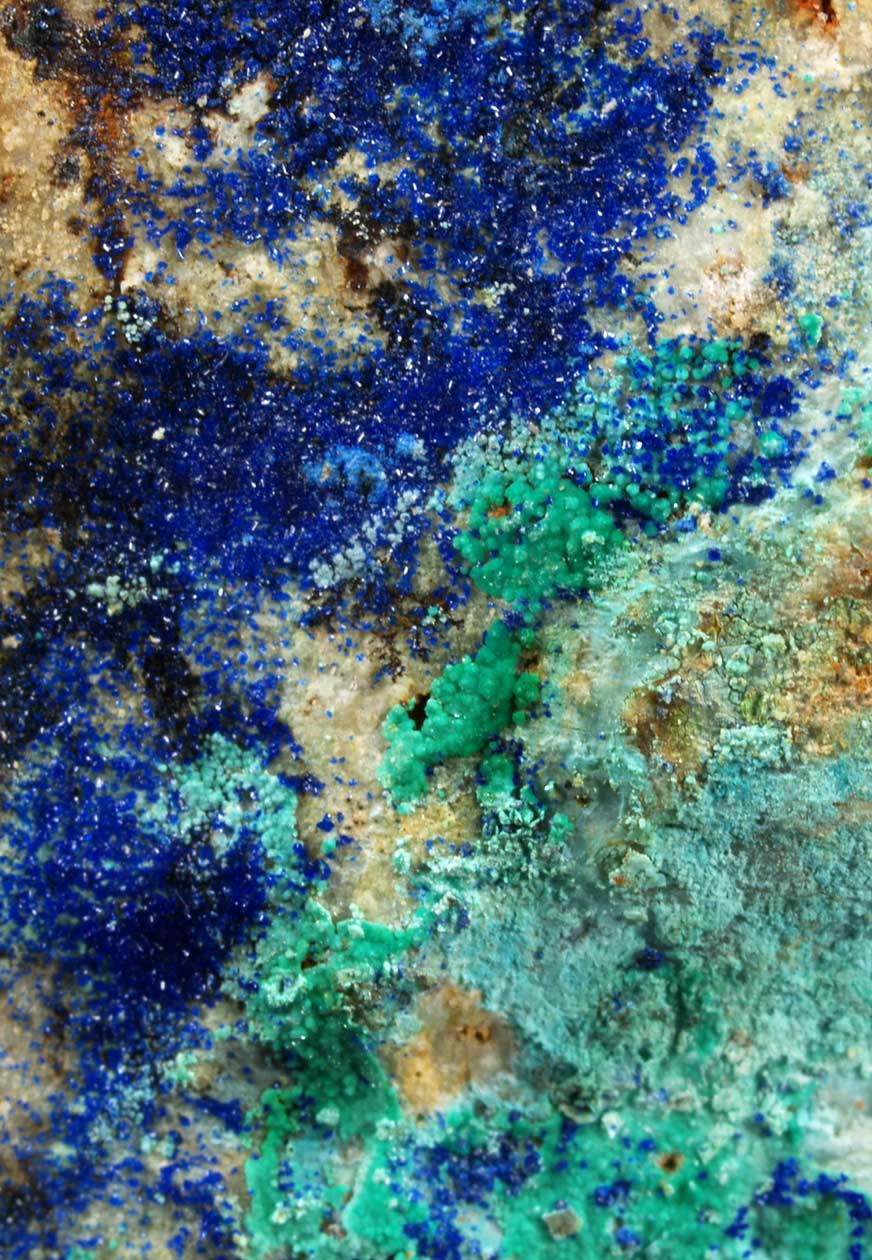


Globular aggregates formed by lamellar crystals of theisite. With a bluish to green color and brilliance. On a dolomite matrix with barite and chalcopyrite. This mineral species is the second citation in Spain. Theisite is a rare copper and zinc arsenate-antimonate that has been described for the first time in this mine in the Catalan Pyrenees. Accompanied by several azurite, transparent, bright, well-defined and some doubly terminated. Analysis results will be sent to the buyer.
We have published a book called "Rocabruna i el seu entorn. La mina de les Ferreres" where you could enjoy all species collected and determined until the date of publication (2014).
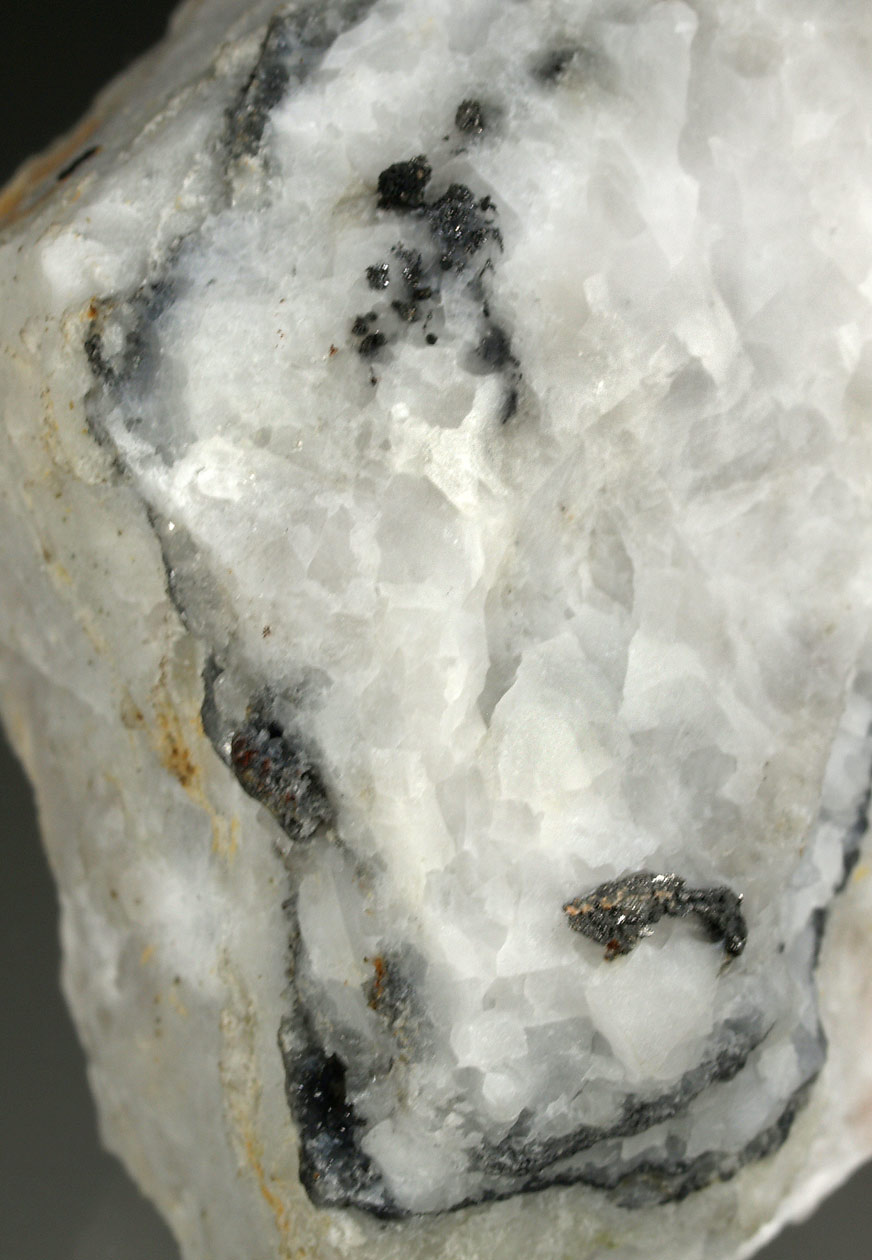


Silver specimens from Gualba mines are so appreciated by Spanish collectors due to their scarcity. This specimen shows arborescent and granulated aggregates of native silver emerging from the white matrix of calcite (treated with acetic acid). A unique opportunity to get a silver sample of this historic Catalan mine.
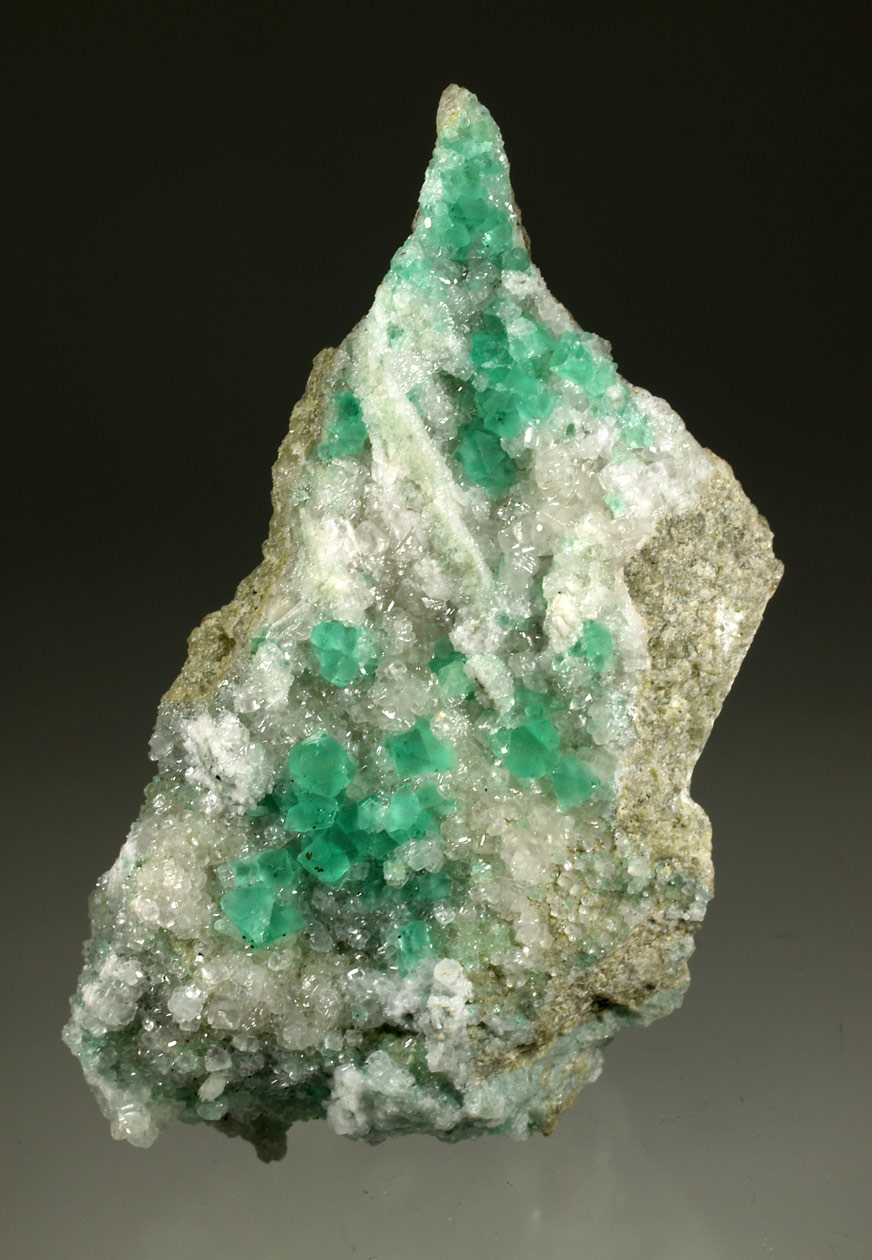


Group of octahedral crystals of fluorite, nice green color, transparent to translucent and very well defined faces and edges. Peppered by small crystals of pyrite with complex shapes and even tabular appearance. They are disposed on a matrix with calcite and pyrite. From a classic Catalan locality. Fluorescence (UV-LW) is red for calcite and blue for fluorite.
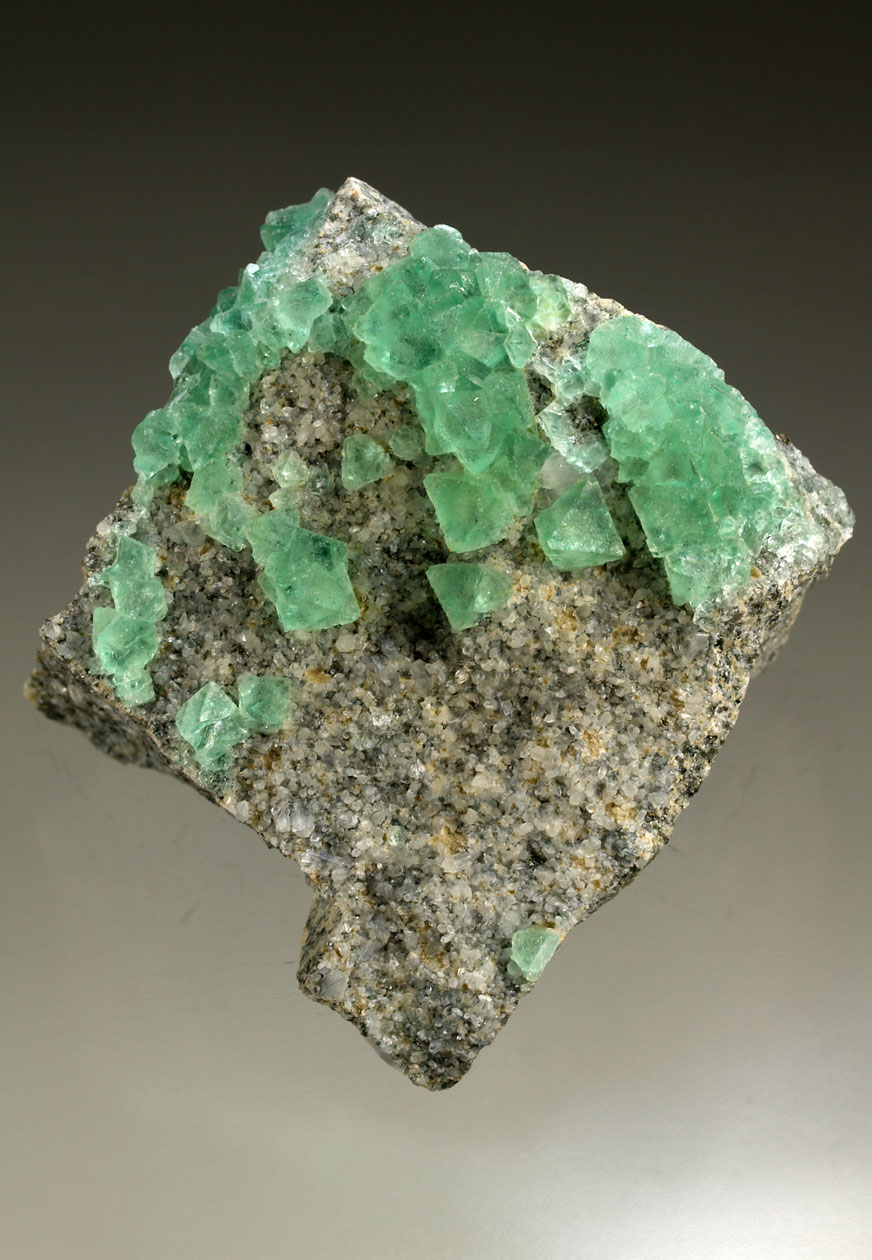


On a rocky matrix of granite, partially covered by small but brilliant quartz crystals, some groups and isolated fluorite crystals. Good transparence, brilliance and with a intense green color. A mineral classic from Catalonia.
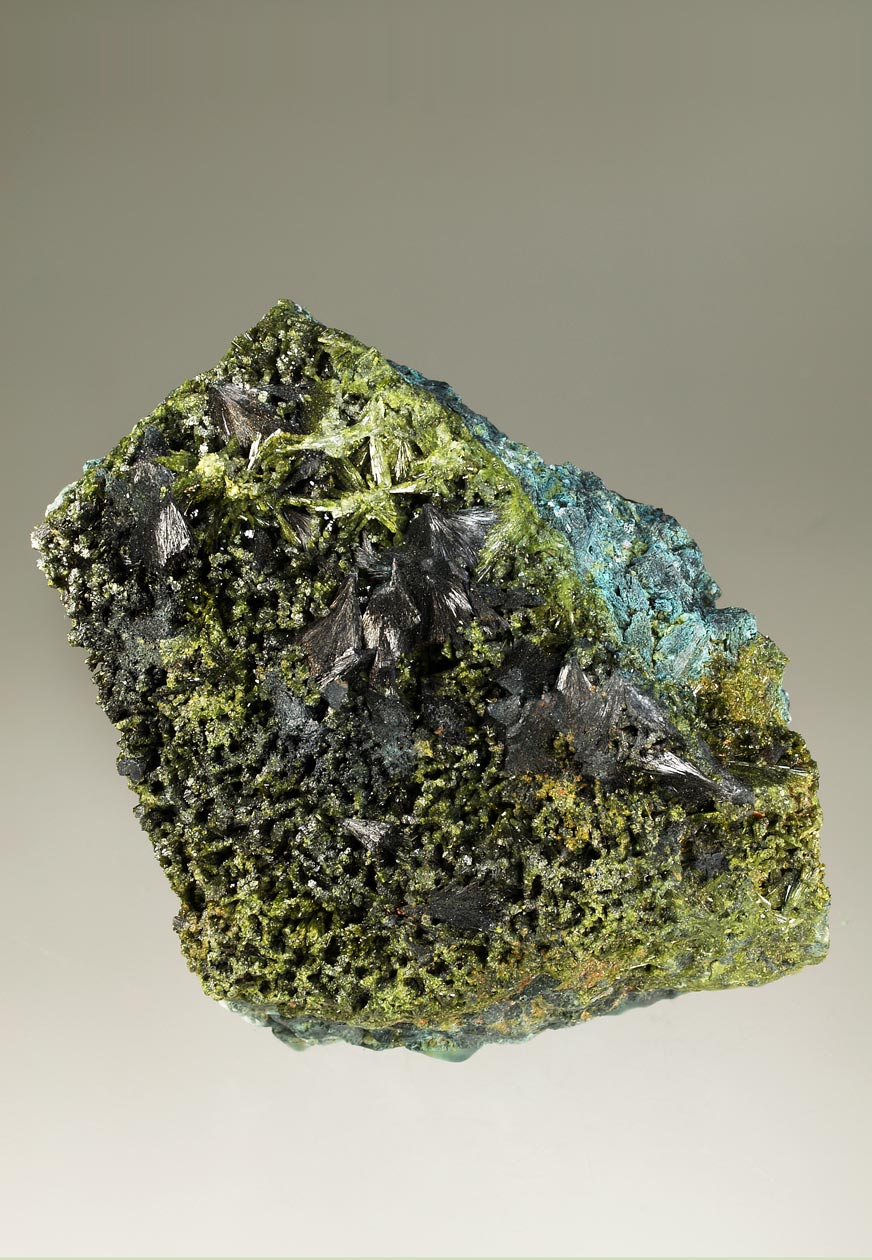
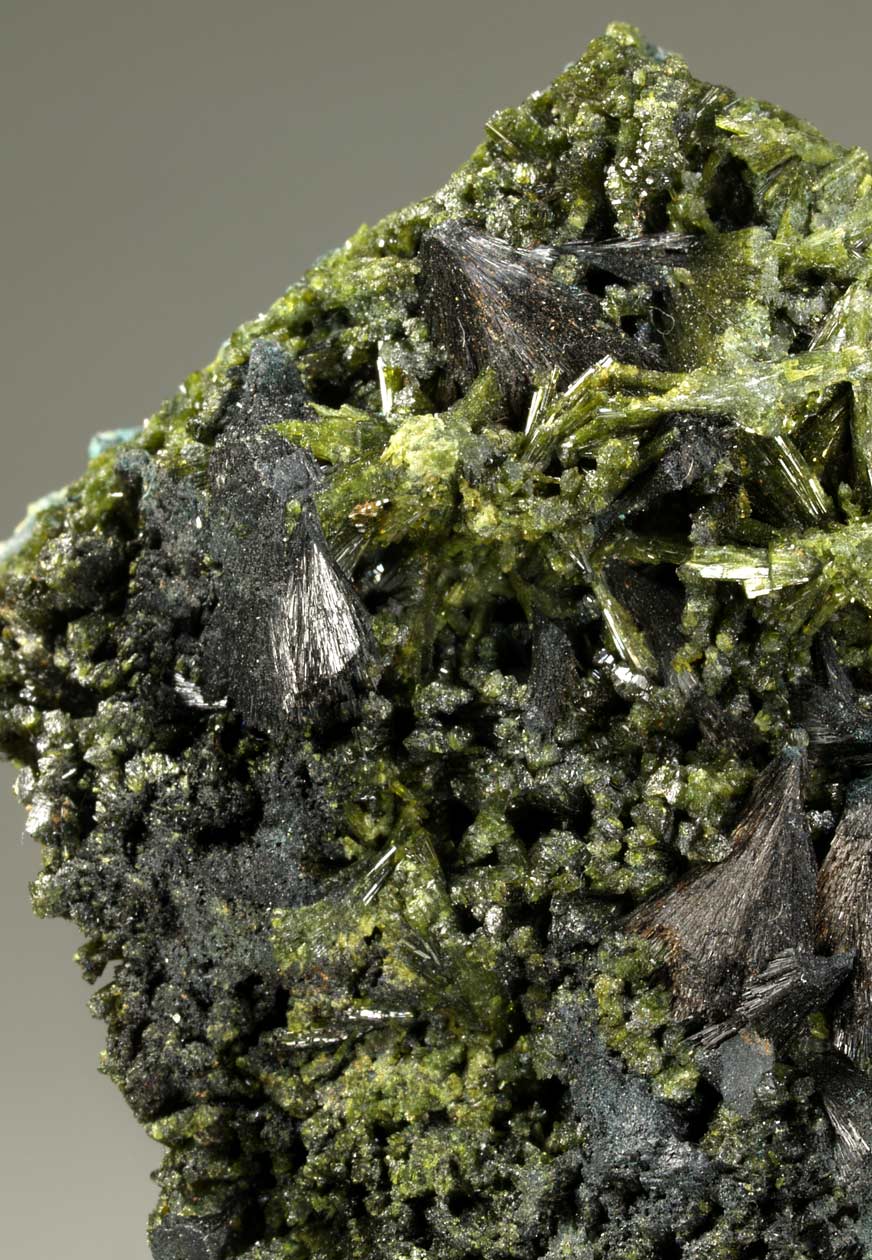

Rich group of schorl crystals with an intense black color, forming brilliant divergent agreggates, and disposed on a ophitic matrix with epidote crystals. This Catalan locality was well known for its epidote and axinite (Fe) specimens. Along with these species, and on the epidote, appeared from time to time groups of very dark, near black, crystals which once analyzed proved to be tourmaline: schorl.
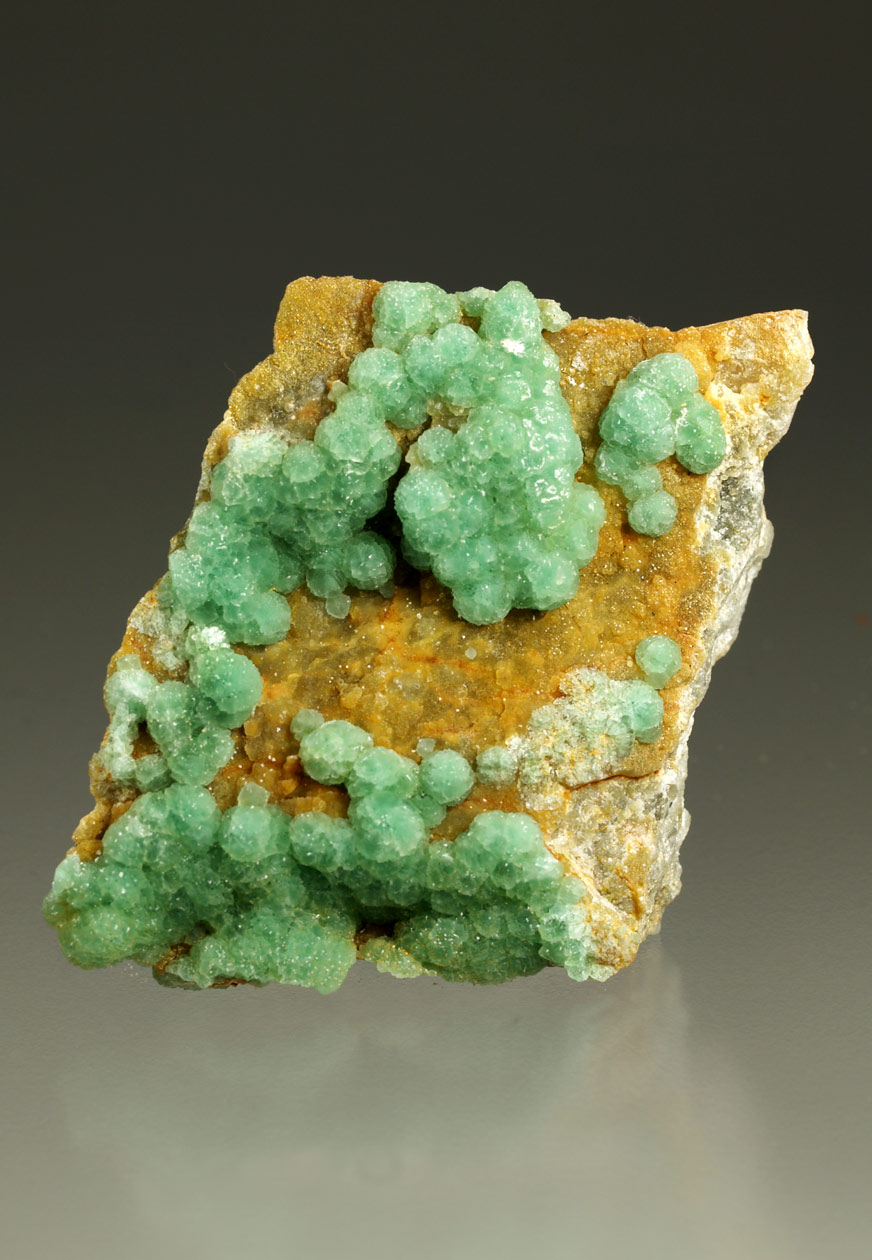


Curious globular aggregates formed by numerous fluorite octahedral crystals that have grown together, reaching this globular shape. If you look closely under magnification the specimen you can observe different growing phases. Very fluorescent under LW-UV.
This green color is the best ever found for this site, with transparence and brilliance. They are disposed on an matrix of hard porphyry covered by minute quartz crystals, with calcite and goethitized cubic pyrite.
This area is known as Singuerlín (a neighborhood of Santa Coloma de Gramenet city, close to Barcelona) and from 60's collectors has found these globular aggregates with tones between white, yellow or slightly greenish. Then some specimens were analyzed and labeled as gearksutite. More recent analysis did not indicate the presence of this species but only fluorite.
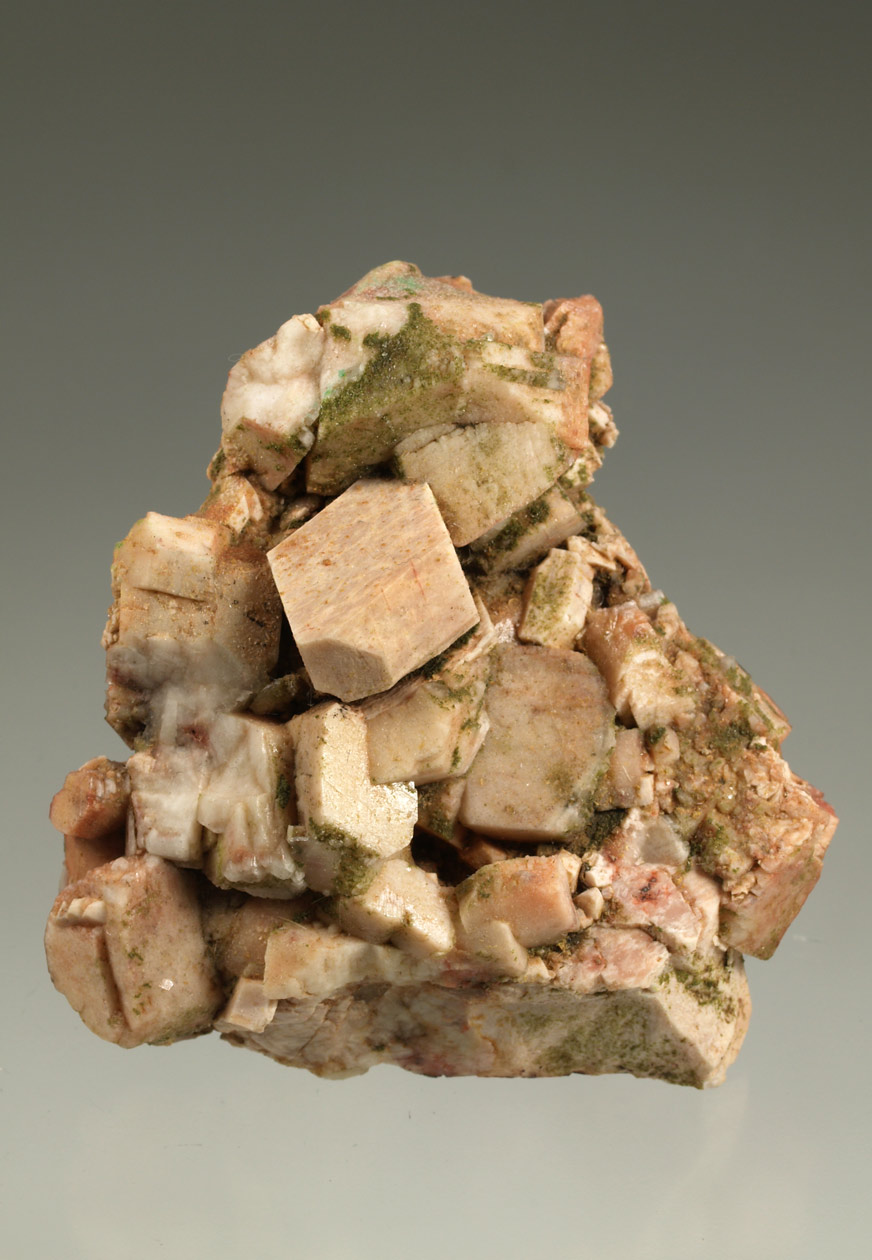


Group of huge size orthoclase crystals, showing the complex faces. Nice slightly orange color and defined edges and faces. It is accompanied by small crystals of epidote/clinozoisite. It was collected many years ago near of the Montseny massif; this area was well known for orthoclase mineral collectors. A classic from a classic collection. Mr. Daunis and Mrs. Ruscalleda (wife) collection were specialized in Spanish quartz and orthoclase specimens.
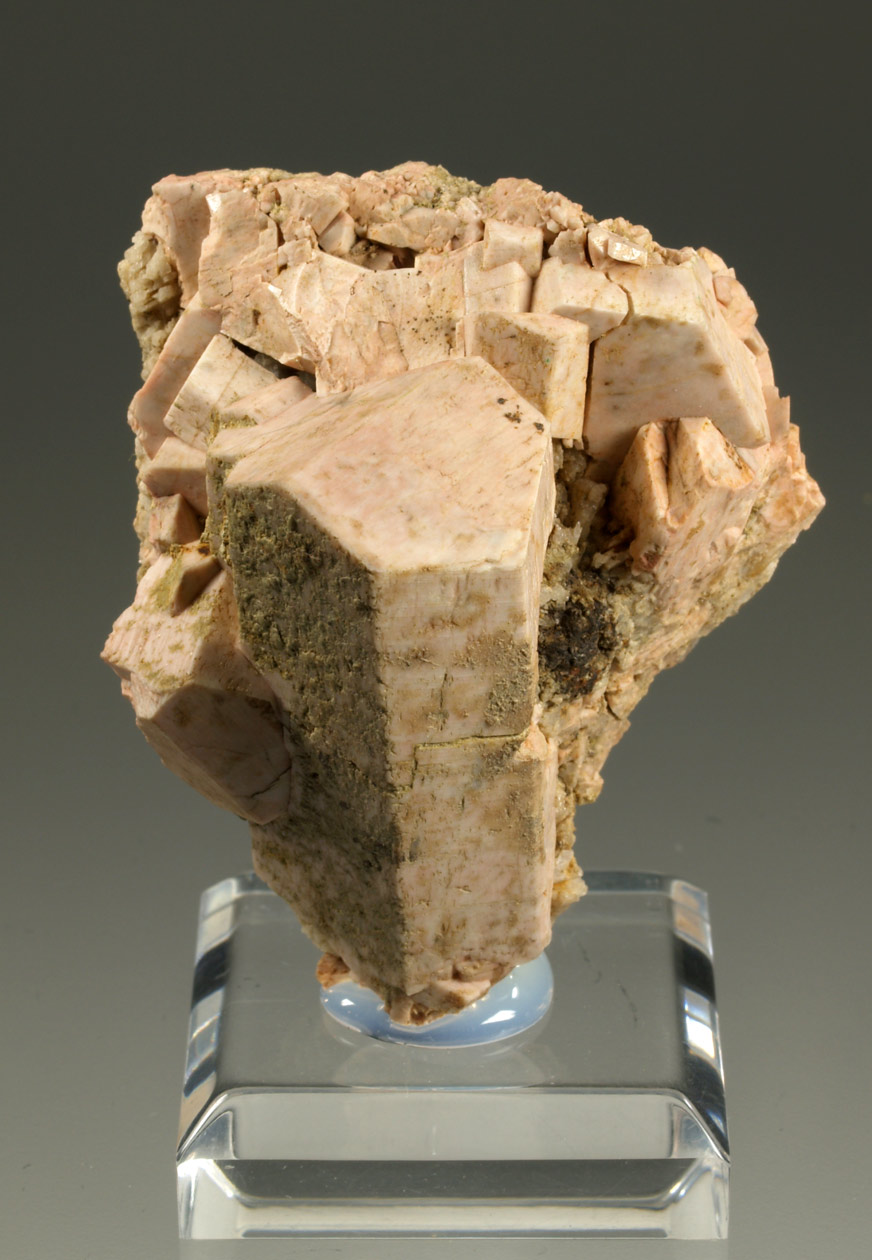
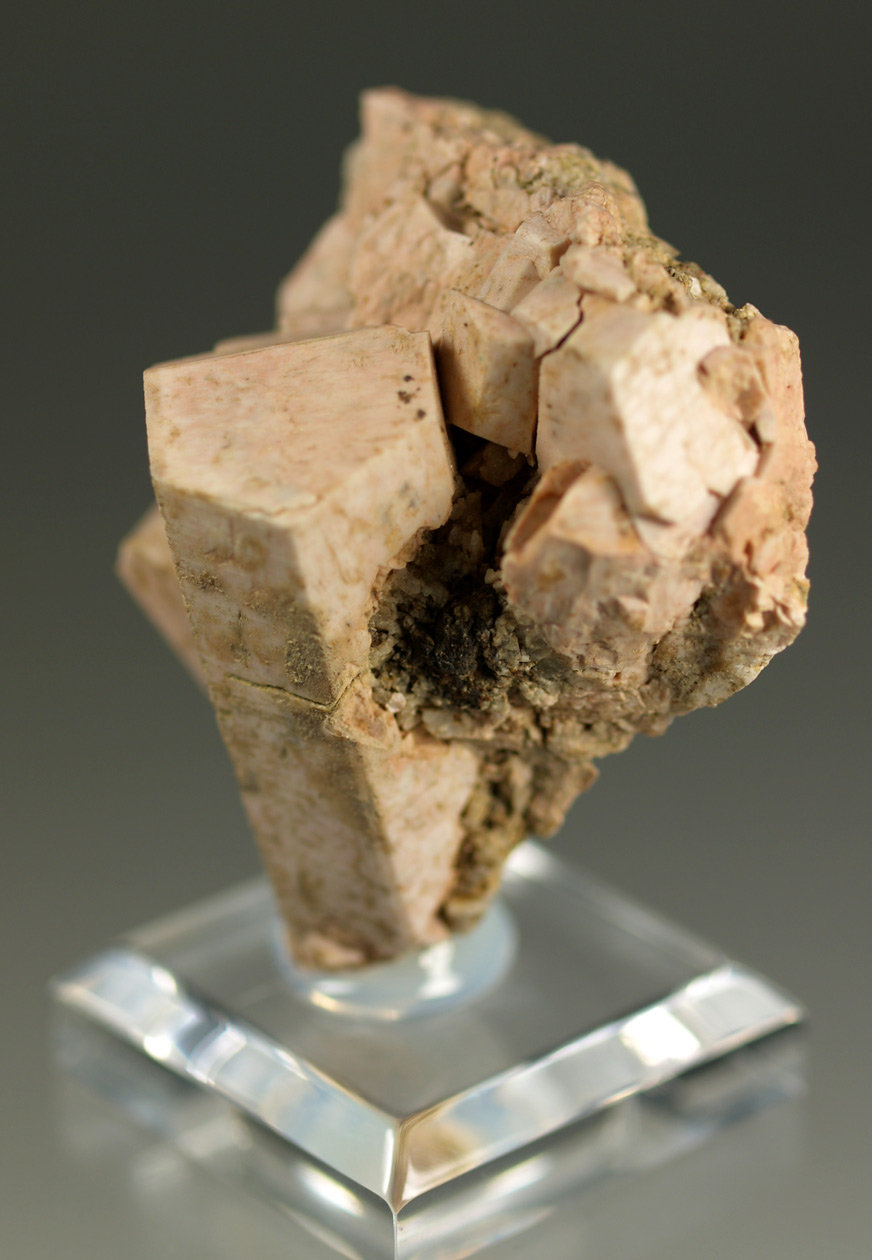

Group of huge size orthoclase crystals, showing the complex faces. Nice slightly orange color and defined edges and faces. It is accompanied by small crystals of epidote/clinozoisite. It was collected many years ago near of the Montseny massif; this area was well known for orthoclase mineral collectors. A classic from a classic collection. Mr. Daunis and Mrs. Ruscalleda (wife) collection were specialized in Spanish quartz and orthoclase specimens.
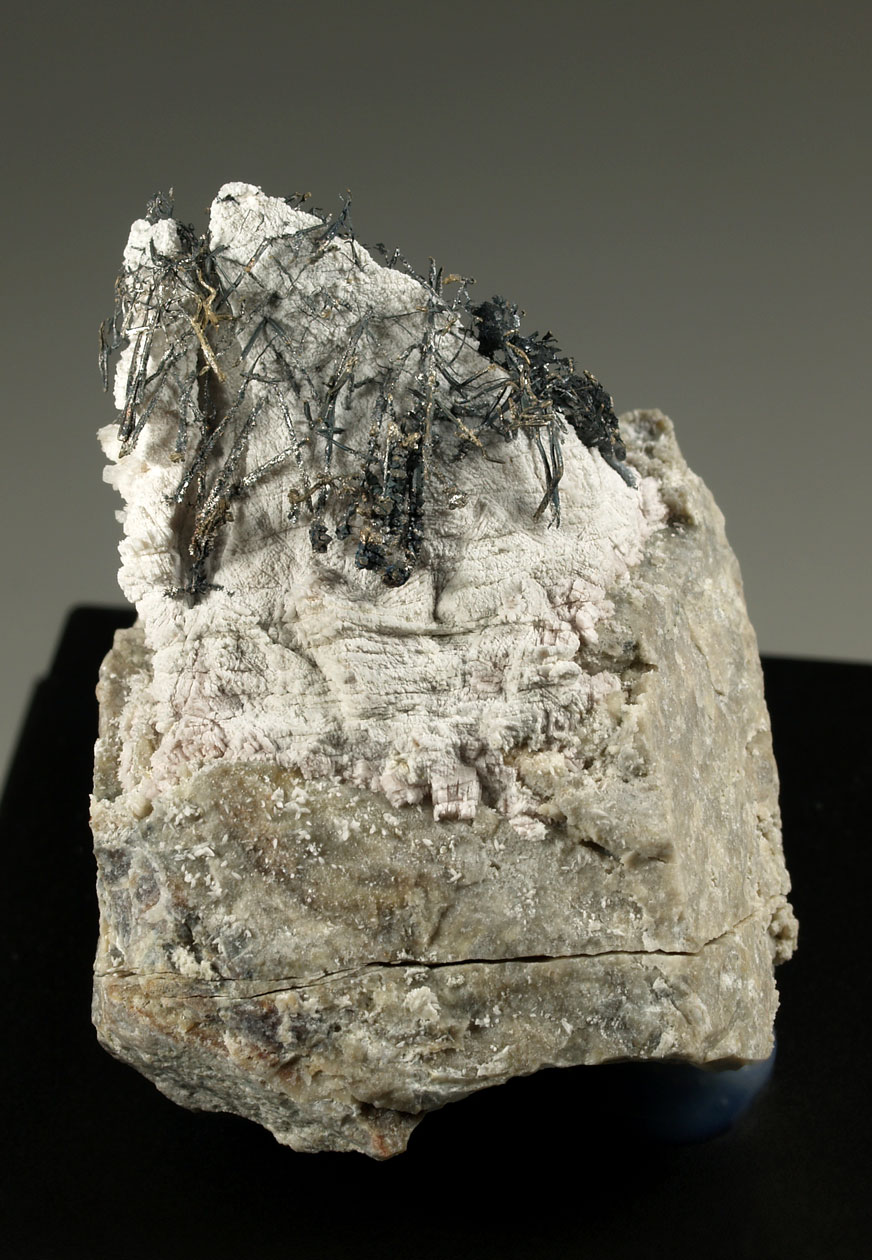


In this specimen we can enjoy several groups of wire silver. They show skeletal growth, with an metallic luster. Accompanied by black acanthite aggregates. From a classic locality for the Catalan and Spanish mineralogy. A good chance to represent this locality in your collection.

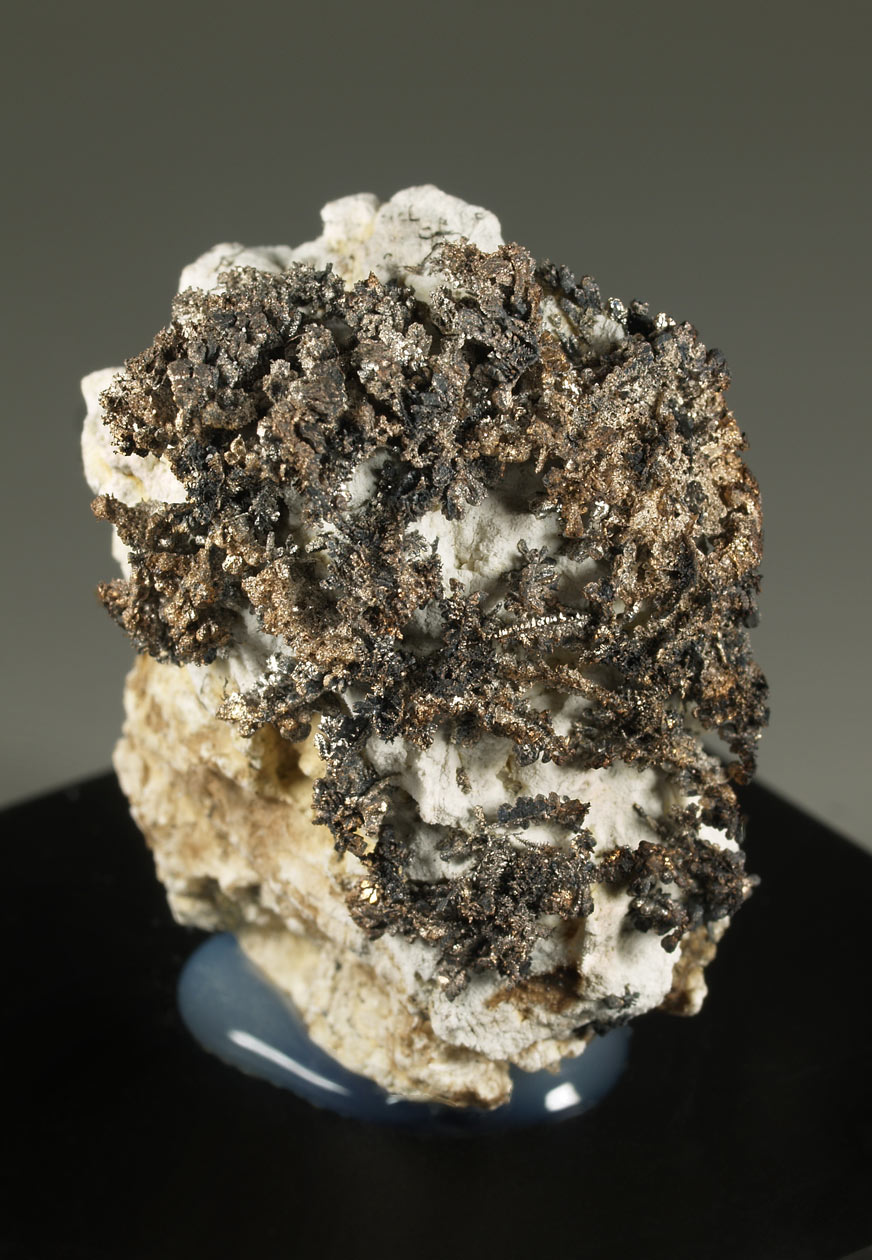


In this specimen we can enjoy several groups of wire silver formed by small but brilliant crystals. They show skeletal and arborescent growth, with an excellent metallic luster. Accompanied by black acanthite aggregates but some of them very brilliant, curious. From a classic locality for the Catalan and Spanish mineralogy. A good chance to represent this locality in your collection. Last specimens.
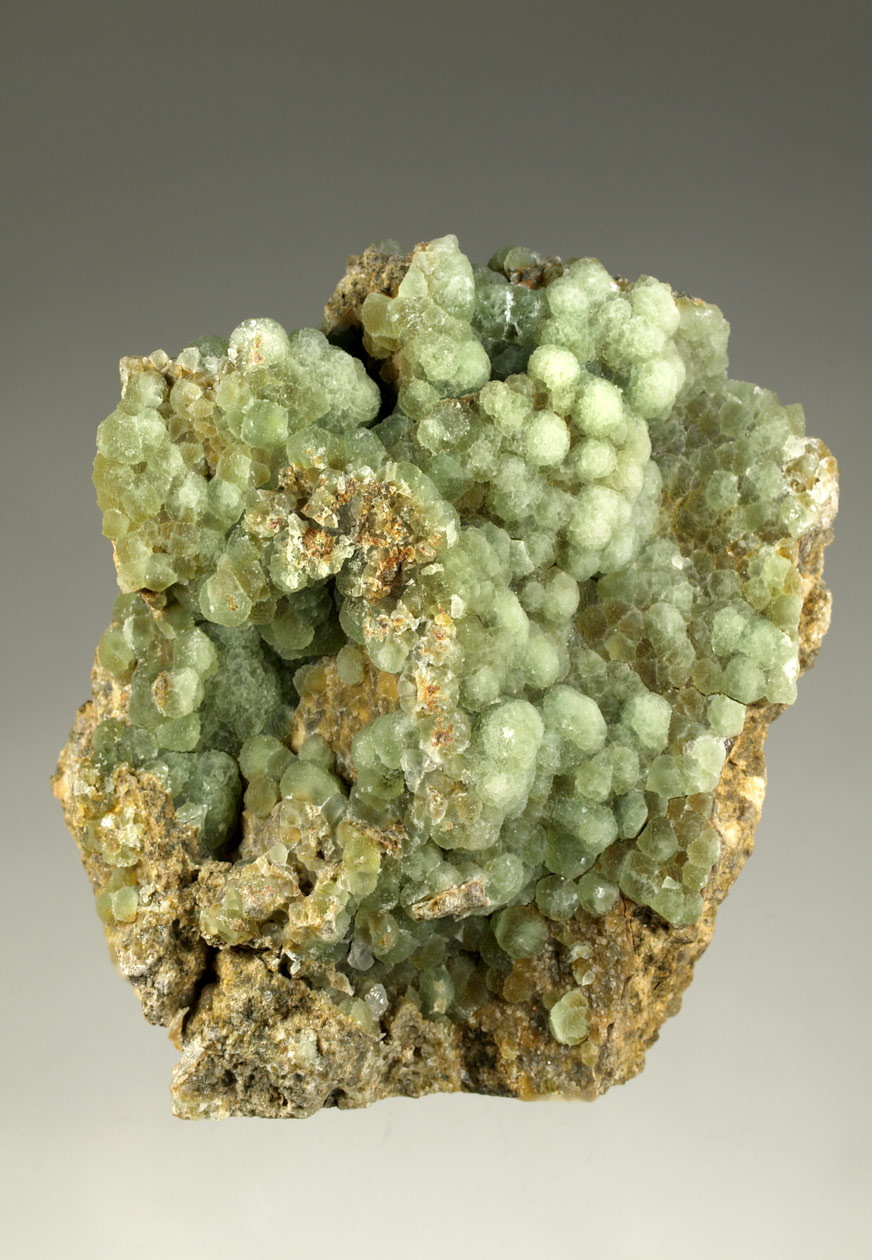


Curious globular aggregates formed by numerous fluorite octahedral crystals that have grown together, reaching this globular shape. If you look closely under magnification the specimen you can observe different growing phases. So we can see small colorless octahedra, others as groups of a few crystals sharing faces and symmetry, and some with many octahedrons close to this globular shape. Very fluorescent under LW-UV. Slight green color, with some transparence and brilliance. They are disposed on an matrix of hard porphyry.
This area is known as Singuerlín (a neighborhood of Santa Coloma de Gramenet city, close to Barcelona) and from 60's collectors has found these globular aggregates with tones between white, yellow or slightly greenish. Then some specimens were analyzed and labeled as gearksutite. More recent analysis did not indicate the presence of this species but only fluorite.
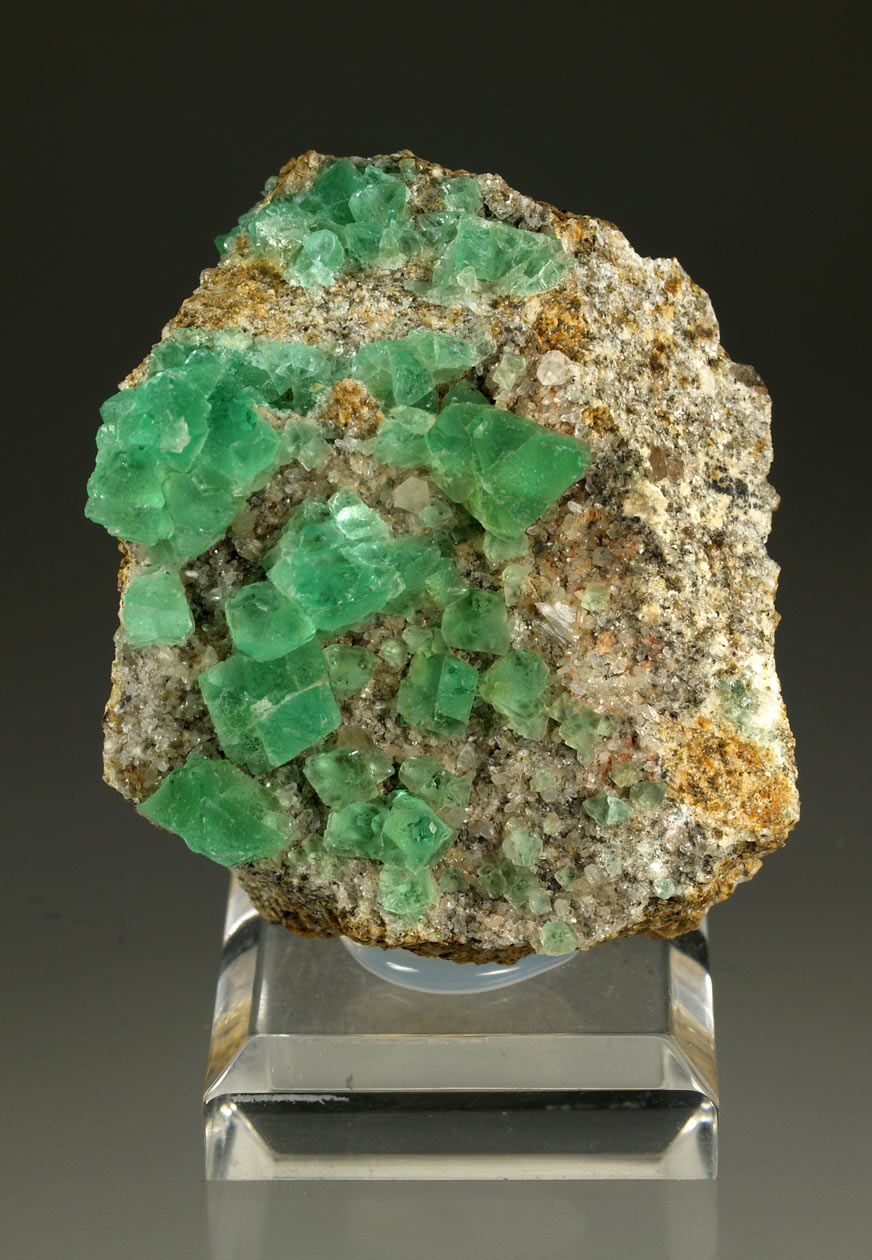


A group of fluorite crystals those, at first glance, seem just octahedra, but if you take a look carefully you will see complex terminations. Some crystals are isolated increasing its aesthetics. Good transparence and intense green color.
This specimen belongs to the "old" fluorites from Berta quarry, from an area of sericitized granodiorite. In the fractures, if it was enough space, they grew lining the walls. When quarry worked lower levels fluorite appeared in fresh granite matrix, but mostly without this depth of color. A great speciemen. A classic between classics of our country.
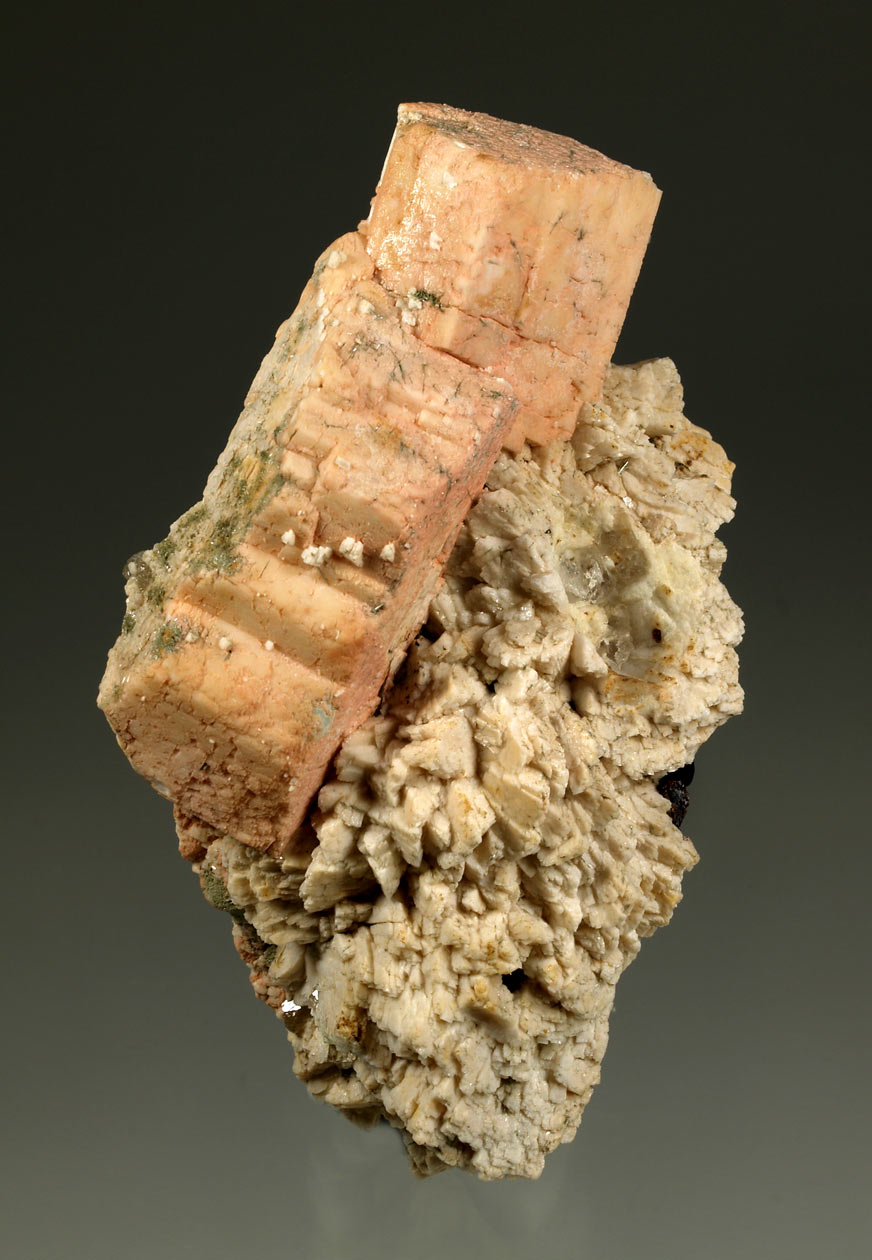

Group of sharp orthoclase crystals with an orange color. Accompanied by a large group of crystals of albite. You can see the presence of a small group of almandine red crystals. From a classic Catalan locality.
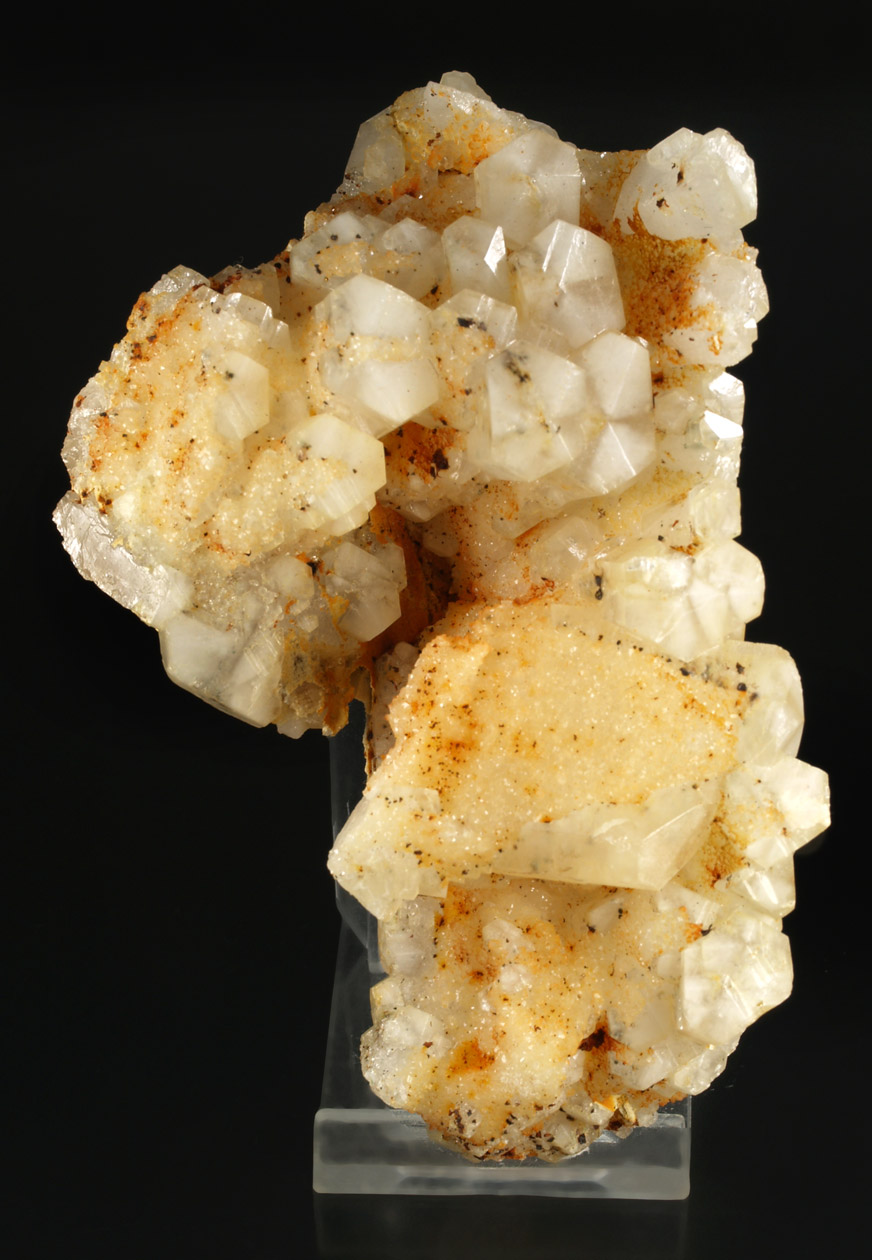


These calcite specimens were found in a pocket in the El Americano (Can Sala) mine-quarries, in the Montseny mountains. This big geode was called "Mercedes" due to the curious color zoning that can be observed at the terminal rhombohedrons faces reminiscent of the German automobile company logo.
Crystals appeared partially coated by carbonated iron oxides and sometimes showed a complex prism, sometimes growing on scalenohedral crystals (like this specimen). This calcite shows a intense fluorescence under UV light. These pieces have disappeared from the market.
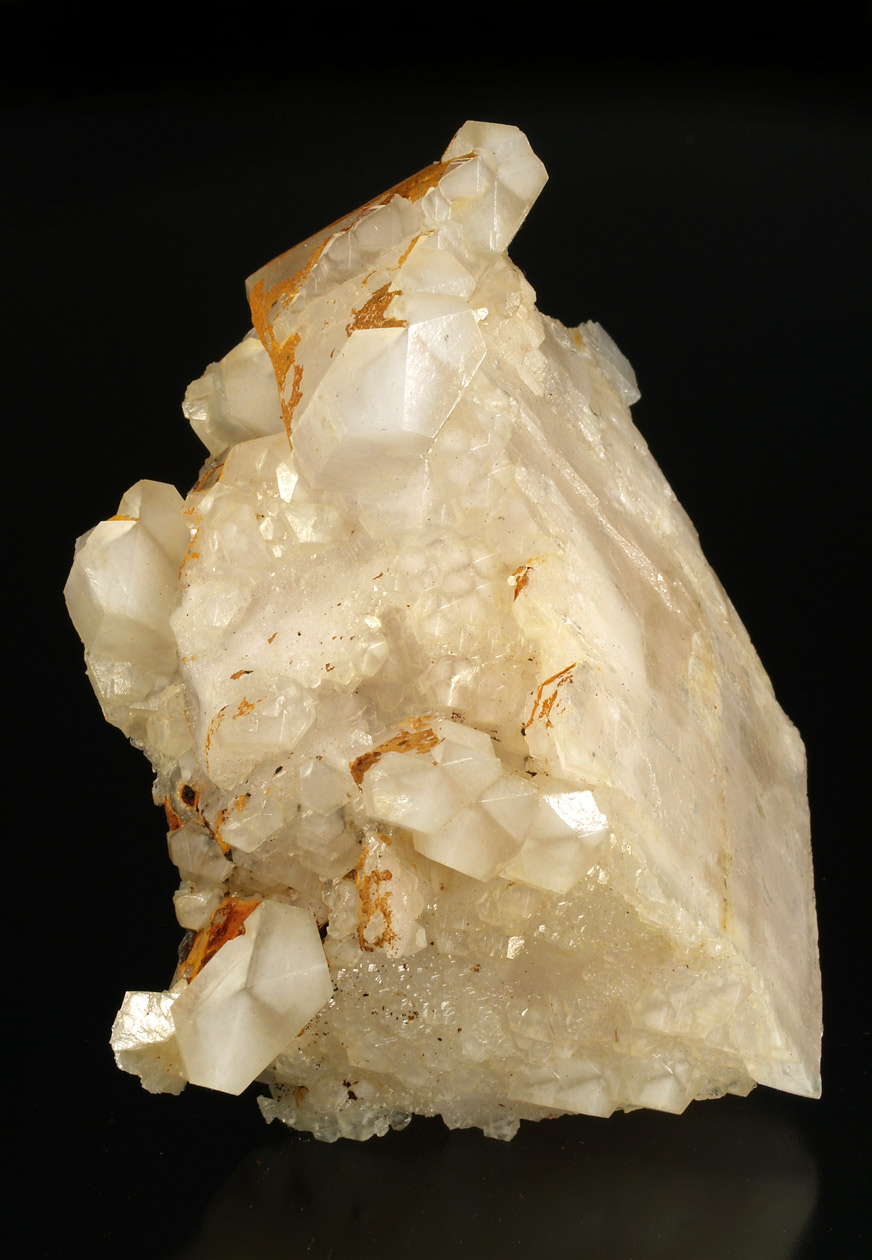


These calcite specimens were found in a pocket in the El Americano (Can Sala) mine-quarries, in the Montseny mountains. This big geode was called "Mercedes" due to the curious color zoning that can be observed at the terminal rhombohedrons faces reminiscent of the German automobile company logo.
Crystals appeared partially coated by carbonated iron oxides and sometimes showed a complex prism, sometimes growing on scalenohedral crystals. This calcite shows a intense fluorescence under UV light. These pieces have disappeared from the market.
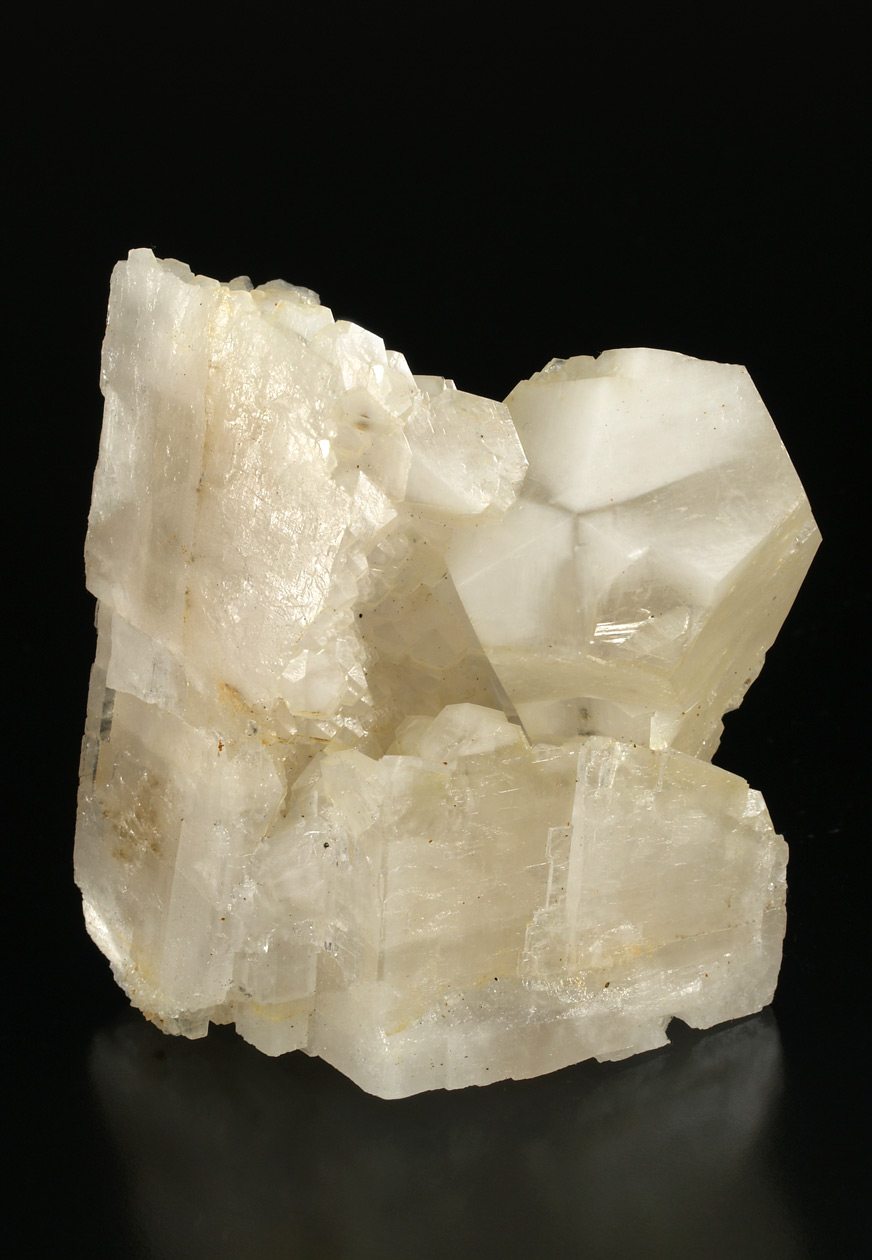


These calcite specimens were found in a pocket in the El Americano (Can Sala) mine-quarries, in the Montseny mountains. This big geode was called "Mercedes" due to the curious color zoning that can be observed at the terminal rhombohedrons faces reminiscent of the German automobile company logo.
Crystals appeared partially coated by carbonated iron oxides and sometimes showed a complex prism, sometimes growing on scalenohedral crystals. This calcite shows a intense fluorescence under UV light. These pieces have disappeared from the market.