- Home About RM Minerals
- Virtual Photo Museum Blog RM Contact
- Microscopy and instruments How to Buy Disclaimer
Copyright 2010-2026
www.rosellminerals.com



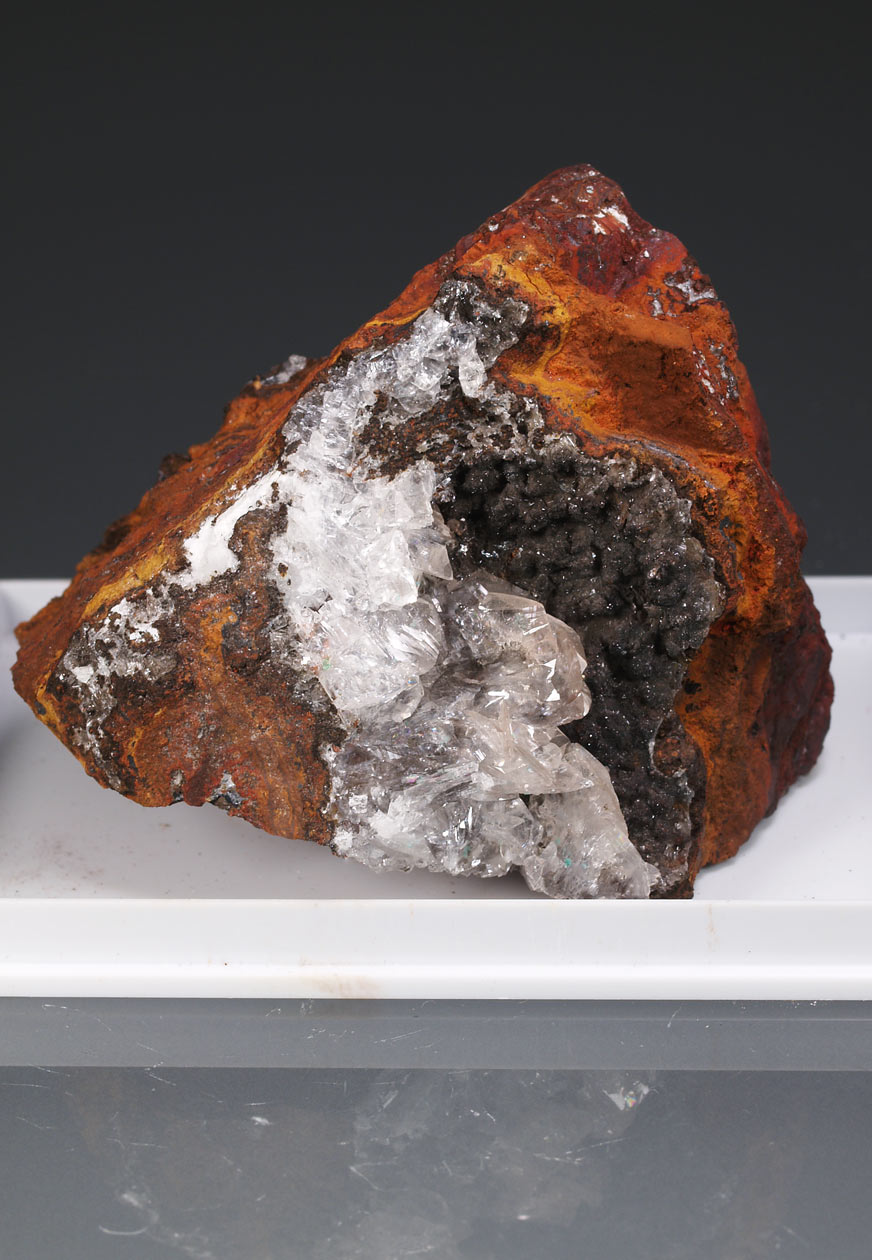
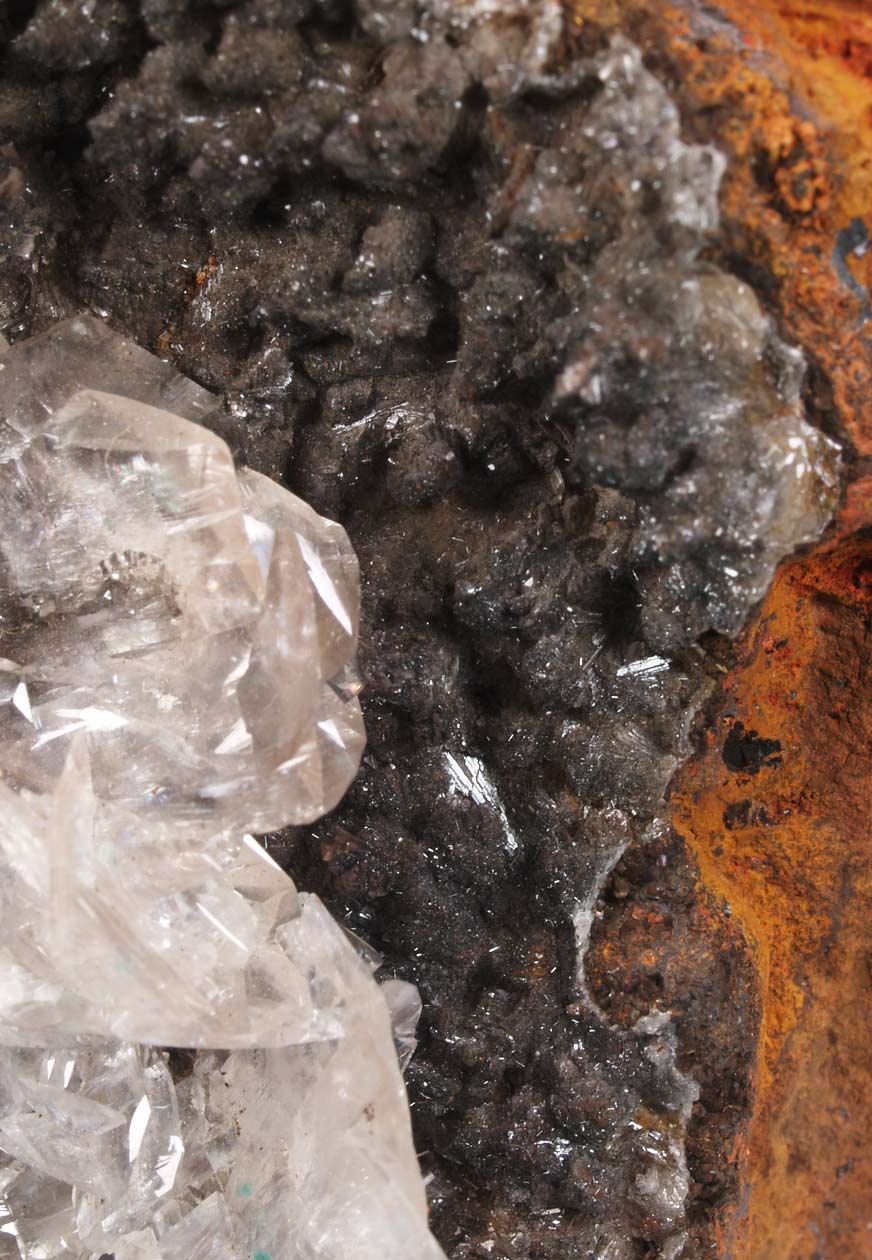
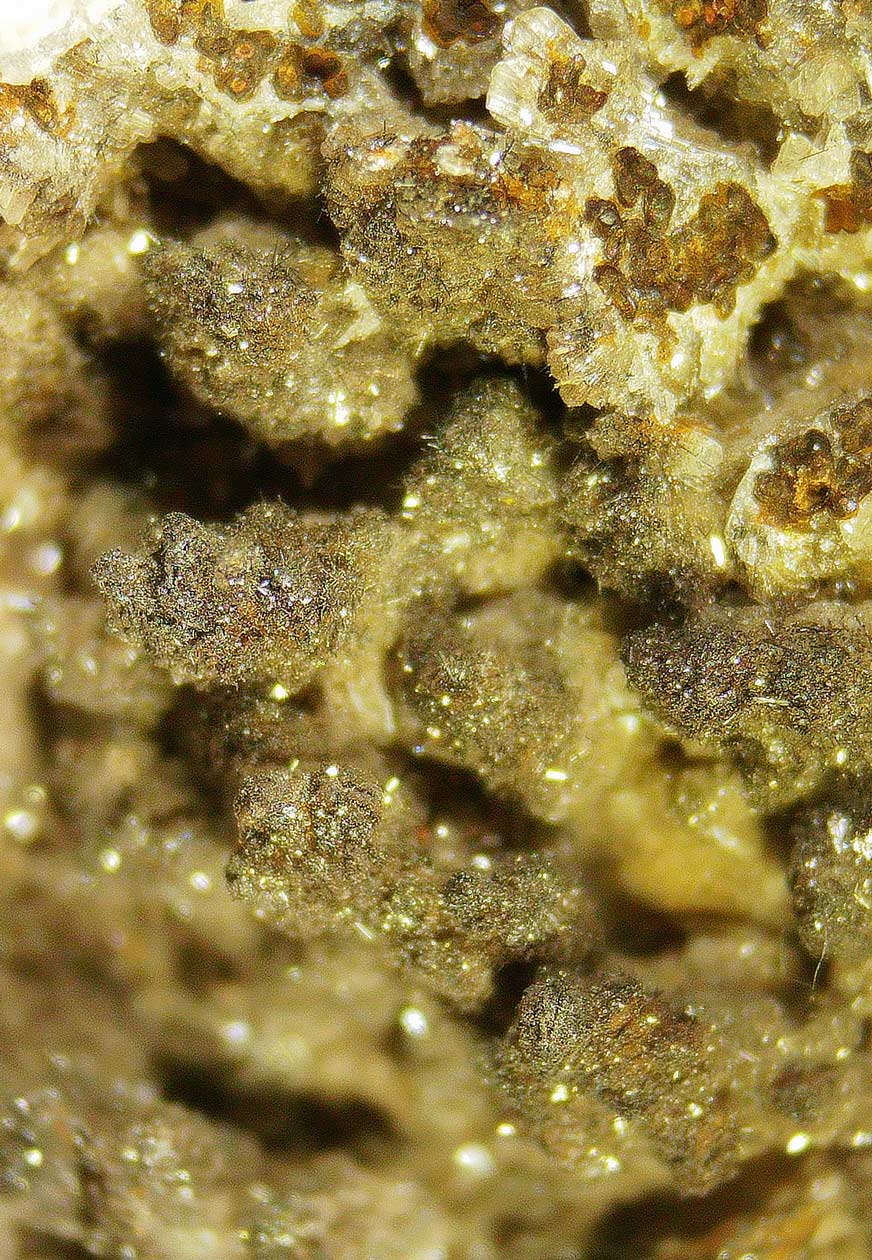
Specimen formed by a matrix of goethite (limonite) with cavities covered by calcite crystals accompanied by small, shiny black needles of plattnerite.
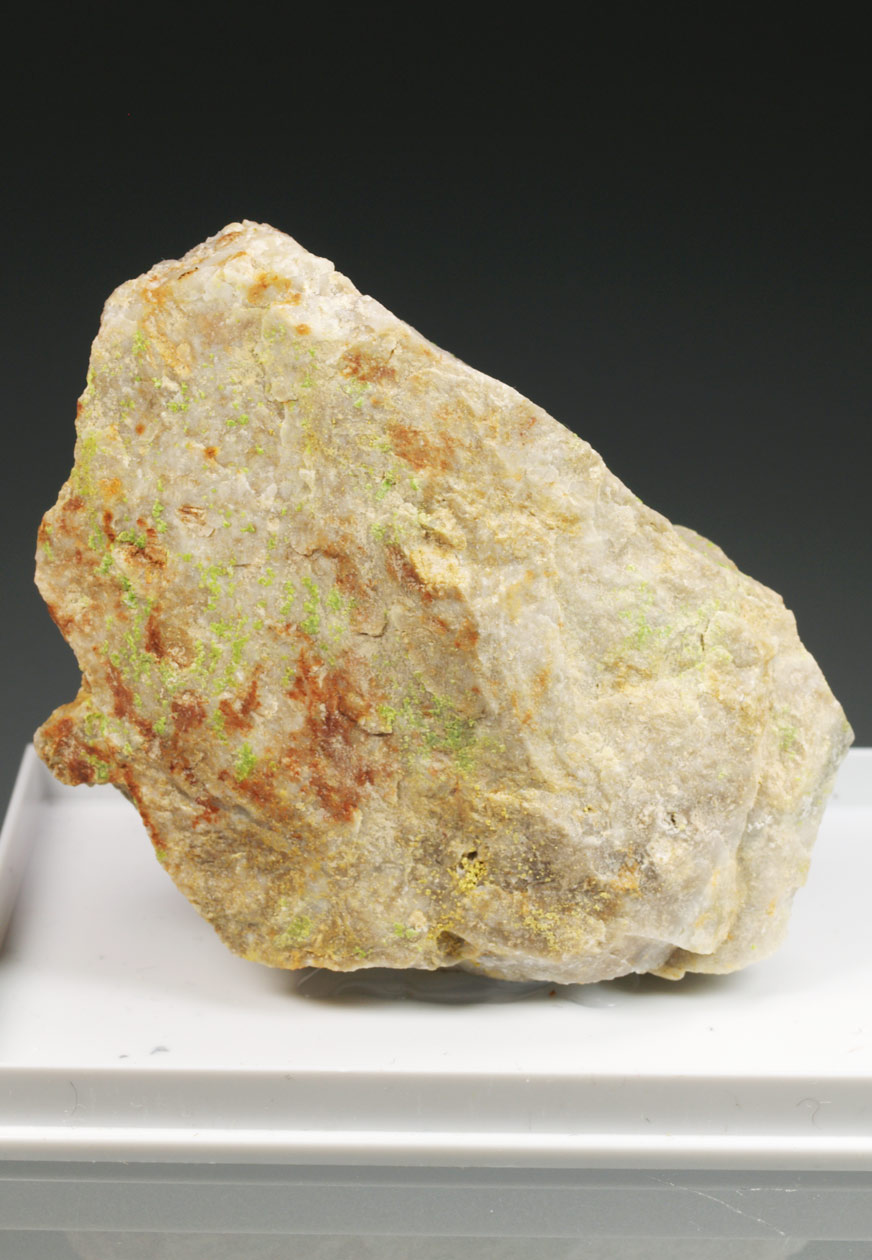
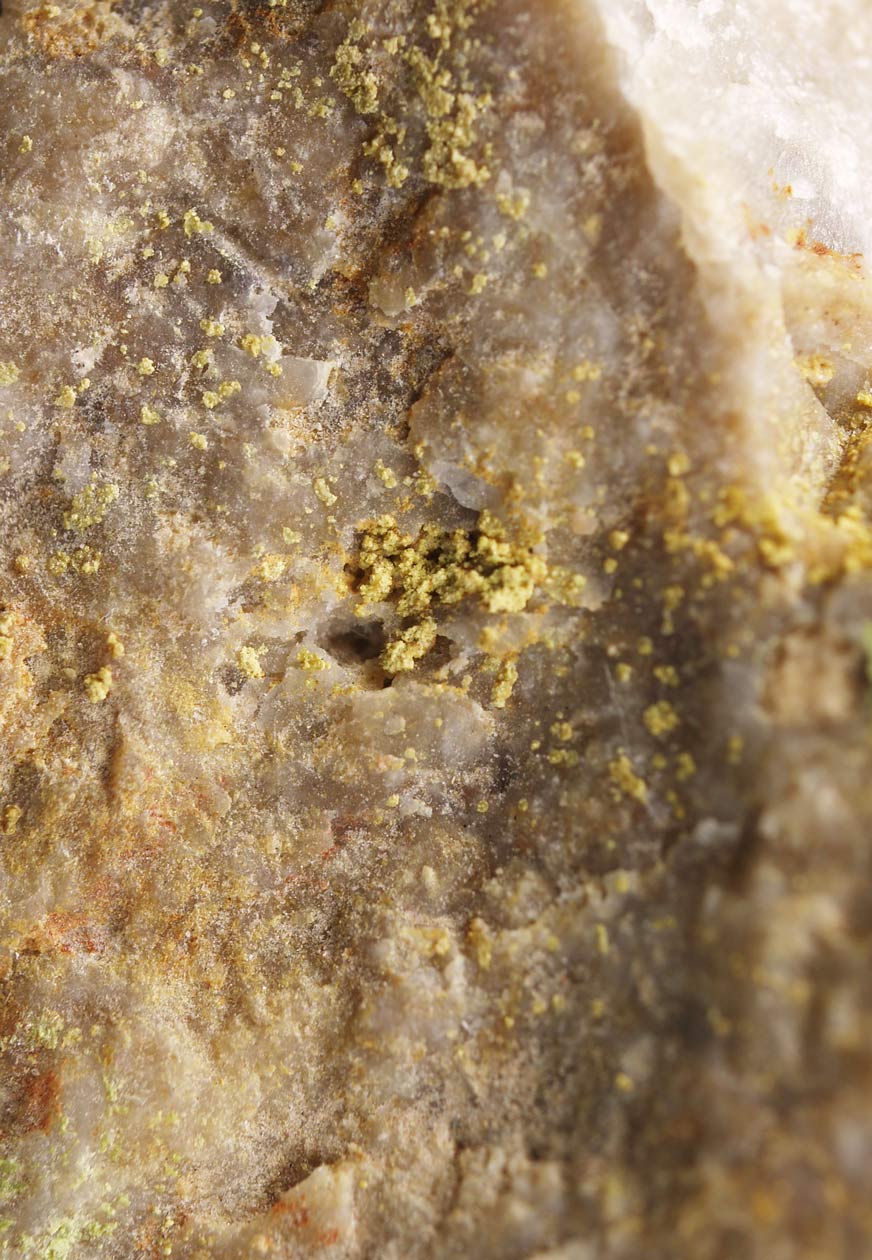
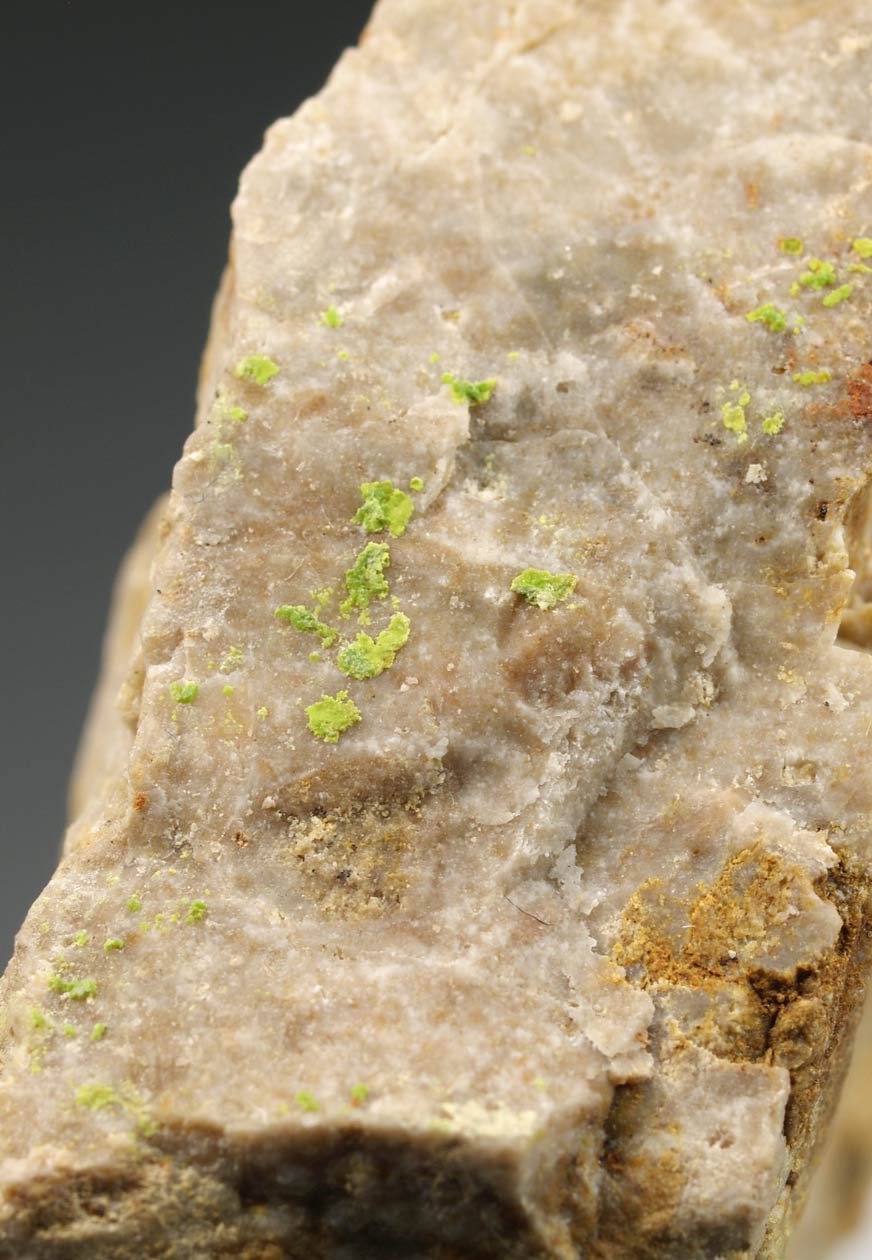
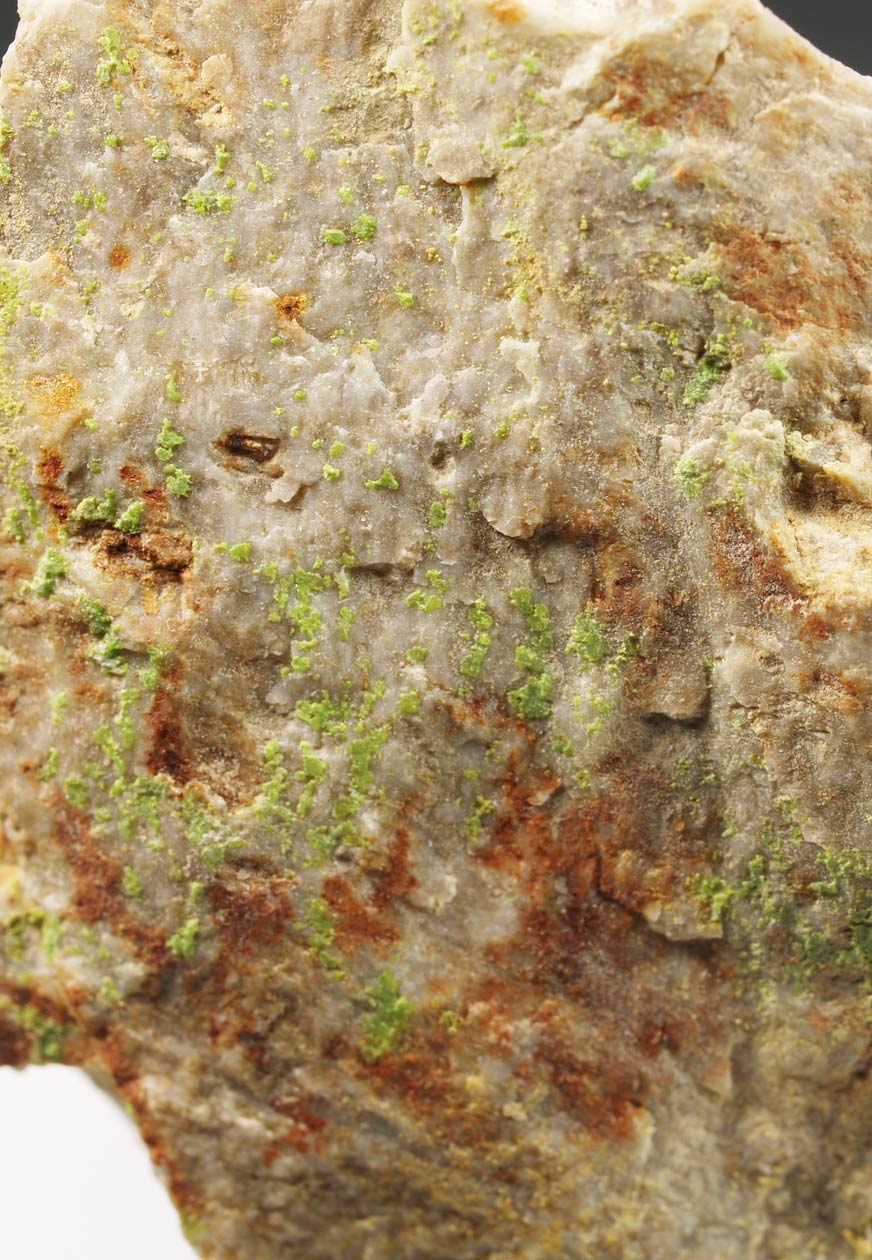
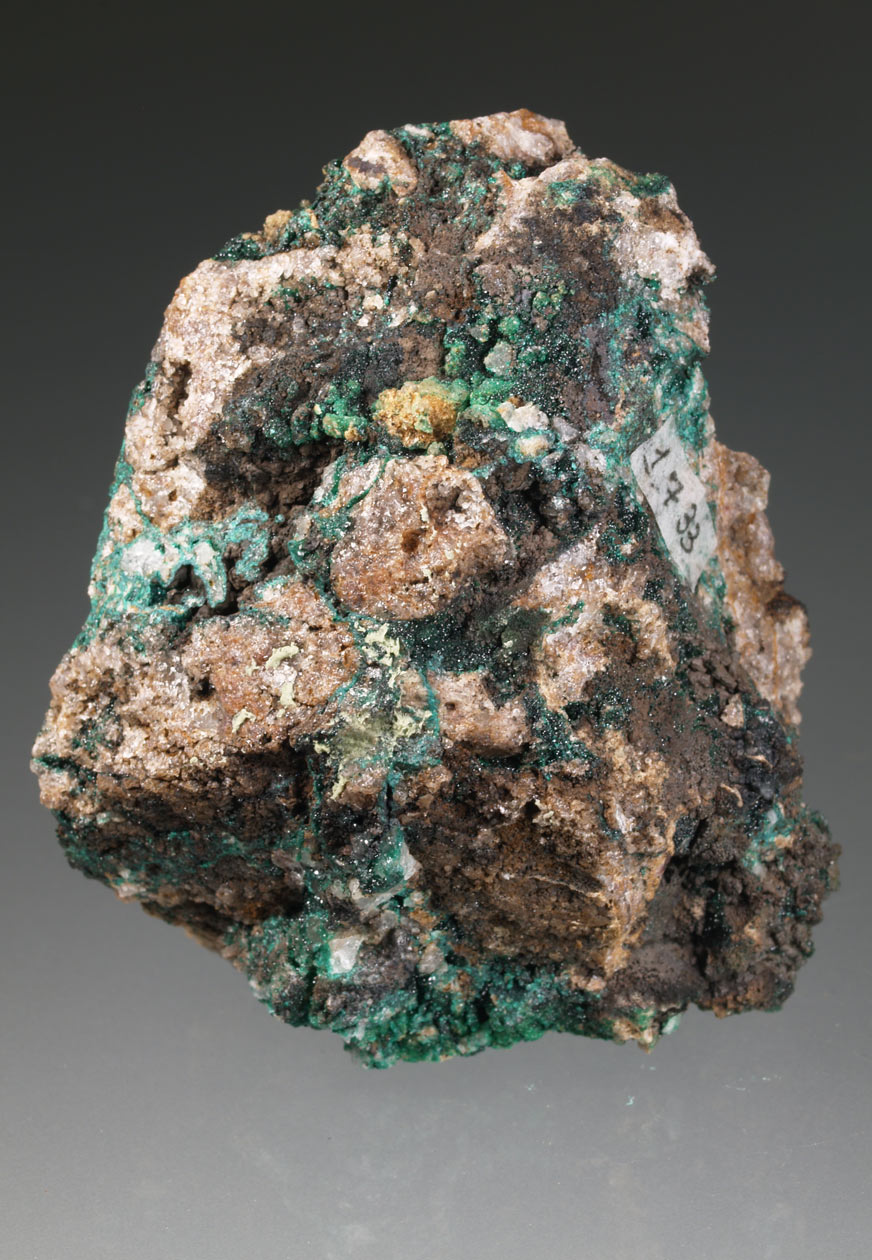
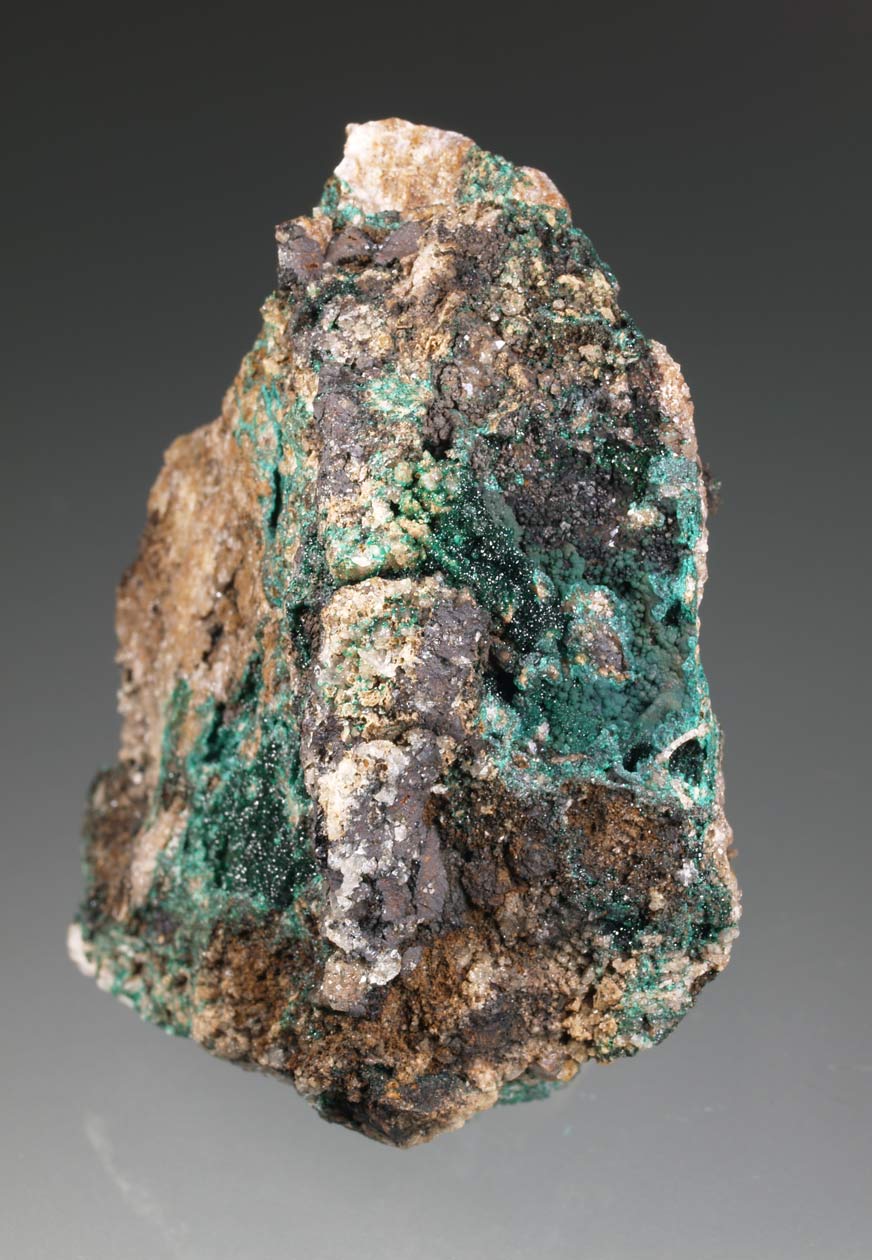
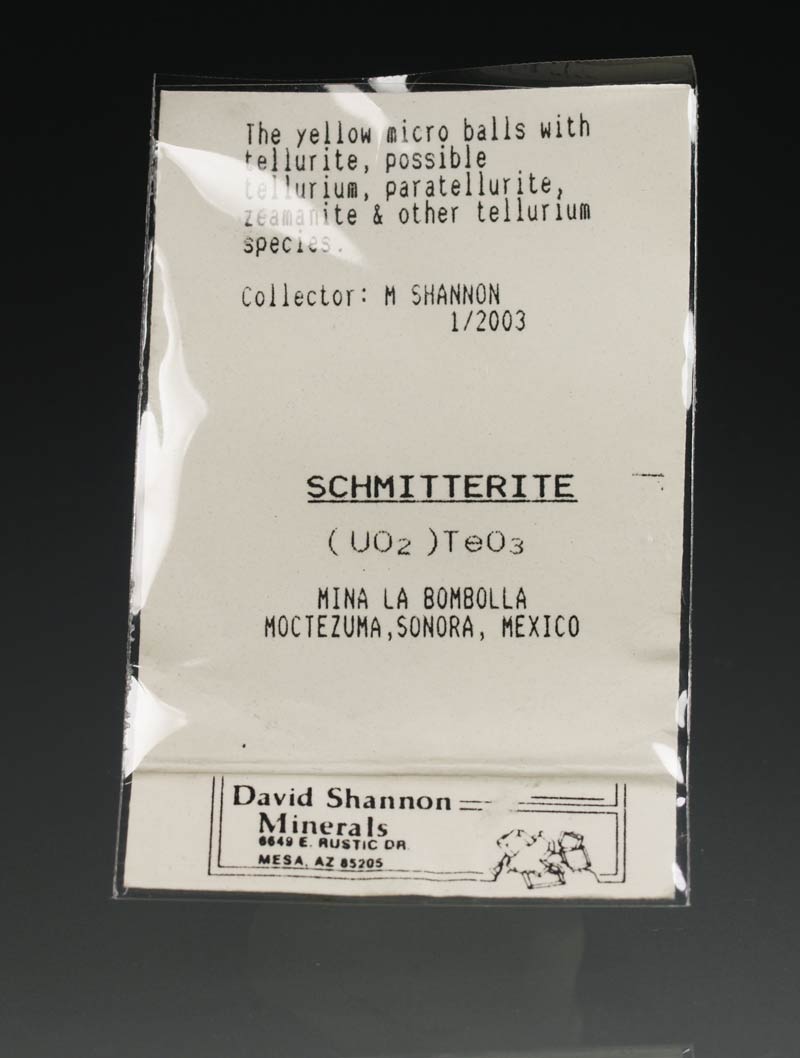
Yellowish globular aggregates of this rare uranyl tellurite, whose type locality is this Mexican mine. It is accompanied by green aggregates of emmonsite. It comes with the David Shannon label (2003) and belonged to the Nicolau collection (Barcelona).
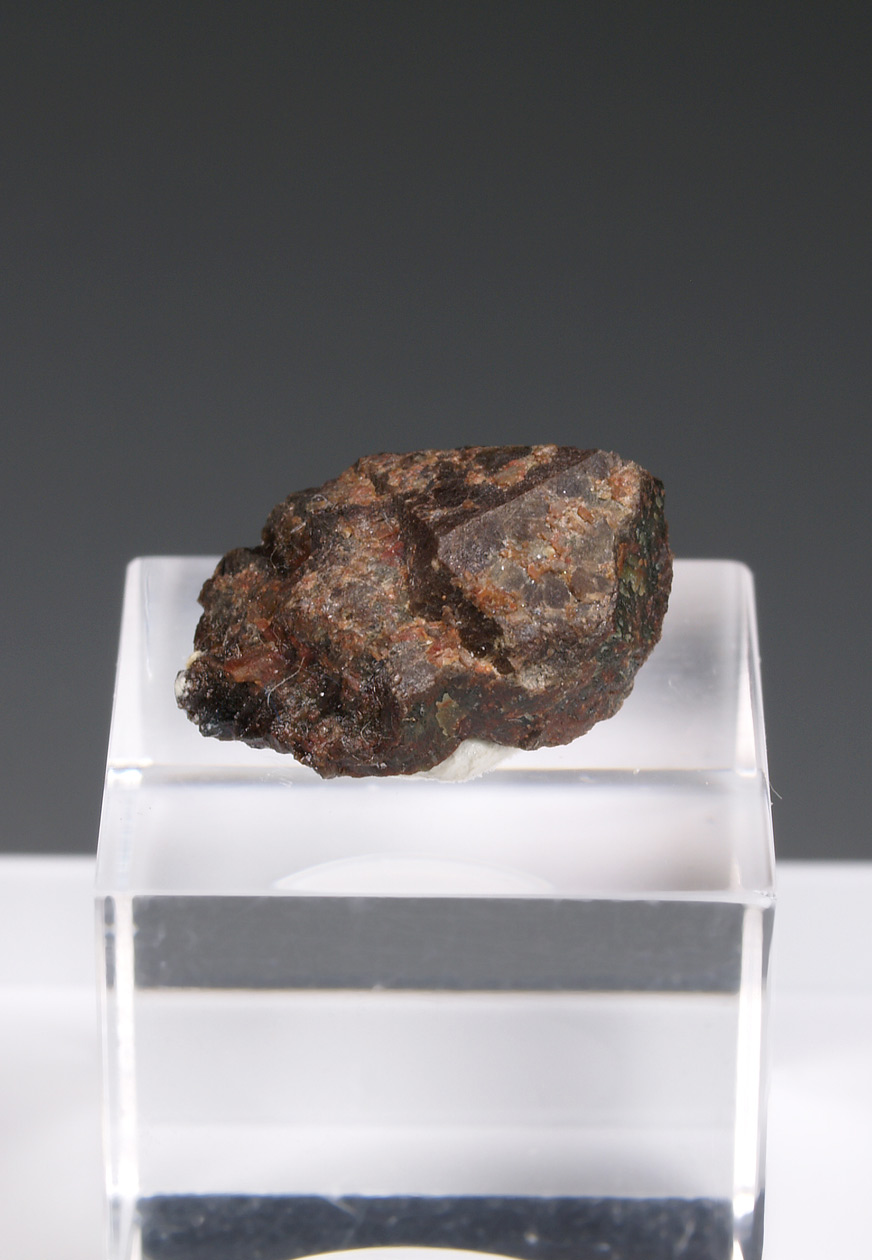
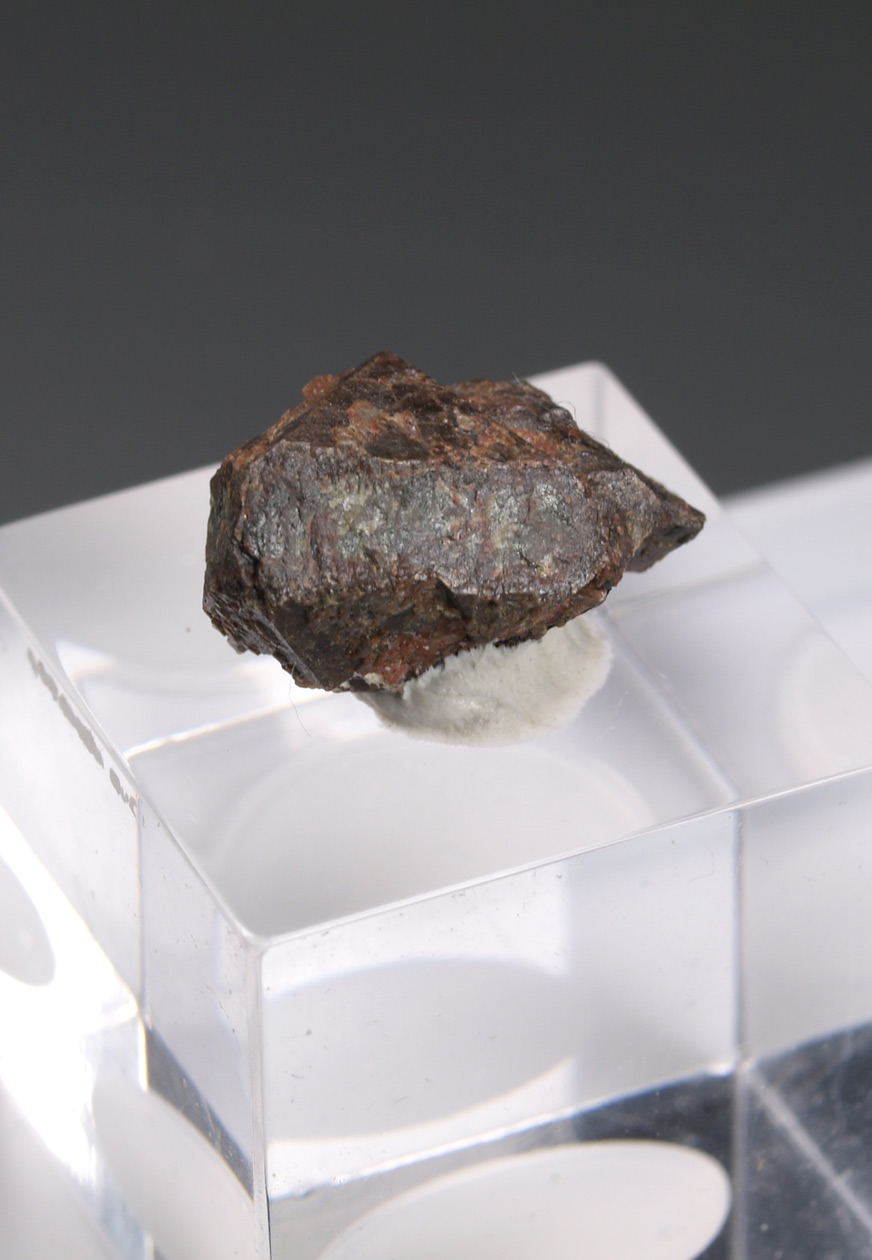
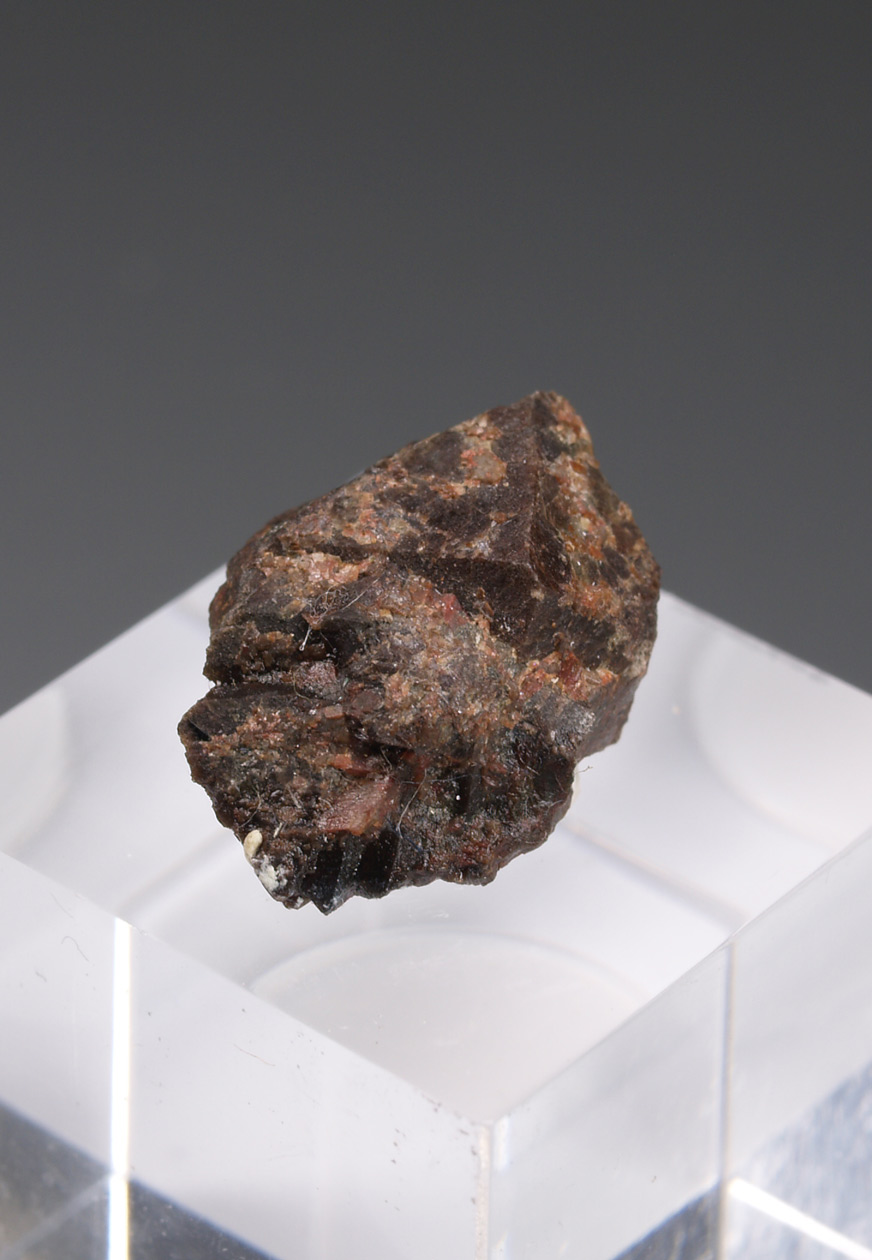
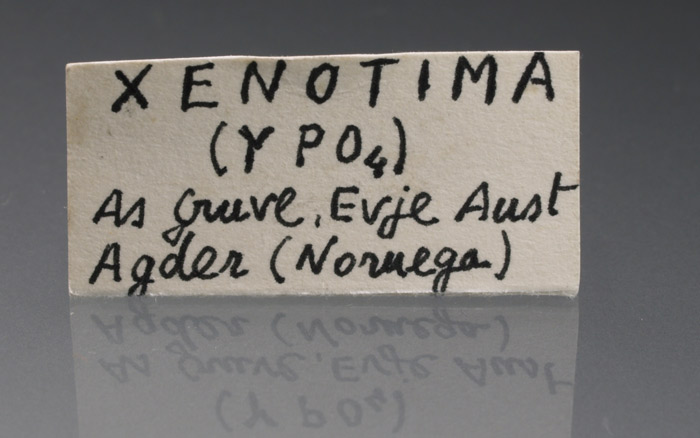
Xenotime-(Y) crystal from a classic Norwegian locality, close to the type locality for the species. Some crystal faces can be observed. This old specimen comes from the Prieto collection (Madrid).
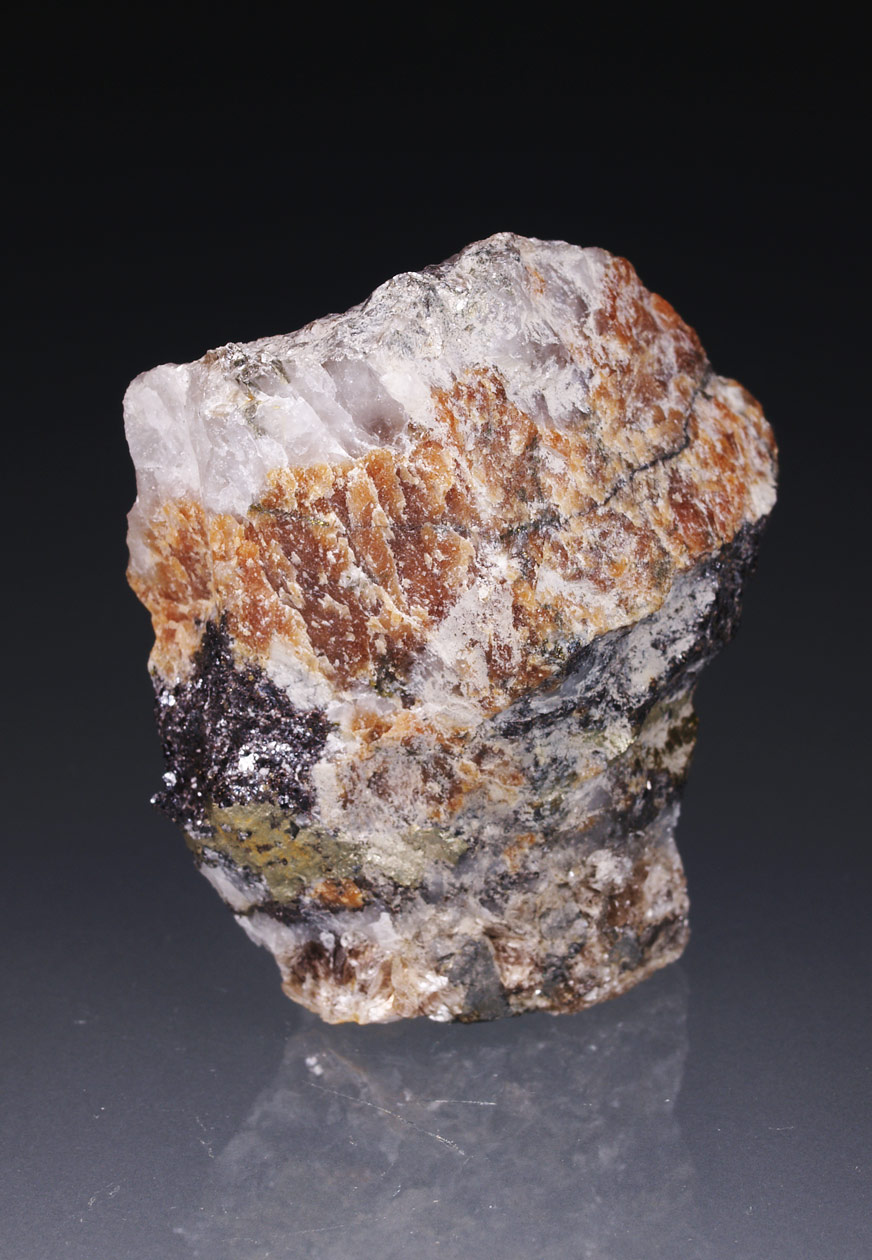
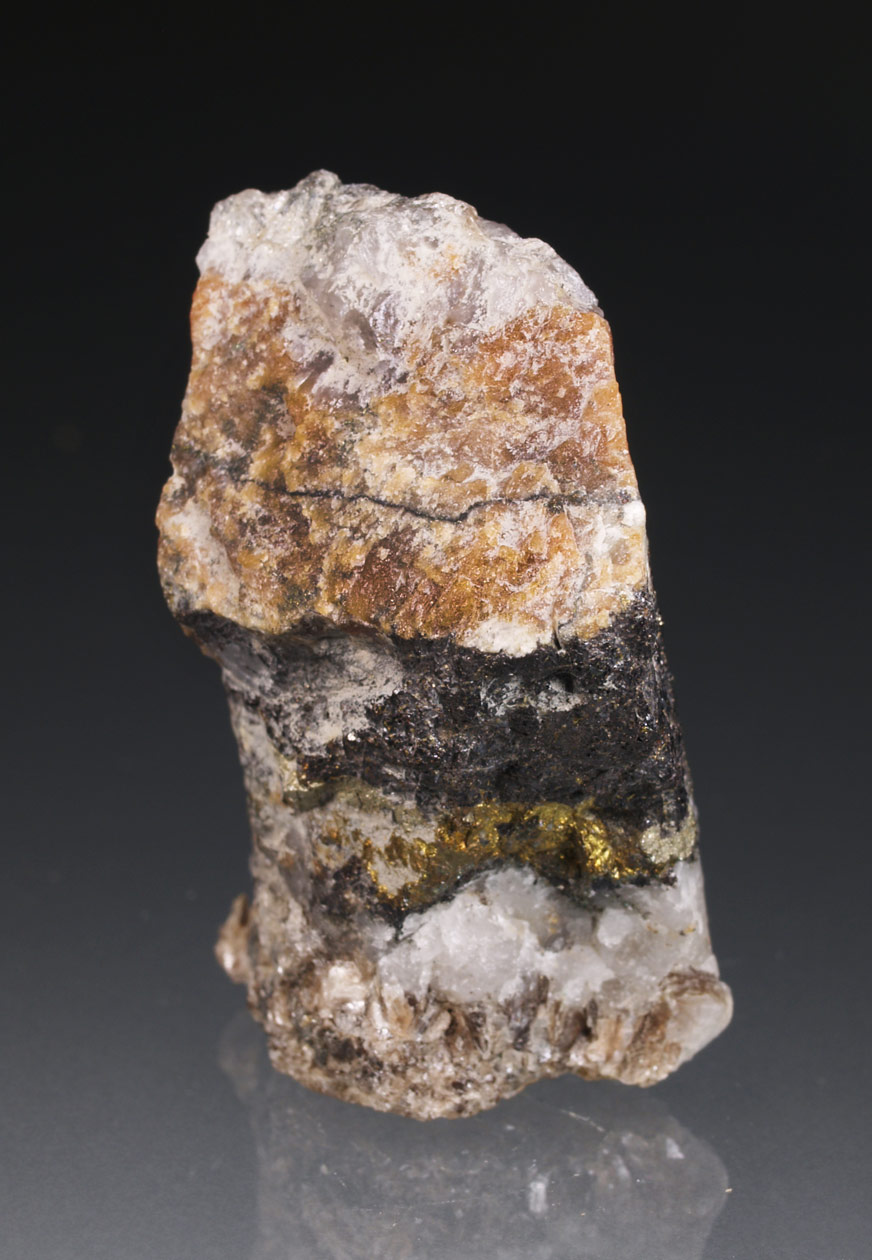
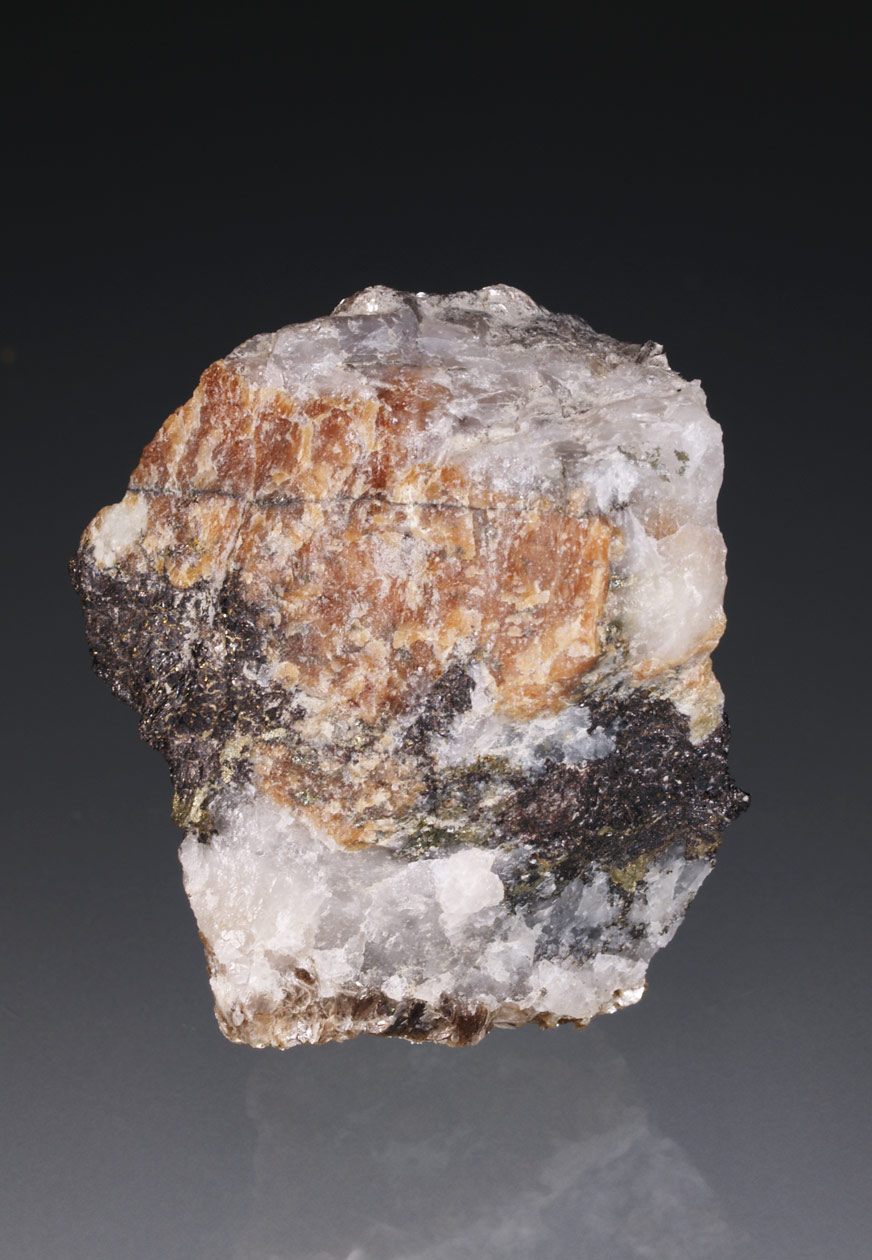
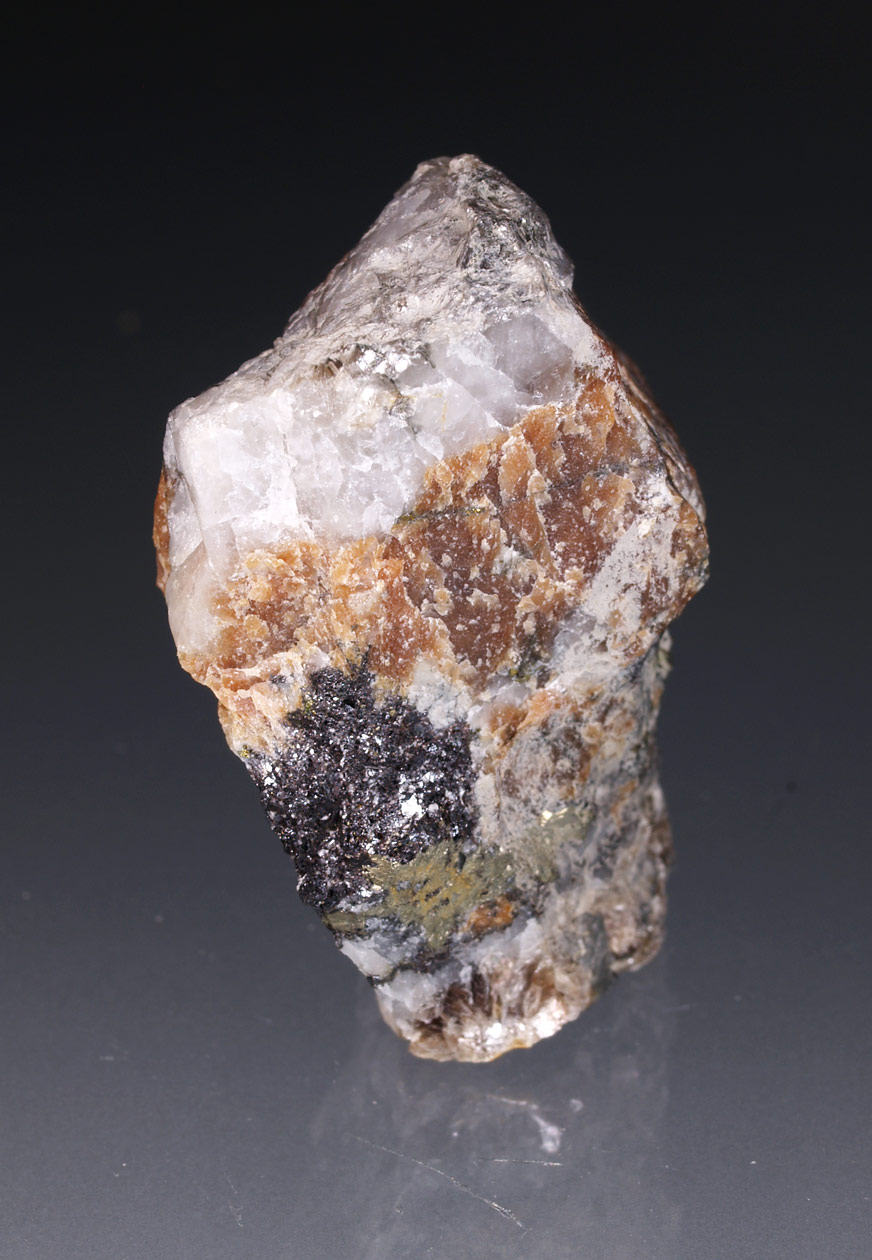
From specimens like these, this very rare species was identified: panasqueiraite. Identifying it in each sample is an almost impossible task. Panasqueiraite is a monoclinic calcium-magnesium phosphate, it would be an hydroxylated analog of isokite. In Panasqueira, its type locality, it is found as massive fine-grained aggregates together with other phosphates (fluorapatite, thadeuite, wolfeite, triplite, althausite and vivianite), with topaz, quartz and sulfides (arsenopyrite, pyrrhotite, chalcopyrite and sphalerite) in veins hydrothermal. The panasqueiraíta closely resembles the thadeuíta and the wolfeíte.
Panasqueiraite crystals are not known, but there are always exfoliation planes {010}, also for thadeuite (Caries Curto, Jordi Fabre: The Panasqueira Mines. The Mineralogical Record, January-February 2014, volume 45, number 1).
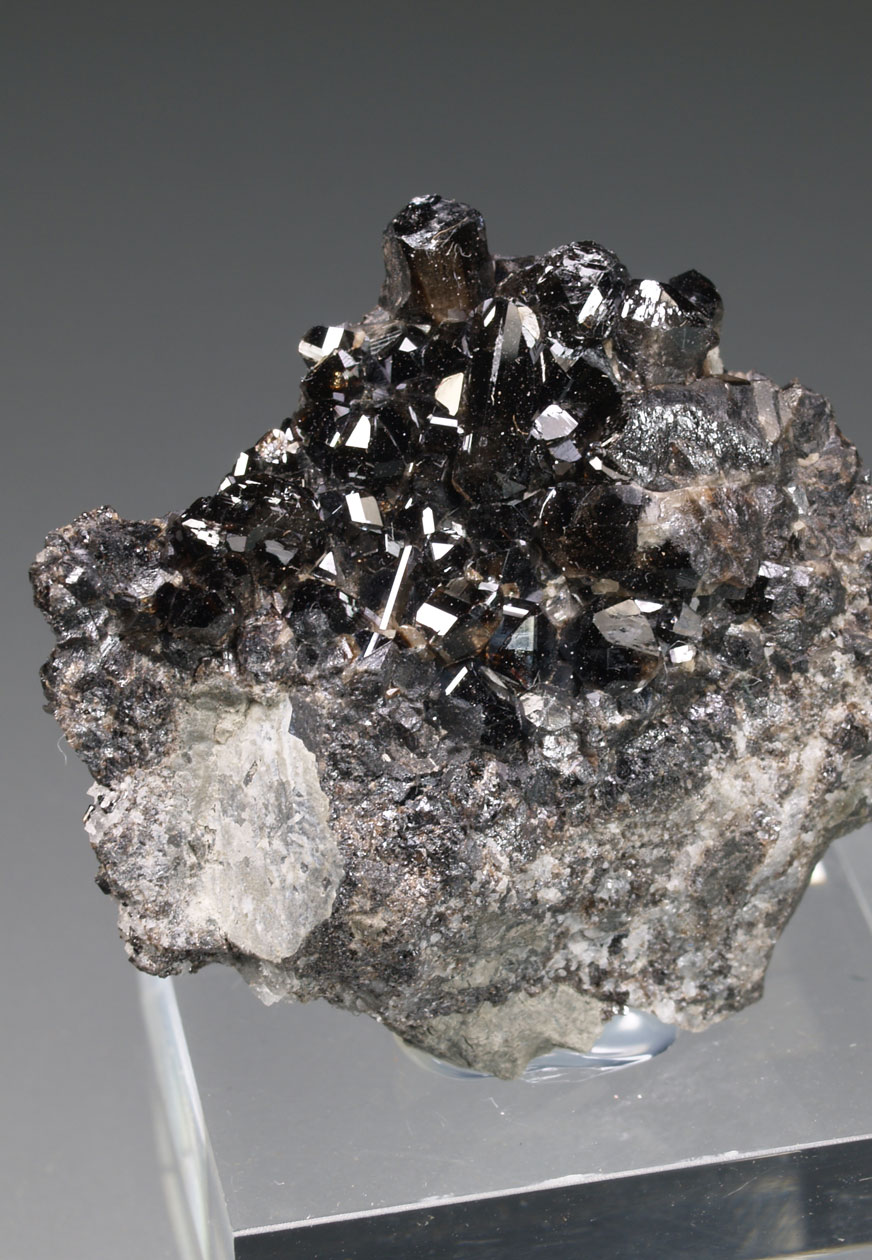
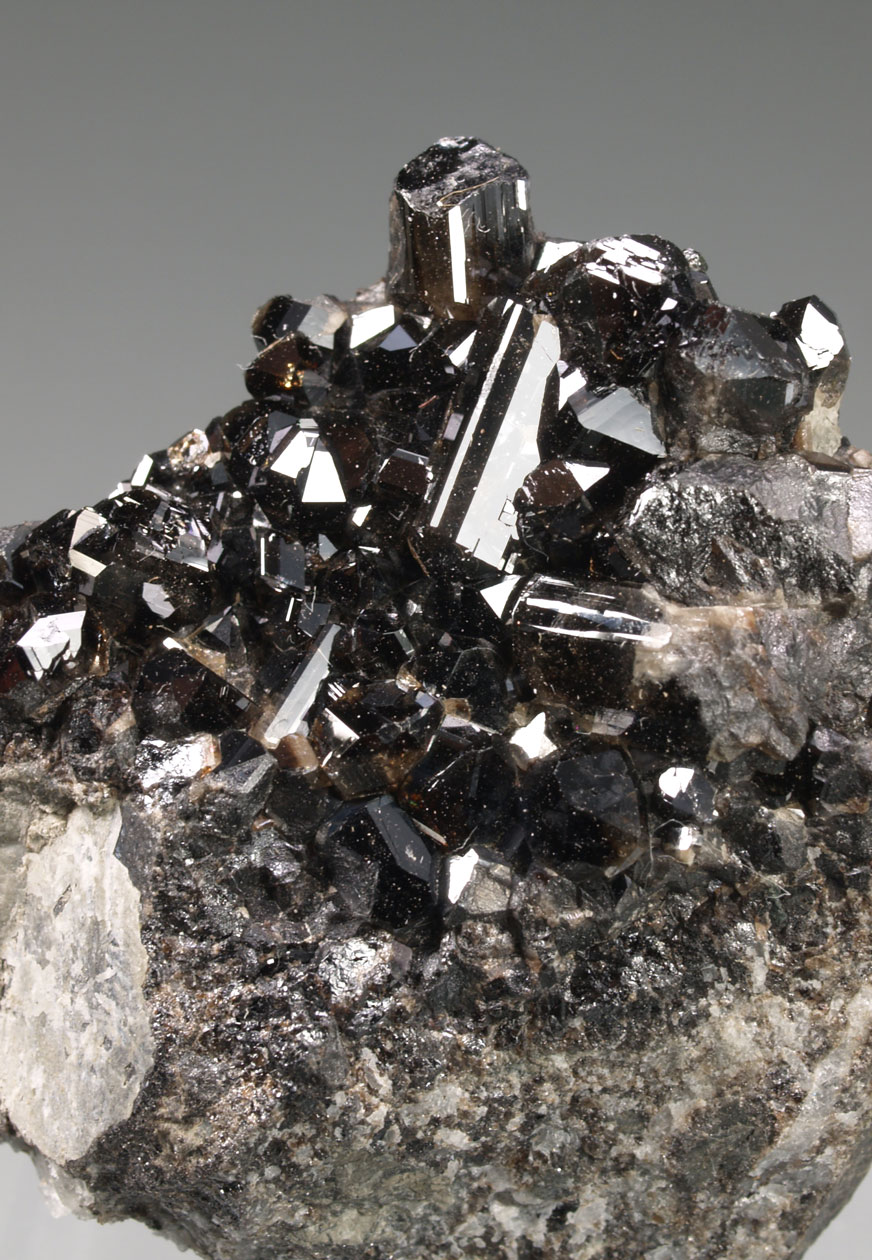
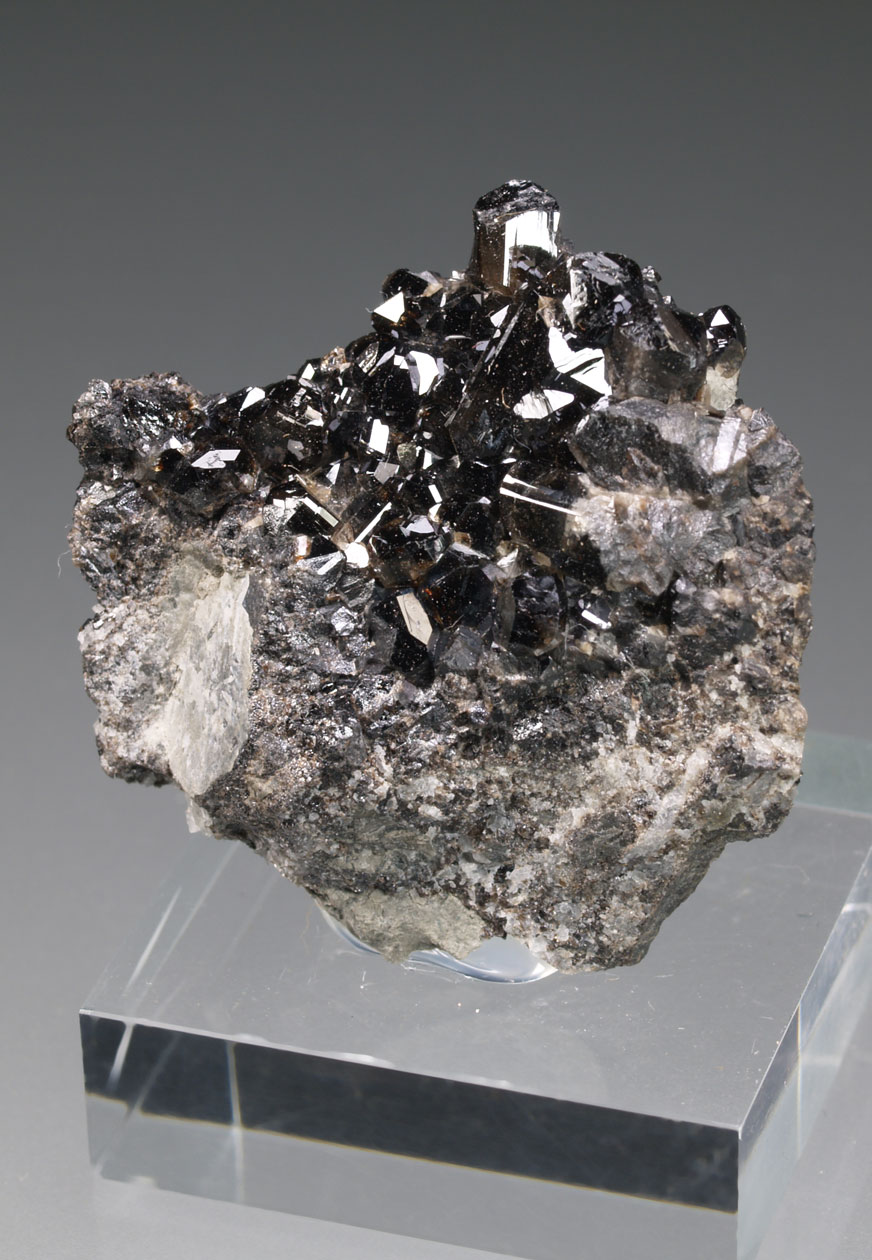
A striking specimen composed of numerous prismatic, highly faceted cassiterite crystals with exceptional luster and translucency, displaying a honeyed hue. This is an excellent old specimen from the little-known Seal Hole mine in Cornwall. A very showy and uncommon specimen in this mine.
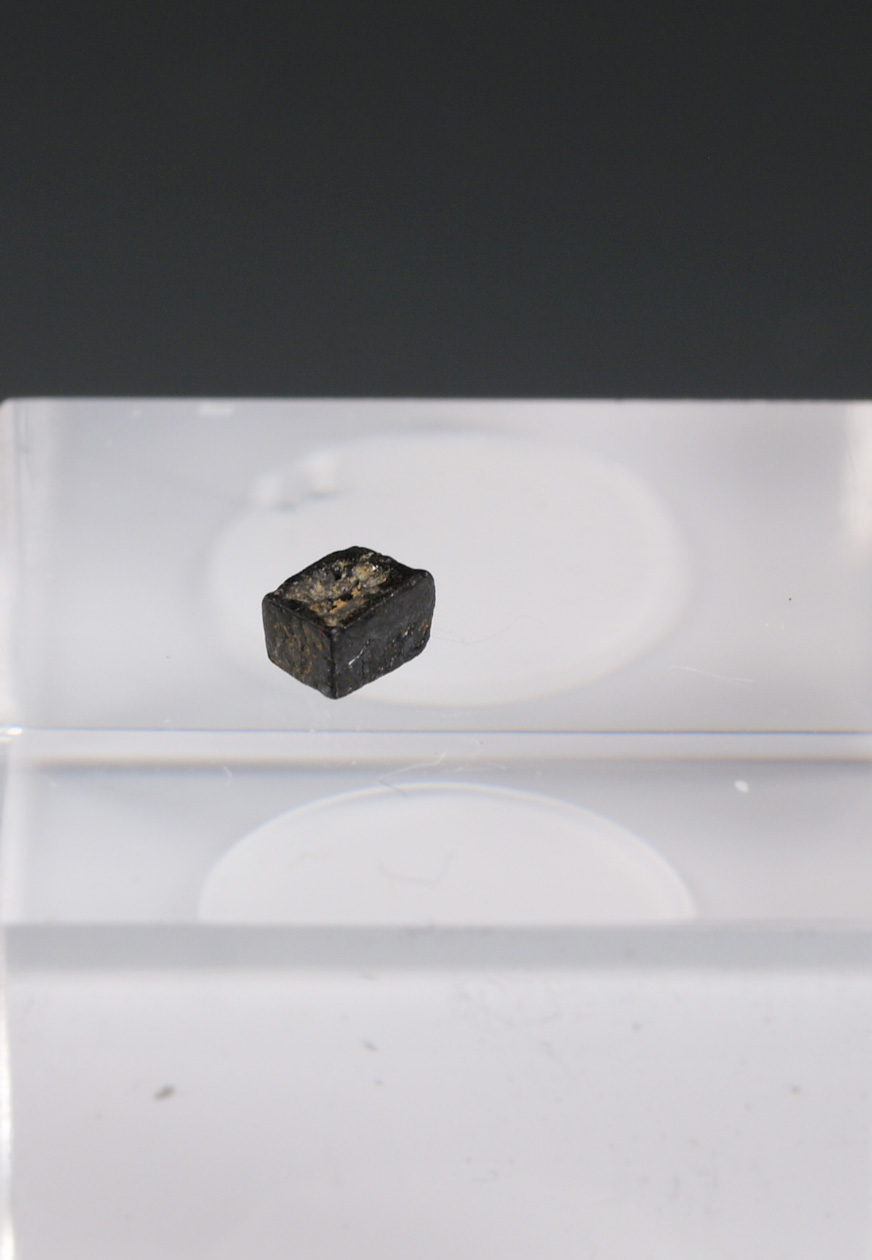
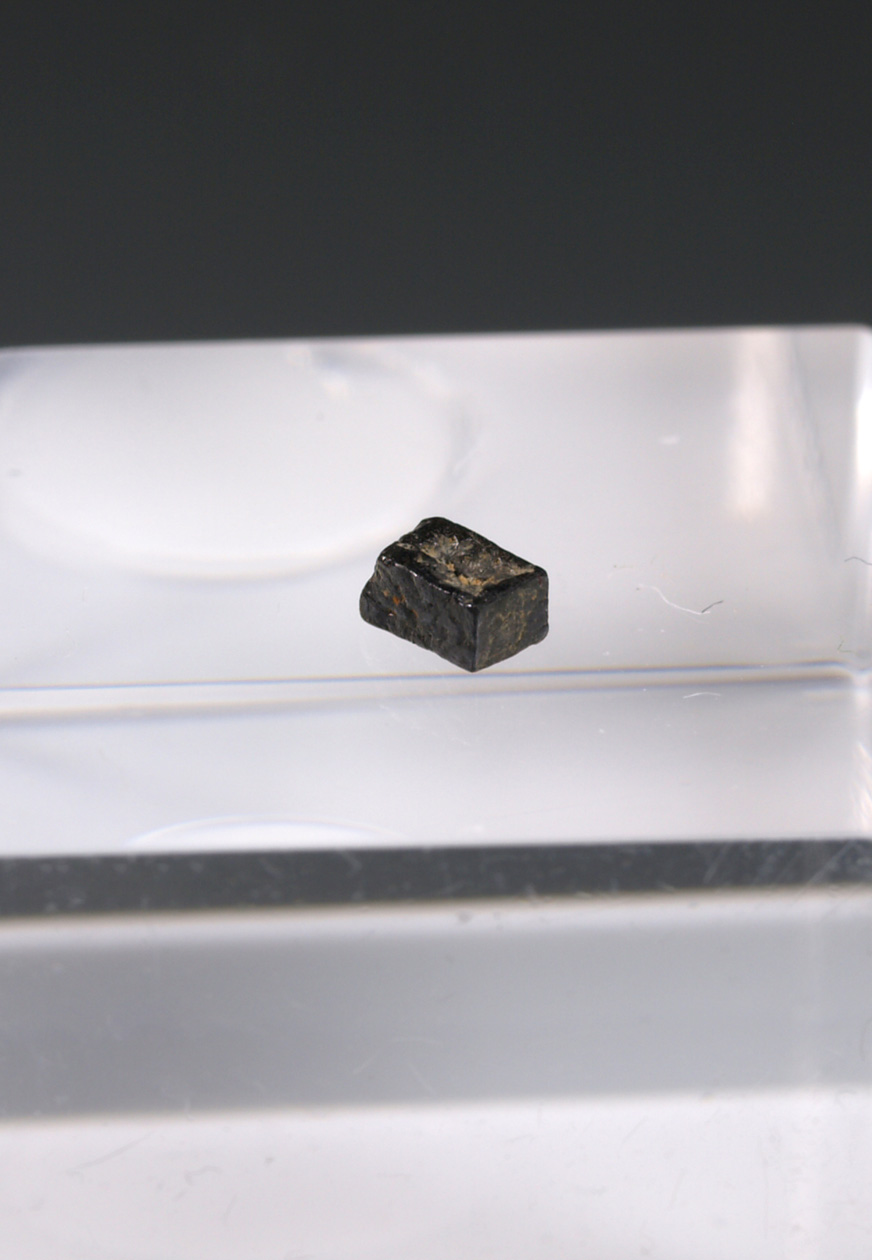
Small cubic crystal of thorianite, bright and well defined. Perhaps the most interesting aspect of the specimen is that it comes from the type locality for the species, in Sri Lanka. From the C. Prieto collection (Madrid).
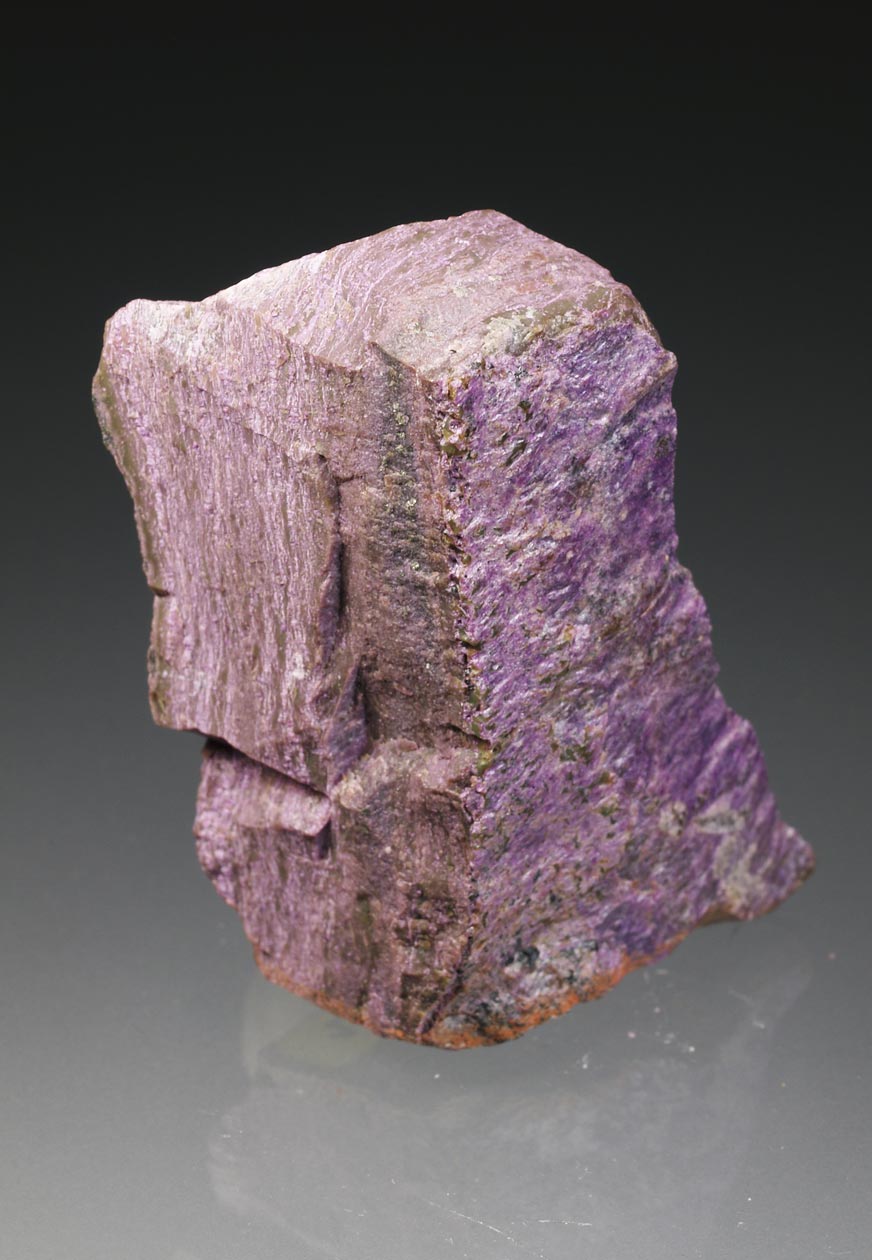
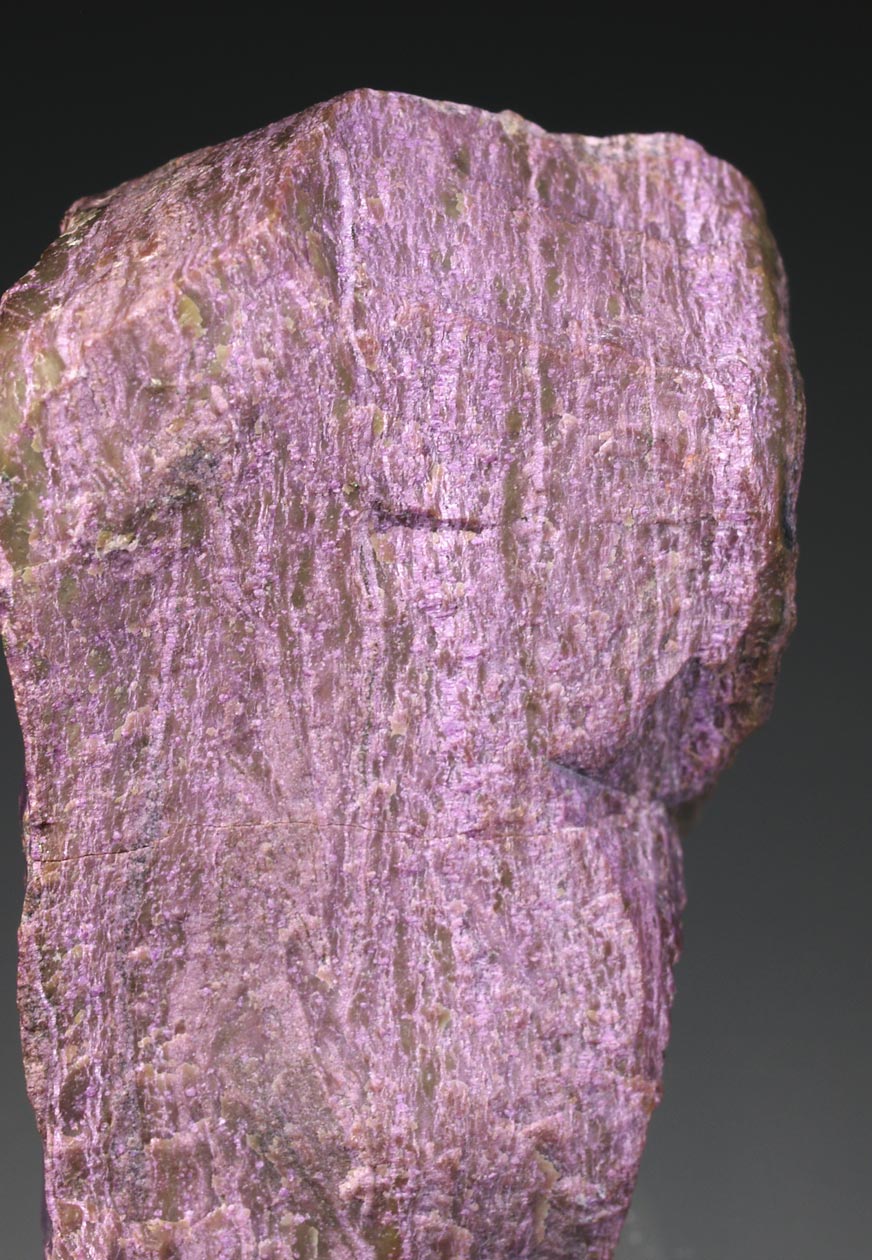
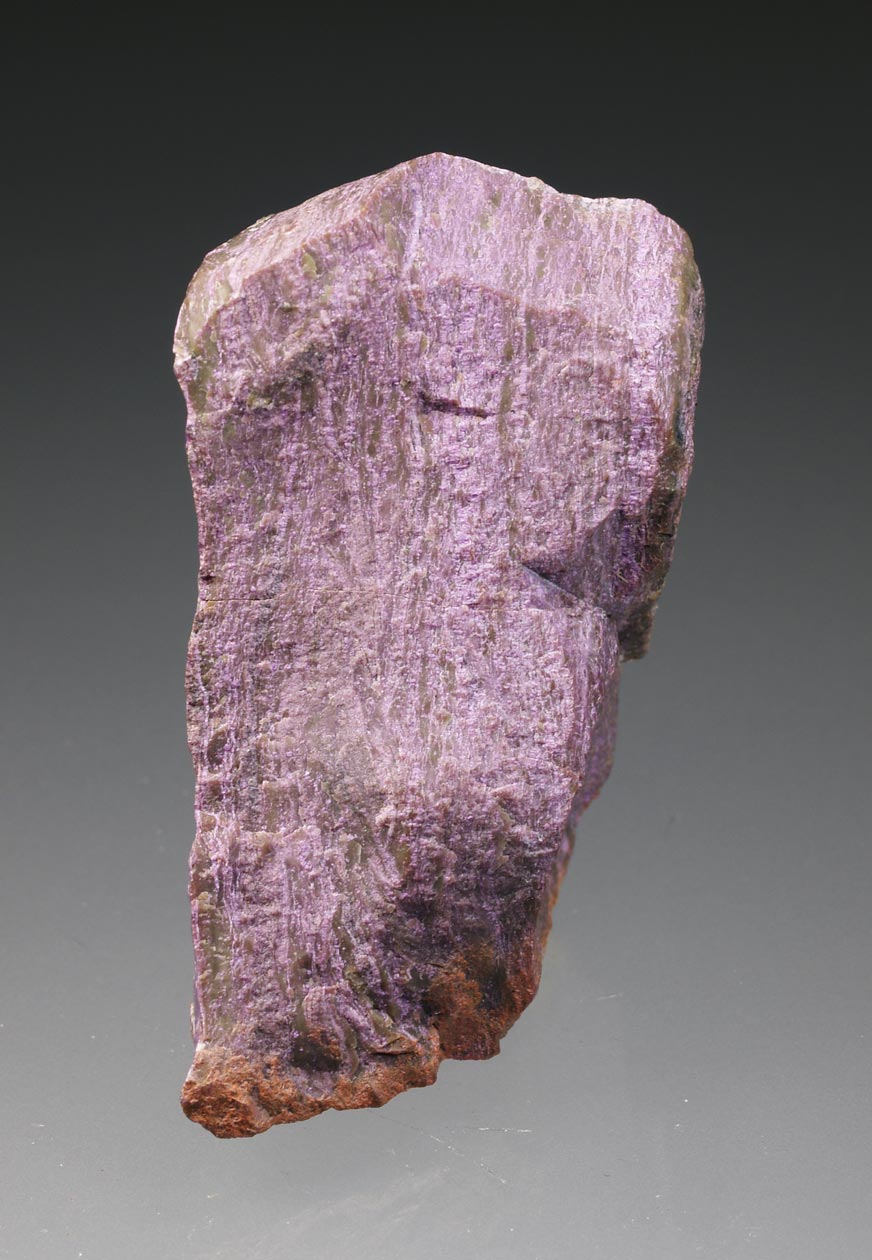
This specimen consists of numerous veins of violet-colored stichtite, accompanied by veins of serpentine. Stichtite is a rare hydrated magnesium and chromium carbonate. The species is named after Robert Carl Sticht, the renowned American copper metallurgist and mine manager. At Kaapschehoop, stichtite occurs as irregular to rounded masses or as veinlets, generally less than 1 mm wide, within the serpentine.
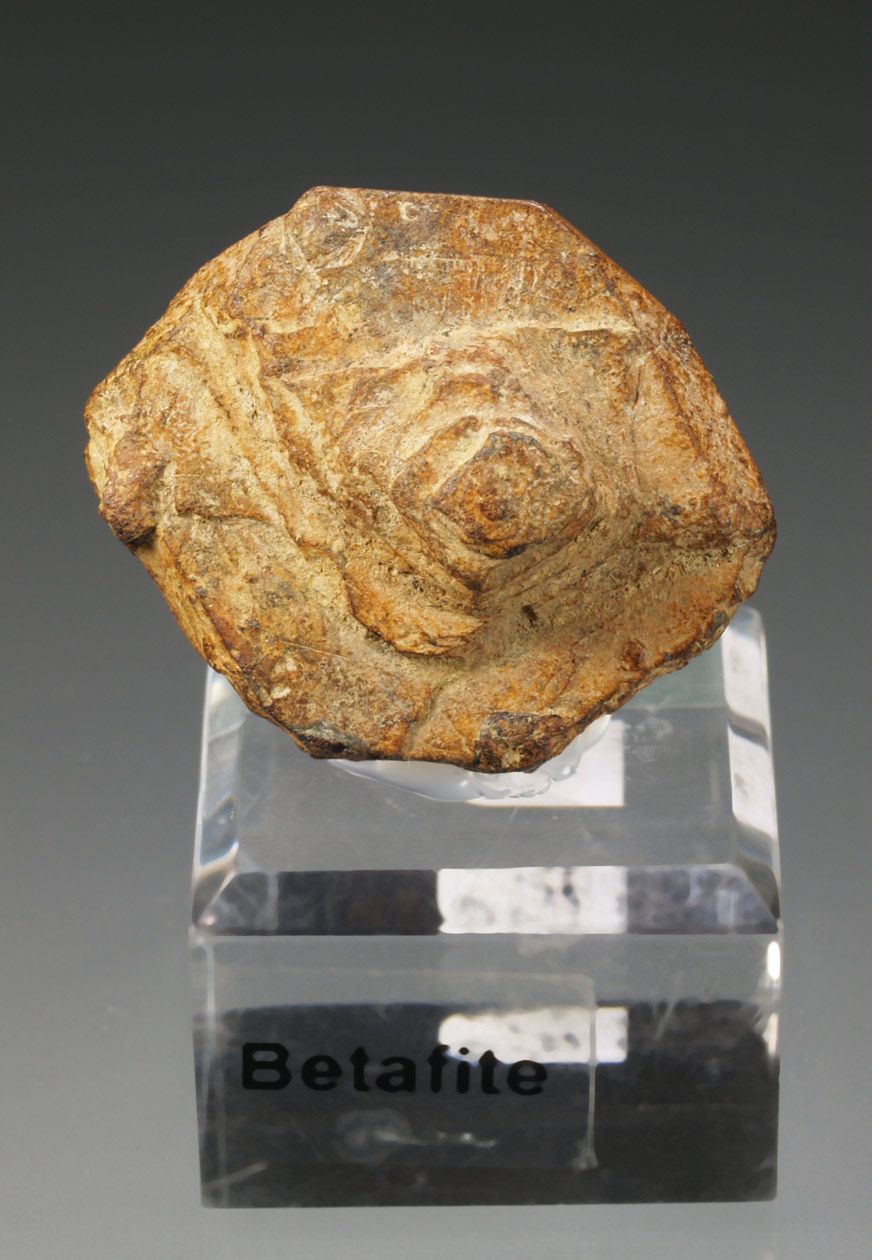
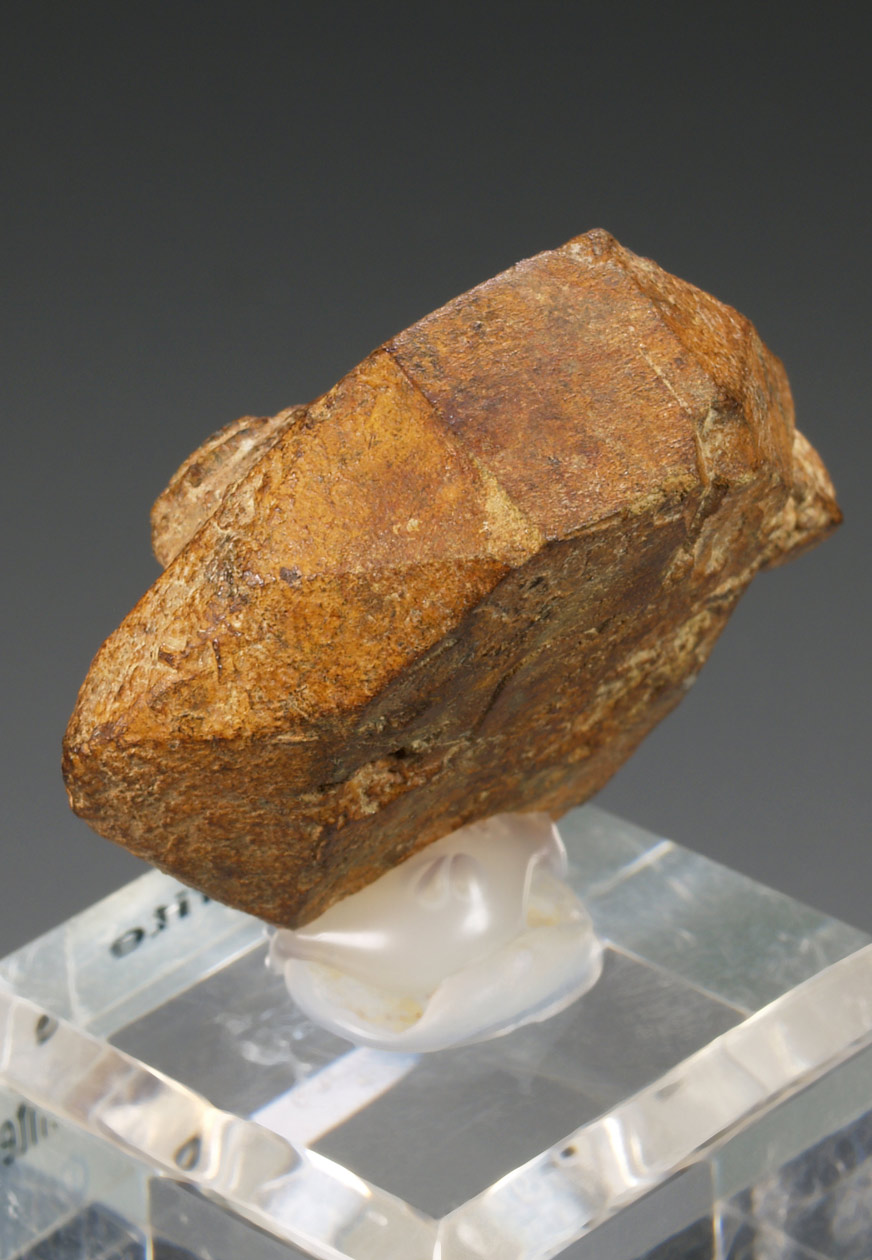
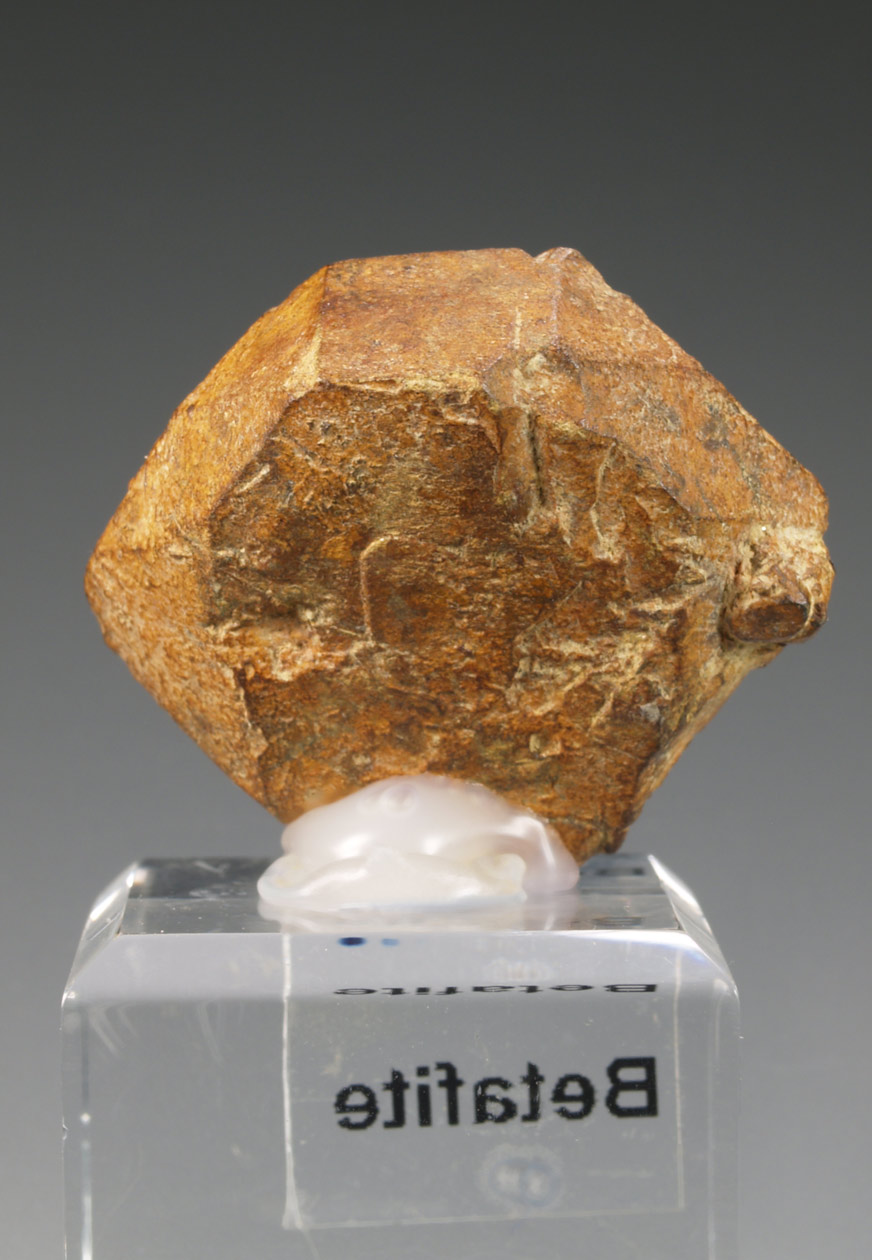
A huge size crystal of betafite showing defined octahedral faces (triangular) and developed dodecahedral ones. Very interesting for its crystallography and species. An oldie, classic and representative for the species.
Although the term betafite was discredited in 2010, many of us still are using this term to define this mineral when we see it. Our specimen is an uranium, calcium, titanium and niobium/tantalum oxide with radioactive activity. Currently the betafite is included as a variety within the pyrochlore supergroup. As a note, the rich uranium term has been only found in the Moon (oxyuranobetafite).
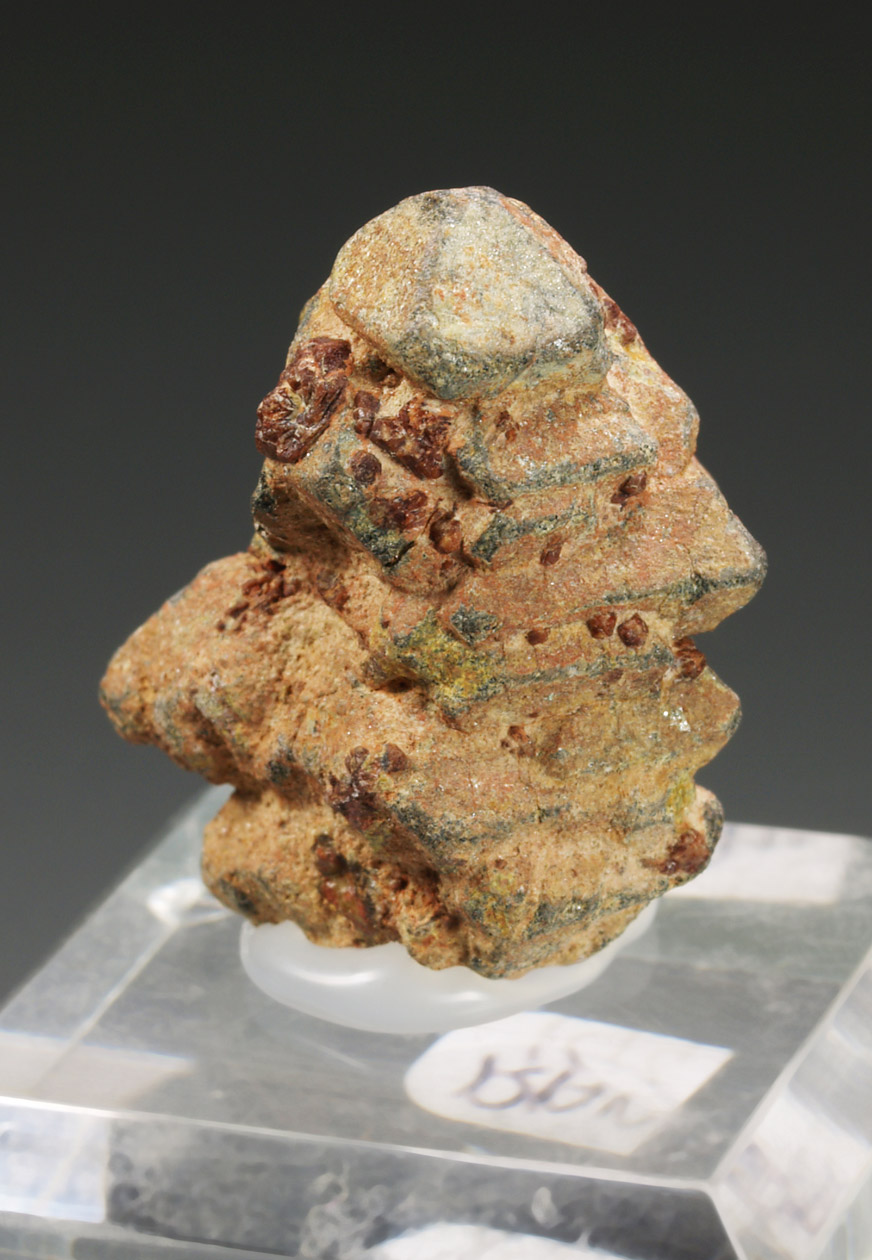
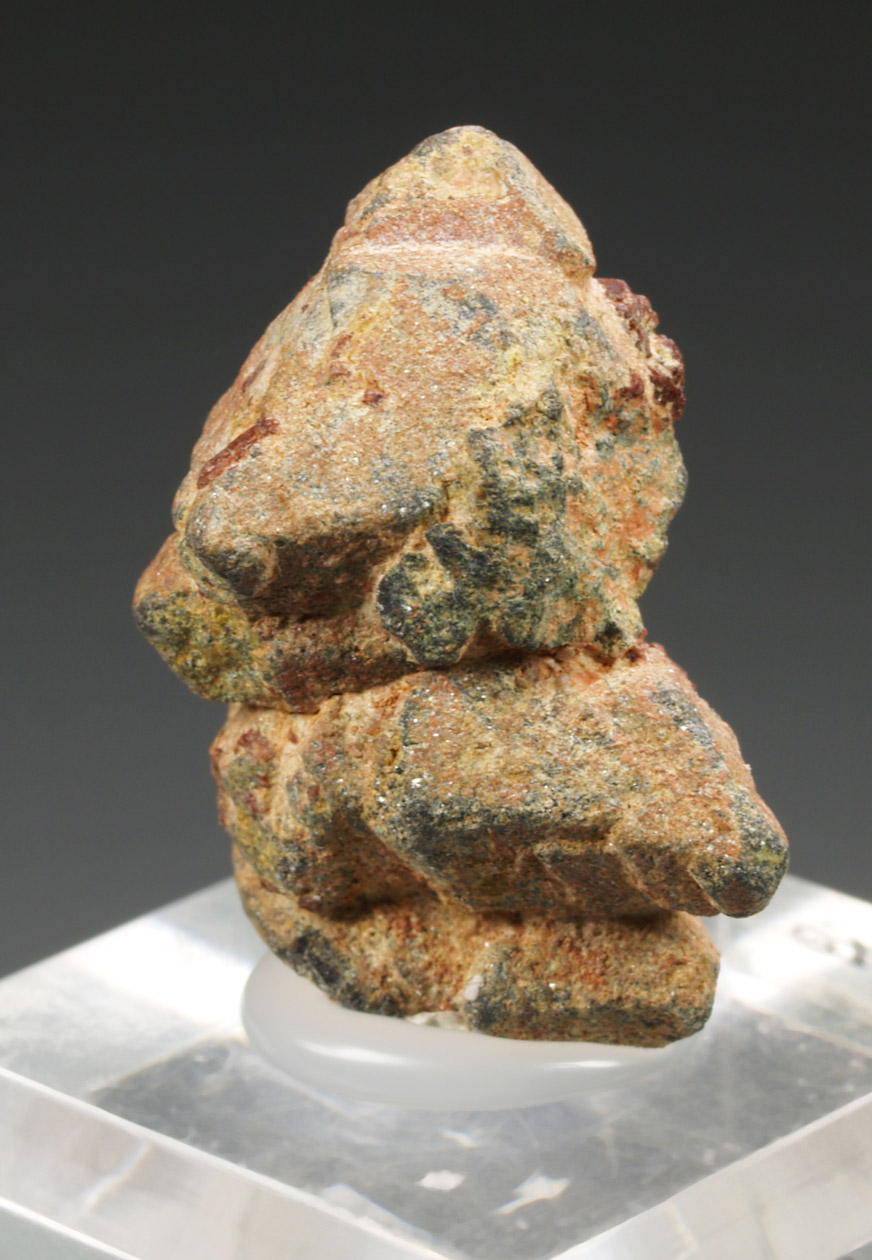
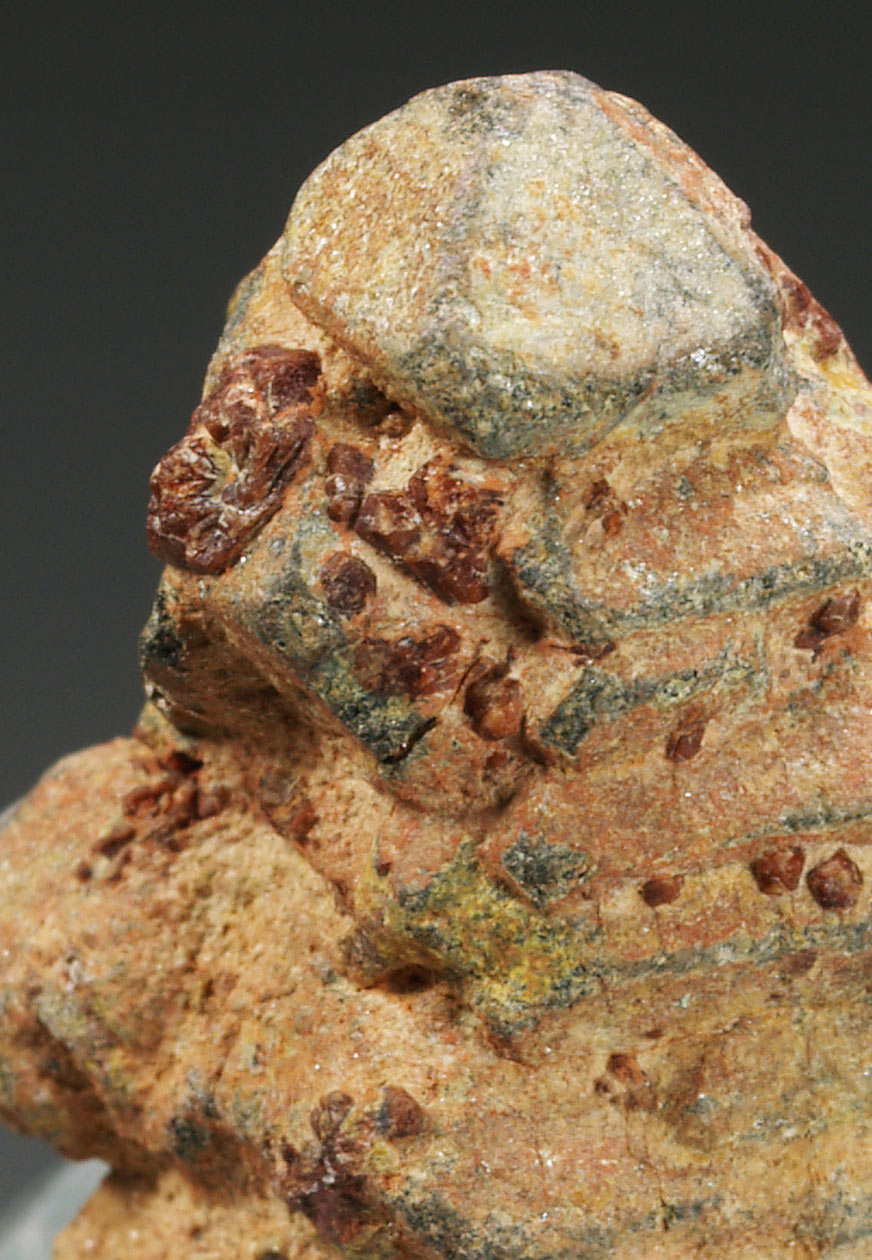
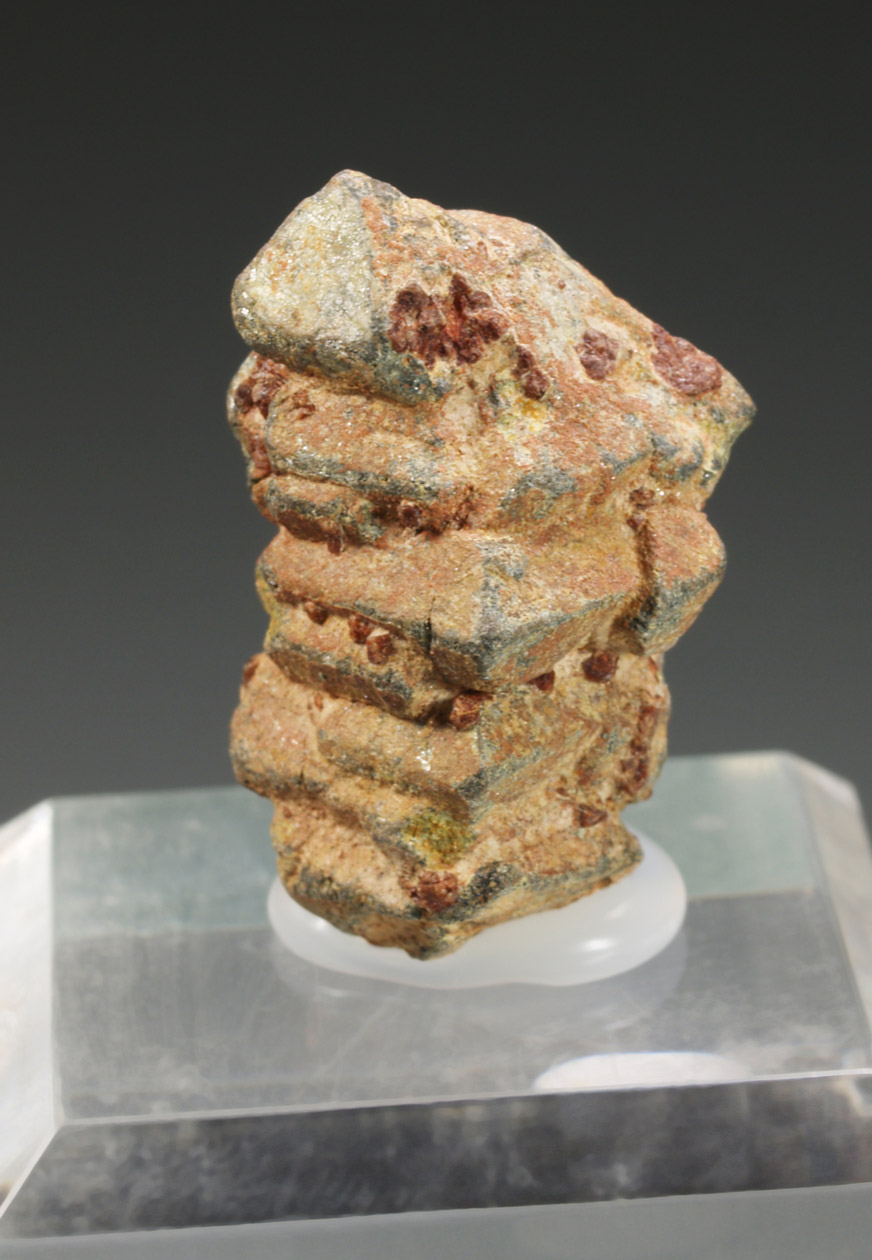
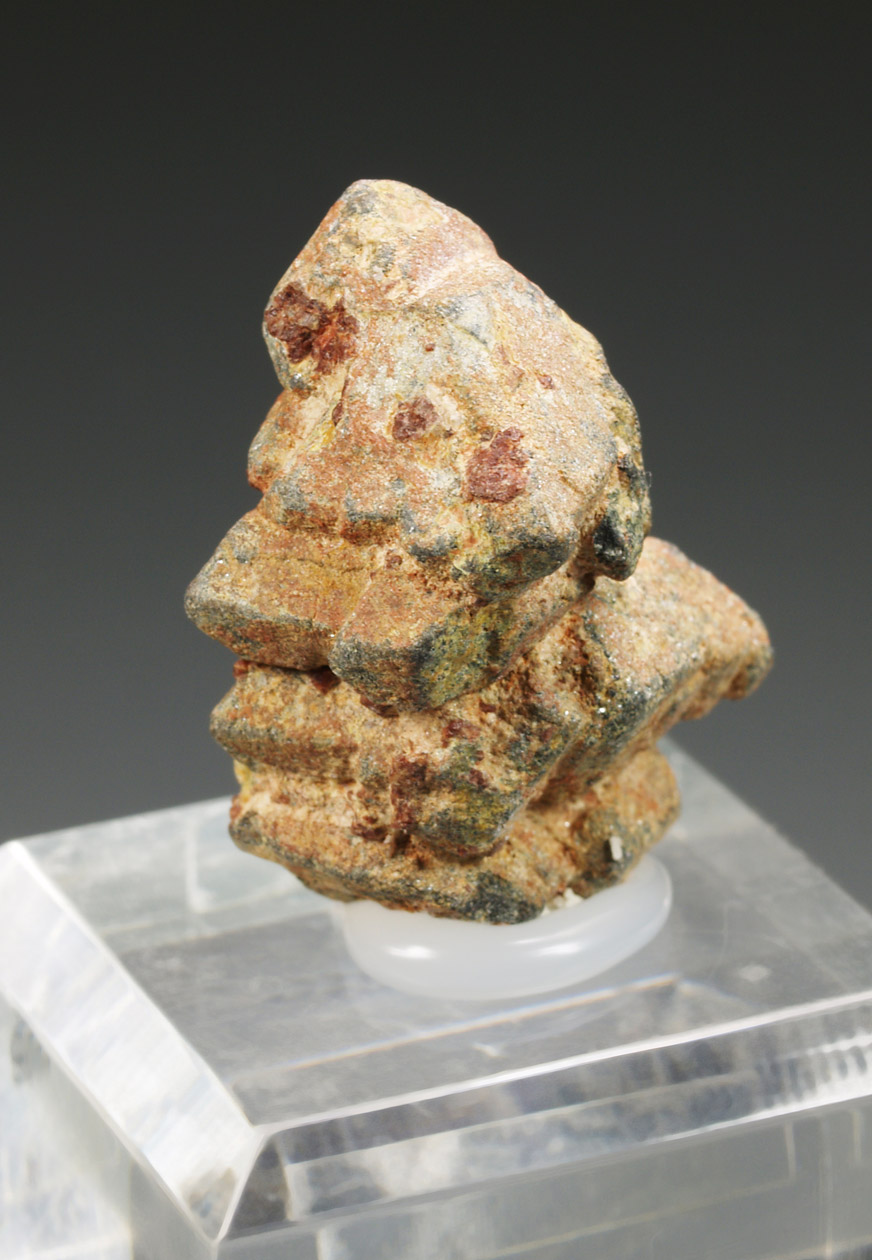
Group of betafite crystals showing defined octahedral faces (triangular), with axial growth. Very interesting for its crystallography and species. An oldie, classic and representative for the species. Although the term betafite was discredited in 2010, many of us still are using this term to define this mineral when we see it. Our specimen is an uranium, calcium, titanium and niobium/tantalum oxide with radioactive activity. Currently the betafite is included as a variety within the pyrochlore supergroup. As a note, the rich uranium term has been only found in the Moon (oxyuranobetafite).
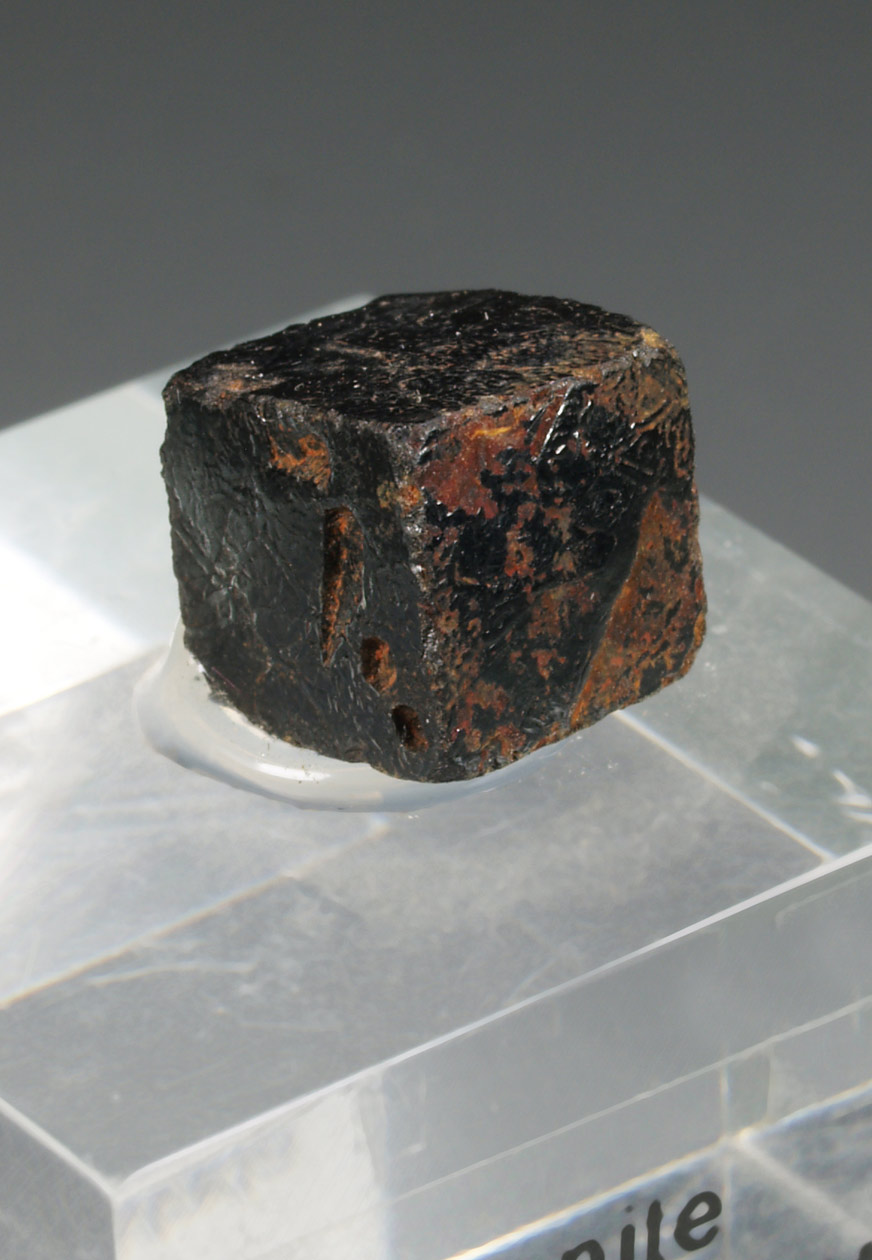
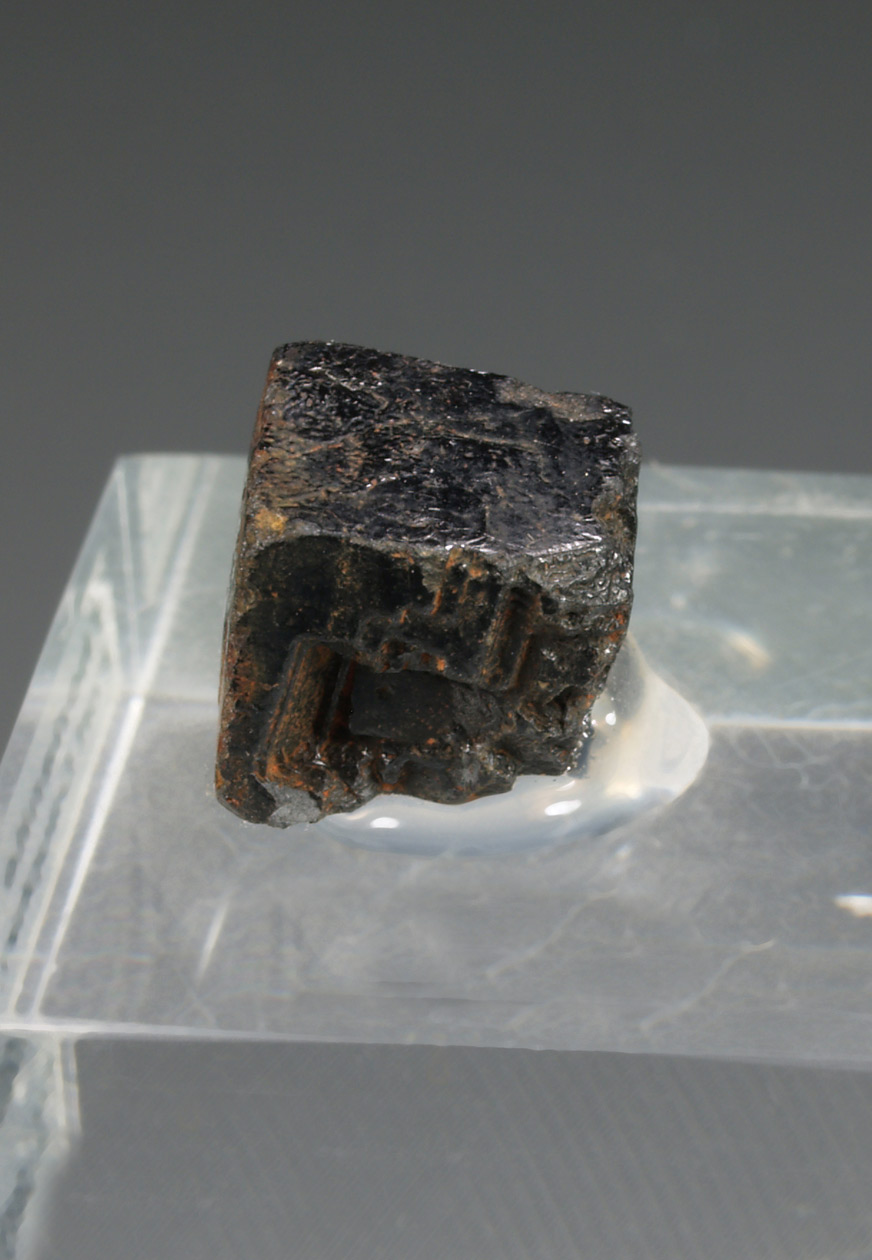
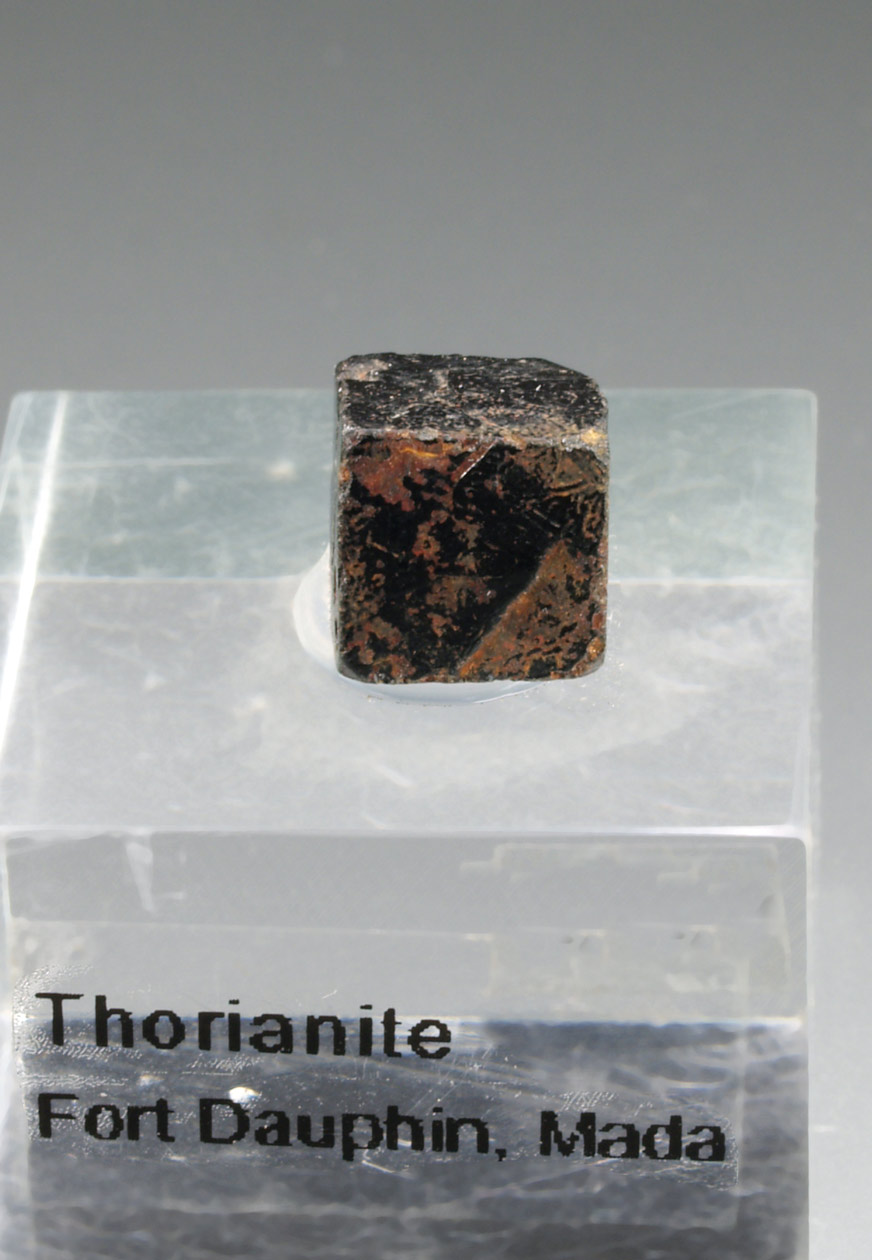
From a classic locality for the species is coming this cubic thorianite crystal, good size, intense black color and brightness. The thorianite is a thorium oxide, almost always with some uranium content, the uranothorianite variety. This specimen contains about 5-6% by weight of uranium.
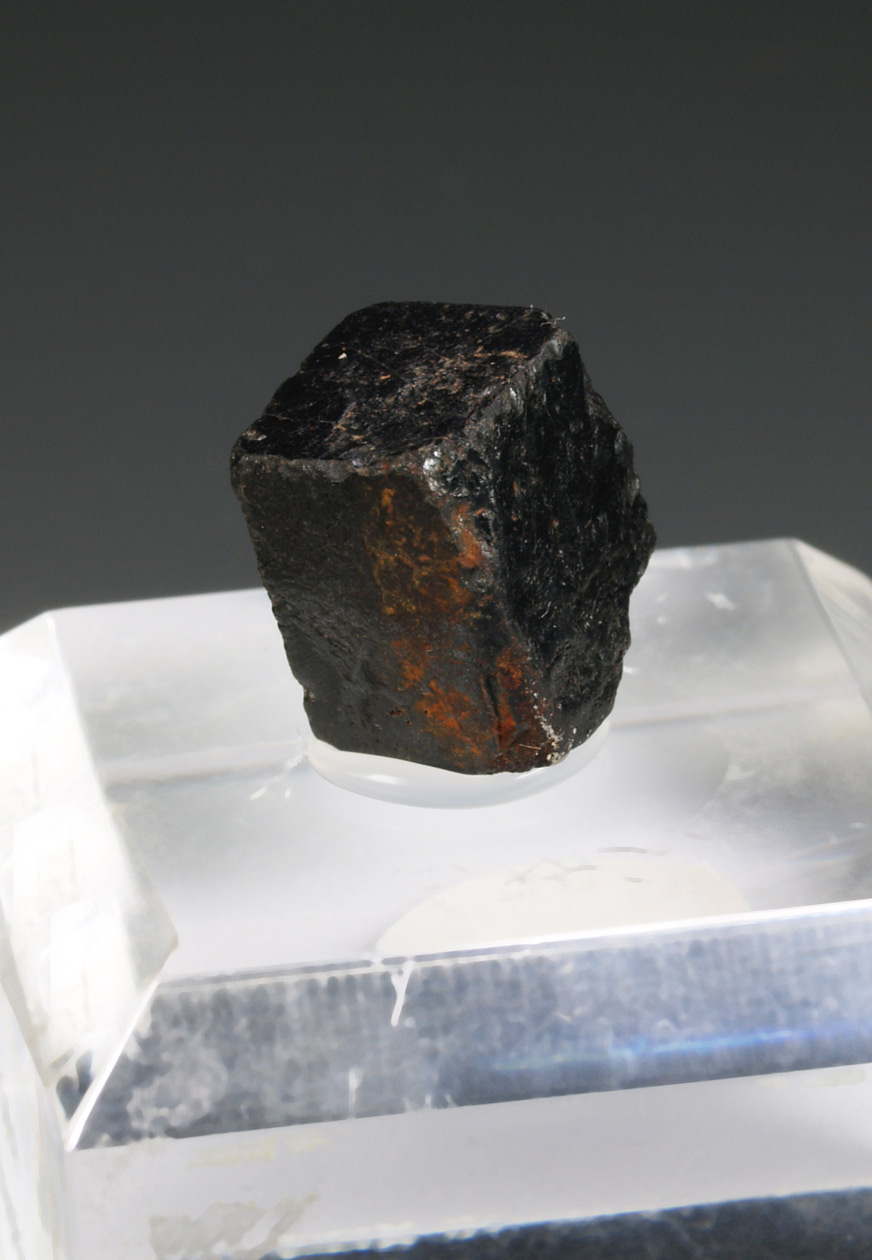
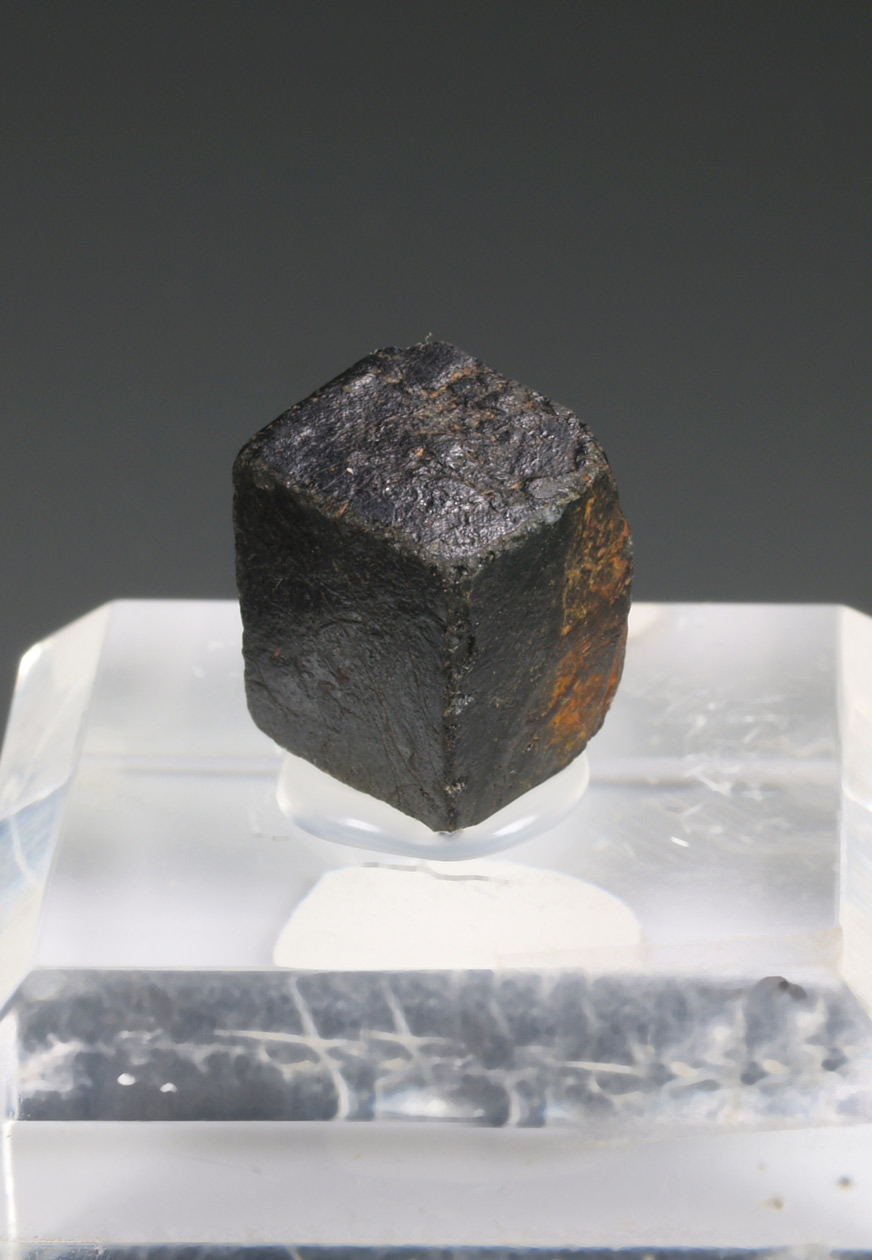
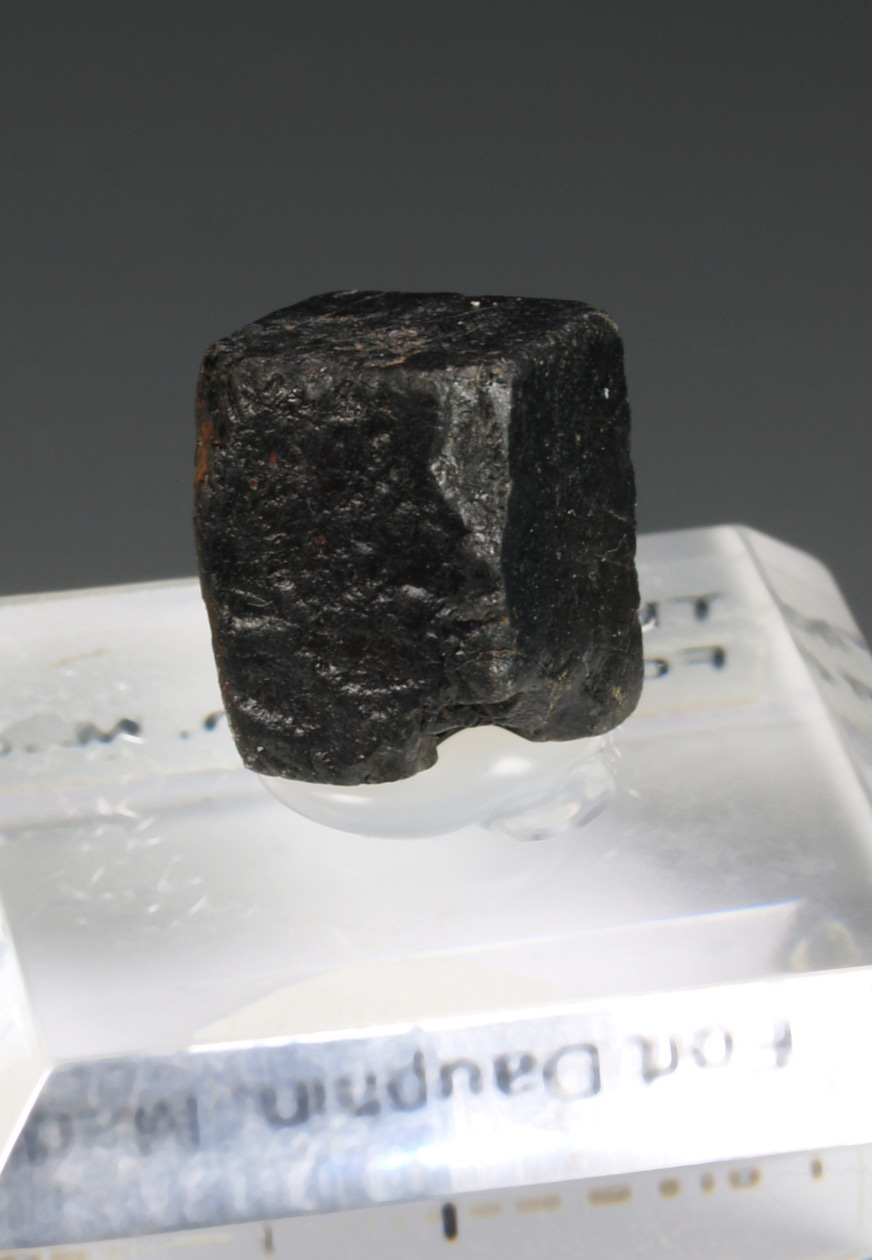
From a classic locality for the species is coming this cubic thorianite crystal, good size, intense black color and brightness. The thorianite is a thorium oxide, almost always with some uranium content, the uranothorianite variety. This specimen contains about 5-6% by weight of uranium.
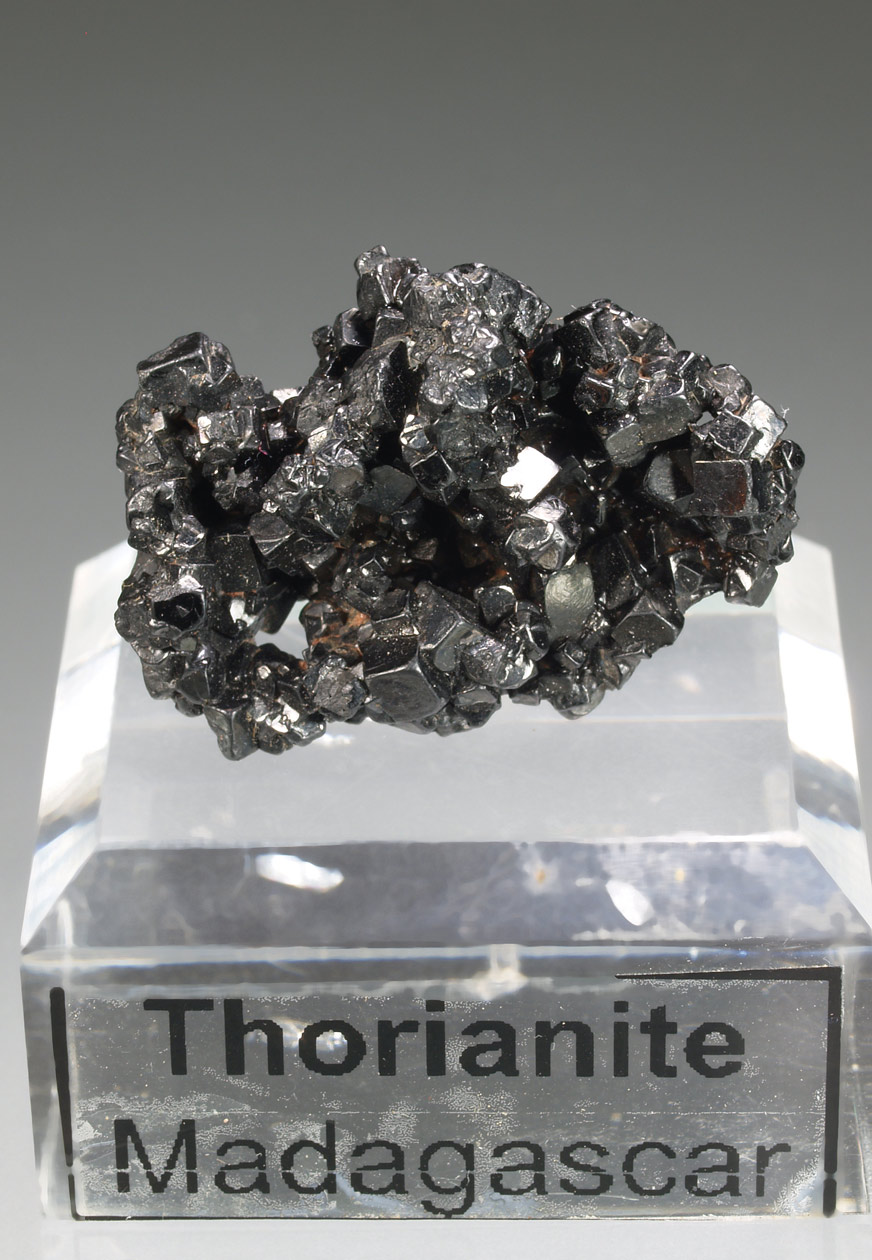
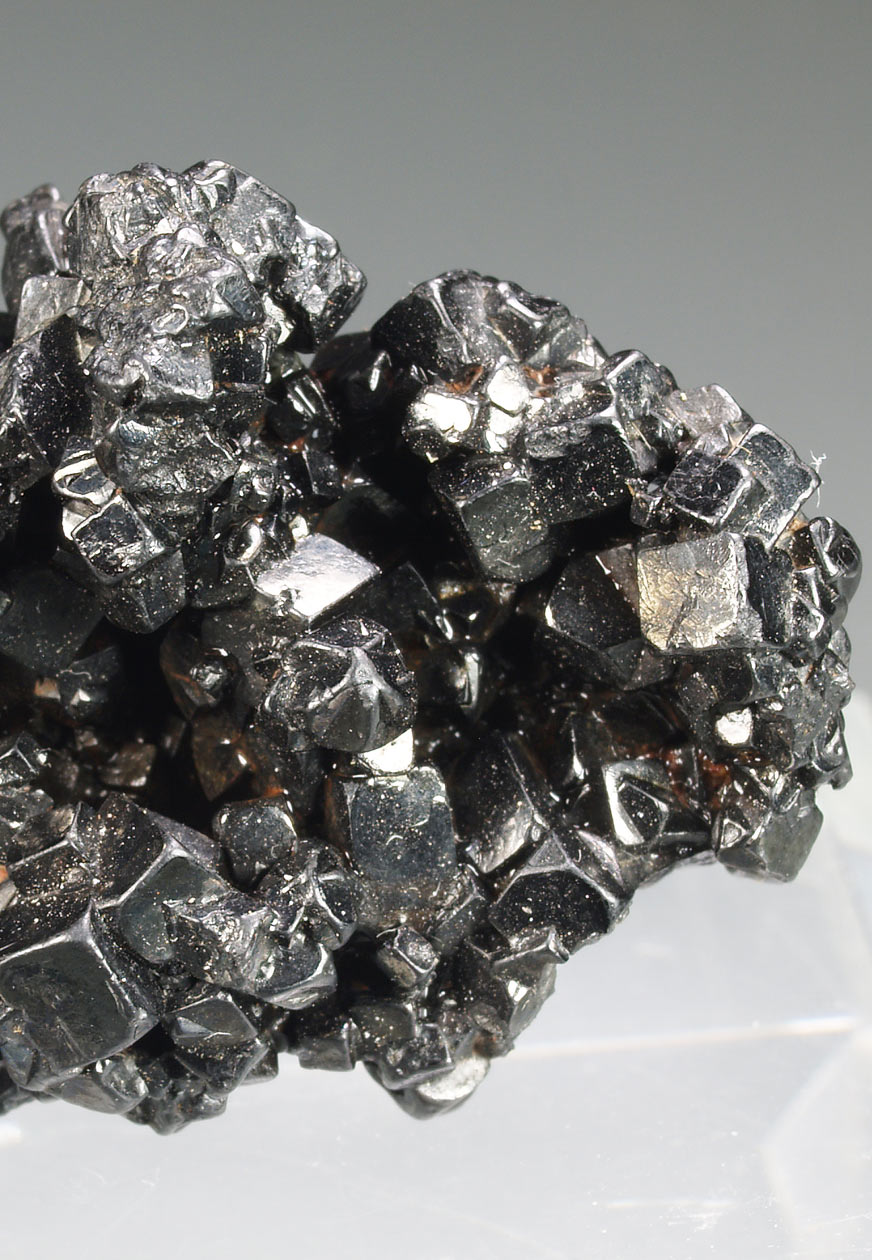
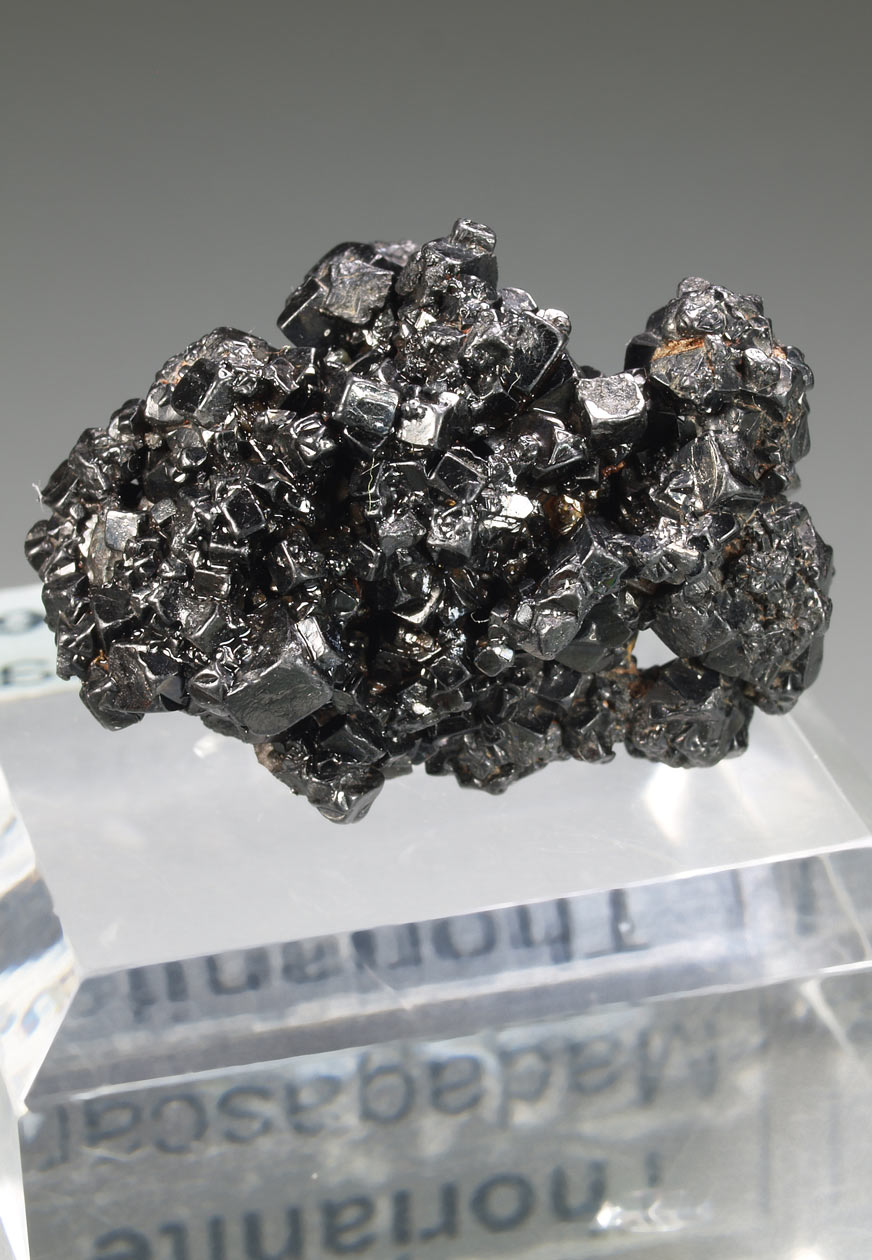
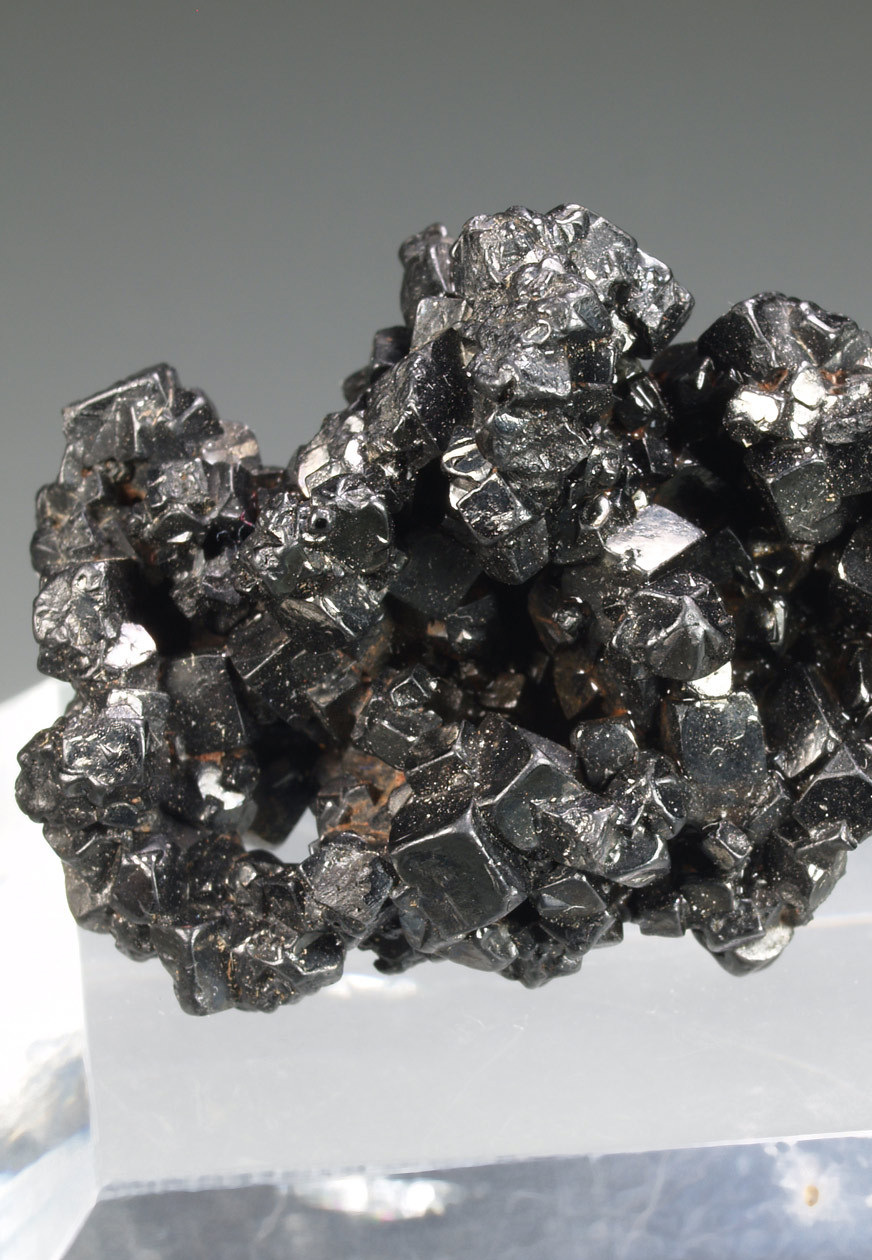
From this classic locality for the species belongs this group of thoryanite crystals, cubic with octahedral shapes at the vertices, good size, intense black color, and luster. Thorianite is a thorium oxide, almost always containing some uranium, the variety being uranothorianite. This specimen contains around 5-6% uranium by weight. An exceptional piece due to its richness.
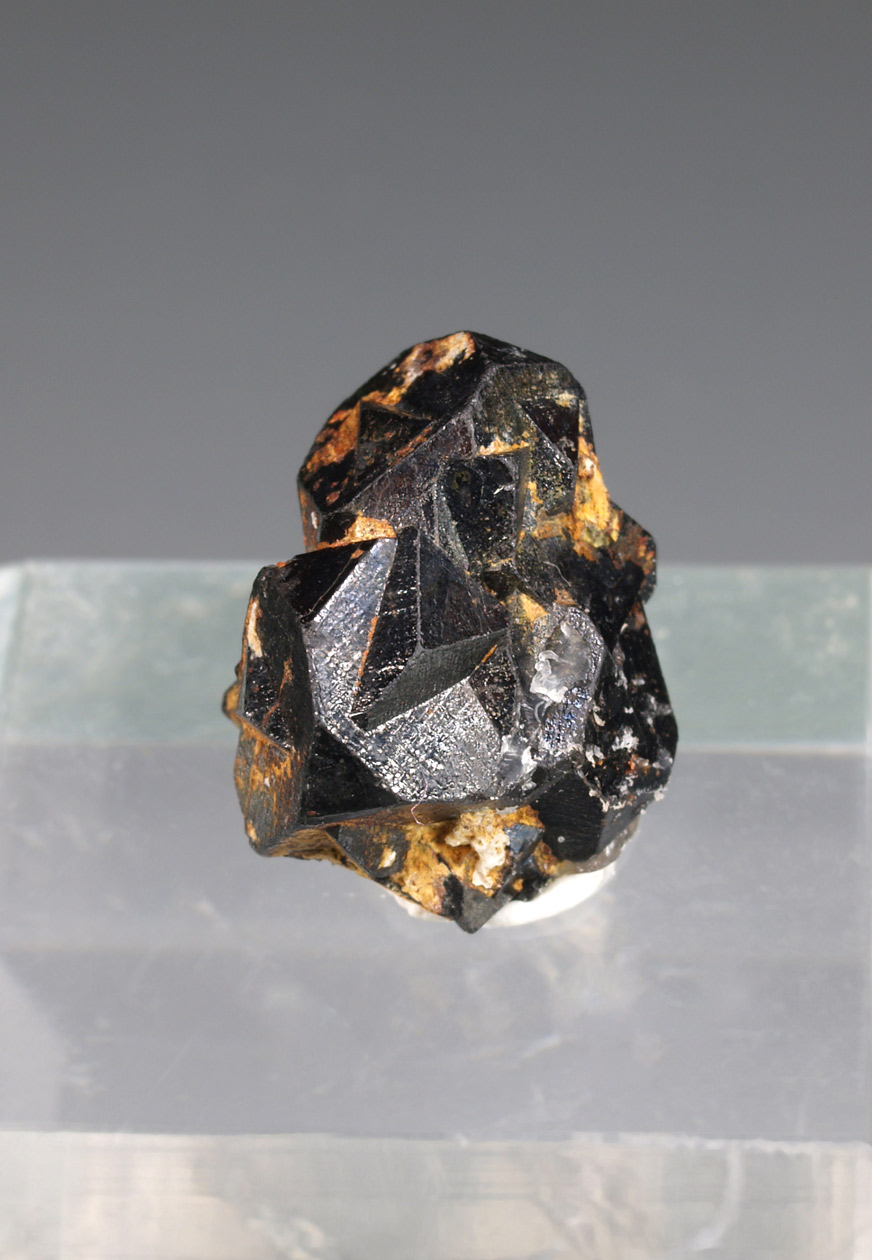
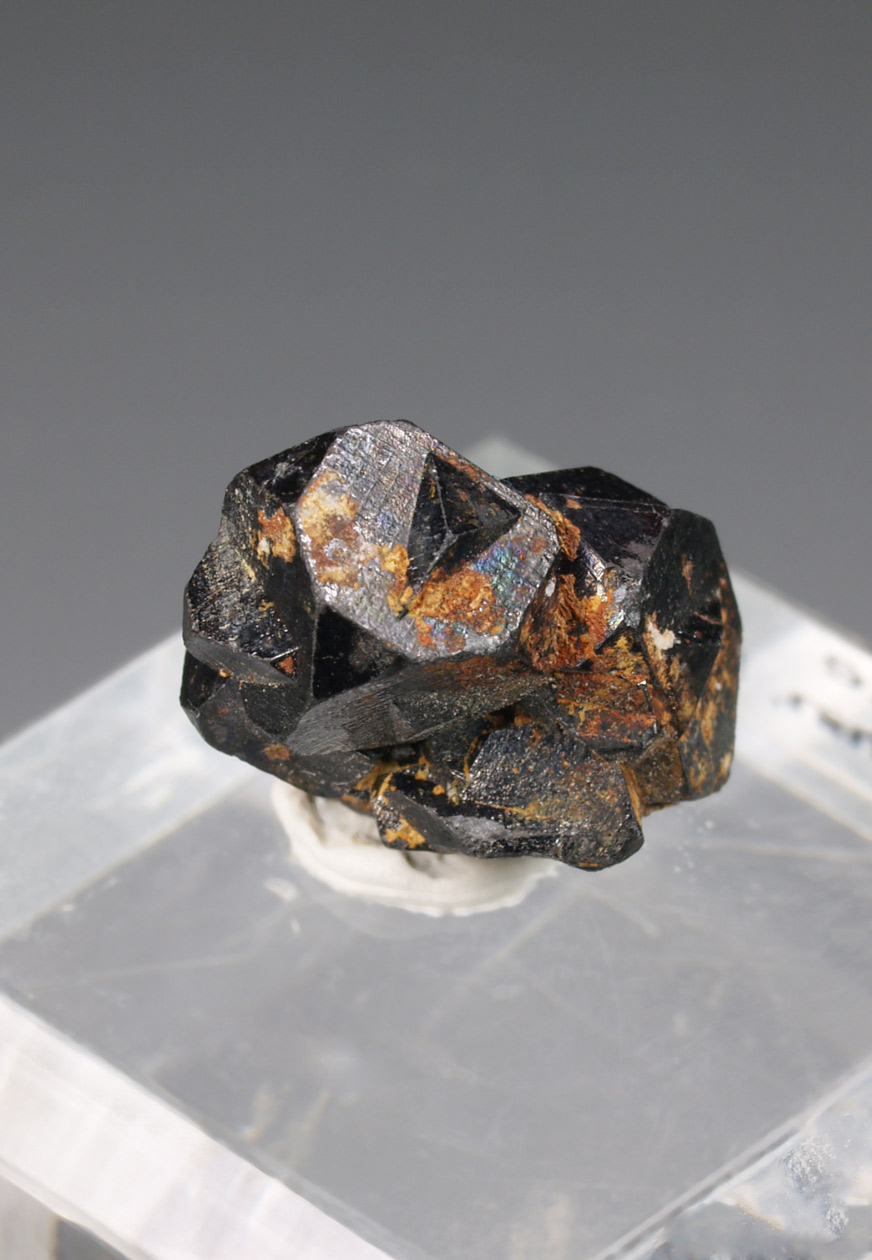
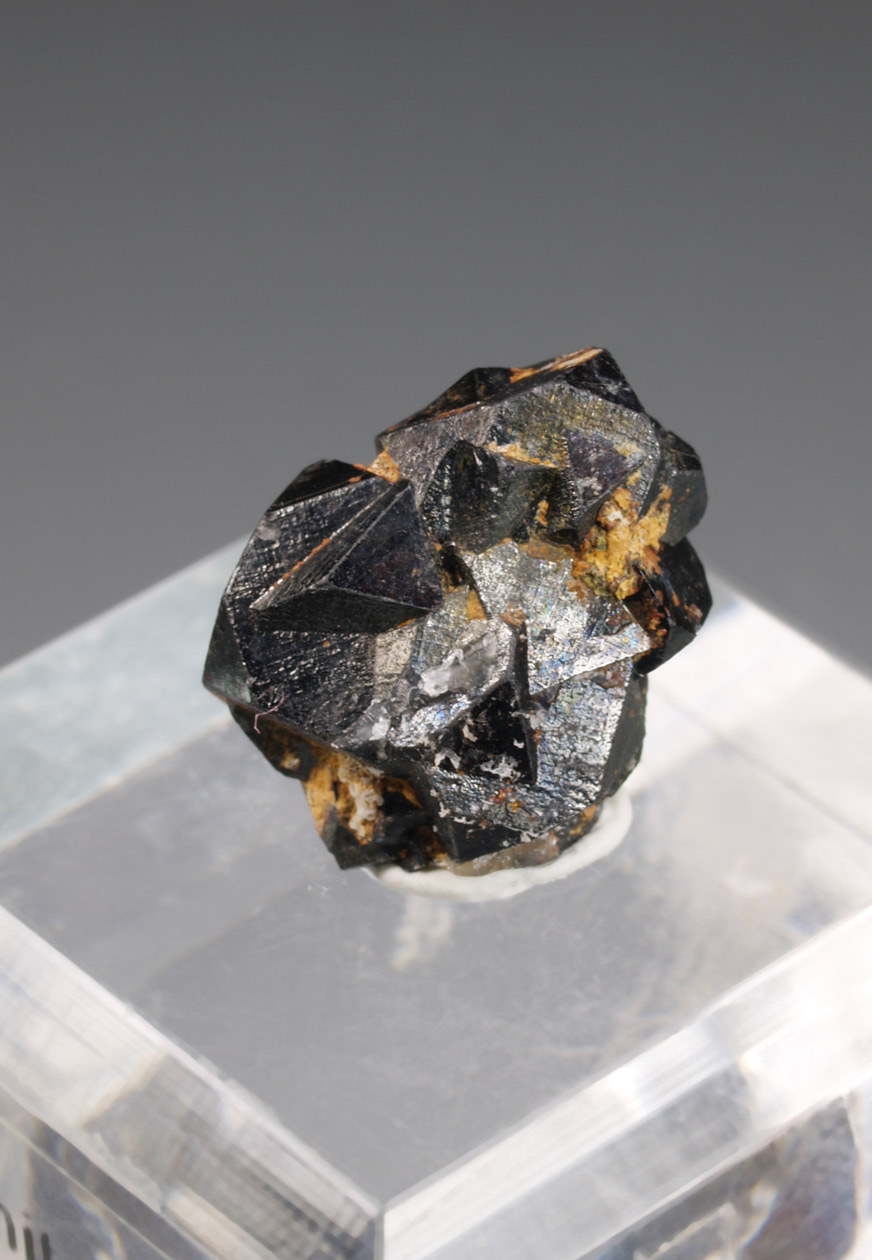
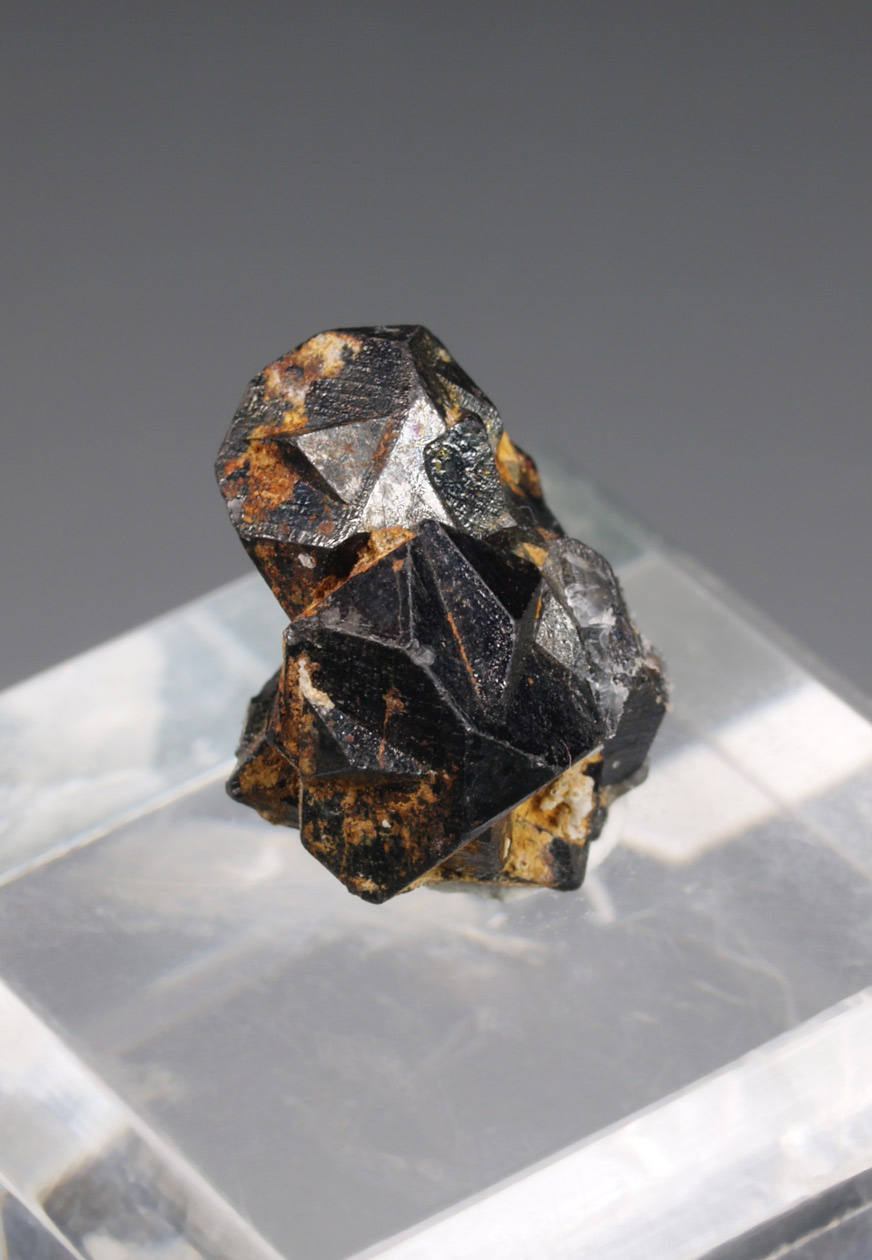
From this classic locality for the species belongs this group of thoryanite crystals, cubic with octahedral shapes at the vertices, twinned and interpenetrated, good size, intense black color, and luster. Thorianite is a thorium oxide, almost always containing some uranium, the variety being uranothorianite.
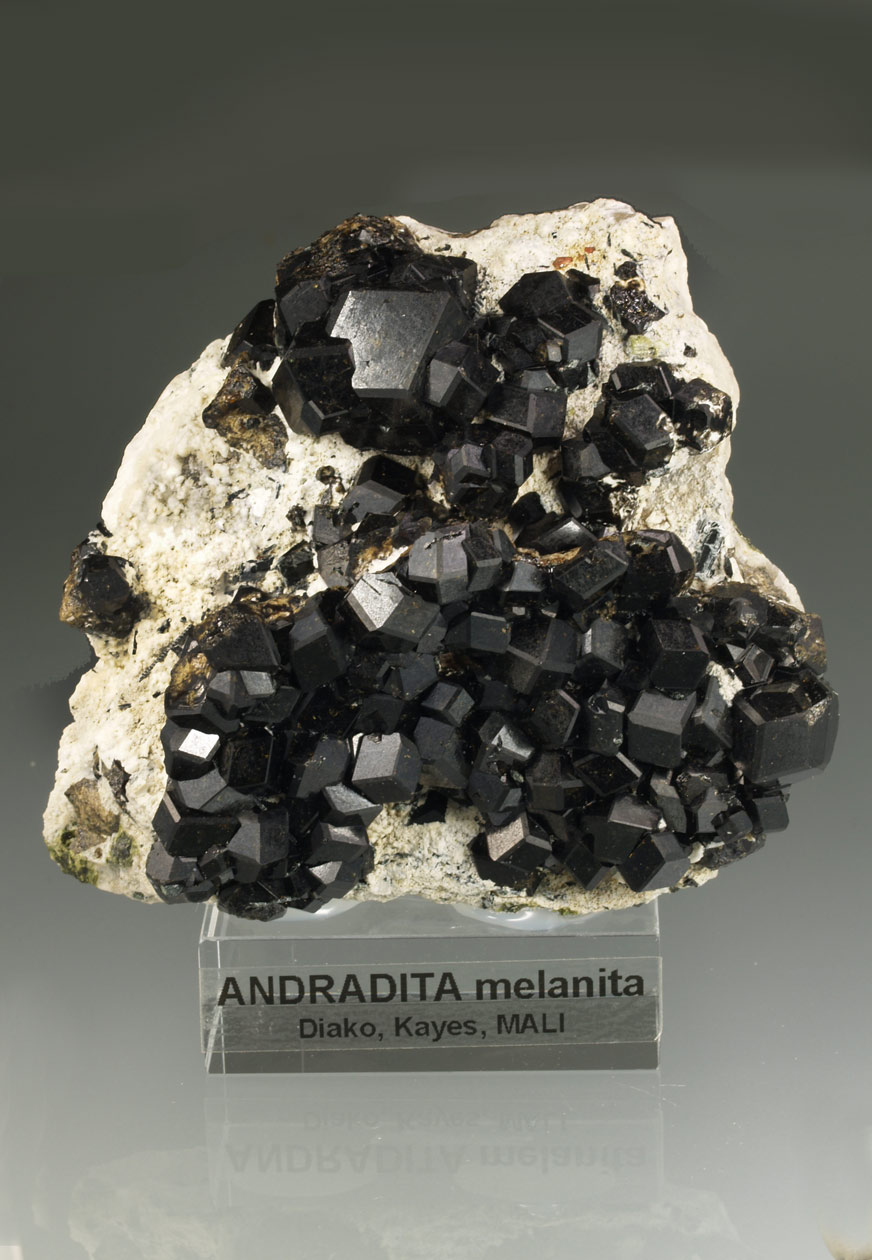
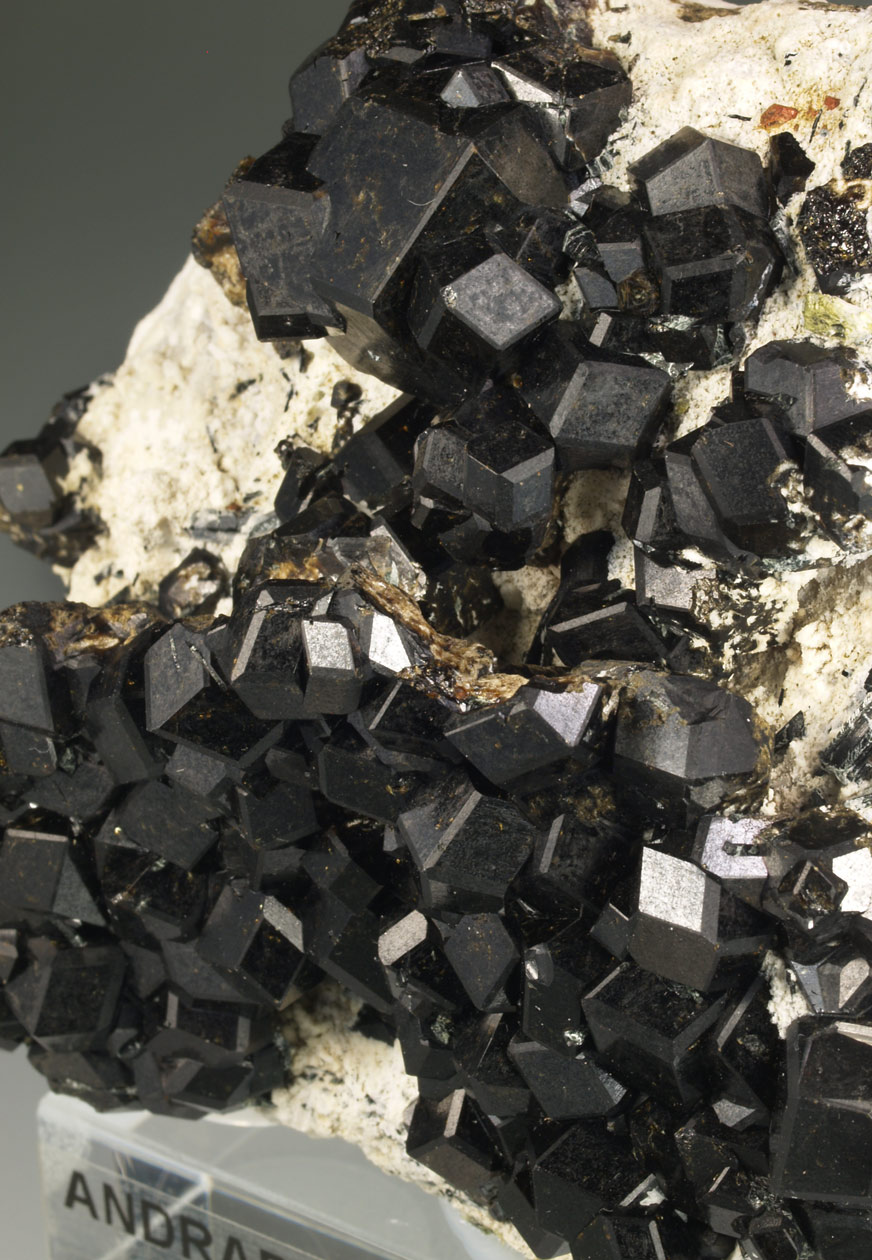
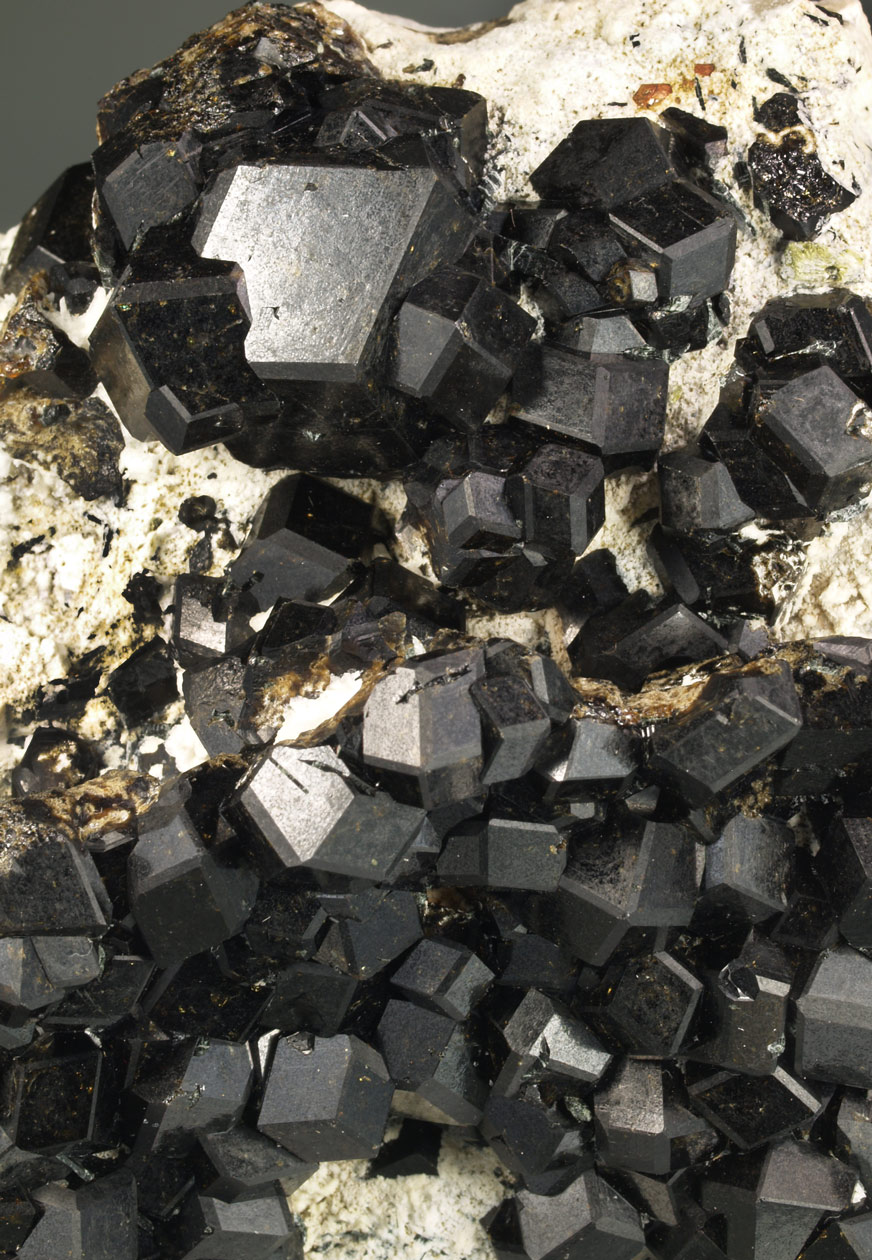
An amazing specimen of andradite, a variety of melanite, formed by numerous, well-defined idiomorphic crystals, with dodecahedron faces truncated by trapezohedron faces. They are lustrous and exhibit greenish reflections and transparencies when light hits them. They are arranged in a highly contrasting manner on a light-colored matrix.

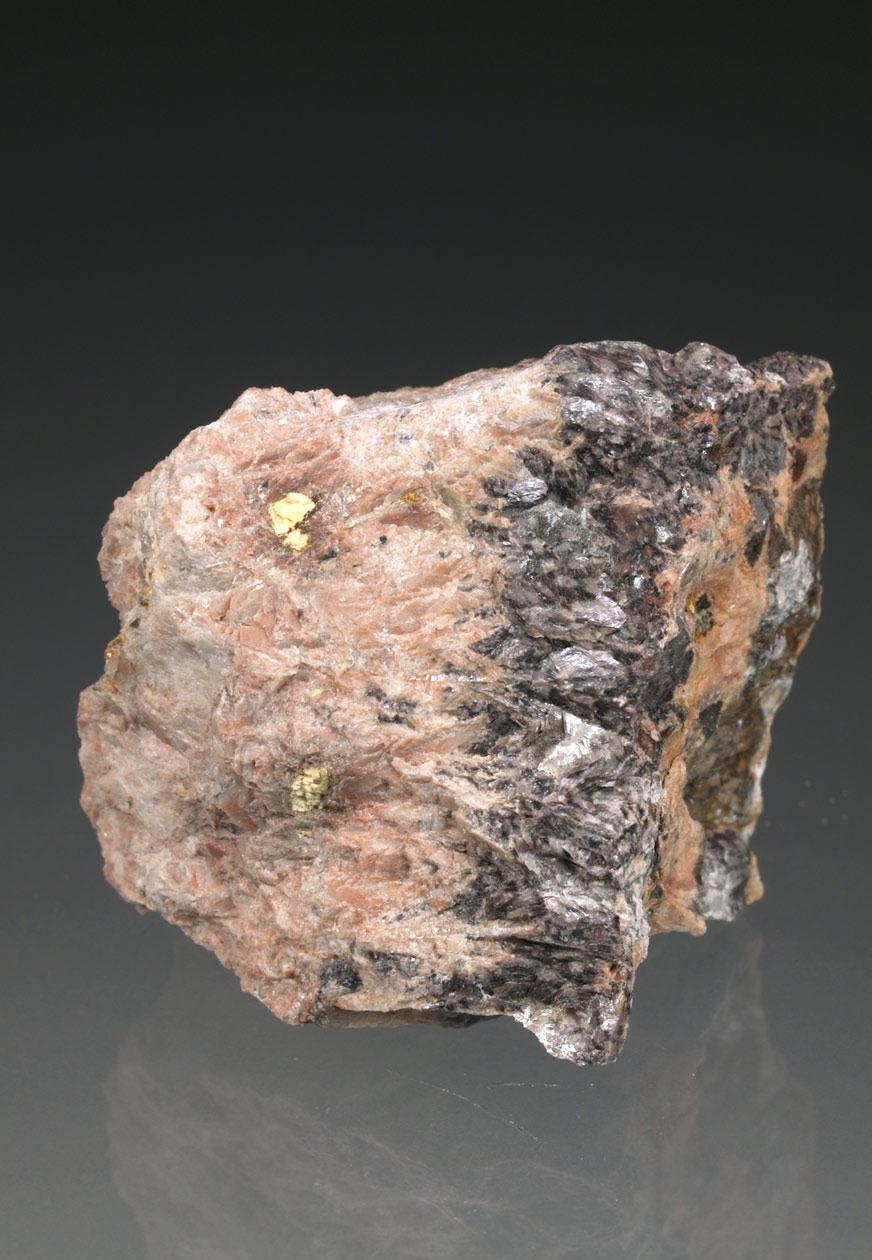
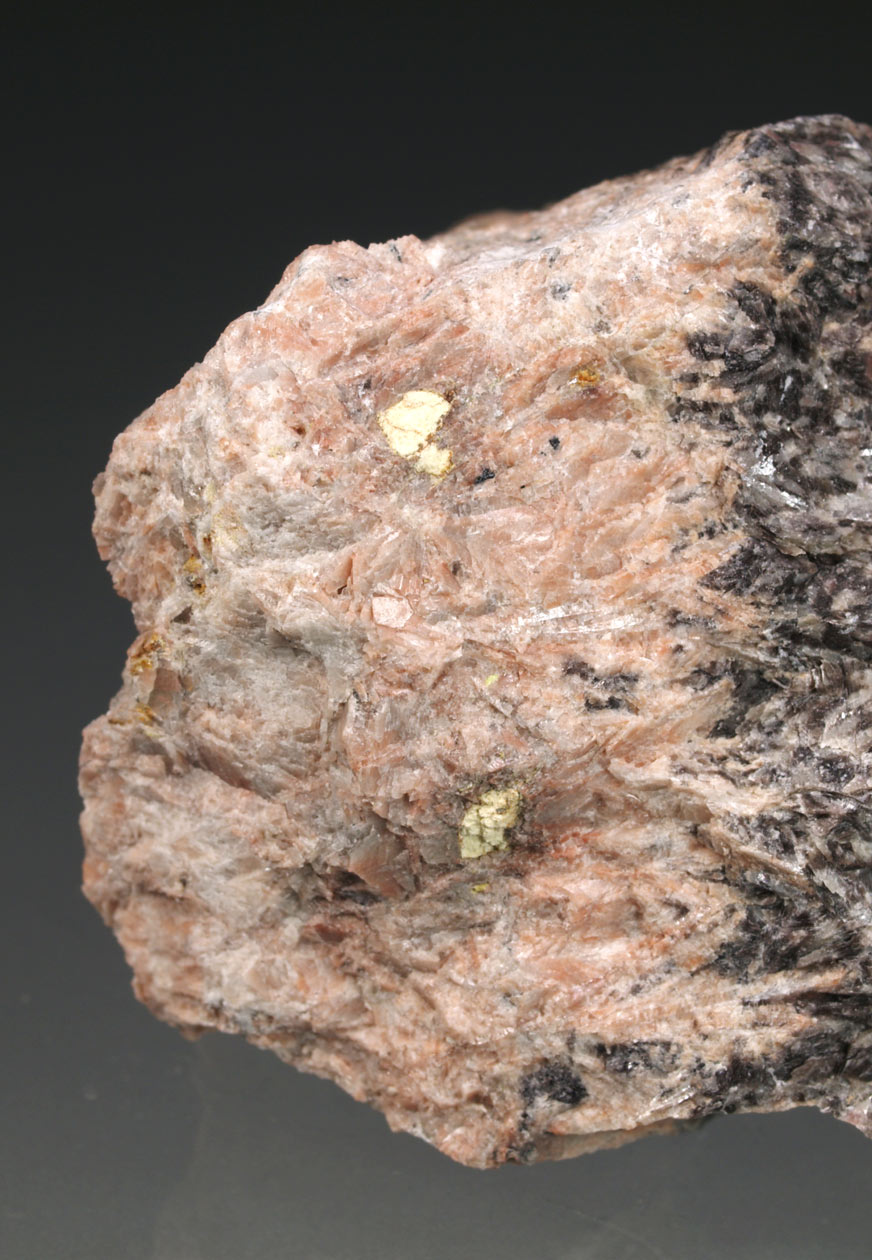
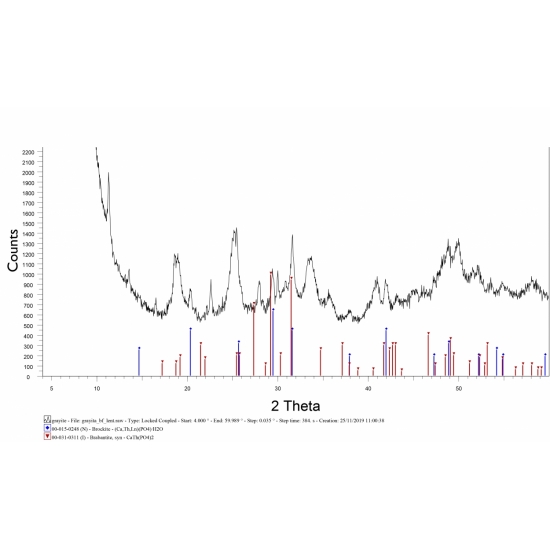
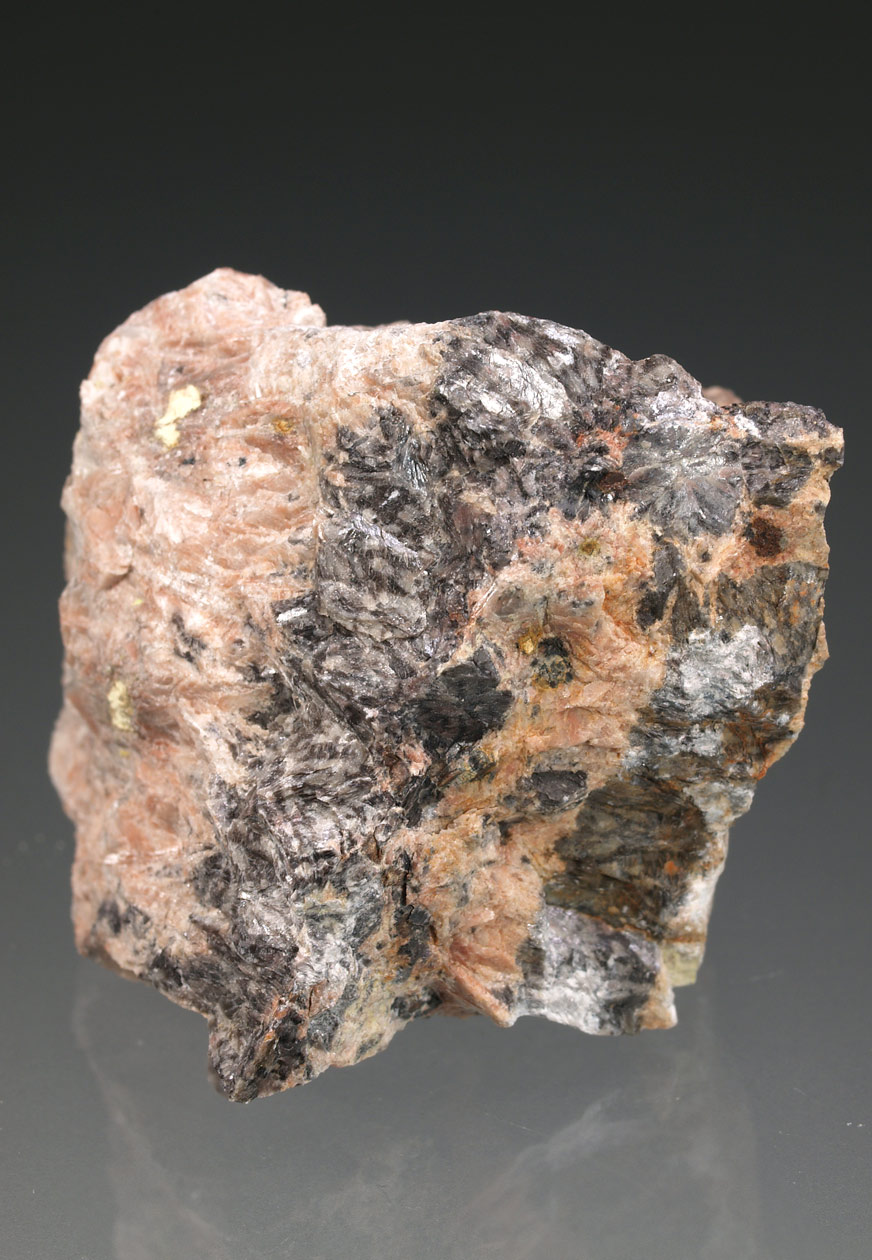
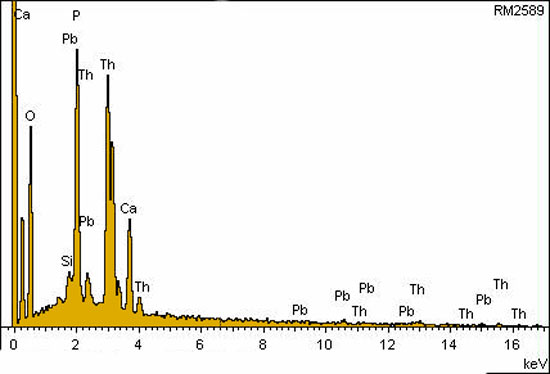
These specimens show yellowish nodules included in a feldspar matrix. First SEM-EDS analysis have yielded a phosphate of Th and Ca, with minor Pb. XRD has shown patterns of "bravantite", the old name for cheralite and brockite. The chemical base formula for these species are: grayite (Th,Pb,Ca)(PO₄)·H₂O; cheralite CaTh(PO₄)₂; brockite (Ca,Th,Ce)(PO₄)·H₂O. REE has not been found in EDS. We could say that this yellow nodules belongs from altered monazite, formed by mixed species cheralite-grayite, with minor brockite. Accompanied in matrix by meta-autunite and fluorite.
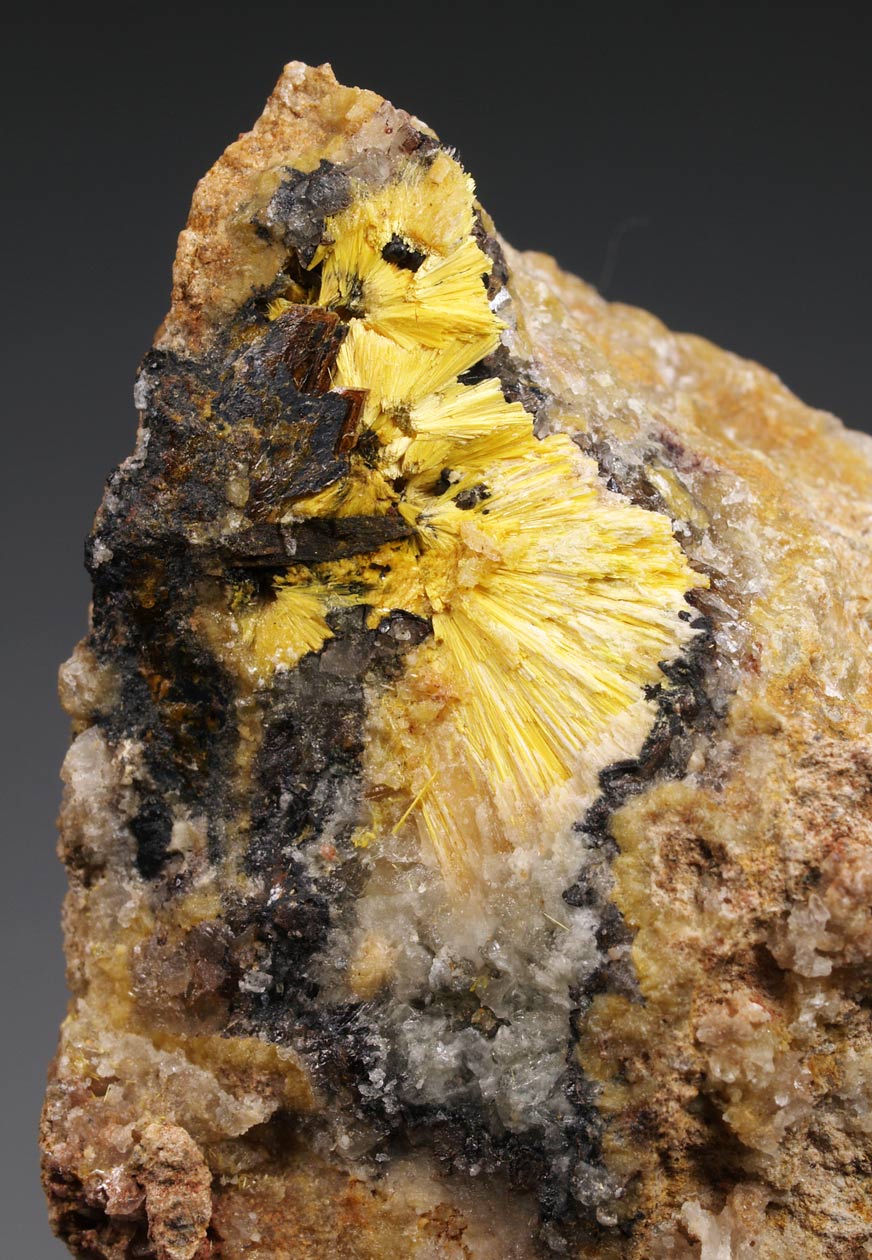
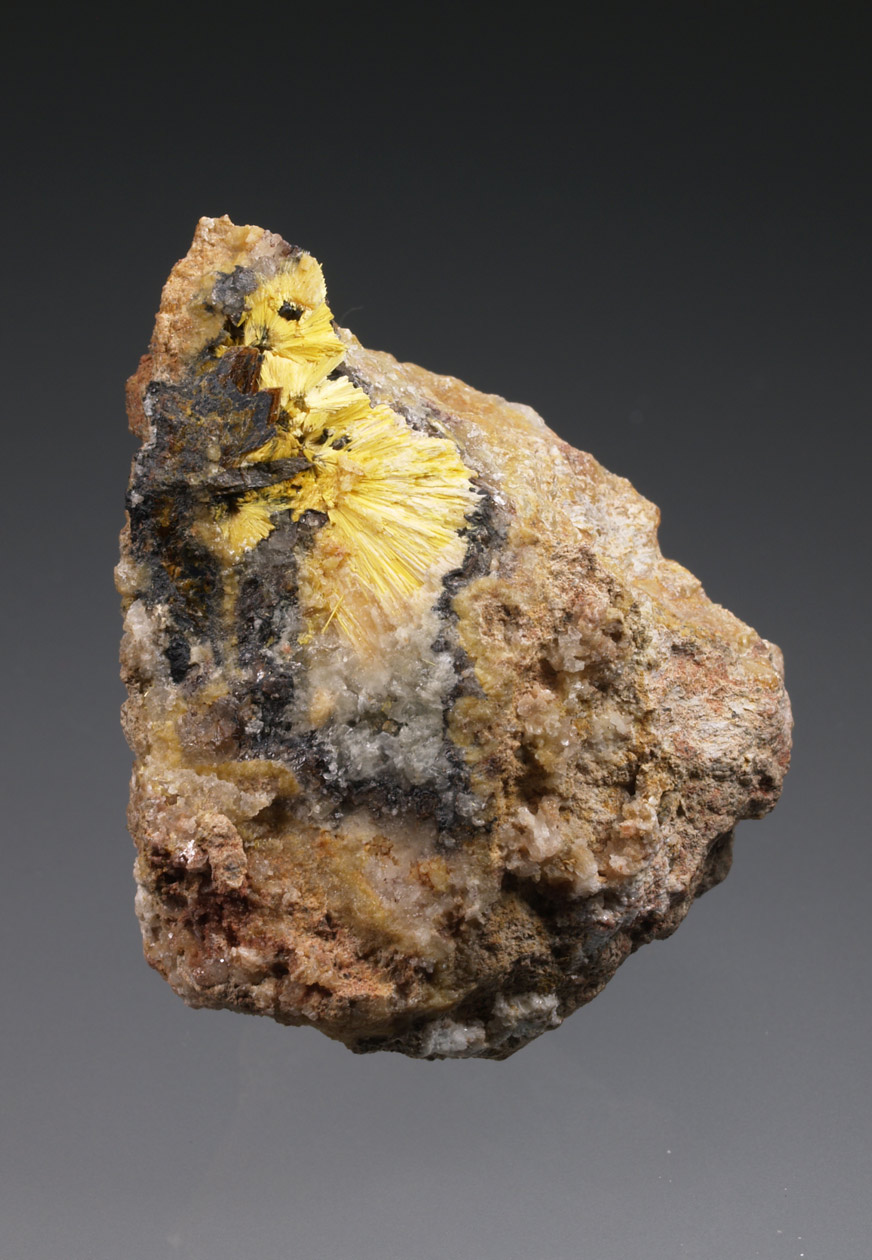
A beautiful radial aggregate of boltwoodite crystals, from this classic locality for the species. Good luster and intense color. The original label reads Rössing mine, but they were mislabeled at the time.
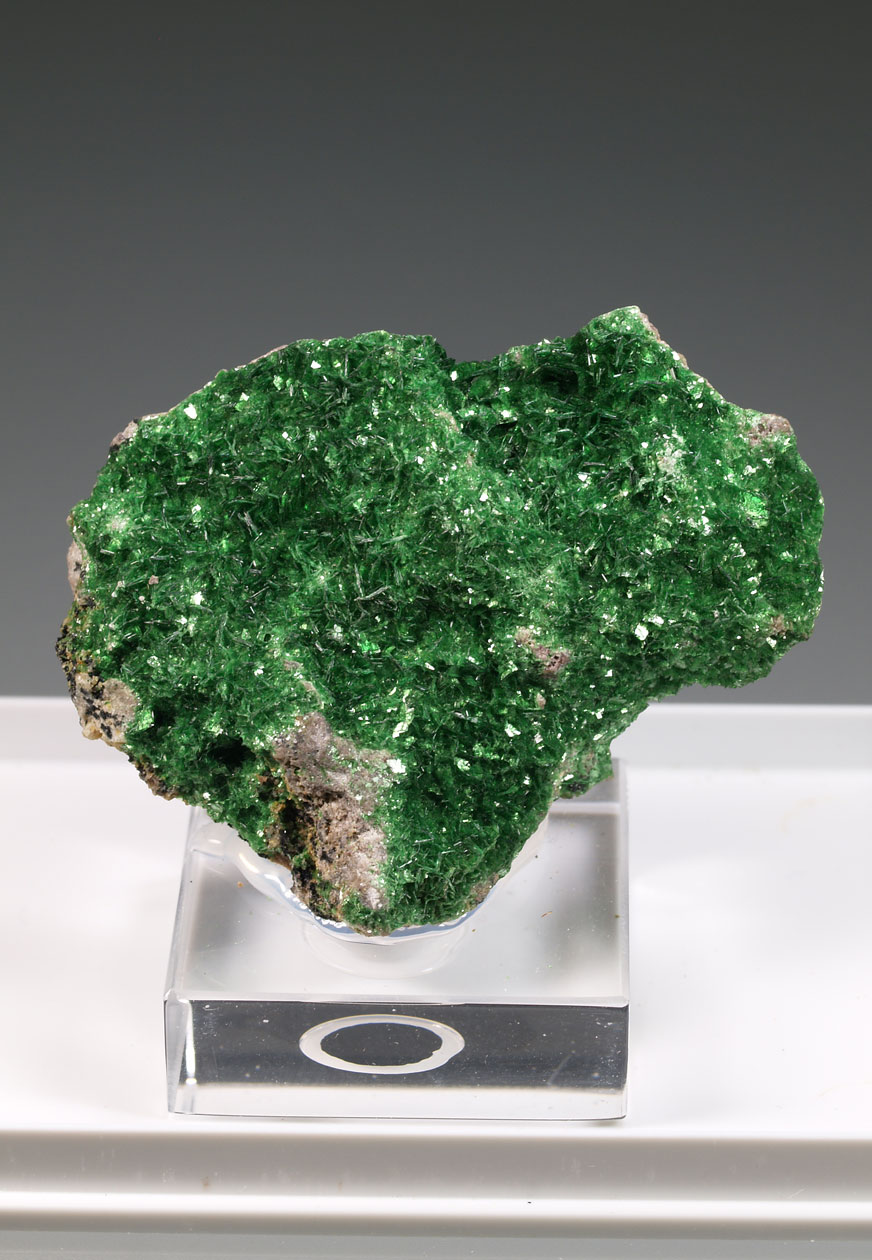
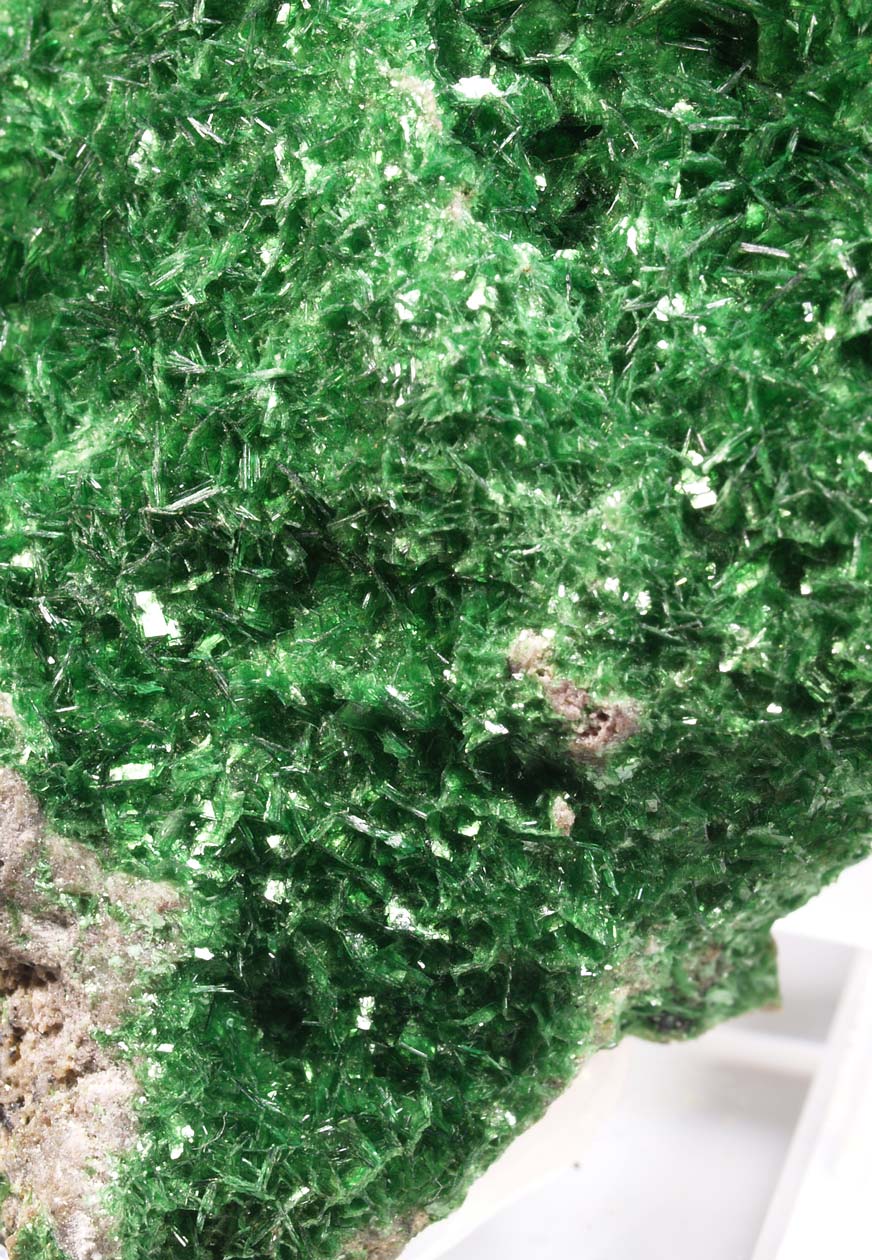
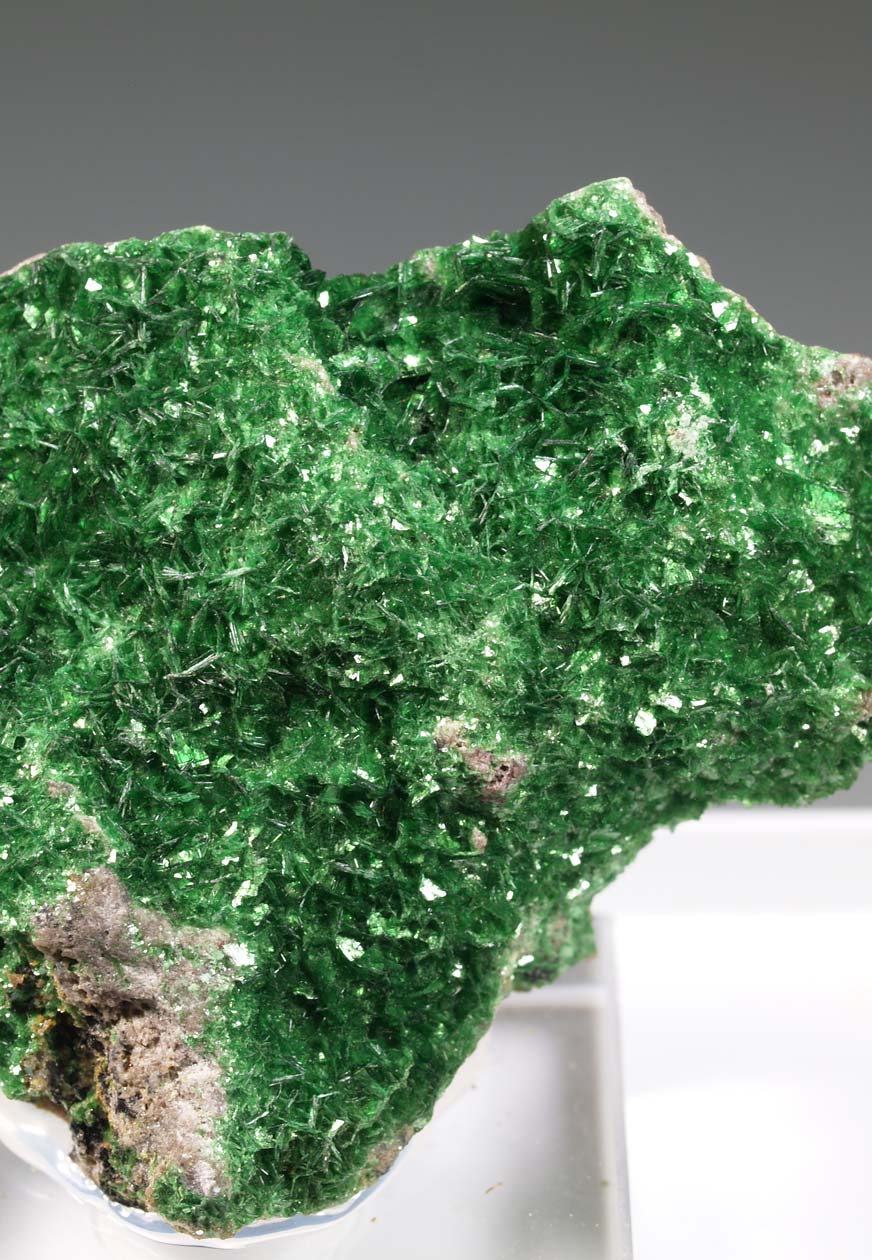
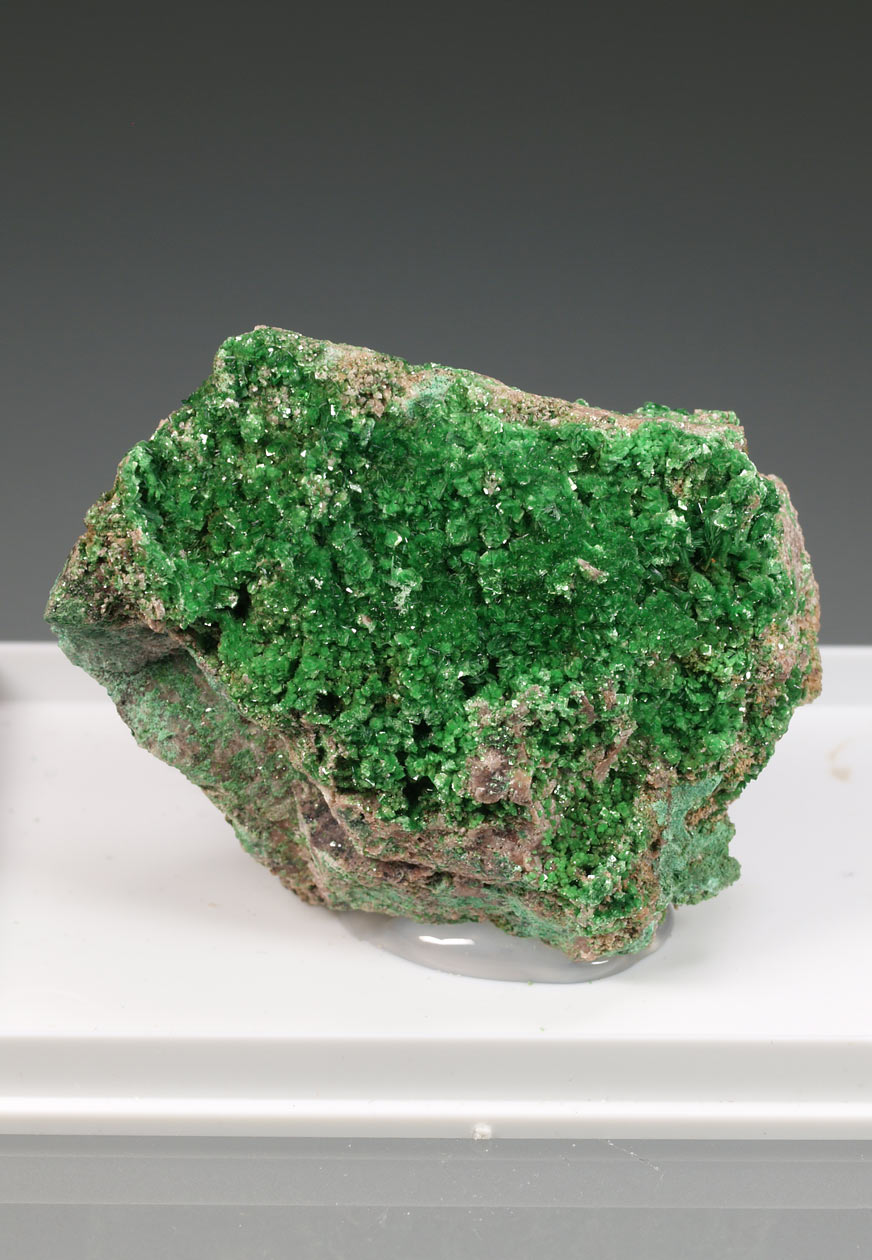
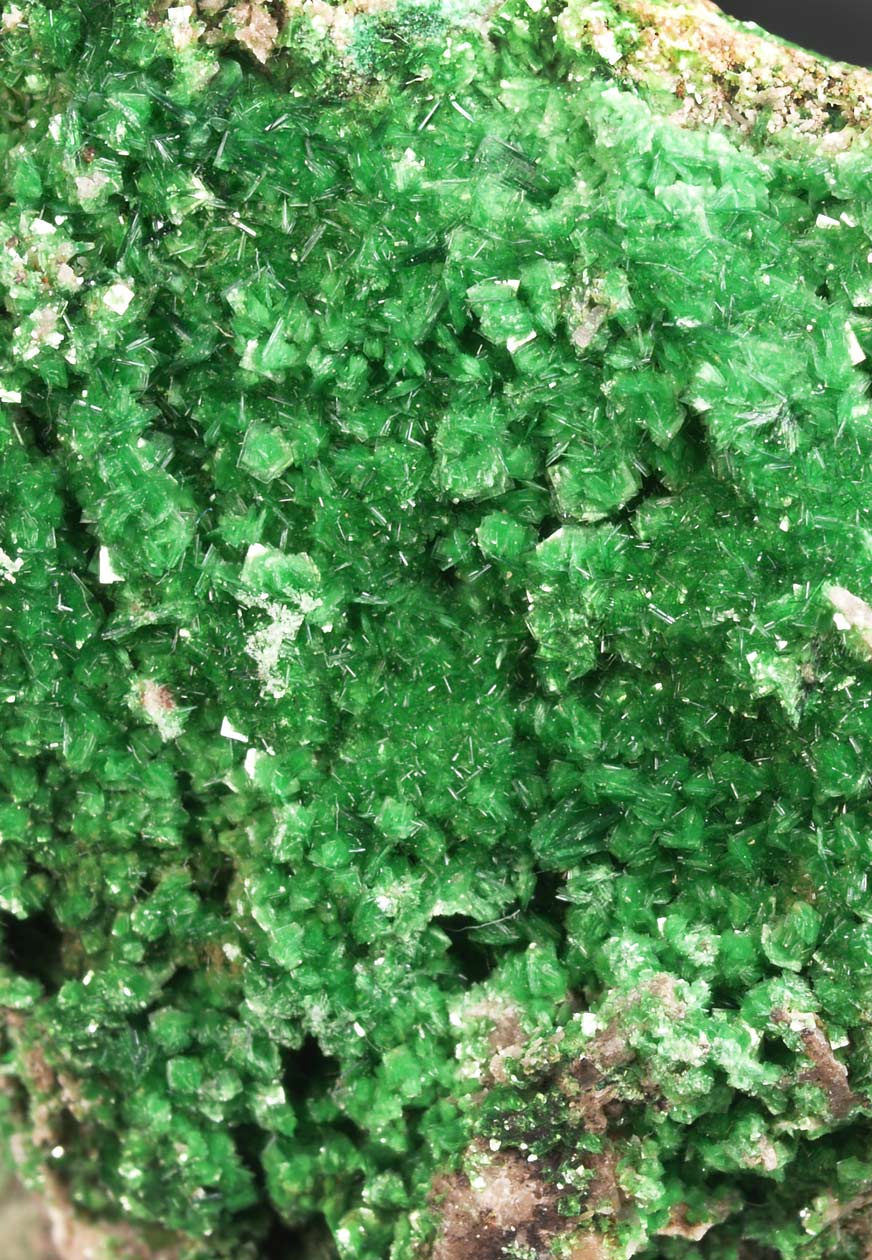
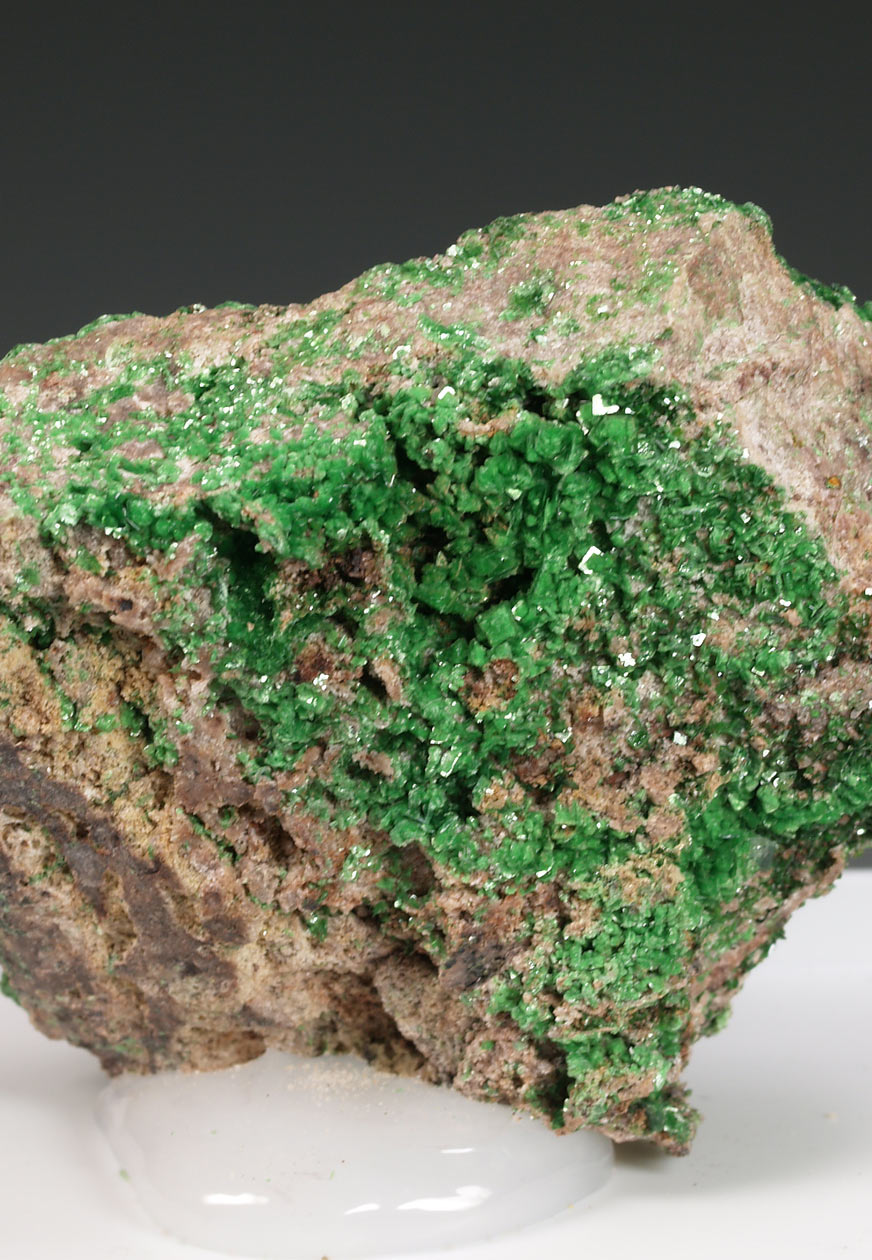
Druse of tabular torbernite crystals from this classic mine for the species. Good luster, translucent to traansparent, and with a very intense green color.
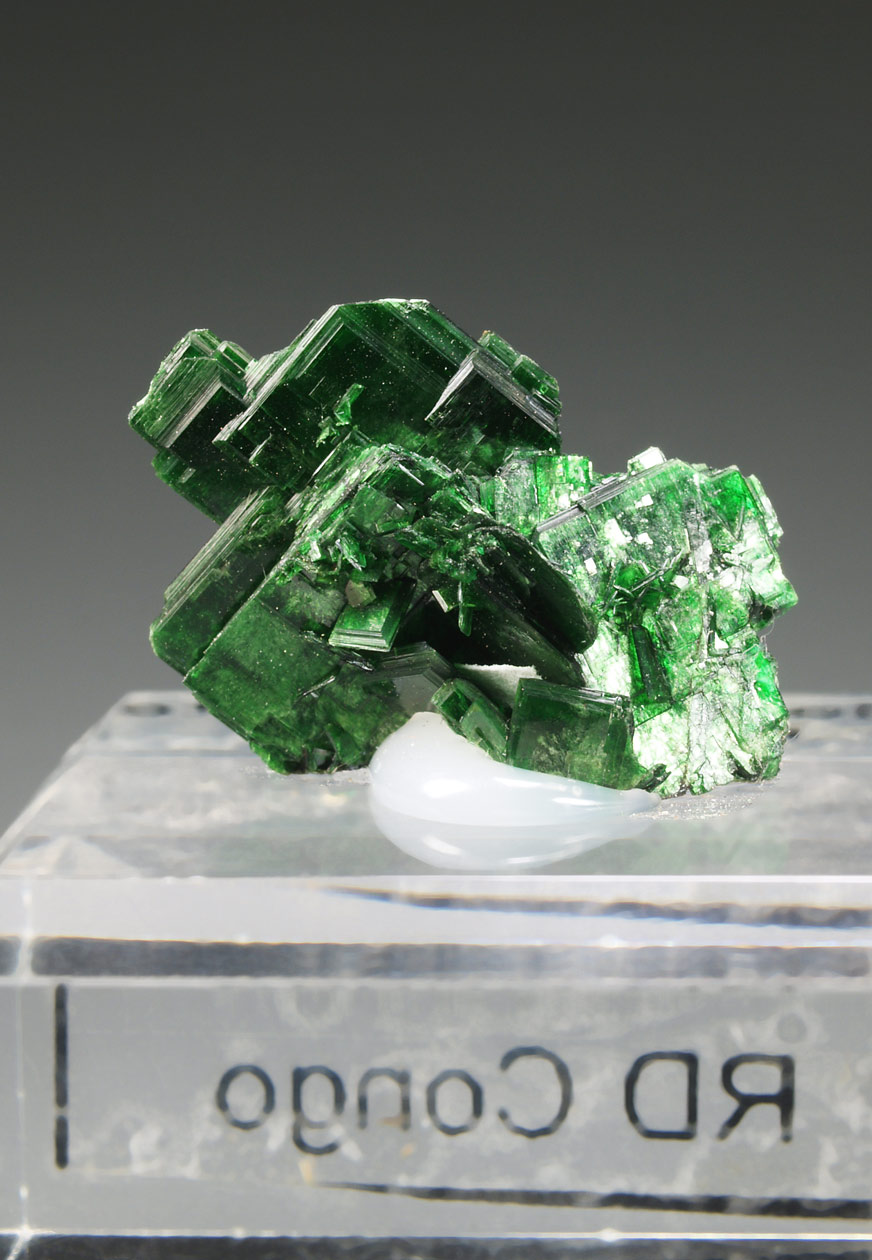
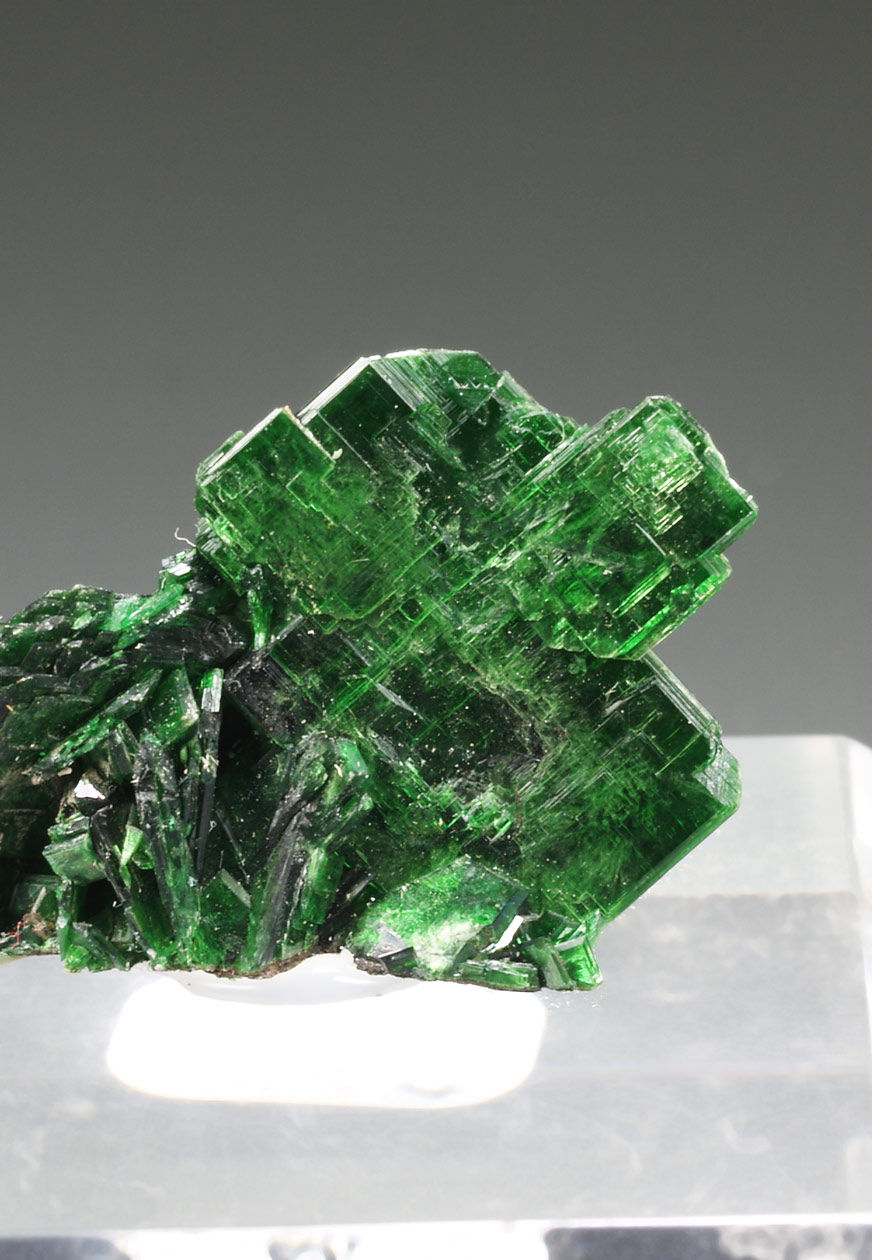
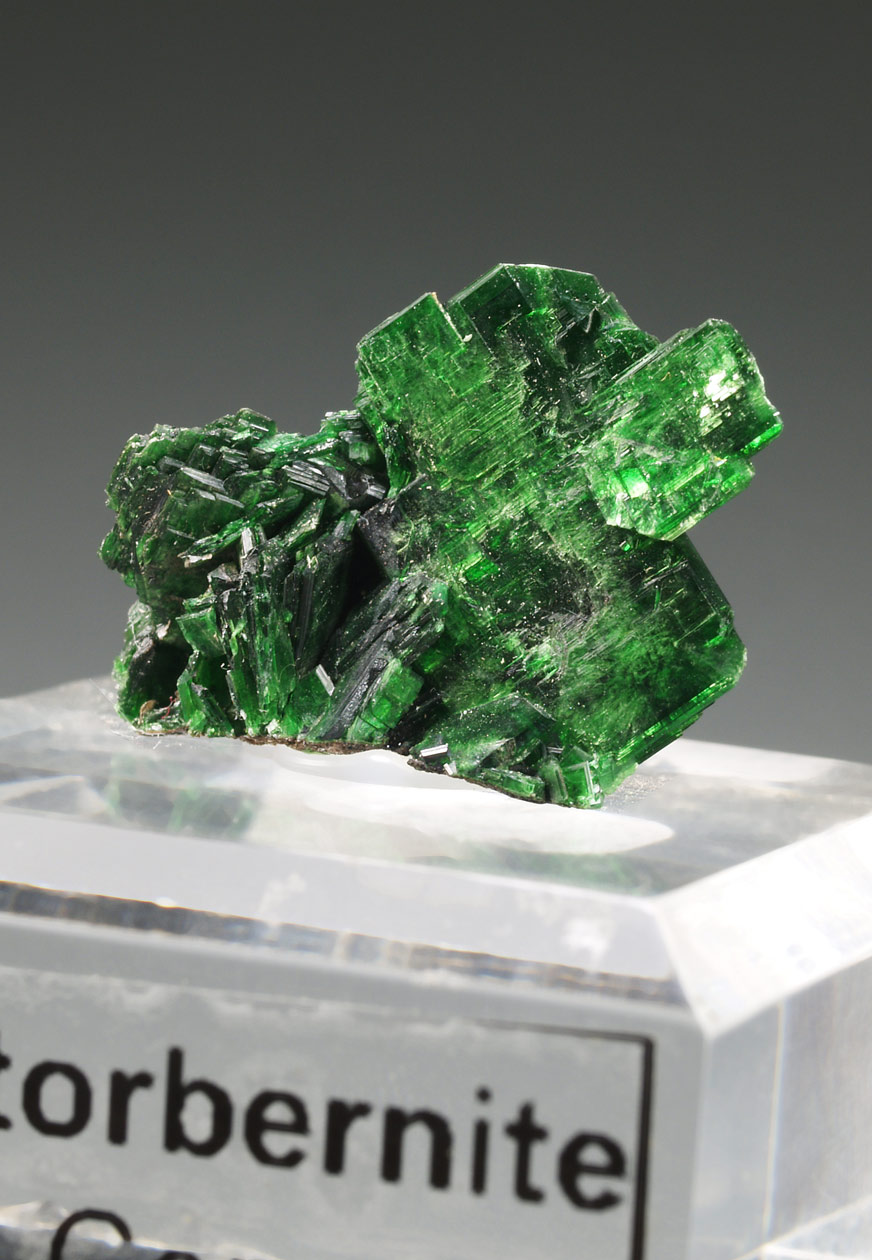
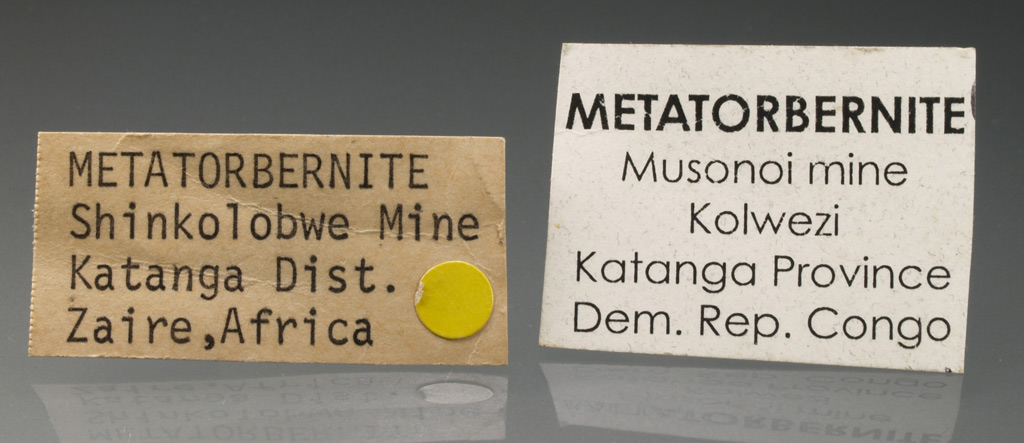
A group of exceptionally sized, translucent, and lustrous tabular crystals of metatorbernite (dehydrated torbernite). The green color displays aesthetical internal reflections. From this classic locality in the Katanga region. Accompanied by two antique labels. An exceptional miniature.
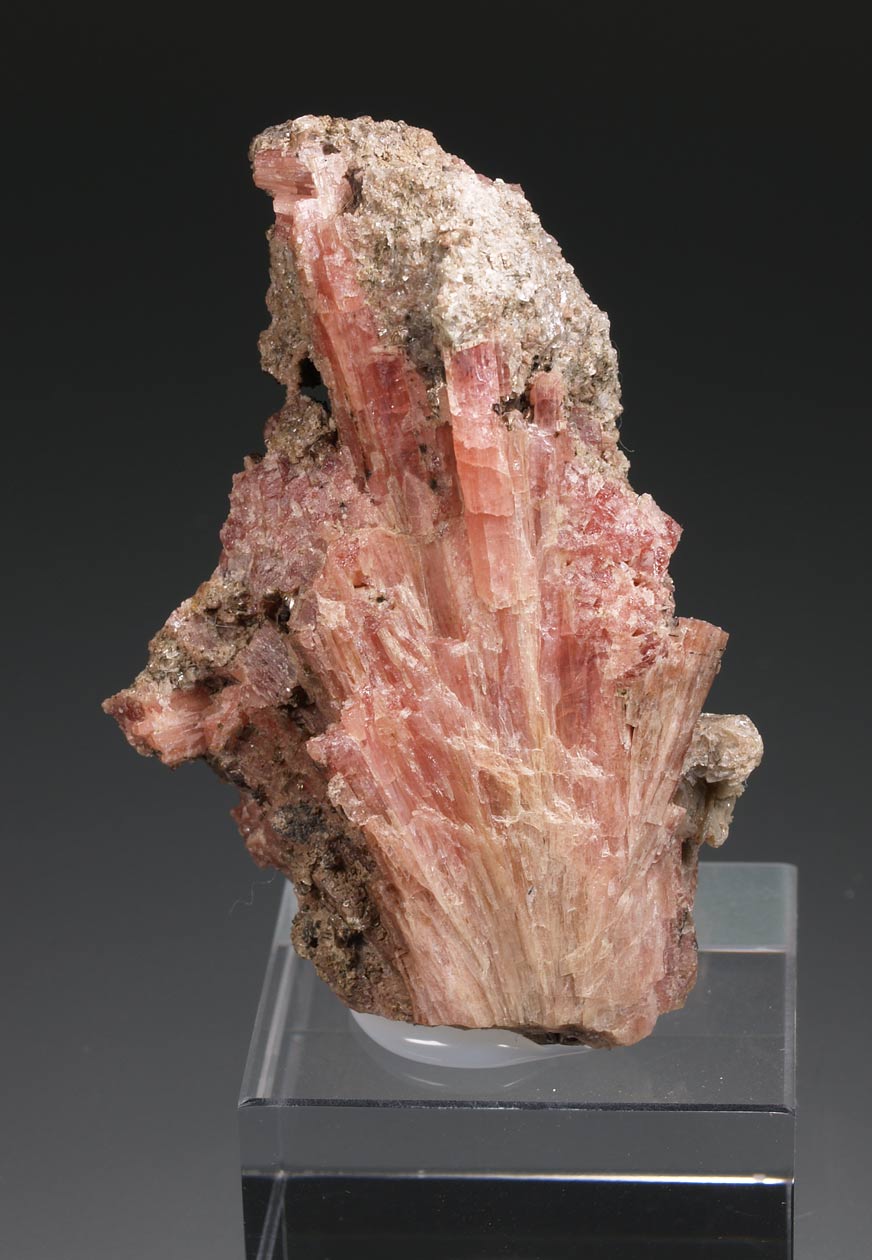
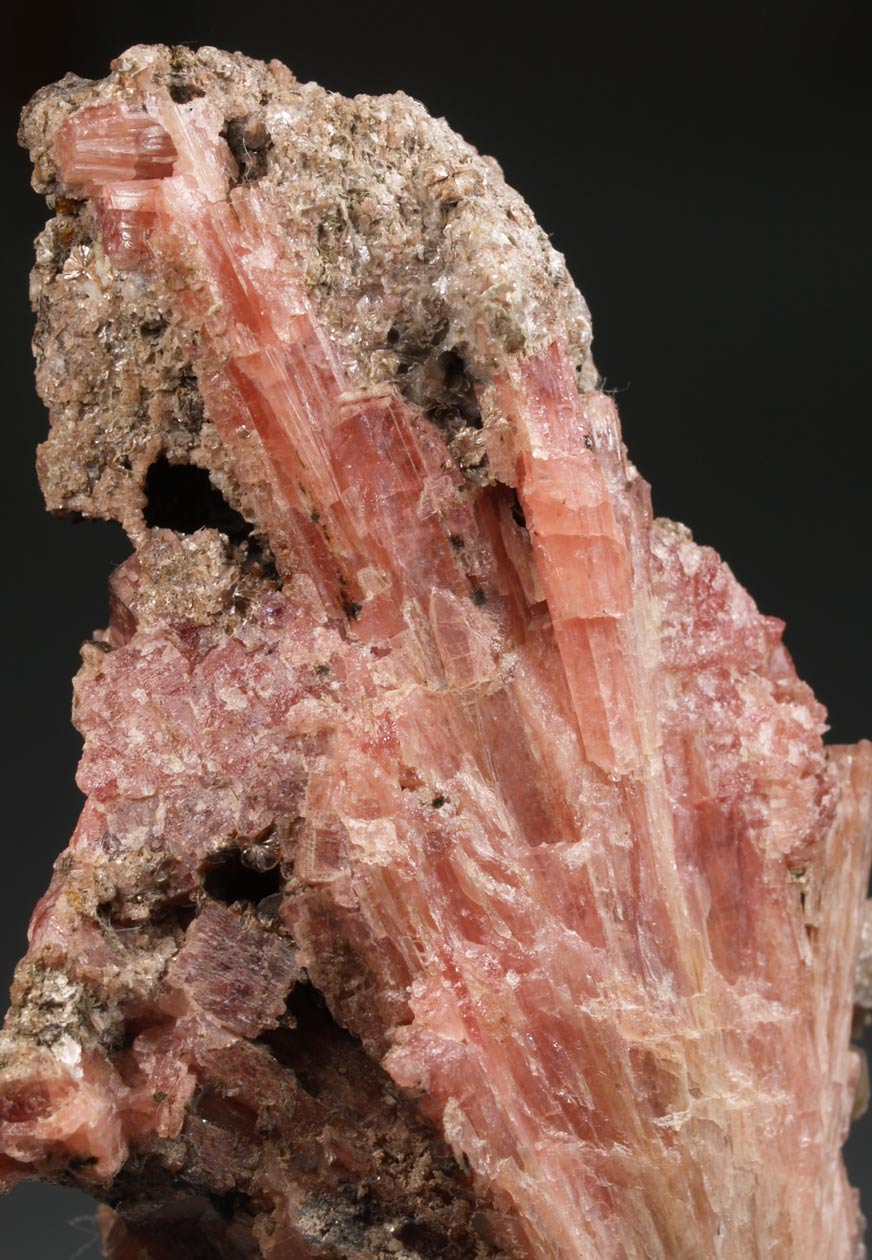
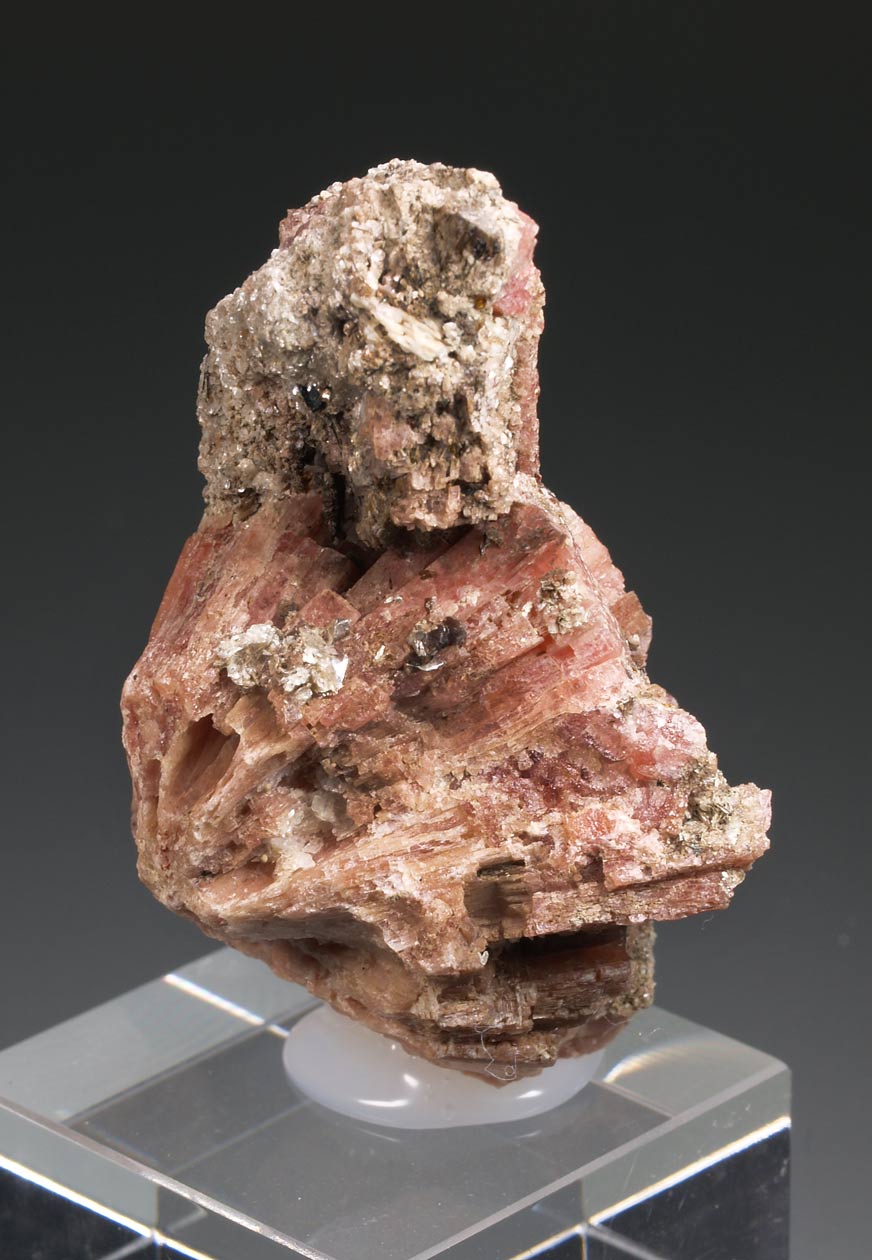
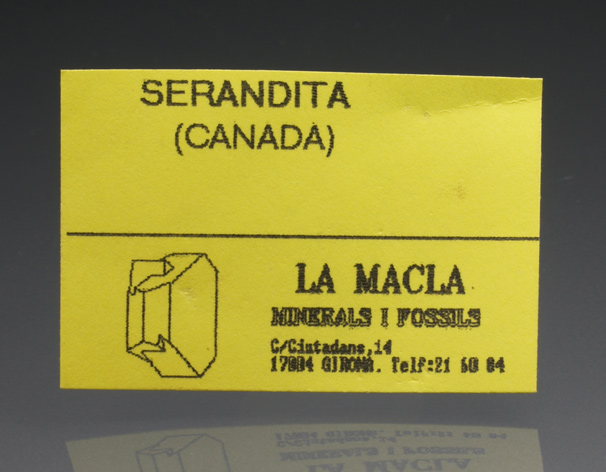
This good-sized specimen displays various clusters of crystals of this rare silicate, with parallel growth and a characteristic salmon-pink color. It comes from the Nicolau collection (Barcelona) and was acquired in an old mineral shop in Girona. Serandite was named in 1931 by Antoine François Alfred Lacroix after J.M. Serand, lighthouse keeper of the Island of Roume, Los Islands, Guinea, who assisted in collecting the mineral and who, coincidentally, had a rosy pink complexion (sic).
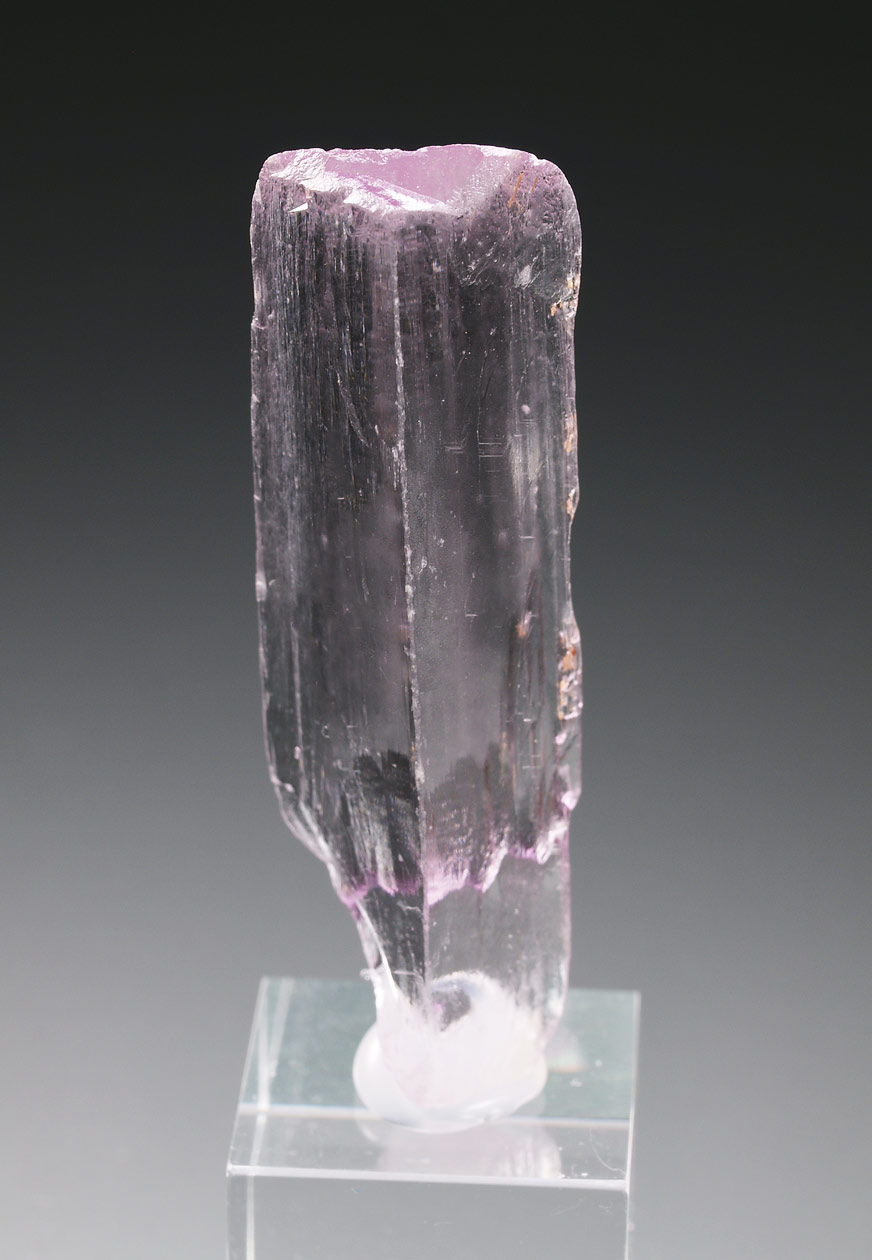
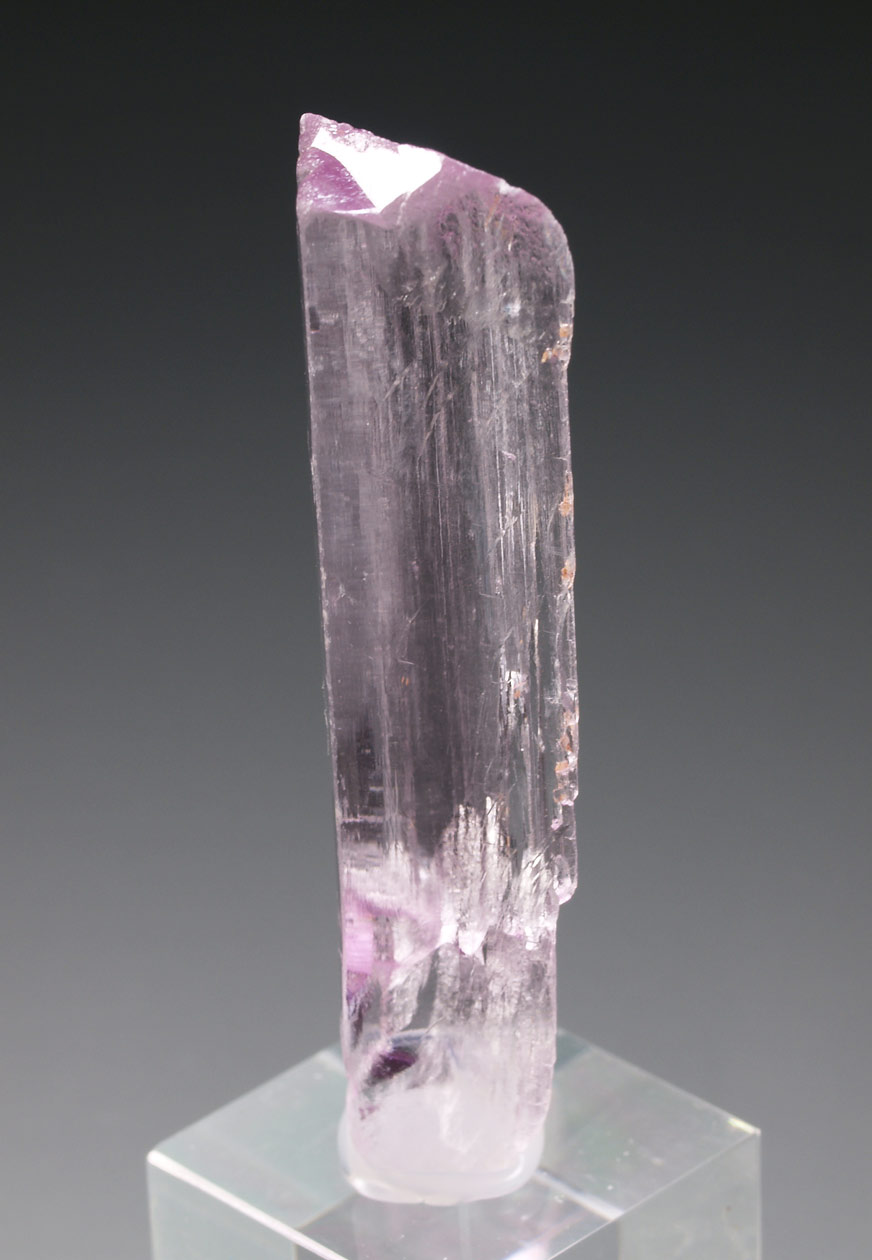
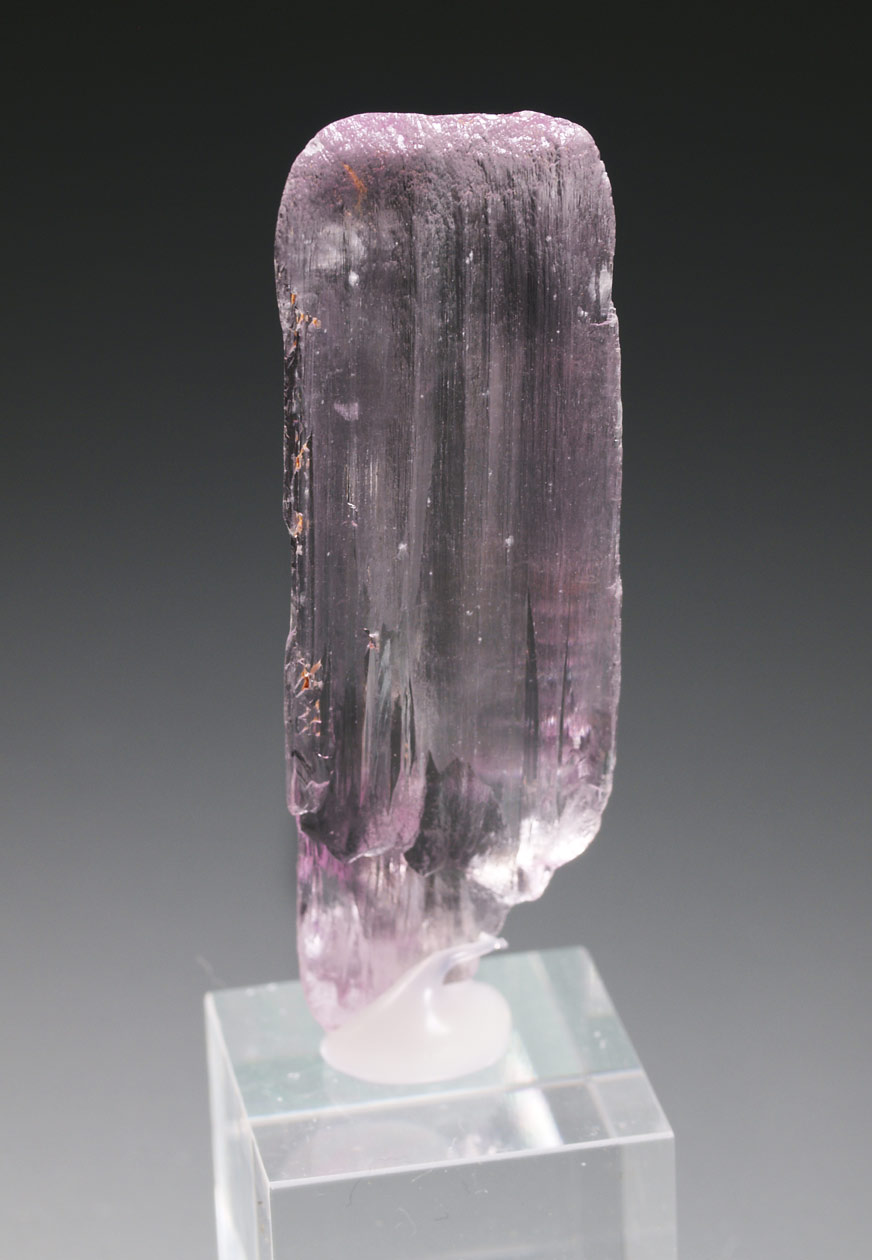
Kunzite crystal, with striated faces, with good color and transparence. A gemmy specimen with handwritten label.
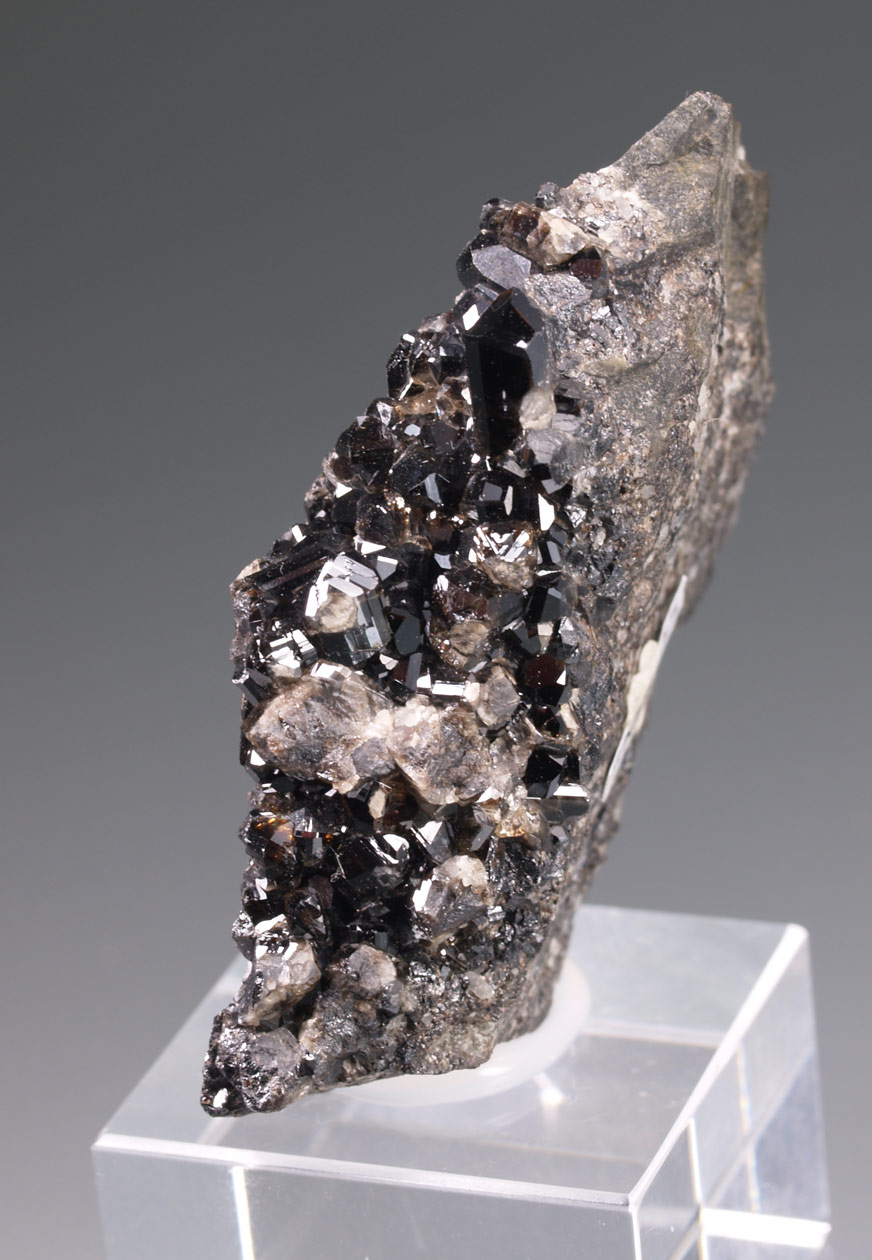
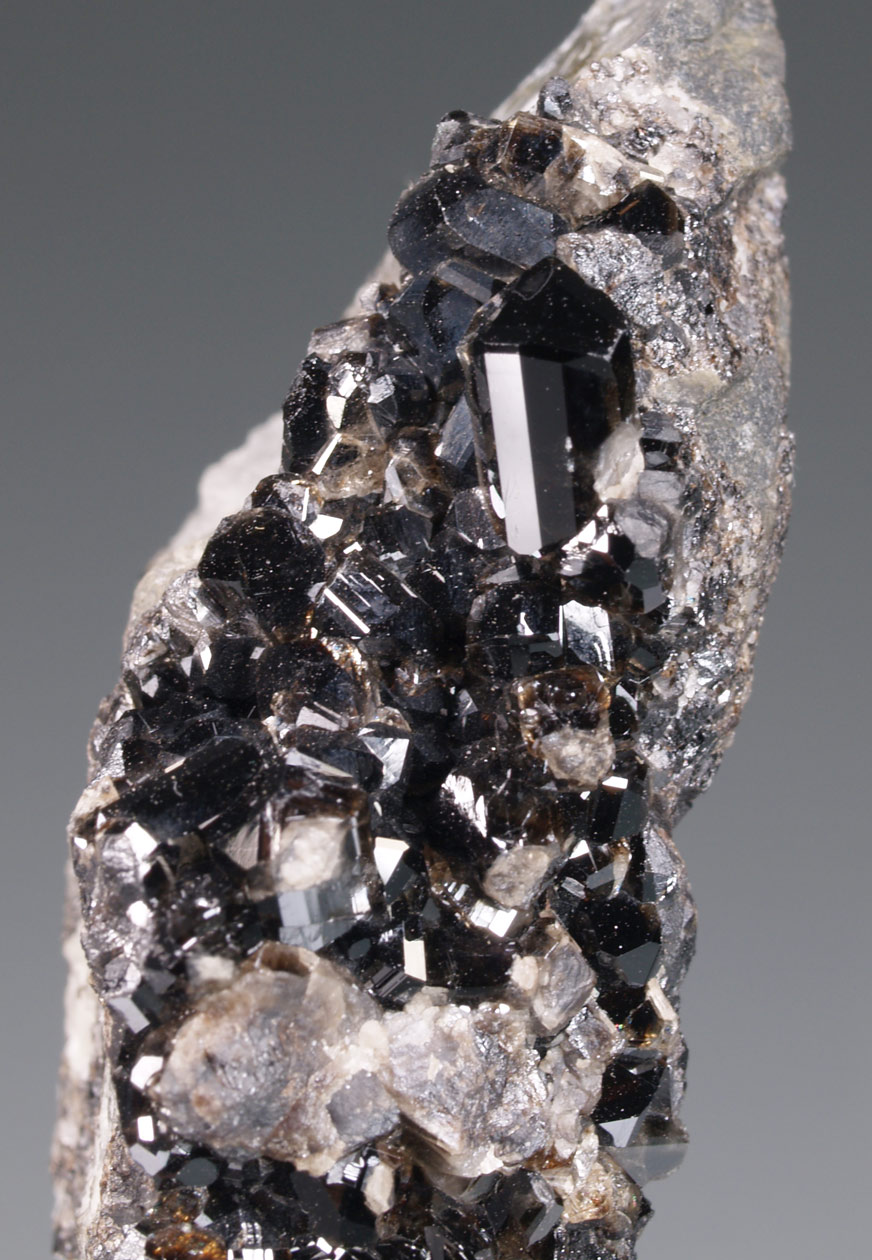
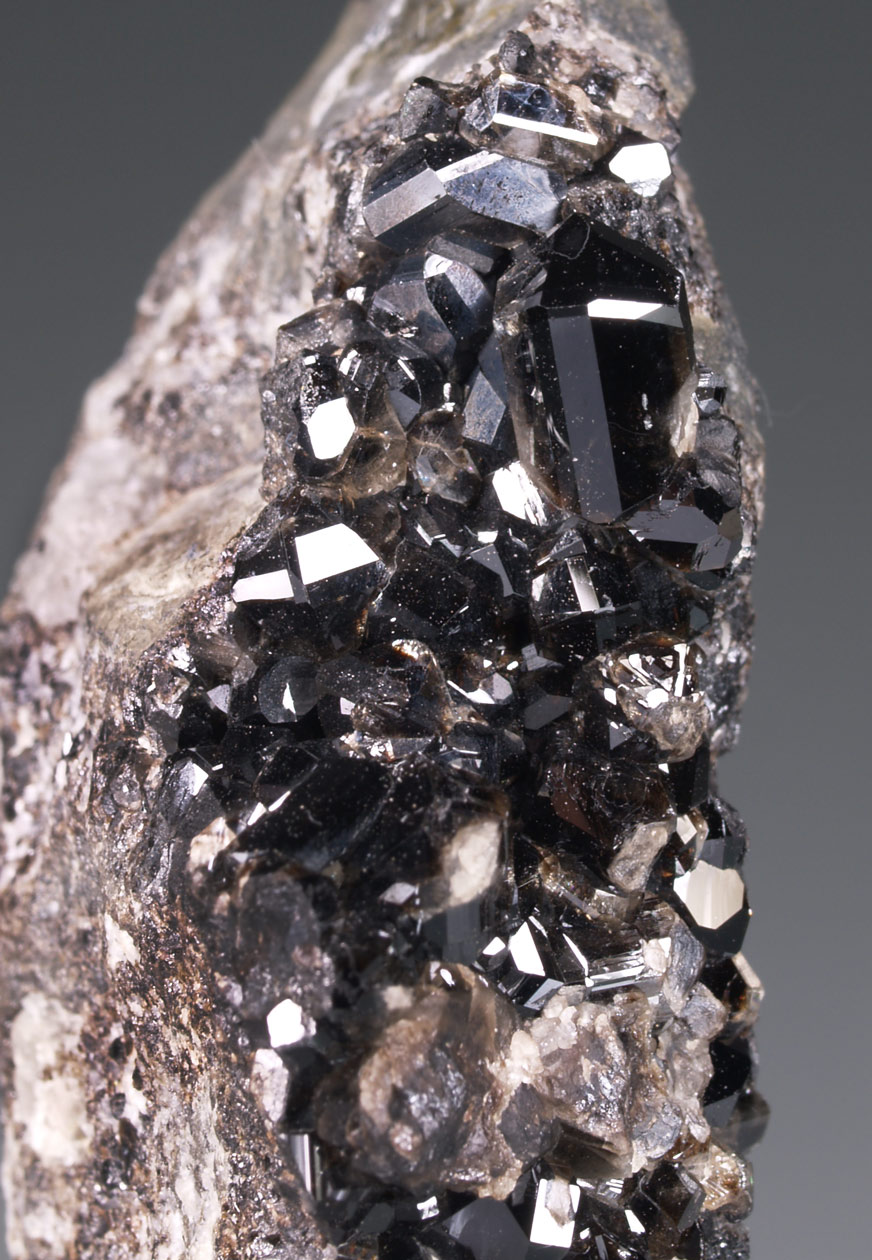
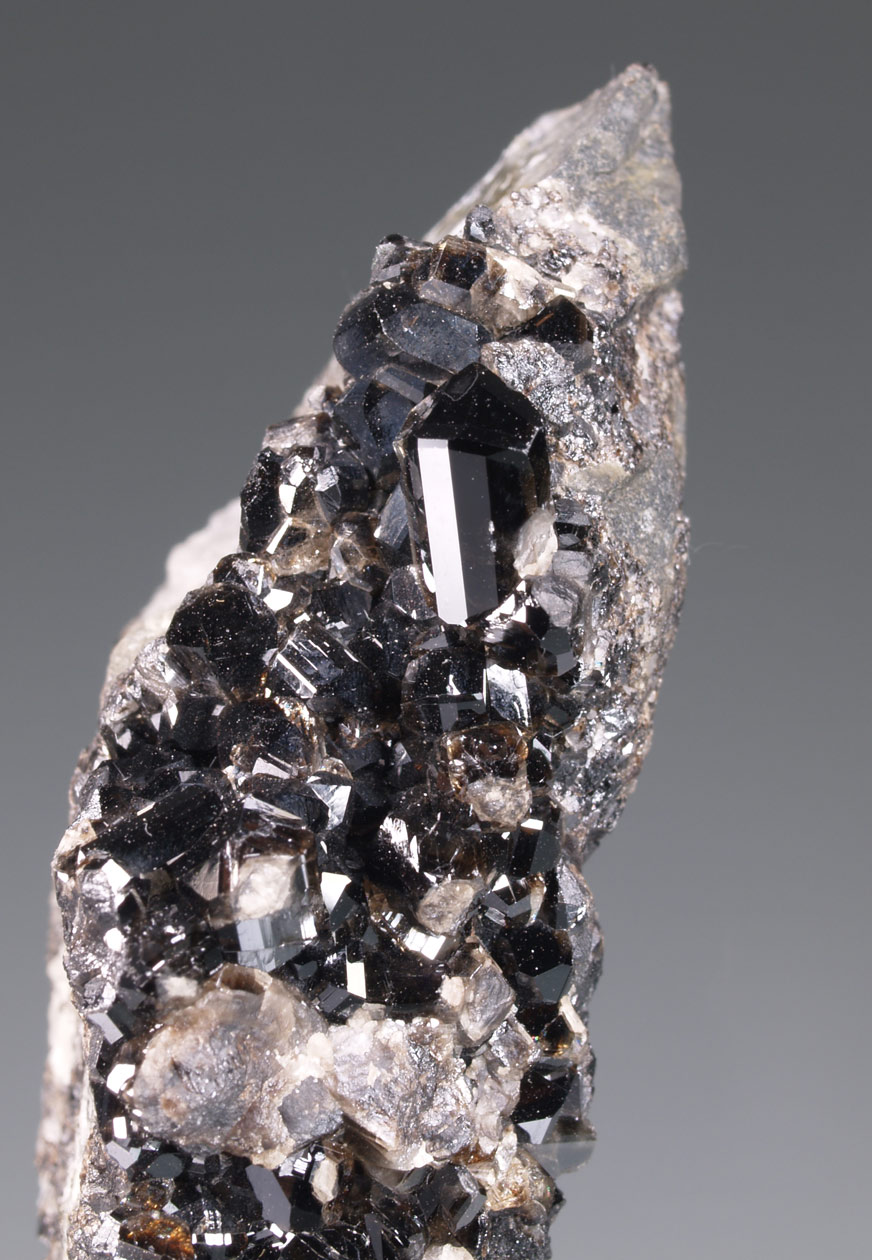
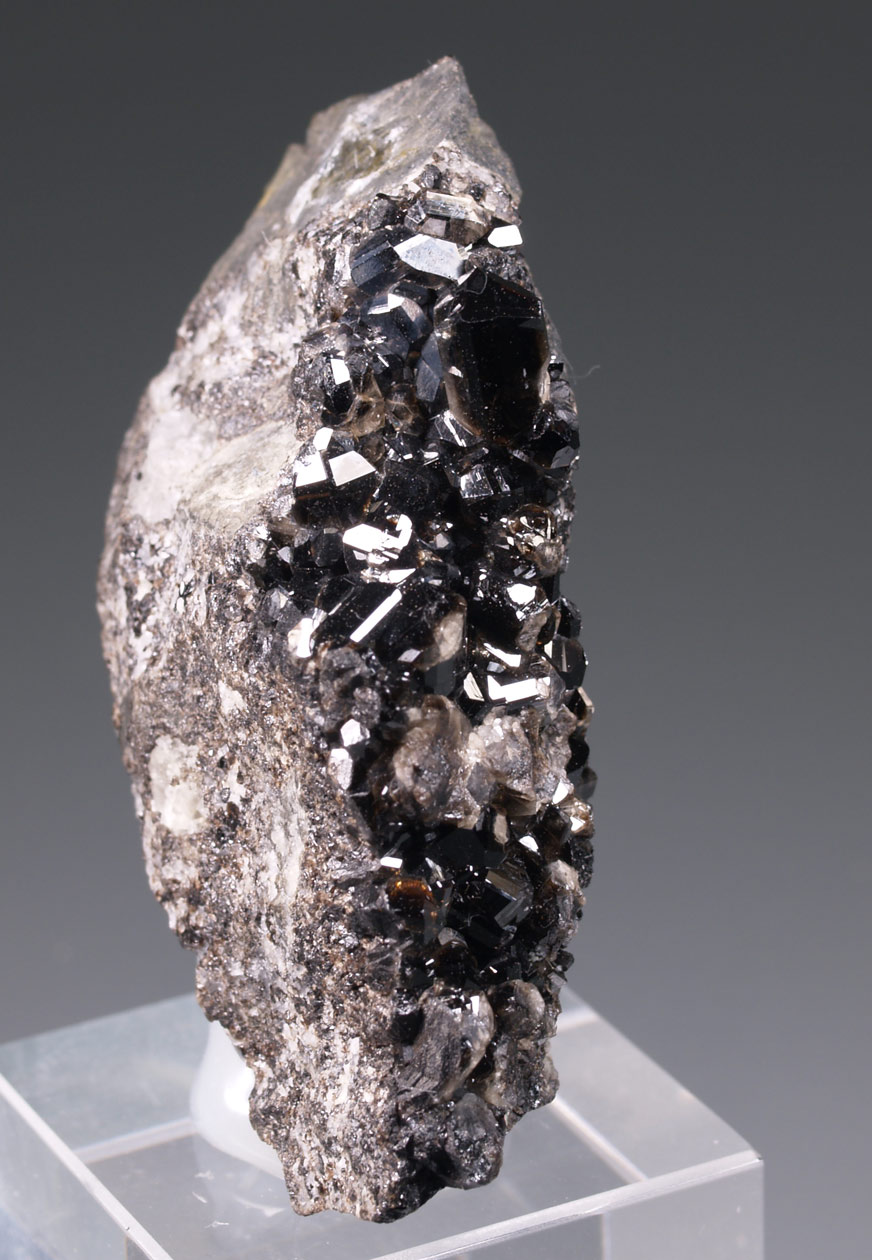
Specimen very rich in cassiterite crystals, very bright, richly faceted and of an intense dark brown color. The specimen has been repaired without affecting the interest of the specimen, from my point of view. A very interesting piece from these tin mines of the St Agnes mining district, an English classic.
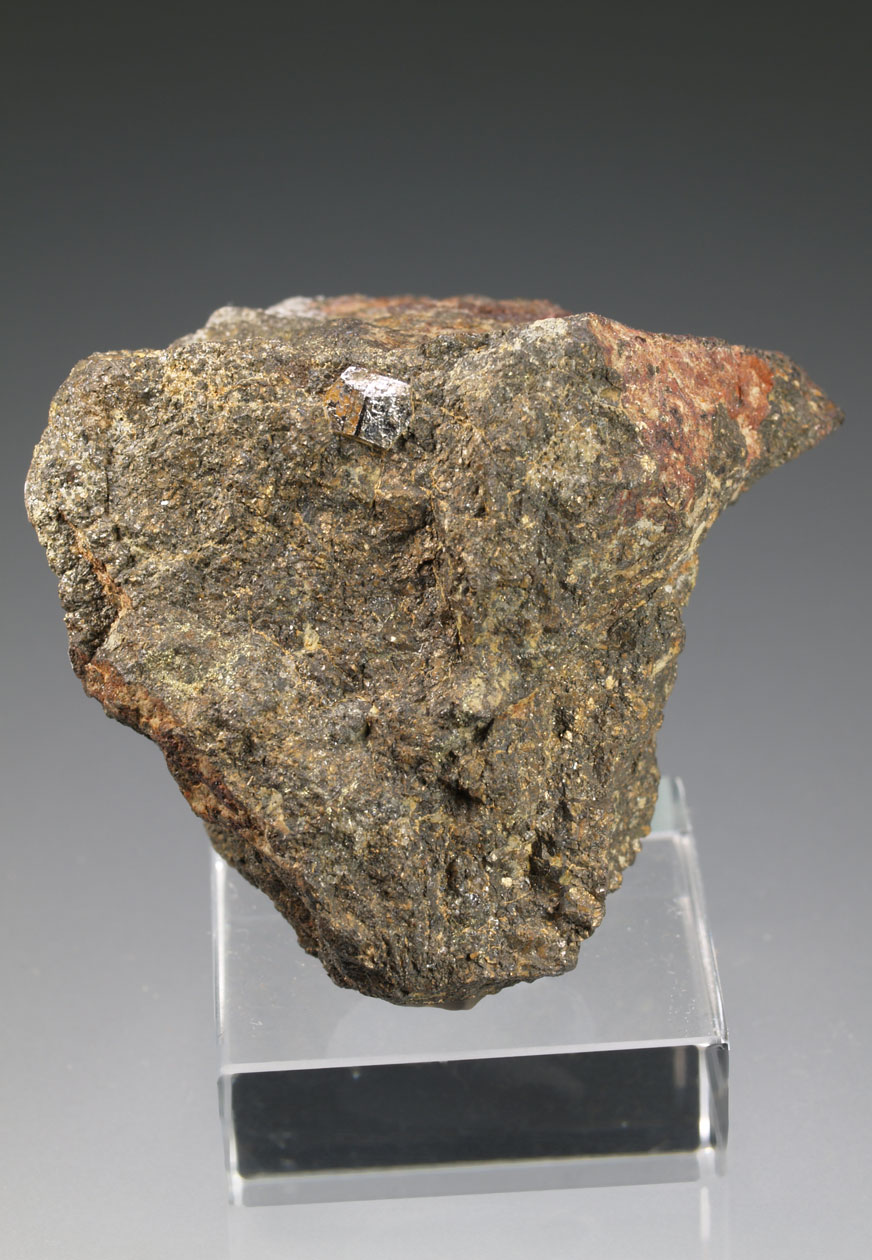
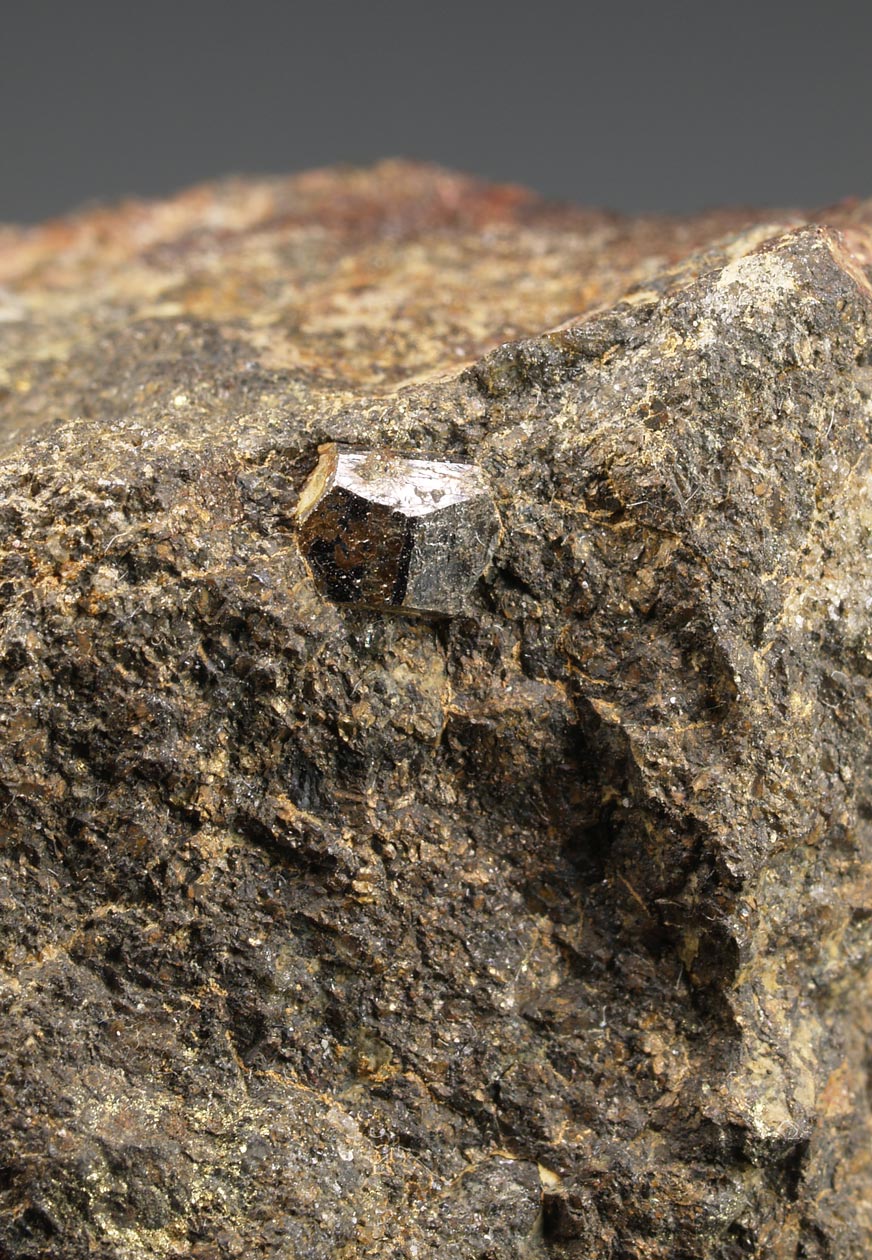
This is a brilliant and esthetic cobaltite specimen that shows a sharp and brilliant crystal, with dominant forms of the cube and pyritohedron, included in the massive pyrrhotite matrix. Håkansboda is an old mine, opened in the 17th century and worked until 1873, with only minor mining during World War I. An European classic mine and specimen.