- Inicio Acerca de RM Minerales
- Galería de fotos Blog RM Contacto
- Microscopia e instrumentos Pedidos Aviso legal
Copyright 2010-2026
www.rosellminerals.com



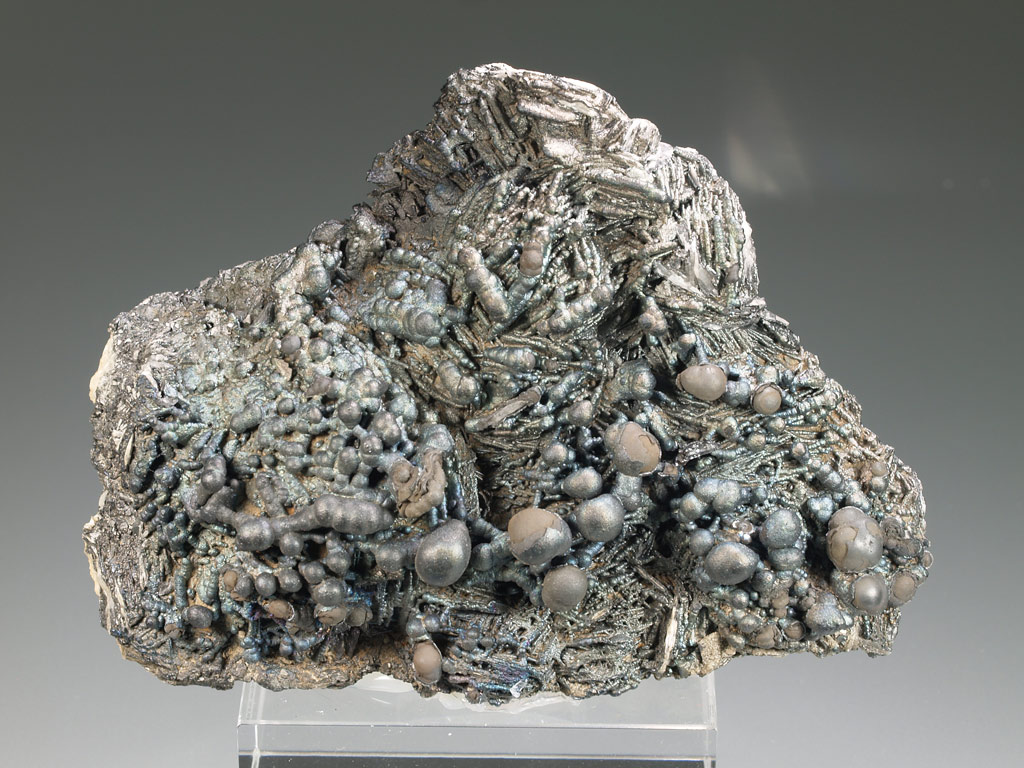
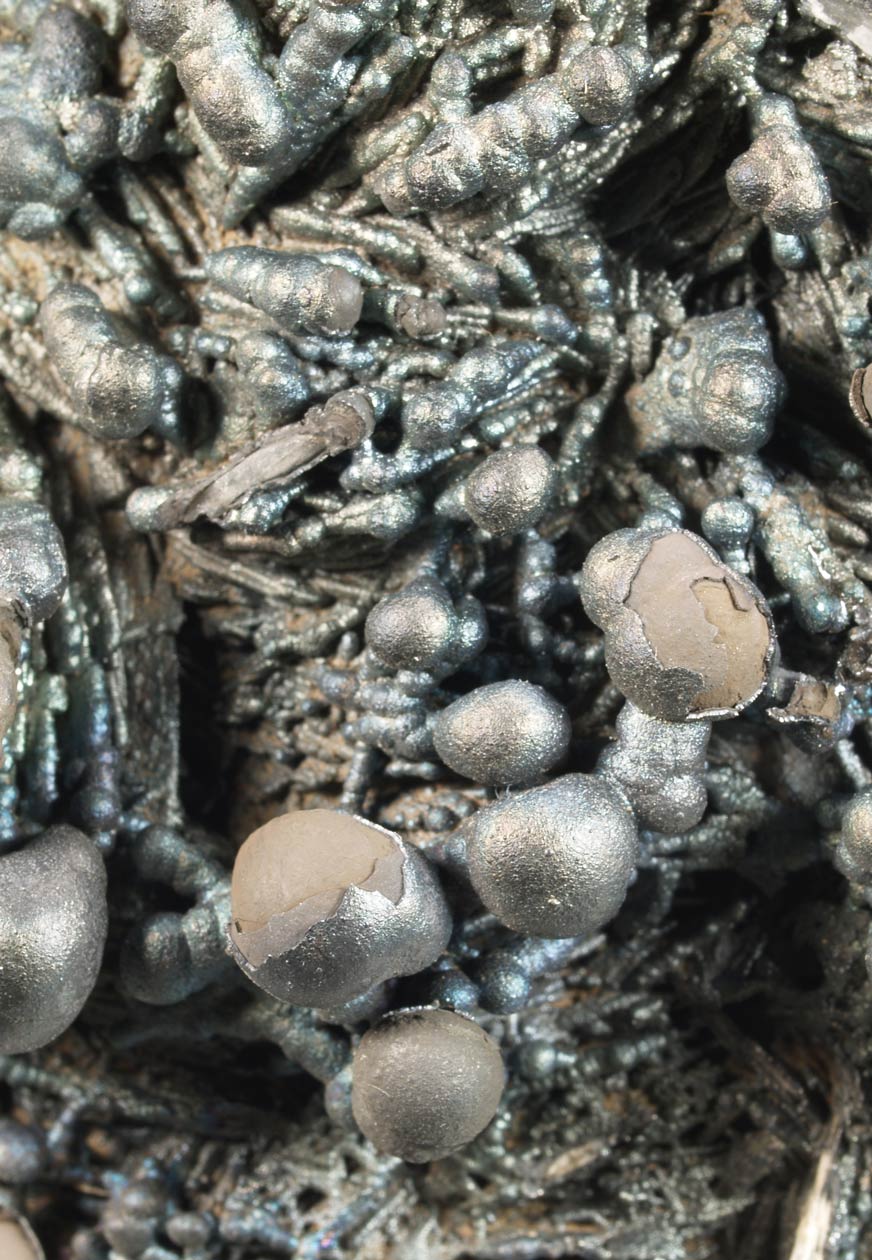
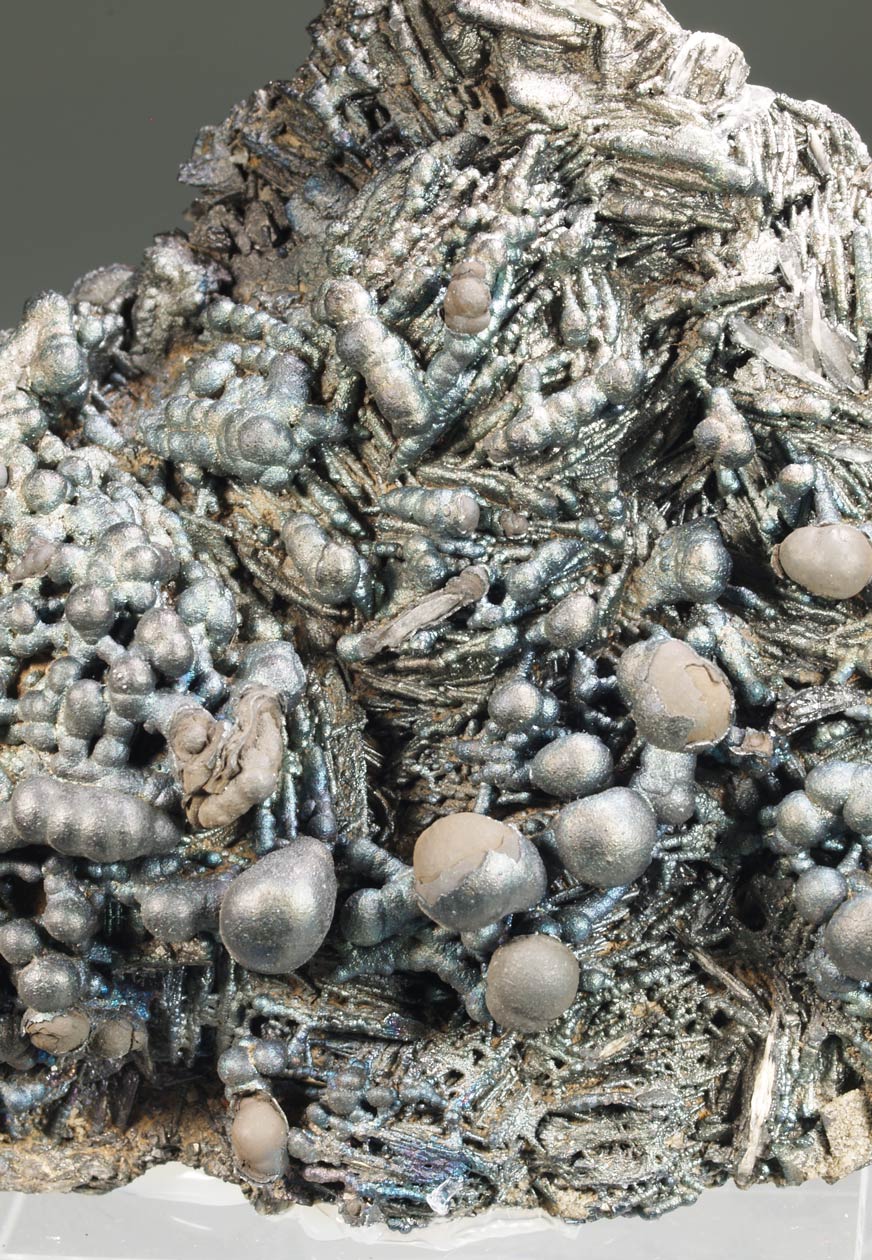
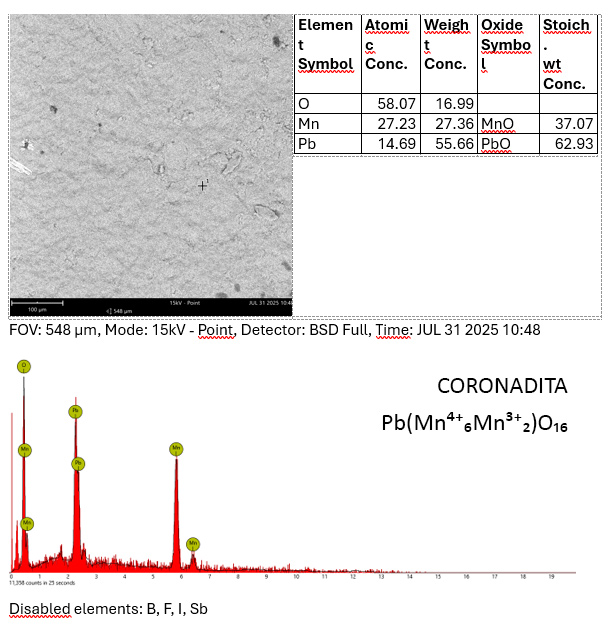
Espectacular ejemplar de coronadita (analizado) procedente de esta clásica mina del sur de Marruecos. Se trata de numerosos agregados globulares y botroidales de este óxido de manganeso con plomo. La matriz es de barita y galena. Una pieza muy estética y de buen tamaño.

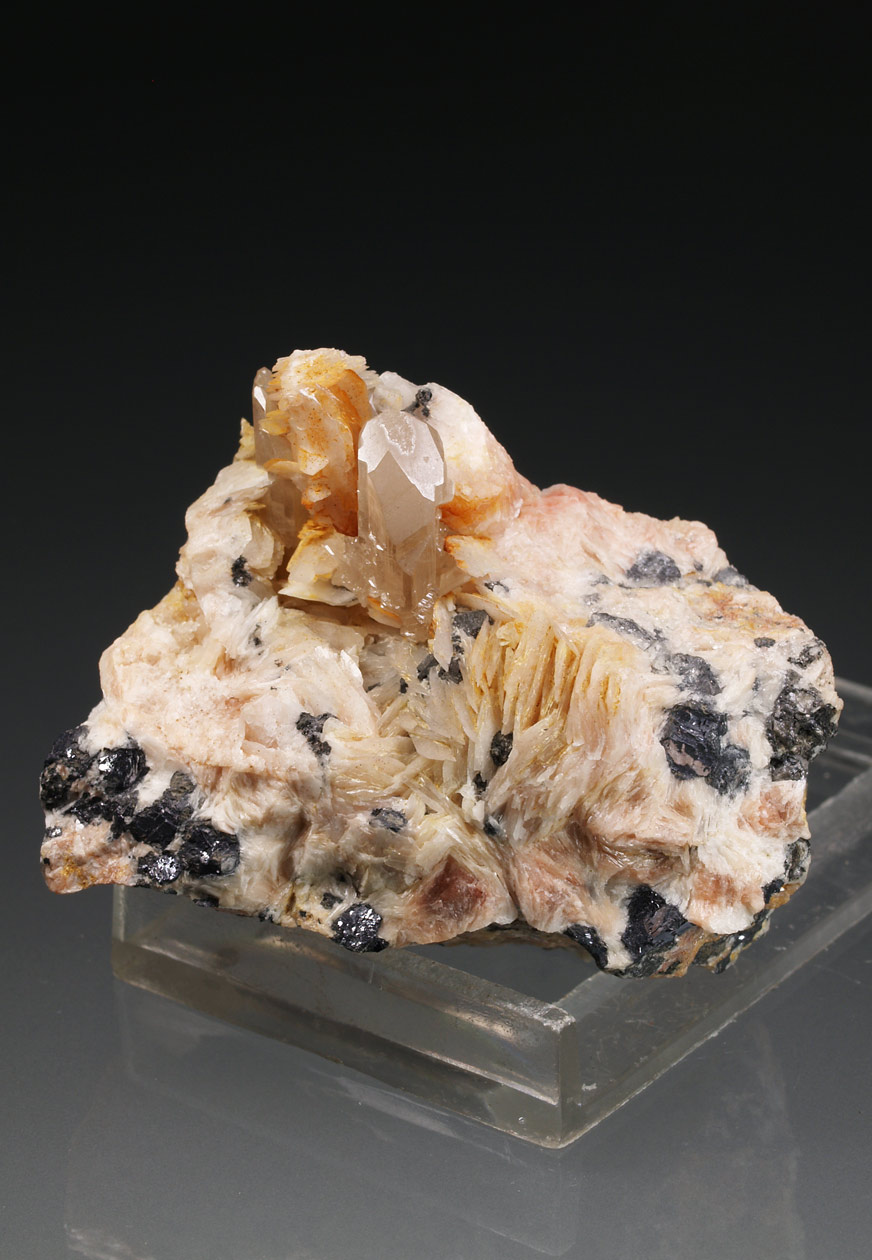
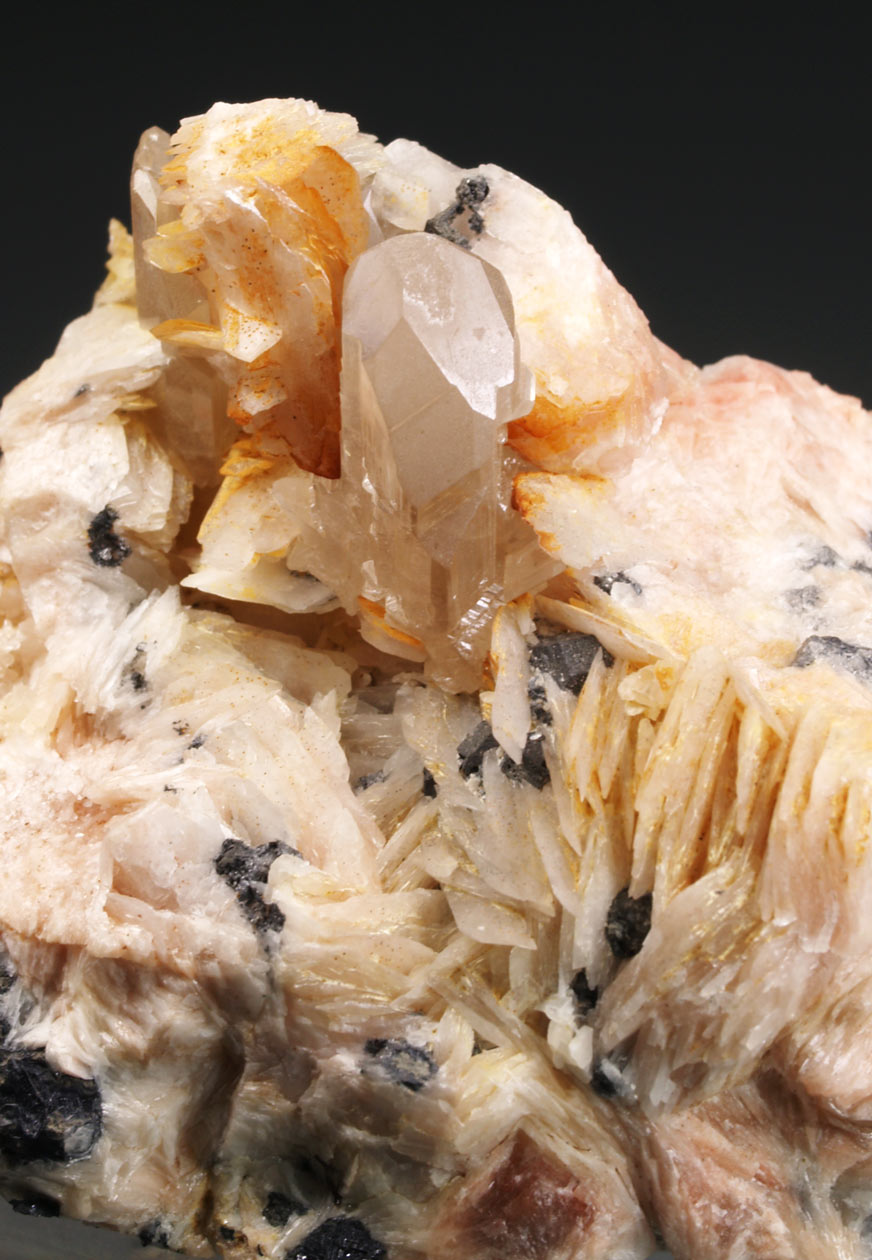
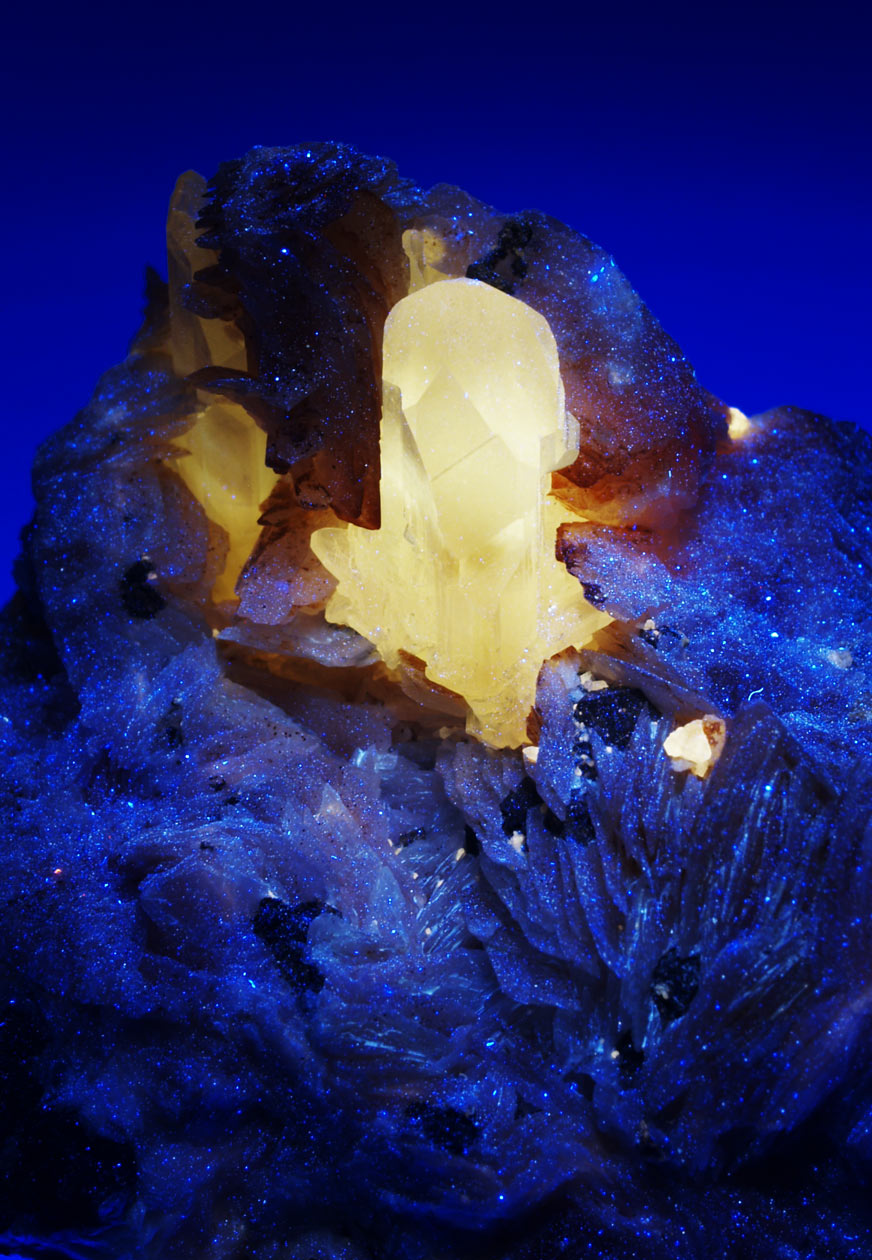
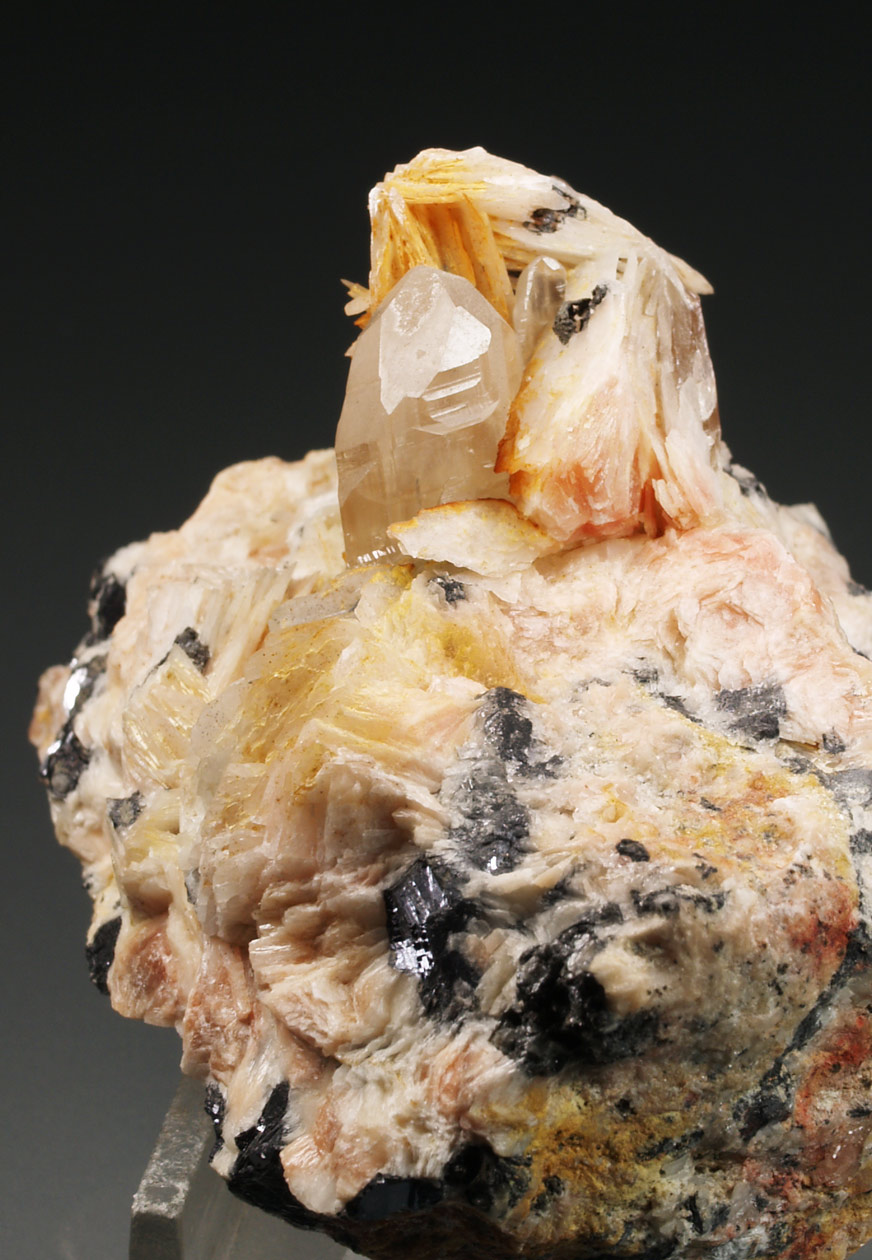
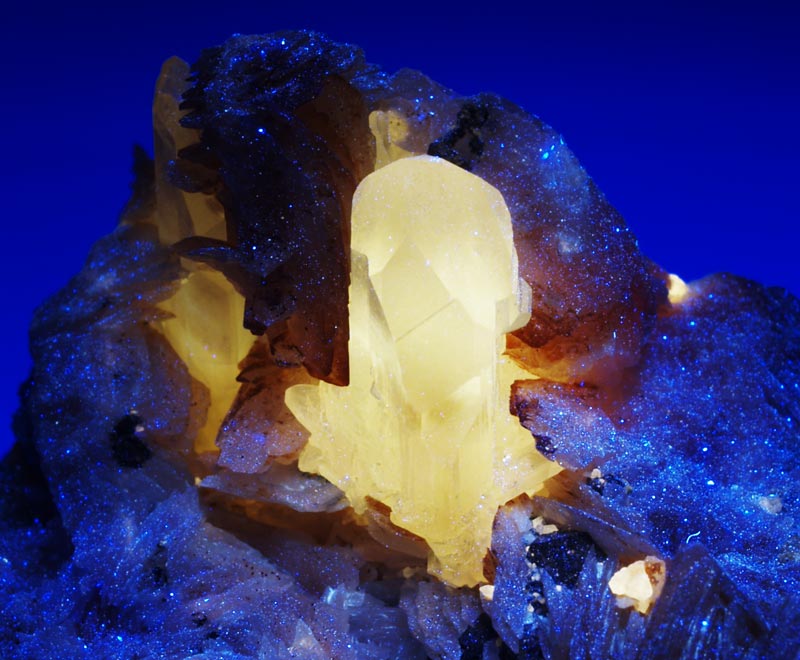
Cristales idiomórficos de cerusita, ricos en caras, con brillo, translúcidos y con intensa respuesta bajo la luz UVOL. Sobre una matriz de cristales de barita.
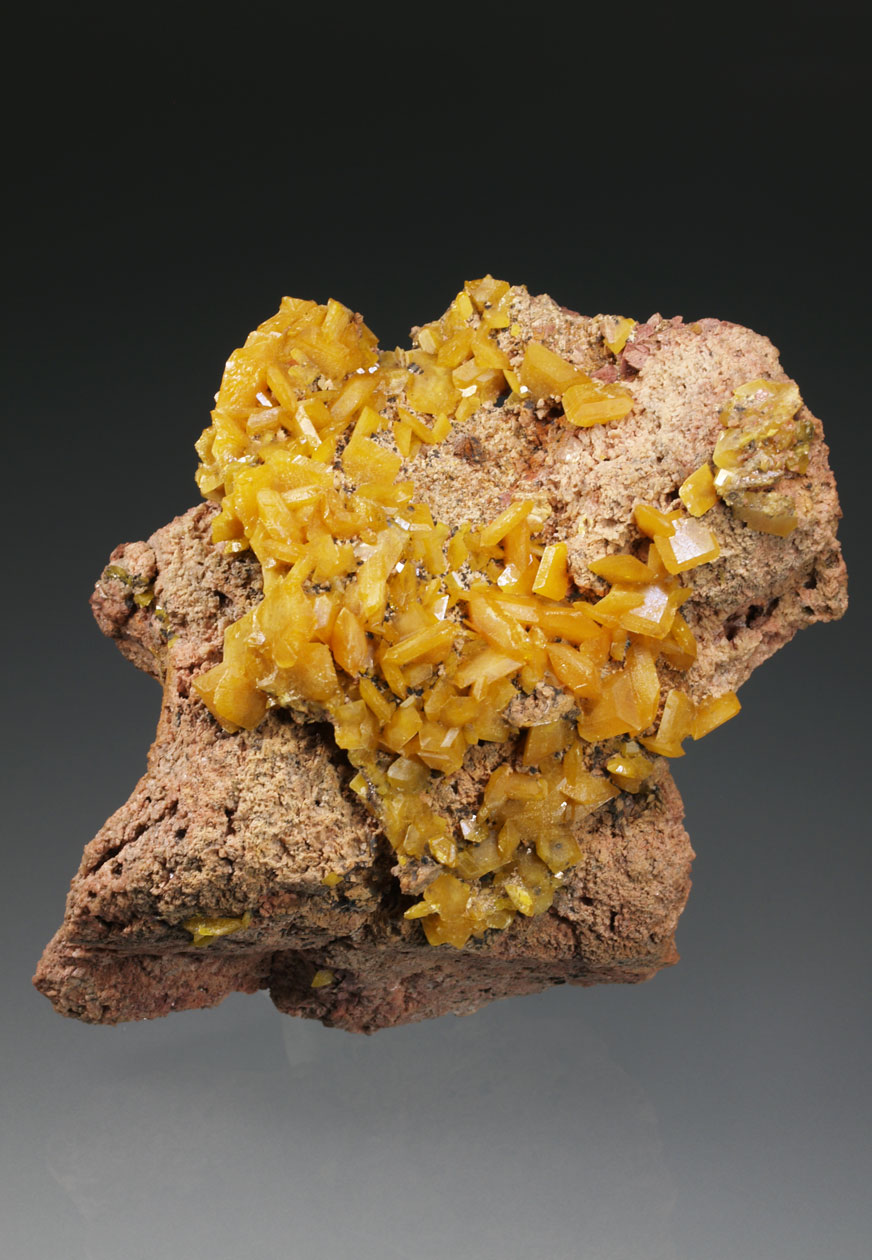
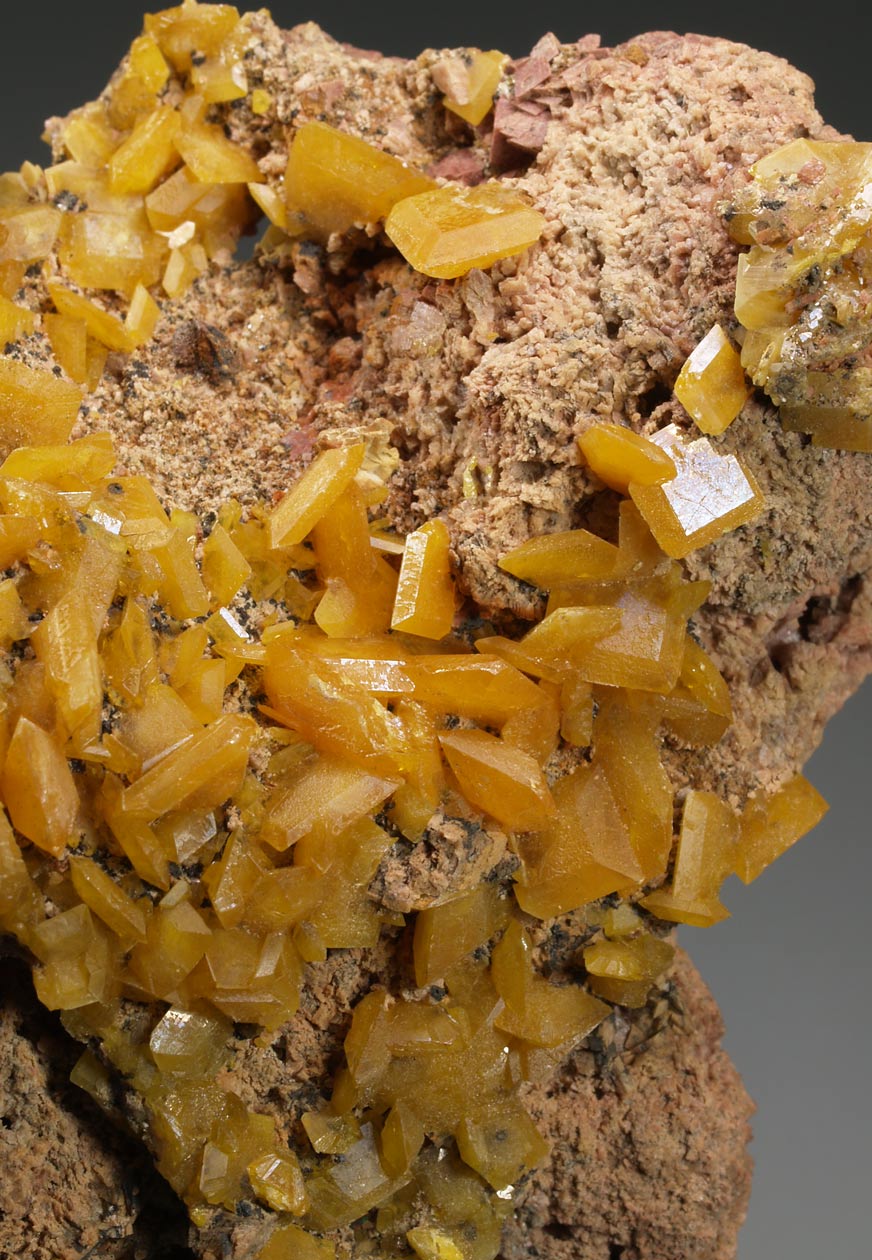
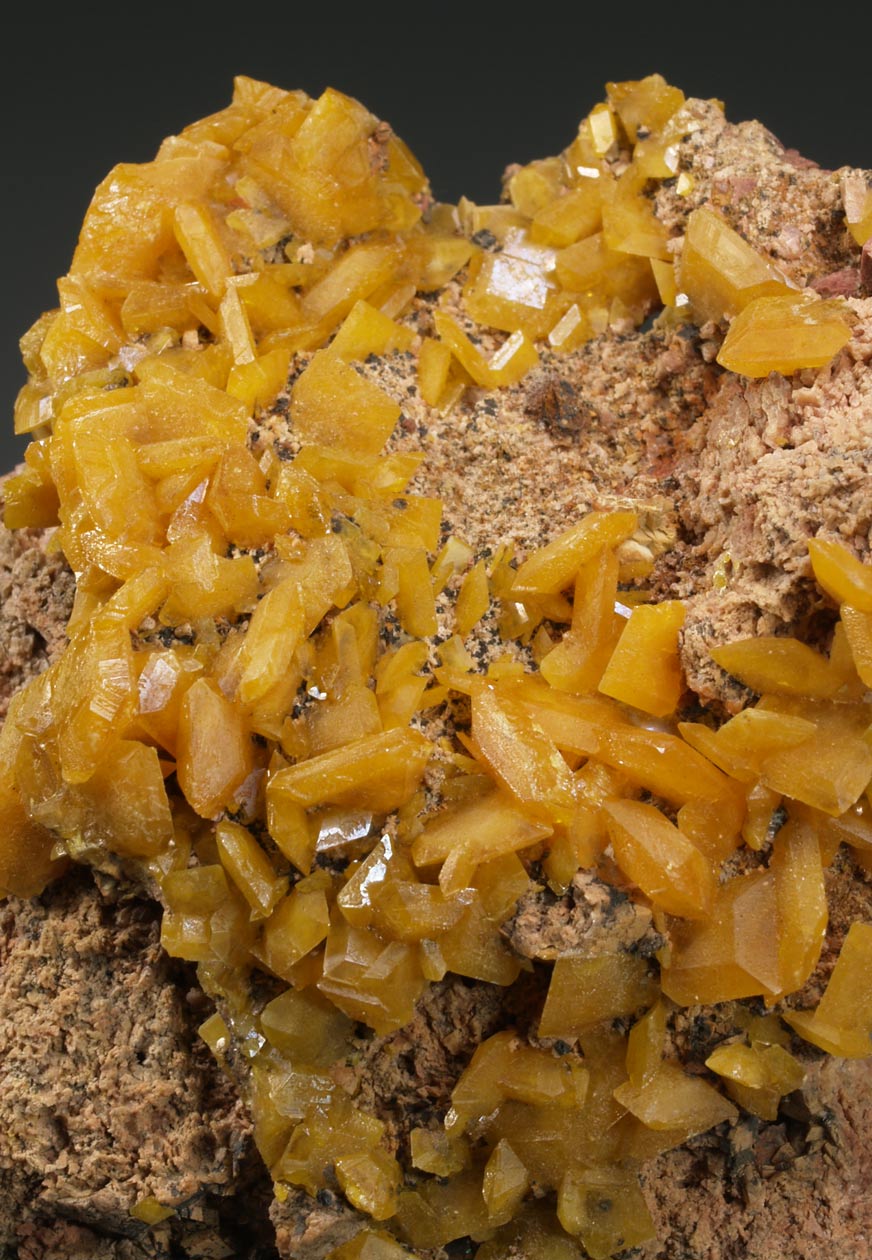
Sobre una matriz de dolomita se disponen numerosos cristales tabulares de wulfenita, definidos y que muestarn caras de la bipirámide y los pinacoides basales. Color amarillo anaranjado. De esta localidad clásica marroquí. Procede de la colección J. Murria de Barcelona.
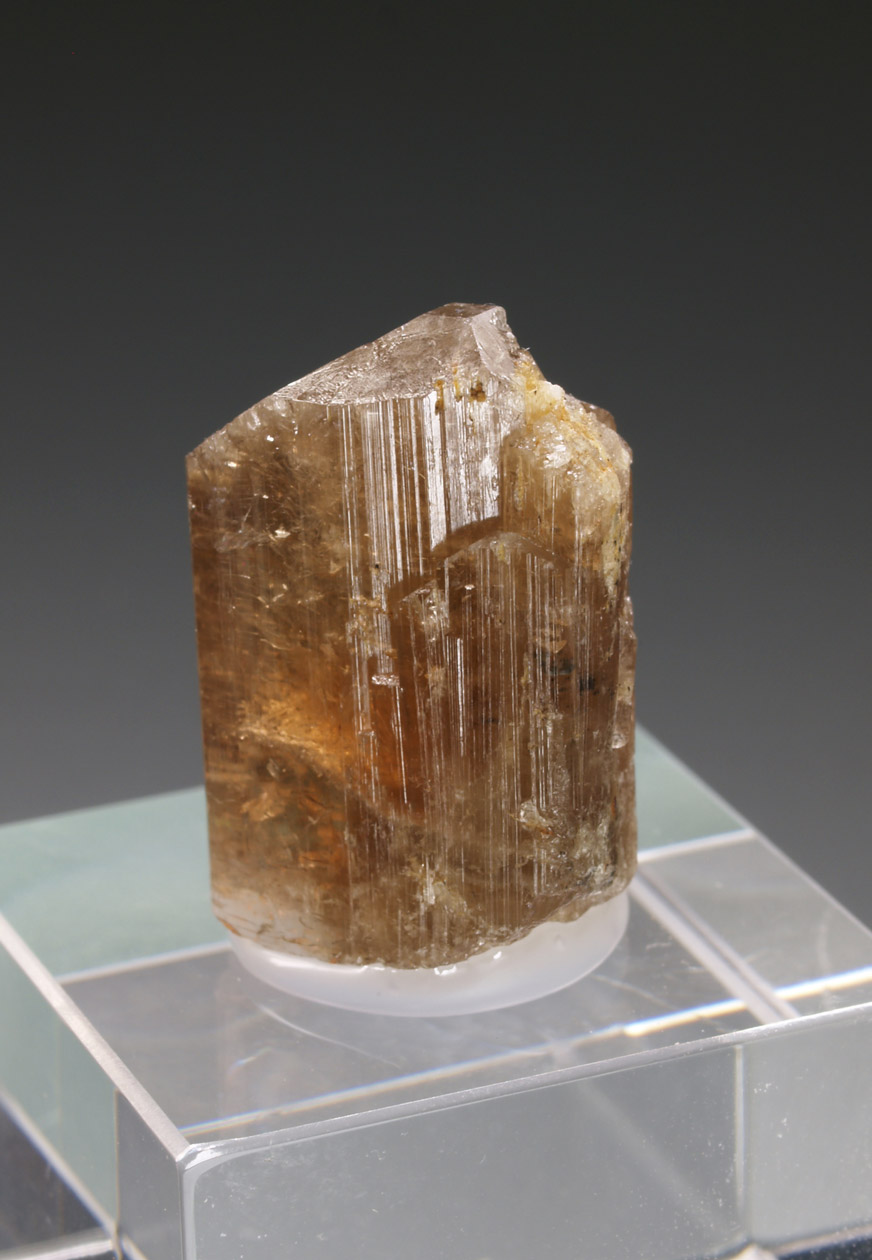
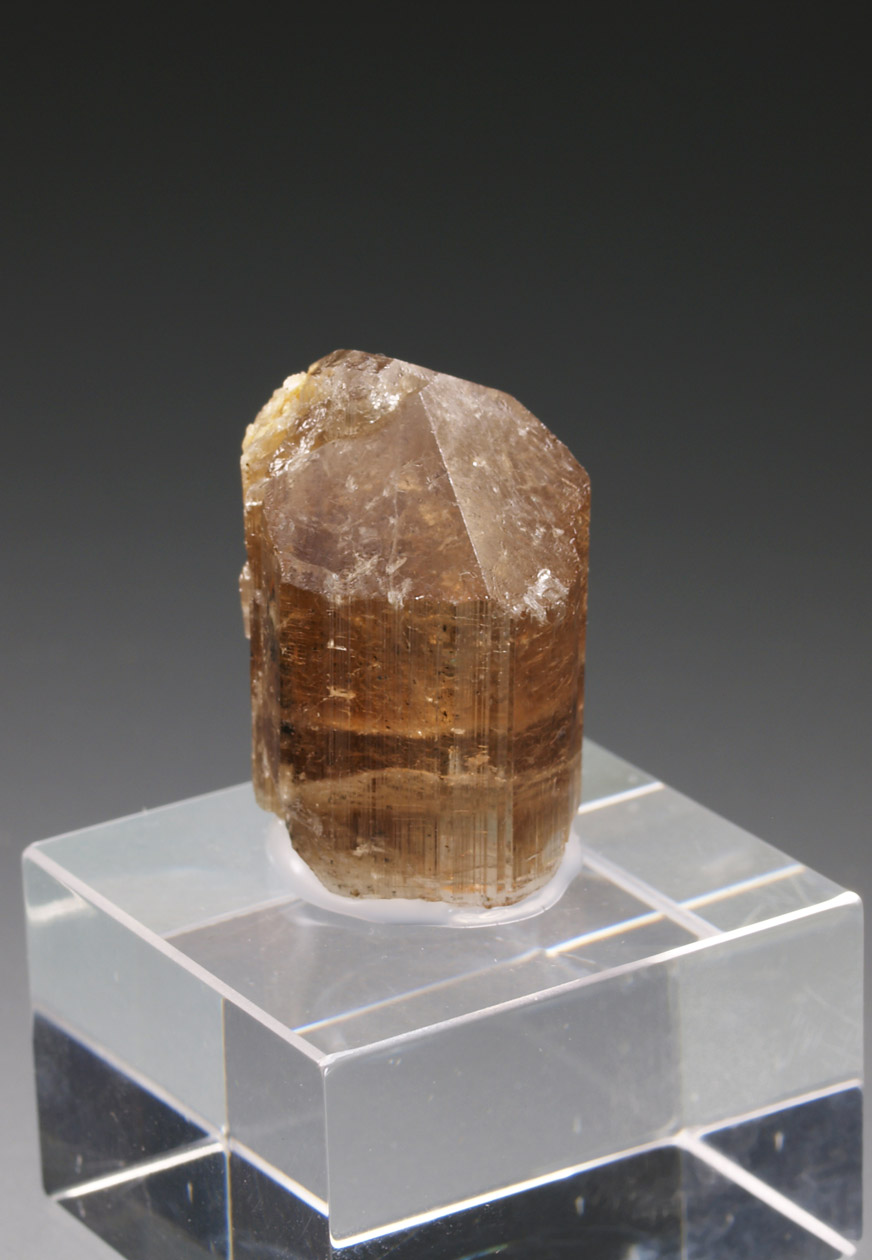
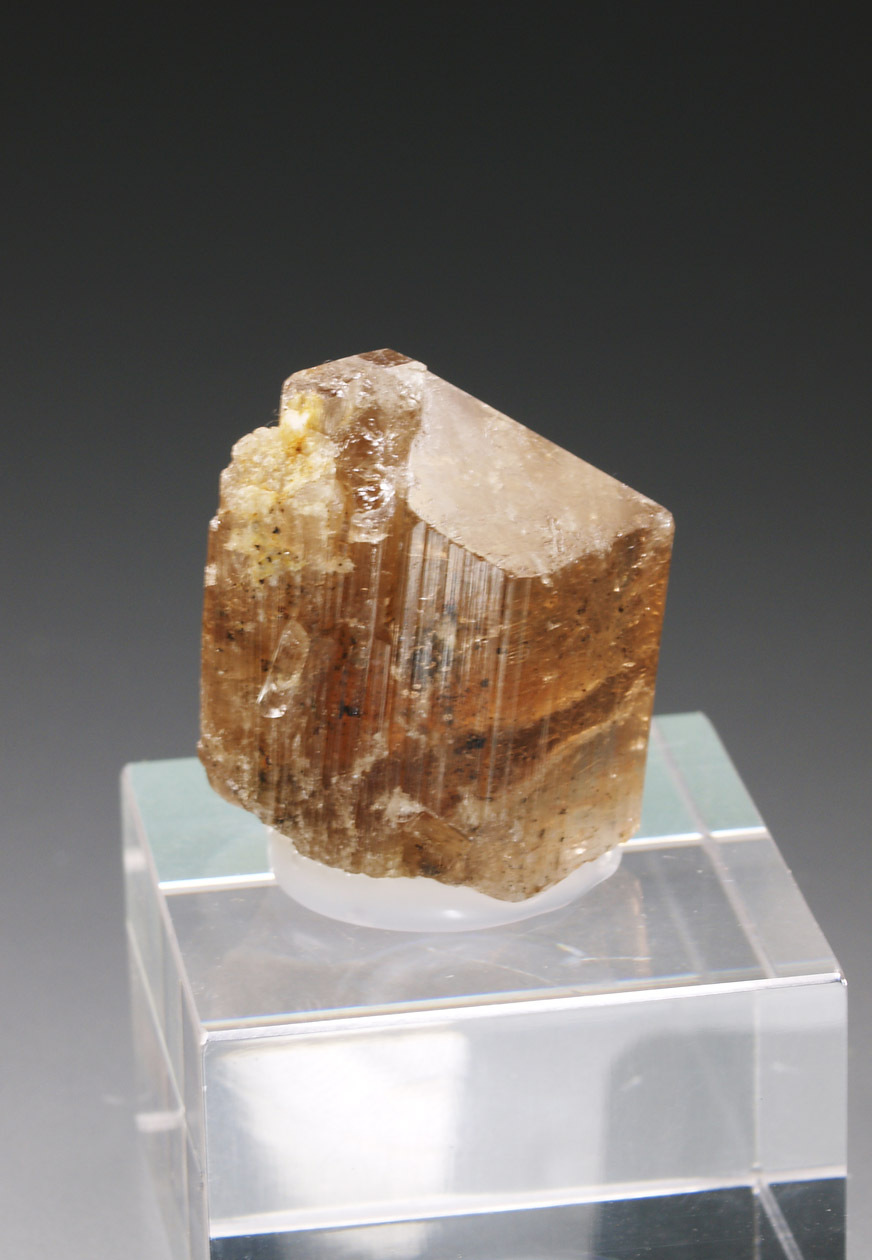
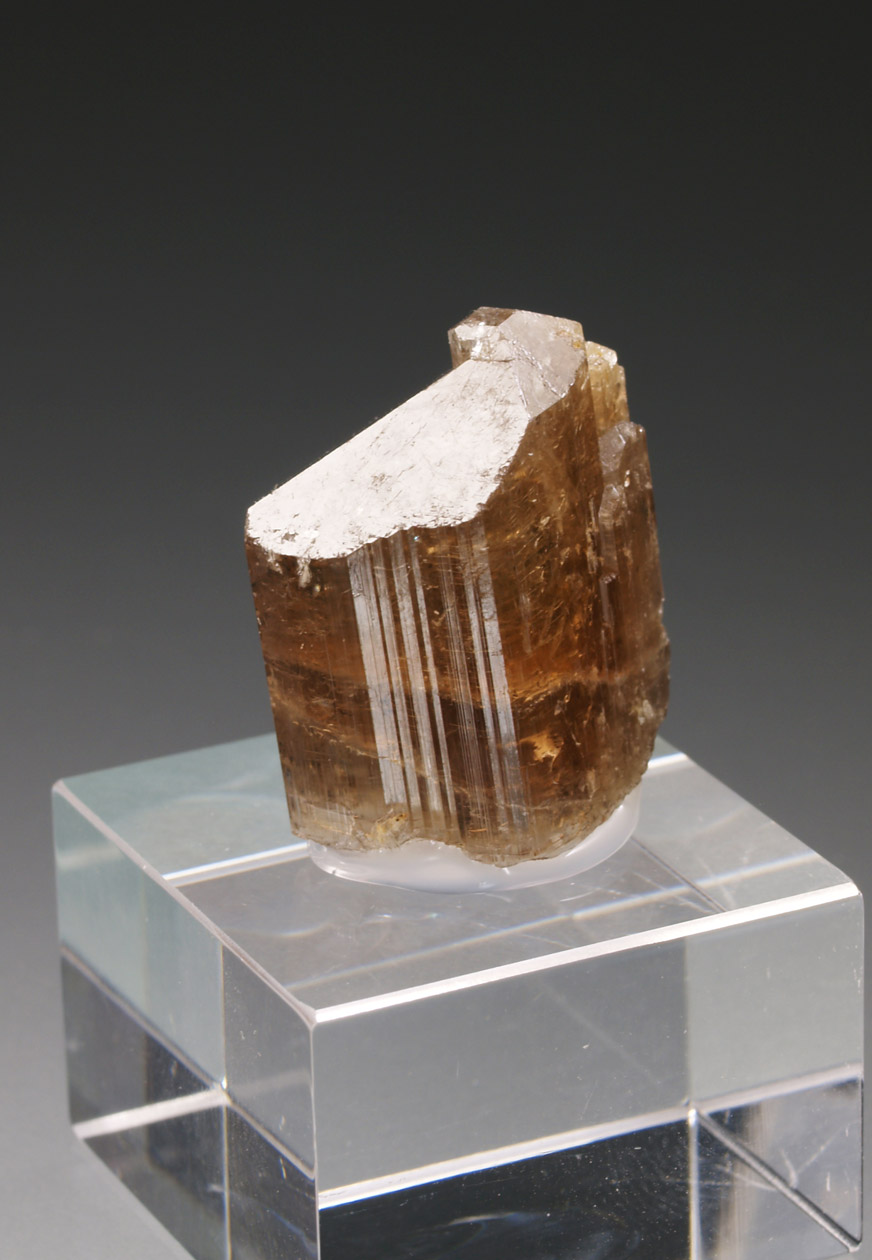
Recientemente han aparecido en el mercado ejemplares de escapolita de origen marroquí. Los análisis que hemos realizado de varios ejemplares nos indican que se trata de marialita, ya que la proporción de Na (marialita, Na₄Al₃Si₉O₂₄Cl) es superior a la de calcio (meionita, Ca₄Al₆Si₆O₂₄CO₃), además se detecta la presencia de cloro. Podemos observar que la proporción de Ca es bastante alta por lo que nos encontramos en un término medio de la serie marialita-meionita.
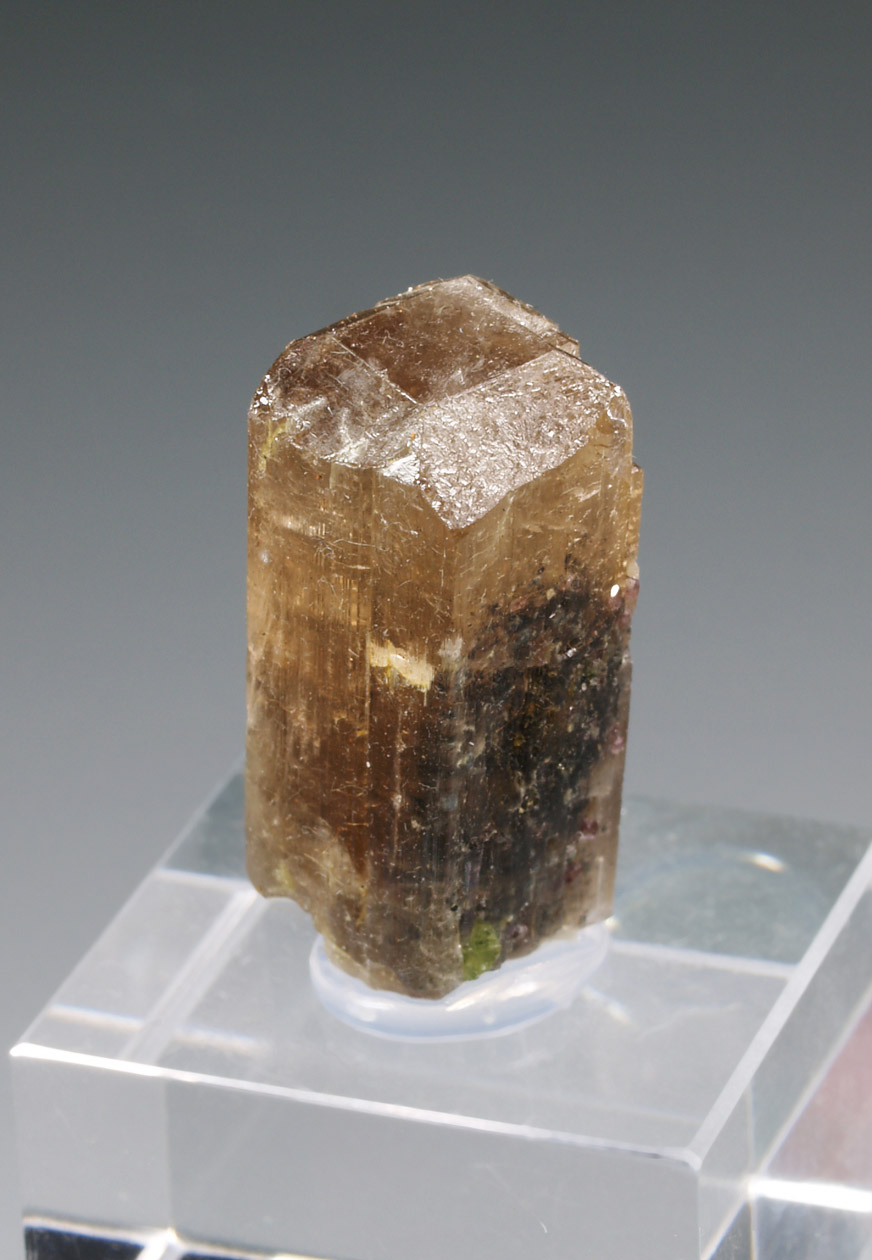
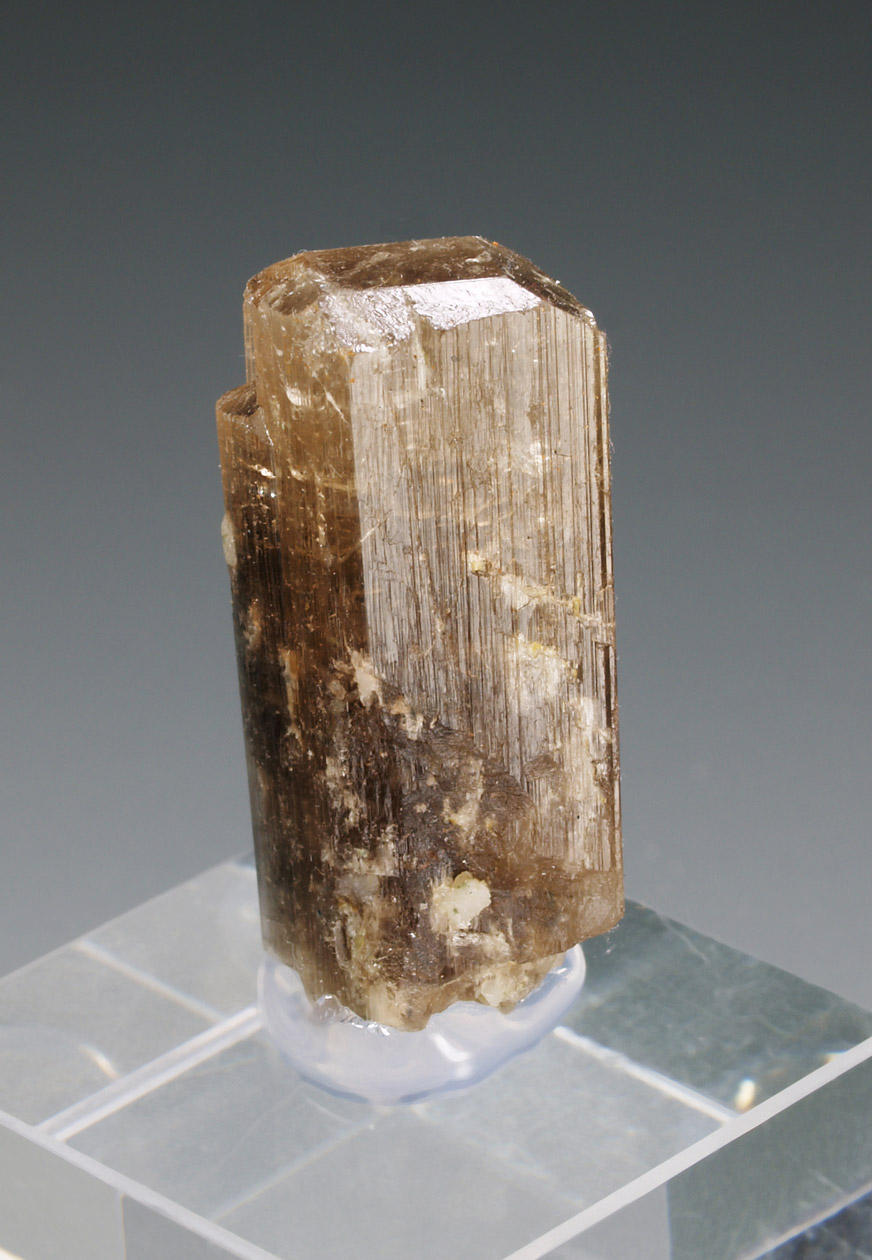
Los cristales se presentan como prismas tetragonales truncados por el pinacoide basal y la bipirámide de primer orden. Transparentes a translúcidos y algunas inclusiones. Presentan cierta fluorescencia bajo la lus UV-OL. Enviaremos los análisis al comprador.
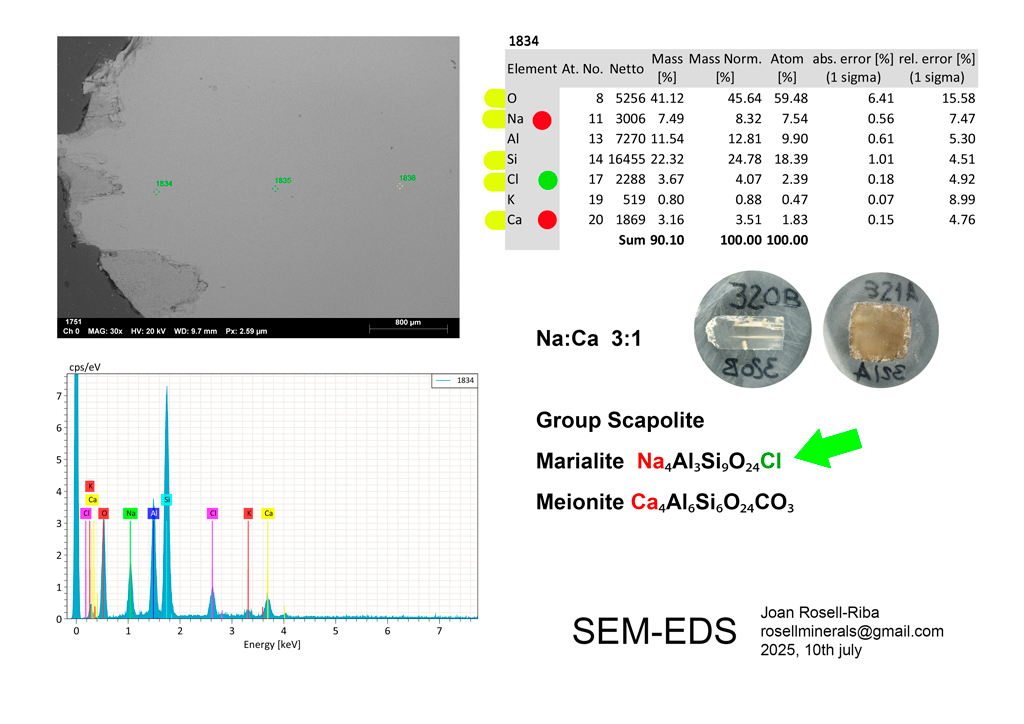
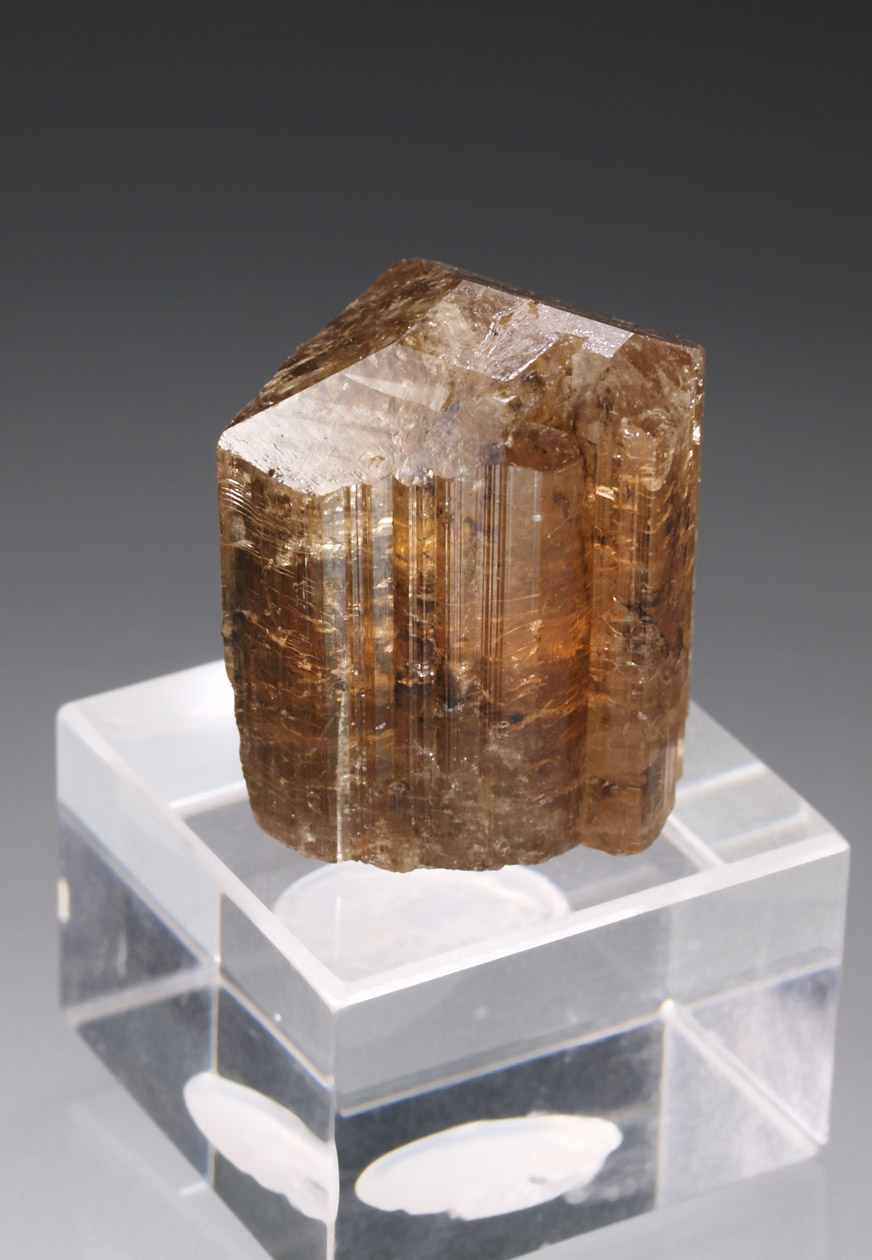
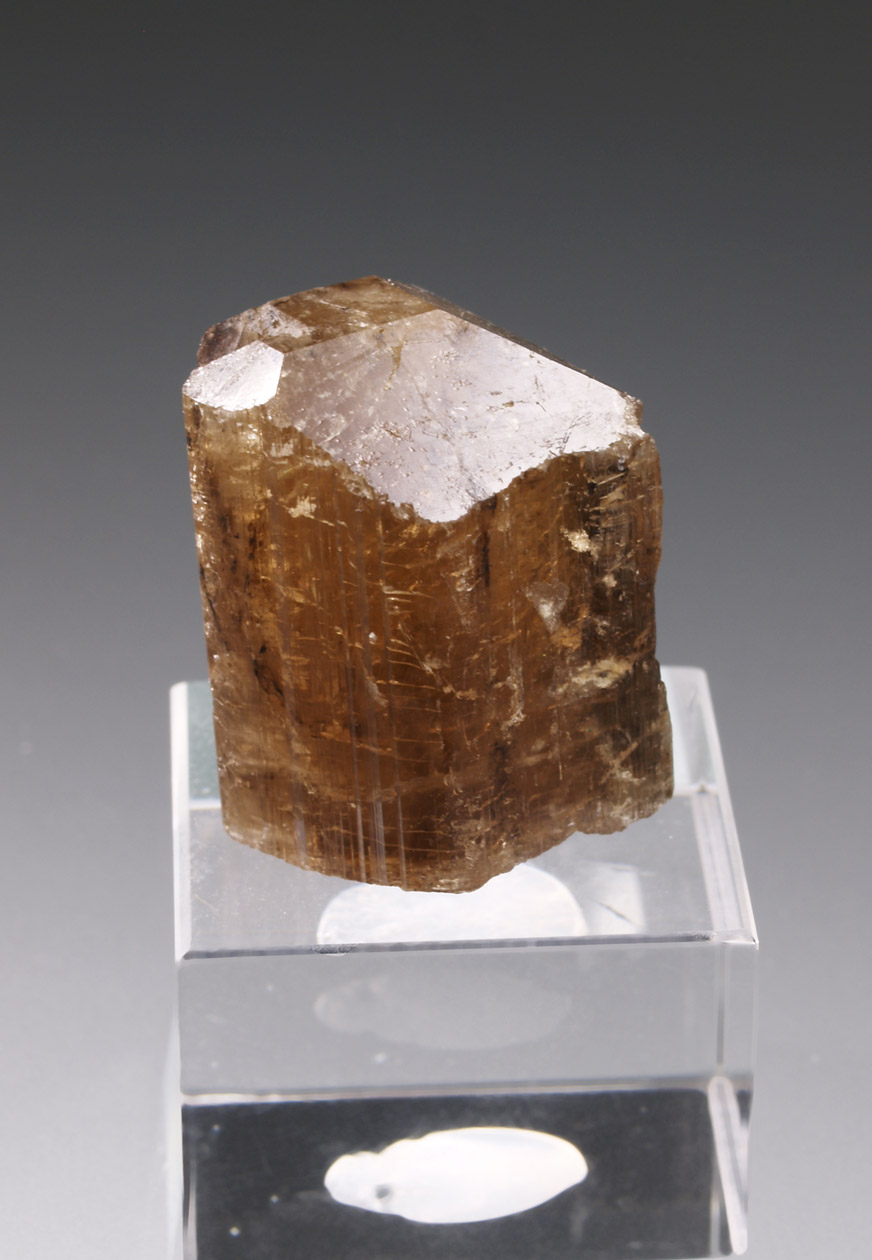
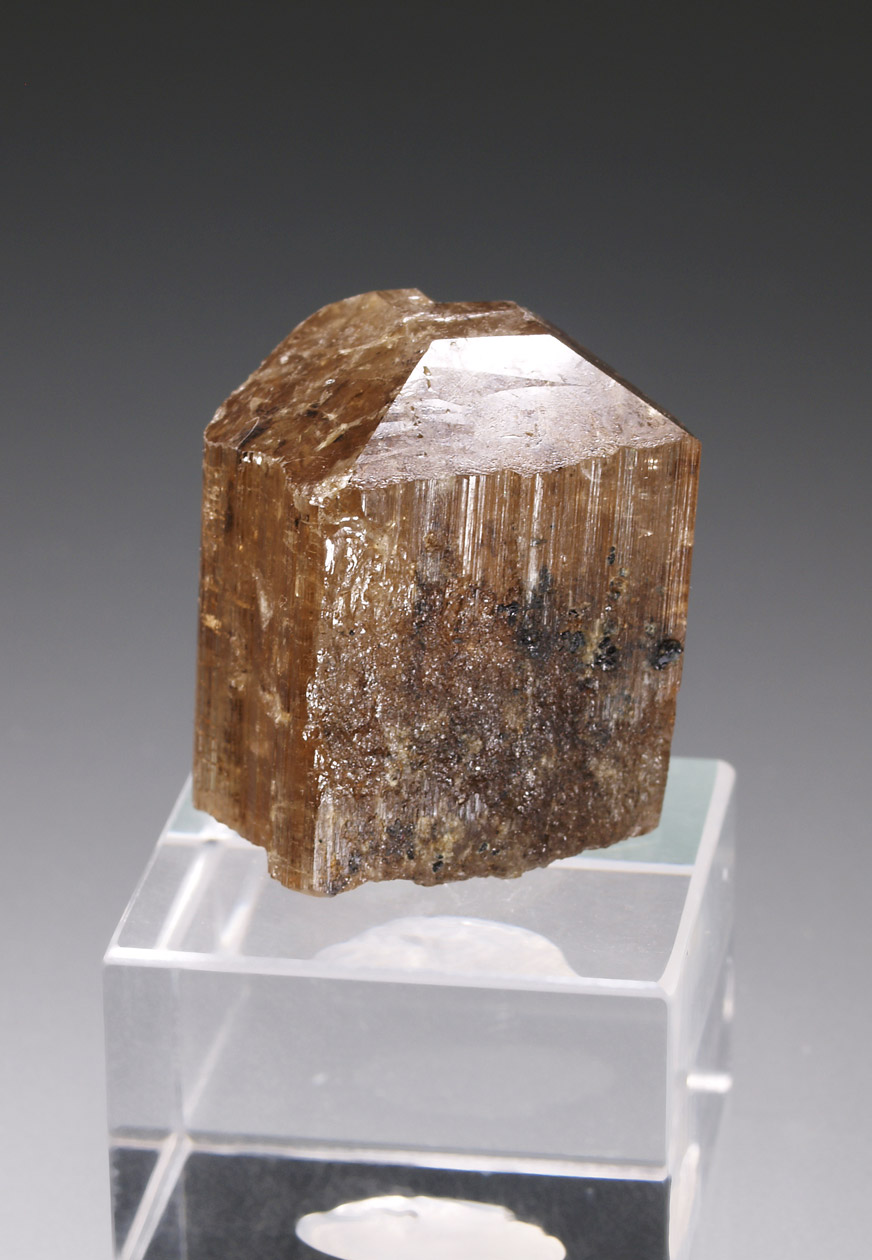
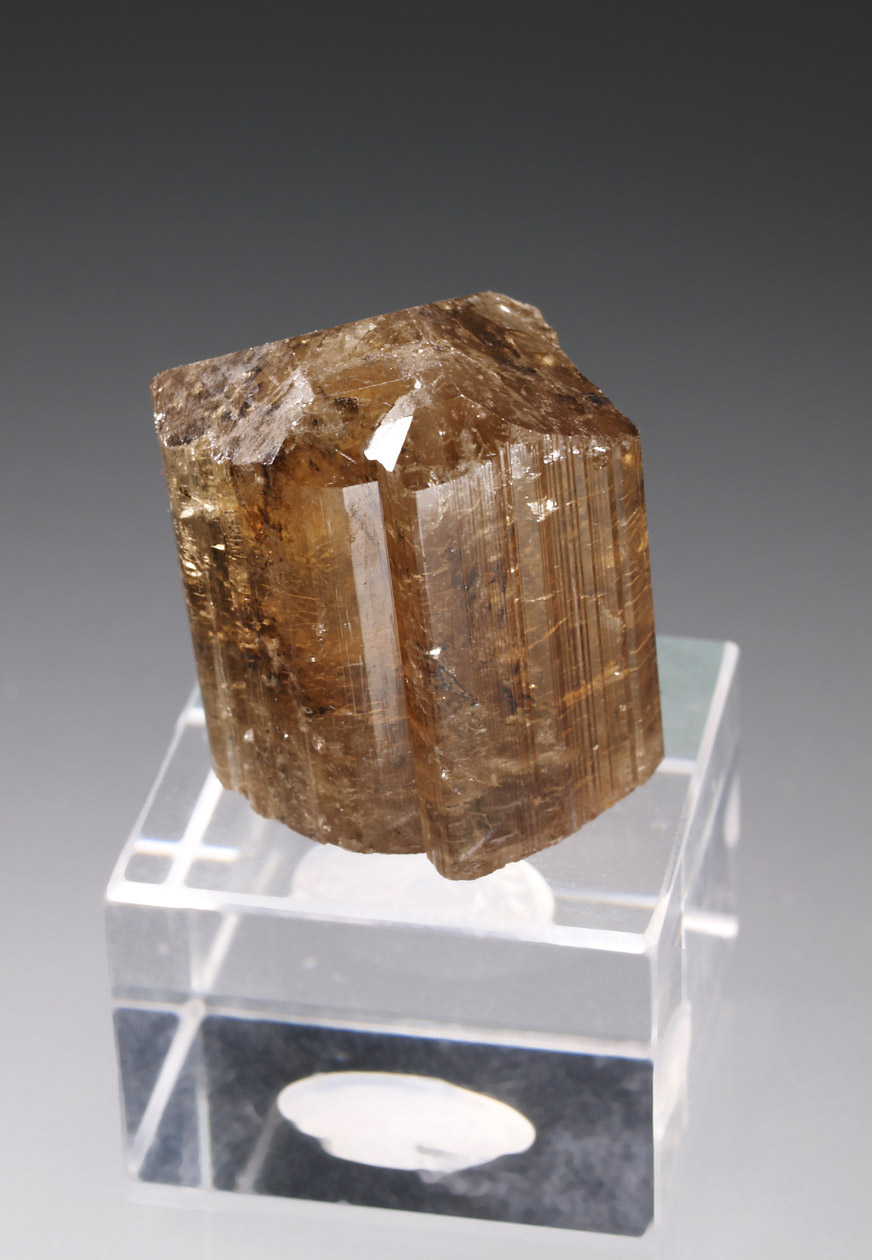
Recientemente han aparecido en el mercado ejemplares de escapolita de origen marroquí. Los análisis que hemos realizado de varios ejemplares nos indican que se trata de marialita, ya que la proporción de Na (marialita, Na₄Al₃Si₉O₂₄Cl) es superior a la de calcio (meionita, Ca₄Al₆Si₆O₂₄CO₃), además se detecta la presencia de cloro. Podemos observar que la proporción de Ca es bastante alta por lo que nos encontramos en un término medio de la serie marialita-meionita.
Los cristales se presentan como prismas tetragonales truncados por el pinacoide basal y la bipirámide de primer orden. Transparentes a translúcidos y algunas inclusiones. Presentan cierta fluorescencia bajo la lus UV-OL. Enviaremos los análisis al comprador.
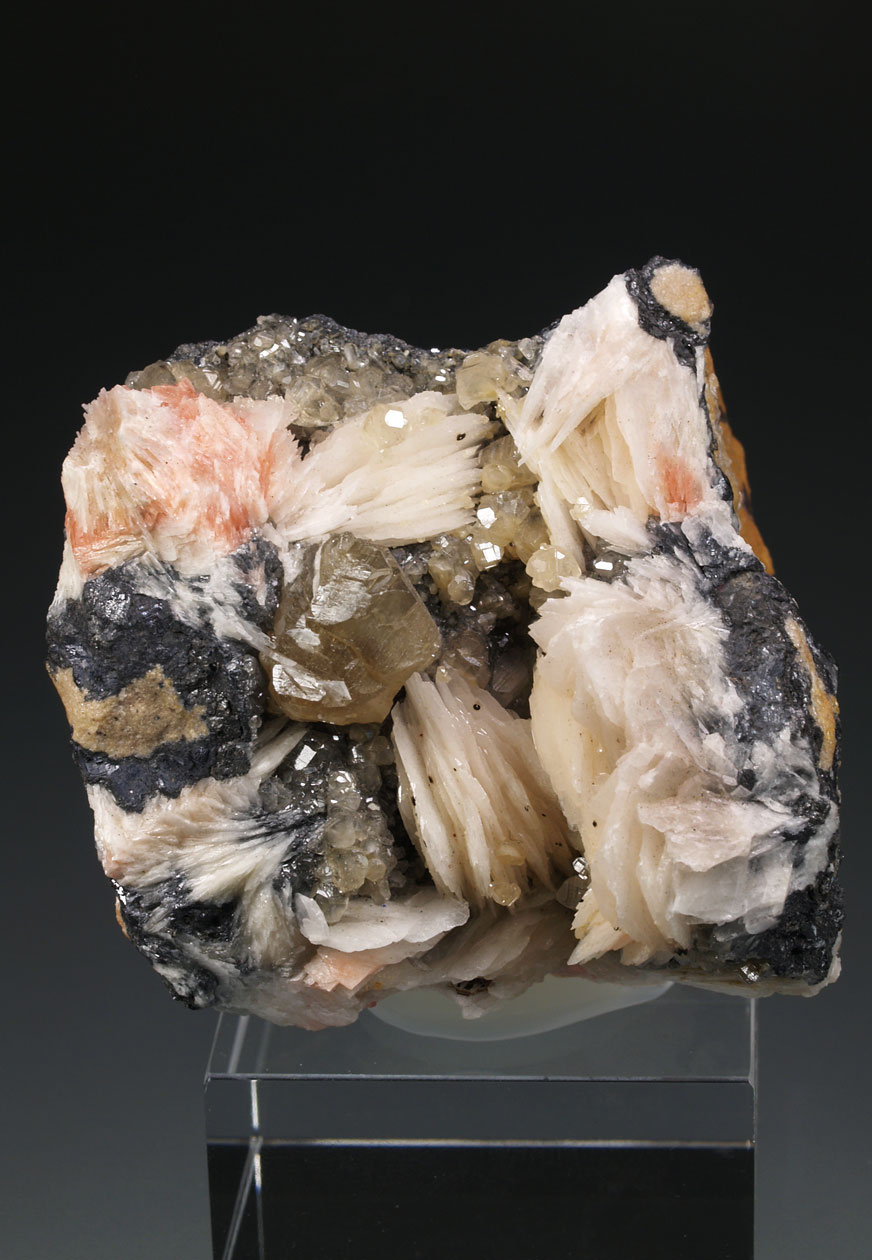
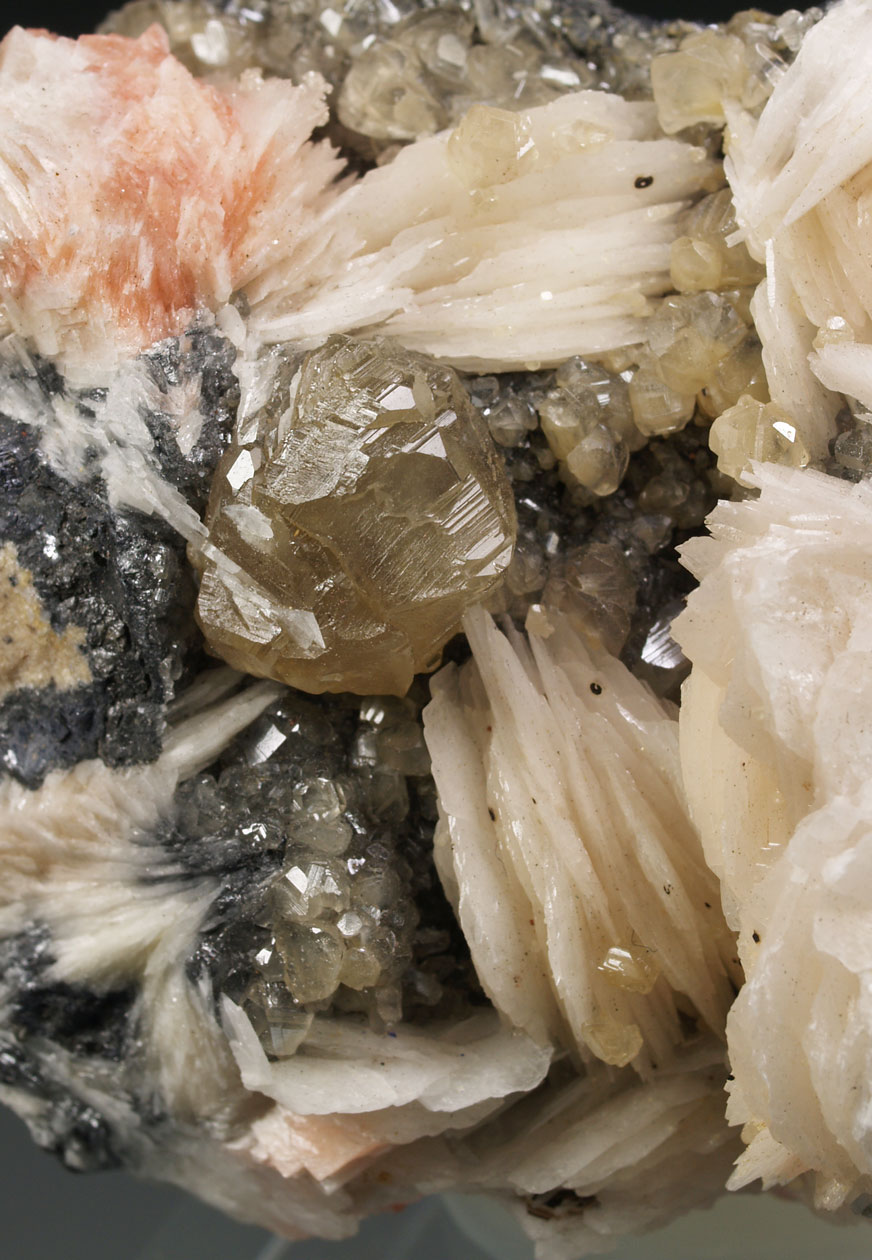
Cristales idiomórficos de cerusita, ricos en caras, con brillo, translúcidos y con intensa respuesta bajo la luz UVOL. Sobre una matriz de cristales de barita.
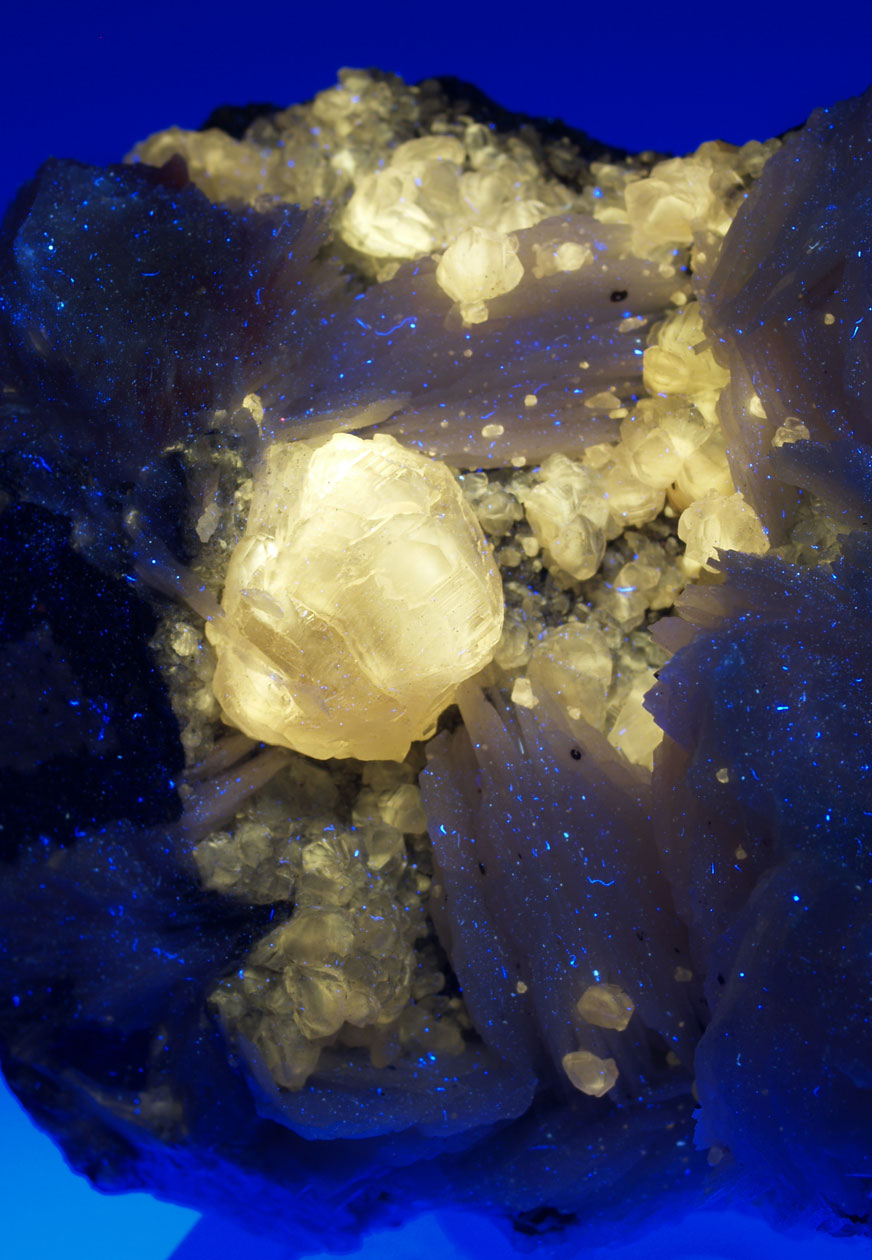
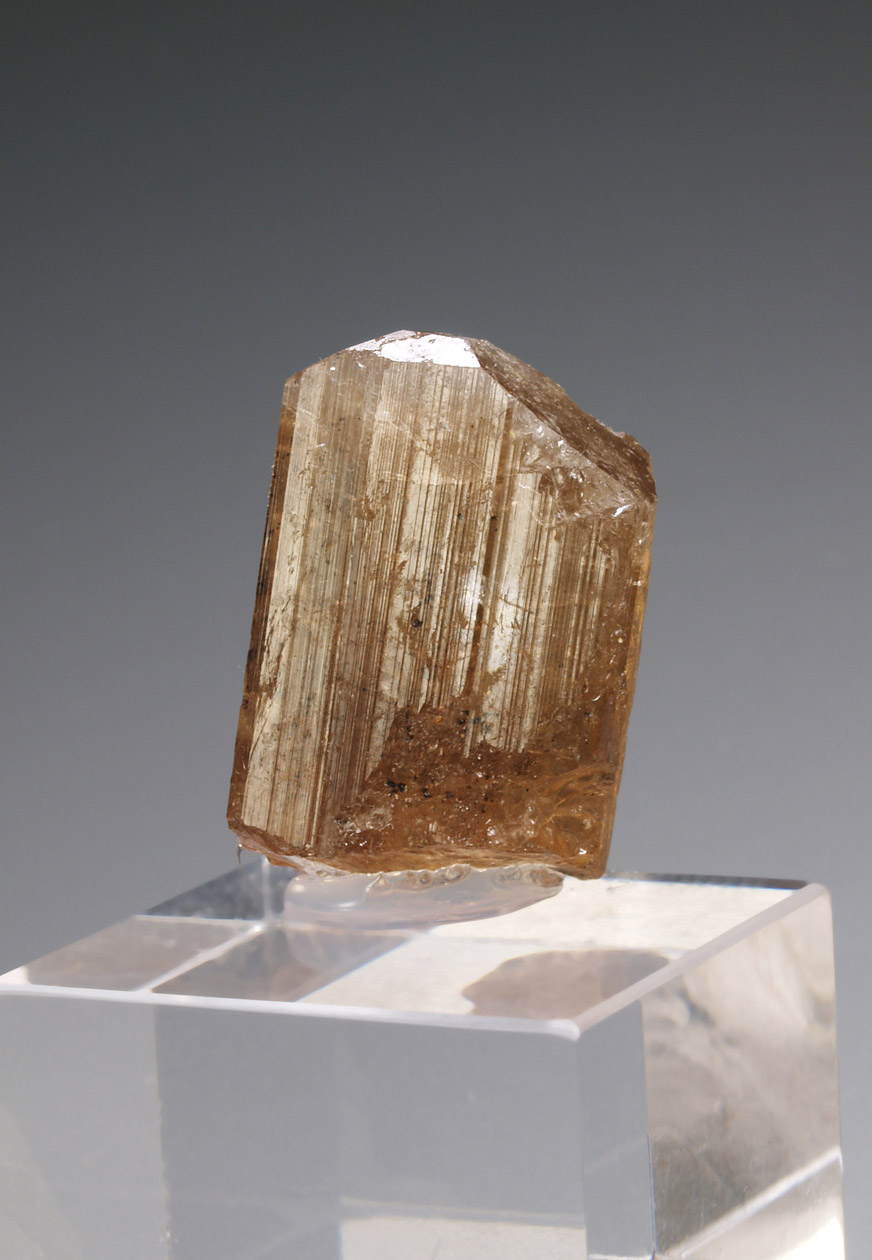
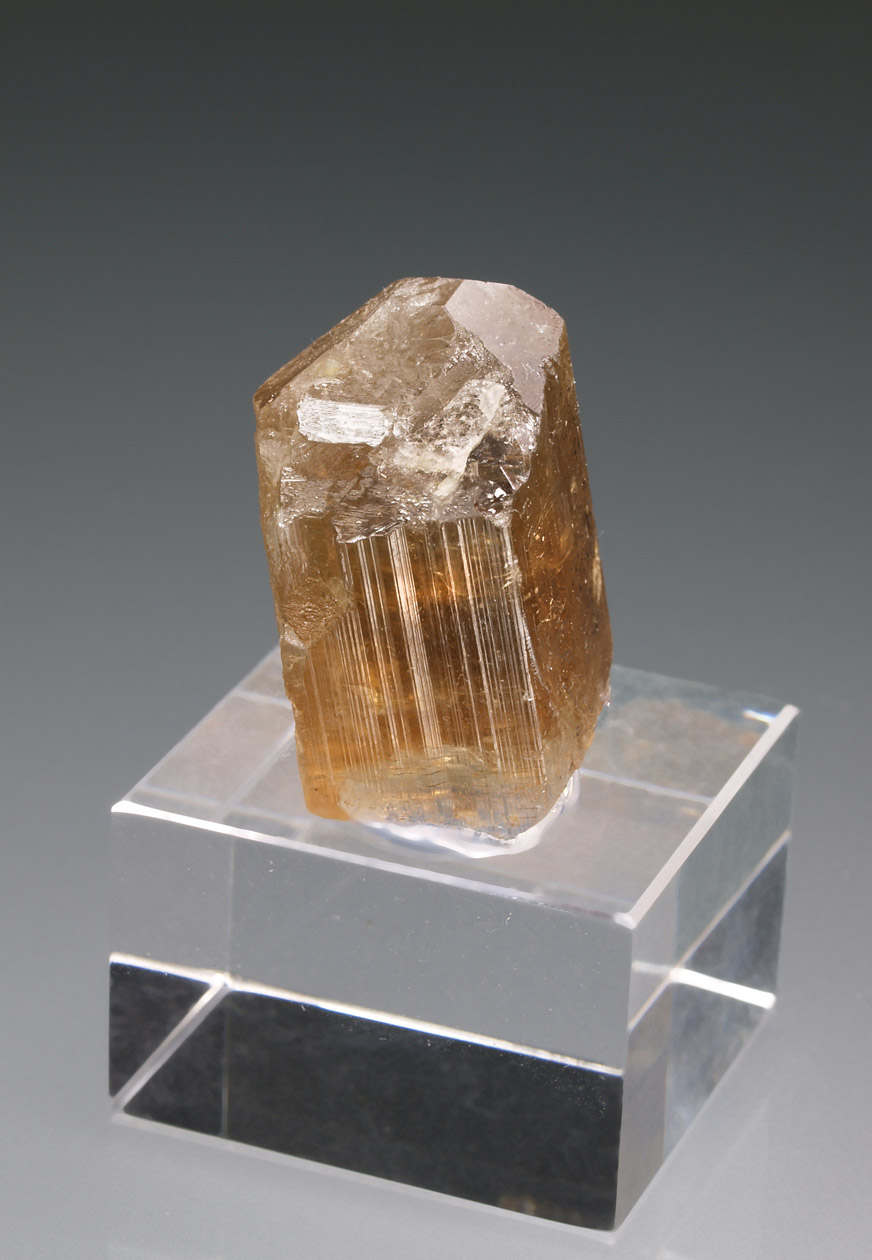
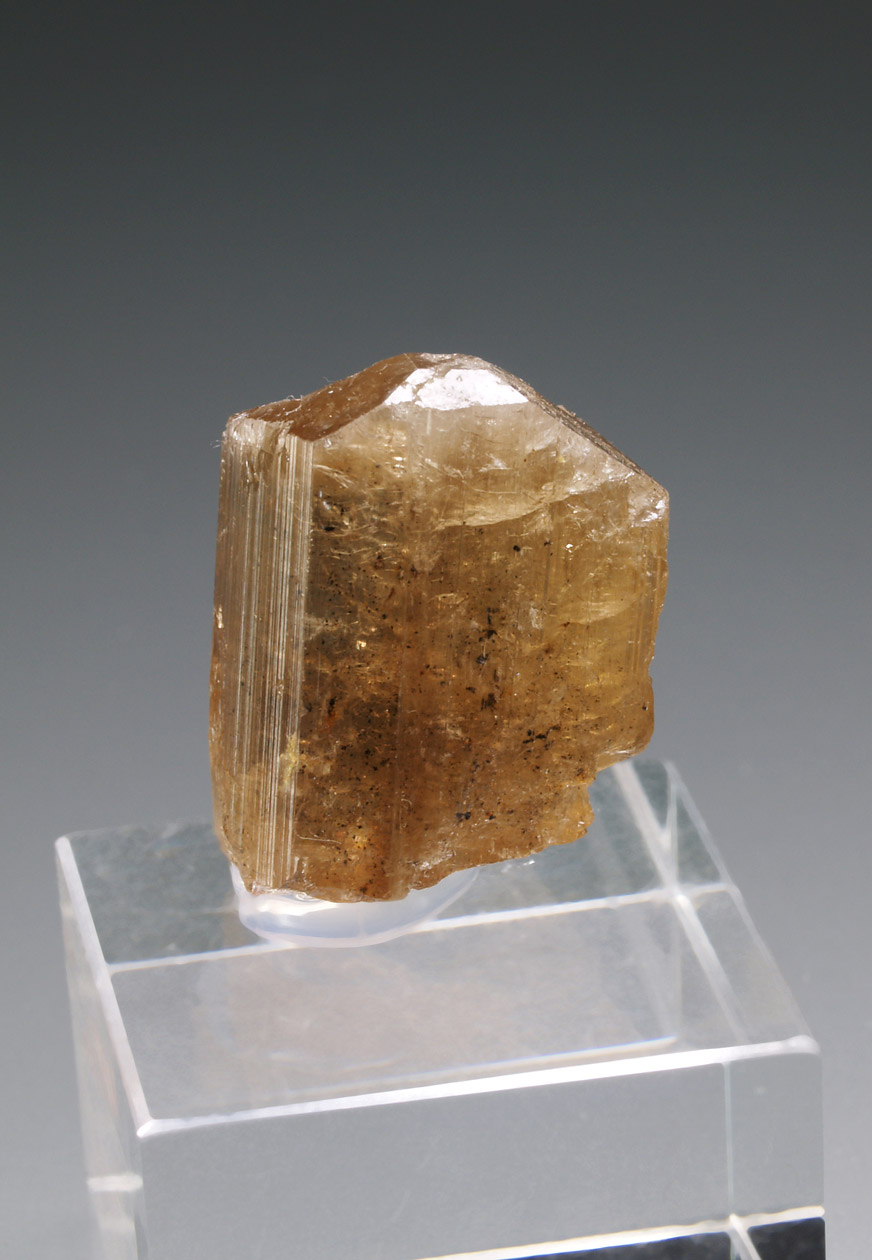
Recientemente han aparecido en el mercado ejemplares de escapolita de origen marroquí. Los análisis que hemos realizado de varios ejemplares nos indican que se trata de marialita, ya que la proporción de Na (marialita, Na₄Al₃Si₉O₂₄Cl) es superior a la de calcio (meionita, Ca₄Al₆Si₆O₂₄CO₃), además se detecta la presencia de cloro. Podemos observar que la proporción de Ca es bastante alta por lo que nos encontramos en un término medio de la serie marialita-meionita.
Los cristales se presentan como prismas tetragonales truncados por el pinacoide basal y la bipirámide de primer orden. Transparentes a translúcidos y algunas inclusiones. Presentan cierta fluorescencia bajo la lus UV-OL. Enviaremos los análisis al comprador.
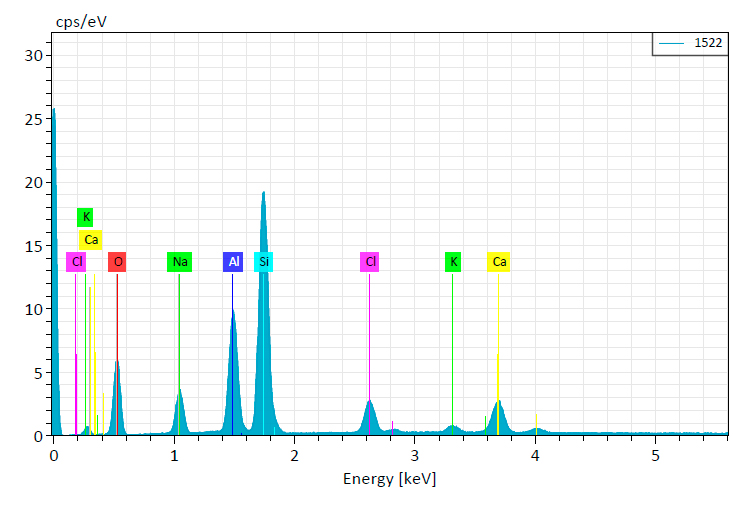
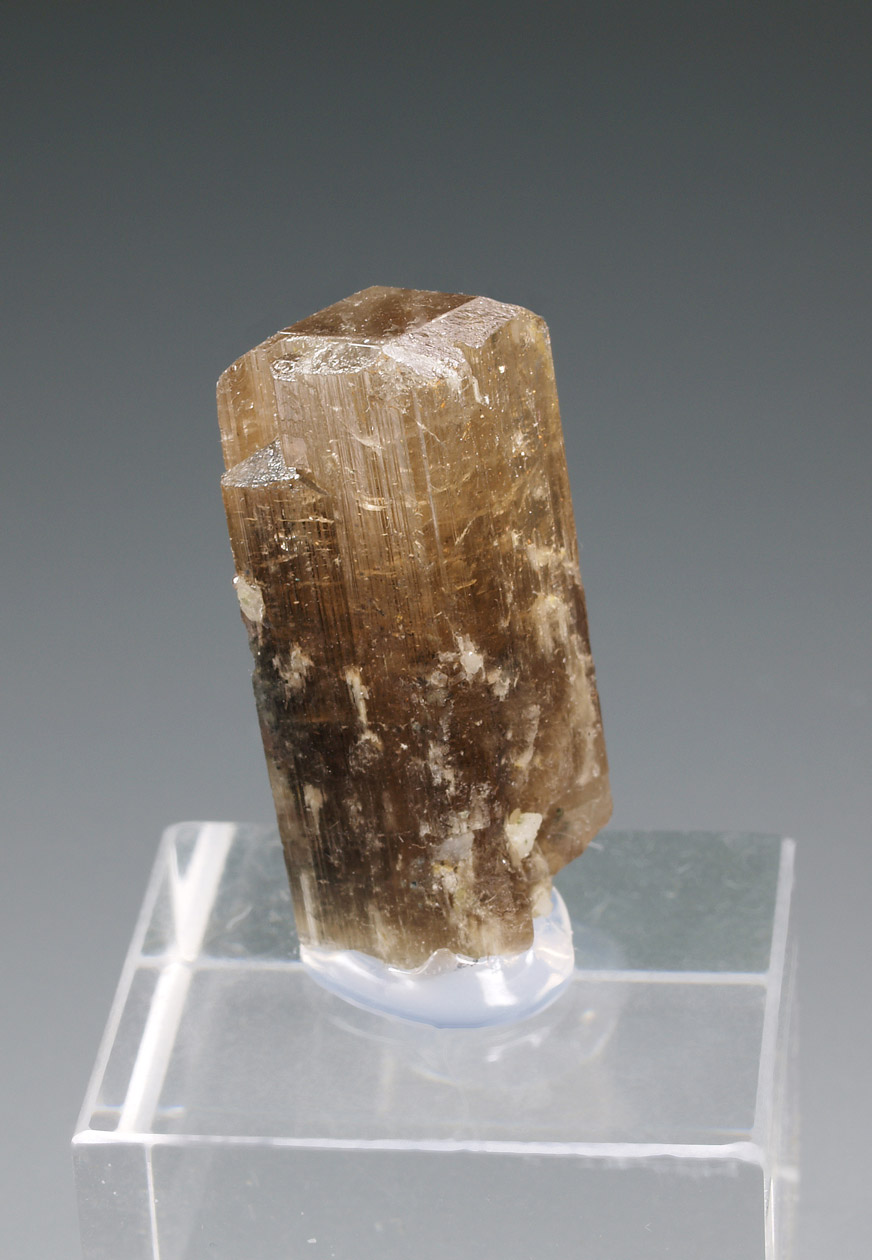
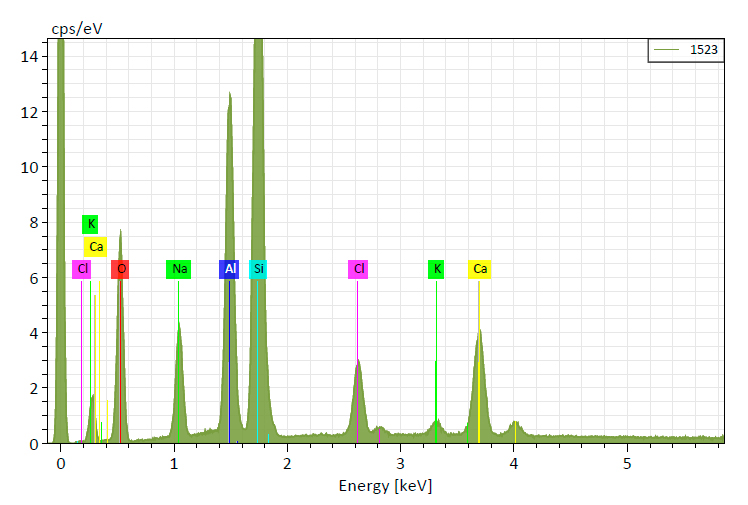
Recientemente han aparecido en el mercado ejemplares de escapolita de origen marroquí. Los análisis que hemos realizado de varios ejemplares nos indican que se trata de marialita, ya que la proporción de Na (marialita, Na₄Al₃Si₉O₂₄Cl) es superior a la de calcio (meionita, Ca₄Al₆Si₆O₂₄CO₃), además se detecta la presencia de cloro. Podemos observar que la proporción de Ca es bastante alta por lo que nos encontramos en un término medio de la serie marialita-meionita.
Los cristales se presentan como prismas tetragonales truncados por el pinacoide basal y la bipirámide de primer orden. Transparentes a translúcidos y algunas inclusiones. Presentan cierta fluorescencia bajo la lus UV-OL. Enviaremos los análisis al comprador.
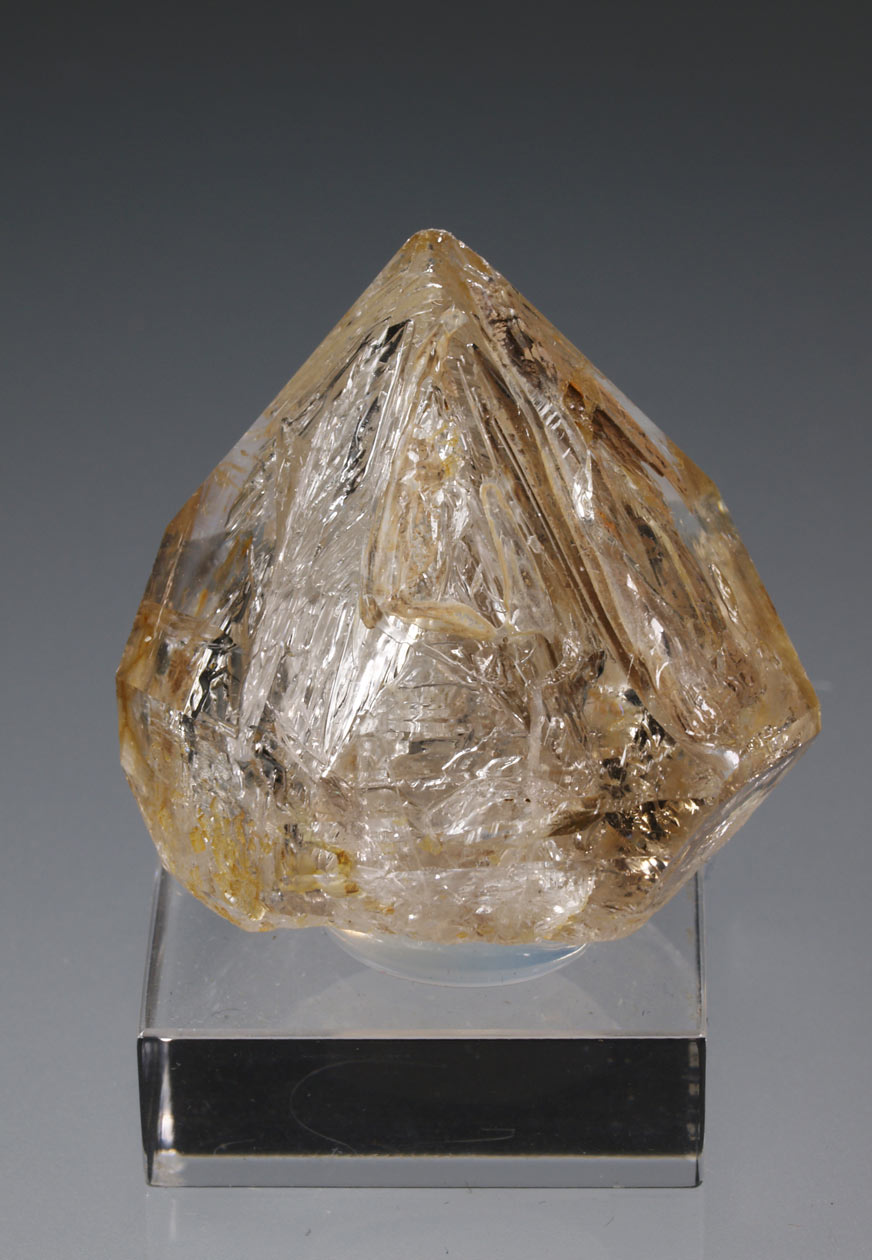
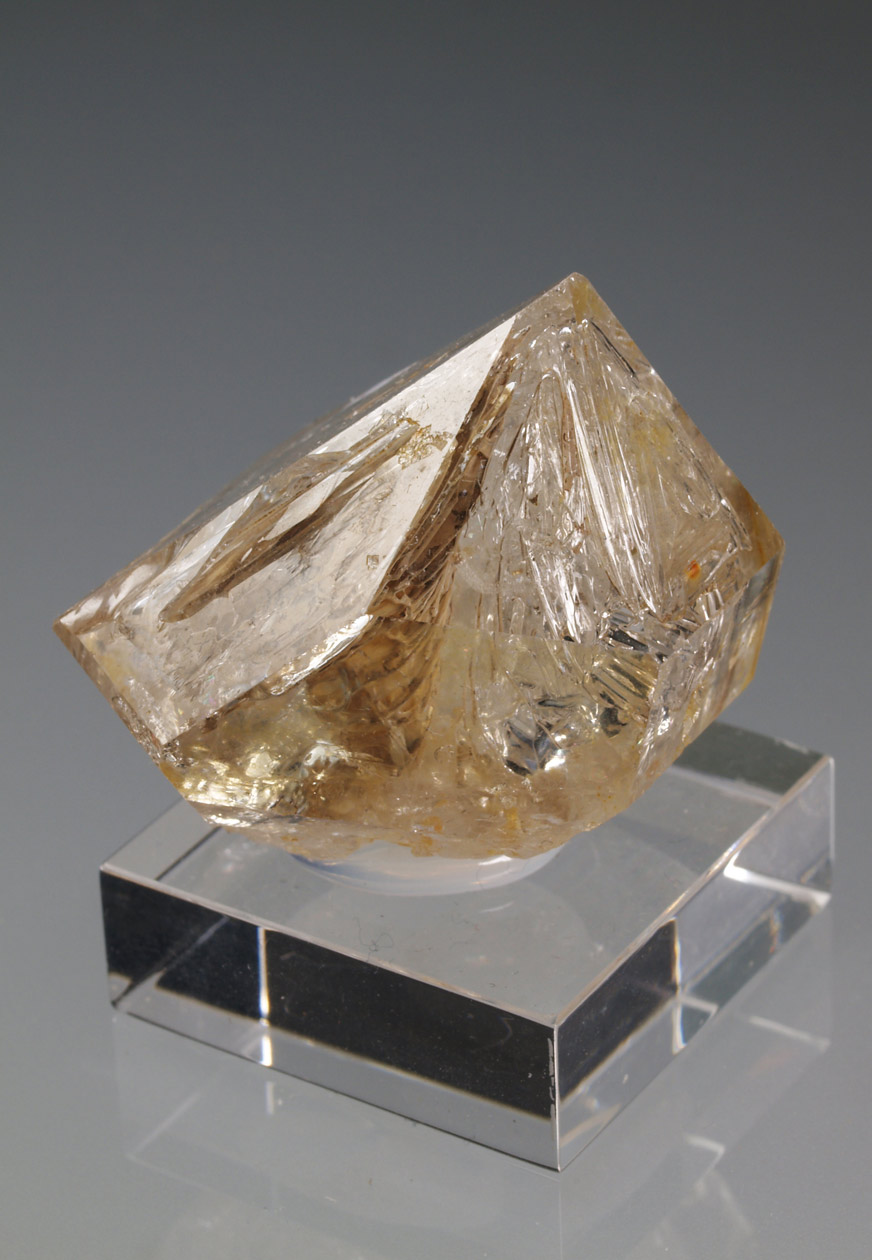
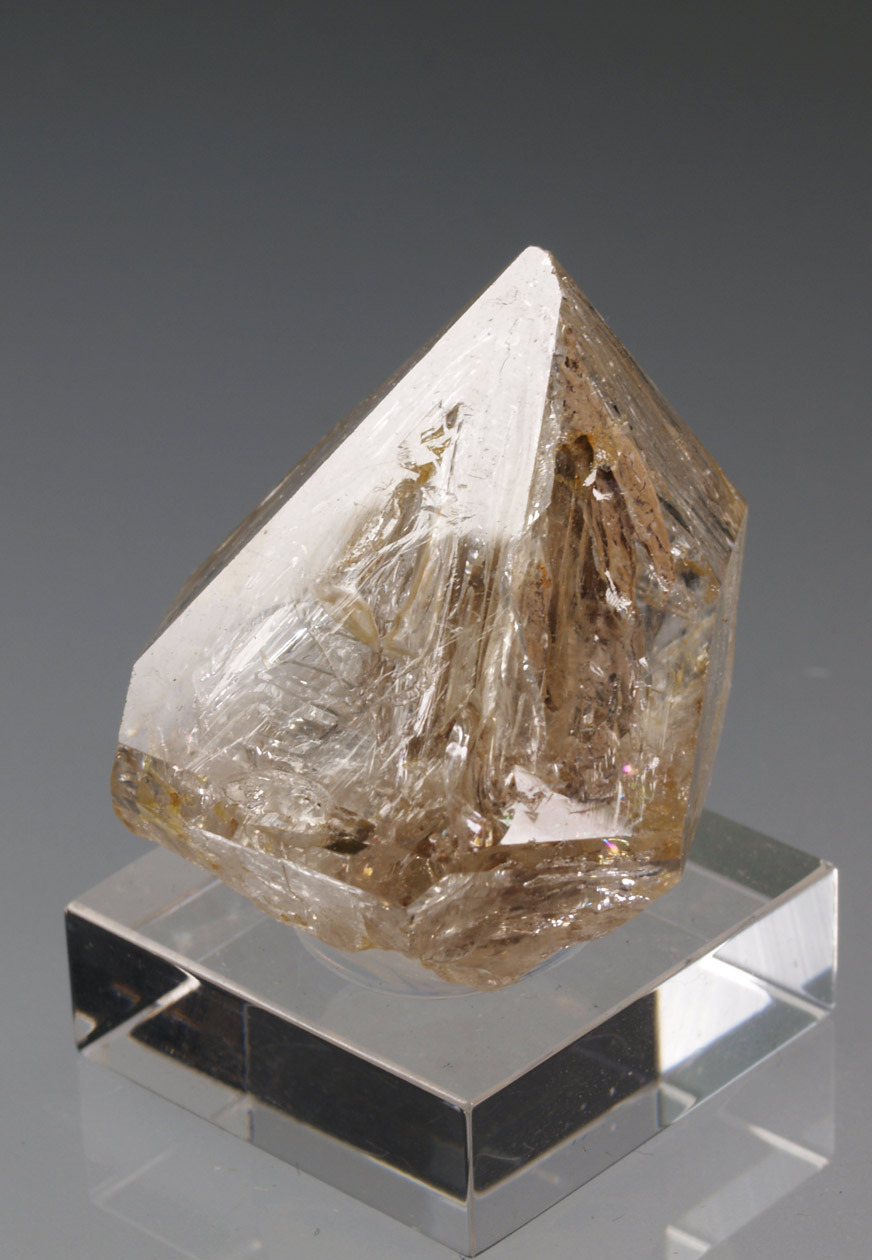
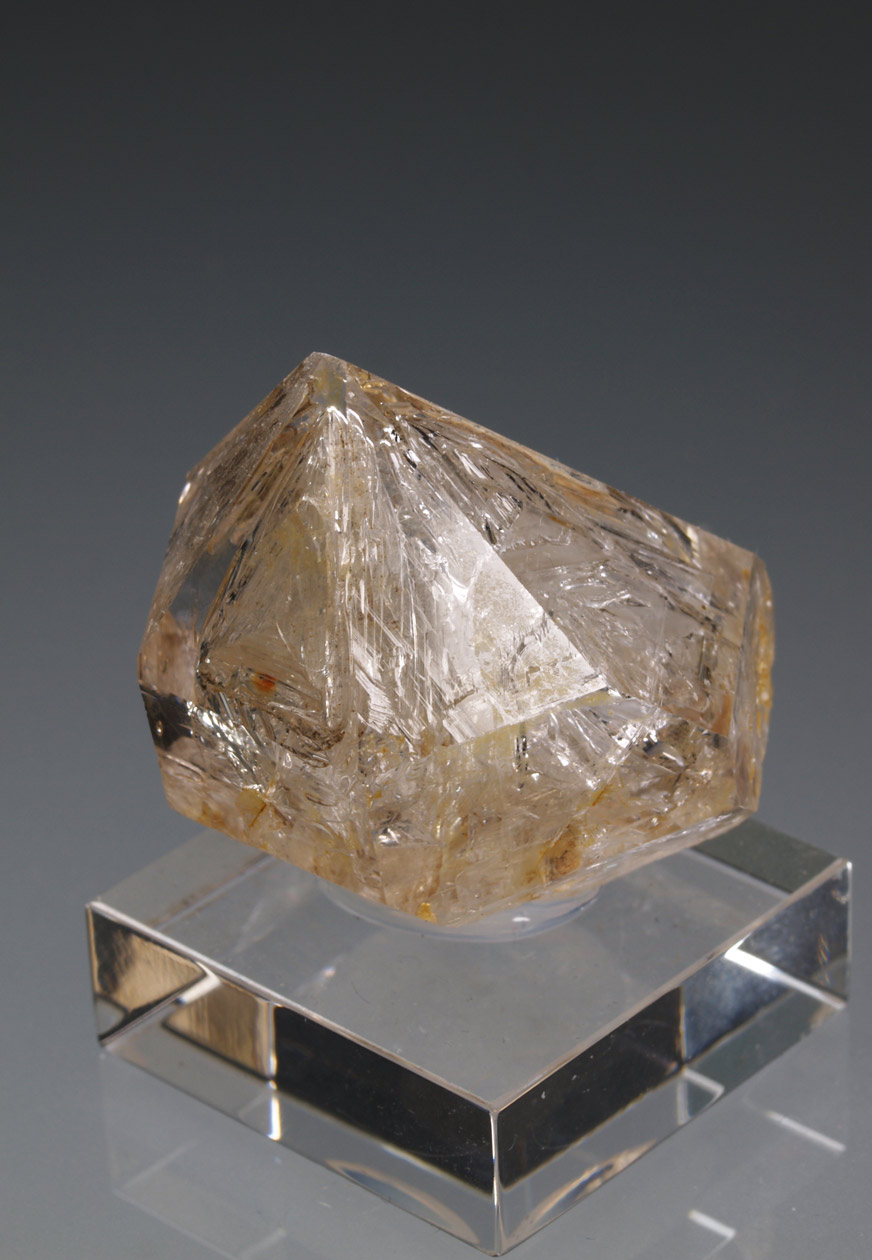
Excelente ejemplar de cuarzo, con un ligero tono ahumado, que presenta crecimientos geométricos tipo "ventana" muy estéticos. Biterminado y con una cristalografía compleja. Con inclusiones.
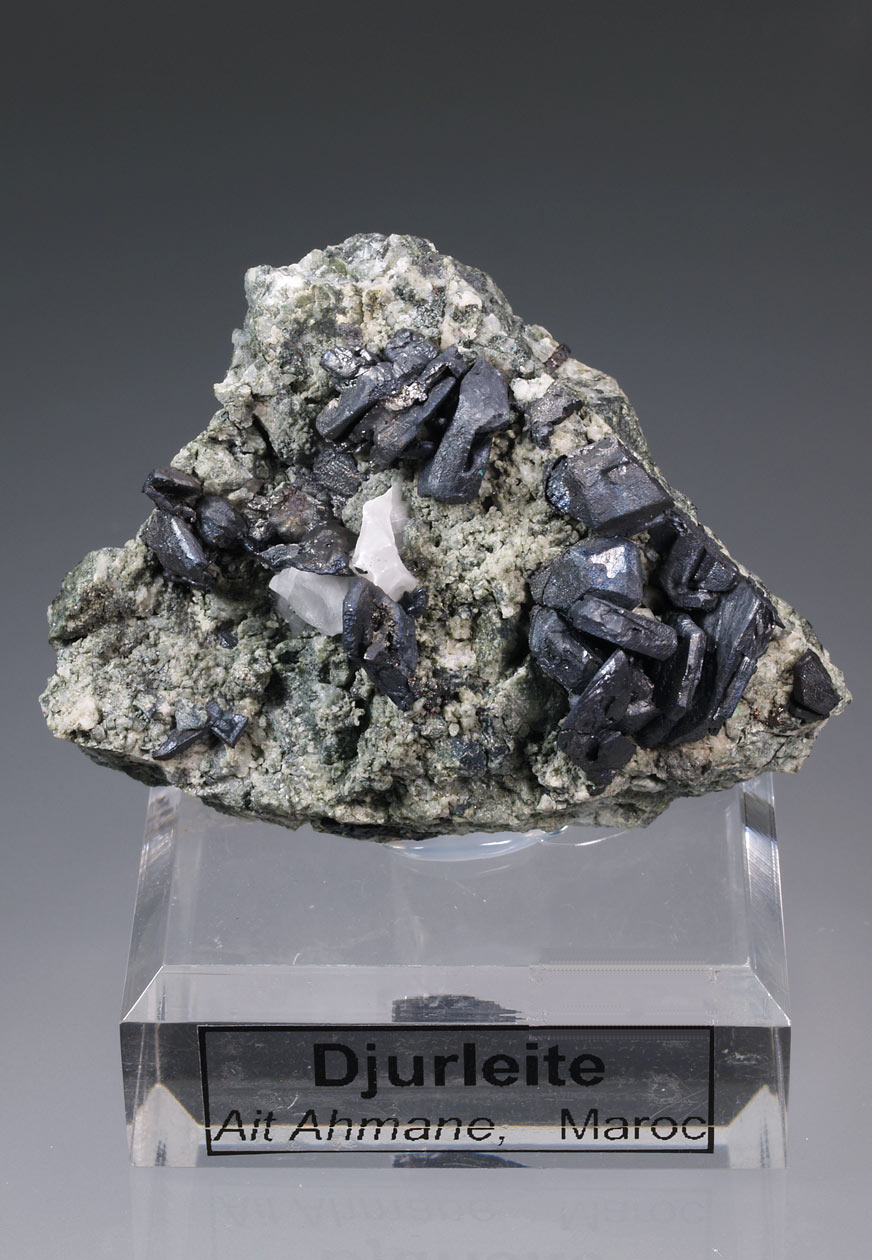
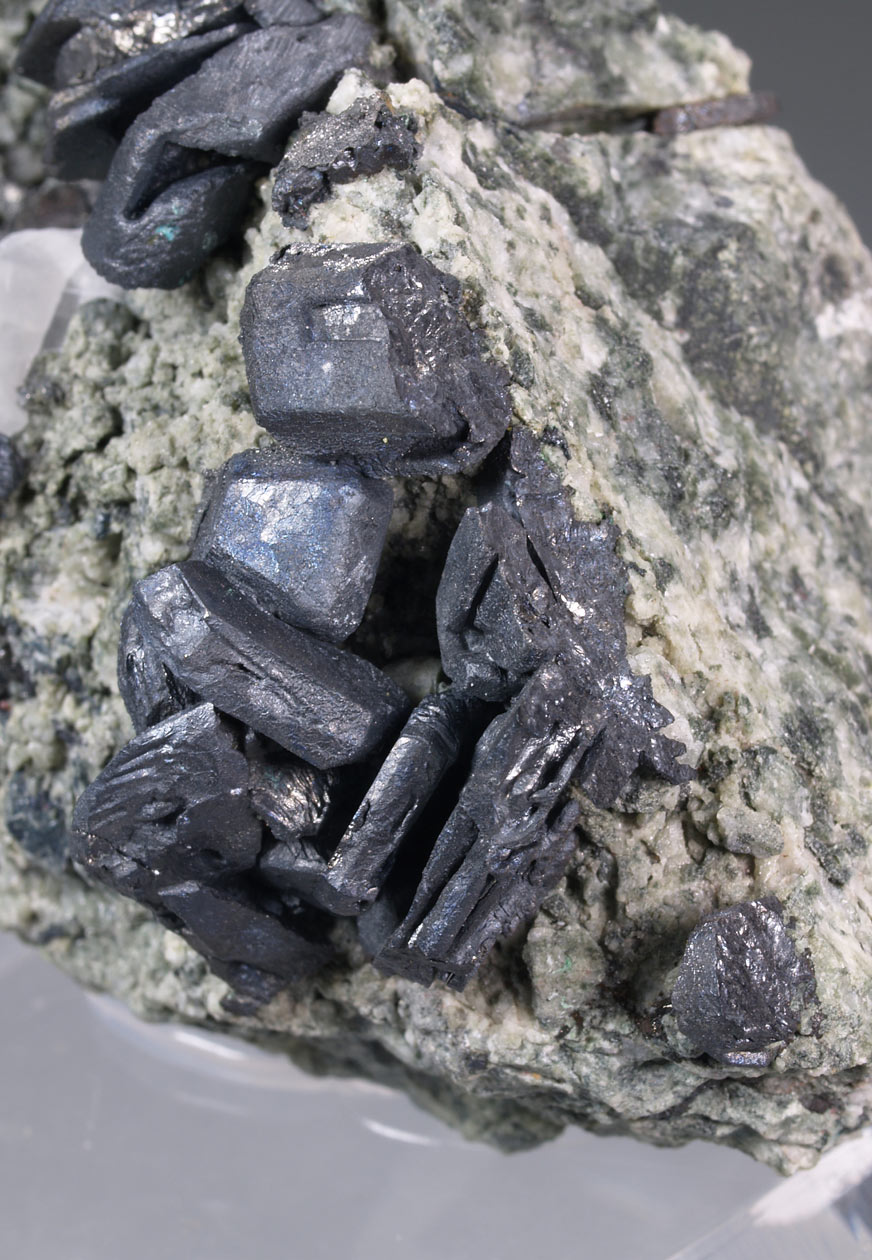
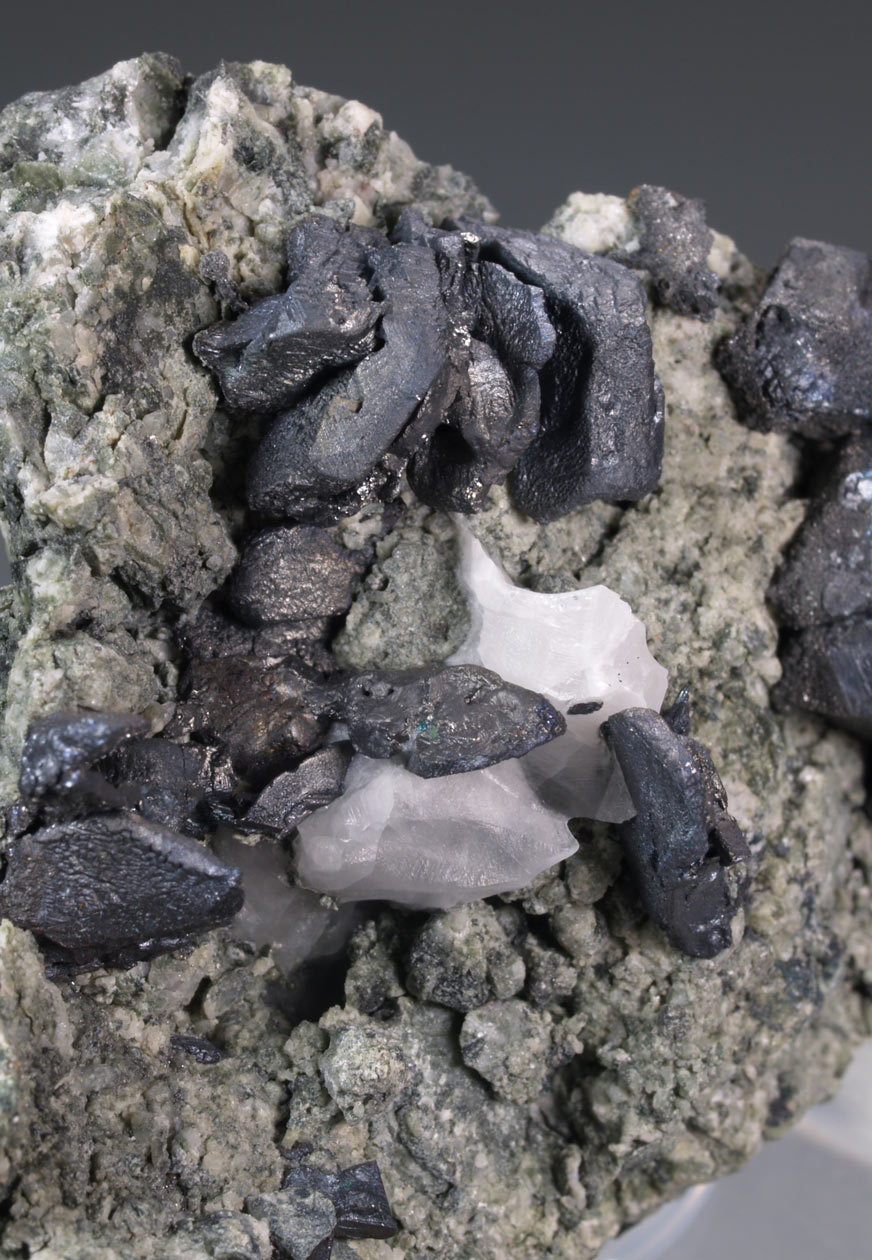
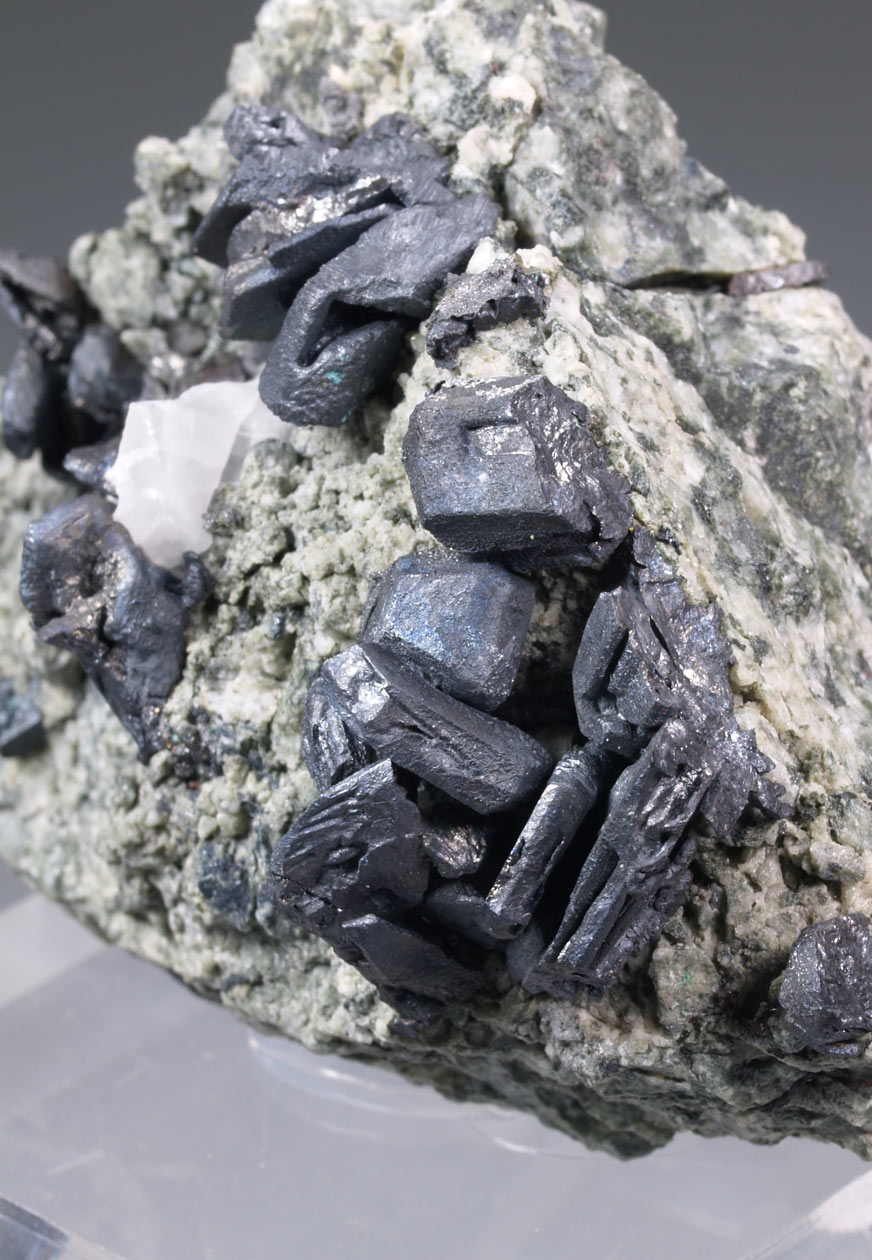
Los primeros ejemplares se encontraron en las minas de Aït-Ahmane entre los años 2014 y 2015. Los mejores llegaron al mercado hacia 2017. Se trata de cristales maclados de una perfección más que notable para las especies, formados por intercrecimientos de djurleita y calcosina. No se han encontrado mejores ejemplares en la zona y diría a nivel mundial.
Aunque algunos resultados analíticos relativamente actuales (ver mindat) indicaban que se trataba de cristales únicamente de djurleita, otros indicaban que eran mezclas de ambas especies. Siendo realista la djurleita, la digenita y la calcosina suelen aparecer conjuntamente en un mismo cristal, incluso una puede transformarse en otra según las condiciones físico-químicas presentes. Por esta razón he preferido preservar el nombre de ambas especies. Interesante artículo: Pósfai-Buseck Amer. Min. 1994.
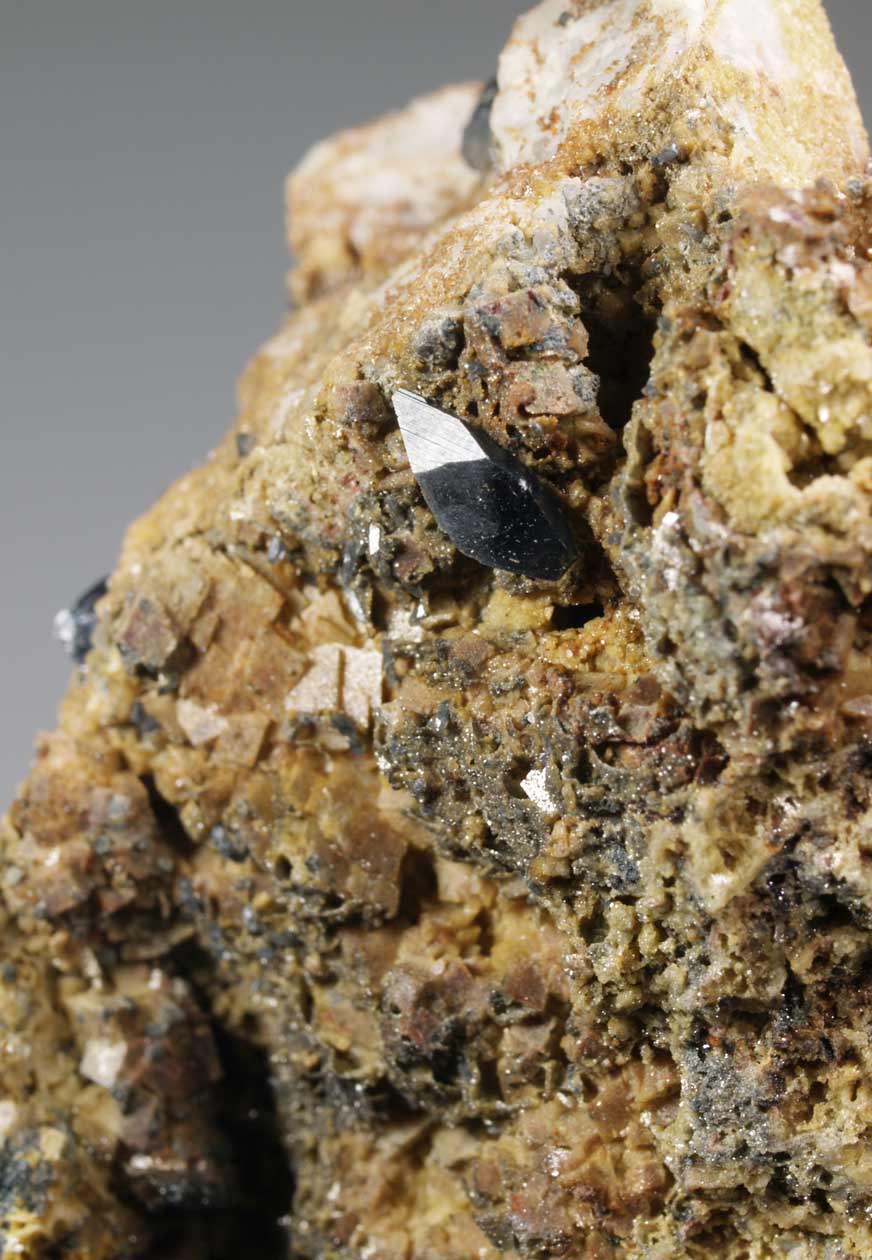
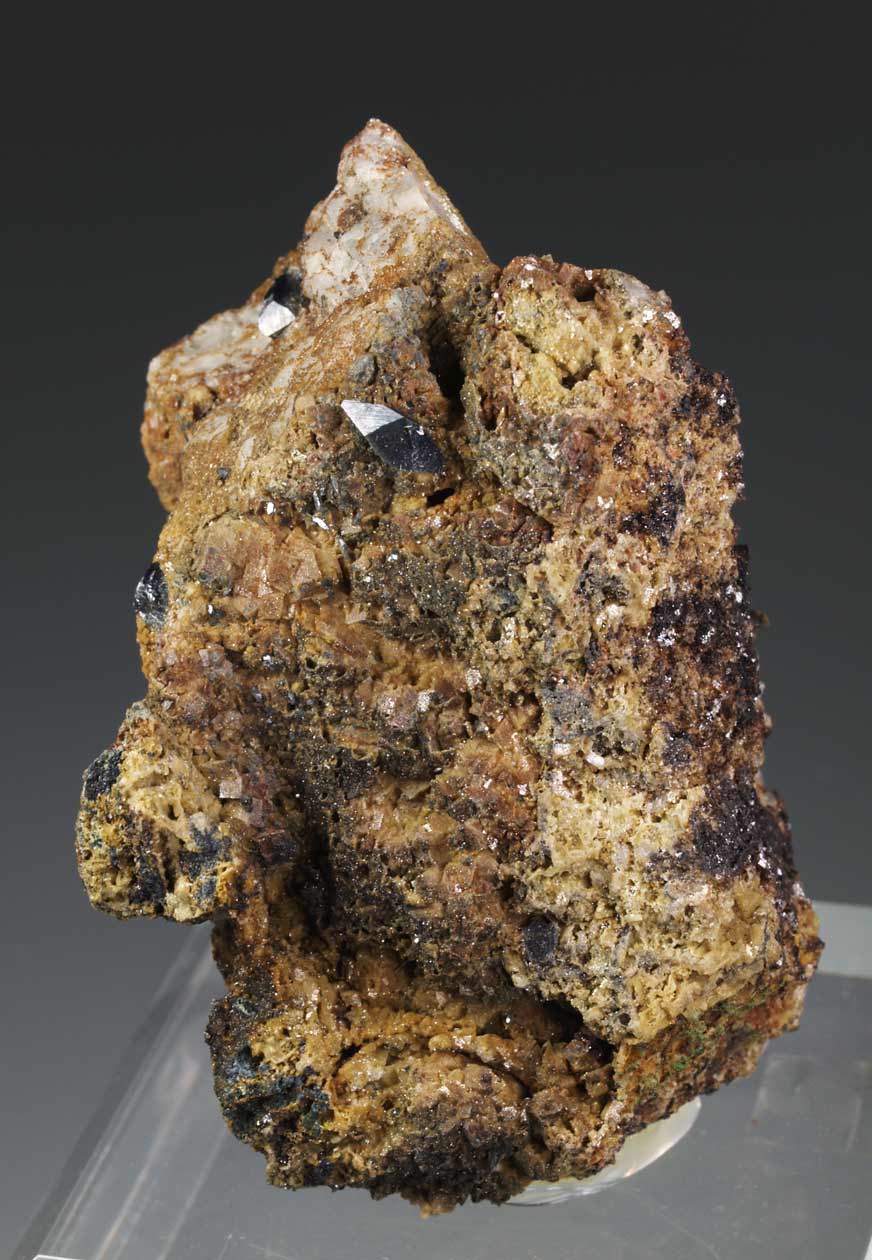
Cristal tabular, muy facetado, de wulfenita. Destaca por su profundo color azul, hecho poco habitual para esta especie. Procede de la localidad de Bou Skour de donde se han obtenido cristales de este tipo pero habitualmente muy pequeños, alrededor del milímetro. Este mide 8 mm...


Ejemplar flotante de cobre, formado por agregados dendríticos a arborescentes de cristales de cobre de formas redondeadas.


Ejemplar de cobre nativo formado por diversos cristales de cobre redondeados y aplanados, en crecimientos arborescentes a dendríticos. Se acompaña de una pequeña matriz de cuarzo.


Ejemplar de cobre nativo formado por diversos cristales de cobre redondeados, en crecimientos arborescentes a dendríticos.
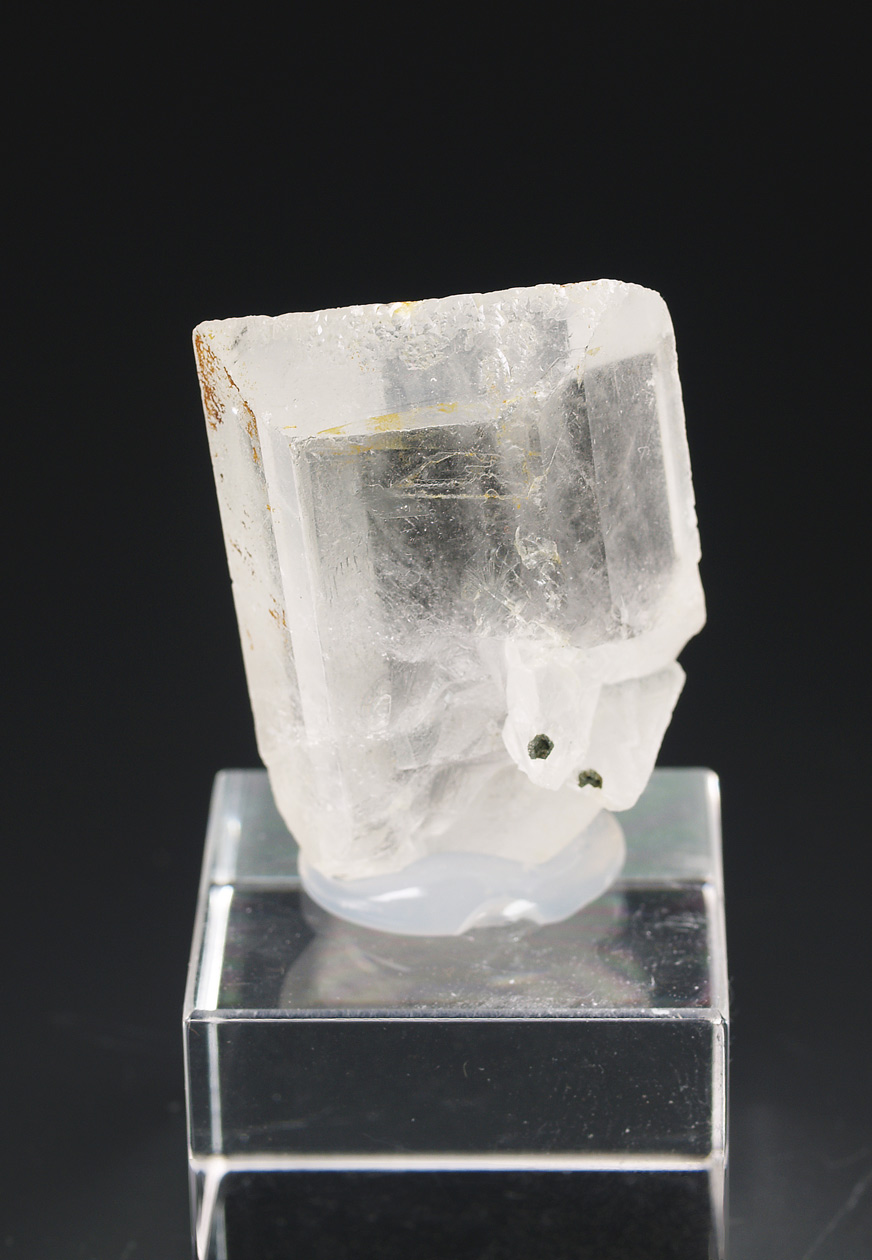
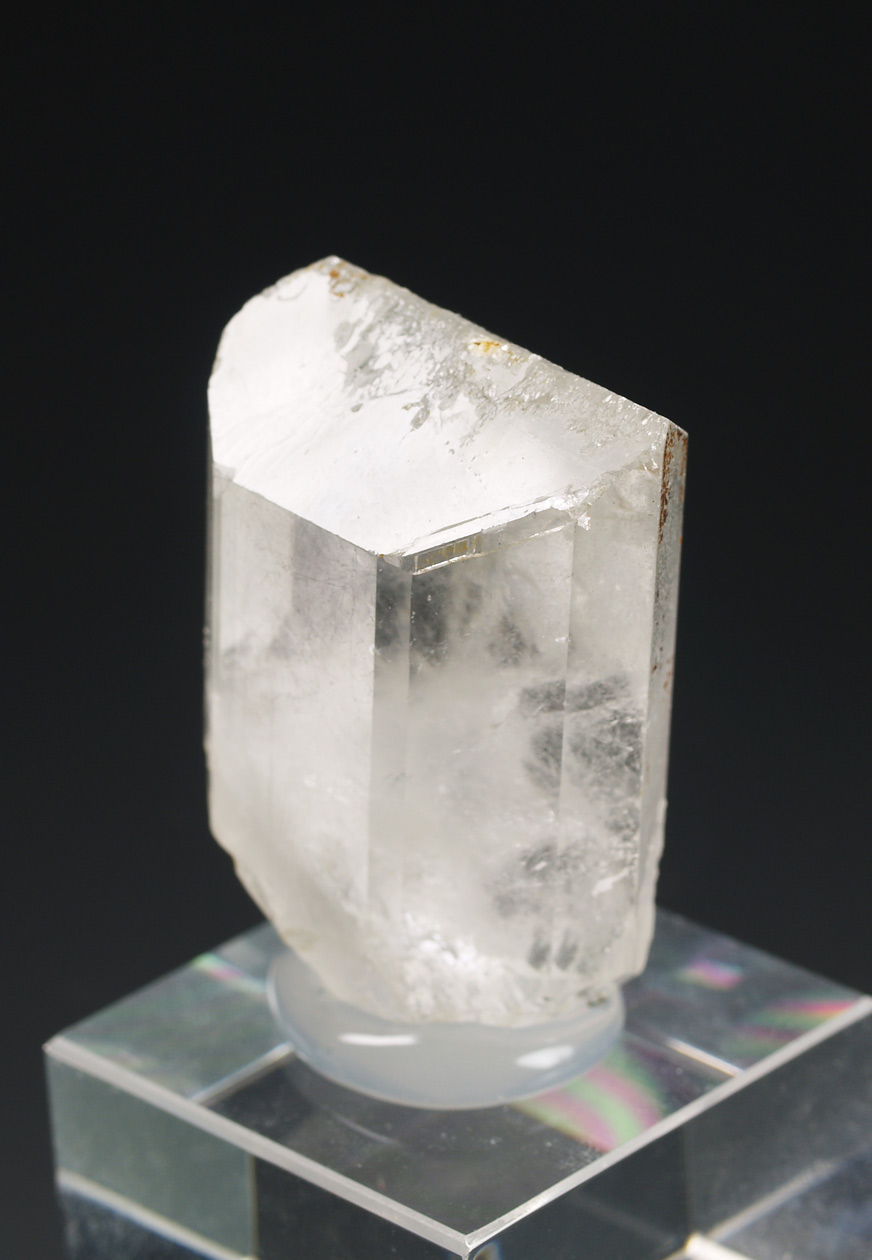
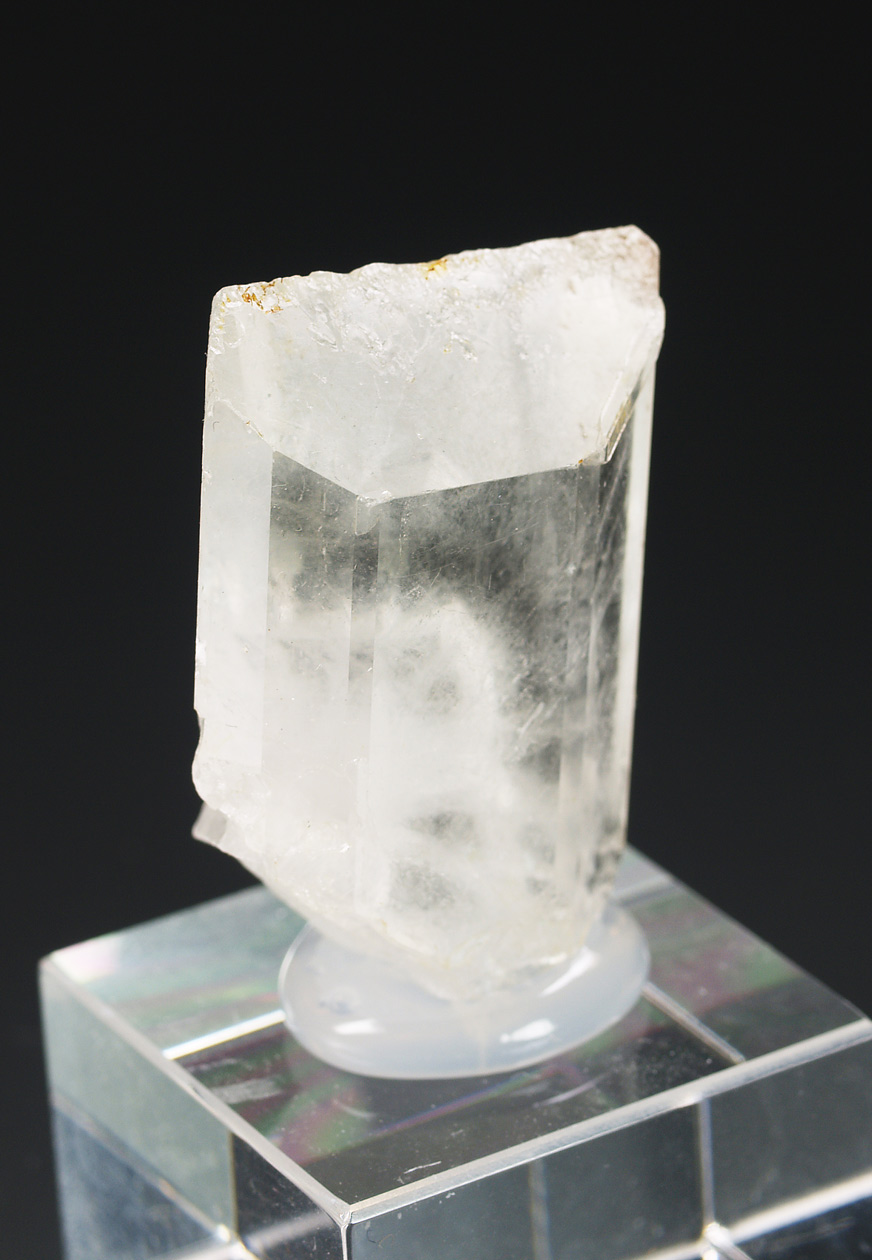
Cristal muy definido de barita, con formes de diferentes prismas ortorrómbicos truncados por cares pinacoidales. La transparencia es excelente. De esta clásica mina marroquí para los cristales de barita.
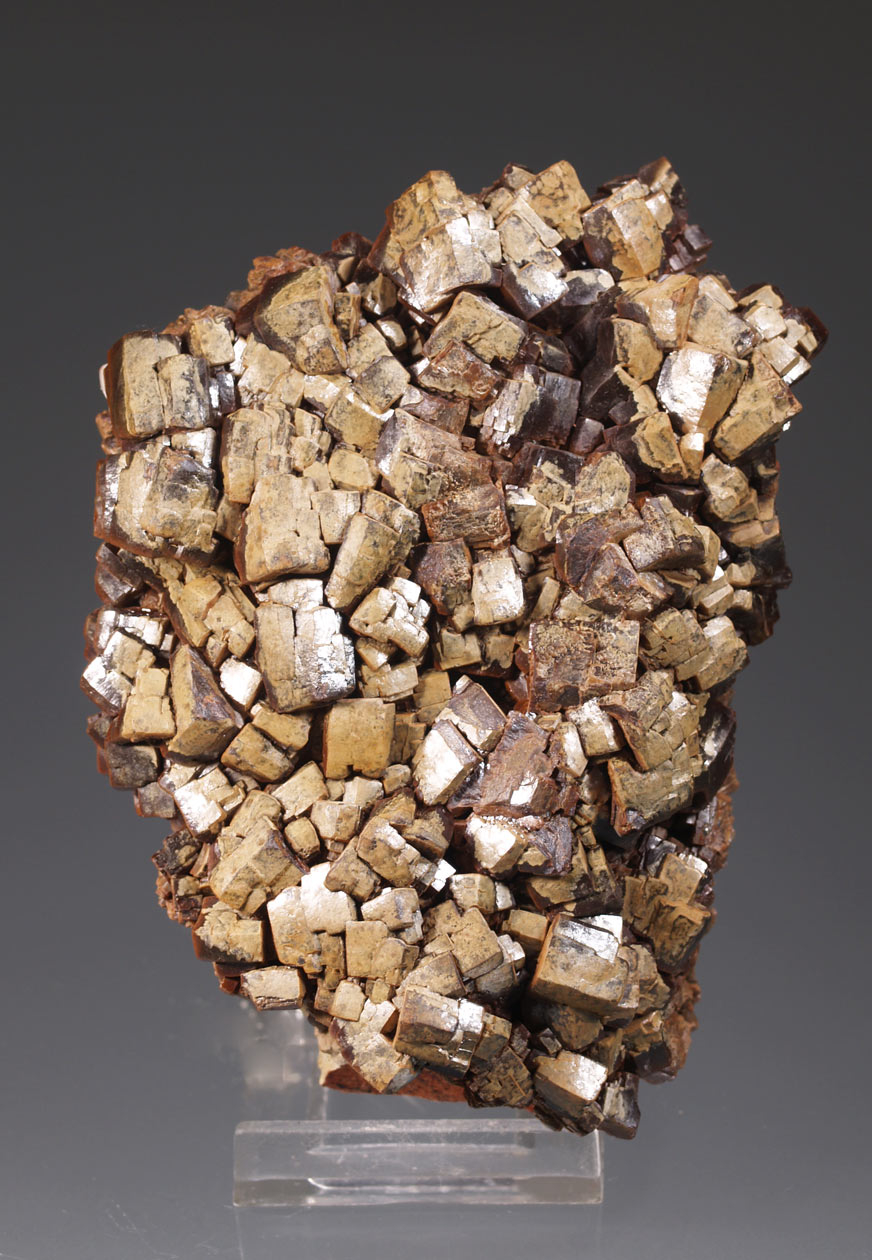
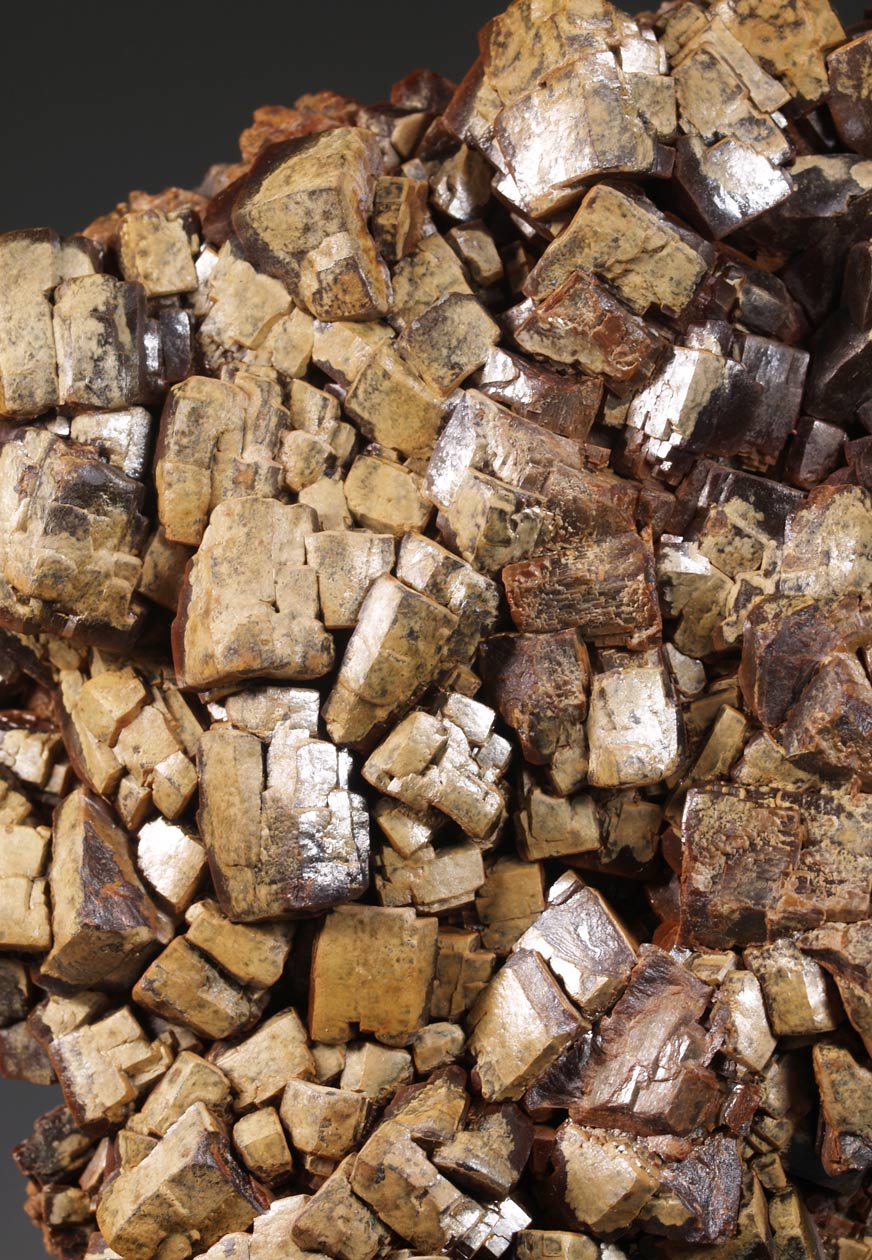
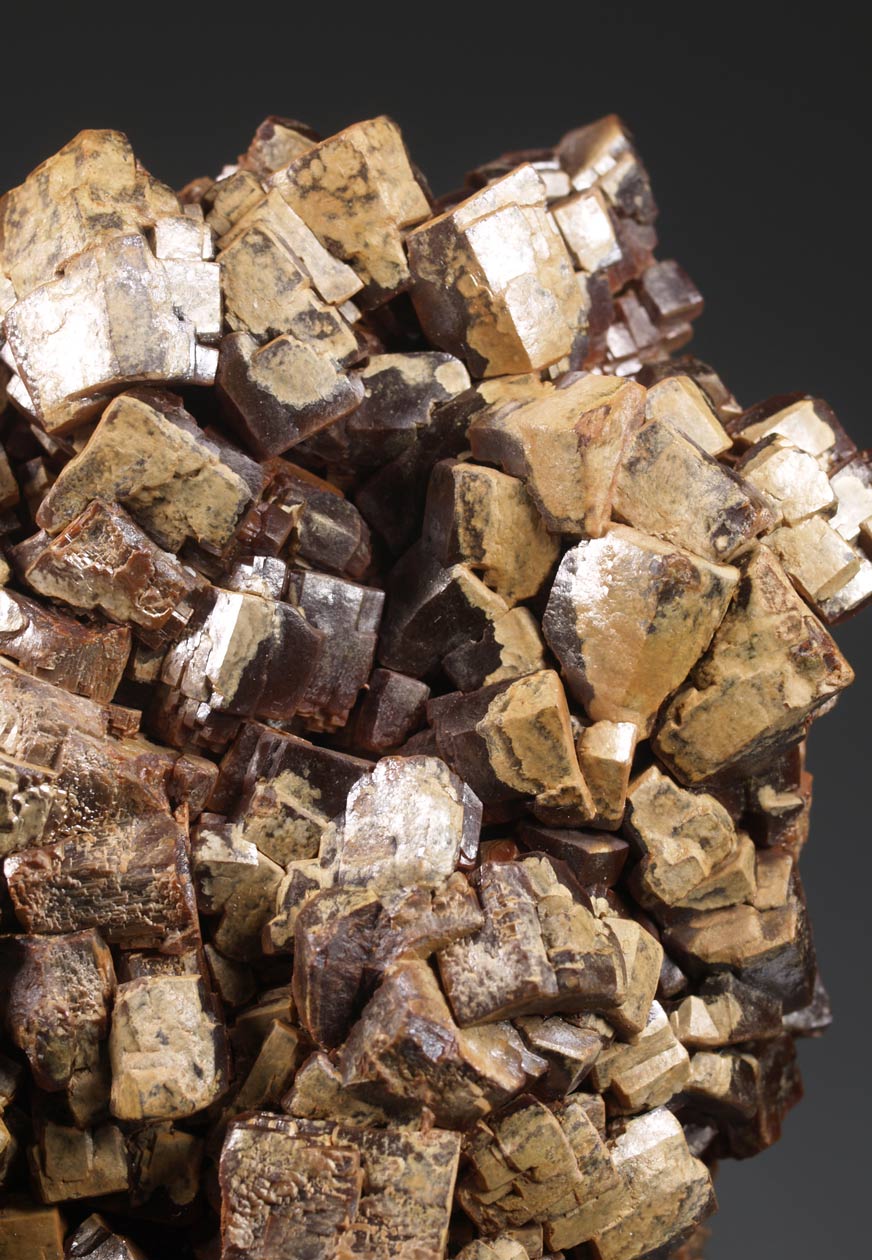
Una pieza de muy buen tamaño de vanadinita arsenical. Numerosos cristales de muy buen tamaño, interpenetrados, con brillo. Un clásico marroquí difícil de ver con este tamaño y procedente de la colección Cendón (Cerdanyola del Vallès).
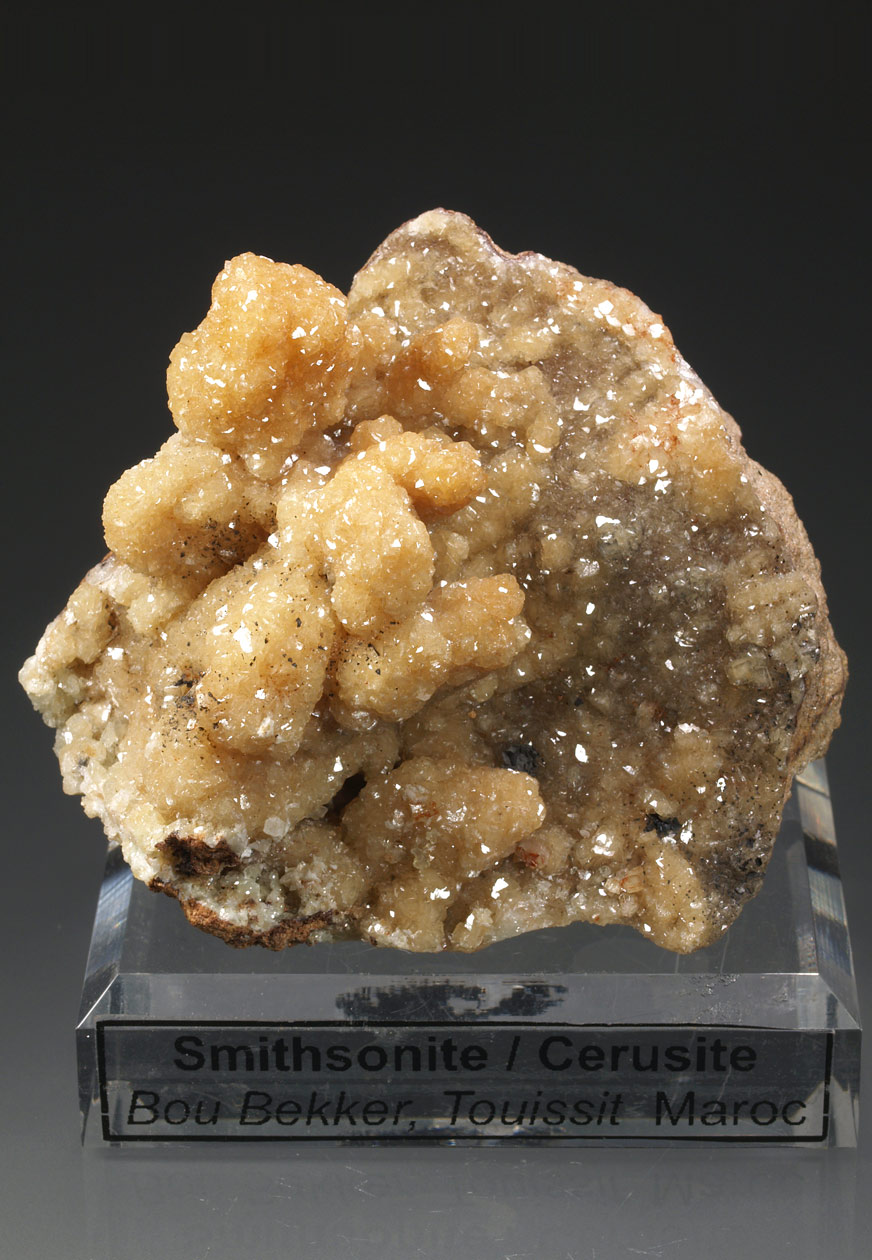
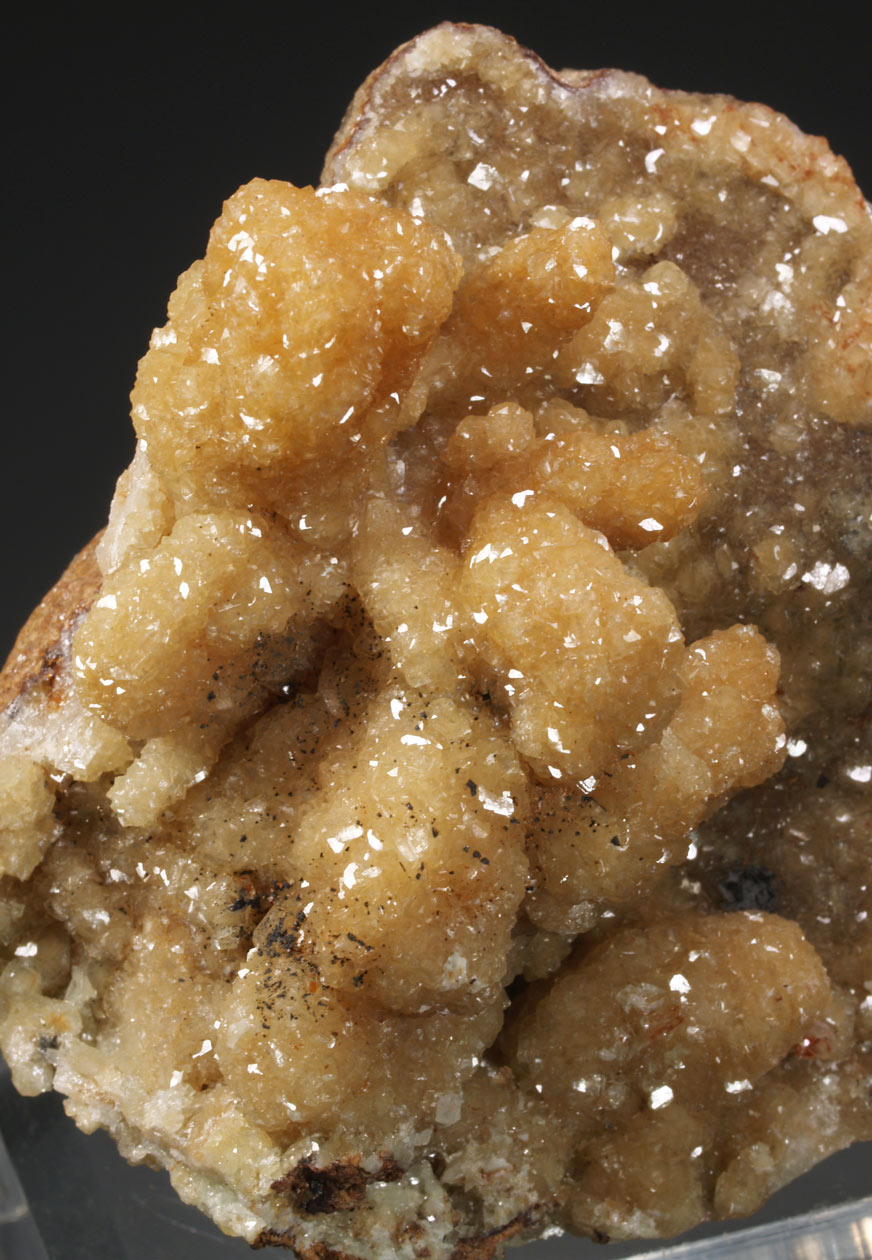
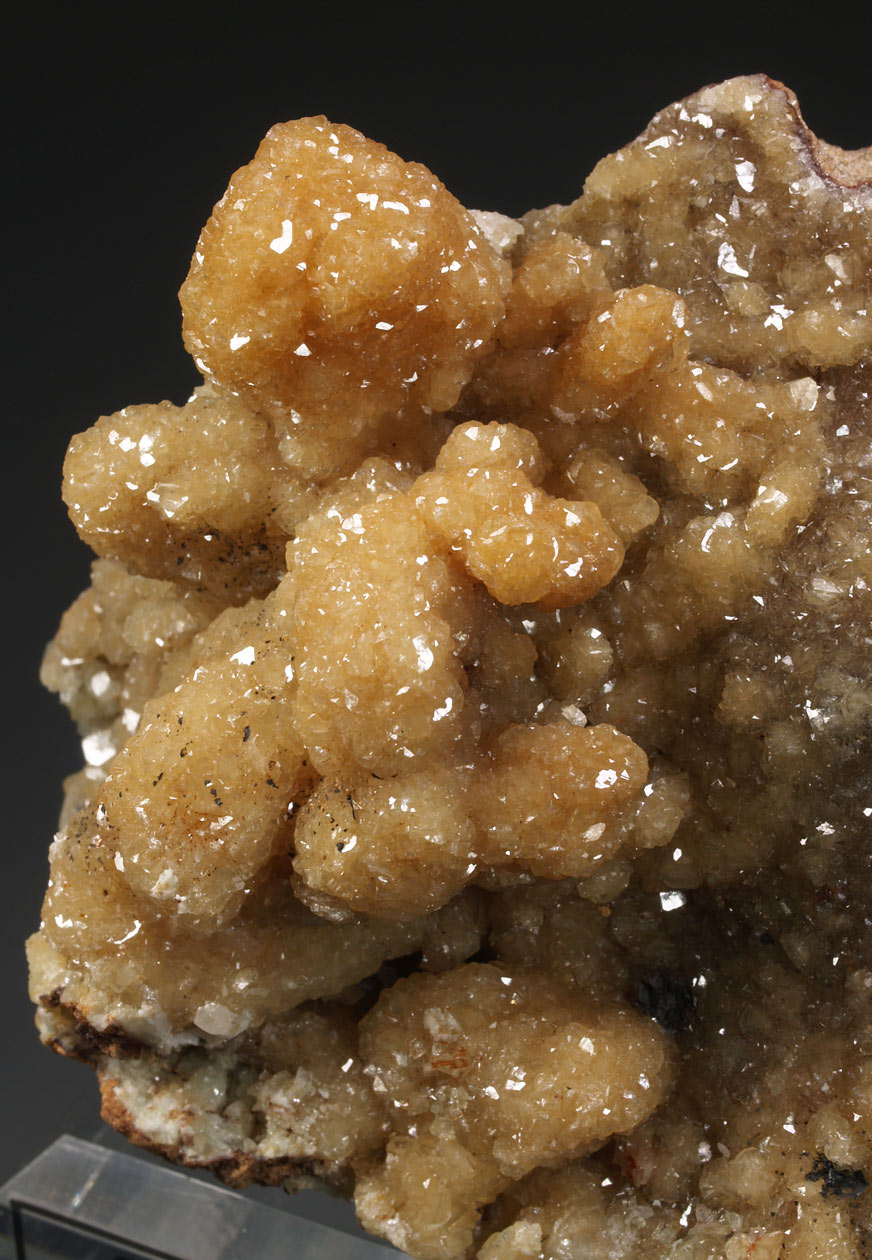
Excelente ejemplar formado por un nutrido grupo de cristales prismáticos de cerusita totalmente recubiertos por cristales de smithsonita, romboédricos y muy brillantes. Se trata de una pieza muy diferente a lo que se puede ver de esta clásica localidad marroquí. Un ejemplar de vitrina.
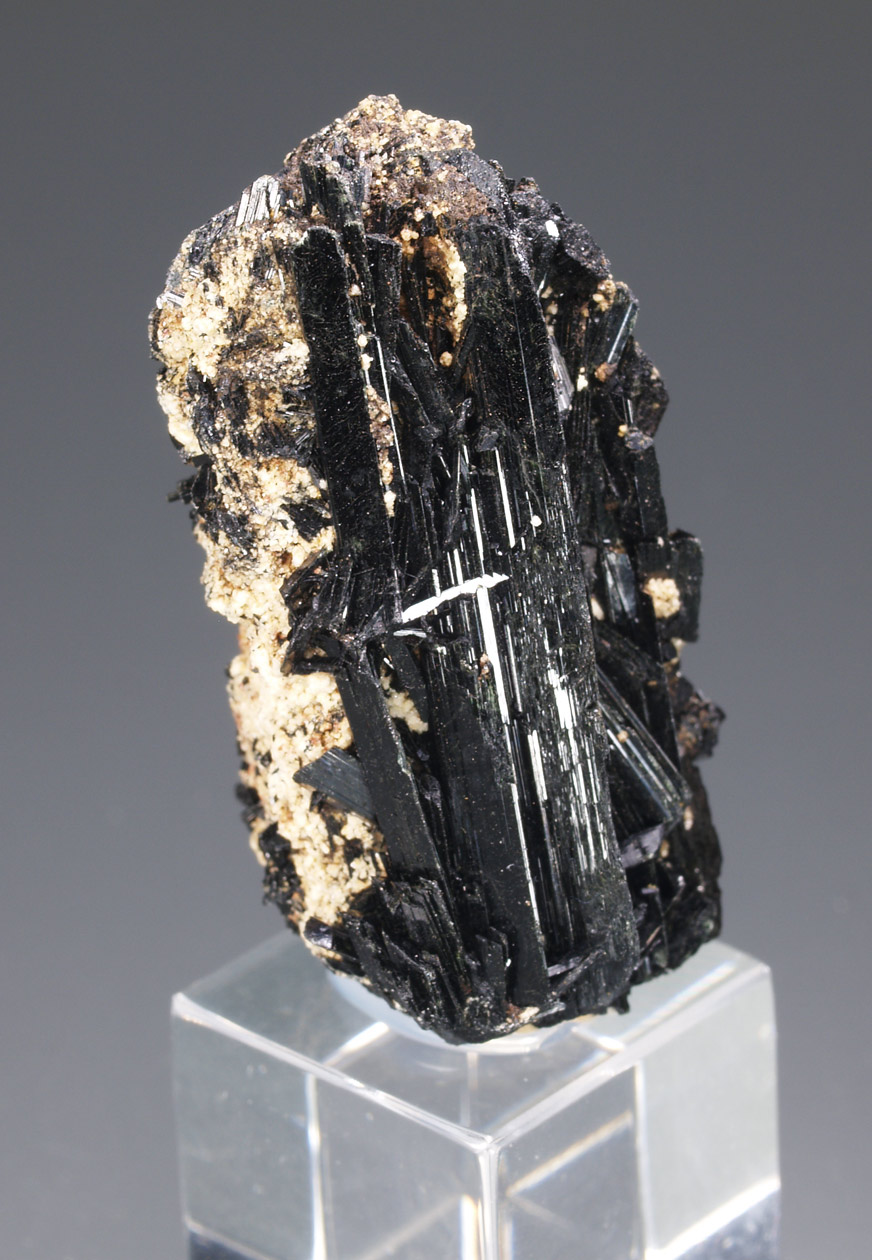
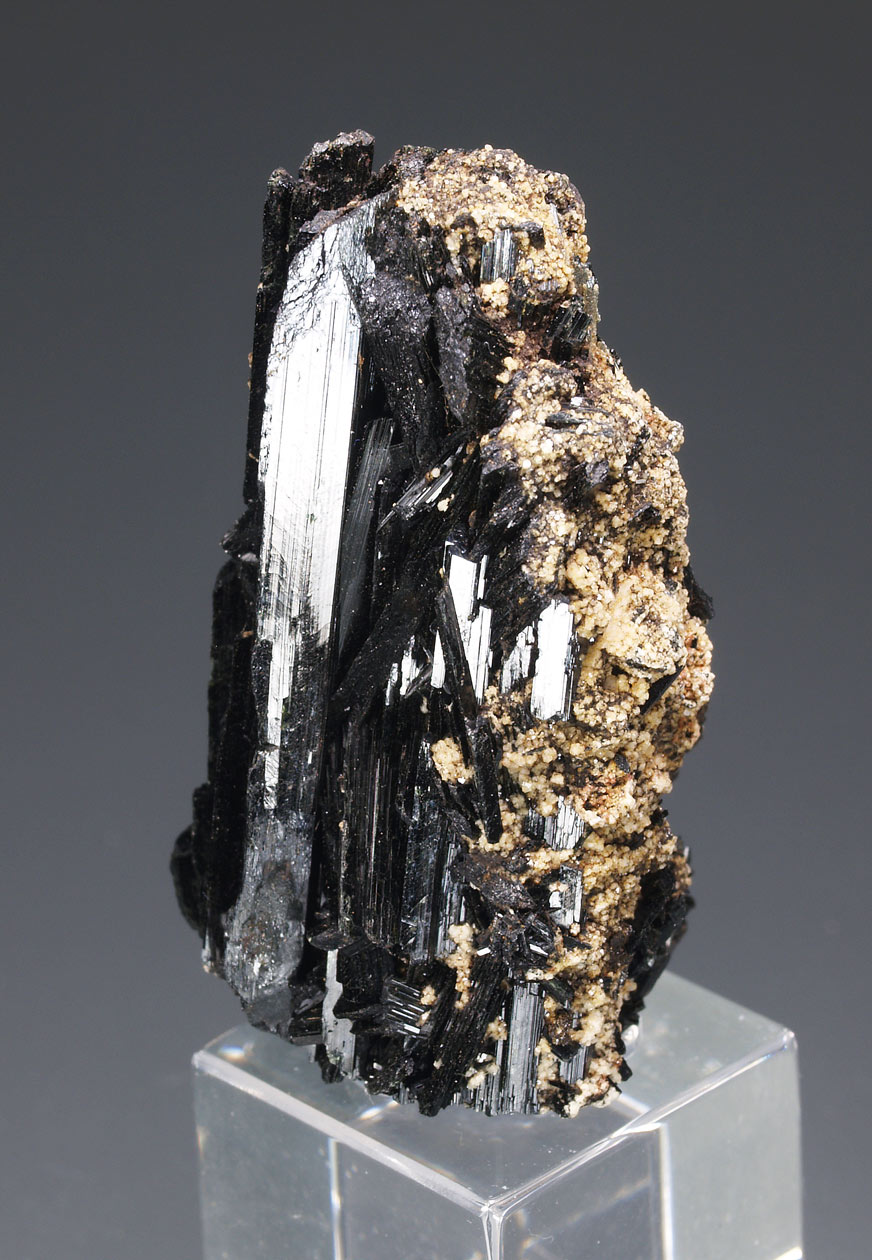
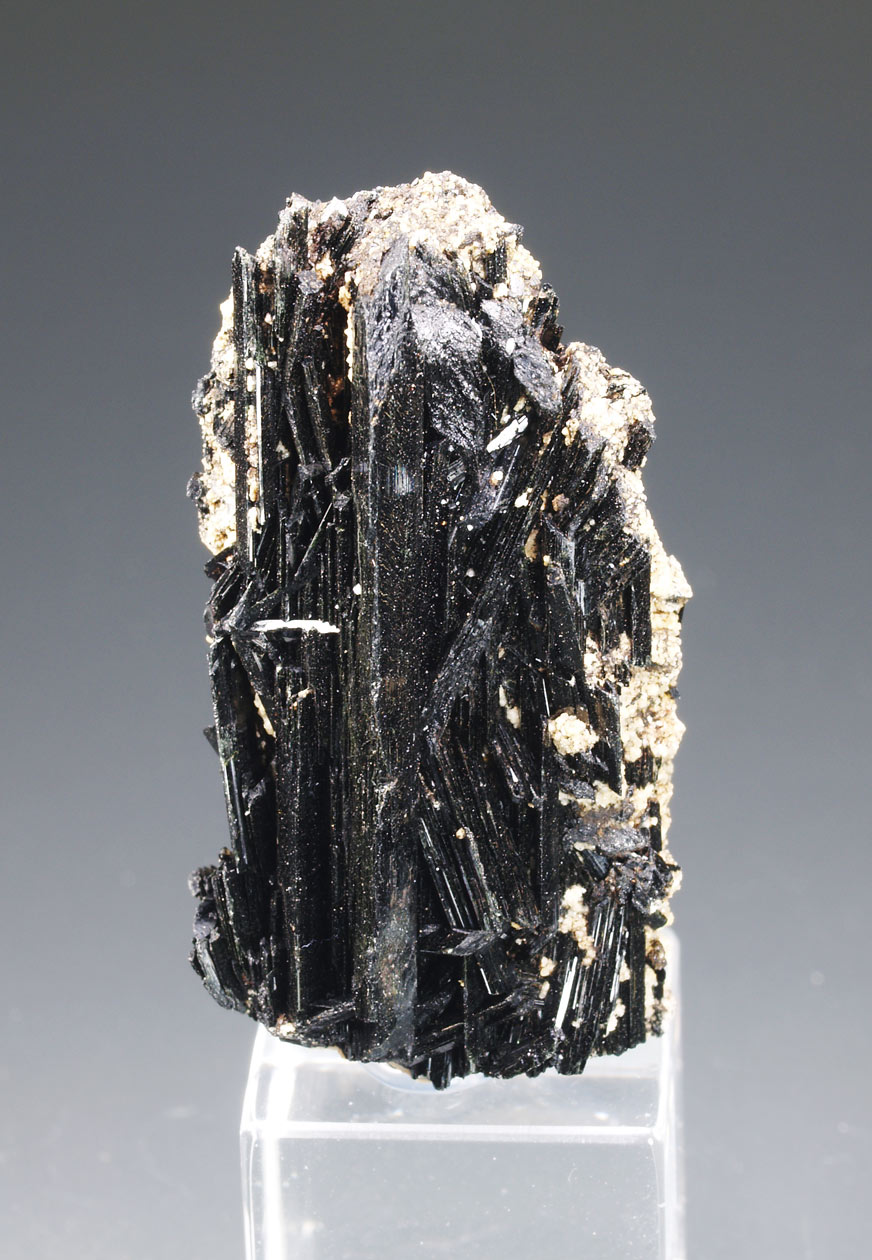
Grupo de cristales prismáticos de arfvedsonita, de crecimiento paralelo, con las caras estriadas y terminaciones policristalinas, muy brillantes y de color verde oscuro, casi negro. Acompañado de feldespato como matriz.

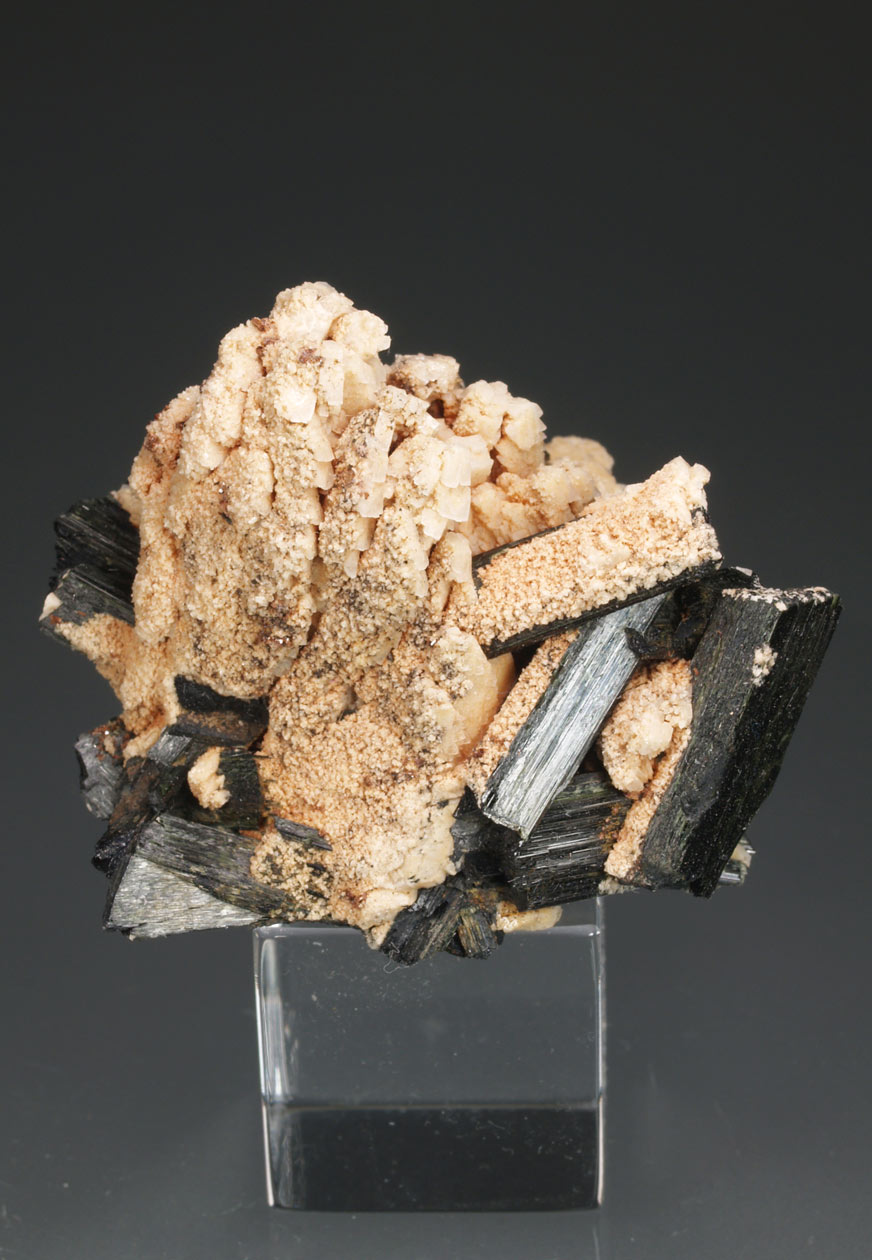
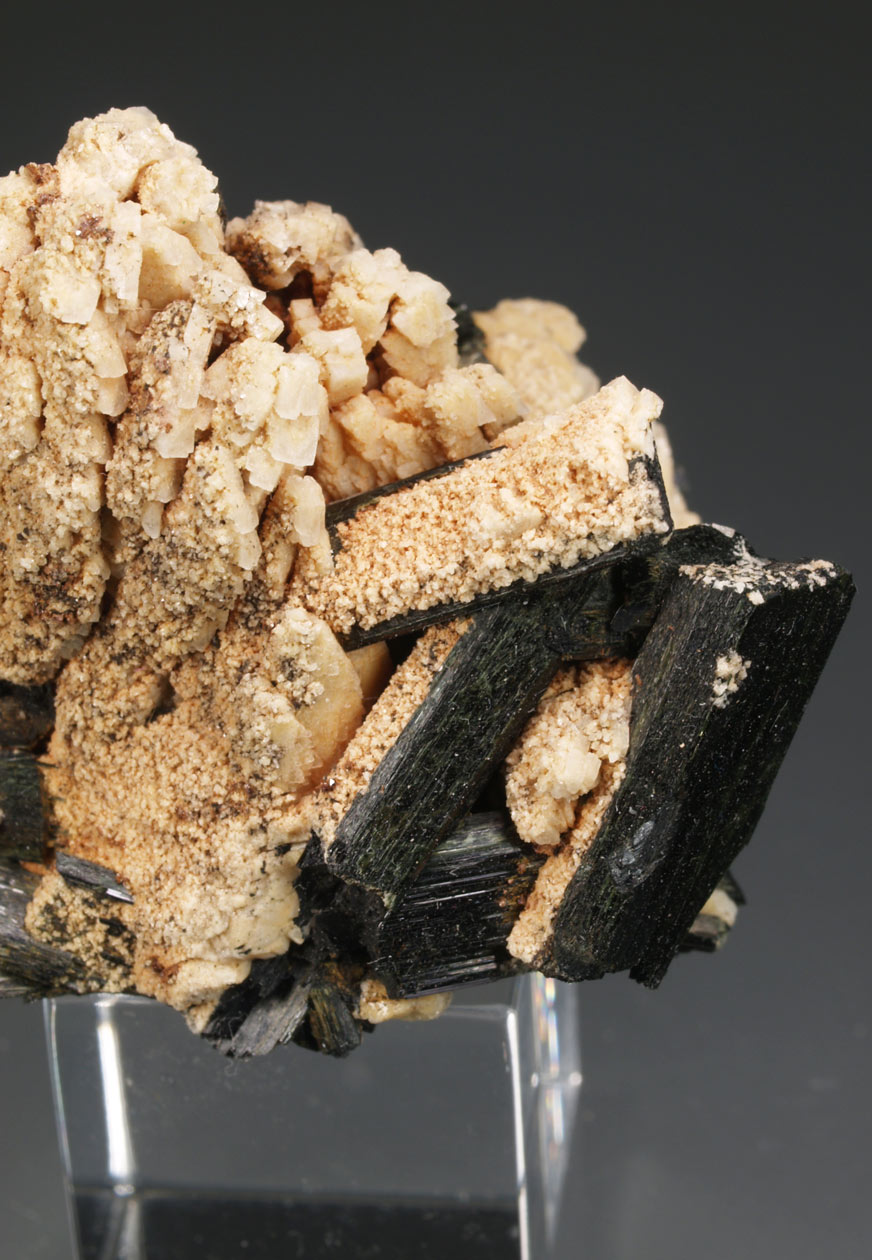
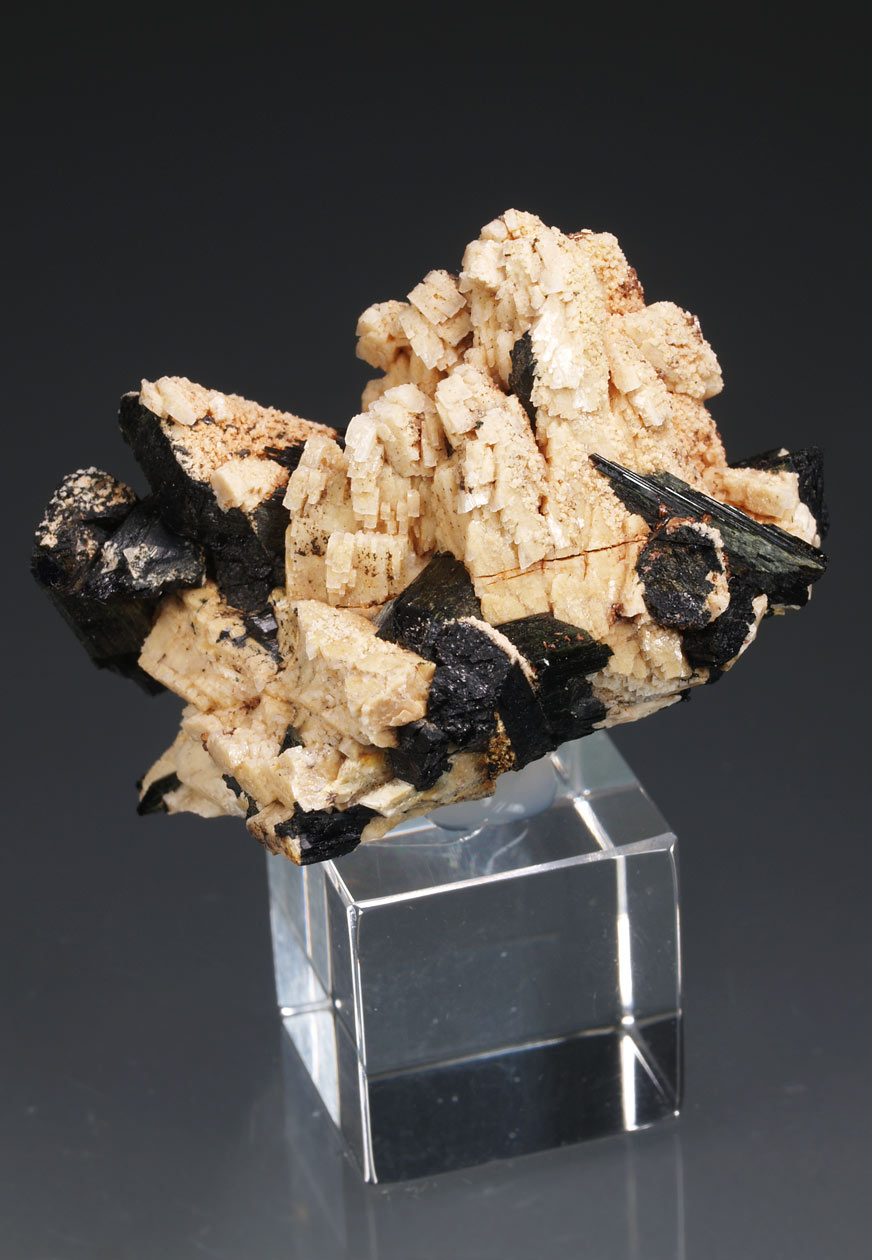
Grupo de cristales prismáticos de arfvedsonita, con crecimiento paralelo, caras estriadas y terminaciones policristalinas, brillantes y de color verde oscuro, casi negro. Se hallan parcialmente recubiertos de feldespato. Un ejemplar curioso...

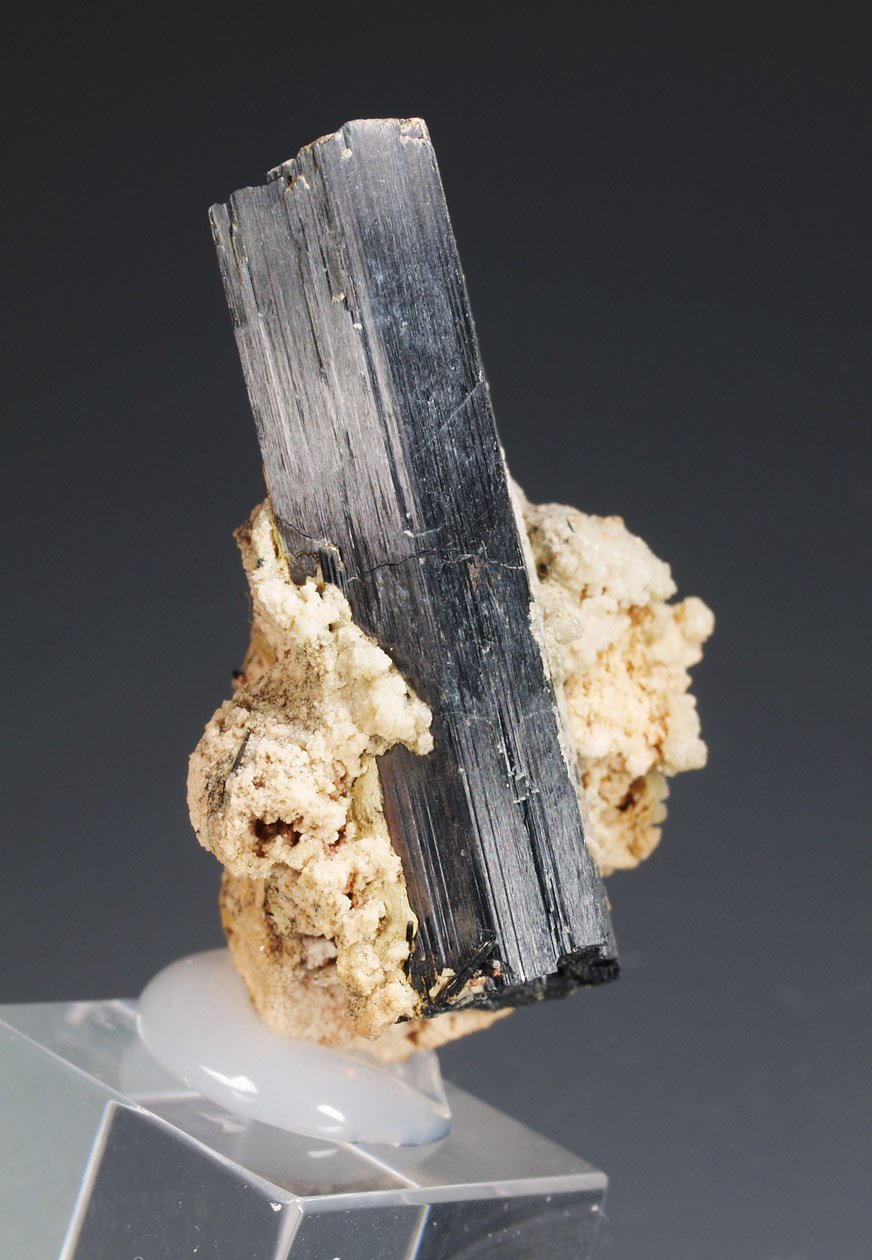
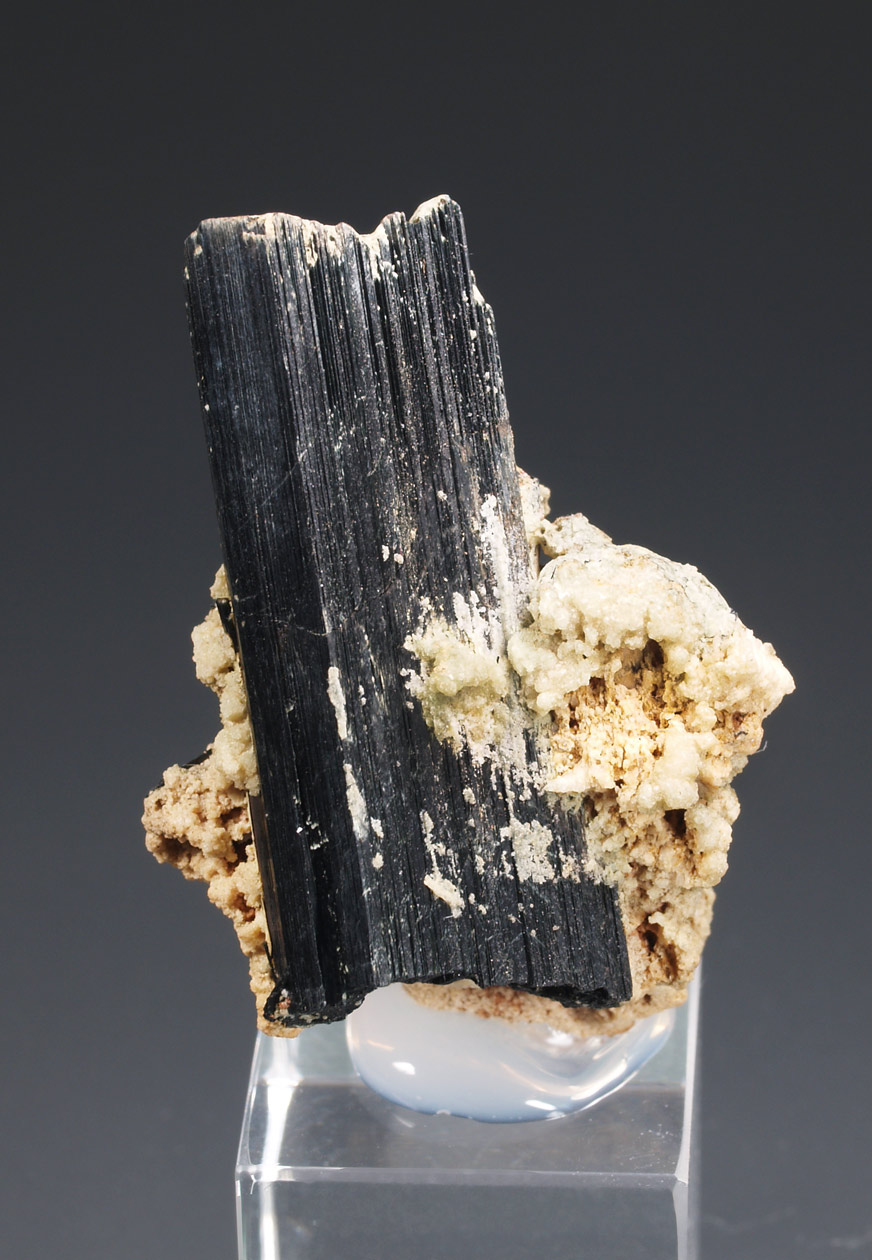
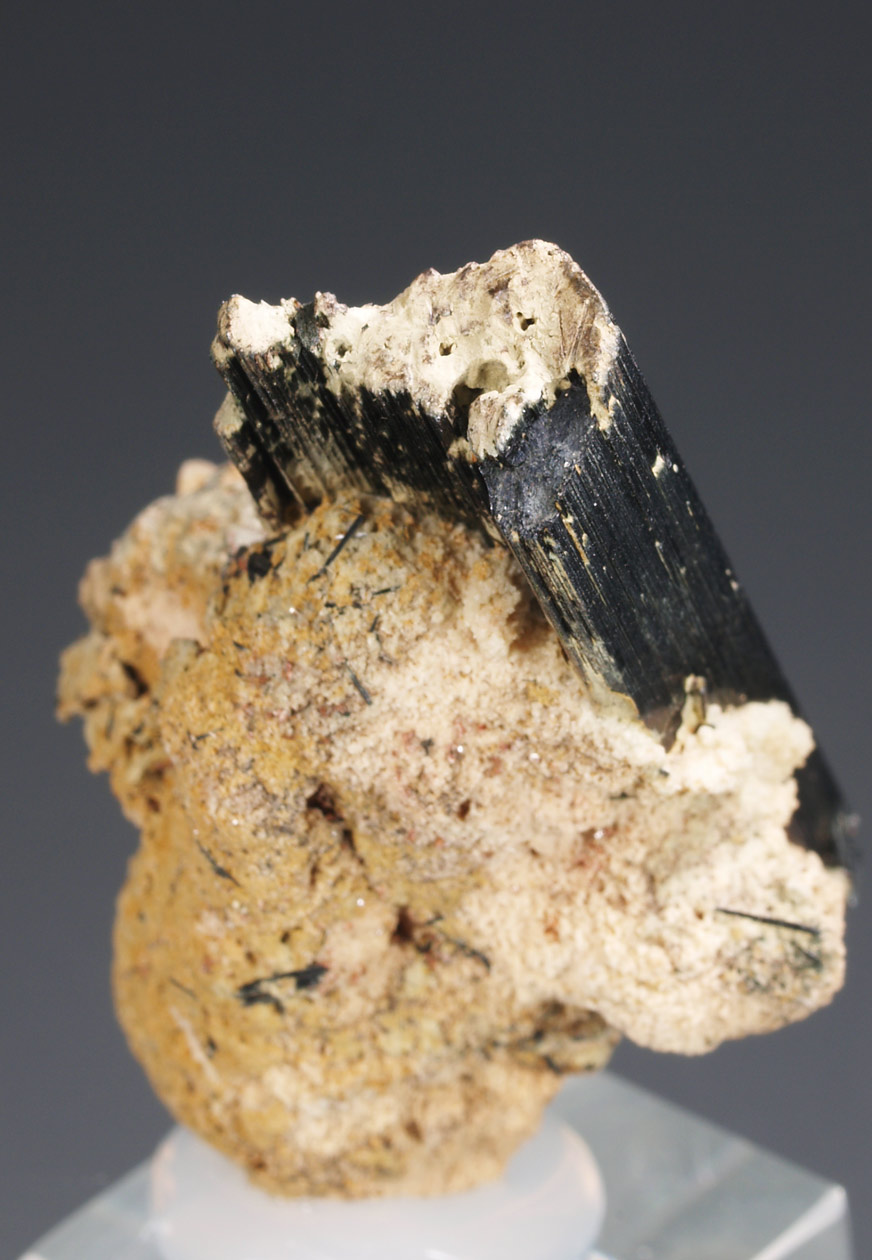
Grupo de cristales prismáticos de arfvedsonita, con crecimiento paralelo, uno de ellos muy elongado, caras estriadas y terminaciones policristalinas, brillantes y de color verde oscuro, casi negro, en matriz de feldespato.
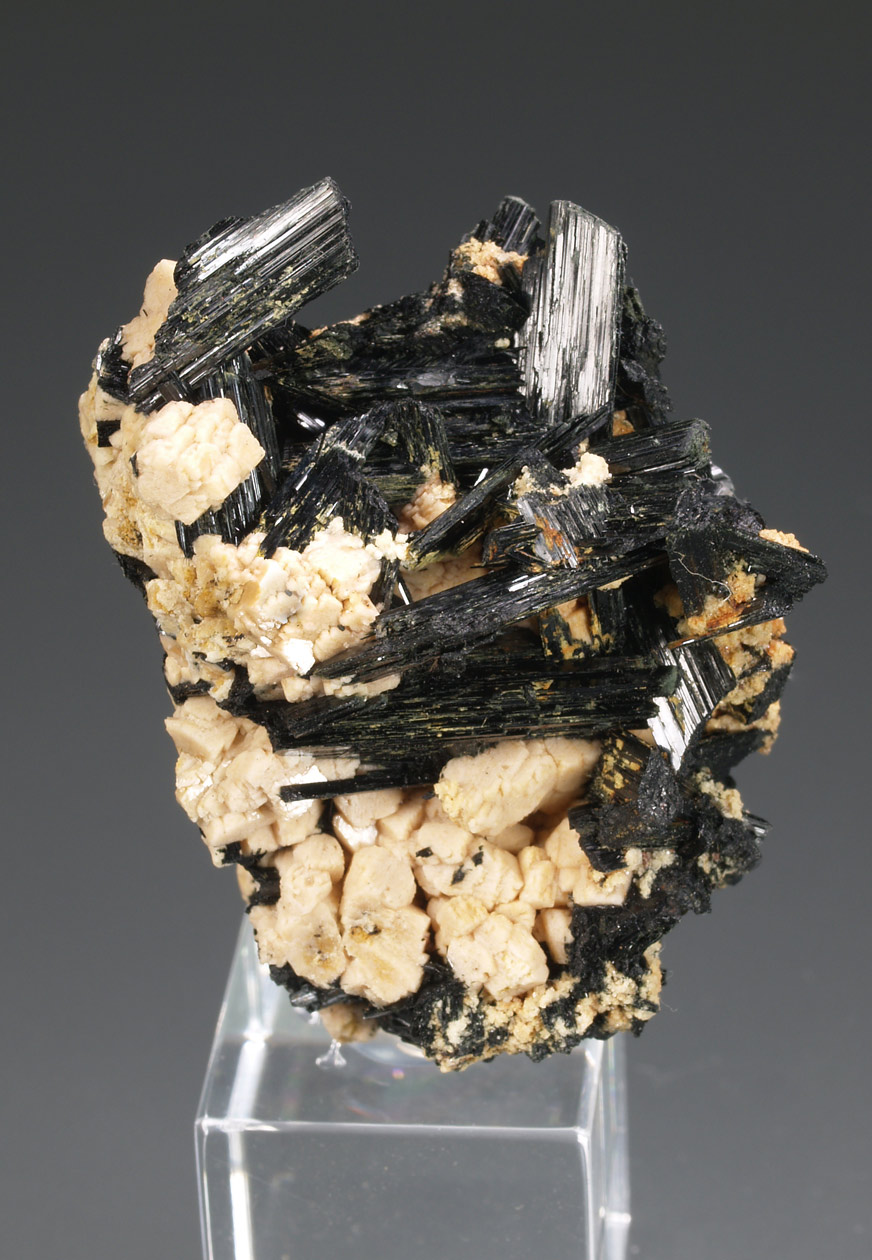
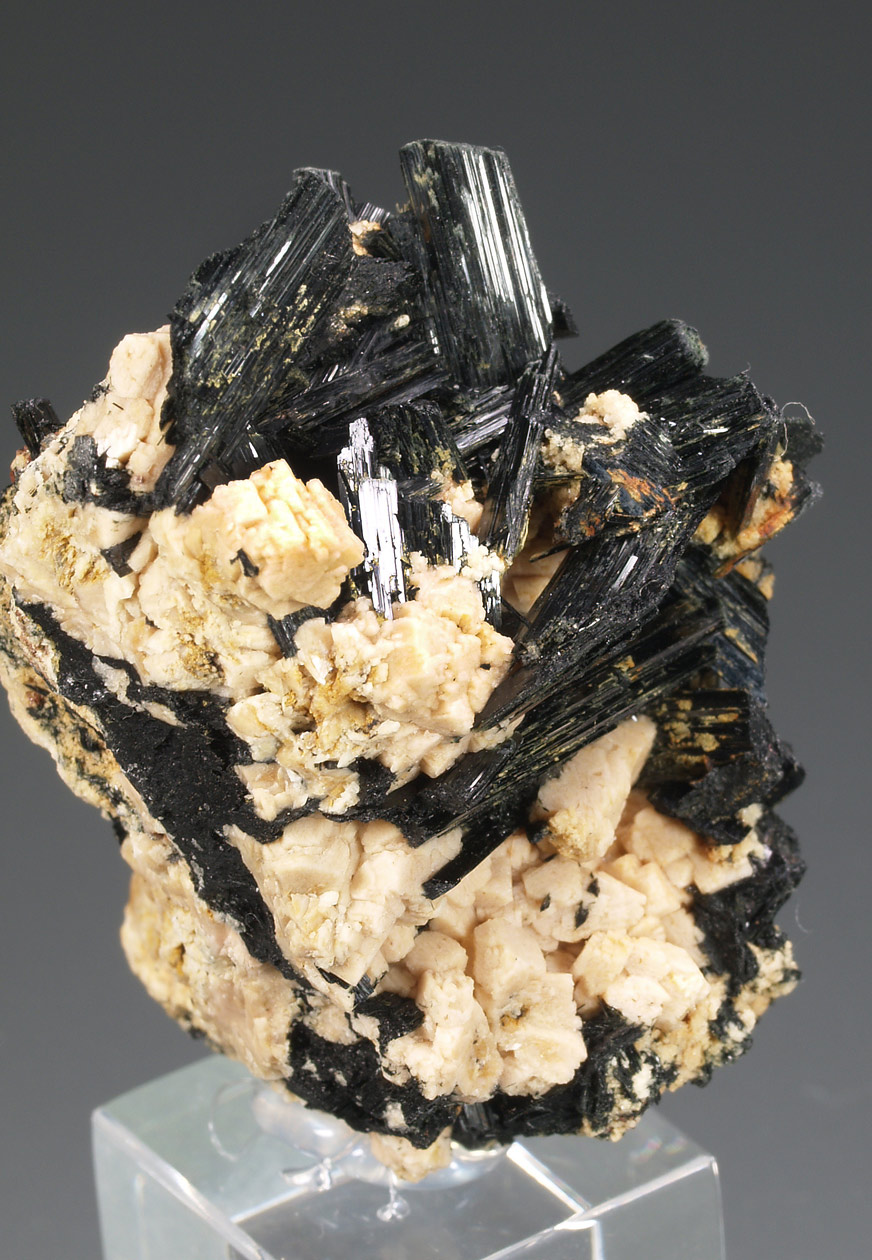
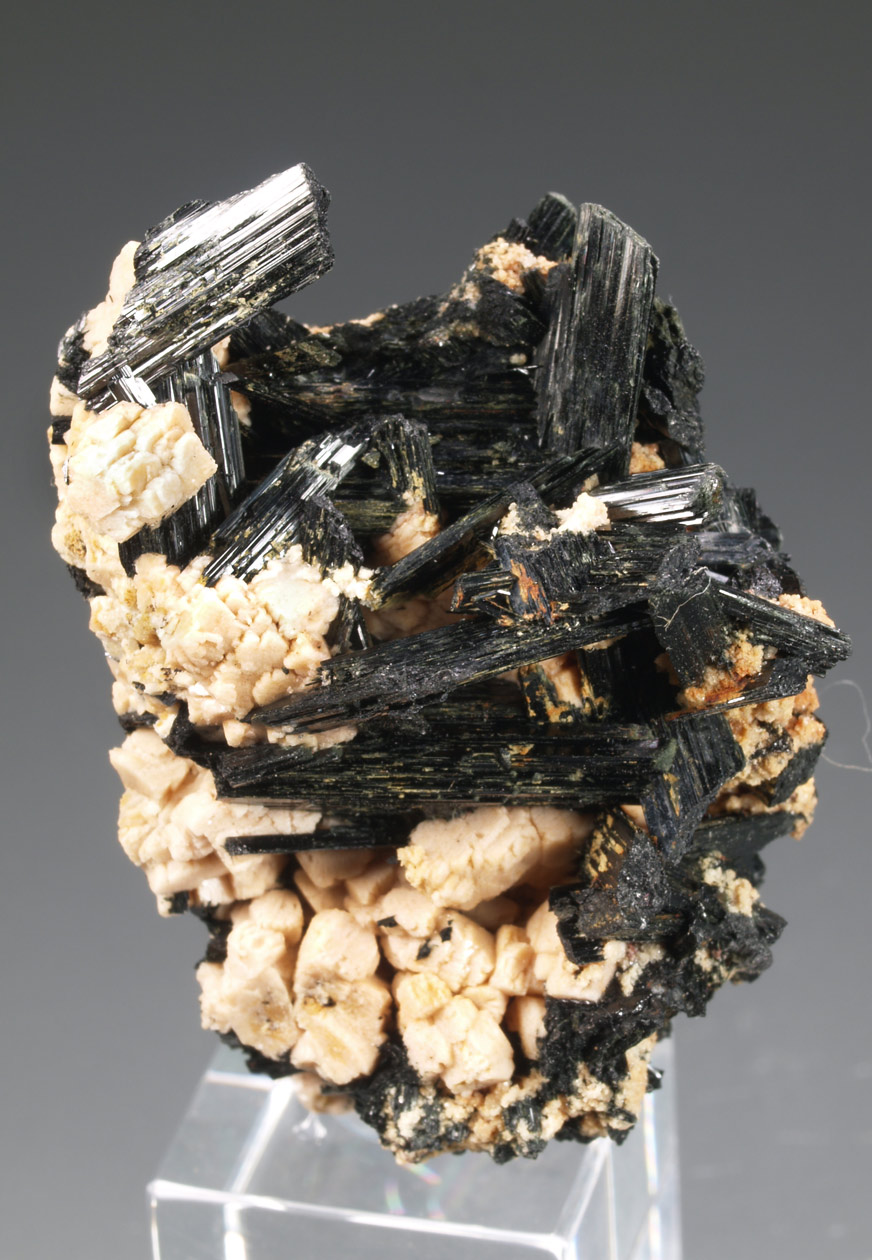
Grupo de cristales prismáticos de arfvedsonita, con crecimiento paralelo, caras estriadas y terminaciones policristalinas, brillantes y de color verde oscuro, casi negro. Sobre una matriz de feldespato.

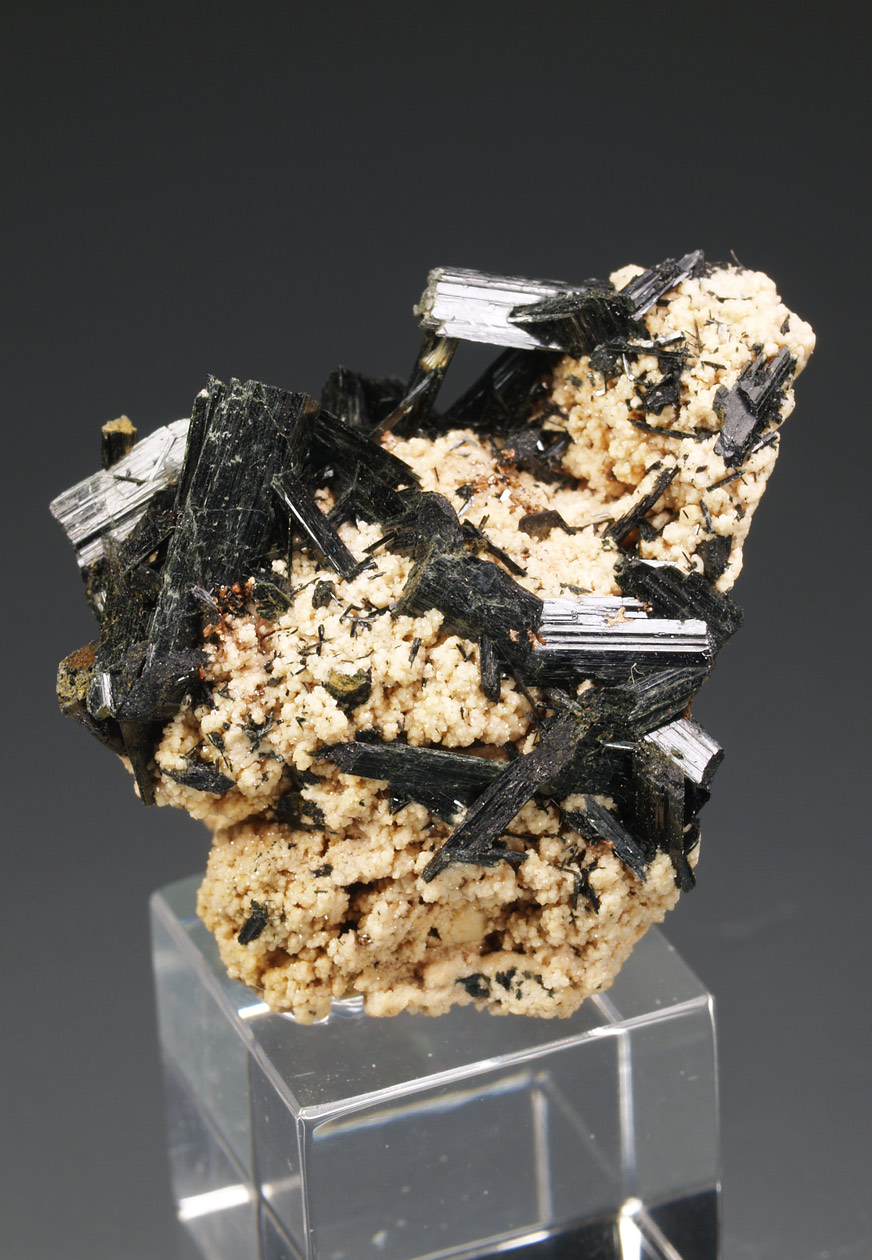
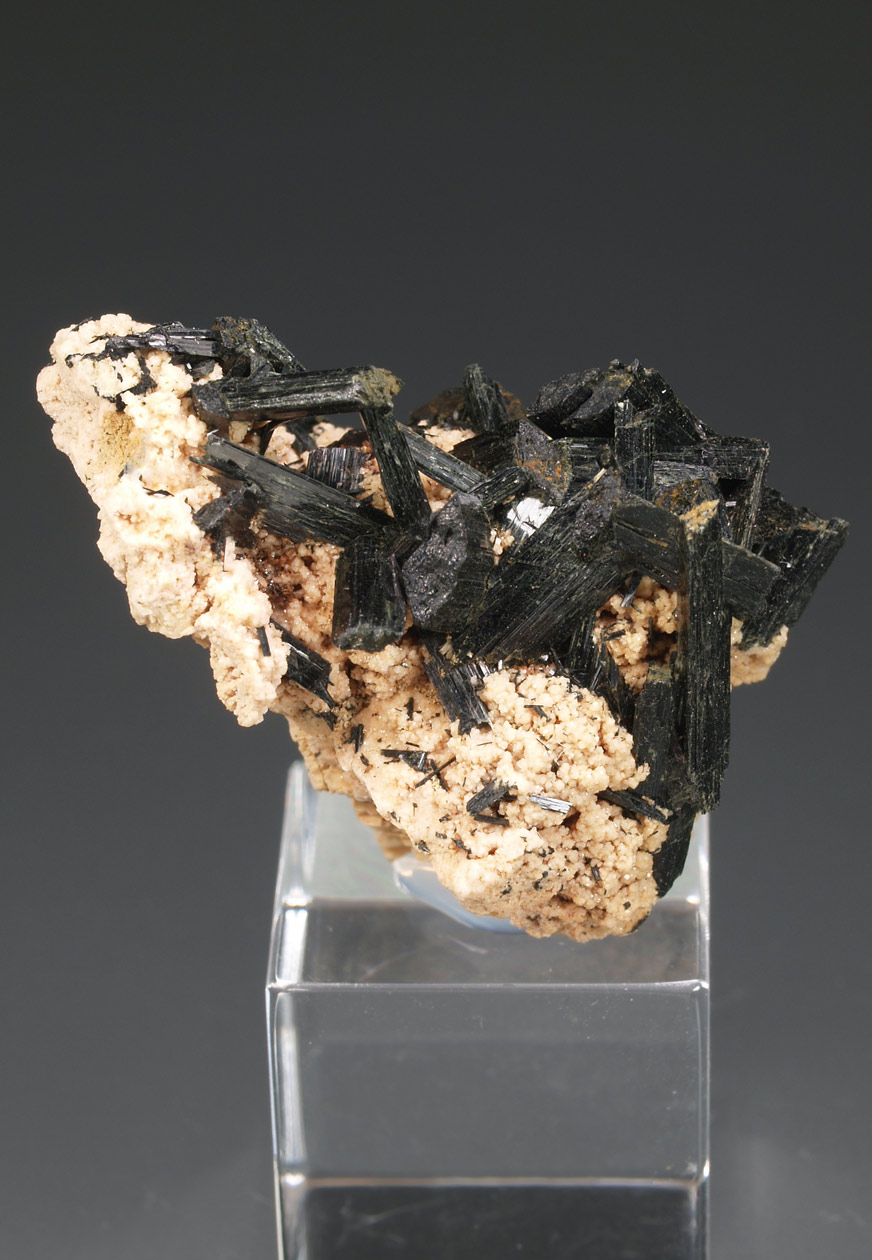
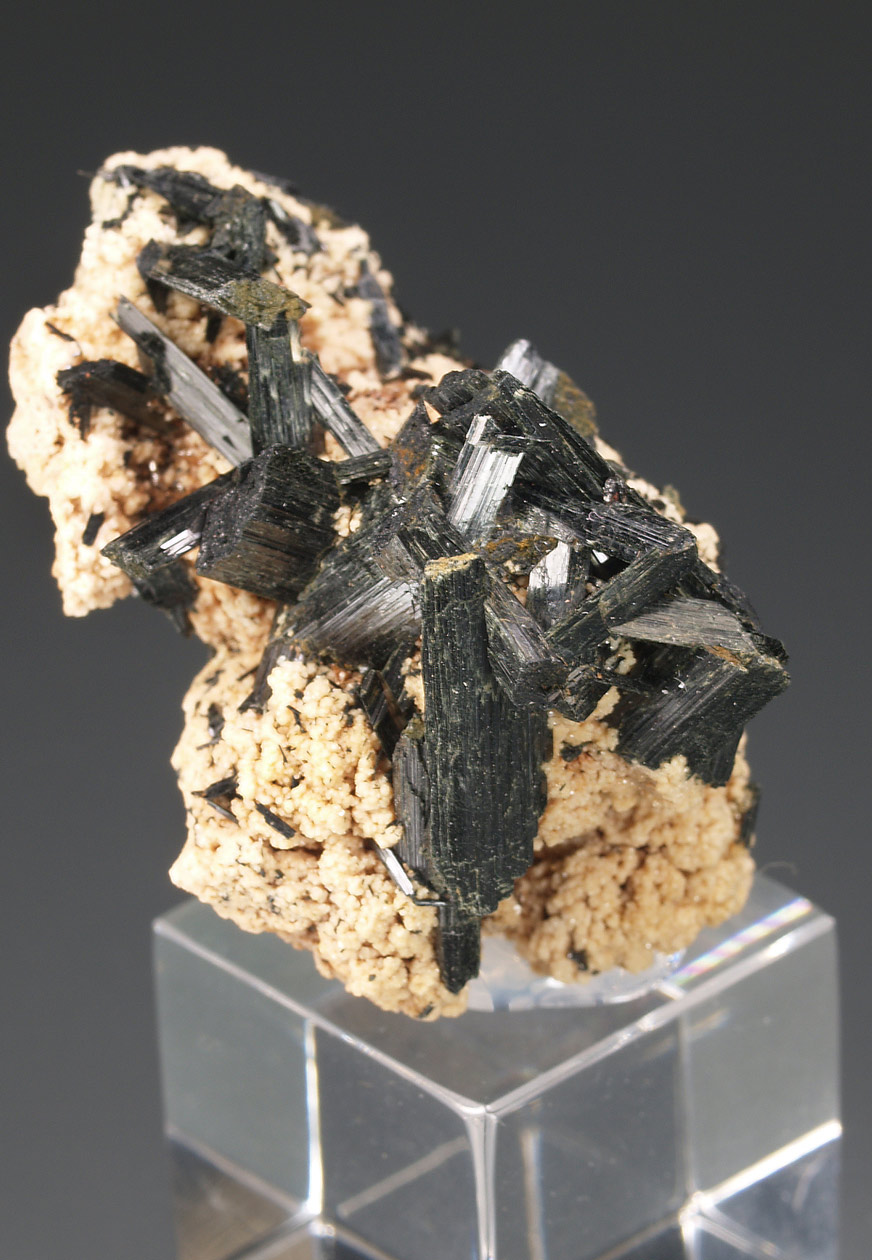
Grupo de cristales prismáticos de arfvedsonita, con crecimiento paralelo, caras estriadas y terminaciones policristalinas, brillantes y de color verde oscuro, casi negro. Sobre una matriz de feldespato.
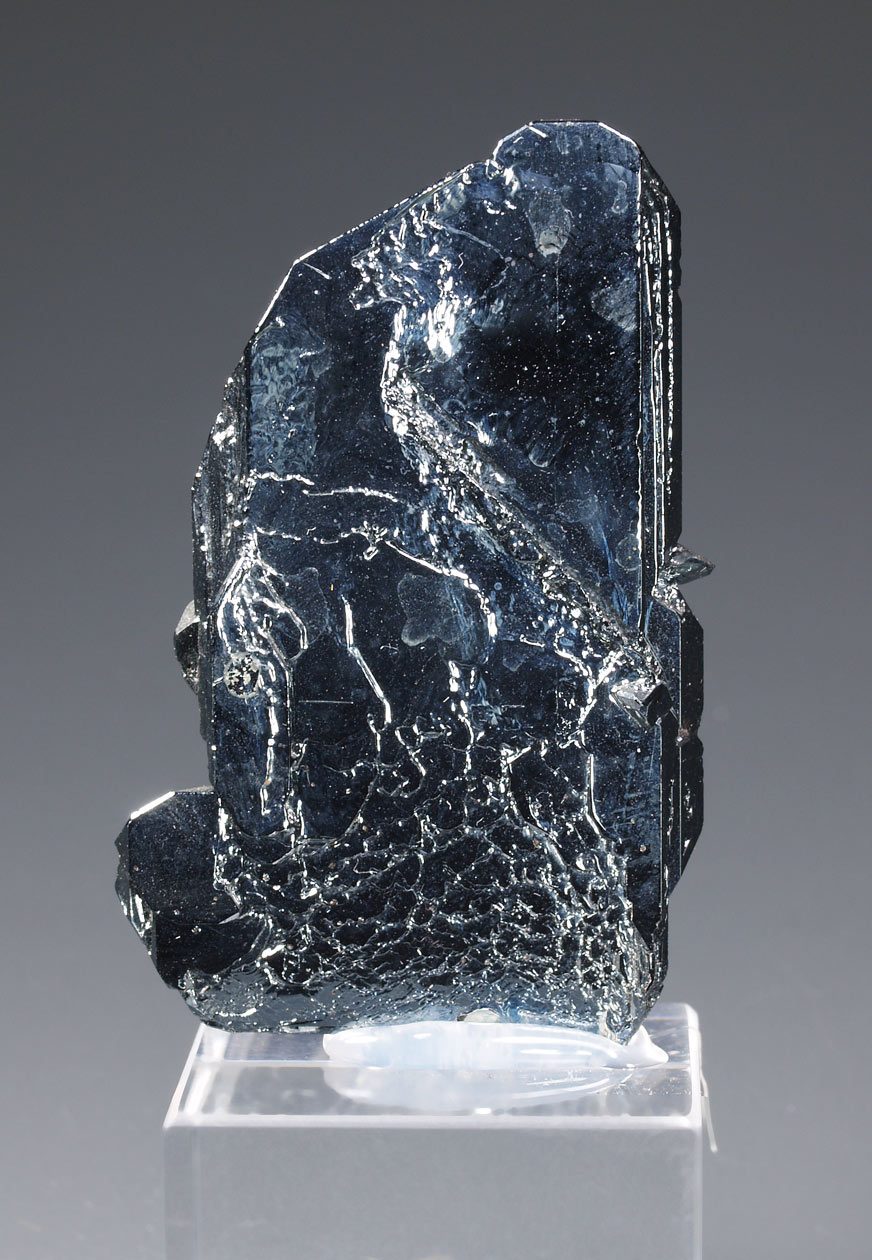
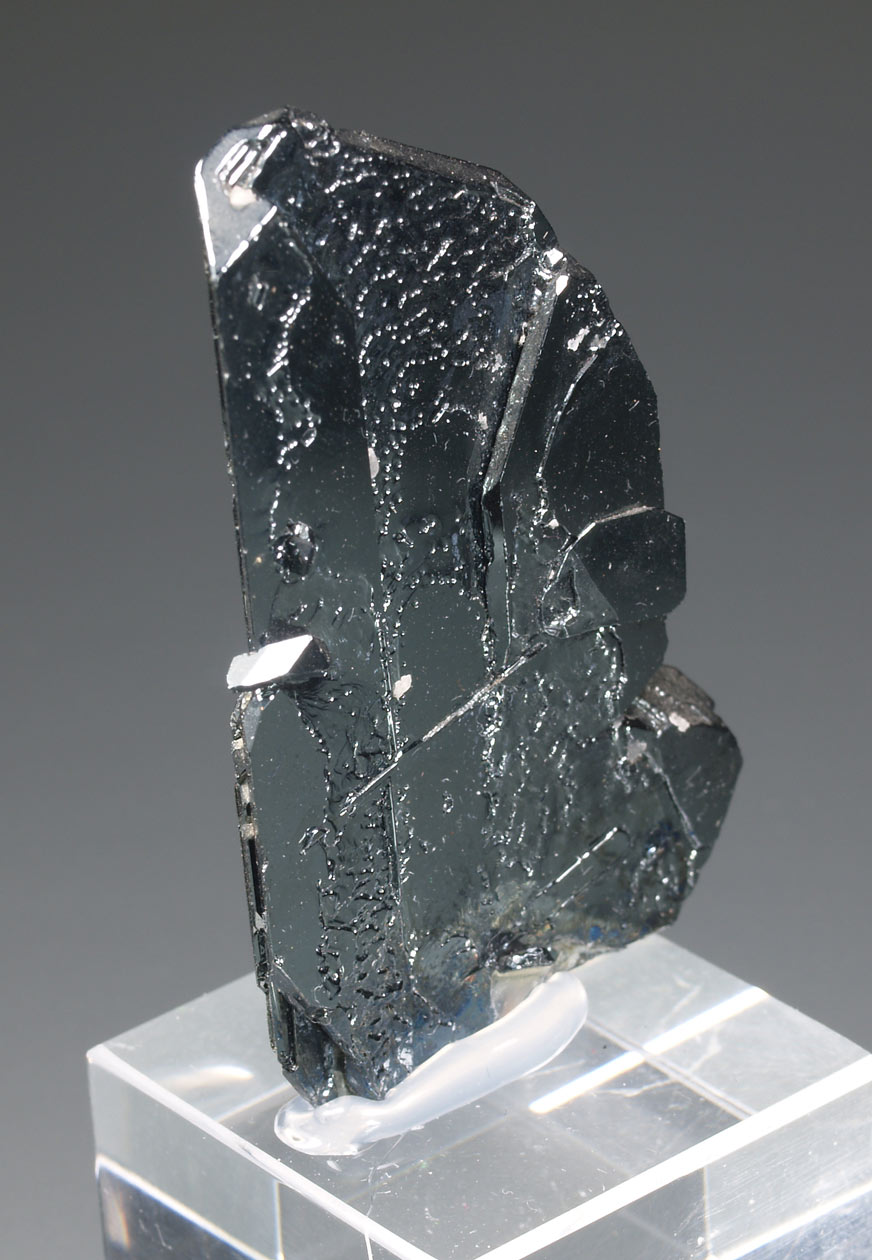
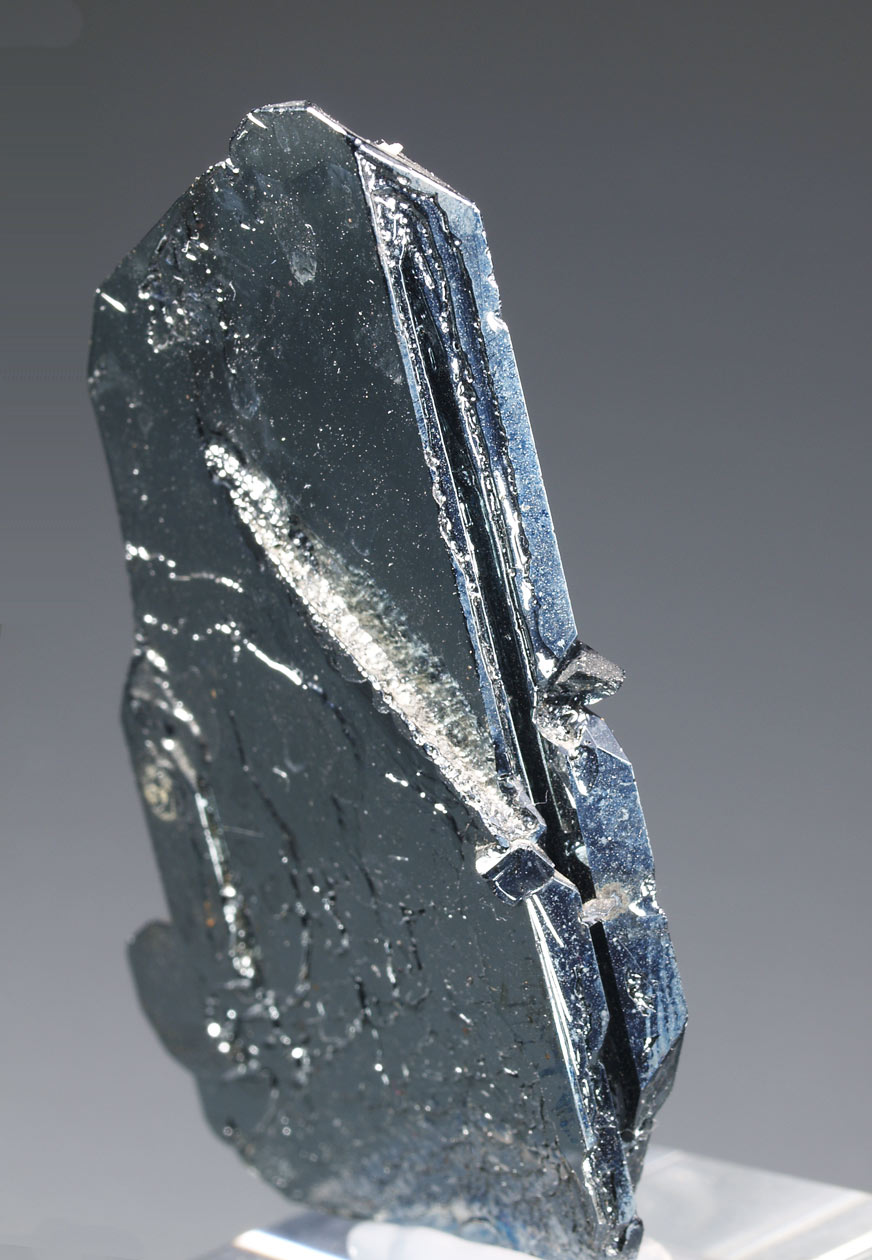
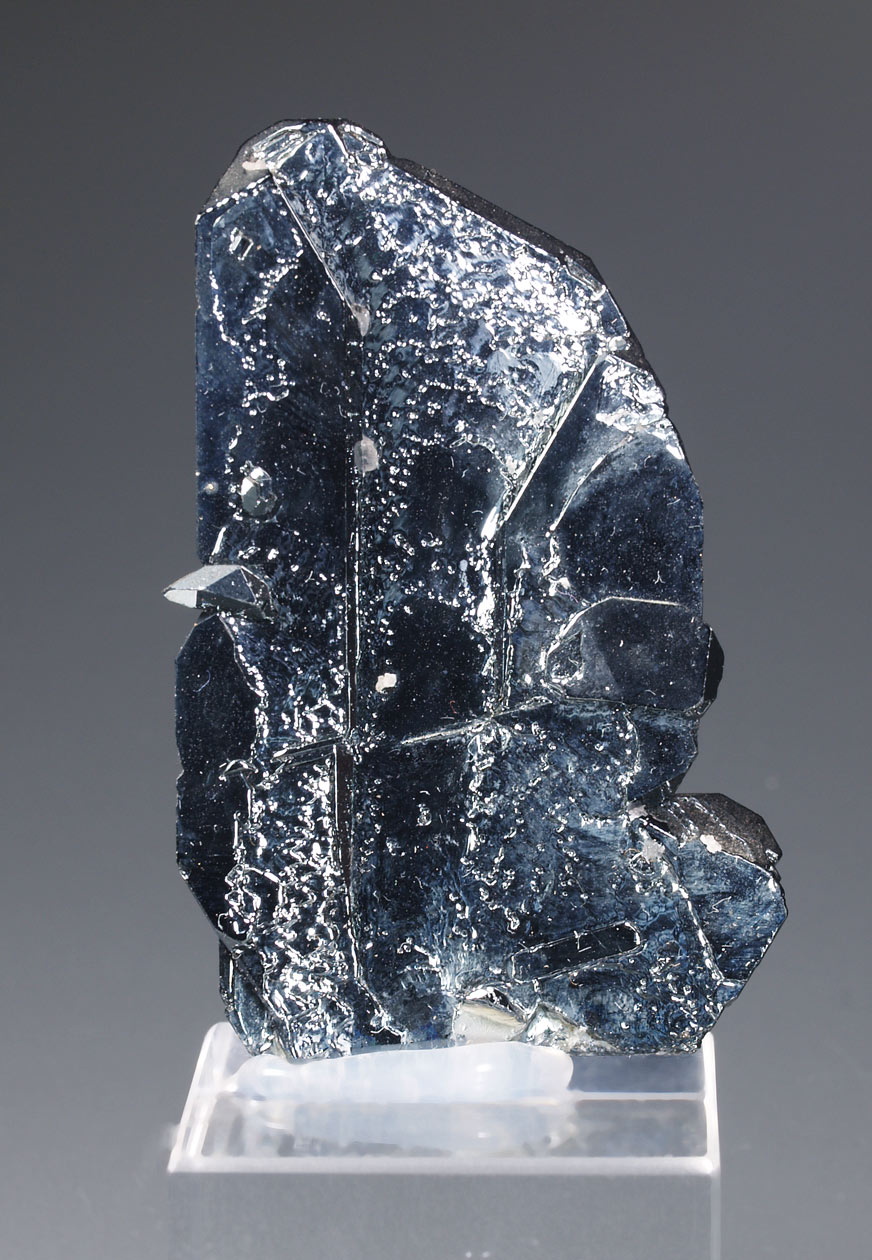
Estos cristales de hematites procedentes de una cantera cercana a Nador ya son un clásico de la mineralogía marroquí. Este ejemplar está formado por diversos cristales en crecimiento paralelo, con un brillo excepcional, y que muestran las caras de diferentes cristales. Su tamaño coma y calidad y brillo lo hacen un ejemplar definitivo de esta localidad. Estos hematites proceden de una pequeña cantera de riolita muy cercana a Nador, en la carretera de Melilla.

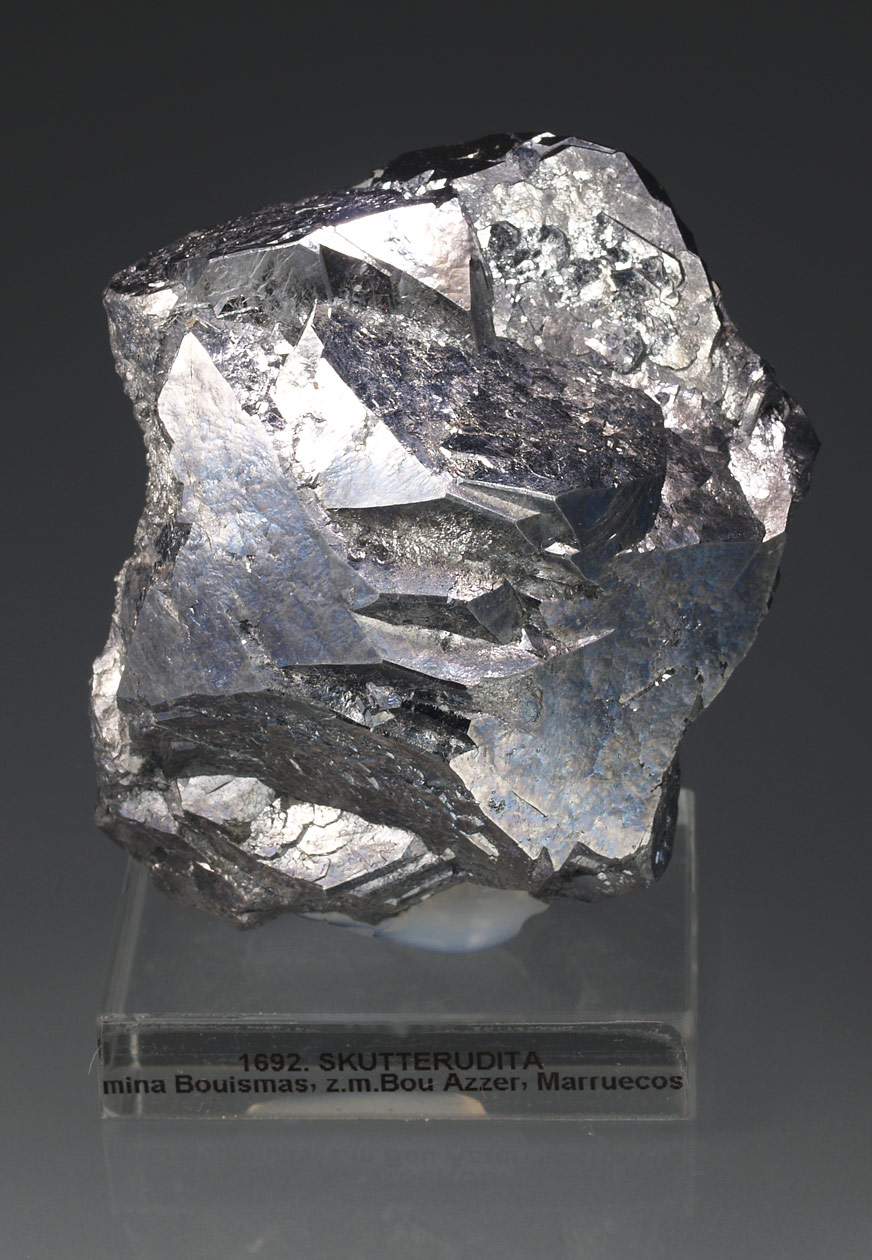
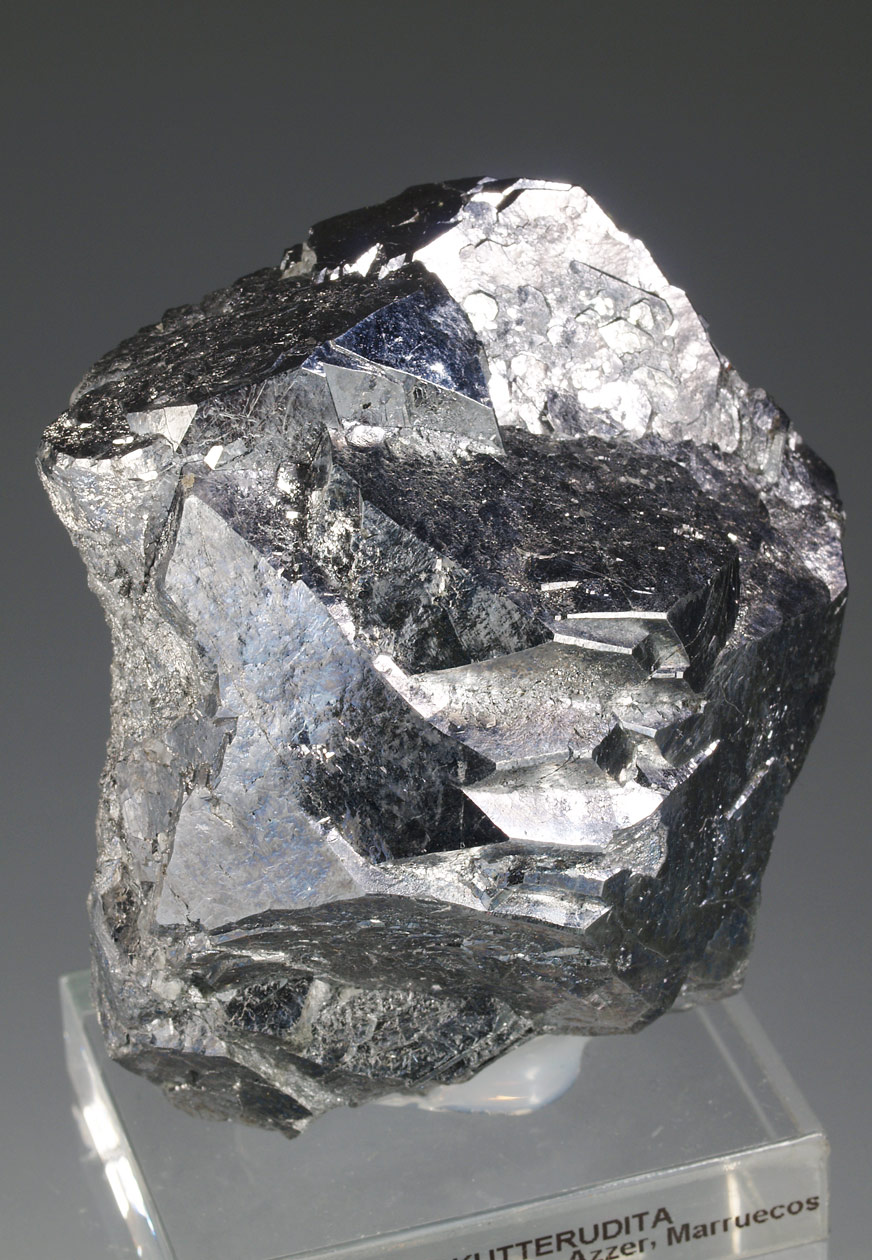
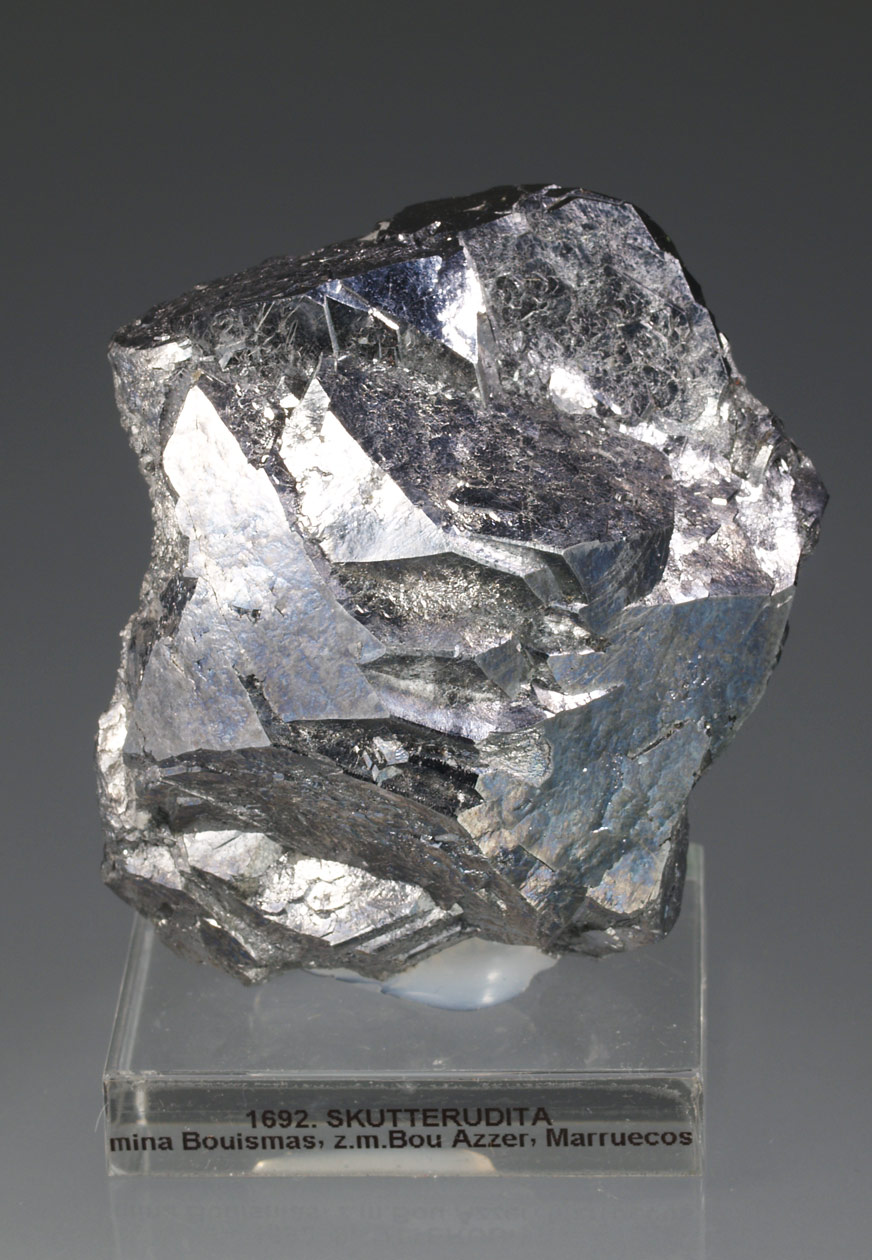
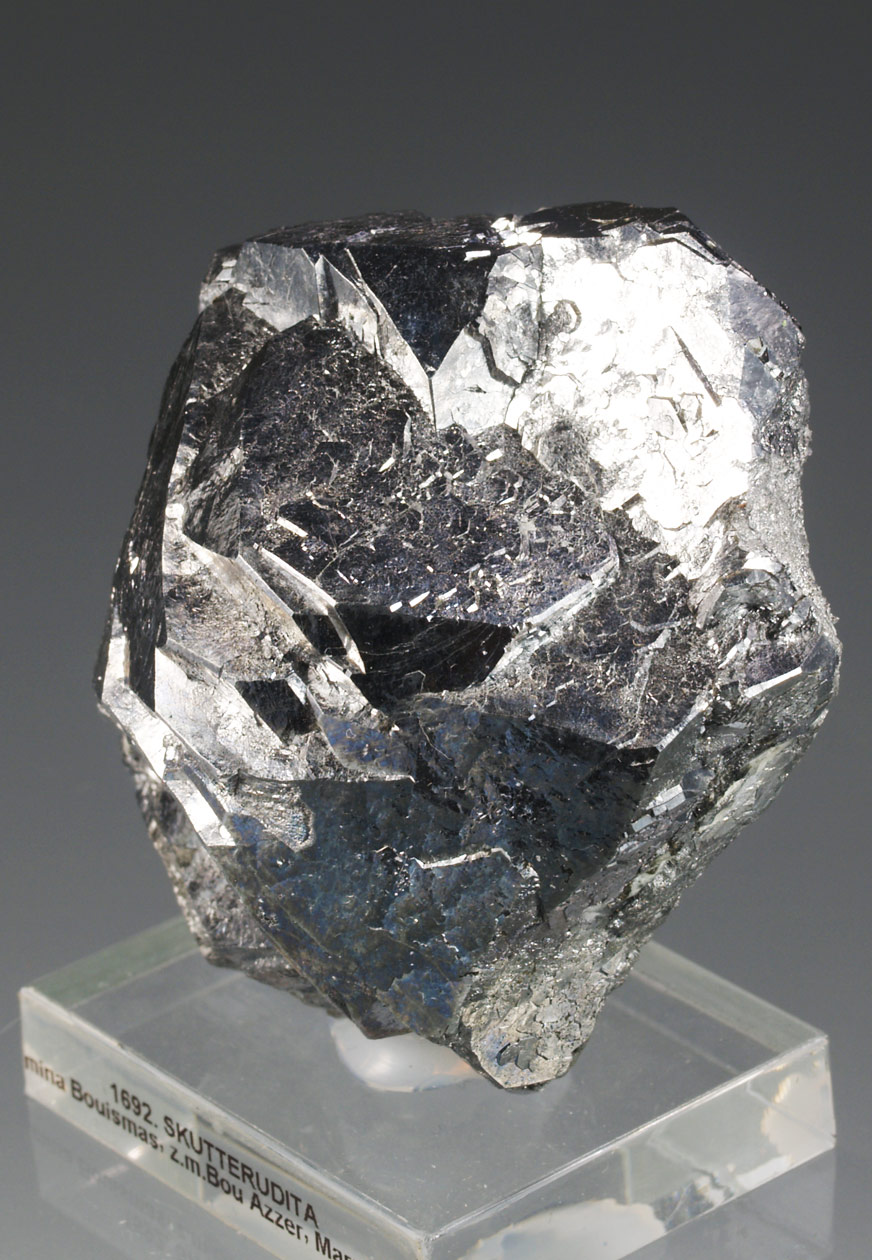
Grupo de cristales de skutterudita de muy buen tamaño, un brillo excepcional y formando crecimientos paralelos que asemejan a una roseta. Una pieza excelente procedente de esta localidad clásica marroquí y que supera muchos de los ejemplares que he visto.


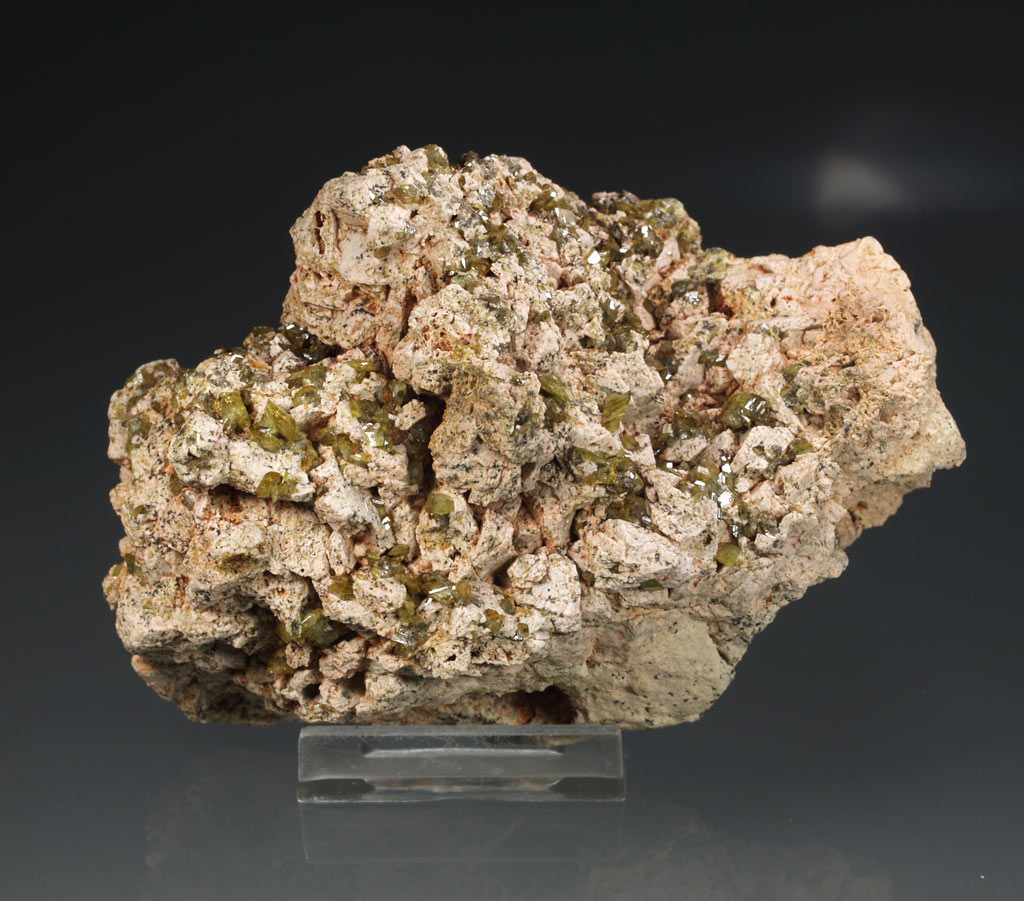
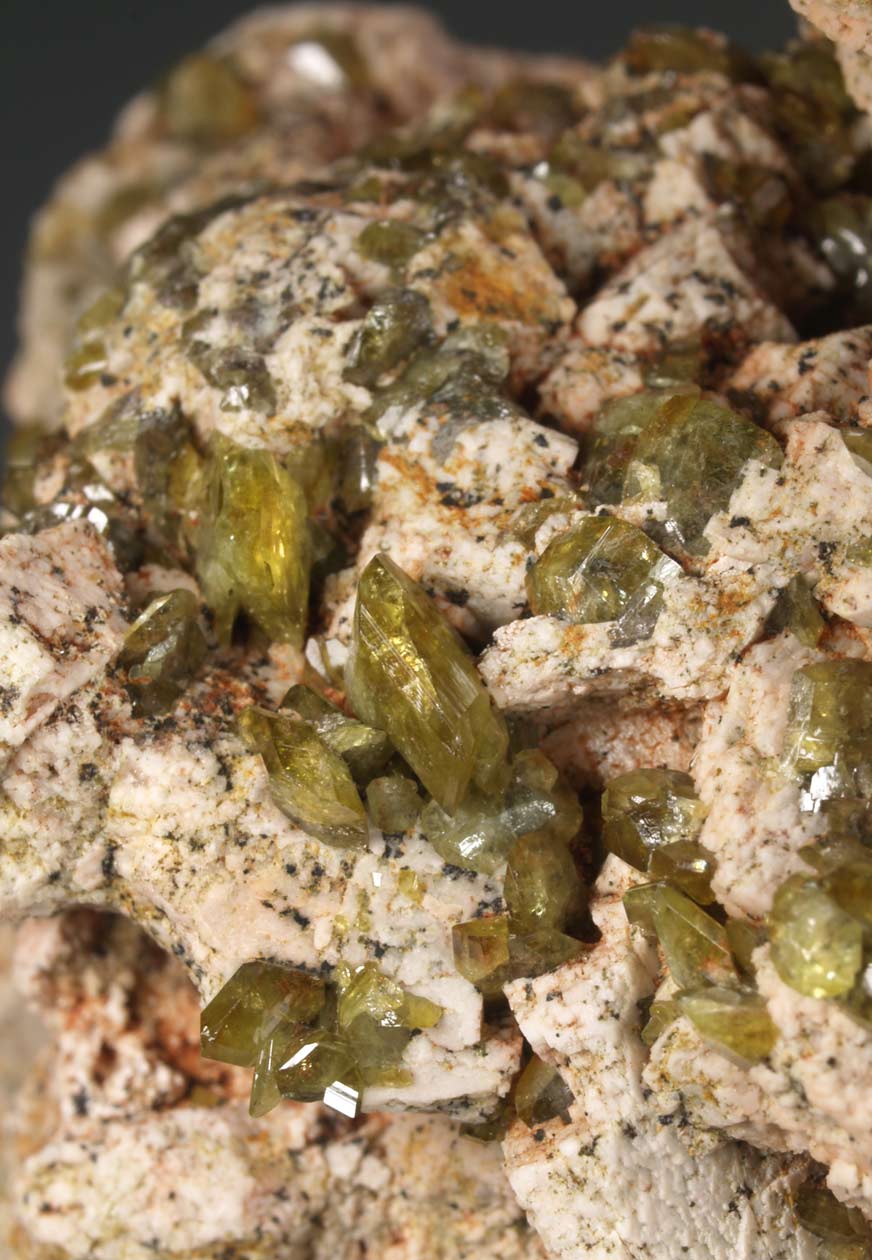
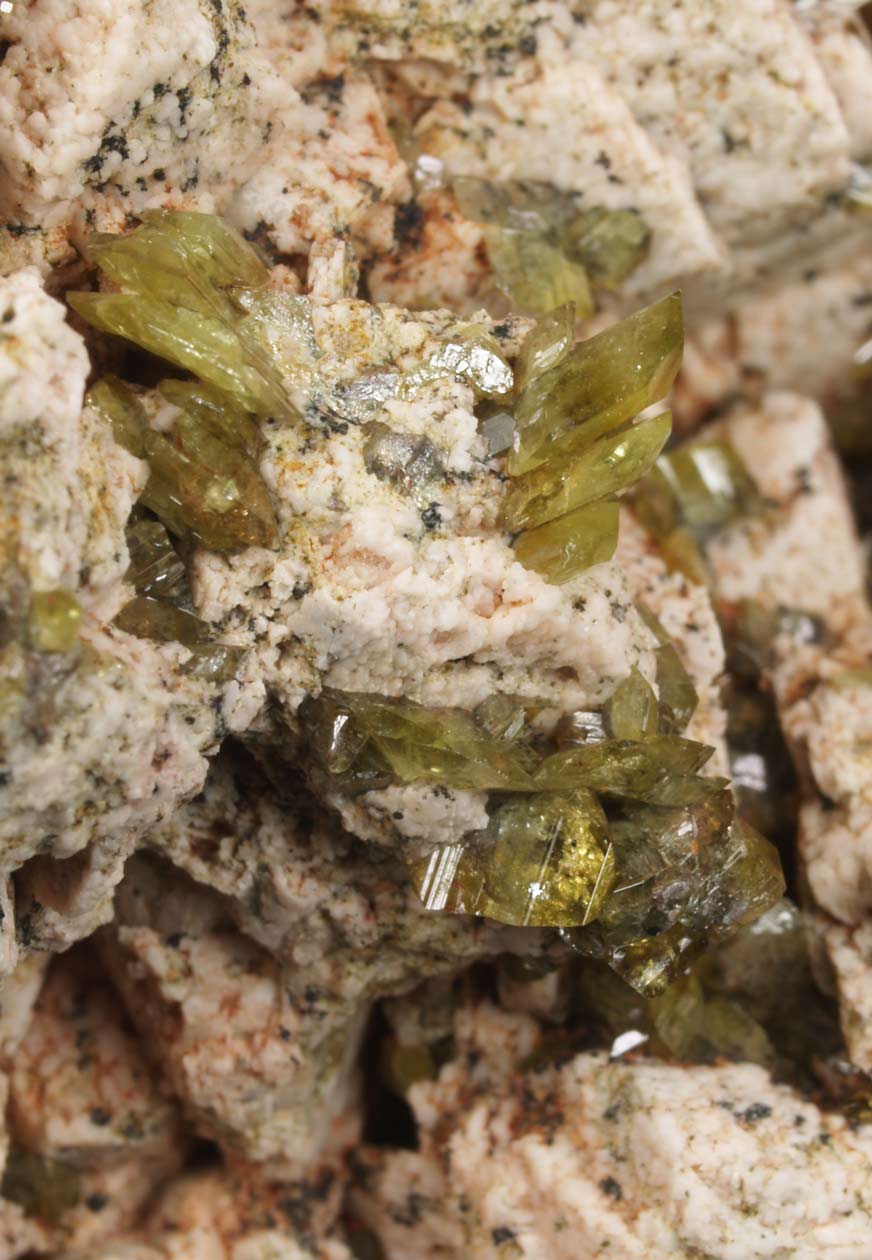
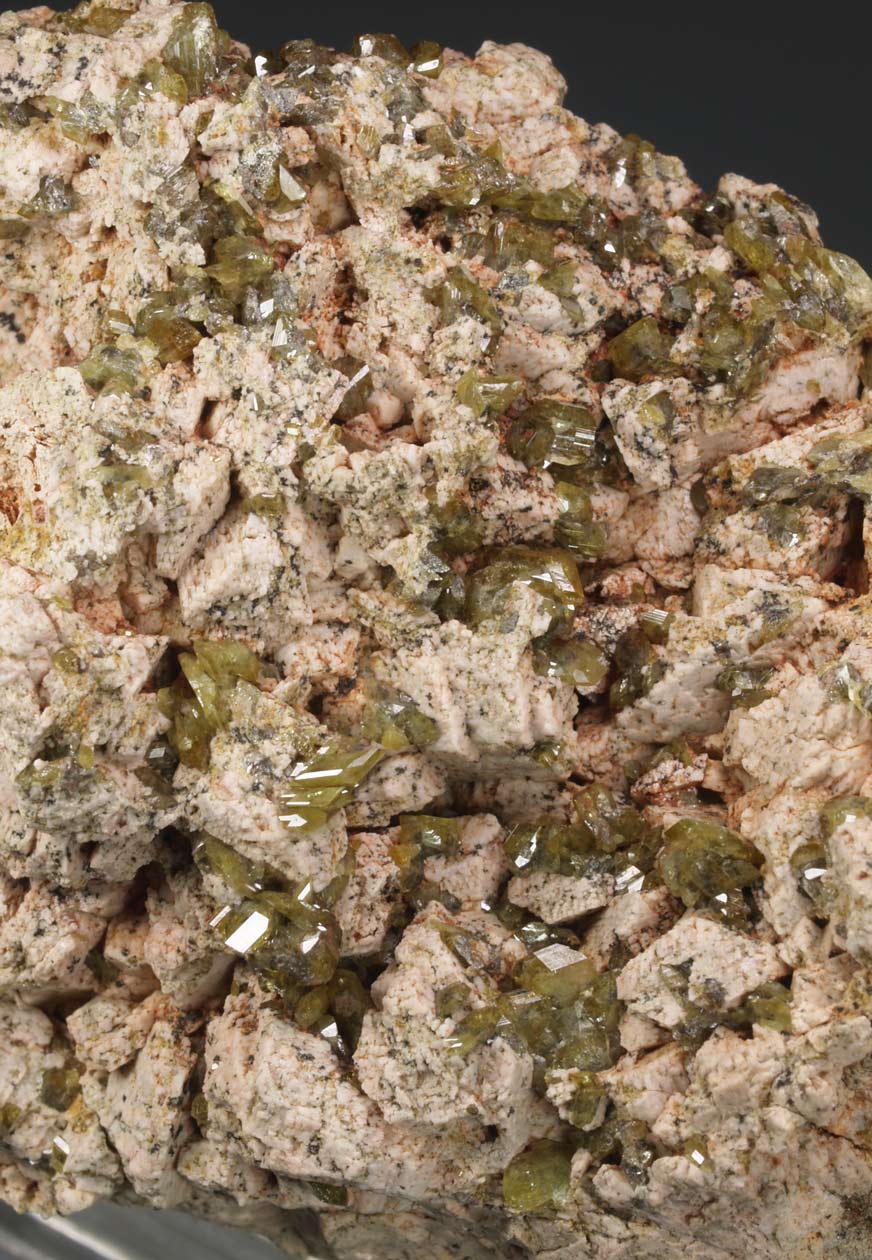
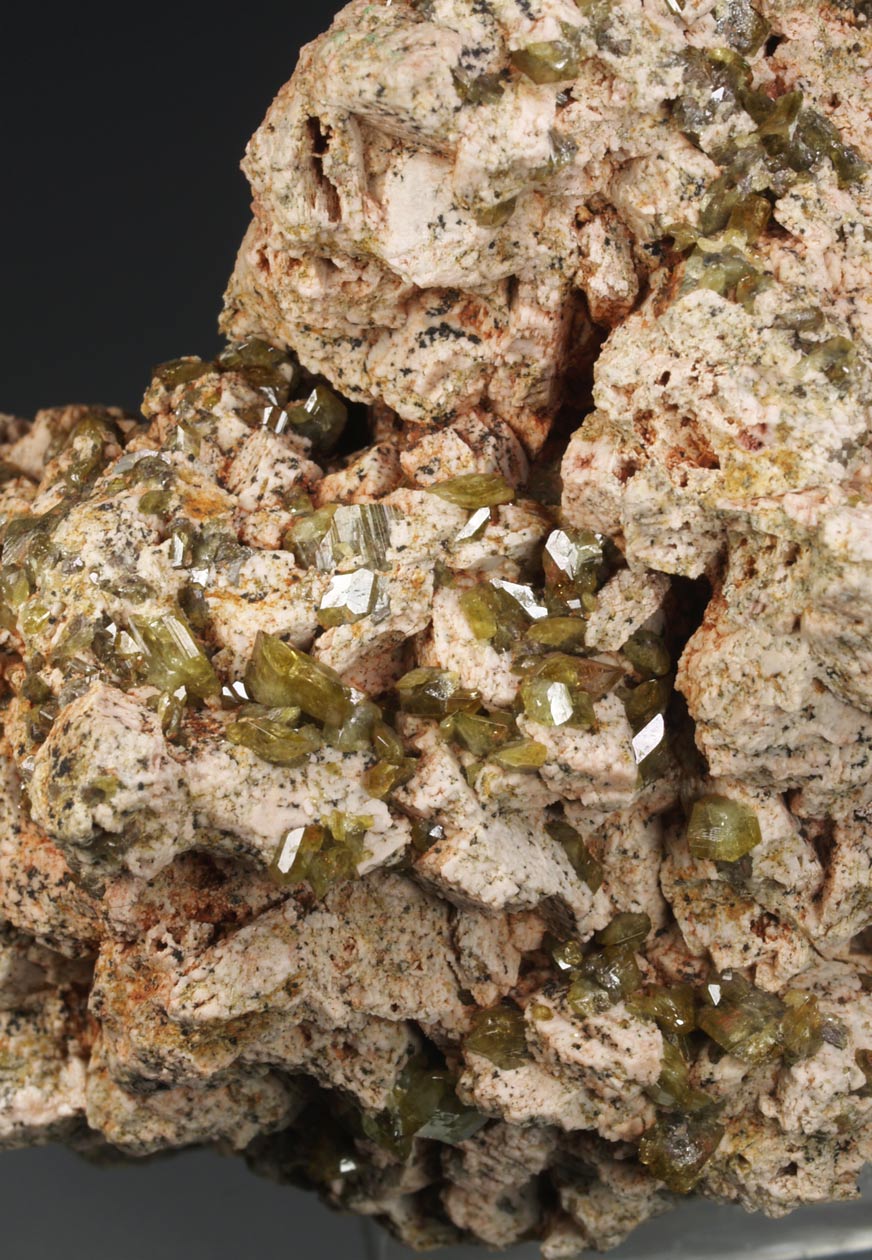
Sobre una matriz formada por cristales de ortoclasa se disponen numerosos cristales de titanita, de color verde oliva amarillento, transparentes a translúcidos, con brillo y caras y aristas definidas. Un ejemplar clásico de esta zona marroquí.