- Inicio Acerca de RM Minerales
- Galería de fotos Blog RM Contacto
- Microscopia e instrumentos Pedidos Aviso legal
Copyright 2010-2026
www.rosellminerals.com



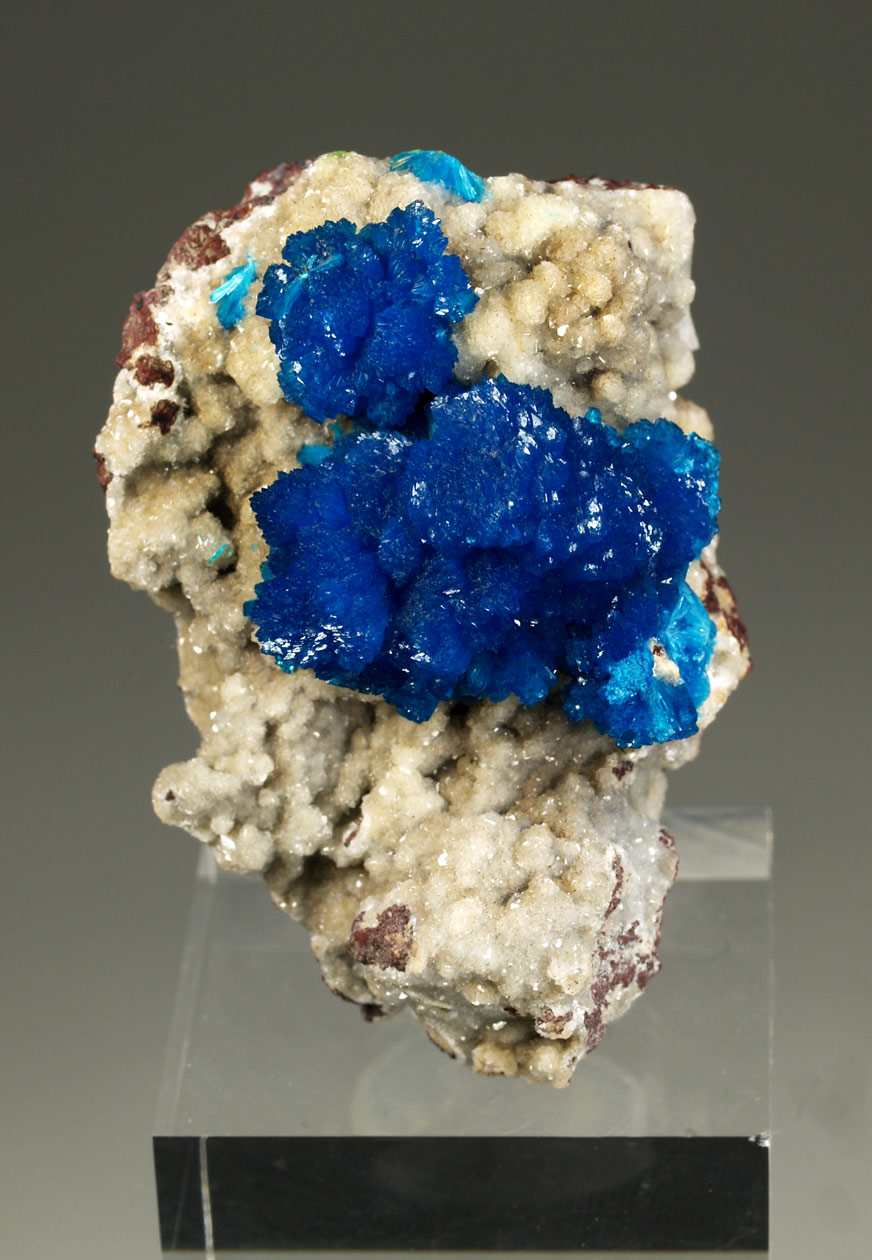
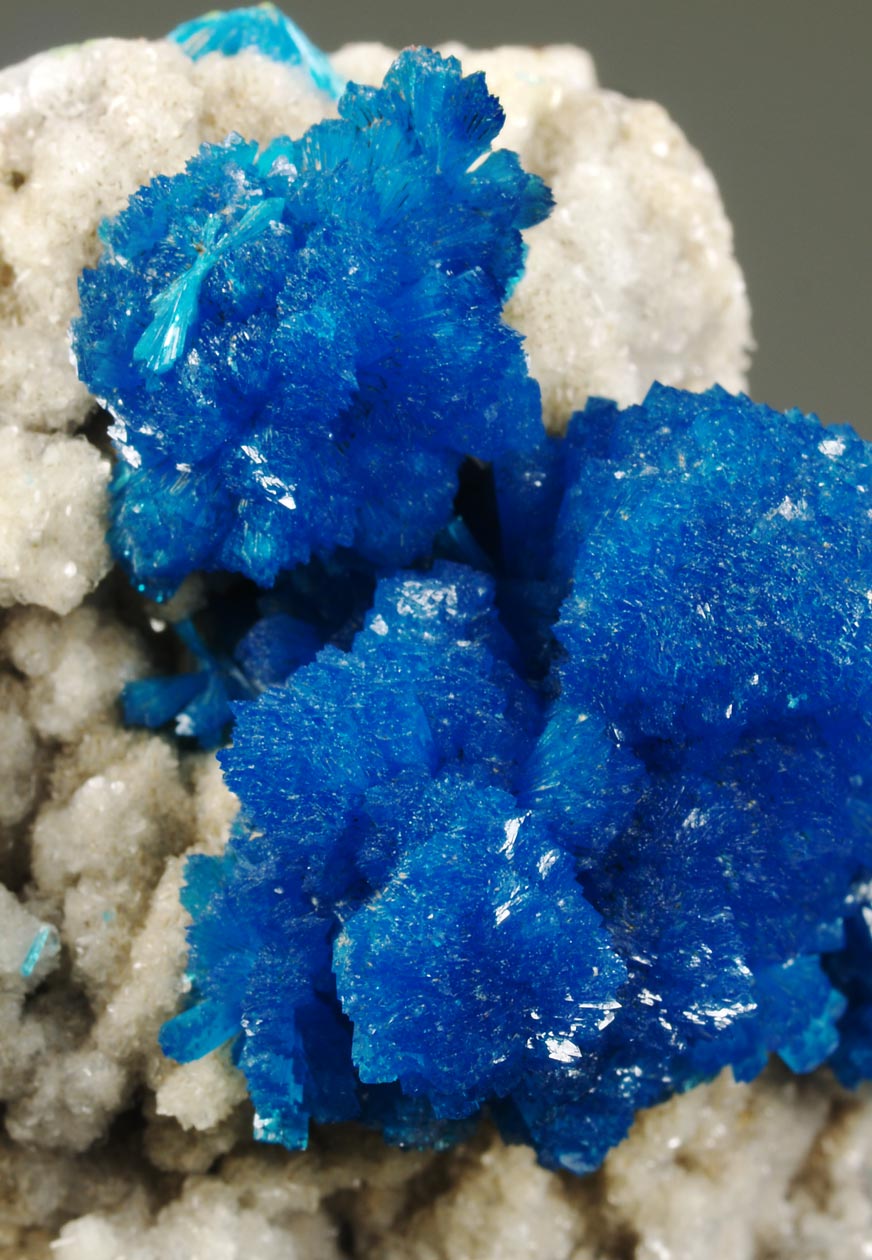
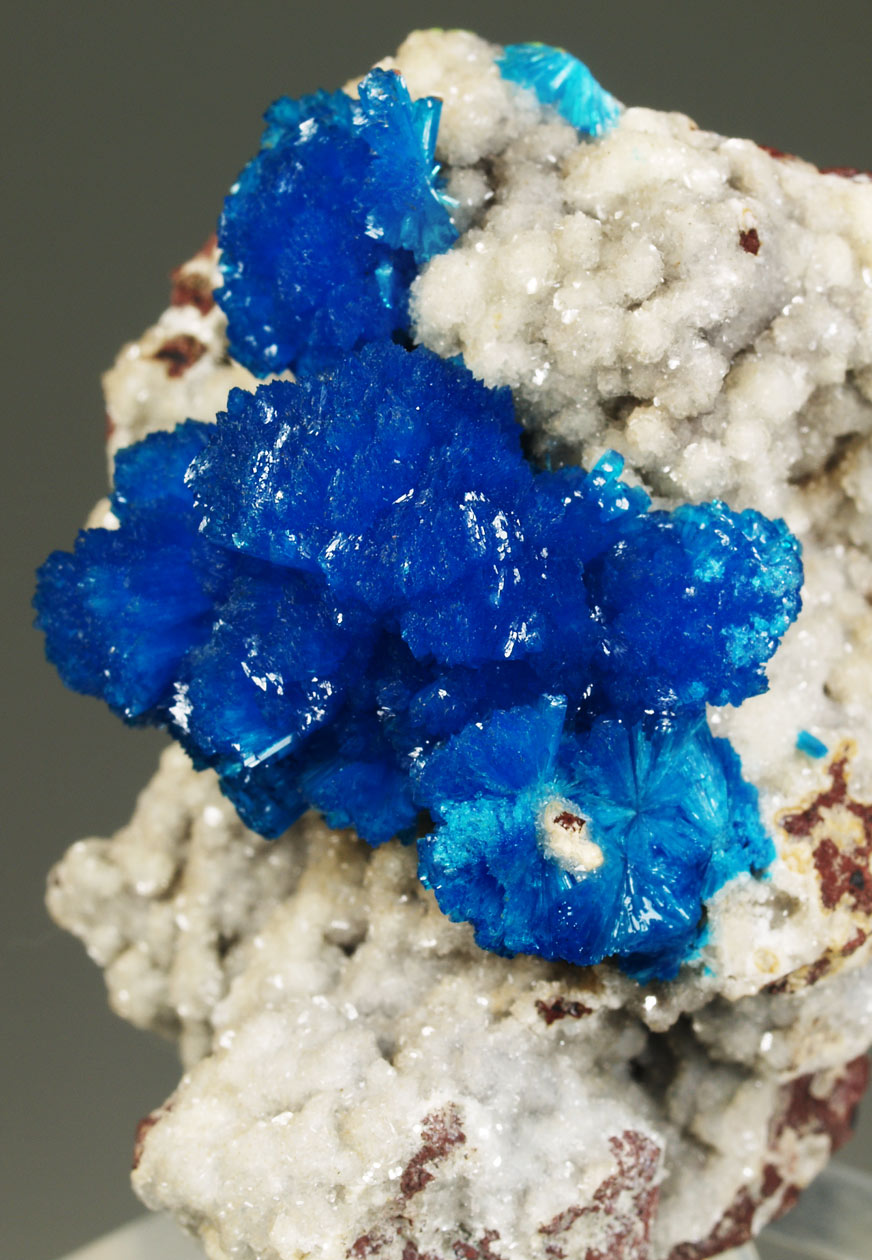
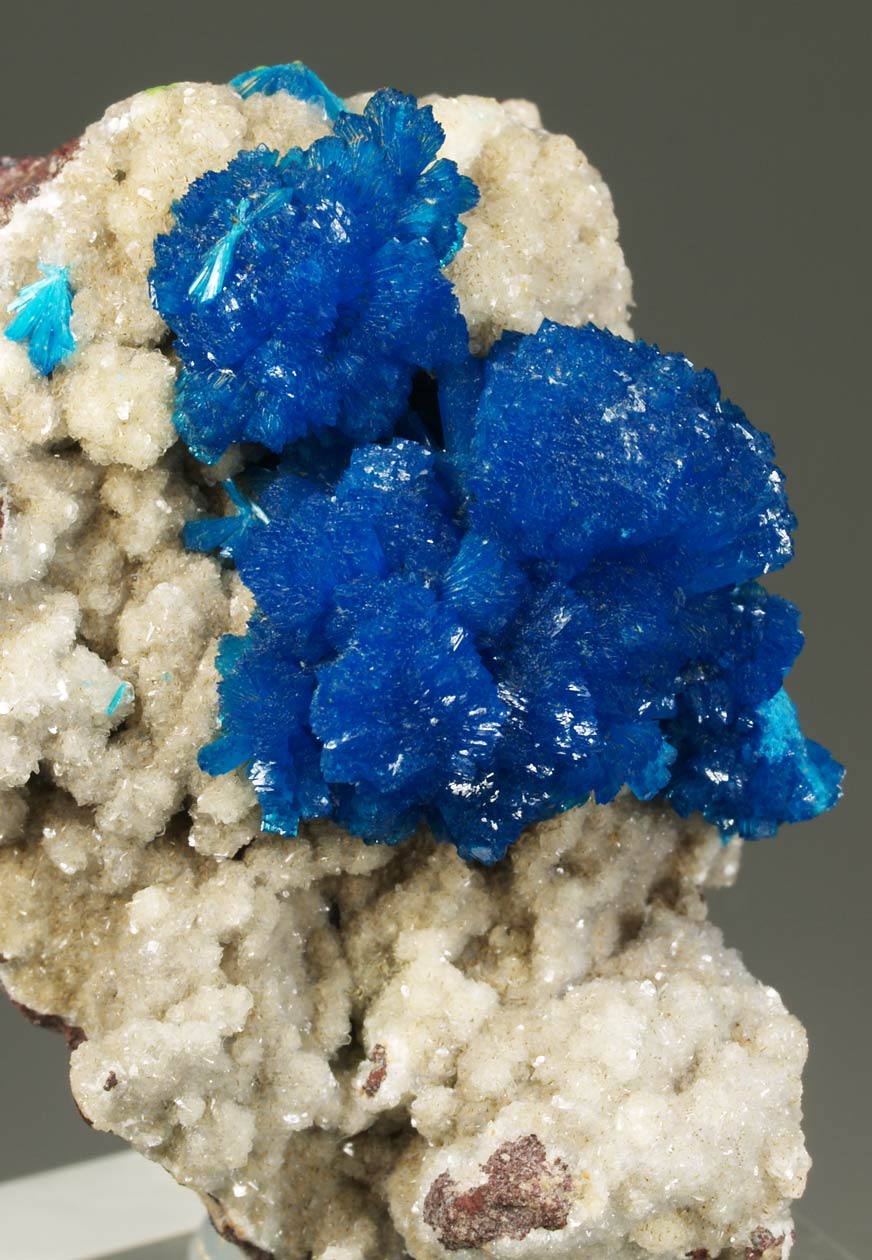
Agregados globulares de buen tamaño formados por cristales lanceolados de cavansita, de intenso color azul, brillo y transparencia. Se disponen de forma muy aérea sobre una matriz formada por numerosos cristales de estilbita-Ca.
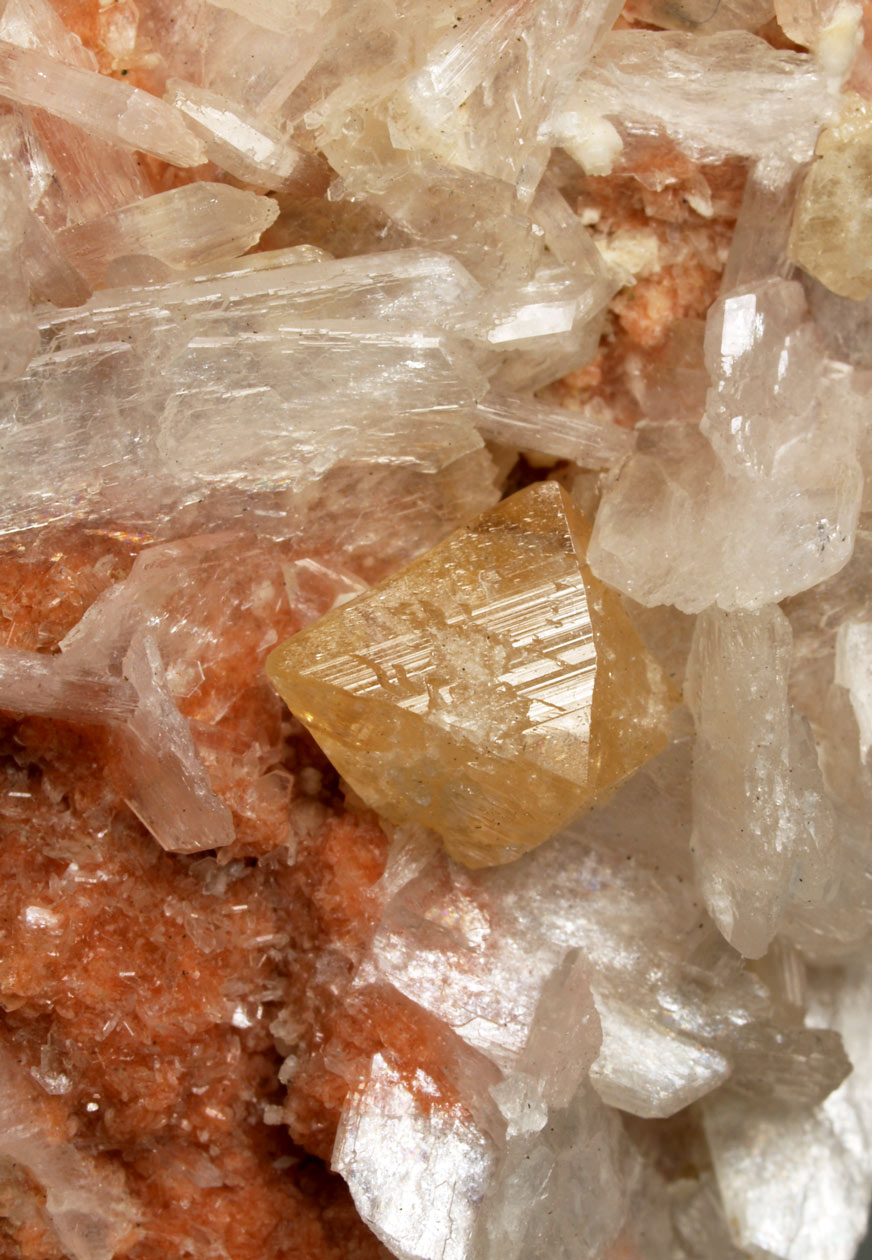
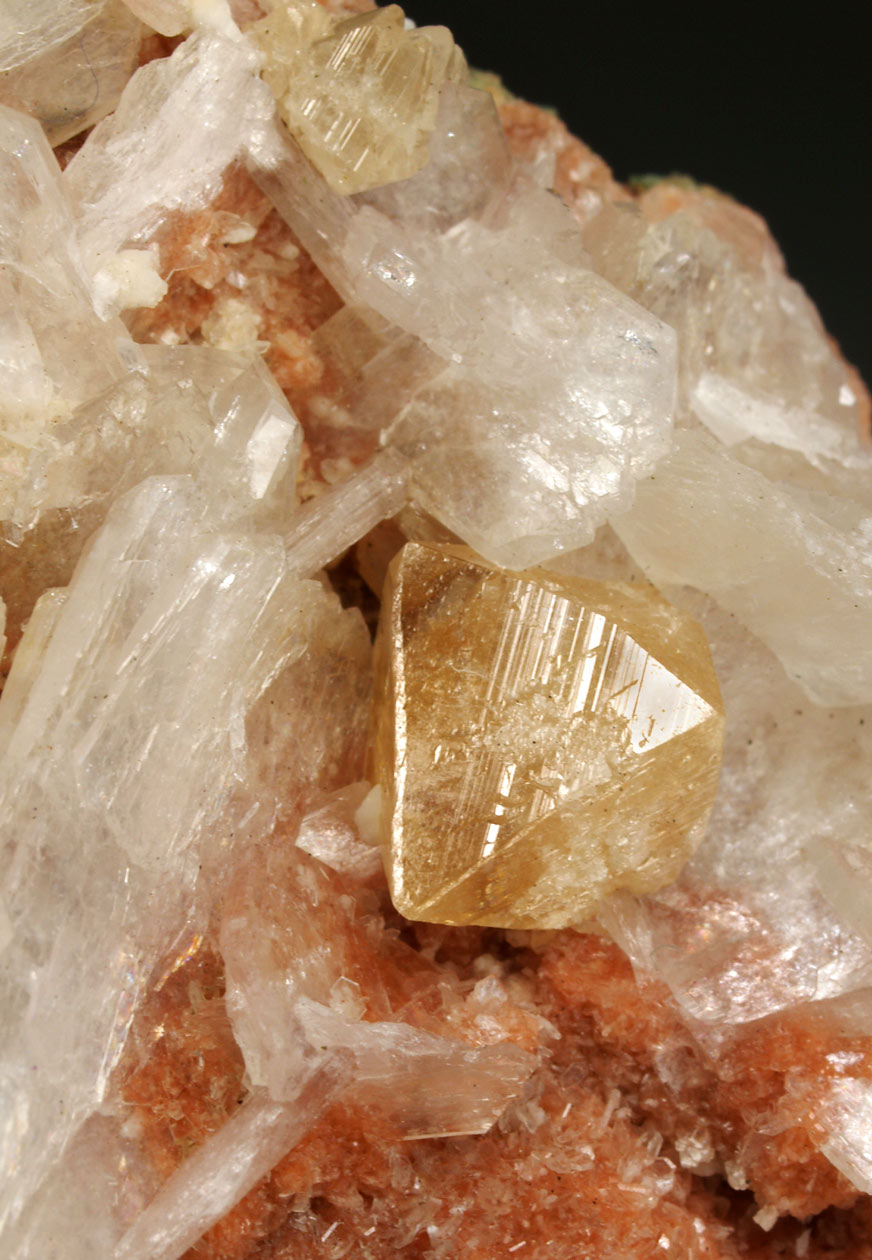
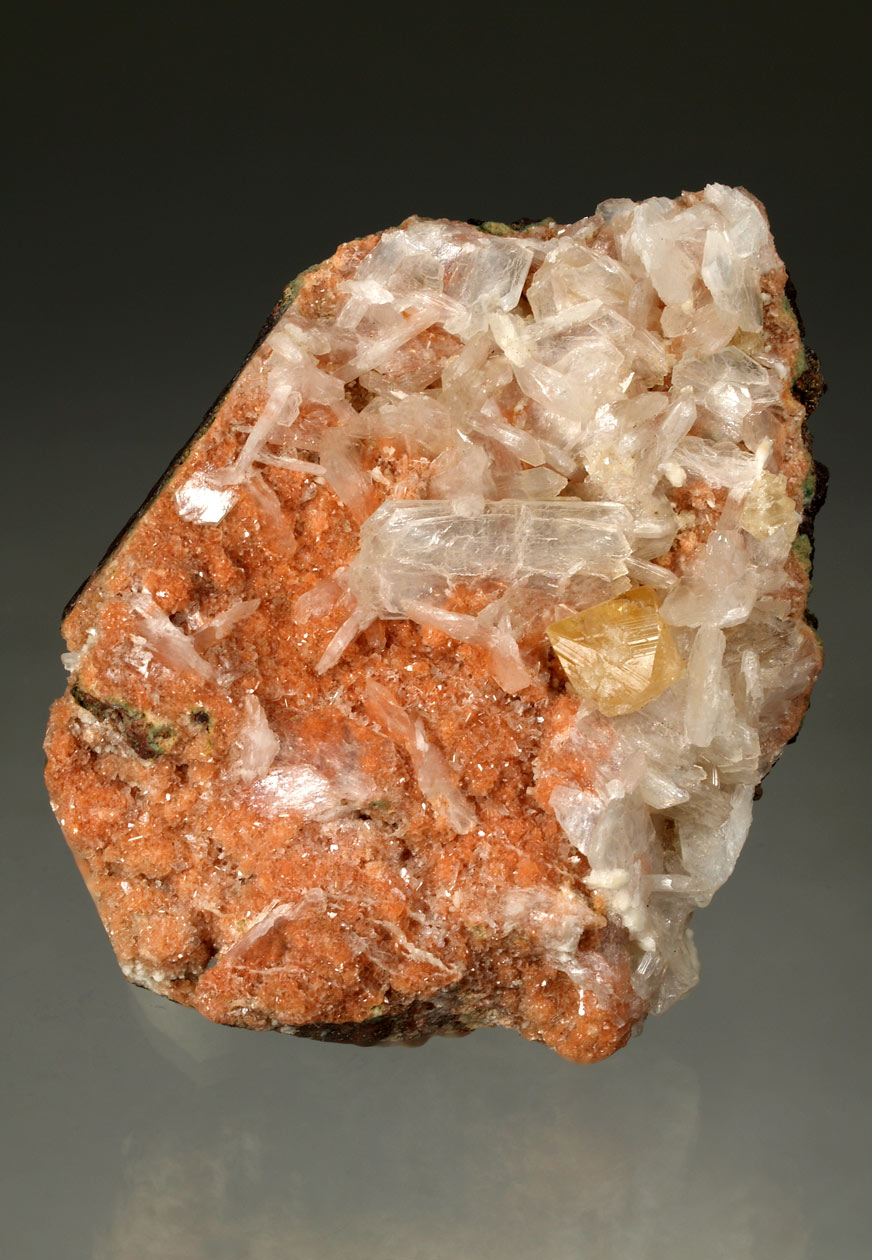
Cristal bipiramidal de powellita de buen tamaño, muy brillante y definido, con un delicado color melado, translúcido. Se acompaña de cristales de estilbita sobre la matriz.
.jpg)
-b.jpg)
-a.jpg)
Grupo de dos cristales de apofilita-(KF) que muestran las caras del prisma tetragonal, bien desarrollado, junto con las caras terminales de la bipirámide y el pinacoide. Las aristas son muy definidas y las caras presentan cierta estriación. Translúcidos y con un tono verde ligeramente zonado, más intenso en el centro. Sus caras se encuentran salpicadas por cristales de calcita blanca, que han crecido de forma selectiva en algunas caras, probablemente debido a la circulación del agua. Se dispone de forma muy, pero que muy estética, sobre una matriz entre cristales desarrollados de estilbita. Muy estético ejemplar y diferente a lo habitual.
Estos ejemplares se encontraron en 2007, en un pequeño pueblo indio, cuando se estaba perforando un pozo de agua. Se encontró una gran cavidad tapizada con los mismos. Hay un interesante artículo en la revista Mineralogical Record (39:267-273).
-e.jpg)
.jpg)
-c.jpg)
-b.jpg)
-a.jpg)
Excelente cristal biterminado de apofilita-(KF) que muestra perfectamente las caras del prisma tetragonal, bien desarrollado, junto con las caras terminales de la bipirámide y el pinacoide. Las aristas son muy definidas y las caras presentan cierta estriación vertical. Translúcido y con un tono verde ligeramente zonado, más intenso en el centro. Sus caras se encuentran salpicadas por cristales de calcita blanca, que han crecido de forma selectiva en algunas caras, probablemente debido a la circulación del agua. Se dispone de forma muy, pero que muy estética, sobre una matriz de cristales muy brillantes y transparentes de estilbita salpicados también por pequeños romboedros de calcita.
Estos ejemplares se encontraron en 2007, en un pequeño pueblo indio, cuando se estaba perforando un pozo de agua. Se encontró una gran cavidad tapizada con los mismos. Hay un interesante artículo en la revista Mineralogical Record (39:267-273).