- Inicio Acerca de RM Minerales
- Galería de fotos Blog RM Contacto
- Microscopia e instrumentos Pedidos Aviso legal
Copyright 2010-2026
www.rosellminerals.com



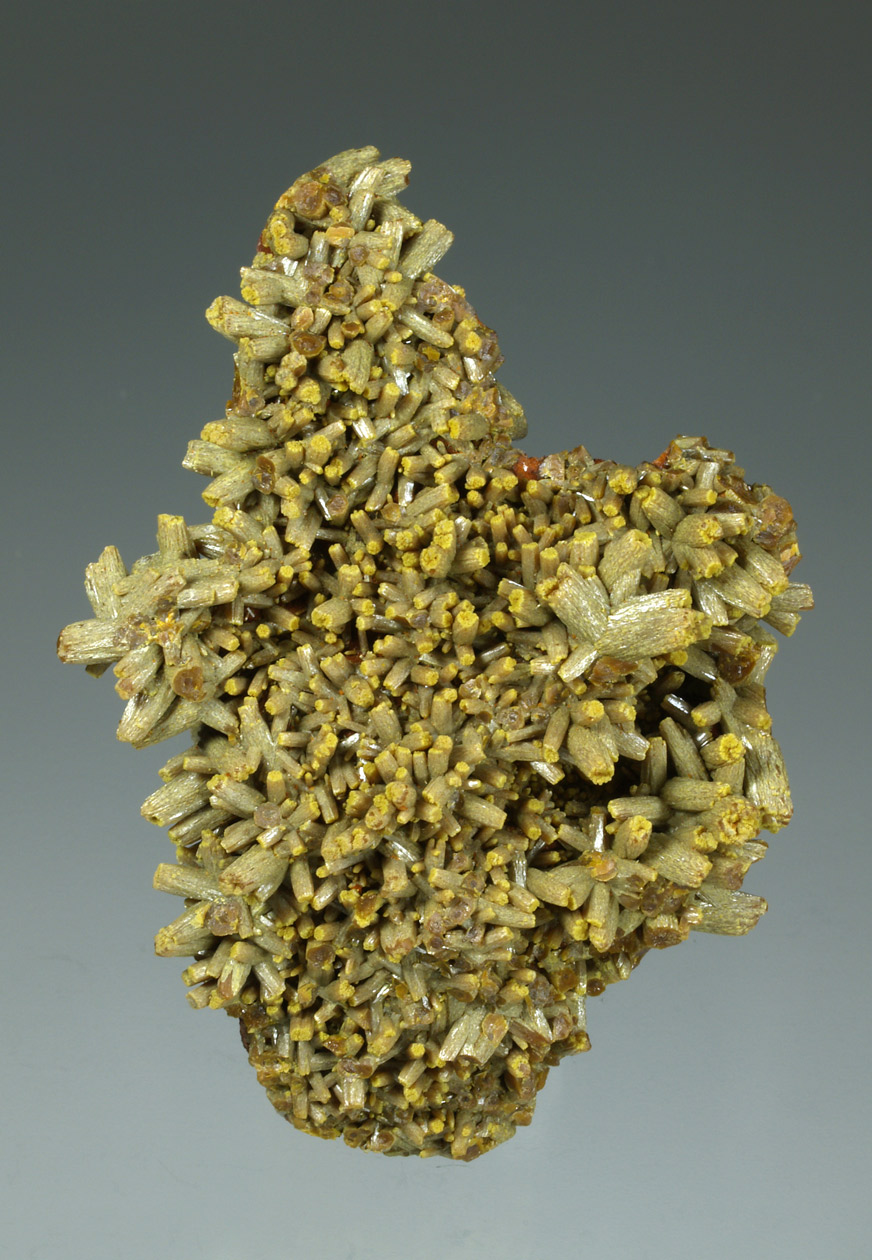


Sobre una matriz de barita, recubierta de óxidos de hierro, se disponen numerosos cristales de piromorfita de color gris verdoso. Los cristales se presentan como prismas hexagonales estriados y abarrilados, con terminaciones planas unos y complejas otros. Forman agregados divergentes, algunos de ellos aislados y de prisma desarrollado. Este ejemplar es excelente. Un clásico entre los clásicos de la mineralogía francesa, difícil de obtener hoy día, ya que la mina está cerrada desde 1981.
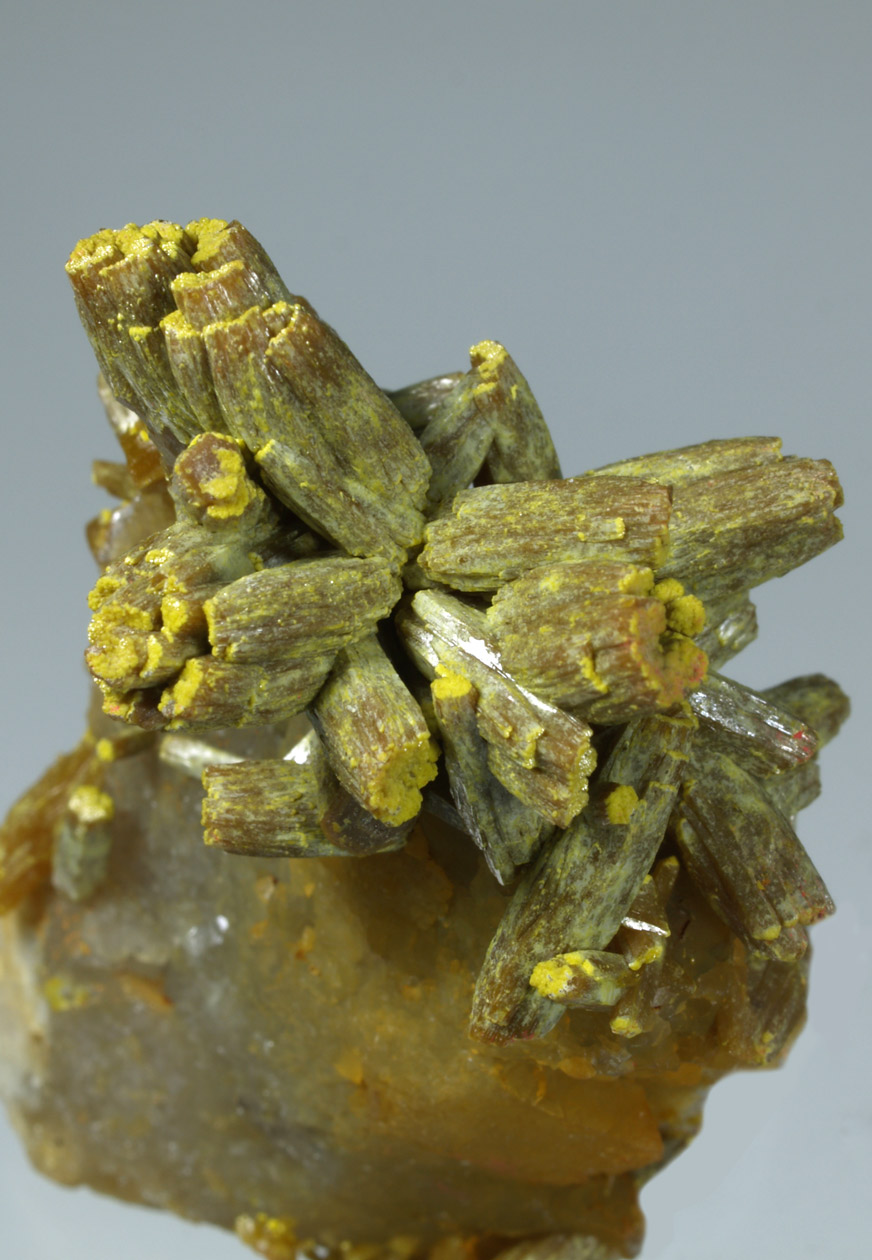


Sobre una matriz de cuarzo se dispone un nutrido grupo de cristales de piromorfita de color verde claro que muestran zonación de color, más intenso en los prismas y de tonos amarillentos las caras terminales. Los cristales se presentan como prismas hexagonales estriados y abarrilados, con terminaciones pinacoidales. Forman agregados divergentes, algunos de ellos aislados y de prisma desarrollado. Un clásico entre los clásicos de la mineralogía francesa, difícil de obtener hoy día. La mina está cerrada desde 1981.
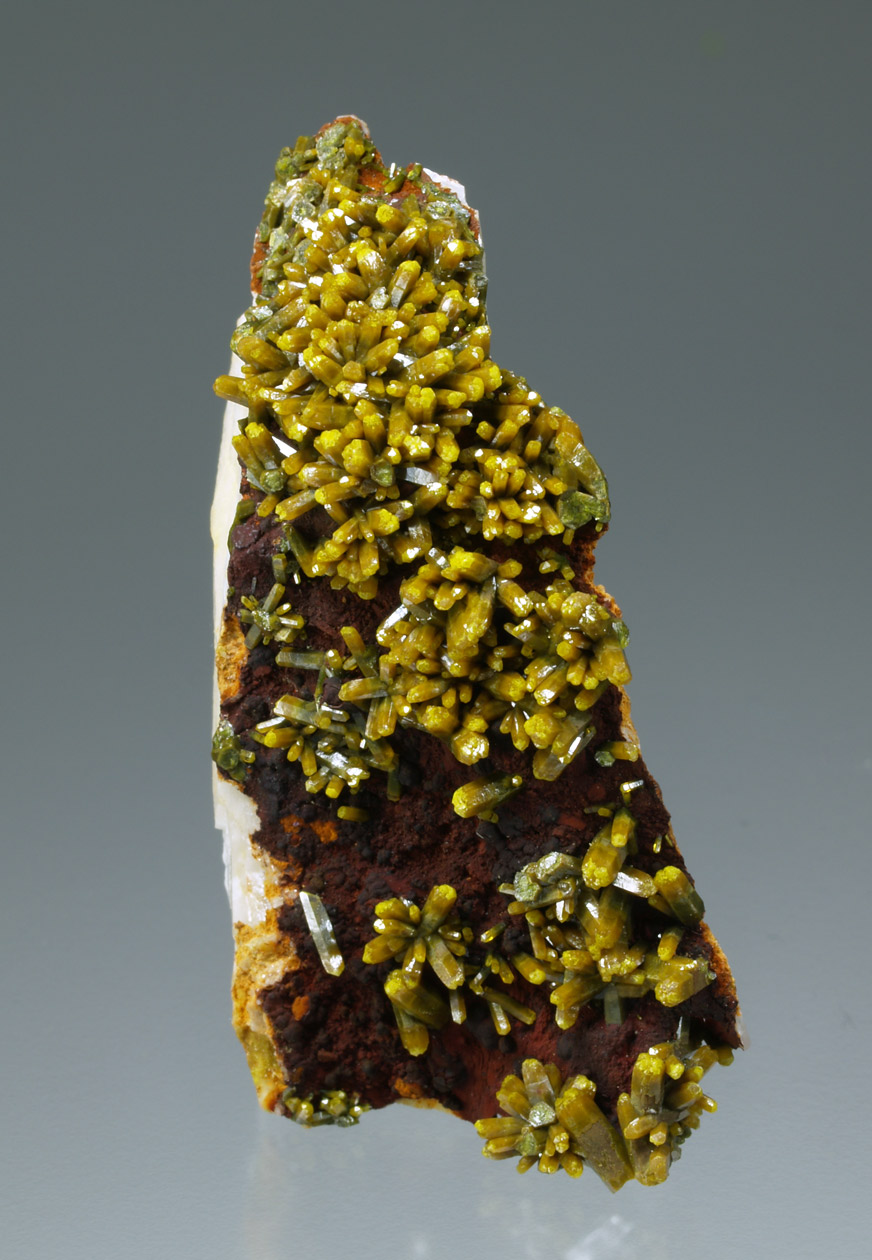

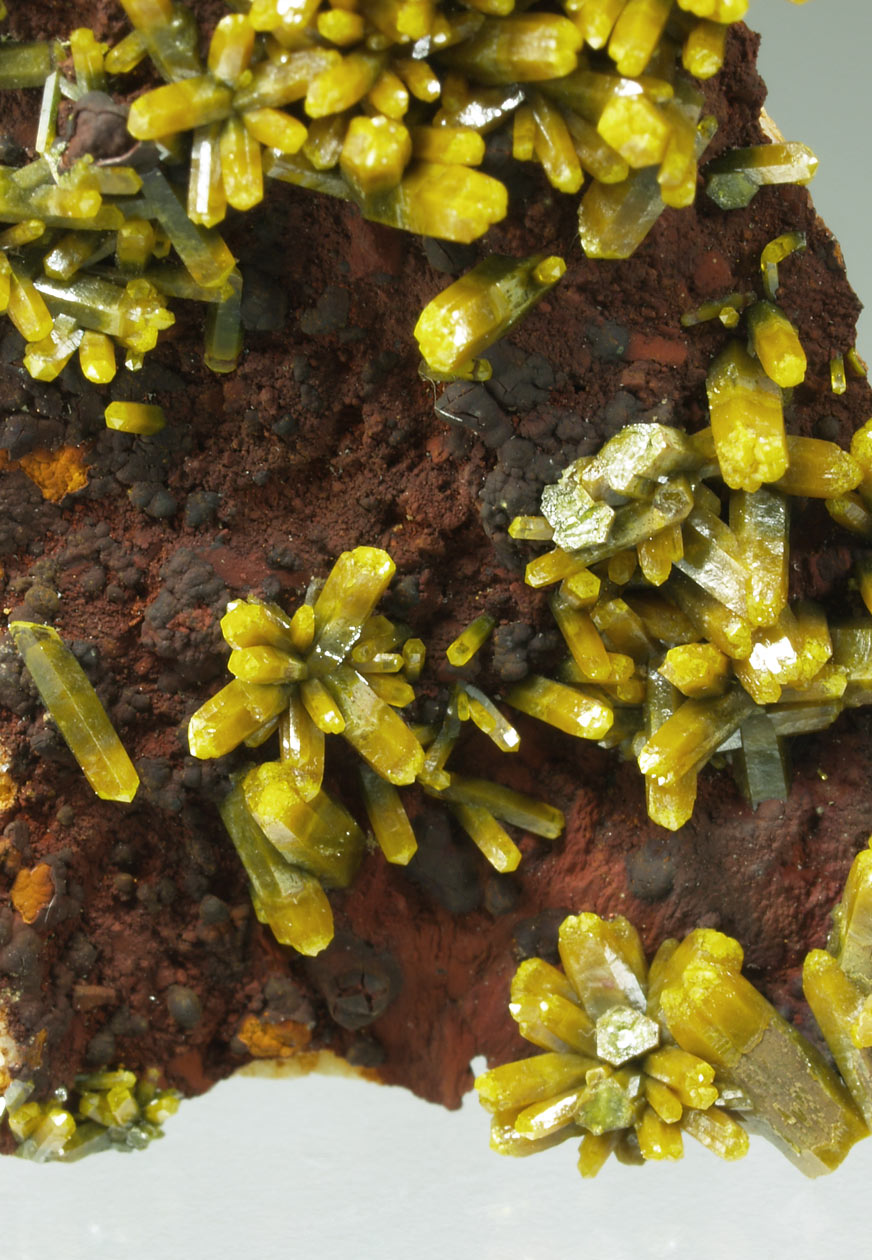


Sobre una matriz de barita se disponen numerosos cristales de piromorfita de color verde oliva que muestran zonación de color, más intenso en la base de los prismas y de tonos más amarillentos las caras terminales. Los cristales se presentan como prismas hexagonales, ligeramente abarrilados, con terminaciones de la pirámide hexagonal. Forman agregados divergentes, algunos de ellos aislados y de prisma desarrollado. El contraste con la matriz es excelente. Un clásico entre los clásicos de la mineralogía francesa, difícil de obtener hoy día. La mina está cerrada desde 1981.
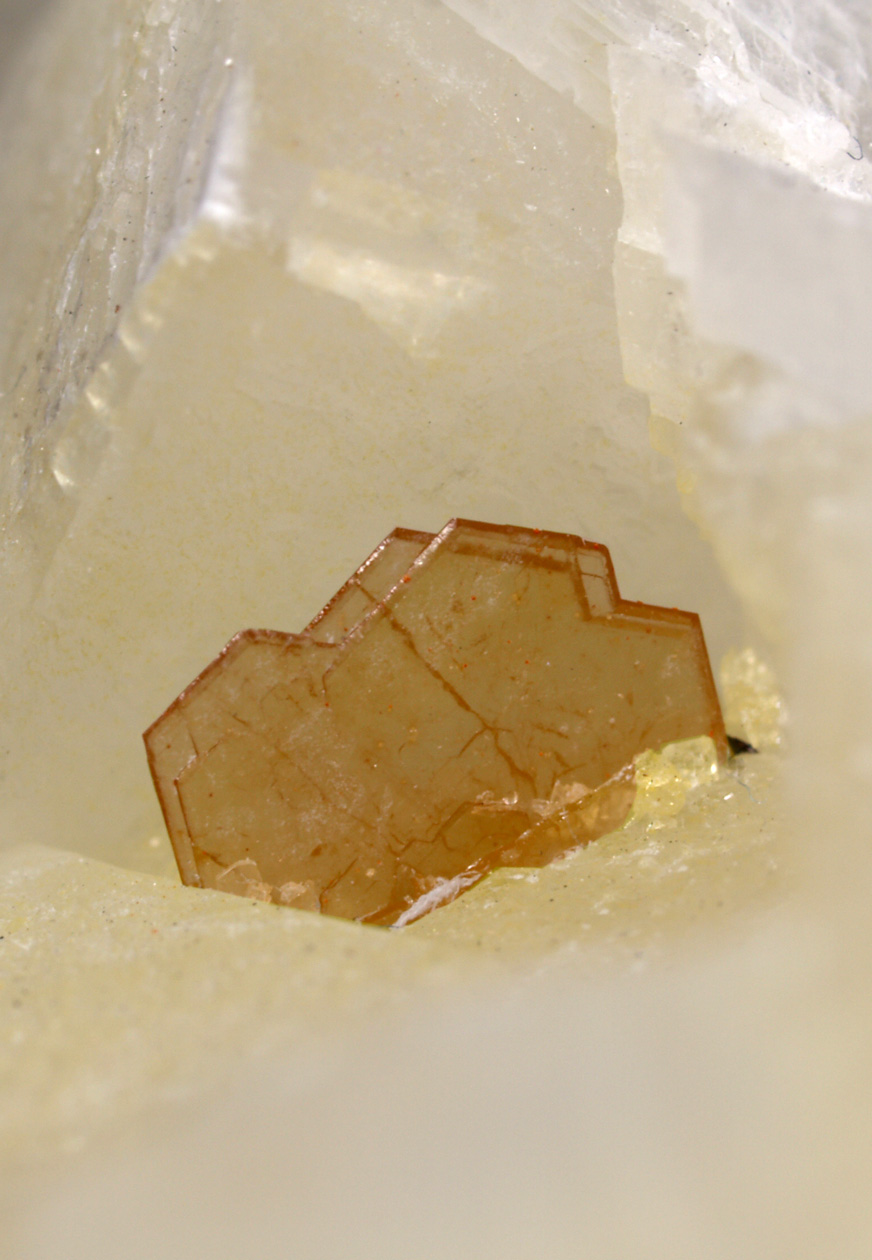


Este ejemplar procede de una mina clásica a nivel mundial en lo que refiere a los minerales que contienen Elementos de Tierras Raras (ETR). Observamos dos grupos de cristales tabulares definidos de contorno hexagonal con caras de las pirámides. Muestran una buena transparencia y color que varia entre el amarillo verdoso al marrón anaranjado en función del tipo de luz que incide sobre ellos. Actualmente no es tarea fácil encontrar cristales de bastnäsita-(Ce) de este tamaño y yacimiento.
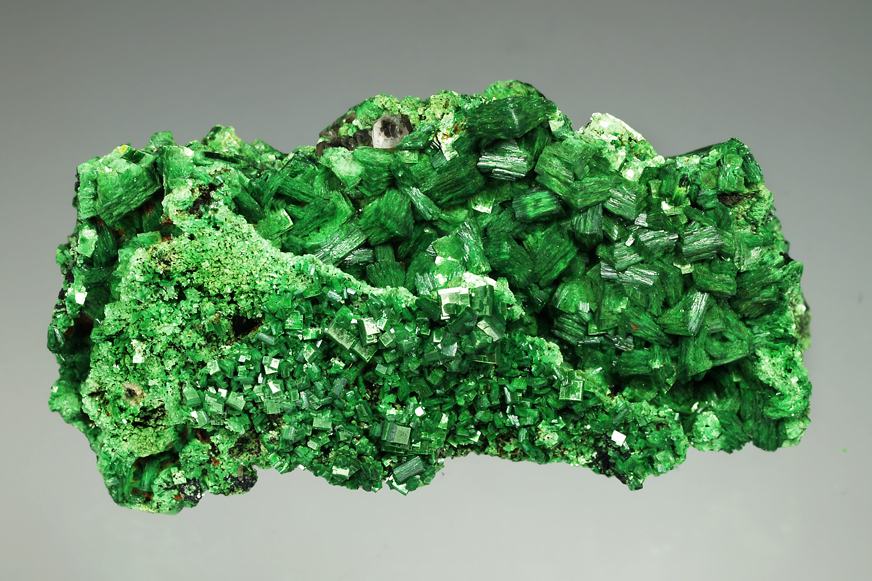


Ejemplar formado por un rico grupo de cristales de metatorbernita de contorno tetragonal, intenso color verde y buen brillo. Se muestra como crecimientos polisintéticos escalonados en su parte frontal y en cristales aislados en la posterior. Se puede observar marcada fluorescencia en algunos cristales y en zonas con tonalidades amarillentas debido a la presencia de metautunita. Un clásico francés no visto desde hacía décadas.
Estos ejemplares proceden de una fisura mineralizada encontrada en 2009 y de la que se obtuvieron diversos ejemplares flotantes y de tipo estalactítico. Las paredes de la fisura estaban tapizadas de cuarzo ahumado. Los ejemplares de torbernita suelen deshidratarse parcialmente al salir de la mina (de 12 a 8 moléculas de H2O) para transformarse en metatorbernita, siendo éstas de Margabal clasificables como la forma deshidratada.
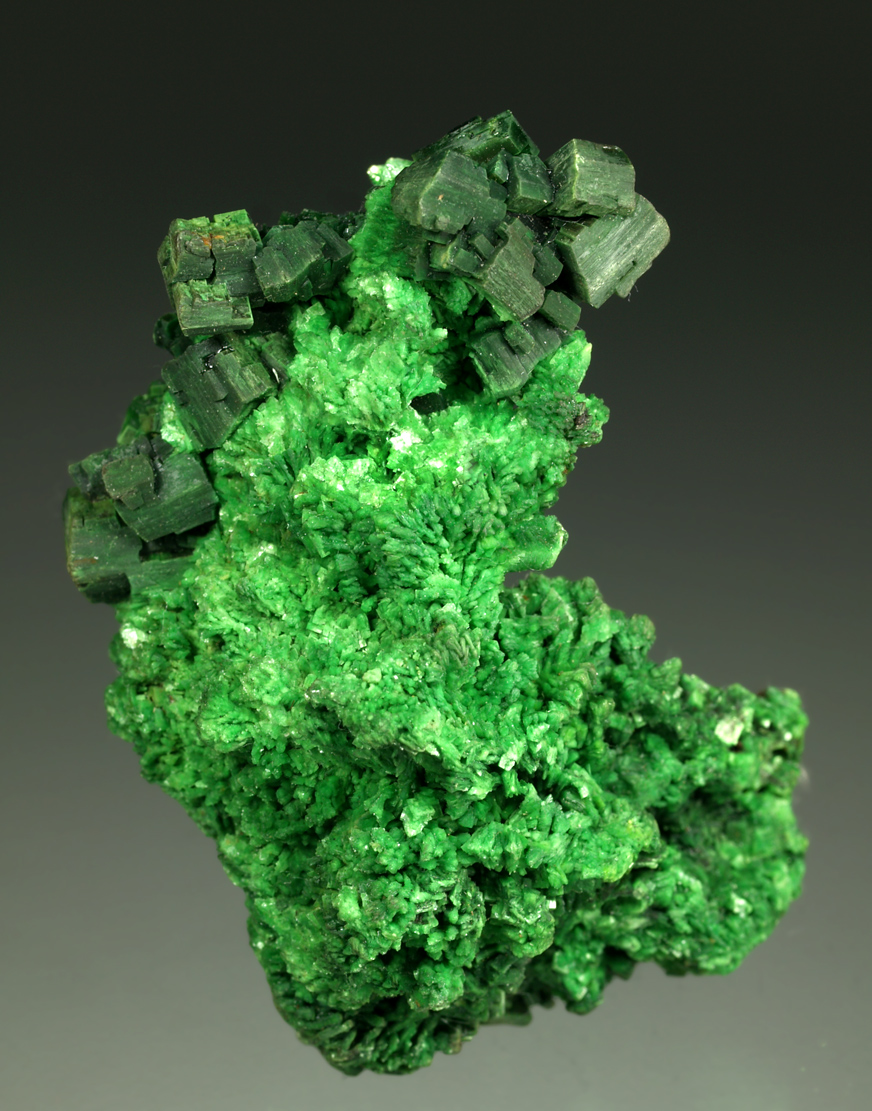

Ejemplar muy aéreo formado por un estético grupo de cristales de metatorbernita de contorno tetragonal, gruesos y de intenso color verde, dispuestos en la cresta de una matriz de torbernita. Se puede observar marcada fluorescencia en algunos cristales y en zonas con tonalidades amarillentas debido a la presencia de metautunita. Un clásico francés no visto desde hacía décadas.
Estos ejemplares proceden de una fisura mineralizada encontrada en 2009 y de la que se obtuvieron diversos ejemplares flotantes y de tipo estalactítico. Las paredes de la fisura estaban tapizadas de cuarzo ahumado. Los ejemplares de torbernita suelen deshidratarse parcialmente al salir de la mina (de 12 a 8 moléculas de H2O) para transformarse en metatorbernita, siendo éstas de Margabal clasificables como la forma deshidratada.
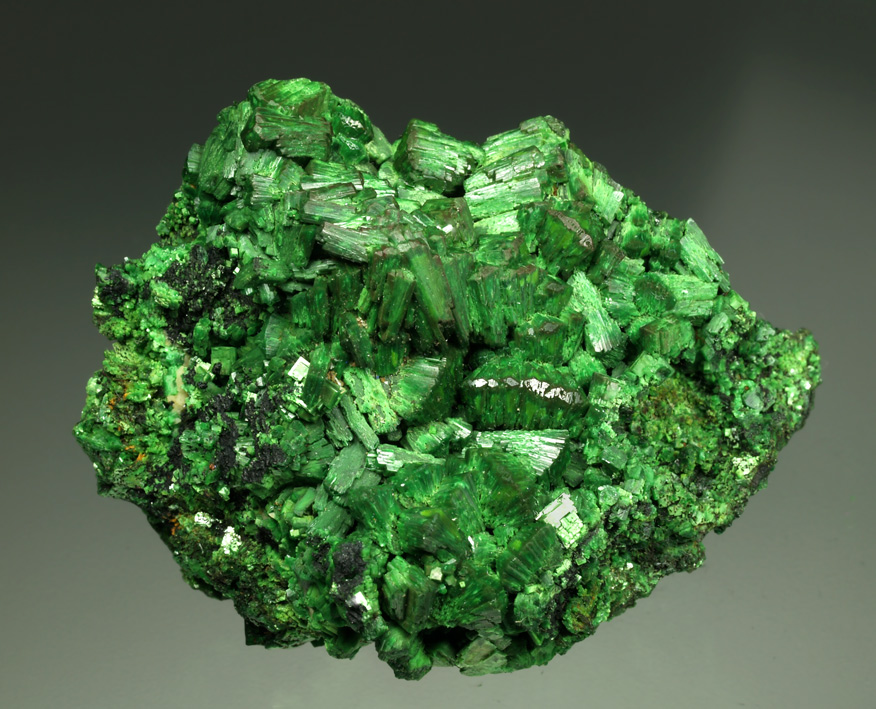


Gran ejemplar formado por un nutrido grupo de cristales de metatorbernita de contorno tetragonal, de intenso color verde y buen brillo. Se muestran como crecimientos polisintéticos escalonados y con estructuras estalactíticas y de vacuola. Se puede observar marcada fluorescencia en algunos cristales y en zonas con tonalidades amarillentas debido a la presencia de metautunita. Una pieza de buen tamaño para la vitrina selecta.
Estos ejemplares proceden de una fisura mineralizada encontrada en 2009 y de la que se obtuvieron diversos ejemplares flotantes y de tipo estalactítico. Las paredes de la fisura estaban tapizadas de cuarzo ahumado. Los ejemplares de torbernita suelen deshidratarse parcialmente al salir de la mina (de 12 a 8 moléculas de H2O) para transformarse en metatorbernita, siendo éstas de Margabal clasificables como la forma deshidratada.
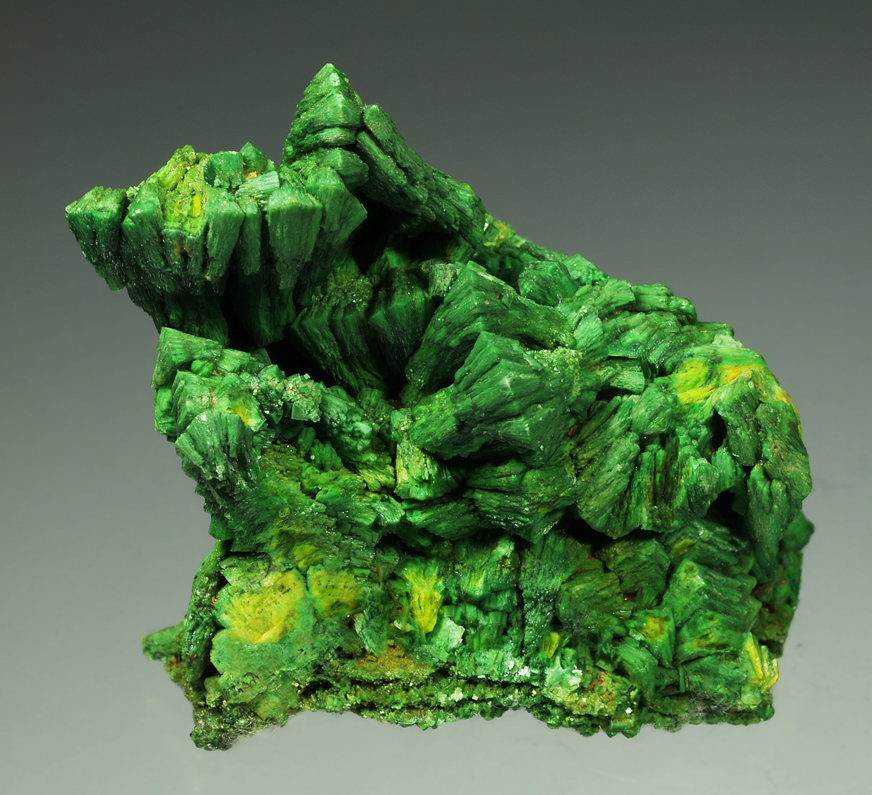


Ejemplar formado por un rico grupo de cristales de metatorbernita de contorno tetragonal que muestran crecimientos polisintéticos escalonados. , Intenso color verde. Se puede observar marcada fluorescencia en algunos cristales y en zonas con tonalidades amarillas debido a la presencia de metautunita.
Los ejemplares de torbernita suelen deshidratarse parcialmente al salir de la mina (de 12 a 8 moléculas de H2O) para transformarse en metatorbernita, siendo éstas de Margabal clasificables como la forma deshidratada.
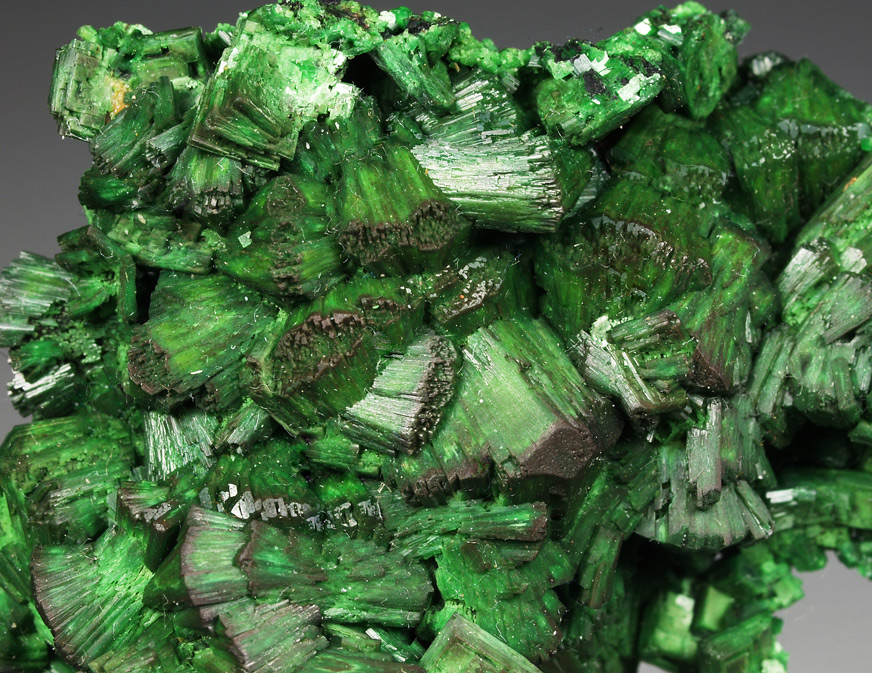


Nutrido grupo de cristales de metatorbernita de intenso color verde y buen brillo. Se muestra como crecimientos polisintéticos escalonados en su parte frontal y en cristales tetragonales en la posterior. Se puede observar marcada fluorescencia en algunos cristales y en zonas con tonalidades amarillentas debido a la presencia de metaautunita. Un clásico francés no visto desde hacía décadas.
Estos ejemplares proceden de una fisura mineralizada encontrada en 2009 y de la que se obtuvieron diversos ejemplares flotantes y de tipo estalactítico. Las paredes de la fisura estaban tapizadas de cuarzo ahumado. Los ejemplares de torbernita suelen deshidratarse parcialmente al salir de la mina (de 12 a 8 moléculas de H2O) para transformarse en metatorbernita, siendo éstas de Margabal clasificables como la forma deshidratada.
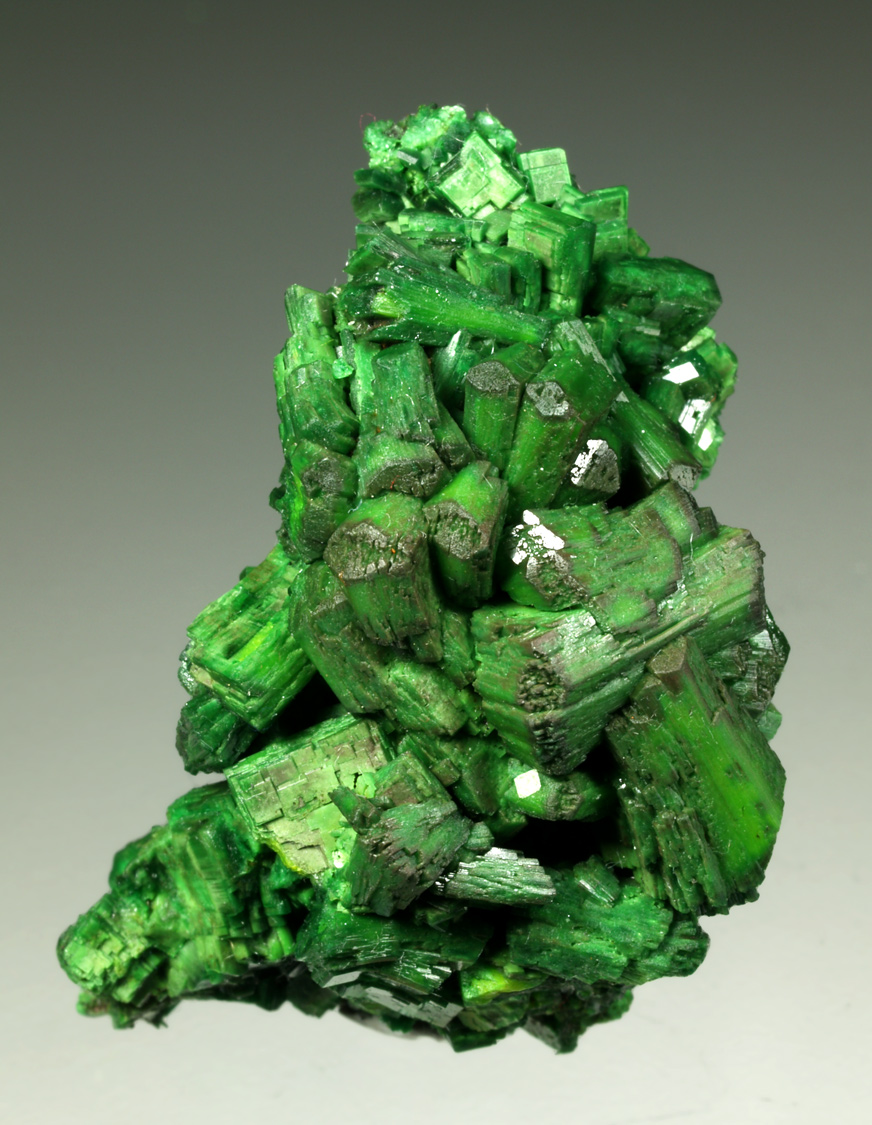

Ejemplar formado por un rico grupo de cristales de metatorbernita de contorno tetragonal, intenso color verde y buen brillo. Se muestra como crecimientos polisintéticos escalonados en su parte frontal y en cristales aislados en la posterior. Se puede observar marcada fluorescencia en algunos cristales y en zonas con tonalidades amarillentas debido a la presencia de metautunita. Un clásico francés no visto desde hacía décadas.
Estos ejemplares proceden de una fisura mineralizada encontrada en 2009 y de la que se obtuvieron diversos ejemplares flotantes y de tipo estalactítico. Las paredes de la fisura estaban tapizadas de cuarzo ahumado. Los ejemplares de torbernita suelen deshidratarse parcialmente al salir de la mina (de 12 a 8 moléculas de H2O) para transformarse en metatorbernita, siendo éstas de Margabal clasificables como la forma deshidratada.
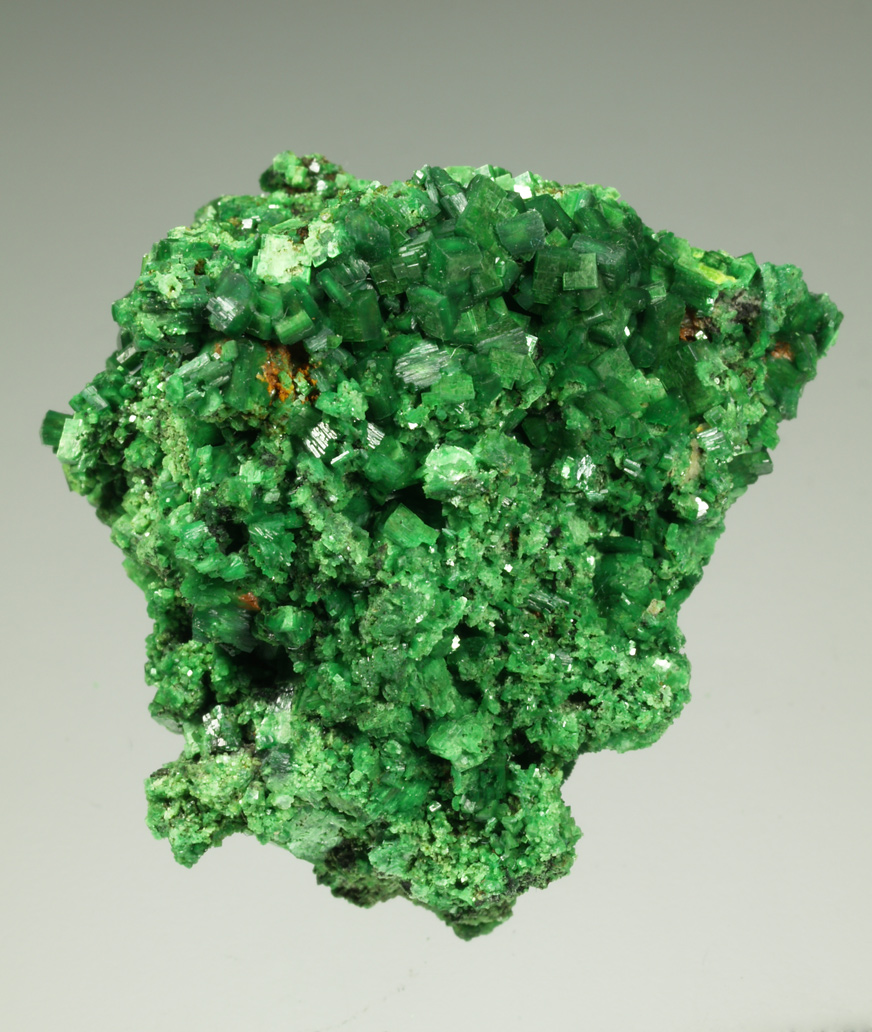

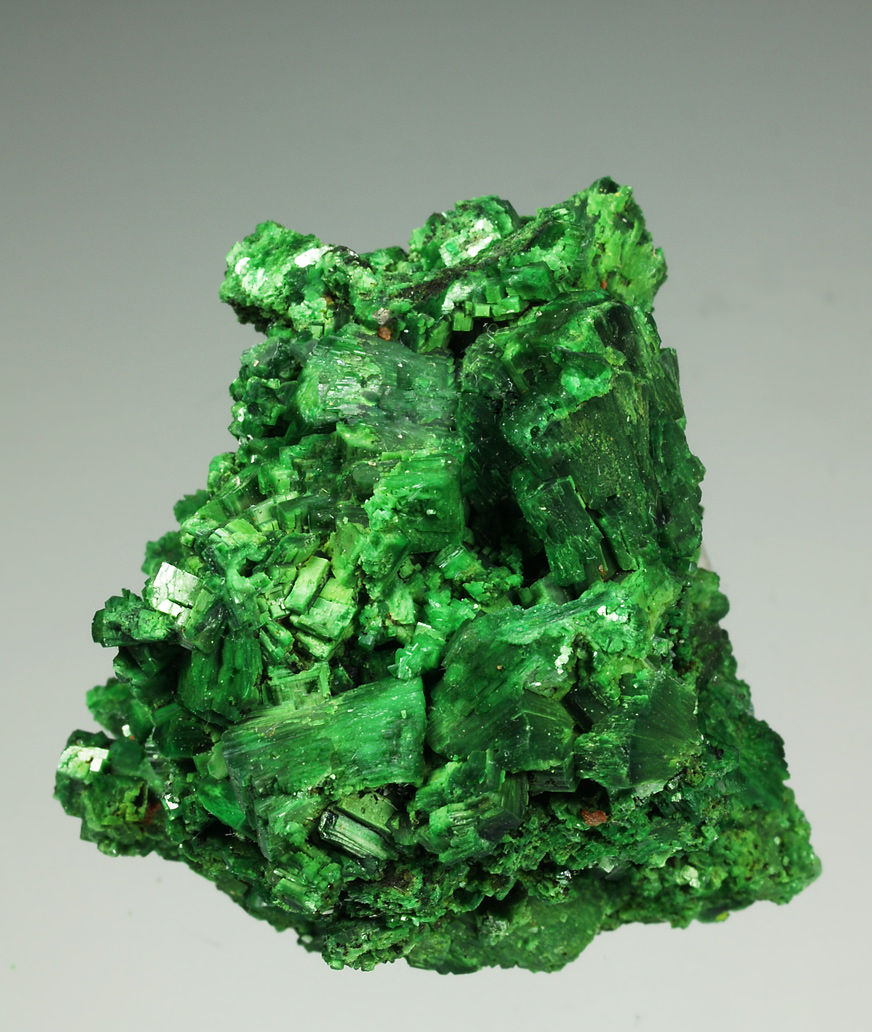
Nutrido grupo de cristales de metatorbernita de contorno tetragonal, intenso color verde y buen brillo. Se muestra en cristales aislados, pero también como crecimientos polisintéticos escalonados.
En la parte interna de algunos cristales se puede observar una coloración más amarillenta que se corresponde a metaautunita (fluorescente bajo la luz UV). Un clásico francés no visto desde hacía décadas.
Estos ejemplares proceden de una fisura mineralizada encontrada en 2009 y de la que se obtuvieron diversos ejemplares flotantes y de tipo estalactítico. Las paredes de la fisura estaban tapizadas de cuarzo ahumado. Los ejemplares de torbernita suelen deshidratarse parcialmente al salir de la mina (de 12 a 8 moléculas de H2O) para transformarse en metatorbernita, siendo éstas de Margabal clasificables como la forma deshidratada.
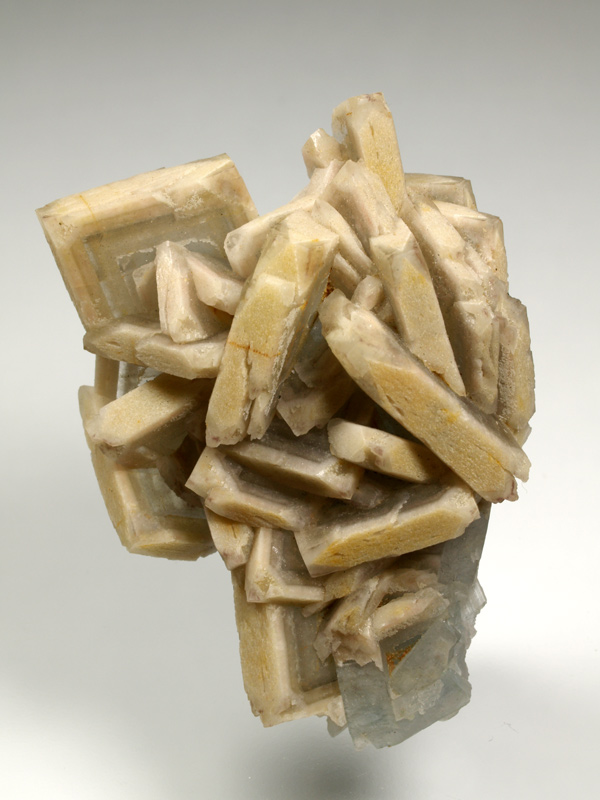


Grupo de cristales tabulares de Barita muy definidos que muestran visibles formas geométricas de crecimiento y buena transparencia. La matriz es la primera generación de barita y los cristales una segunda generación de tonos amarillentos.