- Home About RM Minerals
- Virtual Photo Museum Blog RM Contact
- Microscopy and instruments How to Buy Disclaimer
Copyright 2010-2026
www.rosellminerals.com



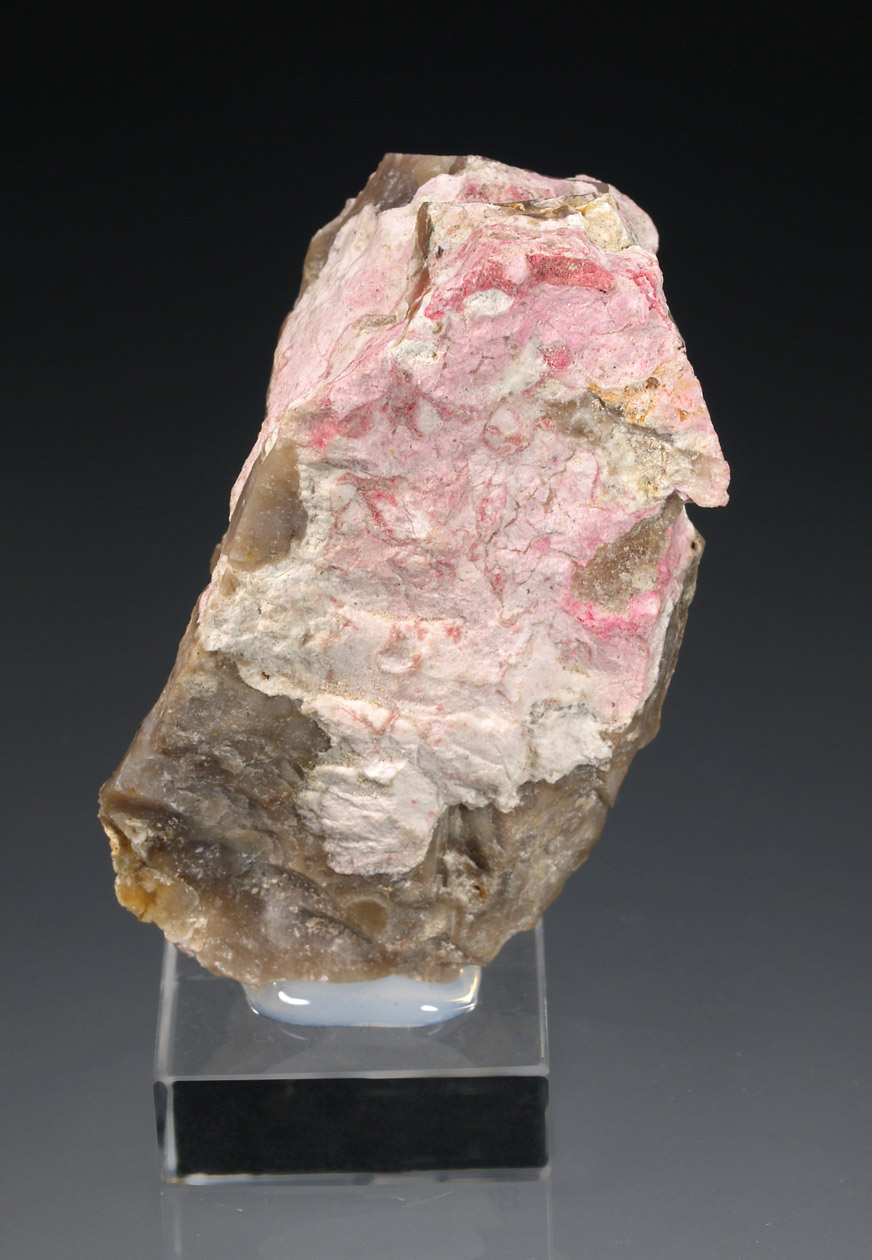
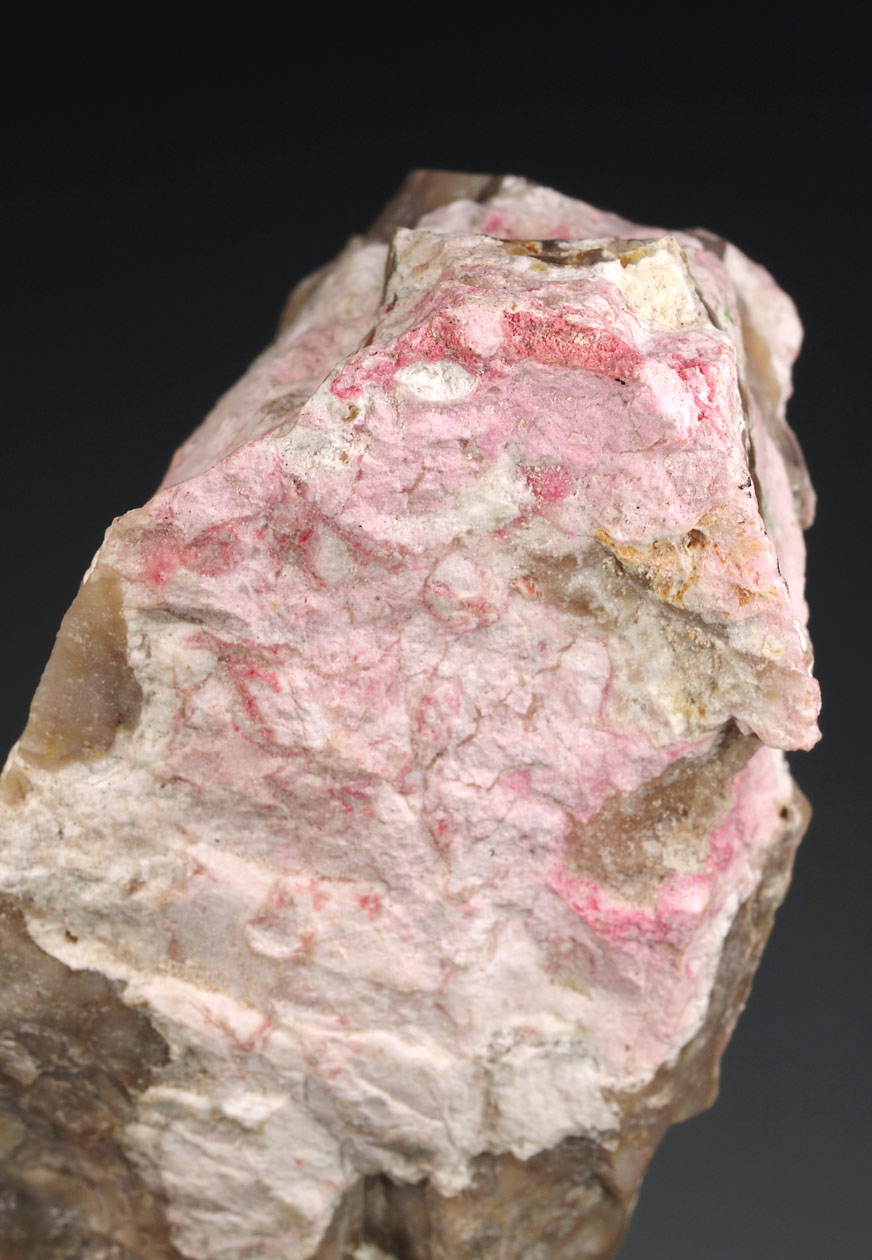
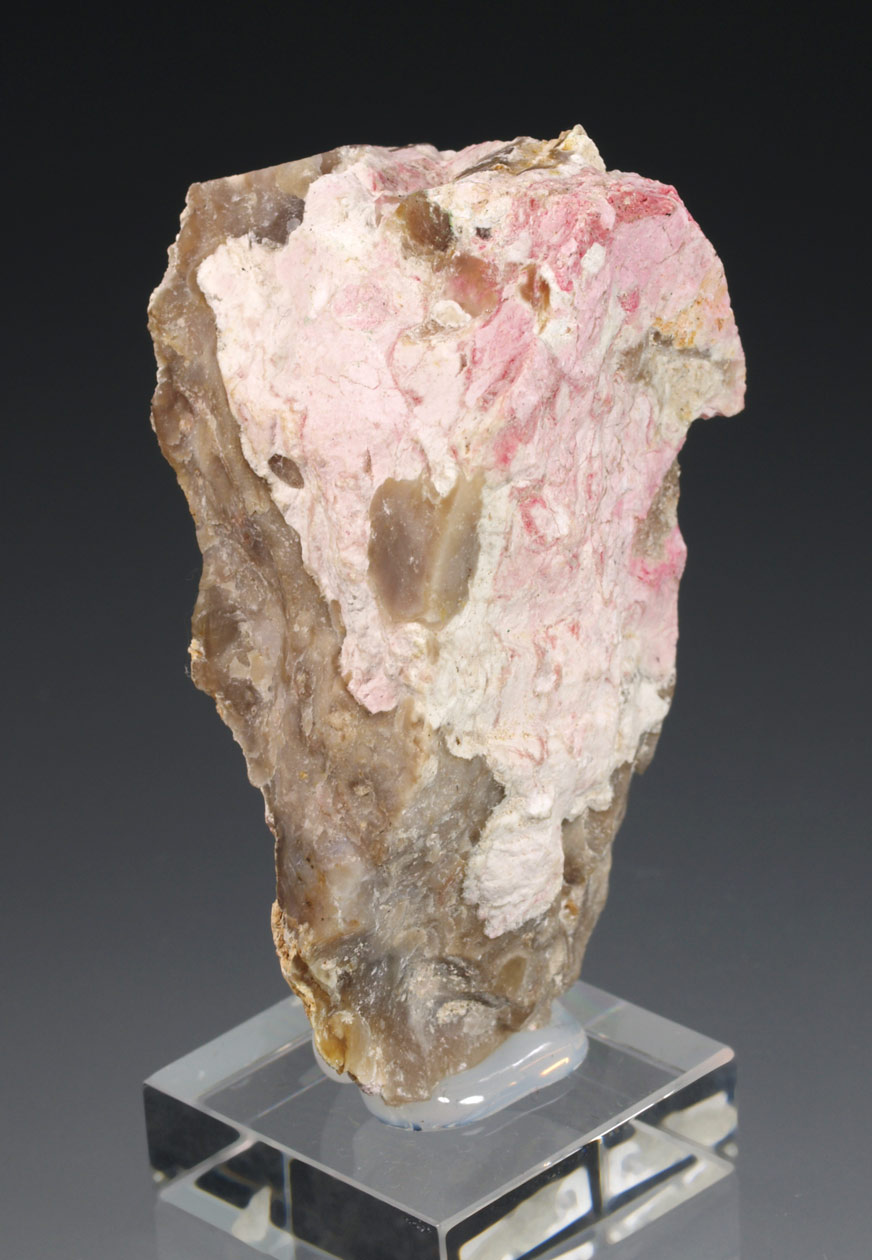
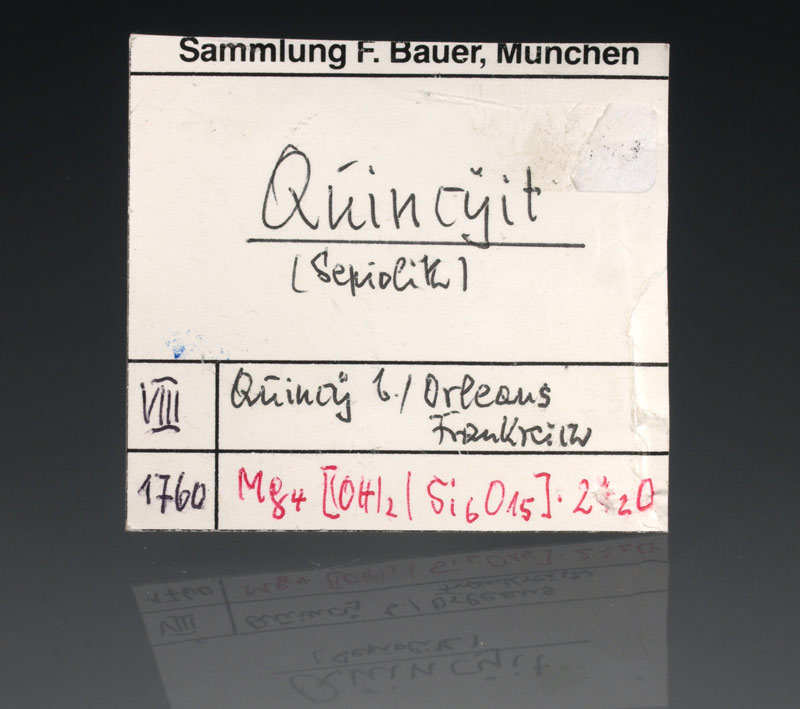
These opals are rare. It is a variety with pink tones that is usually accompanied by sepiolite. Its name "Quincyite" comes from the French locality of Quincy, near Orleans, in the heart of France. This specimen belongs from the E. Laskowski (USA) collection, but the piece has been in different collections, as the backside label says.
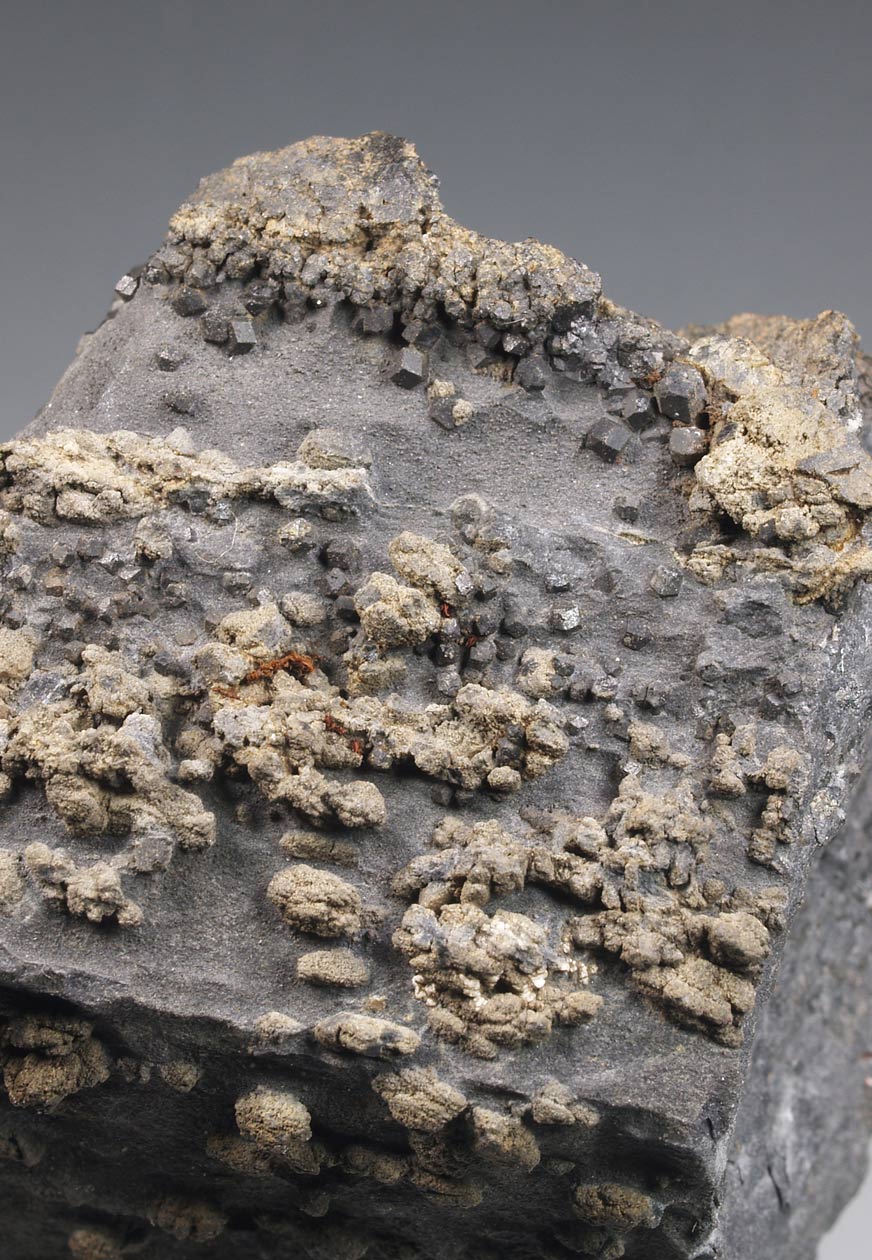
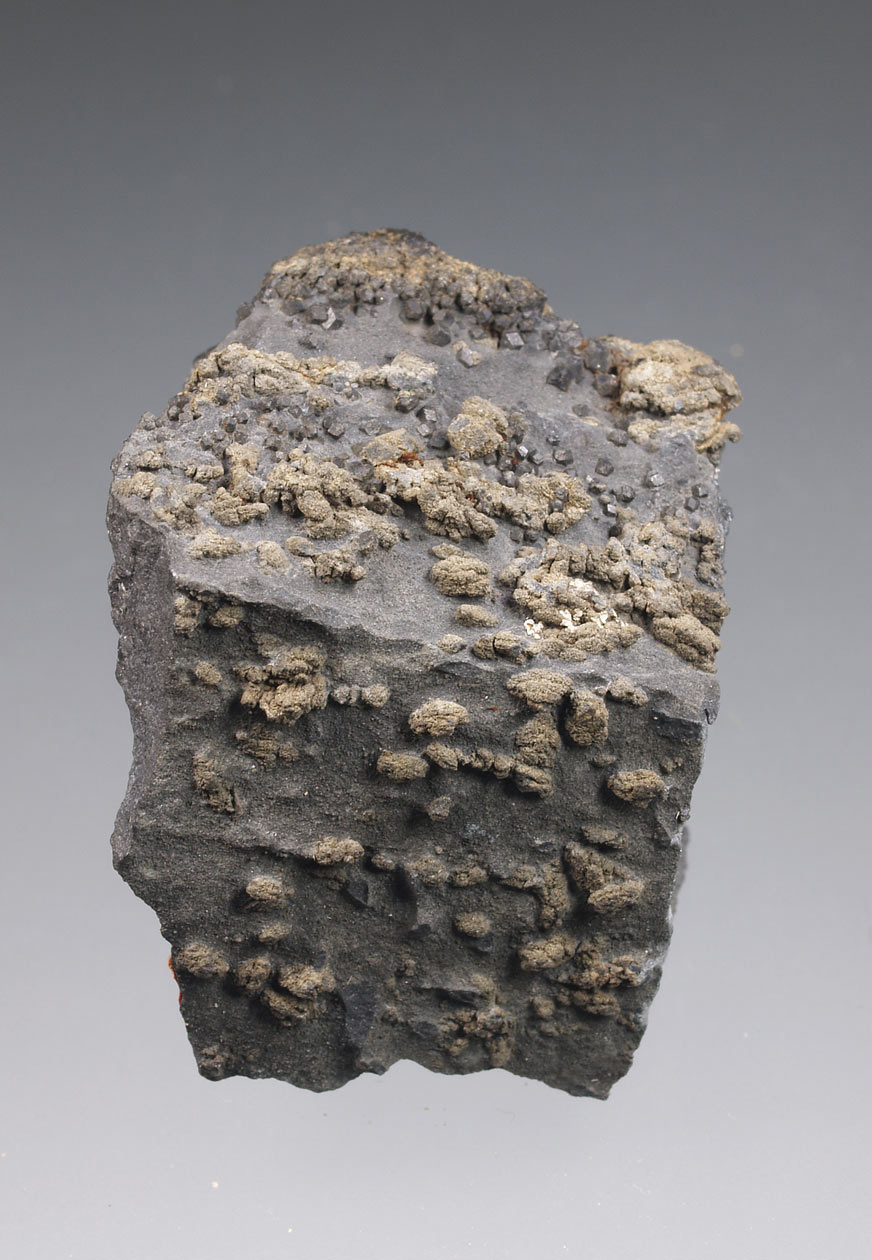
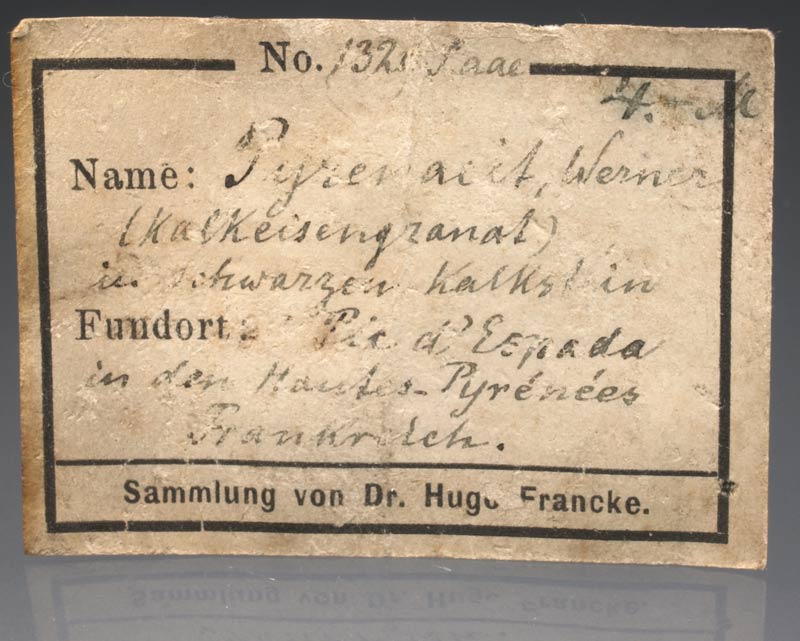
These specimens, although not remarkable for their great beauty, do present historical interest to many collectors. According to the old label that accompanies it, the place where it was collected indicates that it is the "pic d'Espada" (Sword peak) and in French territory. After several inquiries, we can place this peak in the Varètja area, in the French High Pyrenees, in Occitania, north of the Spanish border with the Ordesa y Monte Perdido National Park. We can observe numerous black dodecahedral crystals of andradite-grossular, melanite variety, which in the past were given the name "pyreneite". It is accompanied by the 19th century handwritten label of Dr. Hugo Francke (Dresden).
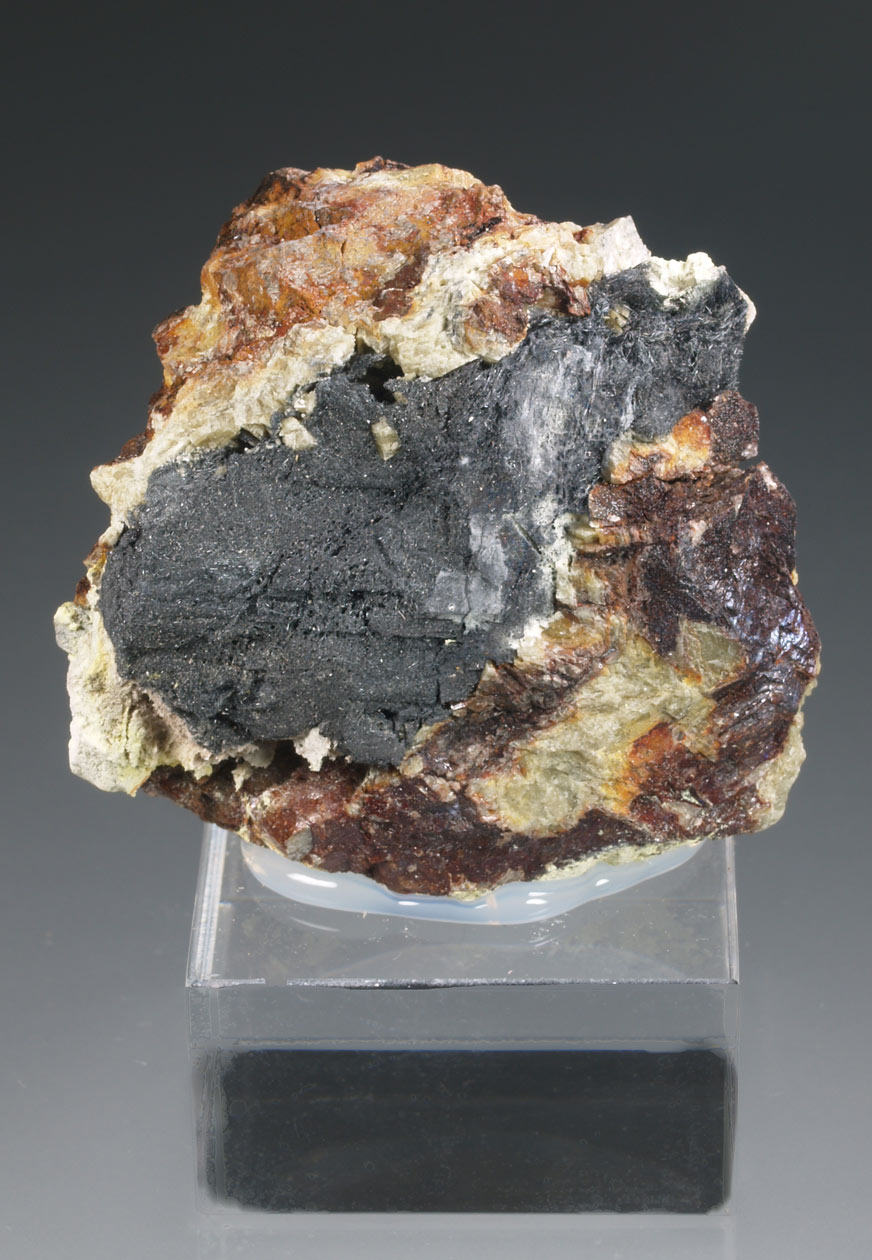
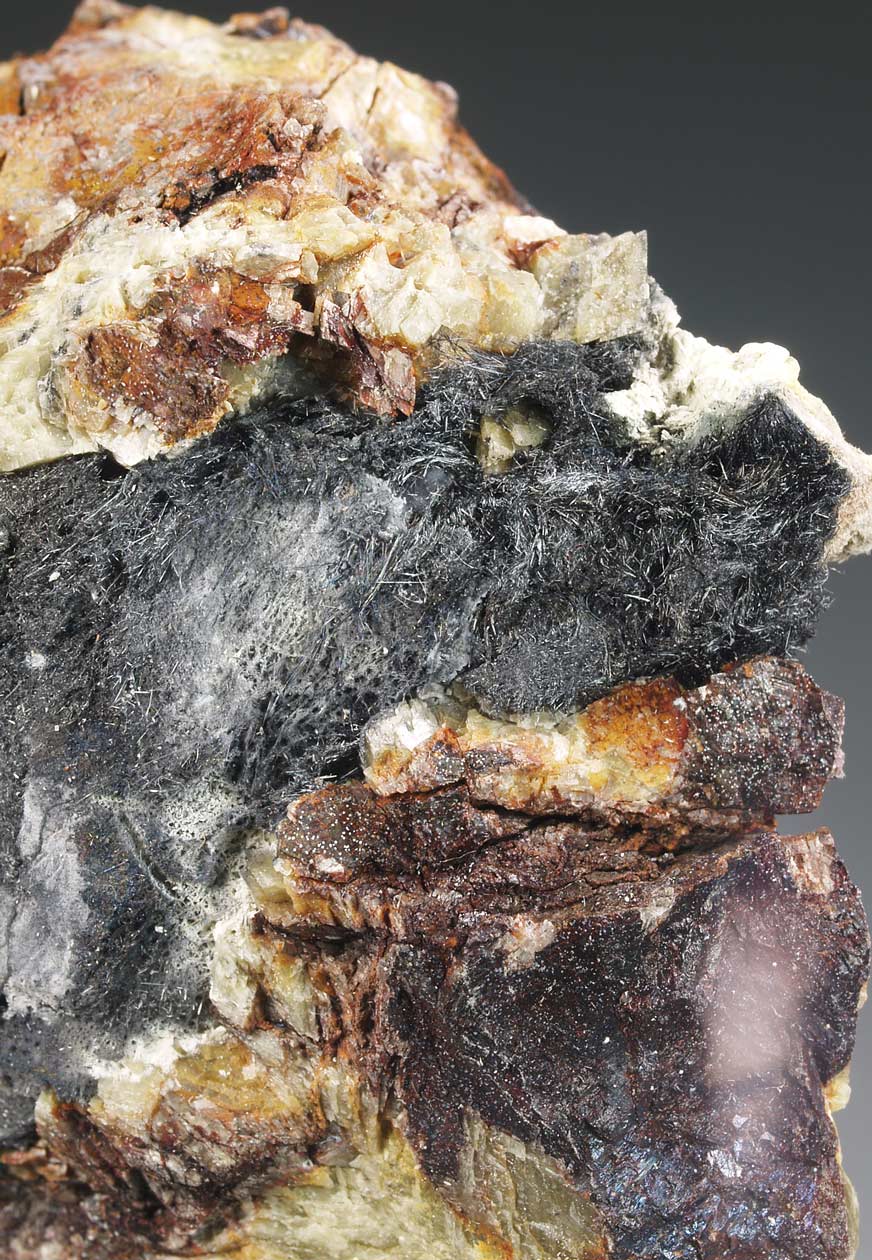
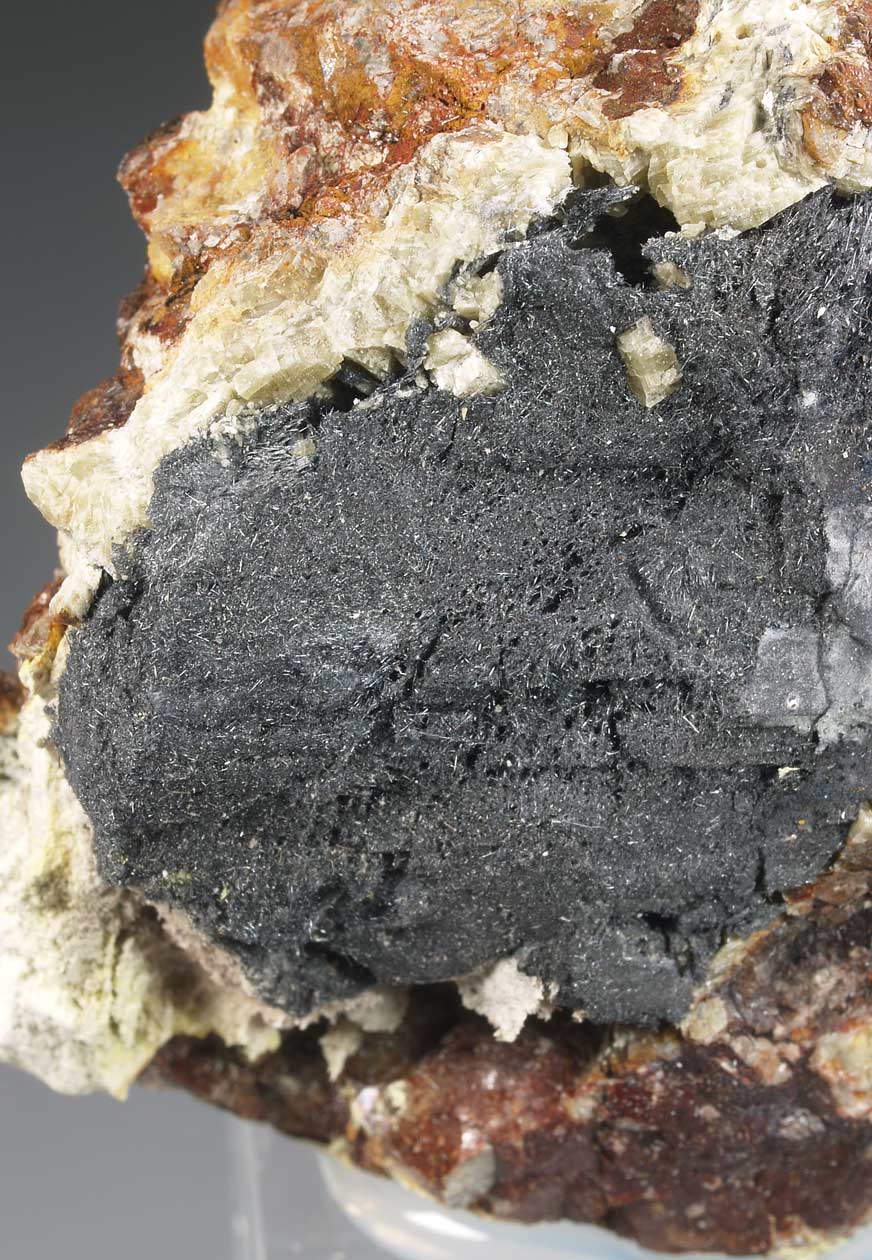
Dadsonite is a rare chloro-sulfoantimonide of lead, compositionally differing from boulangerite by this chlorine anion (1 atom of Cl for 60 atoms of S!). In the "bad-lands" area of Sant Ponç (or Saint-Pons) there are lenticular levels of siderite and calcite. The formation of this rare sulfosalt is based on the redissolution of other sulfosalts in the presence of chlorides.
The fine needles of dadsonite usually appear included in calcite, along with boulangerite. Once the calcite is removed by chemical processes, needles emerge in all their beauty. It can also be found forming radial aggregates in matrix cavities. The dadsonite from Sant Ponç can probably be considered among the best worldwide.
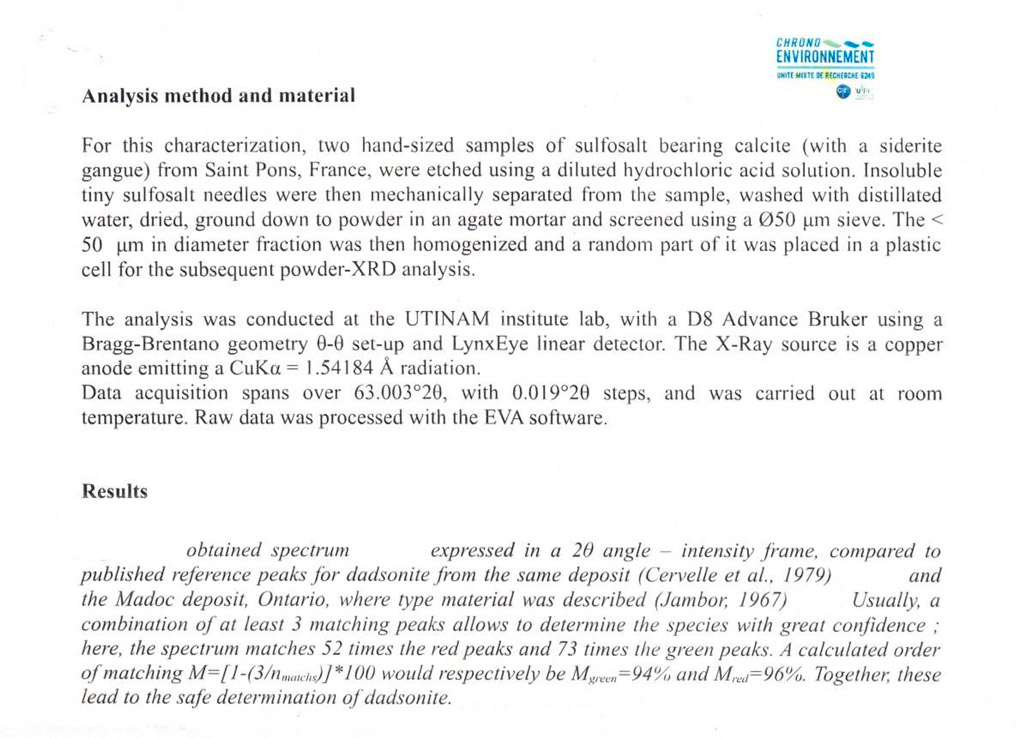
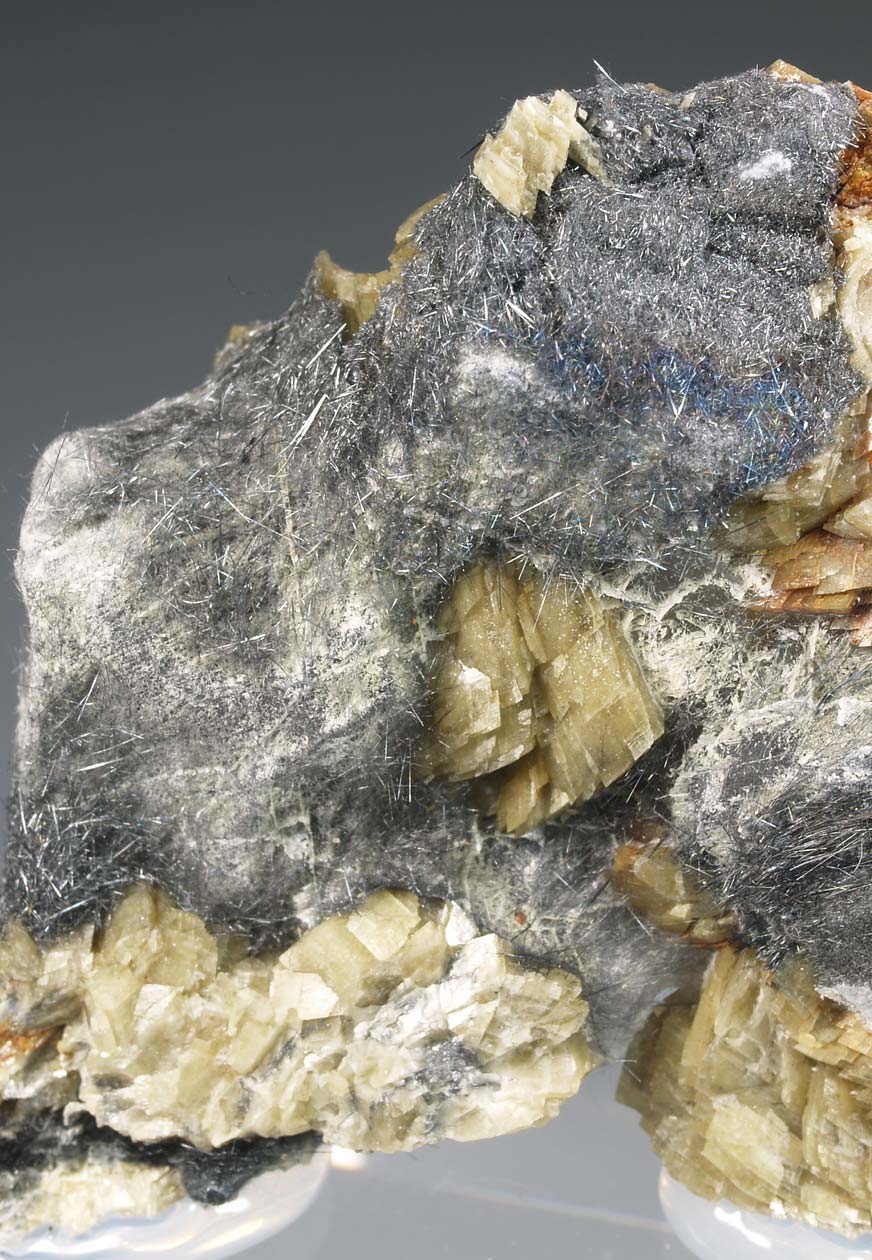
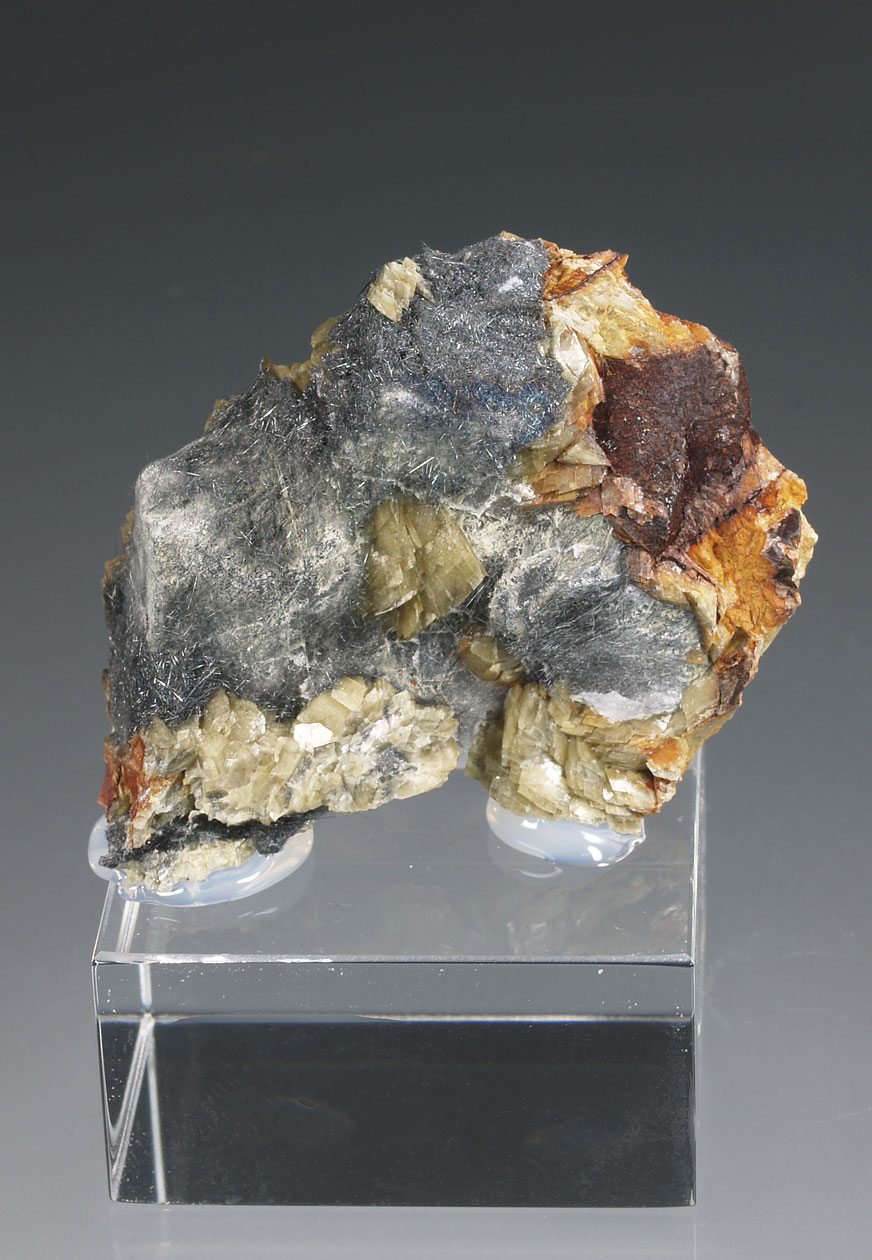
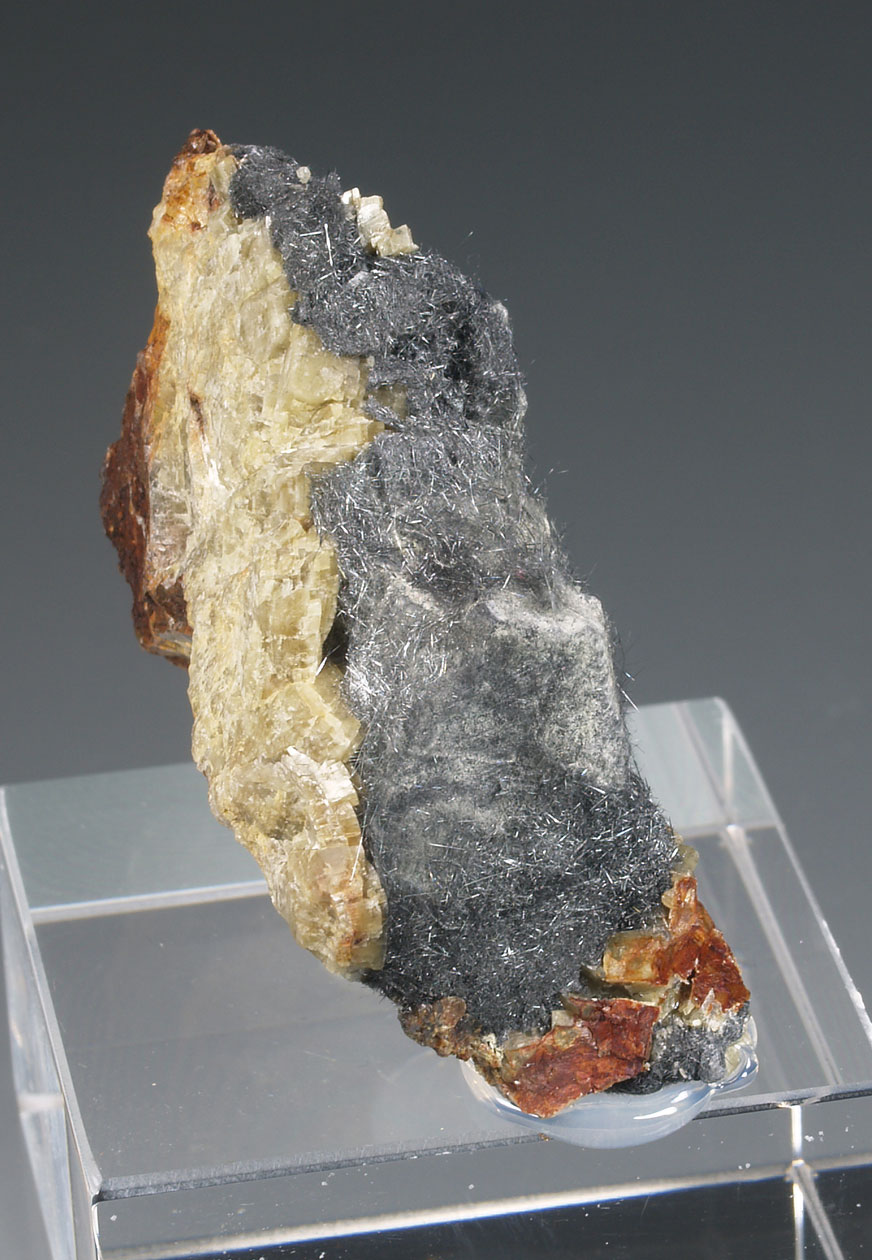
Dadsonite is a rare chloro-sulfoantimonide of lead, compositionally differing from boulangerite by this chlorine anion (1 atom of Cl for 60 atoms of S!). In the "bad-lands" area of Sant Ponç (or Saint-Pons) there are lenticular levels of siderite and calcite. The formation of this rare sulfosalt is based on the redissolution of other sulfosalts in the presence of chlorides.
The fine needles of dadsonite usually appear included in calcite, along with boulangerite. Once the calcite is removed by chemical processes, needles emerge in all their beauty. It can also be found forming radial aggregates in matrix cavities. The dadsonite from Sant Ponç can probably be considered among the best worldwide.
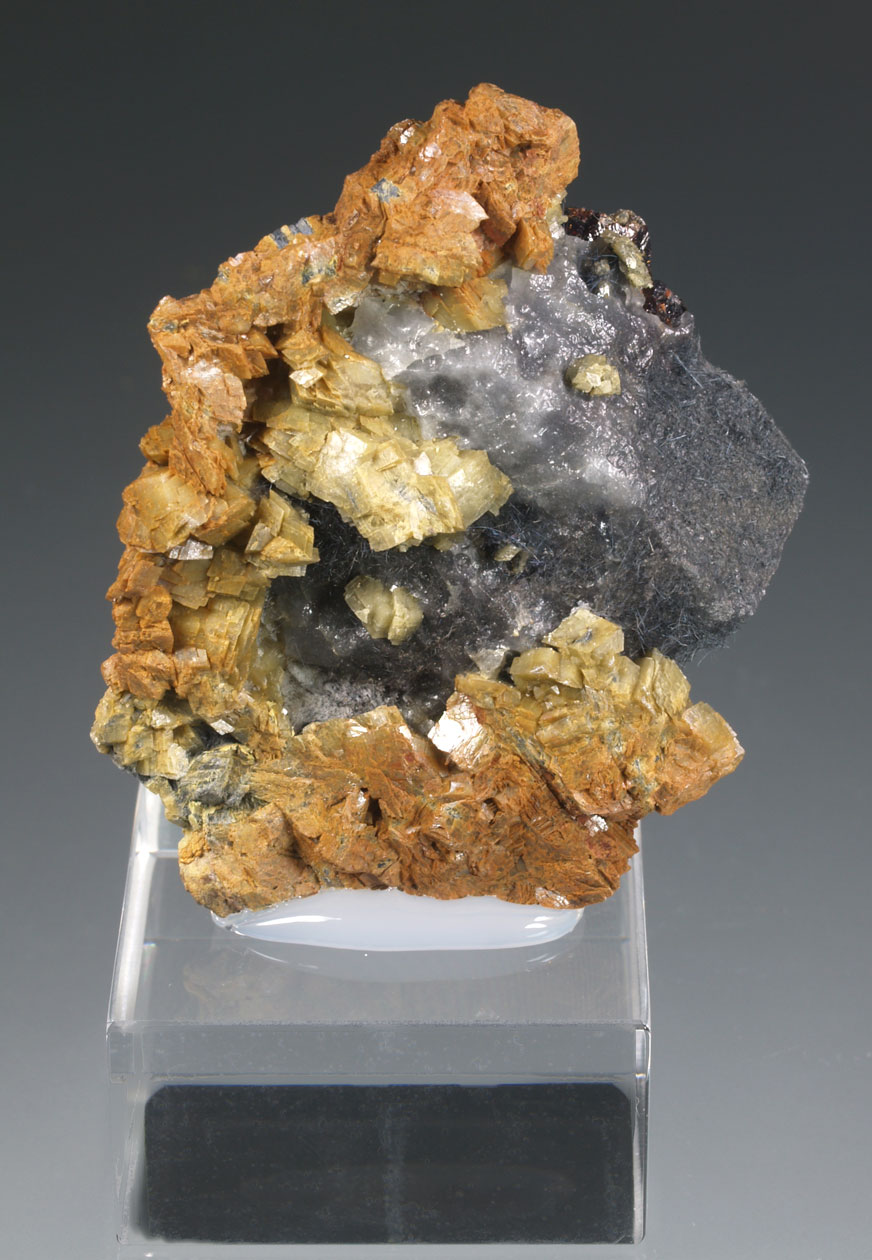
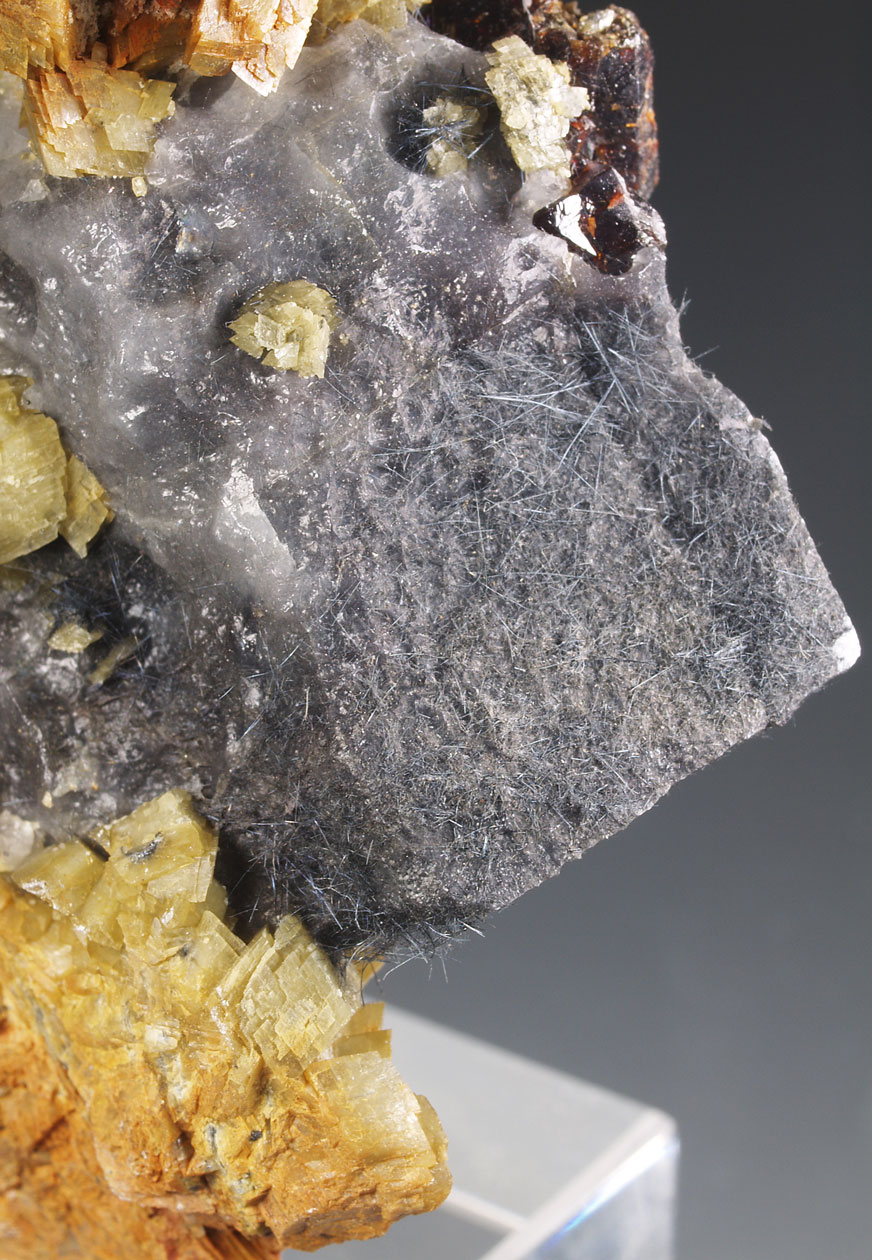
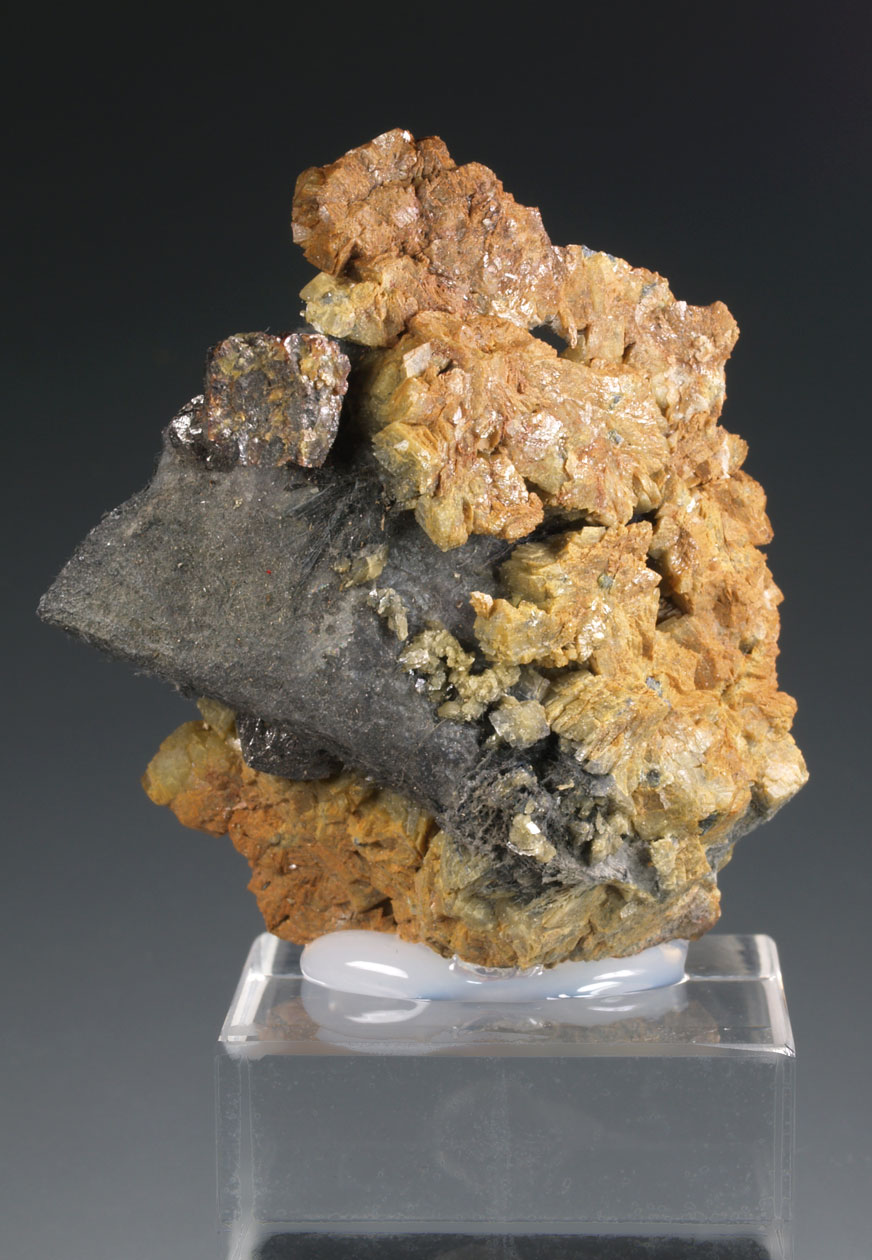
Dadsonite is a rare chloro-sulfoantimonide of lead, compositionally differing from boulangerite by this chlorine anion (1 atom of Cl for 60 atoms of S!). In the "bad-lands" area of Sant Ponç (or Saint-Pons) there are lenticular levels of siderite and calcite. The formation of this rare sulfosalt is based on the redissolution of other sulfosalts in the presence of chlorides.
The fine needles of dadsonite usually appear included in calcite, along with boulangerite. Once the calcite is removed by chemical processes, needles emerge in all their beauty. It can also be found forming radial aggregates in matrix cavities. The dadsonite from Sant Ponç can probably be considered among the best worldwide.
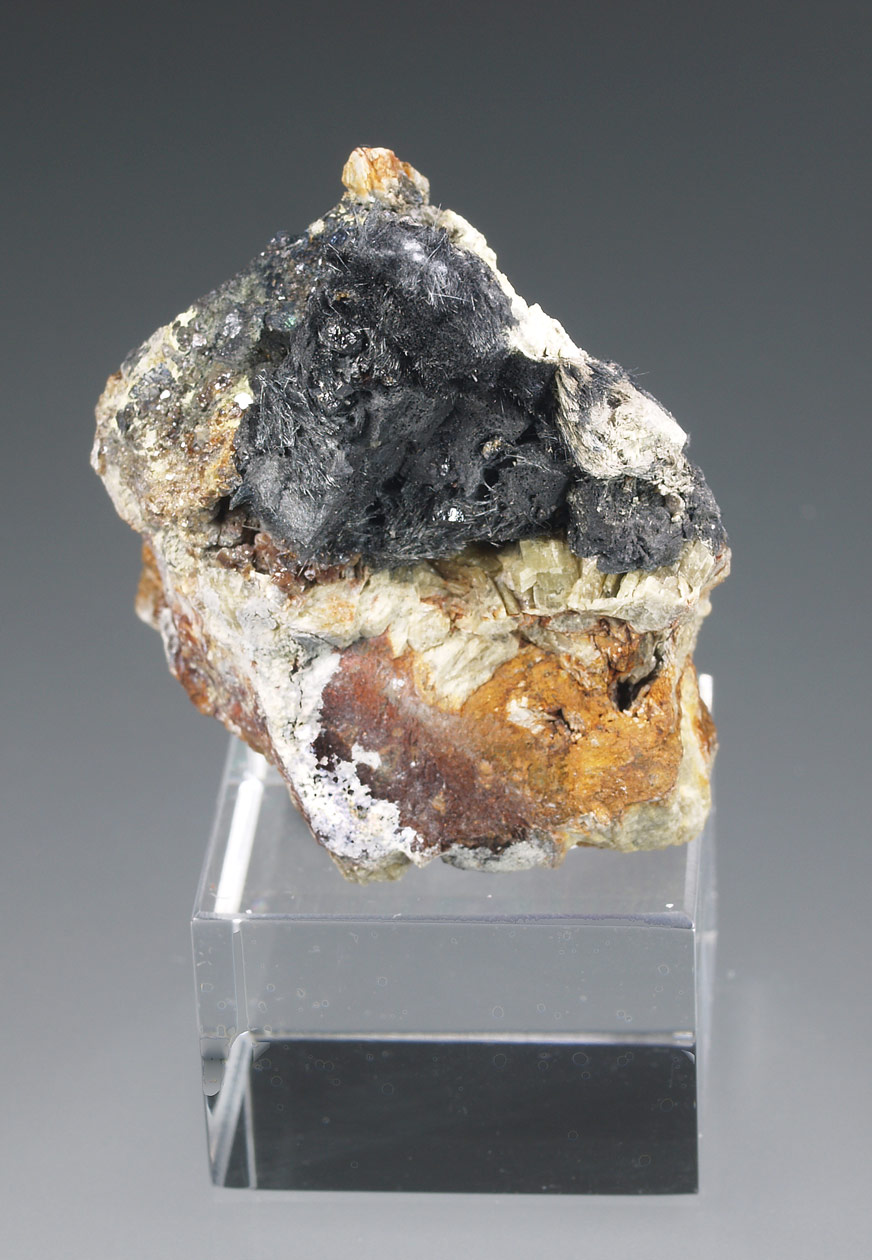
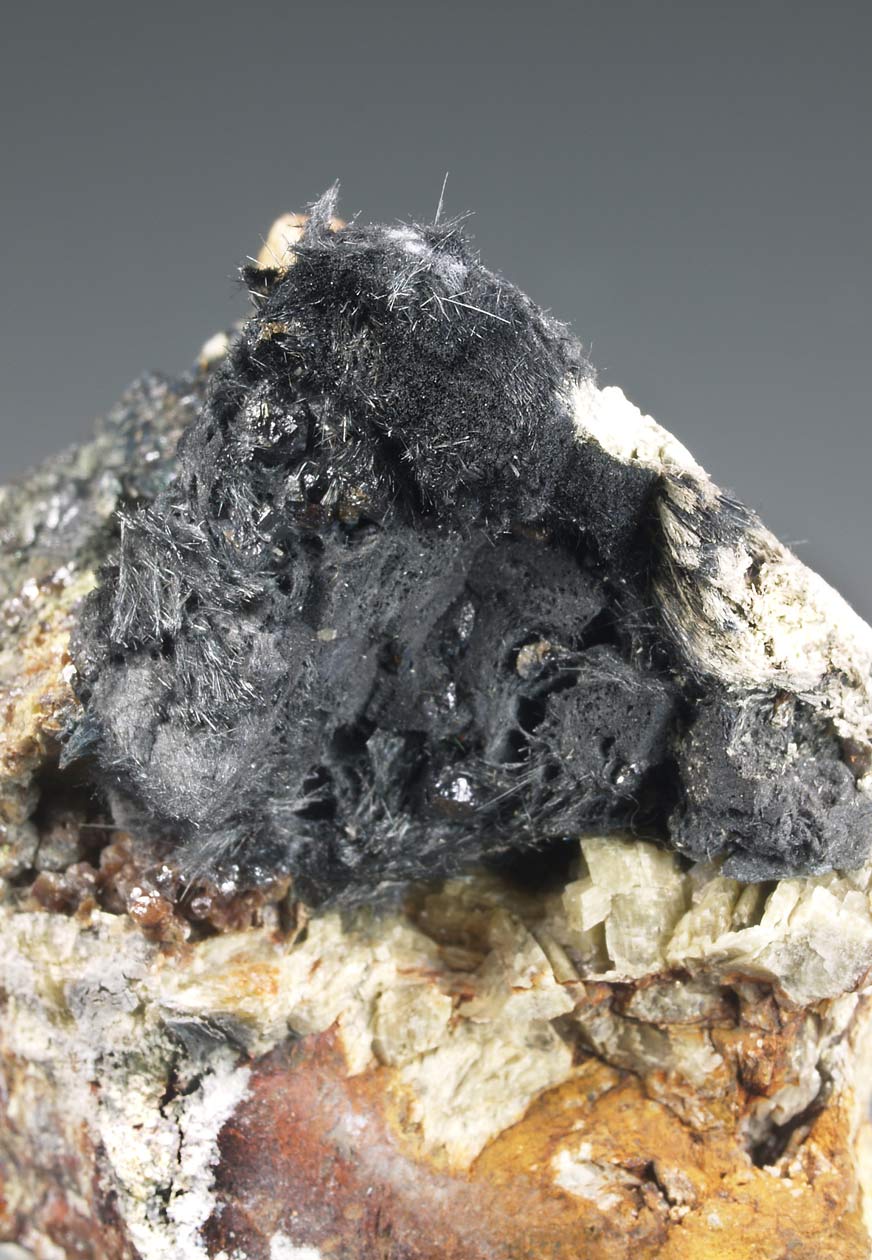
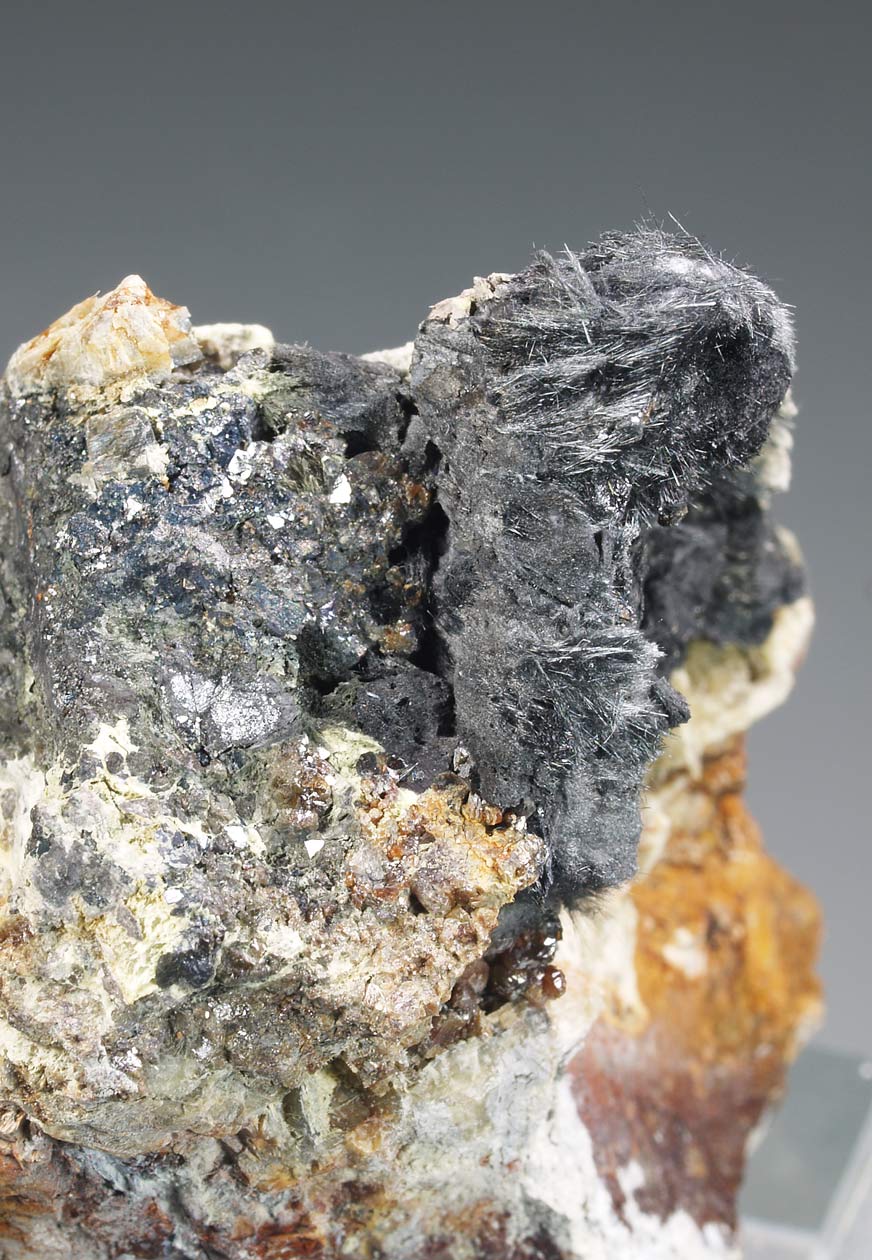
Dadsonite is a rare chloro-sulfoantimonide of lead, compositionally differing from boulangerite by this chlorine anion (1 atom of Cl for 60 atoms of S!). In the "bad-lands" area of Sant Ponç (or Saint-Pons) there are lenticular levels of siderite and calcite. The formation of this rare sulfosalt is based on the redissolution of other sulfosalts in the presence of chlorides.
The fine needles of dadsonite usually appear included in calcite, along with boulangerite. Once the calcite is removed by chemical processes, needles emerge in all their beauty. It can also be found forming radial aggregates in matrix cavities. The dadsonite from Sant Ponç can probably be considered among the best worldwide.
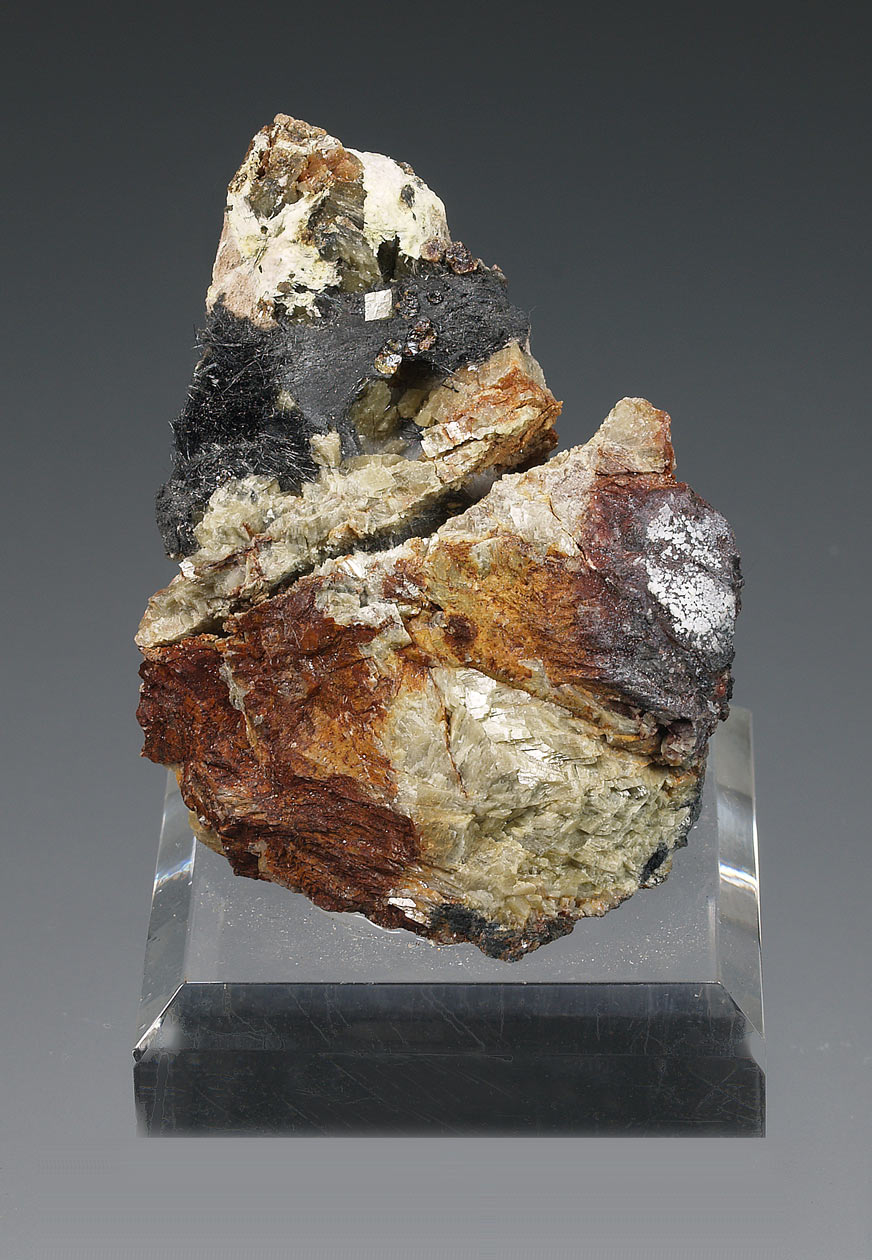
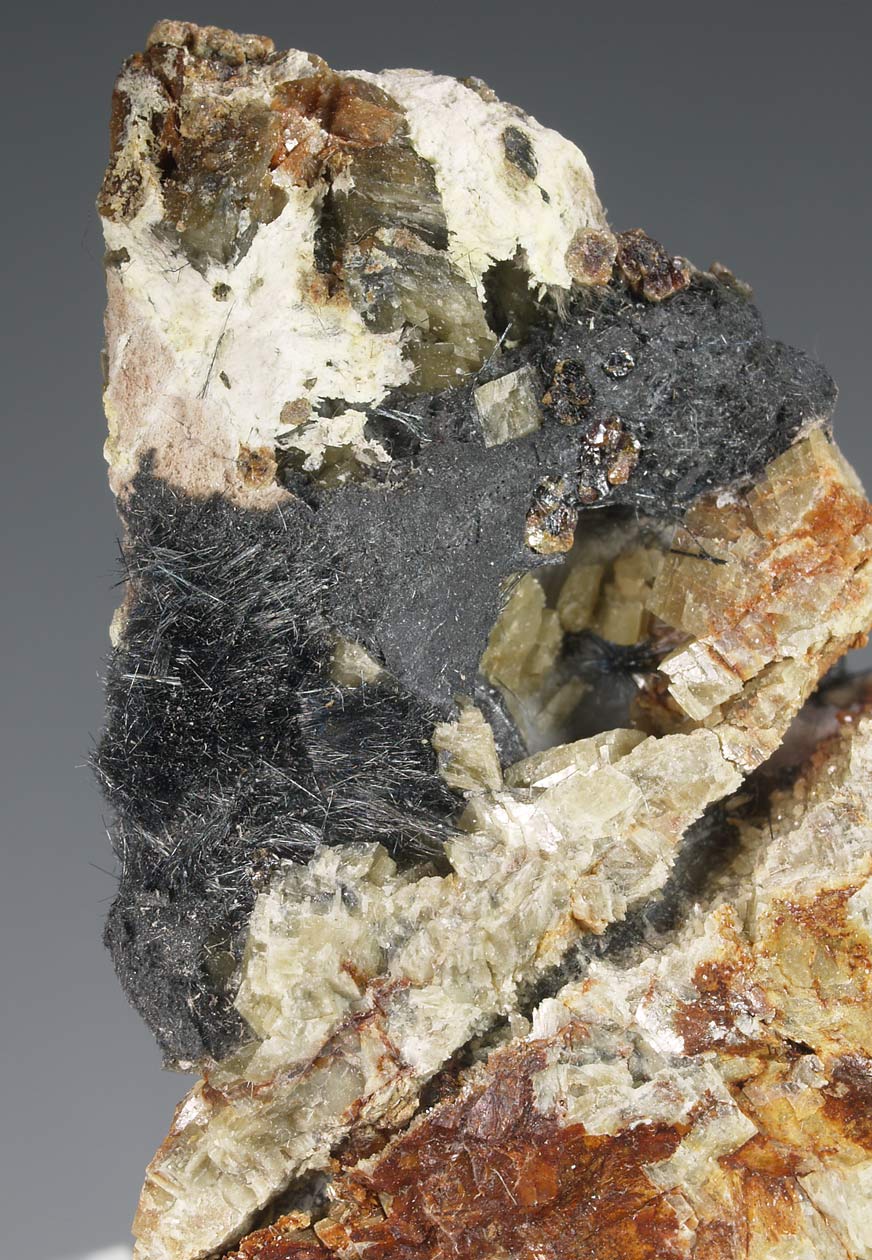
Dadsonite is a rare chloro-sulfoantimonide of lead, compositionally differing from boulangerite by this chlorine anion (1 atom of Cl for 60 atoms of S!). In the "bad-lands" area of Sant Ponç (or Saint-Pons) there are lenticular levels of siderite and calcite. The formation of this rare sulfosalt is based on the redissolution of other sulfosalts in the presence of chlorides.
The fine needles of dadsonite usually appear included in calcite, along with boulangerite. Once the calcite is removed by chemical processes, needles emerge in all their beauty. It can also be found forming radial aggregates in matrix cavities. The dadsonite from Sant Ponç can probably be considered among the best worldwide.
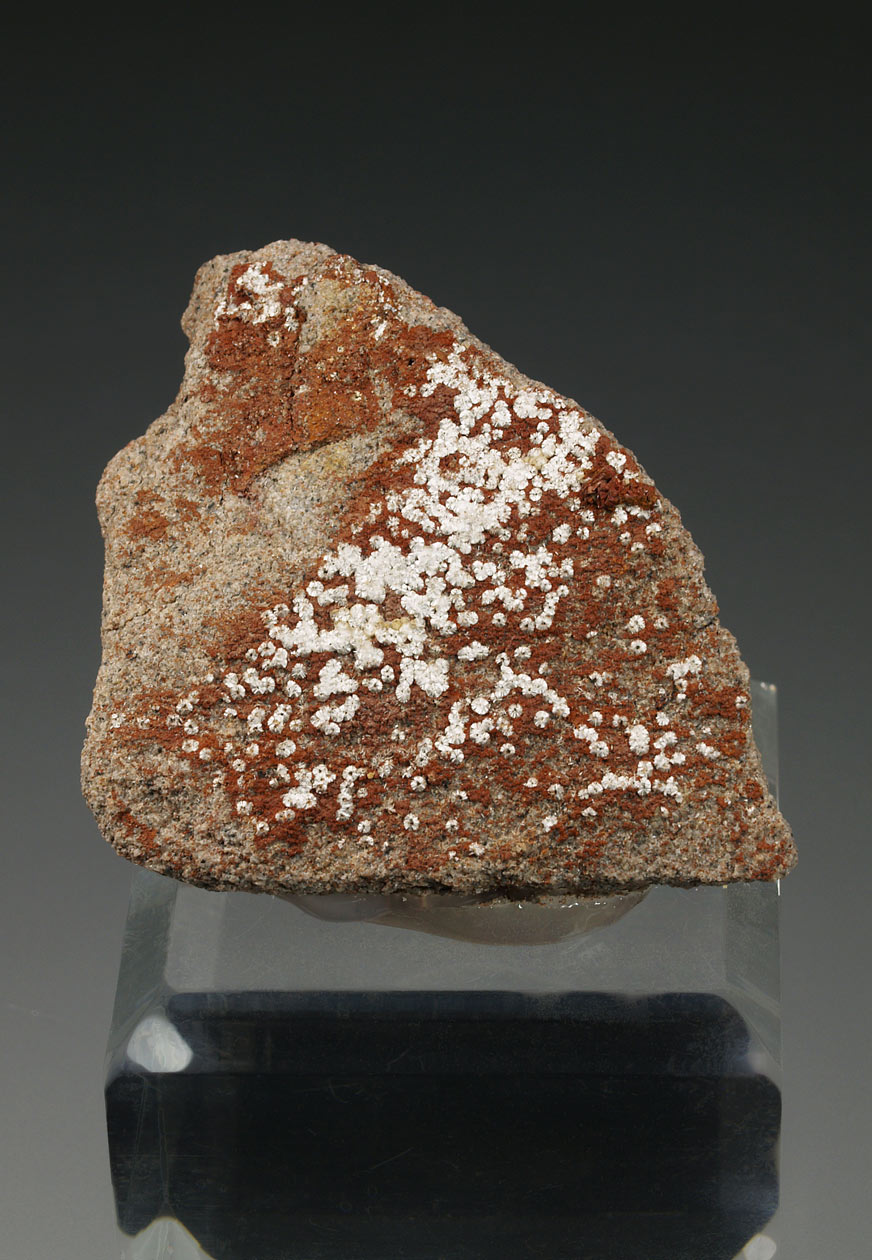
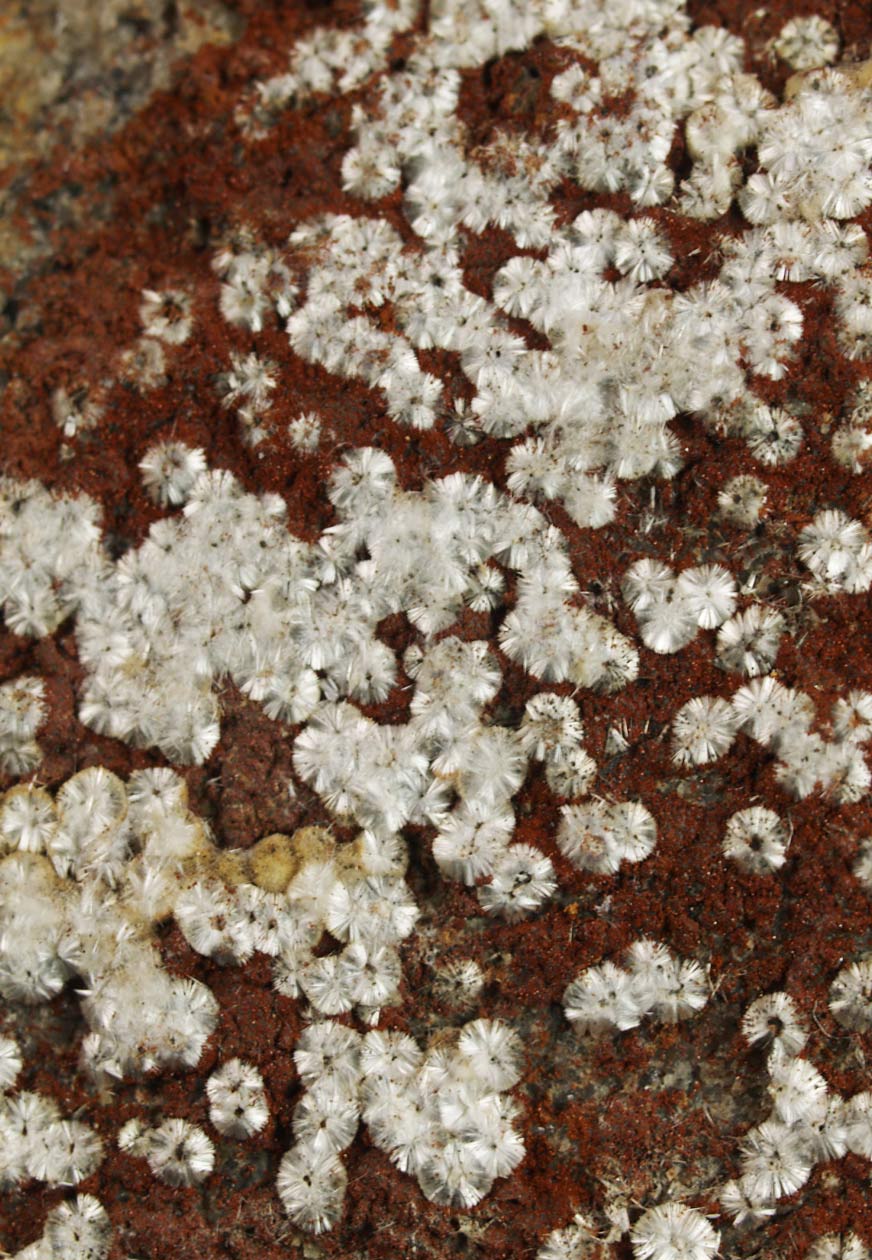
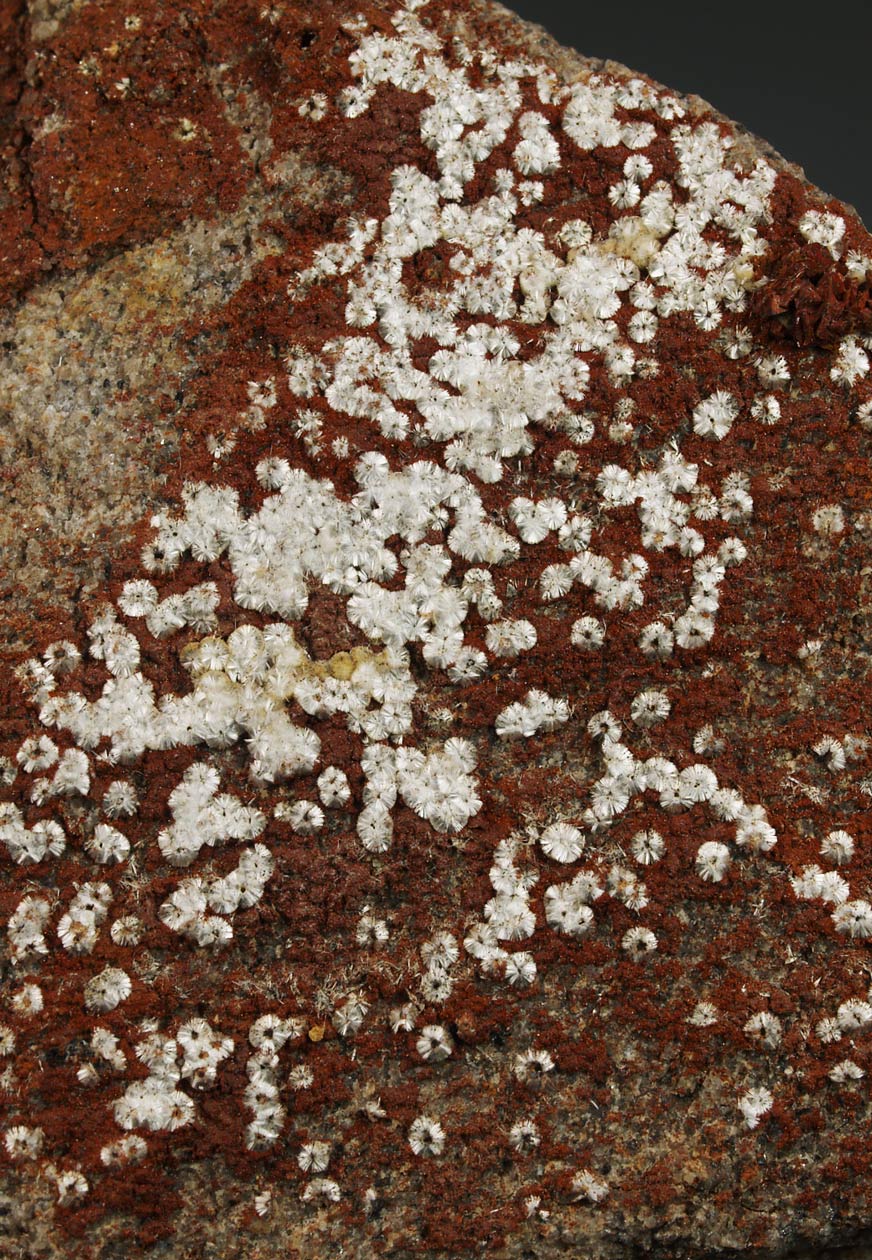
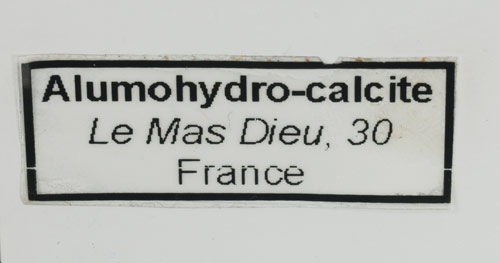
Globular and radial aggregates of alumohydrocalcite crystals, white to cream in color and with a silky luster. They contrast on the brown siderite. They come from this classic French mine, nowadays partially restored.
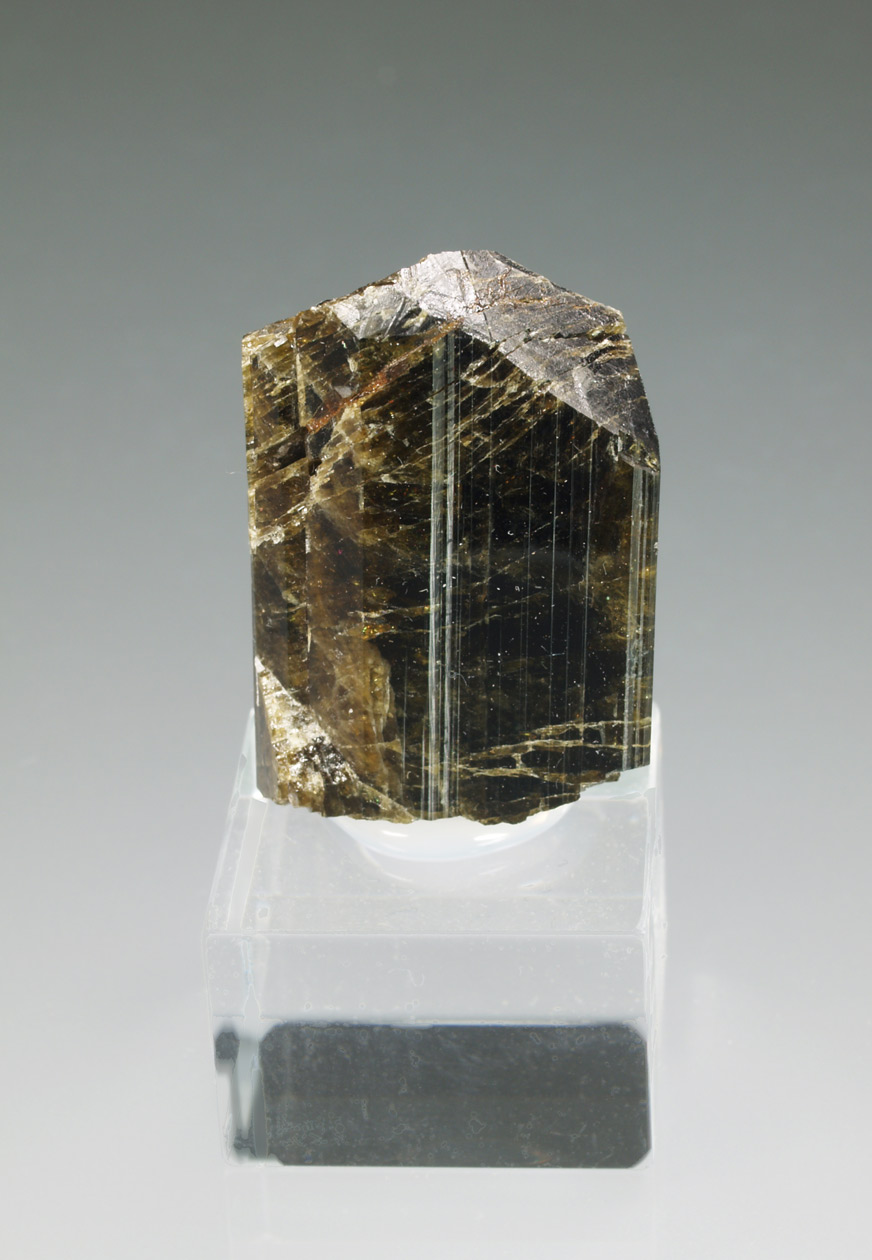
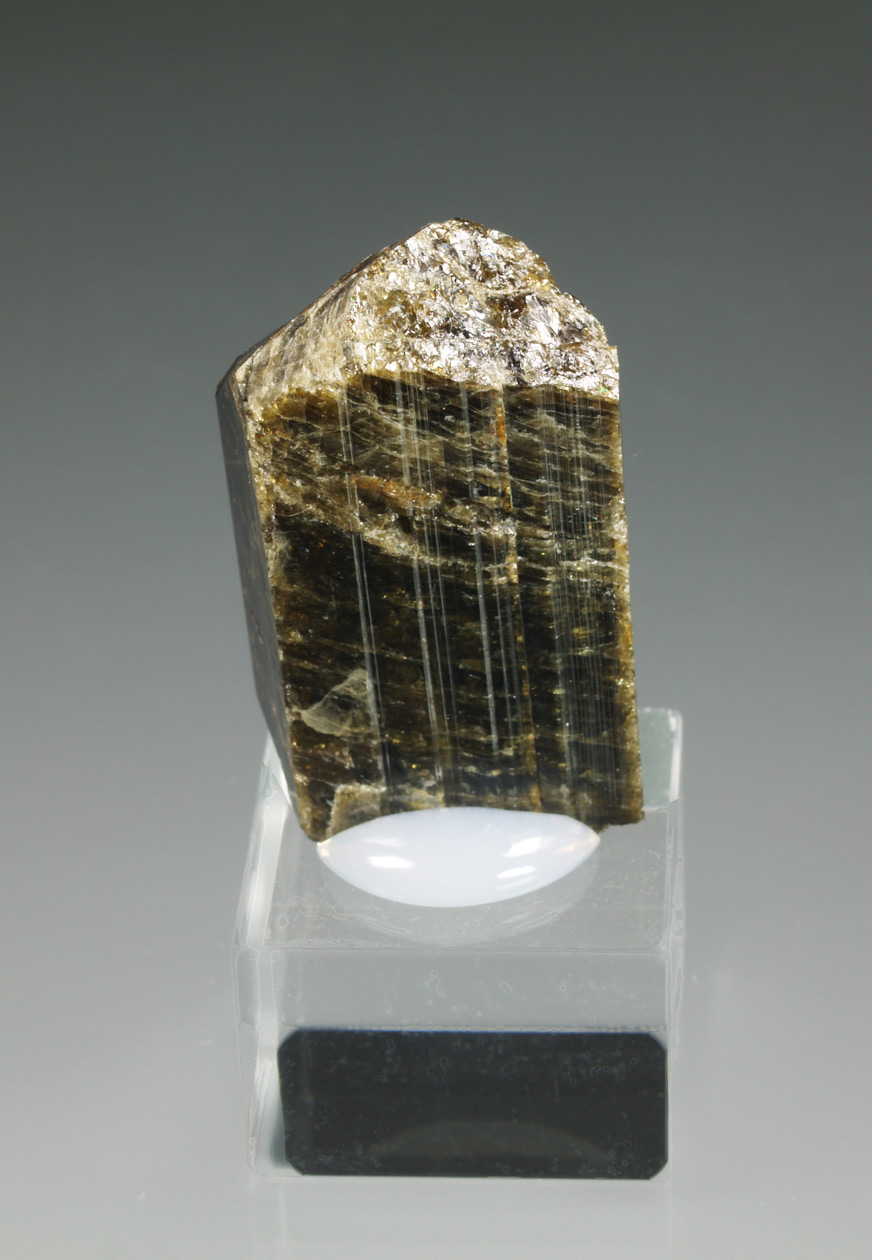
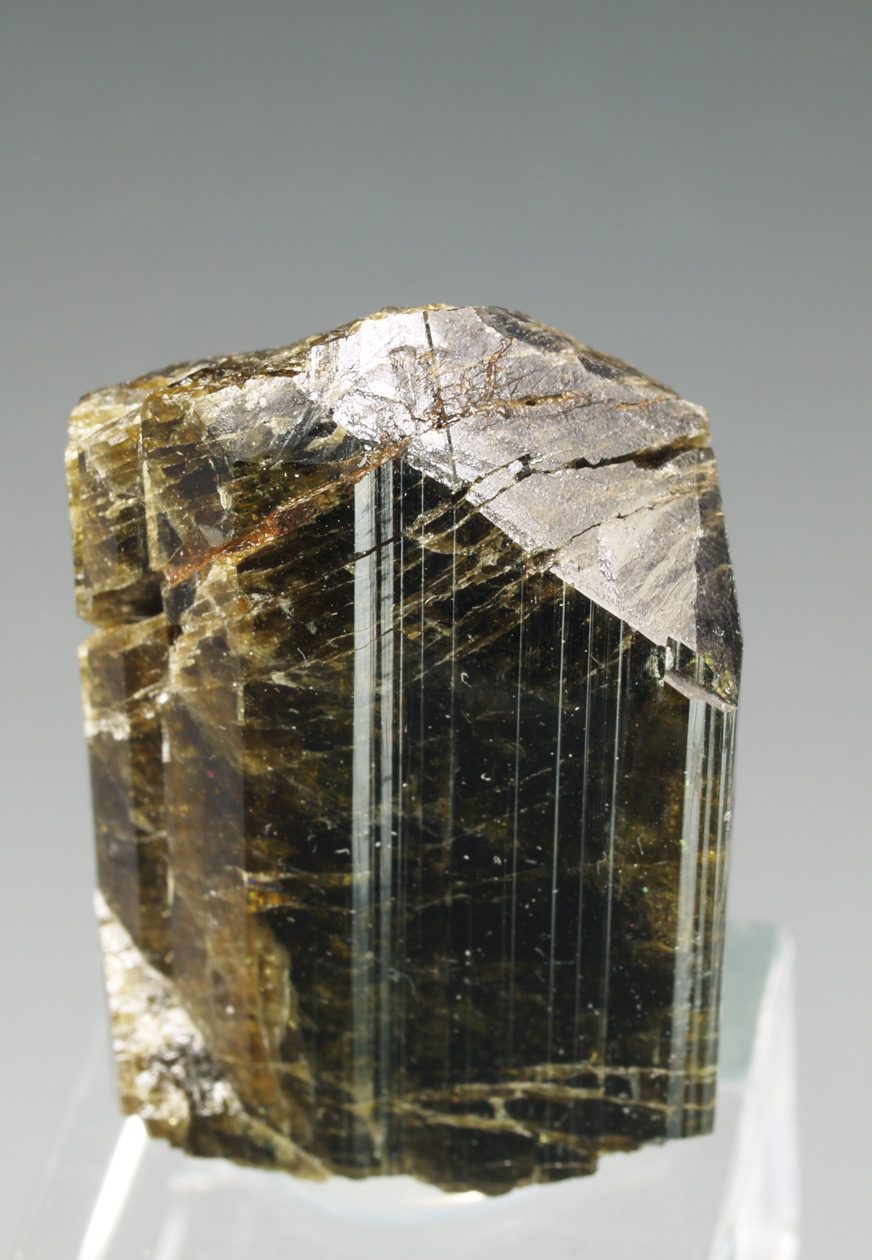
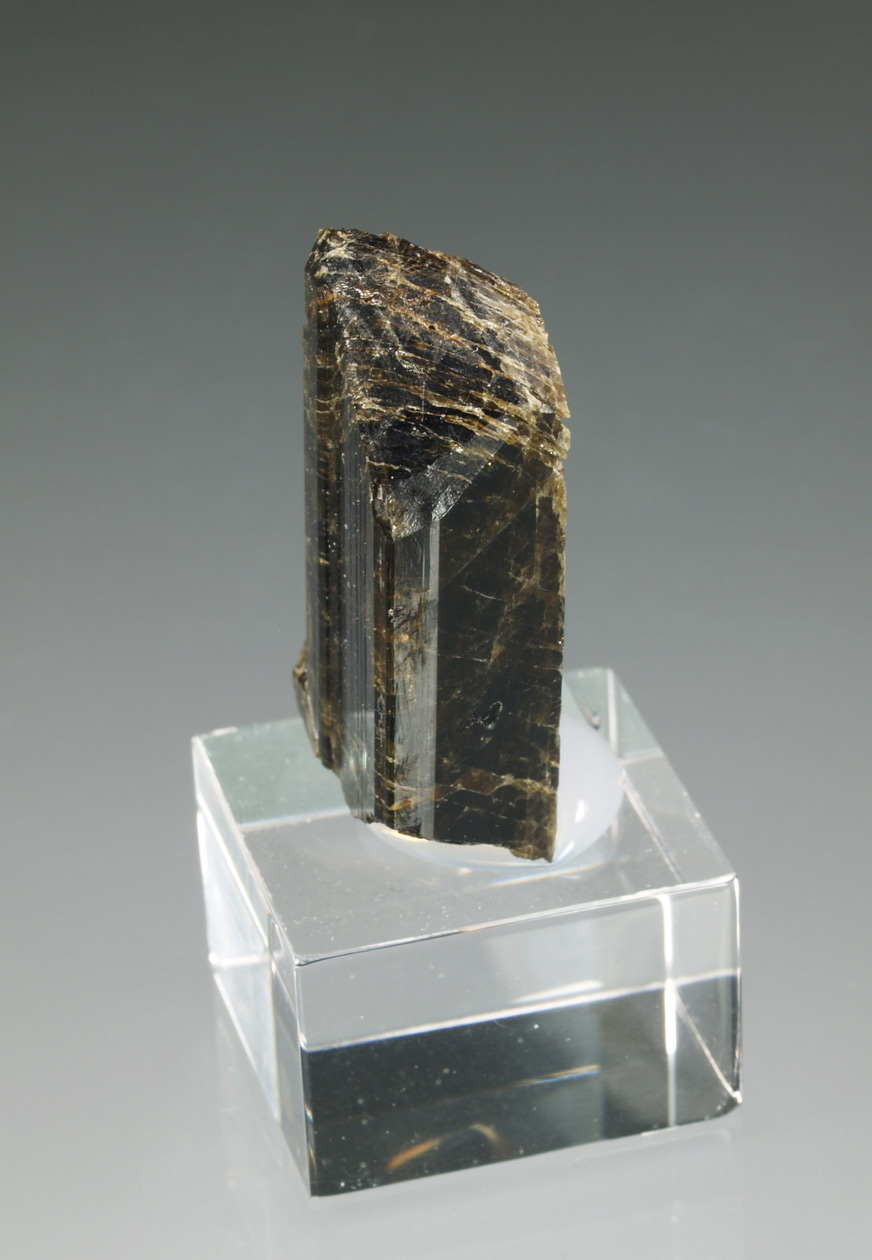
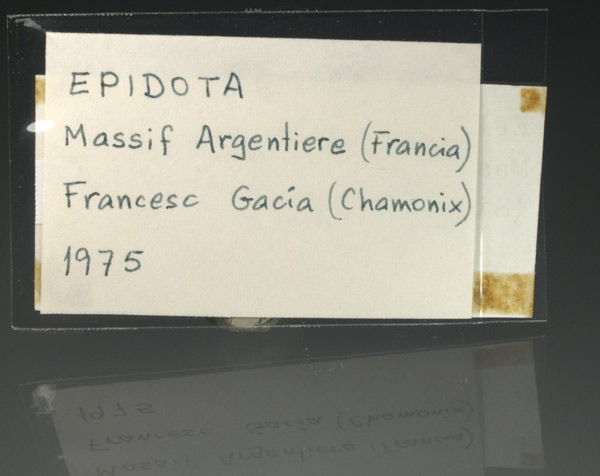
Epidote specimens from this area of Mont-Blanc are not at all common. This specimen was purchased by Joan Astor in Chamonix. It is an idiomorphic crystal, of a good size, with well-defined faces, except for one in the upper part that is fractured. We can also observe growth fissures. This specimen has its history since it was acquired from Francesc Garcia, one of the referents of Catalan mountaineering.
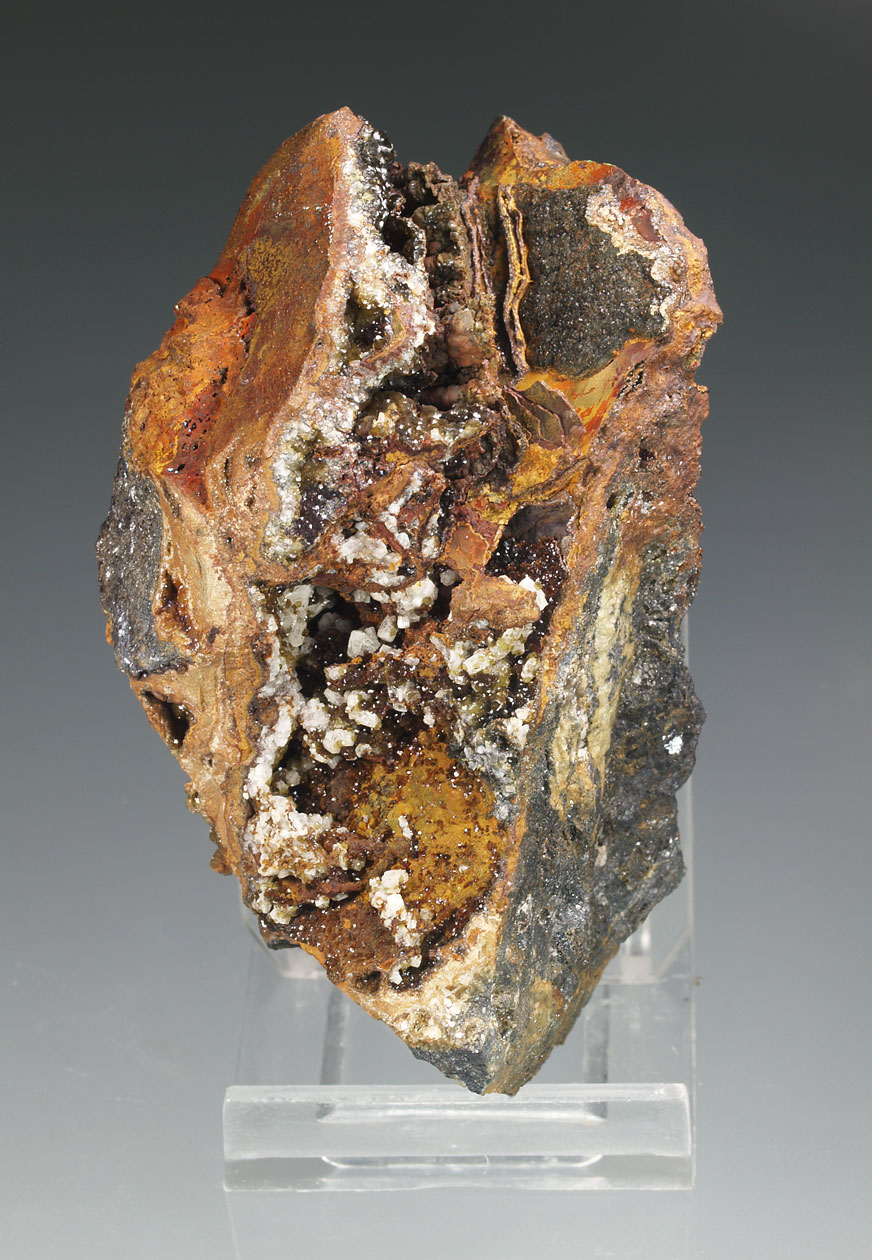
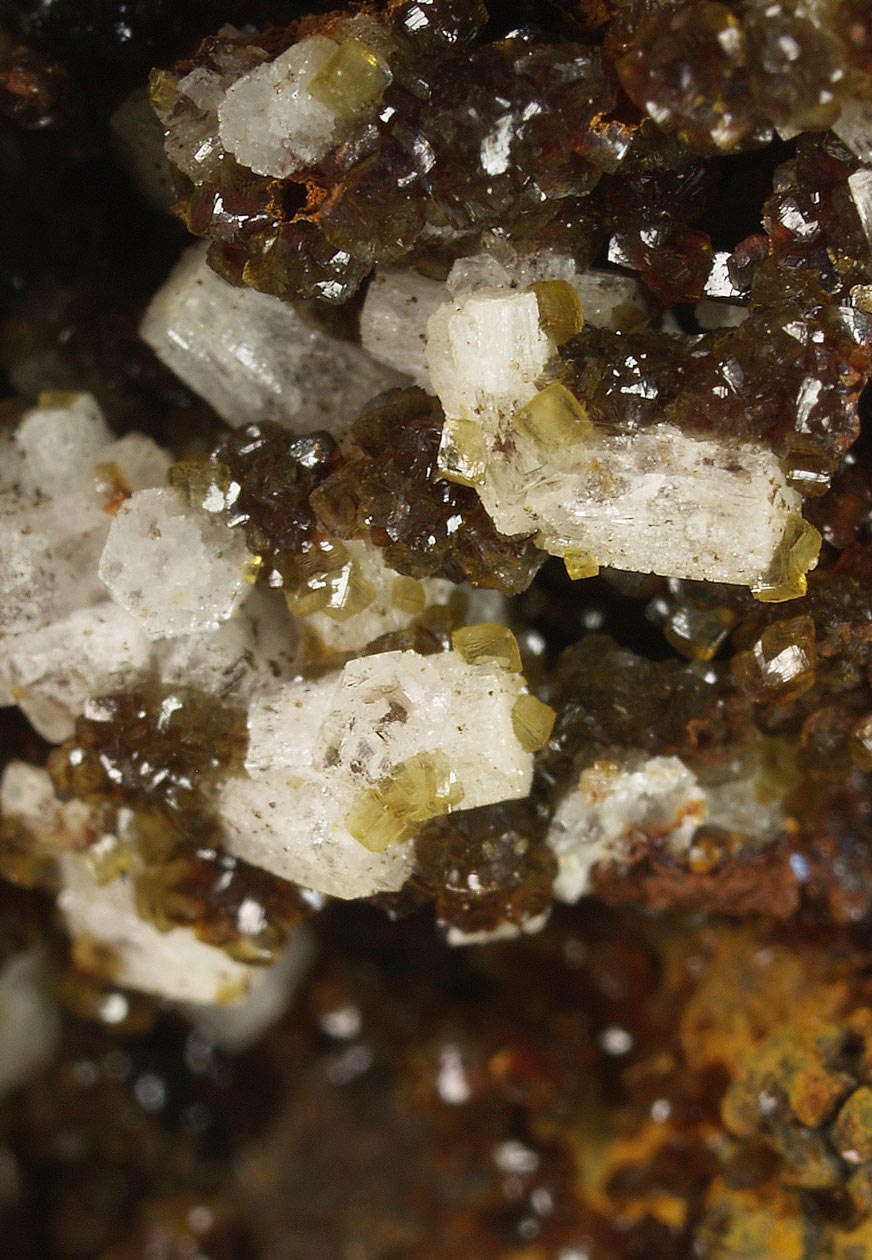
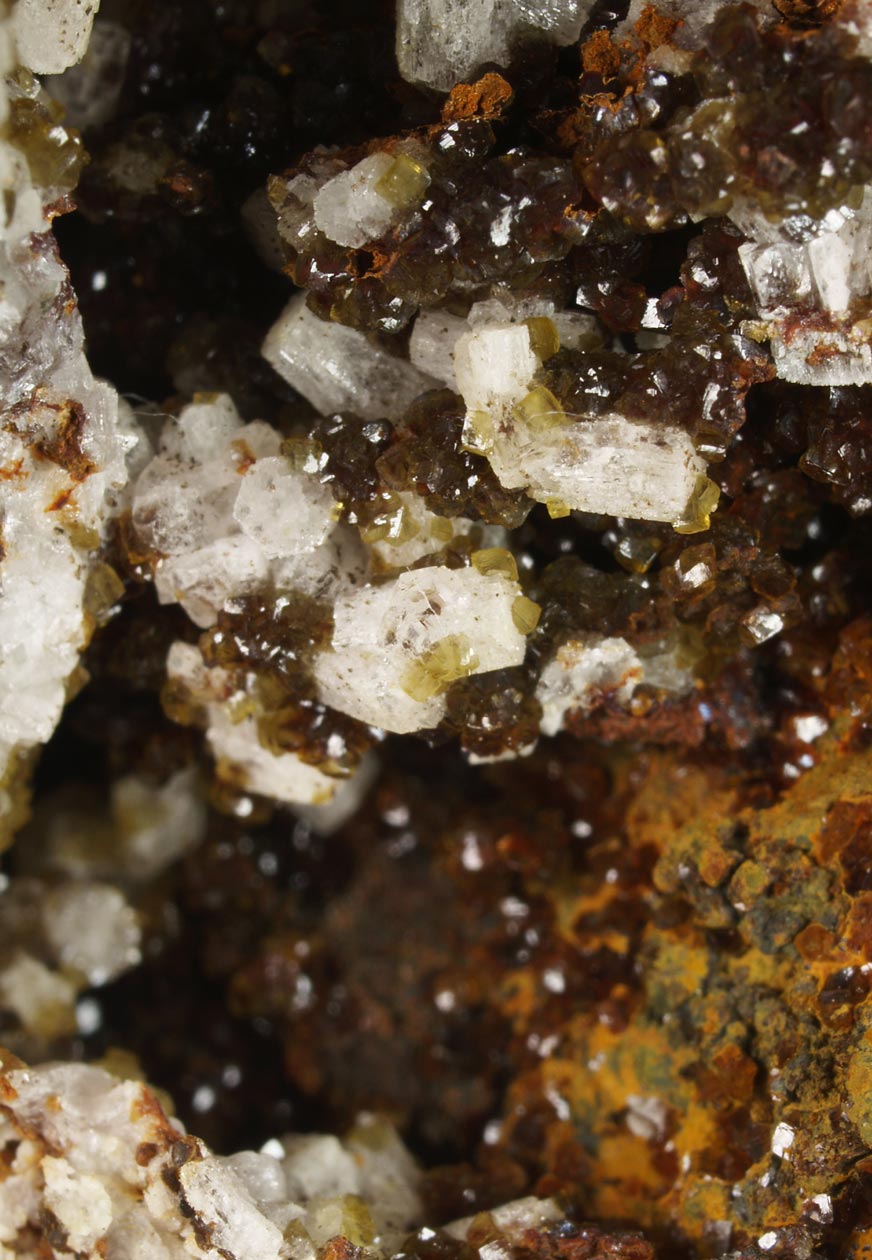
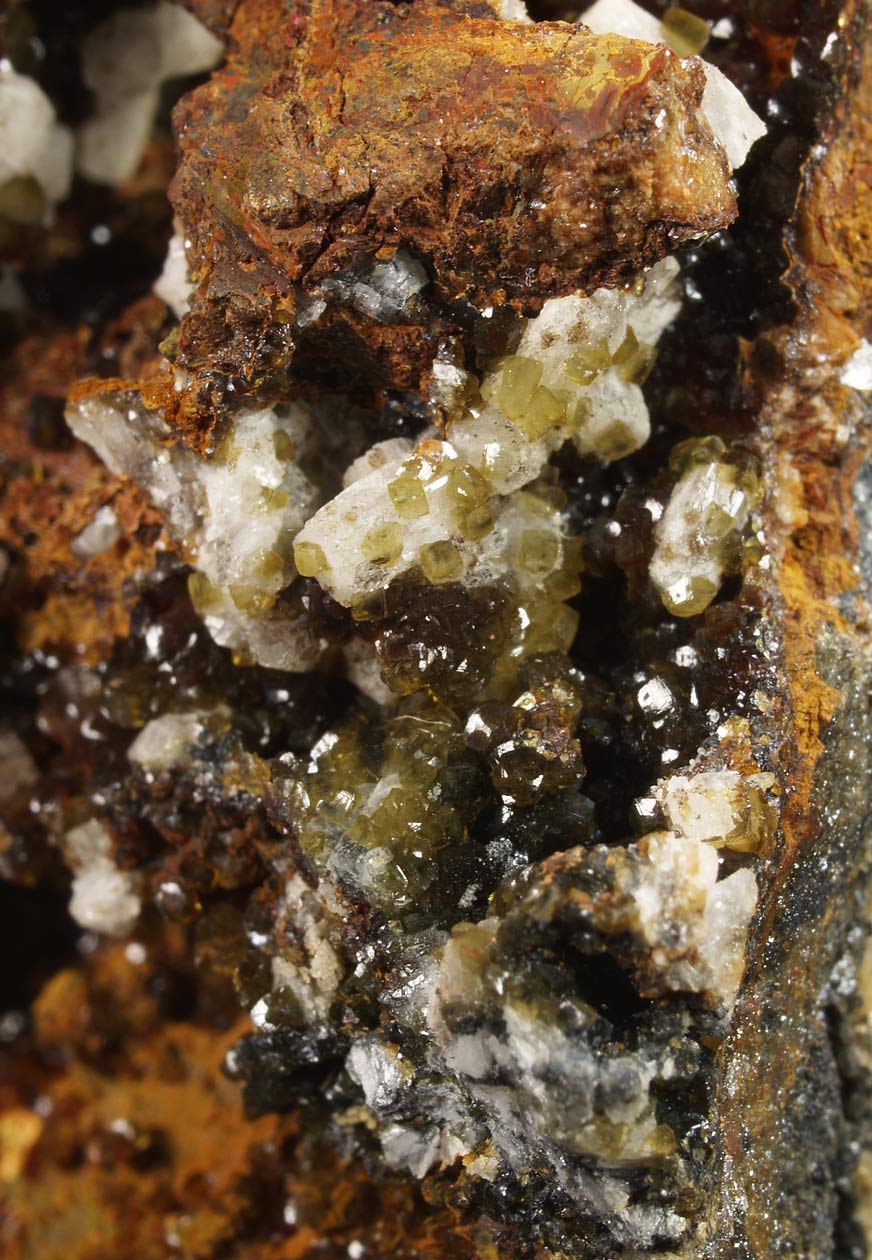
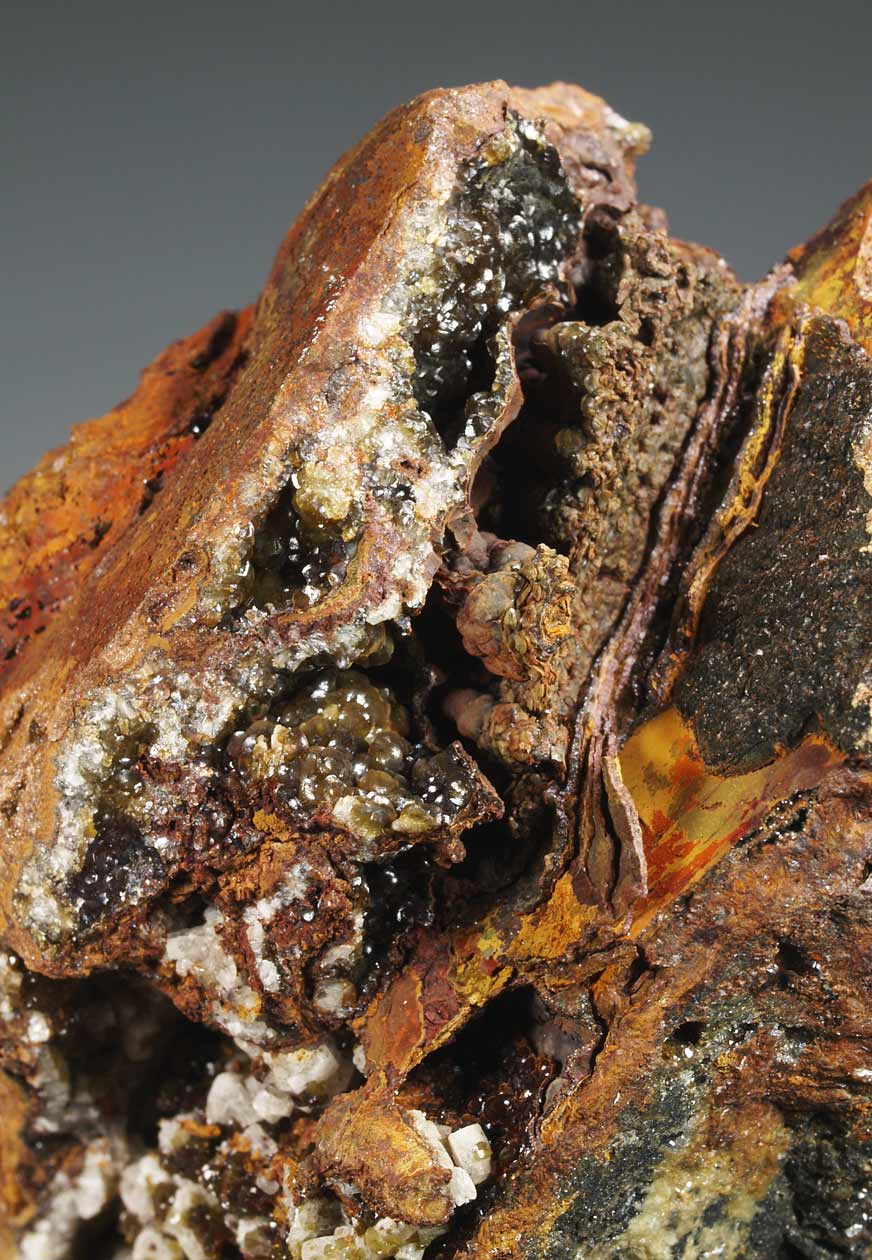
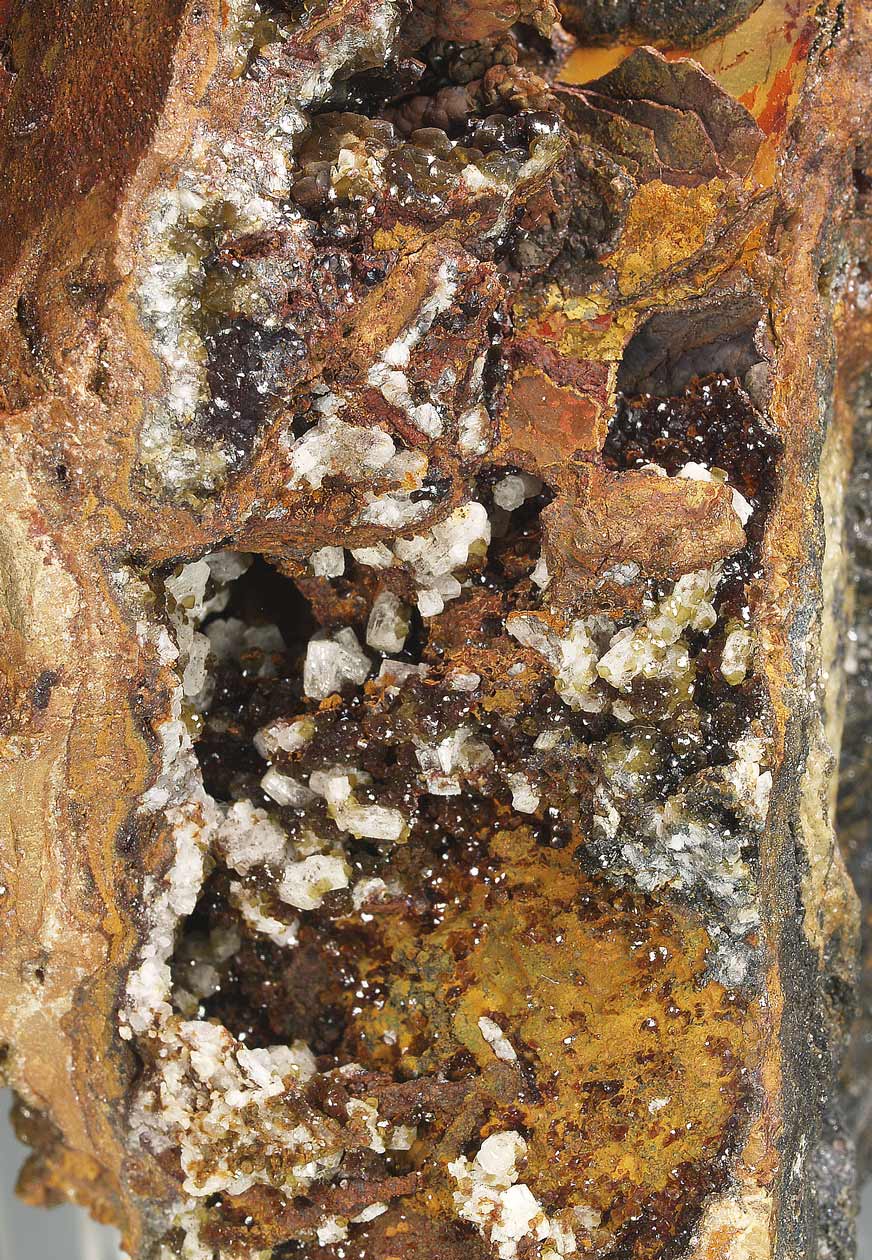
Numerous groups of prismatic willemite crystals in the cavities of this matrix with galena, siderite, quartz and goethite. The crystals show hexagonal shapes truncated by pinacoidal faces, they appear isolated or forming aesthetic stars. Some of them are dotted with rhombohedral crystals, between honey-colored to greenish, of siderite. Fluorescent under short wave UV light. A good size specimen of this classic Occitan Pb-Zn mine.
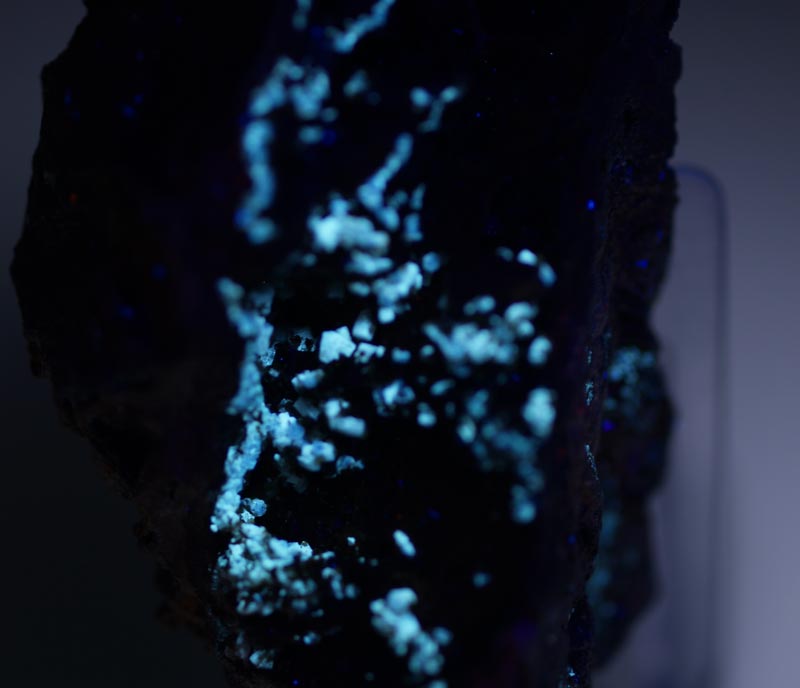
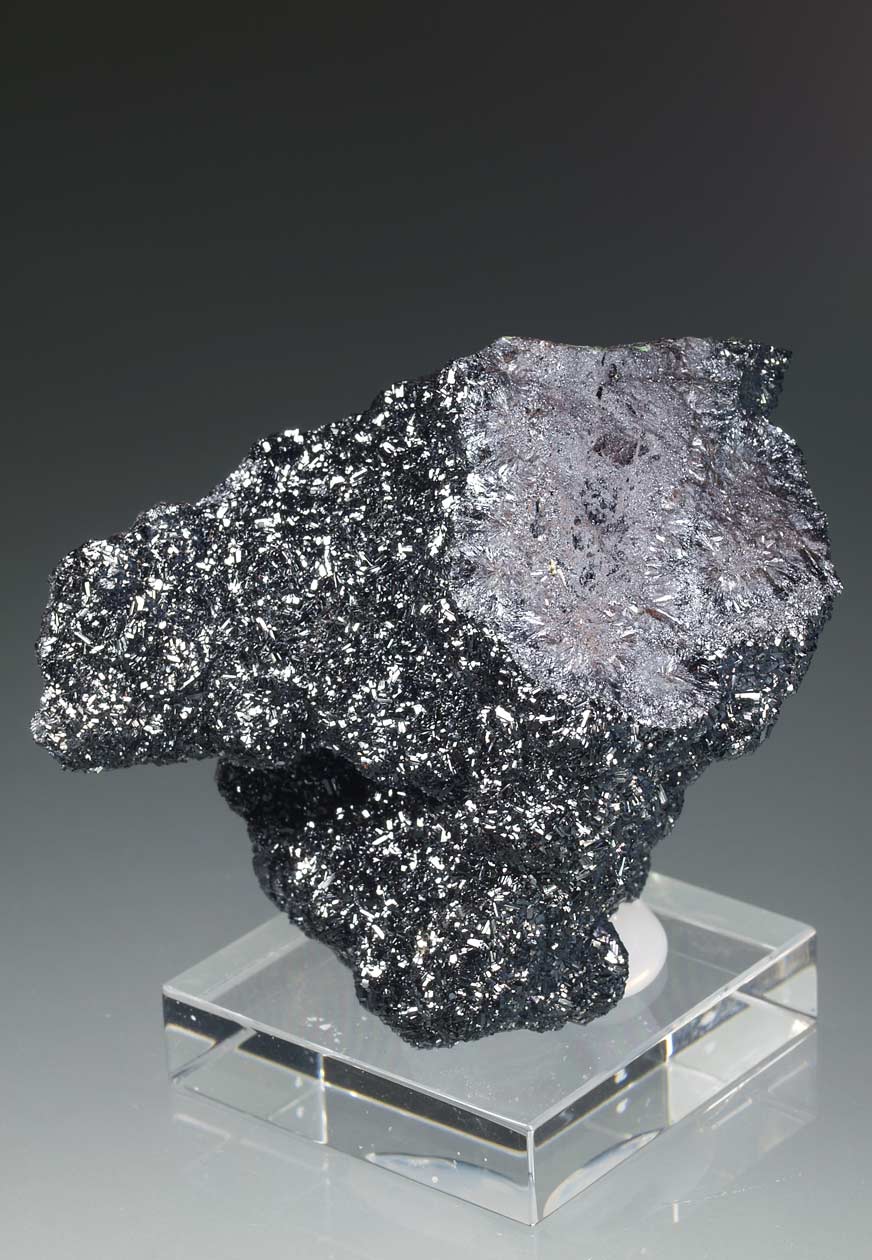
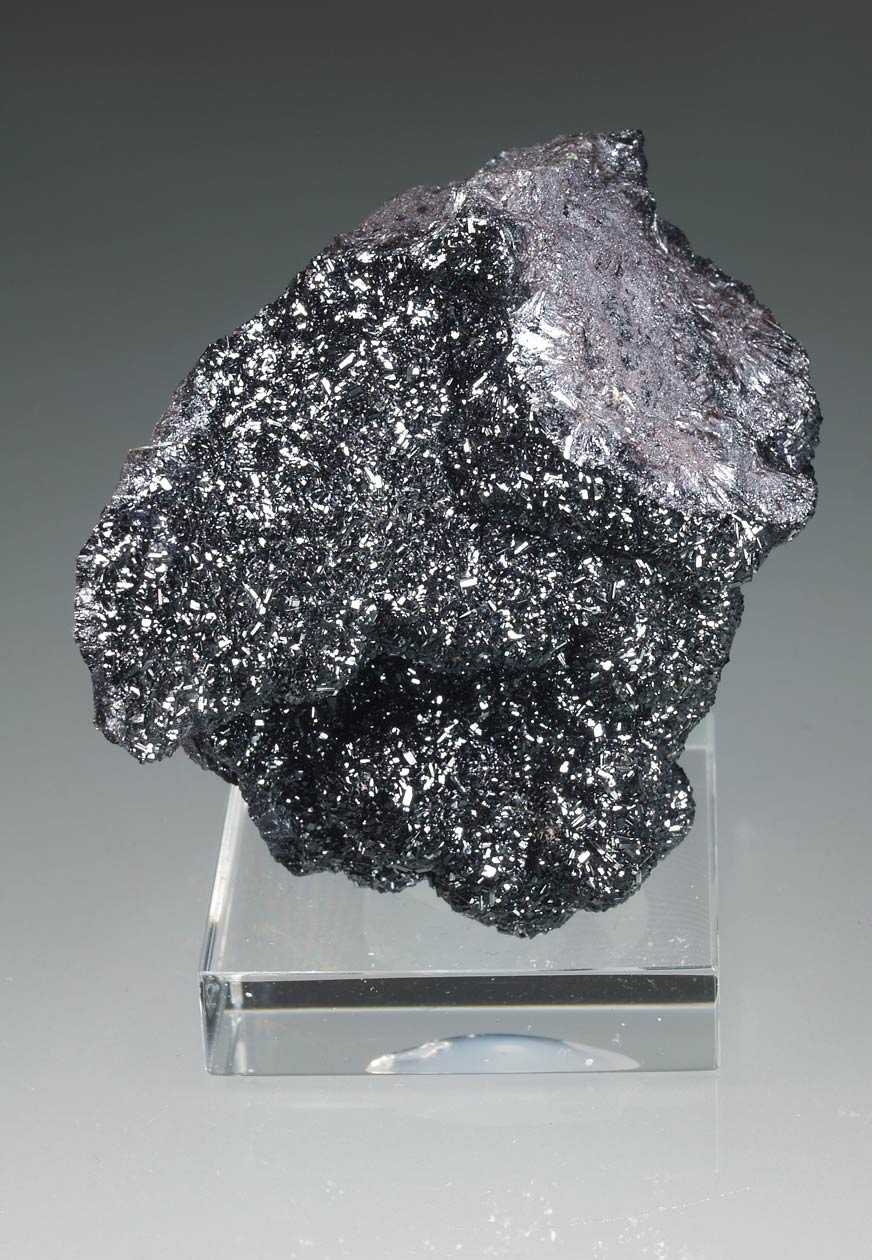
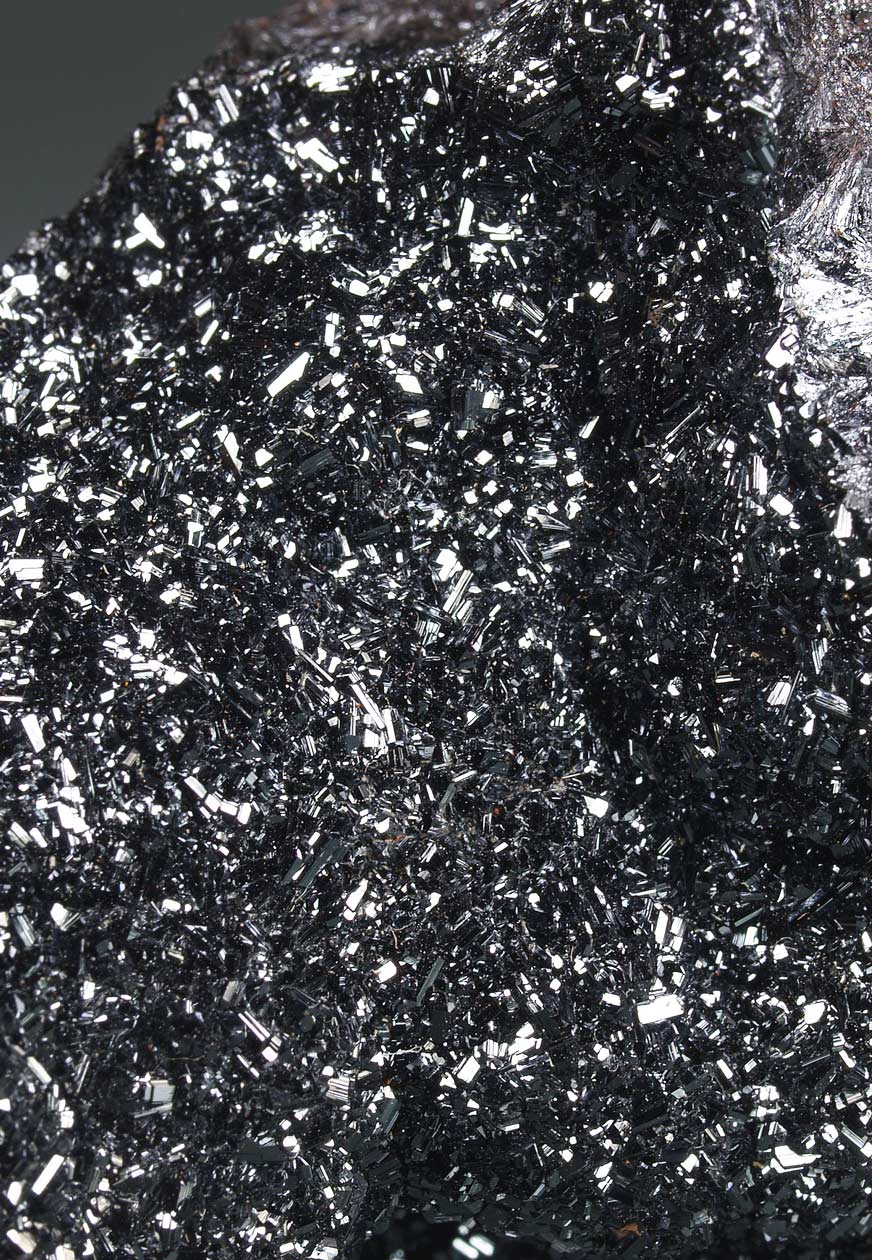
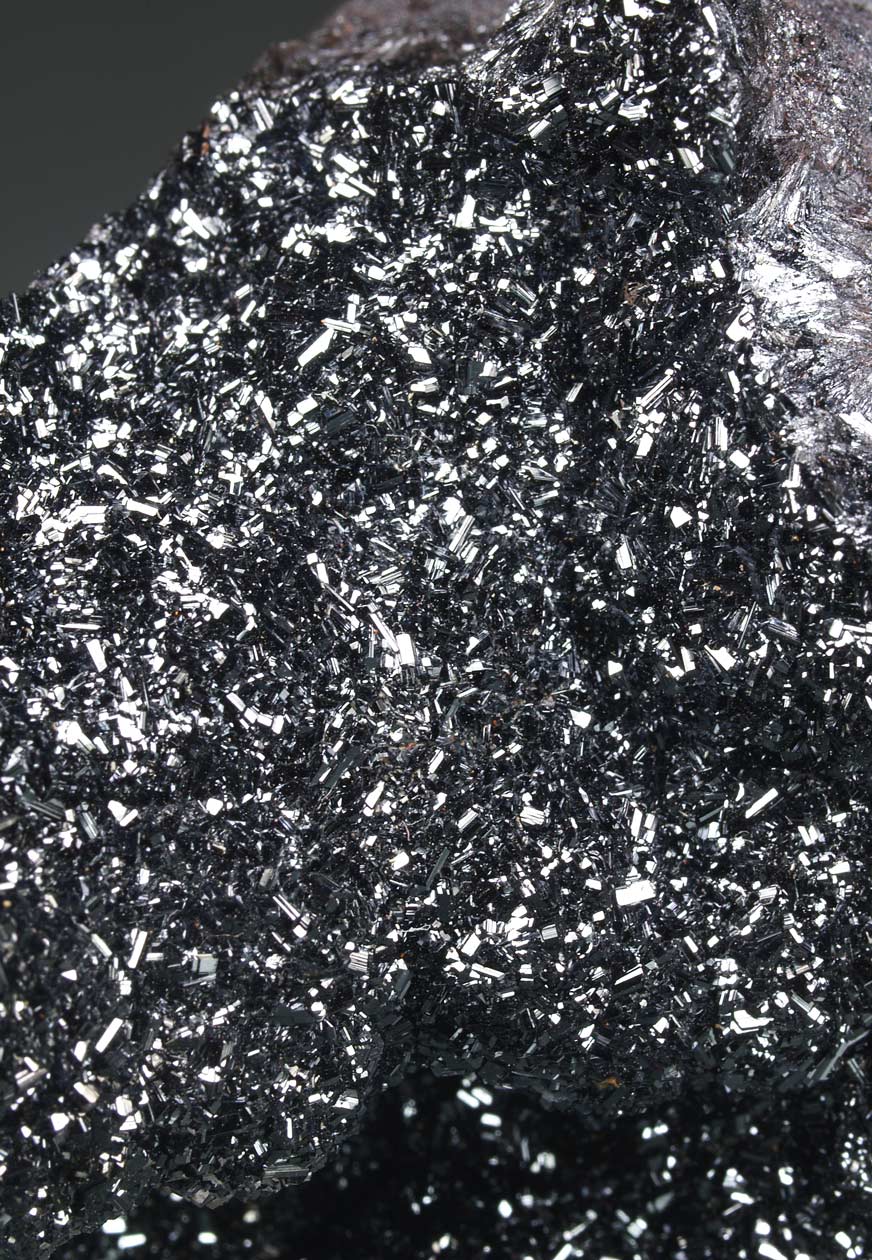
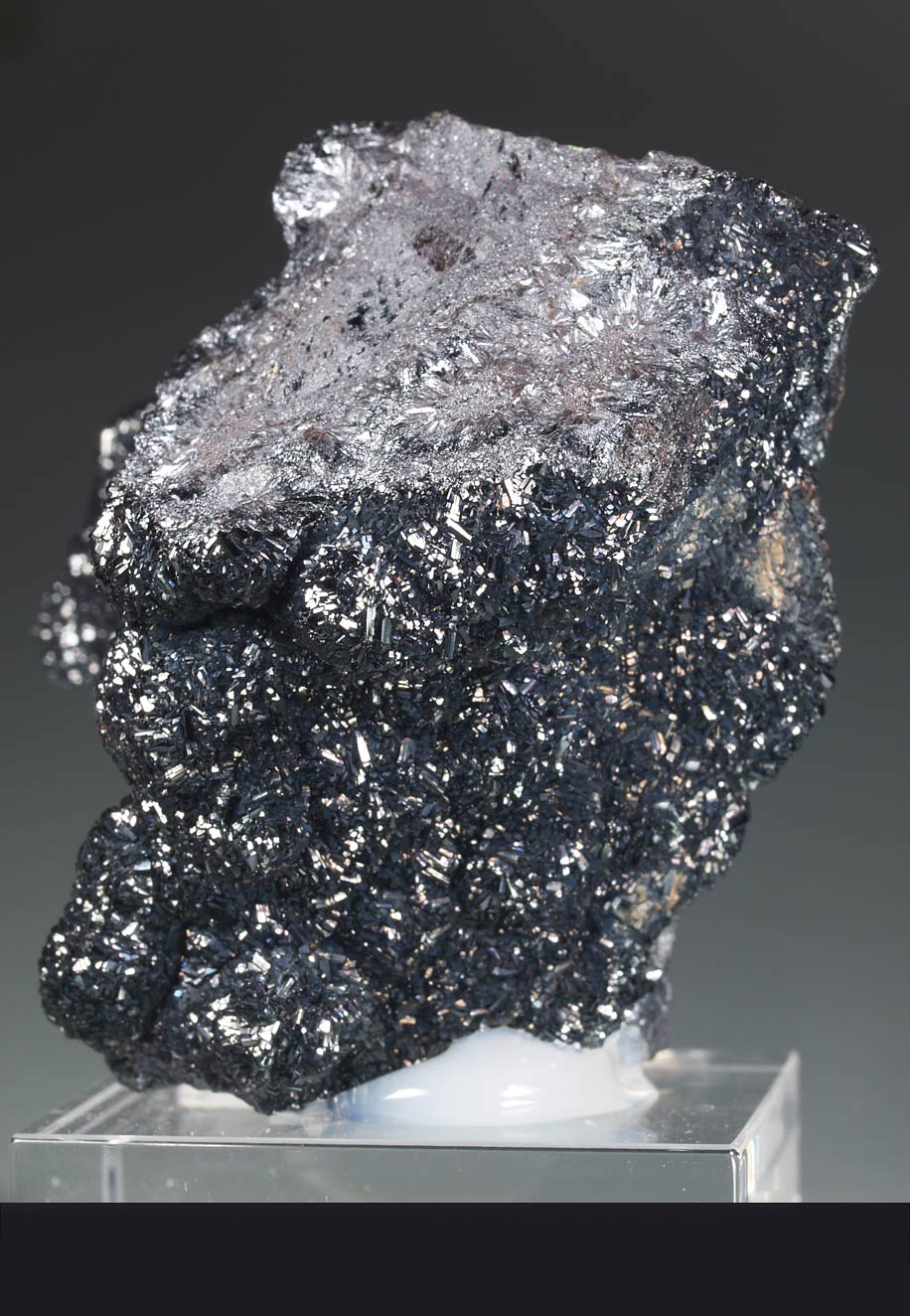
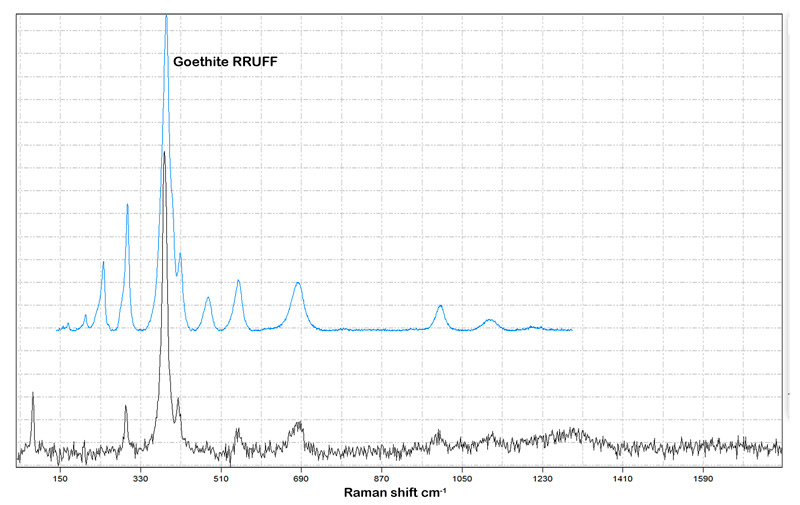
Goethite specimen from this classic French mine, now closed and partially restored, which shows druses of goethite small crystals, defined and very, very bright. Under loupe is incredible. The sparkles of the crystals in the light are spectacular. The specimen was analyzed by Raman spectroscopy to confirm the species.
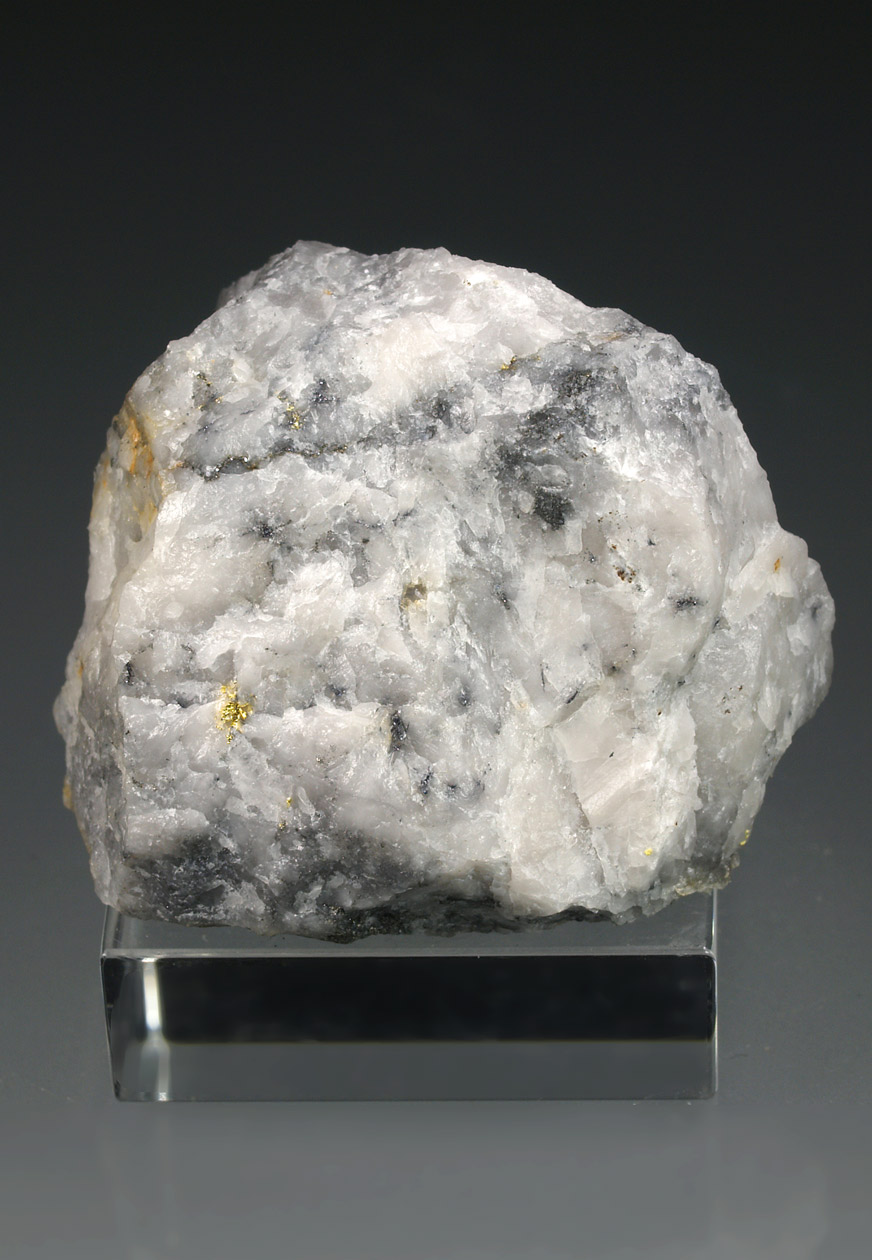


Quartz specimen with groups of crystallized gold. It is accompanied by galena and grey cosalite needles (a bismuth and lead sulfosalt). A gold curiosity of this French mine that was precisely exploited by the "Société des Mines du Bourneix" for the extraction of gold.
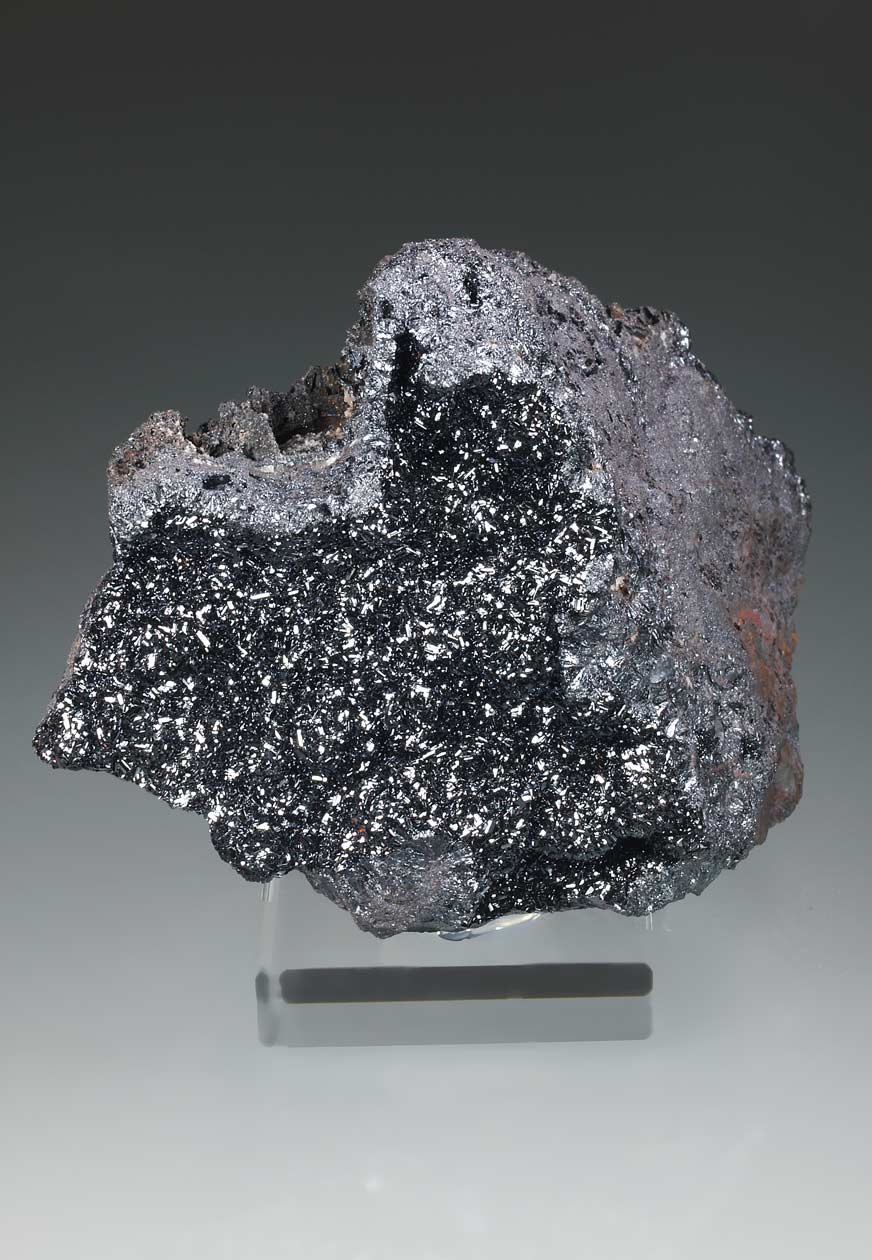


Goethite specimen from this classic French mine, now closed and partially restored, which shows druses of goethite small crystals, defined and very, very bright. Under loupe is incredible. The sparkles of the crystals in the light are spectacular. The specimen was analyzed by Raman spectroscopy to confirm the species.
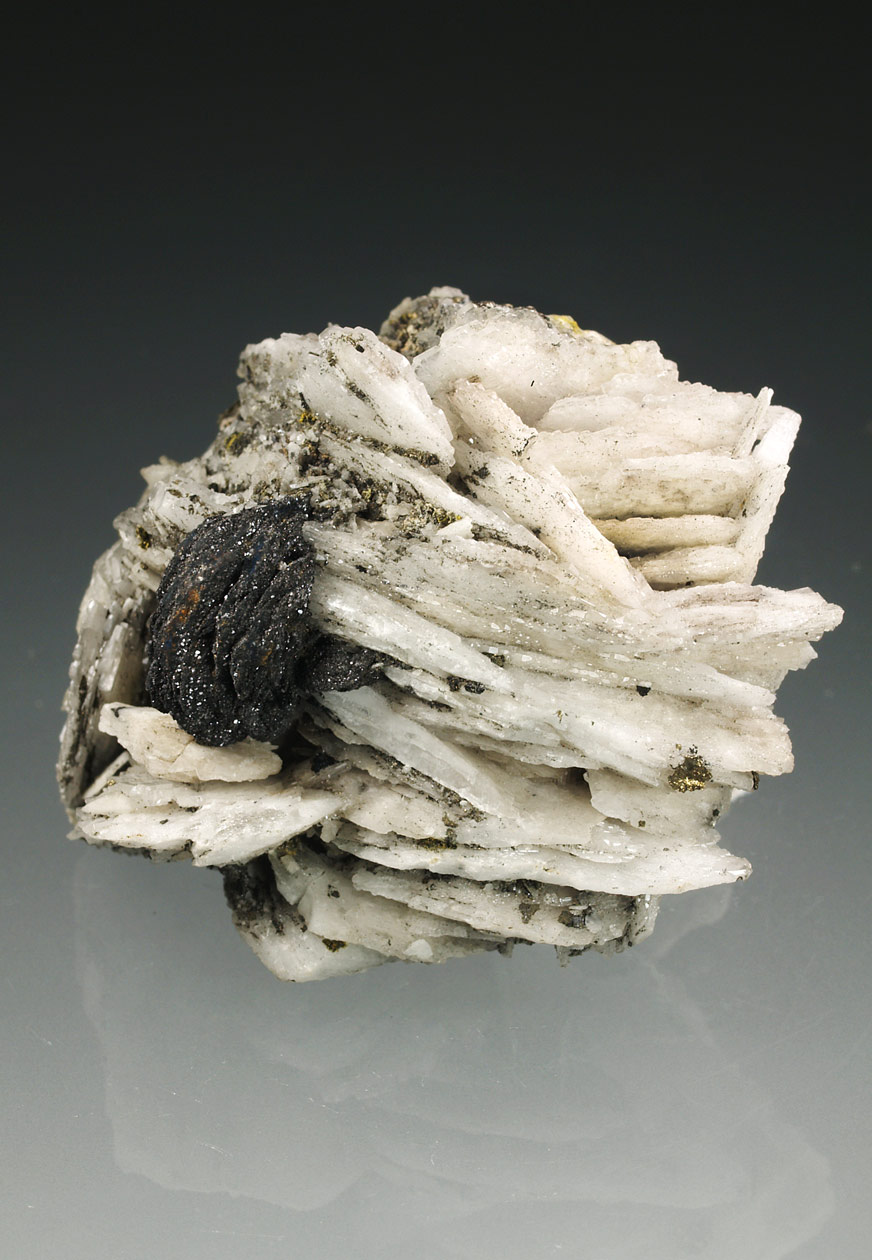

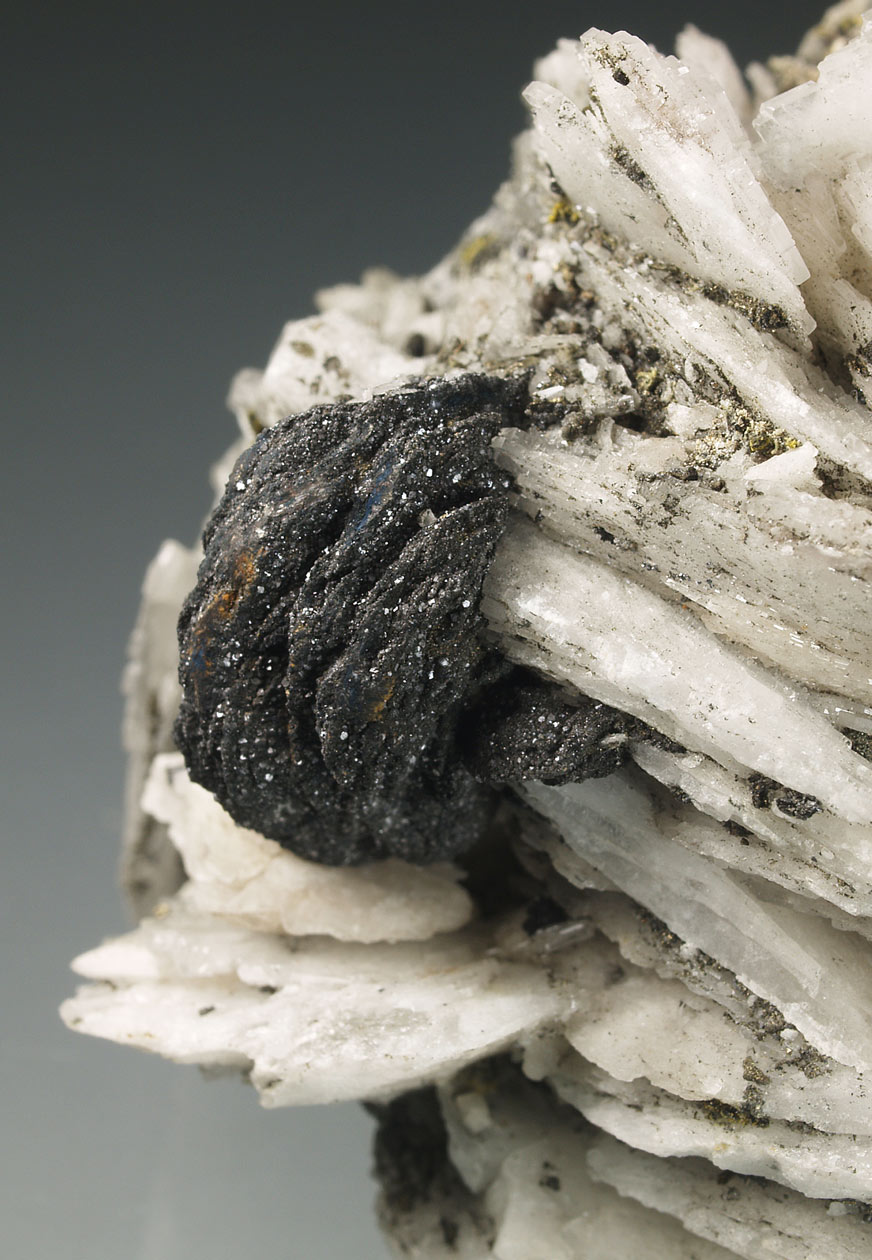
These tspecimens from Les Malines are very rare today. Twinned aggregates of bournonite crystals, partially covered by cube octahedral galena, pyrite and sphalerite. They are disposed on a matrix of baryte crystals. These are classics of the largest deposit of lead and zinc in France, whose exploitation dates back to Roman times.

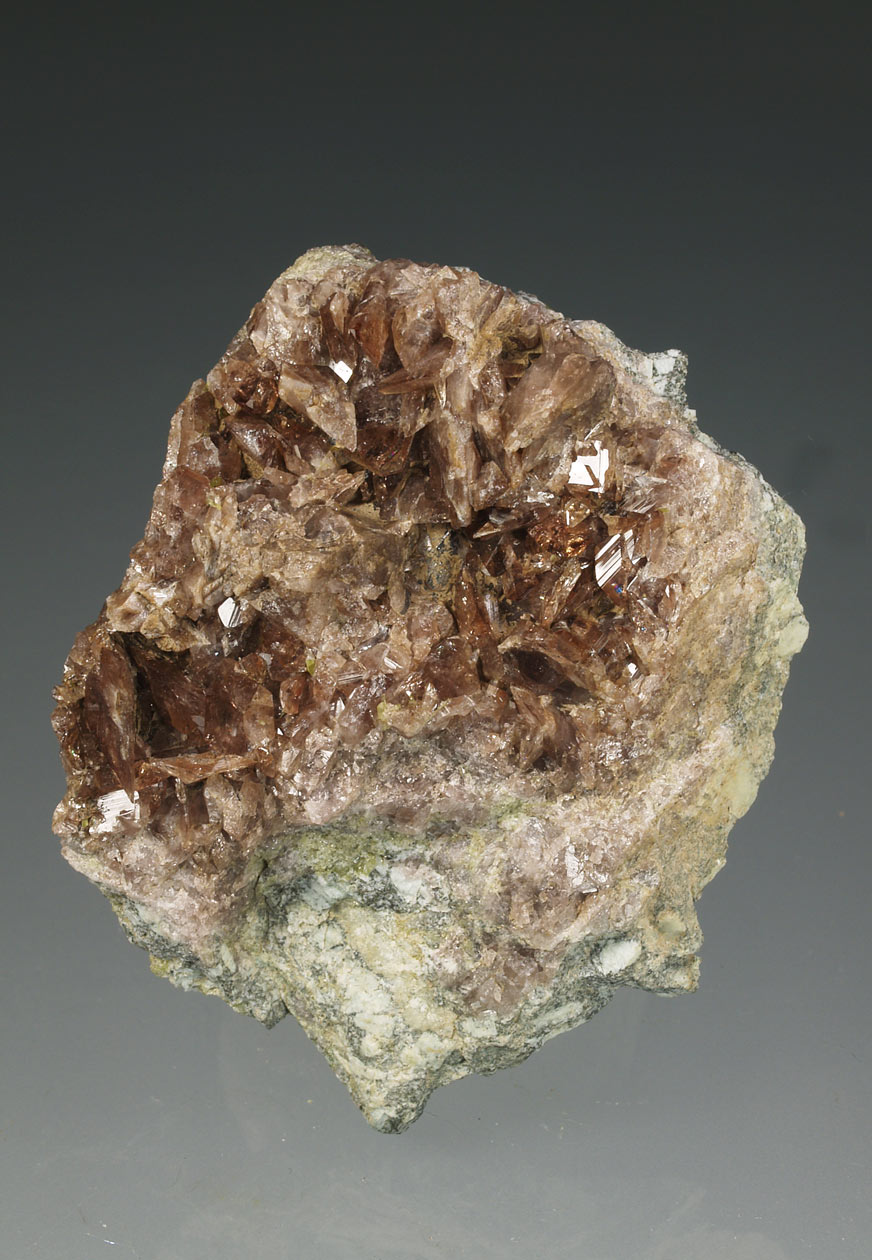


Group of sharp tabular axinite-(Fe) crystals from this classic French locality. Brilliant, transparent to translucent. The piece belongs from the Joan Astor collection and dates from the late 70s.

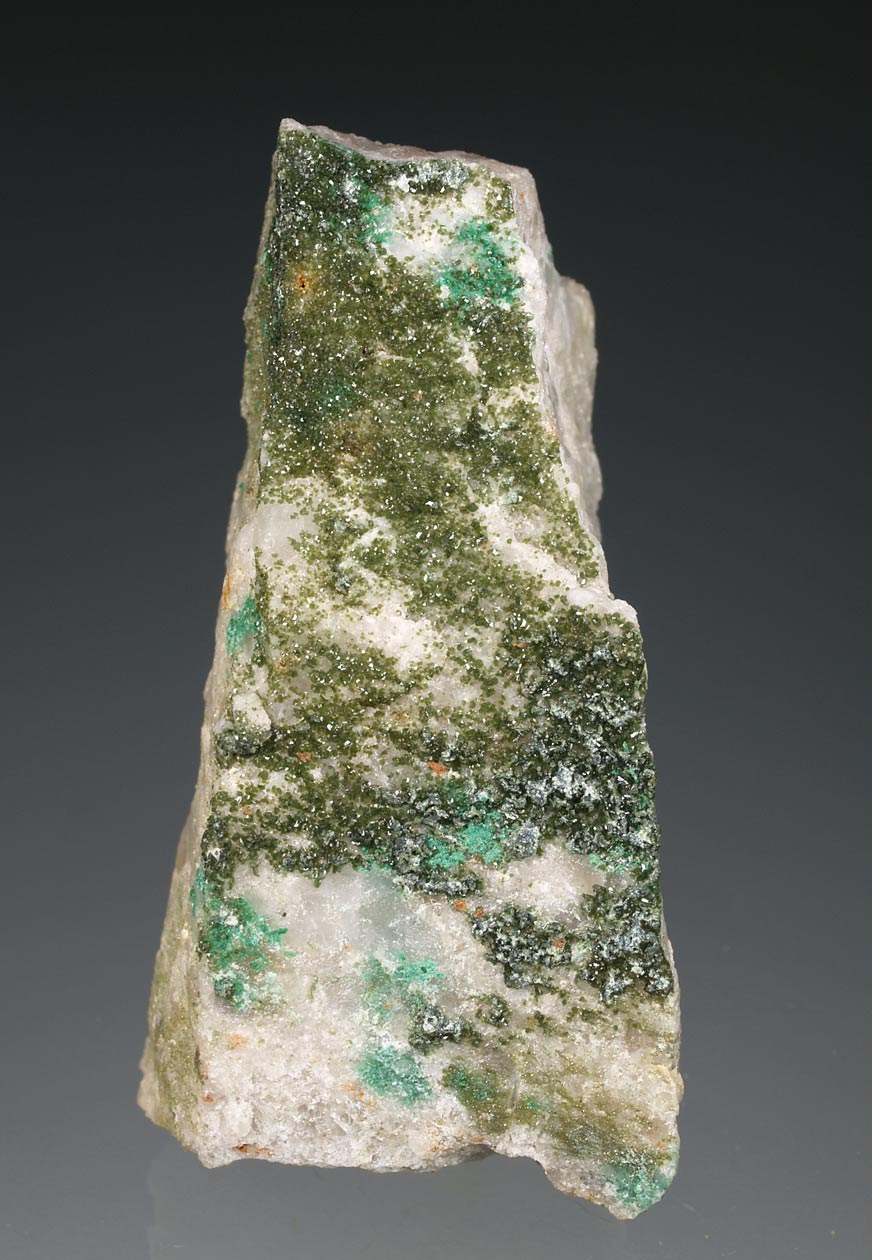


Druse of small prismatic brilliant olivenite crystals, olive green in color, transparent to translucent. They stand out on the quartz matrix. From this classic French mine. It belongs to the Joan Astor collection (Barcelona), with a handwritten label and another typewritten.

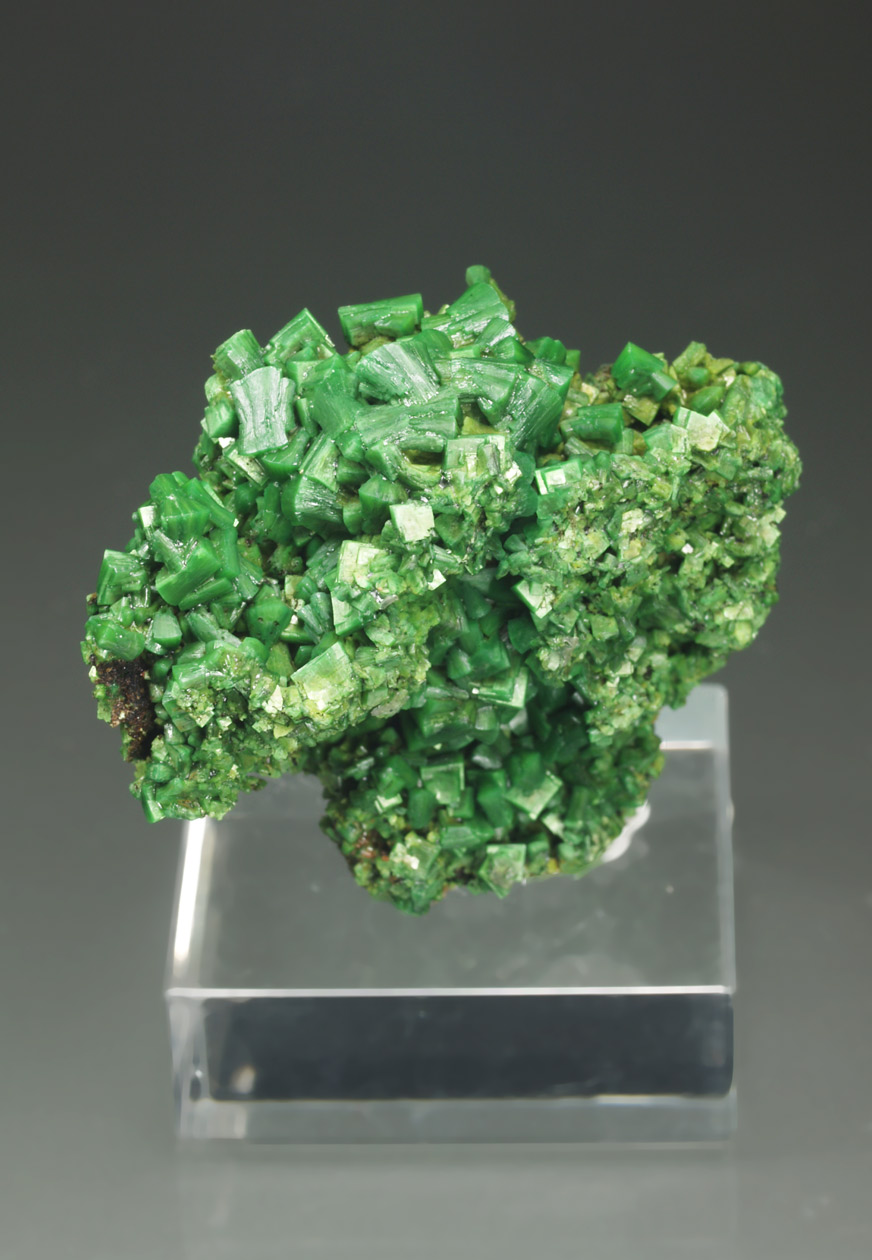


A very rich group of sharp metatorbernite crystals showing tetragonal forms, an intense green color and good luster. It shows polysynthetic and echeloned growths. In some crystals we can observe a yellowish tones in the core which corresponds to metaautunite (fluorescent under UV light). A French mineralogy classic not seen since late 70's.
The walls of the fissures of this mine were covered by smoky quartz crystals. When samples are mined and pull out of the mine, a partially dehydratation occurs (from 12 to 8 H2O molecules) and torbernite become metatorbernite species. Margabal specimens can be classified as metatorbernite.
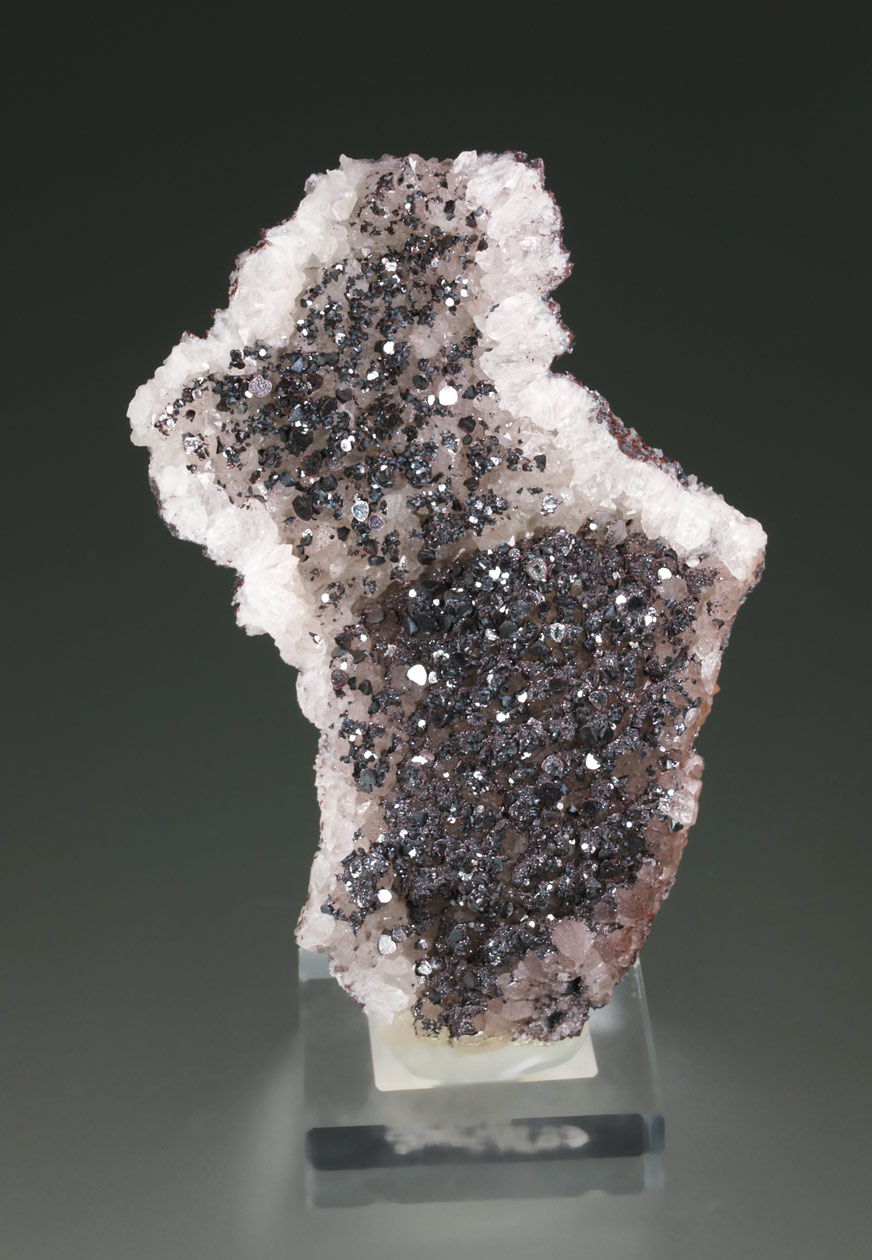


On a druse of quartz crystals we can enjoy numerous aggregates of hematite crystals with a hexagonal to rounded shape and conical growth, very curious, with brilliance and brown to reddish color. These specimens come from a fortuitous find in an area very close to the well-knoewn town of Sainte-Marie-aux-Mines. An aesthetic rarity.
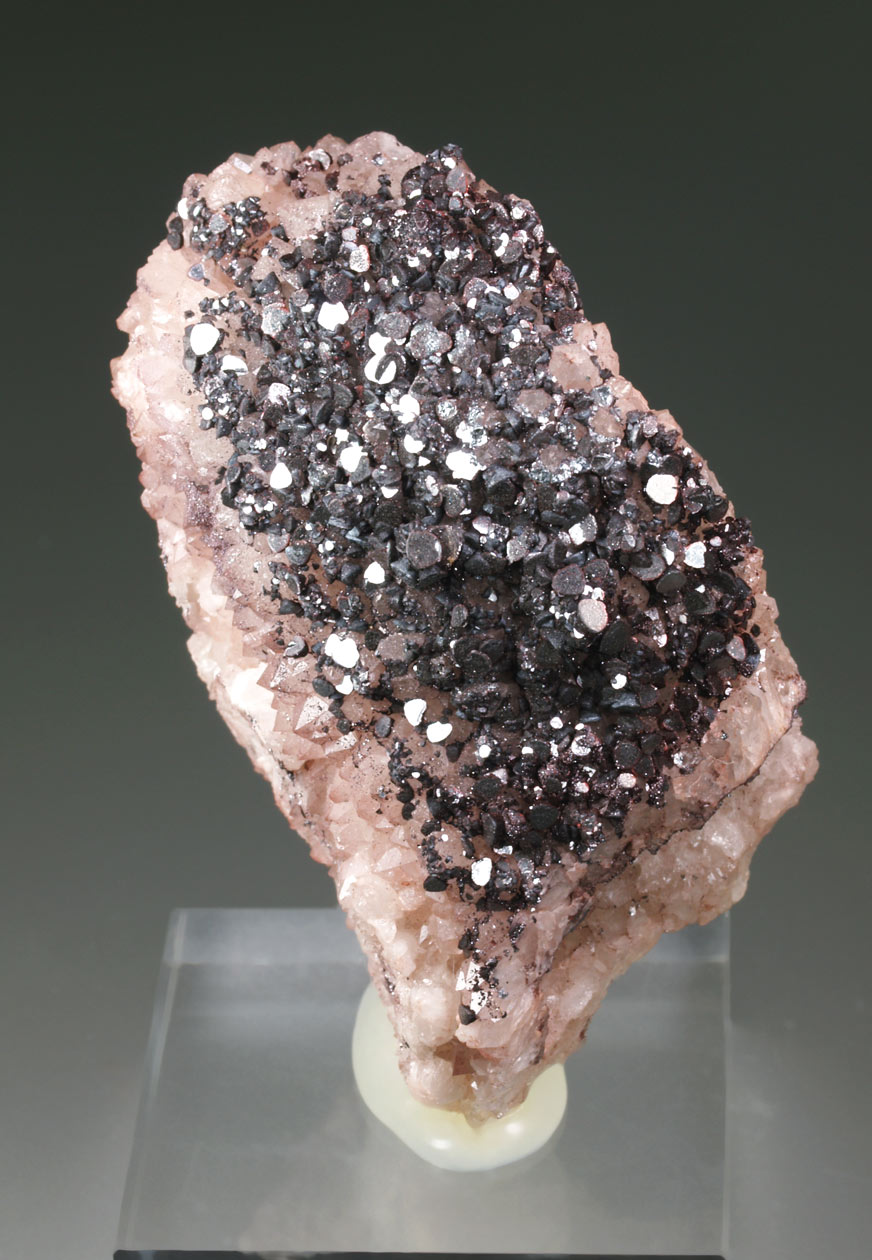

On a druse of quartz crystals we can enjoy numerous aggregates of hematite crystals with a hexagonal to rounded shape and conical growth, very curious, with brilliance and brown to reddish color. These specimens come from a fortuitous find in an area very close to the well-knoewn town of Sainte-Marie-aux-Mines. An aesthetic rarity.
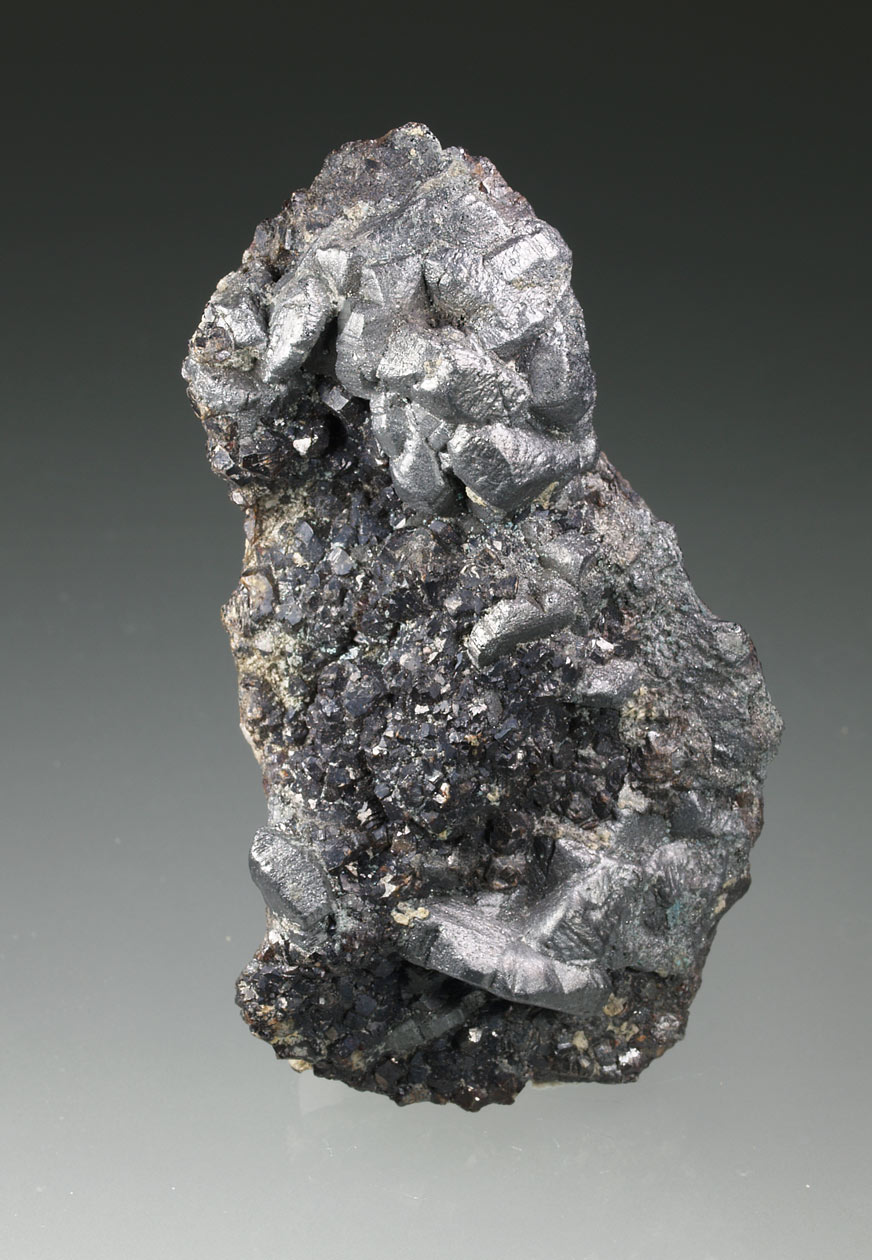


Specimen formed by cyclic twins of bournonite, with gray metallic luster. Theyu have rounded faces and edges, good luster and is disposeded on a matrix of defined crystals of sphalerite toasted honey to black tones. A classic from this French mine.
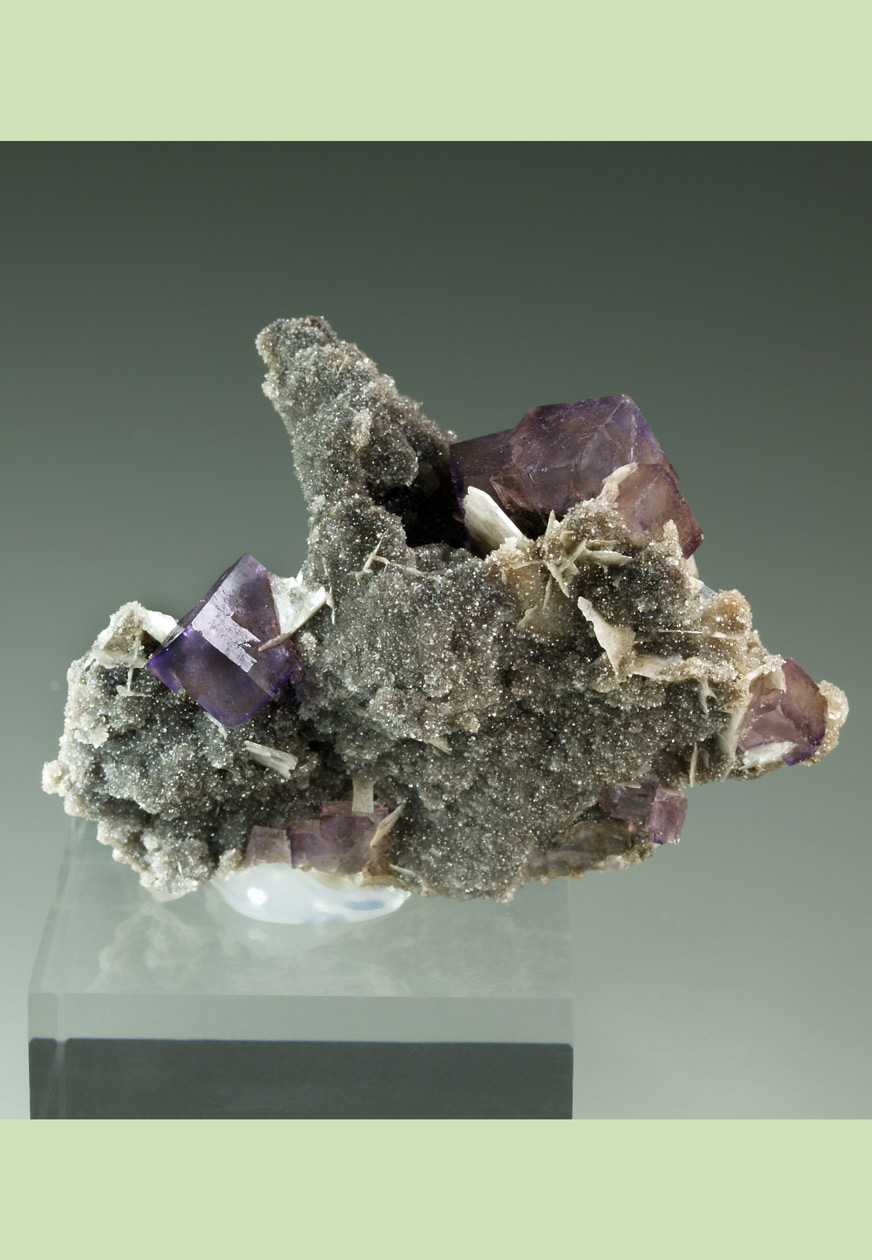


Very rich specimen formed by good size sharp crystals of fluorite, with cubic habit, and very well defined faces and edges, good transparence, intense color between purple and violet with intense zoning. This color zoning becomes very evident when the crystals are exposed to the ultraviolet light (LW), since the fluorescence also presents this zoned cubic geometry. They are accompanied by several tabular crystals of baryte on a matrix layered by small quartz crystals.
These specimens come from the town of Bergheim, known for being on the Alsace wines route. Although fluorite crystals were already known in some of the mining works of the area, these specimens come from a work done in a "domaine" (vineyard) in 2017.

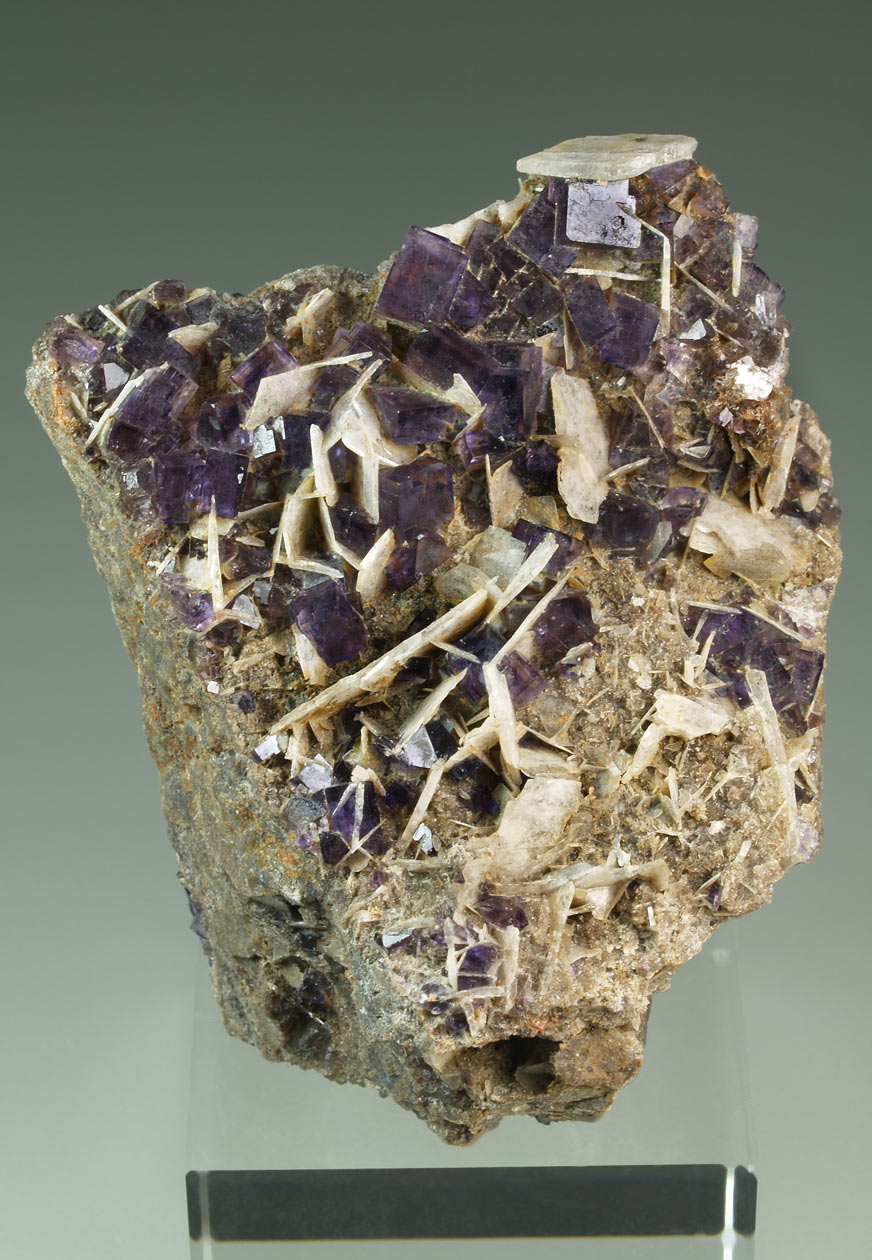


Very rich specimen formed by numerous sharp crystals of fluorite, with cubic habit, and very well defined faces and edges, good transparence, intense color between purple and violet with intense zoning. This color zoning becomes very evident when the crystals are exposed to the ultraviolet light (LW), since the fluorescence also presents this zoned cubic geometry. They are accompanied by several tabular crystals of baryte on a matrix layered by small quartz crystals.
These specimens come from the town of Bergheim, known for being on the Alsace wines route. Although fluorite crystals were already known in some of the mining works of the area, these specimens come from a work done in a "domaine" (vineyard) in 2017.

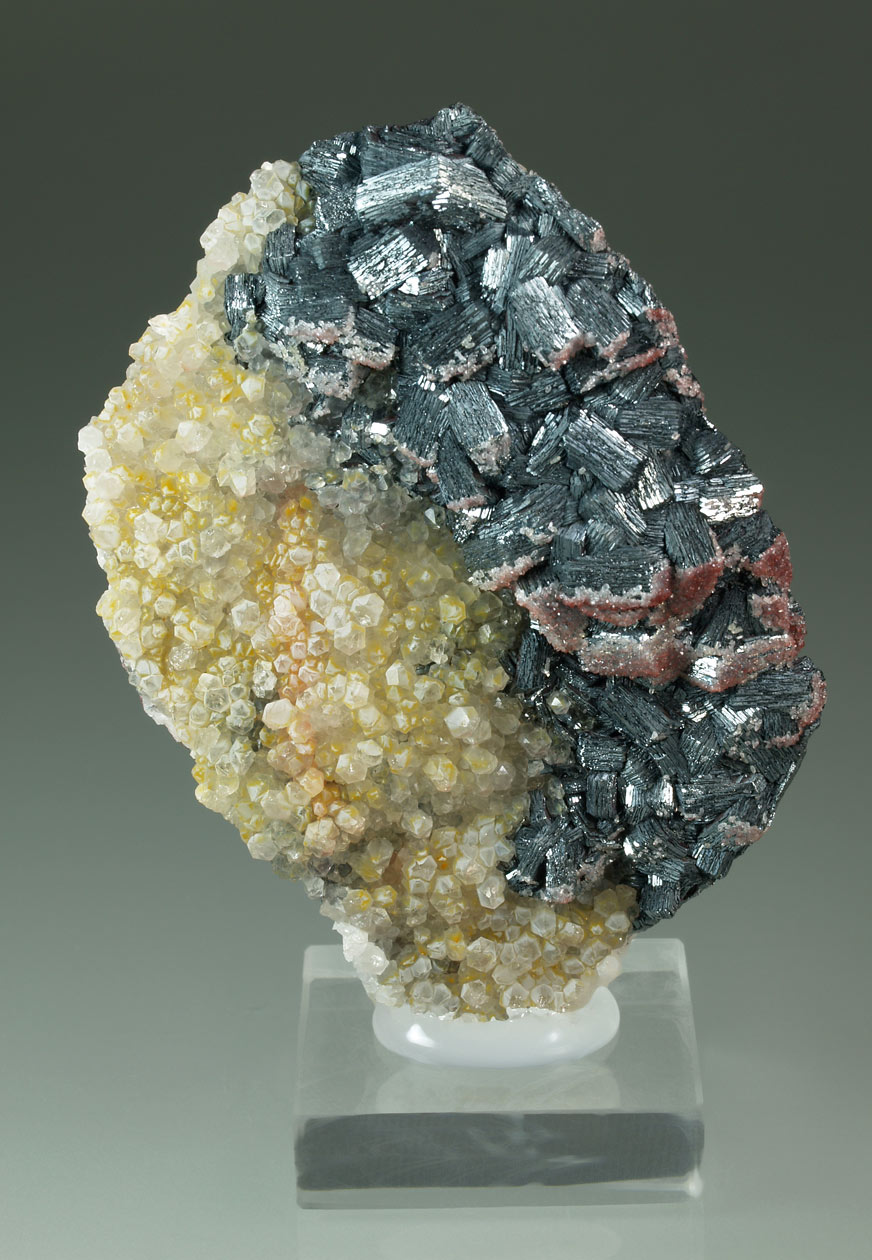


This brilliant specimen is an old time hematite from "Le Brézouard", a early 80's finding in the area of Sainte-Marie-aux-Mines. These specimens show a very characteristic hexagonal shape formed by several tabular to laminar brilliant hematite crystals forming aggregates interpenetrated and on a quartz matrix. In this specimen highlights the visibility of the quartz crystals of the matrix, unusual, and the aggregates of small doubly terminated crystals of quartz on the hematite. A very aesthetic and classic specimen for the mining area of Sainte-Marie area.
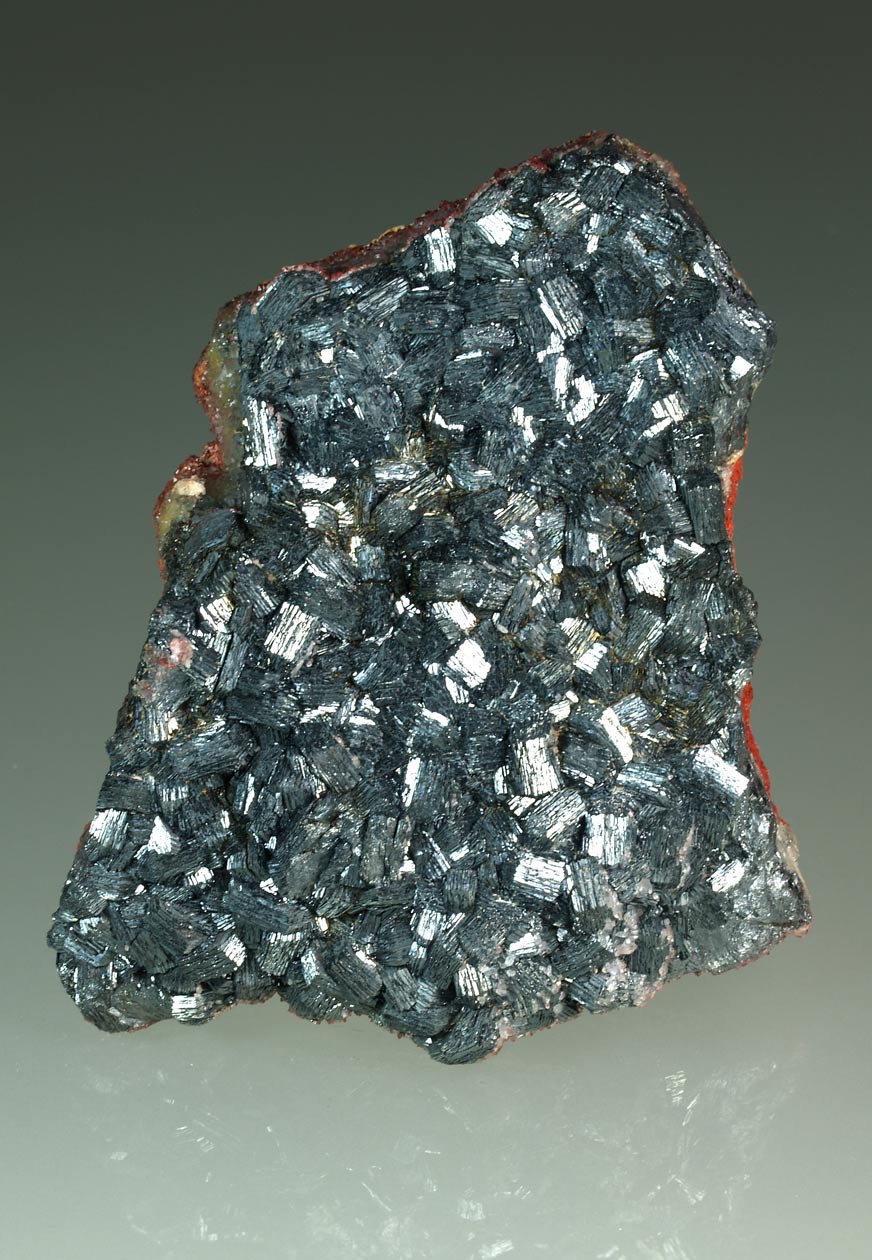


This good size brilliant specimen is an old time hematite from "Le Brézouard", a early 80's finding in the area of Sainte-Marie-aux-Mines. These specimens show a very characteristic hexagonal shape formed by several tabular to laminar brilliant hematite crystals forming aggregates interpenetrated and on a quartz matrix. A really classic specimen for French and "Sainte-Marie" mineralogy.