- Home About RM Minerals
- Virtual Photo Museum Blog RM Contact
- Microscopy and instruments How to Buy Disclaimer
Copyright 2010-2026
www.rosellminerals.com



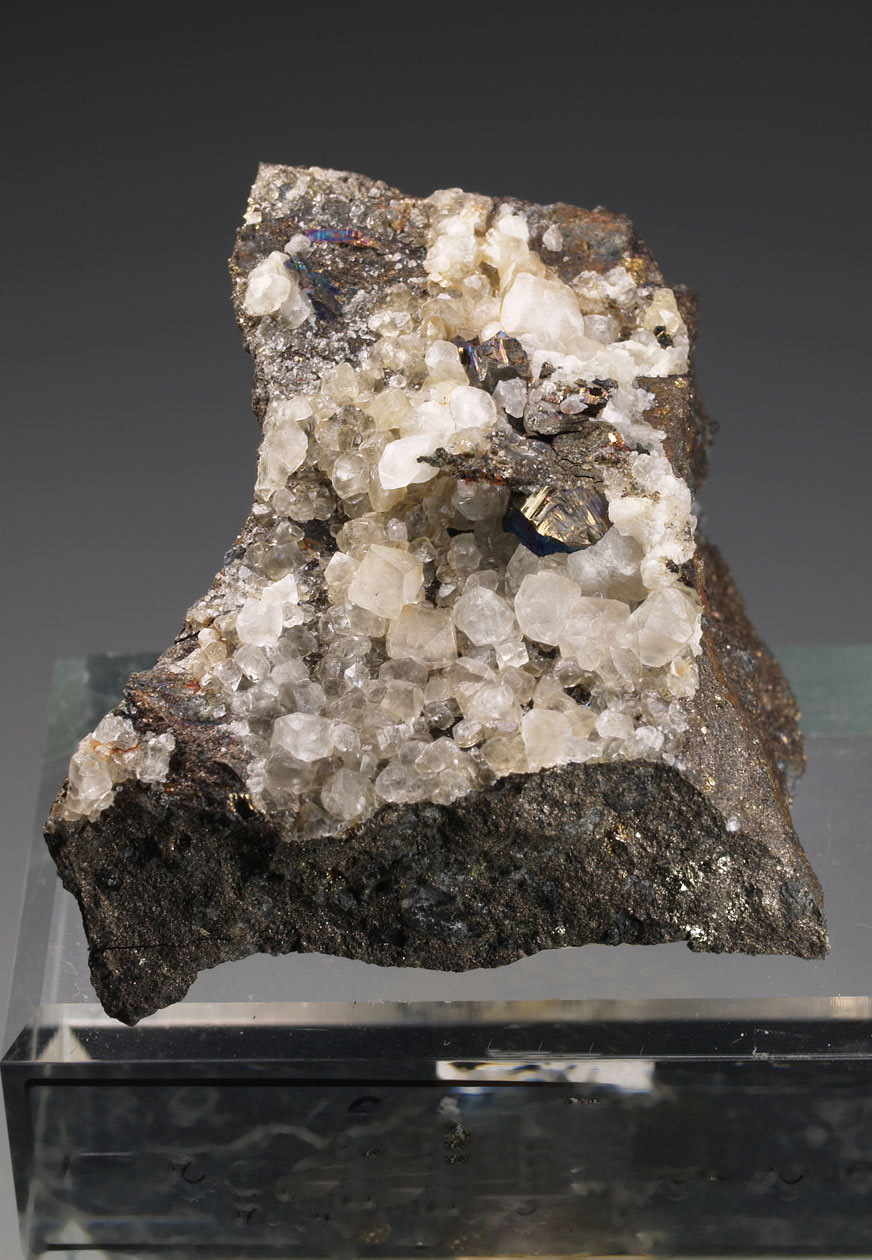
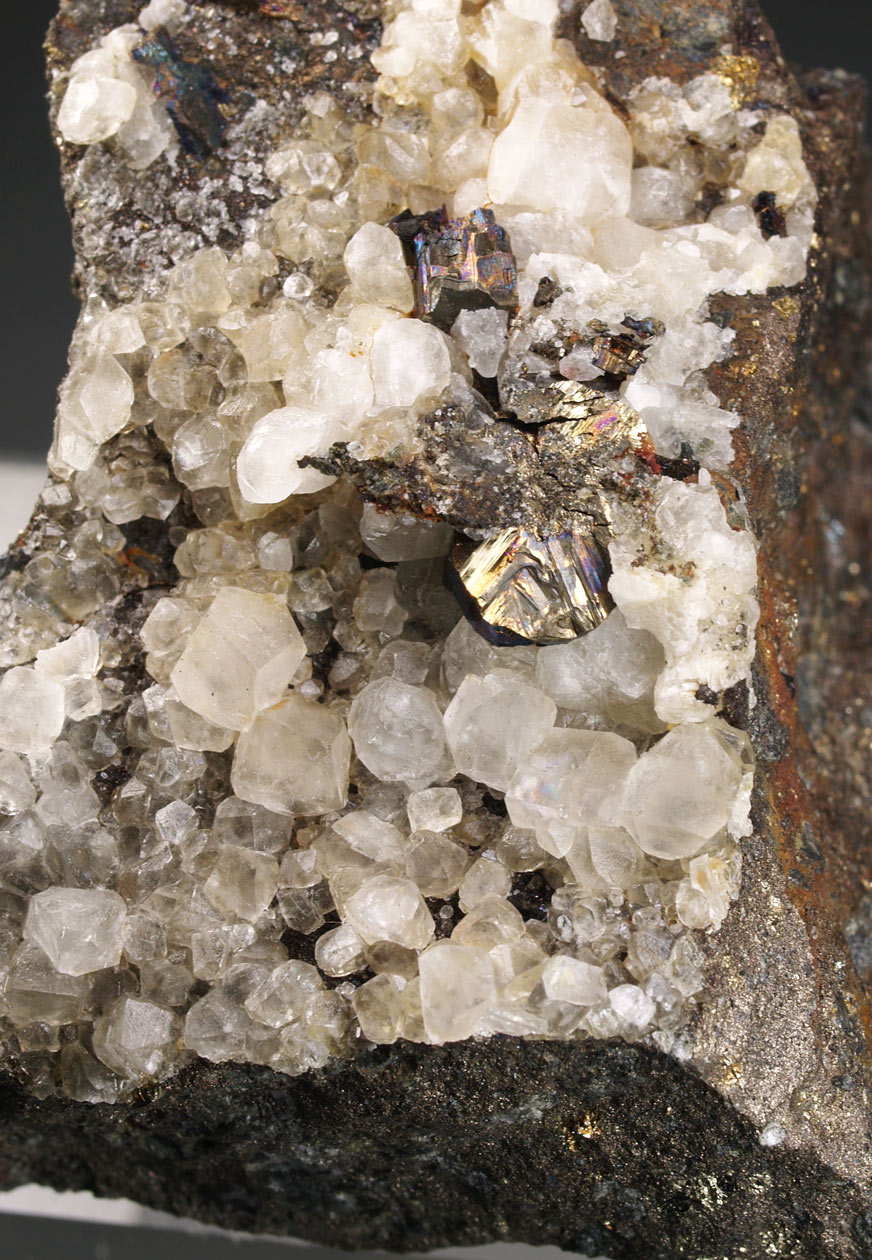
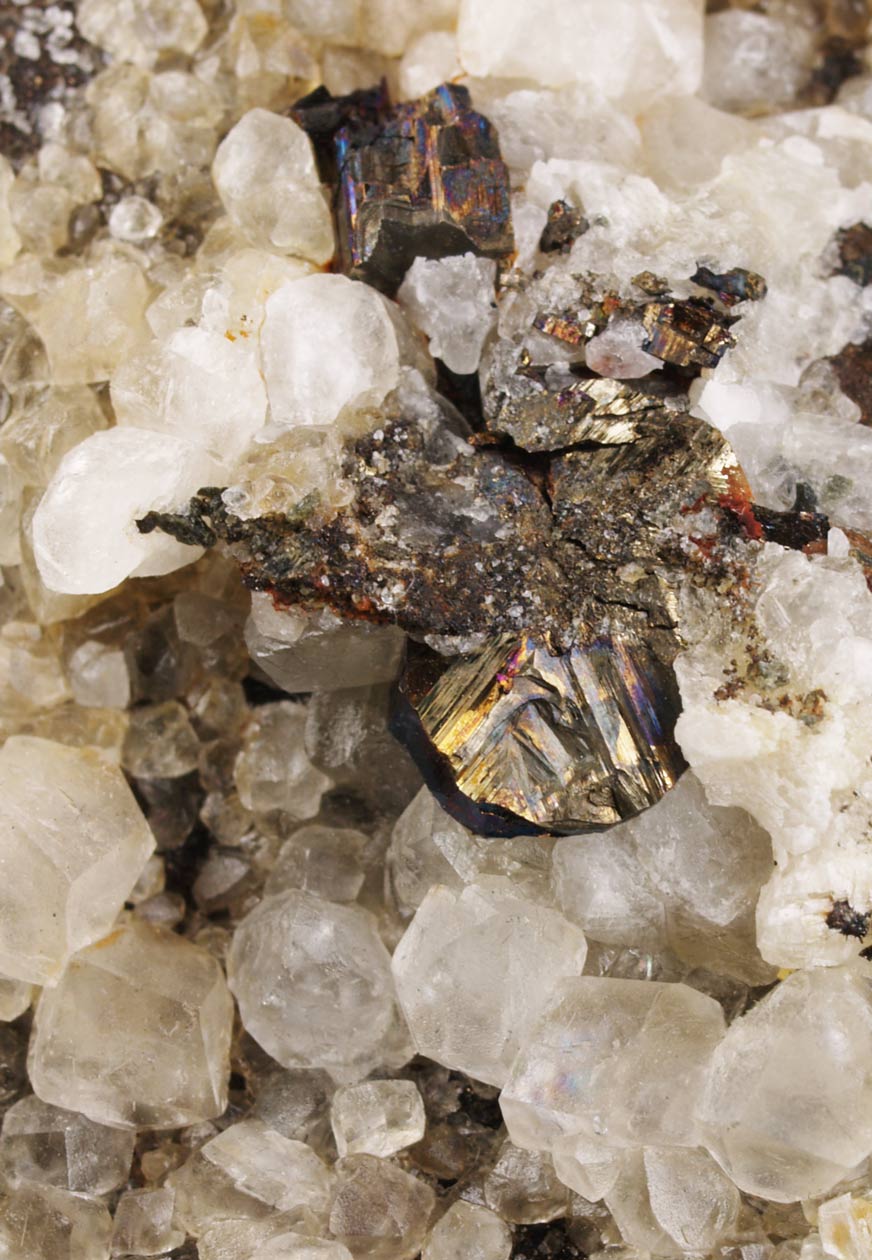
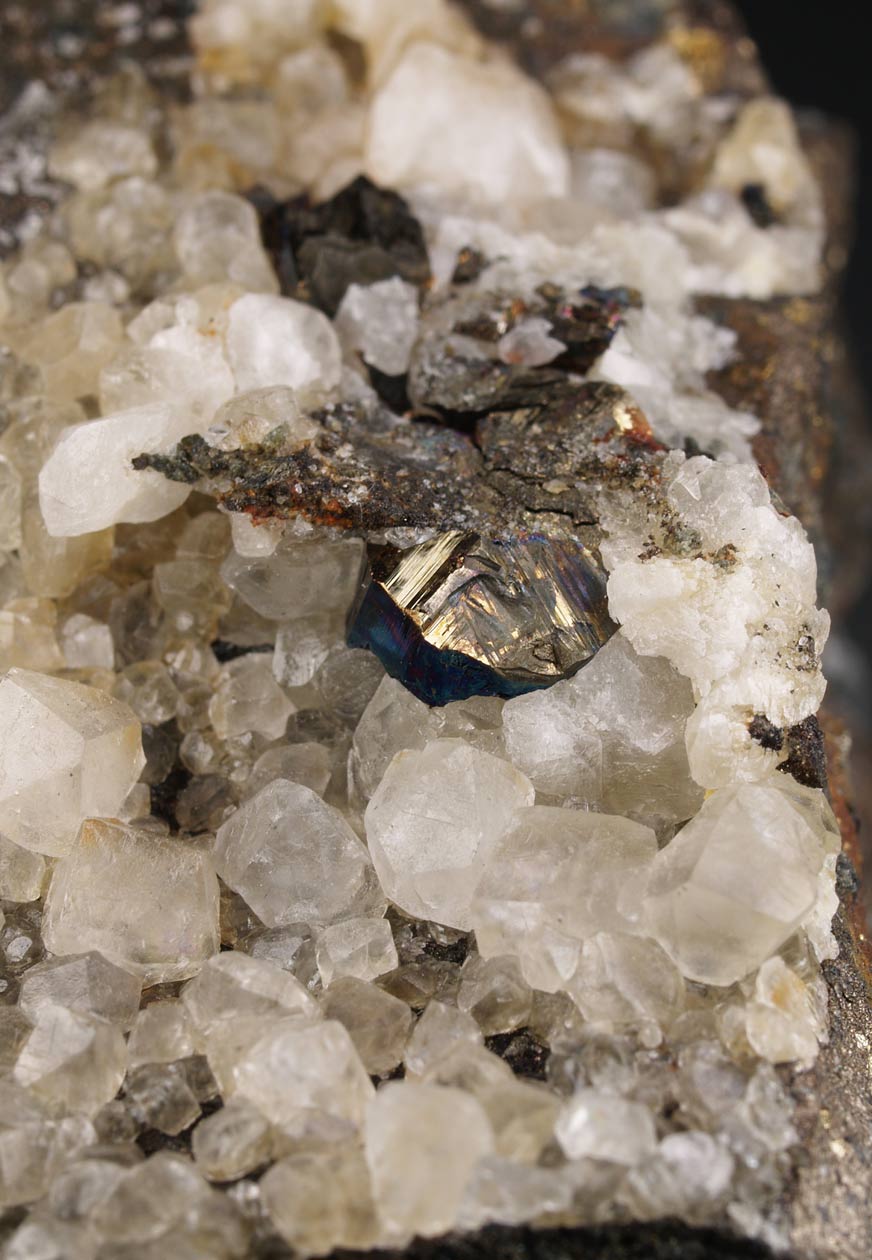
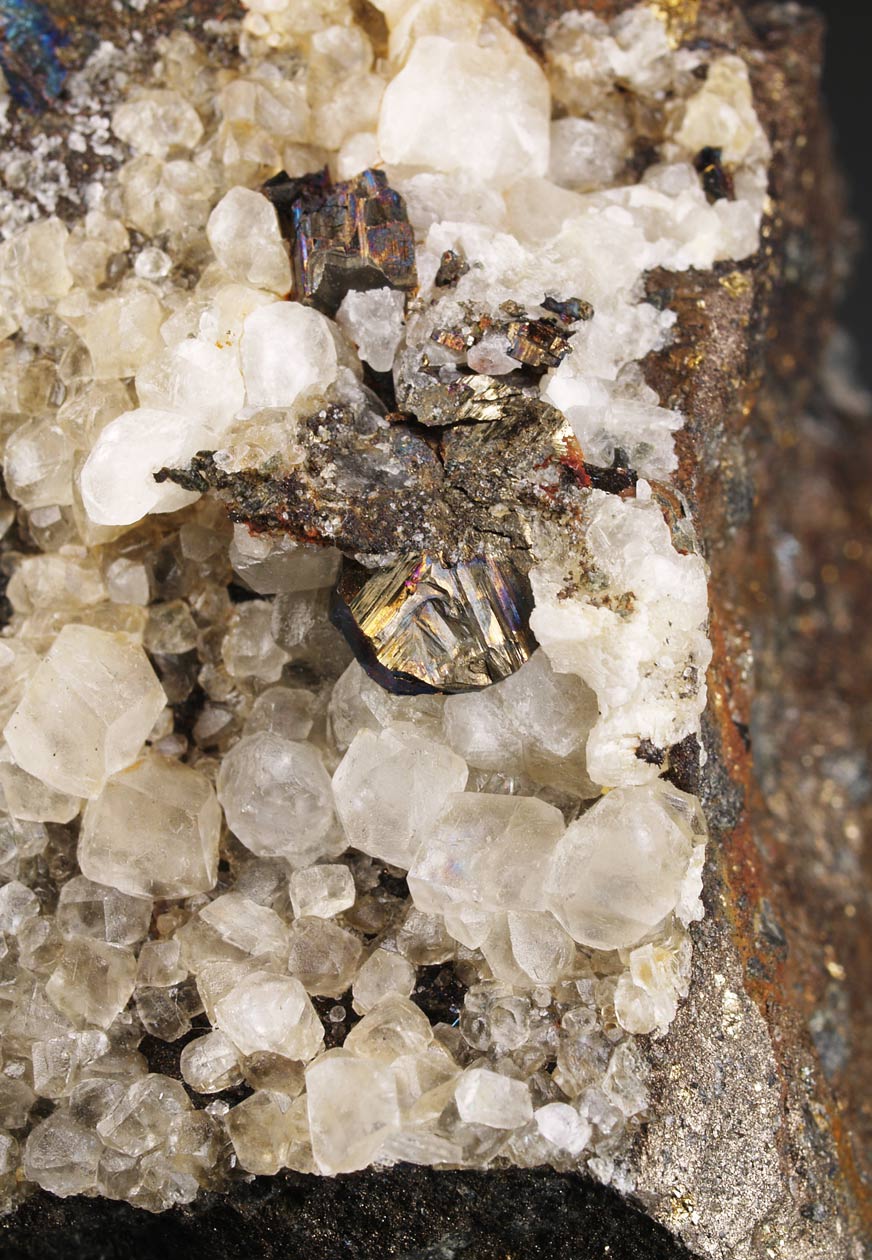
This specimen shows a group of twinned cubanite crystals. They exhibit excellent luster, iridescence, twin faces and striations, and is complete. The rarity of this material makes it highly desirable for collectors. It comes from the classic Canadian locality for this species.
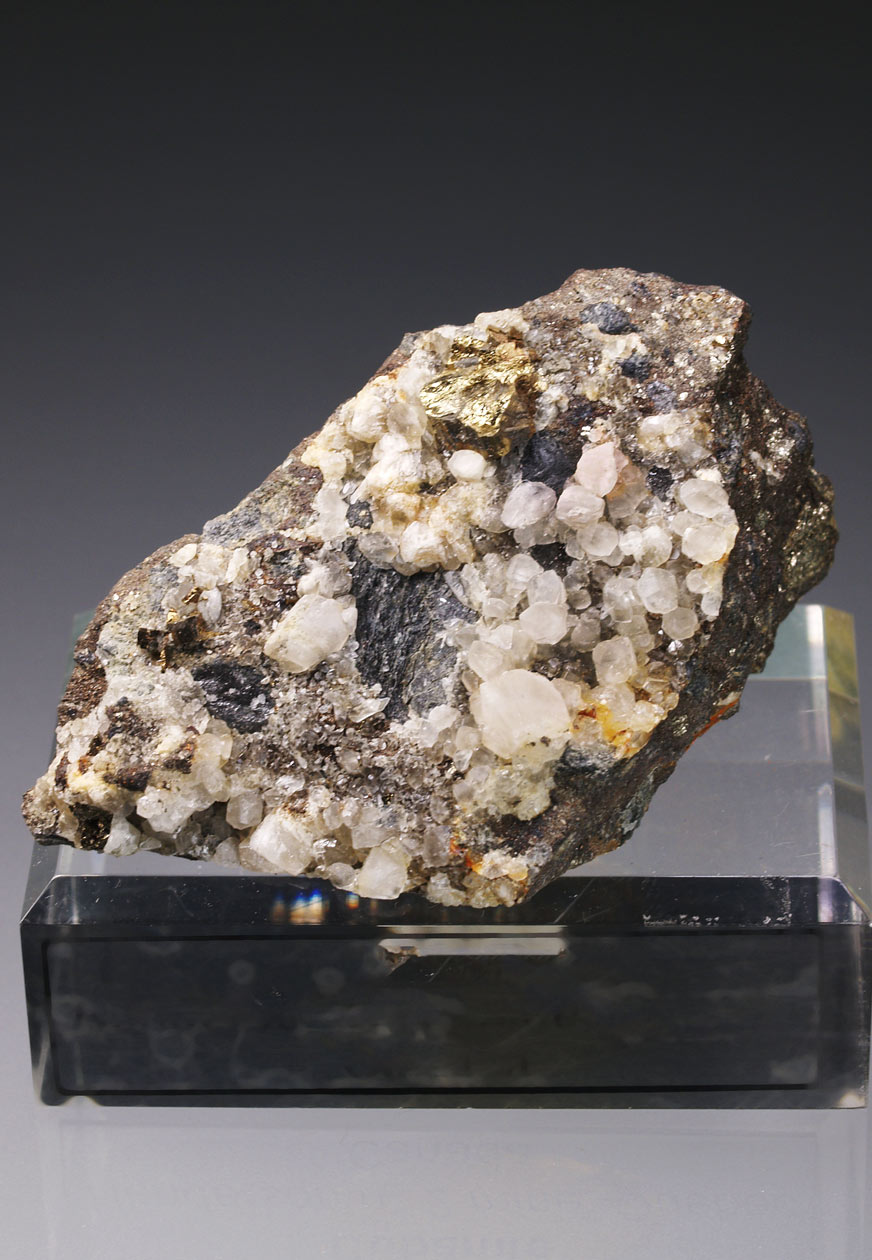
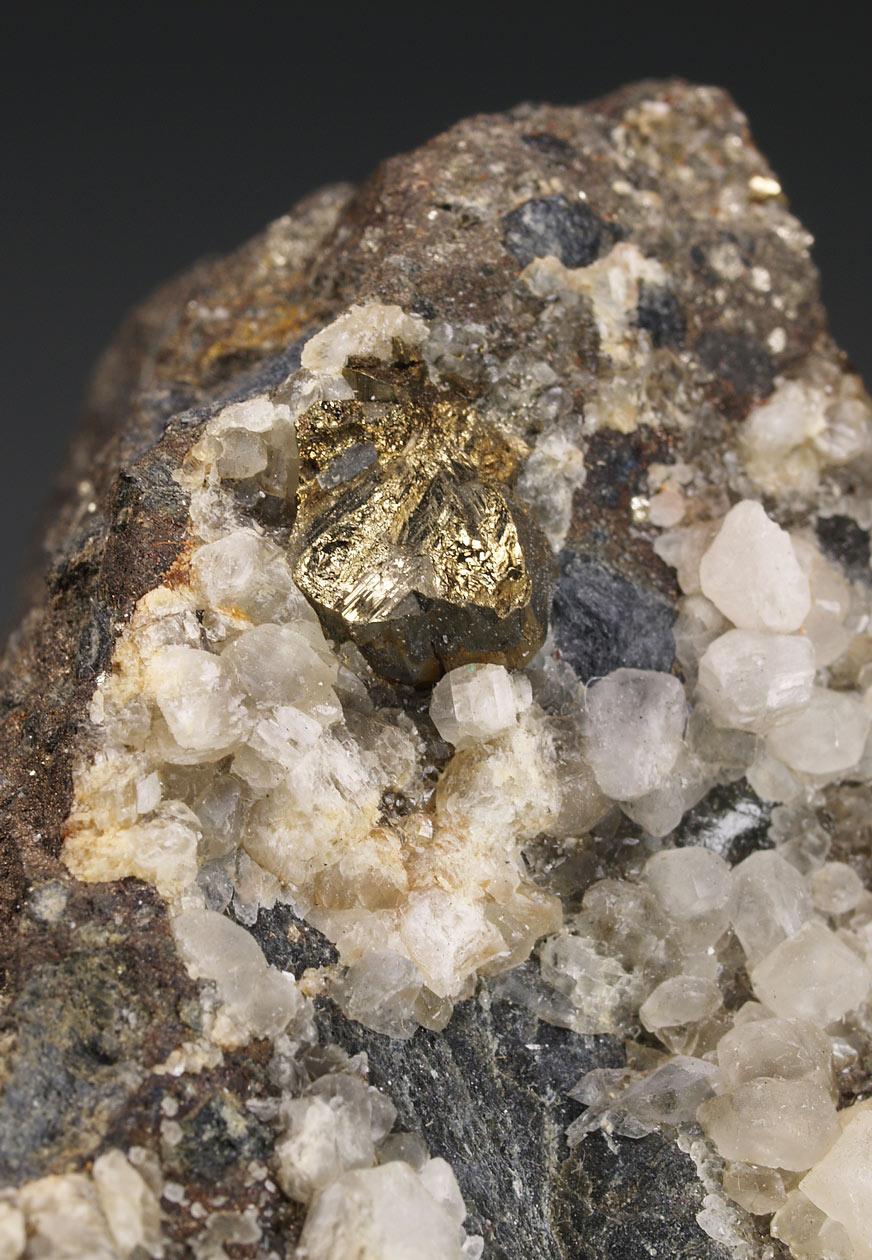
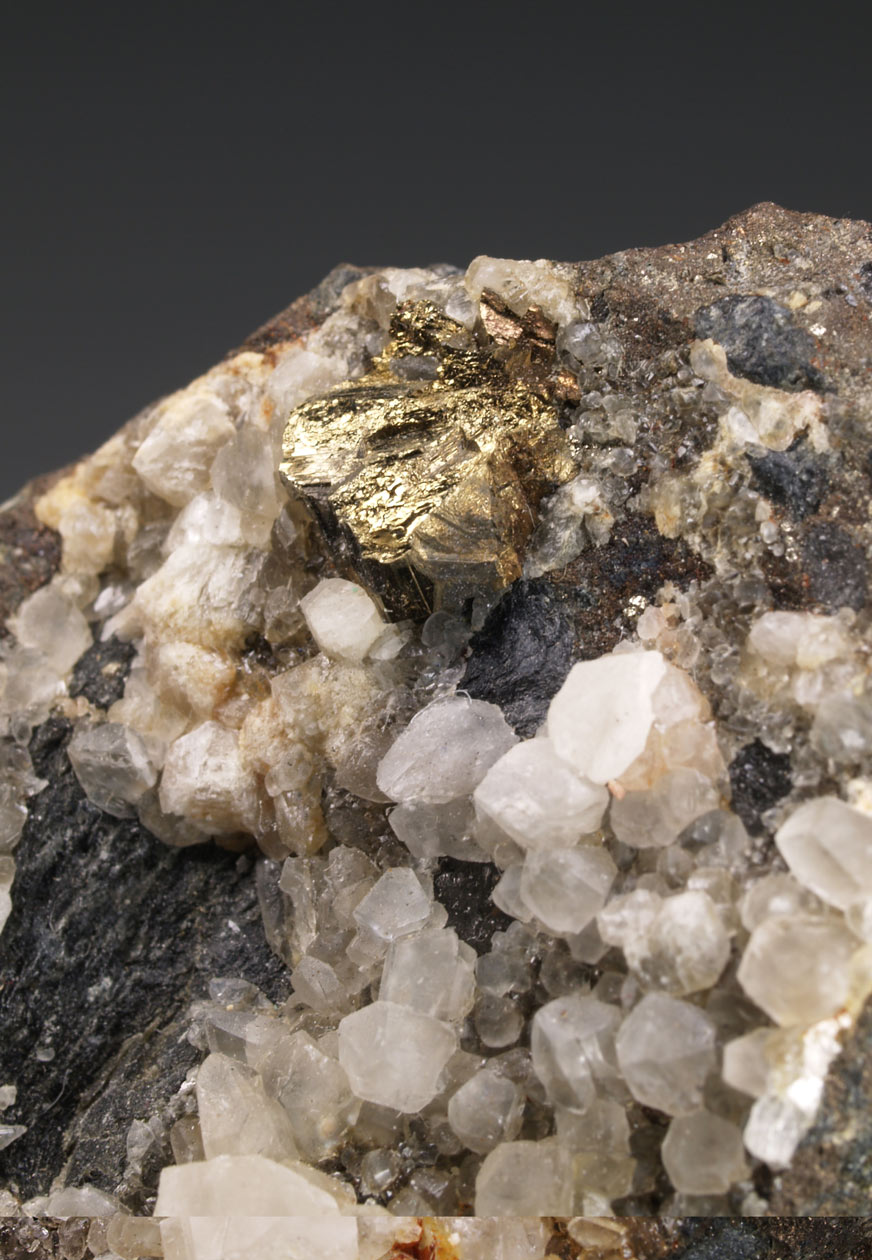
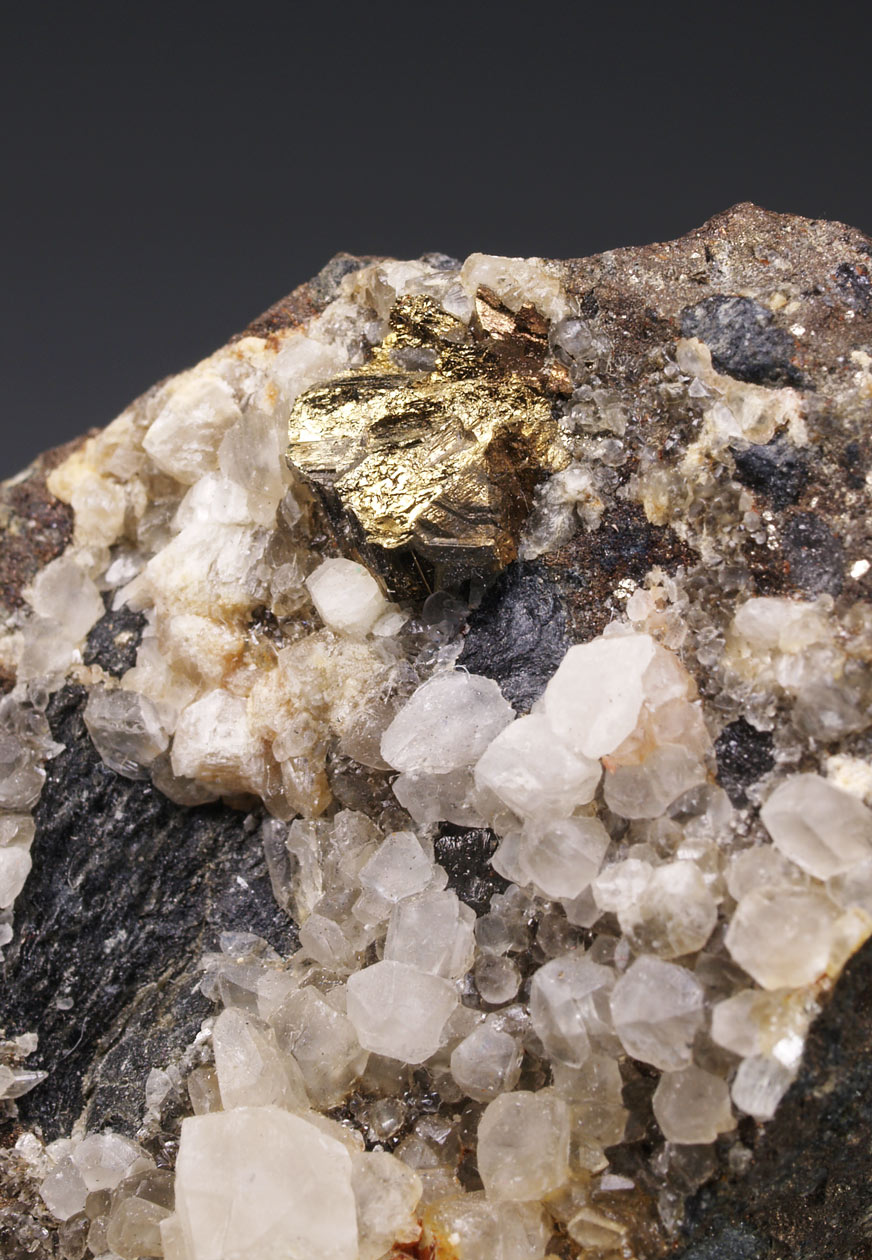
This specimen shows a group of twinned cubanite crystals. They exhibit excellent luster, with visible faces and some natural fractures, but the rarity of this material makes it highly desirable for collectors. It belongs from the classic Canadian locality for the species.
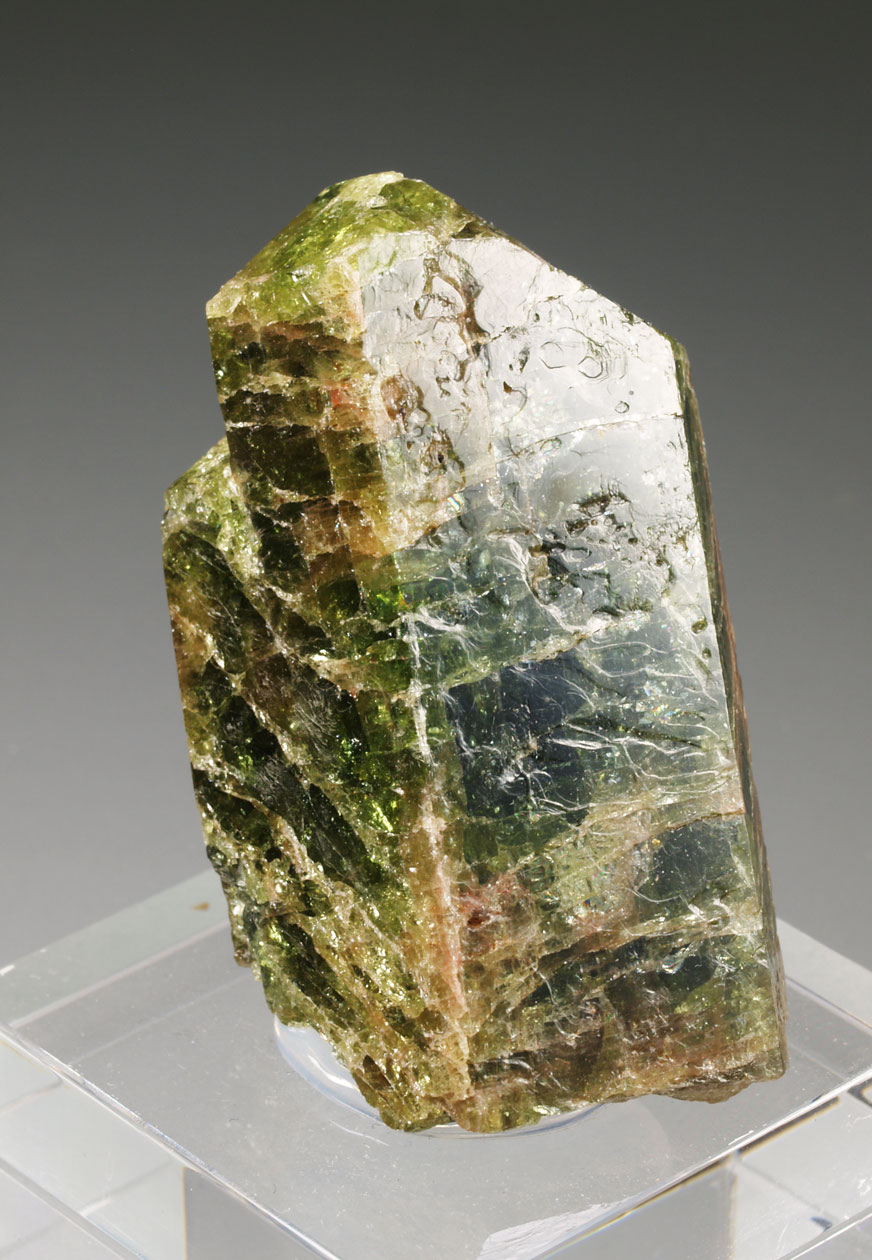
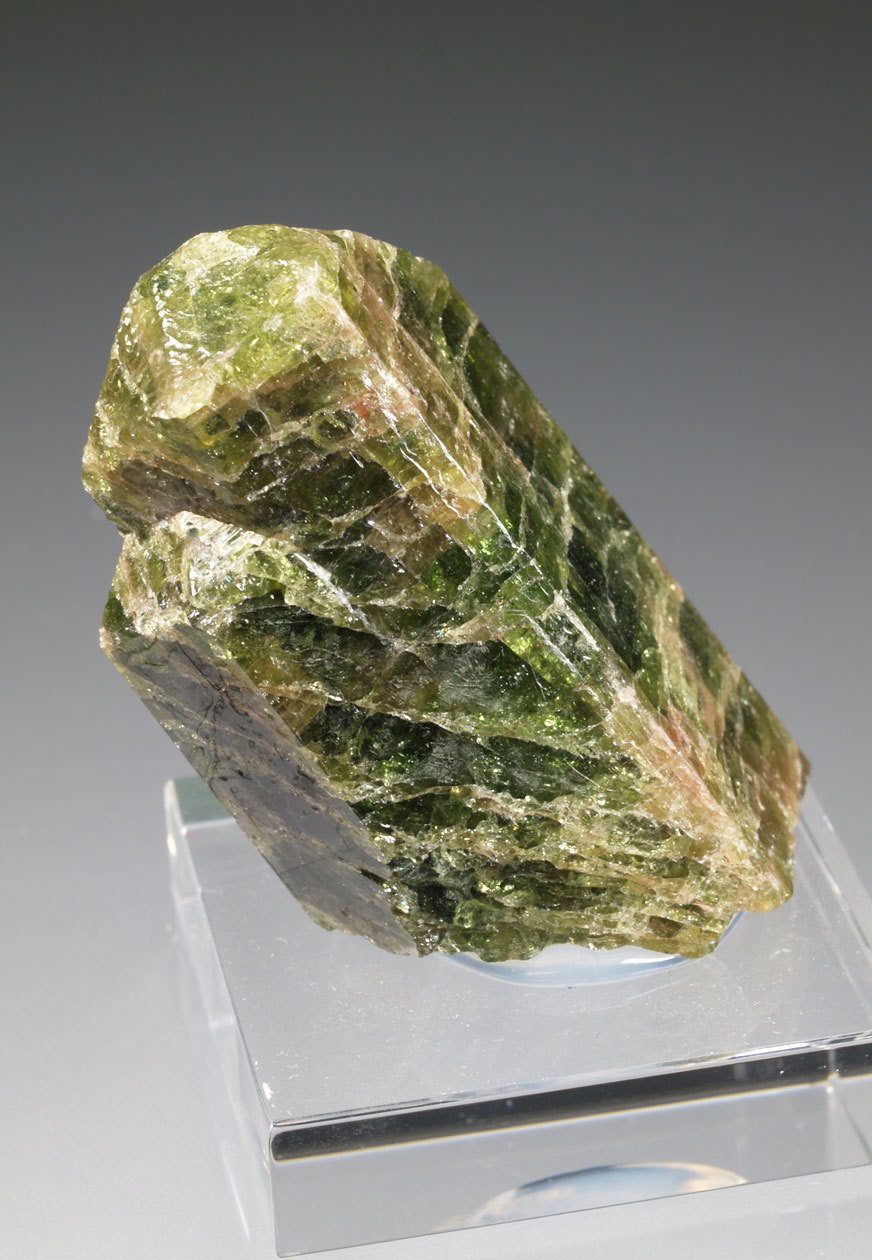
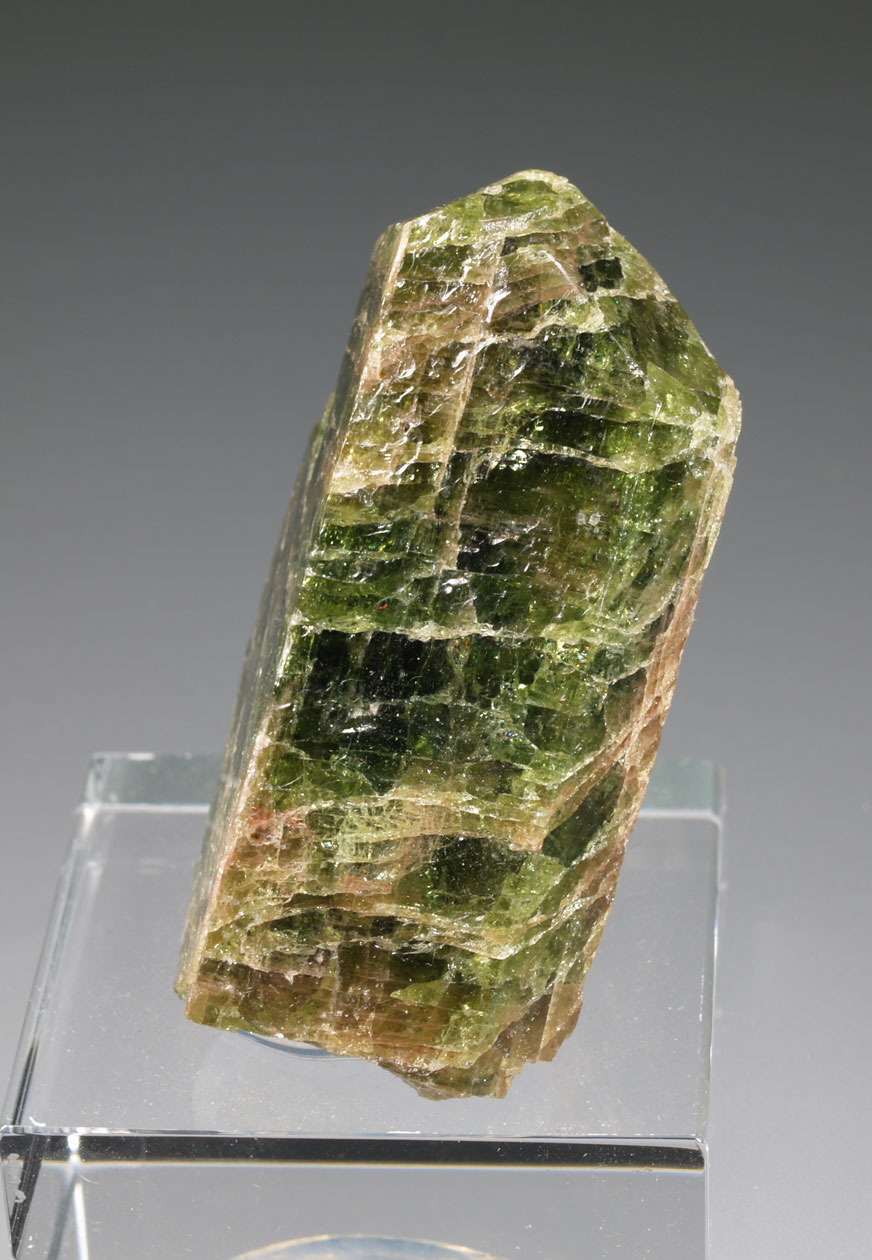
An excellent specimen of fluorapatite, formed by the parallel growth of two crystals, with very defined hexagonal shapes, an intense green color, and exceptional luster. From this Canadian locality, a classic location for the species.
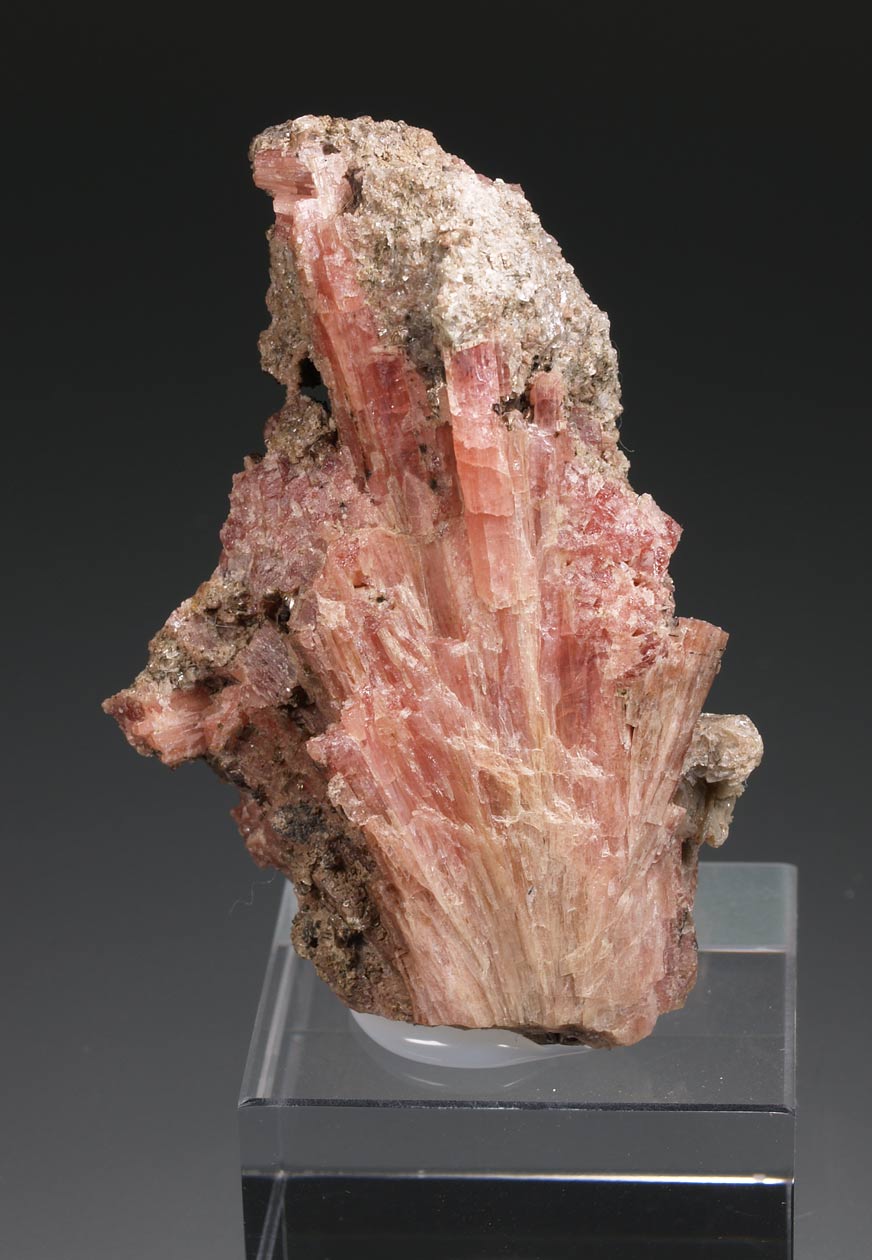
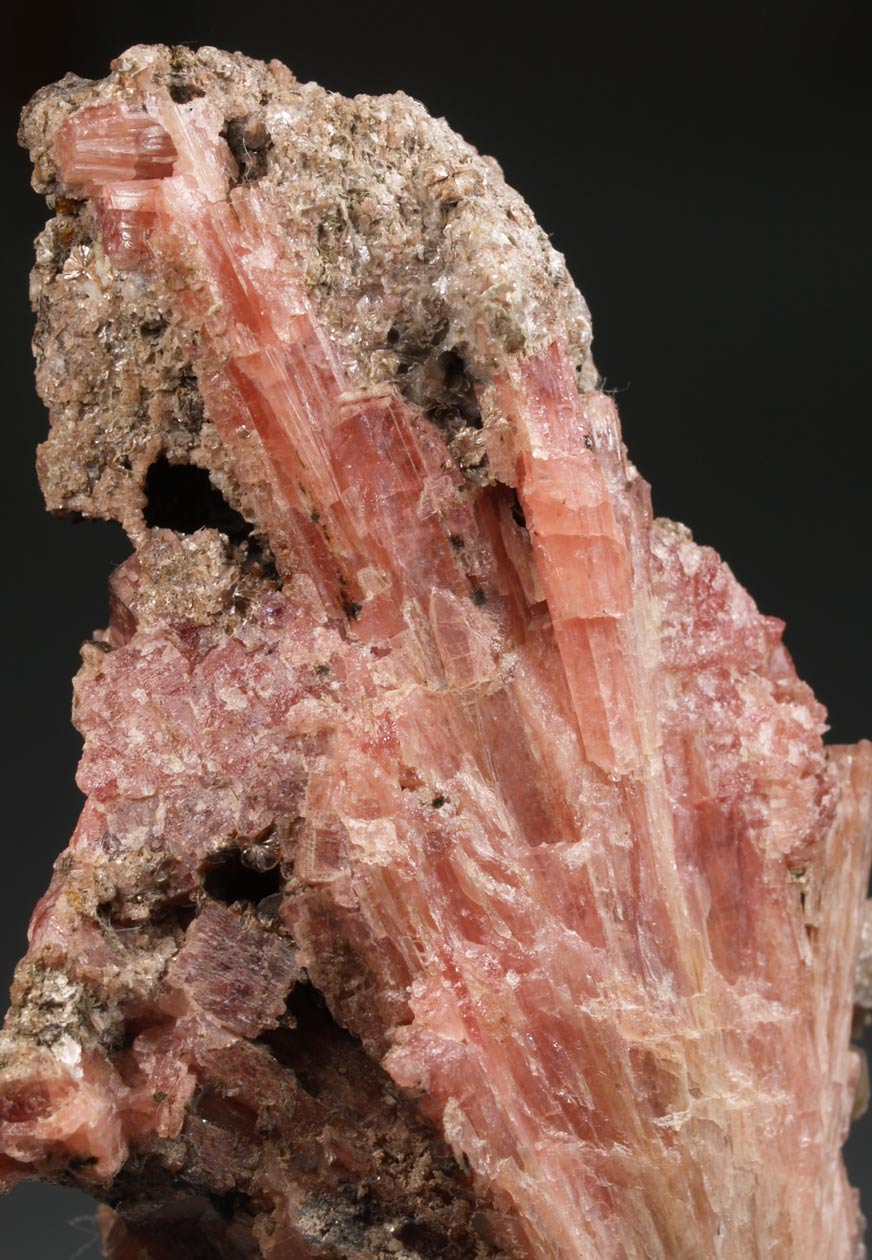
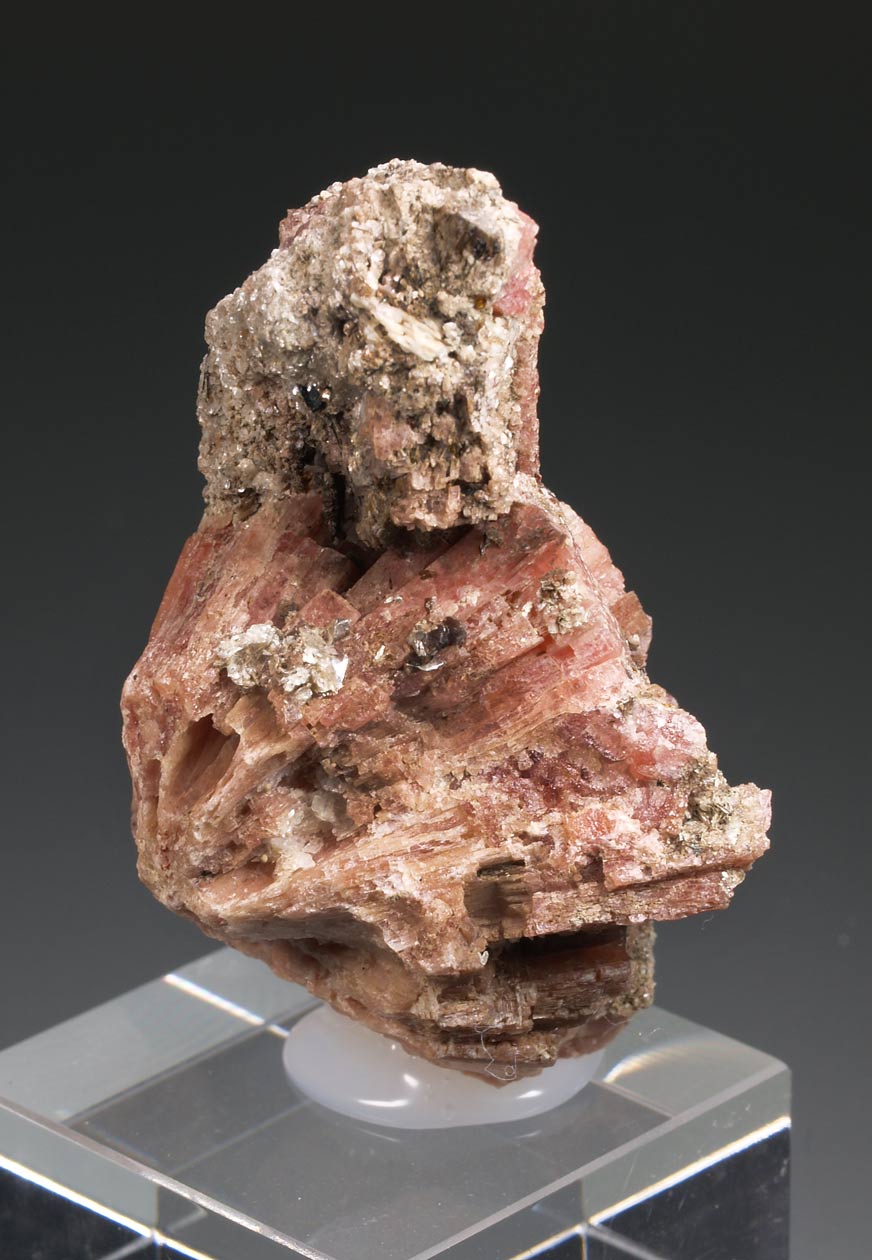
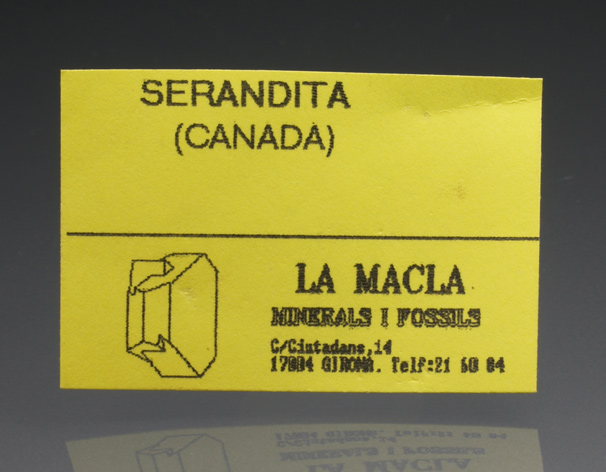
This good-sized specimen displays various clusters of crystals of this rare silicate, with parallel growth and a characteristic salmon-pink color. It comes from the Nicolau collection (Barcelona) and was acquired in an old mineral shop in Girona. Serandite was named in 1931 by Antoine François Alfred Lacroix after J.M. Serand, lighthouse keeper of the Island of Roume, Los Islands, Guinea, who assisted in collecting the mineral and who, coincidentally, had a rosy pink complexion (sic).
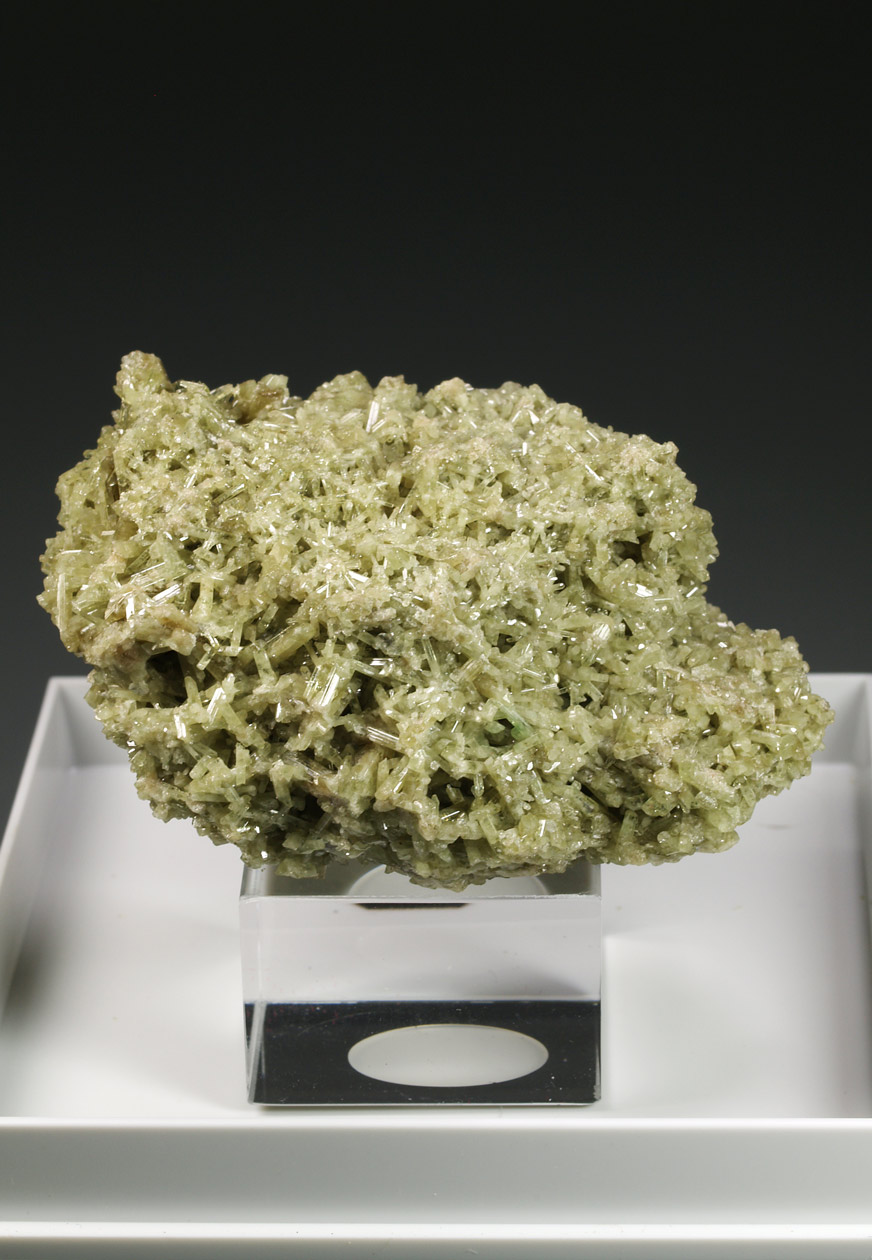
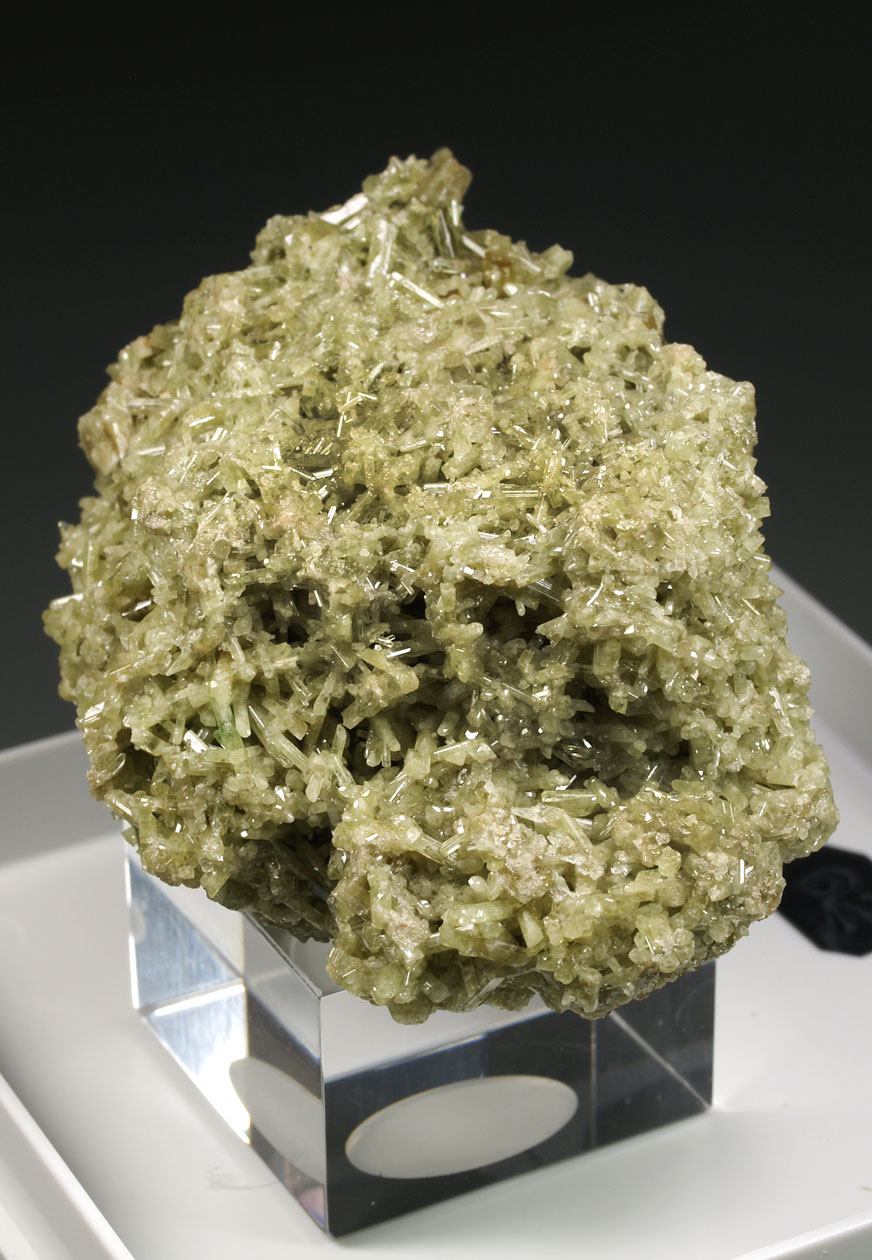
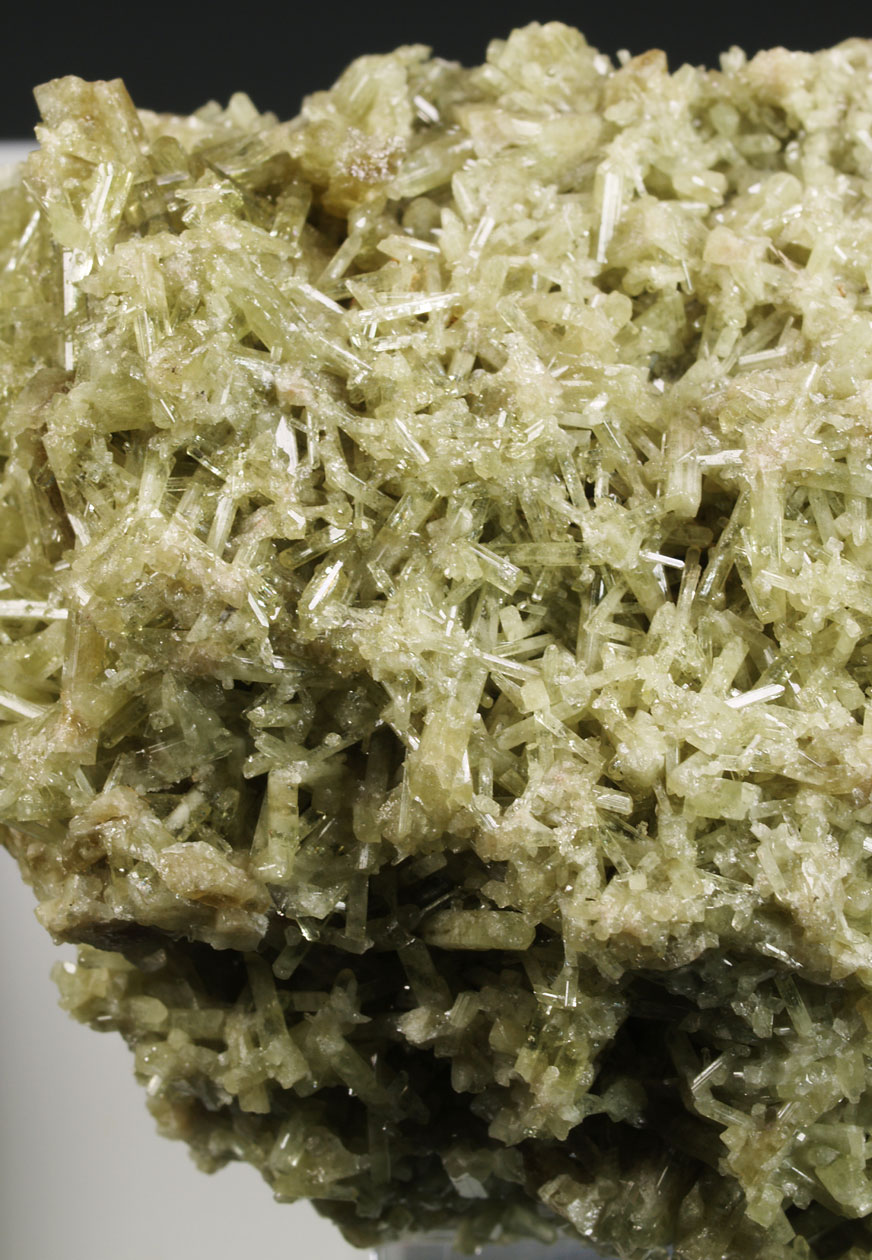
A very rich specimen formed by numerous prismatic vesuvianite crystals, lustrous, transparent, and with a soft greenish hue. A very aesthetic specimen and of good size. This famous open-pit asbestos-chrysotile mine, approximately 2 km in diameter and up to 350 m deep, began exploitation in 1879. Global demand for asbestos dropped dramatically in the 1980s when its carcinogenic properties became known, and its use as a construction material was banned worldwide. In 1996, in an attempt to exploit a high-quality zone at the bottom of the mine, another attempt was made to switch to underground methods, but government subsidies dried up in 2001, and the mine has remained inactive ever since.
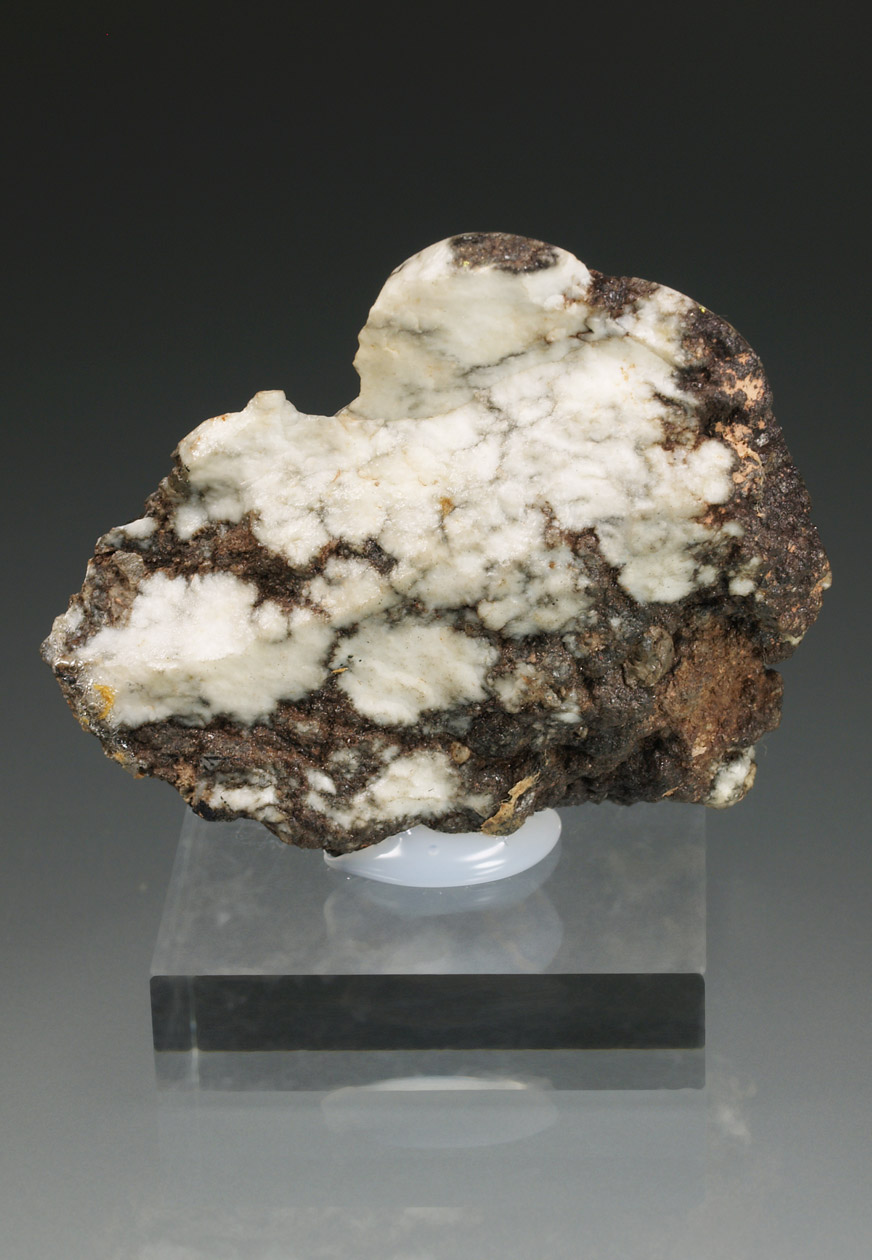
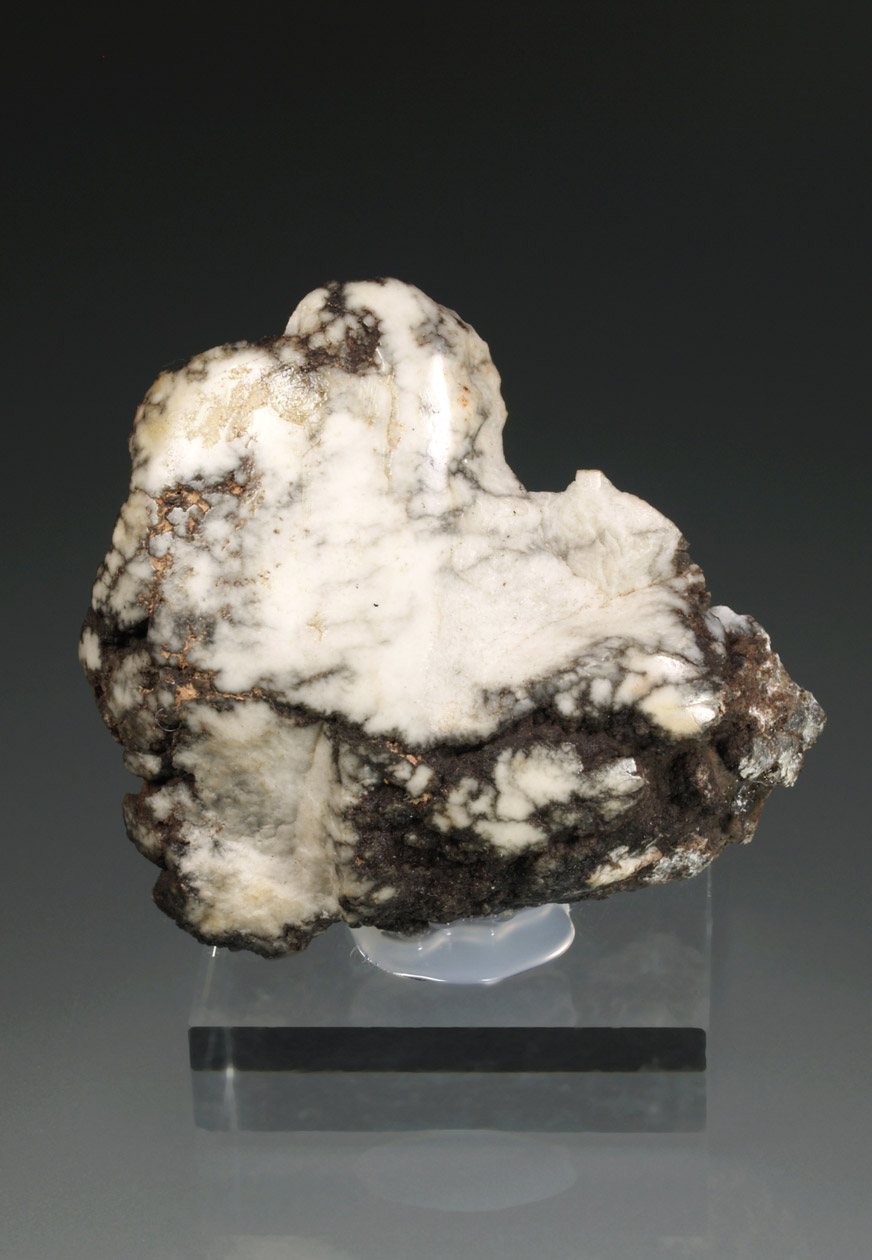
Howlite specimens from the type locality are not very common on the market. This one belongs from the F. Coune collection (Belgium) and was acquired around the 1970s. It is a calcium borosilicate with botryoidal forms, polished on one side in this specimen to reveal the structures. The back shows a natural fracture.
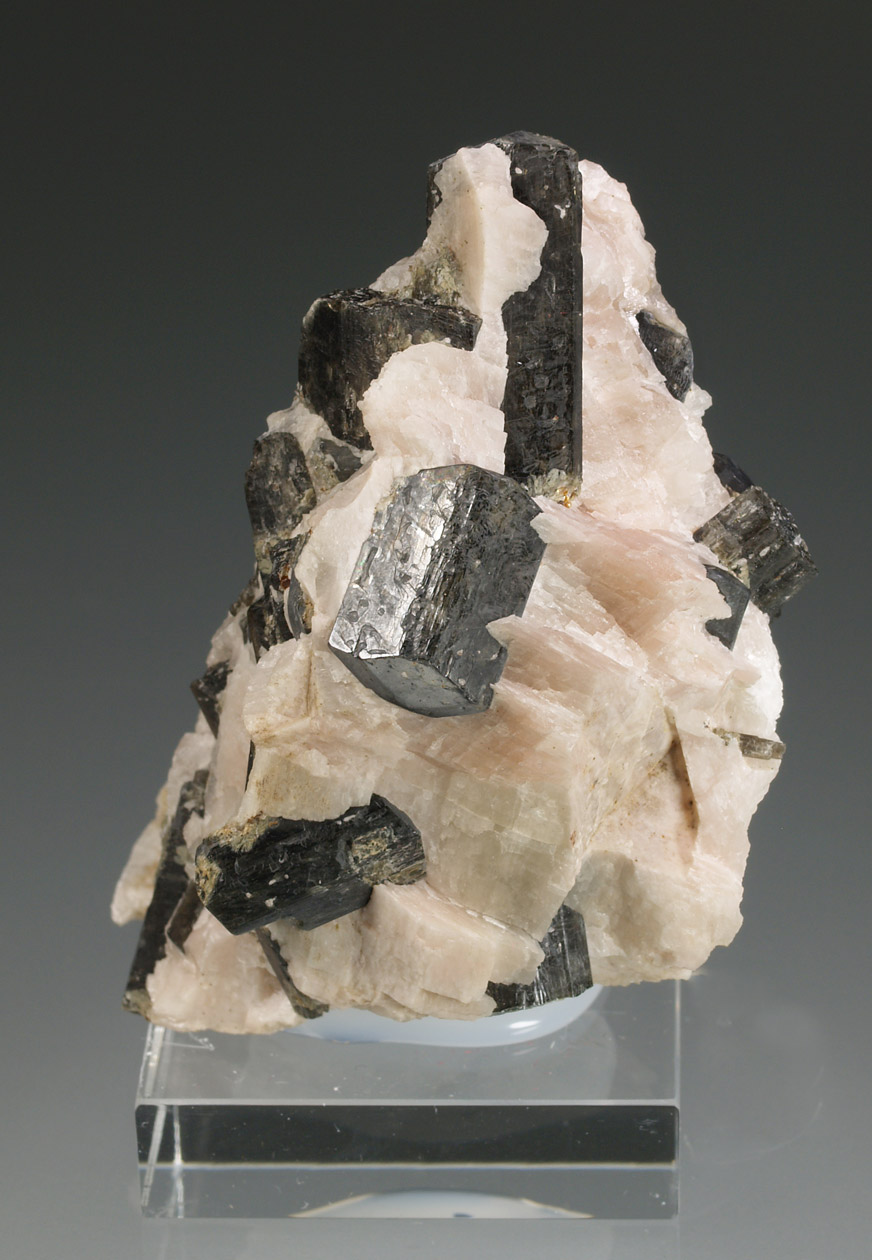
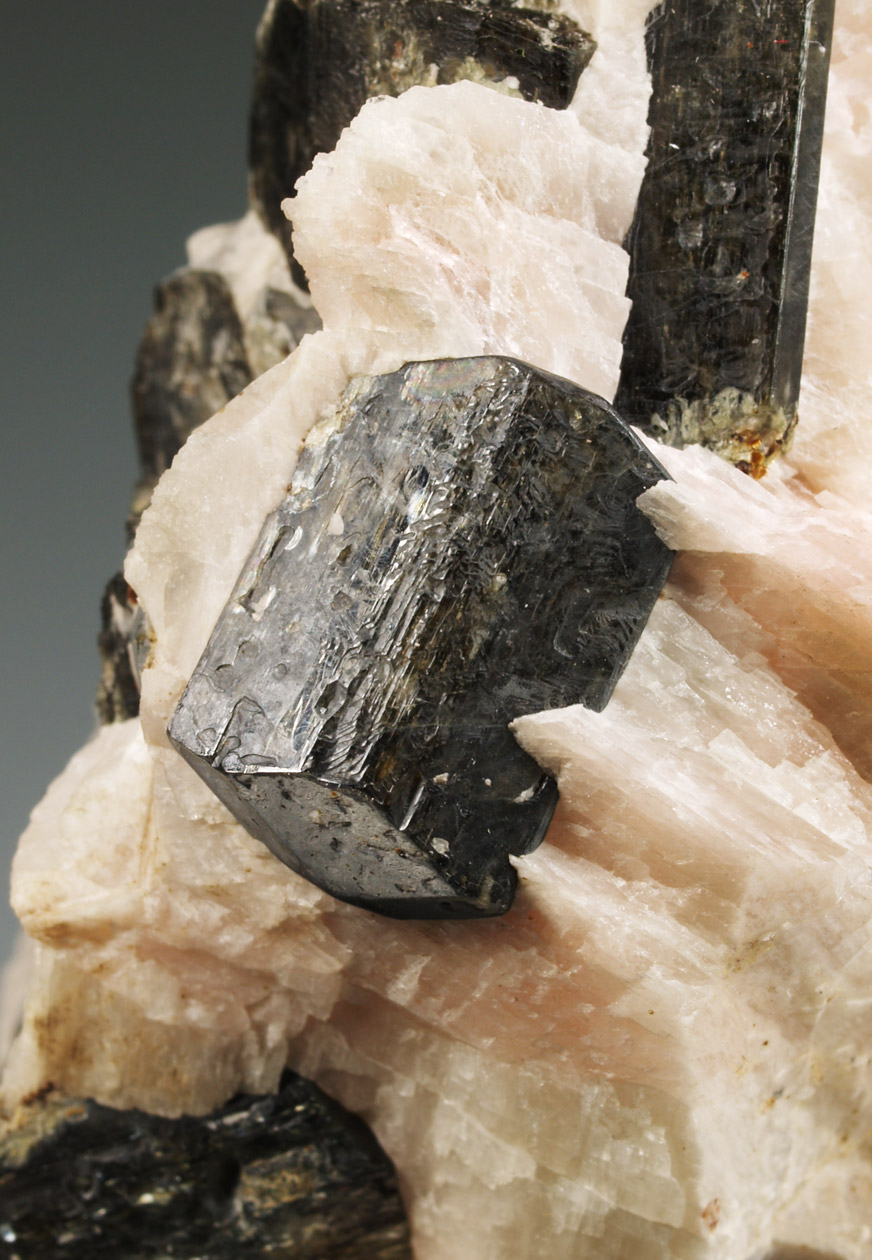
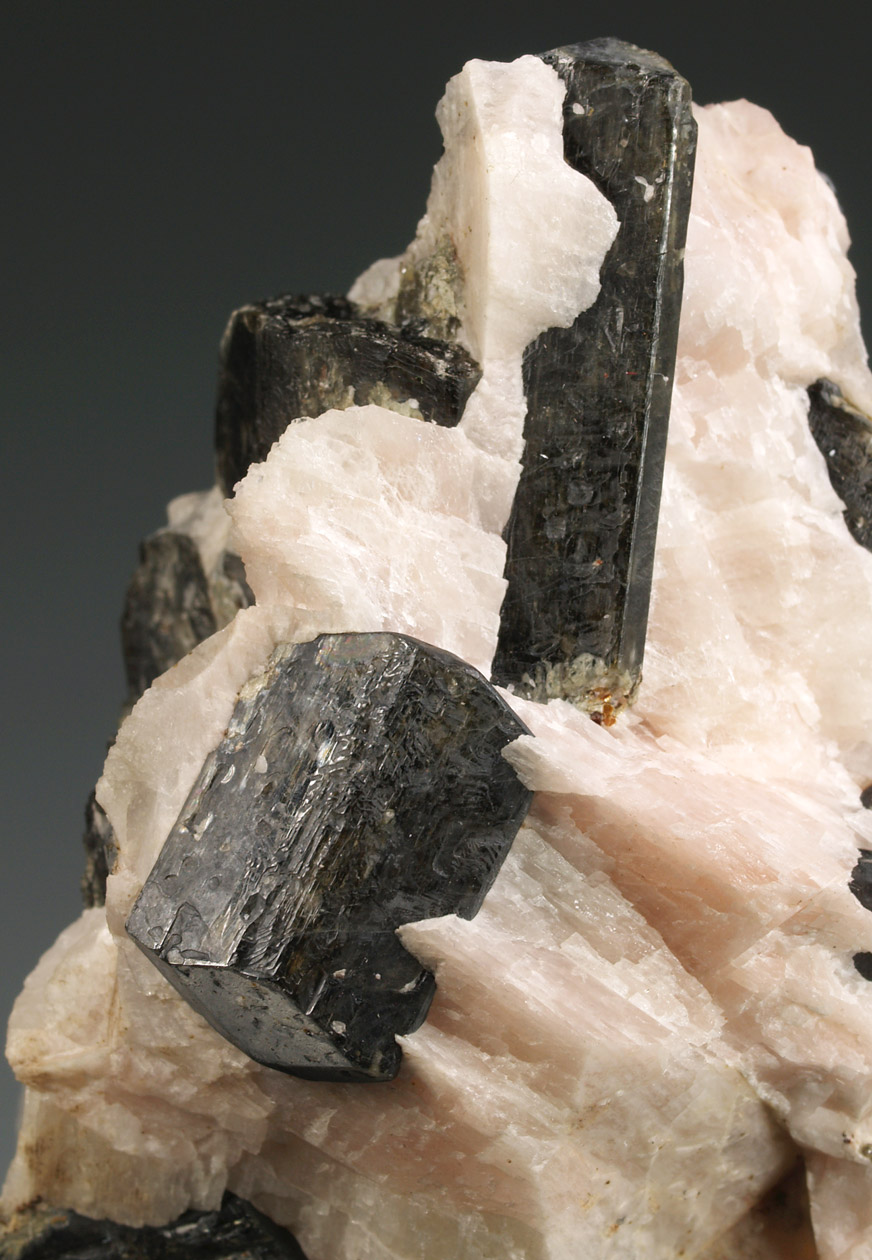
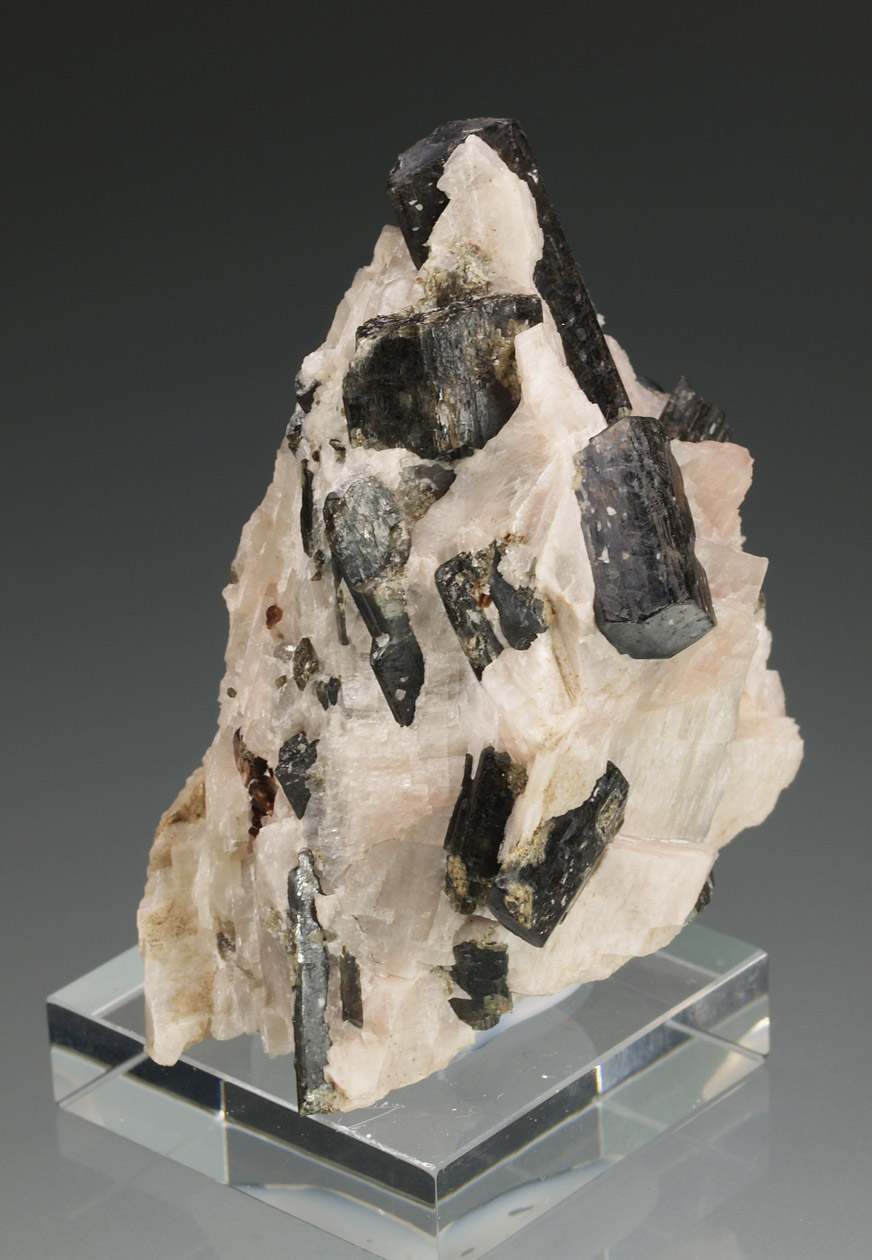
A sculptural and classic specimen of fluororichterite from the well-known Canadian locality of Wilberforce. The finest specimens of fluororichterite in the world have been collected from this area. This is a rare species of the amphibole group. In sharp contrast to the massive calcite matrix, we can see several distinct, doubly terminated crystals. The calcite exhibits a pinkish fluorescence. An excellent and striking specimen from this classic locality.
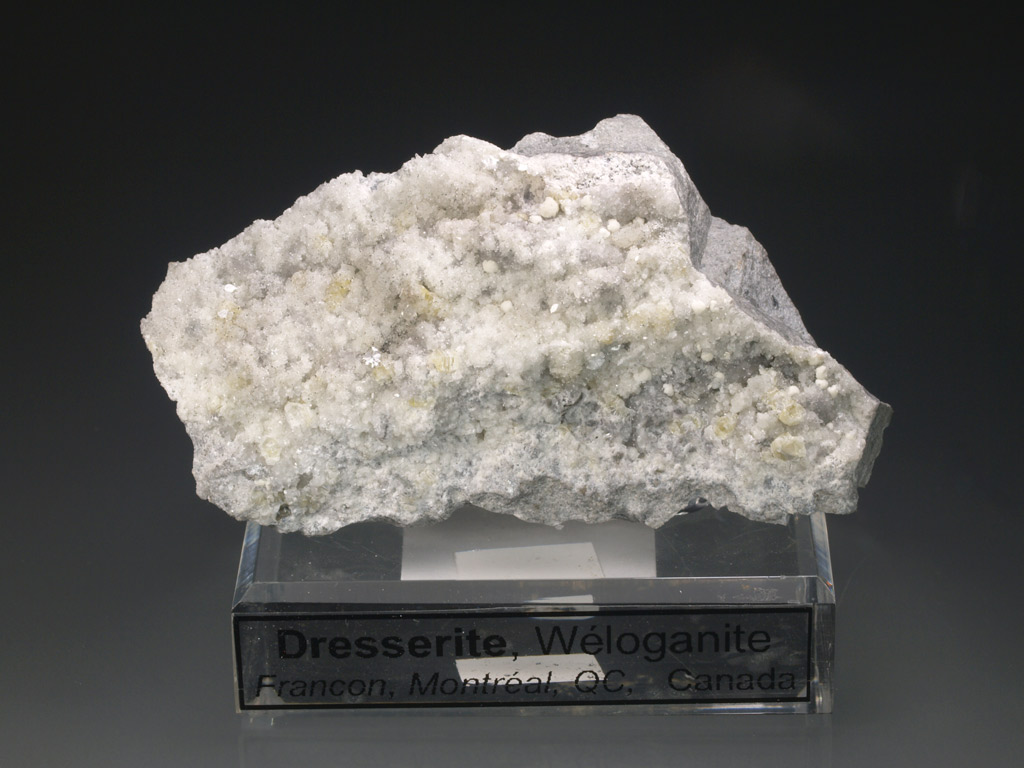
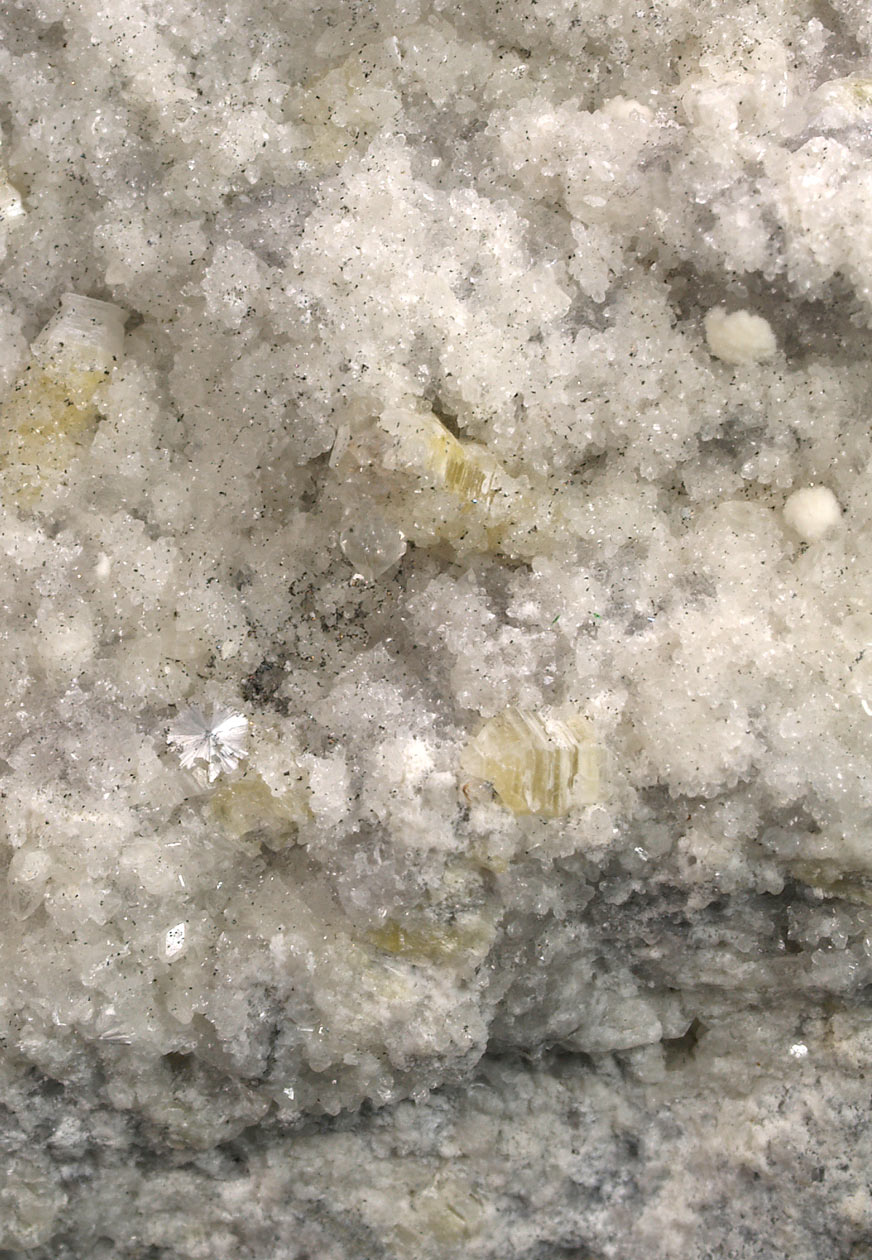
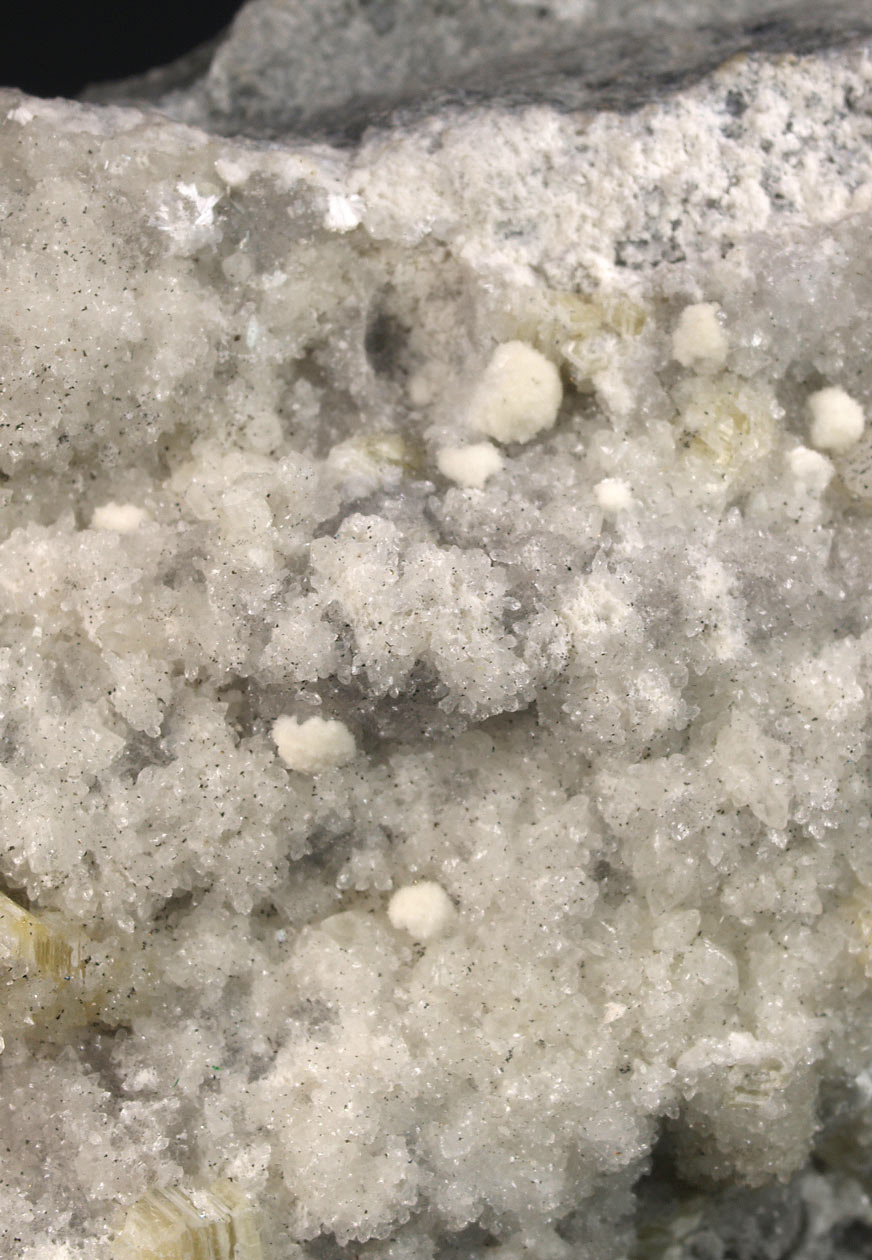
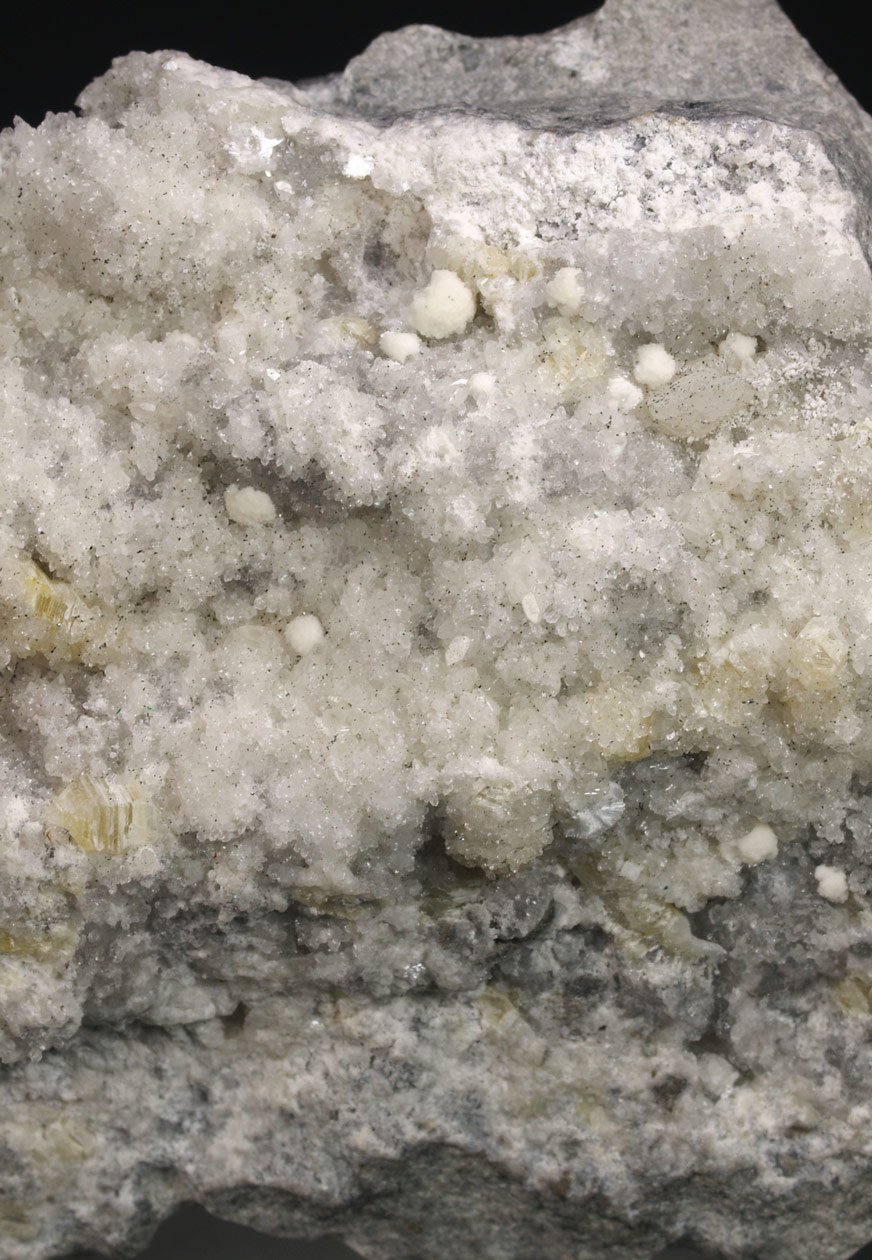
Dresserite is a rare barium aluminum hydroxycarbonate and is only found in the type locality: the Francon Quarry in Montreal, Canada. The quarry, now disappeared, was literally in the middle of the city, but closed permanently in 1981. This large specimen that we offer presents several small white spheres, formed by radial crystals of dresserite, associated with small honeyed crystals of weloganite, in a matrix with calcite. We can also observe hydrodresserite crystals, a more hydrated species than dresserite. Hydrodresserite forms thicker crystals, resulting in rougher spheres than dresserite.
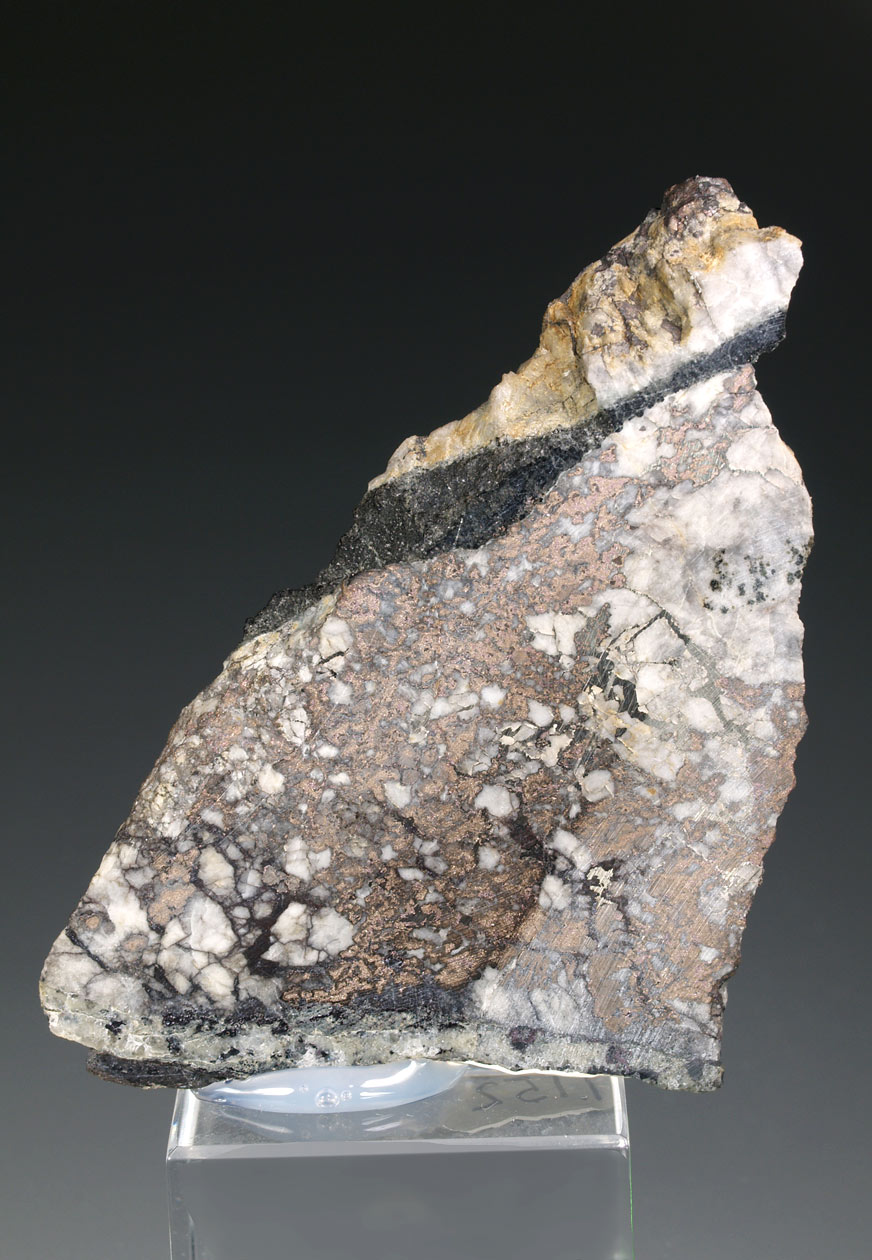

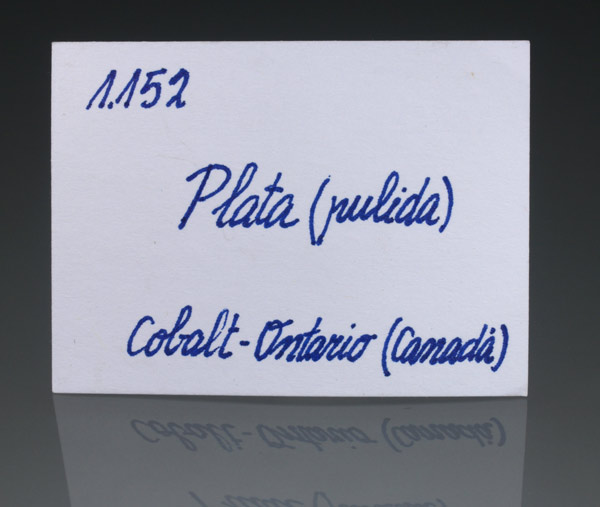

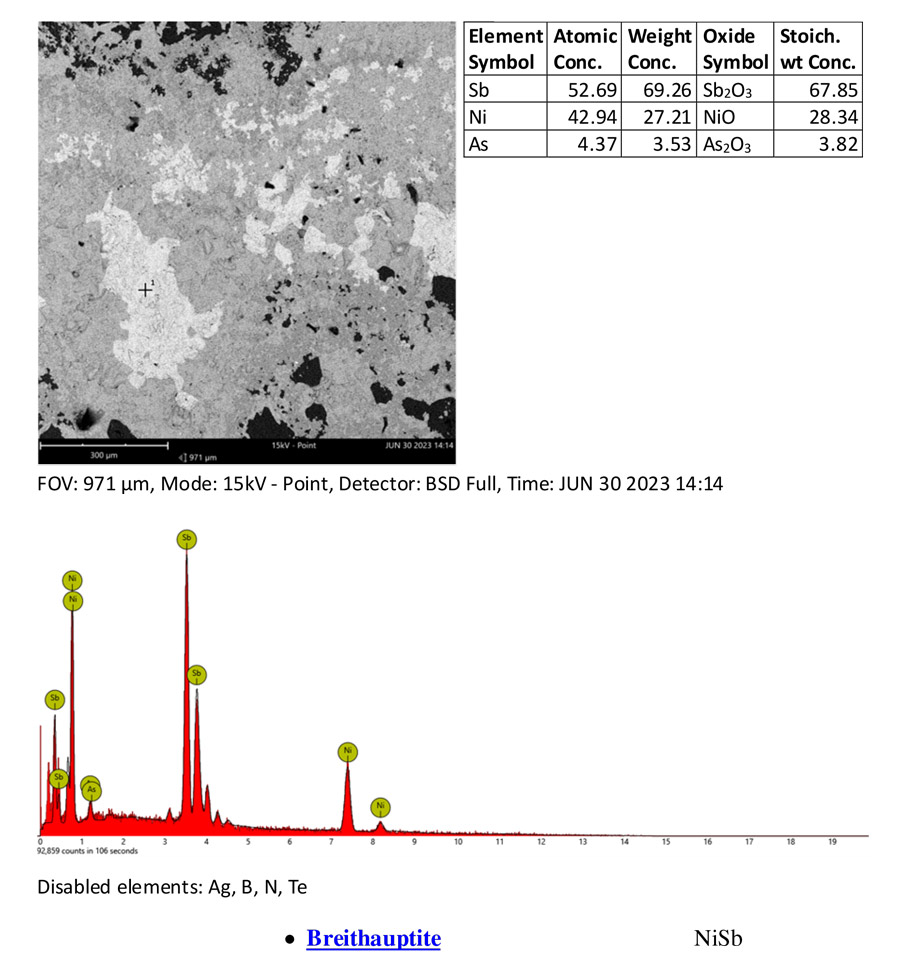
A weighty, lustrous, polished, vein slice of massive breithauptite, with orange-brown nickeline. SEM-EDS has shown the presence of cobaltite, skutterudite and silver. This silver contains mercury, probably eugenite or kongsbergite, not determined before in this famous mining Cobalt area of Ontario. This sample belongs from the J. Vilaseca collection (Barcelona). Really interesting because nowadays samples like this are quite unusual. We will send all analytical results to the buyer.
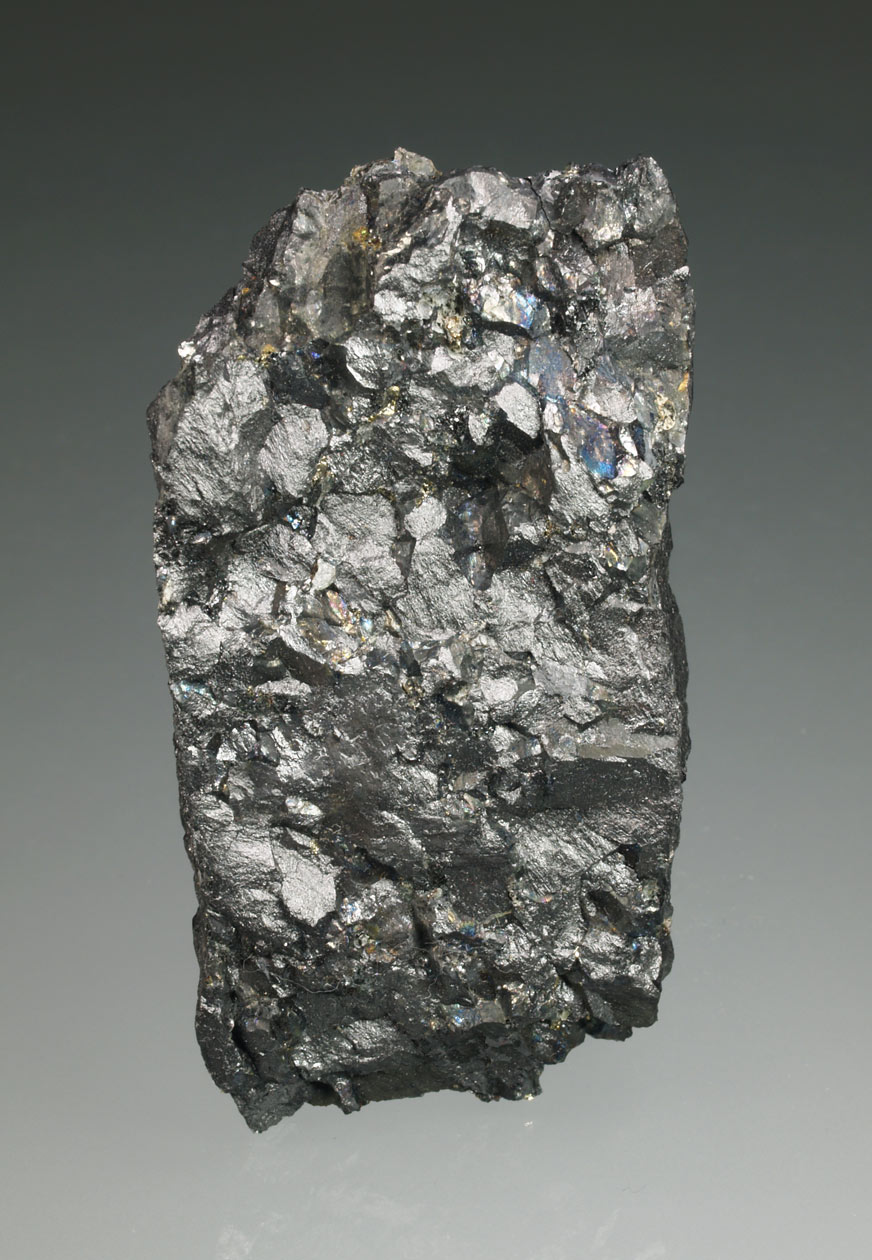


As is often the case with old labels, the localities are sometimes discrepant with the data we currently have available on the Internet. This historic specimen of ilmenite, from the Joan Astor collection was acquired in 1976 from Joan Montal (former mineral seller from Vilafranca del Penedés), provides us with a label indicating the locality of Saint-Urbain. At the time of documenting this piece, we have found the photo of an ilmenite from Havre-Saint-Pierre (an area further northeast of Saint-Urbain) with a very similar shape and accompanying species and, most notable, it is indicated that it was collected in situ during a visit in 1979 (view), when our specimen dates from 1976. Furthermore, both specimens are formed by aggregates of ilmenite crystals with a few pyrite crystals embeded.

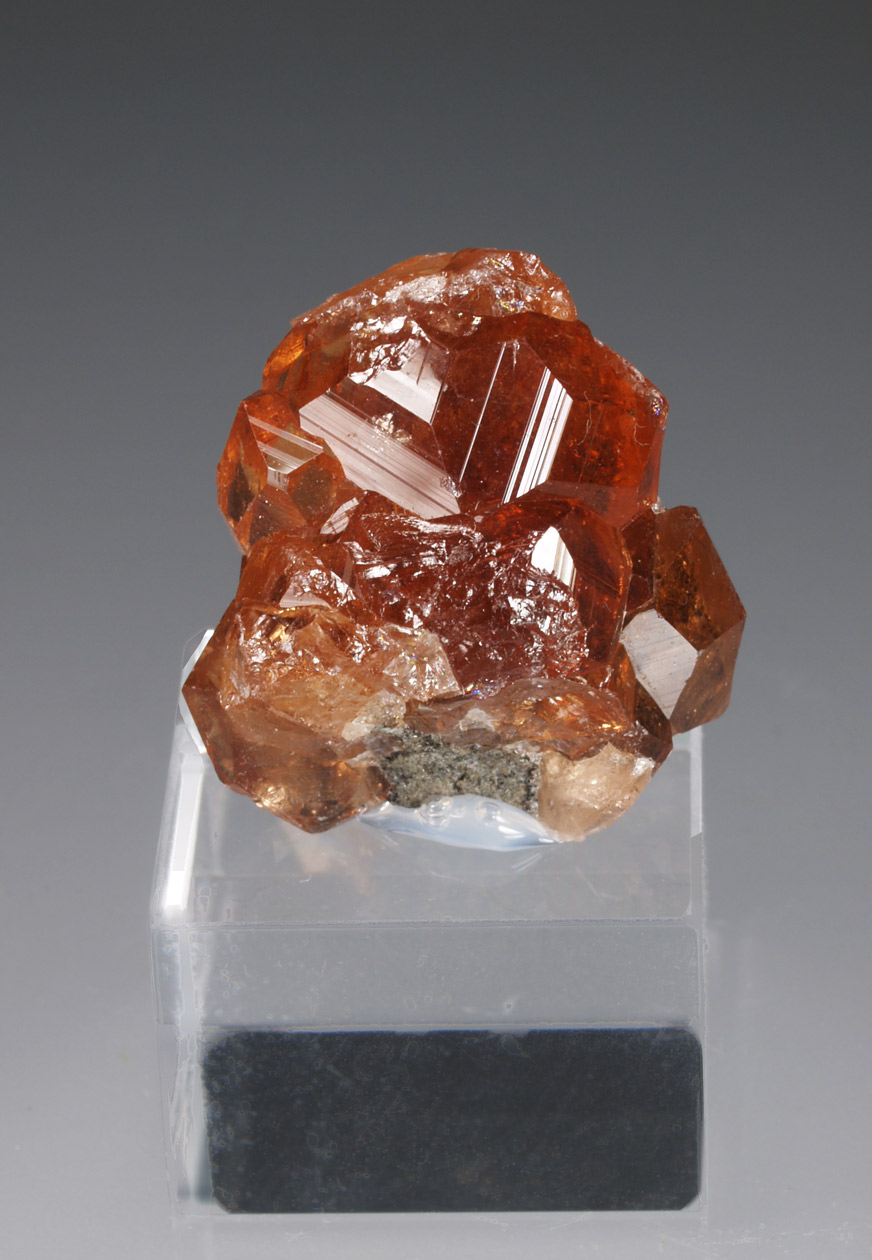


This miniature is a gem, formed by several grossular crystals, with brilliance, very well defined, transparent and with an intense color. Since the mine closed it is difficult to see specimens of this type. From a former Catalan collection.

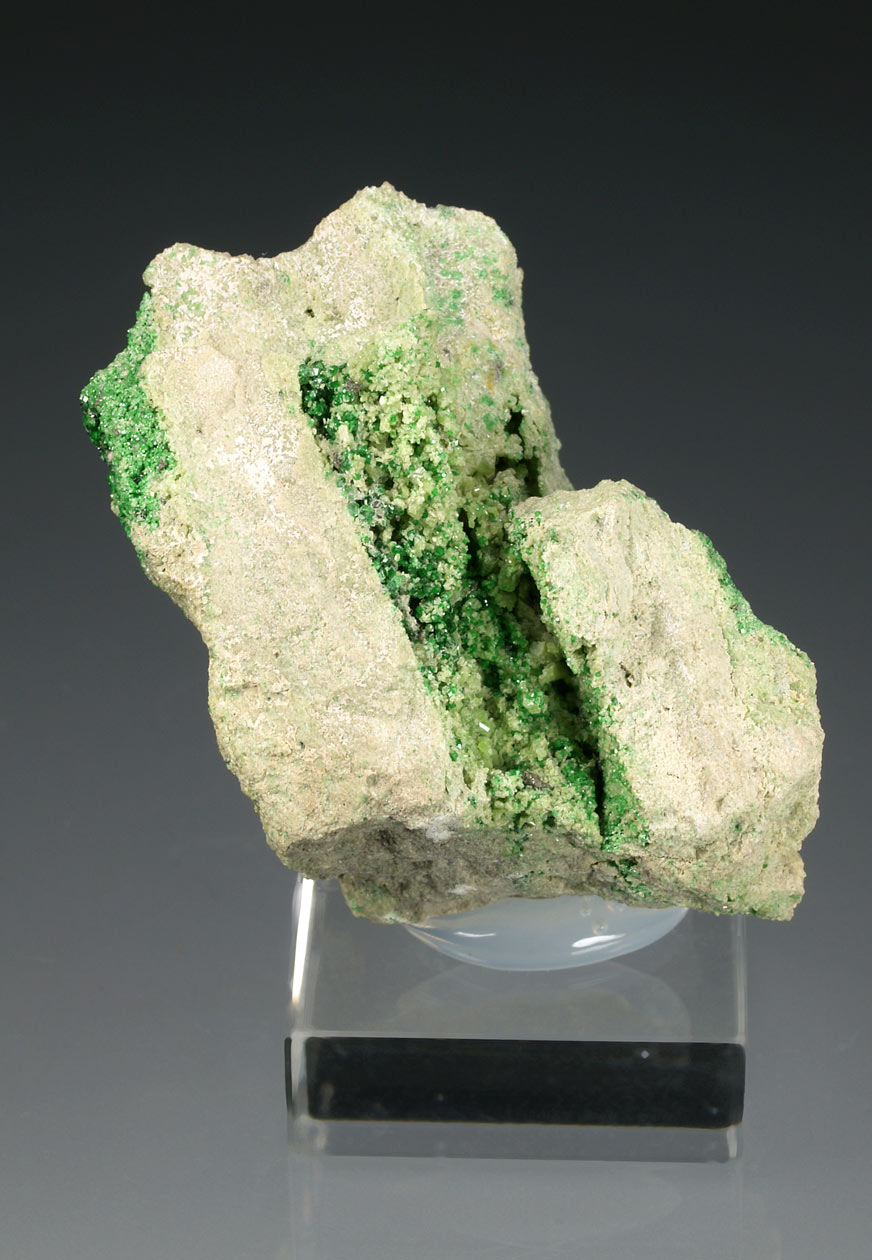


The uvarovite specimens from the Jeffrey are not at all common. This specimen from the Joan Astor collection (Barcelona, Catalunya) dates from the 70s, when some specimens were collected. Small but brilliant and transparent crystals of this garnet, extreme with chromium of the grosularia-uvarovite series.
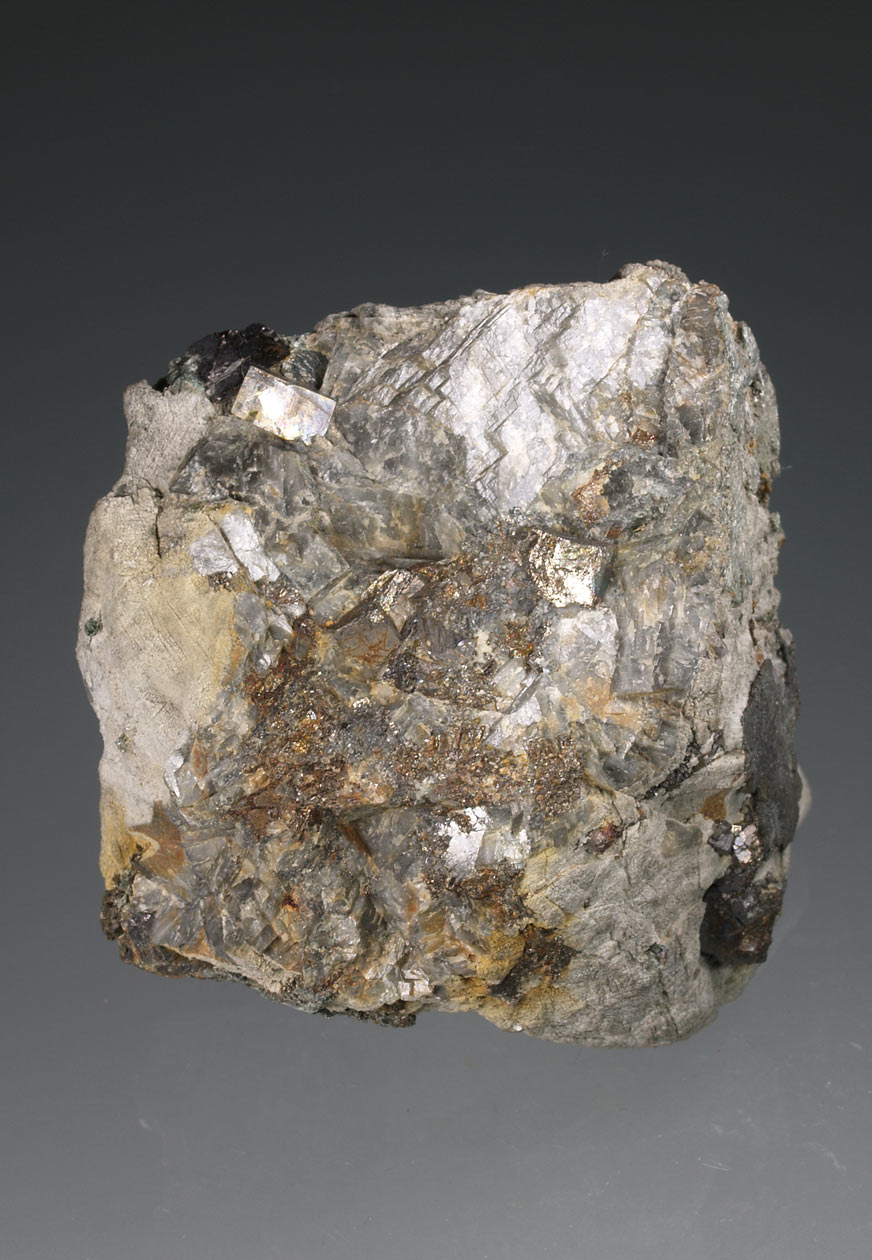


These cobaltite specimens from the Espanola area, Ontario, are a classic of Canadian mineralogy. They show brilliant cubic cobaltite crystals on a matrix with calcite. Good size for this locatlity. Sudbury District was a very active mining area and, in past times, one of the best places in the world for cobaltite specimens. However, even then, it was not easy to find these specimens on the market. It comes from the Joan Astor collection (Barcelona), with a handwritten label and another typewritten.
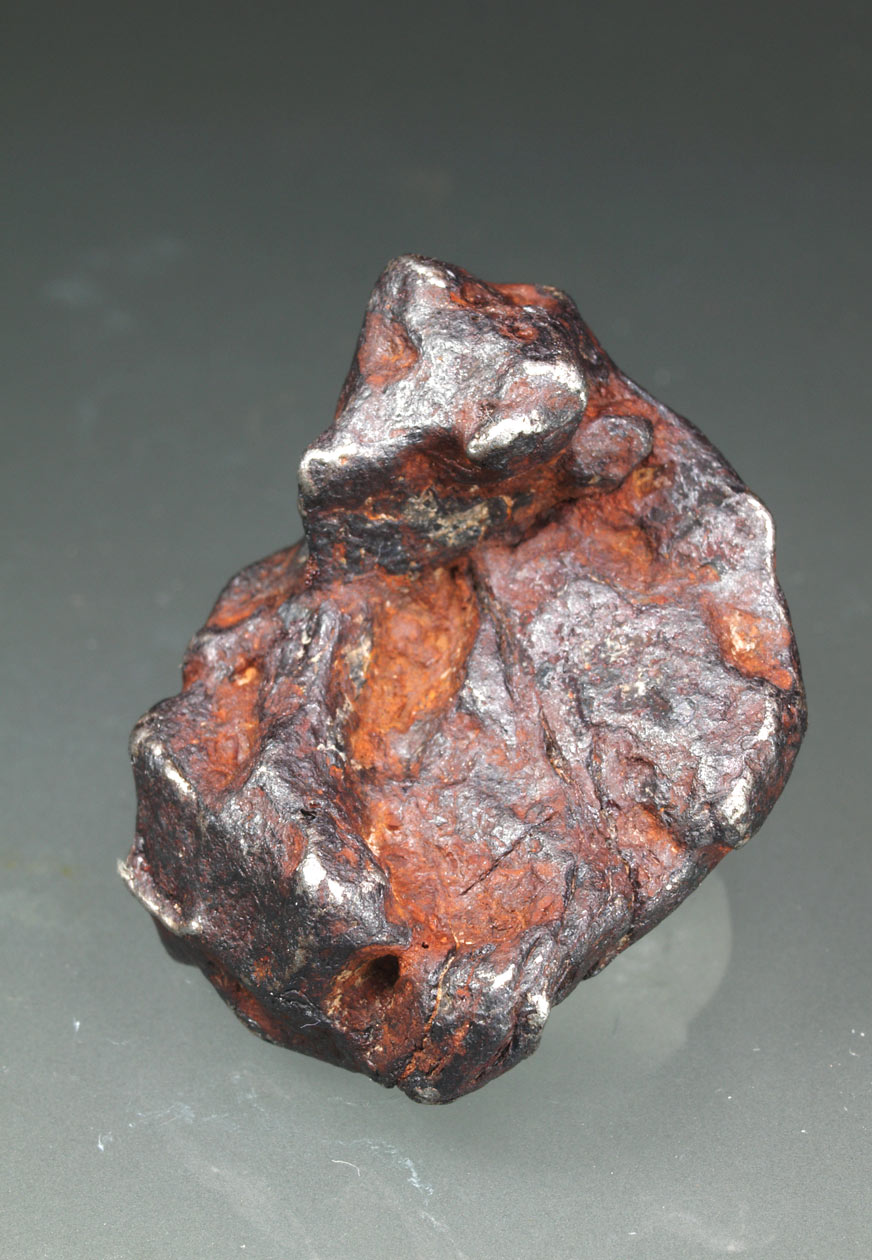


Good size sample of the meteoric impact that took place aproximately 49,000 years ago in this remote area of Arizona. The impact crater stands out, where more than 30 tons of material have been collected since was discovered in 1891. It is a metallic, iron-nickel meteorite, classified as coarse octahedrite. Contains taenite (Fe, Ni) and mostly iron, kamacite variety (Fe, Ni). Weight: 23 grams.

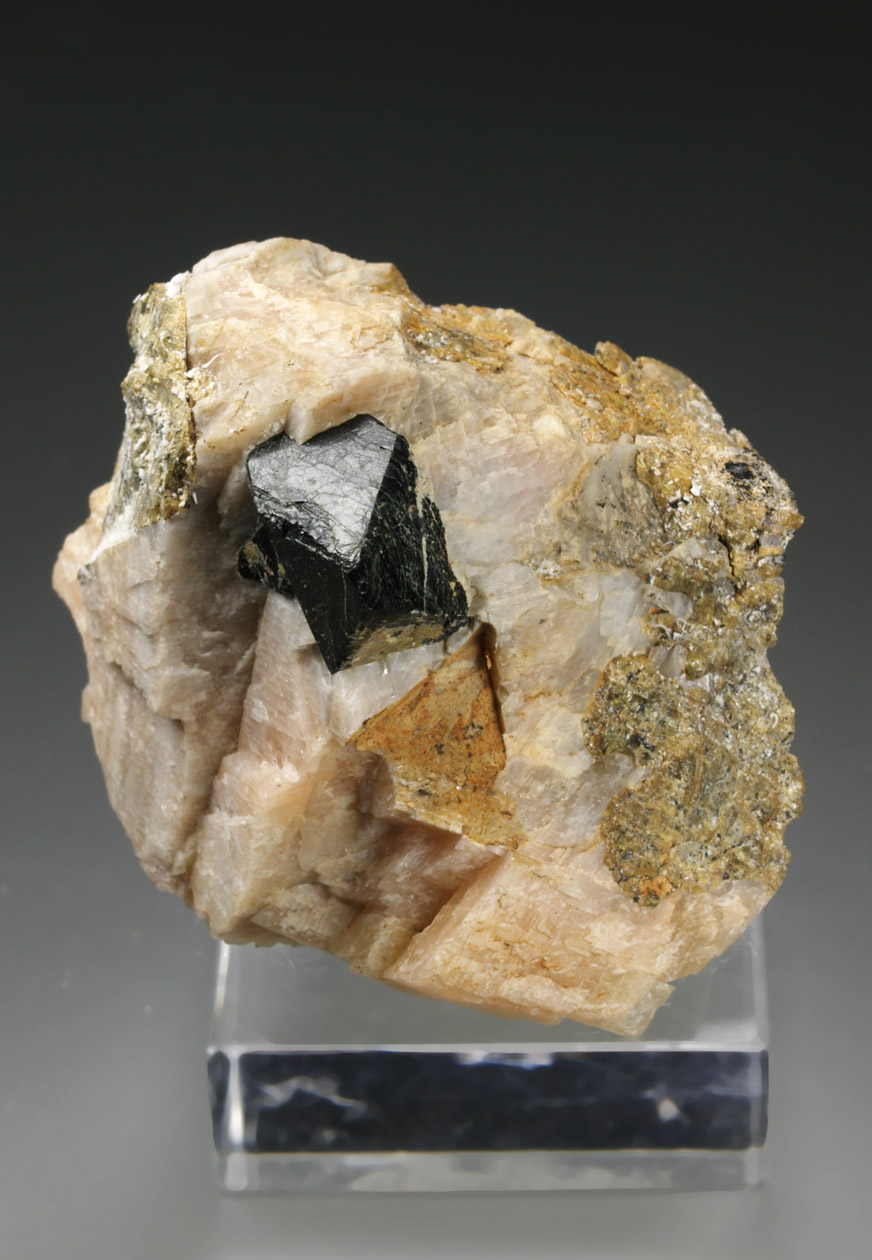


A classic specimen of spinel, bright, defined and well arranged in the matrix. It is not easy to find them in matrix. This well-known extinct small Quebec mica mine is famous for excellent spinel and forsterite crystals.

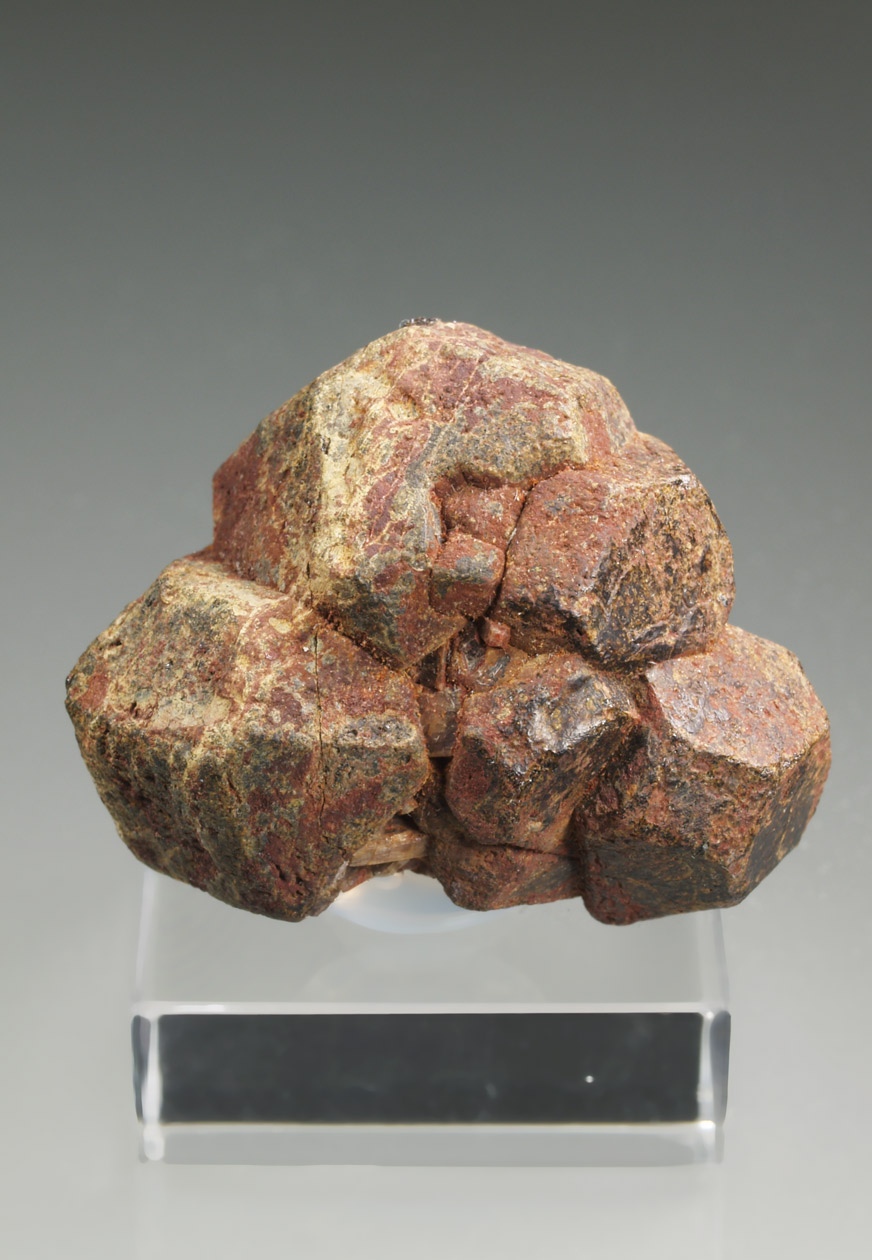


Group of interpenetrated betafite crystals of good size that show the most developed faces of the dodecahedron. Interesting crystallography. It is accompanied by zircon crystals. These mottled-brown isometric crystals are from the well-known Silver Crater Mine at Bancroft. This is an excellent and uncommon example, today. Most specimens of this quality came out in the 1950s, during the active mining period. An old, classic and essential piece in any collection. This specimen bears the label of Tysons', a Canadian mineral dealer.
Although the term betafite was discredited in 2010, many of us still are using this term to define this mineral when we see it. Our specimen is an uranium, calcium, titanium and niobium/tantalum oxide with radioactive activity. Currently the betafite is included as a variety within the pyrochlore supergroup. As a note, the rich uranium term has been only found in the Moon (oxyuranobetafite).

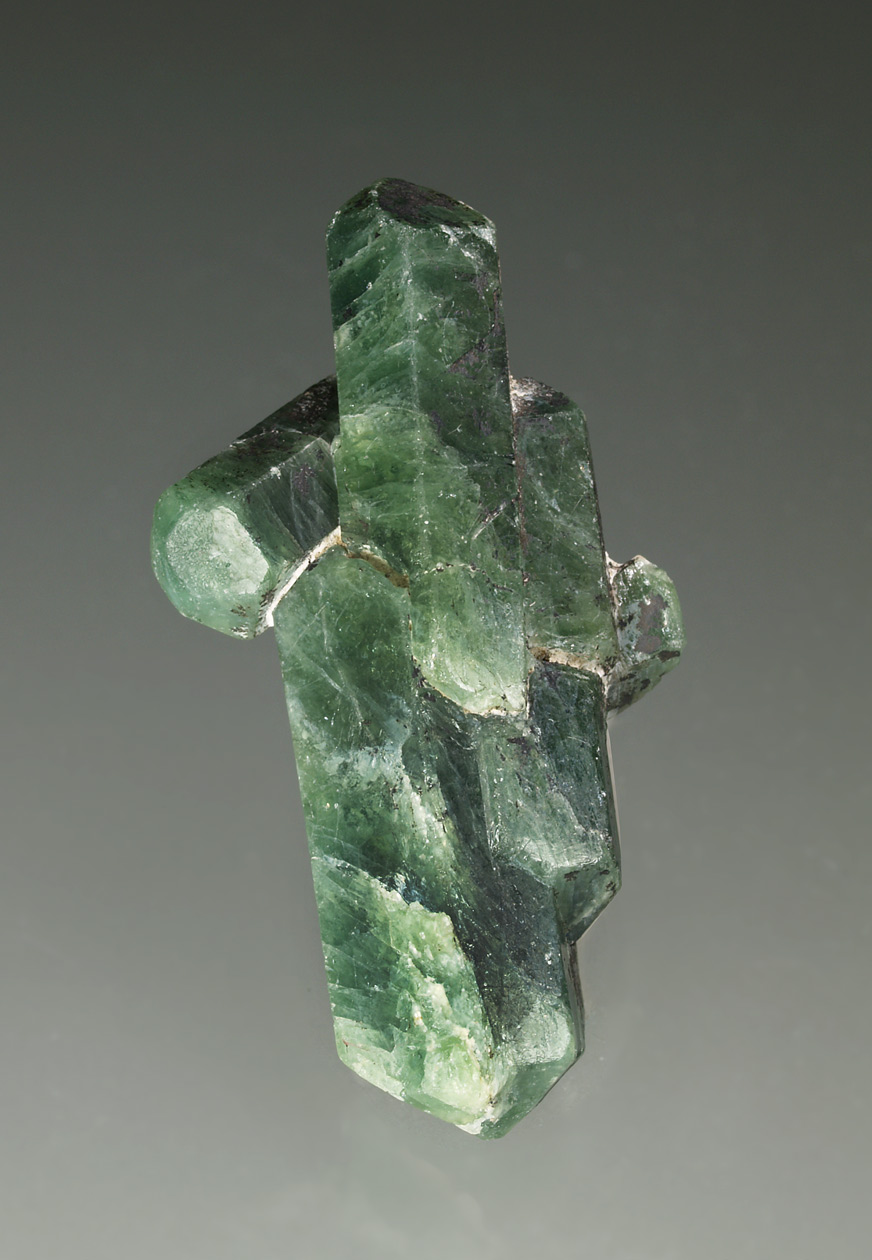


Curious group of fluorapatite crystals, of intense green color, interpertered and with parallel growths. One side is crystalized, the other not... A curiosity analyzed since we doubted that it was not a diopside.
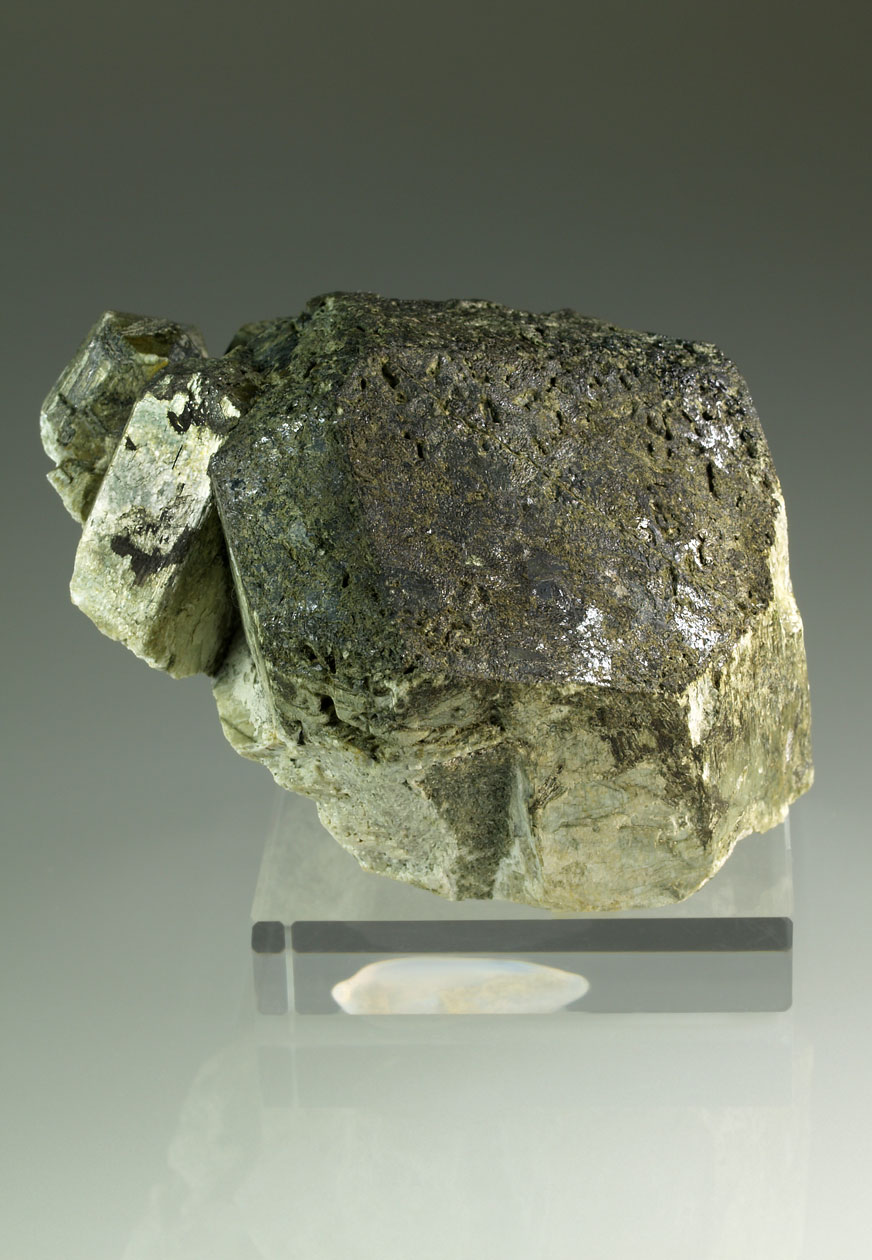


Group of scapolite (meionite) crystals, one of them of good size, that show the prism and dipyramidal faces. With pearlescent luster and a very characteristic ivory color for the specimens of this Canadian locality. They are accompanied by inclusions of diopside. The specimen has been analyzed and the results will be sent to the buyer. Slightly fluorescent under shortwave UV light. A classic specimen difficult to see in the market.

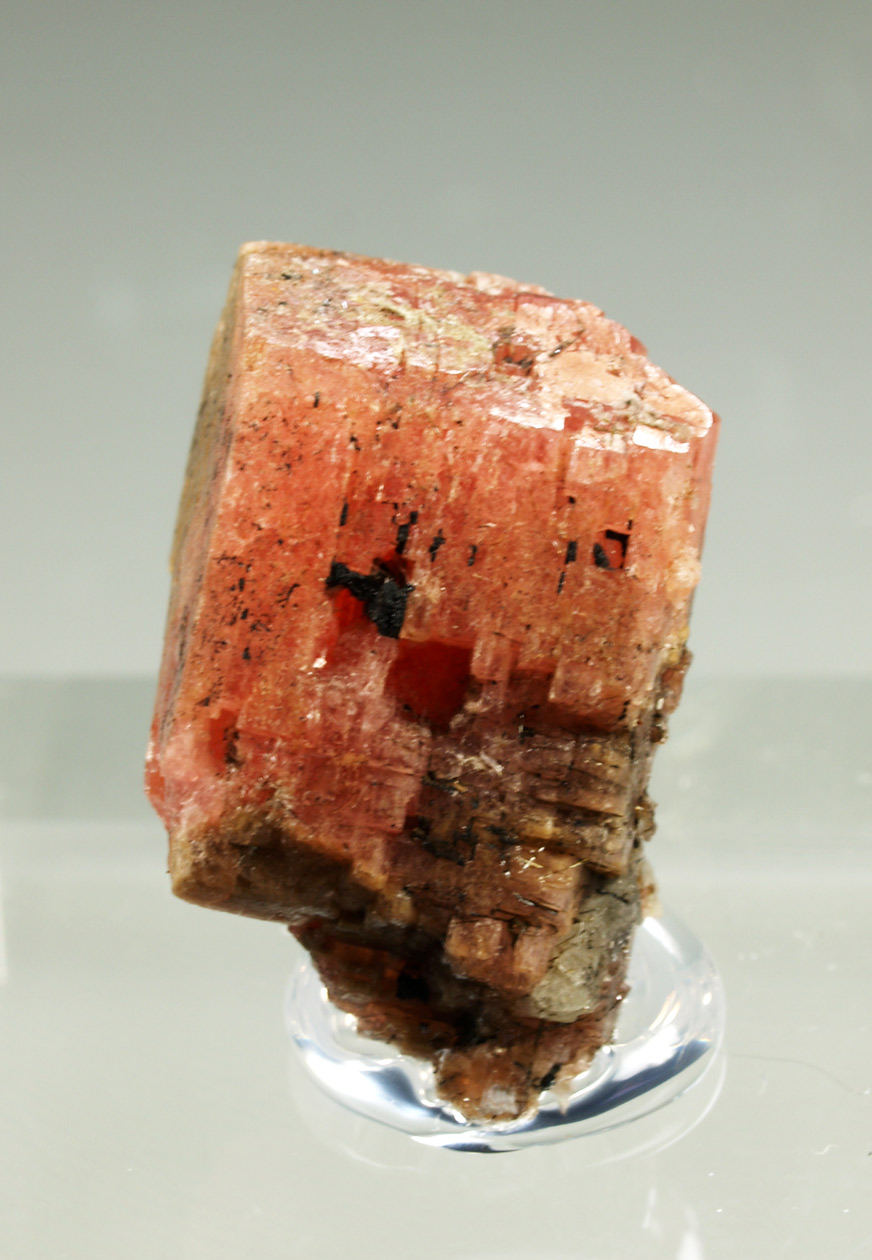


A very aethetic miniature specimen of sérandite, showing a good salmon color. Defined and with a nice size... From the classic MSH.
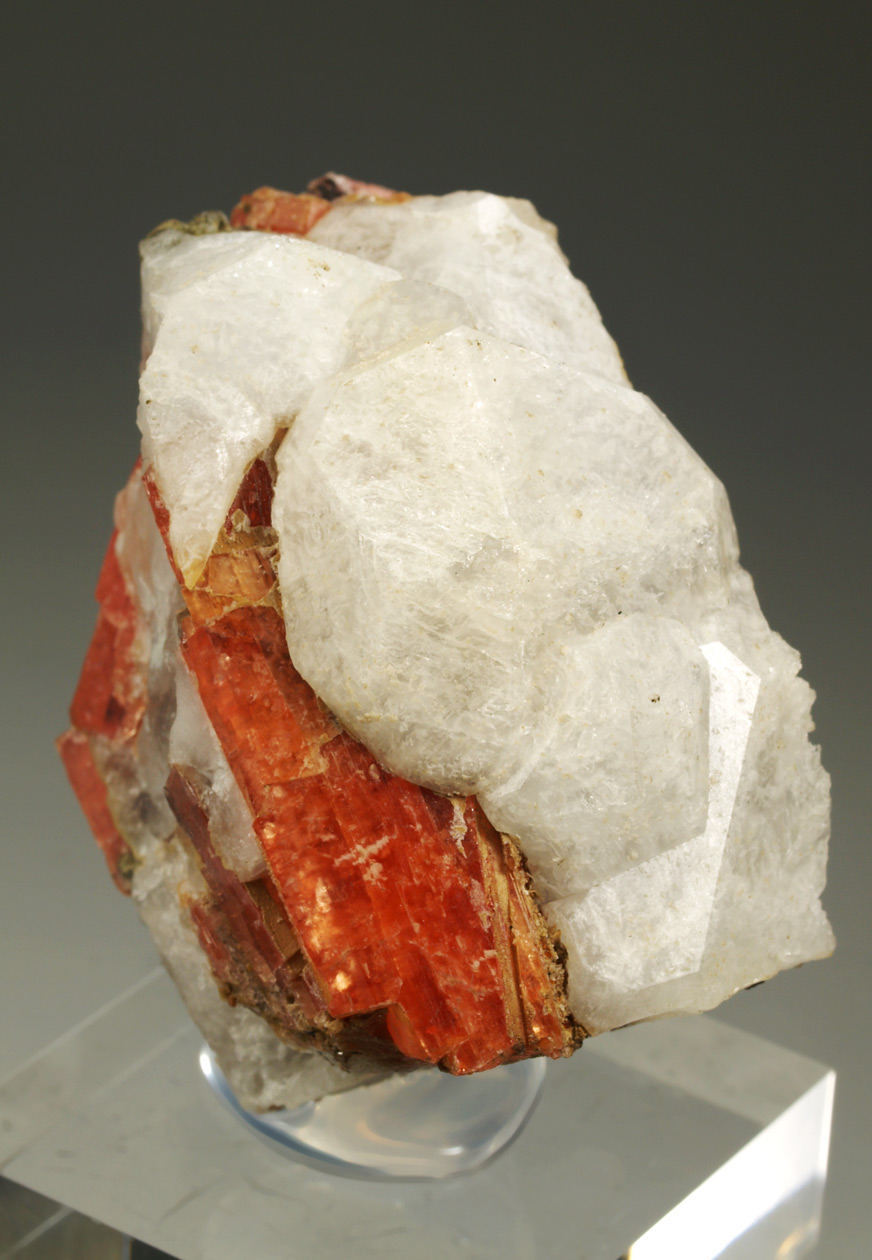


A classic specimen of Mt. St-Hilaire combines a group of good sized analcime crystals with trapezohedral faces, well defined and interpenetrating each other. With some sérandite crystals, well defined and showing an excellent bright orange color. It is accompanied by aegirine, green fibrous actinolite and crystals of manganoneptunite with a dark brown color, and probably accompanied by thorian britholite-(Ce) (not perfectly identified). An indispensable classic of mineralogy. We will send analysis to the buyer.