- Home About RM Minerals
- Virtual Photo Museum Blog RM Contact
- Microscopy and instruments How to Buy Disclaimer
Copyright 2010-2026
www.rosellminerals.com



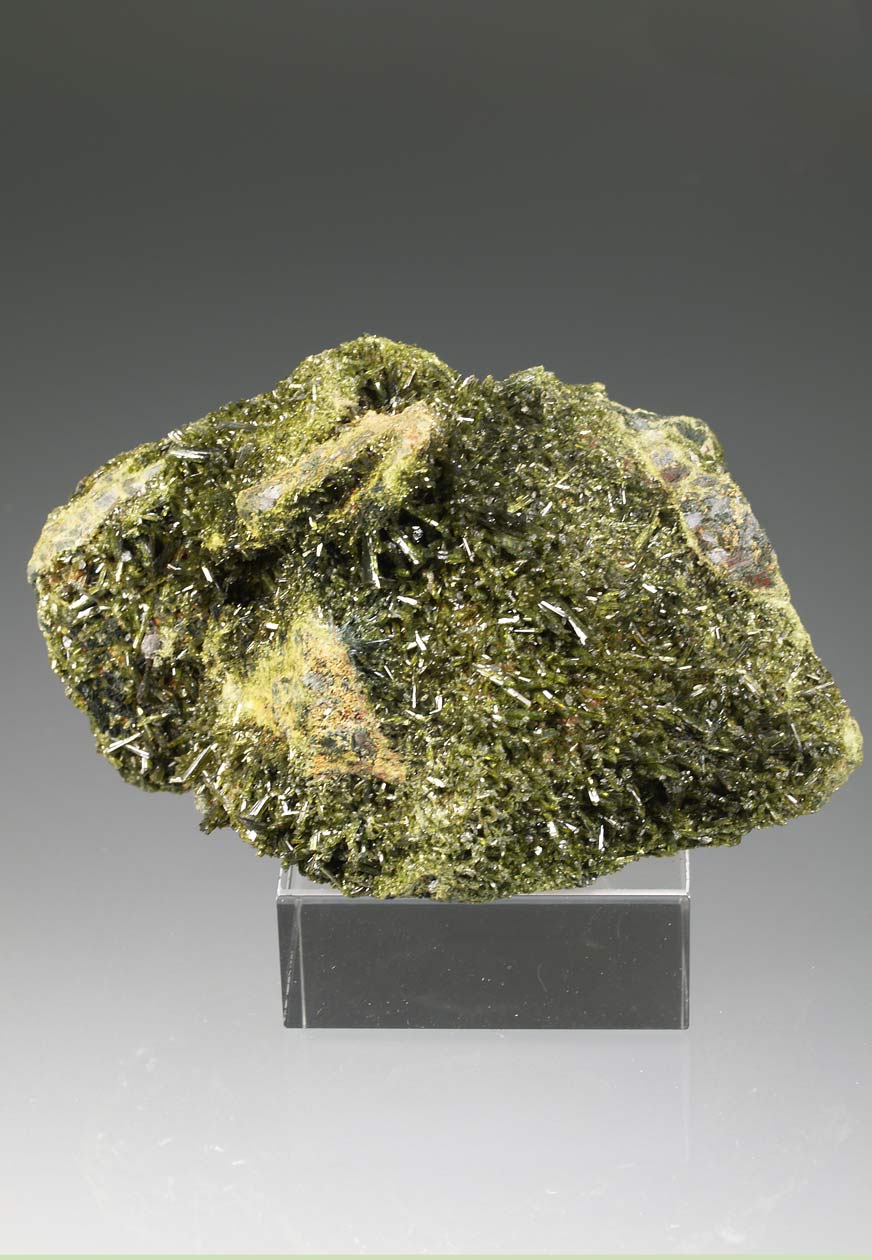
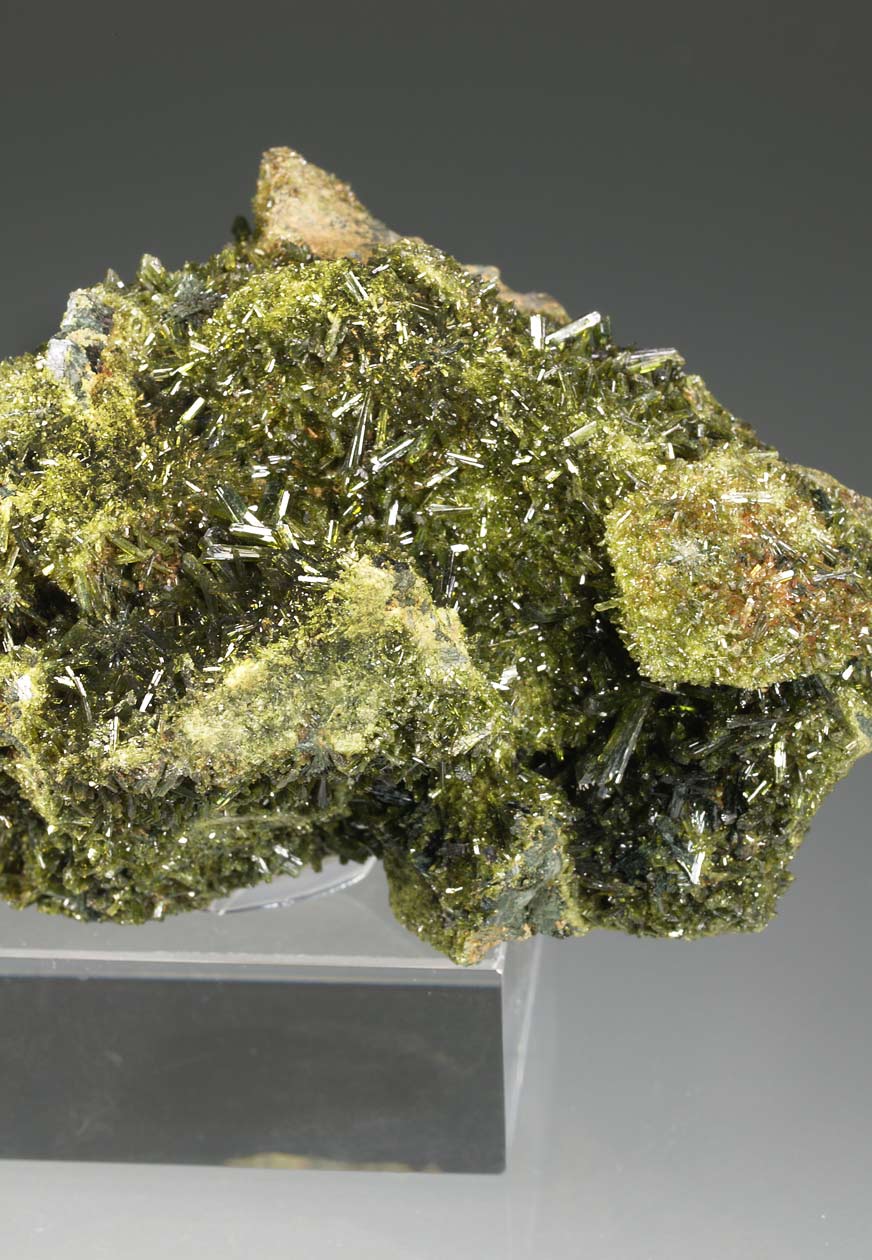
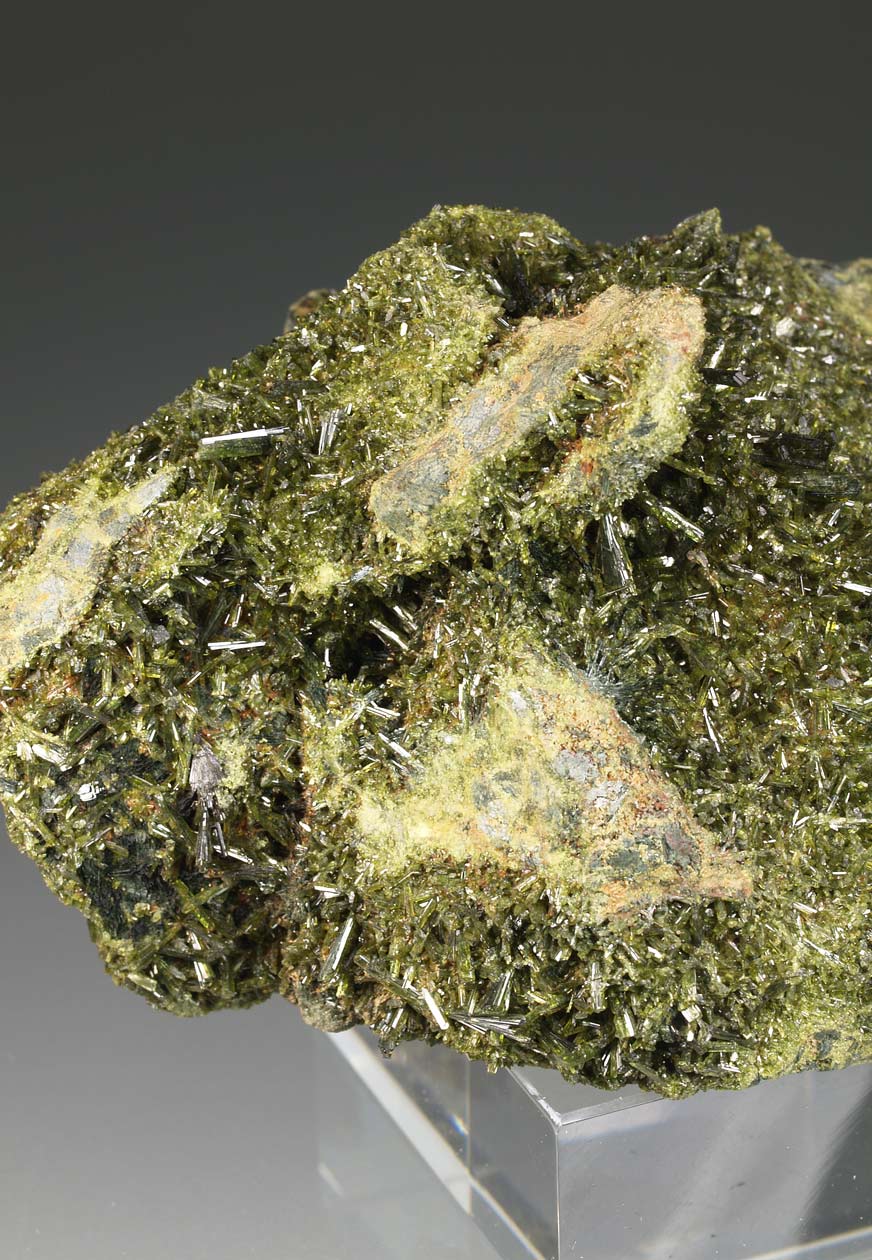
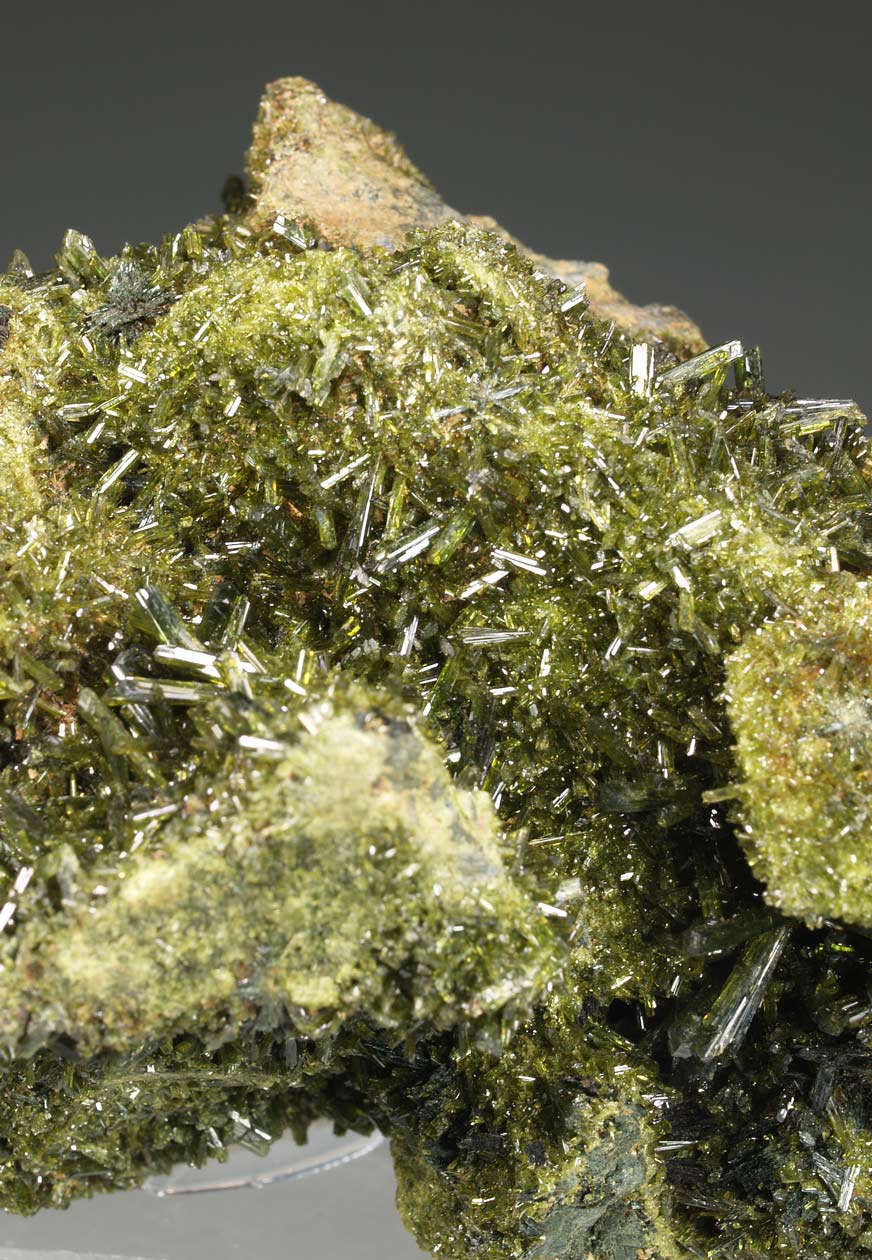
An excellent specimen formed by numerous epidote crystals, from the classic locality of Casterner. Fan-shaped crystals, they are very bright and with an excellent transparence. Samples of this area are already few. It is currently forbiden to collect in the area.
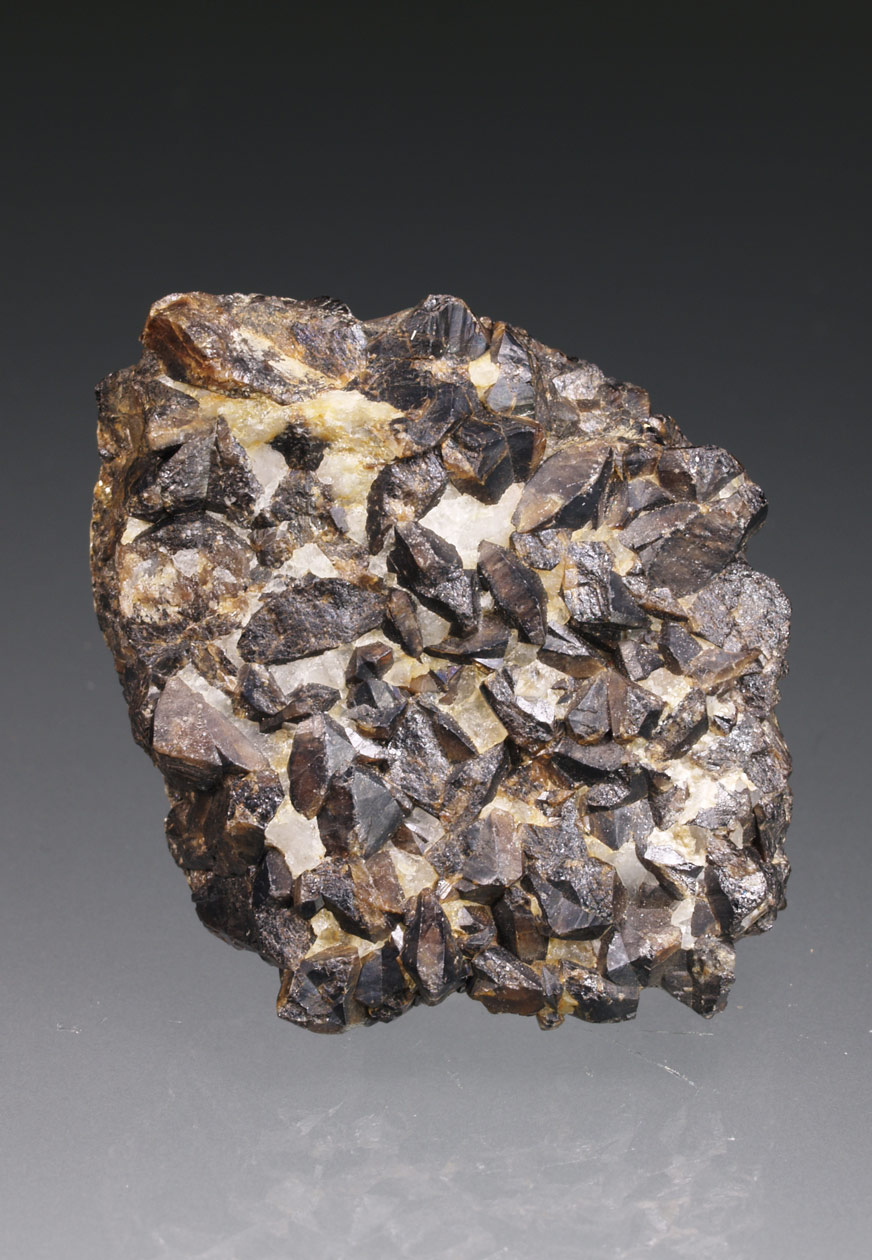
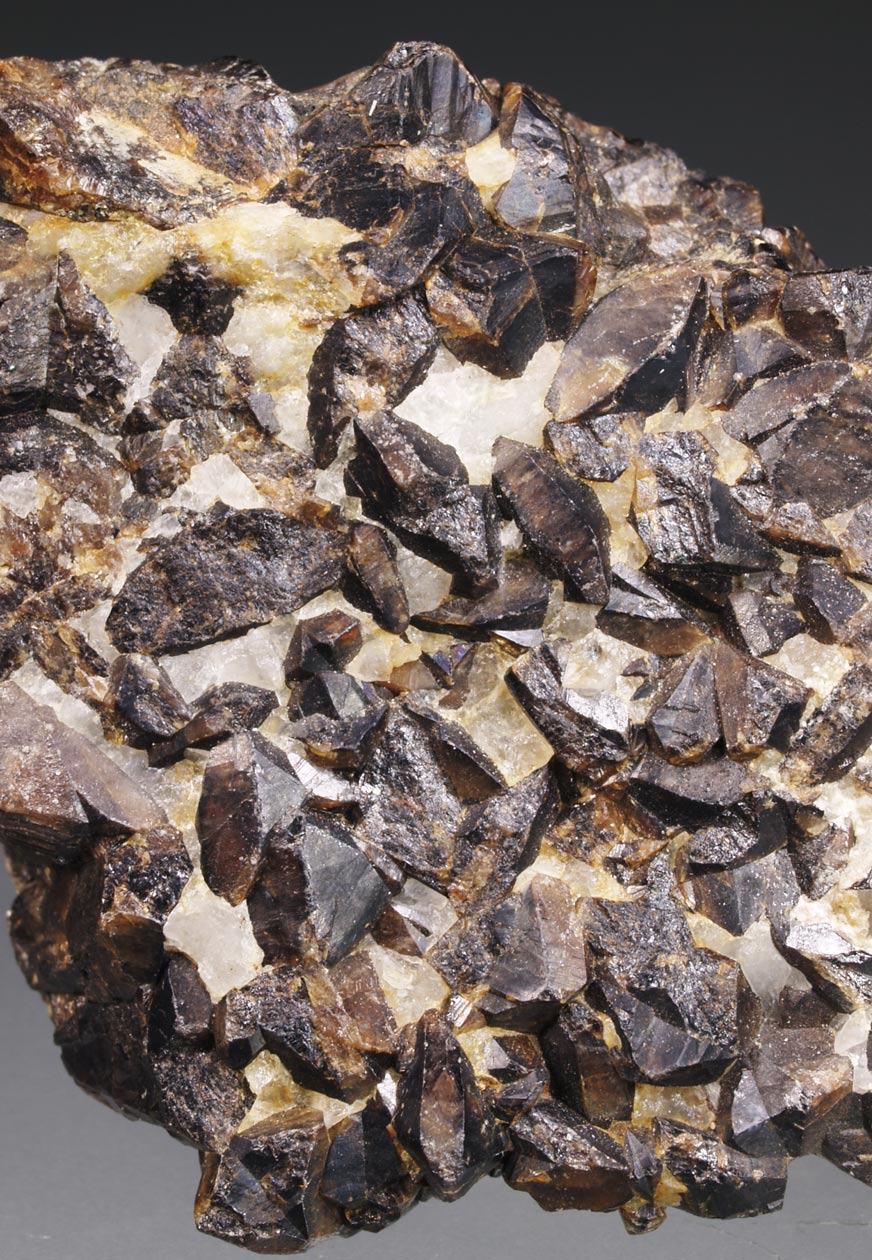
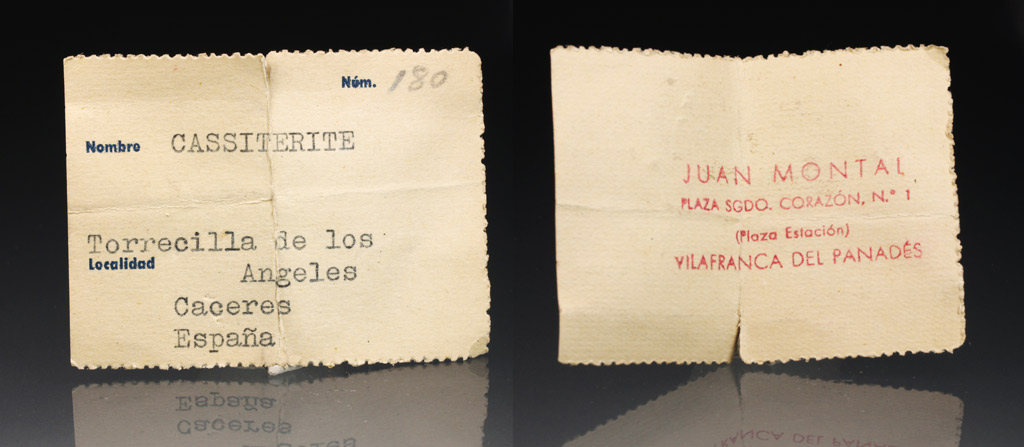
A very rich cluster of well-formed cassiterite crystals, showing twinning and bipyramidal forms. The color ranges from deep honey to lighter shades in some crystals when light strikes them. It comes from a locality in Cáceres that is poorly represented in collections. The deposit is composed of three sub-circular granitic cupolas that host Sn–Nb–Ta–W mineralization. There have been recent initiatives and applications for mining exploration permits (for example, the “Torrecilla”), covering several grid squares in the municipalities of Torrecilla de los Ángeles, Hernán Pérez, and Santibáñez El Alto, indicating interest in exploring the mineral resources. From the Vilaseca collection (Barcelona) and and old label from Joan Montal, a former Catalan dealer.
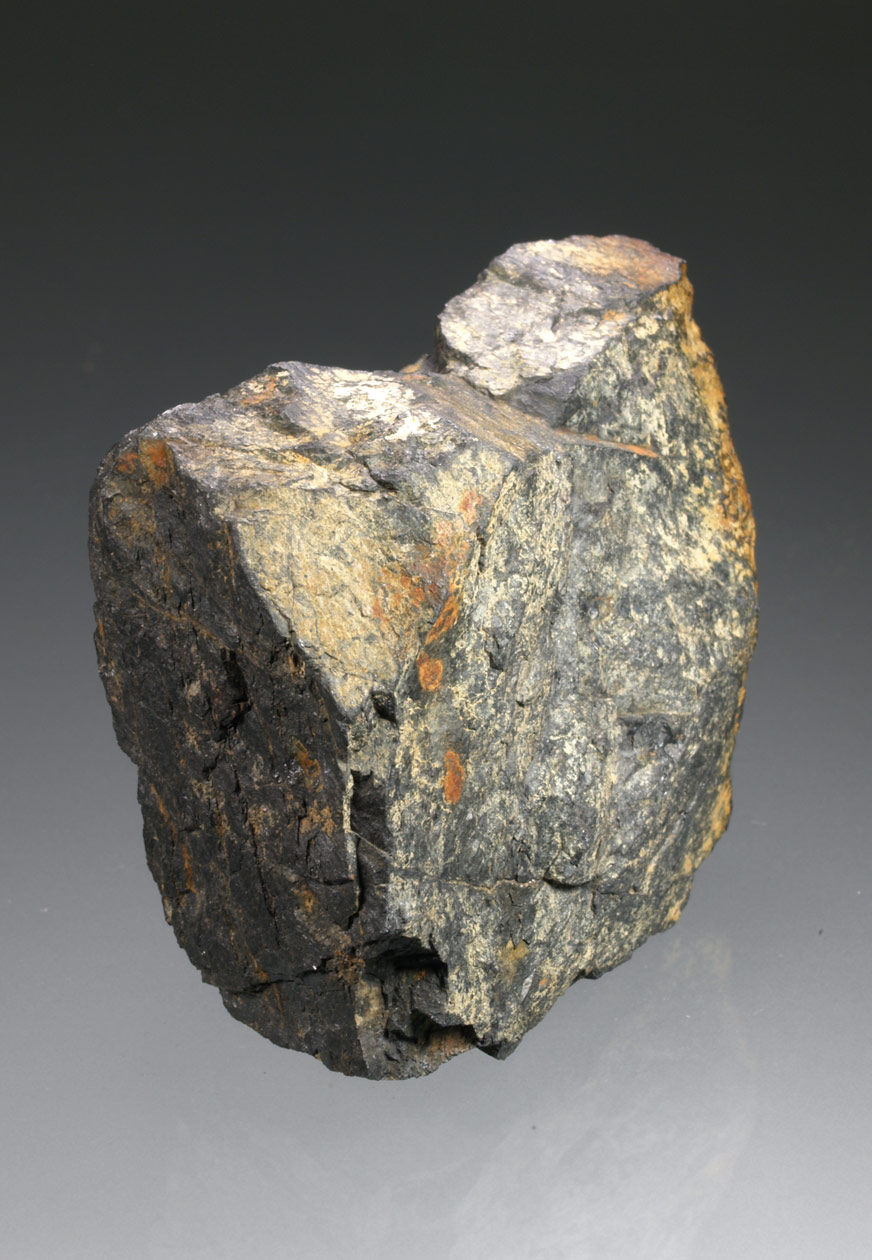
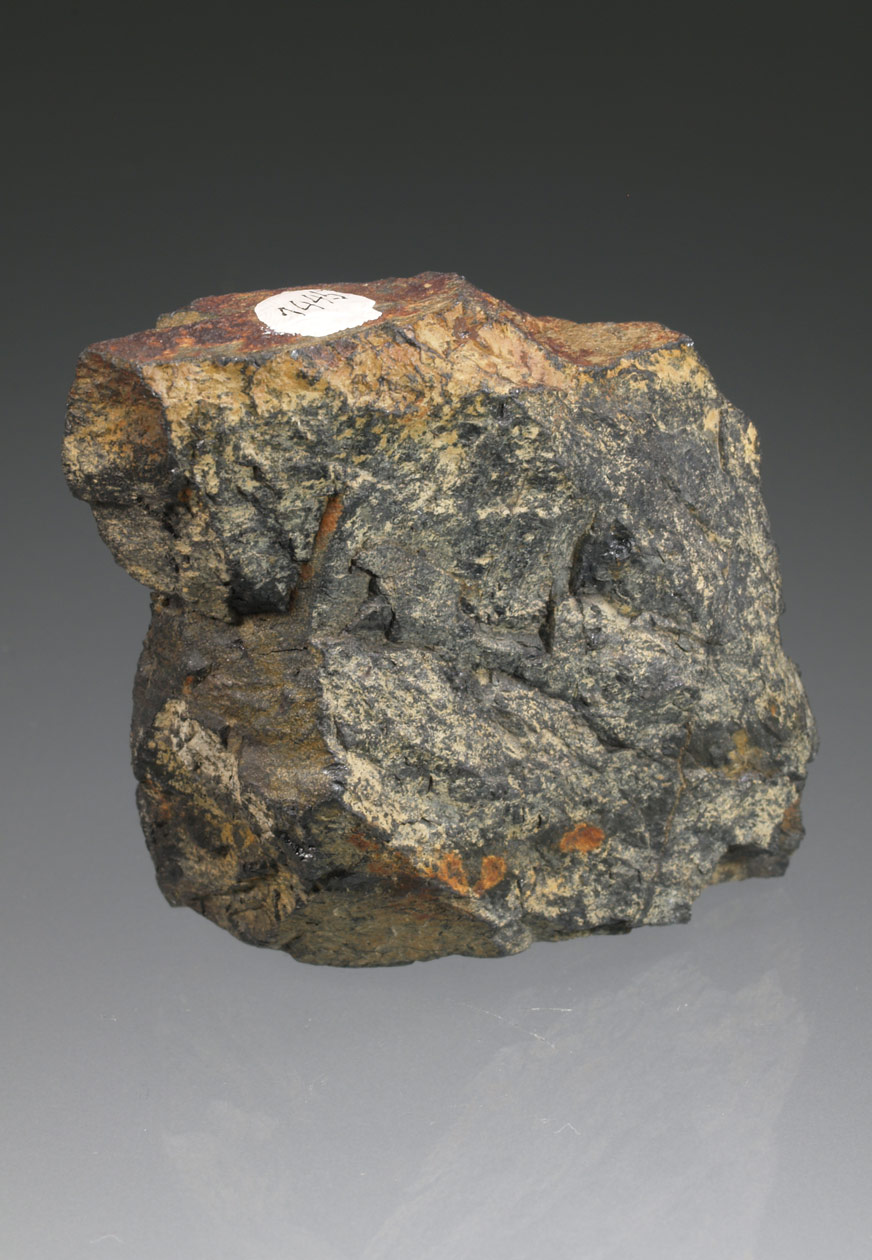
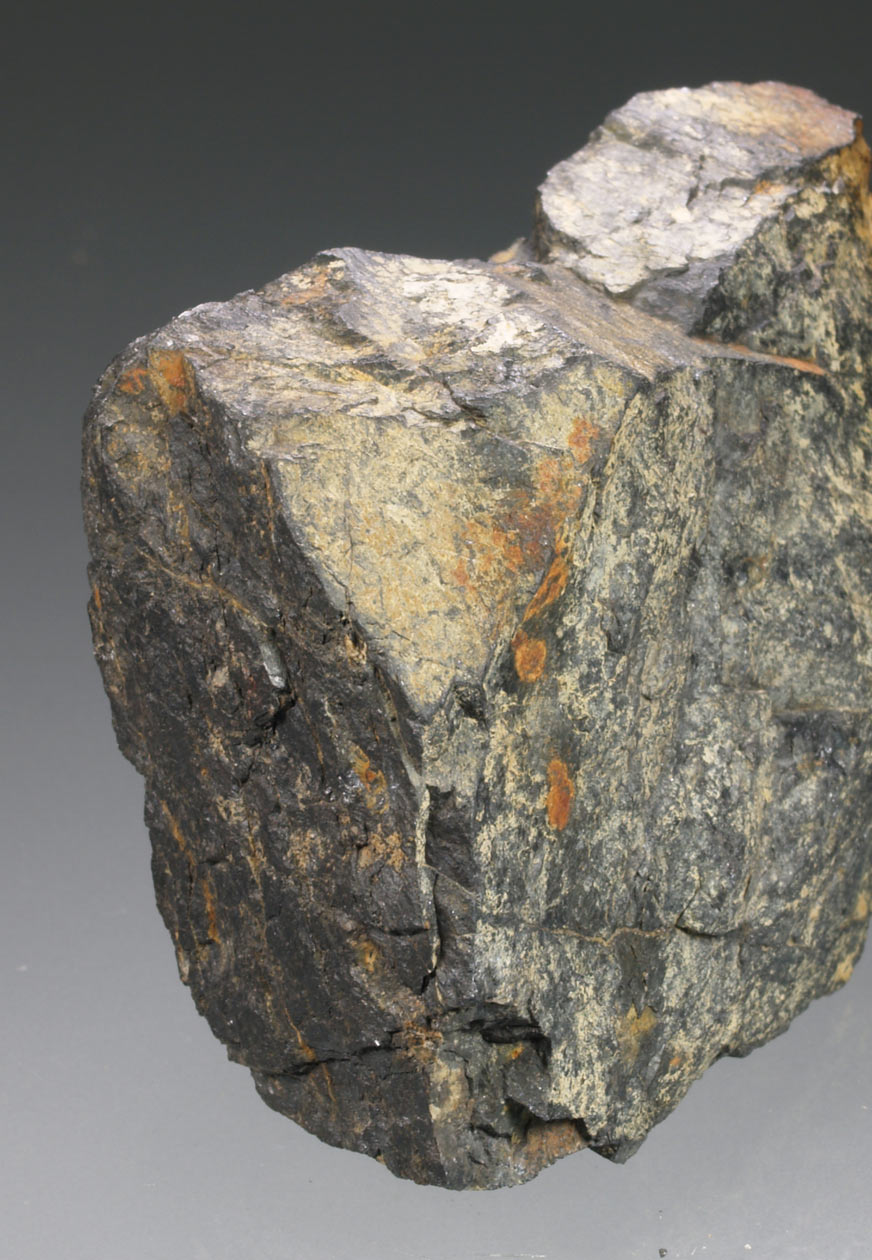
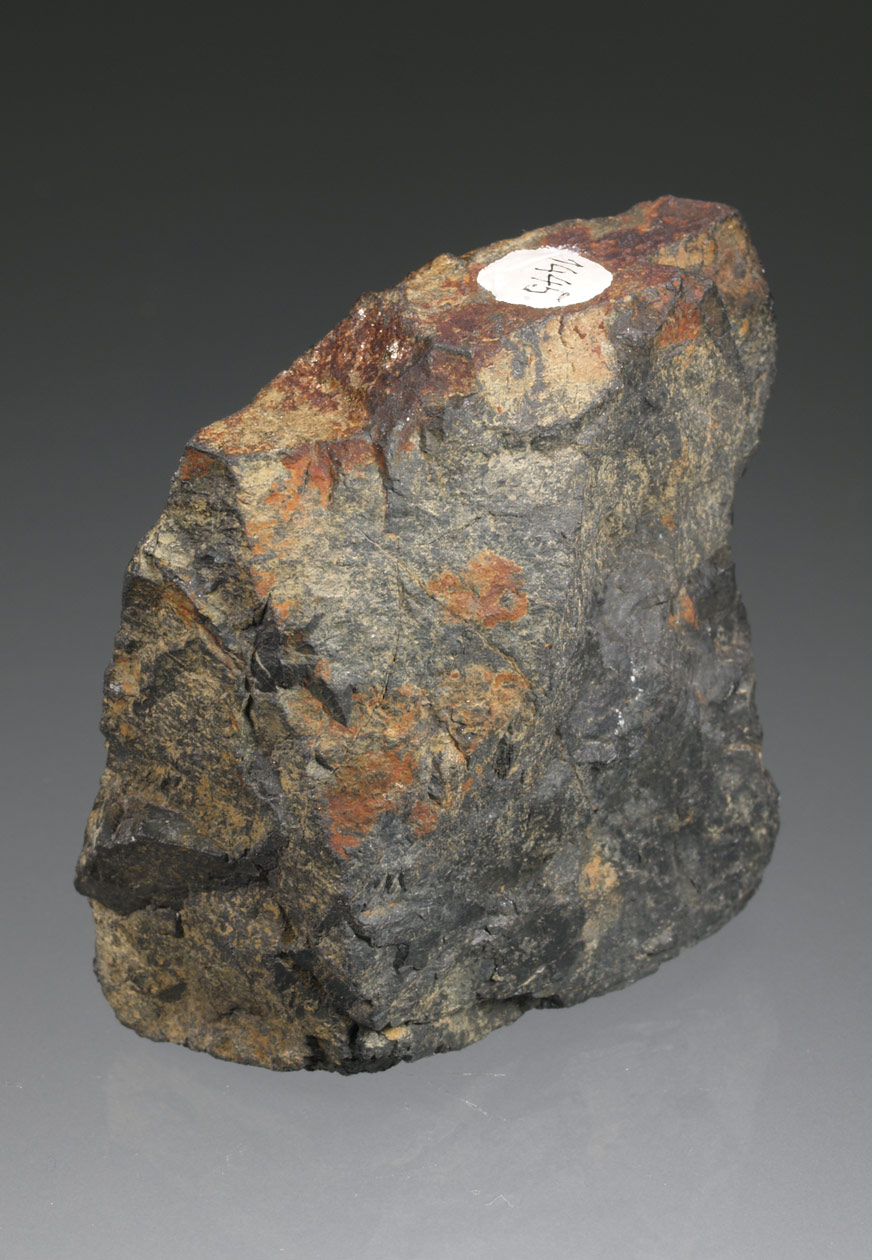
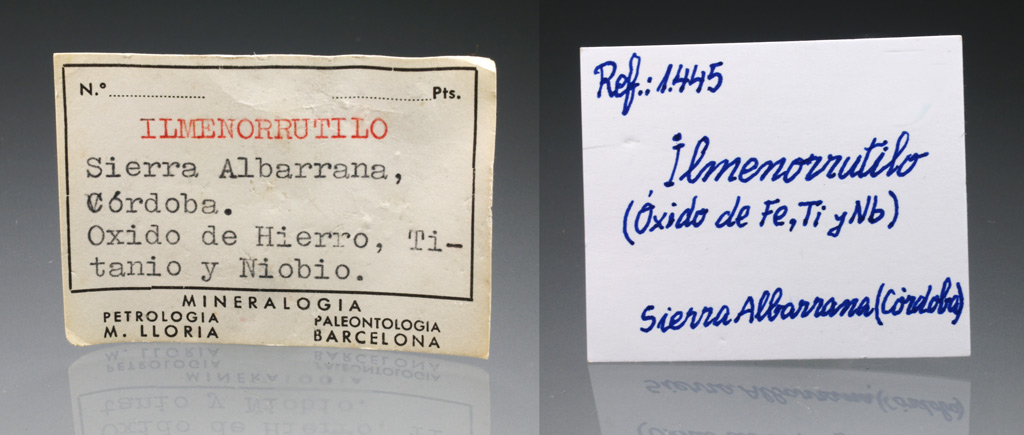
Ilmenorutile is a niobium-rich variety of rutile, with the formula (Ti,Nb)O₂. In this specimen, some crystal faces can be observed. It most likely comes from the Diéresis quarry, where, during the 1980s, masses weighing several kilograms with developed crystal faces were found, enclosed in the pegmatite. From the Vilaseca collection, acquired from the well-known Barcelona mineral dealer Marçal Llòria (Lloid).
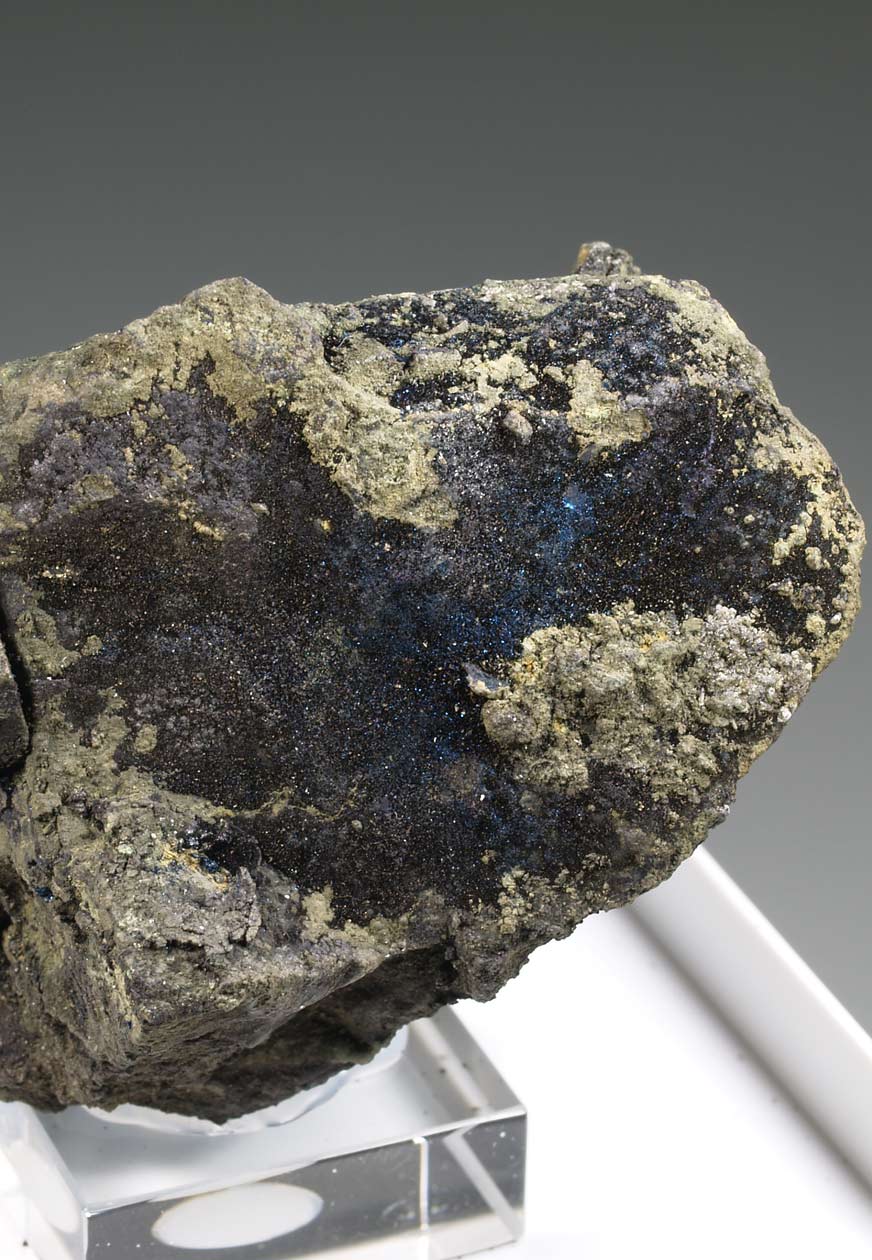
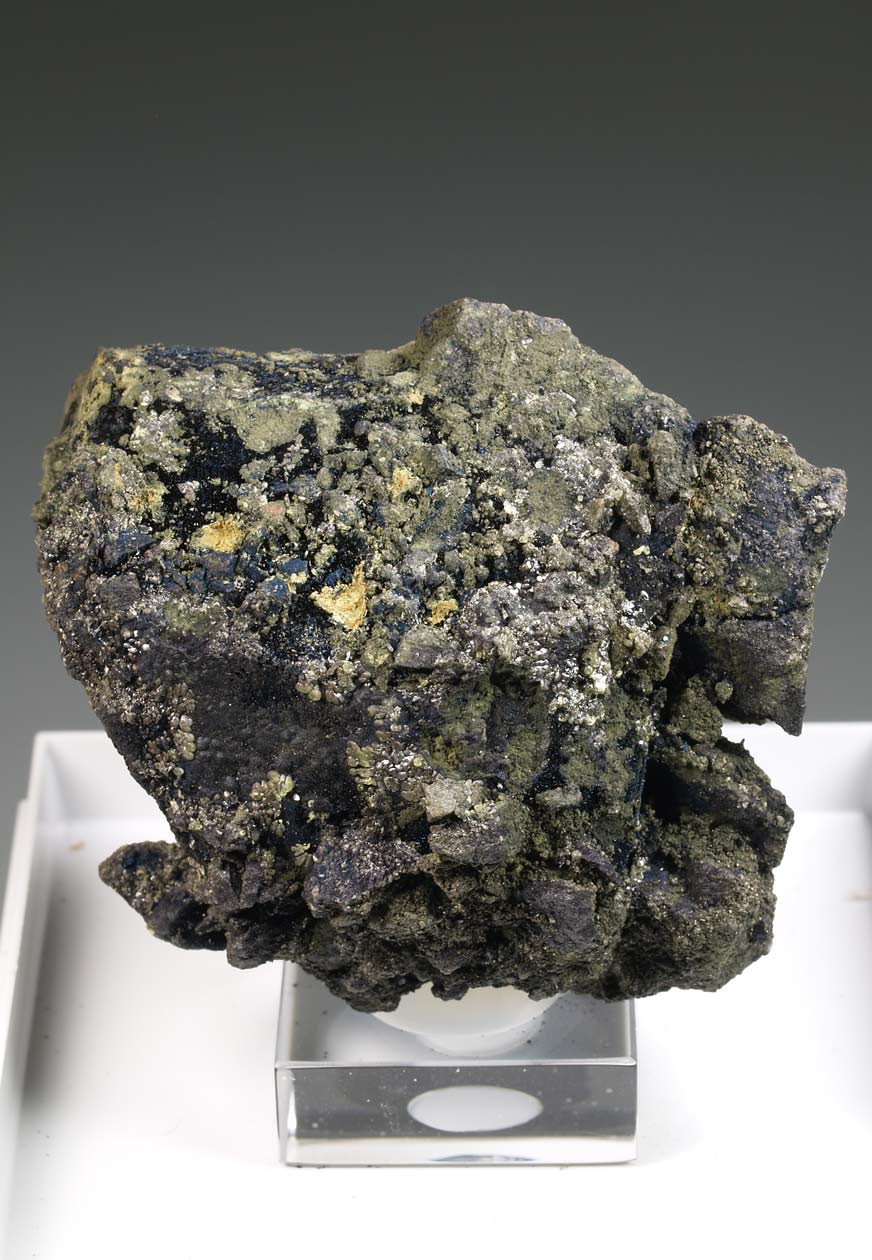
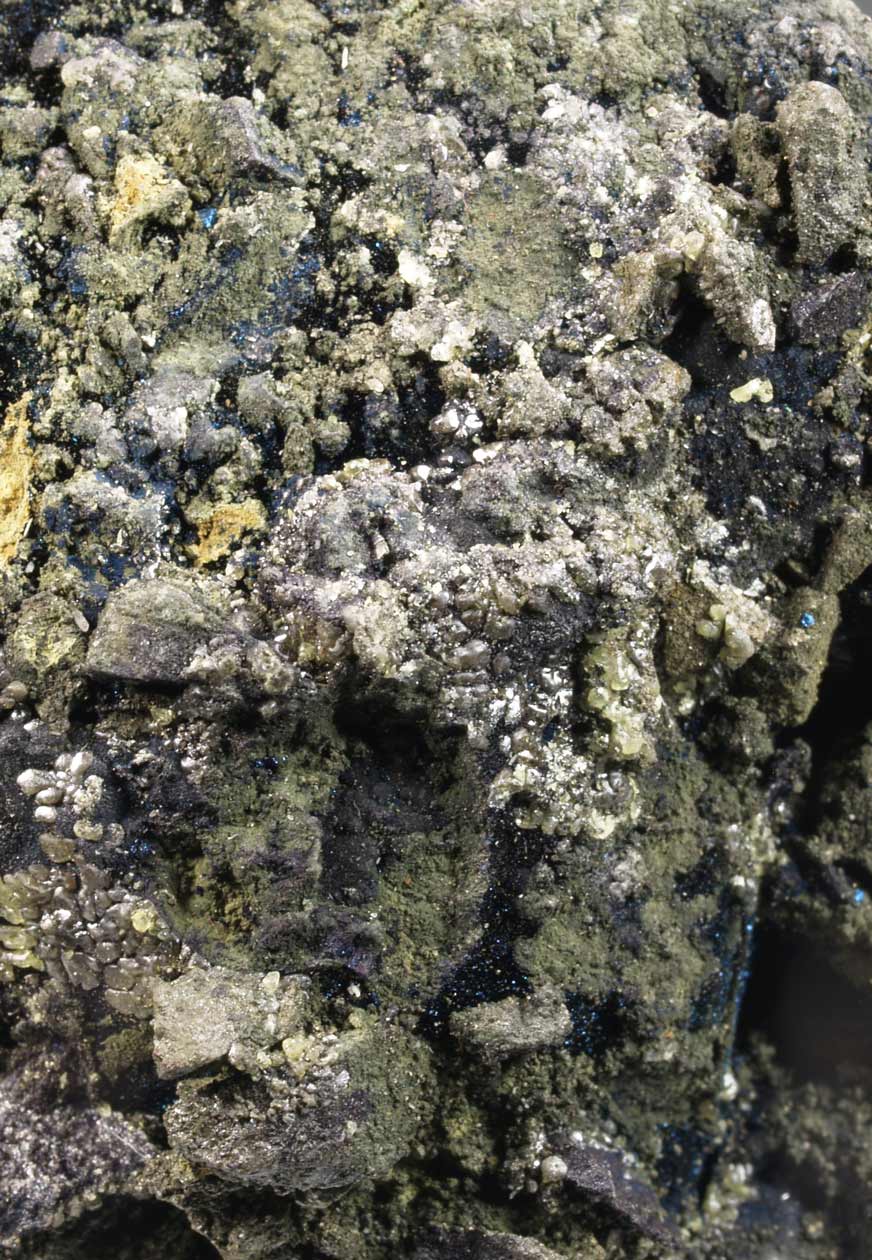
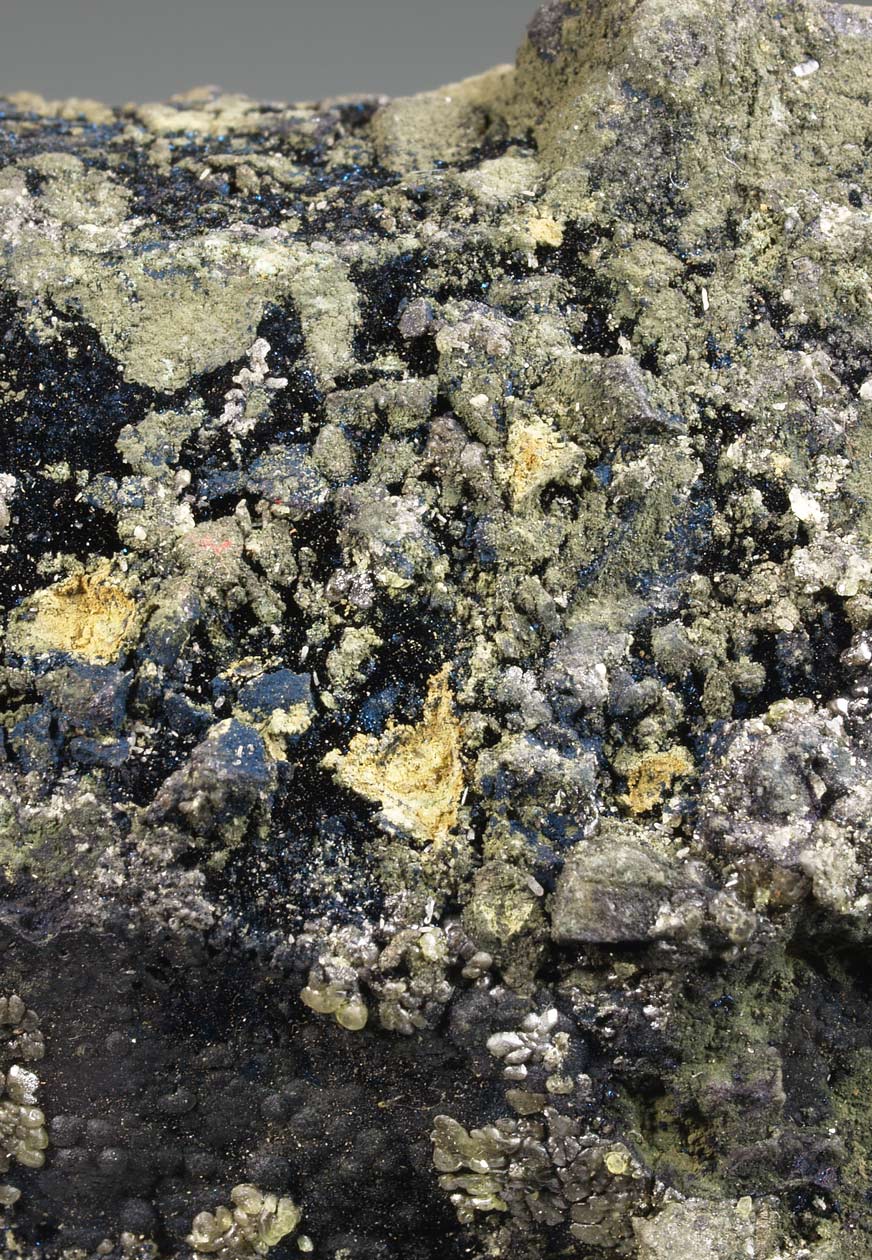
On a matrix of polymetallic sulfides, primarily pyrite, are several druses of intensely lustrous, deep blue covellite crystals. These are accompanied by sulfur crystals, among other minerals. This specimen belongs from the Atalaya open pit, an emblematic mining operation in Huelva province.
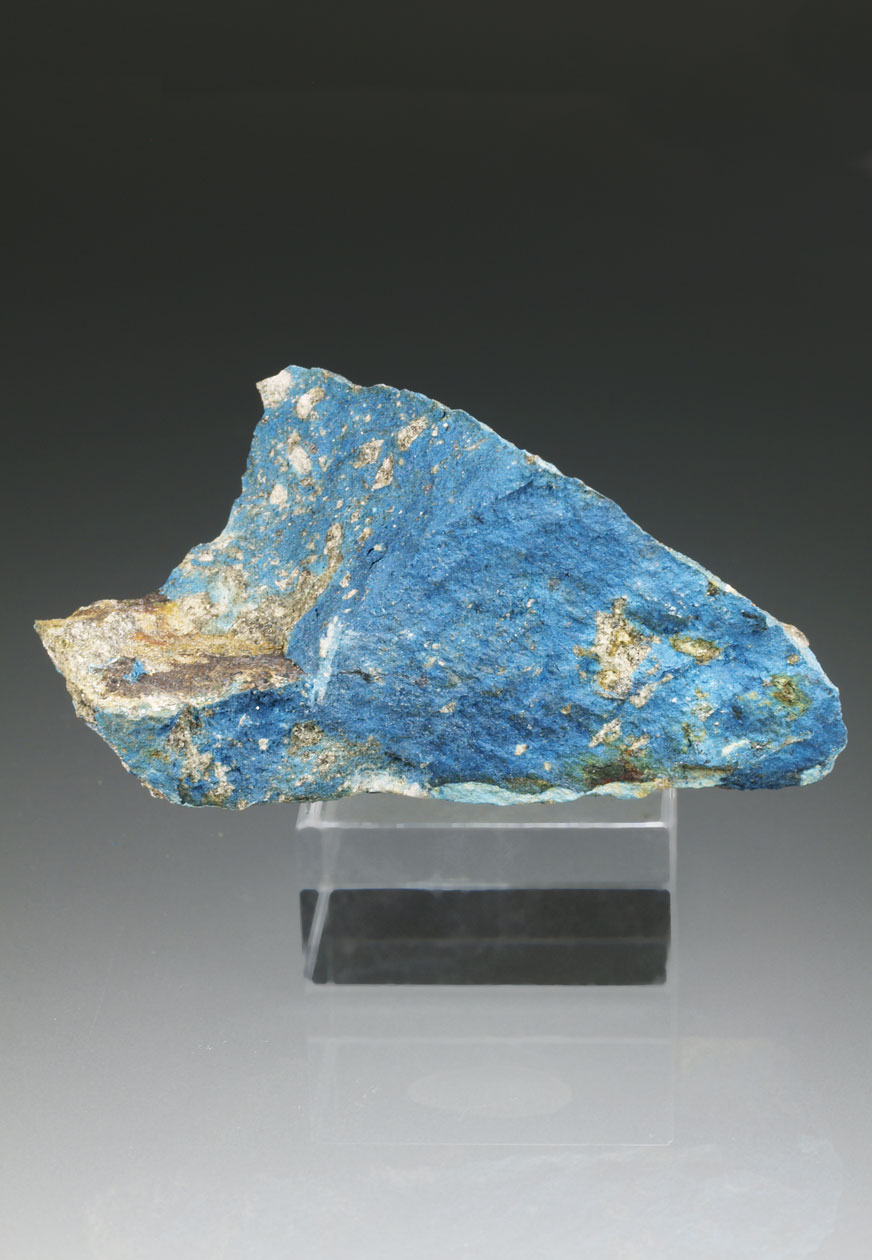
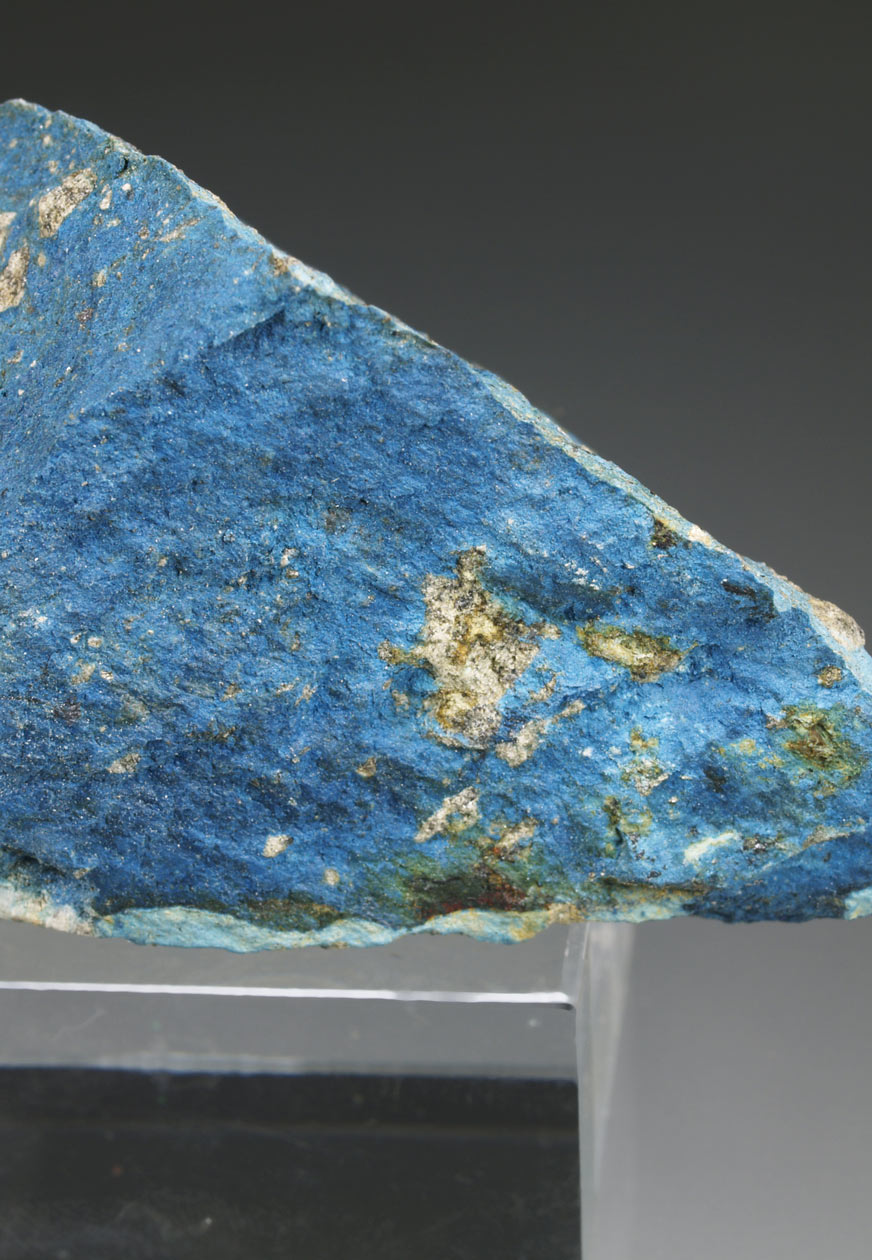
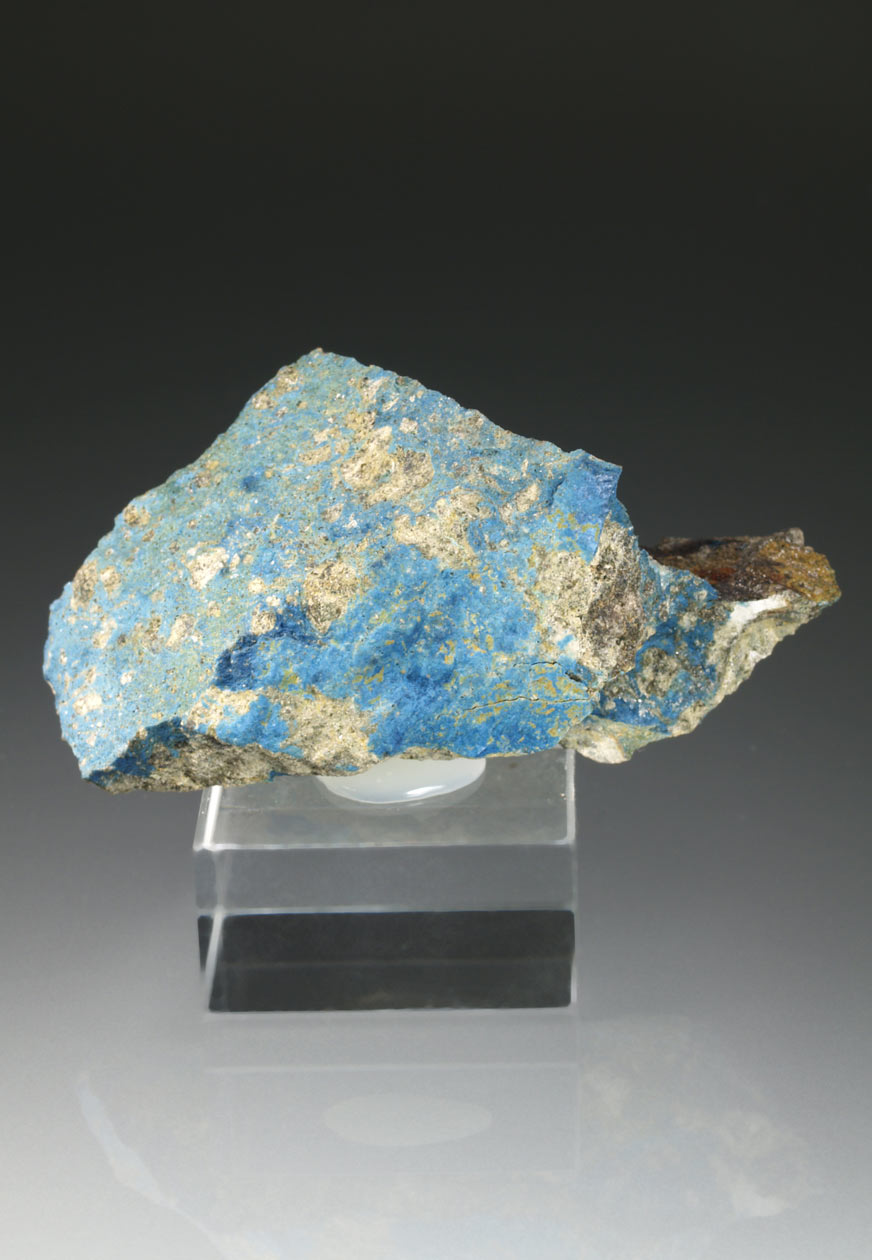
Blocky aerinite criptocristalline with fragments of dolerite included. Excellent color. Aerinite was used as a blue pigment in many Romanesque paintings in the Pyrenees between the 11th and 14th centuries. Its characteristic blue color varies from dark to pale blue. In fact, its name comes from a Greek root aerinos meaning "atmosphere" or "sky", as it was only known by that color.
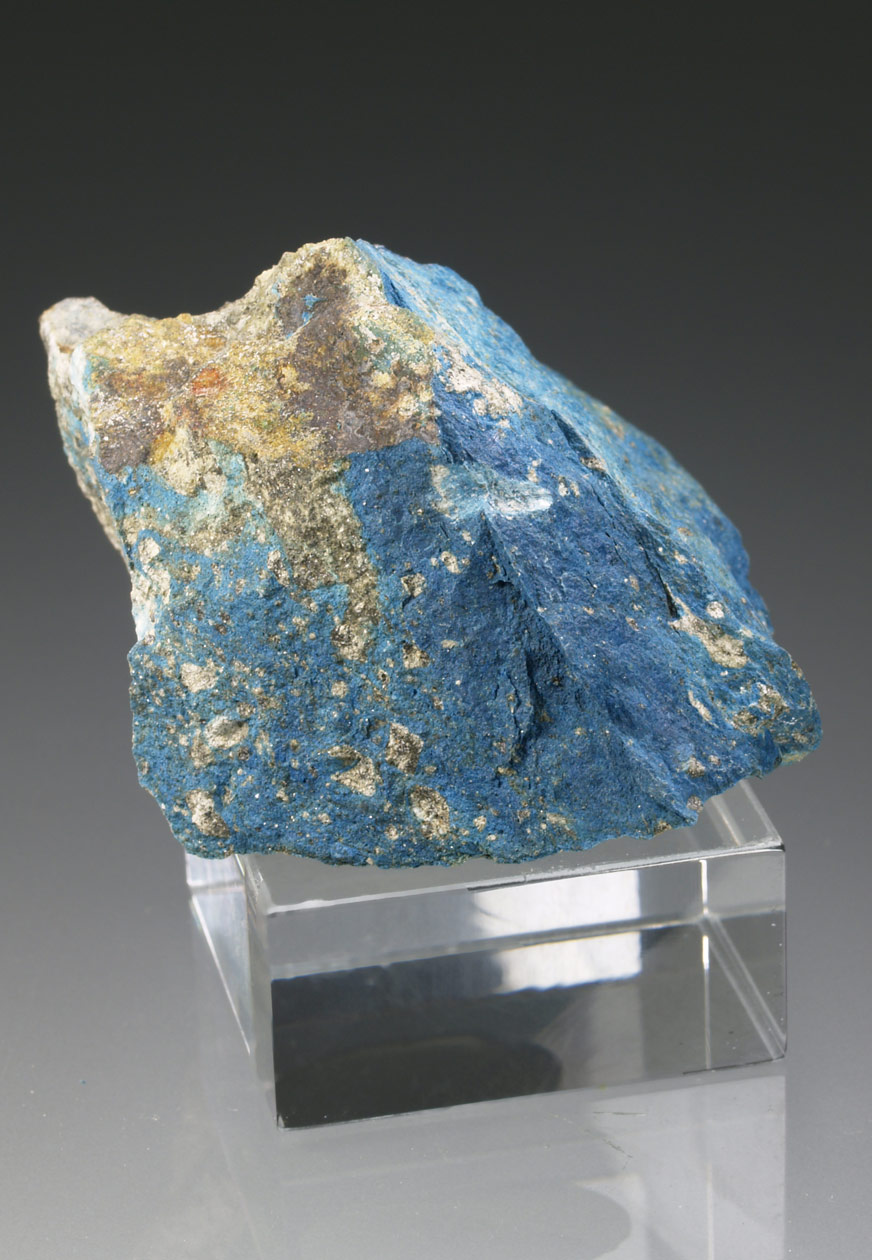
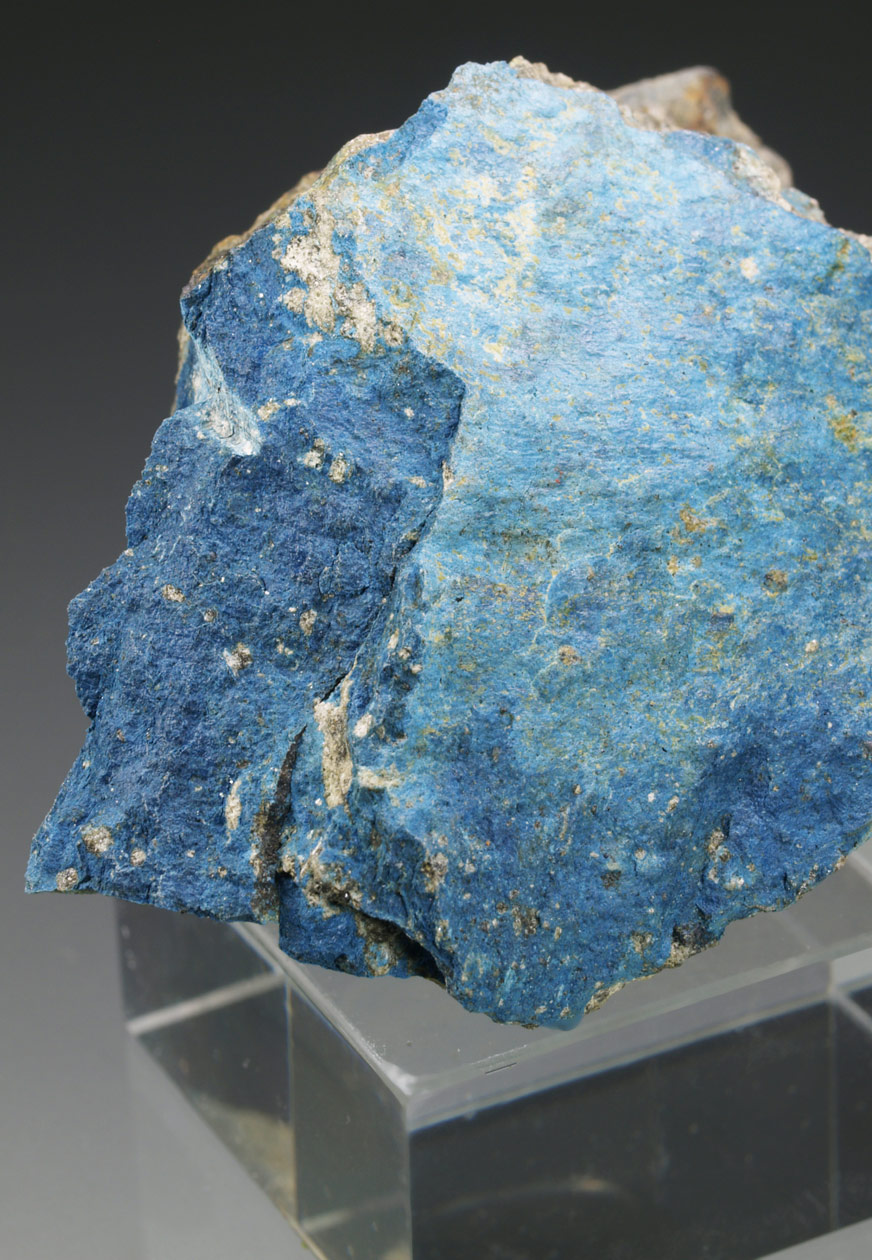
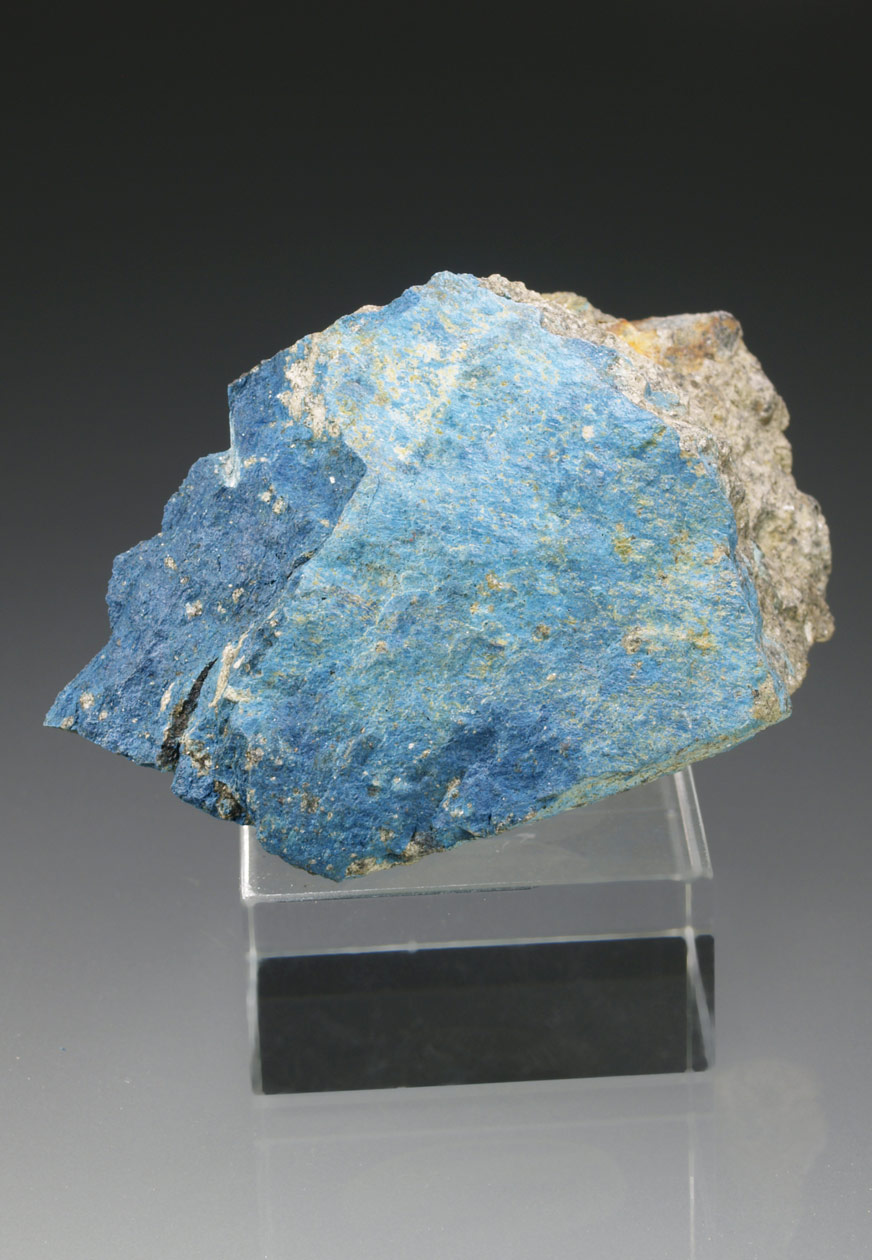
Blocky aerinite criptocristalline with fragments of dolerite included. Excellent color. Aerinite was used as a blue pigment in many Romanesque paintings in the Pyrenees between the 11th and 14th centuries. Its characteristic blue color varies from dark to pale blue. In fact, its name comes from a Greek root aerinos meaning "atmosphere" or "sky", as it was only known by that color. Obtaining these specimens of pure aerinite nowadays is almost impossible.
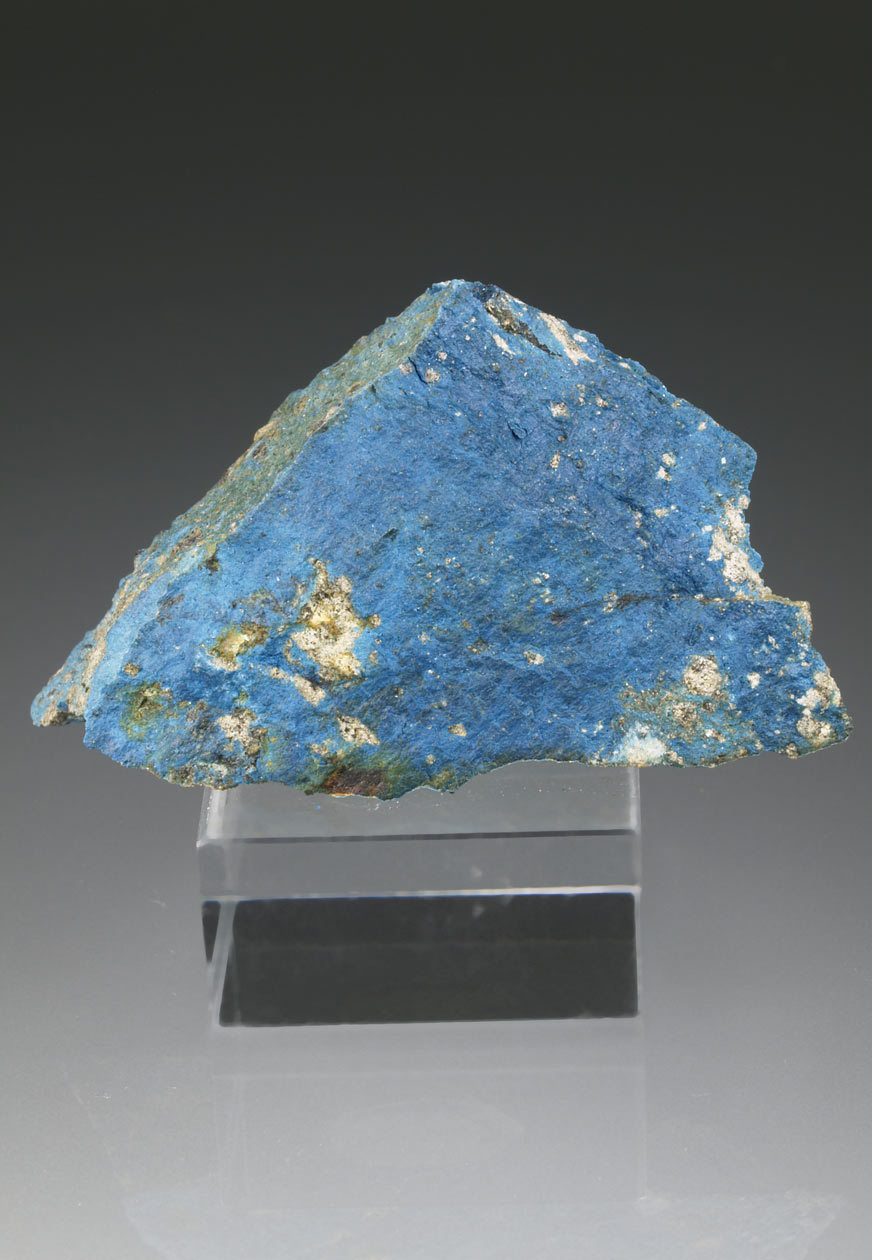
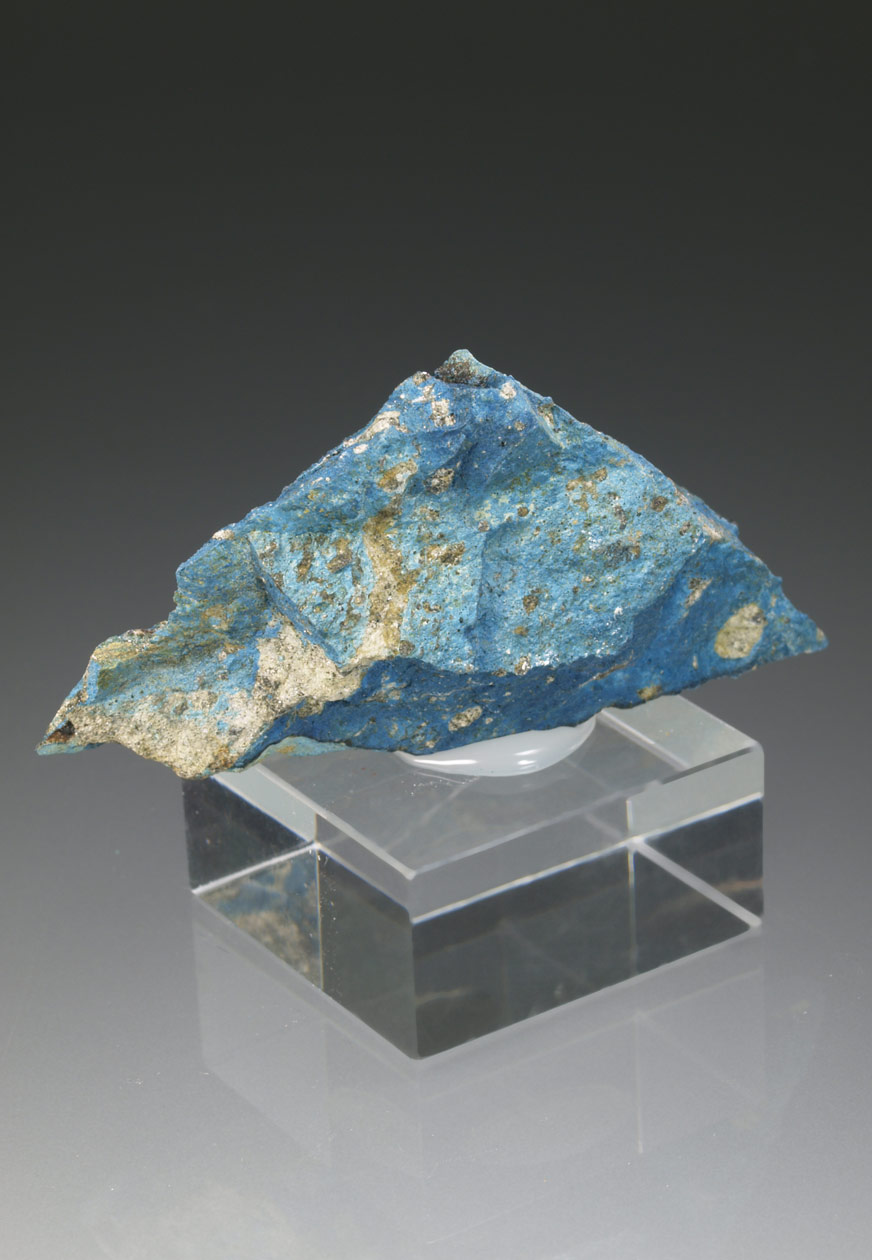
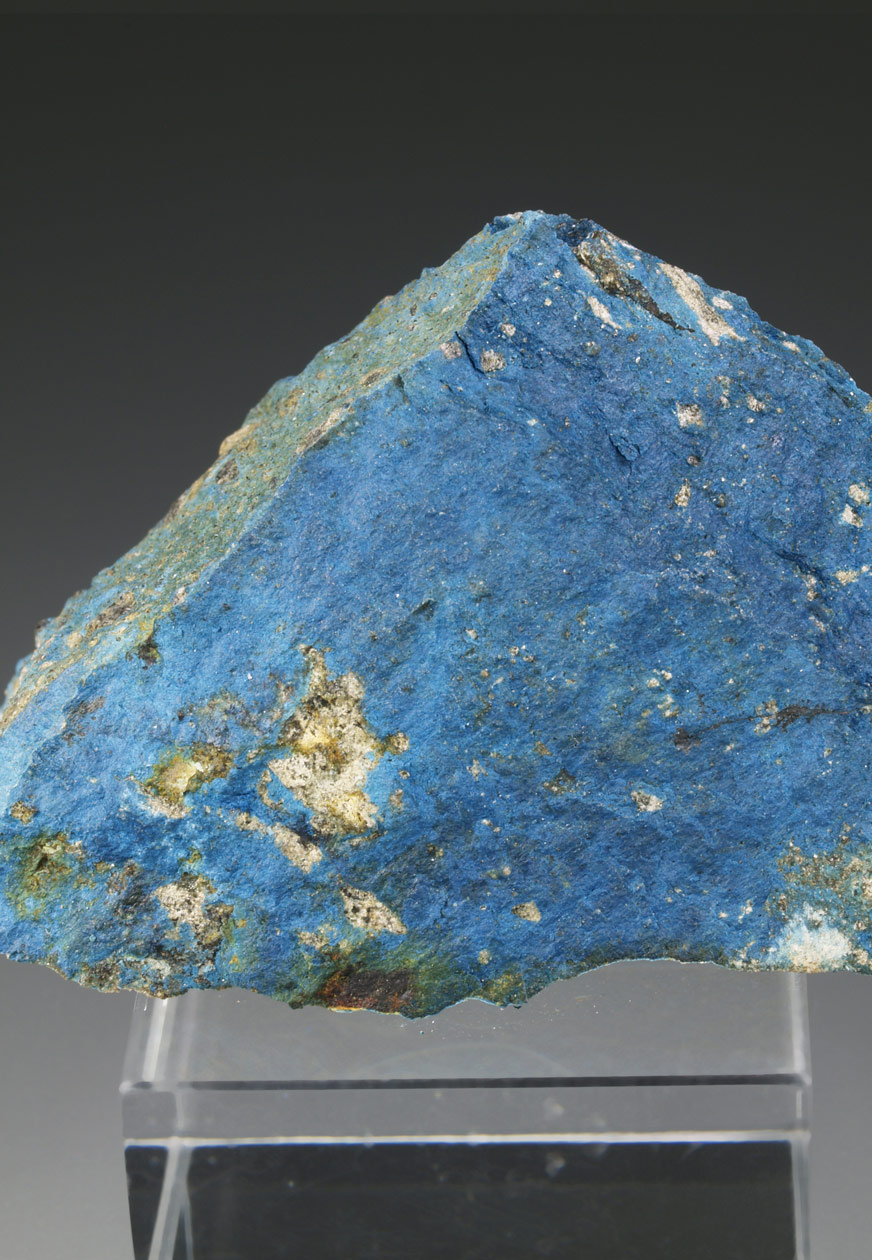
Blocky aerinite criptocristalline with fragments of dolerite included. Excellent color. Aerinite was used as a blue pigment in many Romanesque paintings in the Pyrenees between the 11th and 14th centuries. Its characteristic blue color varies from dark to pale blue. In fact, its name comes from a Greek root aerinos meaning "atmosphere" or "sky", as it was only known by that color. Obtaining these specimens of pure aerinite nowadays is almost impossible.
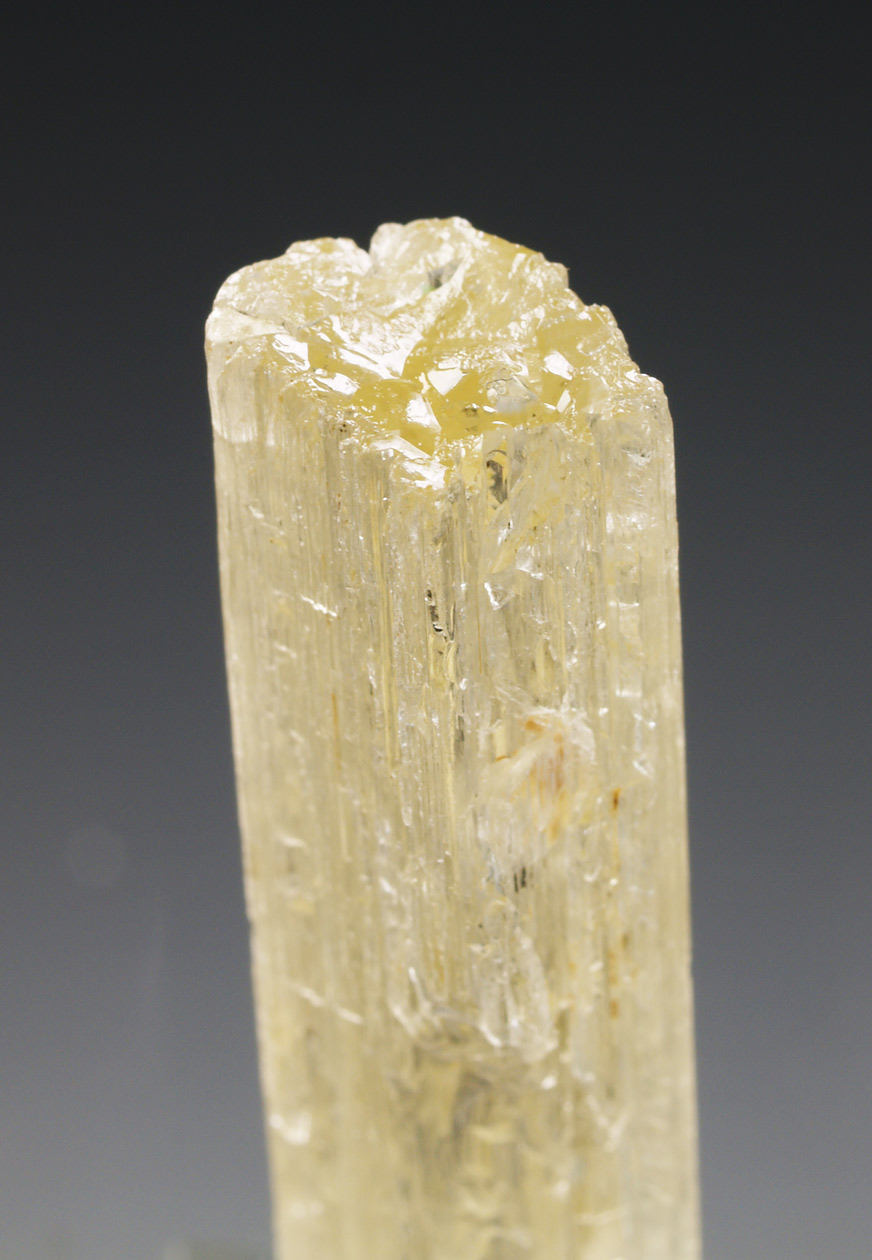
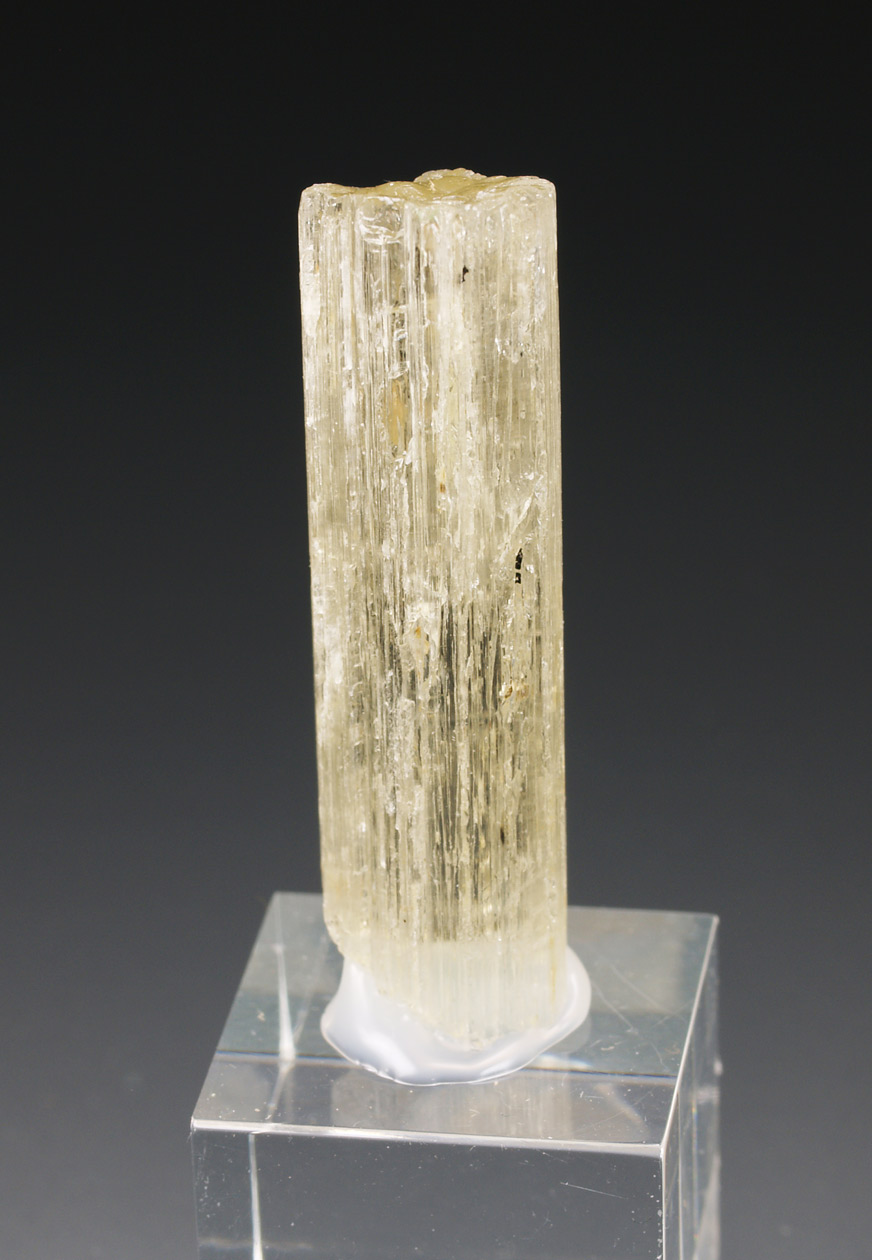
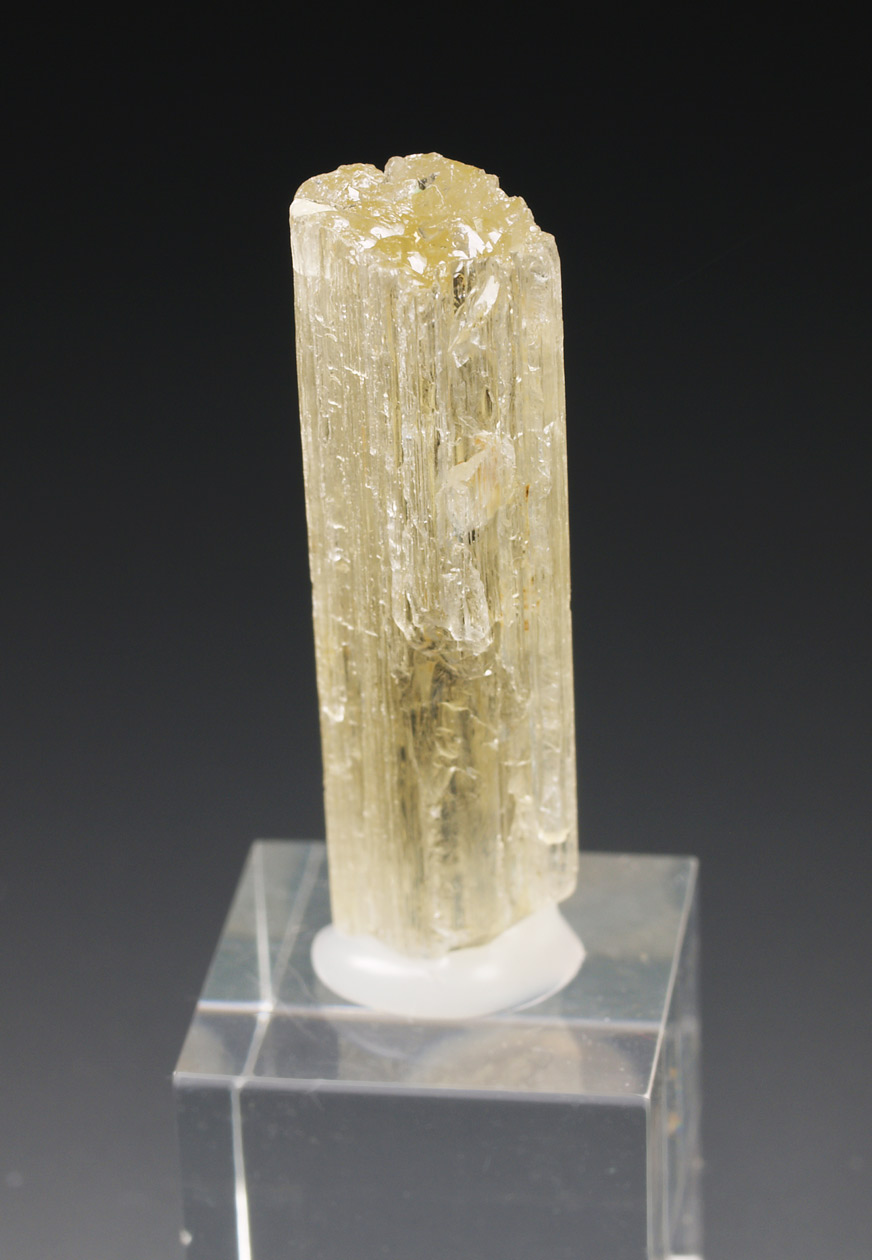
Marialite crystal, scapolite group, slightly greenish-yellow, with parallel growths and well-defined terminal faces. Transparent to translucent, with some very transparent areas. A gem from the Trigo collection, from Mataró, with a handwritten label.
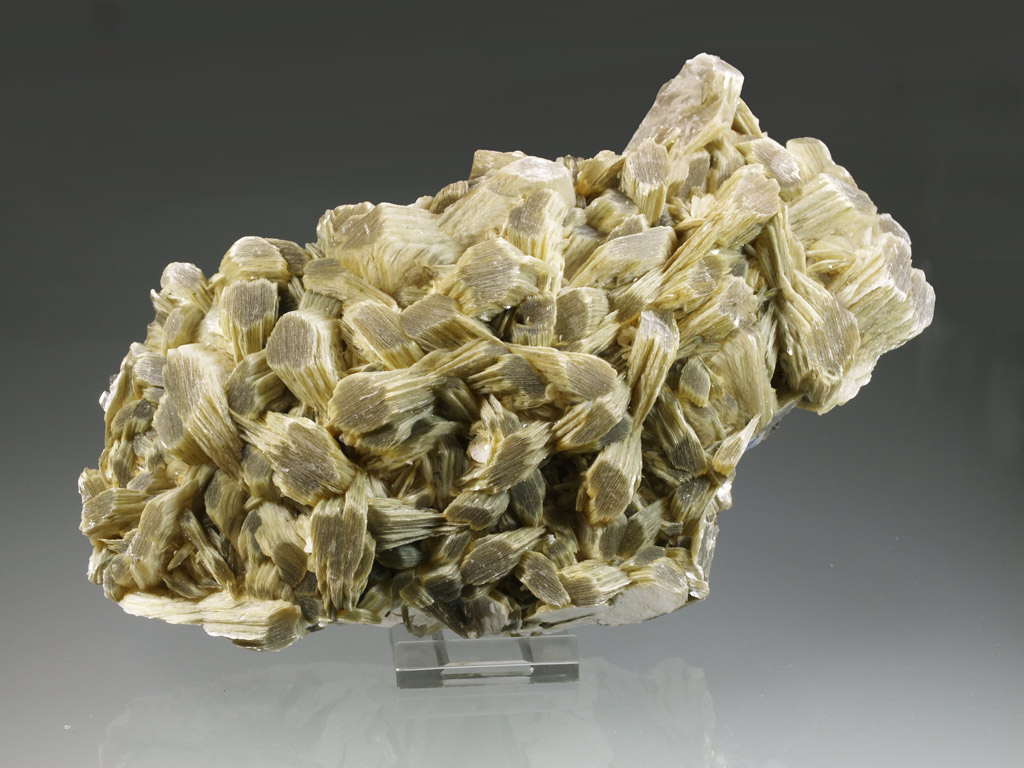
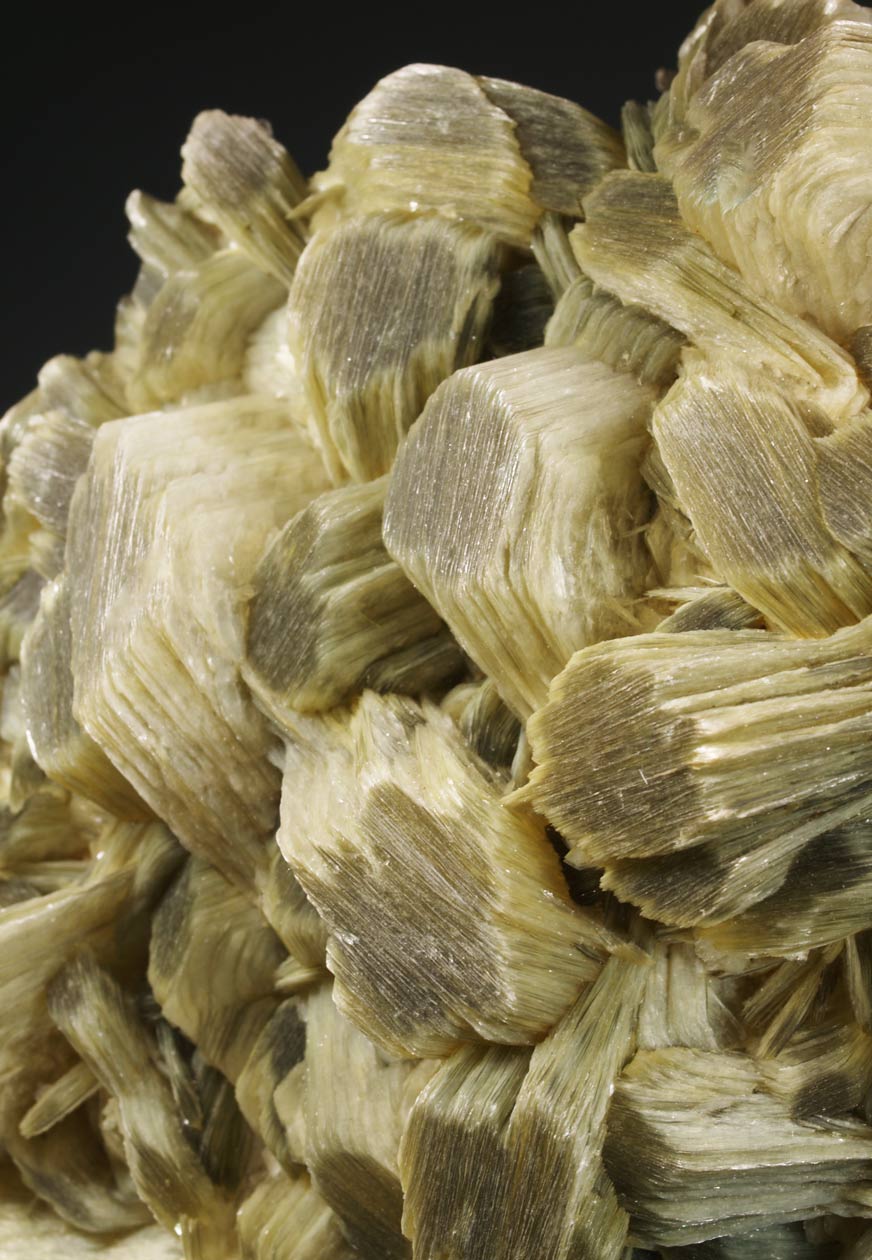
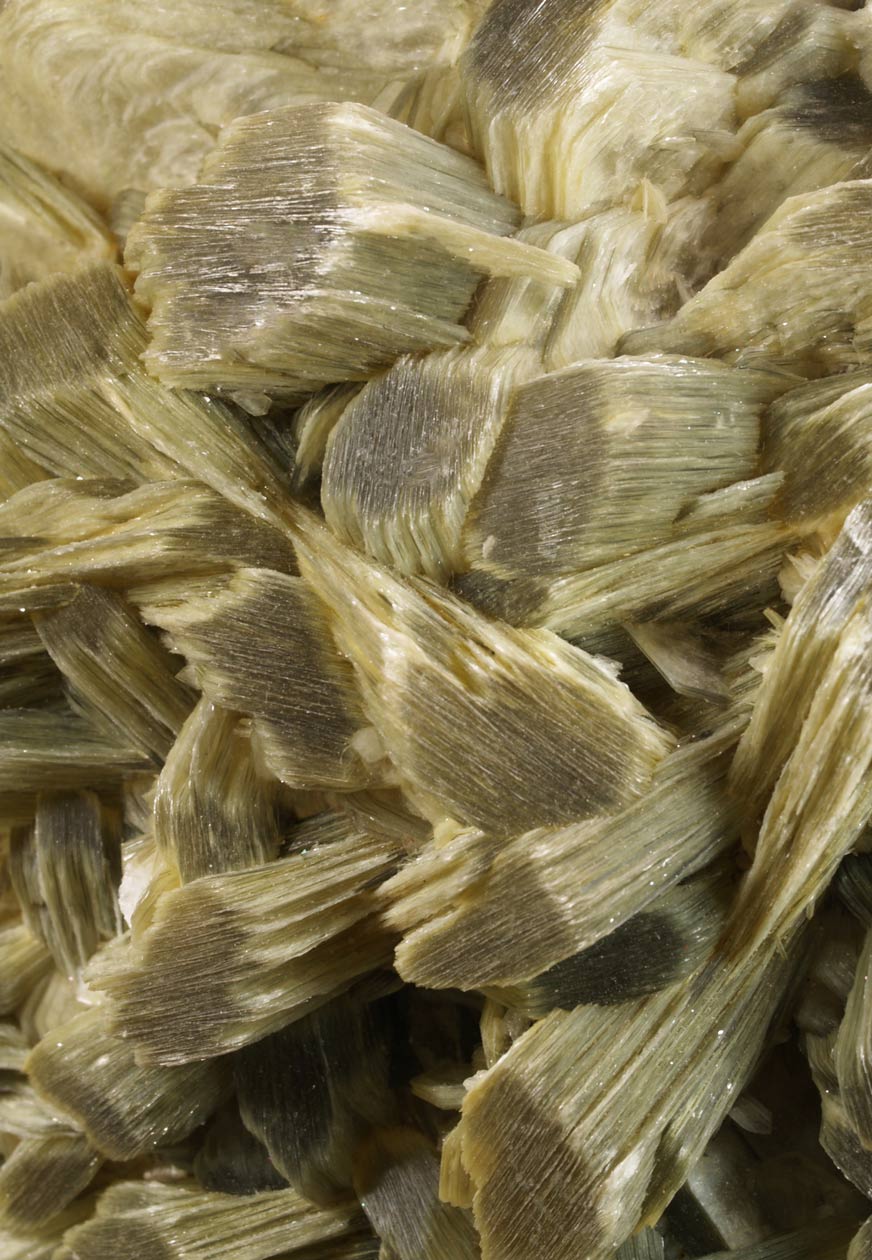
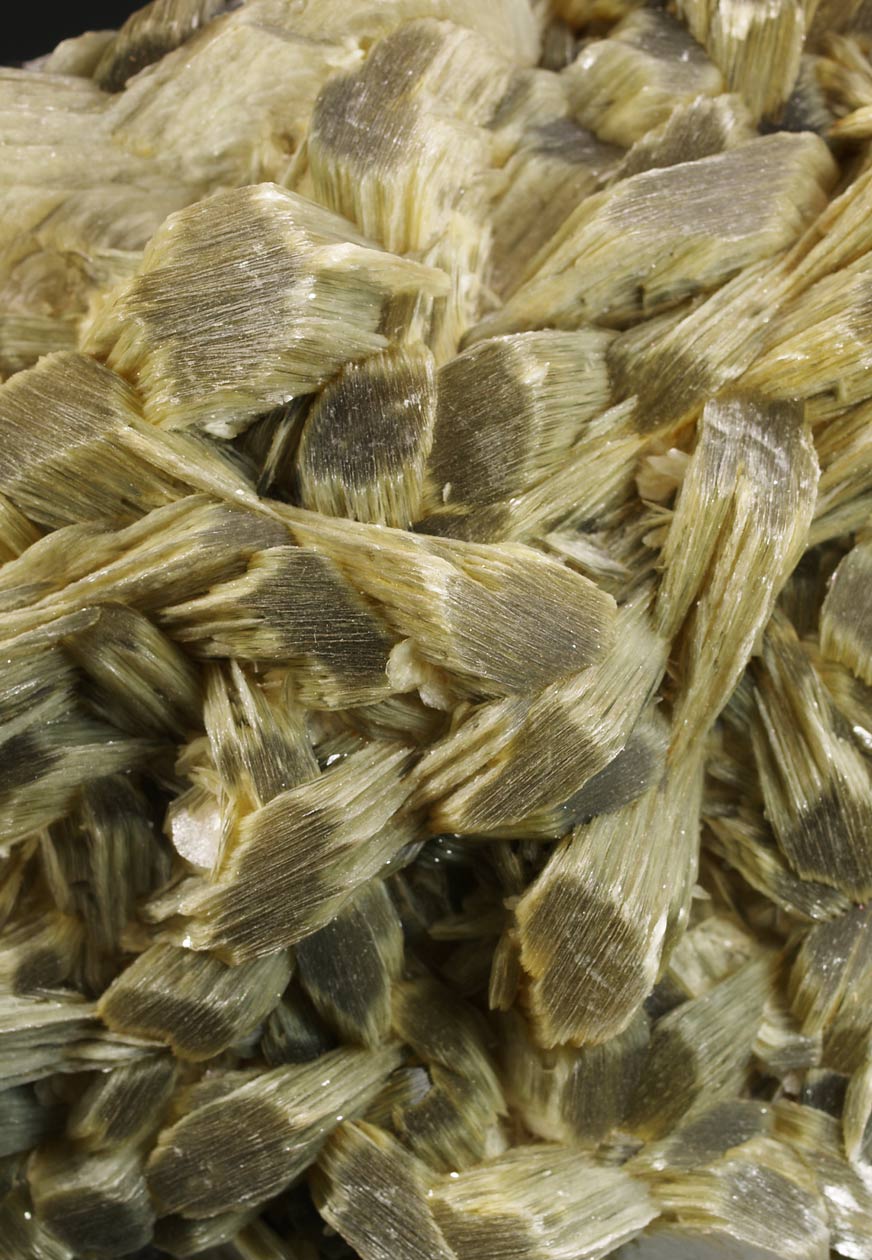
An exceptional specimen of muscovite composed of numerous aggregates of hexagonal crystals of this member of the mica group. Its yellowish-green color is very distinctive. Specimens of this type are rare, especially at this size. It is accompanied by albite, specifically the cleavelandite variety.
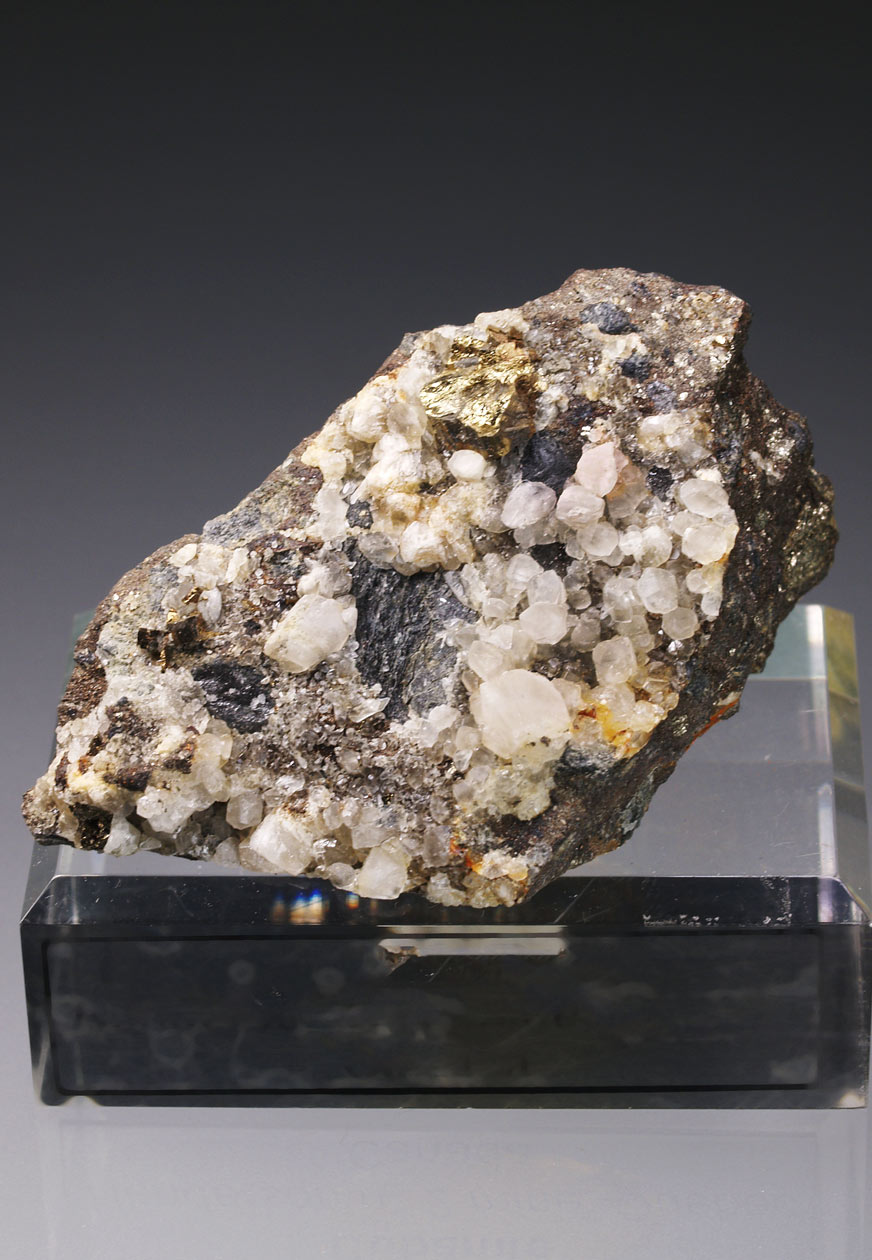
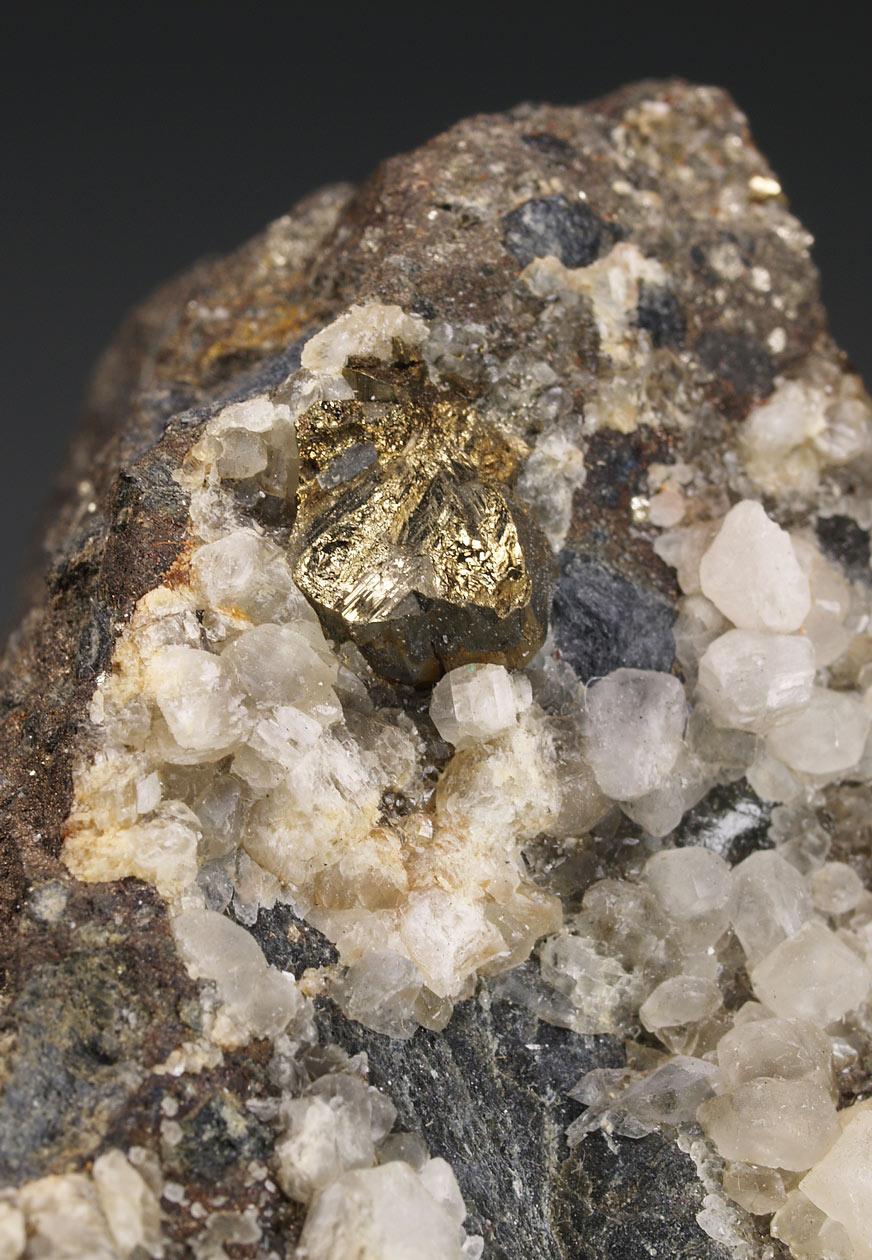
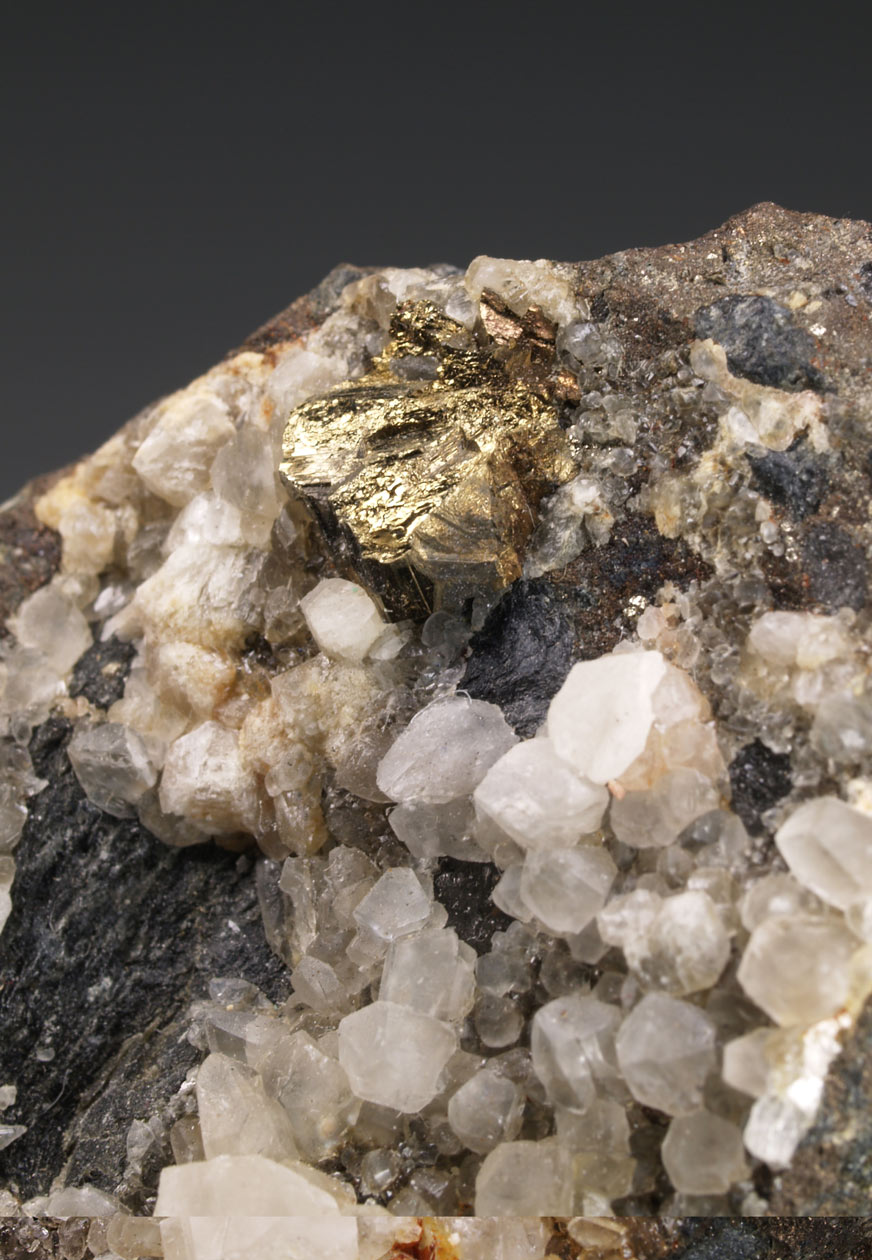
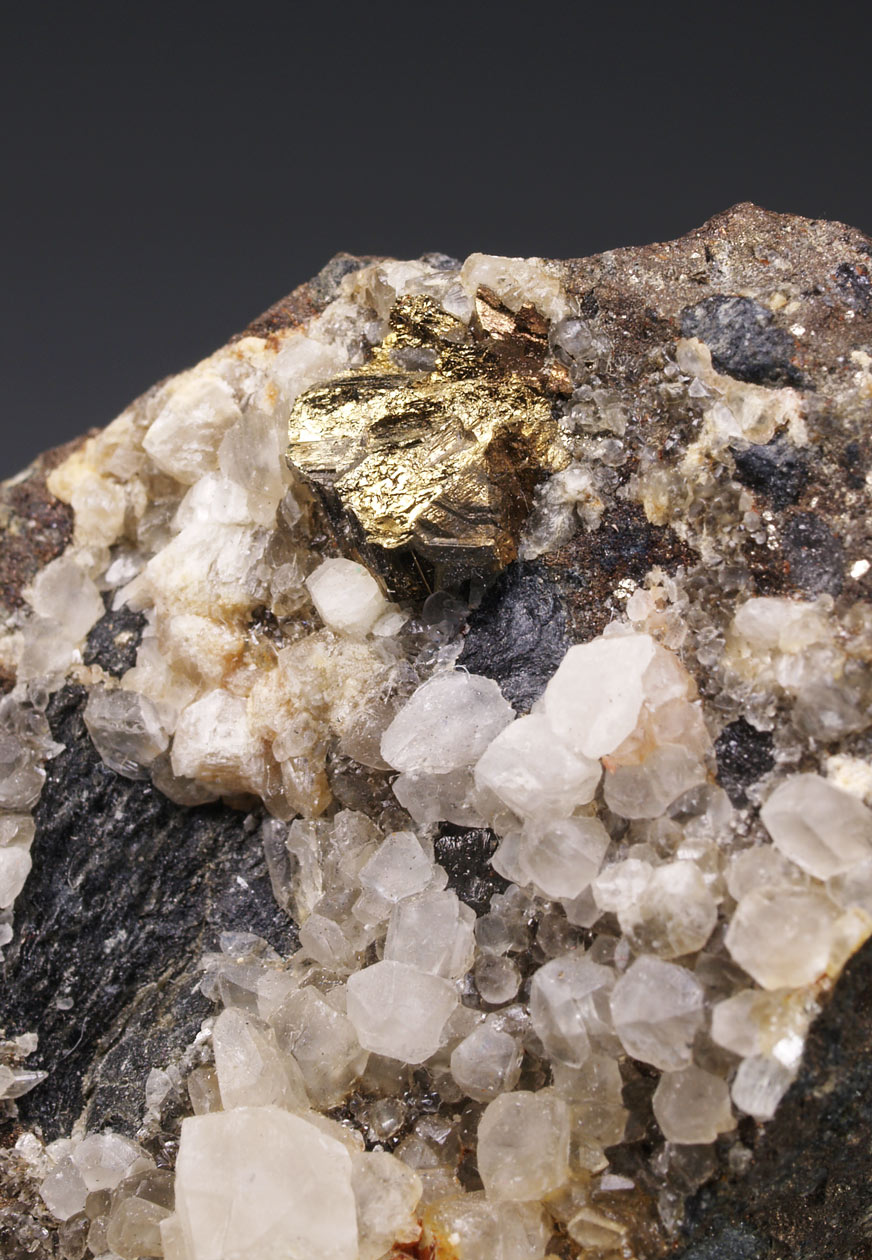
This specimen shows a group of twinned cubanite crystals. They exhibit excellent luster, with visible faces and some natural fractures, but the rarity of this material makes it highly desirable for collectors. It belongs from the classic Canadian locality for the species.
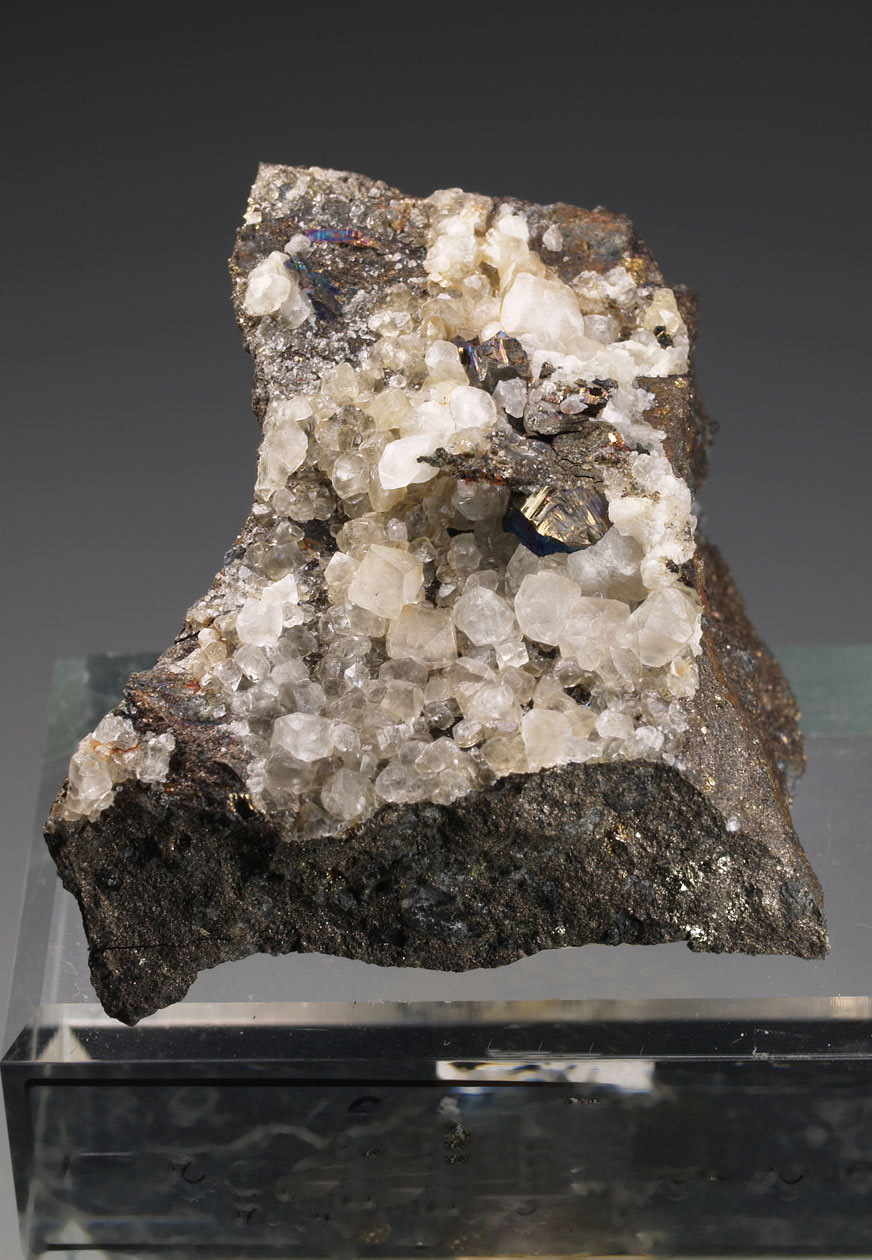
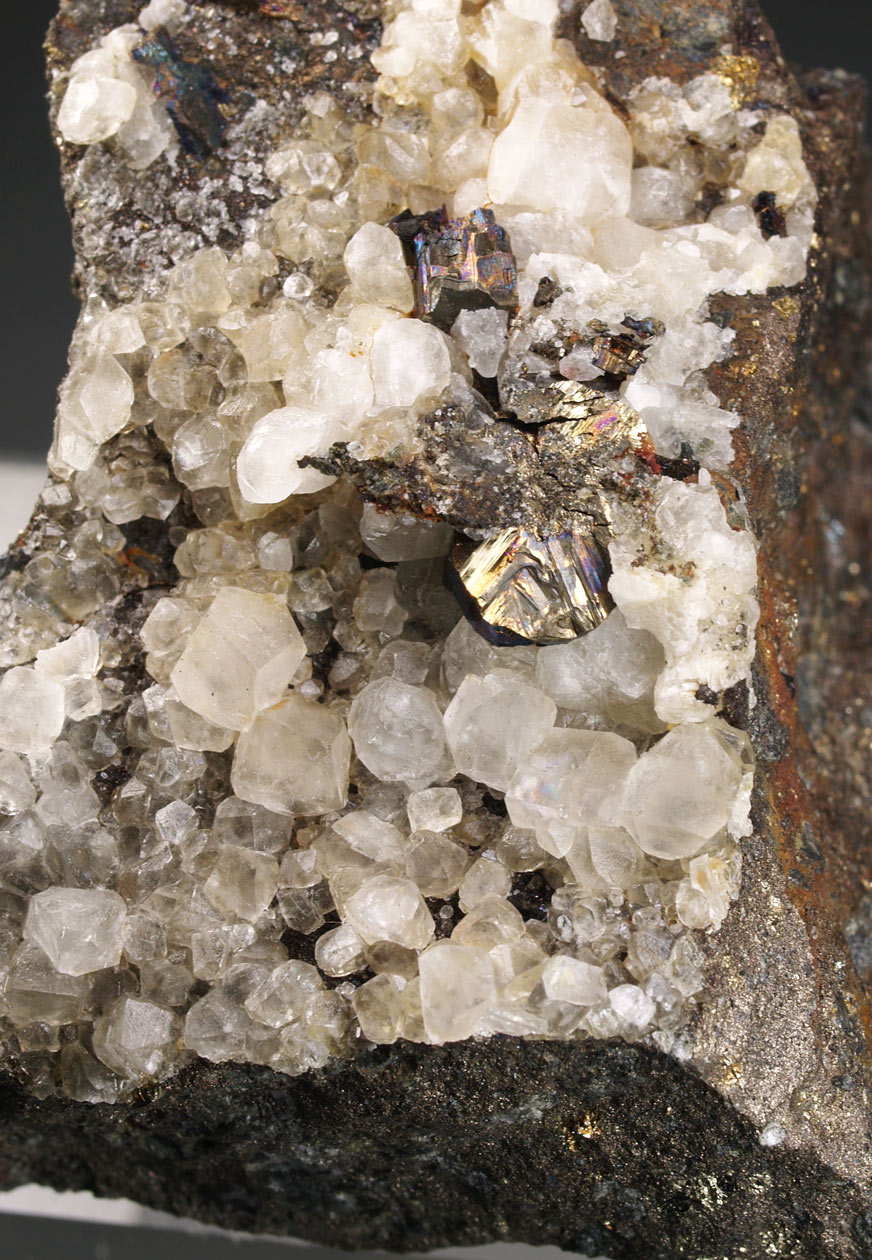
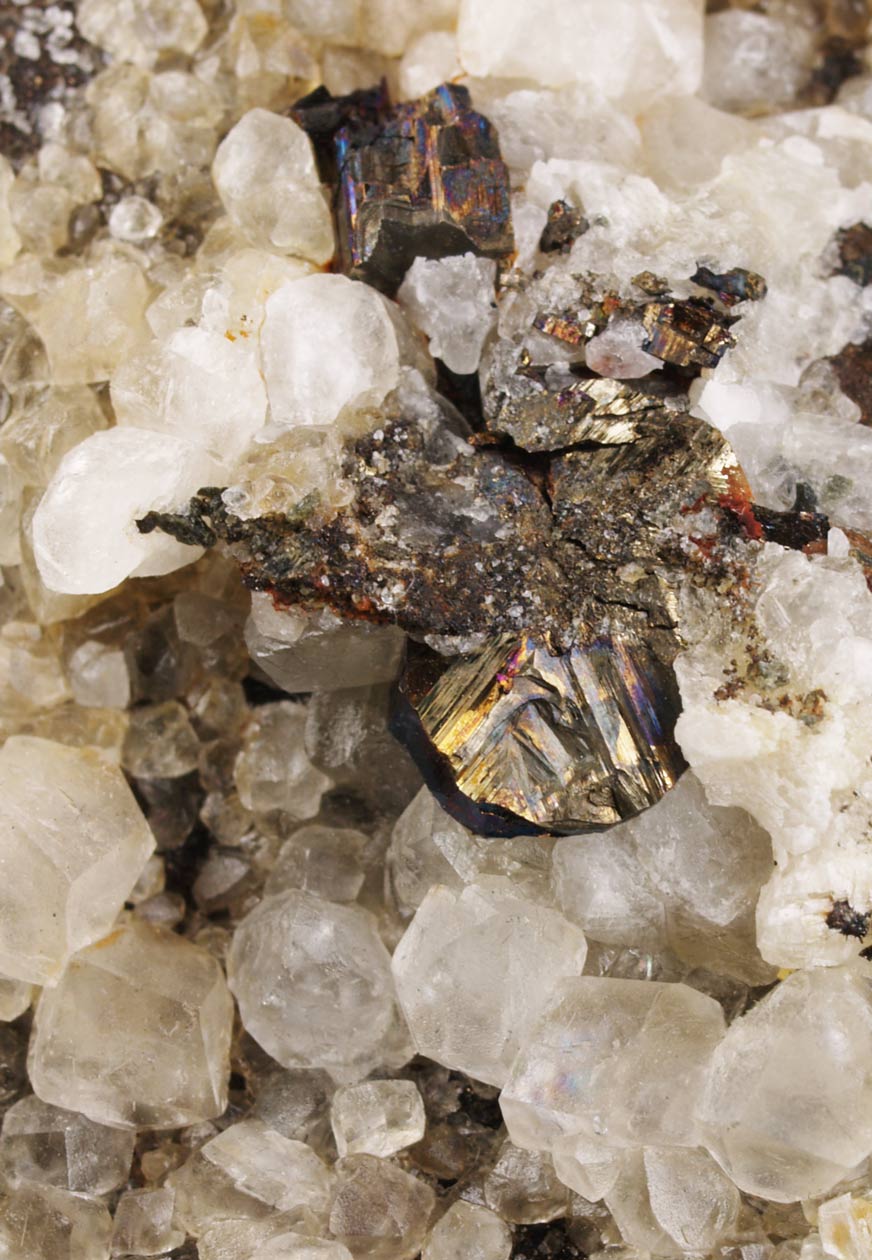
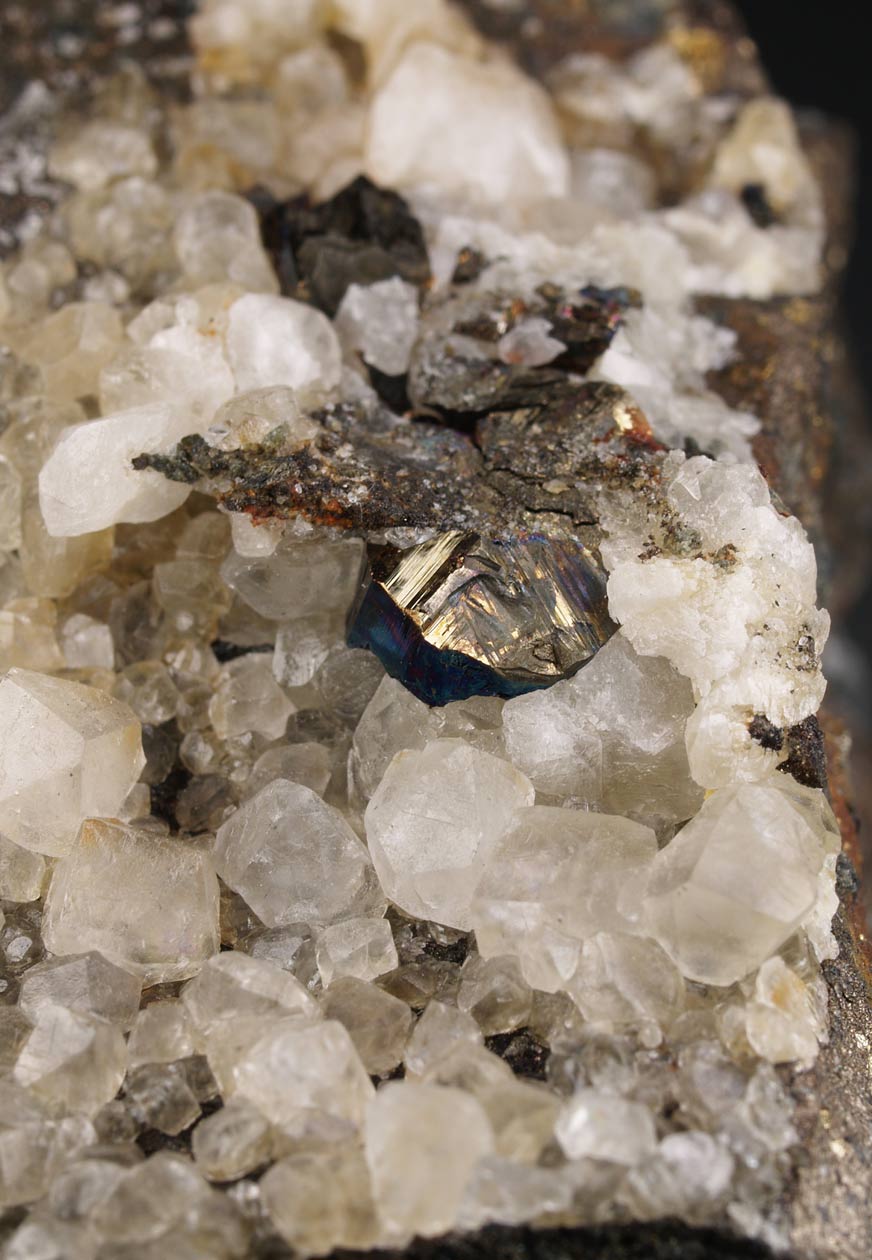
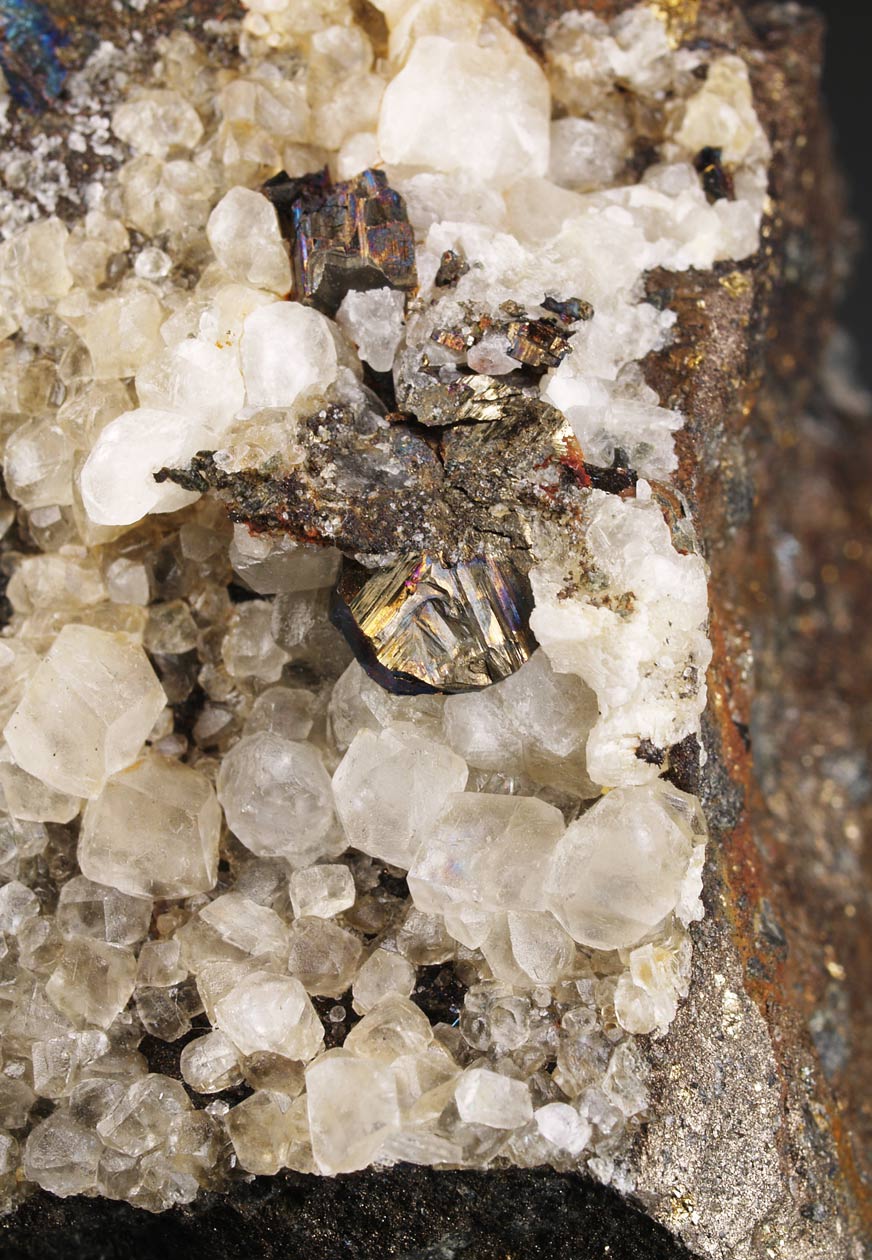
This specimen shows a group of twinned cubanite crystals. They exhibit excellent luster, iridescence, twin faces and striations, and is complete. The rarity of this material makes it highly desirable for collectors. It comes from the classic Canadian locality for this species.
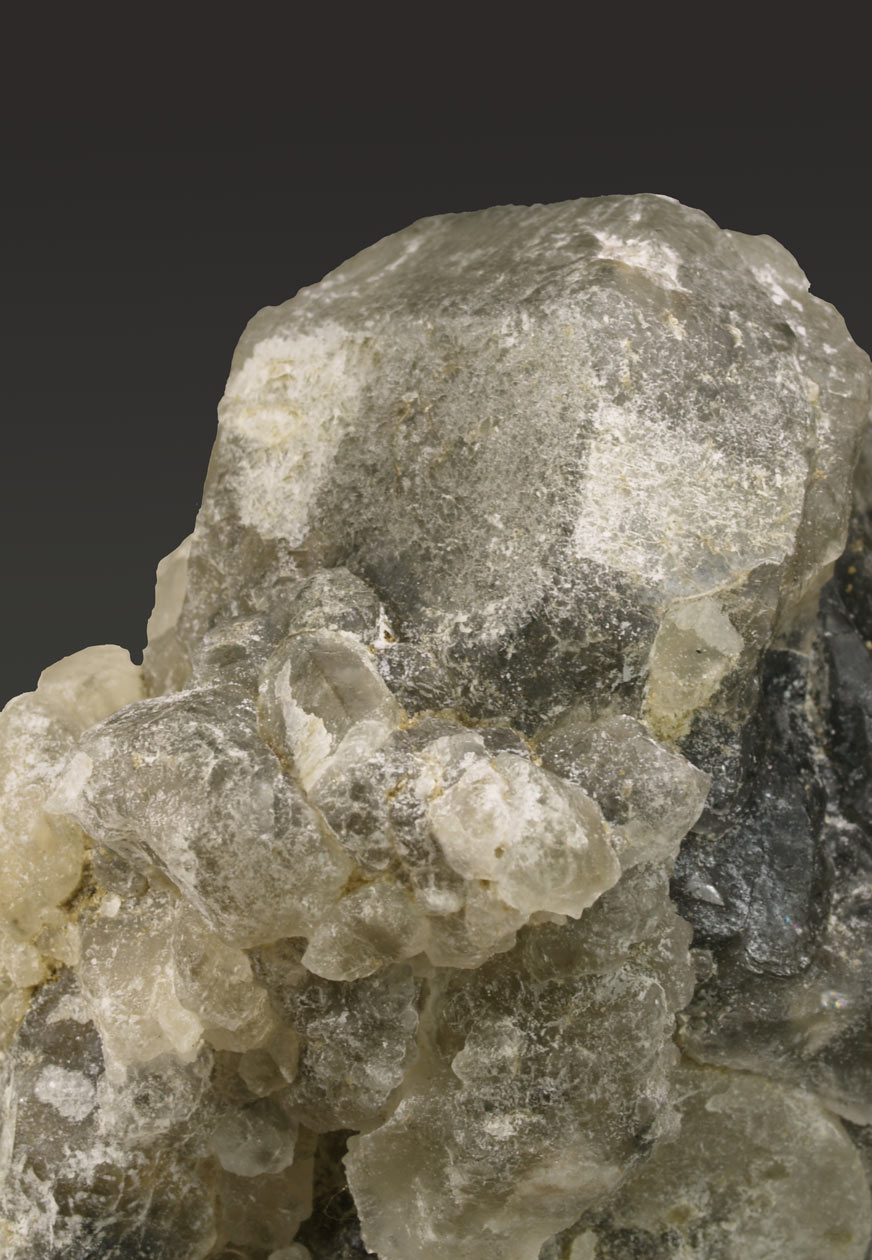
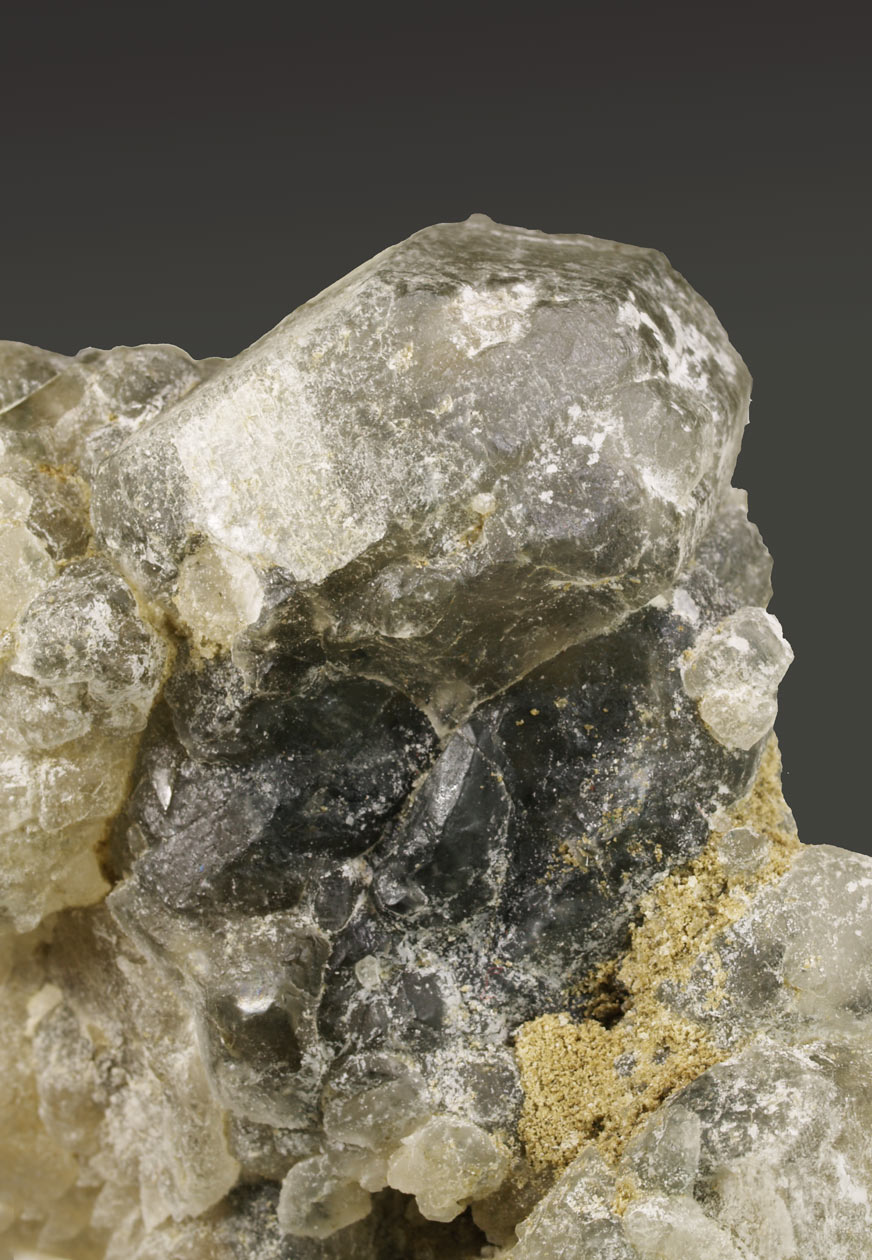
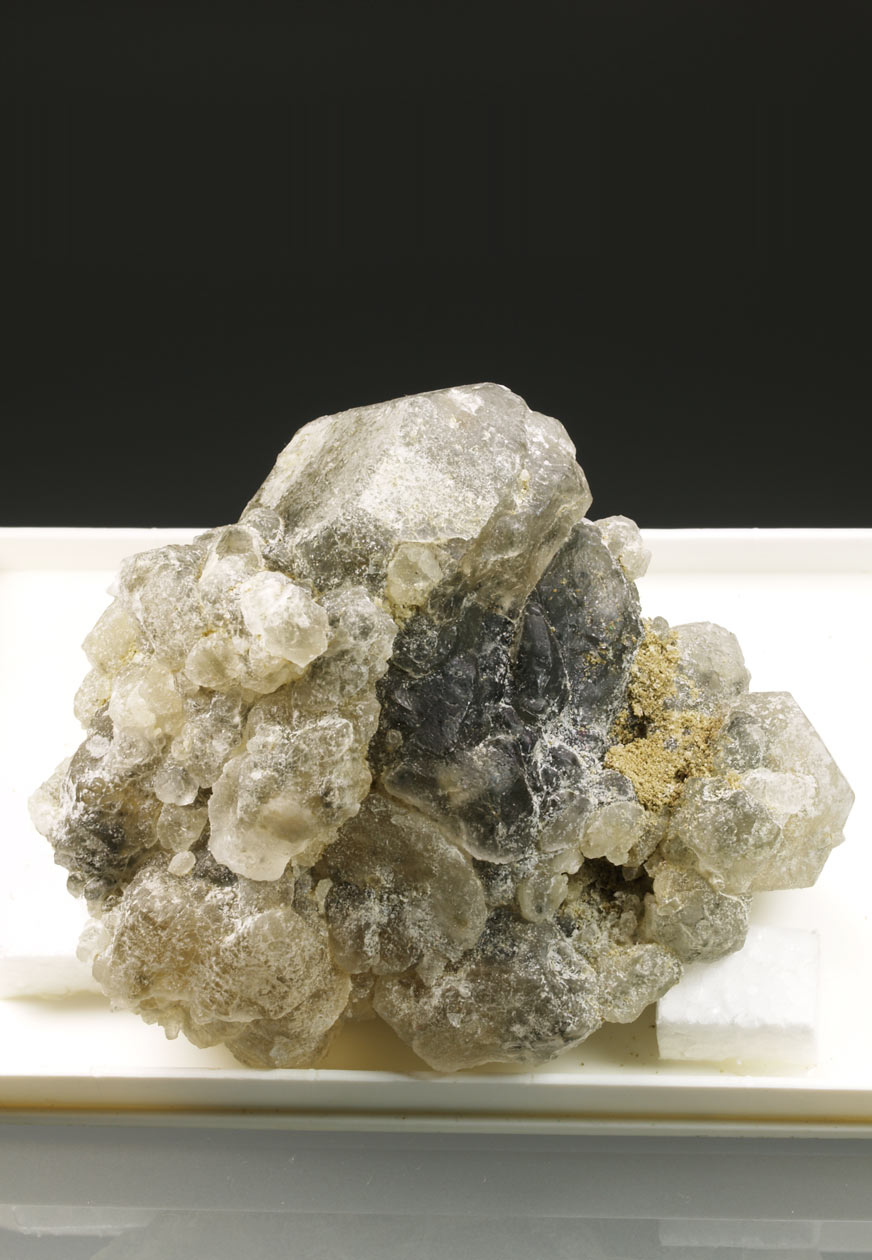
Group of hanksite crystals, from the type locality for the species. It is one of the few minerals that contain both carbonate and sulfate ionic groups. Hanksite forms large crystals in evaporite deposits. These deposits are found in arid environments where water, which carries dissolved salts, evaporates and concentrates the ions. Halite is one of the first minerals to crystallize. As the water becomes even more concentrated, rare and unusual minerals such as borax and hanksite eventually crystallize as well.
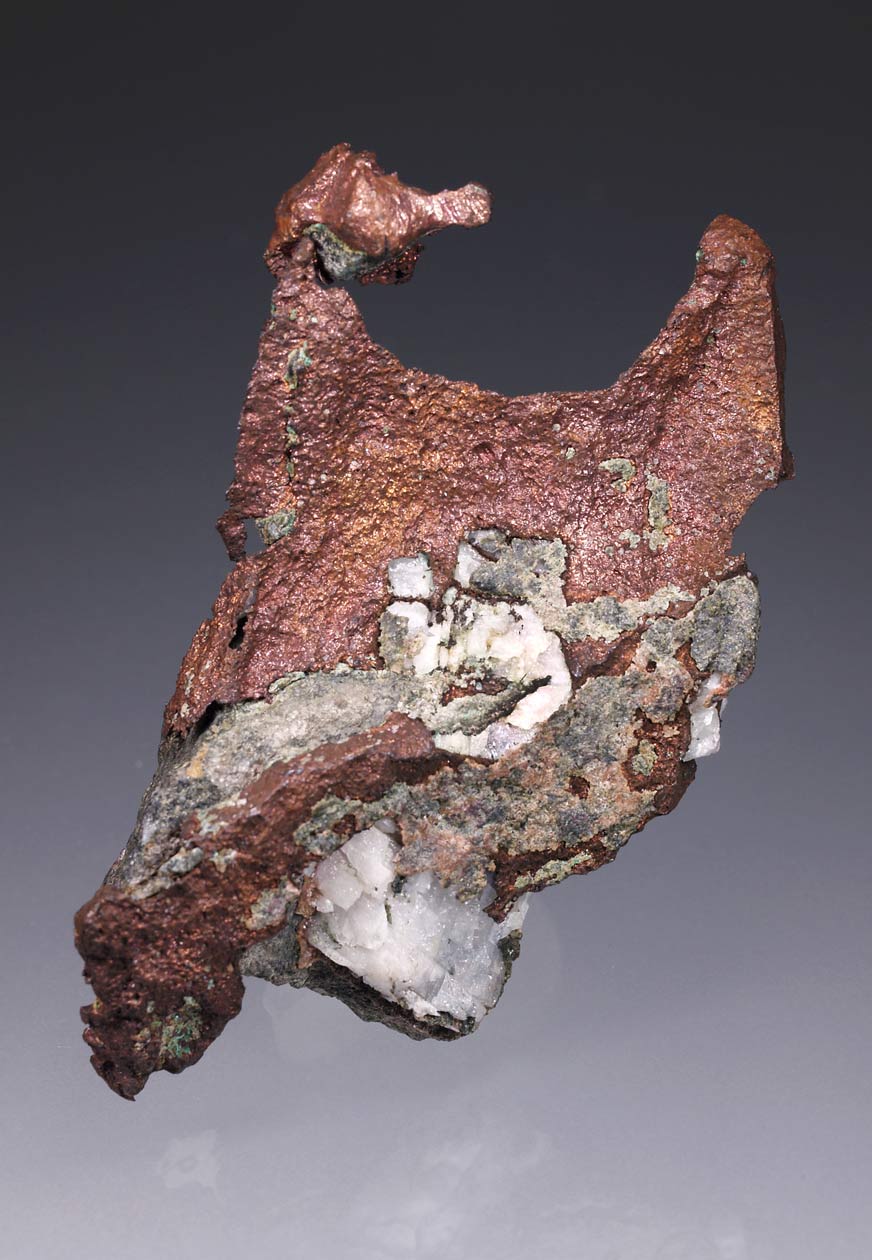
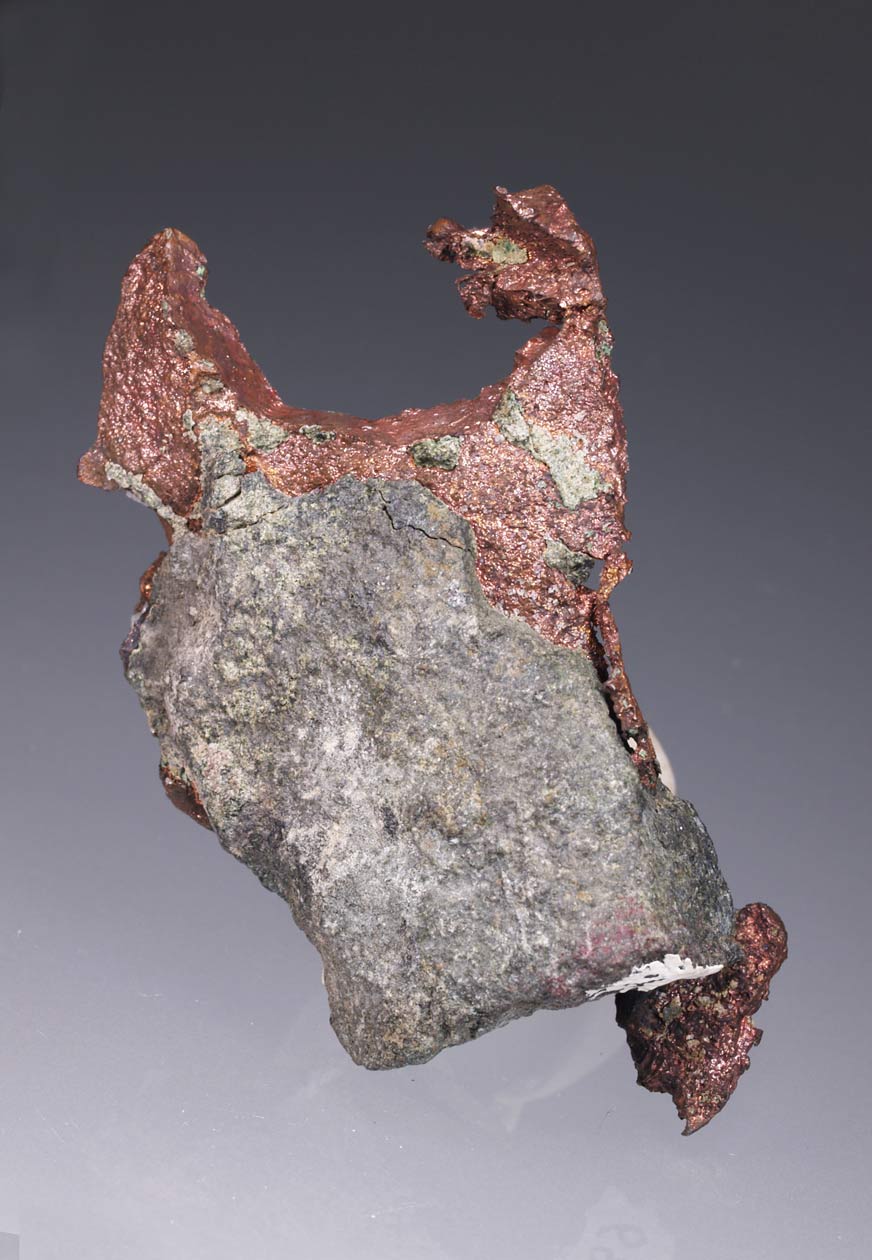
Good sized specimen of native copper showing complex crystal faces, typical of these specimens, with good color, brilliance and aesthetics. This specimen is from the findings made in the mid-90 in this American mine. It has not been treated with chemicals, so its color and brightness are natural. From Vilaseca collection, Barcelona.
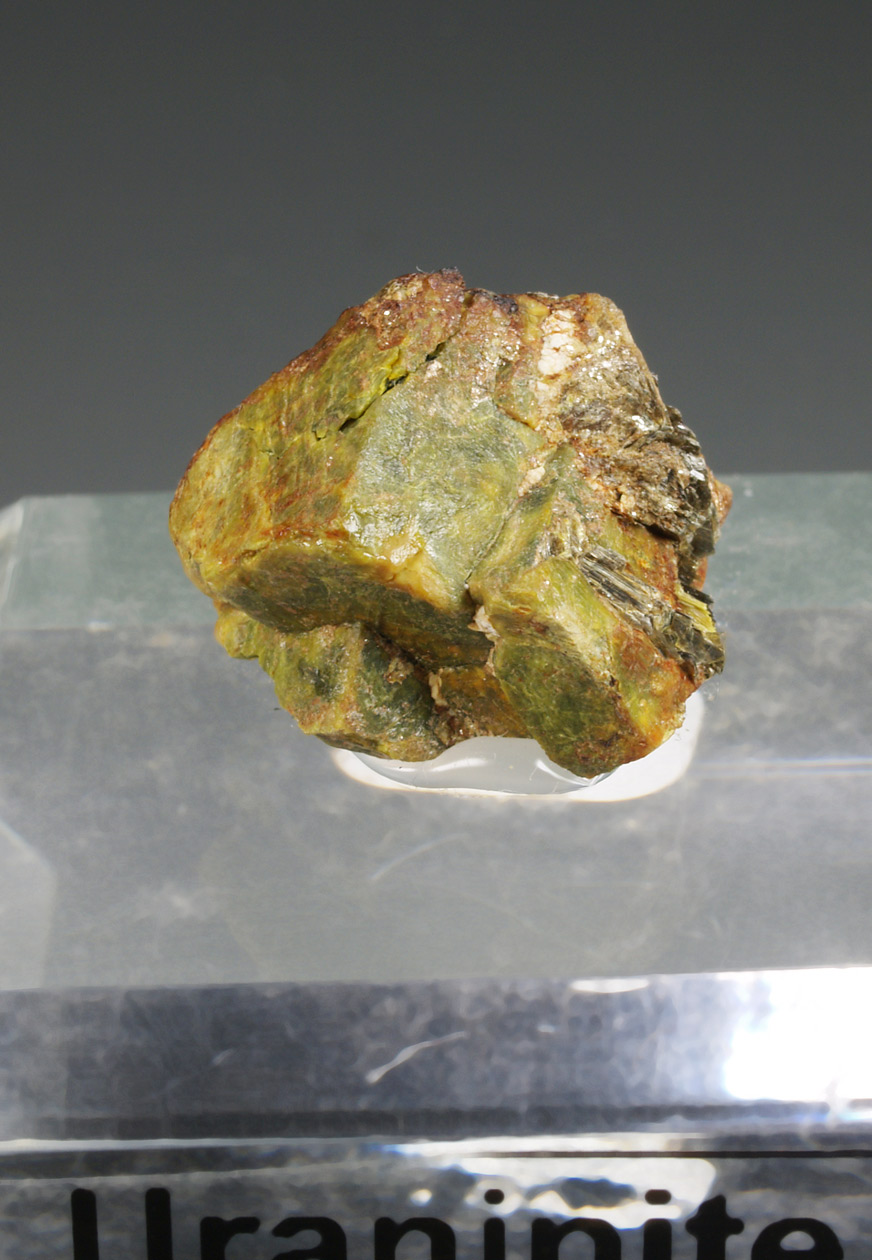
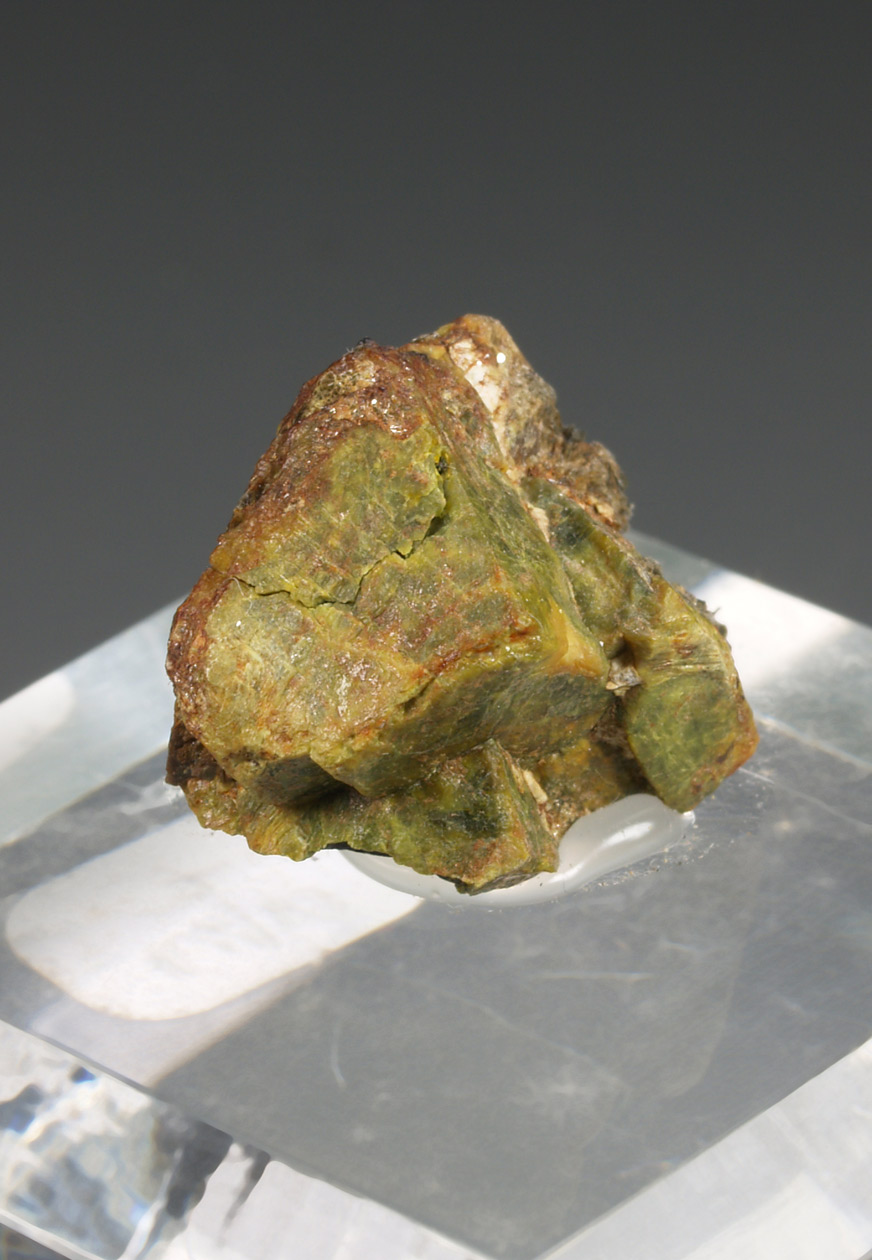
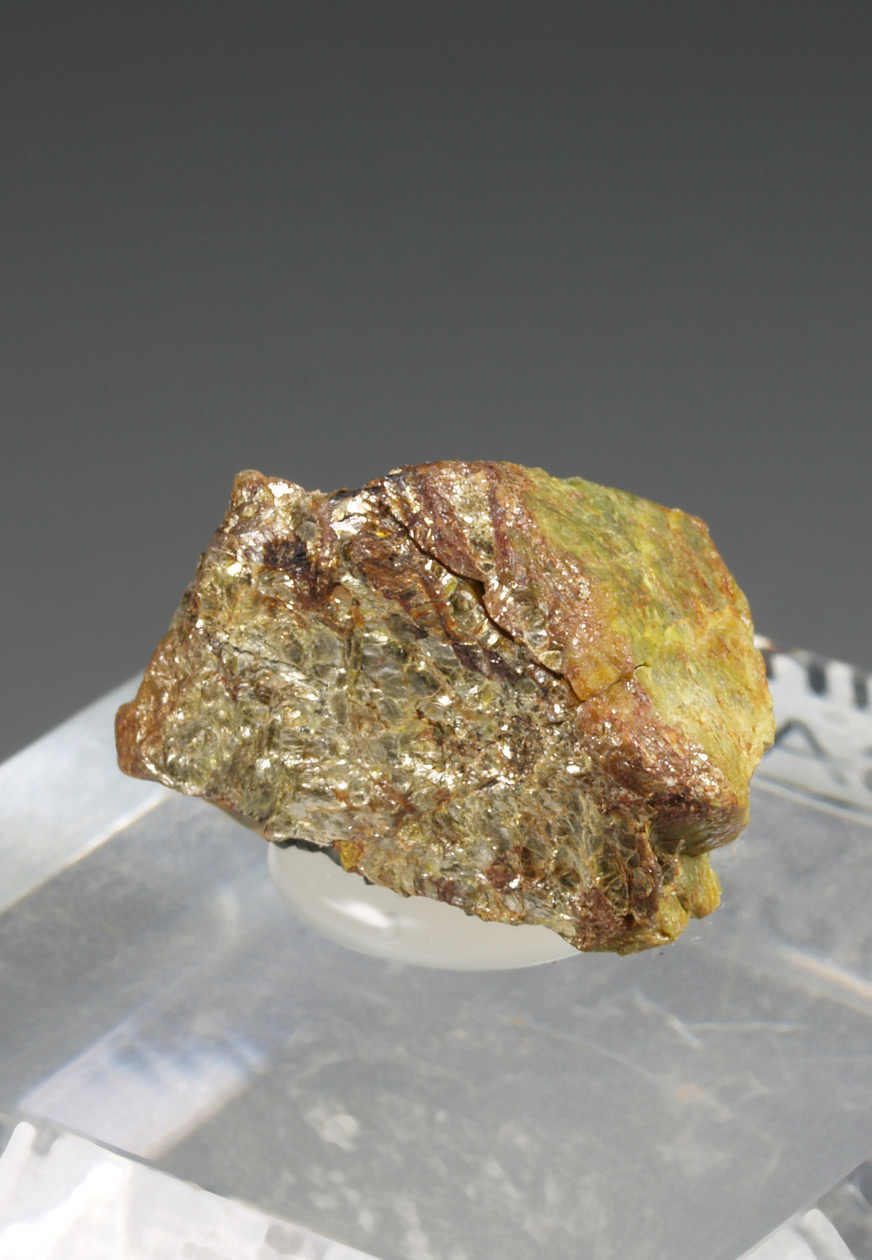
Uraninite partially coated with gummite; we can see the inner part of the black uraninite and the gummite surrounding it. The faces of the cube are also clearly visible. Gummite is a yellow amorphous mixture of uranium minerals, oxides, silicates, and hydrates of uranium, derived from the alteration of uraninite. It is named for its gum-like luster.
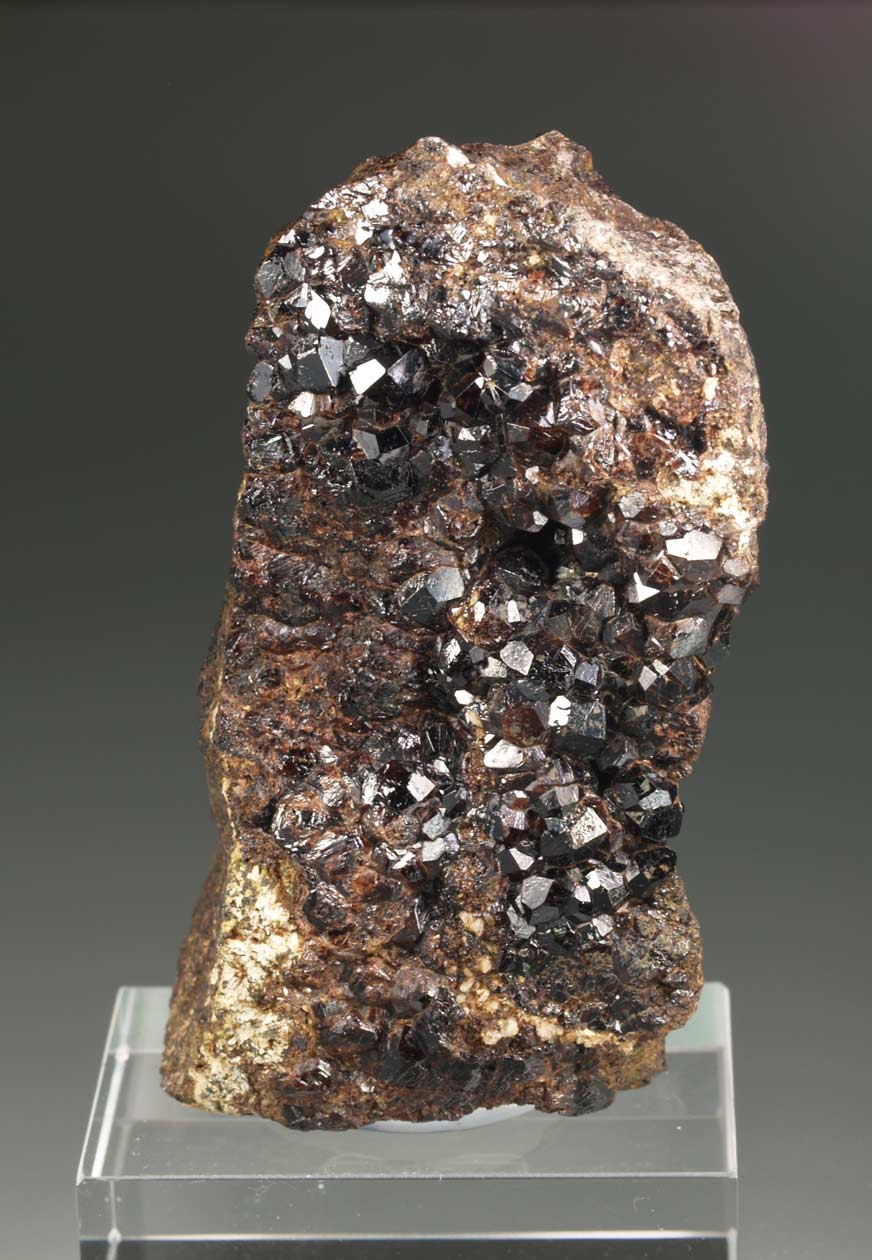
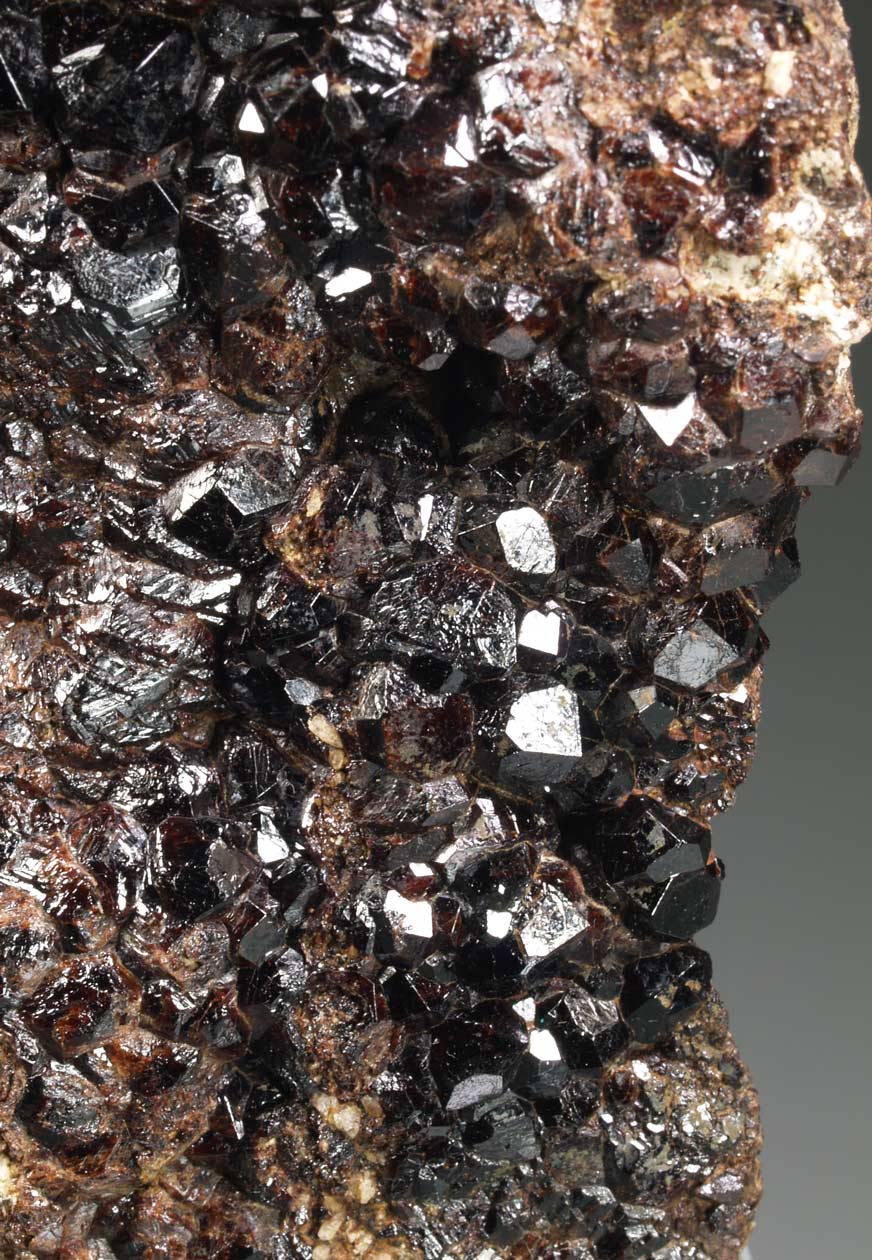
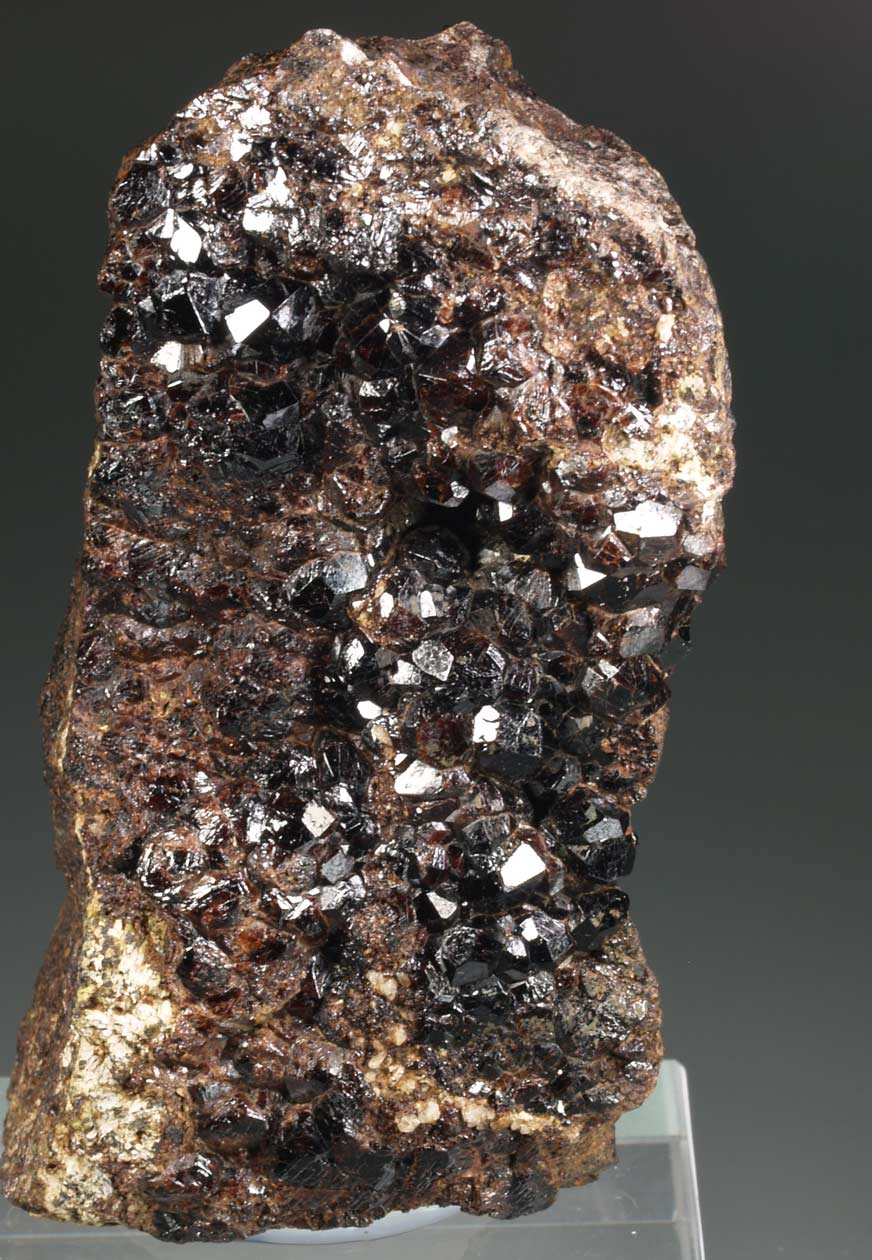
These specimens come from an old find in the Felhuns area, en Prada de Conflent. It was a skarn deposit where garnet veins appeared. Currently, it is completely prohibited to extract specimens, due, as is often the case, to the actions of irresponsible individuals who not only remove specimens but also damage the site. The crystals are dodecahedral, often beveled by the trapezohedron, very brilliant, with a very intense toasted honey color and some transparence. Sawed at the back. They have been analyzed, and the results indicate an andradite-grossular ratio of approximately 65-35% (RM333A analysis).
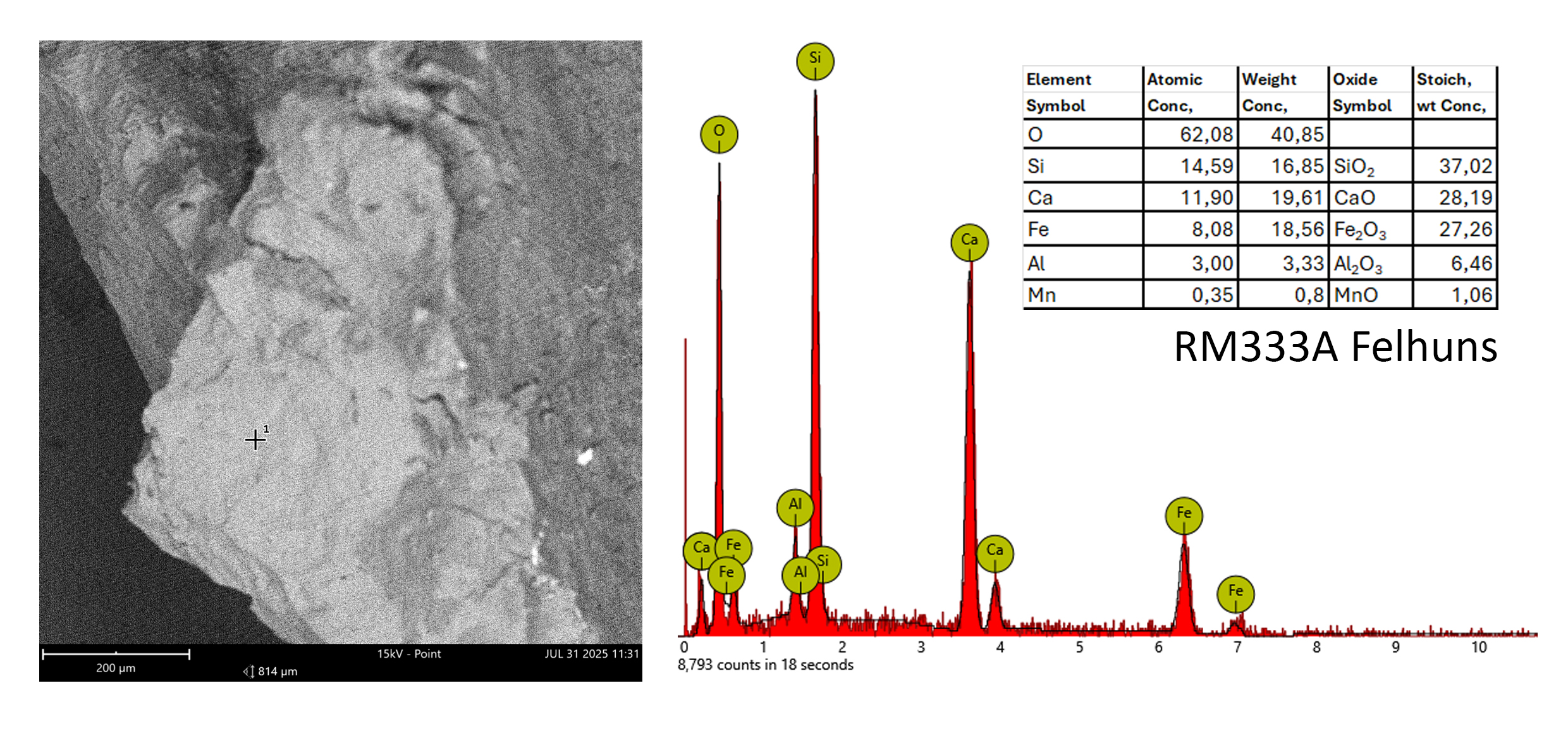
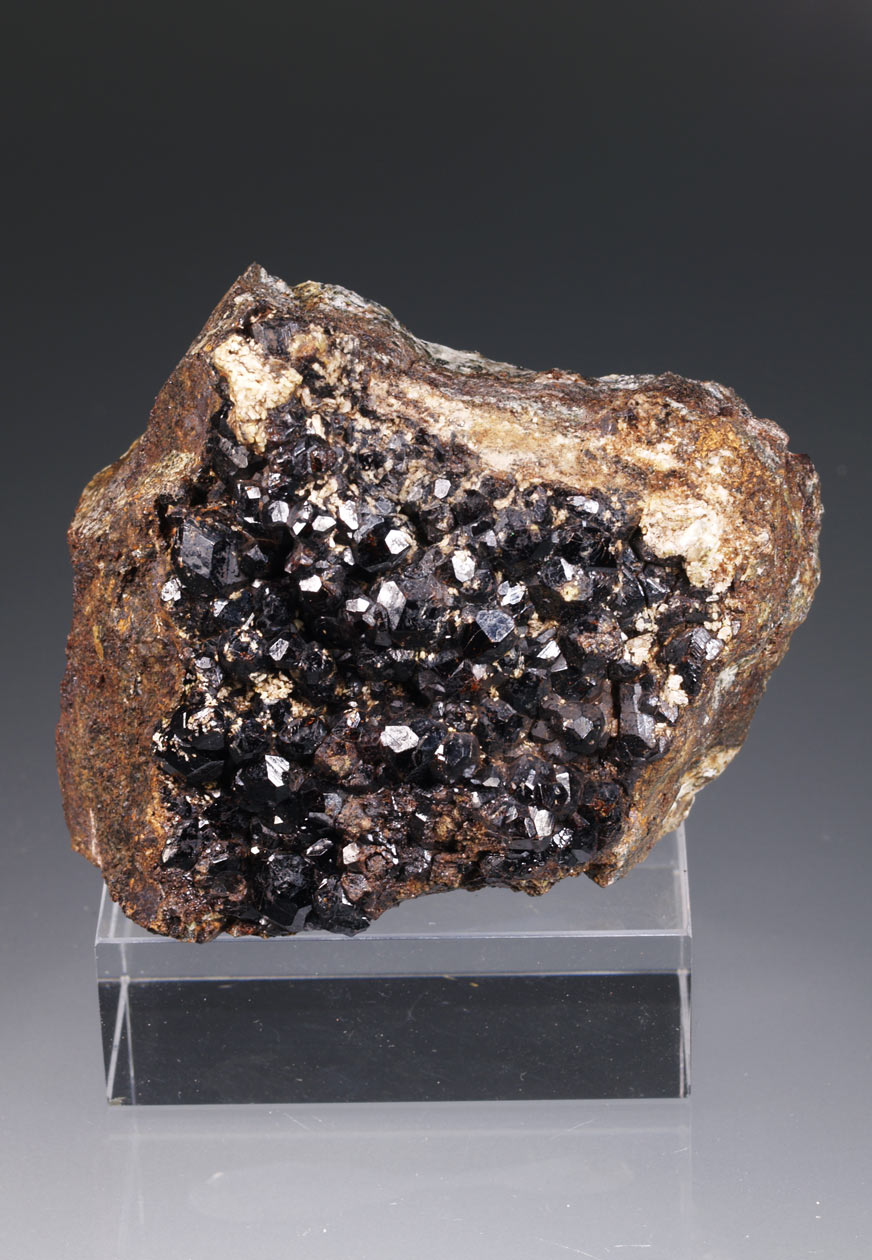
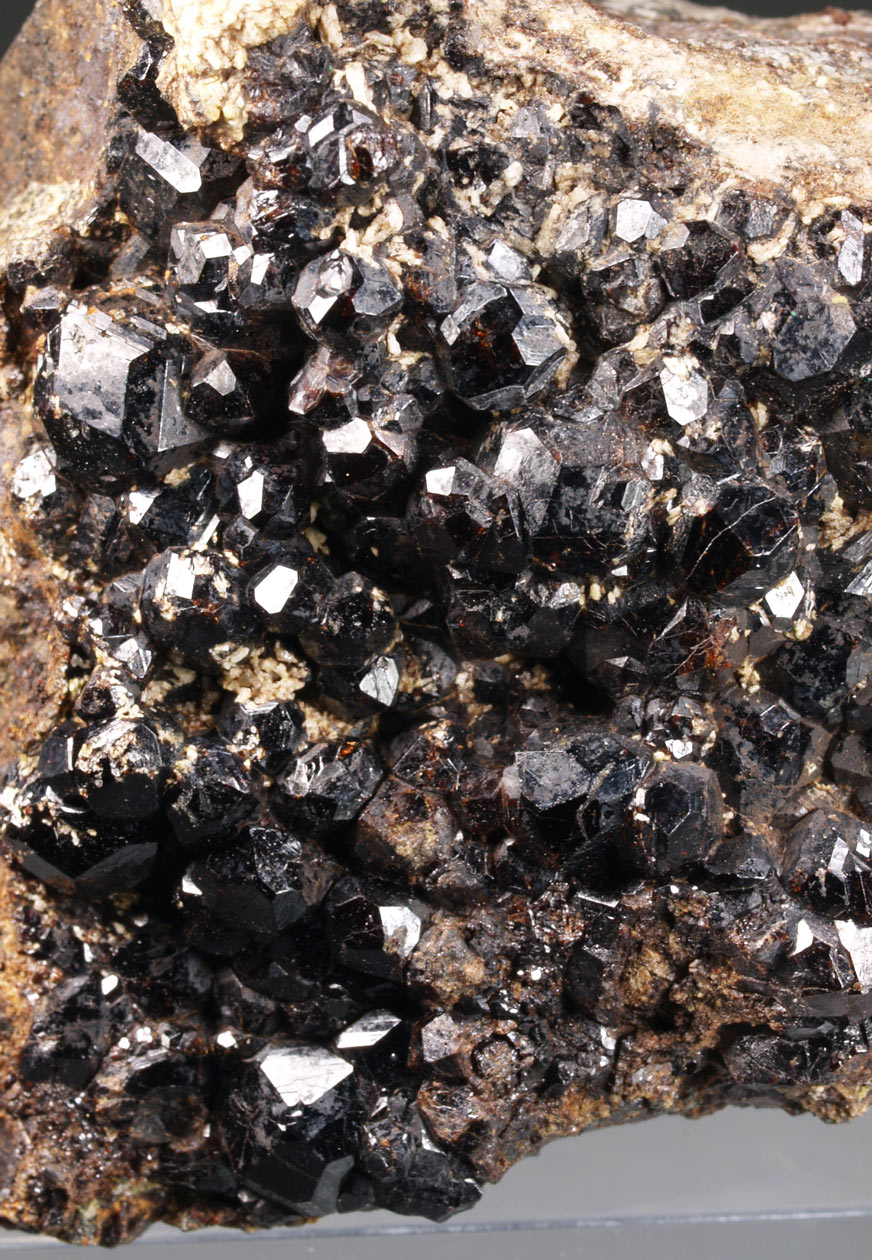
These specimens come from an old find in the Felhuns area, en Prada de Conflent. It was a skarn deposit where garnet veins appeared. Currently, it is completely prohibited to extract specimens, due, as is often the case, to the actions of irresponsible individuals who not only remove specimens but also damage the site. The crystals are dodecahedral, often beveled by the trapezohedron, very brilliant, with a very intense toasted honey color and some transparence. Sawed at the back. They have been analyzed, and the results indicate an andradite-grossular ratio of approximately 65-35% (RM333A analysis).
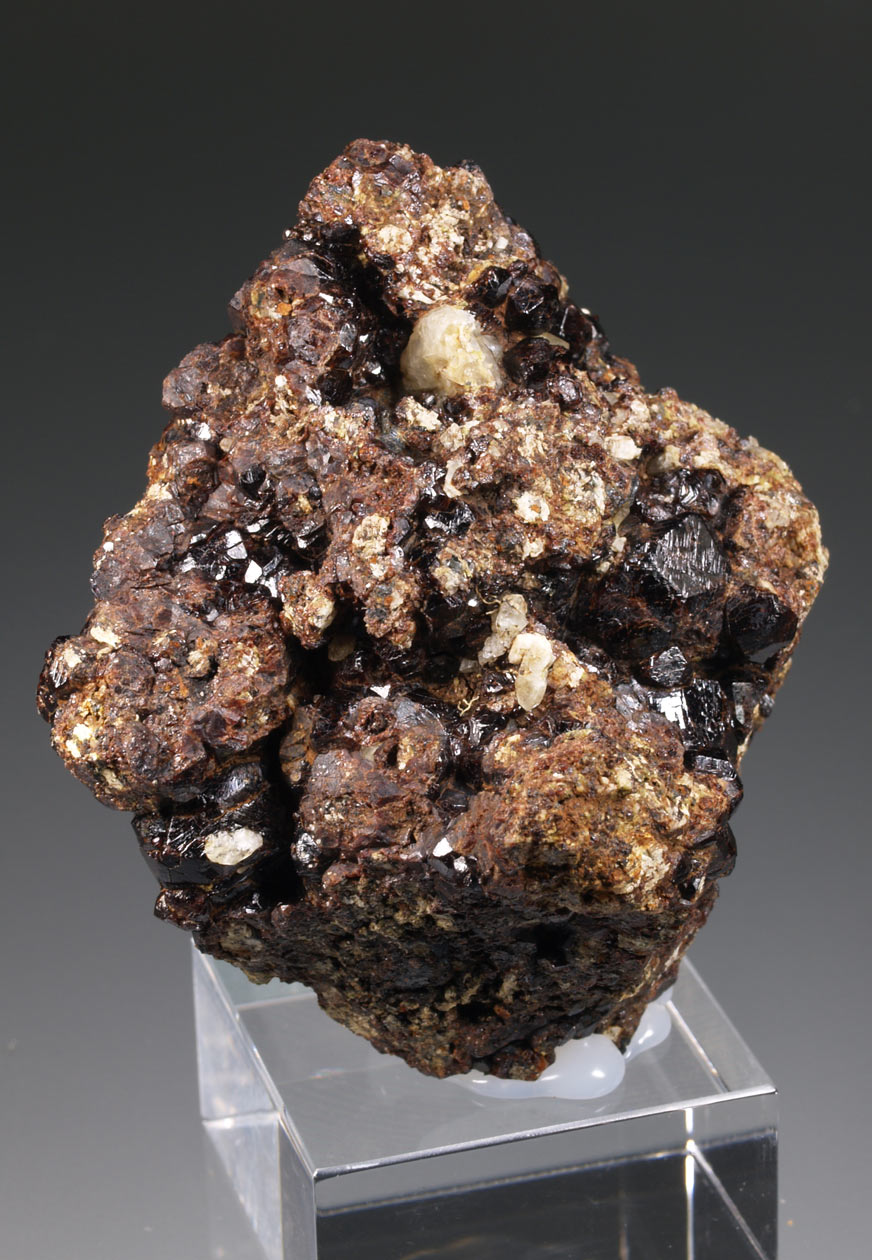
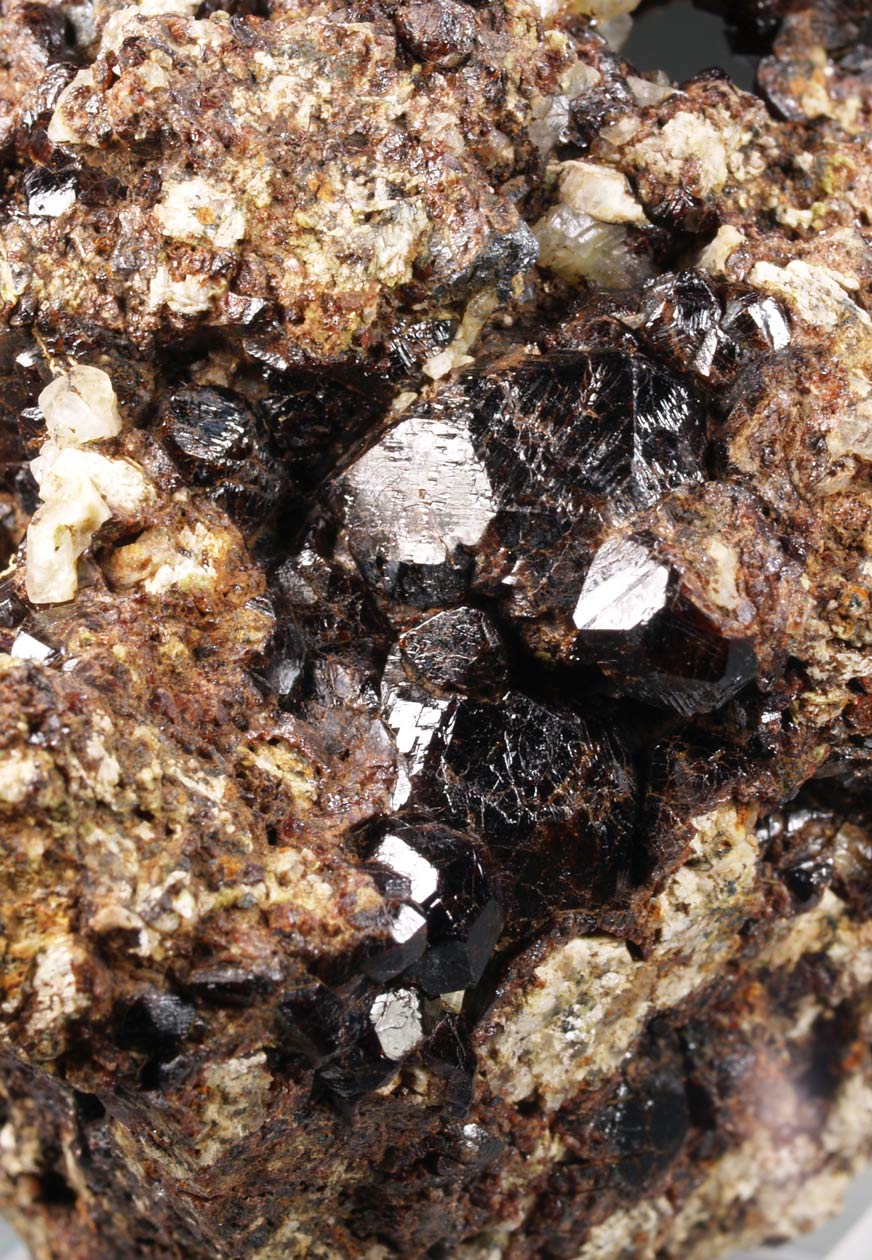
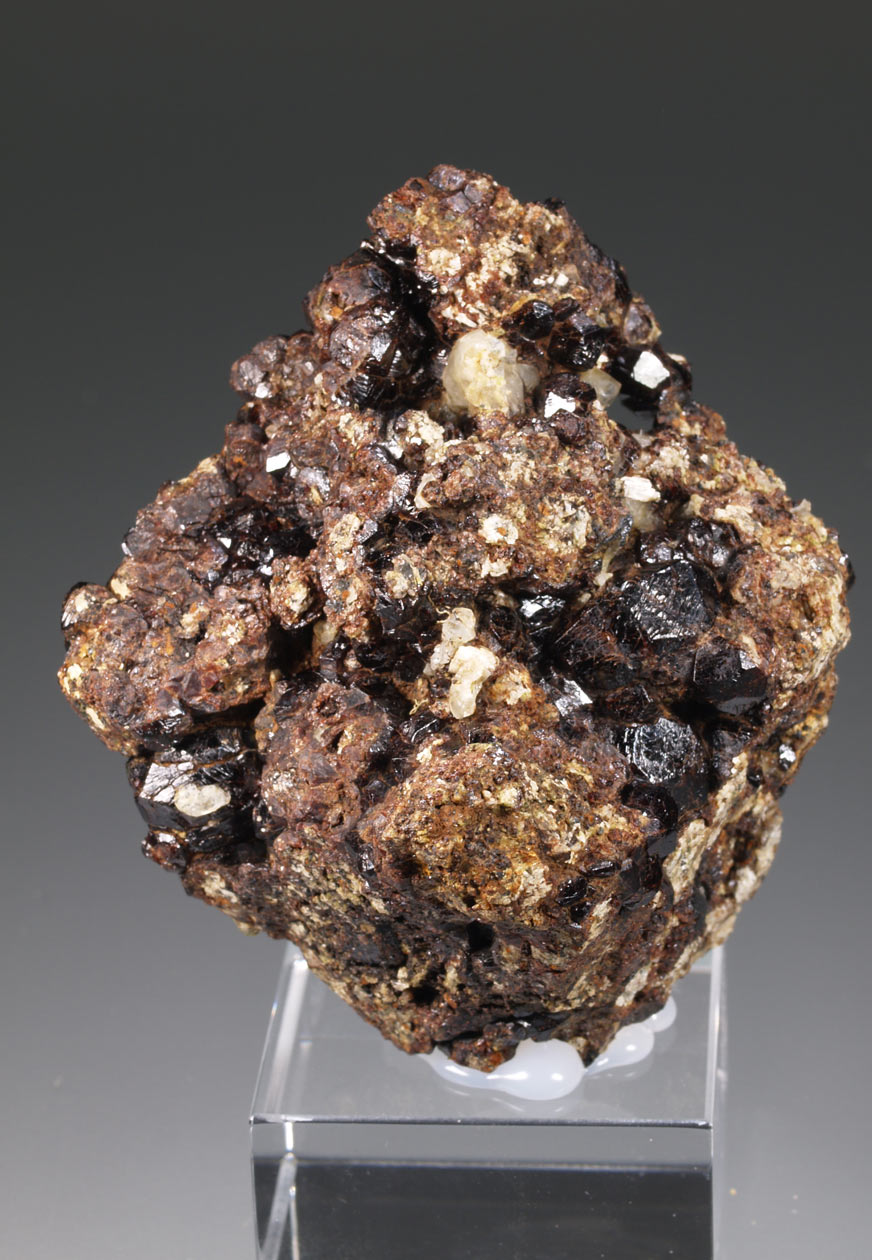
These specimens come from an old find in the Felhuns area, en Prada de Conflent. It was a skarn deposit where garnet veins appeared. Currently, it is completely prohibited to extract specimens, due, as is often the case, to the actions of irresponsible individuals who not only remove specimens but also damage the site. The crystals are dodecahedral, often beveled by the trapezohedron, very brilliant, with a very intense toasted honey color and some transparence. They have been analyzed, and the results indicate an andradite-grossular ratio of approximately 65-35% (RM333A analysis).
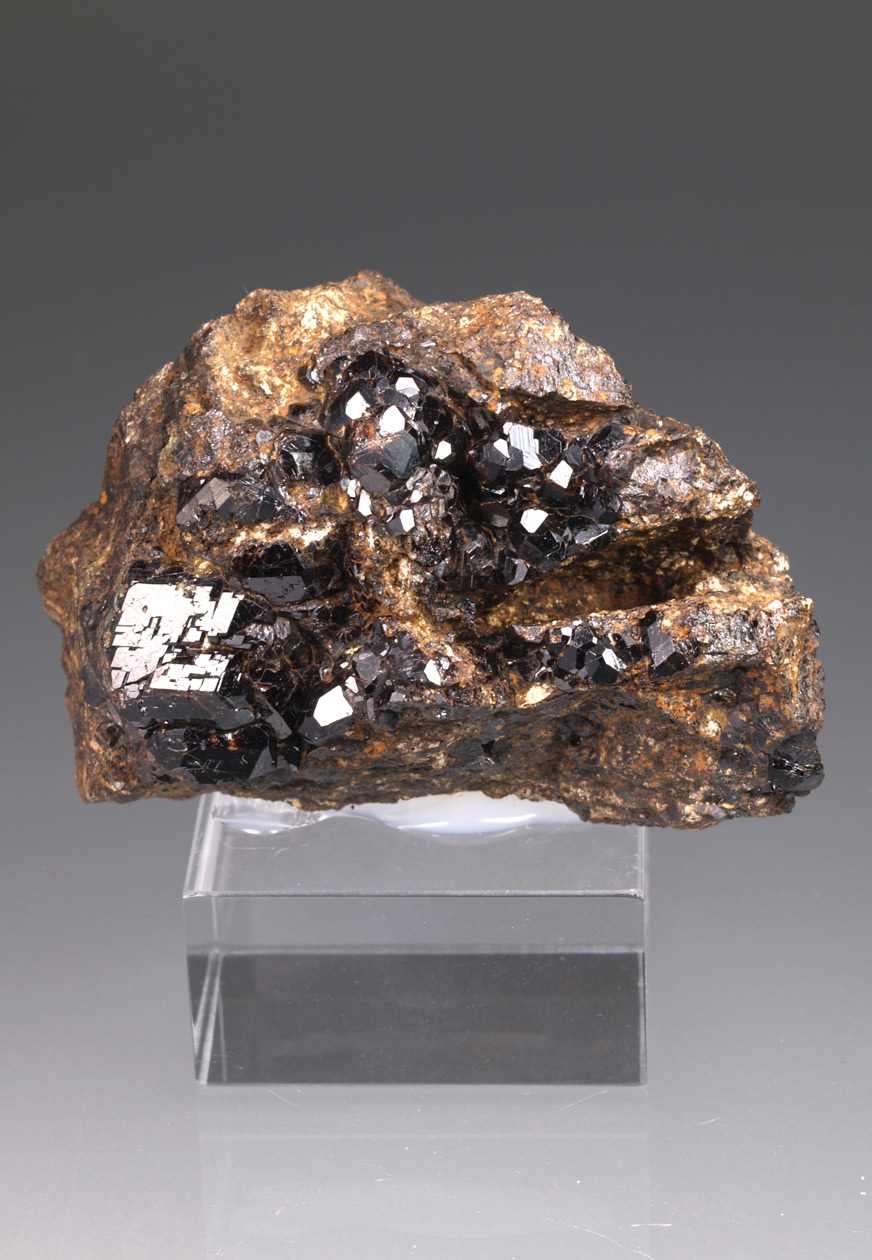
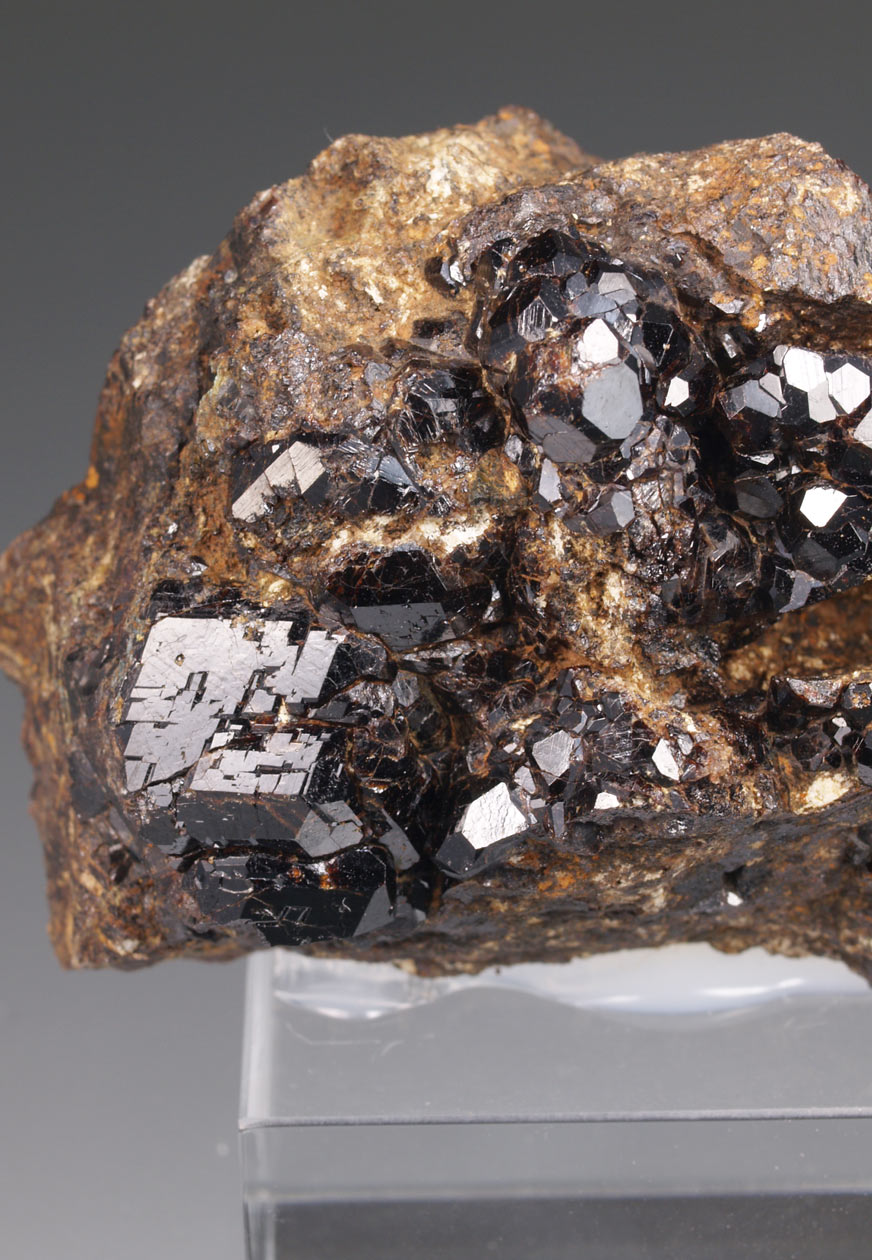
These specimens come from an old find in the Felhuns area, en Prada de Conflent. It was a skarn deposit where garnet veins appeared. Currently, it is completely prohibited to extract specimens, due, as is often the case, to the actions of irresponsible individuals who not only remove specimens but also damage the site. The crystals are dodecahedral, often beveled by the trapezohedron, very brilliant, with a very intense toasted honey color and some transparence. They have been analyzed, and the results indicate an andradite-grossular ratio of approximately 65-35% (RM333A analysis).
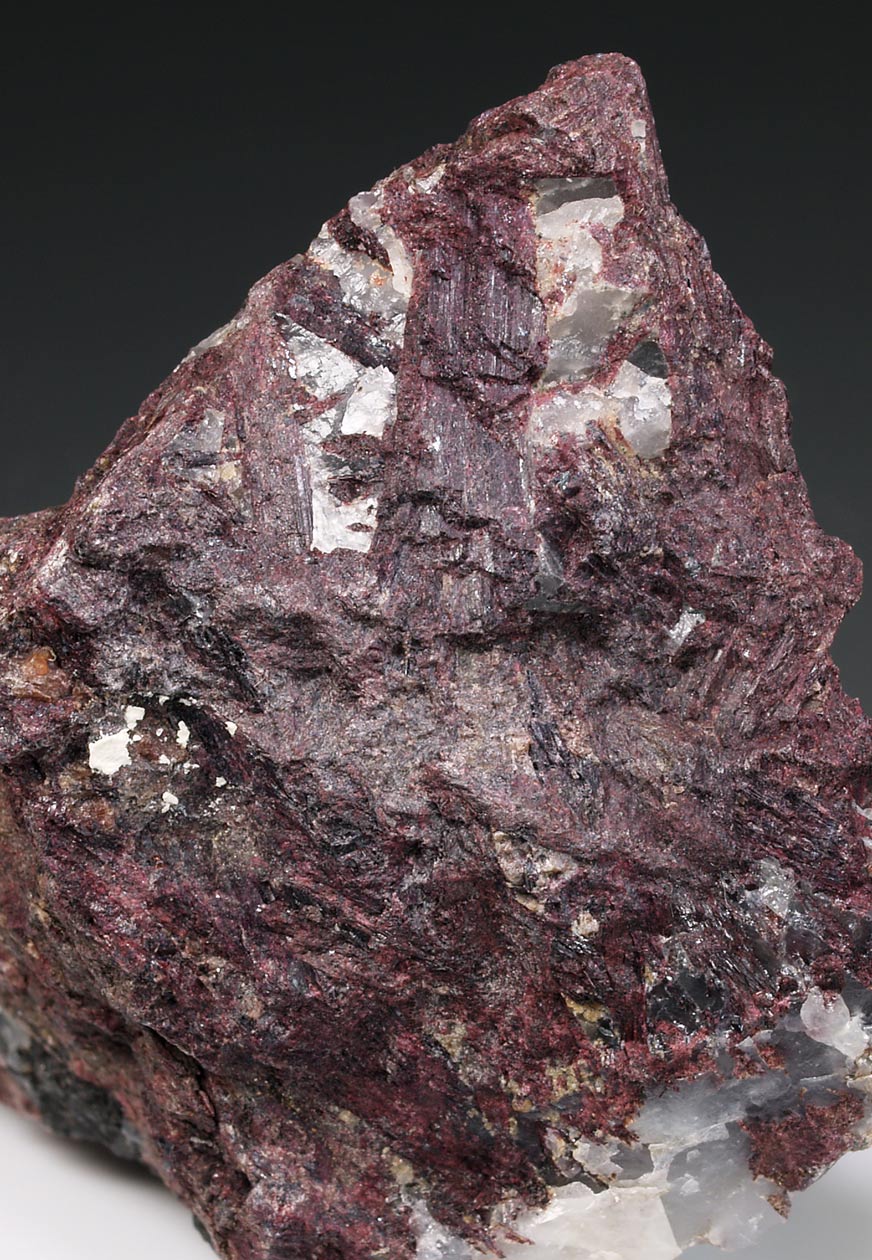
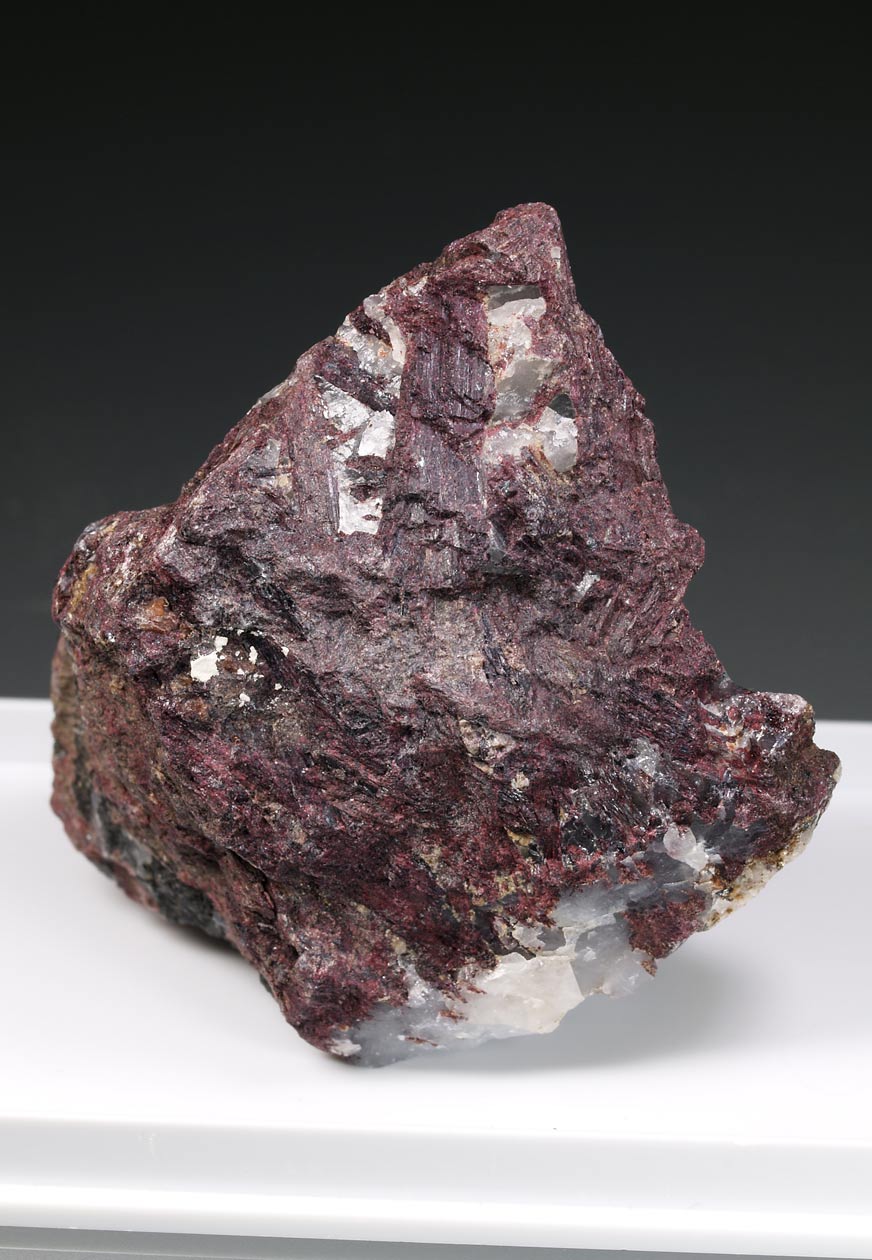
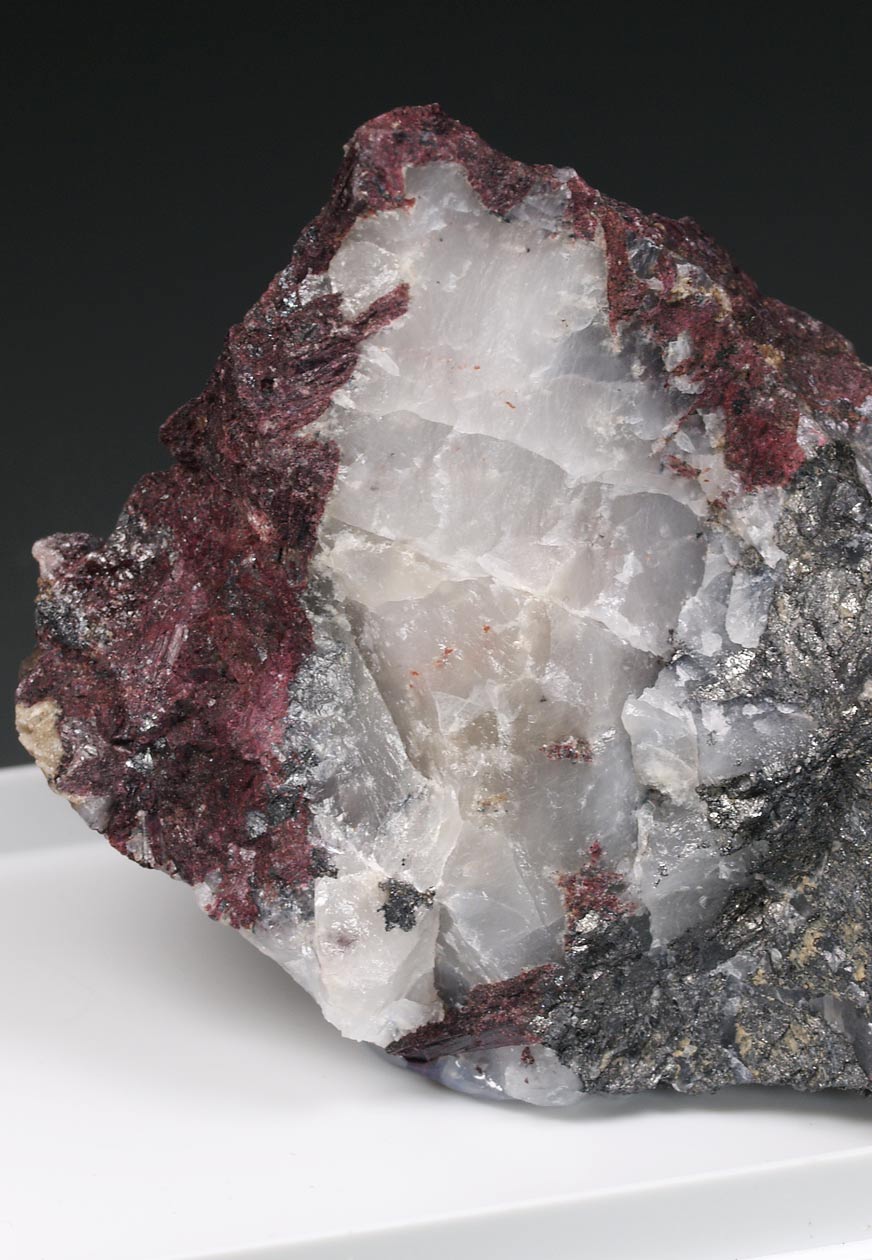
Rare specimen of Piemontite from India. With metallic luster braunite aggregates and quartz. From Emili Nicolau col. (BCN) and D. Shannon (adq. 2003), with labels.
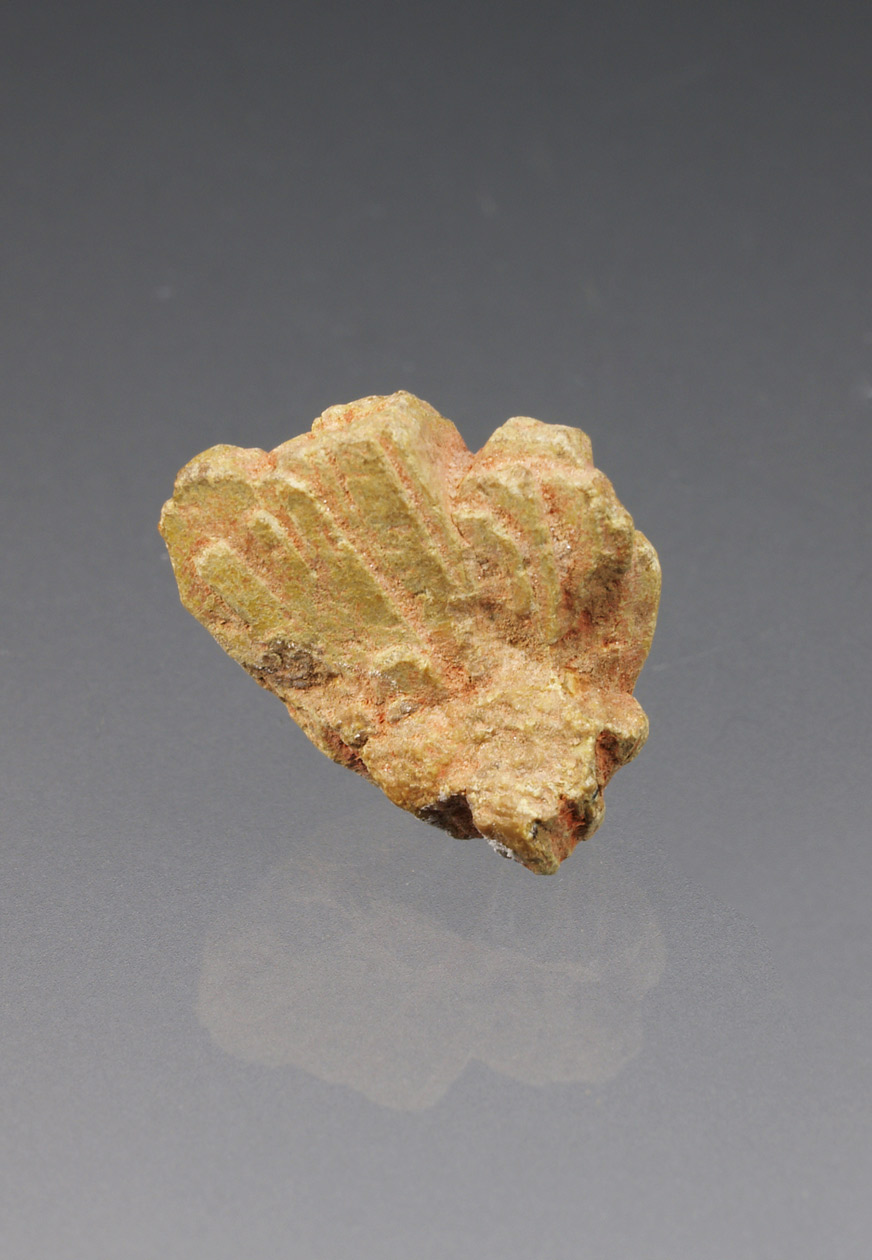
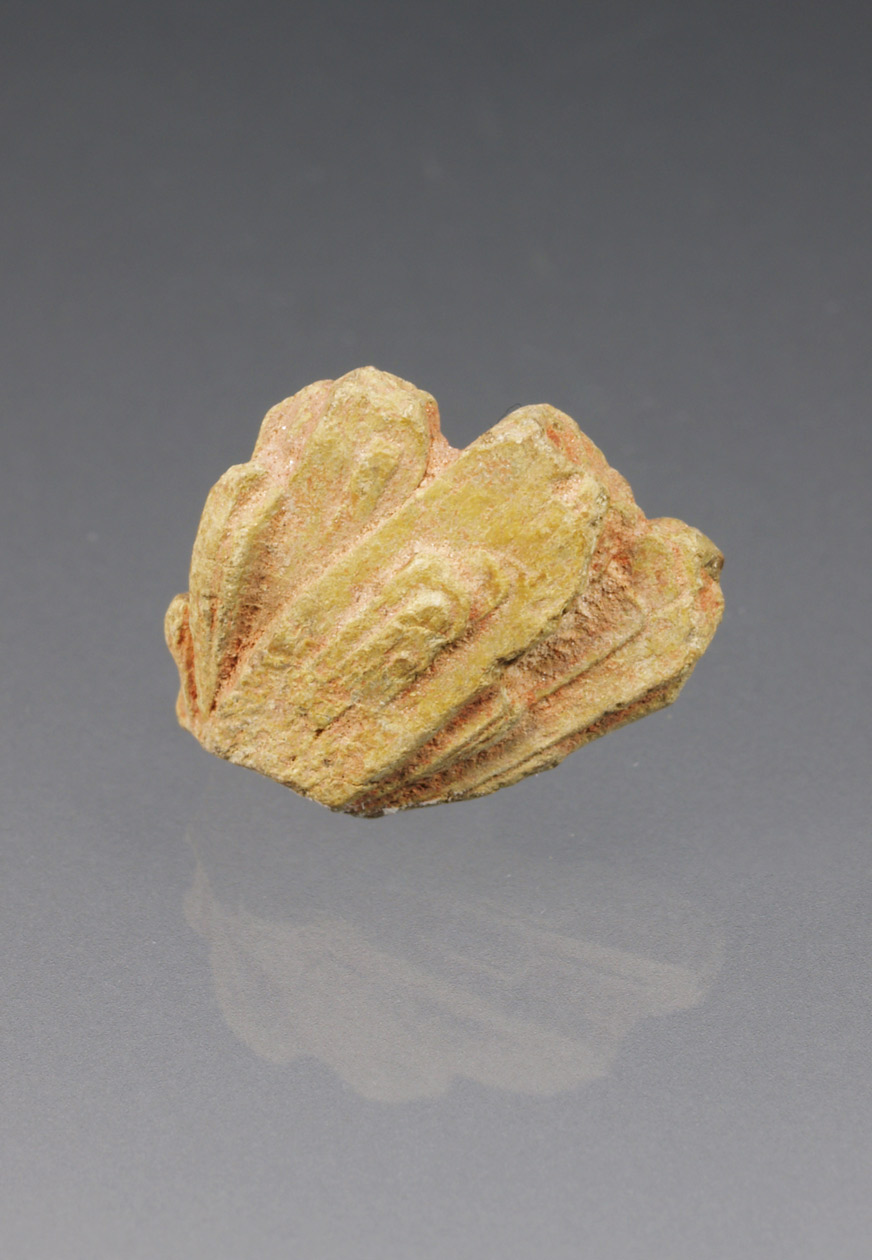
Euxenite-(Y) is an uncommon oxyde of niobium with tantalum and titanium
and Rare Earth Elements (REE), with some calcium and radioactive
elements like uranium or thorium. These elements give it a radioactive
activity. This specimen we offer you is a cluster of parallel growth
crystals, well-formed, with a chisel termination.With the classic ocher
patina.
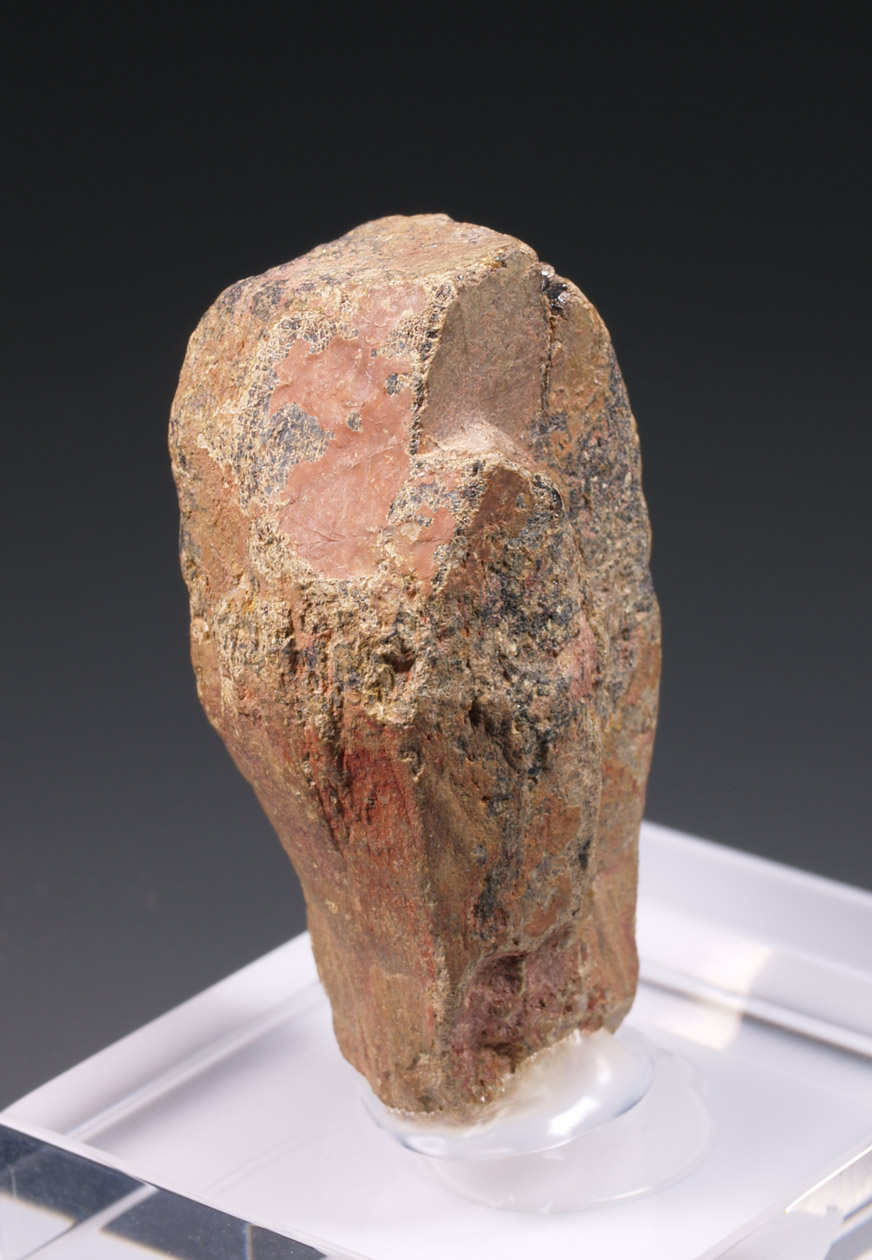
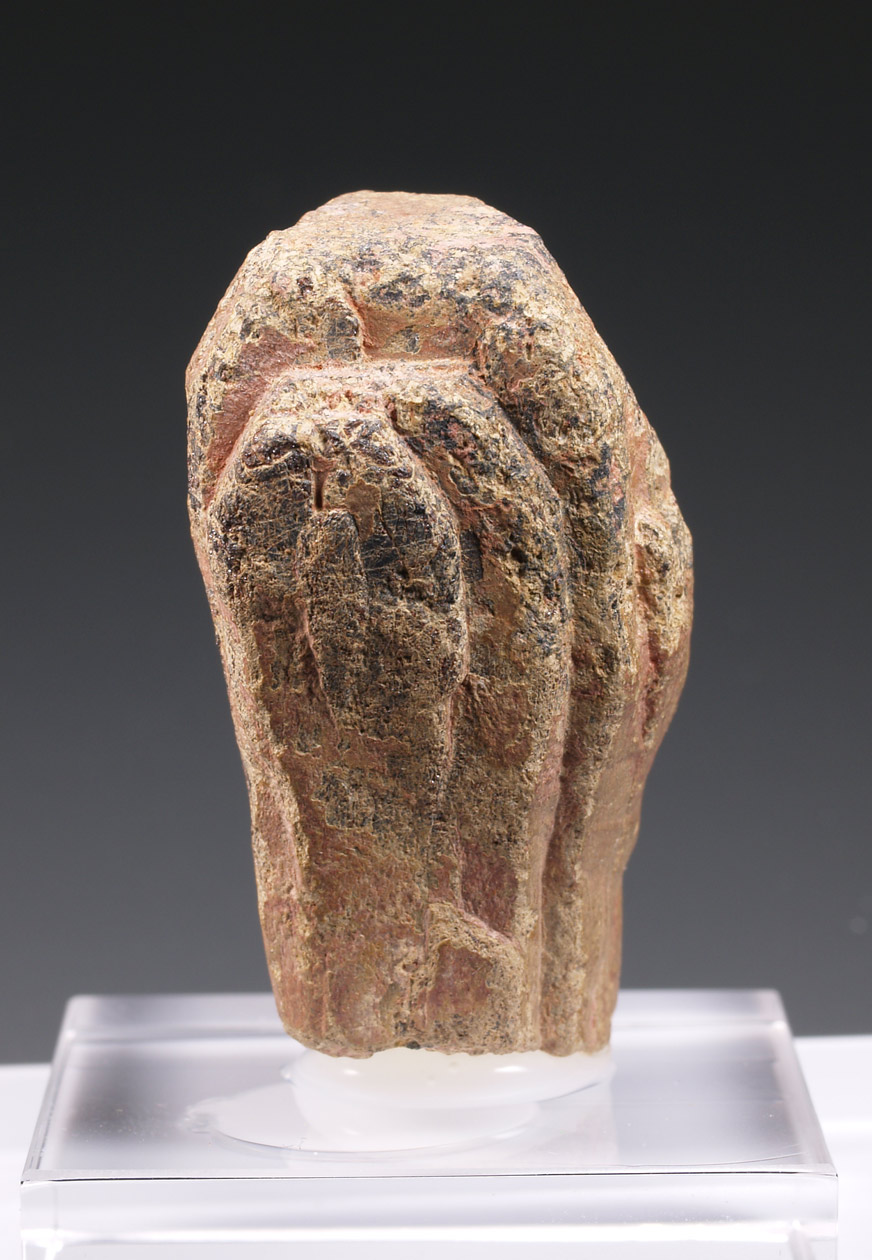
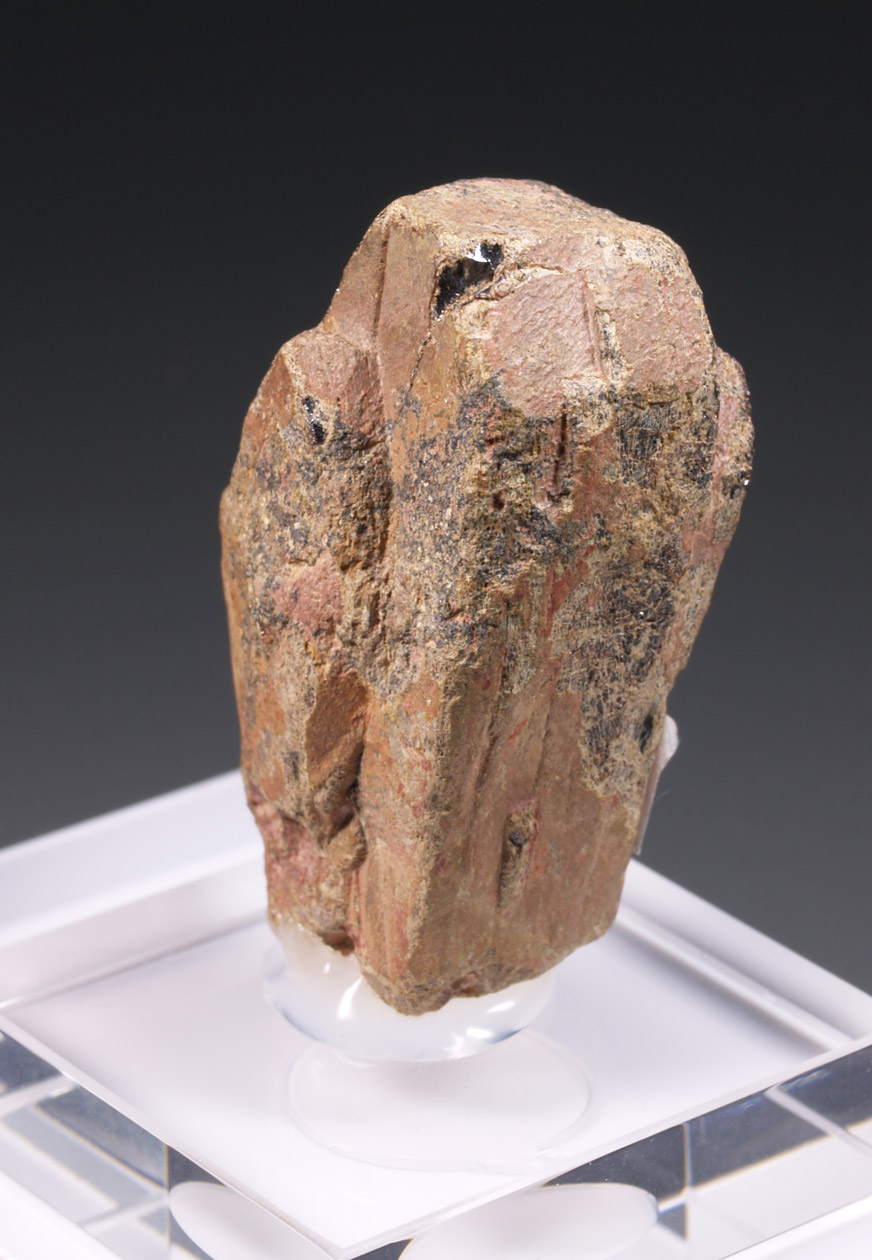
Euxenite-(Y) is an uncommon oxyde of niobium with tantalum and titanium and Rare Earth Elements (REE), with some calcium and radioactive elements like uranium or thorium. These elements give it a radioactive activity. This specimen we offer you is a cluster of parallel growth crystals, well-formed, with a chisel termination.With the classic ocher patina. A good chance to get a fine and good sized specimen.
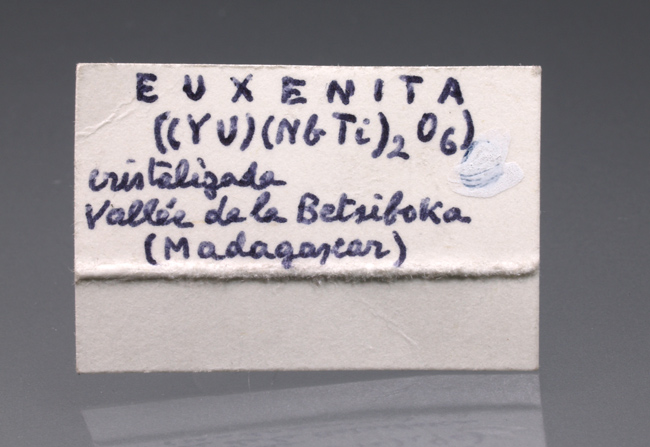
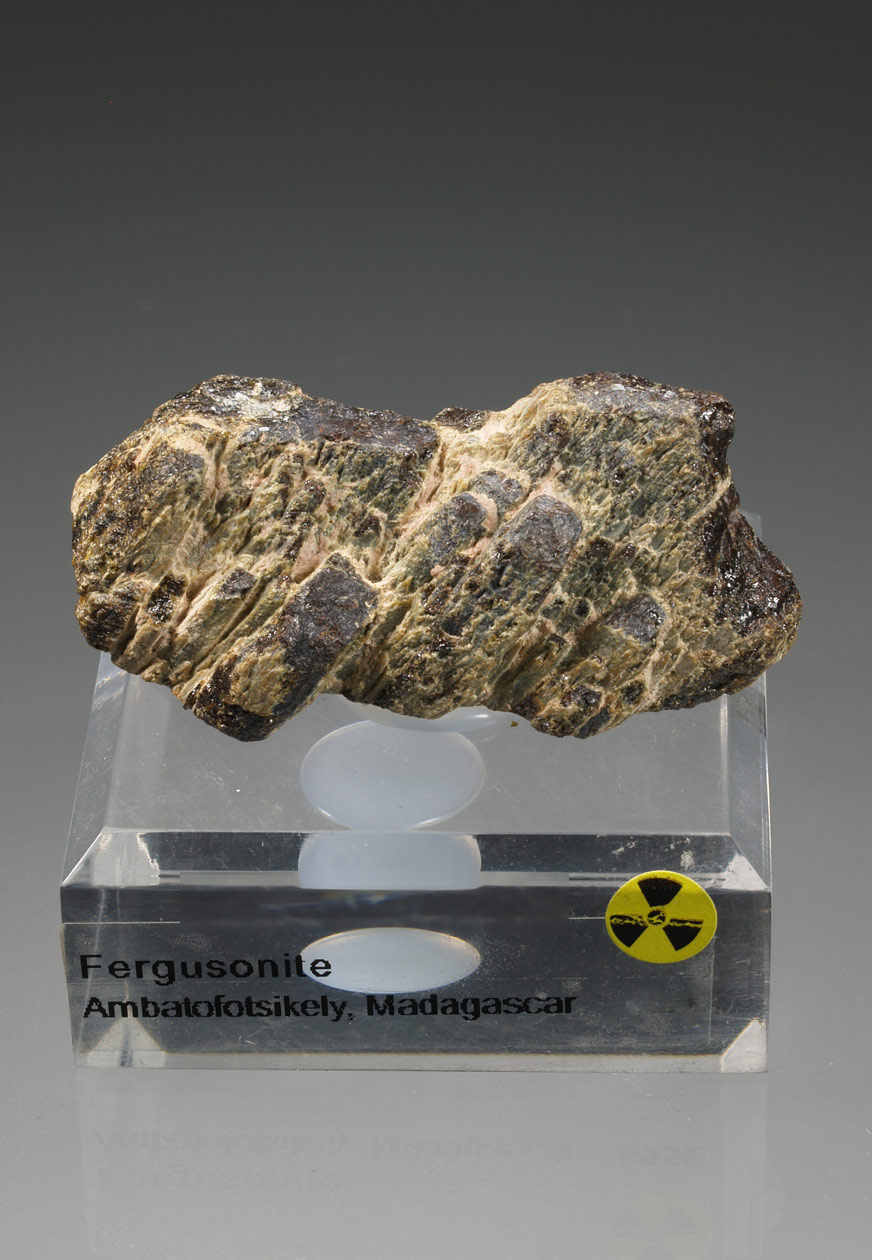
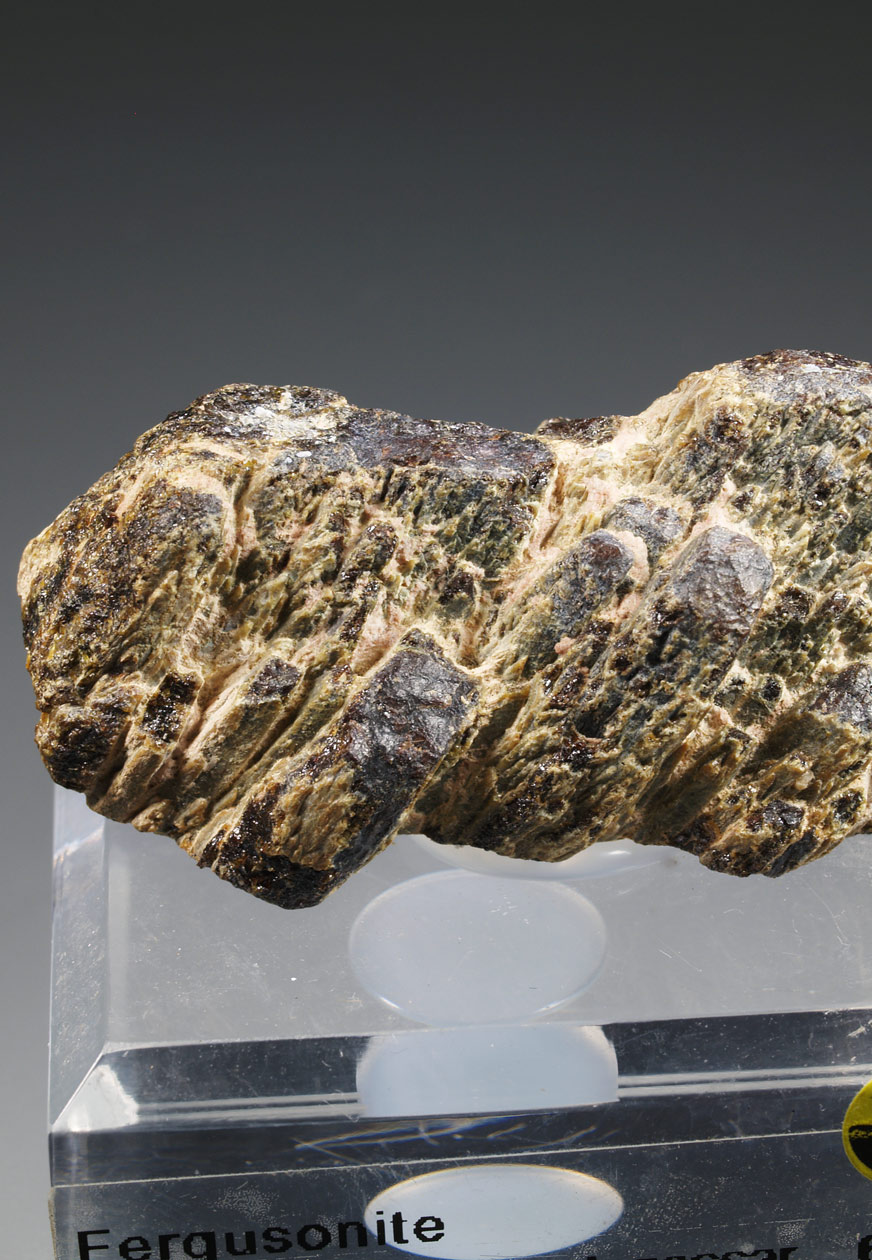
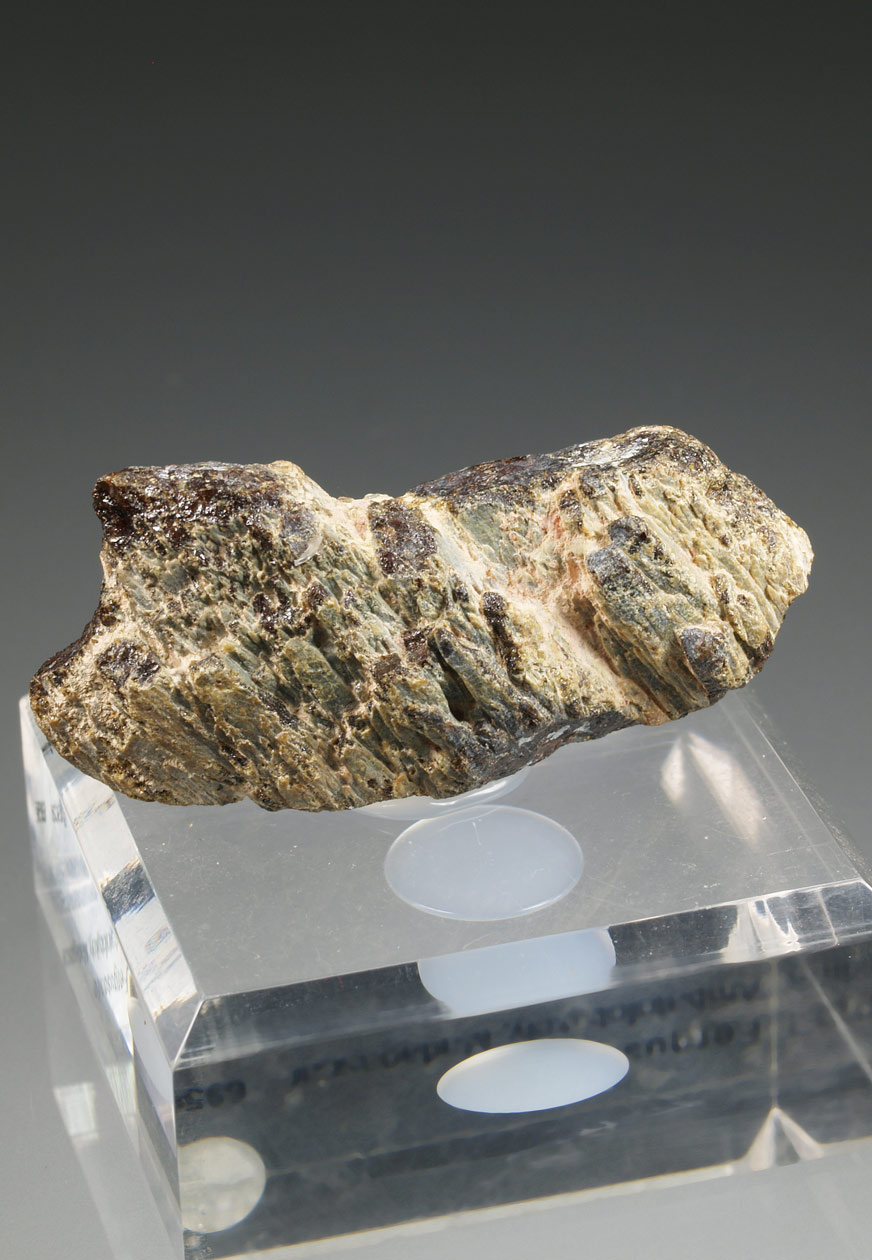
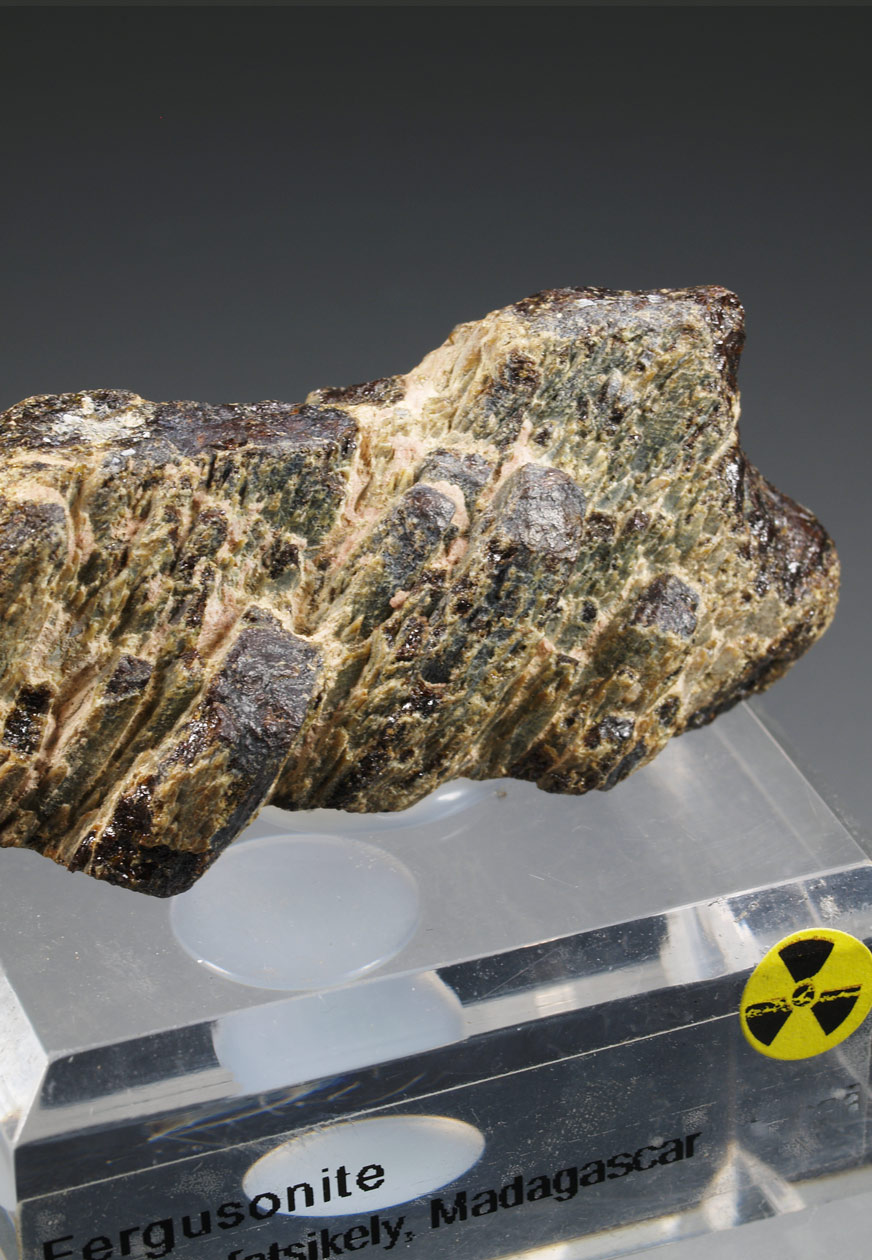
A spectacular specimen of fergusonite-(Y), a somewhat unusual yttrium niobate, which typically occurs massively or in small crystals. In this specimen, several crystals can be observed growing in parallel. It belongs from the collection of Jean Béhier (1903-1963), a self-taught French mineralogist who amassed a collection of over 5,000 specimens, primarily of Madagascar minerals. This collection was formed through his numerous field studies and the many exchanges he made throughout his life. A top specimen for both the species and the locality.
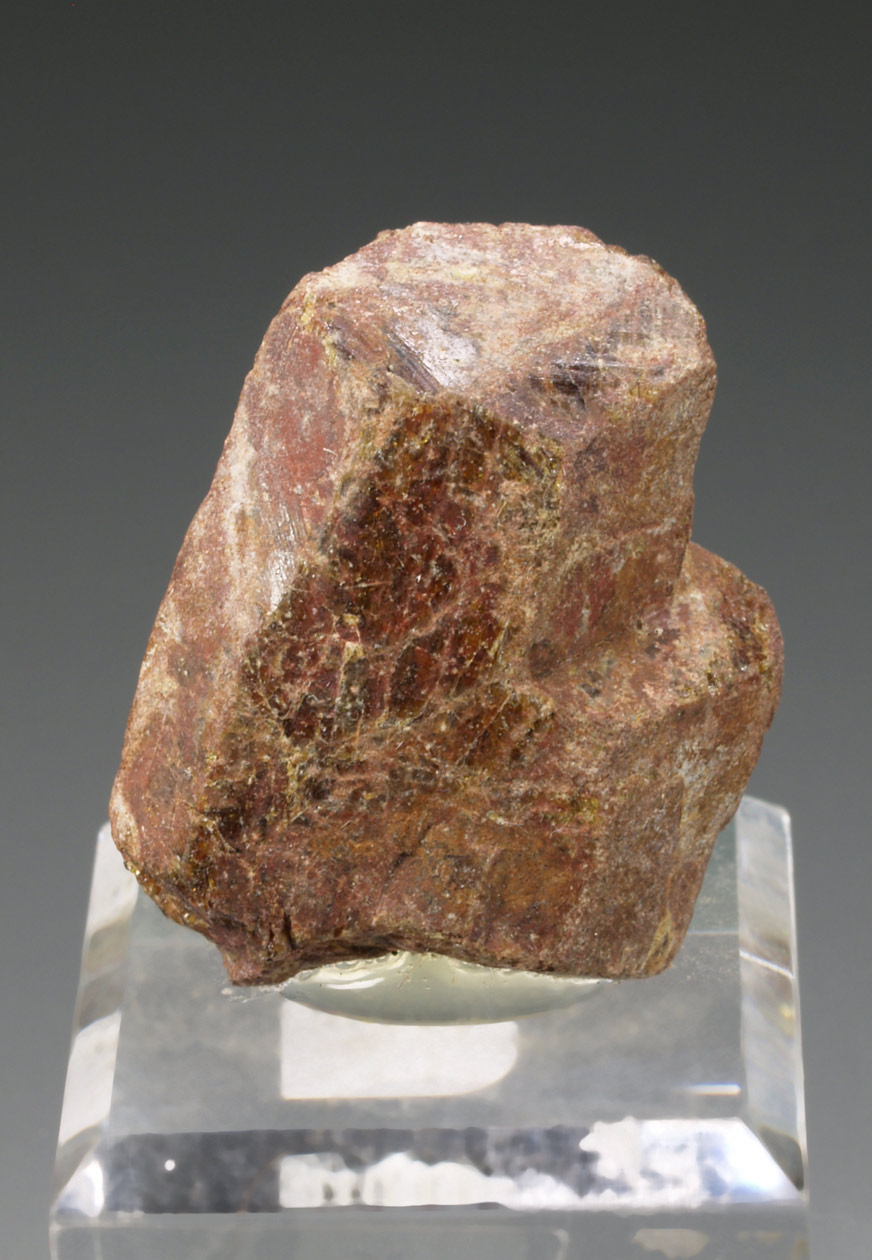
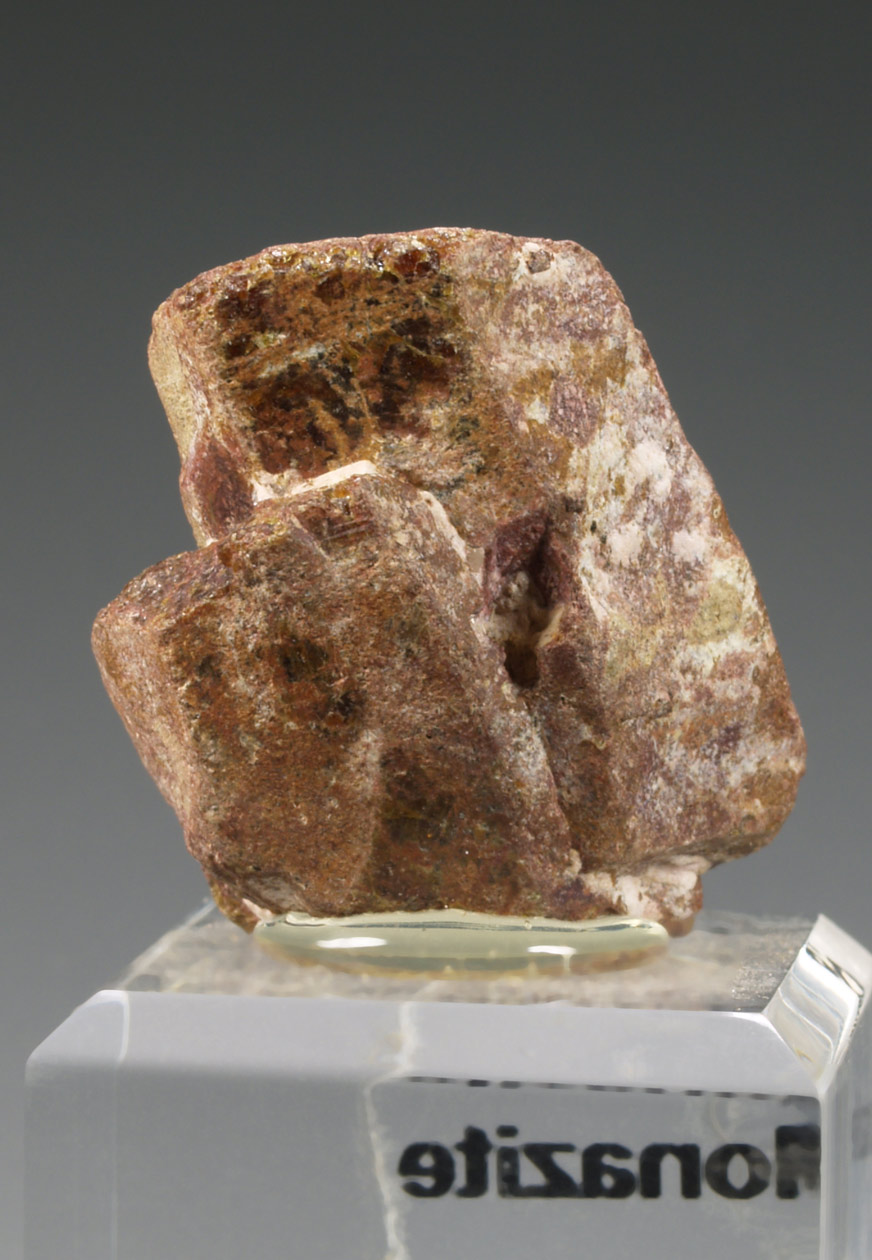
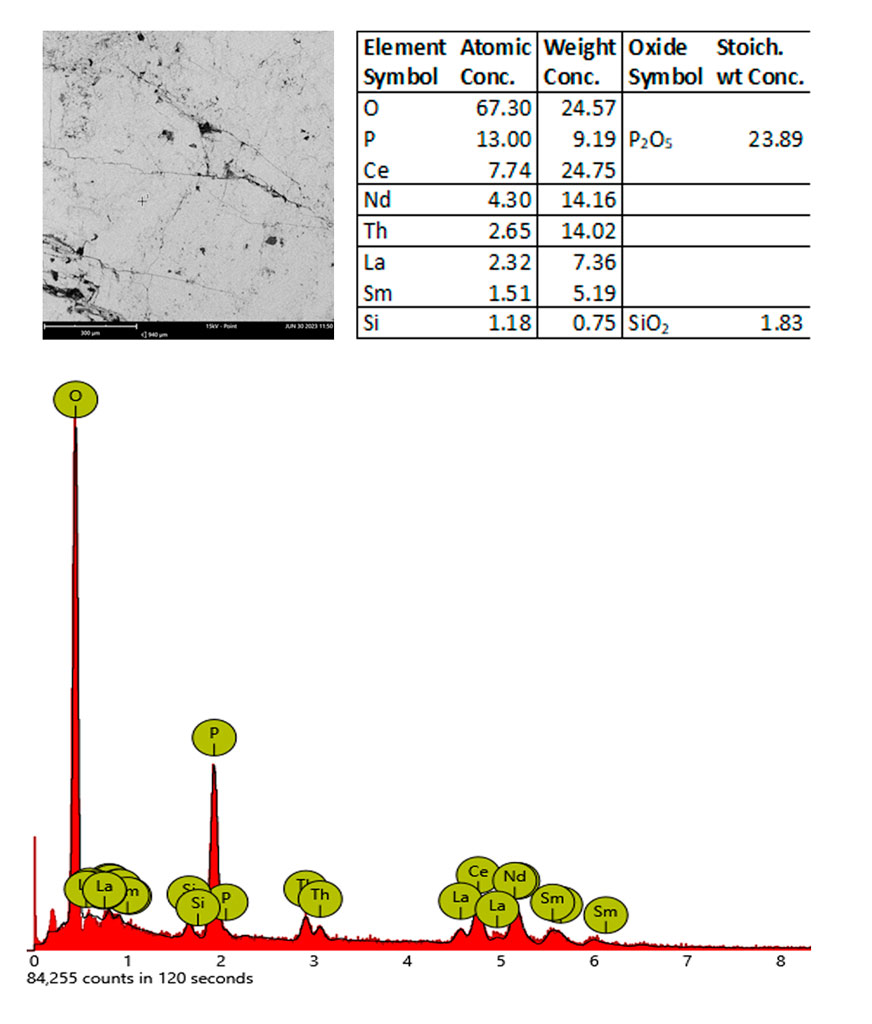
Nice monazite-(Ce) crystal, rich in faces, with luster and intense brown color. Nowadays finding specimens with this quality is not easy. These specimens have been analyzed, indicating that cerium is predominant, and that it is accompanied by other REEs such as lanthanum and neodymium, together with thorium, which gives it some radioactivity. We will send the results and label to the buyer.
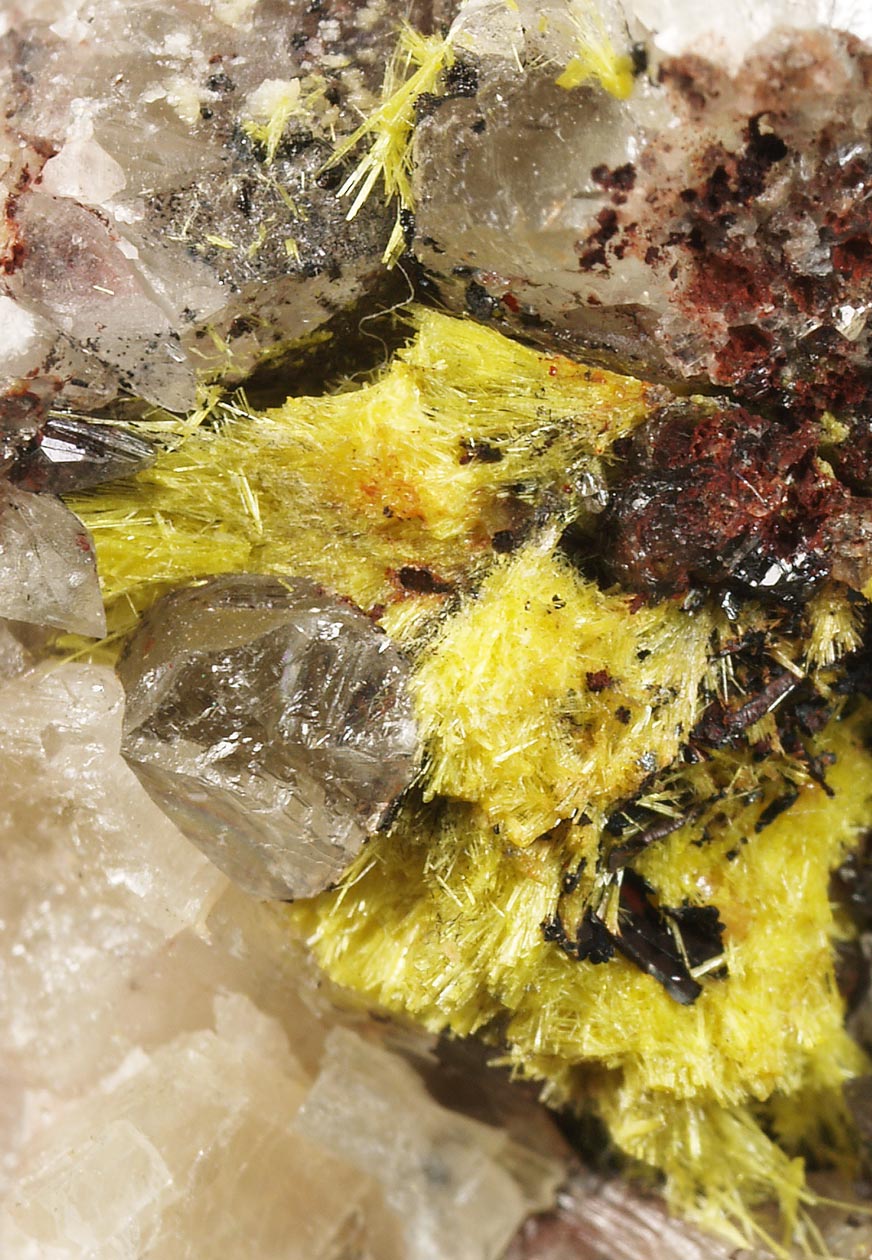
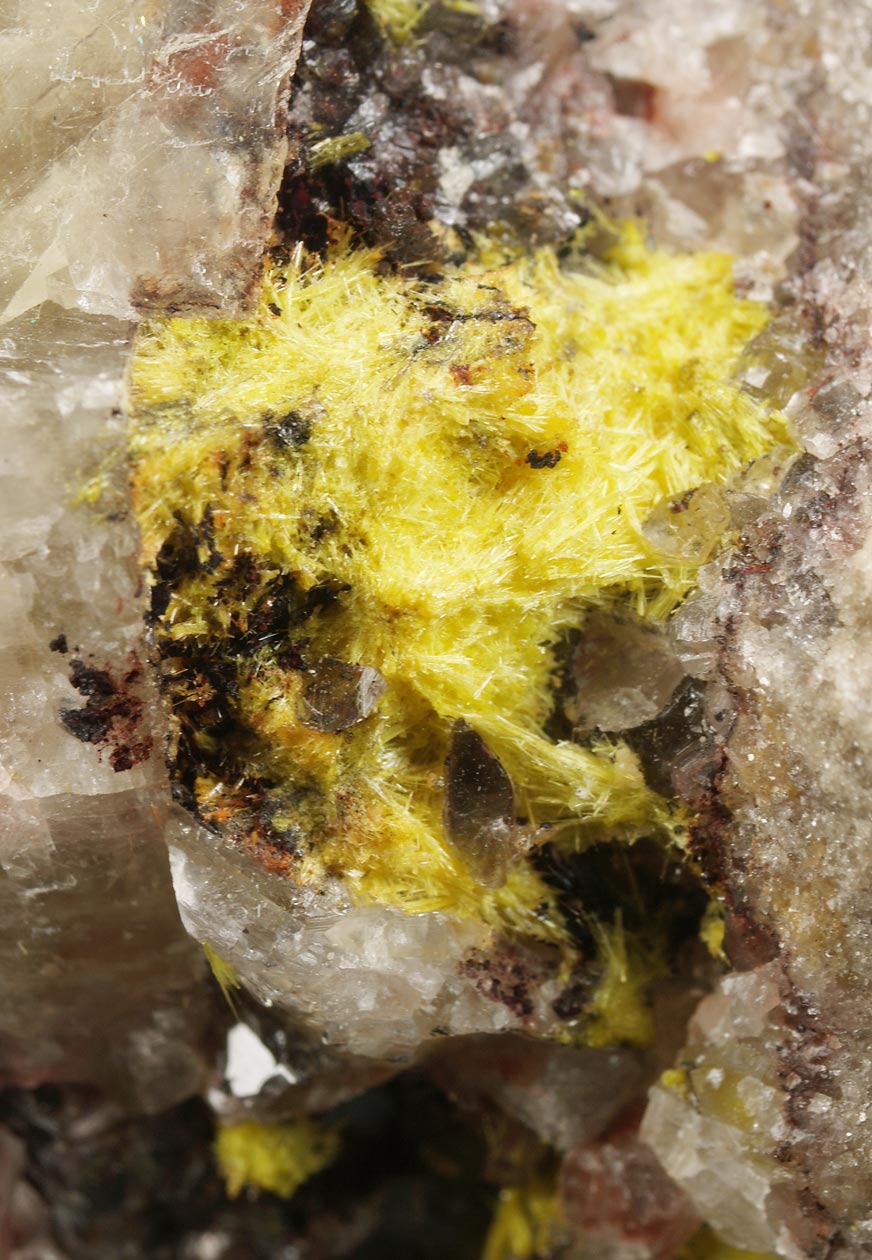
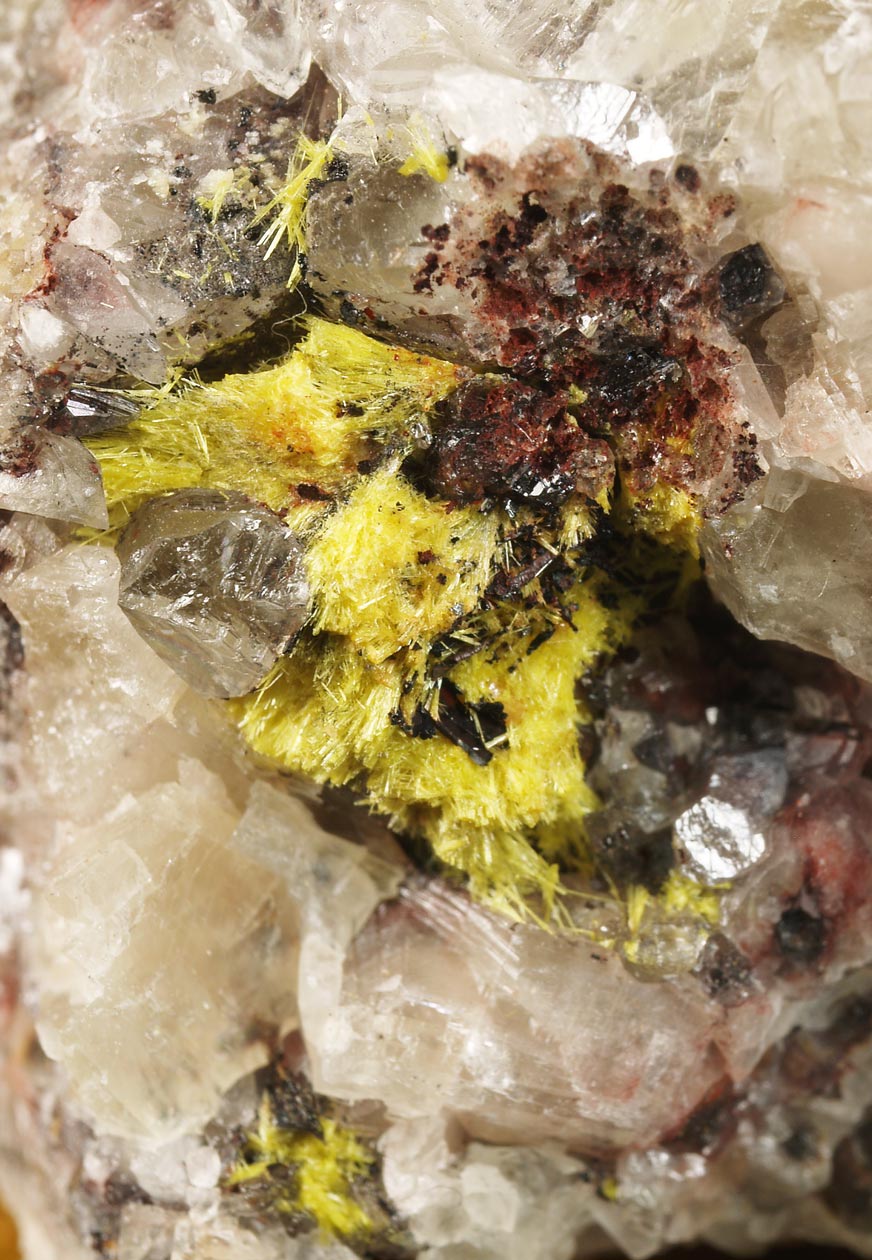
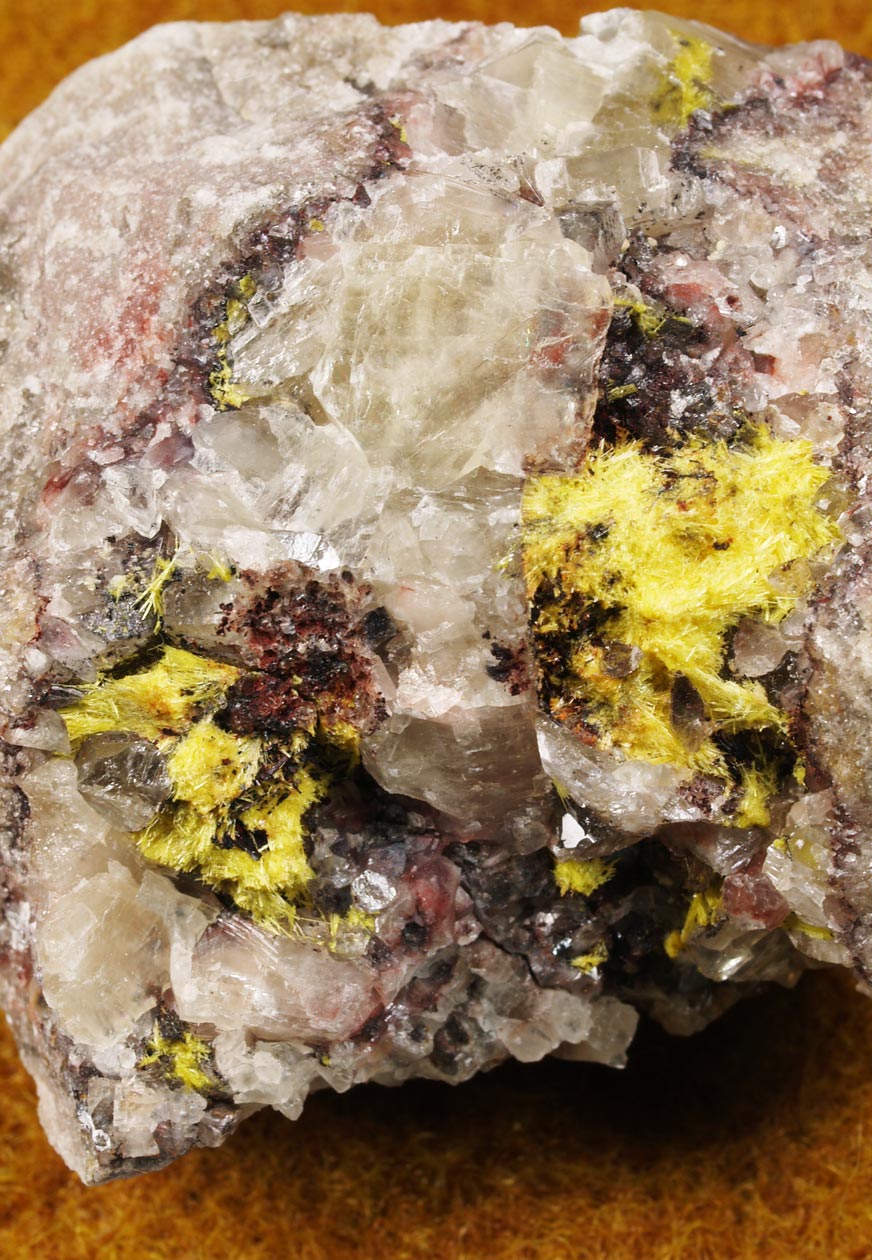
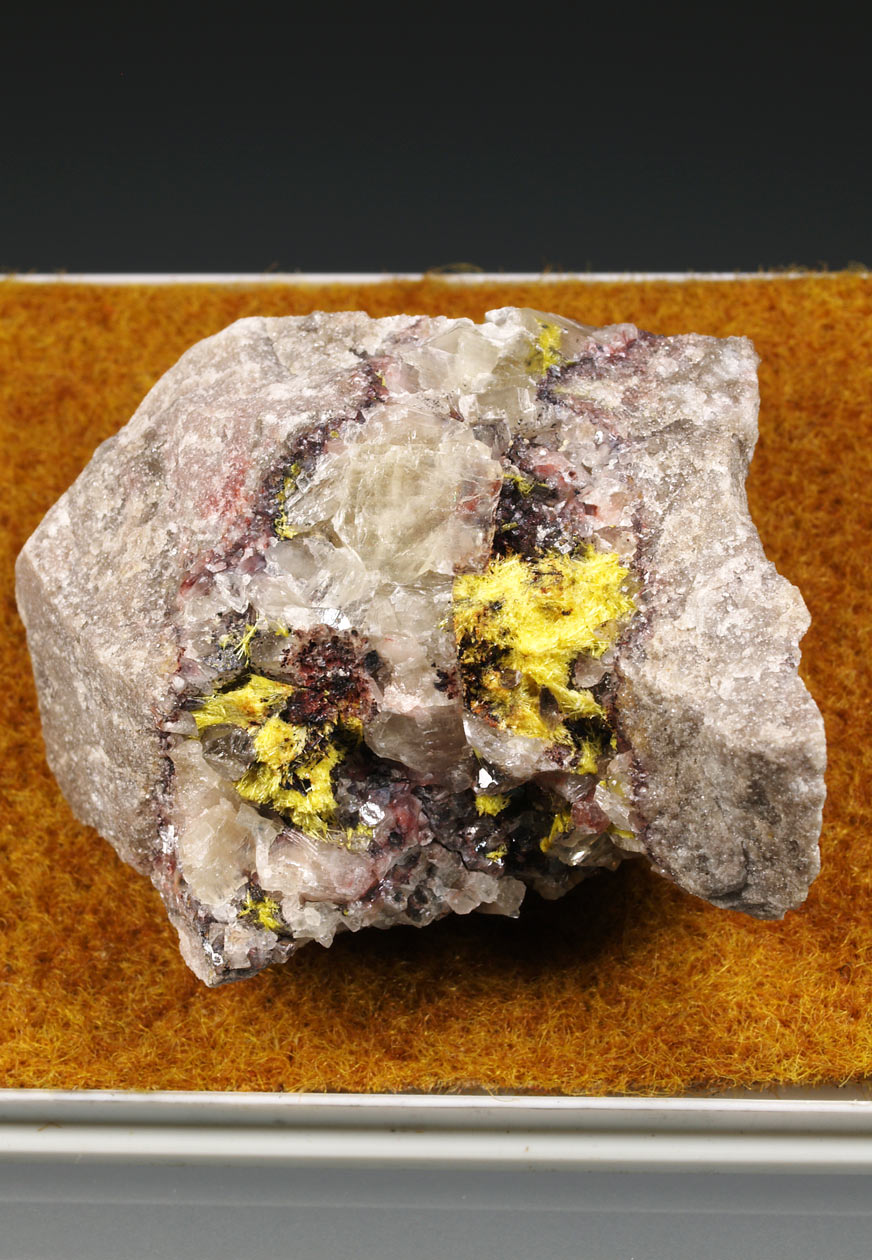
Uranium specimens from this Mexican mine located in northern Chihuahua are rare on the market. This specimen shows numerous acicular crystals of this uranyl silicate, brilliant, transparent and intensely colored. They are disposed in vugs within the calcite matrix.