


- Home About RM Minerals
- Virtual Photo Museum Blog RM Contact
- Microscopy and instruments How to Buy Disclaimer
Copyright 2010-2026
www.rosellminerals.com



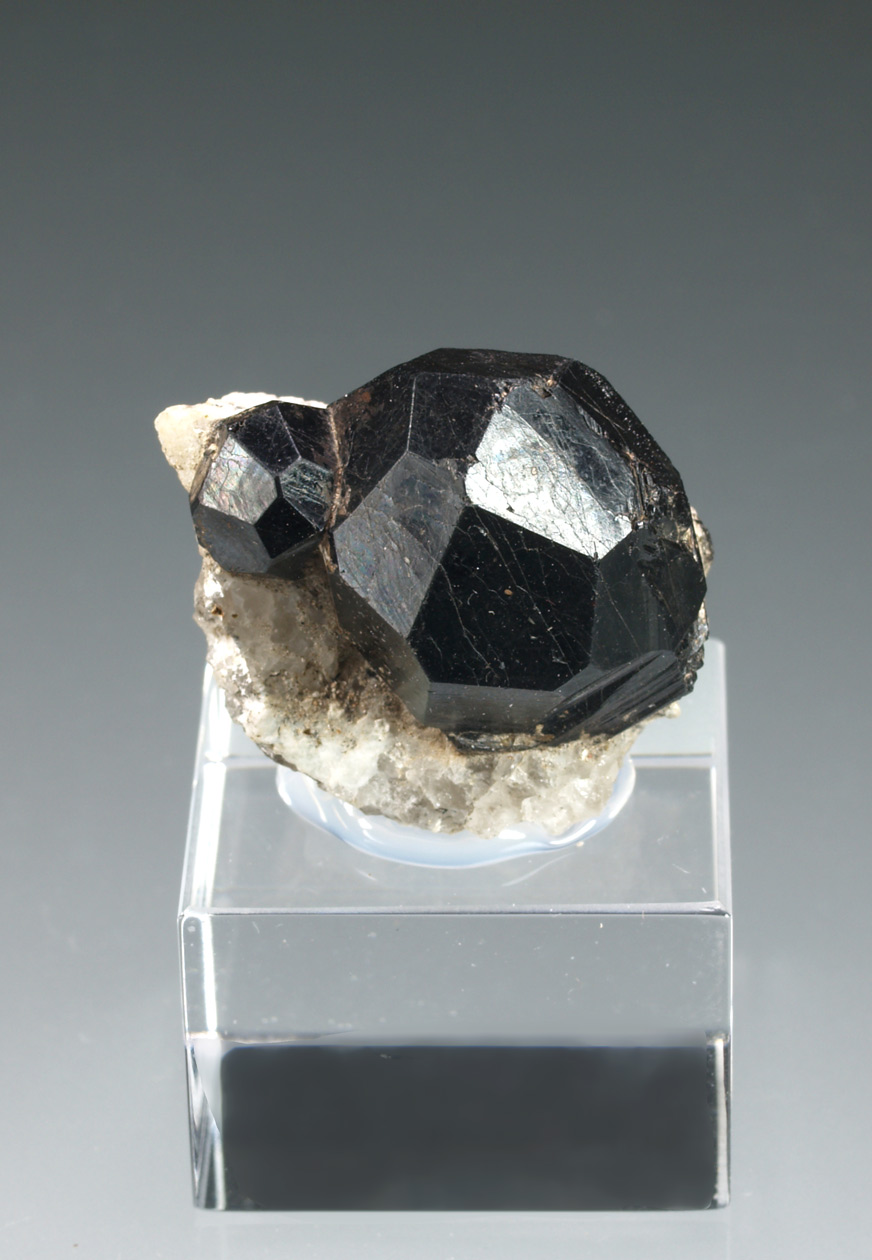
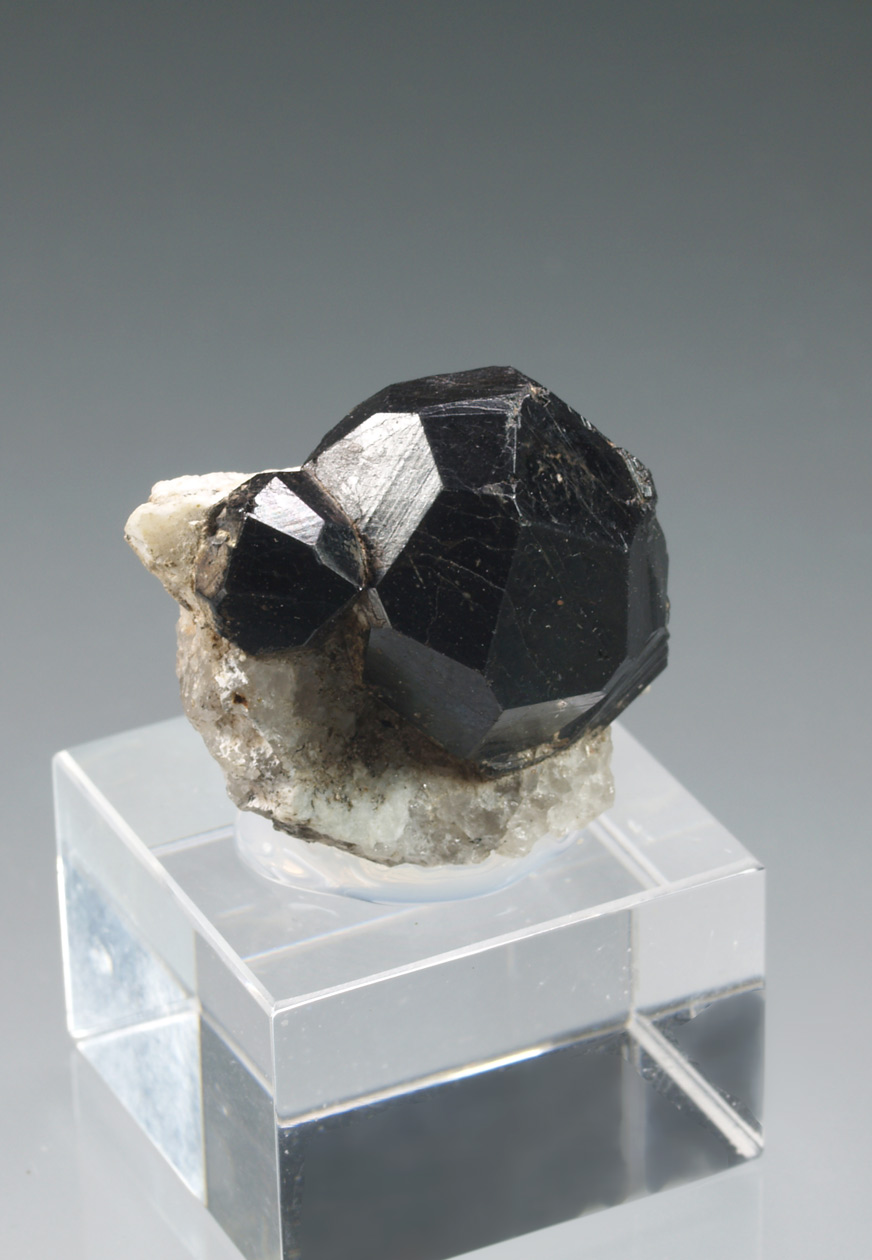
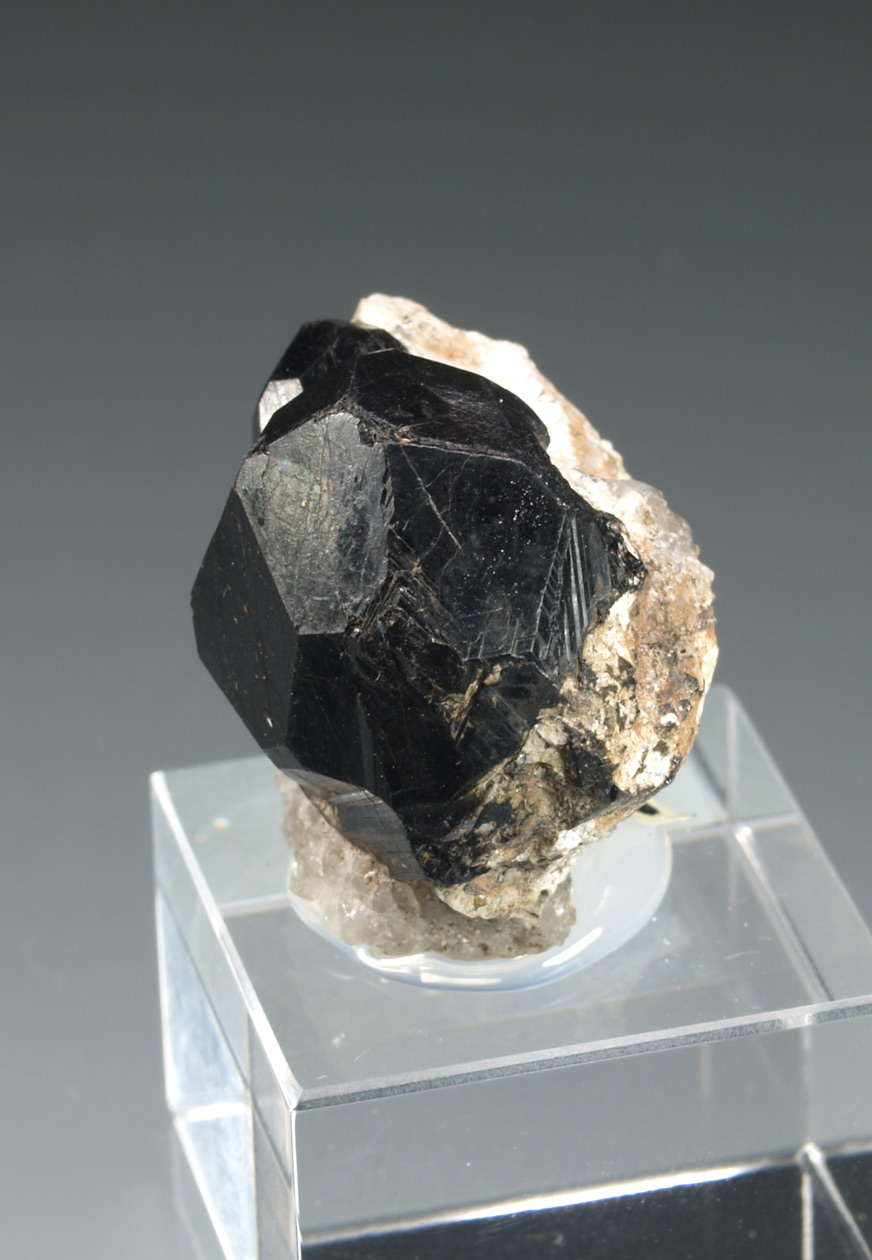
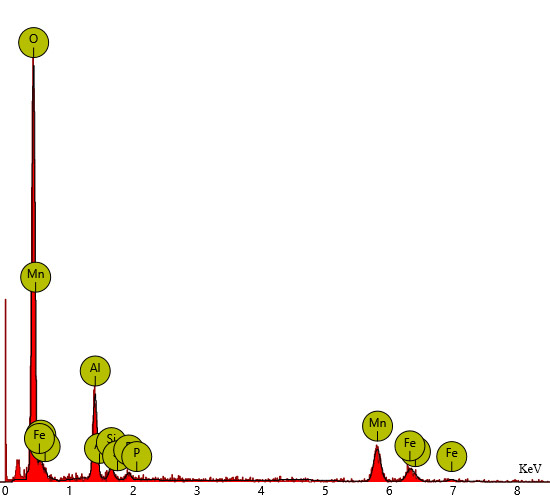
Group of garnet crystals belonging to the almandine-spessartine series, usually with a predominance of the first one. The analyzes indicate the presence of Fe and Mn, with traces of Mg. These specimens were identified as pyrope (magnesium aluminosilicate), but the analytical results do not indicate this.
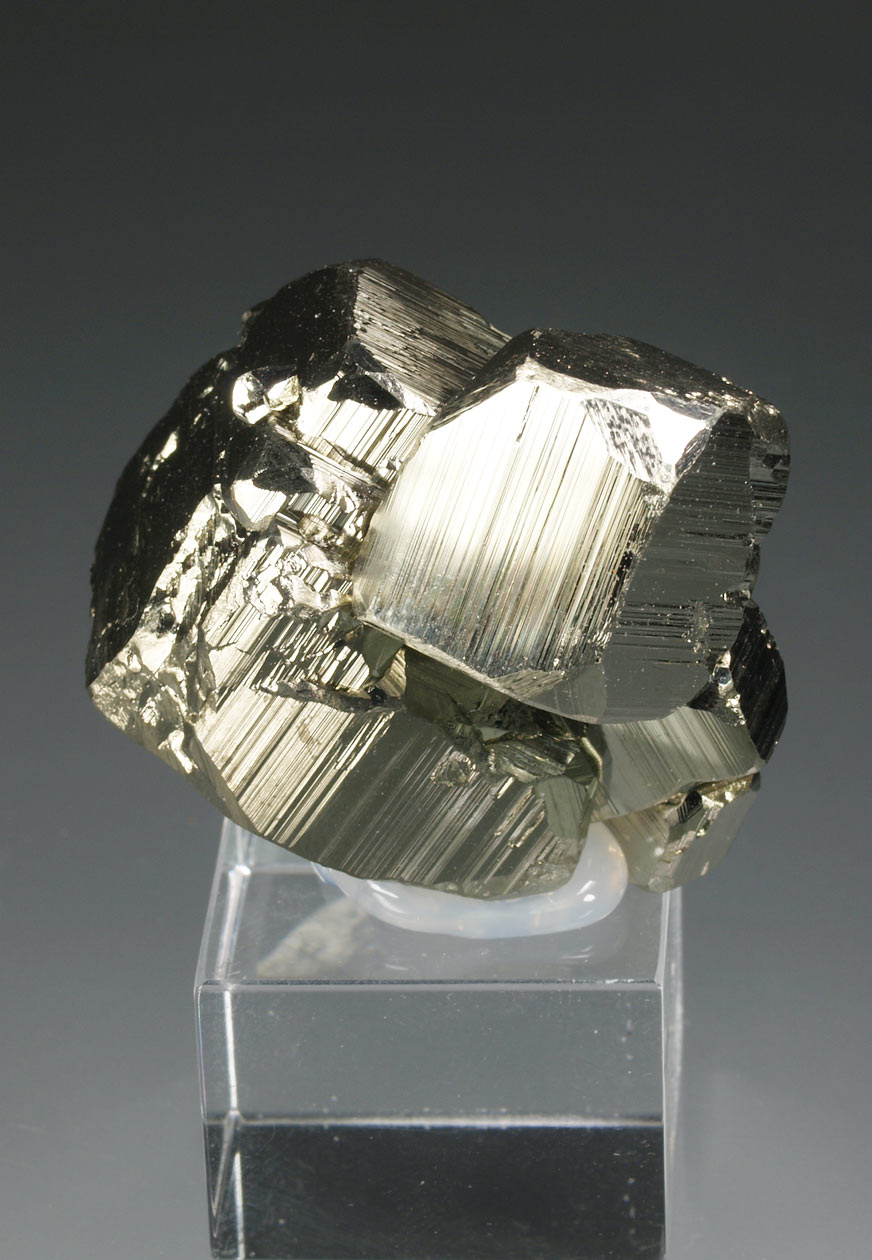
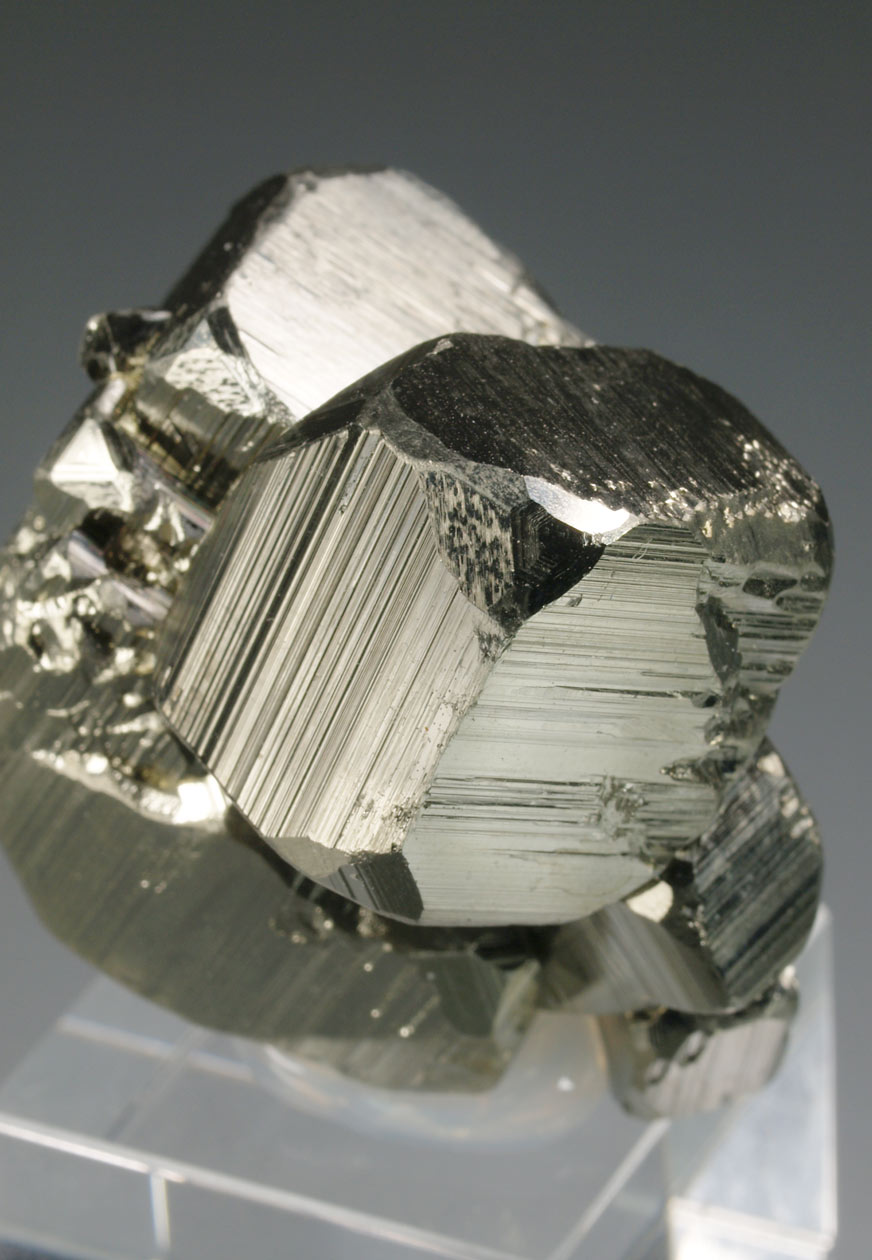
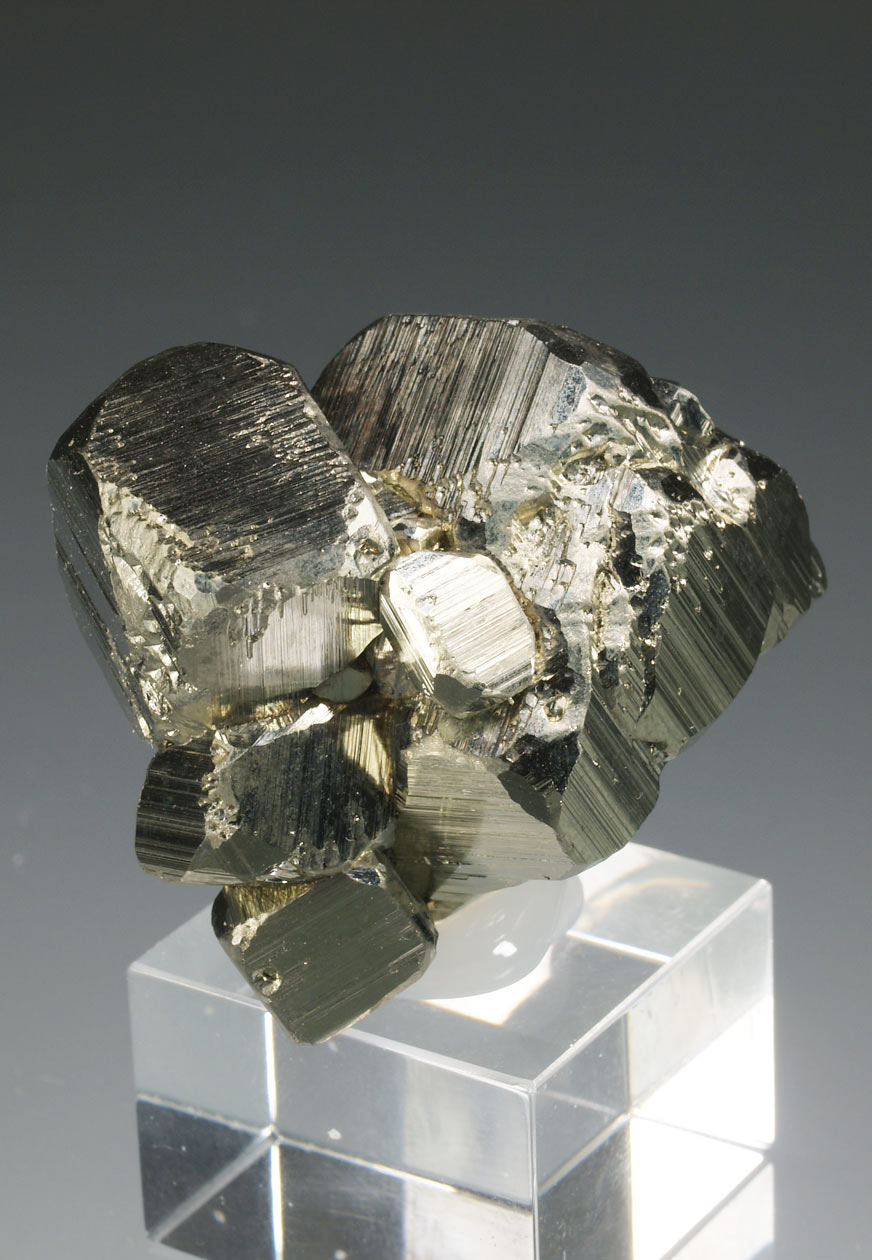
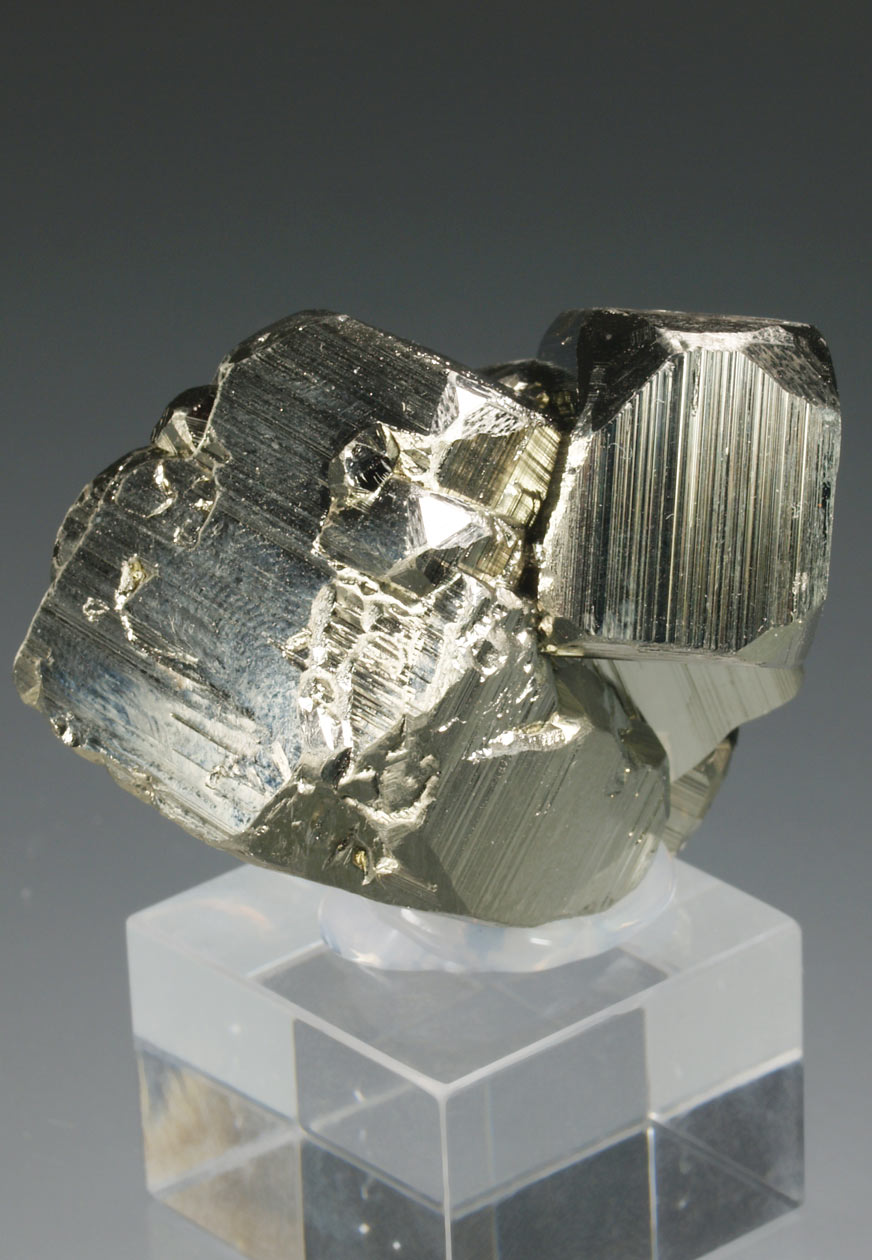
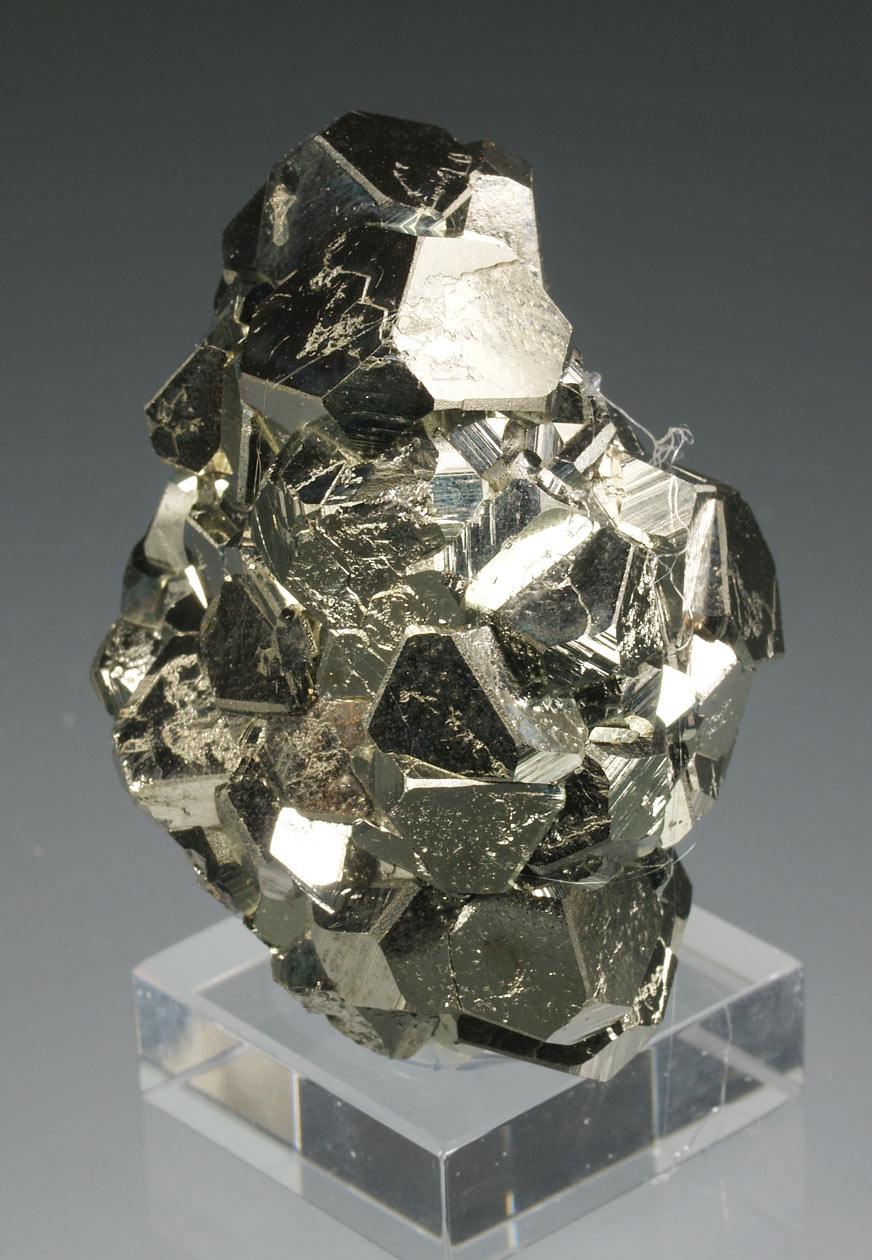
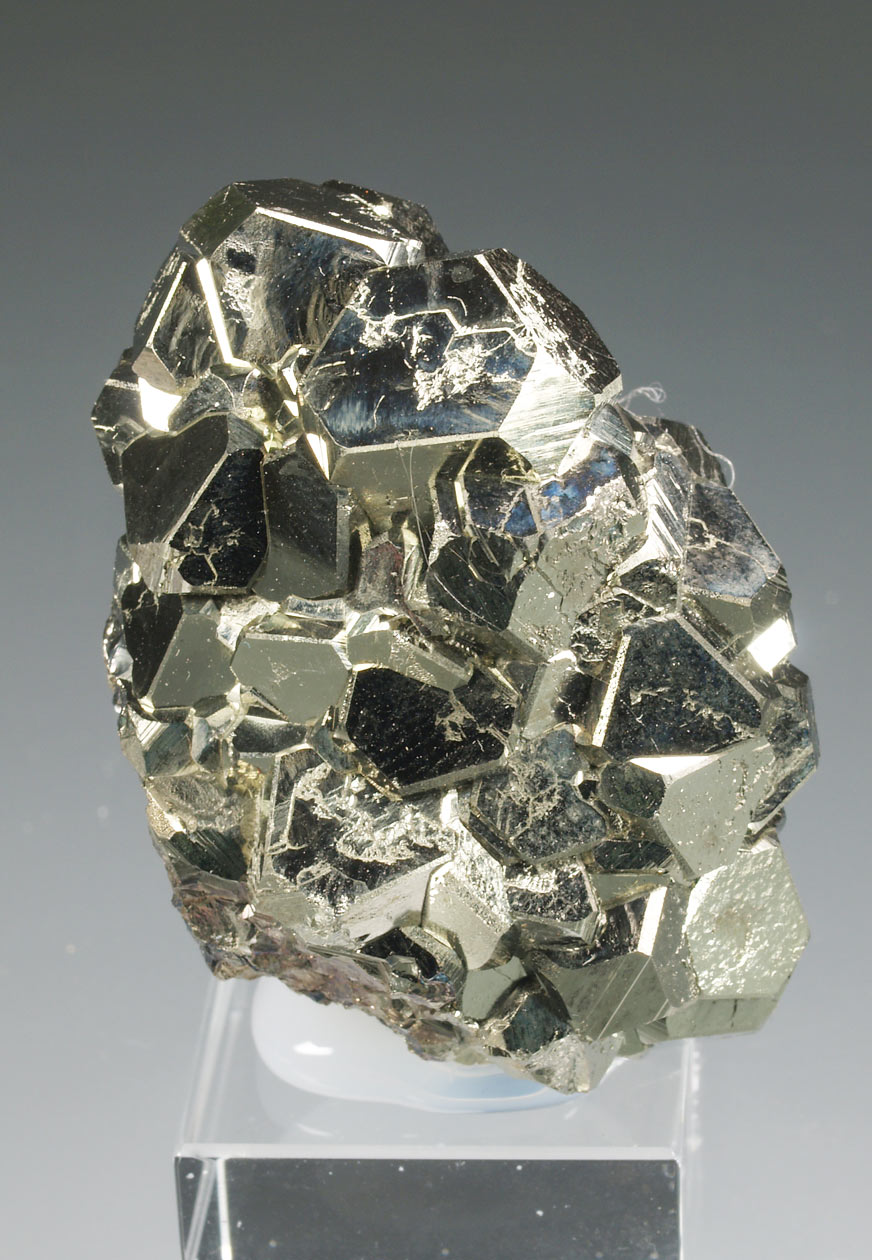
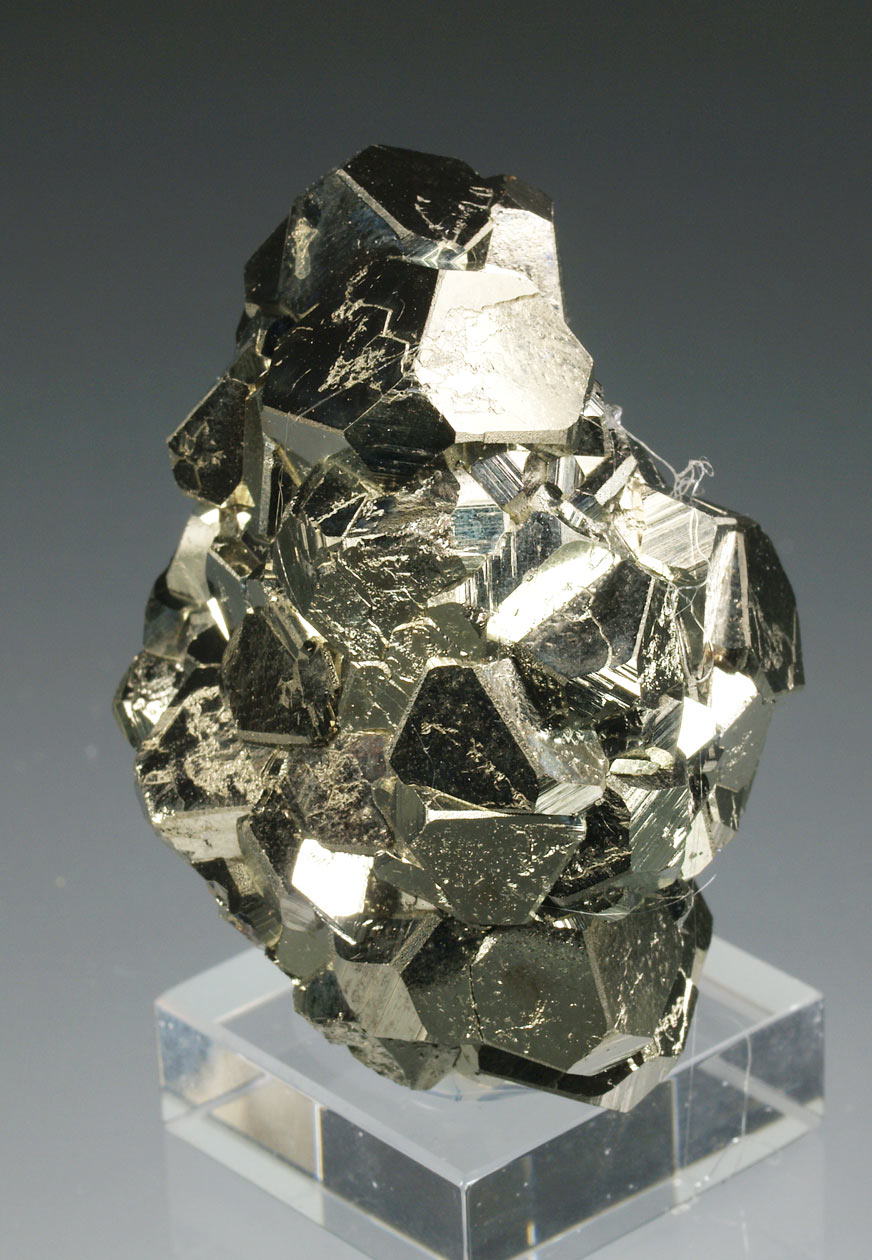
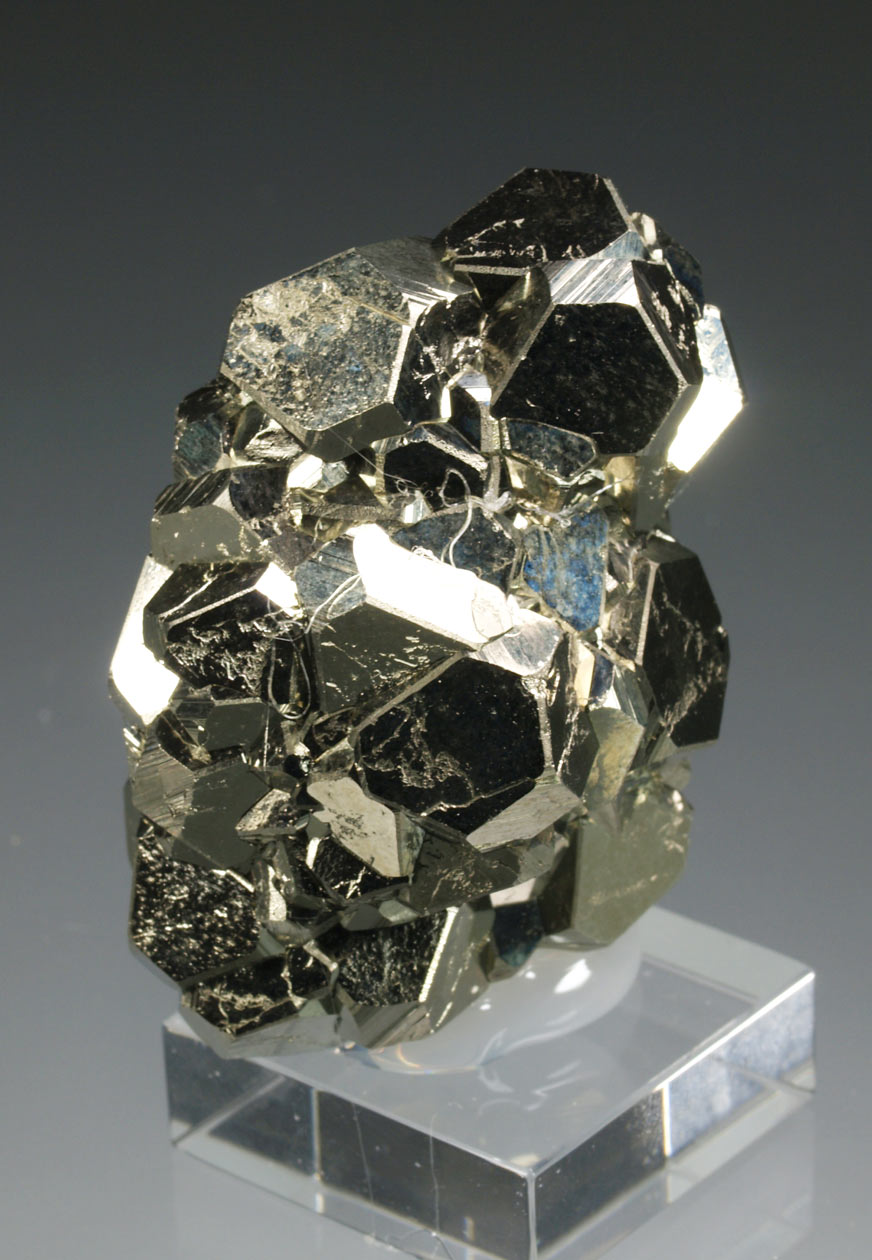
Group of interpenetrated pyrite crystals with an exceptional luster. This specimen stands out for its complex crystallography, with cube shapes, triglyphic striations, and vertices rich in probably trapezohedral faces. A piece to enjoy in its study, the kind that I like...


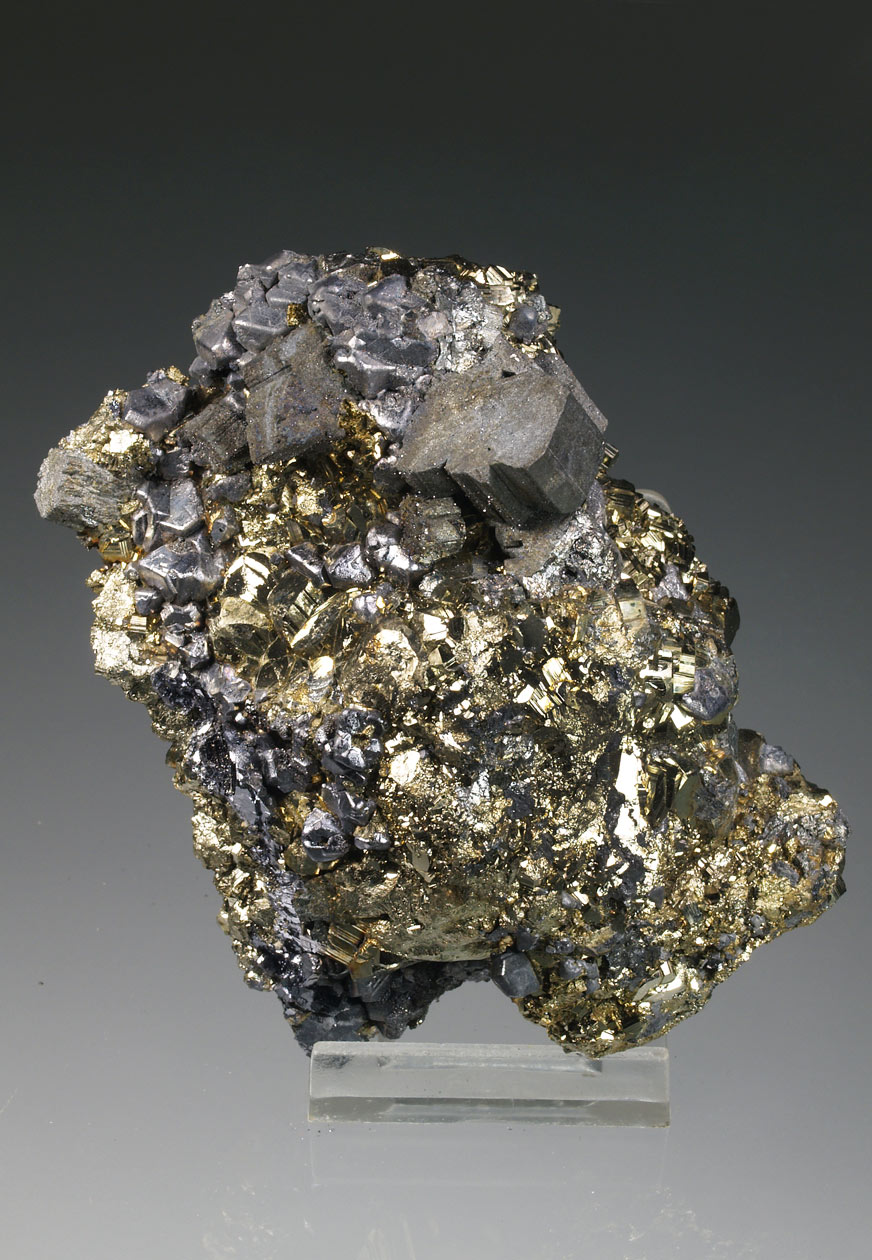
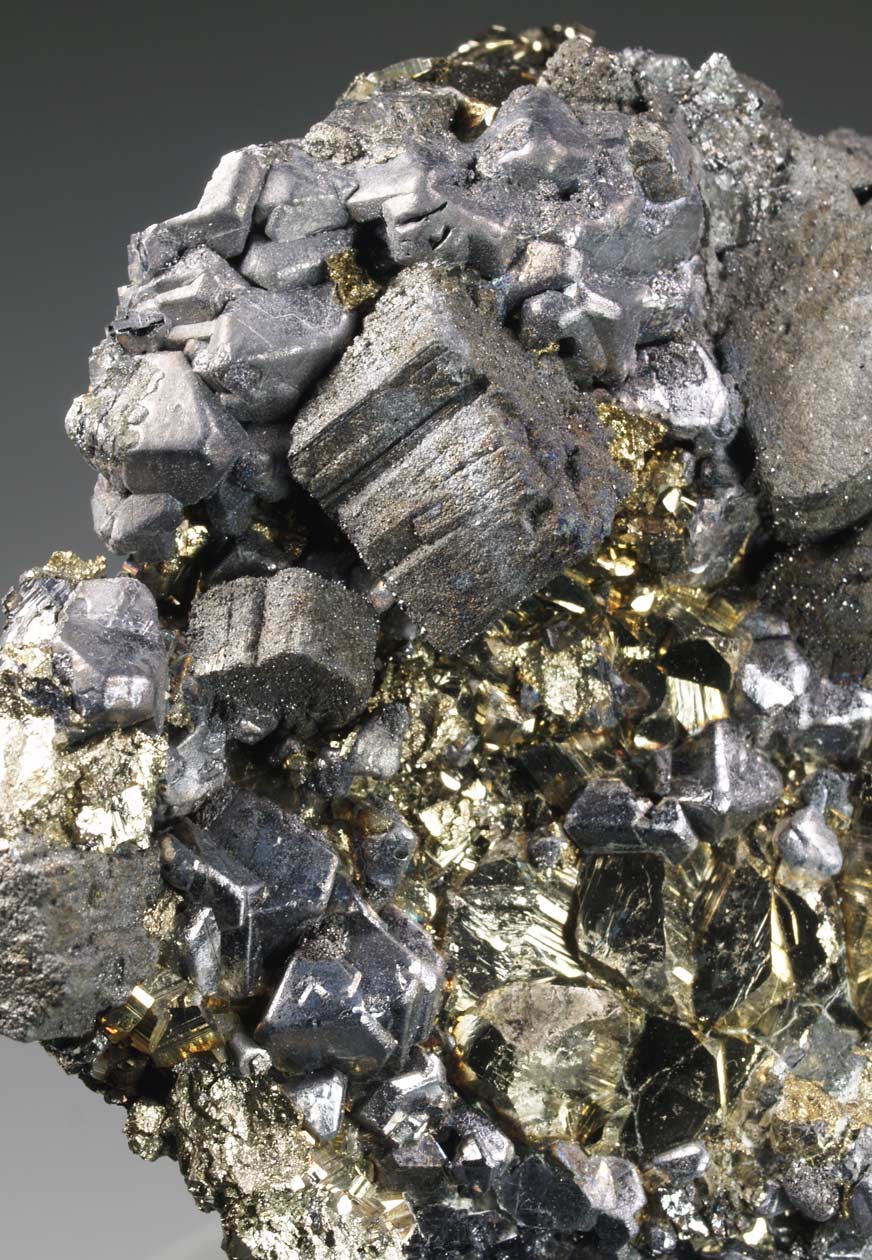
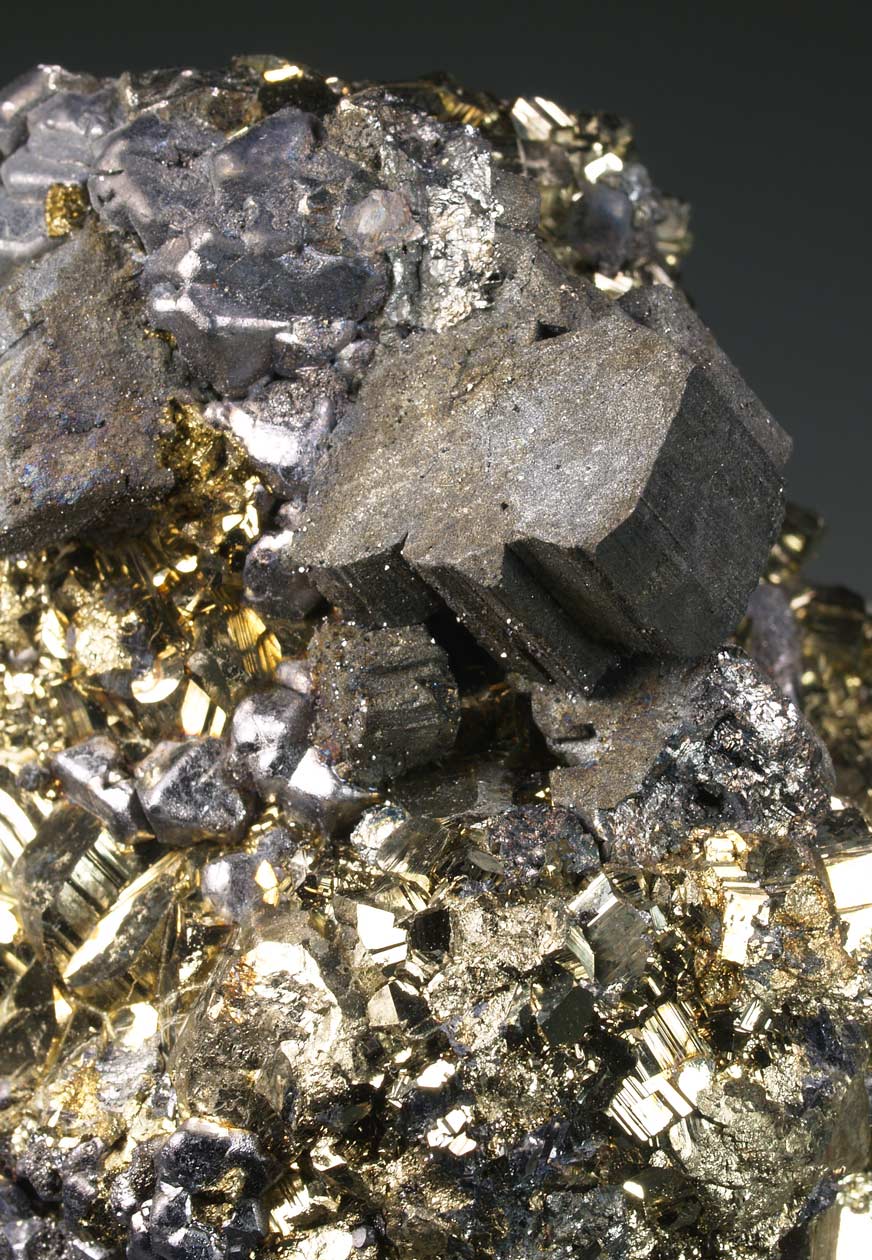
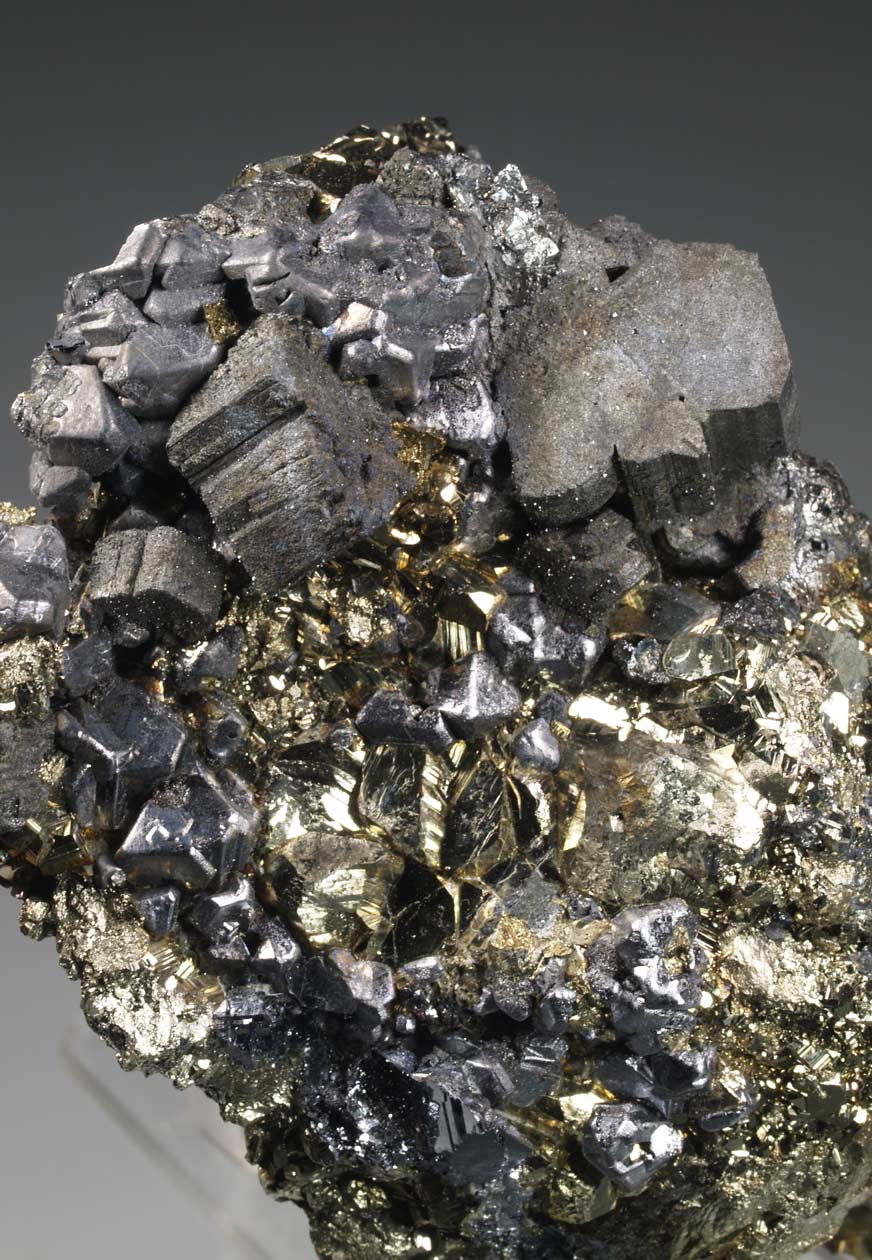
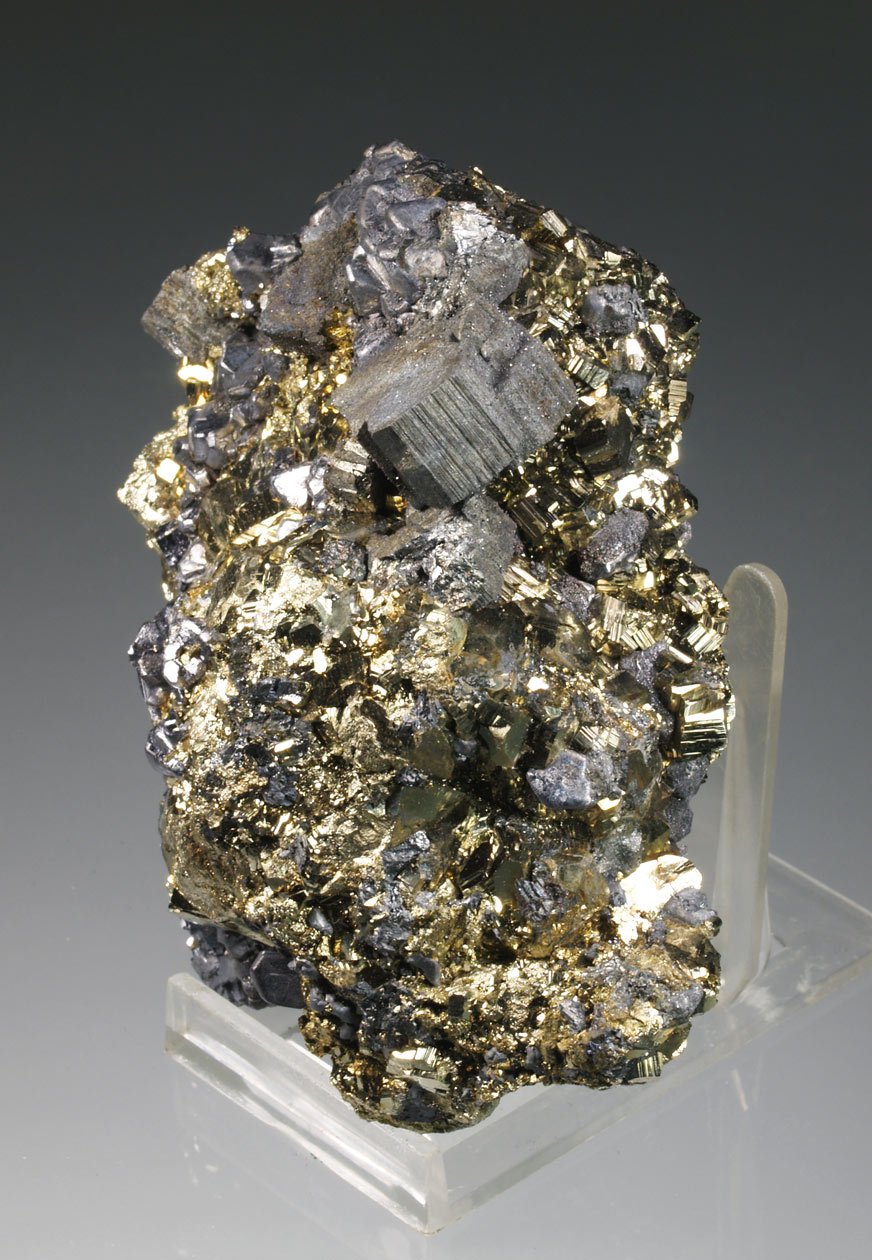
Excellent specimen of bournonite from this classic Kosovar mine. Several crystals of this lead and copper sulfoantimonide are disposed on a matrix formed by brilliant crystals of pyrite, sphalerite and galena. The bournonite presents visible cyclic twins, semi-matt luster, with chalcopyrite. They appear covered with calcite that is removed by chemical processes.
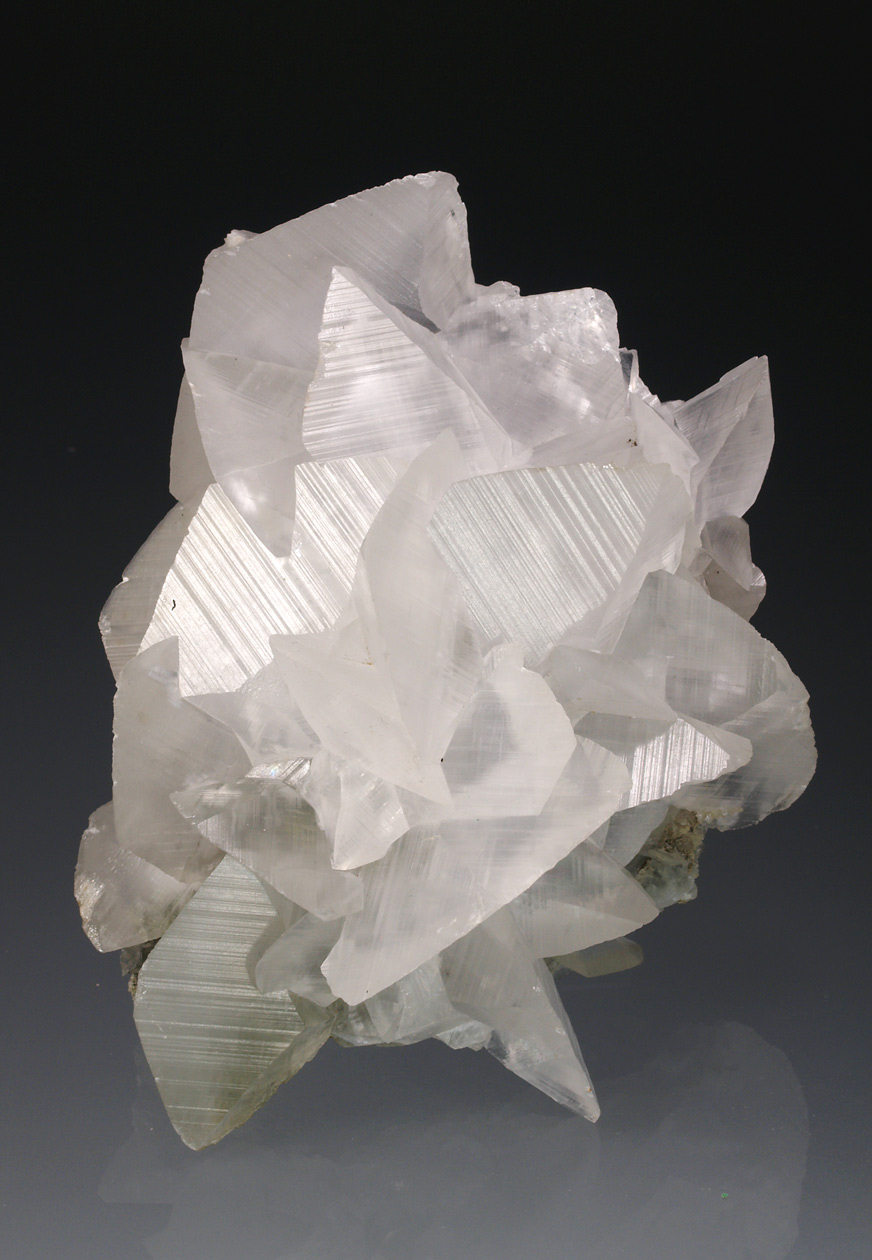
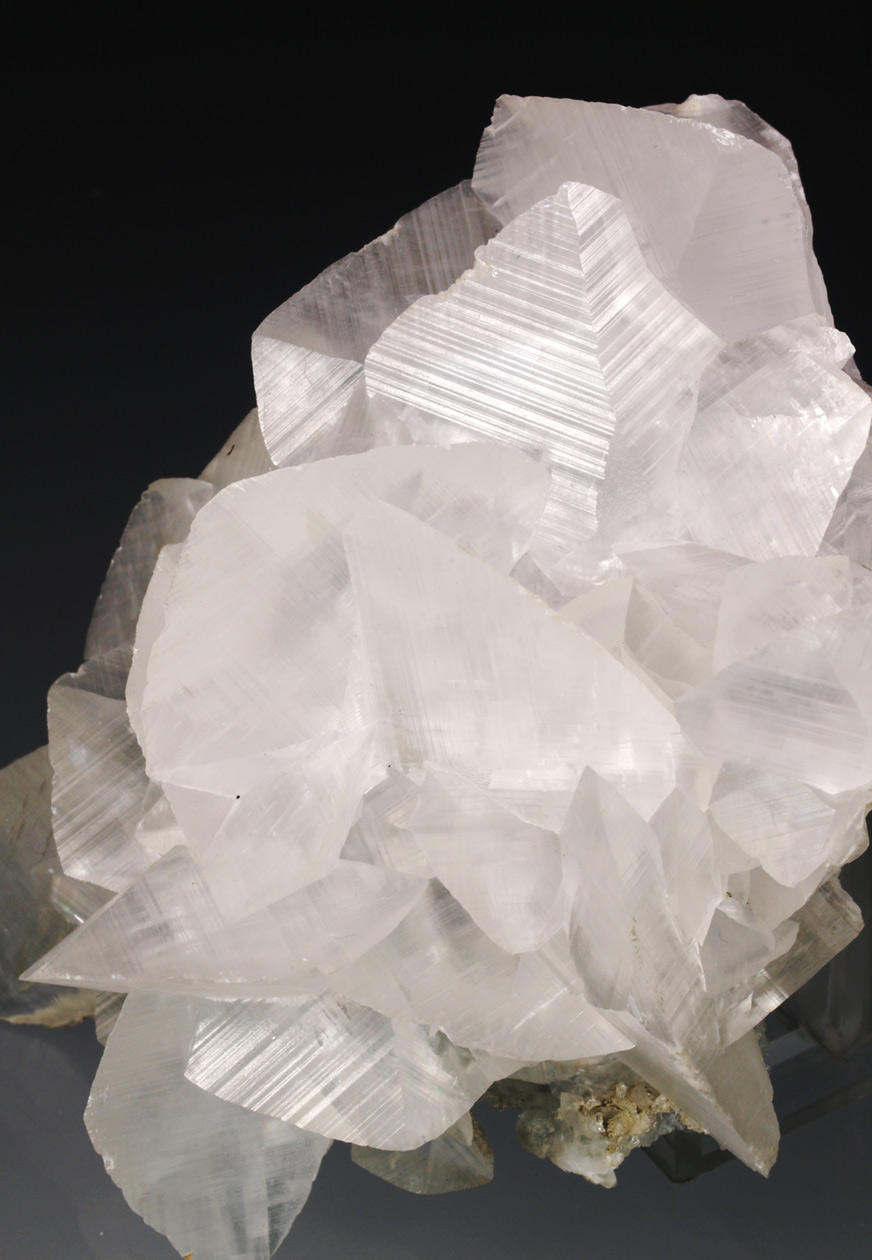
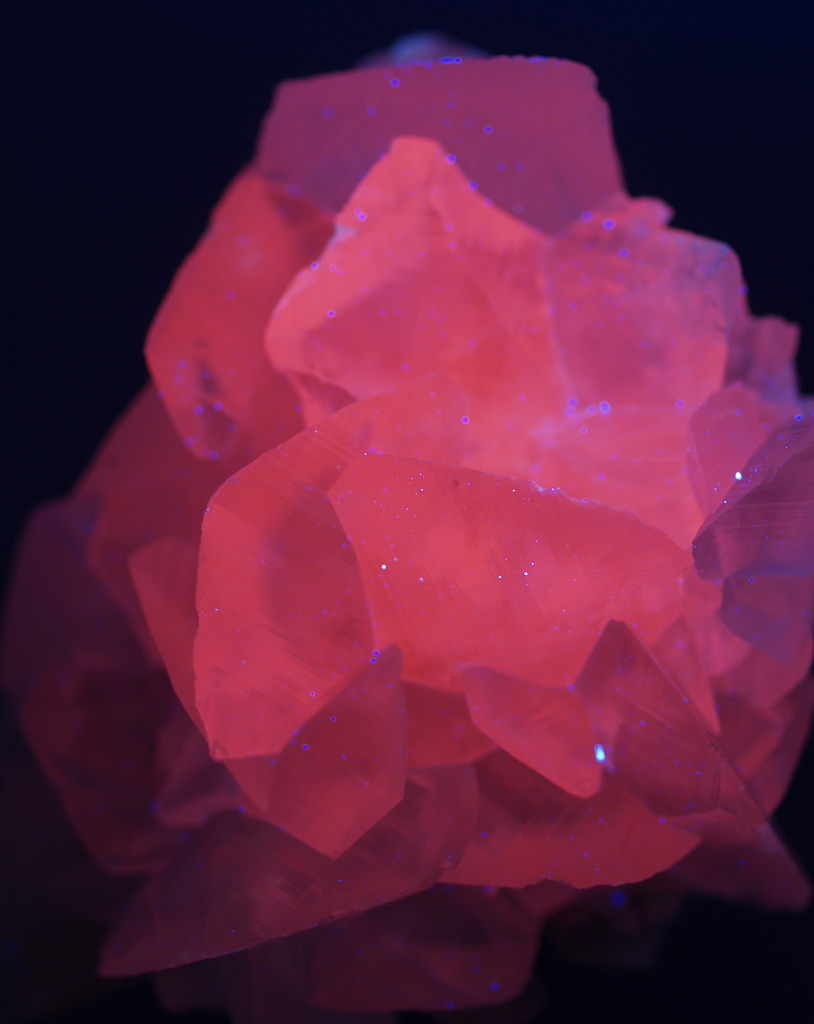
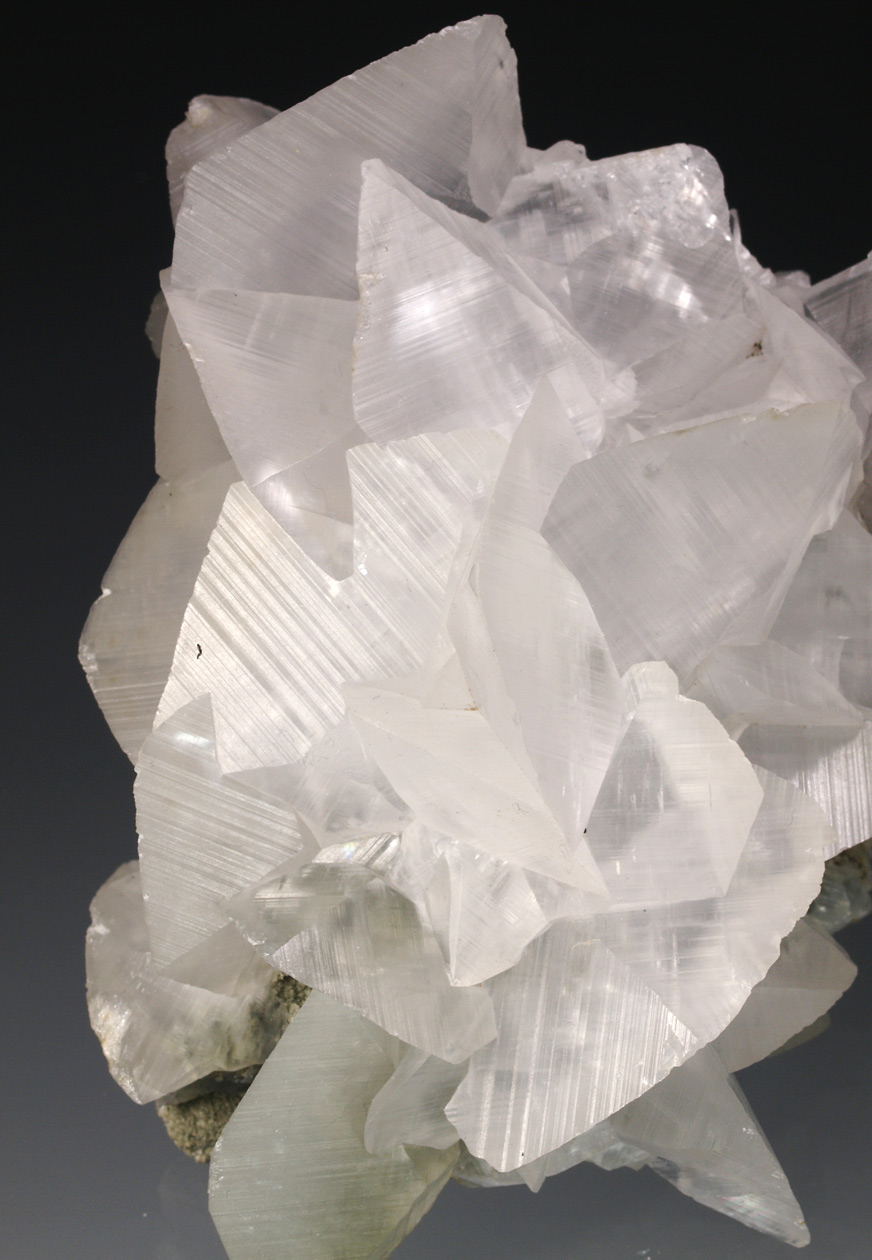
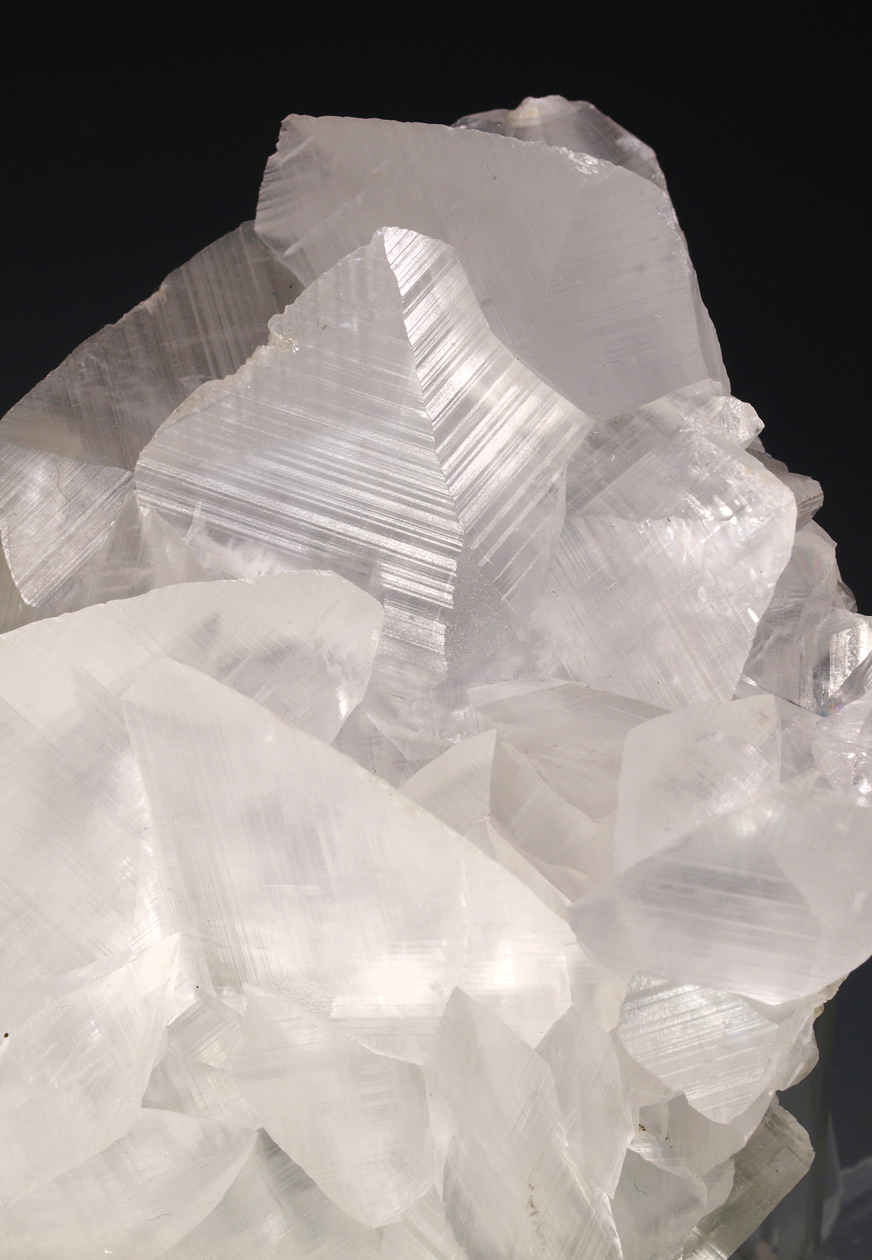
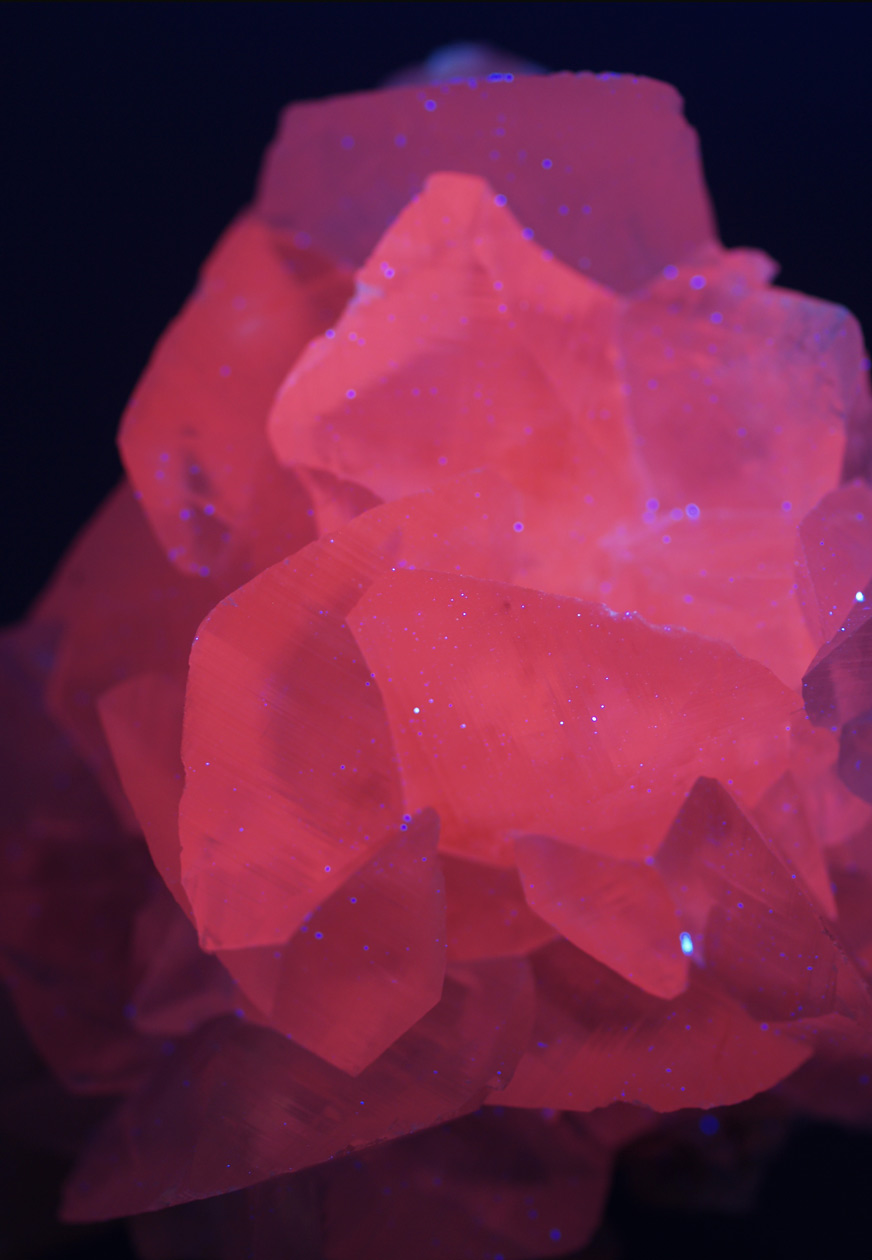
Very esthetic specimen of calcite formed by various flattened interpenetrated rhombohedral crystals, almost lenticular, with very well defined and striated faces. Between translucent to transparent, shiny and on a rocky matrix. It exhibits intense pink to red fluorescence under UV-LW light. Good size and quality.

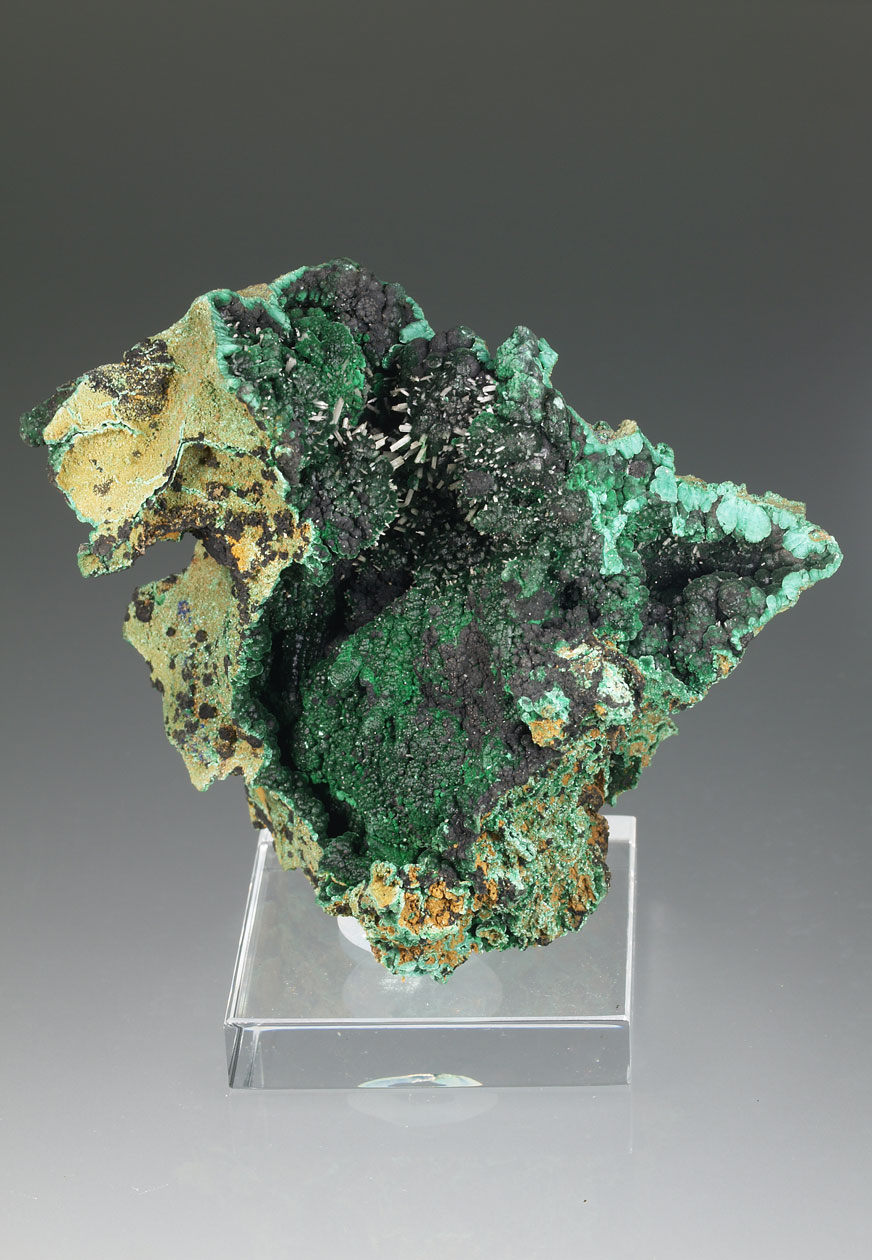
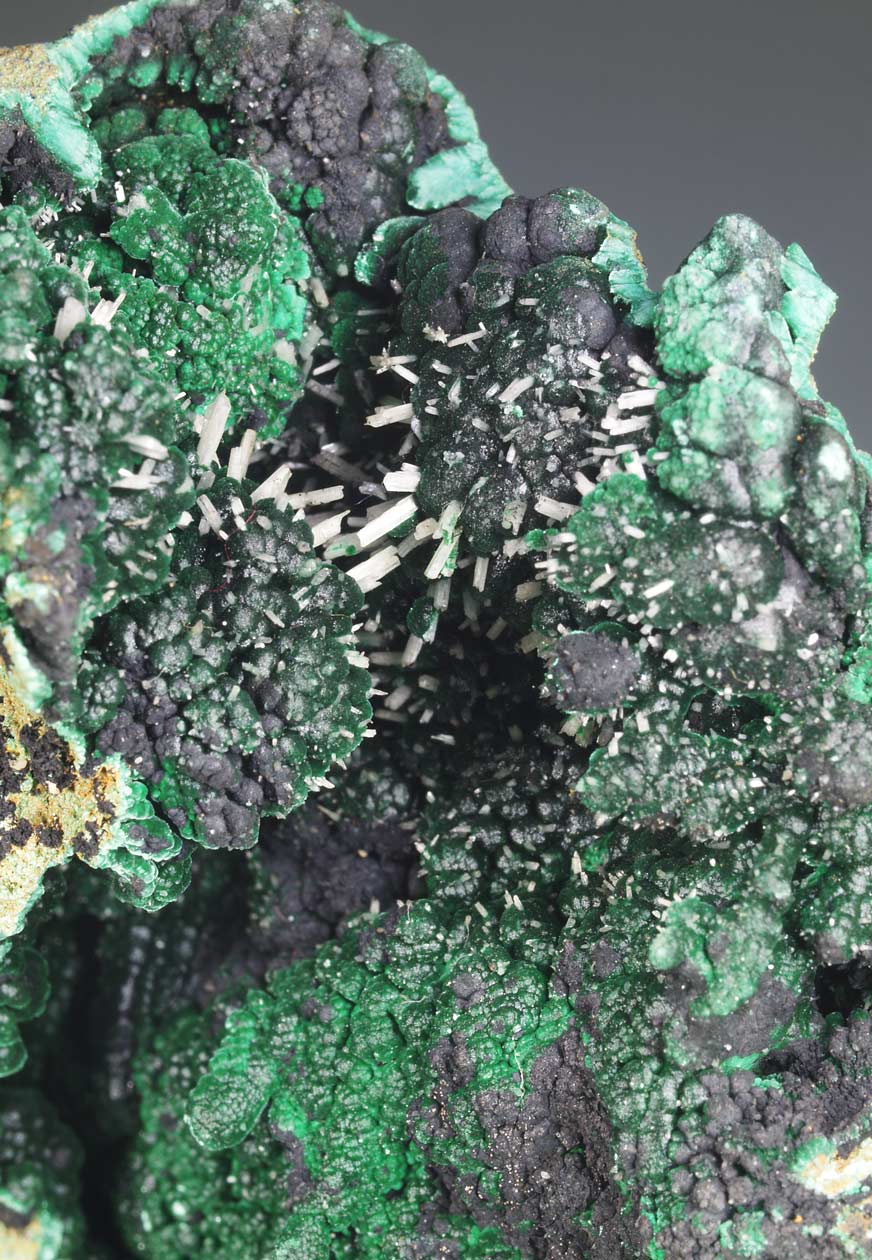
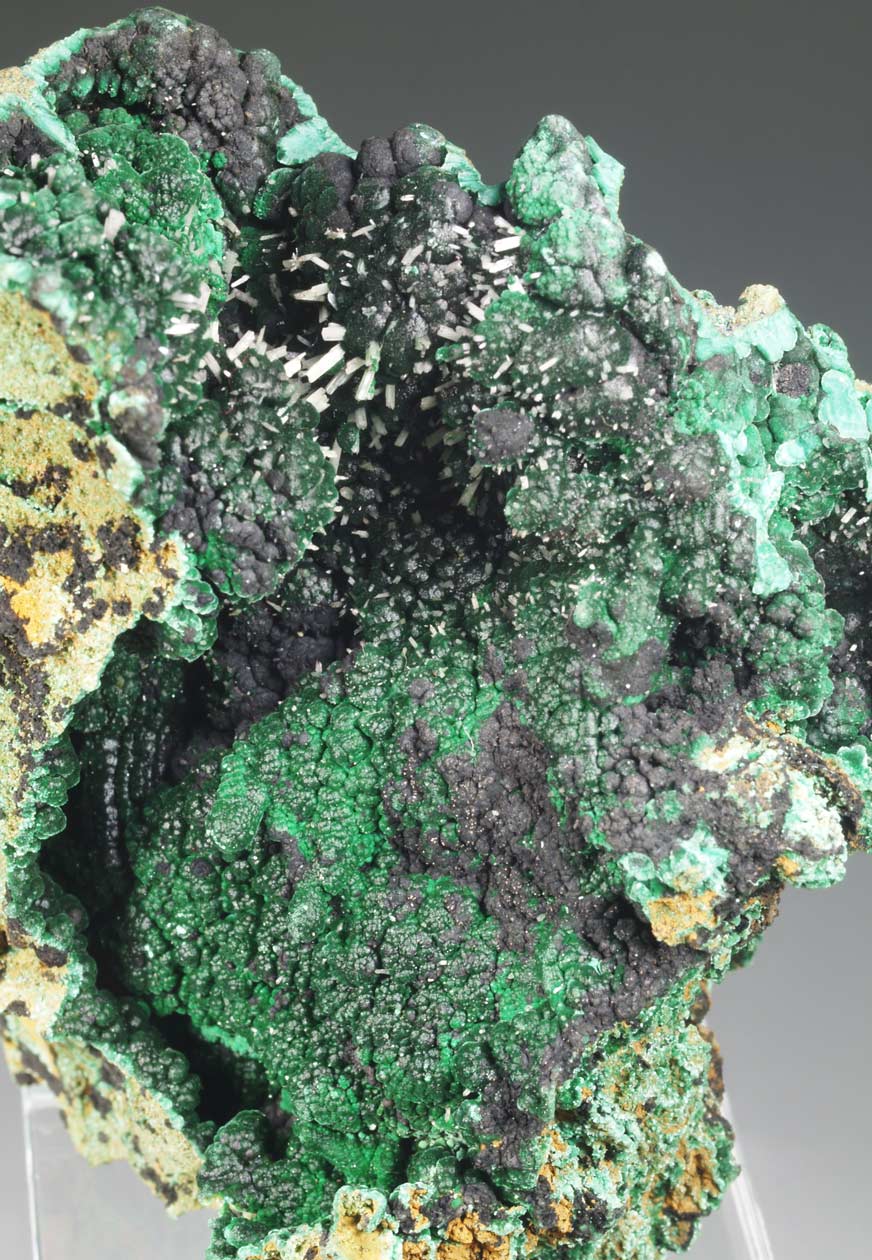
White elongated crystals of pearly luster in parallel growths implanted on groups of crystals of malachite with a silky luster and a very deep and uniform color. From a find ca. 2010 in Bou Beker where this association had not been found before.
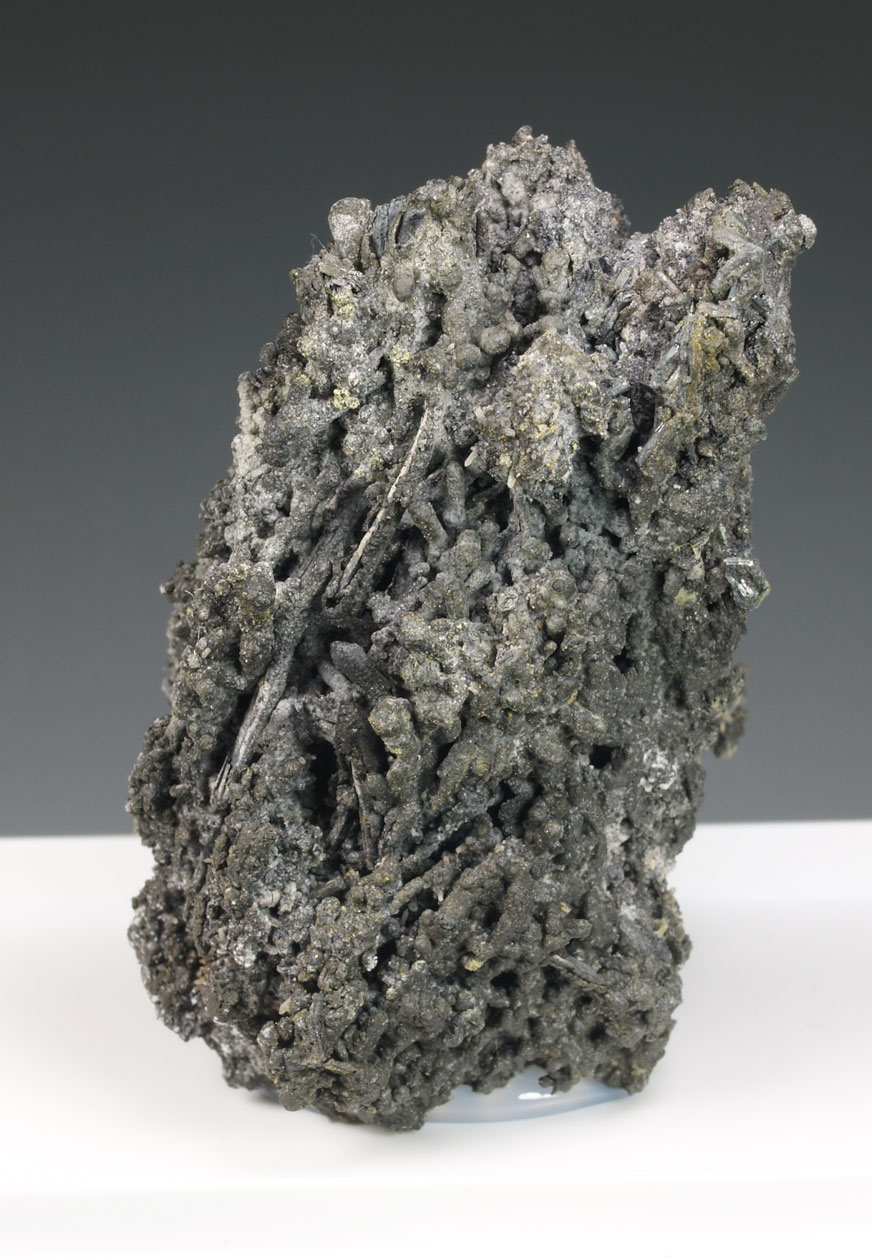
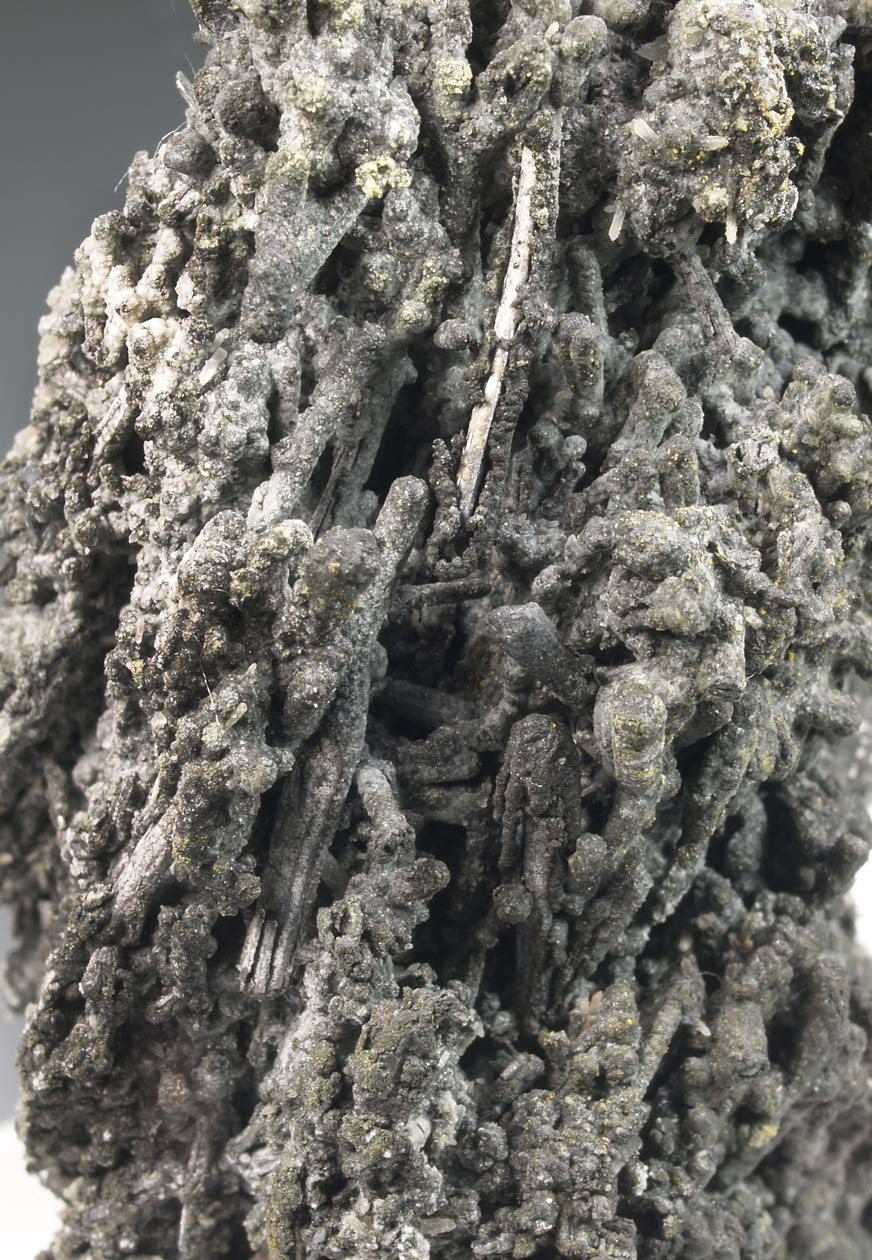
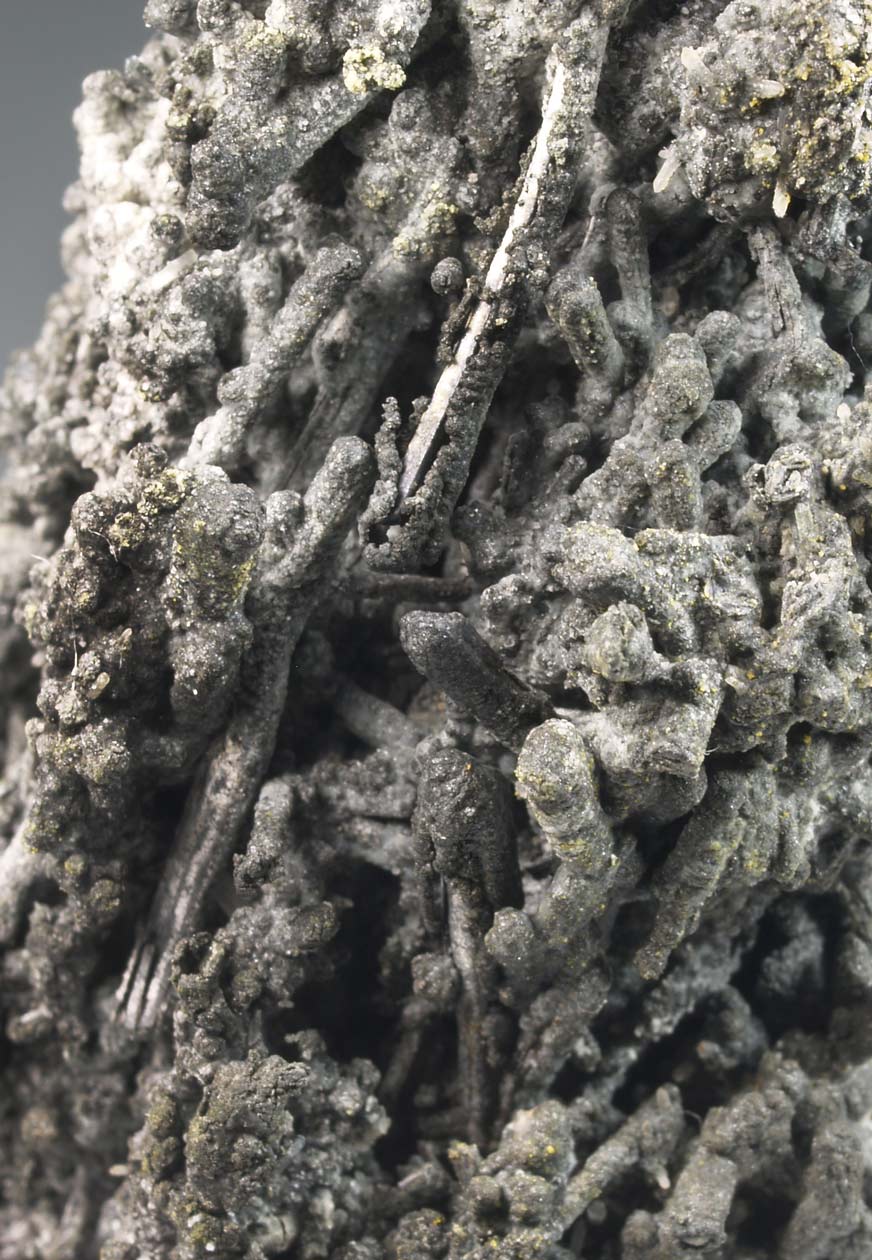
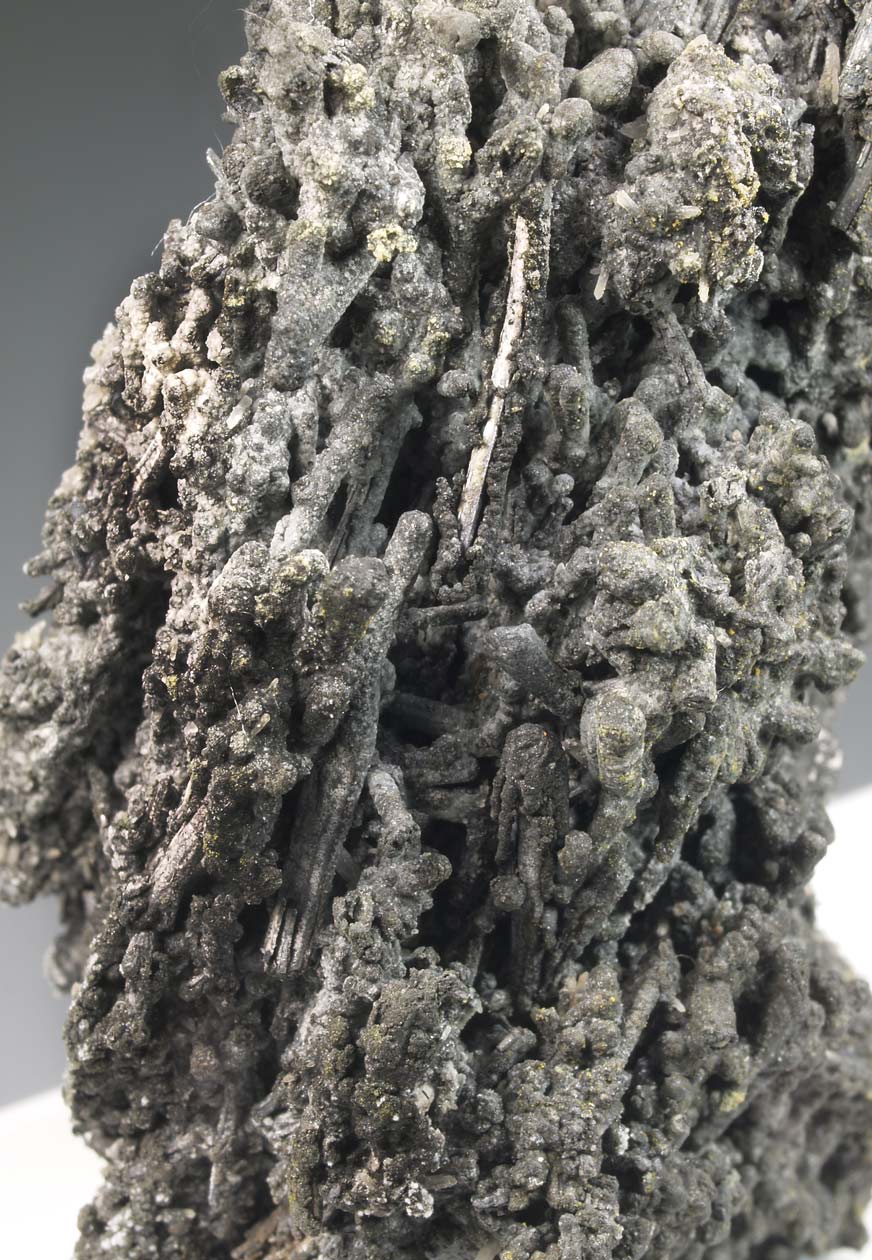
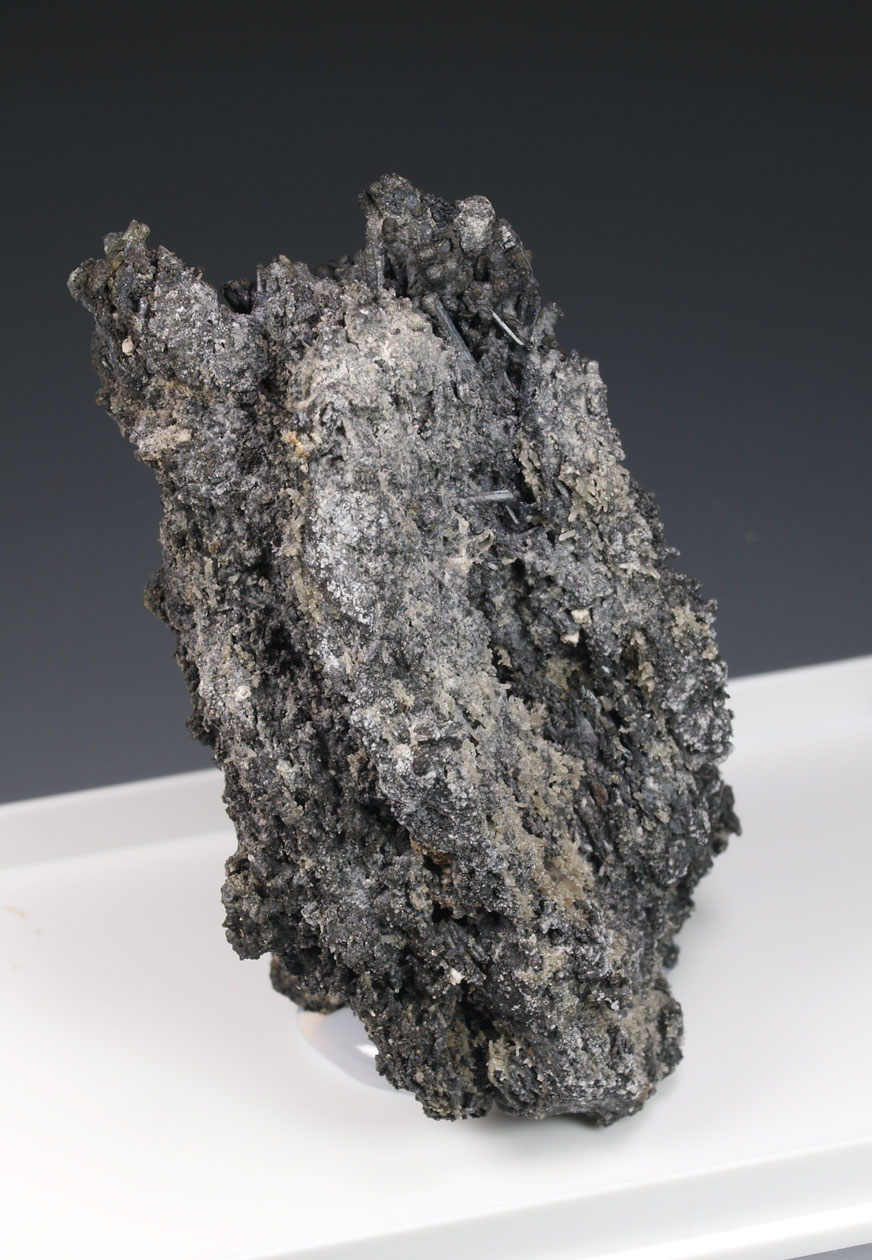
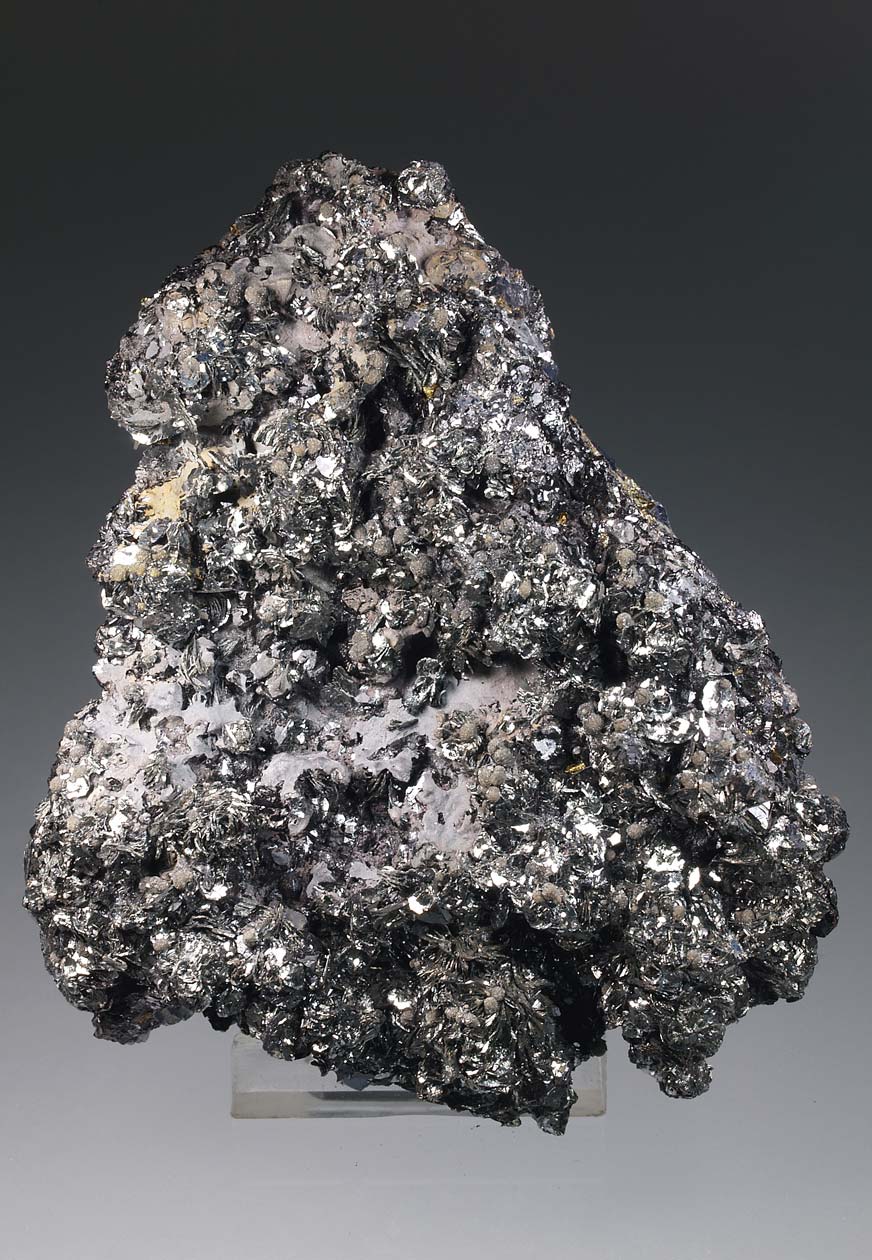
This is a really good crystal cluster of bismuthinite from the Mina Tazna in Bolivia. It is formed by large, terminated, prismatic crystals of bismuthinite, divergent, gray metallic. Some crystals show a metallic patina from a thin coating of marcasite/pyrite. On the back side some quartz crystals and gray-white uncovered metallic natural bismuthinite crystals. The Tazna Mine is a historic bismuth-tungsten mine in the high Andes of Bolivia that has produced noteworthy specimens for decades. Samples with this quality are very rare seen on the market. Specially for connoisseur "gray" mineral collectors...
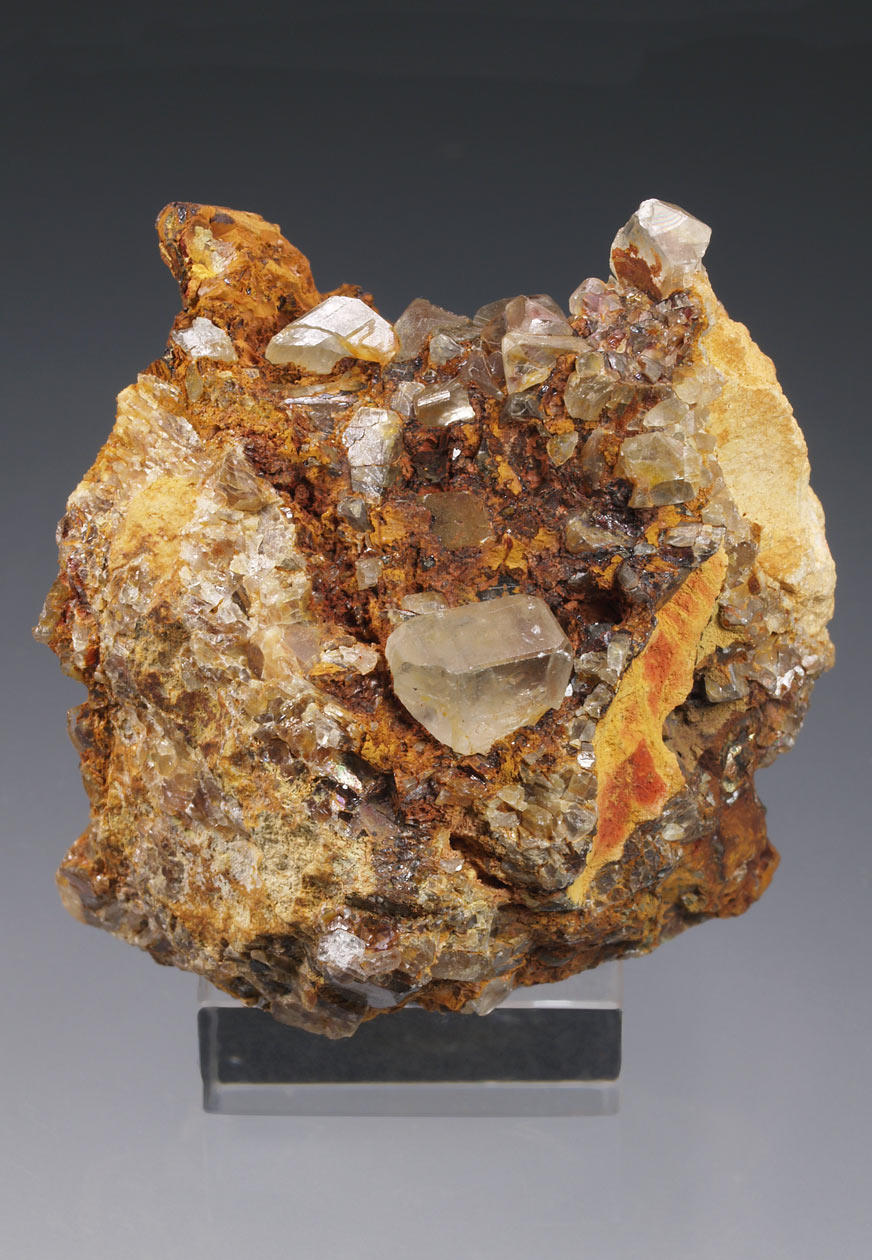


Group of baryte crystals, between translucent and transparent, colorless and of good size, one of them standing out. They show faces of the orthorhombic prisms and the pinacoid. The largest one shows beveled edges, with an part contacted by a disapeared matrix. It is accompanied by powdery hematite. It is a sample with many years.


Fluorite specimens from Sant Marçal mines usually appear as aggregates of cubic crystals, defined, sometimes sprinkled or partially covered by quartz crystals. Yellow to greenish tones are the usual ones. Specimens with violet to bluish or green colors (depending on the type of incident light) are much less frequent and highly appreciated by collectors. These specimens we offer were collected at the beginning of the 70s. In this specimen we can observe cubic crystals with this bluish to greenish tone, translucent and disposed on a characteristic ochy "pegmatite" matrix. They are partially covered with small but brilliant quartz crystals.
The Sant Marçal mines (also known as Matagalls mines) are located in the Montseny massif, on the eastern slope of the Matagalls peak (1,700 m). Mining works were carried out at 1,250 to 1,350 m of altitude. They were mined until the mid-90s and have been partially restored. Currently this area belongs to the Montseny Natural Park, so the collection of specimens is totally prohibited.
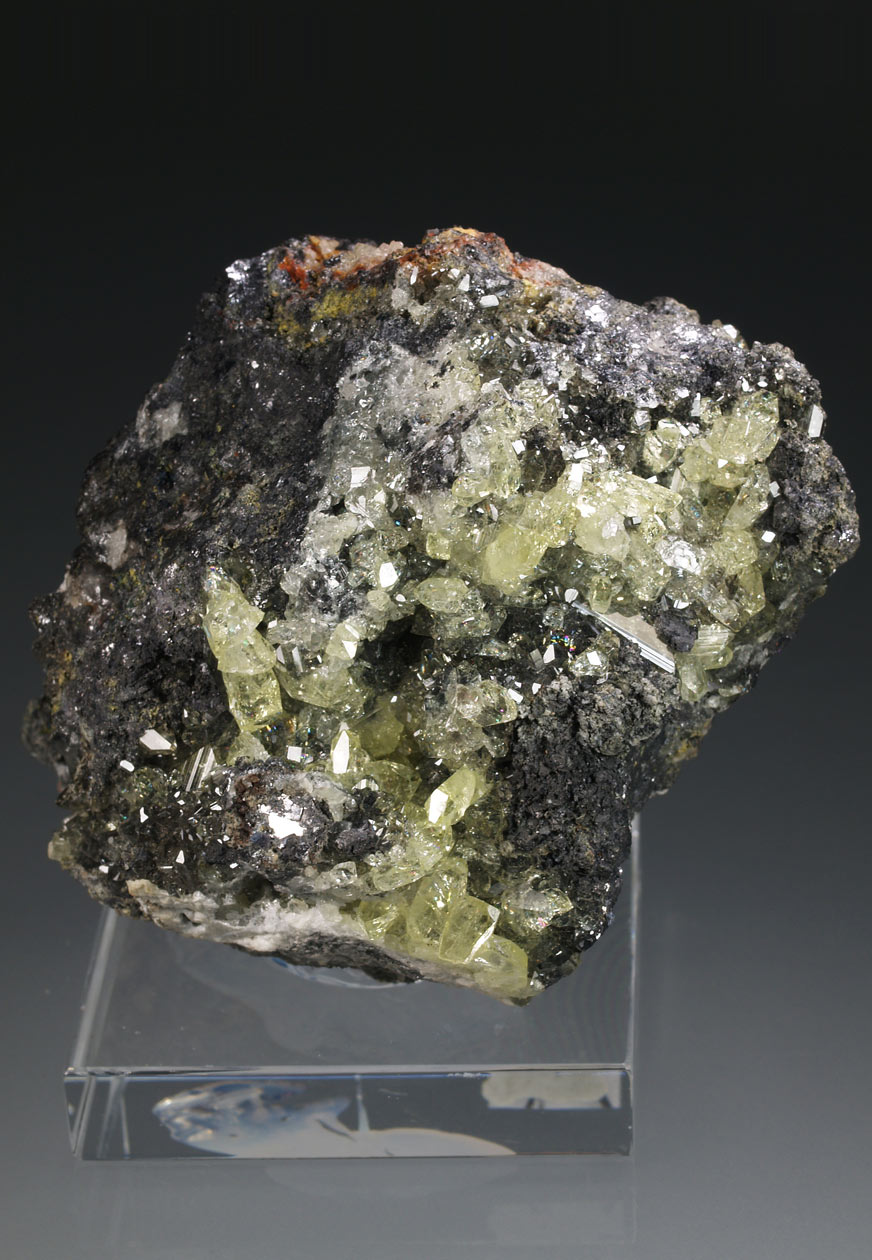
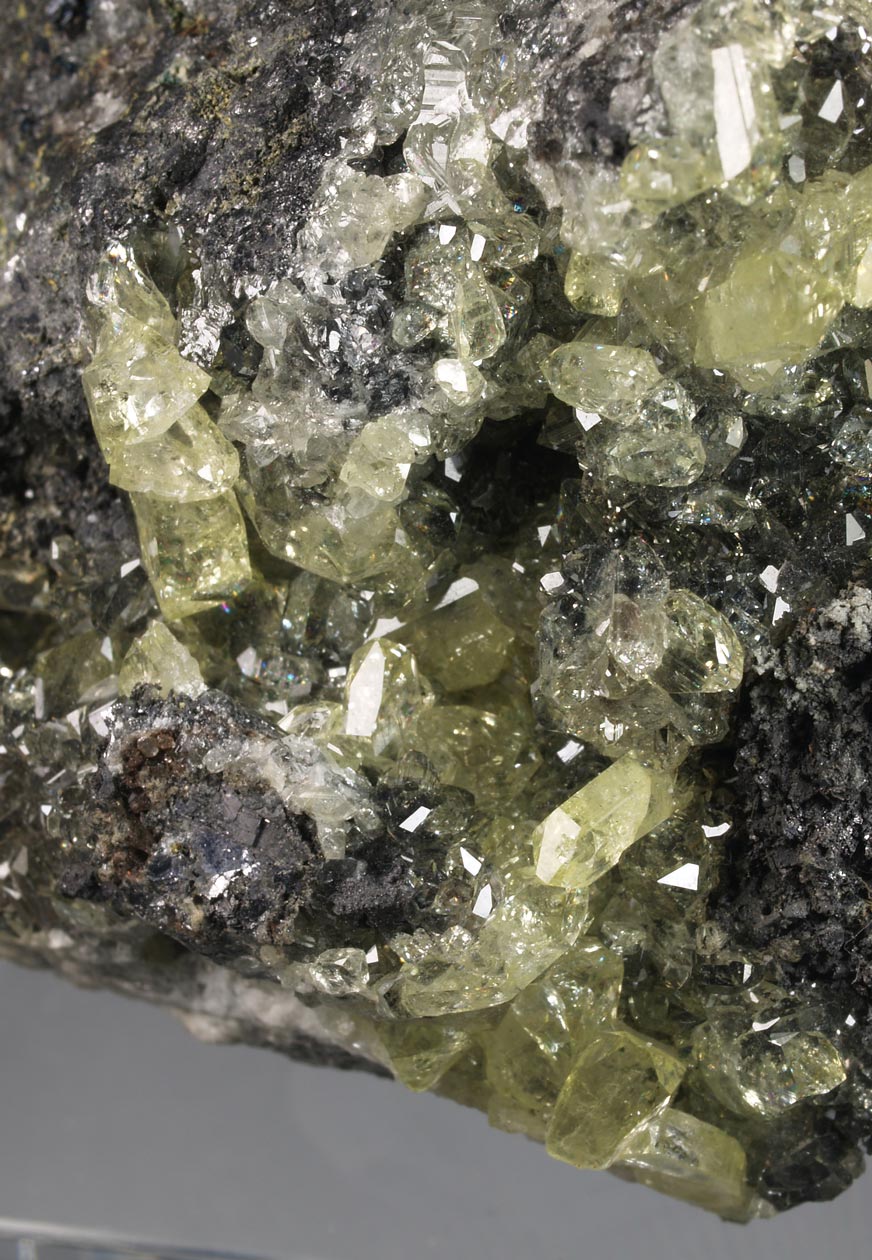
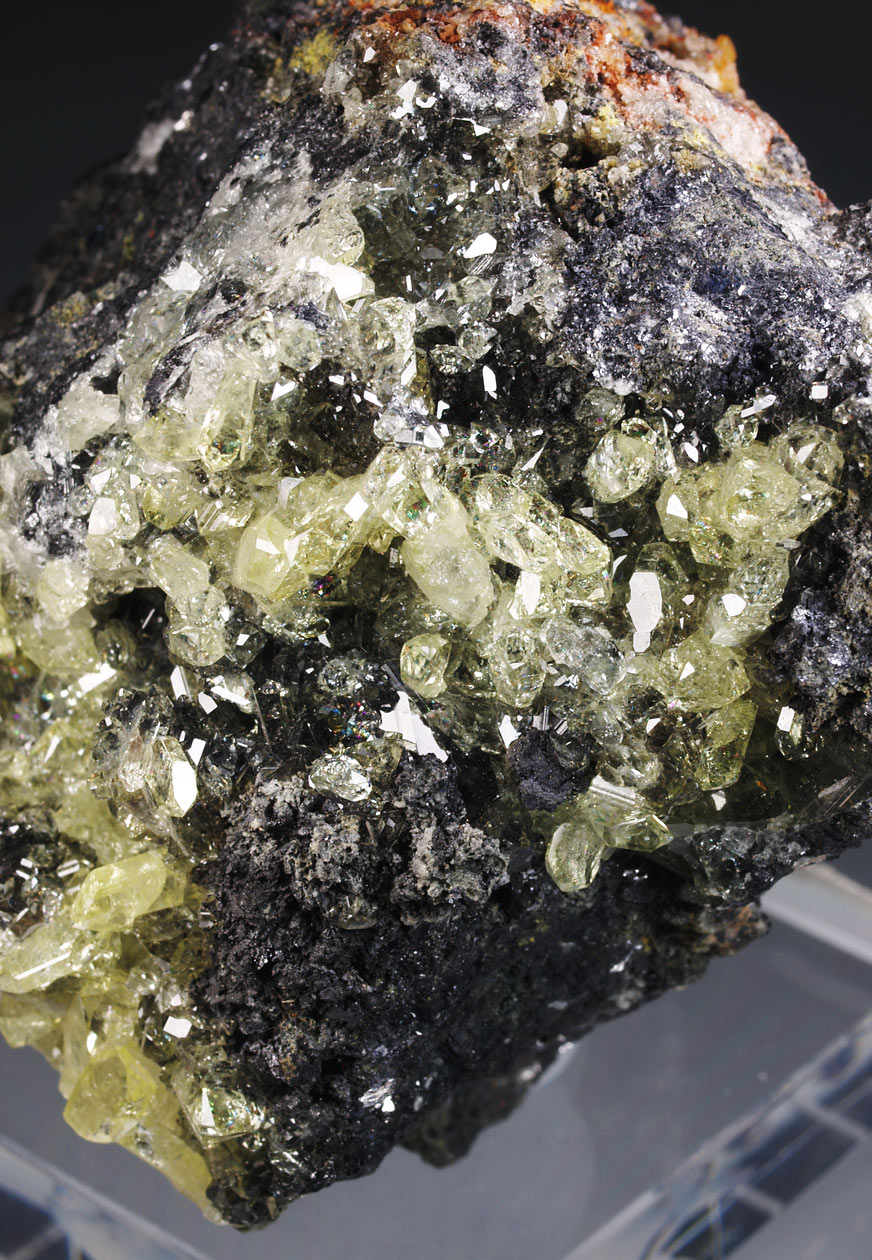
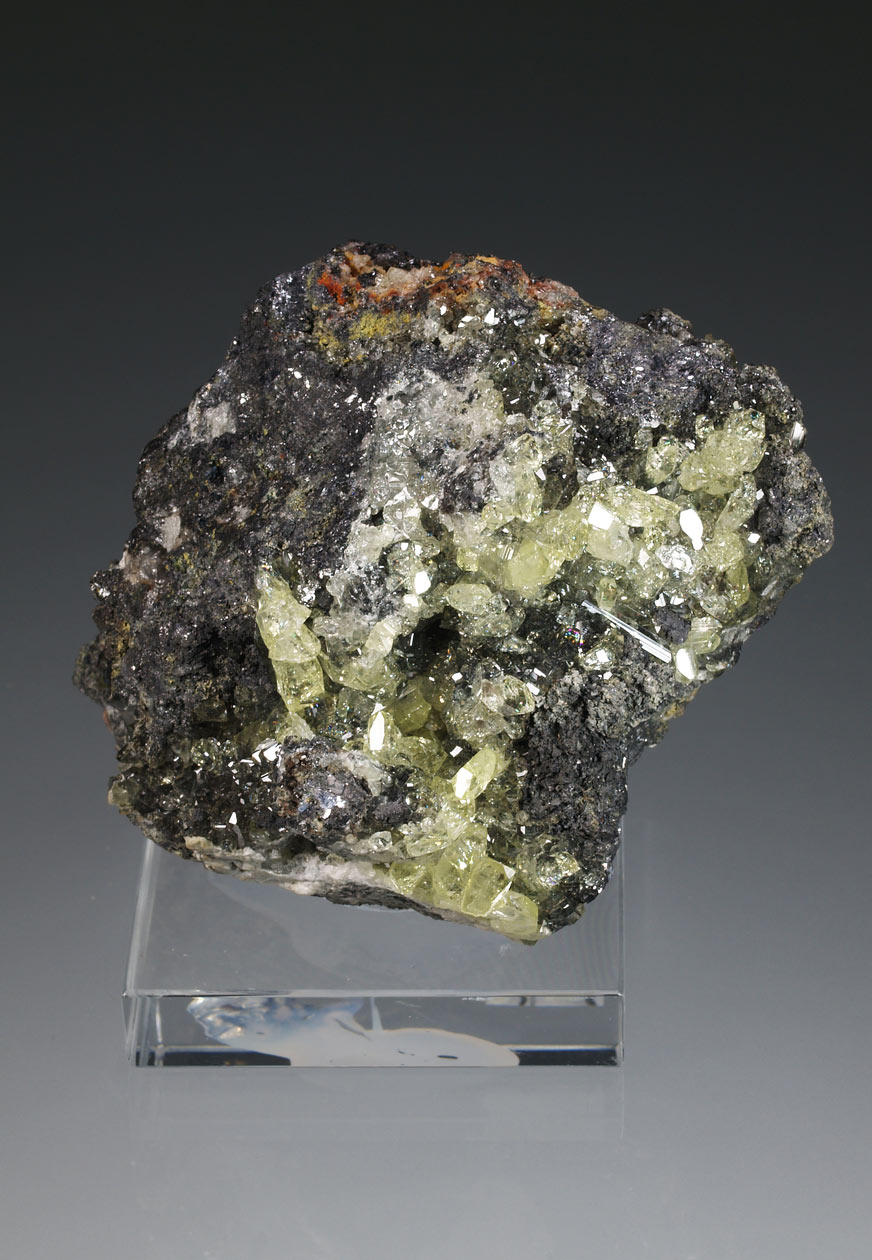
Anglesite specimens from this classic Moroccan mine are quite difficult to find. In this piece we can see numerous lanceolated prismatic crystals of this lead sulphate, very brilliant, with well defined faces and edges, transparent and showing the natural yellow colour characteristic of this species and mine. They are disposed filling cavities in a galena matrix.
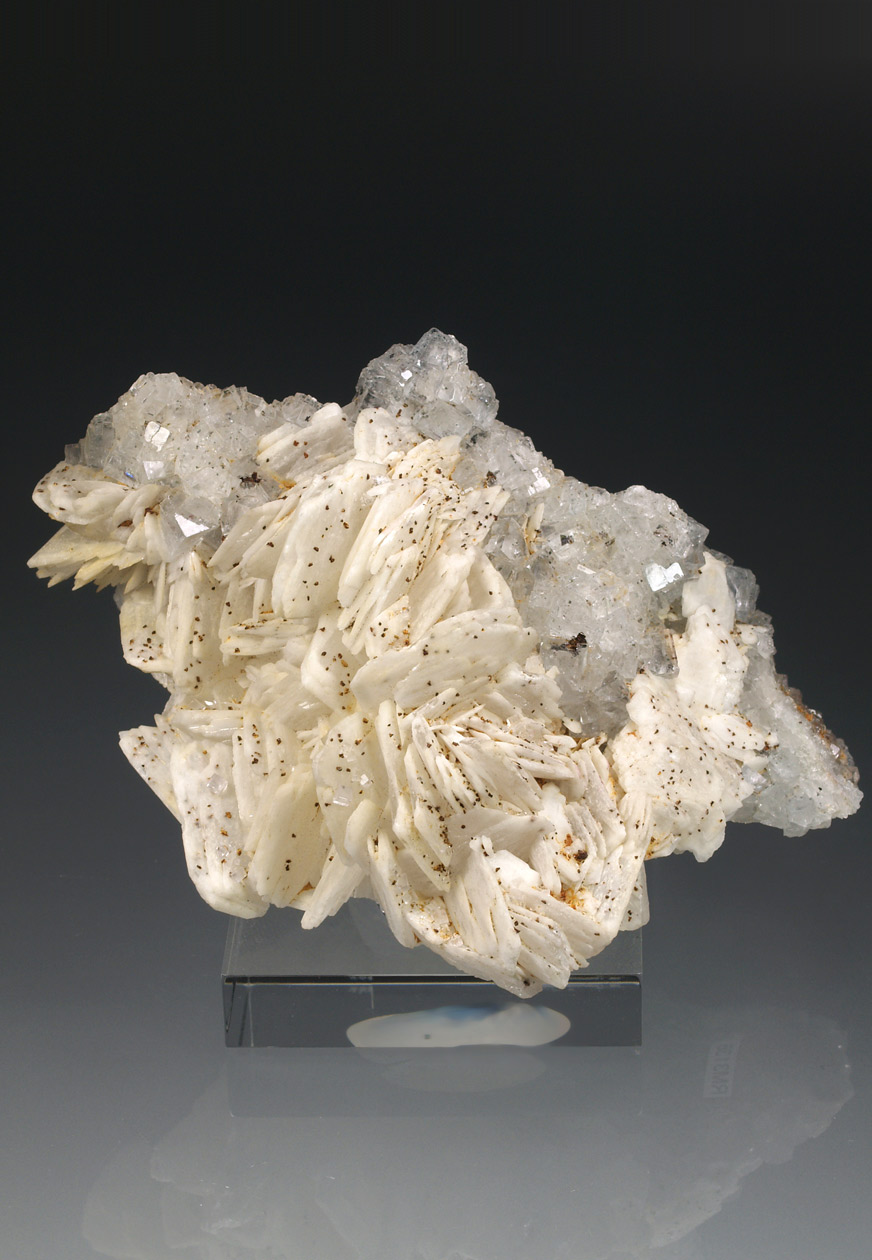


Good size specimen formed by a matrix with cubic fluorite crystals, colorless and very transparent. They are partially covered by aesthetic white tabular baryte crystals, peppered with small altered pyrite and chalcopyrite, some of them included in fluorite.
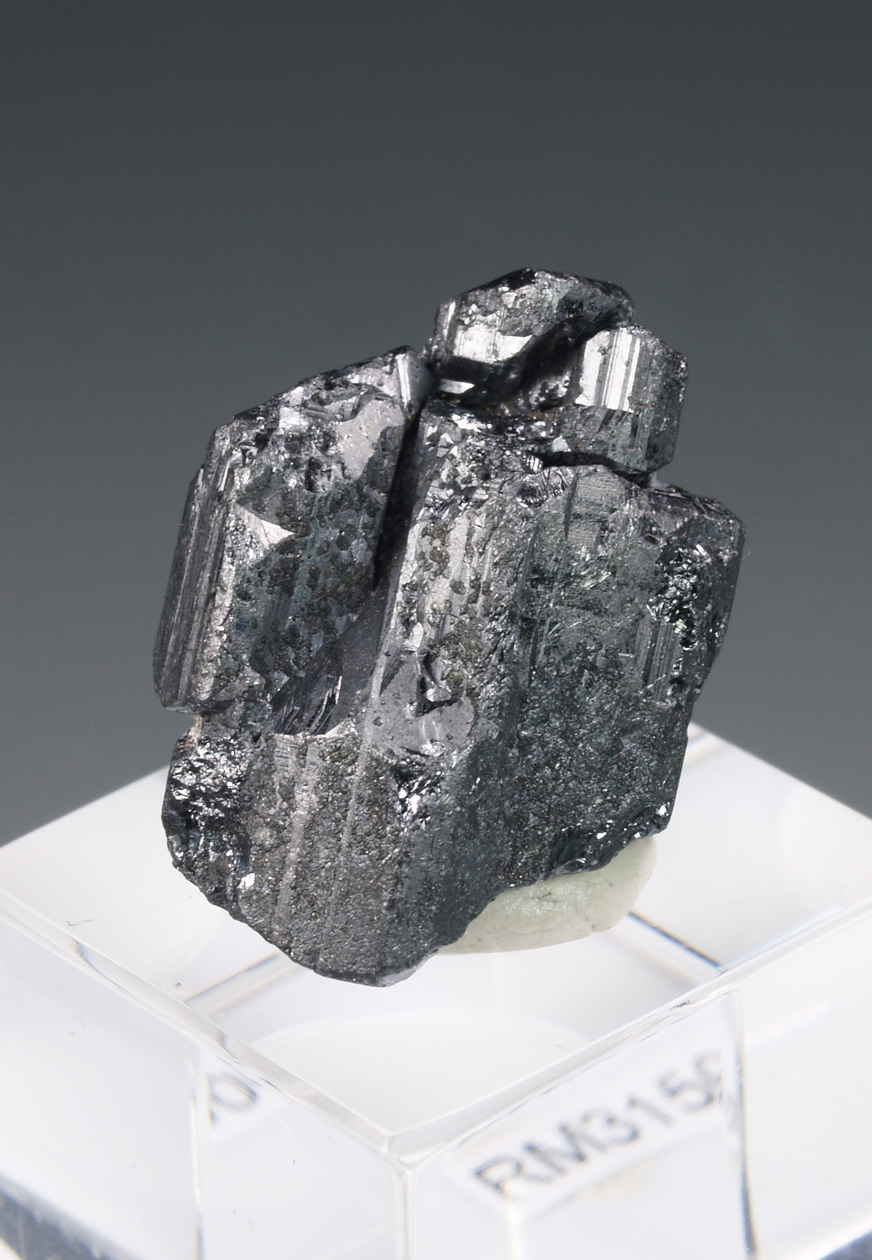
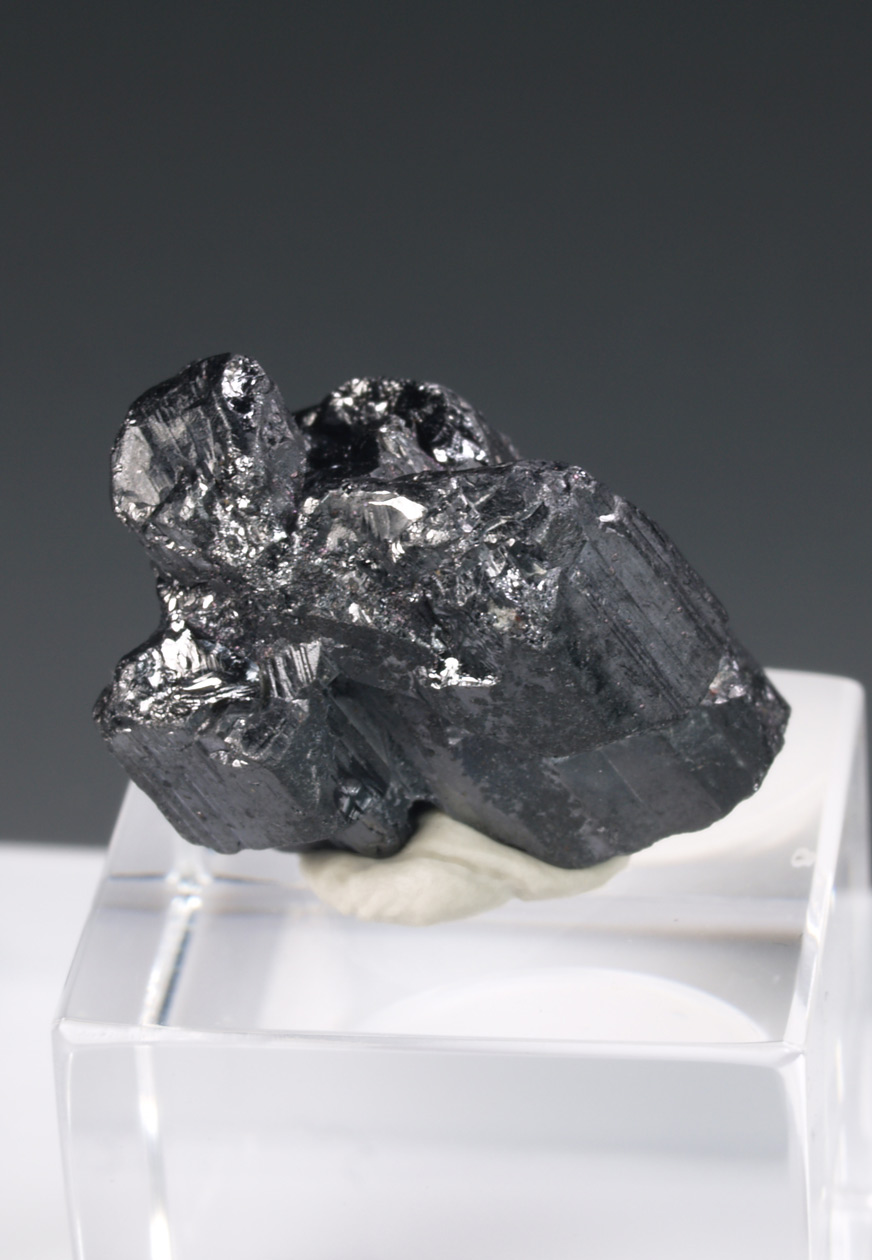
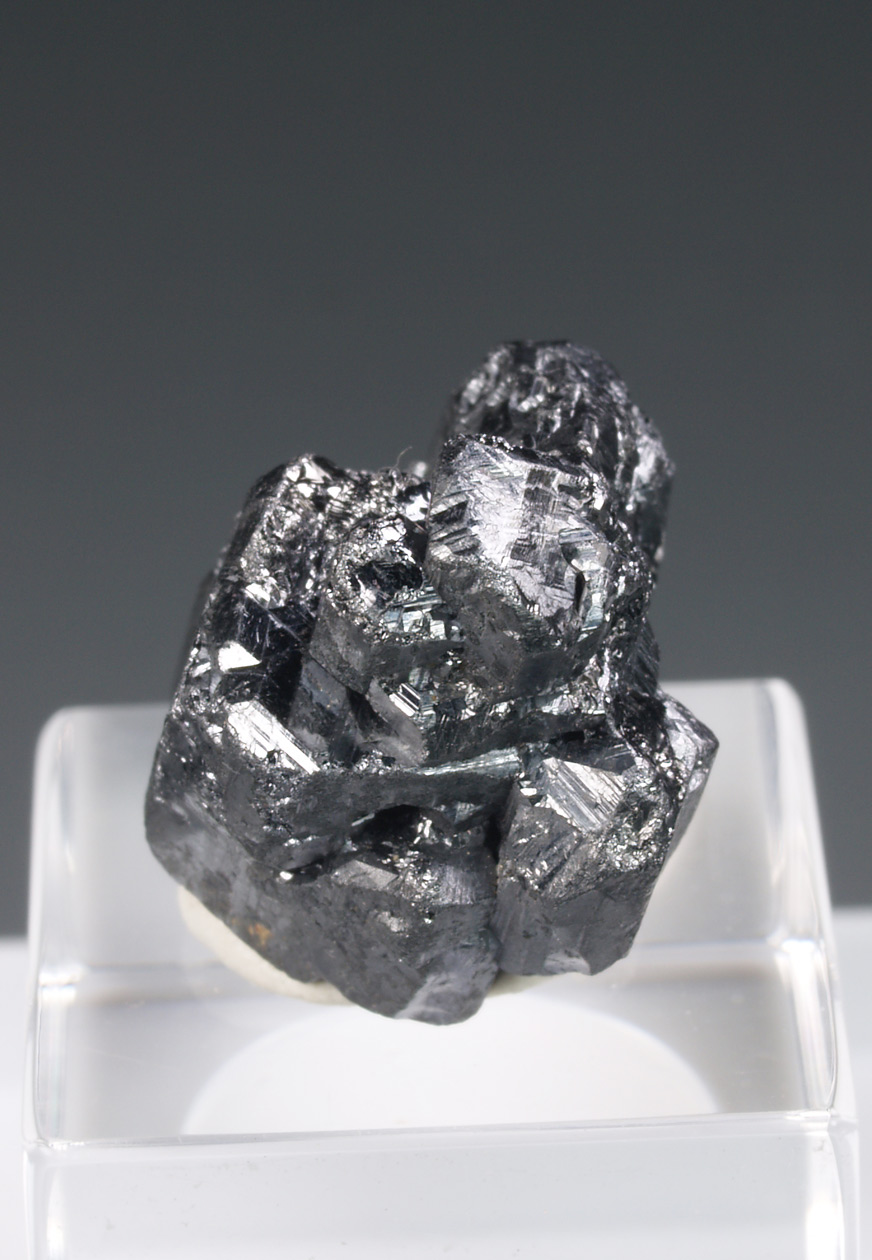
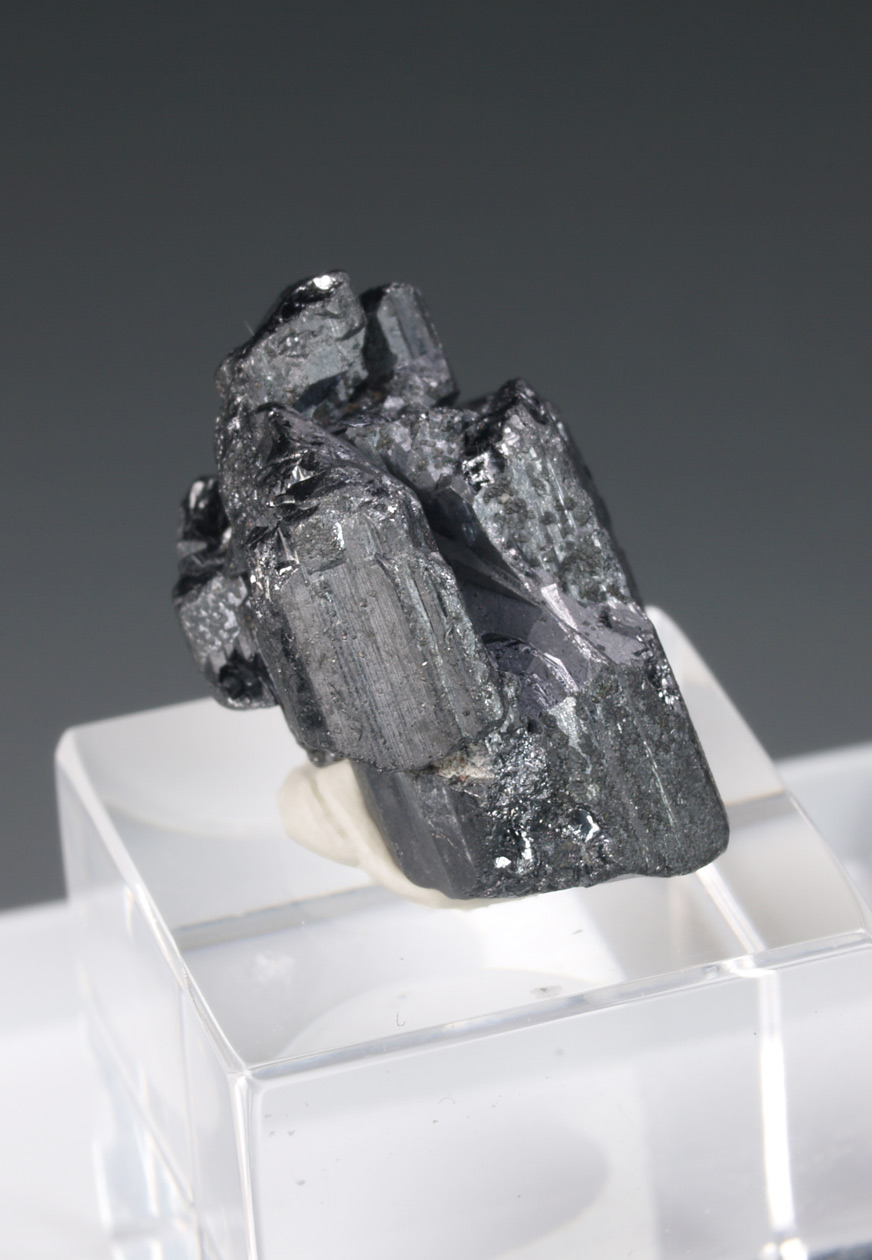
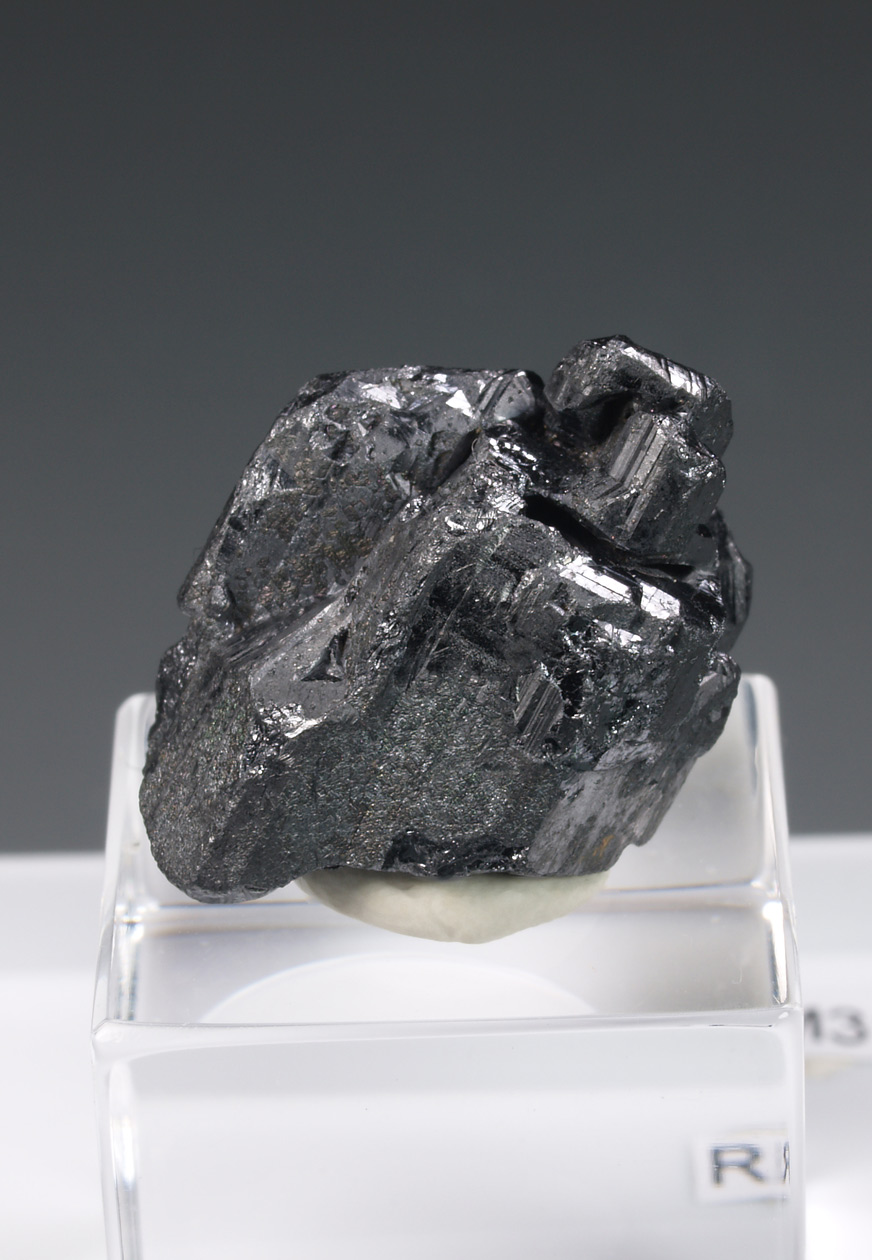
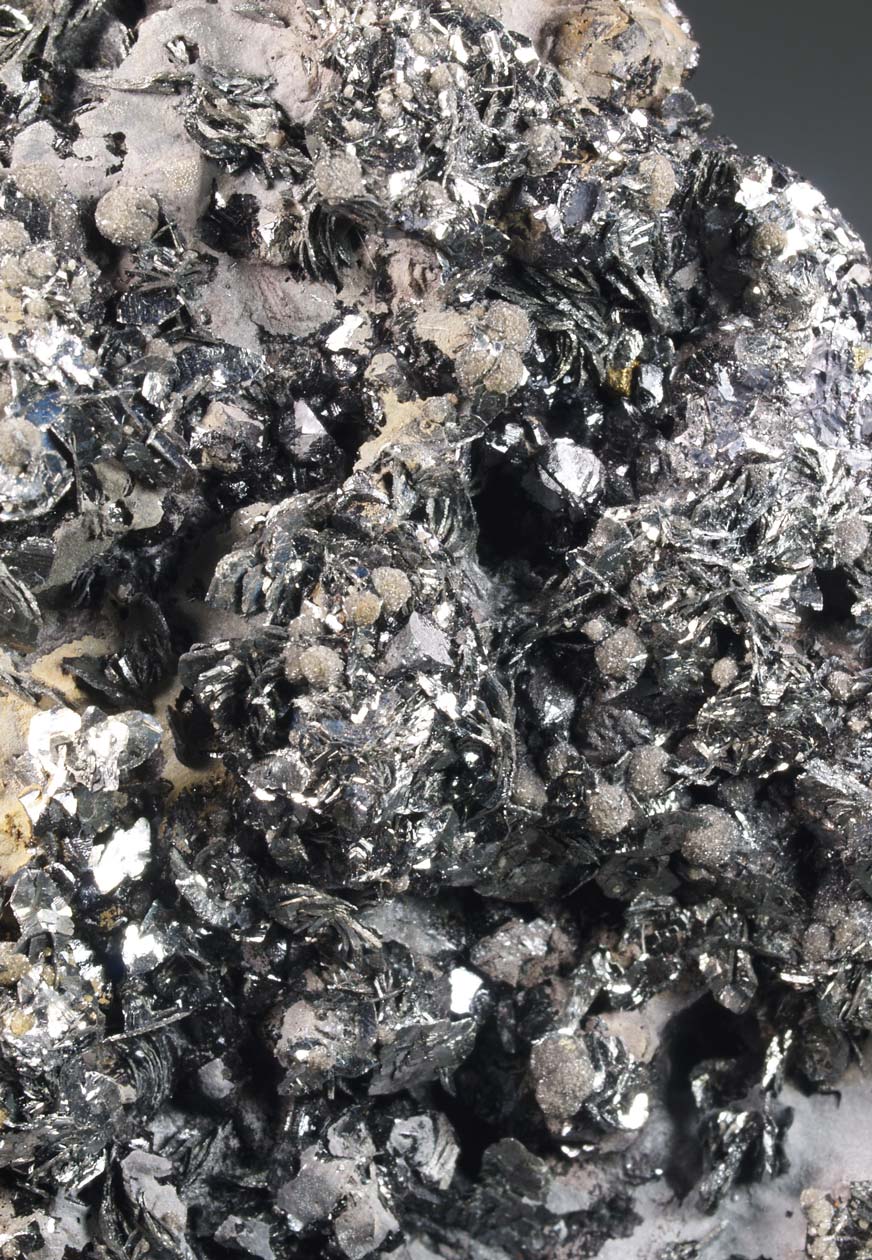
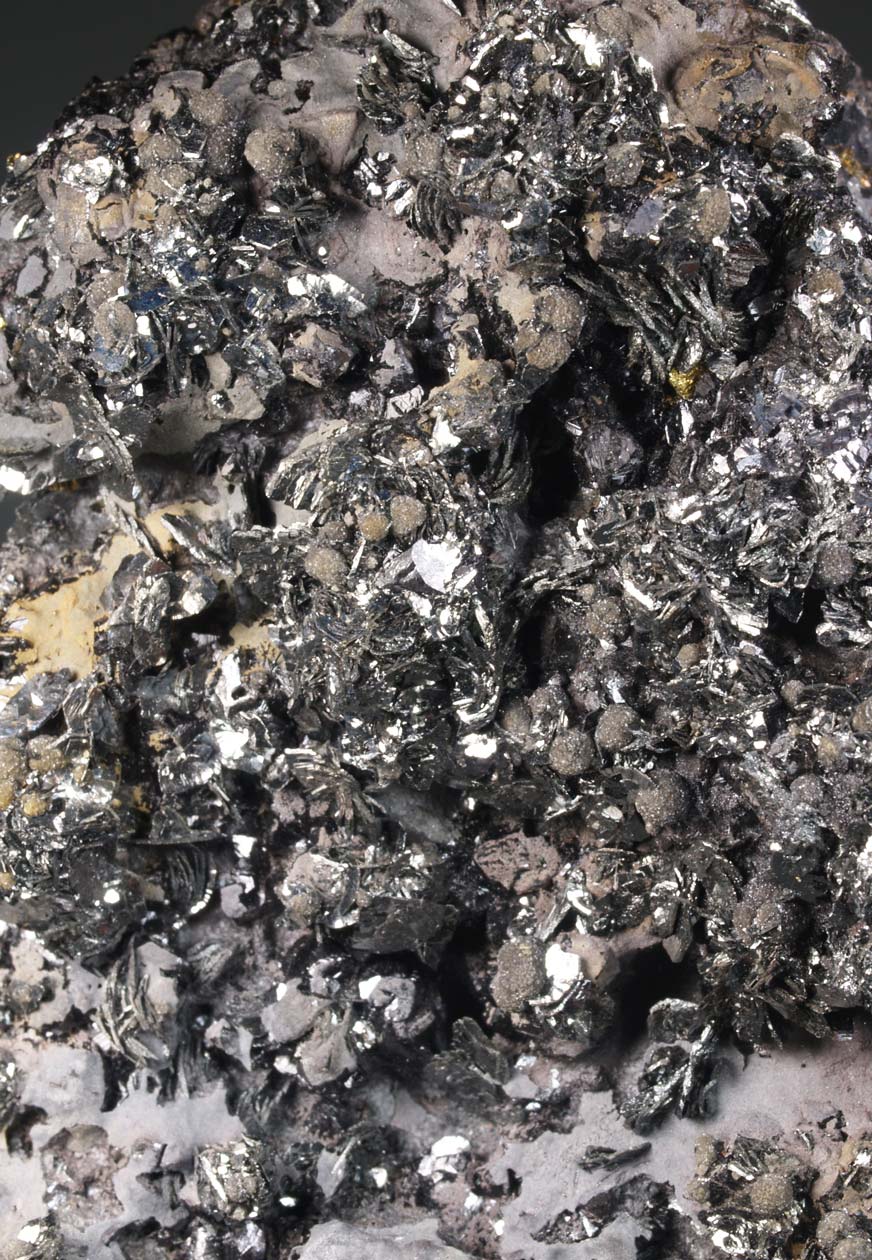
In this Bolivian Andean mining area, around 2010-2013, a small area with antimony and silver ore was found, highlighting some specimens of stephanite, a silver sulfoantimonide. This floater specimen is formed by a group of interpenetrated crystals, with parallel growth, and showing orthorhombic prism shapes with striations and complex terminal faces. It is distinguished from pyrargyrite by being completely opaque to light, while the latter usually gives red colors (red silvers). An exceptional specimen reminiscent of the best and ancient Mexican stephanite, although this is from the Porco mine, the oldest and most significant silver mine in Bolivia.
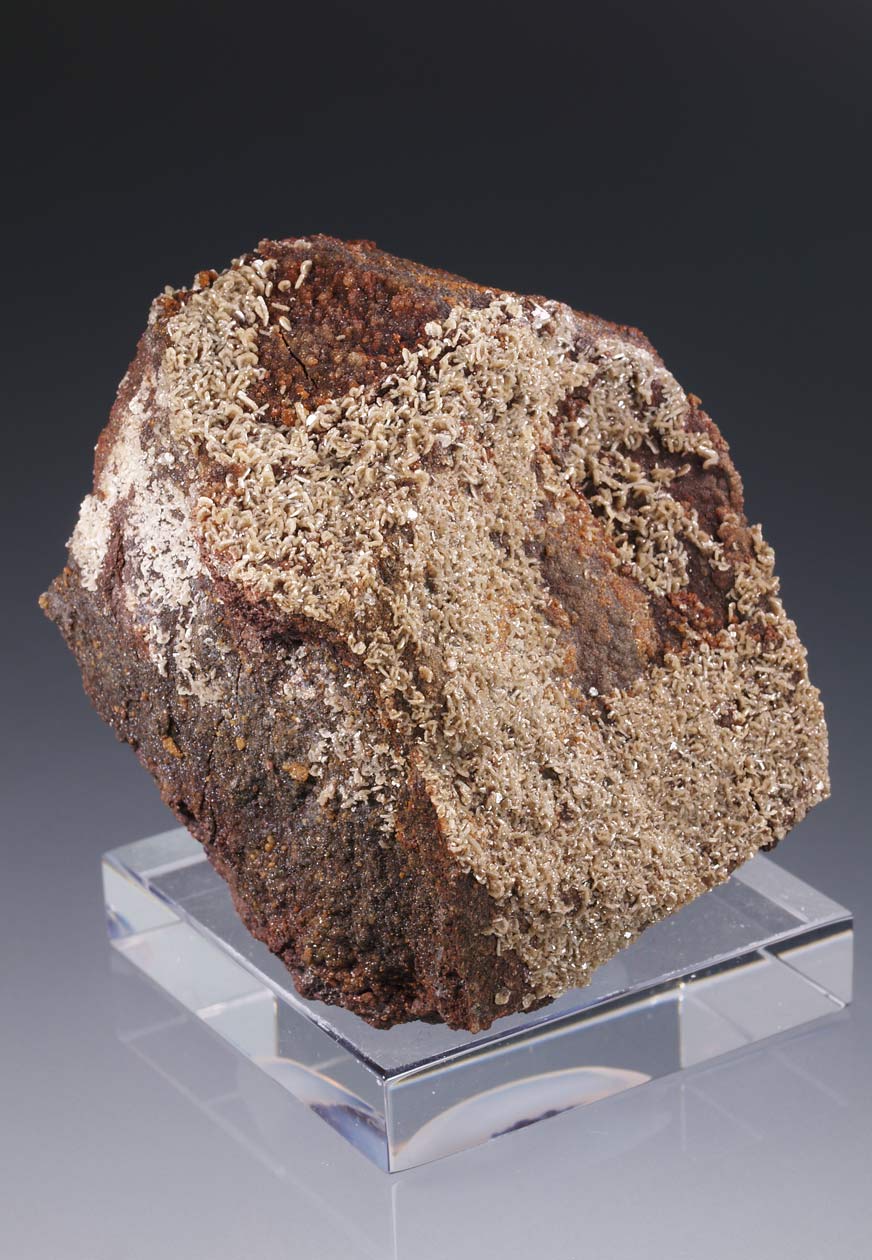


Tabular lanceolated crystals of baryte, translucent in the core and opaline in the outer areas, interpenetrated and brilliant. They are disposed on a matrix formed by small siderite crystals and layering septarian cavities. An Aragonese mineral curiosity.
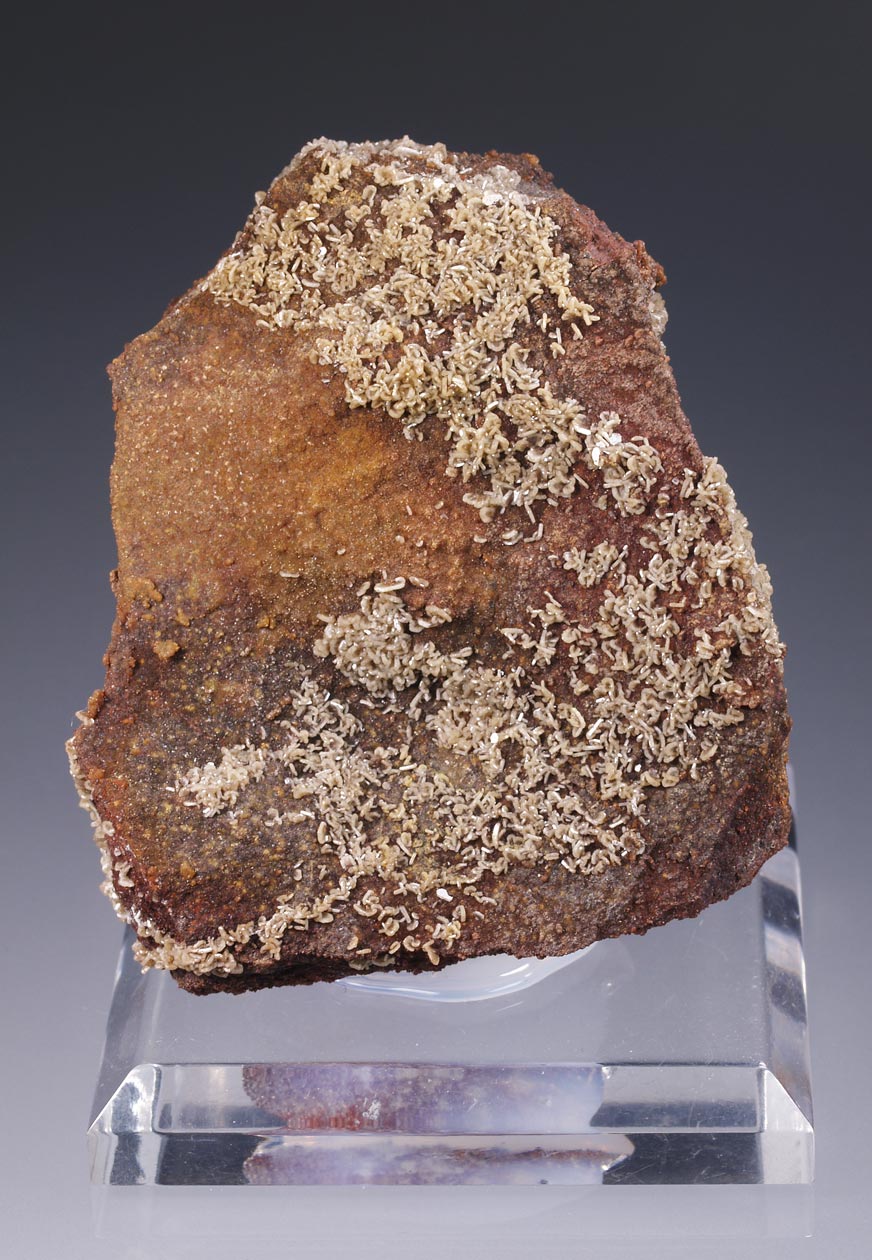


Tabular lanceolated crystals of baryte, translucent in the core and opaline in the outer areas, interpenetrated and brilliant. They are disposed on a matrix formed by small siderite crystals and layering septarian cavities. An Aragonese mineral curiosity.
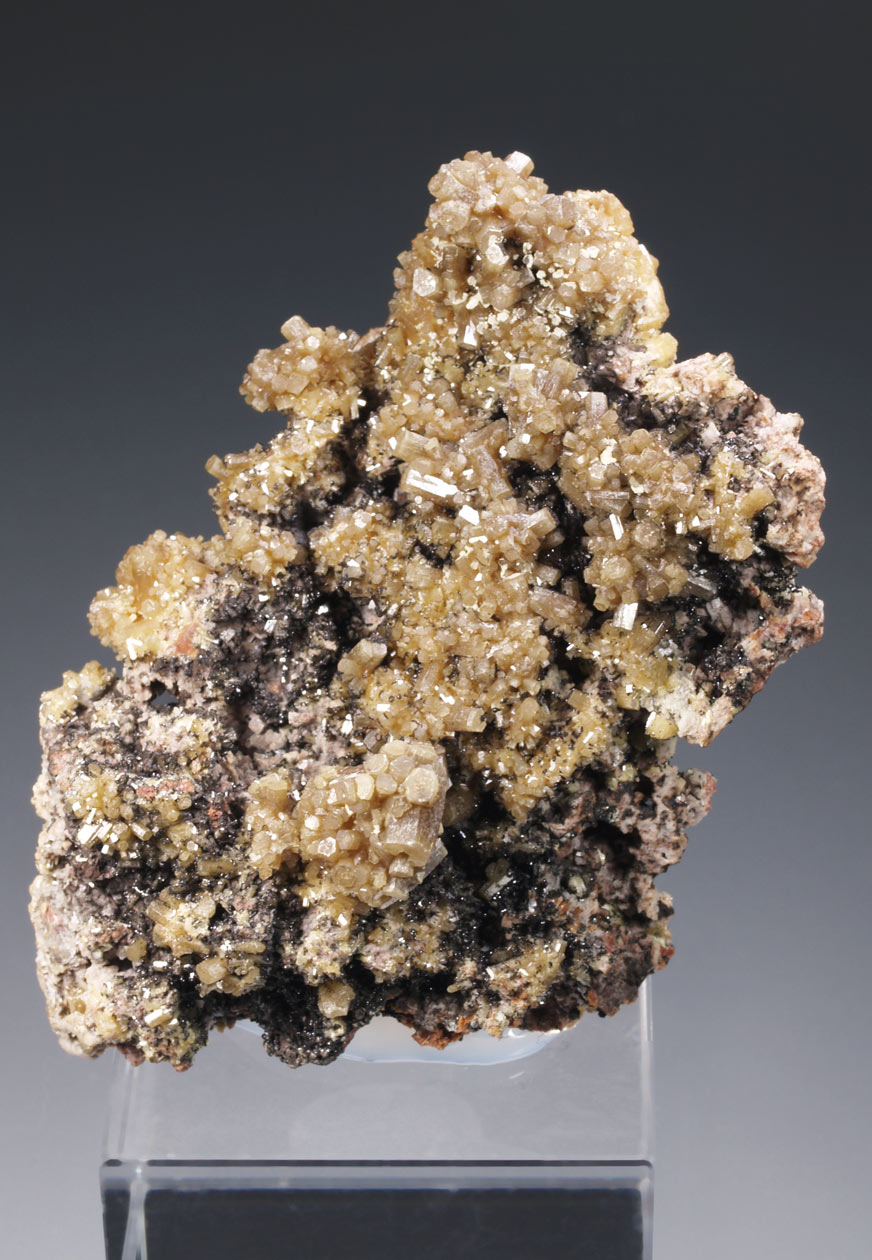
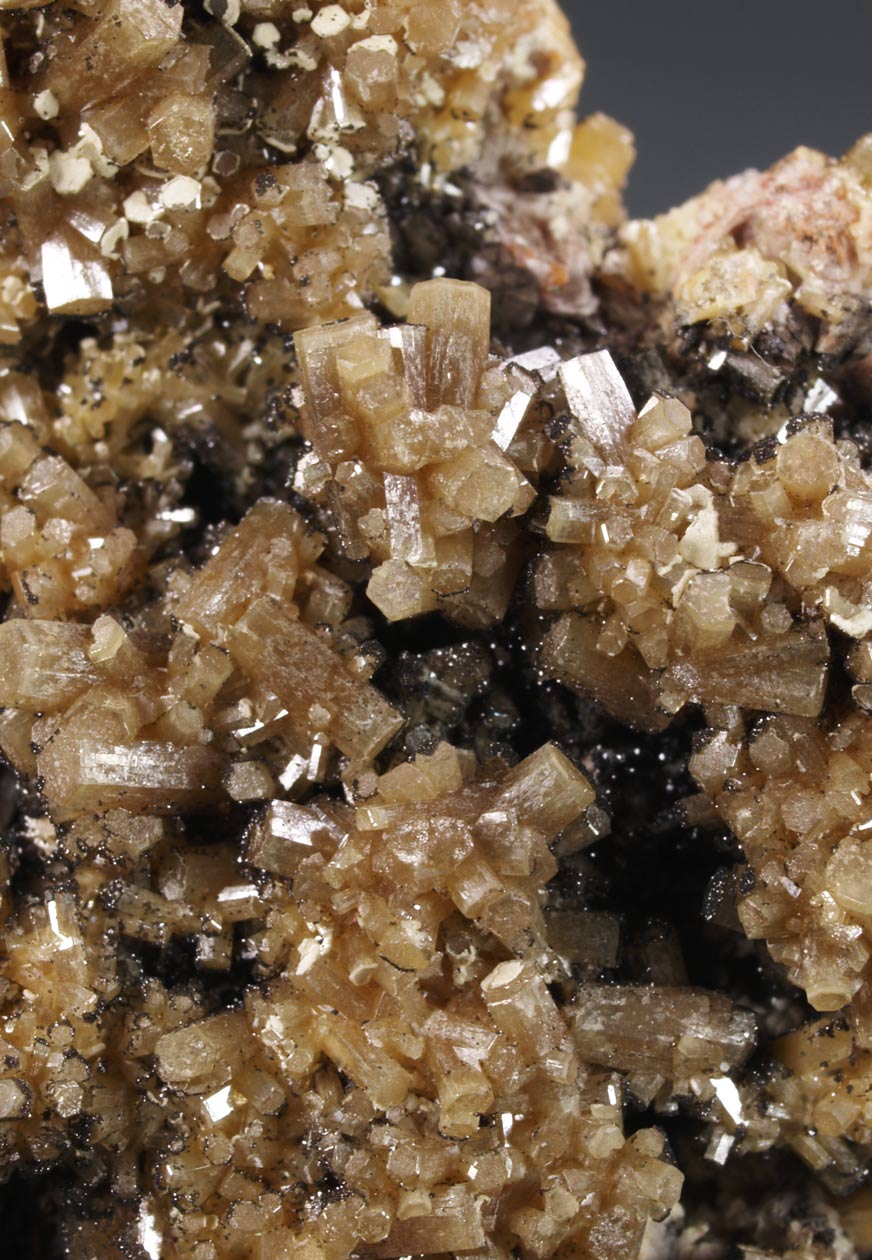
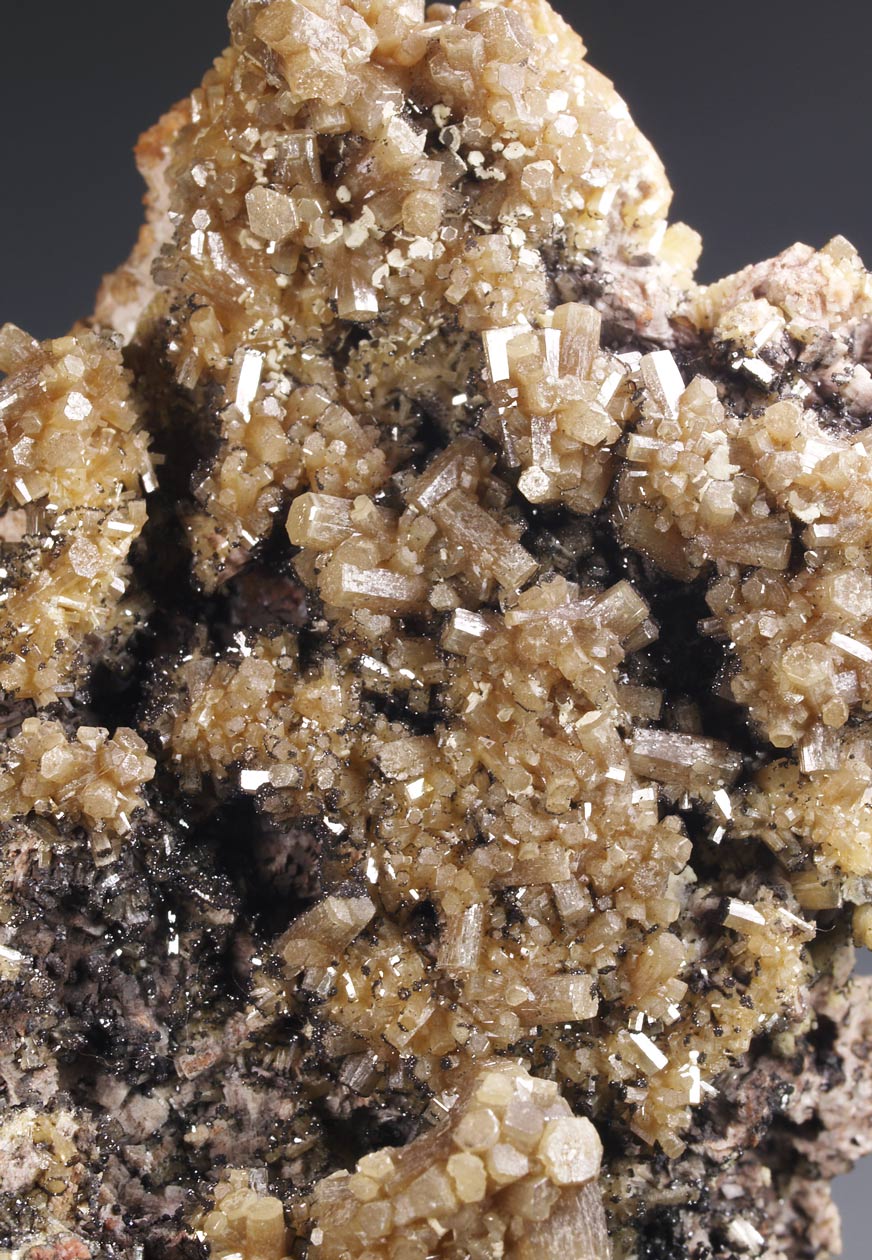
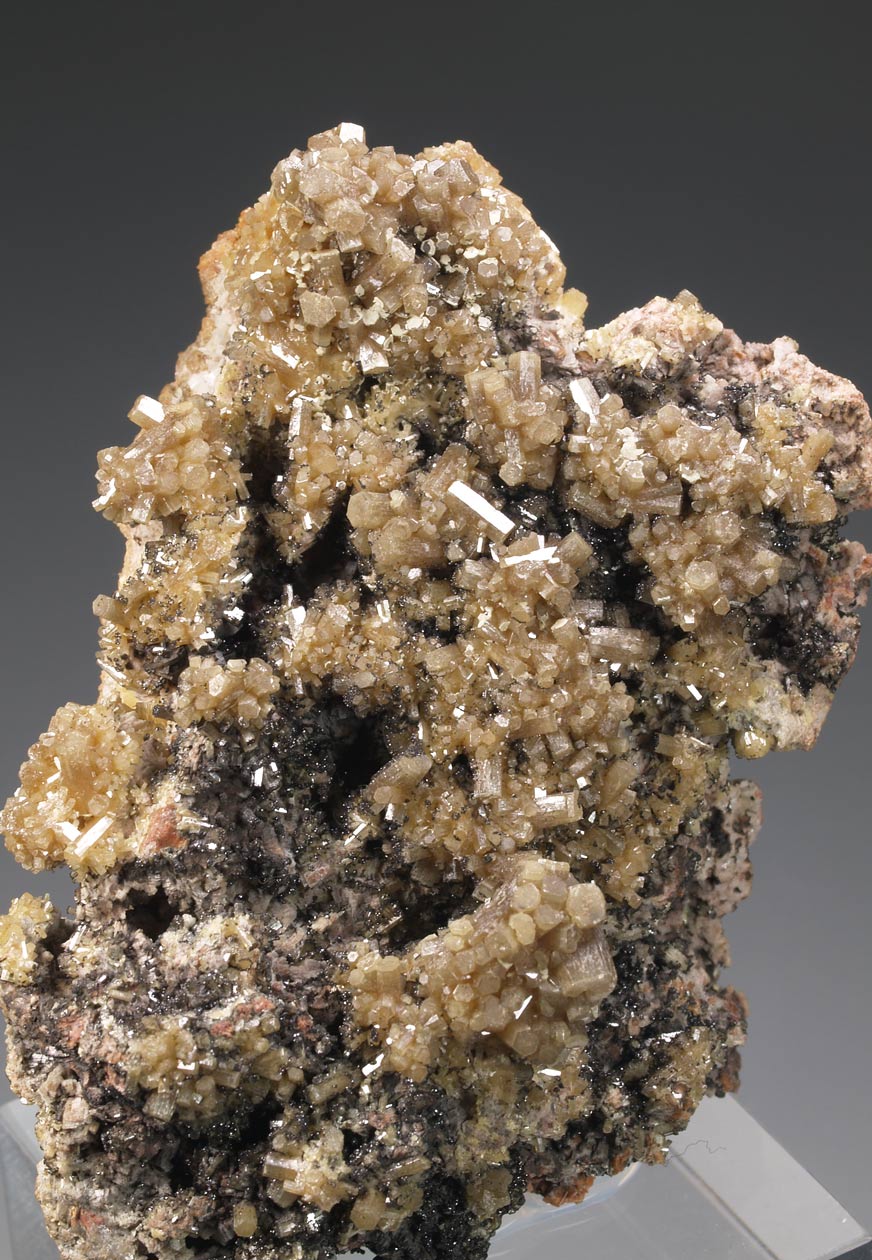
Very aesthetic specimen formed by several aggregates of vanadinite crystals, labeled as arsenical endlichite. Very well defined hexagonal prisms, beige in color, peppered with tiny but brilliant and well defined crystals of descloizite-mottramite, with dark honey tones. The descloizite-mottramite forms globules but also partially covers vanadinite crystals, especially on the pinacoidal faces and forming "half moons", a curiosity. These specimens from this Moroccan mine are not common.
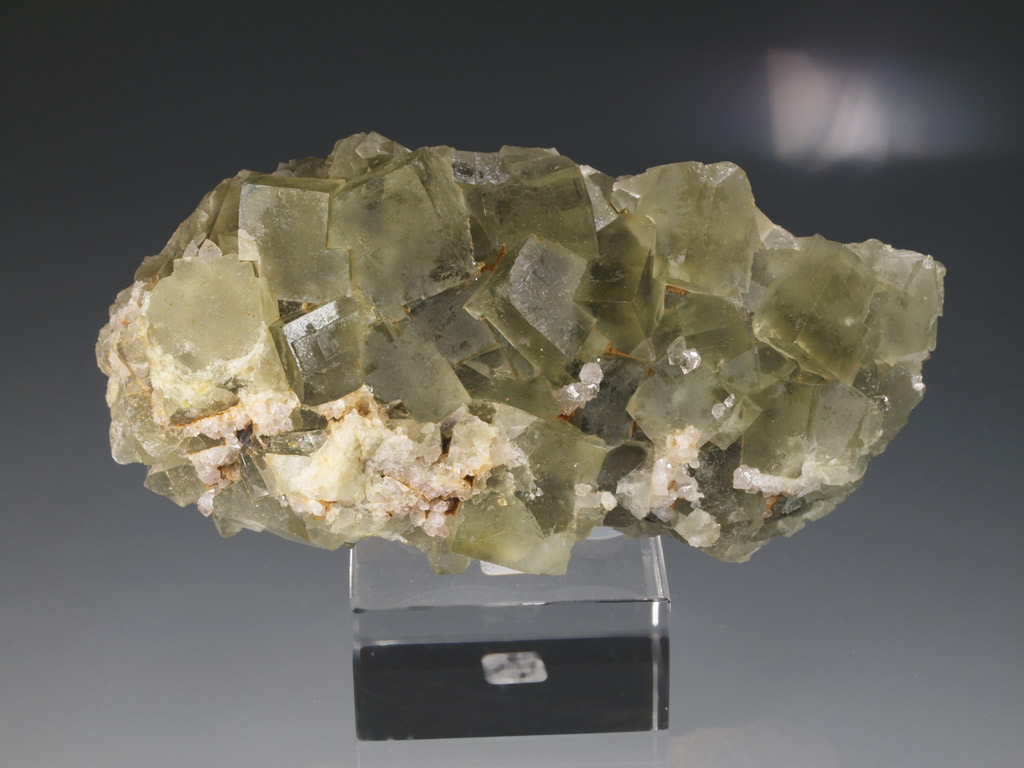


Group of very well defined fluorite crystals, between transparent and translucent, and with a yellowish-green color characteristic of this mine. Some have color zoning. They are accompanied by small crystals and hyaline quartz. These specimens that we offer were collected in the early 70s.
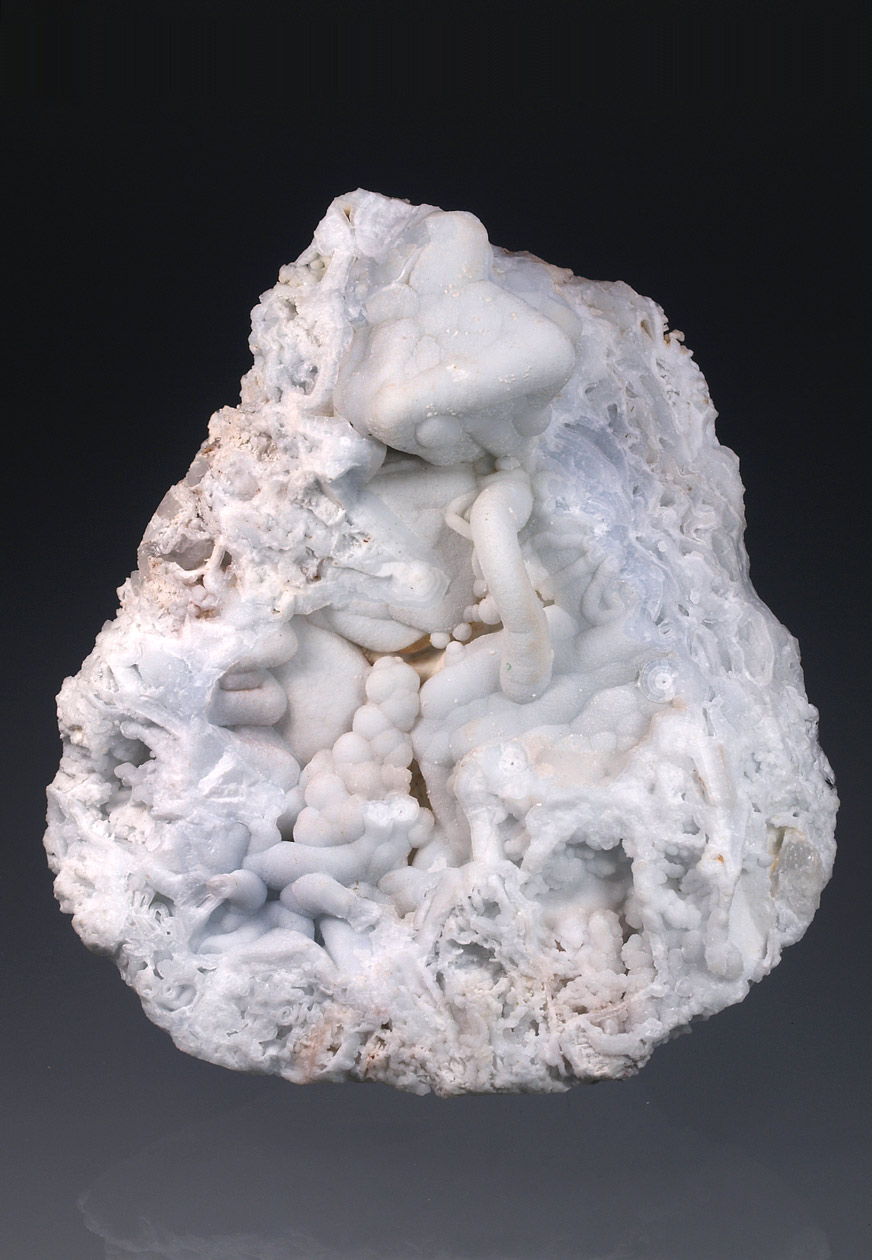


Very good size specimen of celestine from this classic Spanish locality. In this specimen we can observe various botryoidal to stalactitic forms, one of them in the form of a bridge-curl, and which cover old celestine crystals, as evidenced by the rounded prismatic shapes.
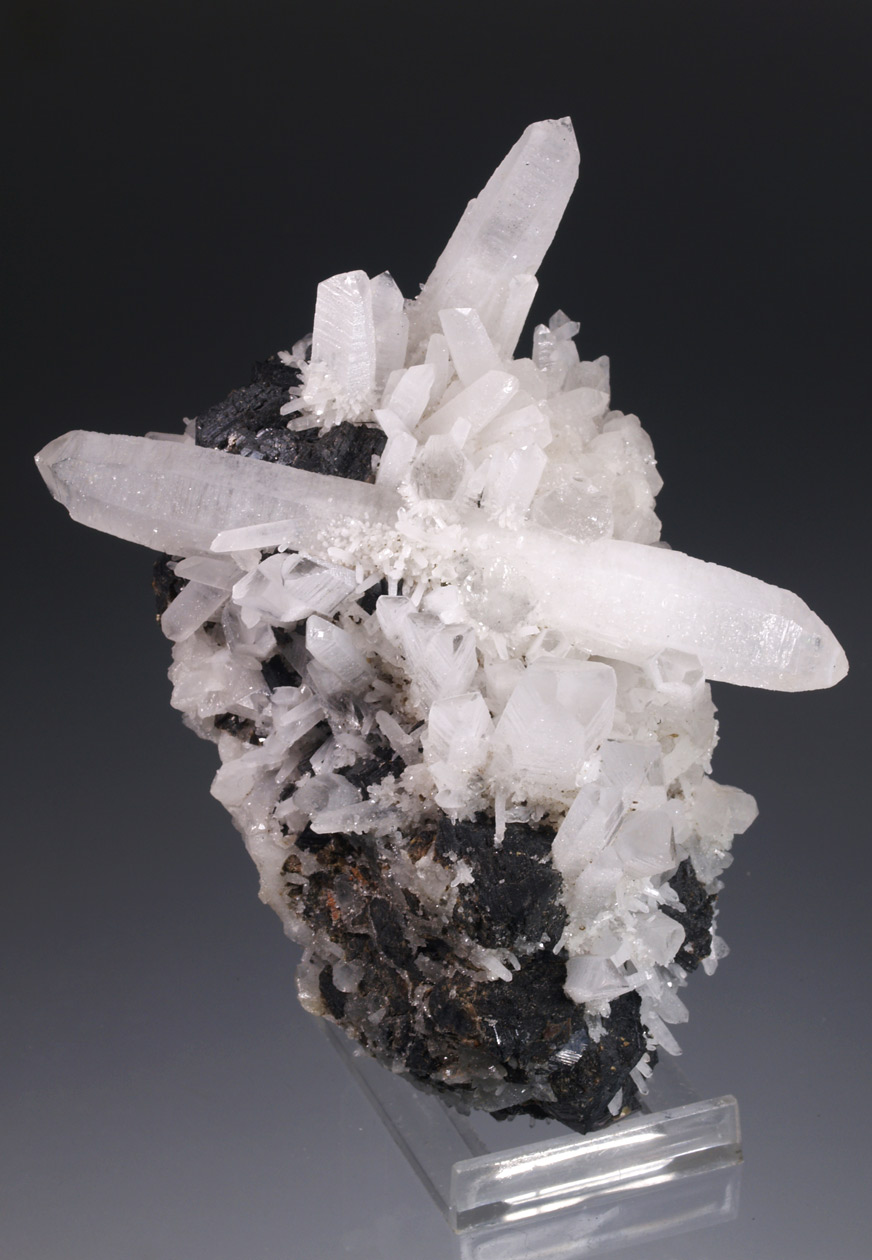
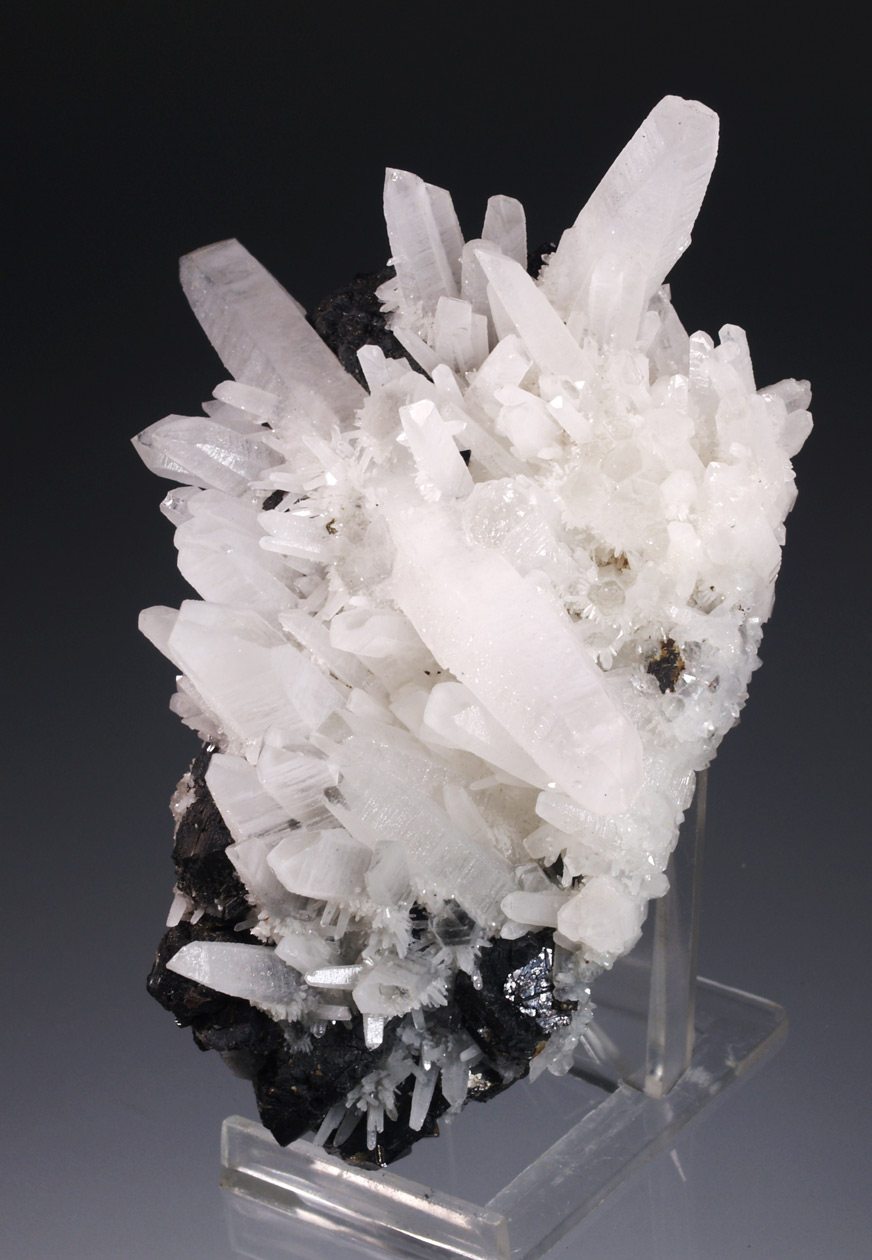
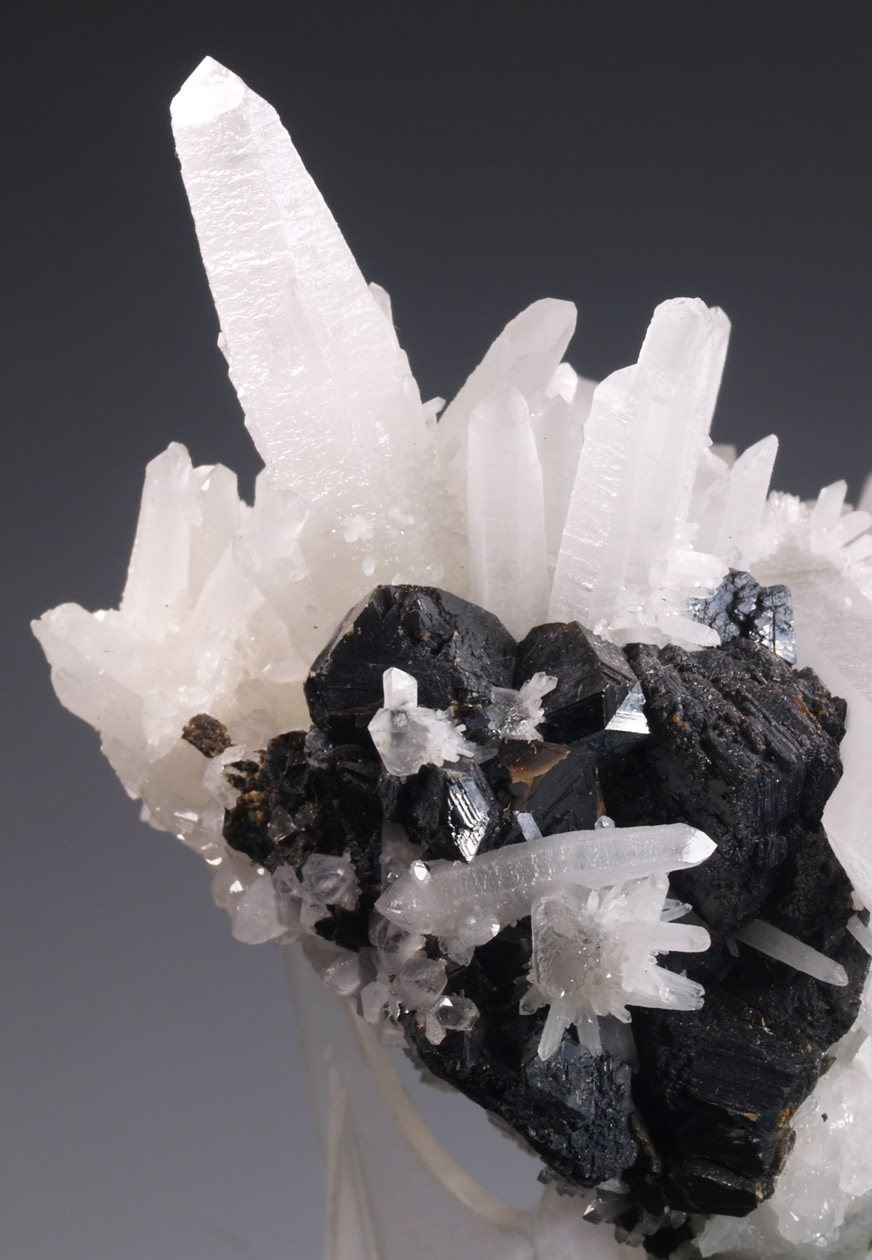
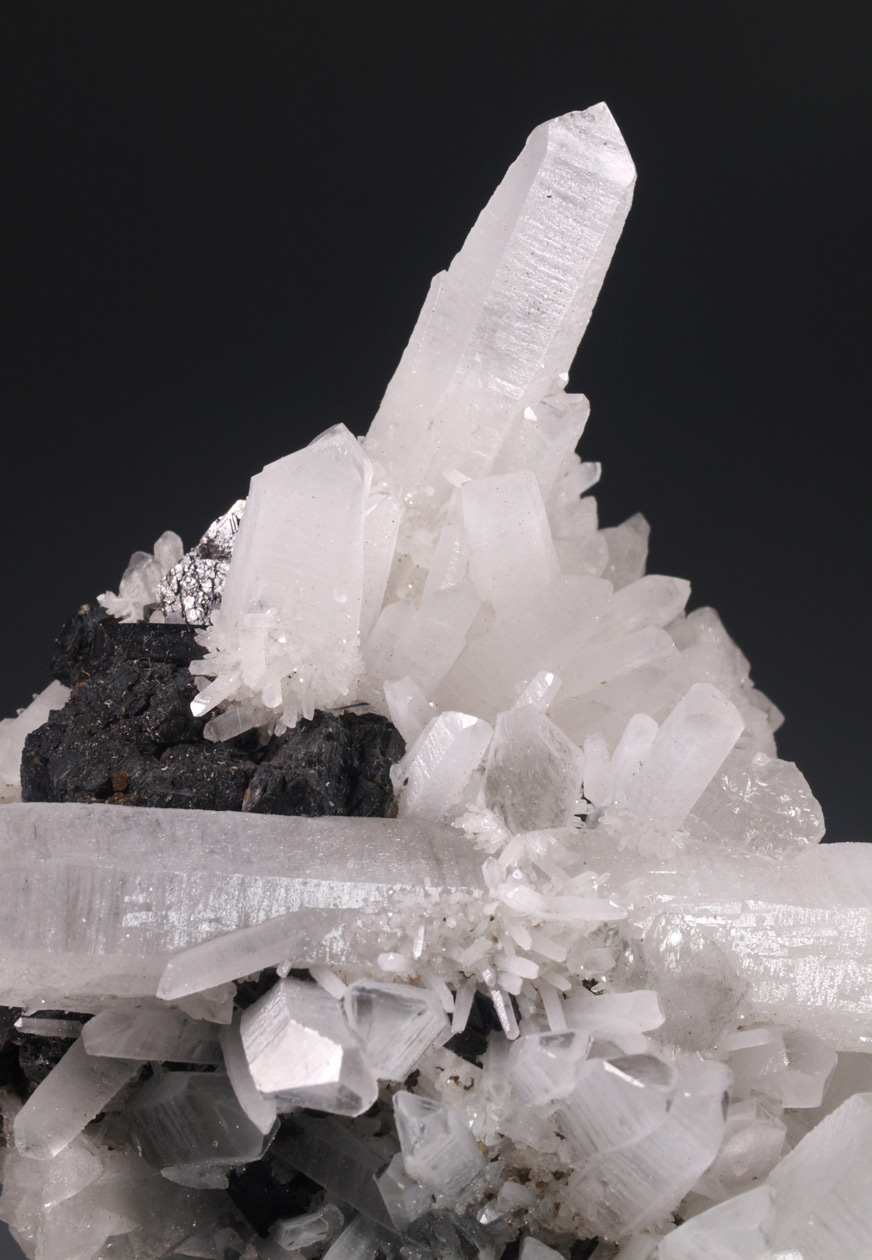
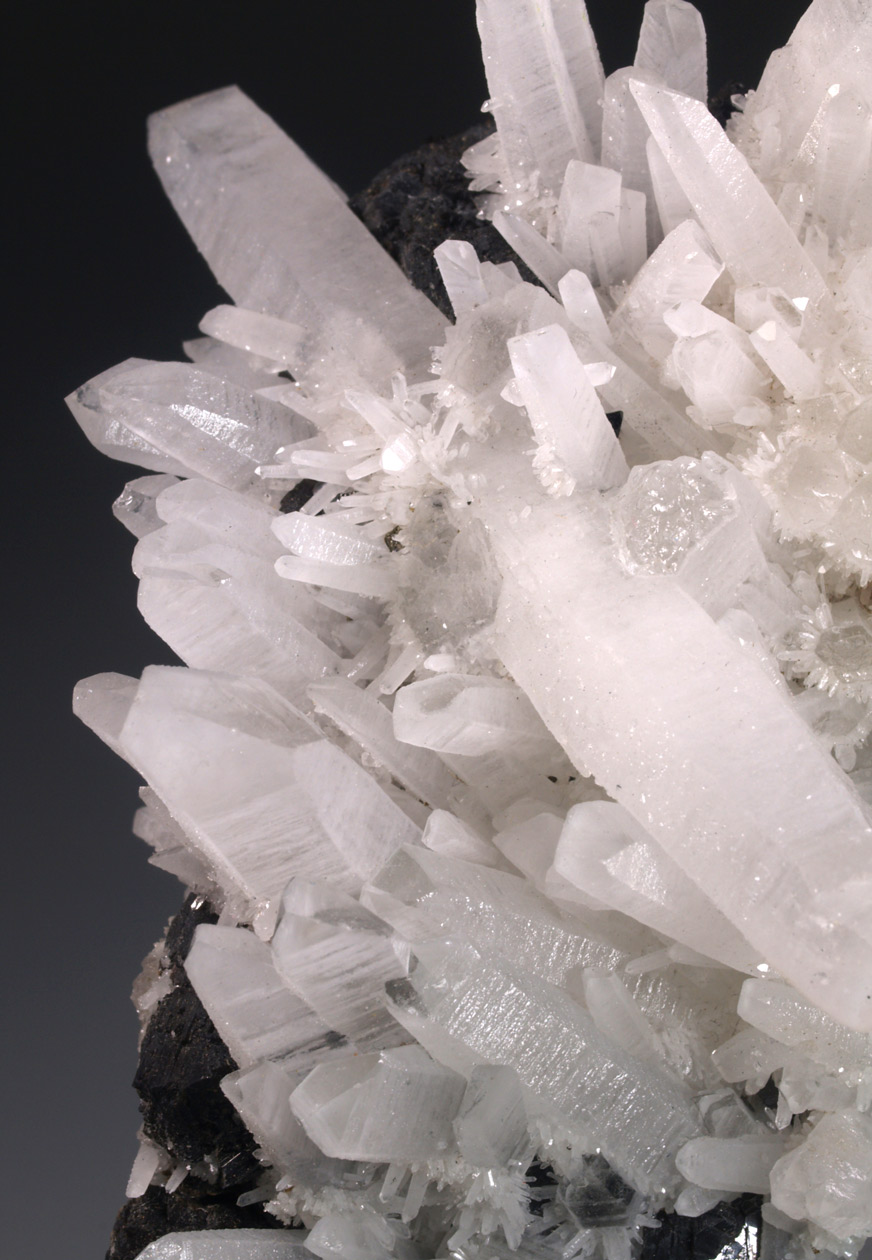
Rich group of quartz crystals, translucent to hyaline, and with the terminal faces of the rhombohedron different from the usual ones. Among them, a very good size doubly terminated crystal stands out, well defined and with the faces of the prism with striations perpendicular to the main axis. They are disposed on a matrix with quartz and sphalerite crystals.
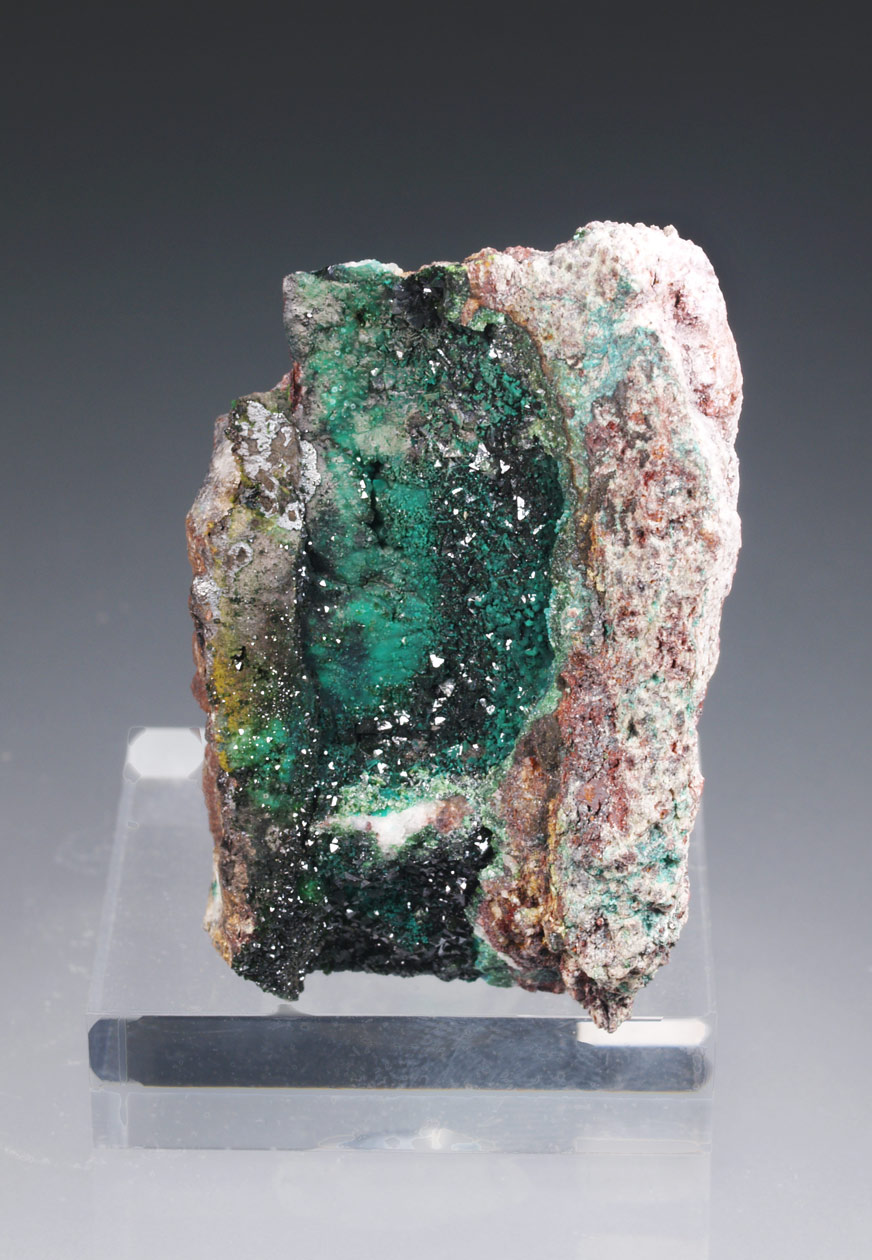
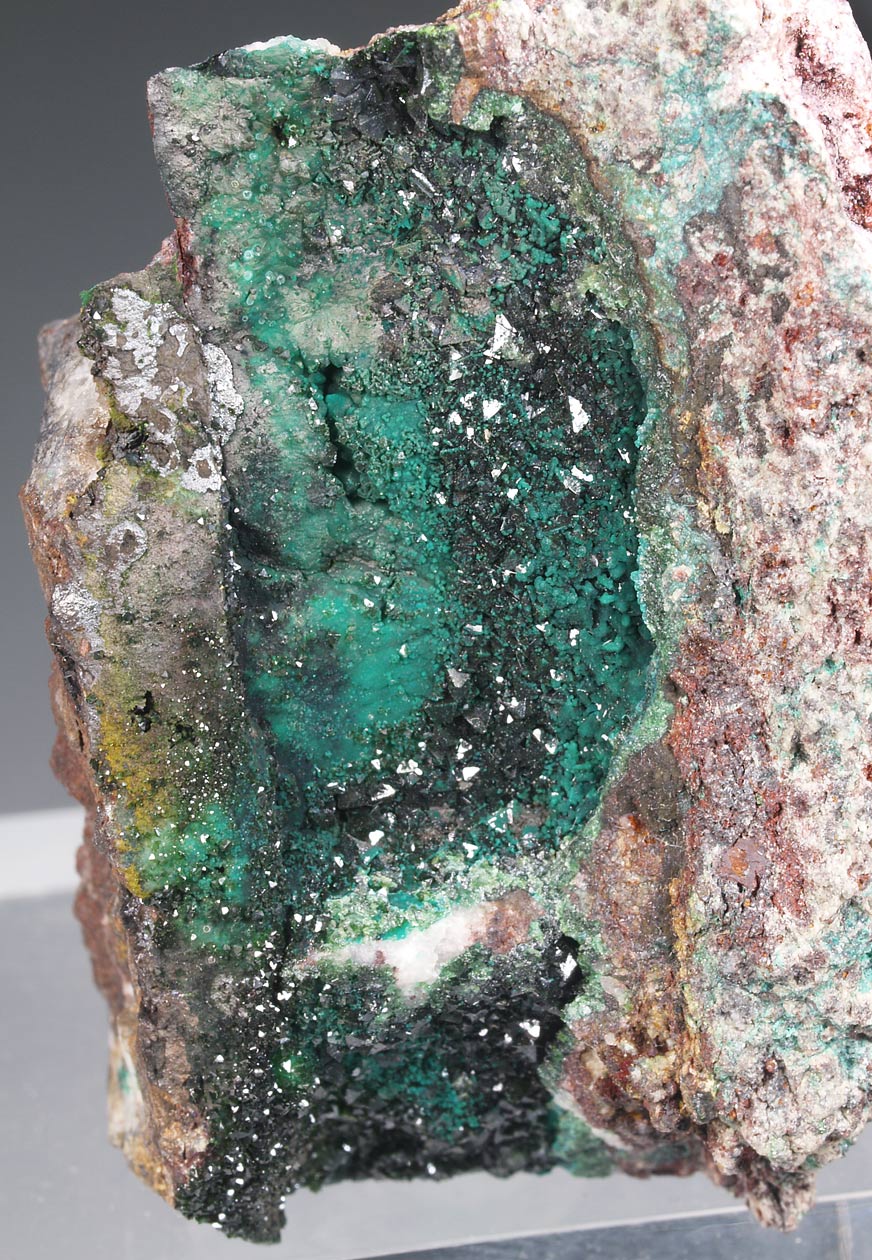
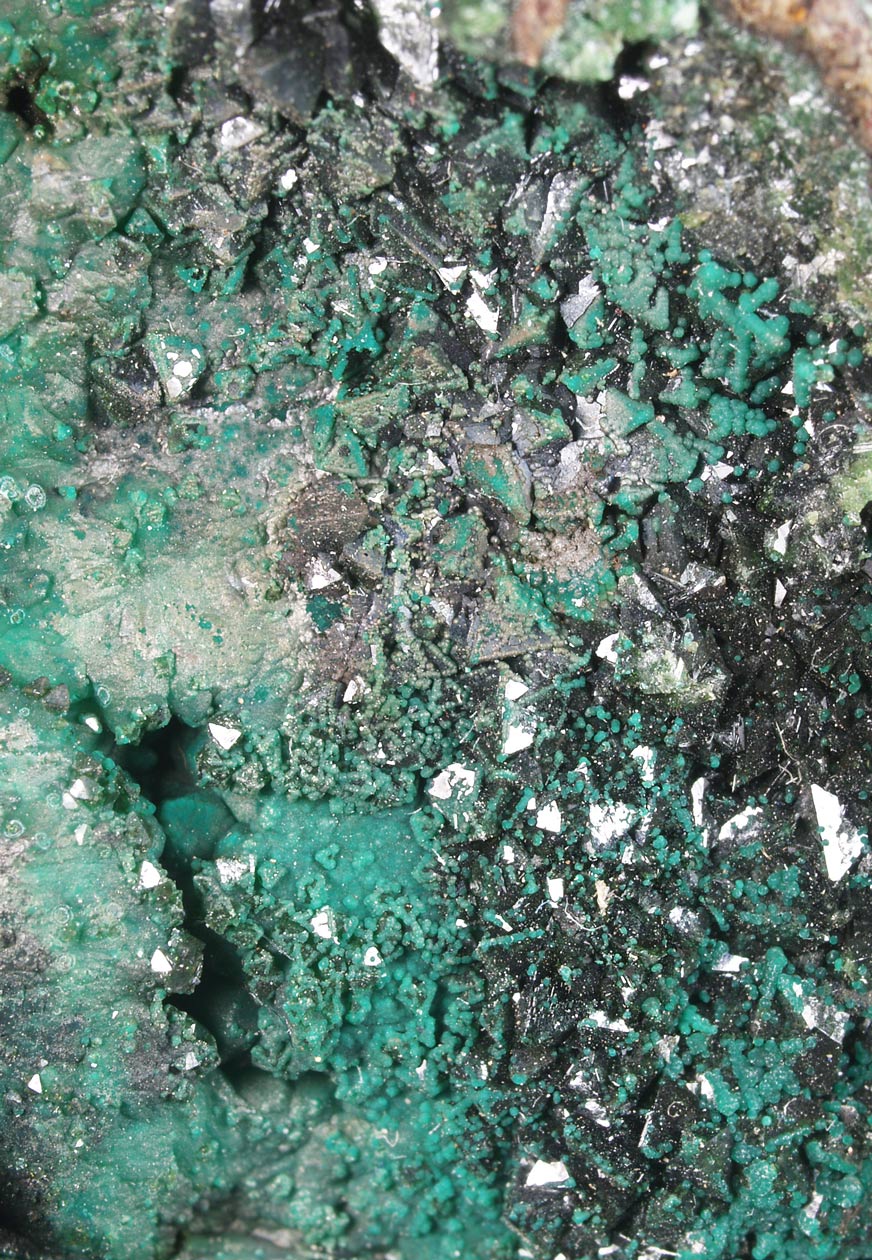
Specimen upholstered by numerous libethenite crystals, they are accompanied by pseudomalachite. Under magnification we observe pseudooctahedral forms, with brightness and an intense green color. From this classic Portuguese locality.
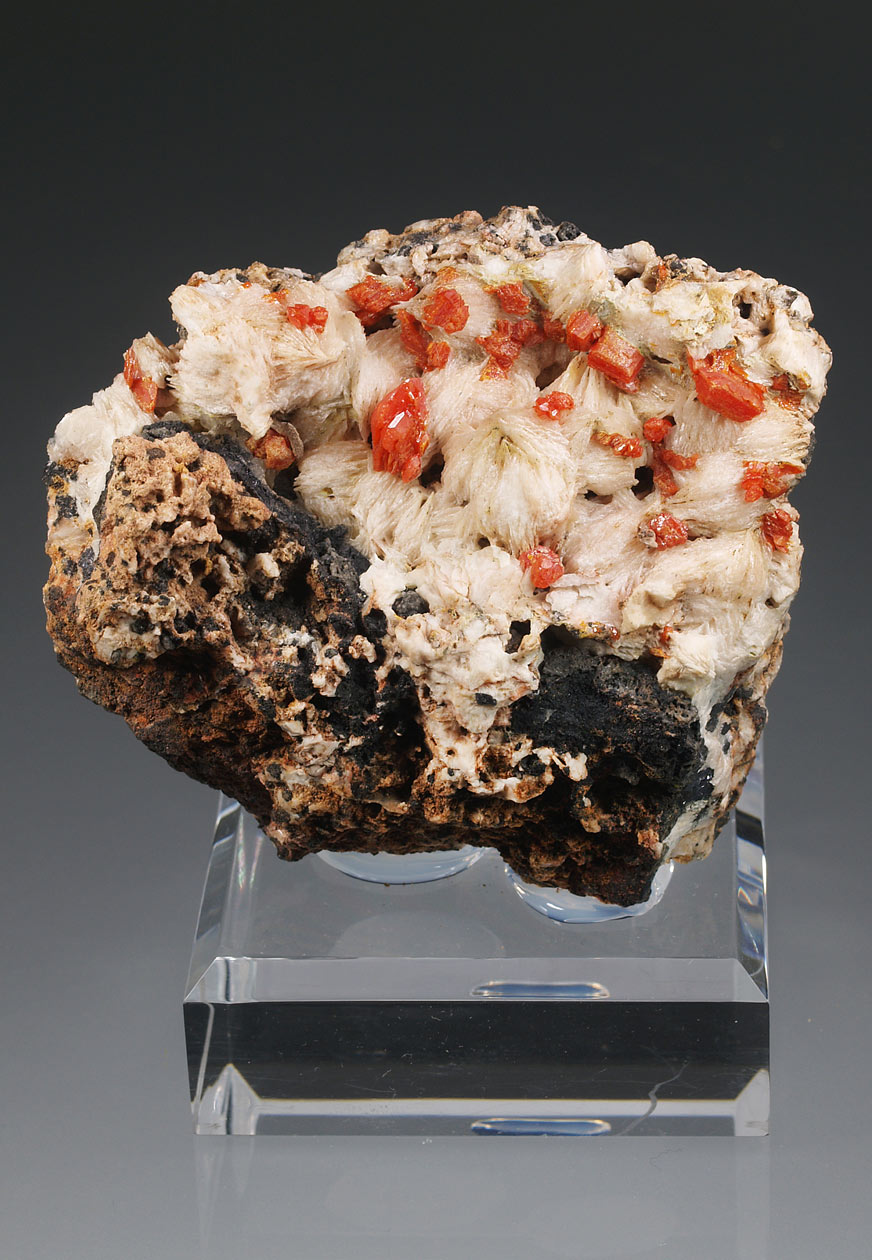


Wulfenite specimens like the one we present are very unusual for this locality and appeared many years ago. On a matrix with dolomite, galena and baryte there are numerous crystals of intense orange color, with dipyramid faces truncated by the pinacoids. Some appear as isolated crystals and mostly in parallel growth. This specimen is from the Peter Seroka collection and previously belonged to the Marcus Lueg collection.